


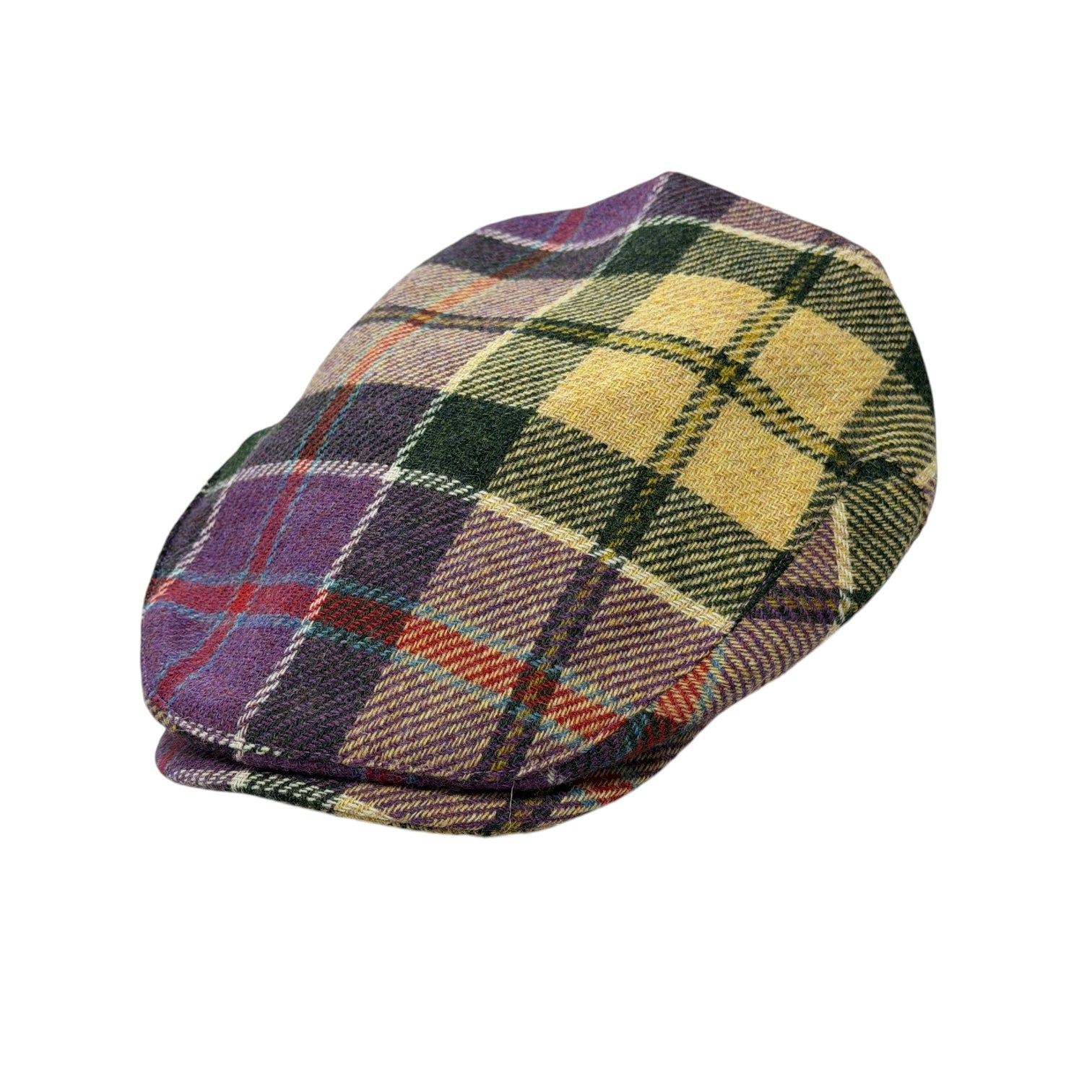
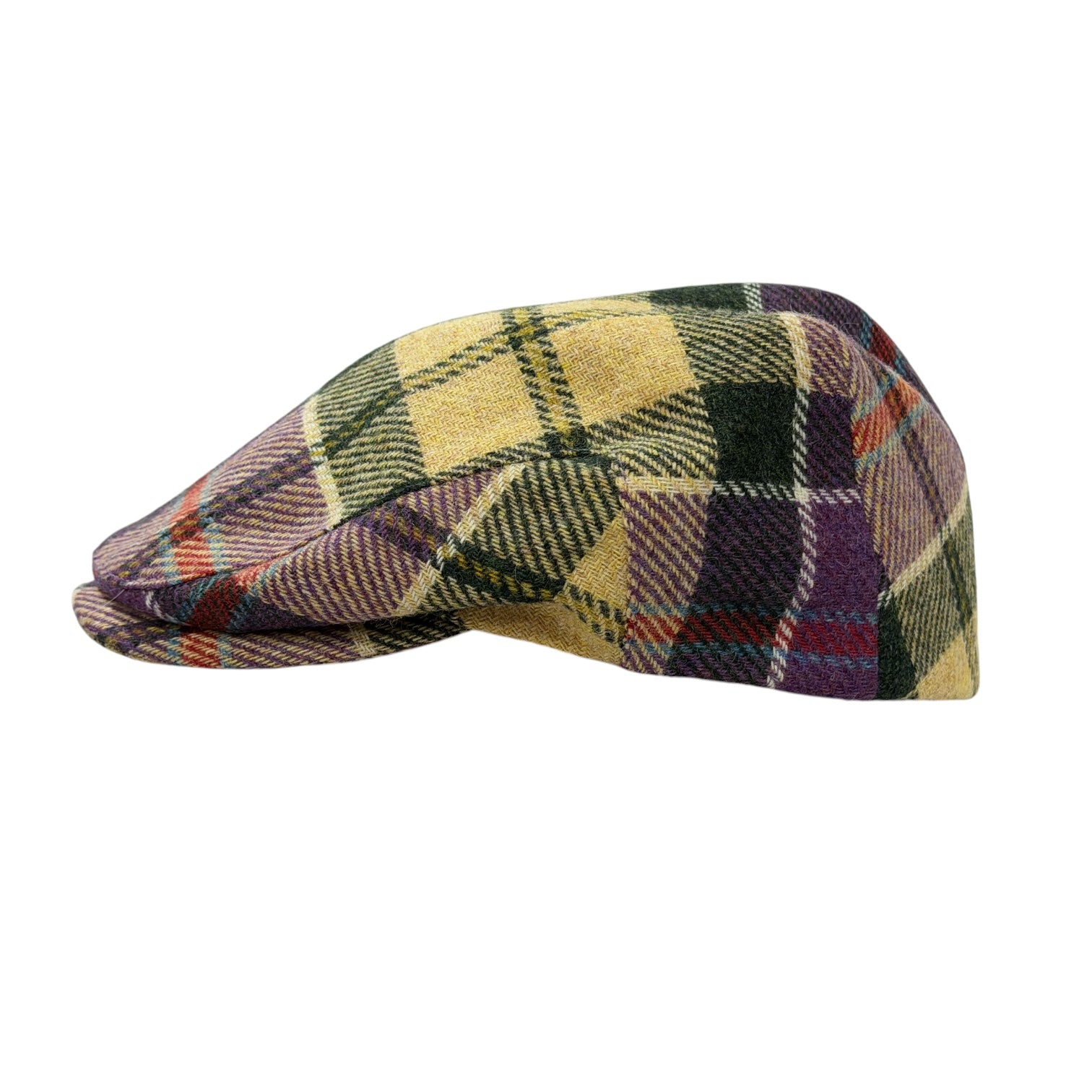
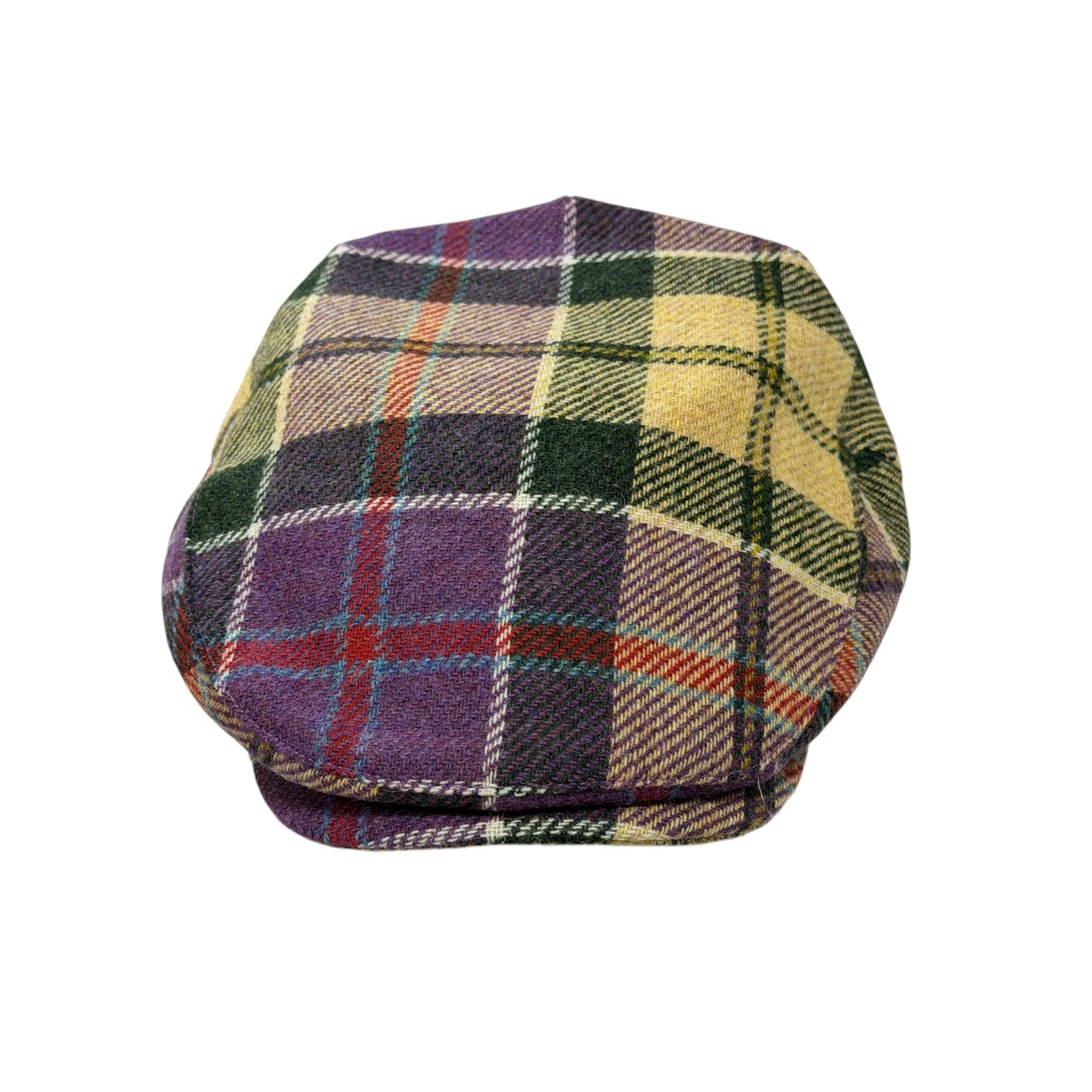
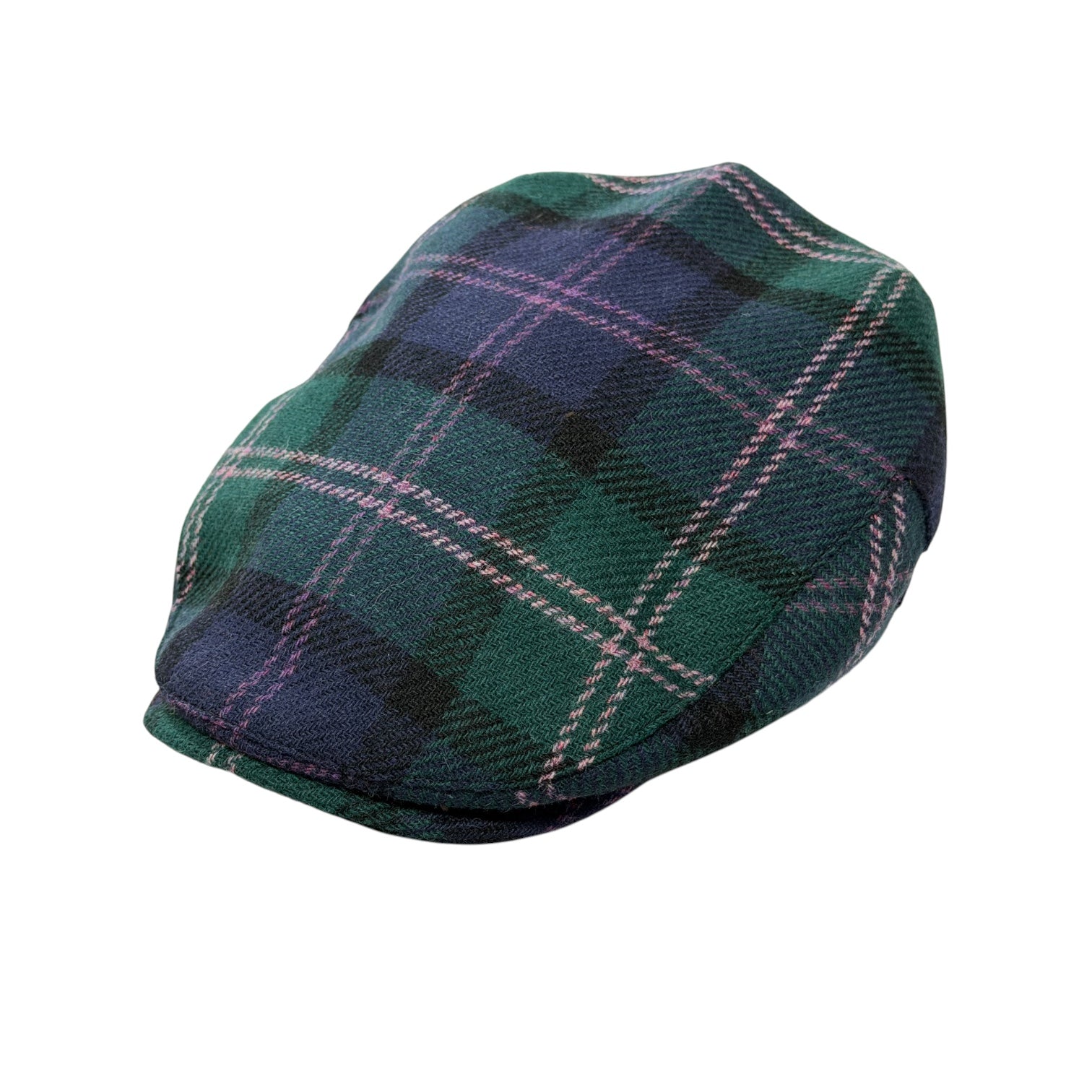
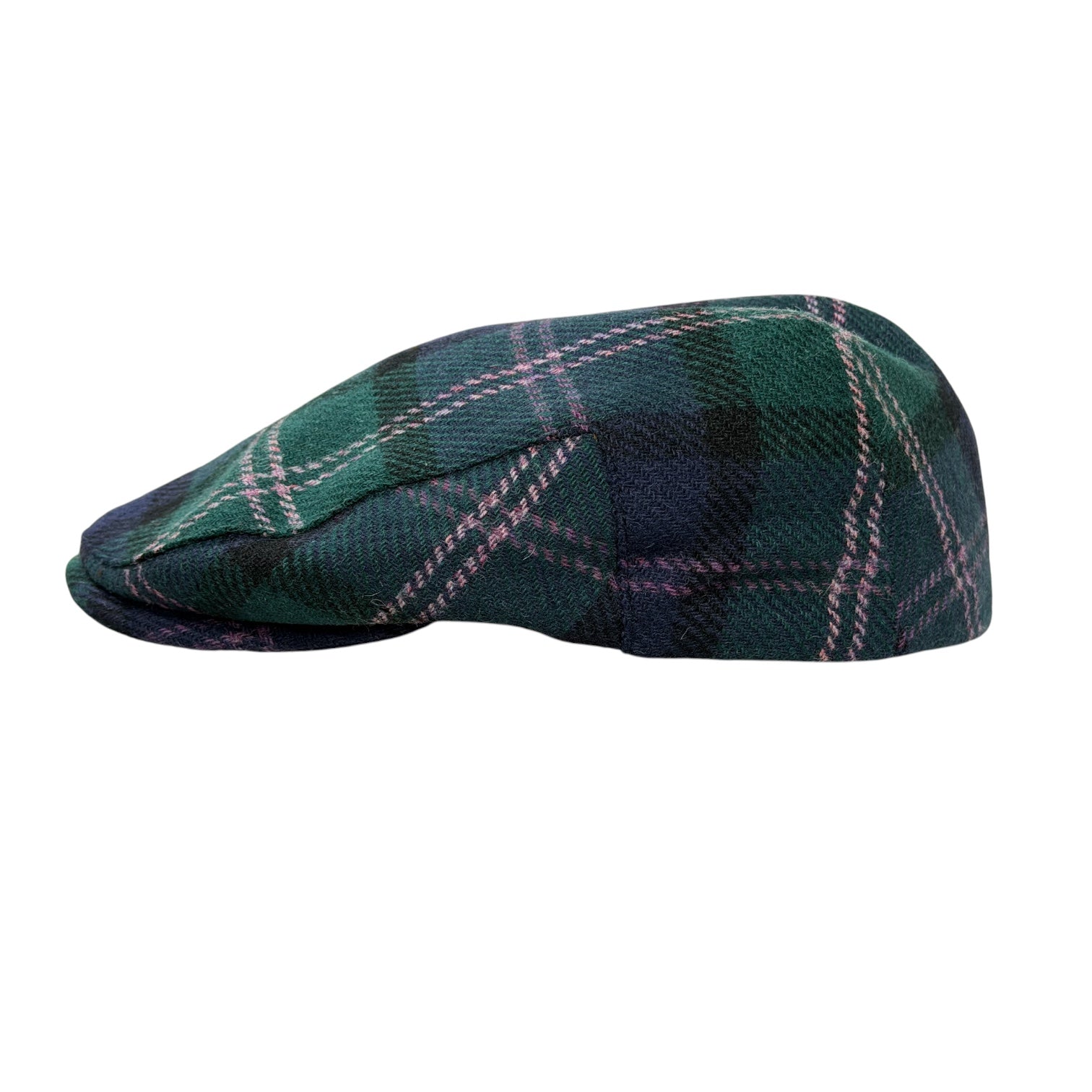
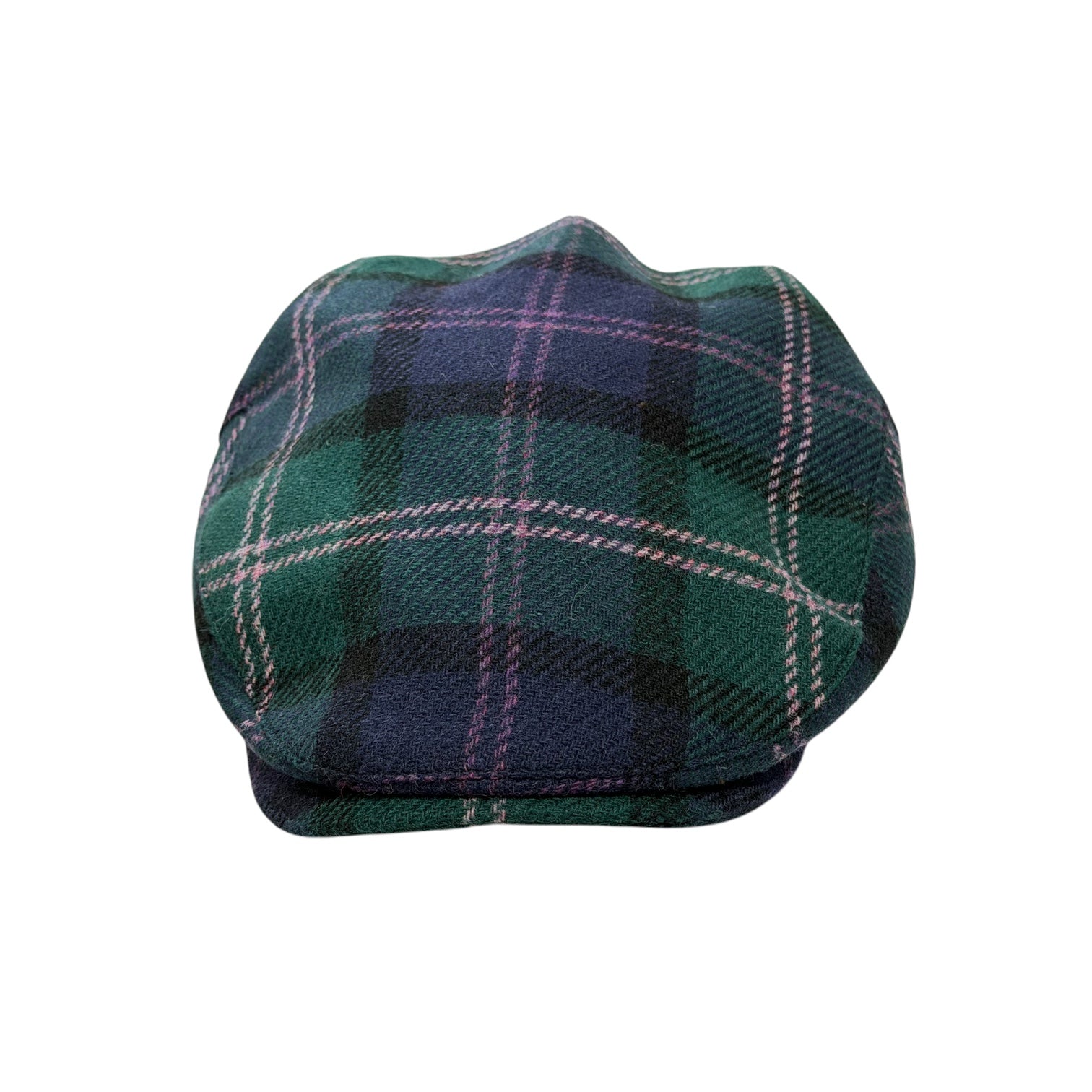
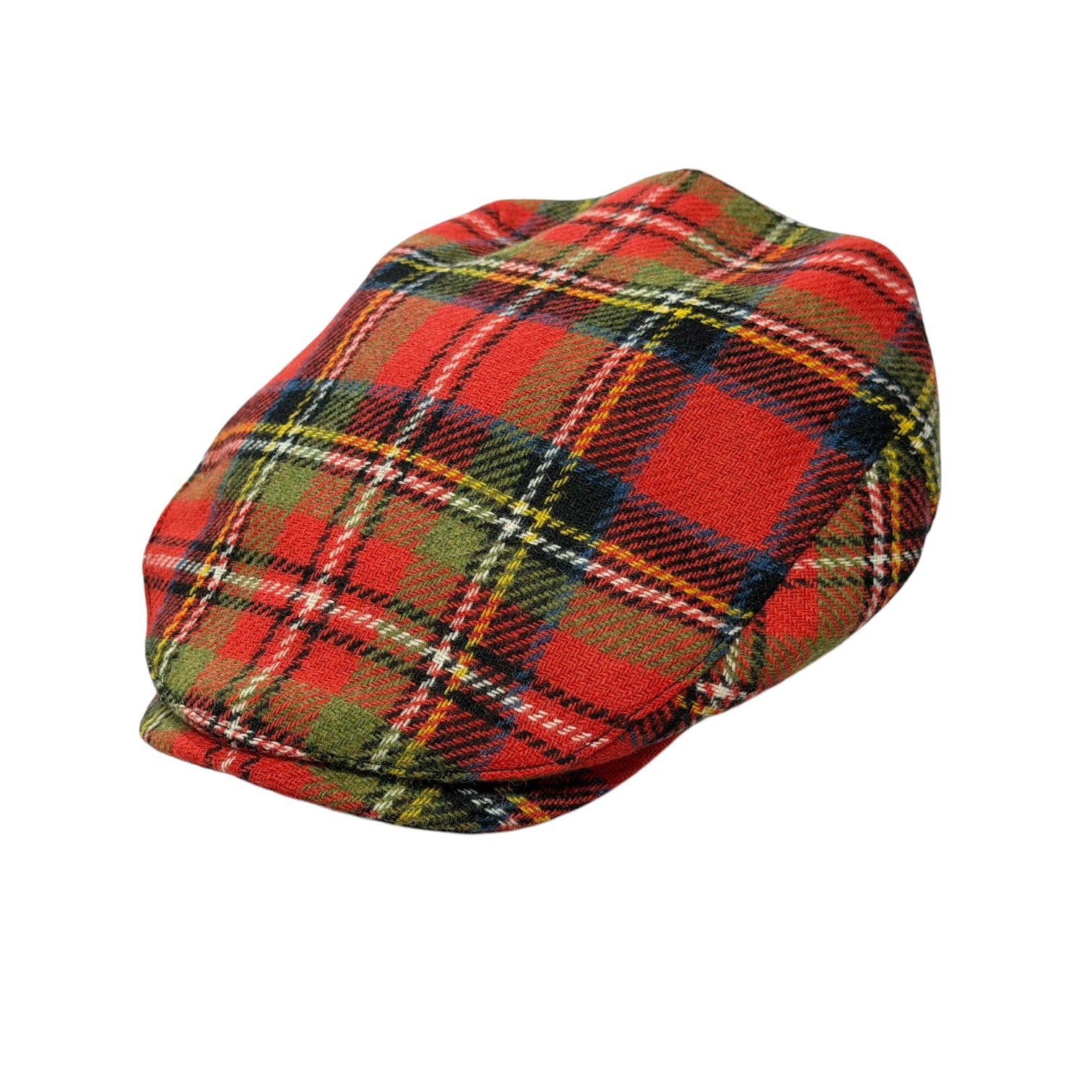
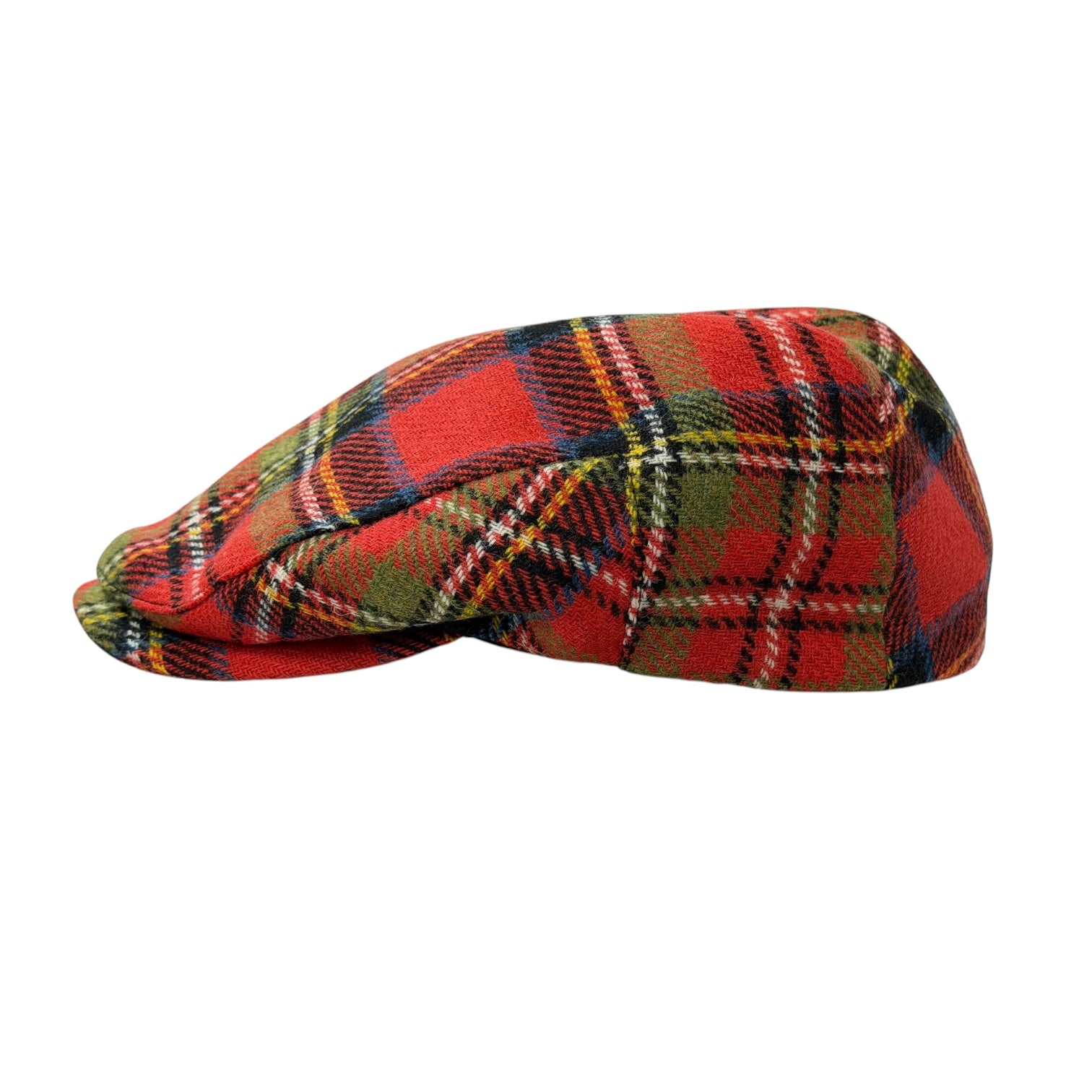
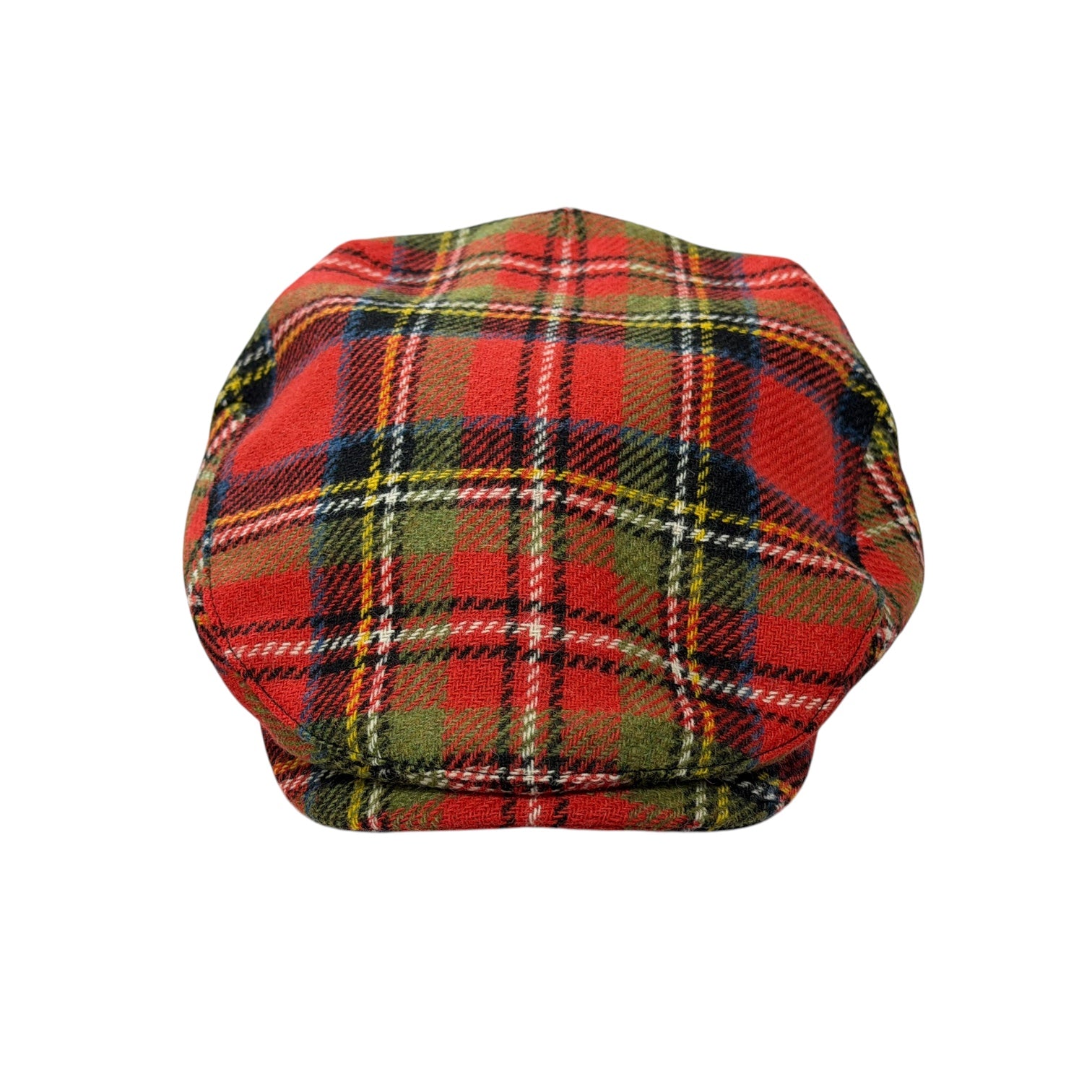
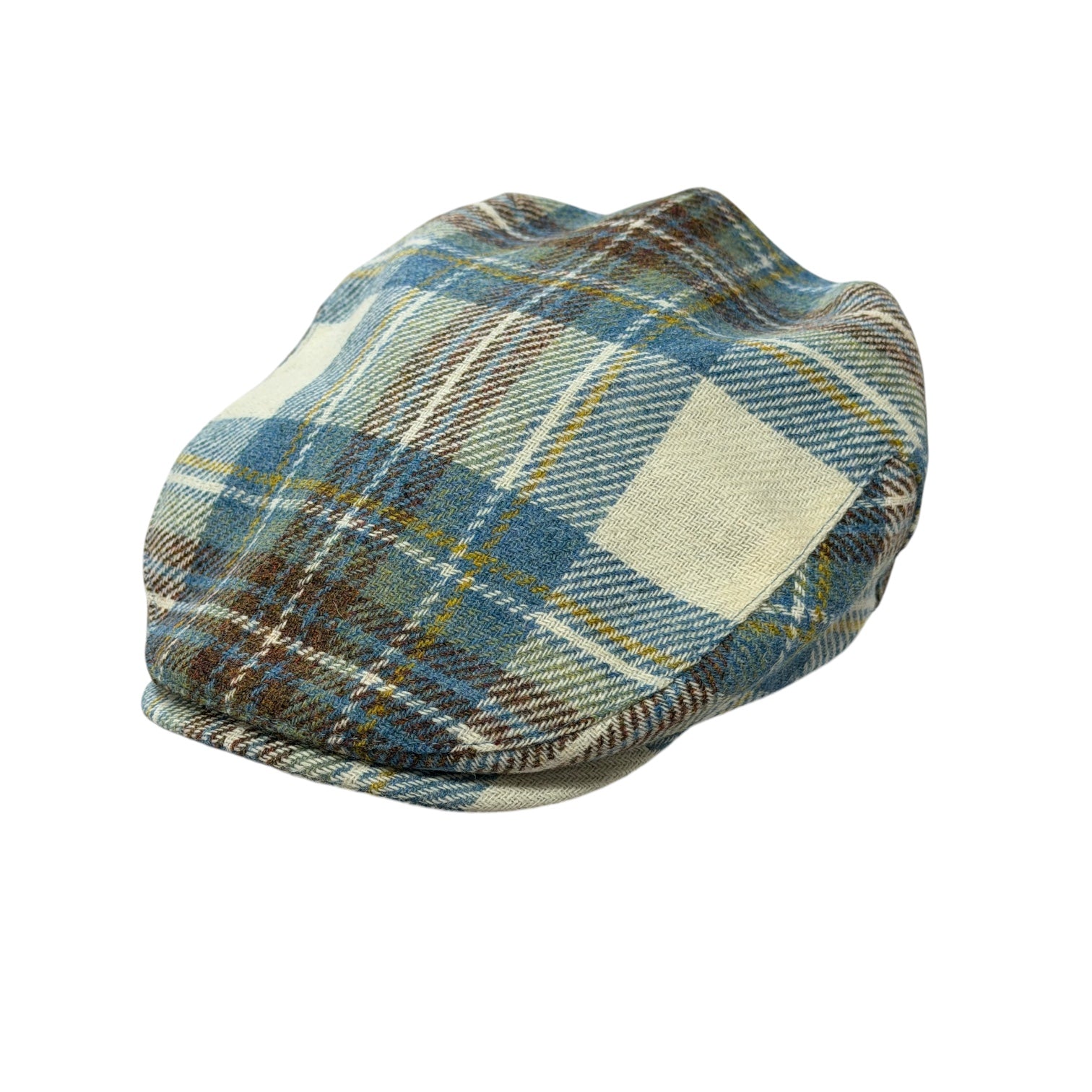
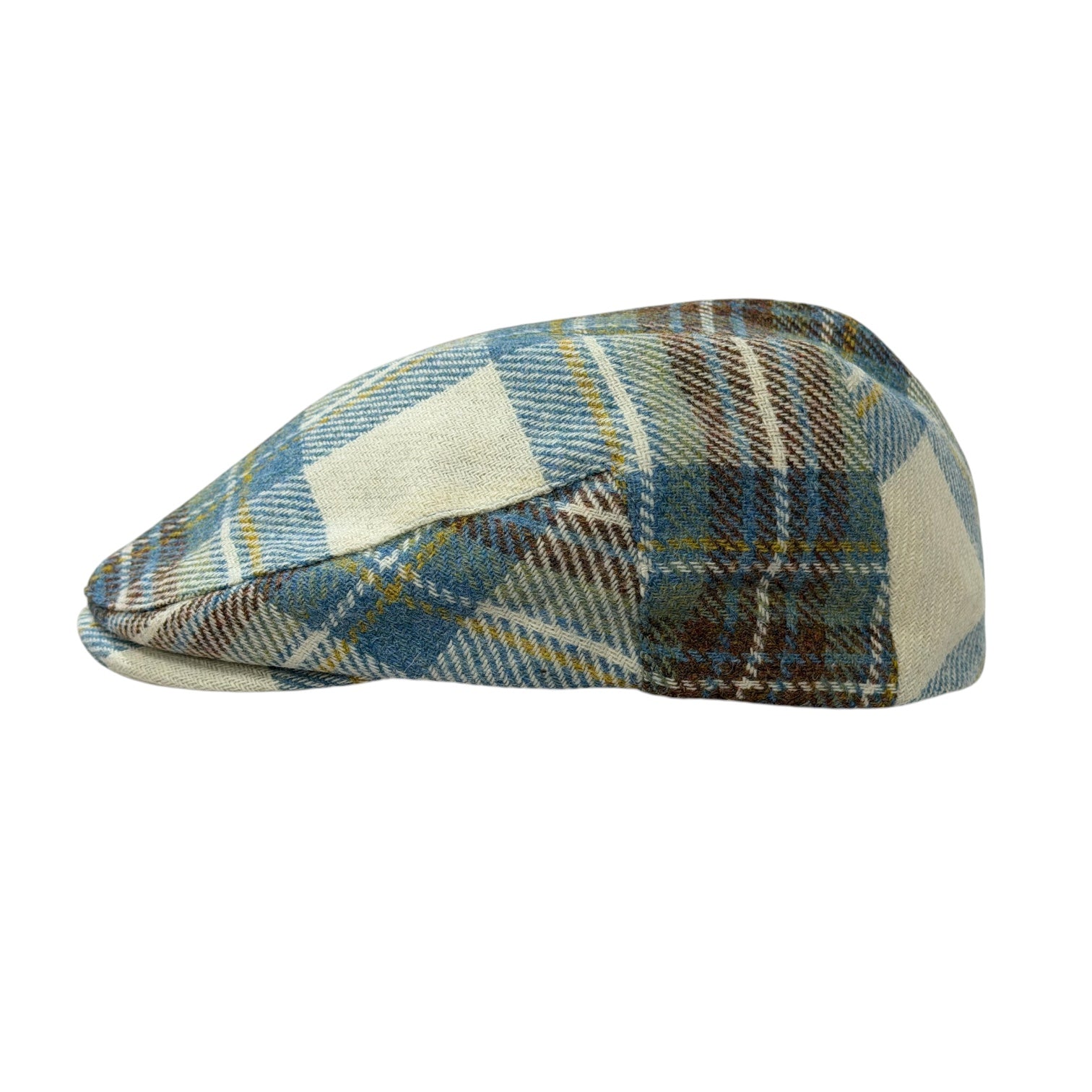
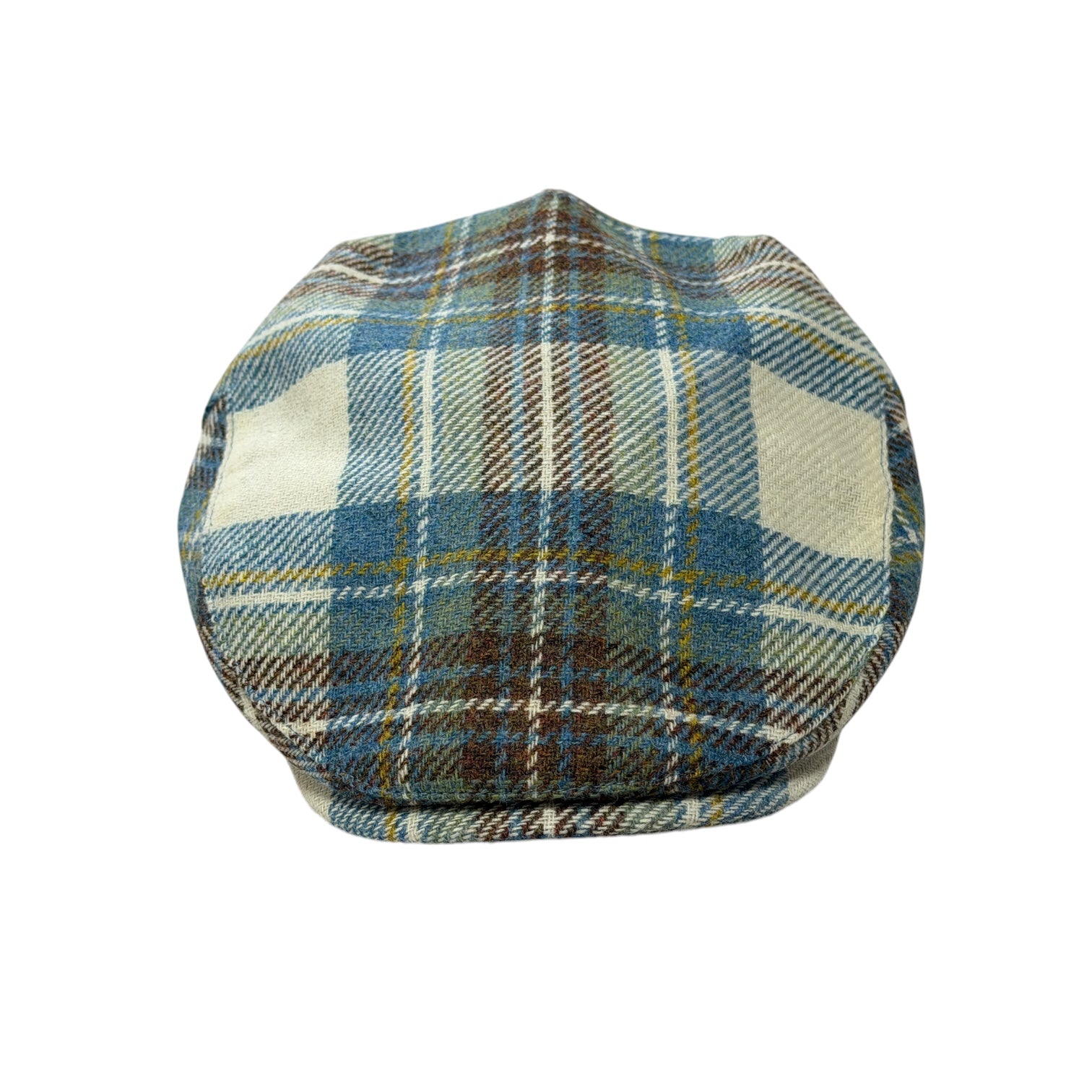

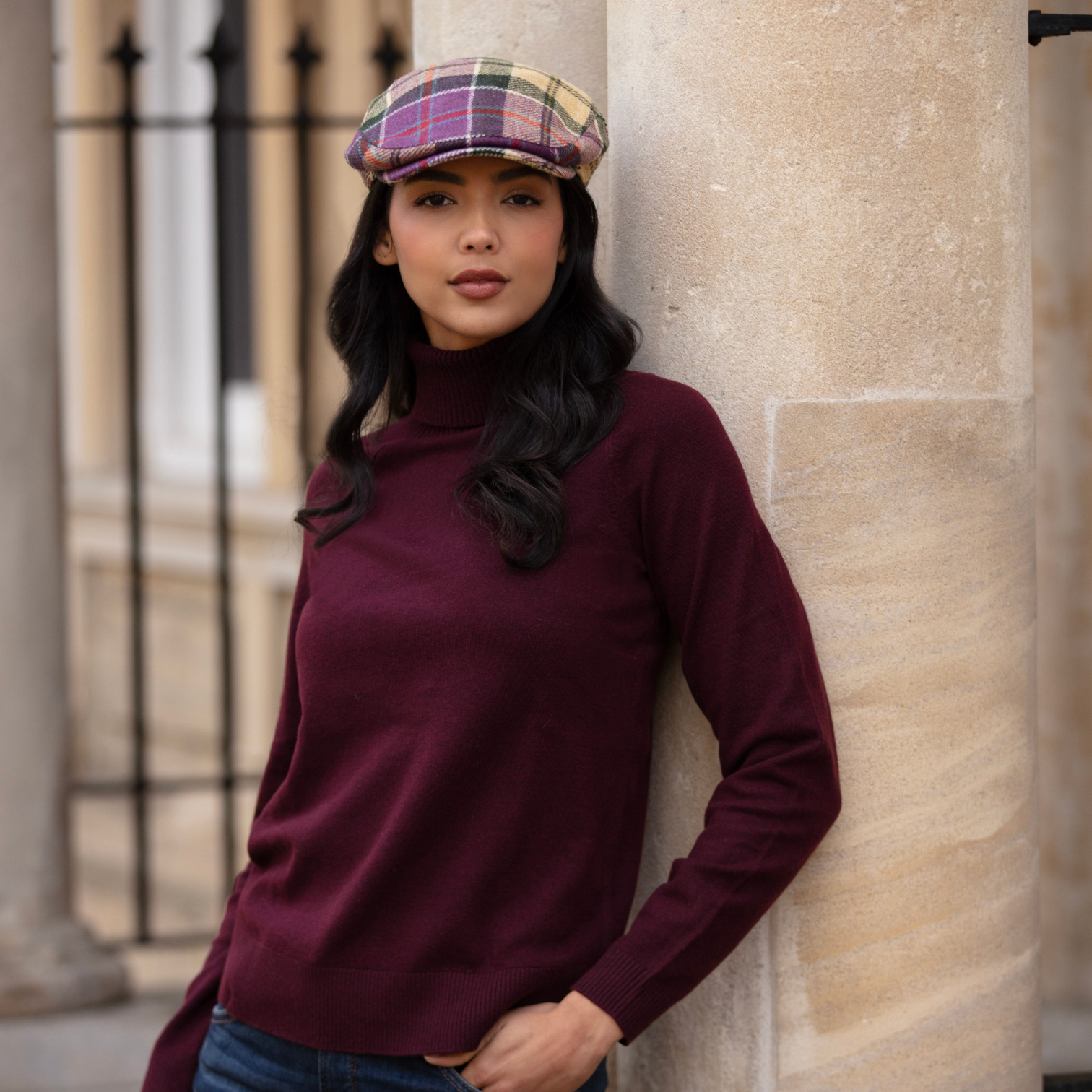


A timeless British classic, the Christys' Tartan Flat Cap brings together heritage country style and bold sartorial character. Crafted in an iconic red tartan check inspired by the famous Royal Stewart Tartan, this cap combines rich crimson tones with black, gold and green overchecks for a look that is both unmistakably traditional and effortlessly stylish.
Handcrafted in England, the cap offers a refined tailored profile with all the comfort and practicality expected of a true heritage flat cap. Equally suited to winter tailoring, country attire or relaxed contemporary styling, the Royal Stewart tartan remains one of the most celebrated and recognisable checks in British fashion history.
A striking statement piece with centuries of heritage behind it, perfect for those who appreciate authentic British craftsmanship and classic tartan style.
The classic Christys' Tartan Flatcap - one of the most recognisable tartans in the world.
The patterns are traditionally associated with the British royal family and is commonly used in fashion, caps, scarves, and heritage accessories because of its bold, instantly recognisable appearance.
The History of Tartan
Tartan cloth has been discovered in Scotland as far back as the 4th Century AD, and and in other countries to 3000BC, but only in Scotland is it culturally significant.
In the beginning, there was no such thing as ‘Clan Tartan’ as we might think of it today. It was simply a popular cloth, woven in local hamlets, and may have taken a local significance, but not as in the later 18th Century.
Truly, Tartan took on great significance at the battle of Culloden in 1746, after which the British government, in the Act of Proscription, banned Highlanders from wearing it to try to break up the warring Scots clans and Tartan’s association with Scottish culture.
Names seemed to be given to Tartans a little later, but we only know this thanks to William Wilson & Sons weavers of Tartan. In 1819 he released a pattern book with some 250 patterned tartans, 100 of which were named for different clans and towns, and had been catalogued from all over Scotland. Even here though, the names were more to identify different patterns than to define certain clans or regions.
The association with Clans, really came about more in the 19th century, when there was a strong movement to preserve Scottish culture, particularly by those who had moved away, and it is only then that Tartans began to define and represent different Clans and regions and particularly a strong military association (think Black Watch Tartan).
Whatever its’ genesis, we love it. As a cloth it is strong, hard wearing and very durable; the patterns are both intricate and beautiful. Their application is equally varied, from kilts and shawls, dress tartans, military and everyday work. The Tartan bonnet ( and Tam o’shanter) is made from stitched pieces of cloth, and forms a beret like cap.
These are the from a weaver dating back to 1863.

Hat Sizing Chart
Having followed our hat measurement guide you are all set to compare your measurement with the hat sizing chart below to work out what size hat you need. Or if you know your hat size in American hats, or in European measurements, find your British size here. Hat sizing is the key to a perfect fit and being able to wear the hat you love with confidence. Click here to find out more.
