



Blog
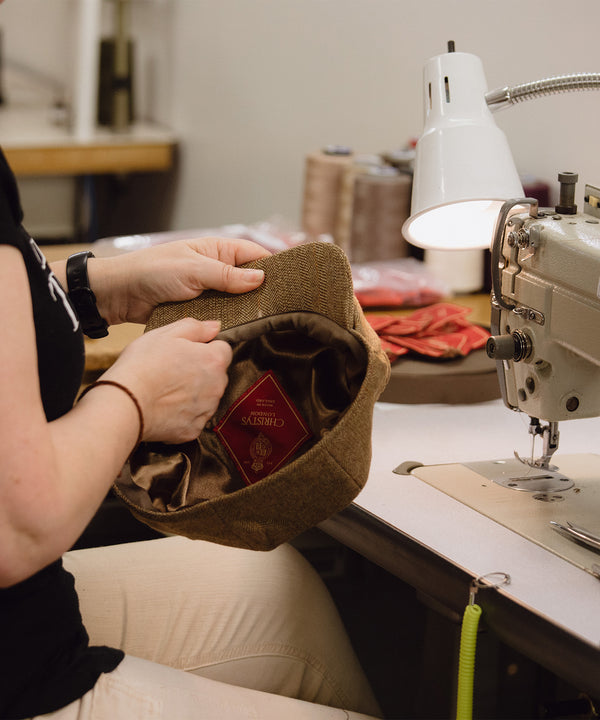
How to Assess Cap Fabric Weight for Comfort, Warmth, and Breathability
A cap that looks correct can still leave you overheated on a damp walk or shivering when the wind rises...

10 Steps to Preserve Heritage Hats and Prevent Mould and Moth Damage
Heritage hats, from beaver-felt toppers to silk evening styles, carry family stories yet remain vulnerable to mould, moths, and loss...

5 Principles for Balancing Fibre, Yarn Structure, and Weave to Optimise Breathability, Drape, and Longevity
Choosing fabrics often feels like a series of compromises: breathability, drape, and longevity seldom coincide. Small choices of fibre, yarn...

Inside the Cap: Subtle Details That Preserve Its Shape
It may appear that a cap's silhouette is defined by its outer fabric, yet much of what determines its form...

10 tests that reveal how seams, interlinings, and linings sustain a hat's shape
A well-cut jacket will either collapse around the shoulders or hold its shape for years, and the deciding factor is...
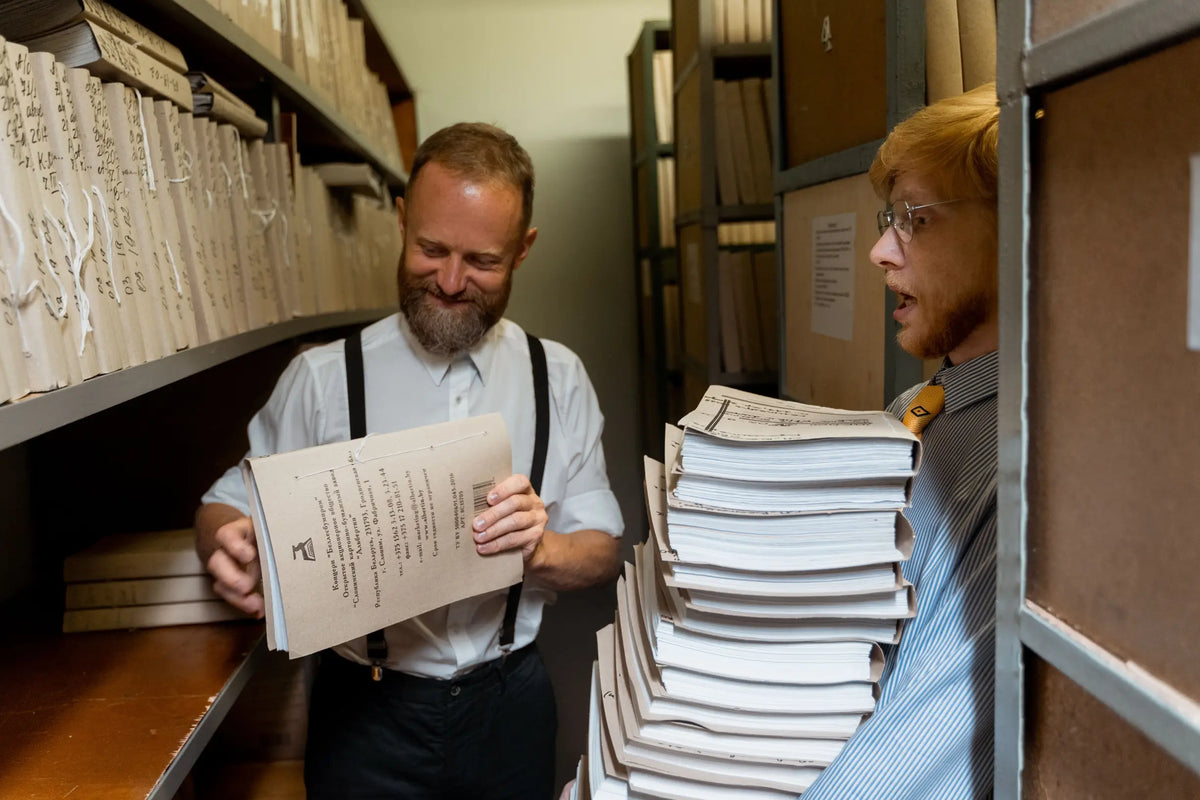
10 Checks to Confirm a Cap's Period Accuracy, Character, and Continuity
A single misplaced cap can undermine hours of careful costume work and draw the audience out of the period. How...

How Choices Shape a Flat Cap into a Character's Signature
What makes a plain flat cap an unmistakable signature of a person, an era, or a place? Often it is...
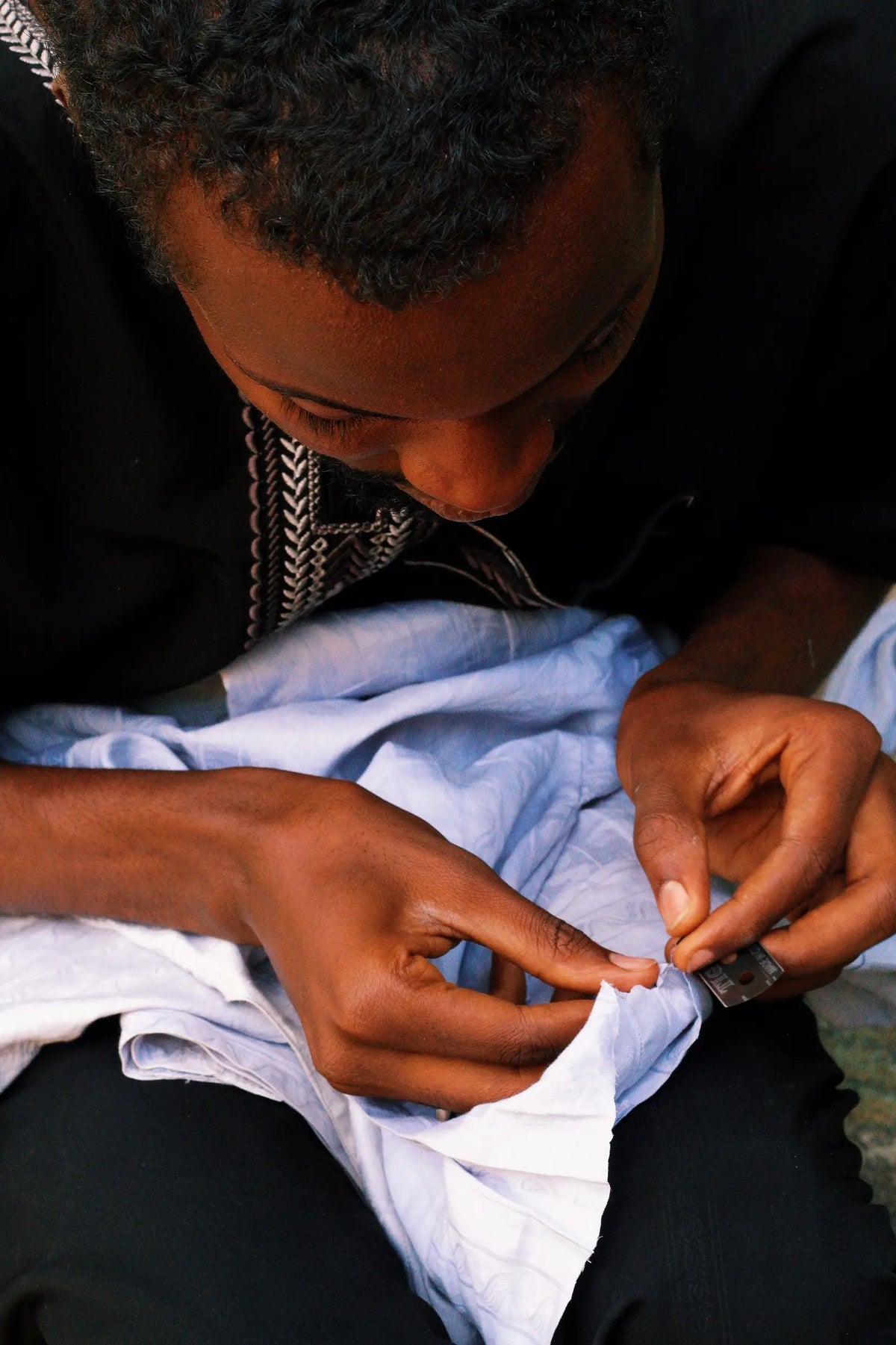
Five care steps to extend the life of hat seams and sweatbands
A frayed sweatband or popped seam can make a well-made hat or jacket look tired long before its fabric warrants...
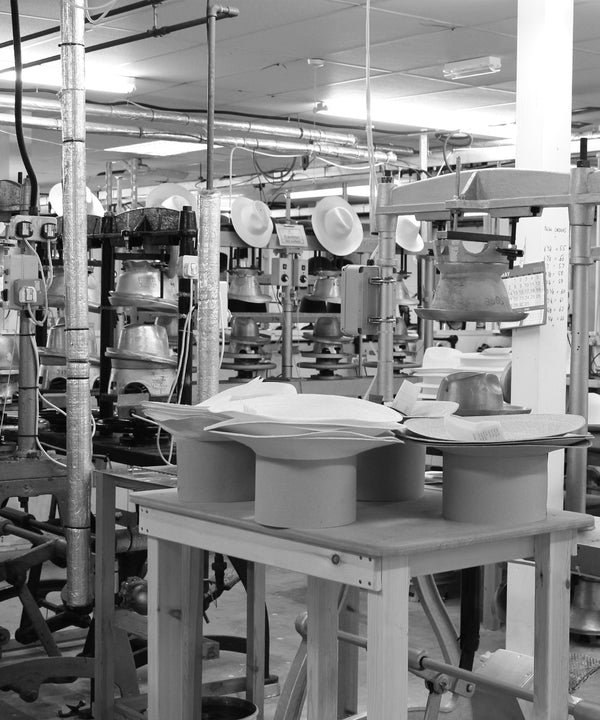
Five signs a hat has been hand-finished and blocked
Reading a hat's interior, including the lining, sweatband, and crown, often reveals whether it was shaped by hand or produced...