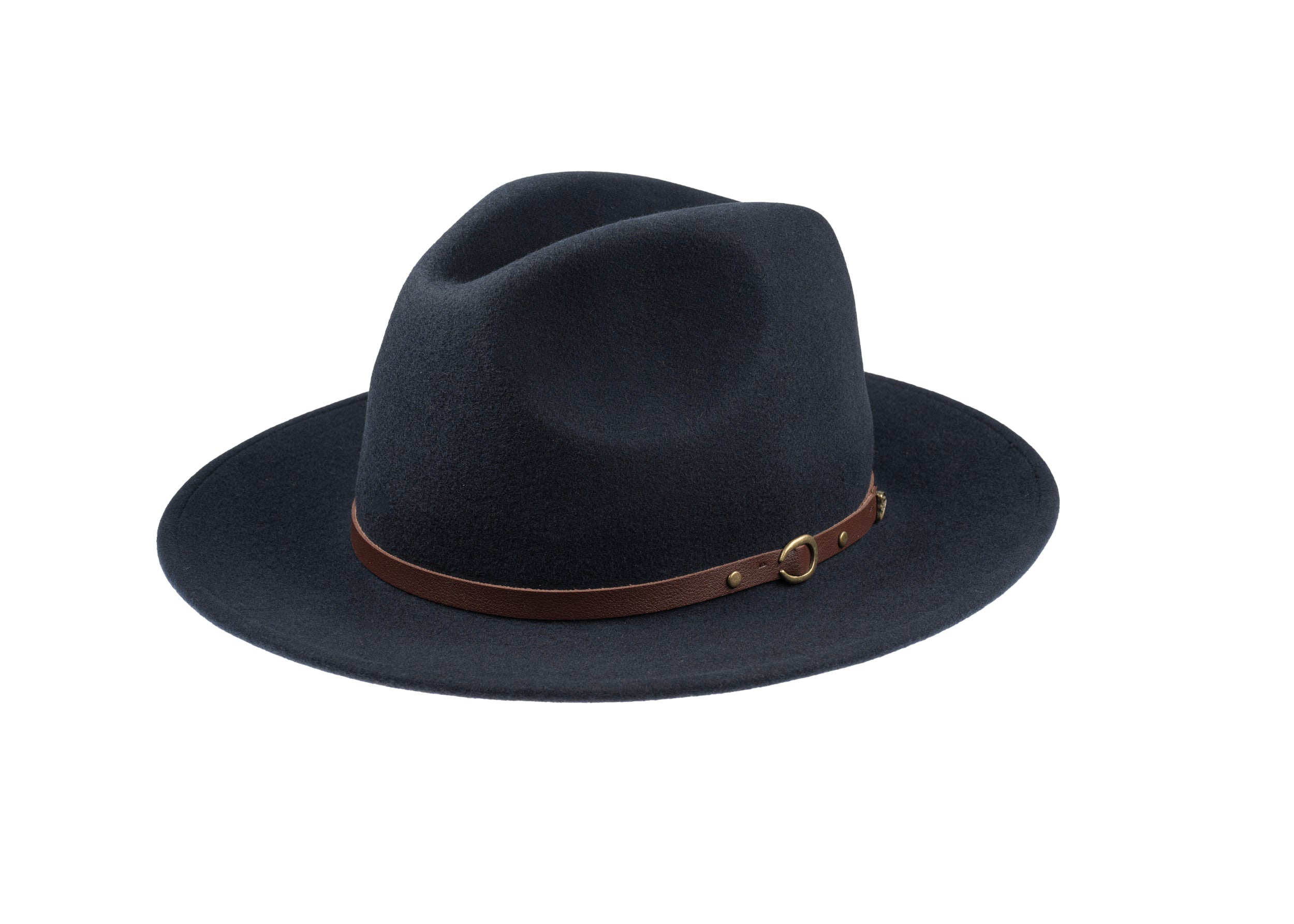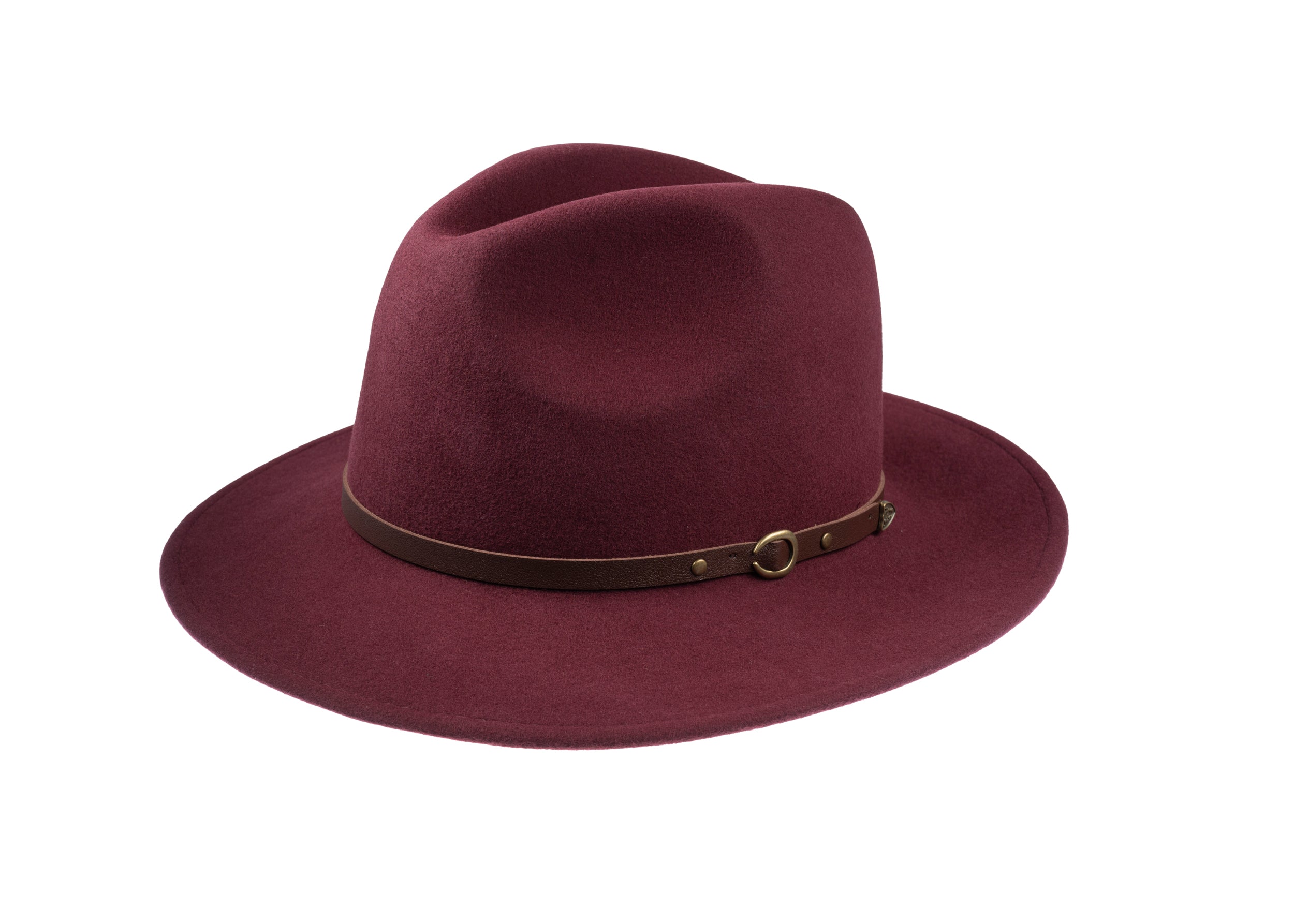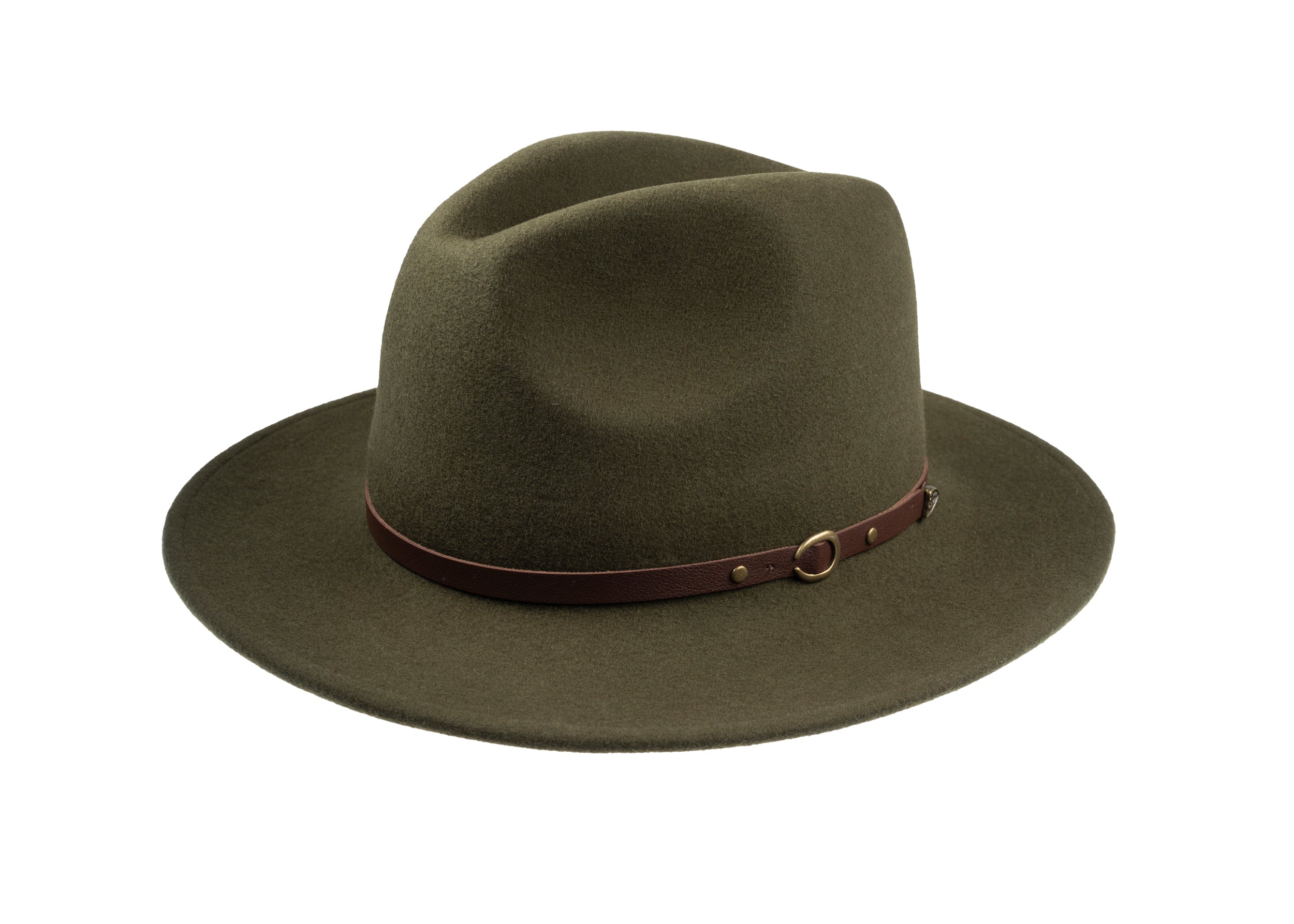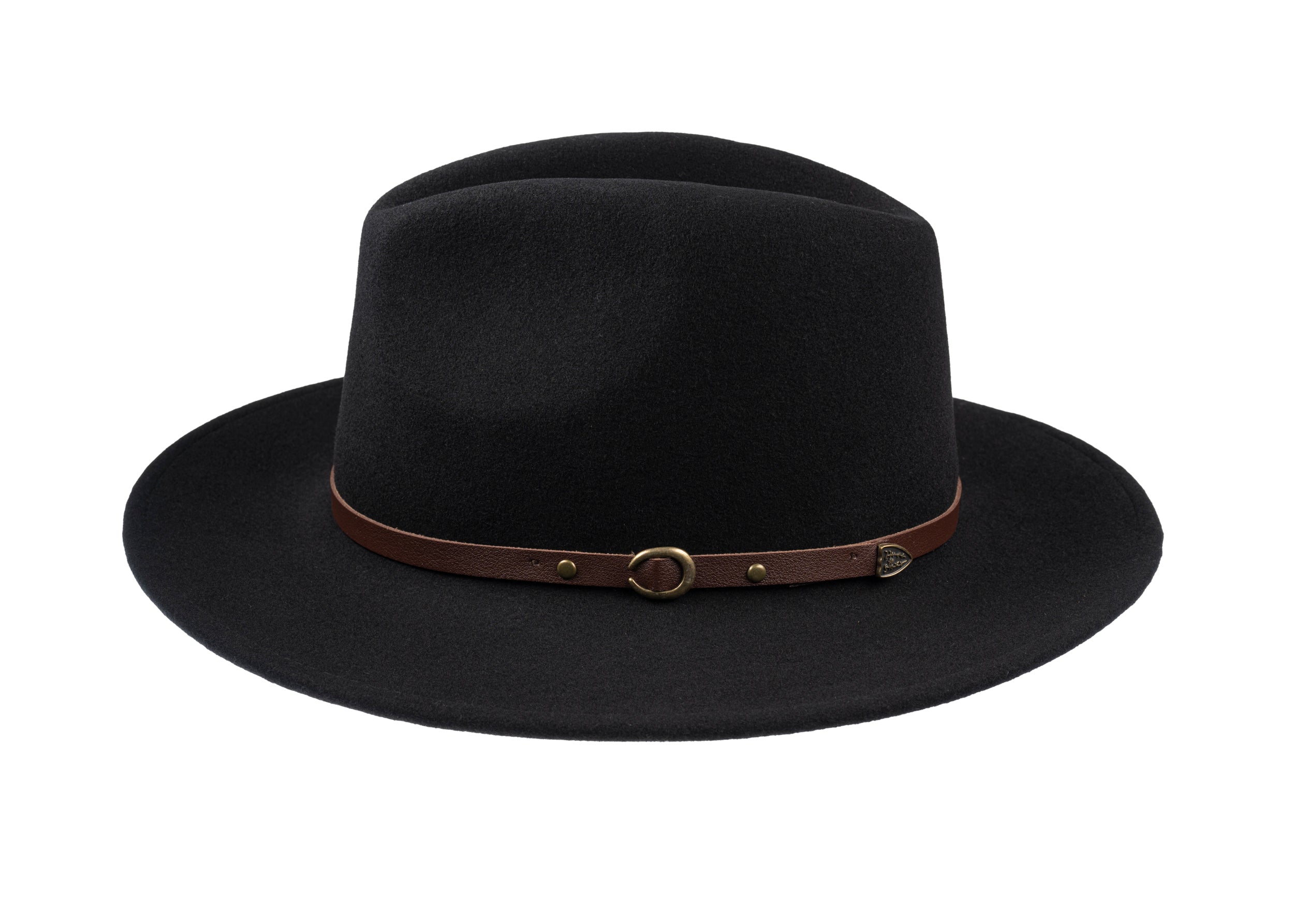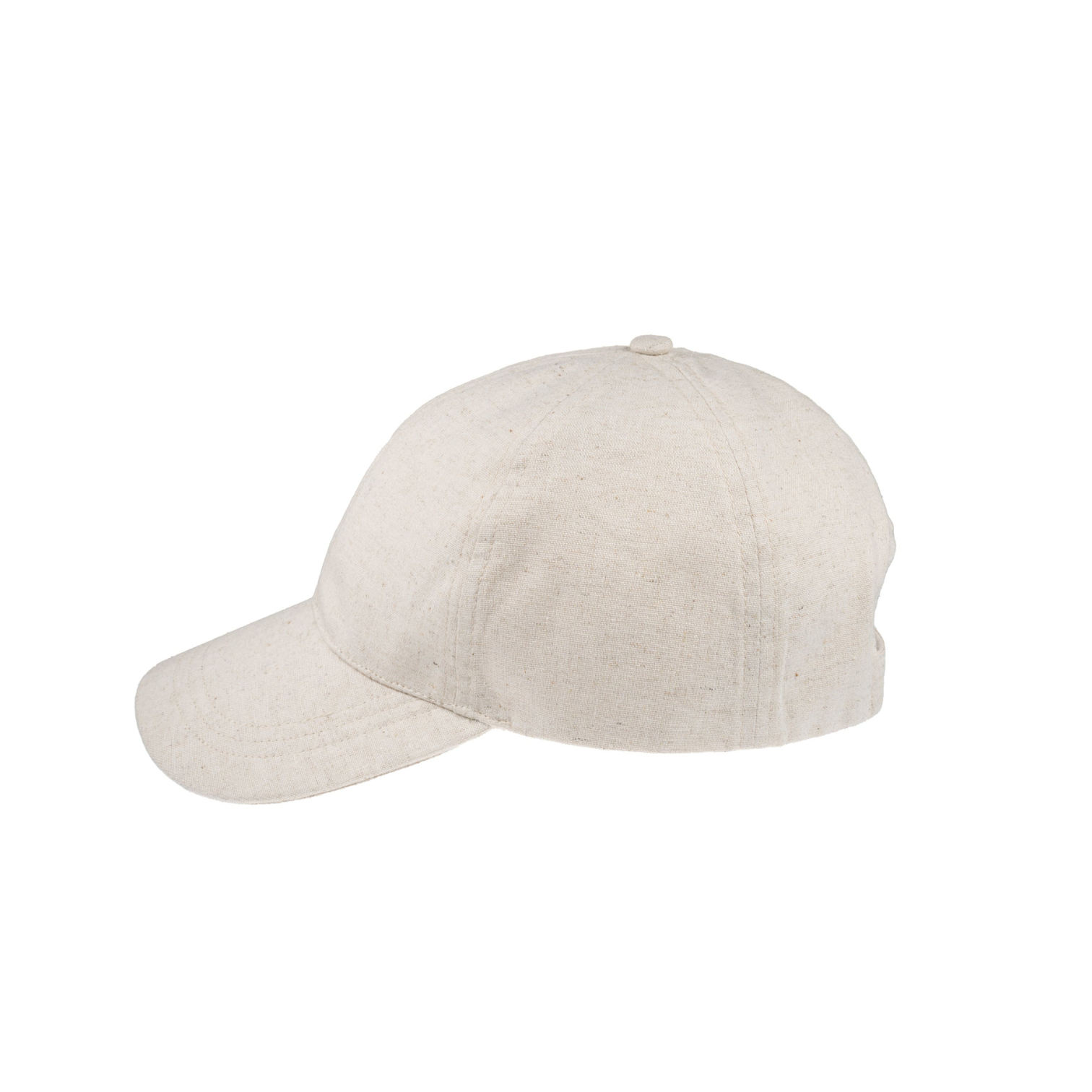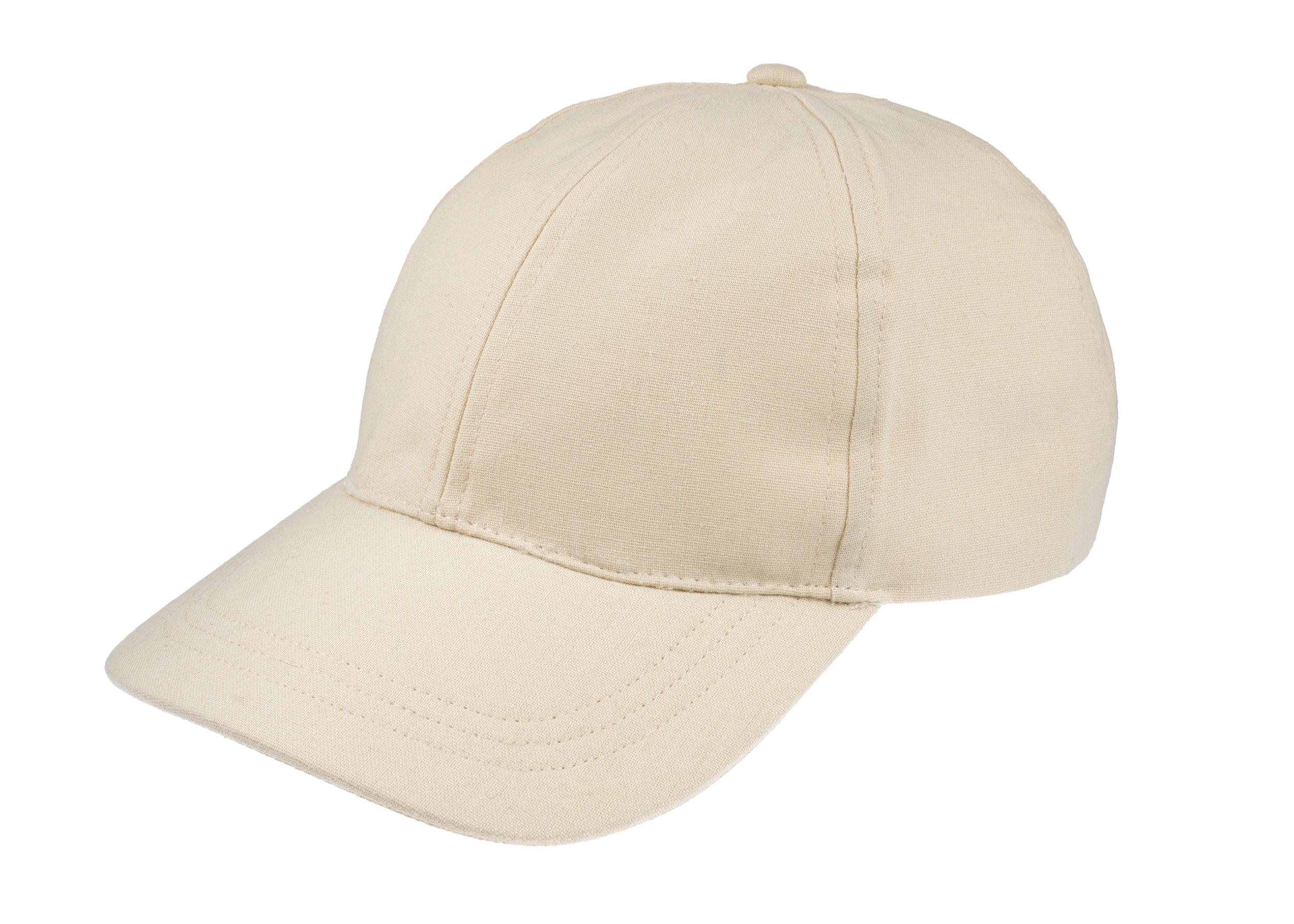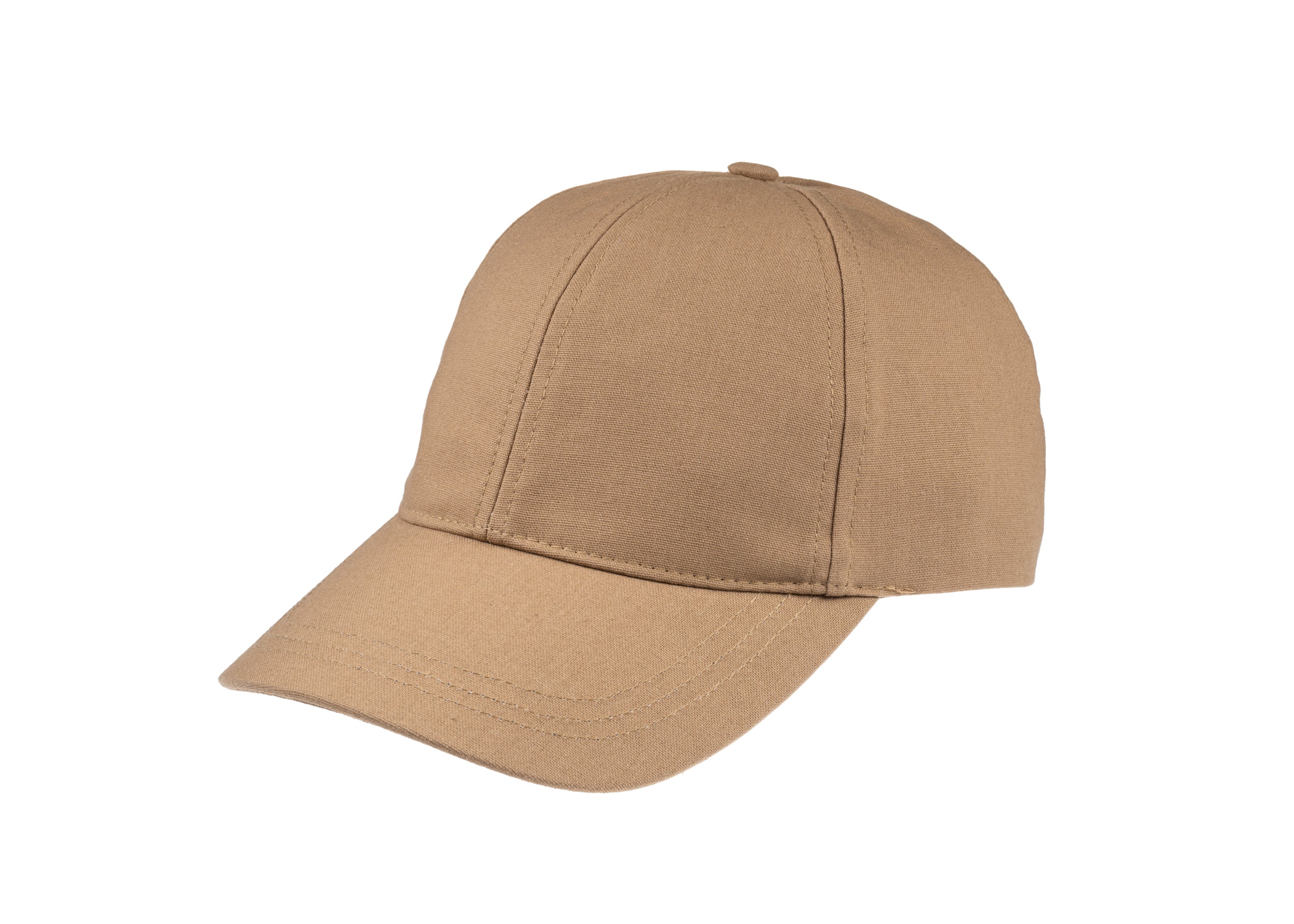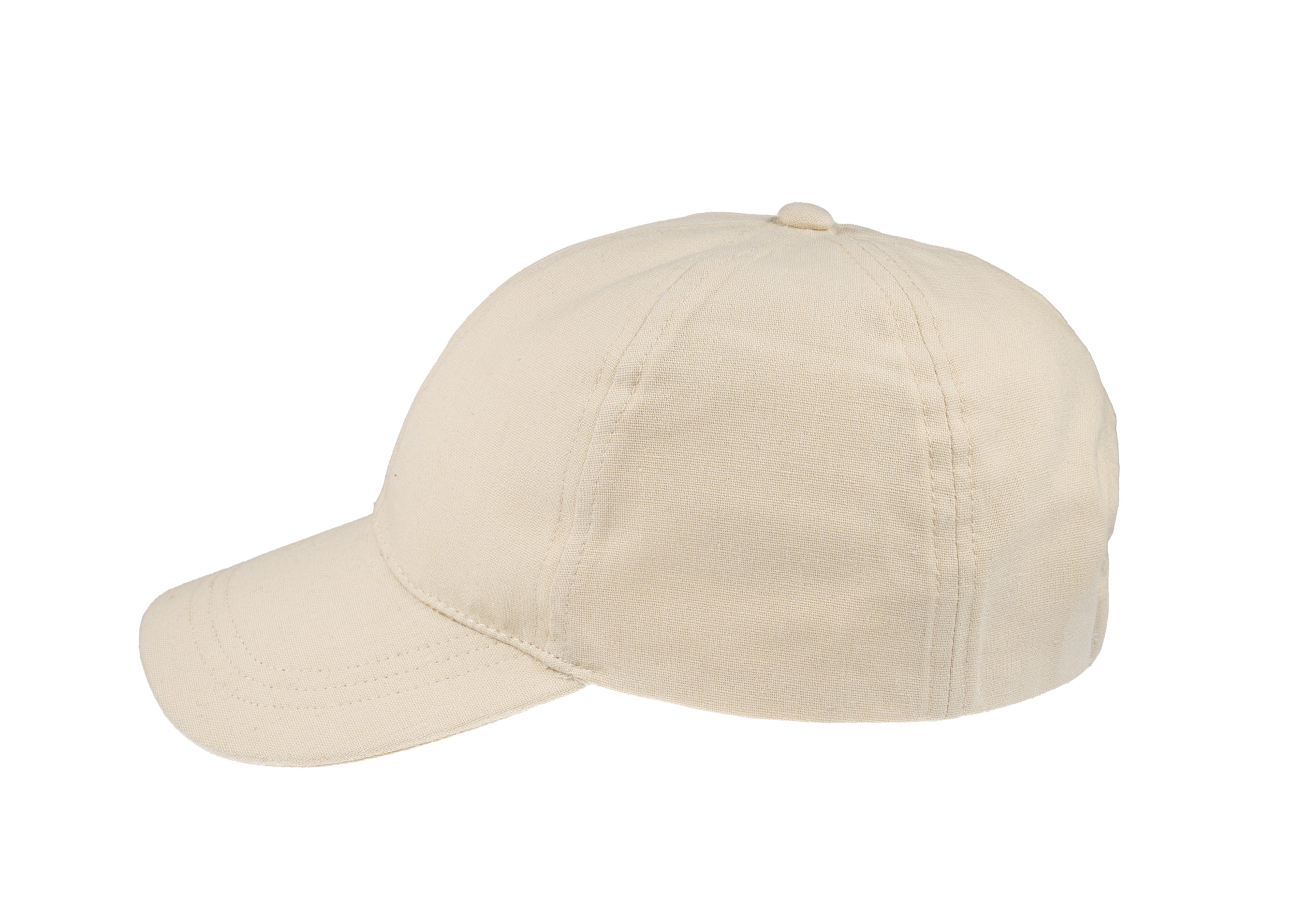



Every summer, something interesting happens along the banks of the Henley Royal Regatta.
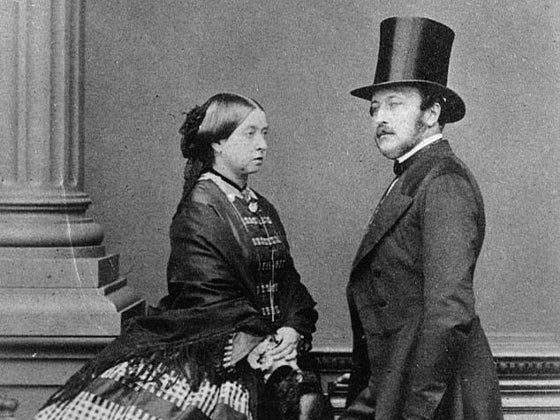
It becomes more than a rowing event. It turns into a kind of unofficial dress rehearsal for British occasion wear — where tailoring, linen, and hats quietly take centre stage along the River Thames in Henley-on-Thames.
But what’s often overlooked is that Henley isn’t really an outlier. It’s part of a much wider category of British summer dressing — the same logic applies whether you’re going to a regatta, a garden party, or a wedding.
Henley is just one version of a very British dress code
The Henley Royal Regatta has a reputation for formality, particularly in areas like the Stewards’ Enclosure, where dress codes still matter.
But even outside the official enclosures, most people naturally lean towards a more considered way of dressing. Not because they have to — but because the setting invites it.
And that’s the key: Henley is simply one of the clearest expressions of a broader British summer style language.
The real category: “summer occasion dressing”
If you zoom out, Henley sits in the same category as:
- Garden parties
- Summer weddings
- Race days
- Outdoor cultural events
- Weekend hospitality events in the countryside
Across all of them, the same principles tend to apply: lightweight tailoring, breathable fabrics, and attention to detail.
And this is where hats quietly re-enter the conversation.
Why hats still define occasion dressing
There are very few accessories that still change how an outfit is read.
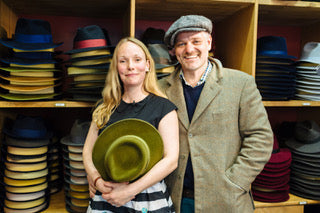
A well-chosen hat does.
At Henley, or any similar summer event, it’s rarely about standing out. It’s about finishing a look in a way that feels intentional rather than incidental.
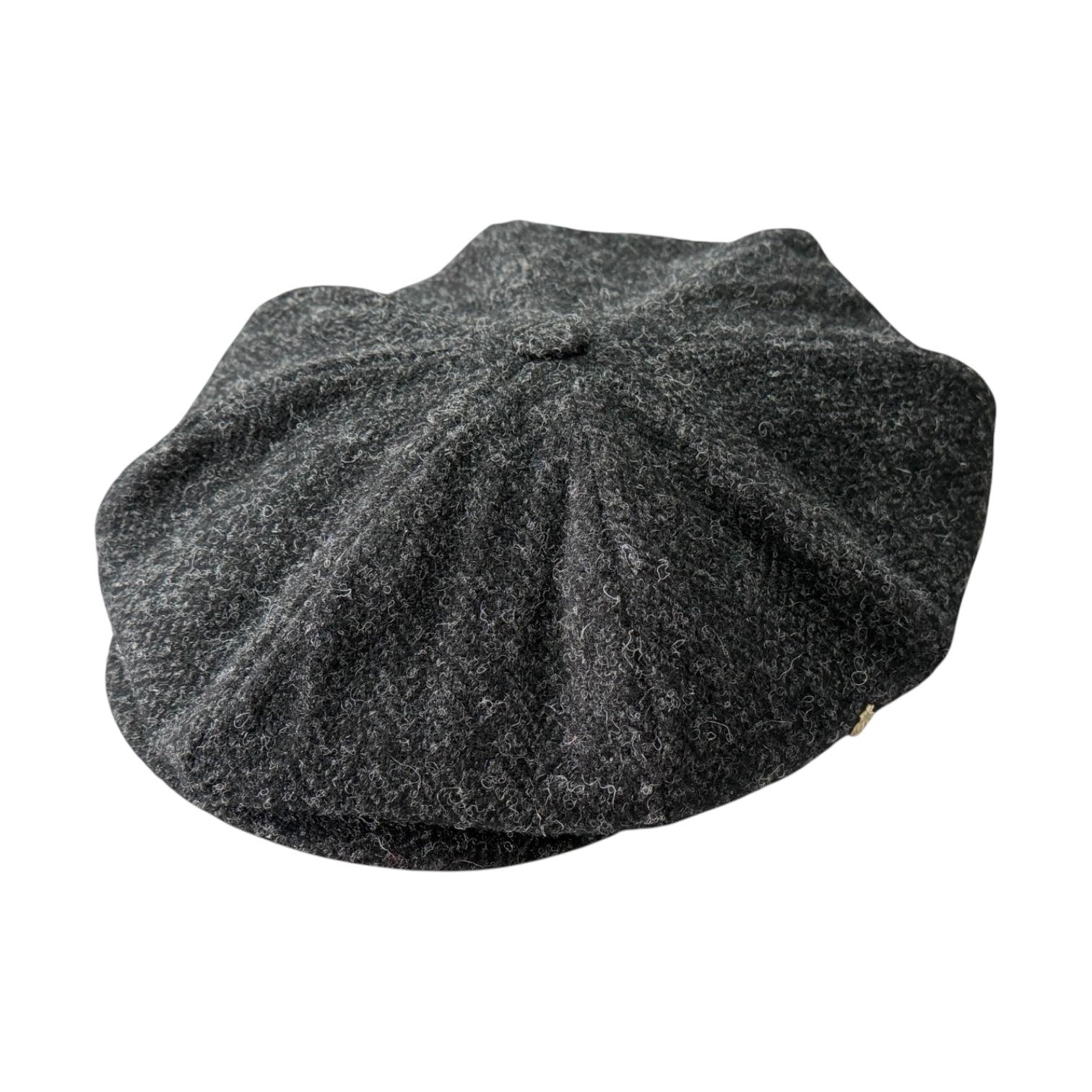
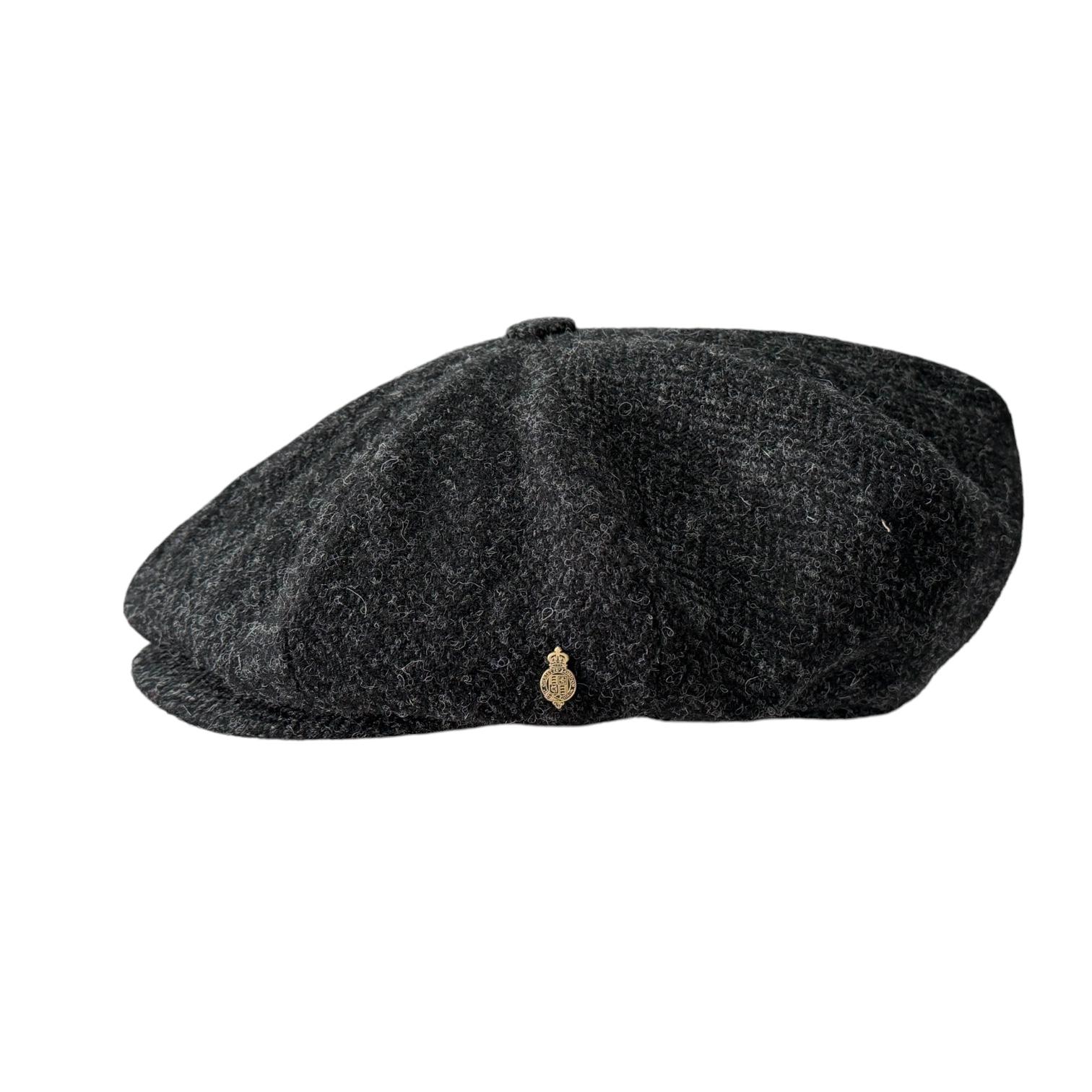
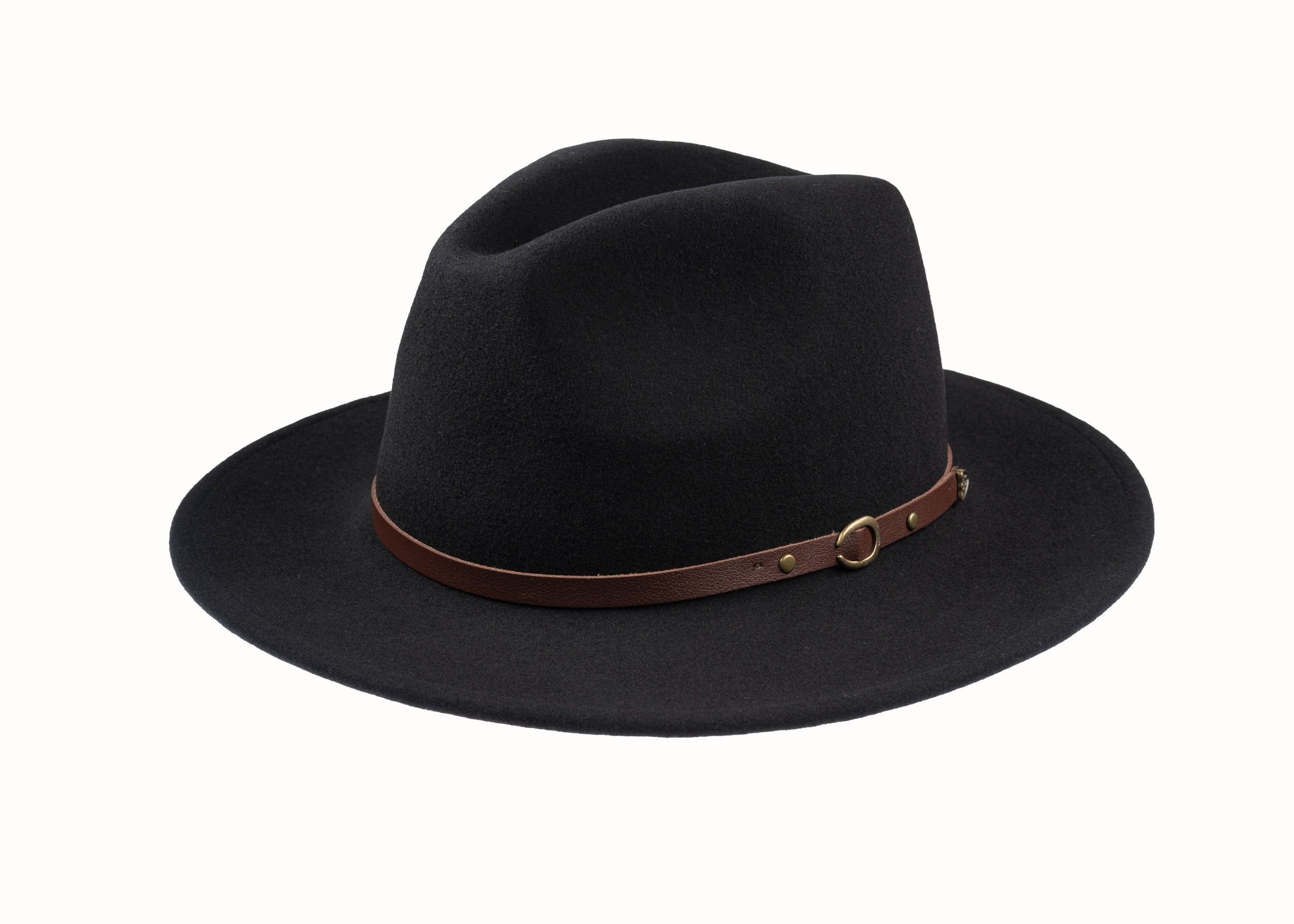
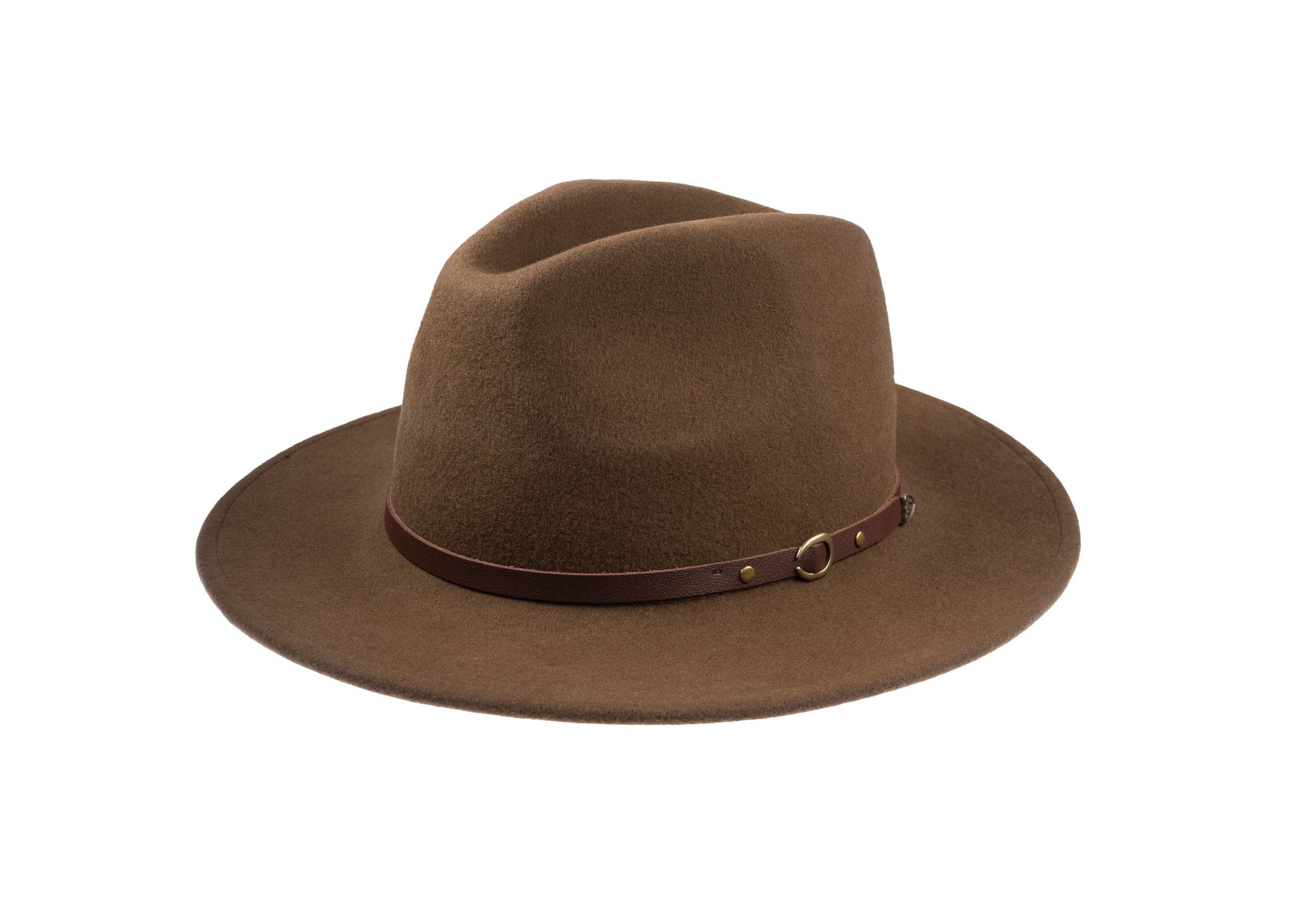
A Panama, a boater, or a structured occasion piece doesn’t just add style — it signals that the outfit was considered as a whole.
And in British summer dressing, that still matters more than people think.
What actually works (beyond just Henley)
Rather than thinking in terms of one event, it’s more useful to think in terms of situations.
For formal summer events
Structured hats in natural materials tend to work best — they hold shape, sit cleanly with tailoring, and feel appropriate without being overdone.
For weddings and garden parties
There’s more room for expression — shape, proportion, and colour become part of the conversation.
For relaxed countryside events
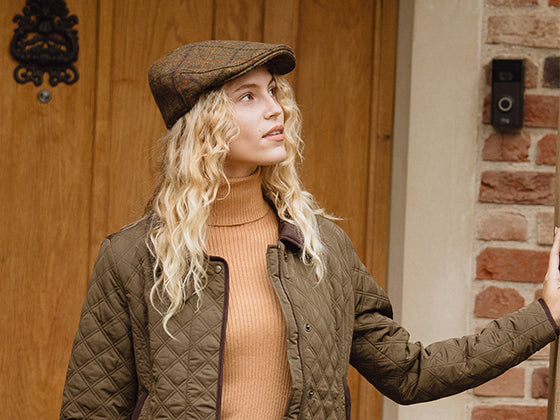
The focus shifts to practicality. Lightweight materials, breathable construction, and comfort over the course of a full day become more important than formality.
Across all of them, the principle is the same: the hat should feel like it belongs, not like it was added at the last minute.
Why this style keeps coming back
There’s a reason events like the Henley Royal Regatta still influence how people dress for summer occasions more broadly.
It’s not nostalgia — it’s consistency.
In a world where most clothing has become increasingly casual and interchangeable, occasion dressing still offers a moment where effort is visible. And hats, more than most things, carry that signal.
They’re one of the few remaining items that still say: this wasn’t accidental.
A note on British craft
What ties all of this together — whether it’s Henley, a wedding, or a summer gathering — is an ongoing appreciation for things made properly.
British craftsmanship, particularly in tailoring and headwear, still plays a quiet but important role in these settings. Not because it’s fashionable in the moment, but because it fits the context.
And context is really what occasion dressing is about.
If you’re dressing for a summer event
Whether you’re heading to the Henley Royal Regatta or another summer occasion entirely, the same question tends to matter more than the dress code itself:
Does the outfit feel complete?
Because in most cases, that final layer — the detail that finishes everything — is what defines how the rest is read.
And more often than not, that’s where hats come in.