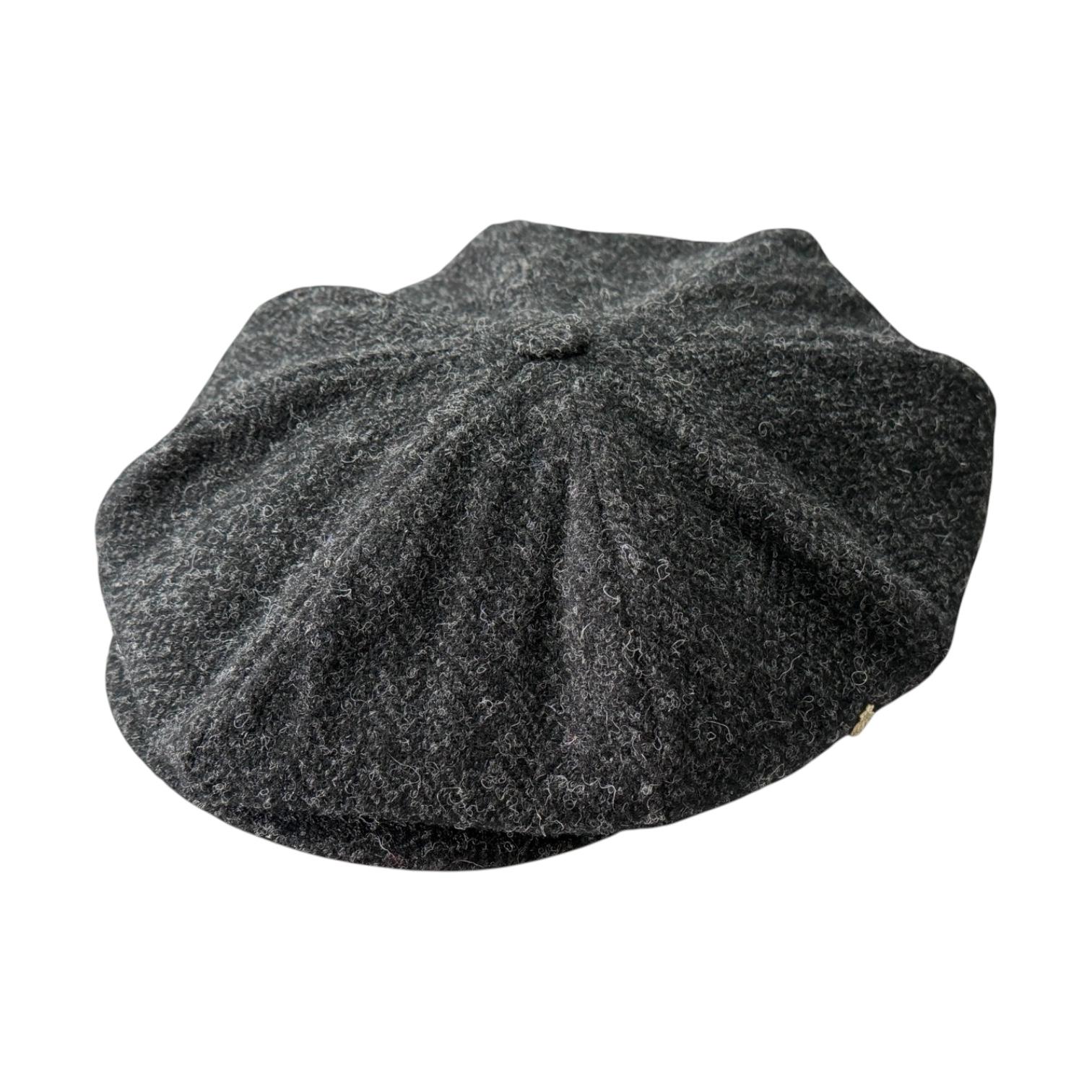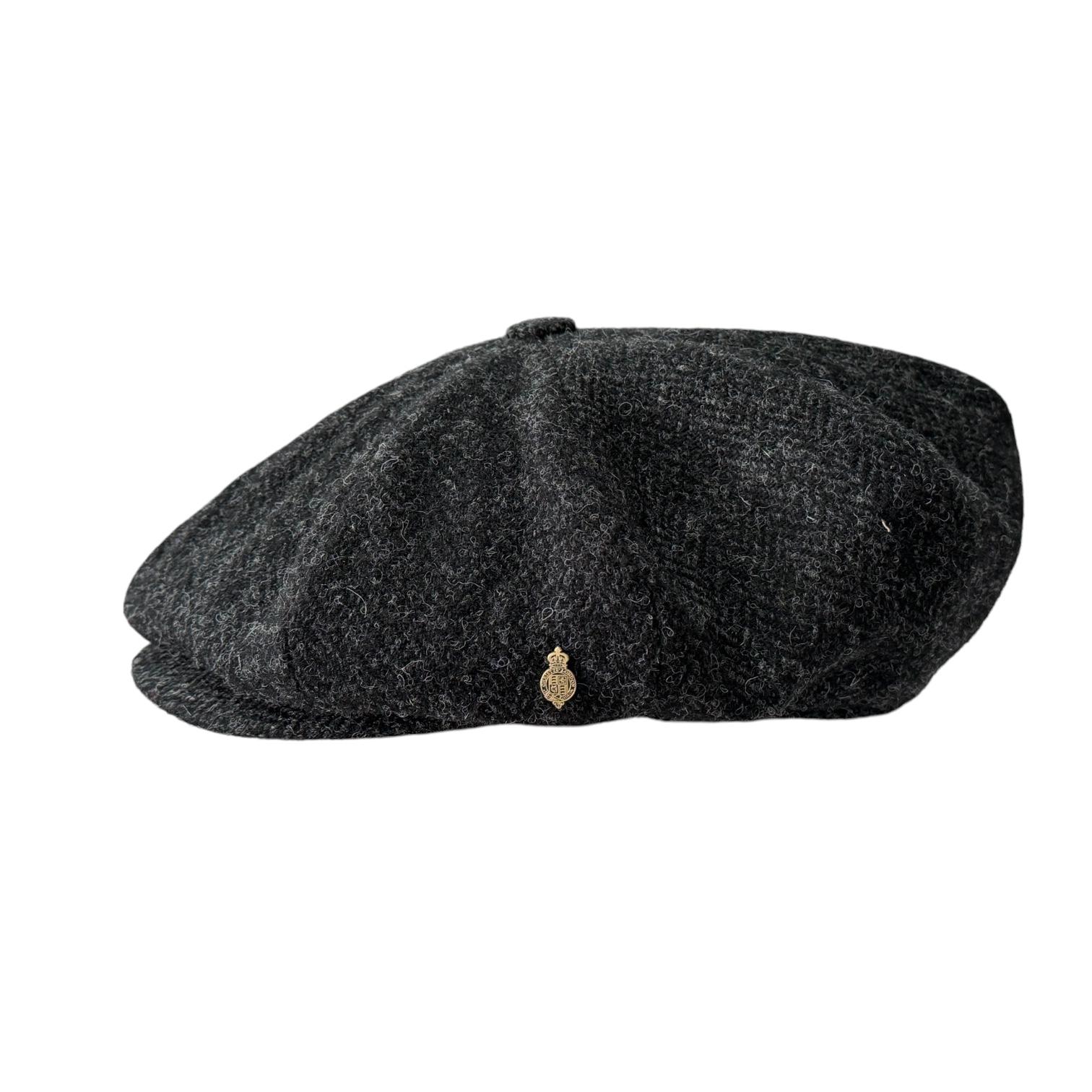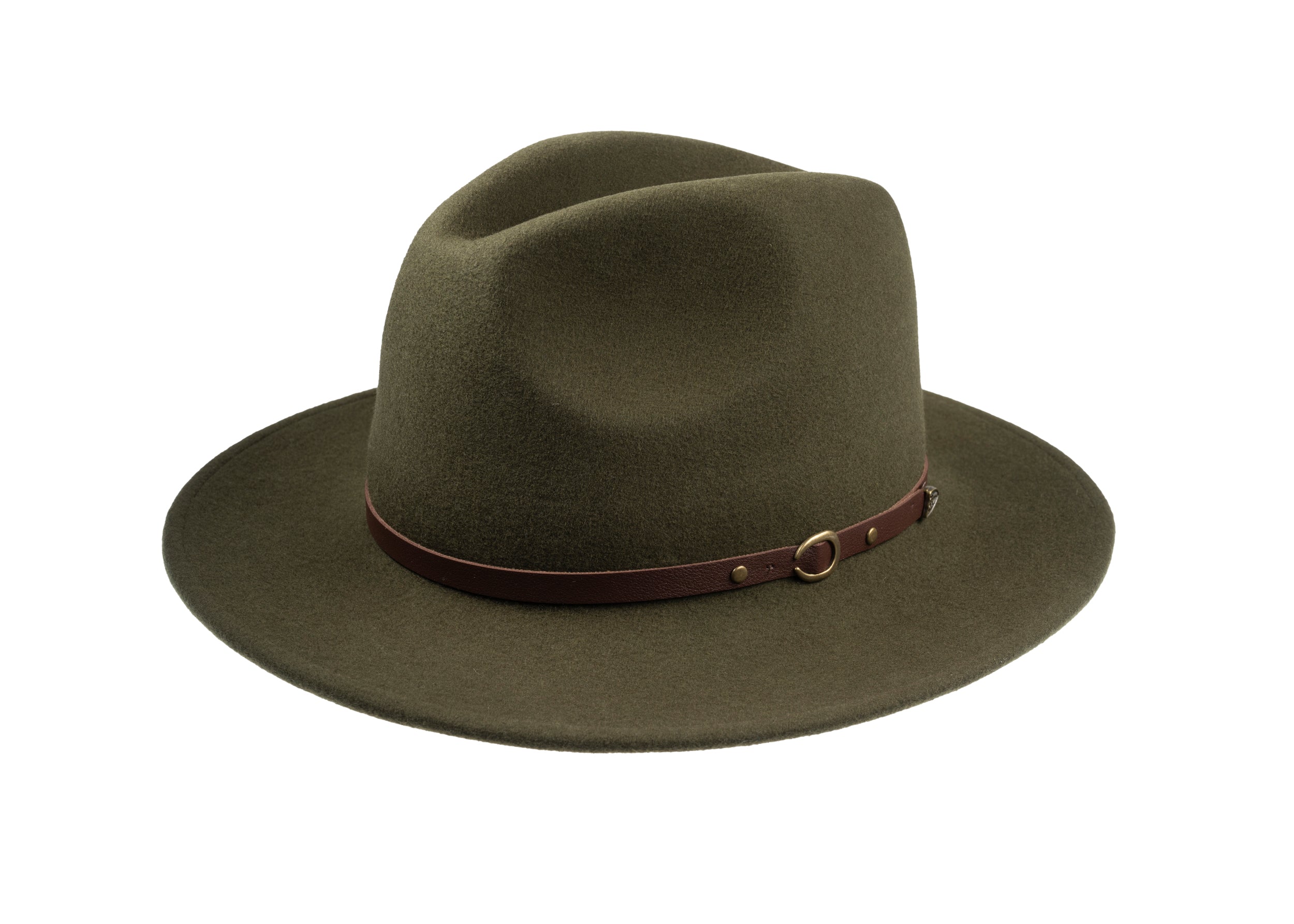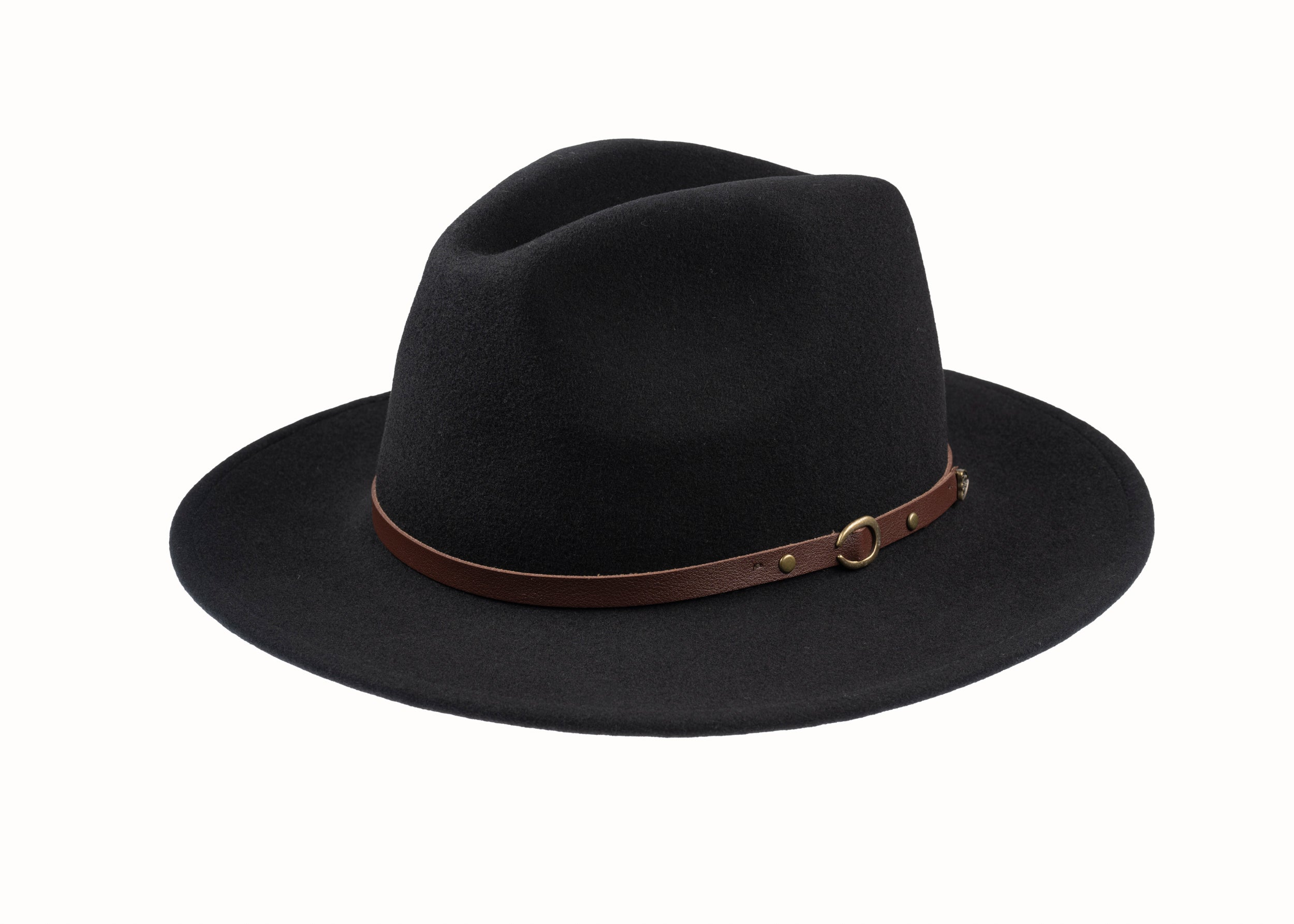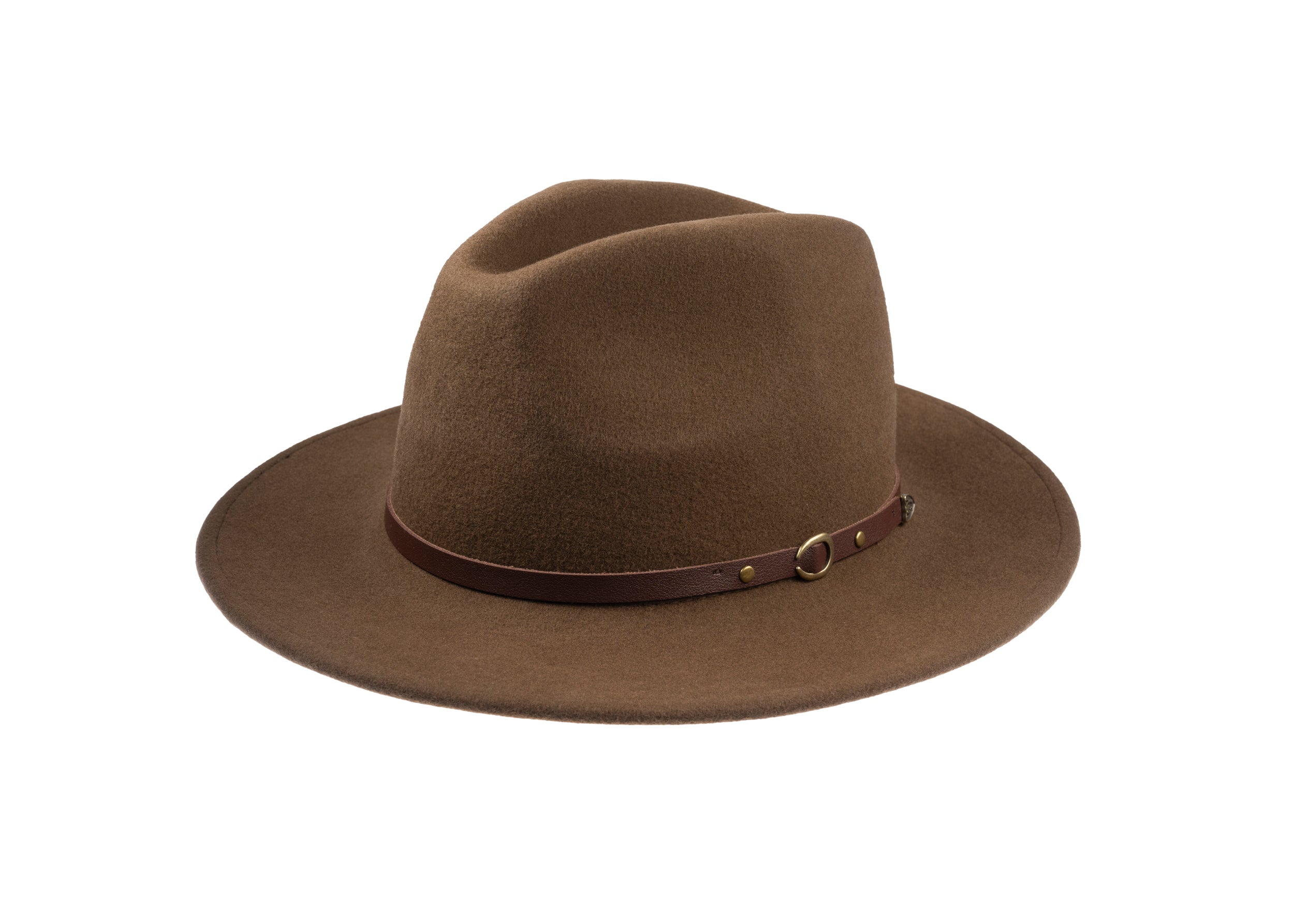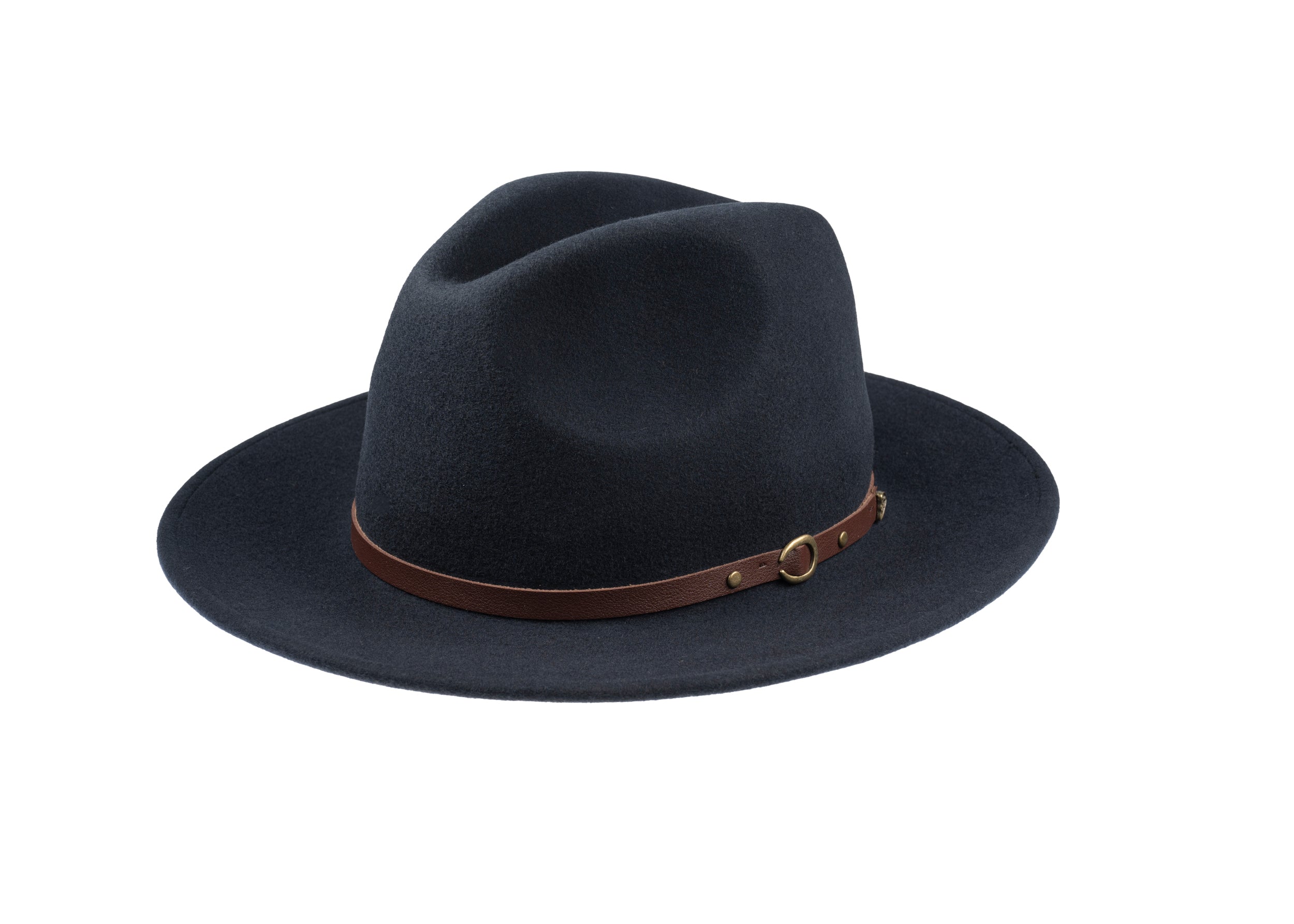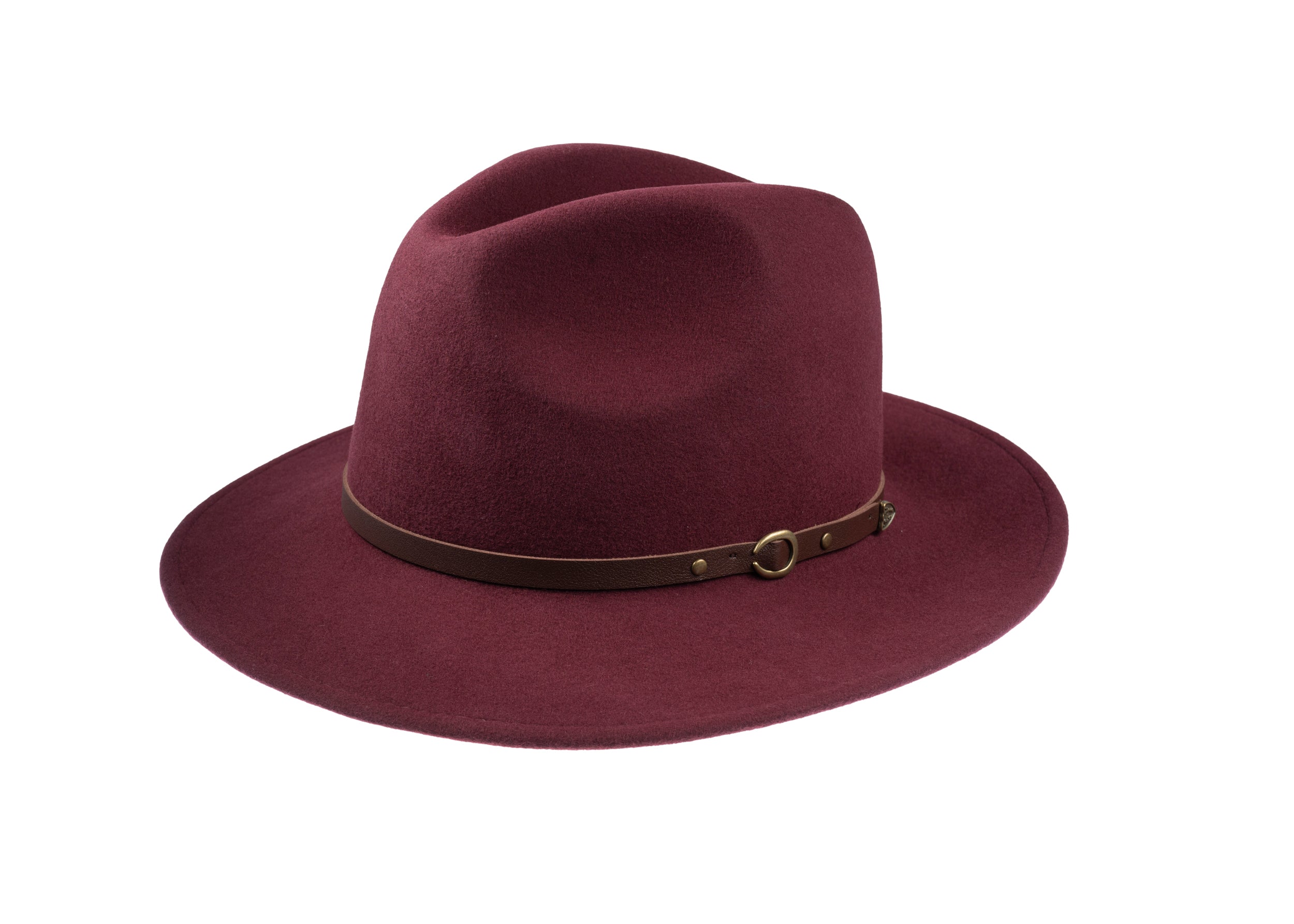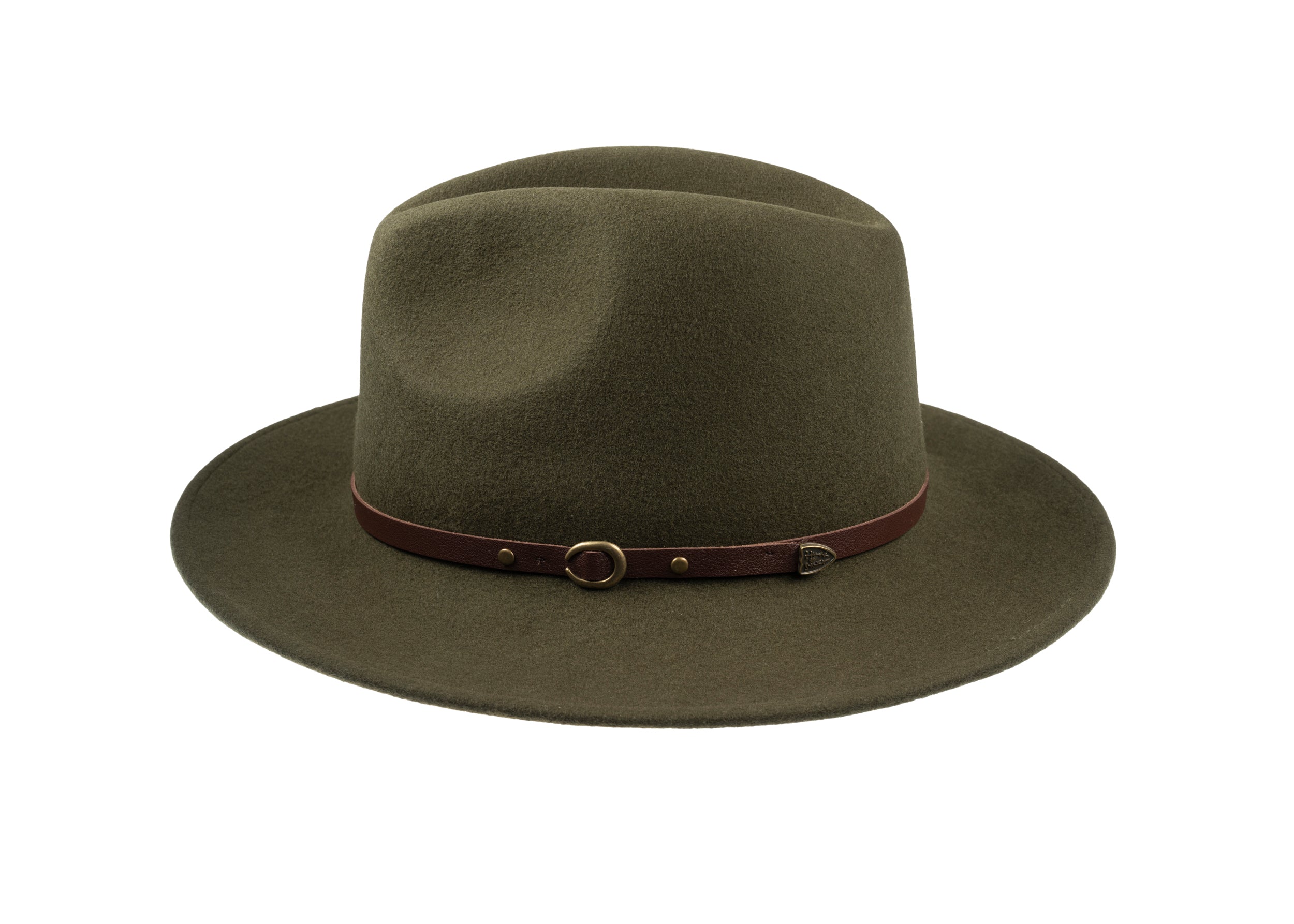



Choosing the right size starts with one simple measurement: the circumference of your head. This quick guide shows where to place the tape, how snug it should be, and how to compare the result with the official Christys' Size Guide before ordering a fedora, trilby, Panama, flat cap or baker boy.
Measure carefully in centimetres where possible. A repeatable measurement will give you a much better starting point than guessing from clothing size or relying on an old hat label alone.

What you need before measuring
Use a soft tape measure if you have one. If not, use a strip of string or a narrow piece of paper, plus a ruler. You will also need a mirror if it helps you keep the tape level. Measure with your usual hairstyle: do not flatten or compress your hair simply to obtain a smaller number.
The measurement path is around the fullest part of your head: across the middle of your forehead, above your ears and around the widest point at the back. Keep the tape level all the way around and comfortably snug. It should touch the head without digging in; do not pull it tight.

Measure, repeat and record the result
Stand naturally and look straight ahead. Wrap the tape around the measuring path, check that it has not risen at the back, and note the result in centimetres. If you are using string or paper, mark where the ends meet, lay it flat and measure that length with a ruler. Do not stretch the material while measuring.
Take at least two readings. If they differ, start again and check the position and tension rather than immediately choosing the larger or smaller number. Record the most consistent result, ideally to the nearest whole centimetre, then use that number as your main reference when checking the chart.

Check the chart and product page
Now compare your centimetre result with the full Christys' Size Guide. For example, 57 cm corresponds to UK size 7, US size 7 1/8, 22.4 inches and the chart's M label. A 61 cm measurement corresponds to UK size 7 1/2, US size 7 5/8, 24 inches and XL. These are examples from the chart, not a replacement for checking the complete range from 49 to 65 cm.
The chart also shows UK, US and inch equivalents, but centimetres are usually the clearest way to compare your measurement. An old hat label can be a useful clue, but it is not proof that a new hat will feel identical: labels, shapes, materials and construction can vary. A general conversion table should not override the official Christys chart or the information on the individual product page.
If you fall between listed sizes, repeat the measurement first and check whether the product offers both neighbouring sizes. Do not size down merely because a close fit looks neater. A slightly roomier fit may be more comfortable; choose between available sizes with the product's fit notes in mind rather than assuming that every style can be adjusted.
Before ordering, confirm the available sizes and any fit notes on the individual product page. A fedora, trilby, Panama, flat cap or baker boy in the same nominal size may not feel exactly the same because the shape and construction differ. If the chart and product information still leave you unsure, contact Christys for help with the specific style and measurement.
Troubleshooting: If the tape slips, pause and reset it across the middle of the forehead, above the ears and around the widest point at the back. If the readings still differ, repeat the process from the same path rather than choosing a size by guesswork.
FAQ: What should I do if I have no tape measure? Use string or paper, mark where the ends meet, then measure it flat against a ruler without stretching it. When should I contact Christys? Get in touch if you have a careful measurement but remain unsure after checking the chart and the specific product page.
A careful measurement makes choosing a Christys hat far less of a guess. Measure twice, record the result in centimetres, compare it with the official chart, and then let the individual product page guide the final choice. That gives you a dependable starting point while allowing for the natural differences between hat shapes, constructions and personal comfort.