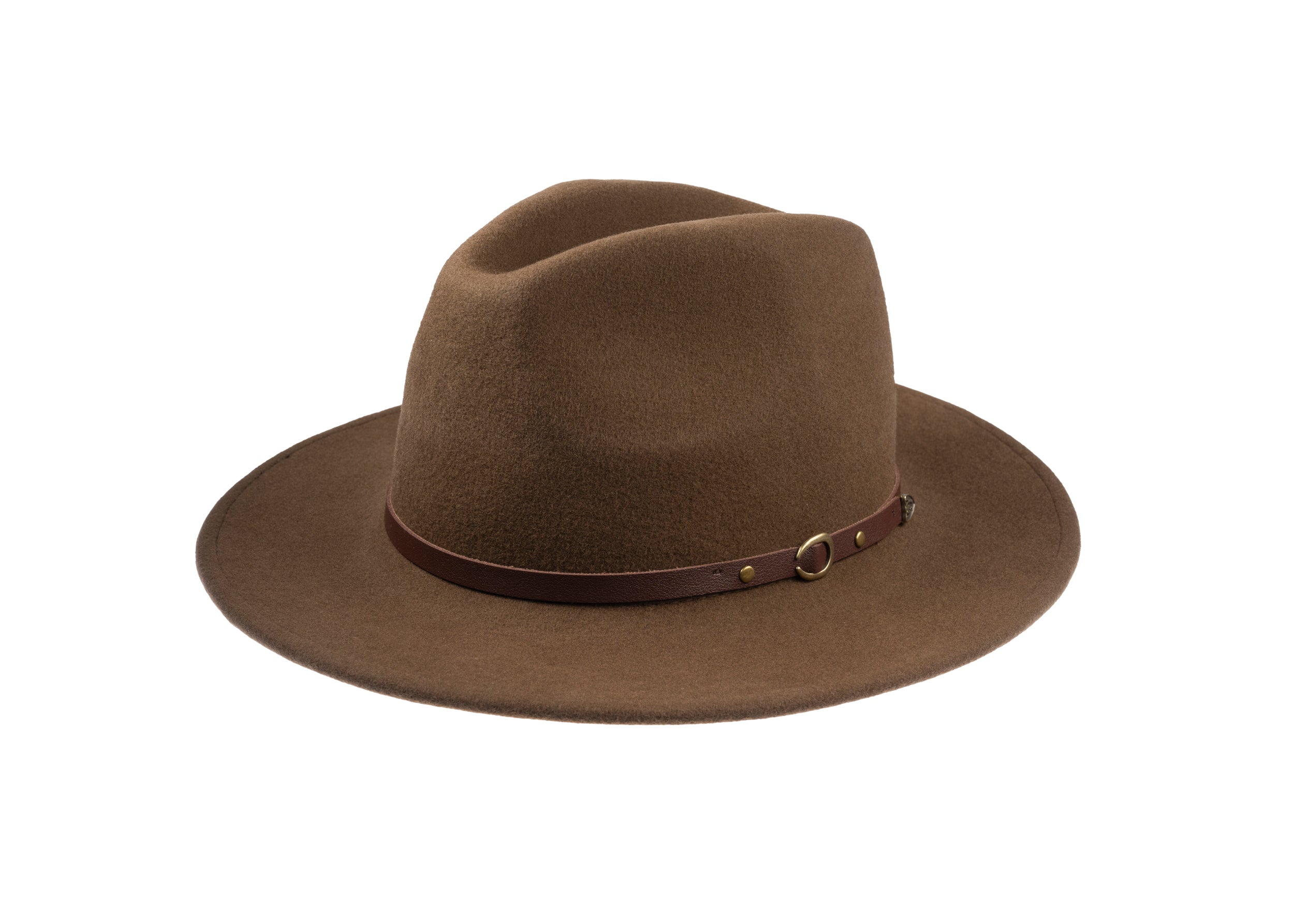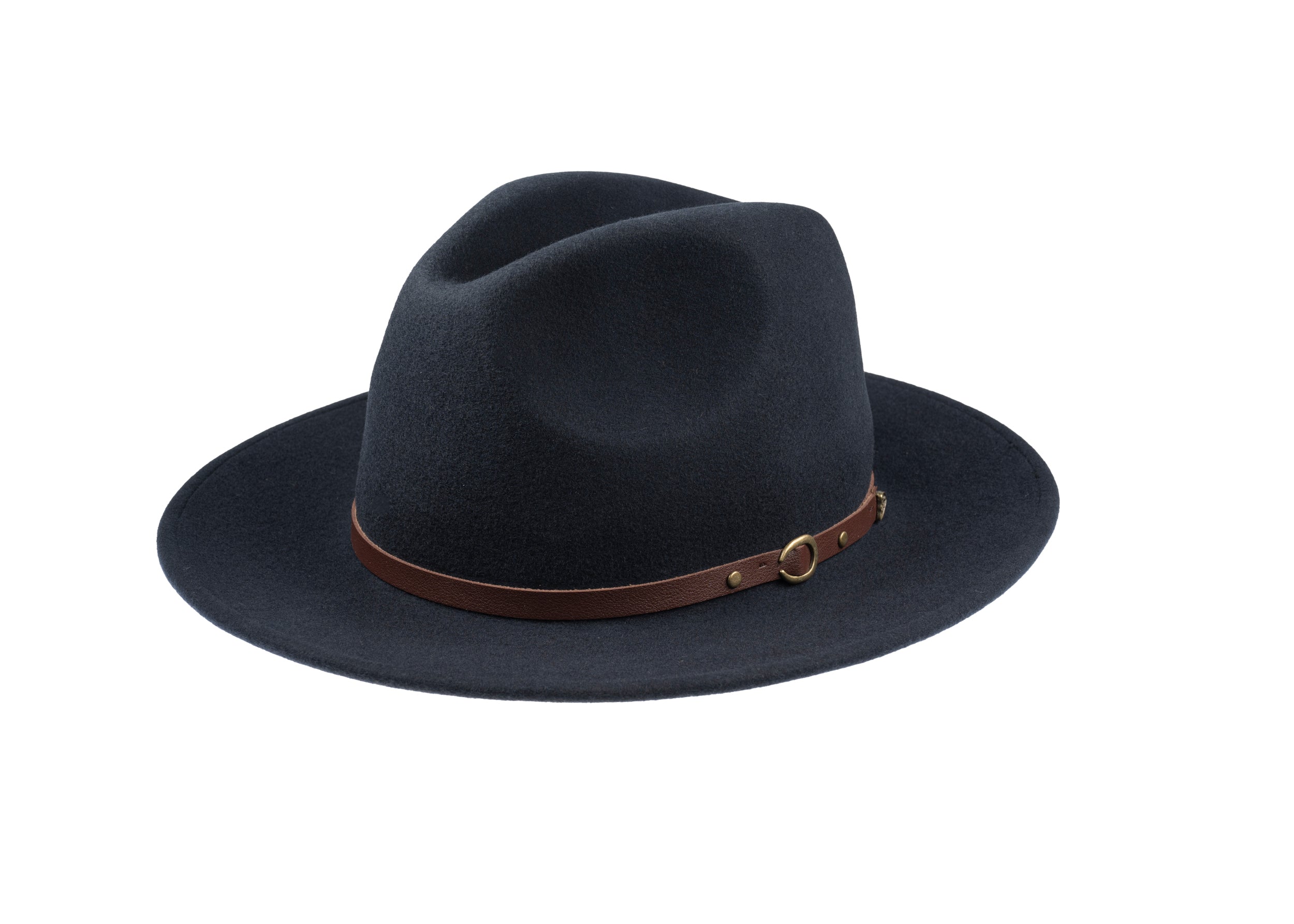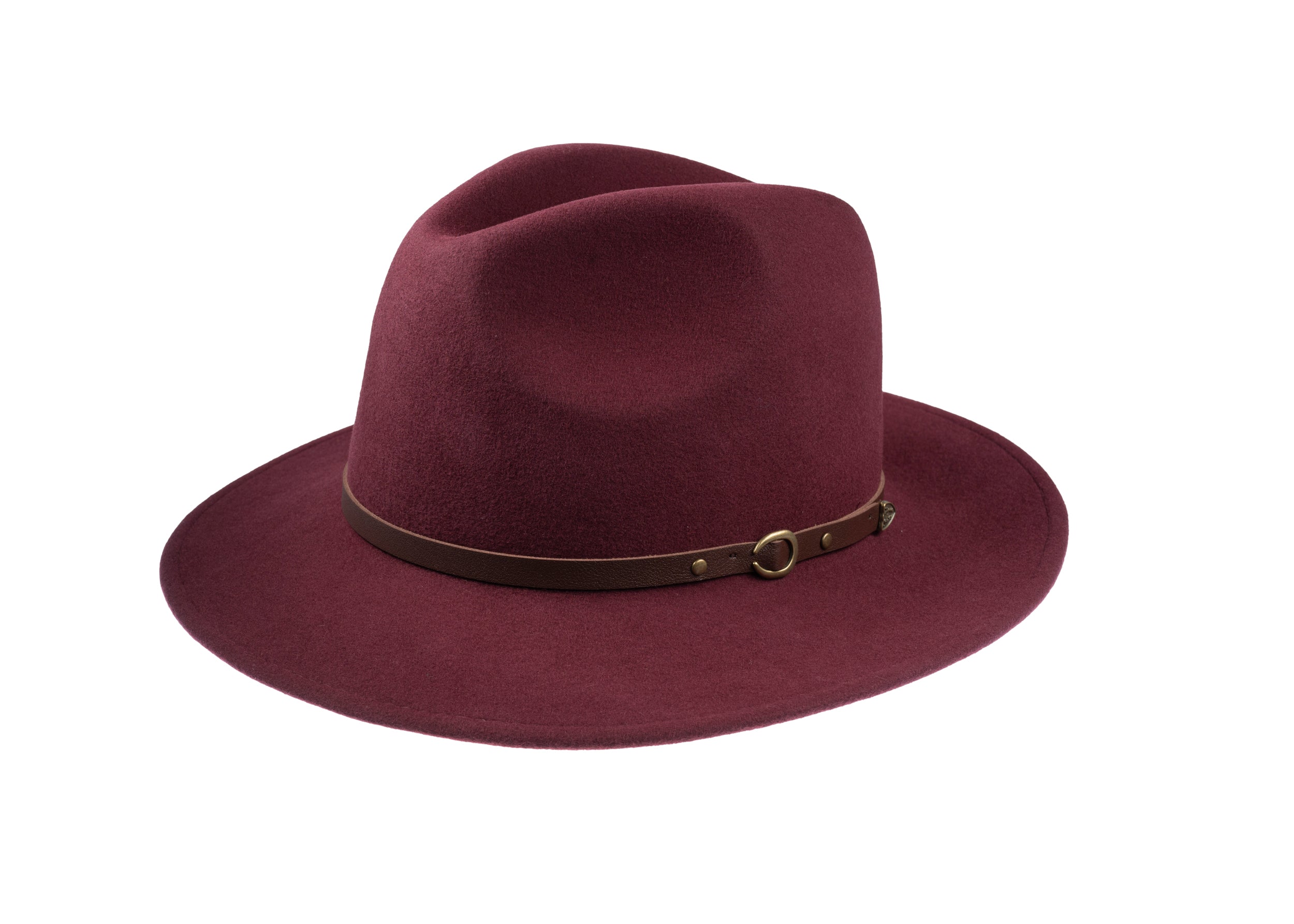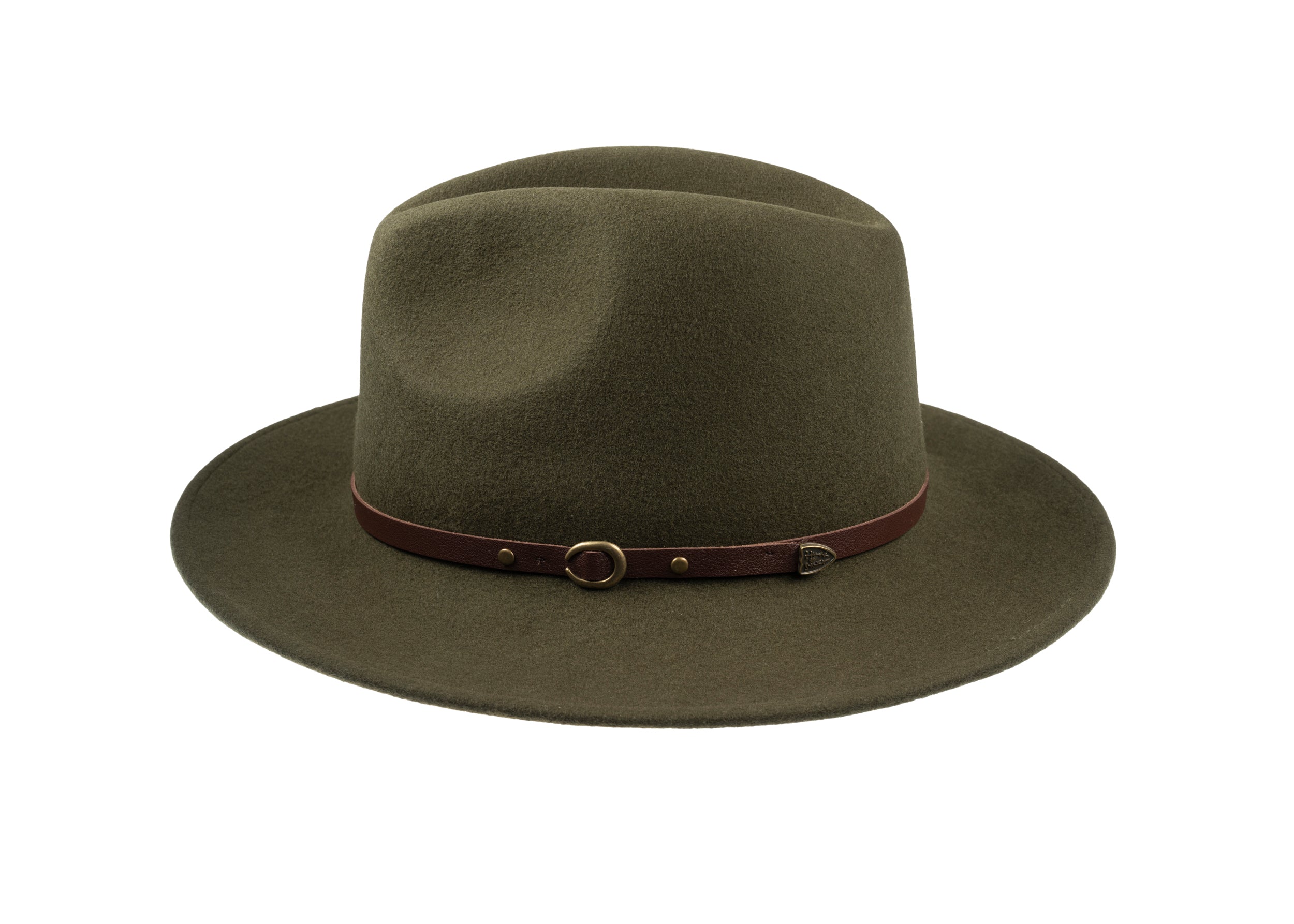




A hat that looks composed after a commute, a country walk or a long occasion is not relying on stiffness alone. Its silhouette comes from several decisions working together: the character of the material, the block used to establish the crown and brim, the support built into the construction, the accuracy of the fit, and what happens to the hat when it is not being worn.
That is the useful way to think about shape retention at Christys. The brand’s hatmaking history reaches back to 1773, but longevity is not a promise that every style behaves identically. A formal wool felt top hat, a crushable safari hat, a merino flat cap and a handwoven Panama are each designed with a different relationship between flexibility and form.

Shape starts with material, blocking and finishing
Blocking is the process that gives a felt hat its intended geometry. The material is formed over a hat block so the crown, taper, dents and brim relationship are established as a coherent shape rather than pressed into place by the wearer later. Finishing then refines that geometry: edges are evened, bands are set cleanly and the interior is made comfortable enough for the hat to sit consistently.
The practical meaning of “holding its shape” is specific: a stable crown, an even brim, a clean peak and, in a cap, panels that meet in a controlled profile. Materials can still flex, crease or respond to weather. The point is that the construction begins with considered geometry and enough support to maintain its intended line through normal use.

What the Christys examples reveal
The Wool Felt Top Hat is a clear formal example. Its fine wool felt is described as having a tall, straight crown blocked to hold its geometry through repeated wear, with a flat brim, fine edge, grosgrain band and finished interior. That combination is intended to keep the top hat’s vertical crown and level brim visually disciplined across a long day. It is structured, but it is still wool felt rather than an indestructible shell: rough handling, crushing or unsuitable storage can still disturb the line.
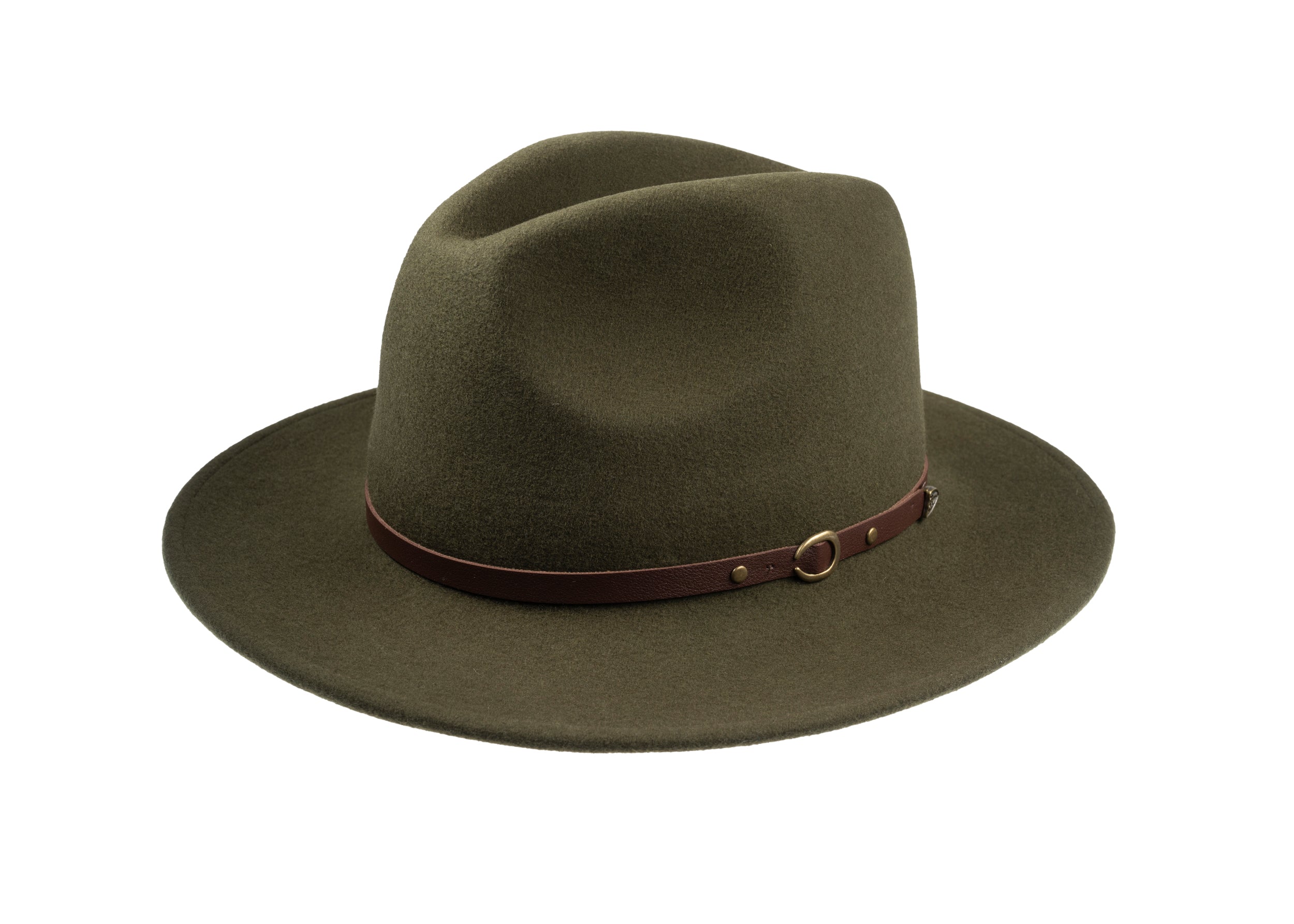
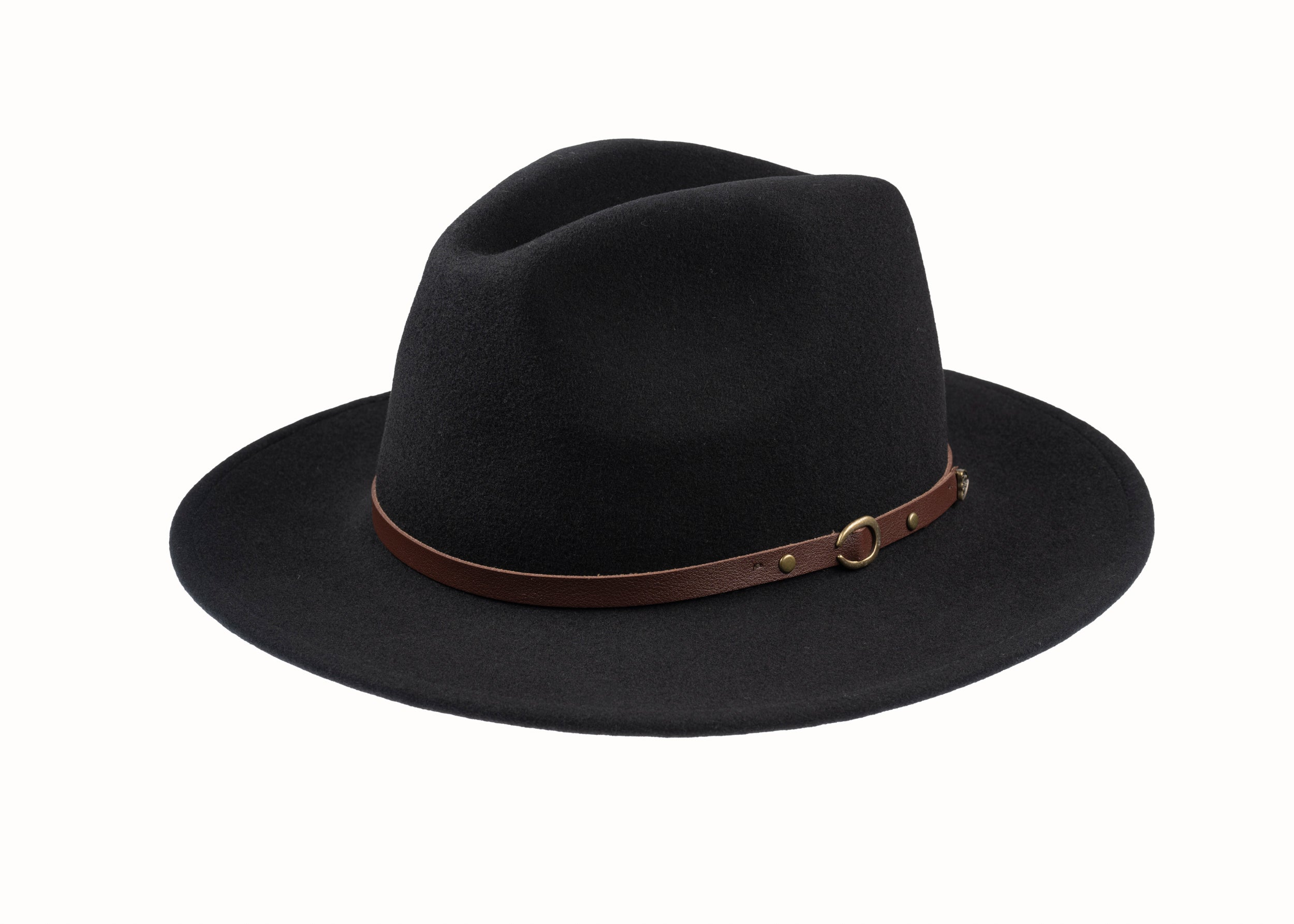
The Crushable Safari demonstrates a different brief. Its wool felt body is treated to repel water, it has a cotton inner band, and the product is explicitly constructed to be packed, crushed, worn in weather and worn again. That is designed resilience, not a licence to treat every felt hat as luggage. A crushable style is the sensible companion when travel and outdoor use are central; a formal blocked style should be handled according to its more exacting geometry.
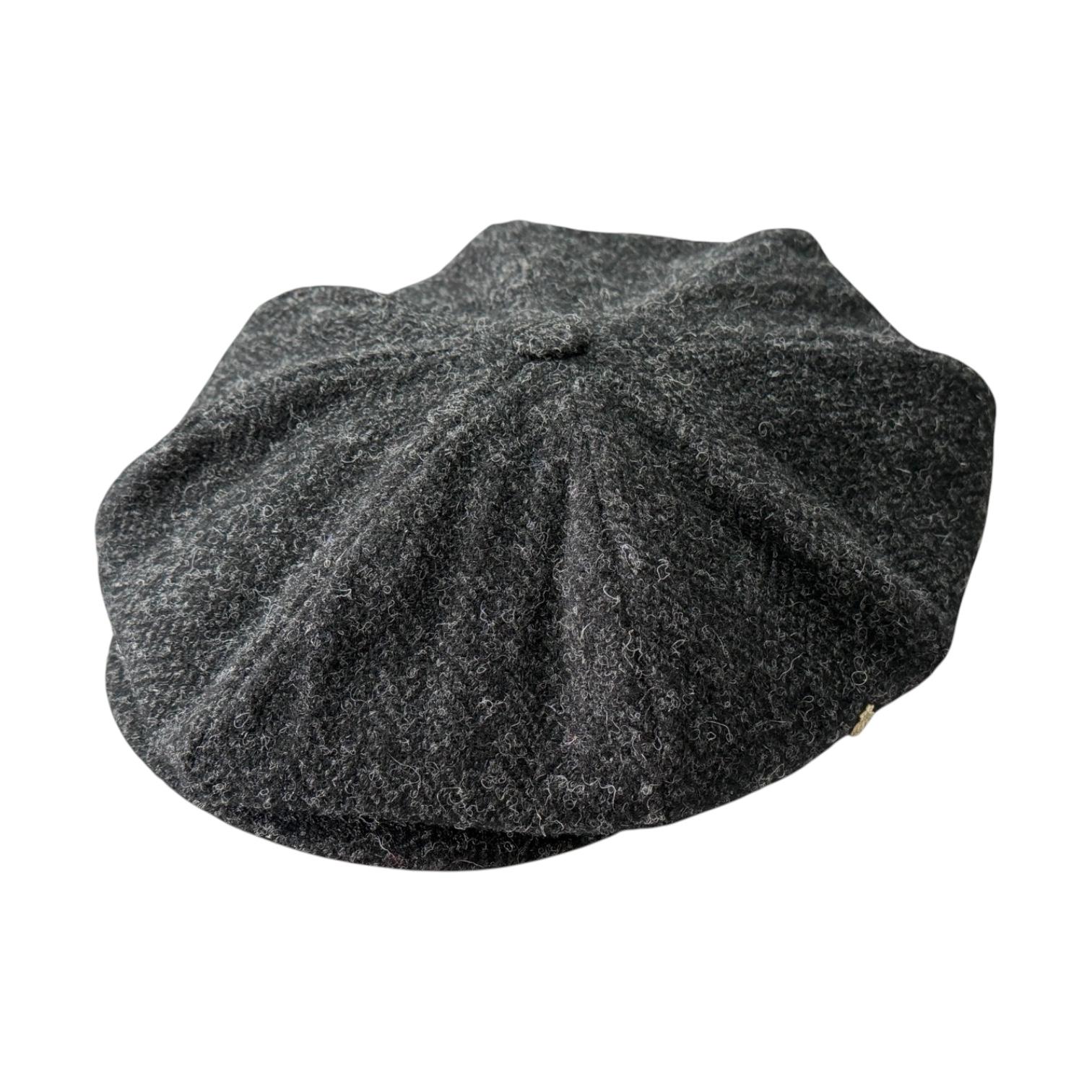
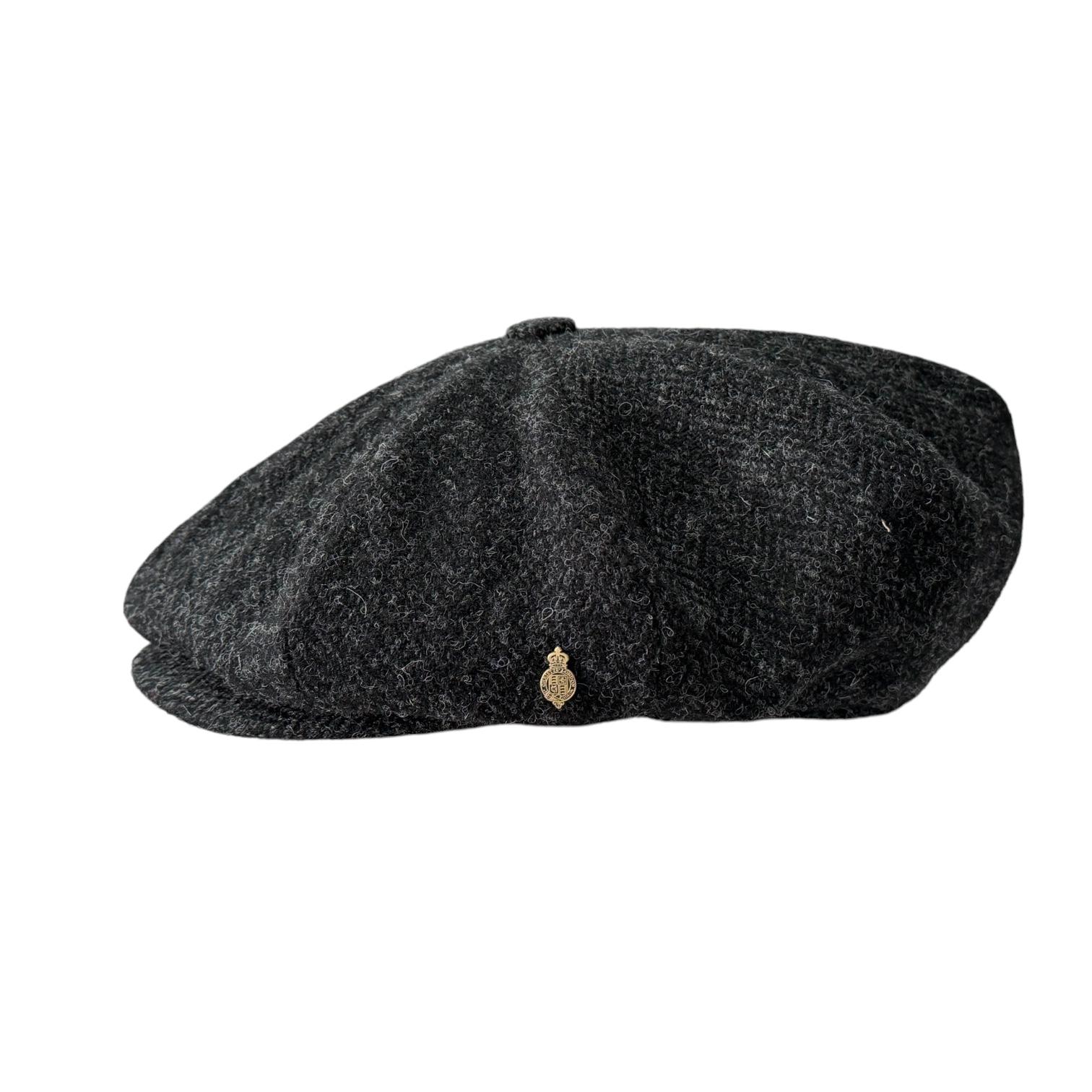
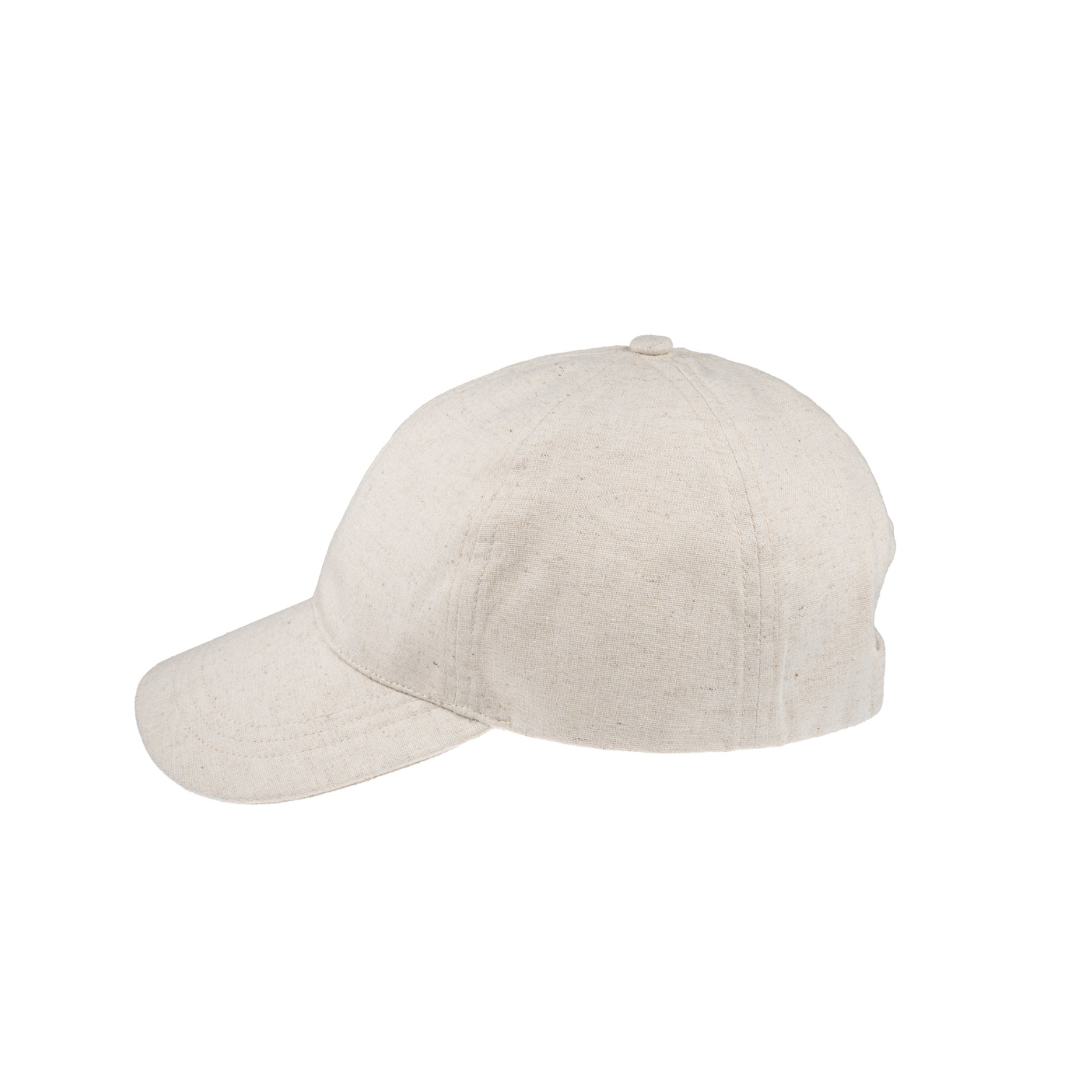
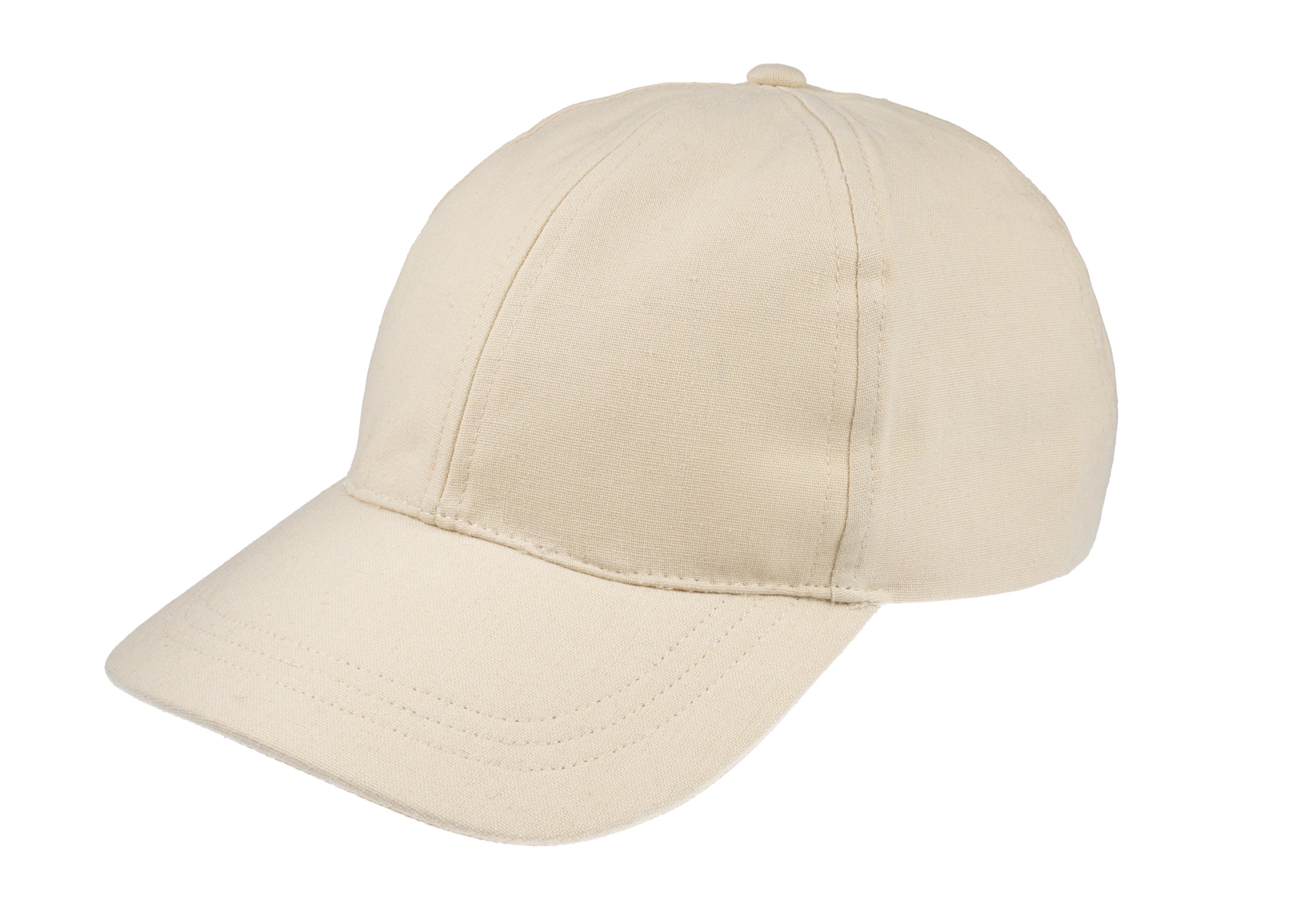
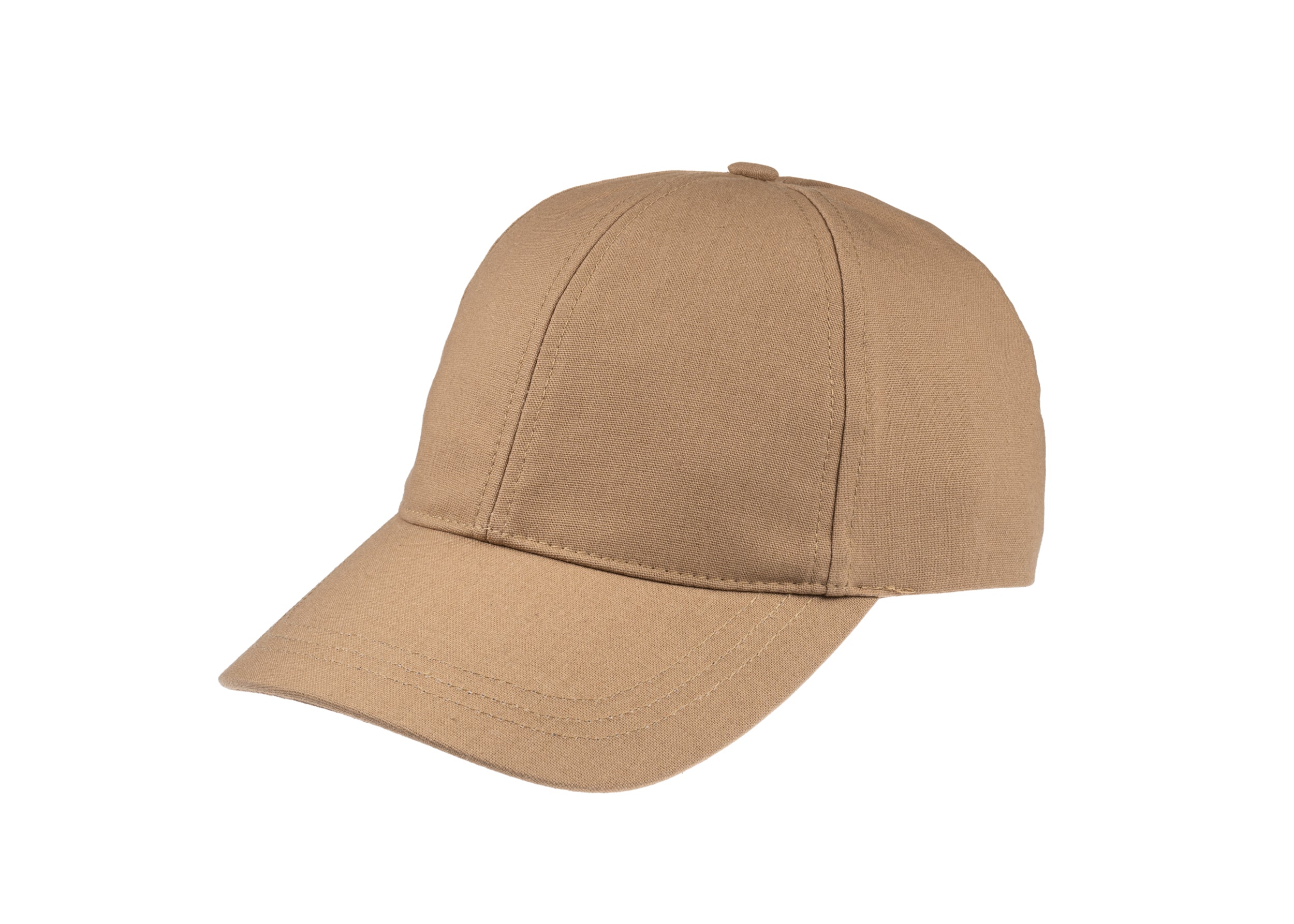
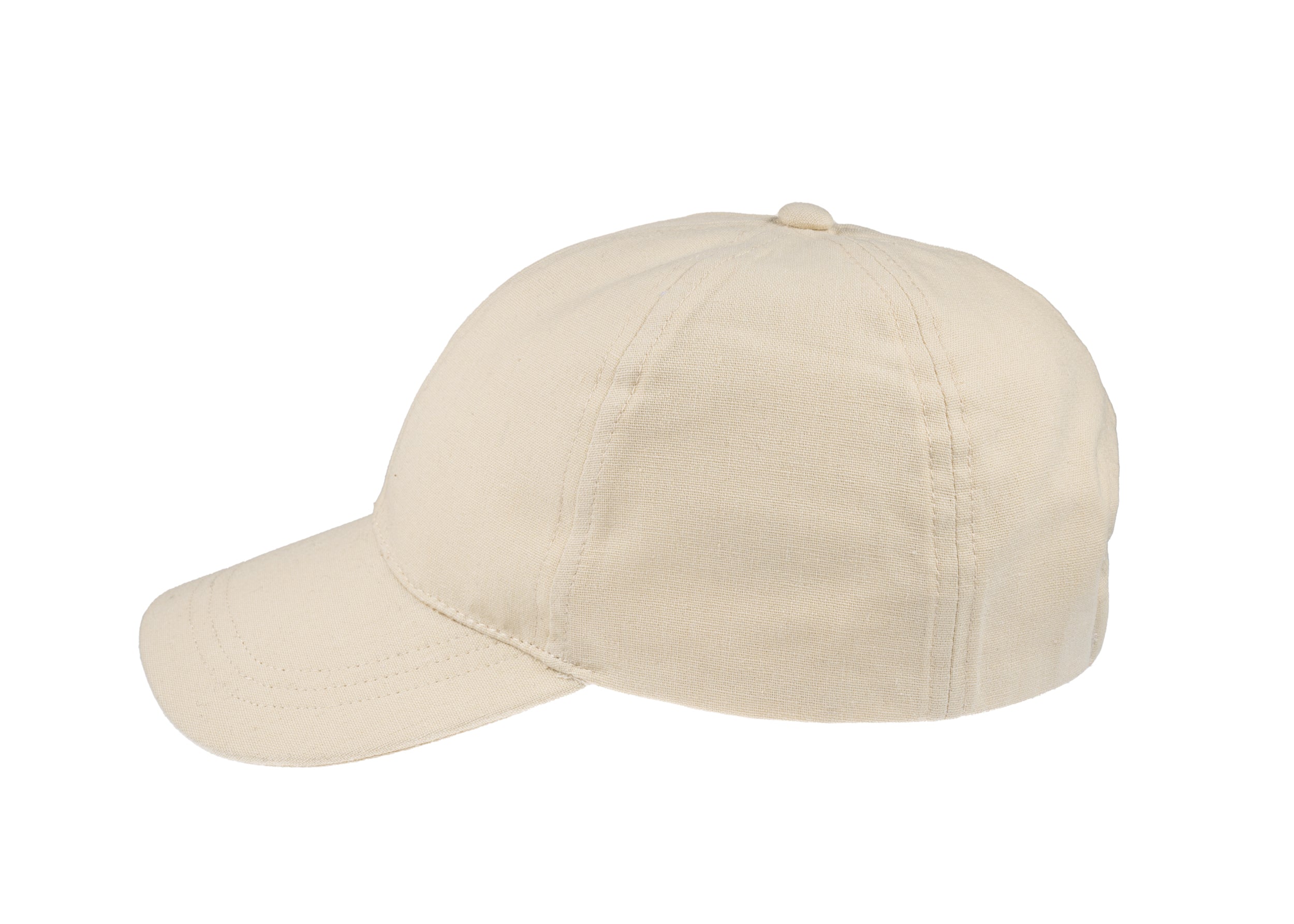
A cap keeps its shape through a different arrangement of parts. The Portobello King’s Flat Cap uses a close-fitting King’s shape, precise panel work and a gently curved, structured peak. The panels control the low profile while the peak gives the front of the cap a clean edge. Here, shape retention is less about a tall crown resisting collapse and more about the cap sitting close, evenly and without the peak being bent out of plane.
Panama straw makes the distinction between flexibility and loss of shape especially clear. The Capri Panama is woven in Ecuador from a Grade 1 woven hood, then shaped and finished in England. Pliability is part of the material’s character: it allows a light, wearable hat and some travel-friendly flexibility. It does not mean unlimited folding, sharp creasing or careless compression. A Panama can be supple while still relying on its finished shape being respected.

Fit, handling and storage are part of the construction
Fit is not merely a comfort question. A hat that is too loose can shift, rub against collars and be repeatedly caught or steadied by the hand; a hat that is too tight can distort the sweatband, press the crown unevenly and encourage the wearer to pull at it. The right size should sit securely without force, with the hat resting naturally rather than being wedged into position. For caps, a close profile should come from the pattern and sizing, not from crushing the side panels.
Handling matters because the strongest part of a hat is not always the part people instinctively grip. Lift a brimmed hat by the brim at two points or by the underside of the brim, rather than pinching the crown. Avoid leaving it brim-down on a hard surface, where one edge can carry the weight and develop a flat spot. Do not compress a structured hat beneath luggage, press a peak against a seat or hang a heavy object from a band.
After ordinary wear, allow the hat to rest in a dry, ventilated place away from direct heat. Light surface dust can be removed gently with a suitable soft brush, following the direction of the felt or cloth. For longer storage, match the container to the headwear: Christys’ standard hat box is intended for most hats not exceeding a 9cm width, while the cap box has its own lower profile and dimensions. Check the product description before buying a box; a lid should never press on the crown, brim or peak.
If a hat has become genuinely misshapen, has a persistent crease, or has suffered saturation or damage, resist an improvised iron, hairdryer or steaming experiment. Specialist reshaping or repair is safer than trying to recreate a block at home.
A quick check before you put it away
- Has the hat dried naturally after use, without direct heat or pressure?
- Is the crown, brim or peak resting free of contact with luggage, furniture or a tight lid?
- If the hat has settled out of line, is the change minor enough for gentle resting, or does it need specialist attention?

Choose construction for the way you actually wear it
The right criterion is whether the hat’s intended construction agrees with the pressures of your routine. A blocked wool felt style suits a wearer who values a defined crown and brim for formal or smart dressing. A Crushable Safari makes more sense when packing, changing weather and outdoor movement are unavoidable. A close King’s flat cap offers a neat low profile for commuting and country wear, while a Panama brings lightness and pliability to warm-weather travel and occasions.
That distinction keeps expectations realistic. A well-made hat can be a practical everyday object, but practicality is designed into different models in different ways. Read the product description for the specific material, shape and intended use, then give the hat the fit, handling and storage that allow that work to last.

Frequently asked questions about keeping a hat in shape
Use the questions below for quick guidance on specific wearing, storage and reshaping situations.
Before putting a hat away, make the final check practical: the material should be dry, the silhouette should have room to rest, and the container should support rather than press on its shape. The FAQ below covers what to do when ordinary wear leaves a small problem to solve.
FAQ
How can I tell whether a hat has simply settled after wearing it?
Look for a small, even change that improves when the hat is left in a dry, ventilated place. A crown leaning to one side, a brim with a persistent flat spot or a peak that no longer returns to its curve suggests distortion rather than ordinary settling.
Can I pack the Crushable Safari immediately after wearing it?
Let it cool and dry first, particularly if it has been worn in damp weather. Follow the product’s packing method rather than forcing it into a smaller space, and restore it to its intended shape when you unpack it.
What is the safest way to lift a hat from a car seat or luggage?
Use the brim at two points or the underside of the brim. For a cap, use the sides or peak without bending it. Avoid pulling on the crown, band or a single edge, especially when the headwear has been compressed.
How should I judge whether a hat box is large enough?
The lid should close without touching the crown, brim or peak, and the hat should not be wedged against the sides. Compare the box dimensions with the specific headwear rather than assuming that a standard hat box will suit every brim or crown.
What should I do after a Panama gets damp?
Allow it to dry naturally in its finished shape, away from radiators, hairdryers and strong direct heat. Do not fold or compress it while damp; if the shape remains distorted once dry, seek specialist advice.
When is home care no longer sensible?
Stop when there is a fixed crease, a distorted brim or peak, significant saturation, or damage to the material or structure. Improvised ironing, steaming or reshaping can make the problem worse, so specialist reshaping or repair is the safer option.