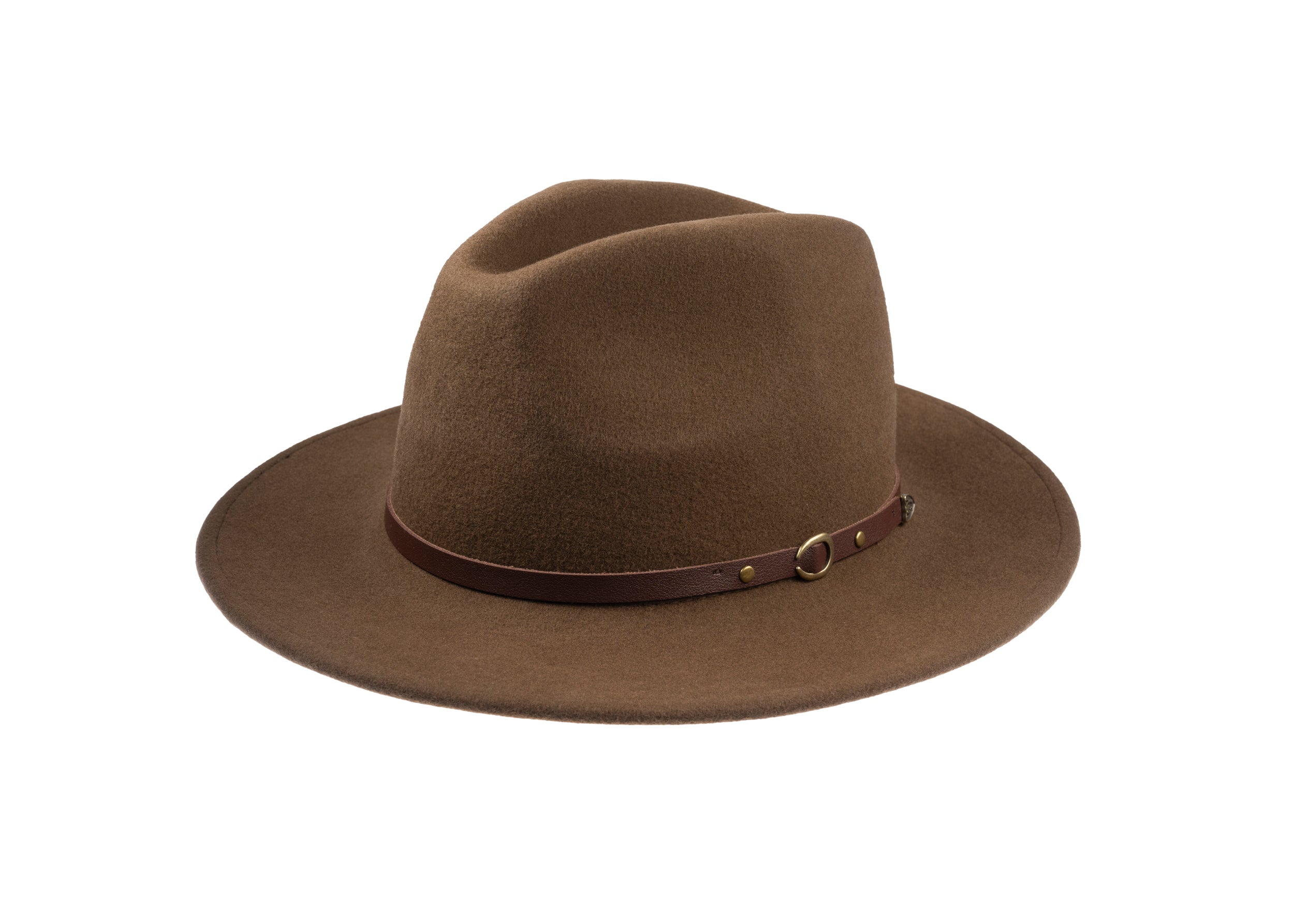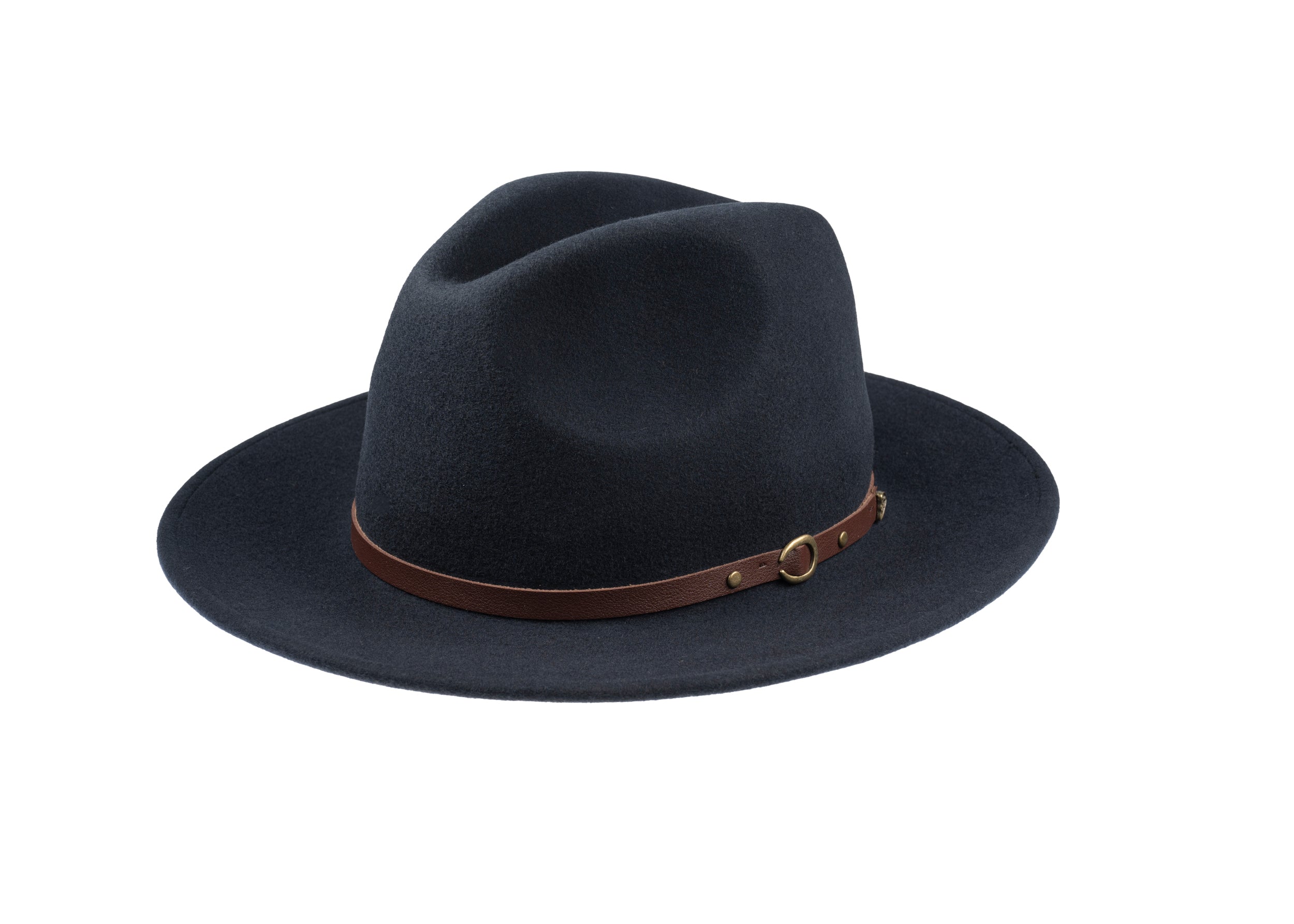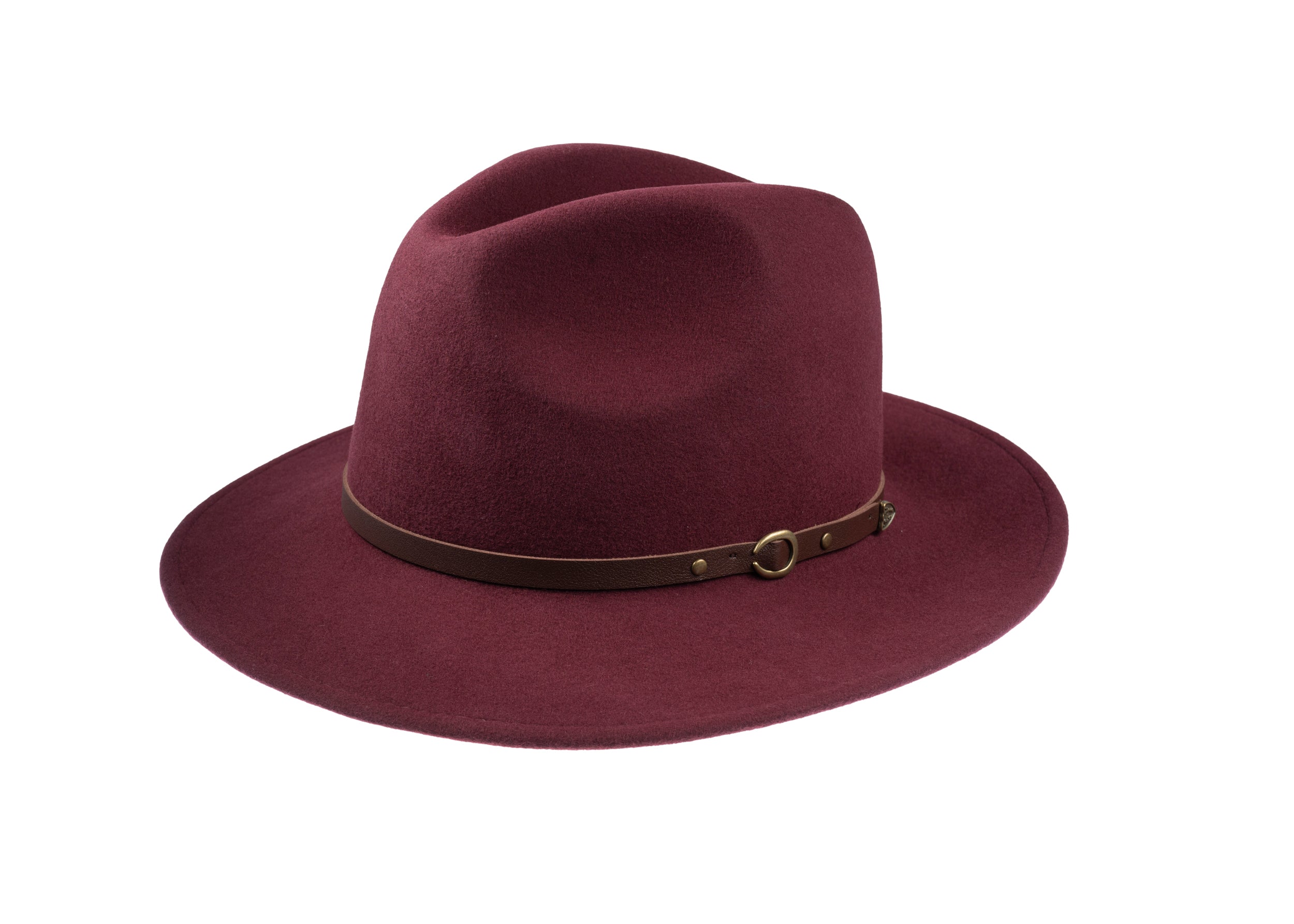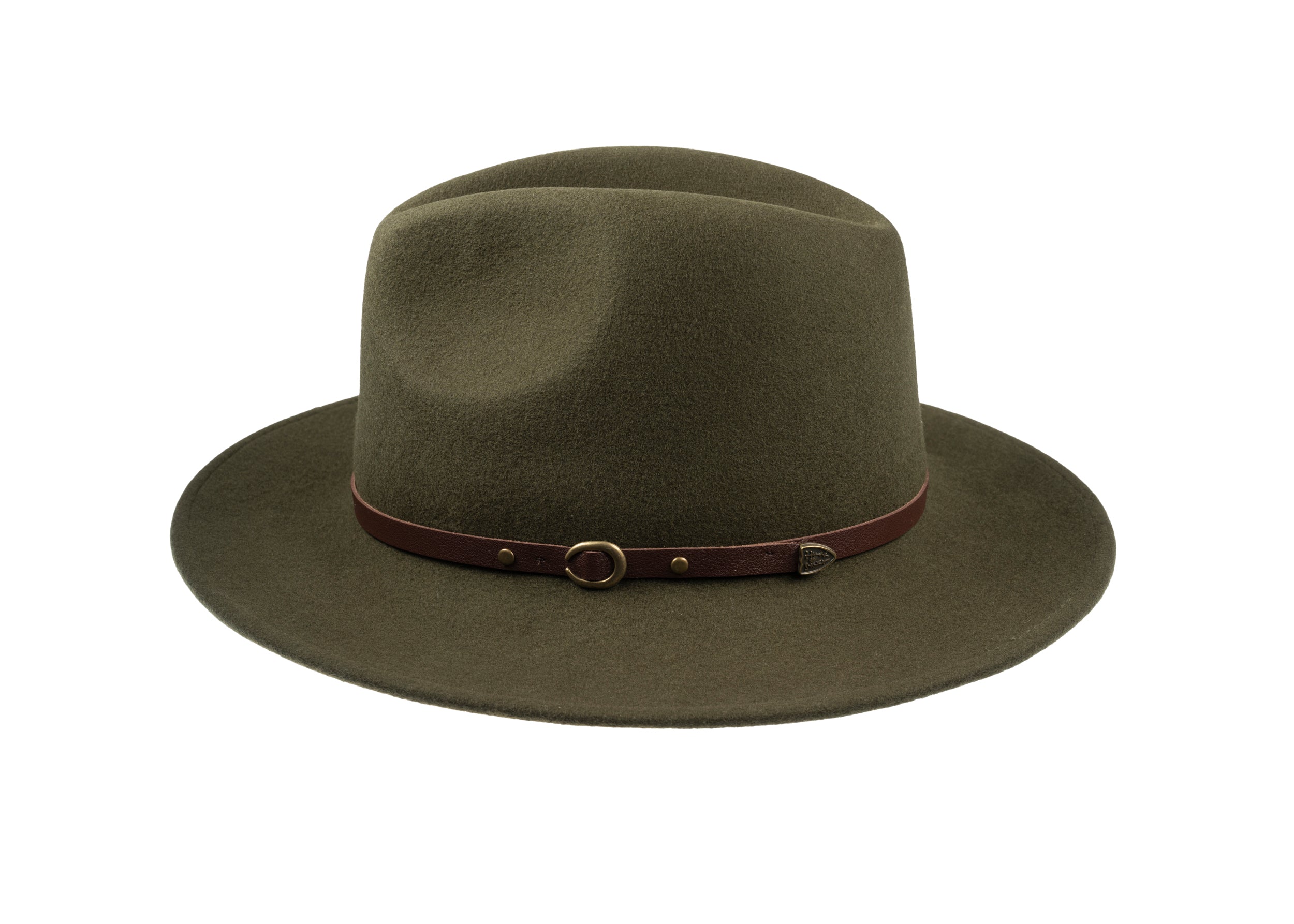





A well-made hat should feel secure, comfortable and quietly natural to wear. The most reliable way to find that fit is to measure your head, rather than relying on a clothing size, an old label or a visual estimate.
Your choice of Fedora, Trilby, Flat Cap or another style should begin with your head circumference. Compare that measurement with the Christys' Size Guide, which brings UK, centimetre, US and inch sizing together so you can order with considerably less guesswork.

Measure your head accurately
Use a soft tape measure if you have one. If not, use a strip of paper or string, mark the point where it meets, and measure that length against a ruler. Take the measurement in centimetres if possible, as that is the clearest starting point for the Christys' chart.
Stand naturally and measure around the fullest part of your head: across the middle of your forehead, above your ears, and around the widest point at the back of your head. Keep the tape level all the way around and hold it comfortably against the head, snug enough to follow your shape but not pulled tight.

Confirm your measurement before checking sizes
Wear your hair as you would normally do when wearing the hat or cap. If you have longer or fuller hair, avoid compressing it unusually for the measurement; the aim is to reflect the fit you will actually need. Record the most consistent result from two measurements before moving on to the chart.

Read the Christys' size chart
The official Christys' chart covers head measurements from 49 to 65 cm. It shows the corresponding UK size, US size and inch measurement, with selected labels such as S, S/M, M, M/L, L and XL. For example, 57 cm corresponds to UK 7, US 7⅛ and 22 inches, while 61 cm corresponds to UK 7½, US 7⅝ and 24 inches.
Use centimetres as your main reference whenever you can. Inch and international conversions are useful when an older hat, a tape measure or a retailer uses a different system, but the maker's own chart should take priority over a general conversion table. Open the official Christys' Size Guide and match your recorded circumference to the nearest listed measurement.
Common measuring checks
- If the result changes between attempts, check that the tape has not loosened at the back or tilted above the ears.
- If you used string or paper, lay it flat against a ruler and record the result carefully in centimetres or inches.
- Write down the exact measurement before comparing it with the chart; small differences can affect the nearest available size.
- If your result falls between listed measurements, repeat the check once before comparing the two sizes offered for the individual product.

Check the fit before you order
A properly fitted hat should sit securely without creating pressure at the forehead, temples or behind the ears. It should not rock noticeably when you turn your head, yet it should not leave a deep mark or feel as though it is being forced into place. A little room for natural movement is preferable to a fit that feels tight from the outset.
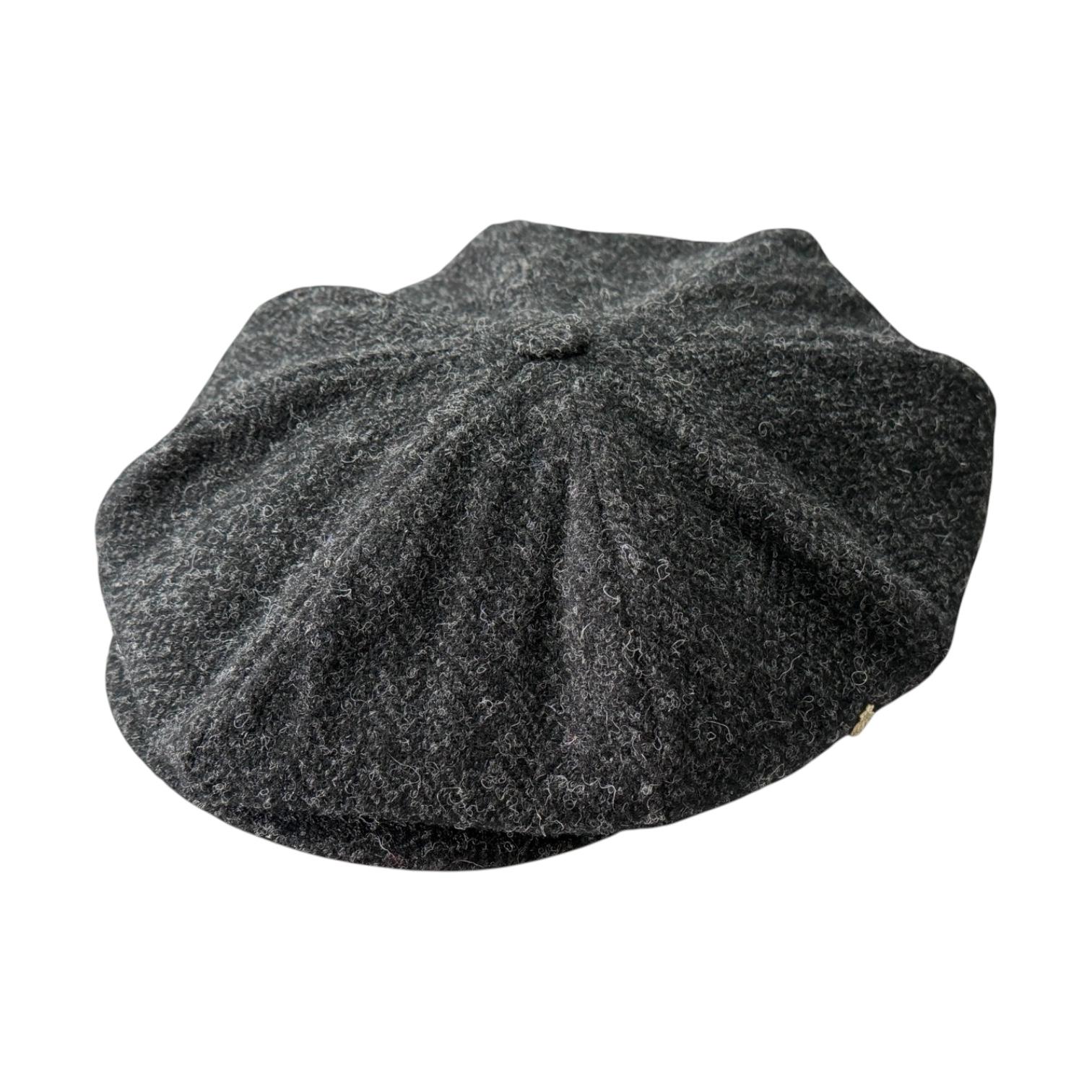
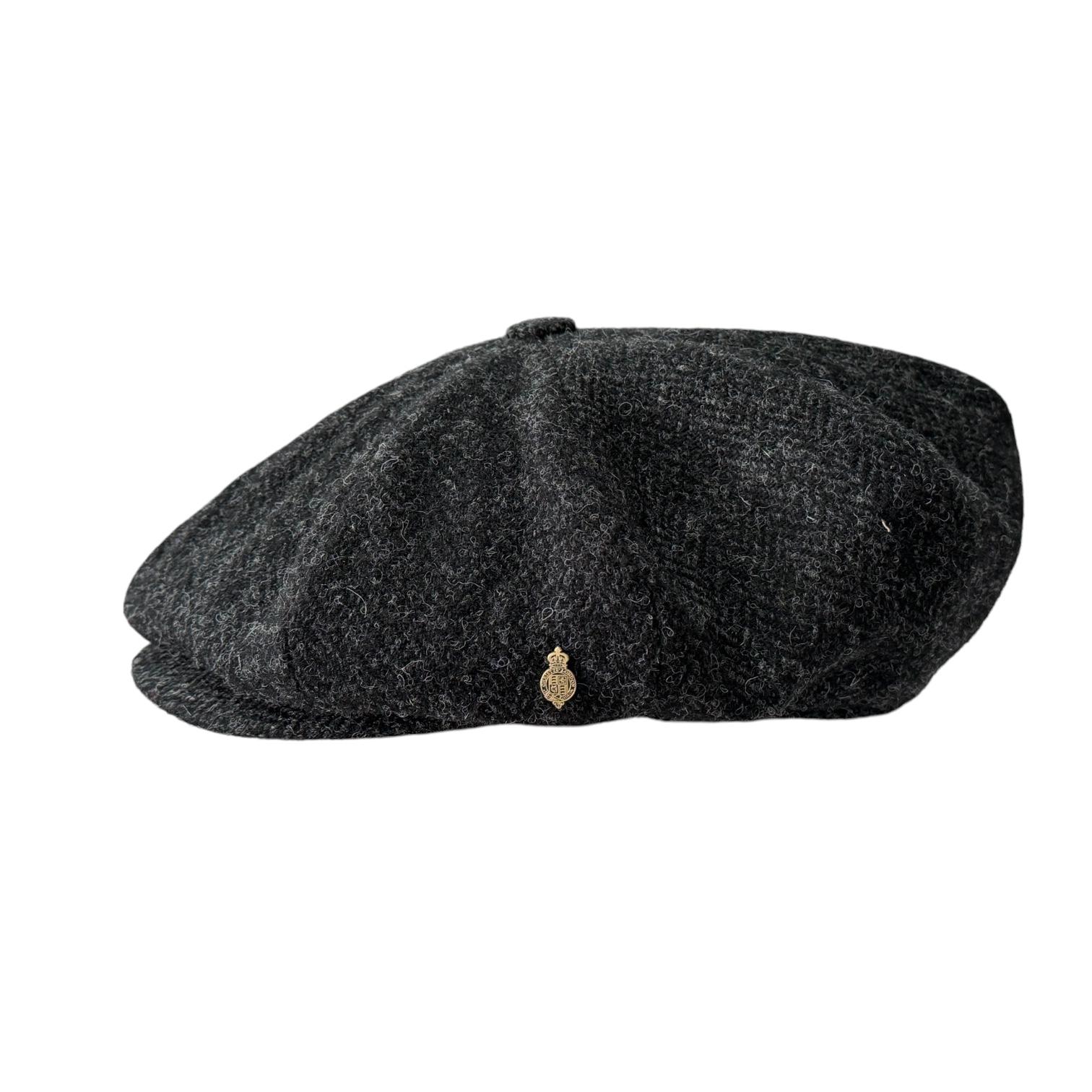
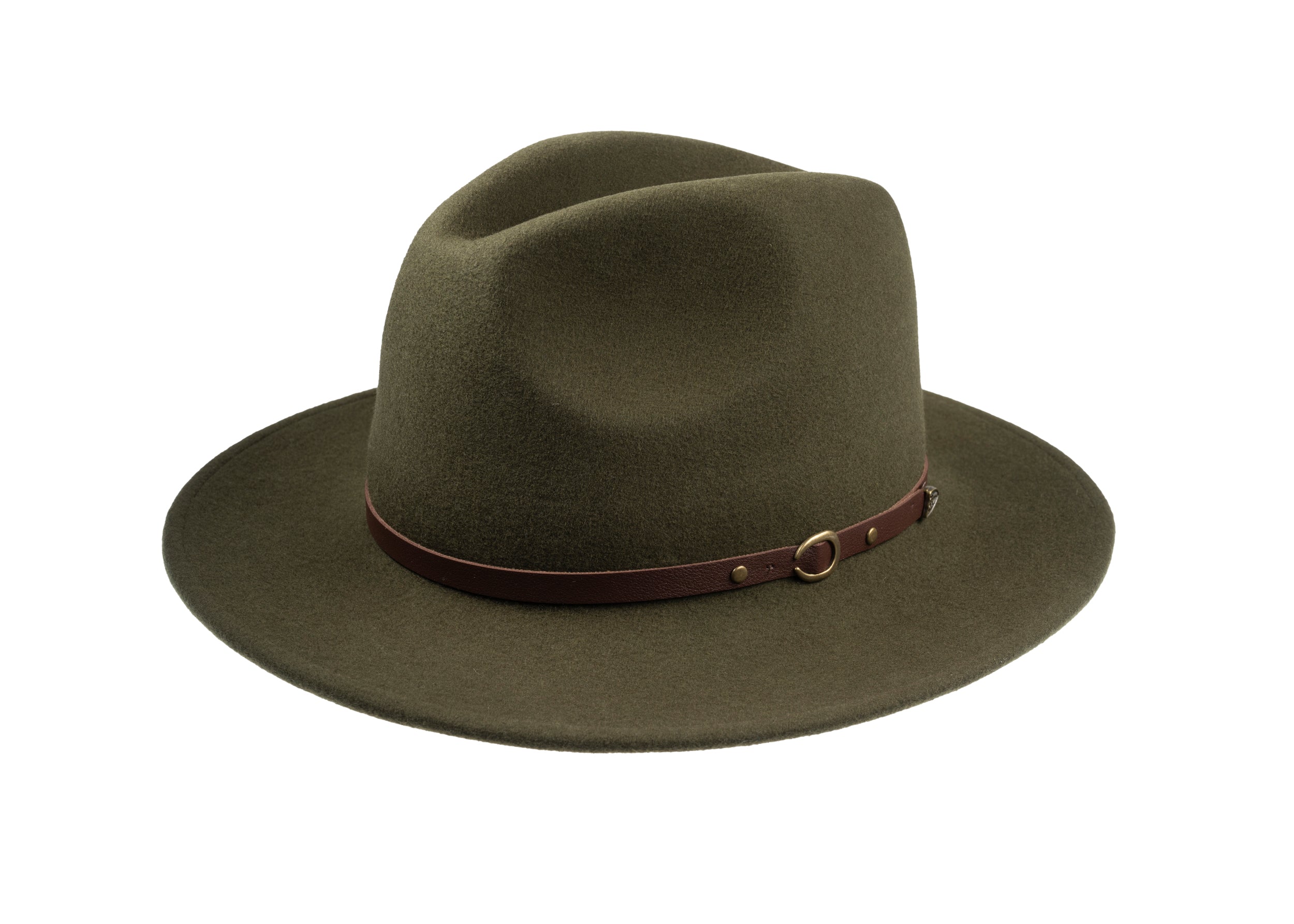
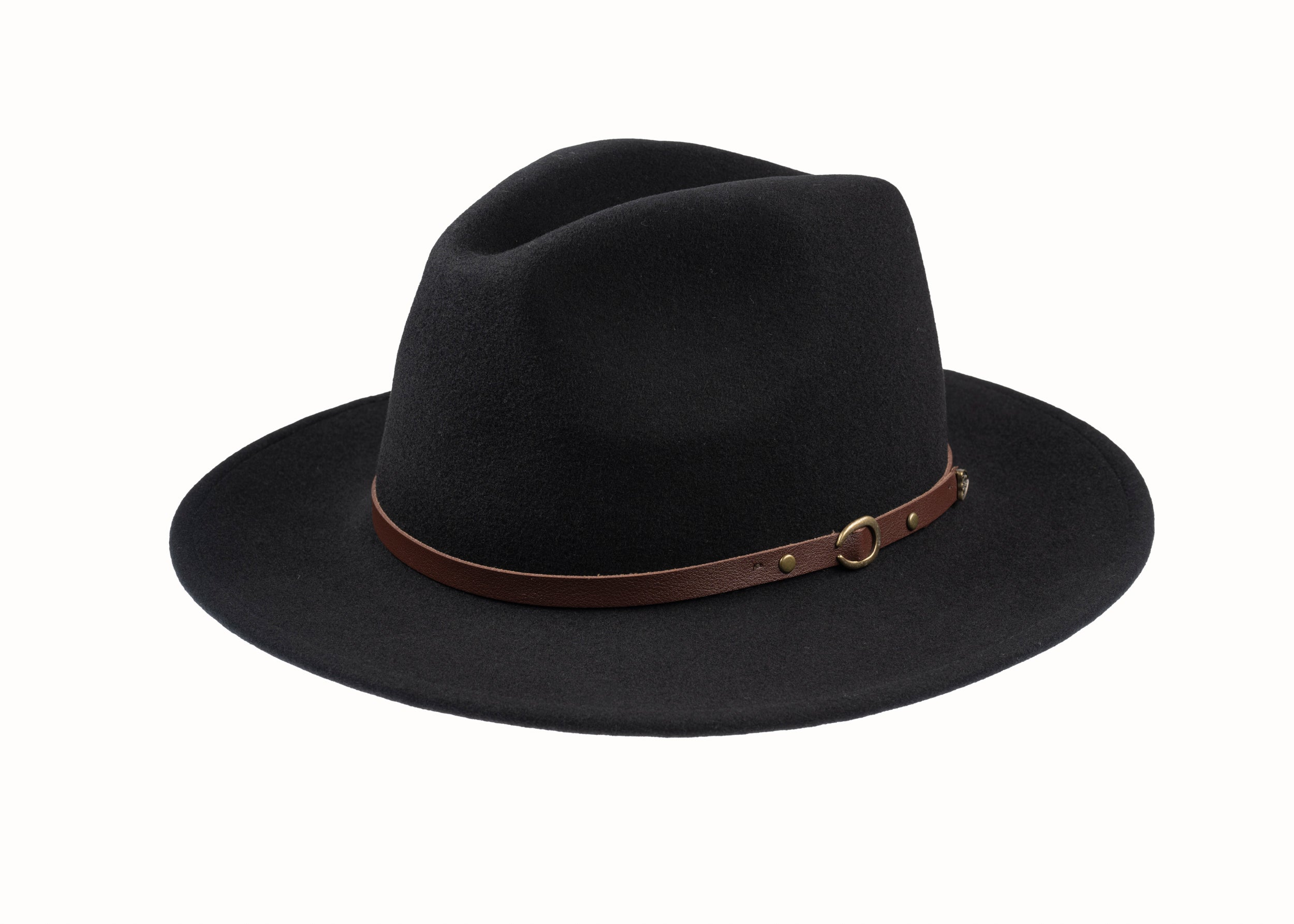
The style can affect how you judge the result. A structured Fedora or Trilby should sit evenly and retain its intended shape; a Flat Cap may feel closer around the sides while its crown rests naturally over the head. In every case, look at the individual product description for its available size range and any specific fit note before completing your order.

If your measurement falls between sizes
If your result sits between two measurements on the chart, measure again before deciding. A difference of a few millimetres can come from tape tension or placement. Once you are confident in the measurement, compare the two available sizes and check which one the individual product offers.
As a general rule, do not choose a smaller size simply because a close fit looks neater on screen. A hat that is slightly roomy may be more comfortable and can sometimes be adjusted with an appropriate hat-sizing strip, but a hat that is too tight is unlikely to become comfortable with wear. When in doubt, use the product's own fit information or contact Christys' before ordering.
The best fit starts with a measured circumference, not a guess. Take your time, compare the result with the Christys' chart, and then review the chosen hat or cap's own sizing information. That small amount of preparation helps a well-made piece feel as considered on the head as it looks online.
FAQ
Can I use an old hat size instead of measuring my head?
Use it as a rough comparison only. Hat labels can vary by maker and age, so a current head measurement is the safer basis for ordering.
What if I only have an inch measurement?
Use the inch column in the Christys' chart, then cross-check the equivalent centimetre or UK size before selecting the product size.
Will the same size feel identical in every style?
Not necessarily. Construction and crown shape can change how a hat or cap sits, so read the individual product description as well as the general chart.
Can a slightly roomy hat be adjusted?
Sometimes an appropriate hat-sizing strip can refine the fit, but it is better to start with the closest accurate measurement and avoid choosing a size that feels tight.
What should I check just before ordering?
Confirm that your measurement matches the product's available size range and read any style-specific fit note. If the choice remains unclear, contact Christys' before completing the order.