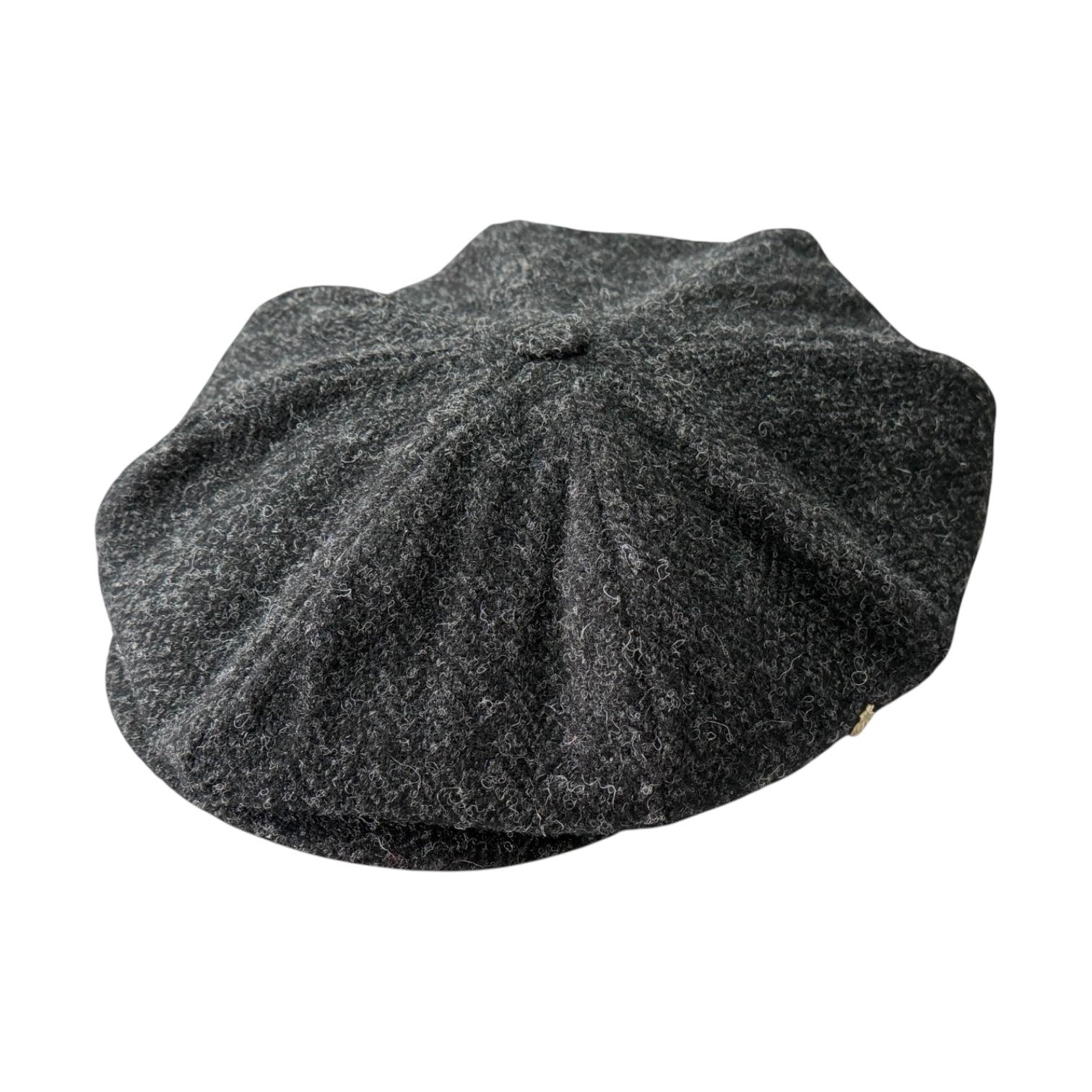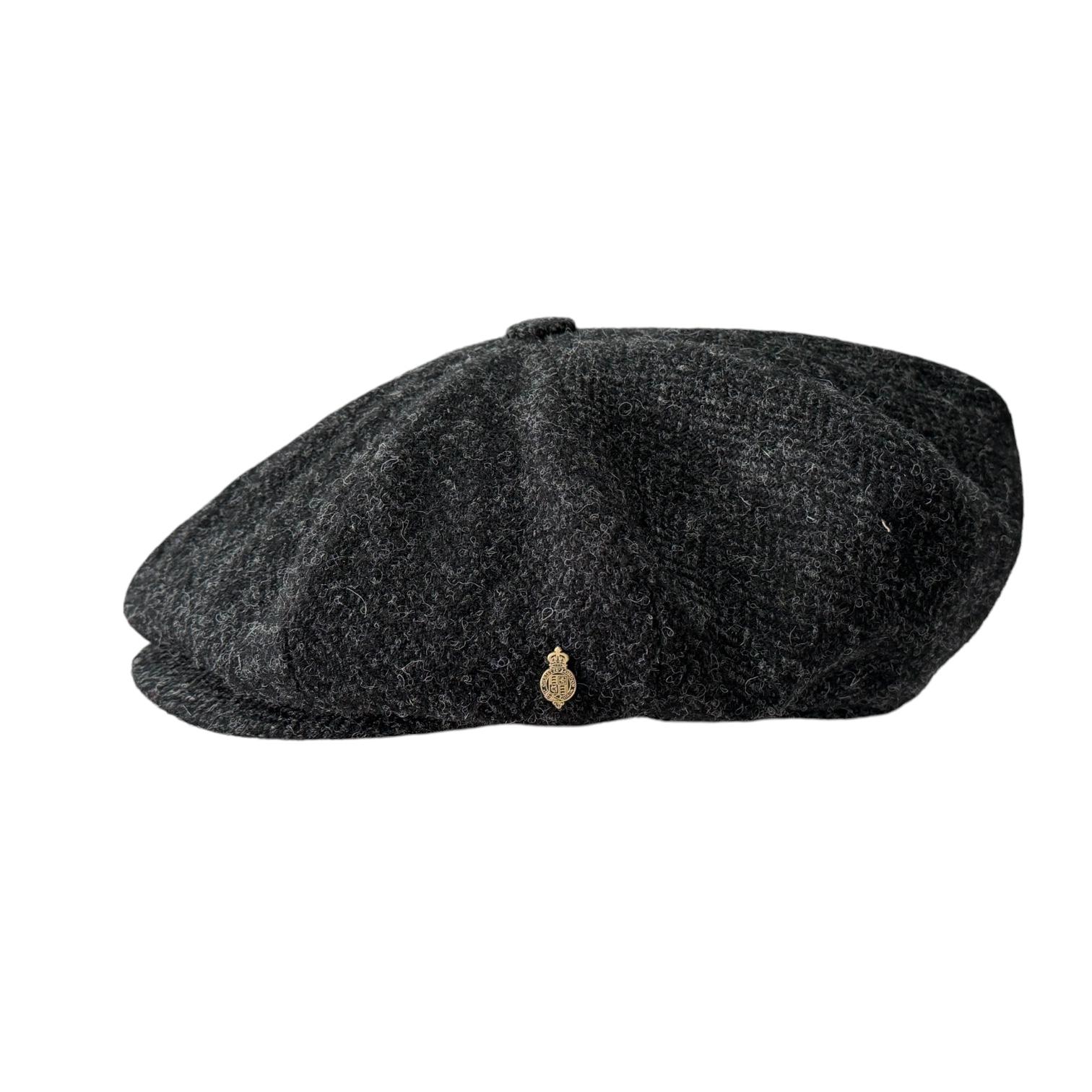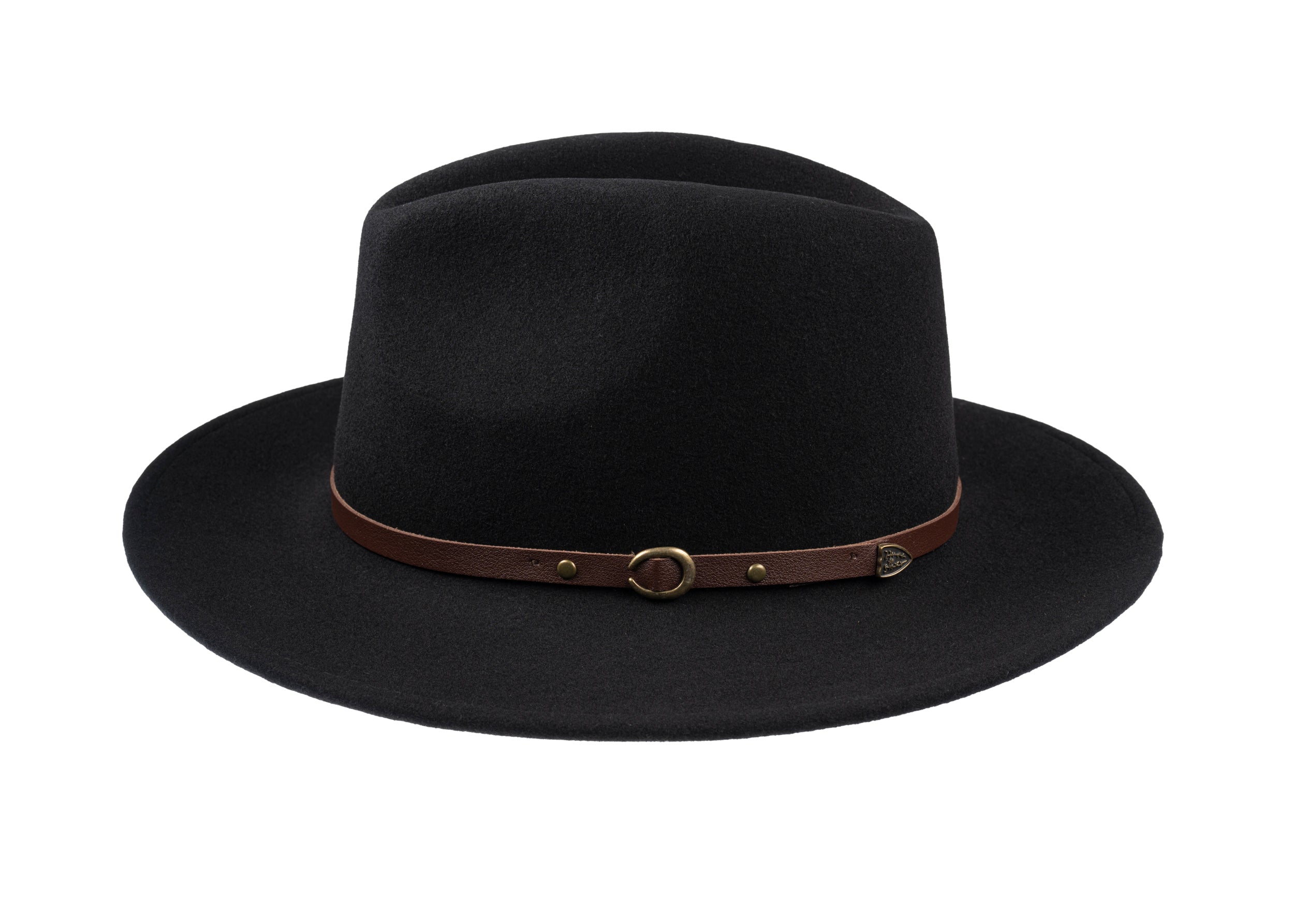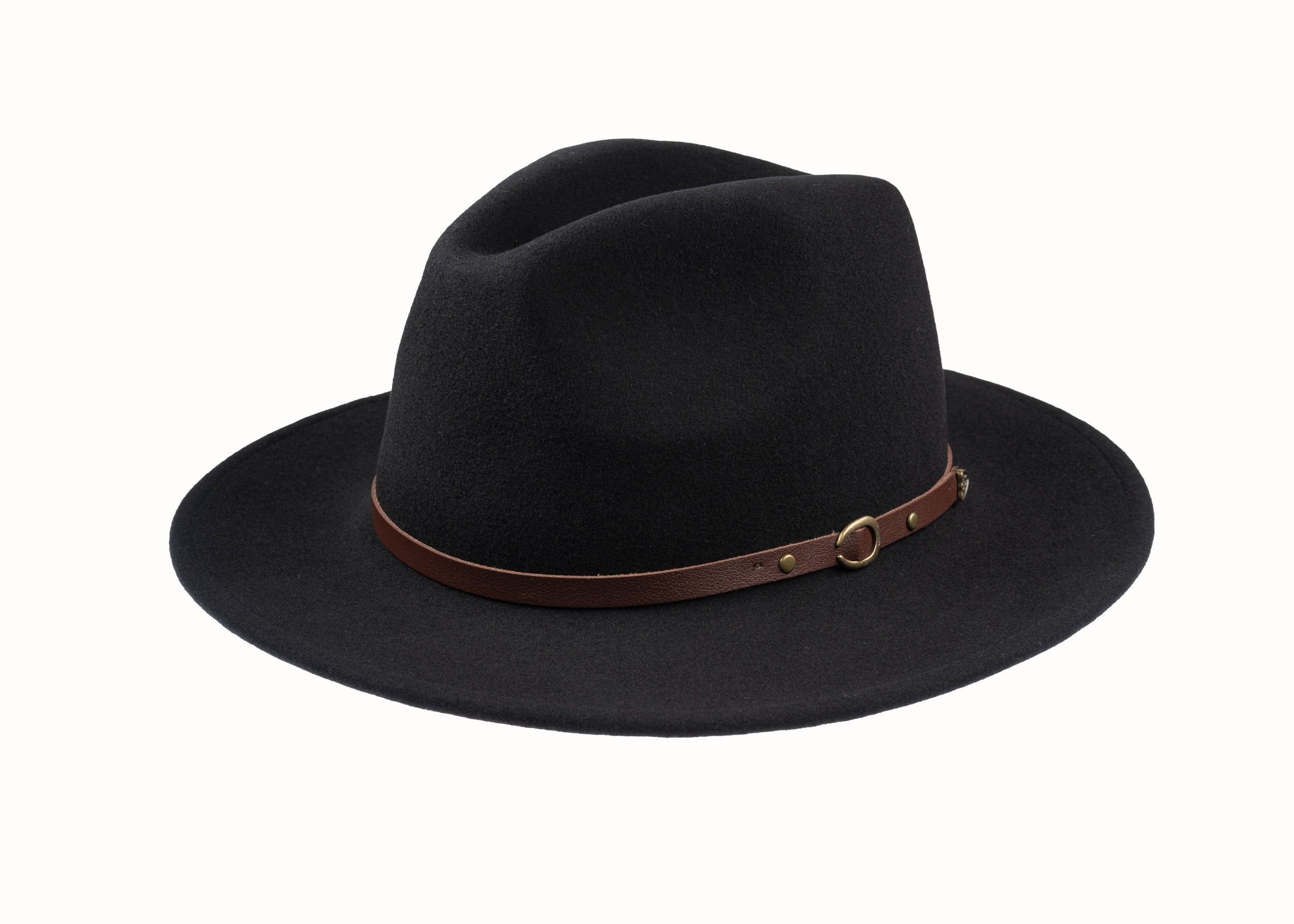



On 8th May 1945, Winston Churchill announced the surrender of Nazi Germany, marking Victory in Europe Day — a defining moment in British history and the end of war in Europe.
As crowds gathered across Britain in celebration and reflection, Churchill’s unmistakable silhouette became permanently etched into public memory. Alongside the cigar and overcoat sat another enduring symbol of British formality and quiet authority: the Homburg Hat.
For generations, the Homburg has represented understated confidence, refinement, and authority — qualities closely associated with Britain’s political and cultural identity throughout the 20th century.
Churchill and Christys’ Hats
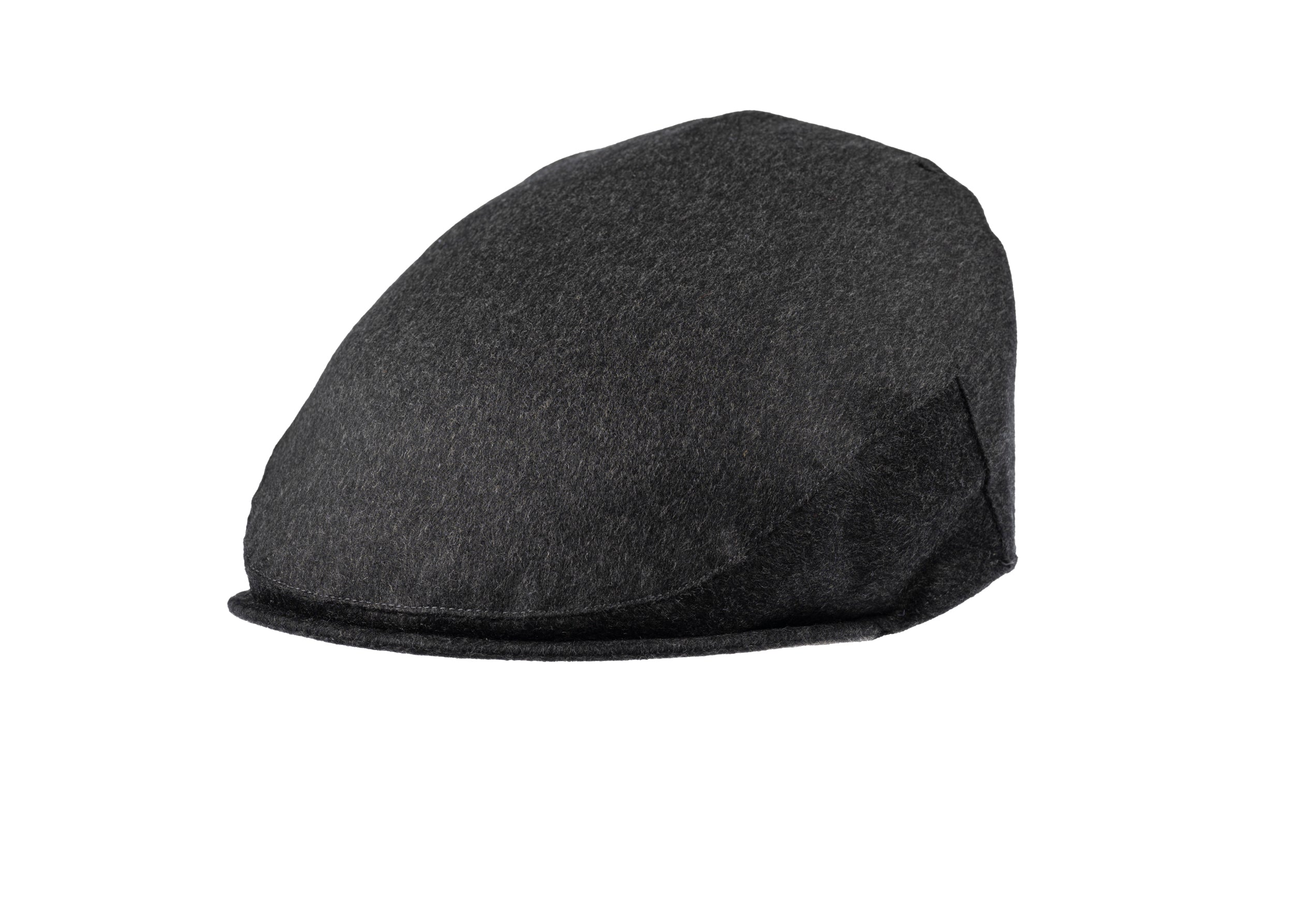
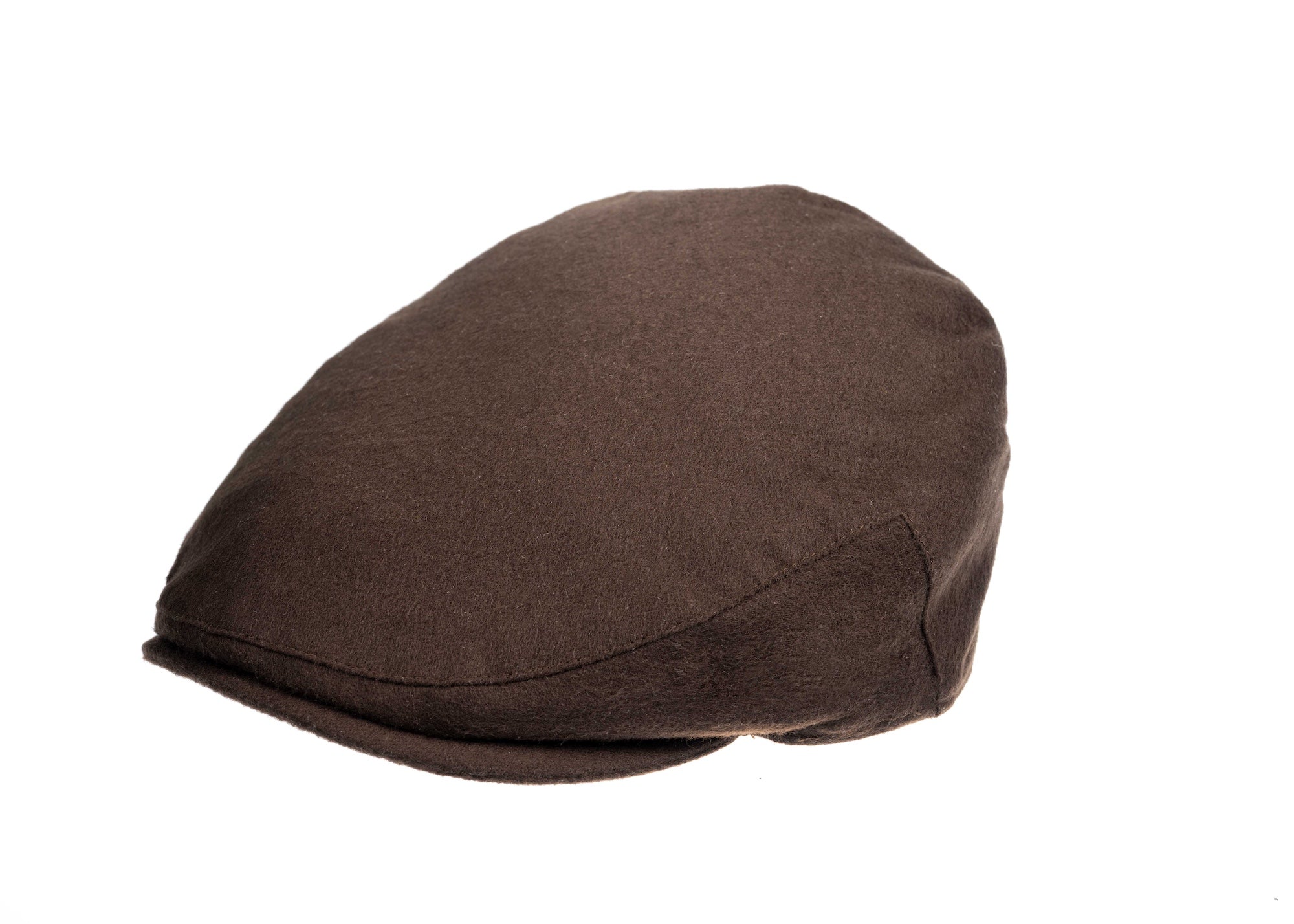
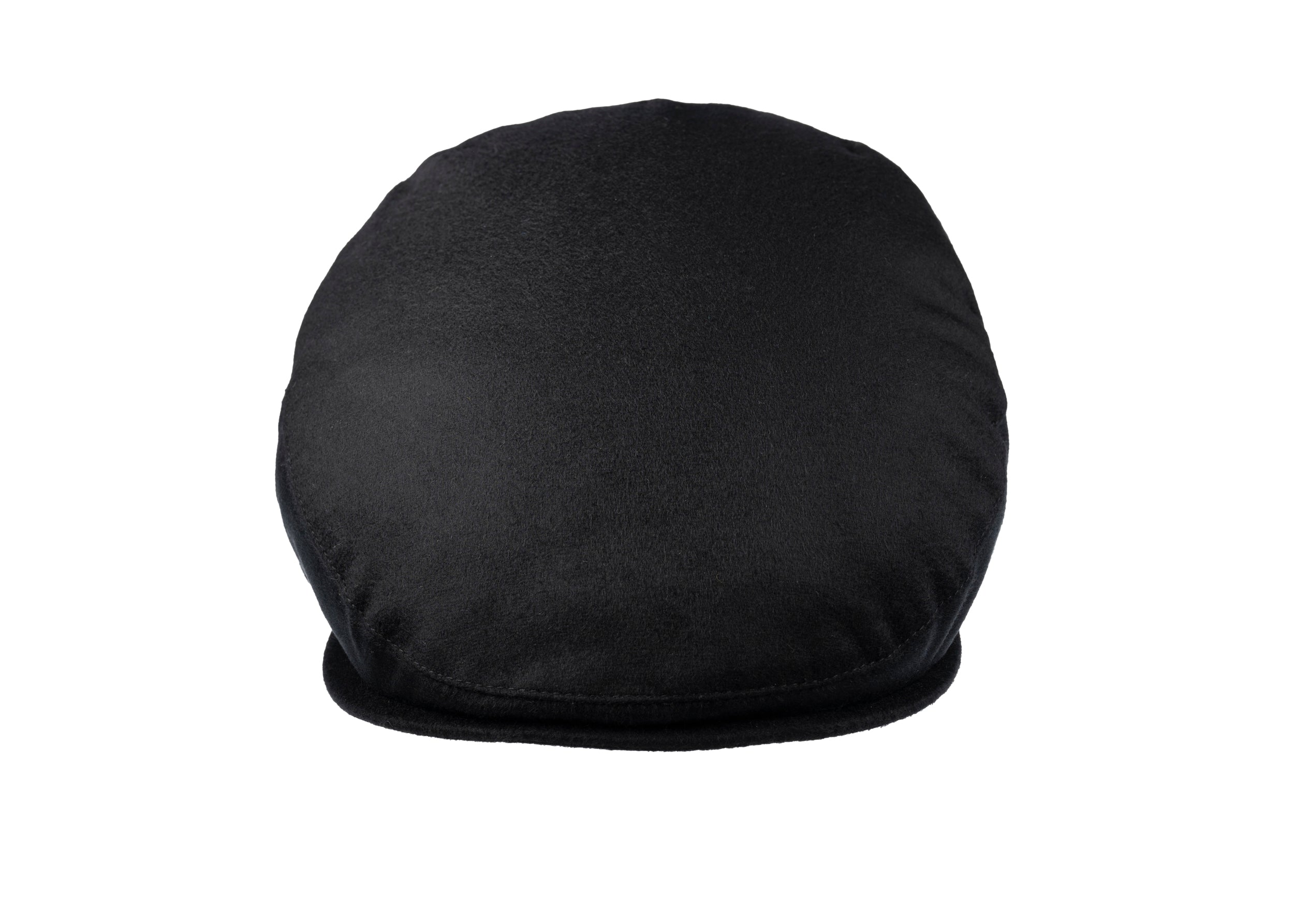
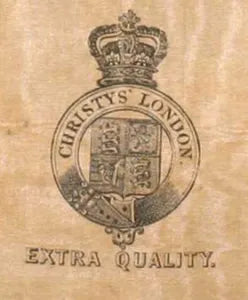
Throughout his public life, Churchill was known to wear hats crafted by Christys' Hats, one of Britain’s most historic hatmakers. Founded in 1773, Christys’ has long been associated with British craftsmanship, supplying hats worn by statesmen, public figures, and gentlemen for centuries.
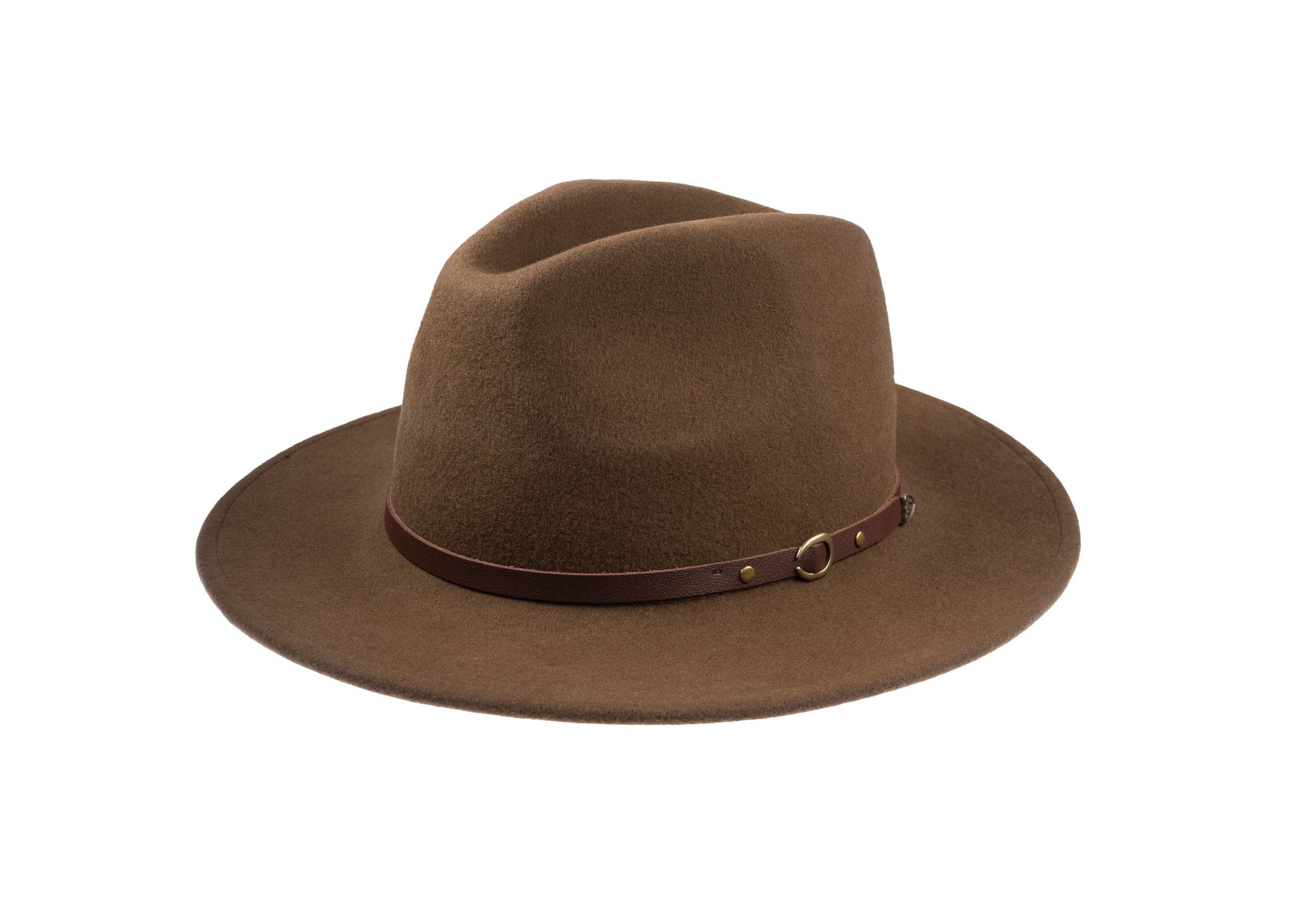
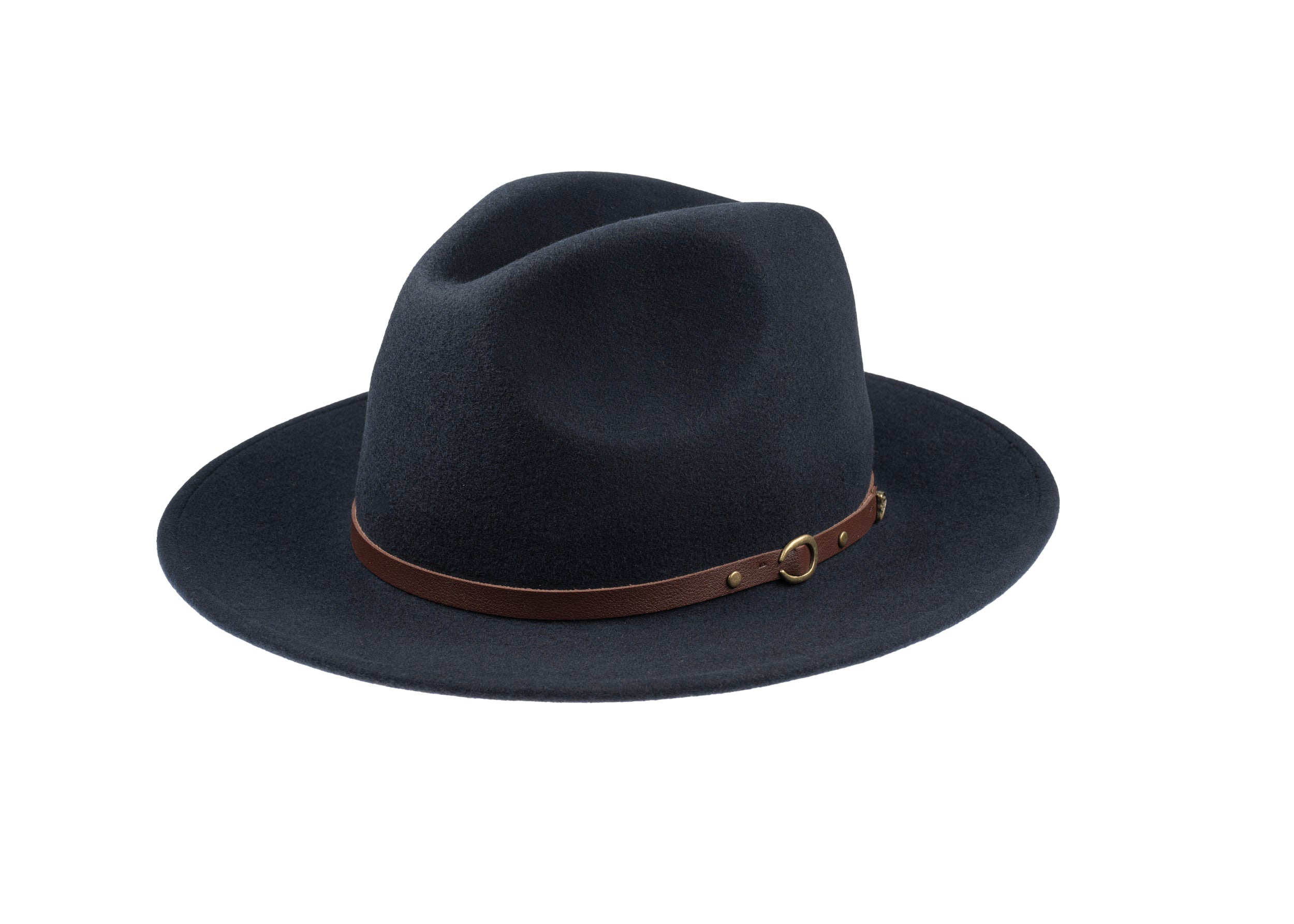
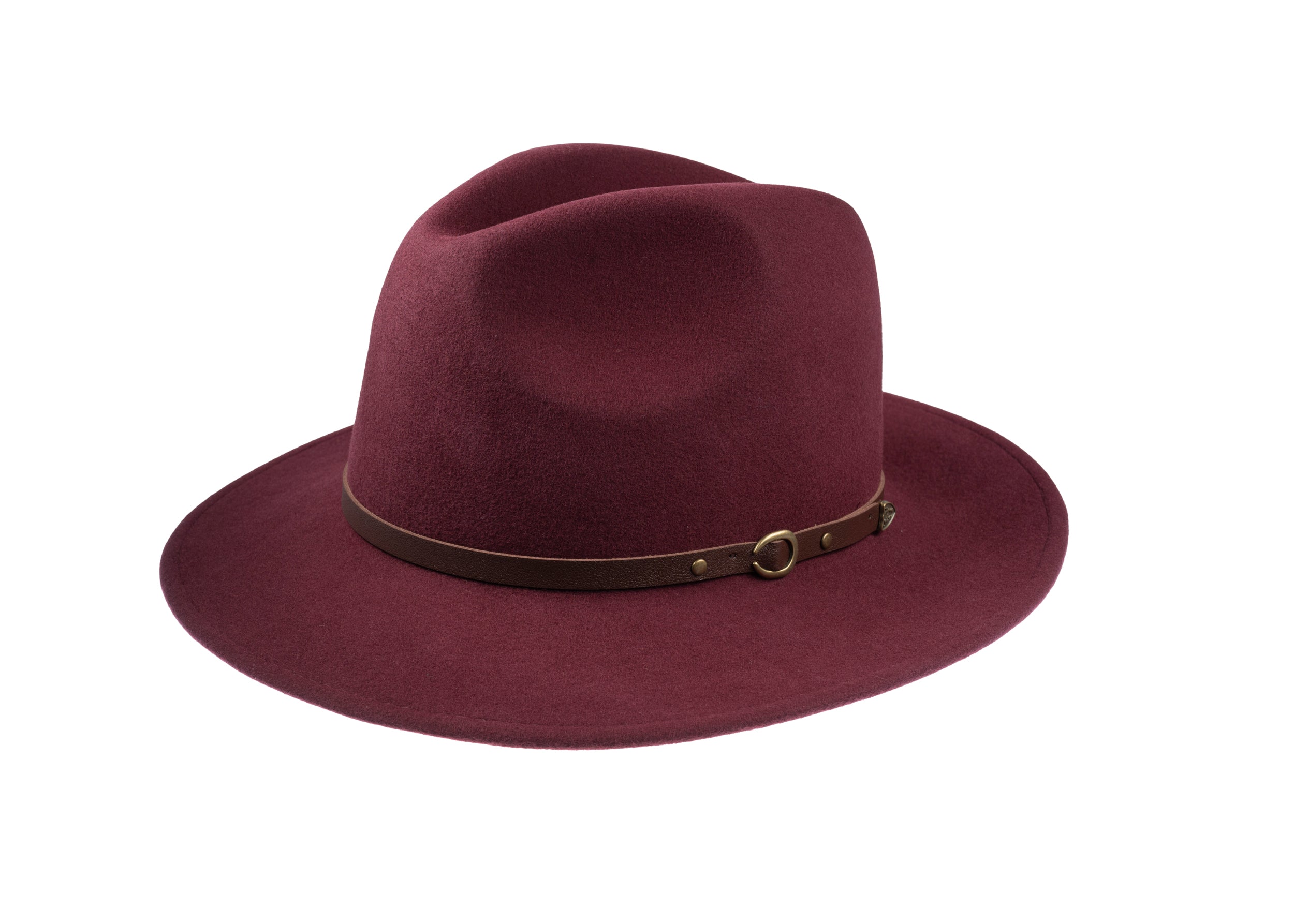
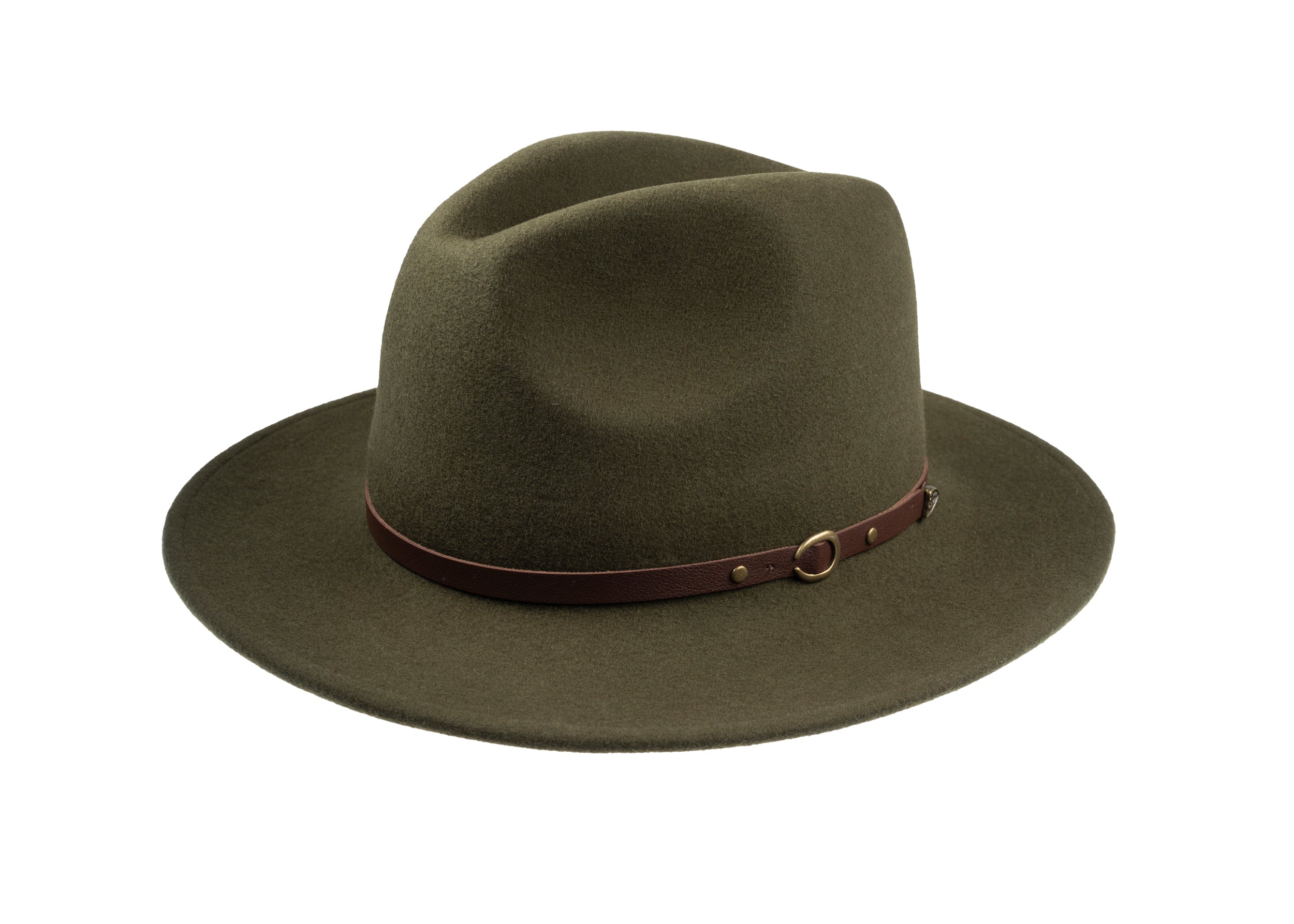
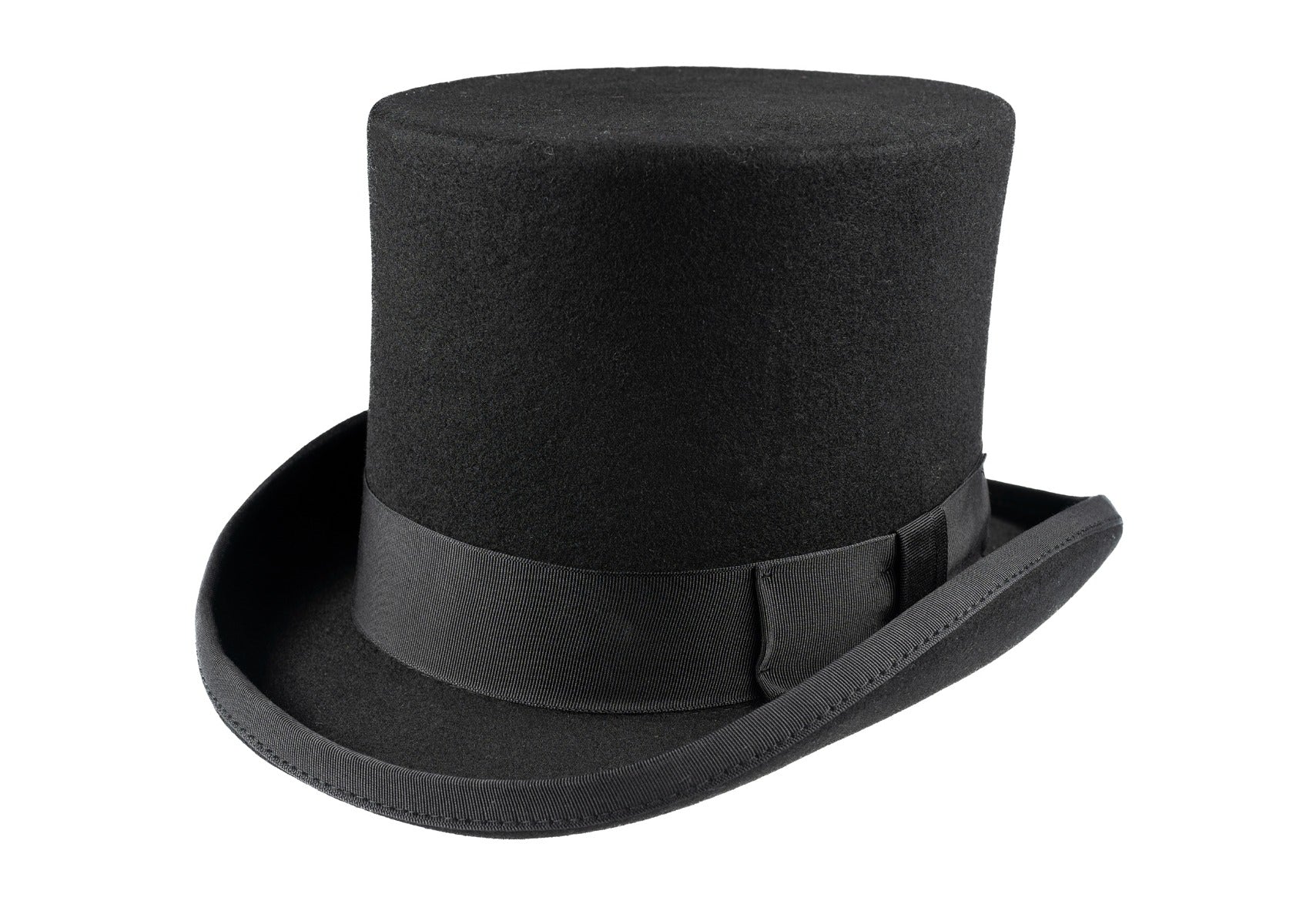
At a time when hats remained an essential part of formal dress, the Homburg stood apart for its structured elegance and quiet authority. More refined than the Fedora yet less rigid than the Top Hat, it became a defining silhouette of political and diplomatic style.
Churchill’s generation understood the importance of presentation — not as fashion, but as a reflection of discipline, confidence, and character. The Homburg embodied exactly that.
The Origins of the Homburg
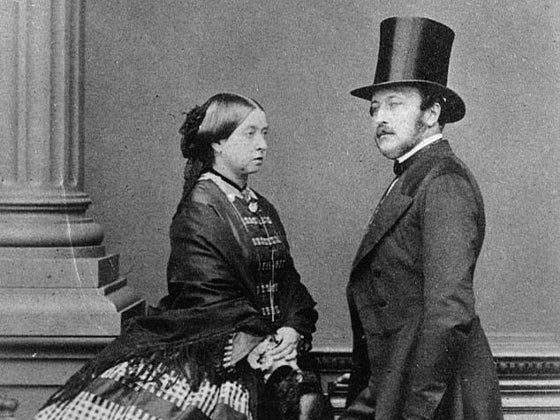
The Homburg first rose to prominence in 1882 after King Edward VII, then Prince of Wales, returned from Bad Homburg wearing a distinctive felt hat unlike the softer styles popular at the time.
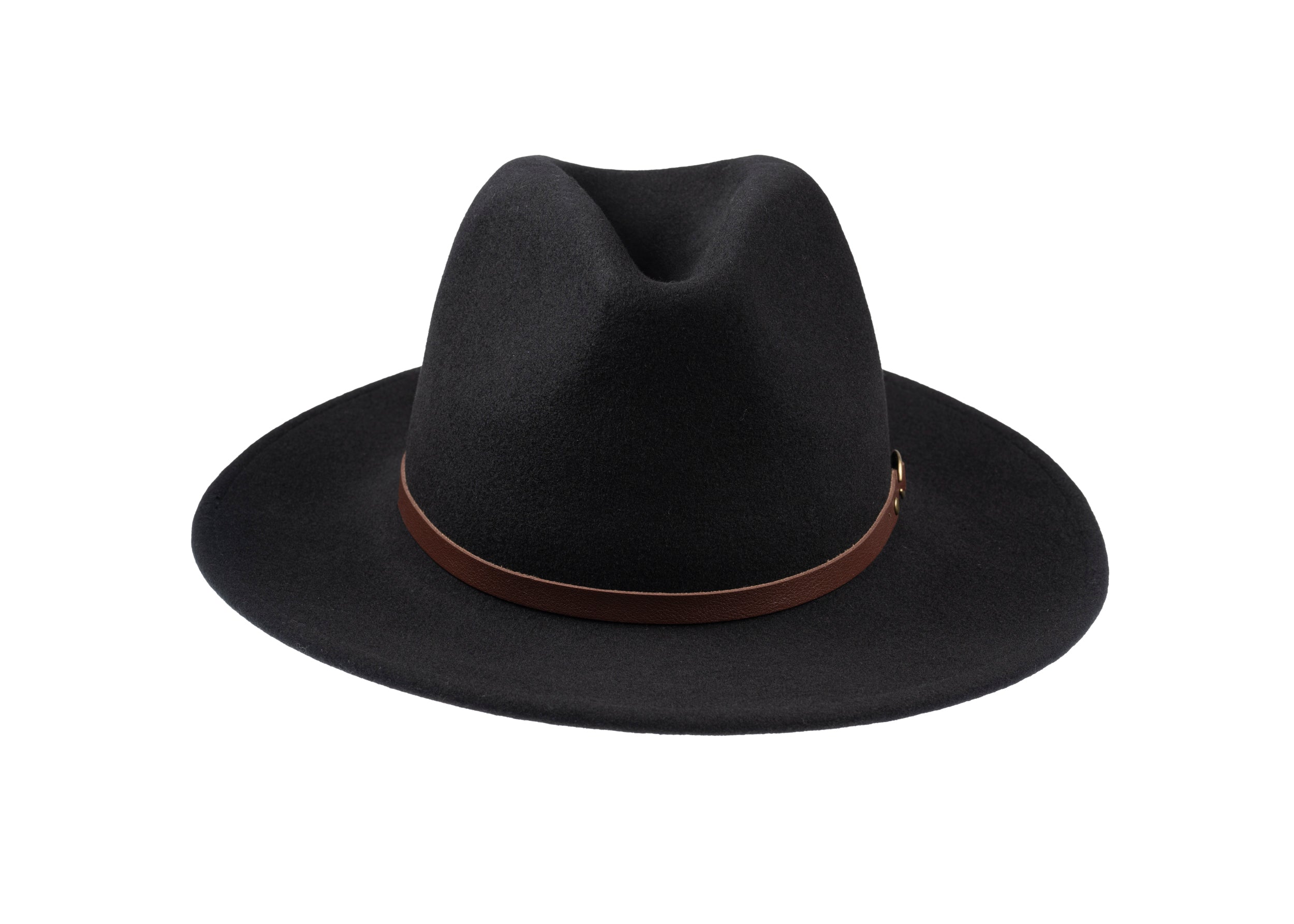
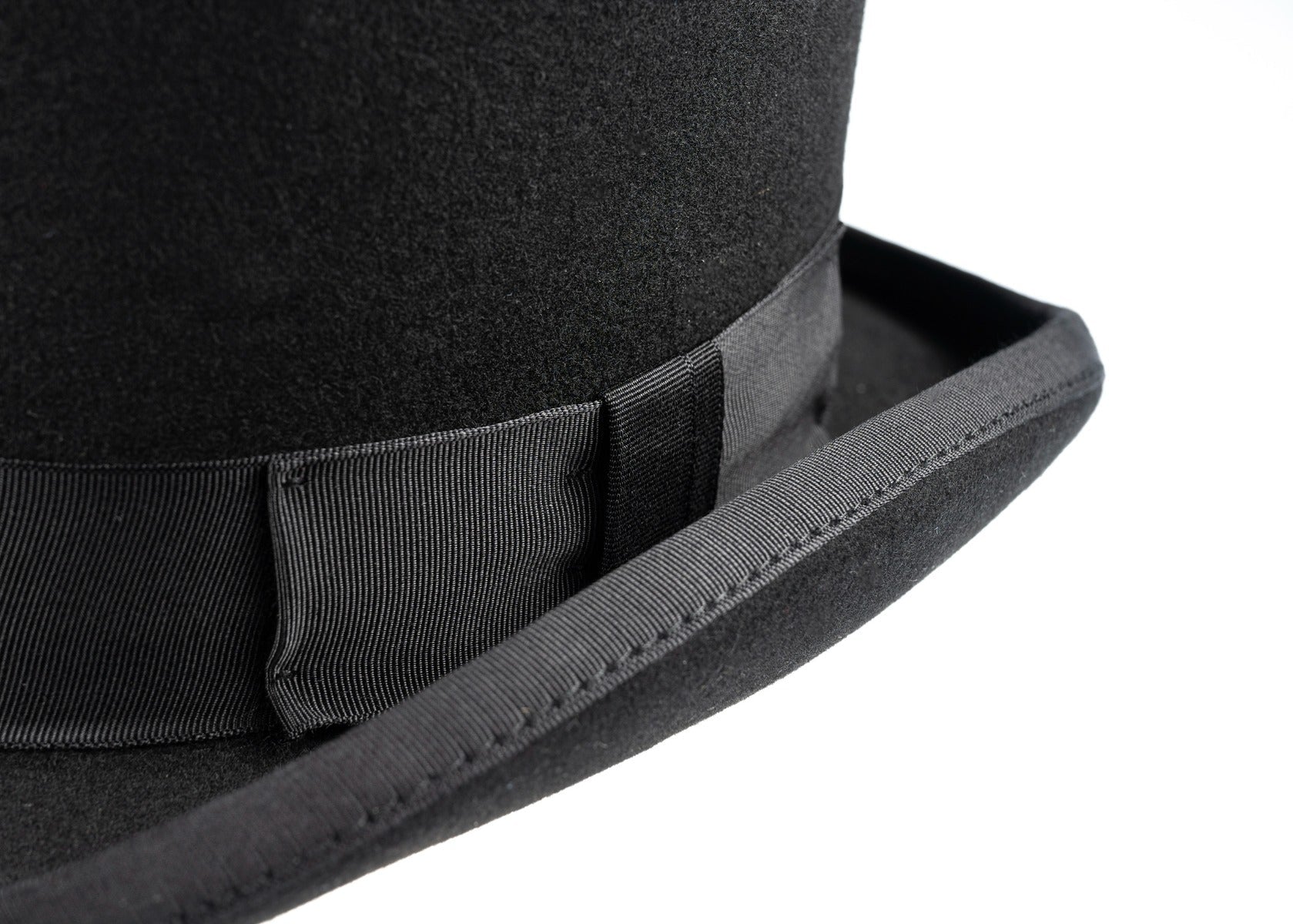
Defined by its single centre crease, curled brim, and grosgrain trim, the Homburg quickly became associated with sophisticated city dressing and political life. It was never intended for the countryside or sporting pursuits. Instead, it belonged to formal occasions, government chambers, and urban society.
By the mid-20th century, the style had become deeply woven into British political culture, notably through figures such as Anthony Eden, whose consistent use of the style led many to nickname it the “Eden Hat”.
Why the Homburg Still Endures
In today’s world of fast fashion and disposable trends, the Homburg remains remarkably unchanged.
Its appeal lies in balance: structured but not severe, formal but not theatrical. It is a hat defined by permanence rather than fashion cycles — designed to be worn for years, not seasons.
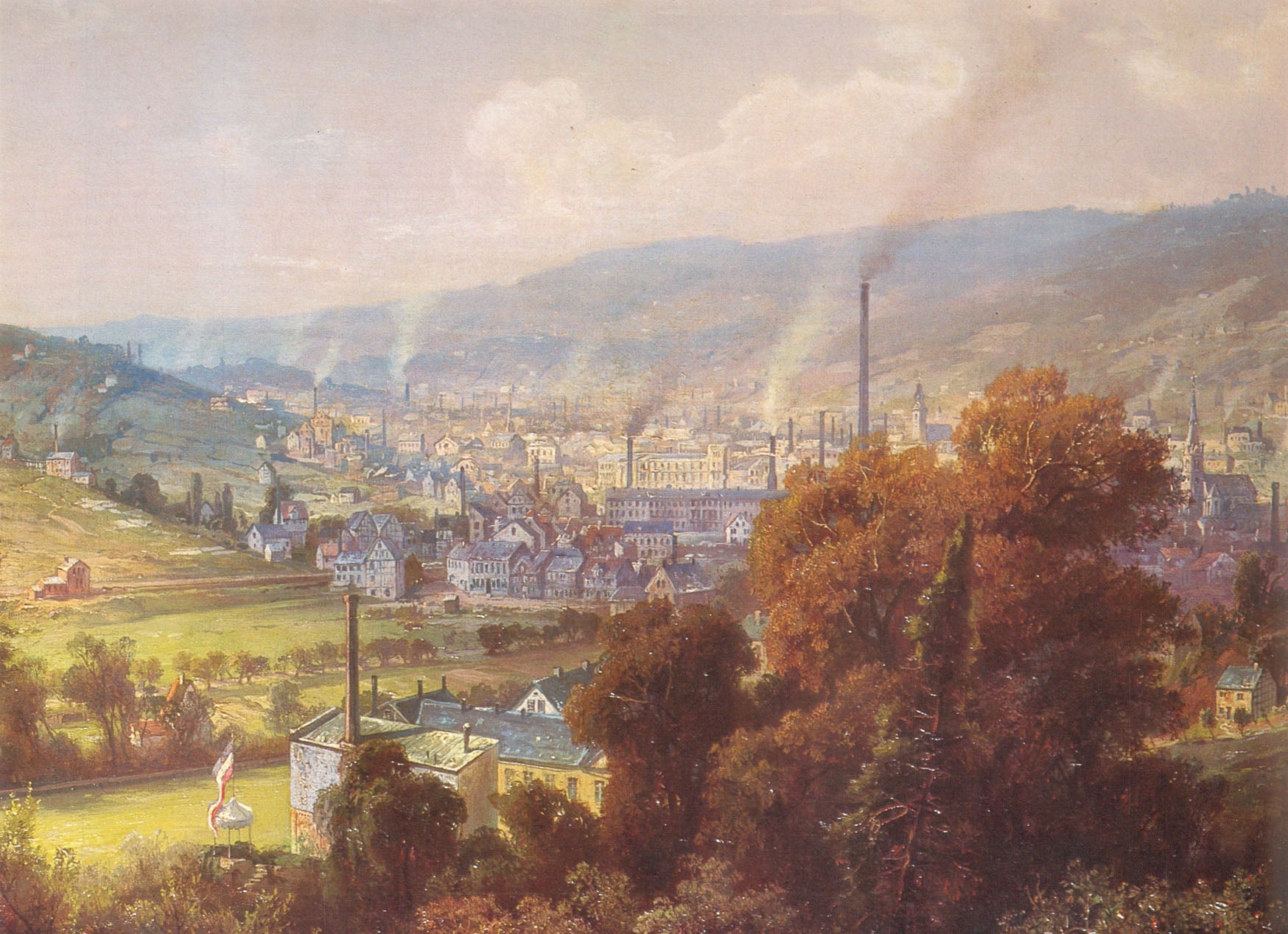
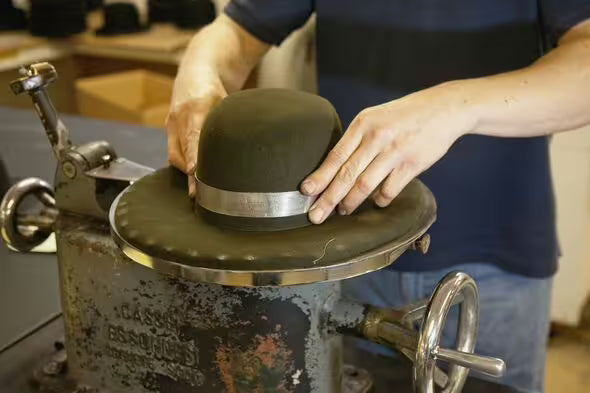
At Christys’, this philosophy continues through traditional craftsmanship, premium materials, and limited production runs. Each Homburg is handcrafted with the same attention to form, structure, and refinement that has defined British hat making for generations.
As we mark VE Day, the Homburg remains more than a historic silhouette. It stands as a lasting symbol of British craftsmanship, resilience, and enduring style.
—
Handcrafted in Britain since 1773.