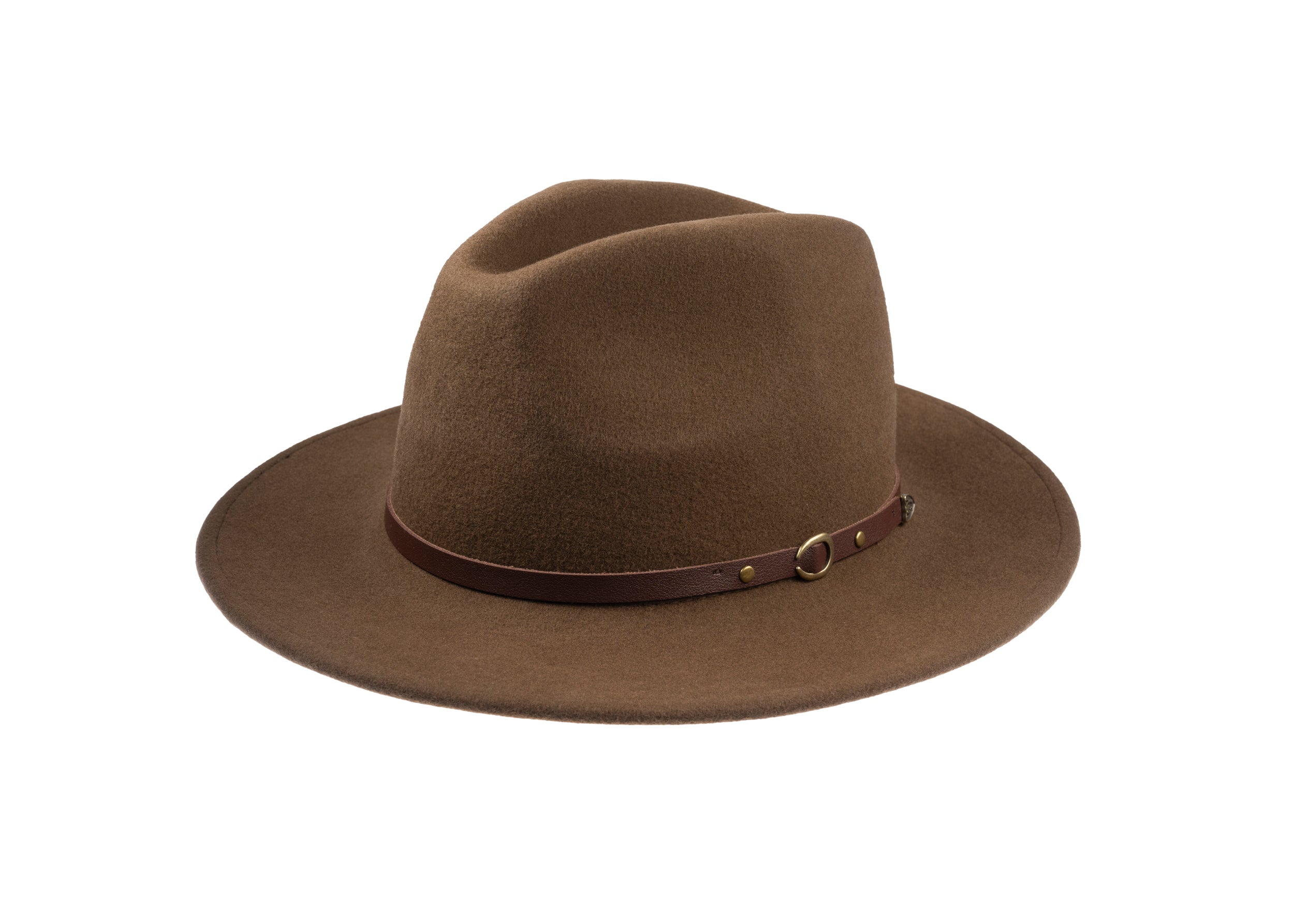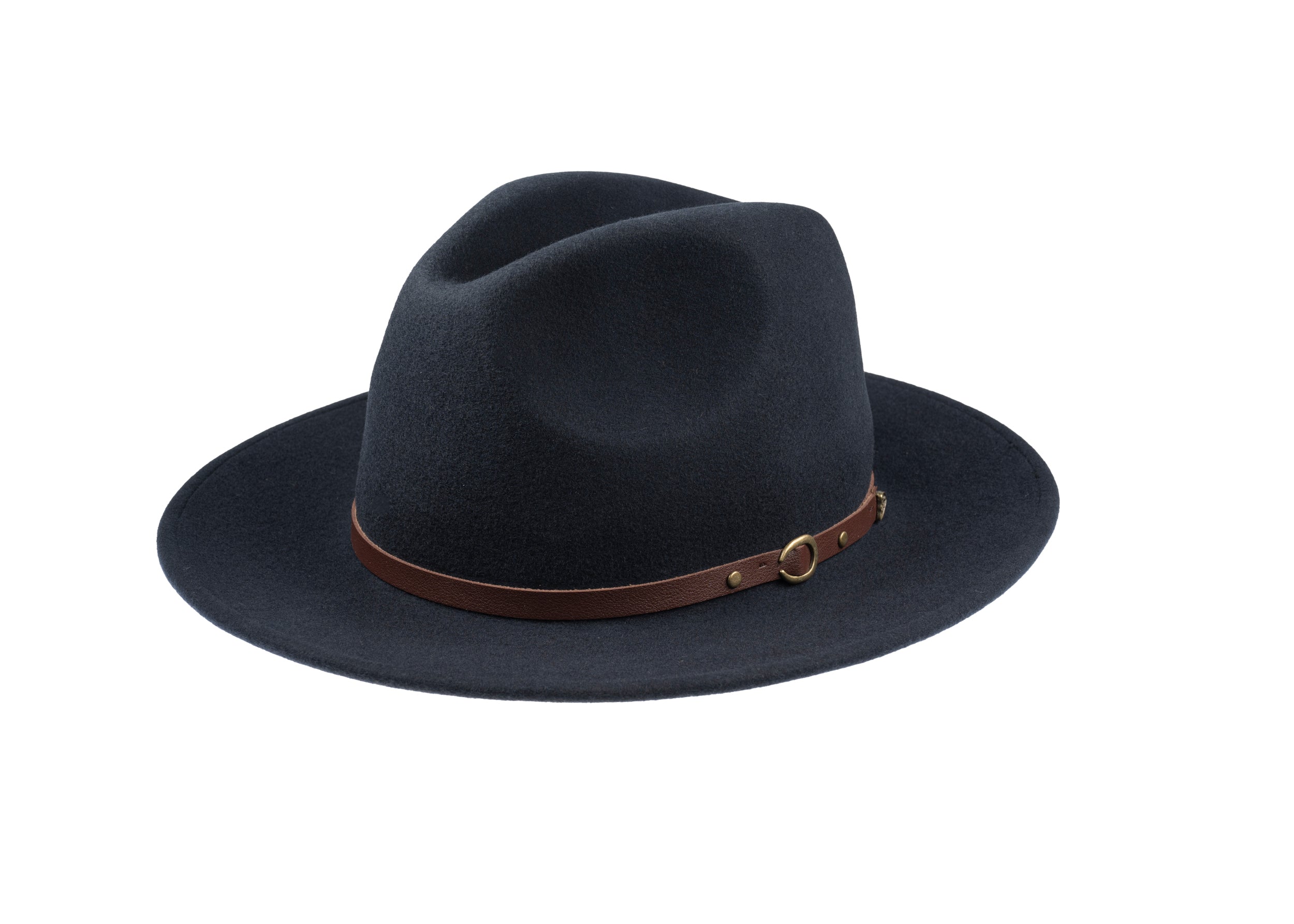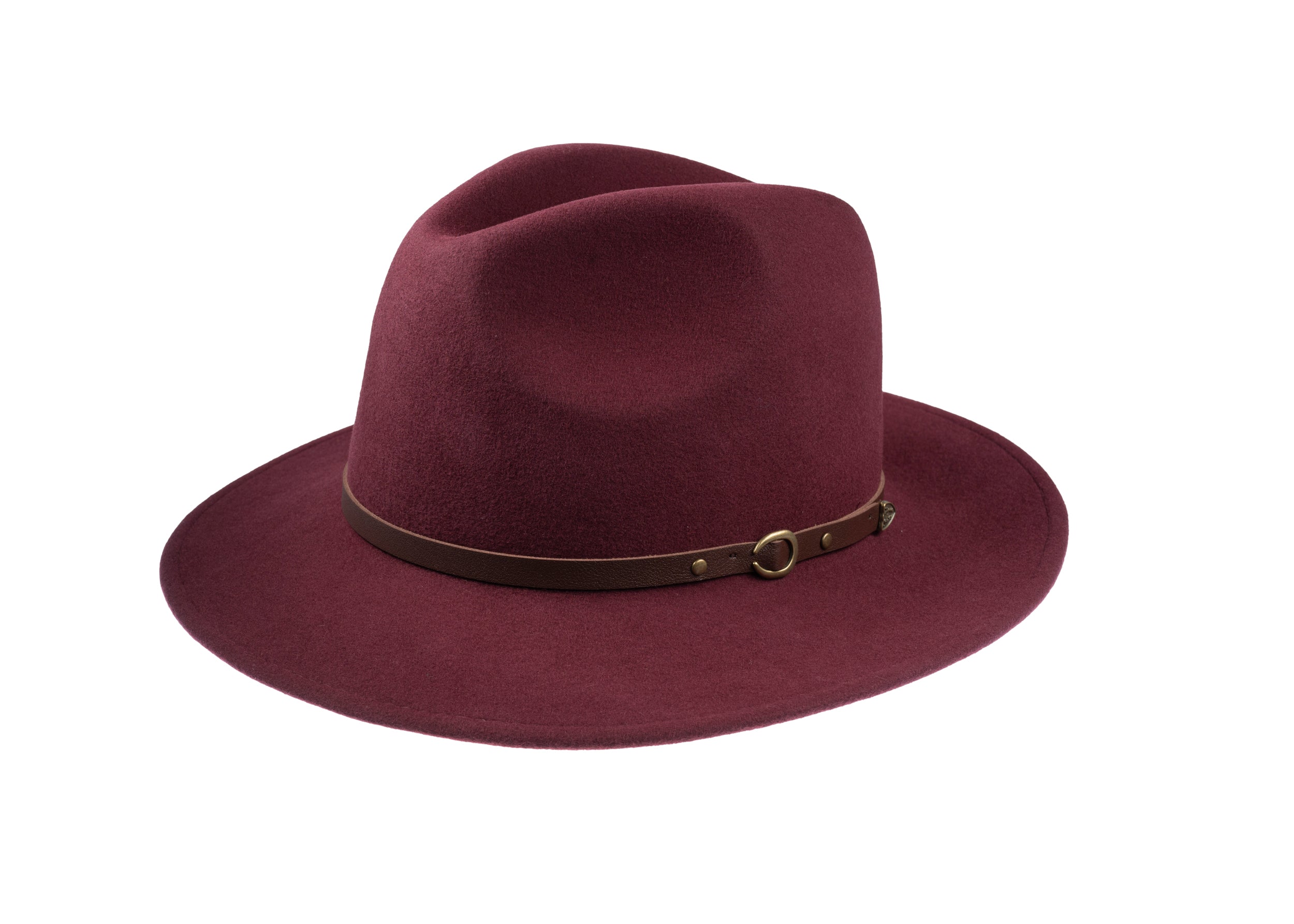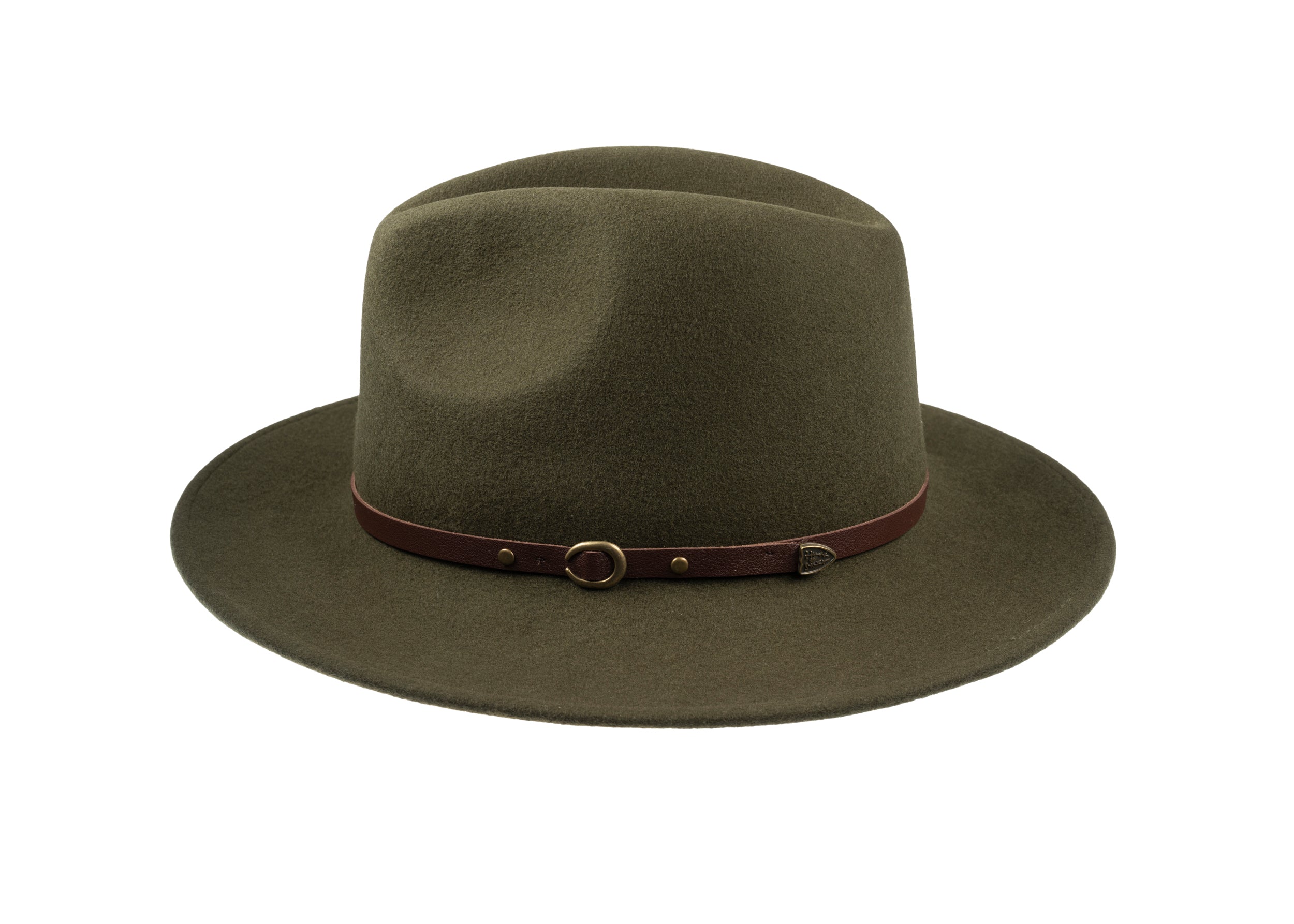





A cap’s character is rarely decided by one dramatic feature. It is built through a chain of modest choices: the pattern establishes volume, the crown and peak set the balance, the cloth contributes handle and drape, and stitching, pressing, lining and finishing refine the result. That is why two caps made from broadly similar wool can sit, feel and age quite differently.
Compare the construction features that shape the result: the crown’s volume and profile, the peak’s flexibility and line, the cloth’s drape, and the way the cap has been stitched, pressed and finished. Ask whether the crown lies close to the head, falls with a little drape, or stands with fuller presence. These visible and tactile outcomes reveal more than a style name alone.

The pattern sets the profile
A hatmaker’s block is the form used to establish a crown’s shape; the pattern is the set of pieces cut to create it. Together they control how much room the crown has, where it rises, and how it transitions towards the rear. A close, tailored profile usually comes from a pattern with less visual fullness and a block that follows the head closely. A broader or taller crown allows more cloth to stand away from the head, creating a relaxed sense of volume.
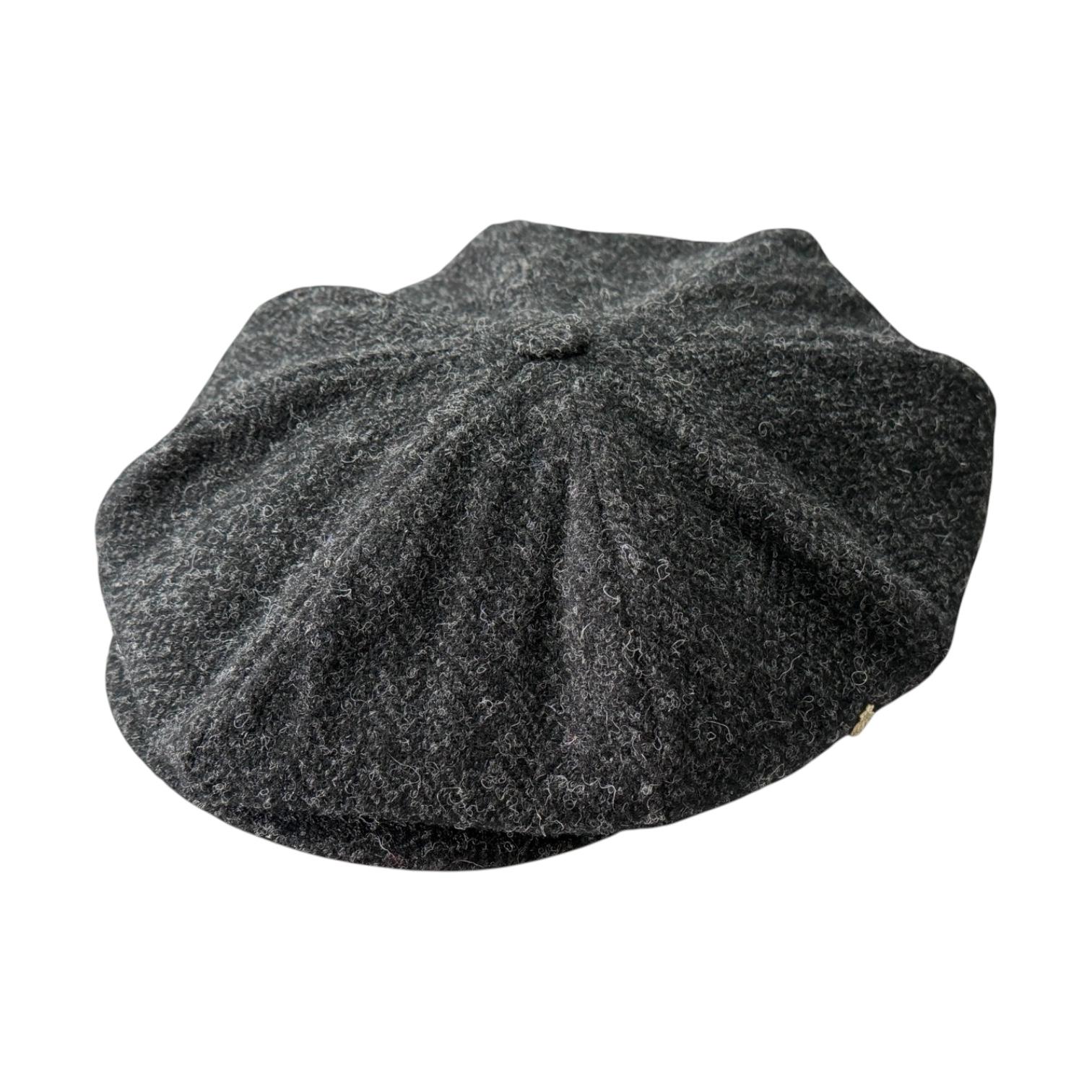
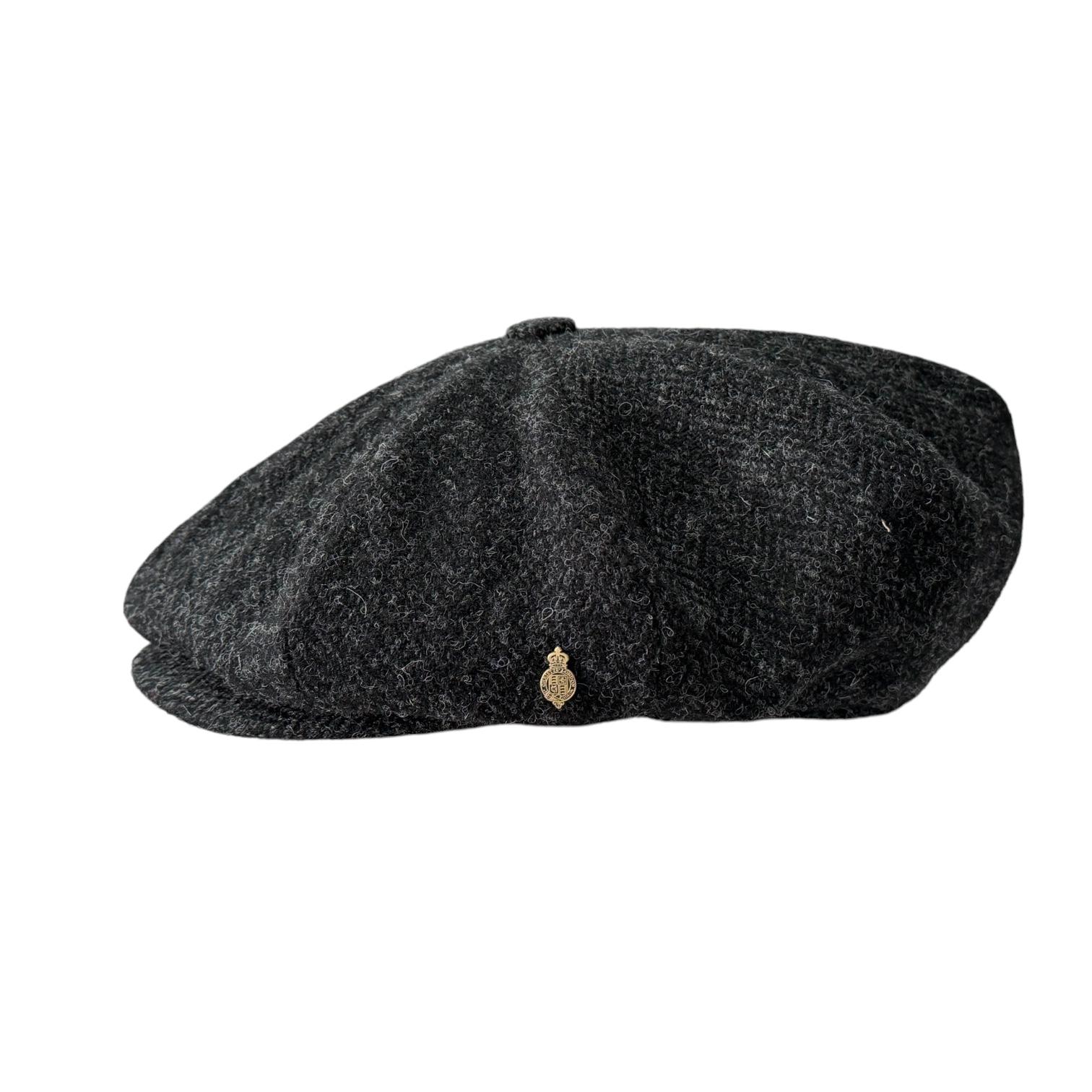
Panel count changes the route by which that volume is achieved. A flat cap generally reads as sleek because its crown is designed to sit close and its peak is integrated into a relatively shallow silhouette. An 8-panel or bakerboy construction distributes the crown across more sections, allowing a fuller dome and a more noticeable fall around the sides. The effect is not automatically better or worse: it is simply more expressive and relaxed.
Christys’ examples make the contrast clear. The Windsor Yorkshire Tweed Flat is described as having a longer crown profile, giving it refined drape while retaining a neat, structured fit at the rear. By contrast, the Richmond Heritage 8-Panel is described as a full-bodied 8-panel crown with greater volume and presence. When comparing them, look from the side and rear as well as head-on: the profile often reveals more than the fabric name does.

Peak, support and stitch: where definition comes from
The peak is the front edge of a cap, not the same thing as the broad brim of a felt hat. Its length, angle, curve and attachment alter the balance of the whole design. A shorter peak can keep the crown visually dominant; a longer one extends the line towards the face and can make the cap feel more directional. A peak set flatter reads quietly, while a shaped or structured peak gives the front a clearer edge. Crown height and cloth weight also change how the same peak appears.
That visible line depends partly on what happens inside. The Heritage Cap Collection process described by Christys’ shows the sequence plainly: patterns are cut from cloth, panels are sewn, then a peak made from a durable composite material is covered and attached before the cap is steamed and pressed. A composite peak can contribute a consistent line and a degree of firmness, but the exact layers and behaviour of a particular cap should be confirmed from its product information rather than guessed.
The Richmond Heritage 8-Panel is described with a structured peak, while the Field Flat Cap is described in terms of a Bond shape and structured peak. These details suggest a more defined front than a very soft, collapsible cap, without disclosing every internal component. To inspect the result, view the peak from the side, note whether its curve is even, and feel whether it returns to its line after gentle handling.
Stitching provides a final layer of definition. Panel seams guide the eye around the crown; precise top-stitching can make a curve appear cleaner and more deliberate, while heavy stitch detailing adds visible weight to an edge. On the Chelsea Wool Cap, Christys’ describes a moulded wool crown, suede peak and heavy stitch detailing. Its stated 7.5cm peak length is a useful reminder that proportion can be assessed, not merely imagined from a photograph.

Frequently asked questions
What is the difference between a block and a pattern? The block is the three-dimensional form; the pattern is the set of pieces cut to reproduce that form in cloth. Together they establish the crown’s volume and profile.
Does more structure always mean a better cap? No. Choose a firmer, clearer outline when you value definition; choose softer construction when you prefer a more relaxed, tactile feel. Judge the result by how you want the cap to sit and move.
Can I tell how a peak is reinforced by touch? You can judge its curve, flexibility and recovery, but hidden layers require product information. Christys’ heritage process describes a composite peak; that detail should not be assumed for every cap.
Why do two tweed caps feel different? Cloth character and construction work together: weave, weight and surface affect handle and drape, while the crown, peak and pressing determine how those qualities appear when worn.
What should I inspect when comparing caps? View the crown from the side and rear, compare peak proportions, follow the seams, feel the cloth and check that the lining sits smoothly. Use the product specification for concealed details such as internal stiffening or exact materials.
A cap’s character emerges from the relationship between its volume, peak, cloth and finishing. Compare those choices in the cap itself—how it sits, flexes and holds its line—and the difference between similar-looking designs becomes easier to understand.