


A cap cloth can look convincing on the roll and still disappoint at the cutting table, the seam, or the crown. Dependable cloth has been examined against the stresses its intended cap will meet. It should retain enough strength, surface, colour, and dimensions through making and wear, while still offering the hand and drape the design requires.
That is why responsible hatmakers read laboratory results alongside fibre provenance, yarn construction, weave, finishing, retained swatches, and practical trials. Tensile, abrasion, pilling, colourfastness, shrinkage, and dimensional-change checks are useful evidence, but none is a complete definition of quality. The real question is how the evidence translates into a flat cap, bakerboy, or other fabric cap that can be cut, stitched, pressed, shaped, handled, and worn with confidence.

Begin with the stresses a cap cloth must survive
A finished cap asks more of cloth than a swatch on a desk suggests. The fabric is cut on particular grain lines, folded and stitched at seams, pulled over a head, bent at the peak, rubbed by fingers and clothing, and exposed to light, moisture, pressing and cleaning. Different cap styles distribute those stresses differently: a structured flat cap may need firm recovery, while a fuller bakerboy may depend more on supple drape and a stable shape after handling.
The conditions for that performance begin before testing. Fibre provenance and preparation affect staple length, fineness, crimp, cleanliness and regularity. Longer, more consistent fibres can be spun into smoother, more stable yarns; combing and carding create different balances of alignment, loft and softness. Yarn twist, ply, hairiness and strength then interact with the weave, thread density and finishing. Testing does not create these qualities. It helps reveal whether the choices made upstream have produced the behaviour the cap requires.

What the principal tests actually tell you
Tensile-strength testing pulls a prepared strip until it breaks. It indicates how much force the cloth can withstand before failure, so it is relevant to seams, strain during shaping, and the risk of tearing. It does not, by itself, show how a surface will look after rubbing, whether a cap will keep its colour, or whether the cloth will recover its shape after handling.
Abrasion testing examines resistance to surface wear caused by rubbing. For a cap, compare the likely contact points: the peak and front panels, edges handled during fitting, and areas that meet a coat collar. Pilling is different. A pilling test looks for the formation and persistence of small fibre balls on the surface. A cloth may resist one form of damage better than the other, so abrasion resistance does not automatically prevent pilling.
Colourfastness asks whether colour changes or transfers under particular conditions. Light exposure matters for a cap worn outdoors; rubbing matters where the cloth meets hands, hair, lining or adjacent garments. A colourfastness result is not the same as saying that a shade is accurate or permanently unchanged in every circumstance. It describes performance under the conditions tested.
Shrinkage and dimensional-change checks examine what happens after wetting, pressing, finishing or cleaning. They help show whether a panel may alter in size, whether a checked pattern may lose alignment, or whether a carefully shaped crown may move after manufacture. Dimensional stability is therefore closely connected to fit and proportion, but a result from one treatment cannot predict every possible care method.
Read these measures together. A cloth with high tensile strength may still pill; a soft, low-twist cloth may offer beautiful drape but need more careful handling; a firm finish may improve recovery while changing breathability or hand. The useful result is the pattern across comparable samples, not the most impressive number in isolation.

From fibre and yarn to measurable behaviour
The test sheet becomes more useful when it can be connected back to a material decision. Fibre length and preparation influence yarn regularity; twist and ply influence strength, hairiness and surface; weave and sett influence openness, drape, firmness and how forces travel through the cloth. A plain weave, twill, herringbone or open basket structure can each be appropriate, but for different combinations of climate, handle, appearance and wear. There is no universal best fibre, blend, weave or finish for every cap.
Finishing is part of the evidence, not a final cosmetic flourish. Fulling can close and firm a wool cloth; napping can add loft and warmth; singeing can reduce surface hair; water-repellent or crease-resistant treatments can alter moisture response, hand and breathability. Because finishing changes behaviour, a sensible comparison tests cloth before and after the relevant process. Small-batch trials make it possible to adjust yarn or weave choices before a larger run, rather than trying to correct an unsuitable cloth after it has reached the workshop.
Decision points for approving cap cloth
- Compare like with like: use samples from the same batch, with the same finishing history, and note where along the roll or warp each was taken.
- Match the evidence to the cap’s intended life: consider its structure, climate, frequency of wear, likely contact points, and care before treating one result as decisive.
- Record the decision: retain the relevant swatches and note the test conditions, finishing changes, and workshop observations so a later delivery can be judged against a clear reference.

Sampling, finishing and traceability
A result is only as dependable as the sample it describes. Cloth can vary along a roll or warp, so careful mills take samples from different positions, record the batch or lot, and retain labelled swatches. The retained piece keeps the measurable result connected to the cloth that was actually delivered. If a later cap behaves differently, the maker has something concrete to compare rather than relying on memory or appearance alone.
This is where provenance and traceability support, rather than replace, craftsmanship. Batch records can link fibre and yarn information to weave, finishing, test evidence and workshop observations. If a defect appears at a seam, a colour shifts, or one delivery feels firmer than its predecessor, those links help identify whether the difference began in the raw material, the weaving, the finish or the handling of the cloth.
A retained swatch should also be judged in the hand. Look for an even surface, consistent colour, straight selvedges and the expected balance of firmness and drape. Stretch it gently and release it. Fold it along likely construction lines. Rub an unobtrusive area. Then, where appropriate, make a trial panel or place the cloth on a hat block. These checks do not replace laboratory work; they show whether the measured qualities make sense in the actual making process.

From report to finished cap: the maker’s decision
Approval is therefore a comparison, not a ceremonial pass or fail. The hatmaker asks whether the evidence fits the intended cap style, construction, climate and service life. A cloth for a lightly handled summer cap may be judged differently from a robust tweed flat intended for frequent country wear. The desired balance might be resilience with a dry hand, or softness with enough recovery to keep the crown composed.
For a buyer or maker assessing a durability claim, useful questions are modest but specific: What fibre and yarn information accompanies the cloth? Were samples taken from more than one part of the roll or warp? Was the cloth tested before and after finishing? Are the swatches linked to a batch record? Which conditions were used for abrasion, pilling, colourfastness or dimensional-change checks? The answers need not promise perfection. They should make the claim comparable, qualified and relevant to the intended use.
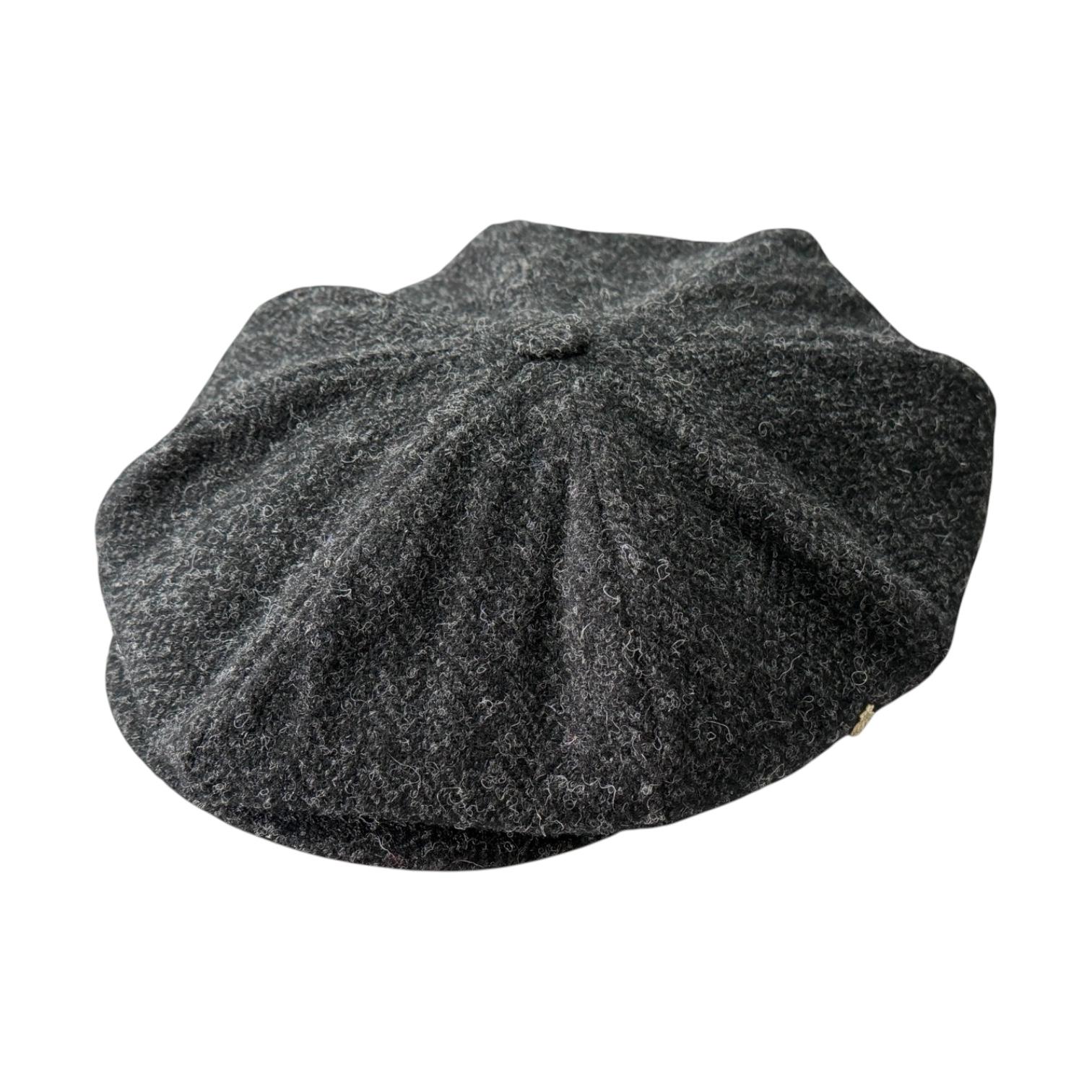
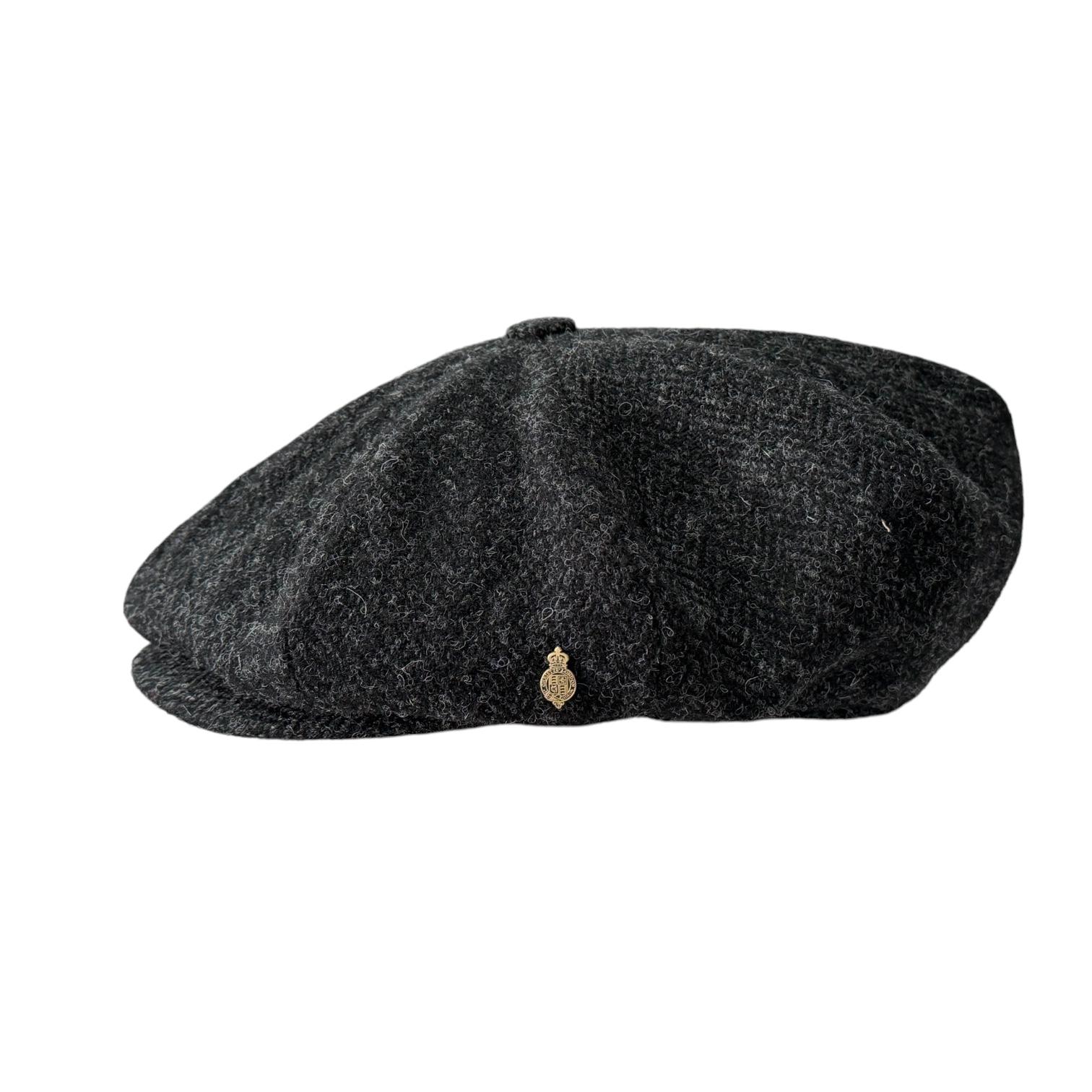
A finished cap helps make that principle tangible. The Windsor Yorkshire Tweed Flat is a useful example because its provenance and construction can be considered alongside the kind of wear it is intended to meet, without treating those details as laboratory evidence. It is made in England using Shetland wool sporting tweeds woven in Yorkshire by Abraham Moon & Sons, with a longer crown profile, structured fit, top-stitch detailing, satin lining and careful internal construction. Those details describe the cap’s material and making story; they do not establish unlisted test results. Explore the Windsor Yorkshire Tweed Flat.
Dependable cap cloth begins with deliberate material choices. Fibre and yarn create the conditions; weave and finishing tune them. Laboratory tests then describe particular forms of strength, wear, colour change and dimensional movement. Retained swatches, batch records and workshop trials connect those findings to the cloth under the hand, the needle, the press and the hat block.
That joined-up view keeps testing in its proper place. It helps makers compare like with like, understand trade-offs and approve cloth for the cap it is actually meant to become. Craft judgement remains essential, because no single figure can describe the whole life of a finished cap.
FAQ
What does tensile-strength testing measure in cap cloth?
It measures the force needed to break a prepared strip of cloth. That helps indicate resistance to tearing and strain around seams or during shaping, but it does not establish abrasion resistance, pilling behaviour, colourfastness or shape recovery on its own.
Does abrasion resistance prevent pilling?
No. Abrasion testing examines surface wear caused by rubbing, while pilling testing examines the formation and persistence of small fibre balls. They can be related, but a cloth can perform differently in each assessment.
Why can cloth shrink after finishing?
Wetting, pressing, fulling, napping and other finishing processes can alter fibre positions, yarn tension or the closeness of the weave. Dimensional-change checks show how a cloth responds to a specified treatment, helping makers allow for movement before cutting and shaping.
Does a high test result guarantee a better cap?
No. Test results are comparative and depend on the method, sample and intended use. A strong cloth may be too stiff for a particular design, while a soft cloth may offer the preferred drape but require more careful handling. The best decision combines relevant test evidence with provenance, finishing records and practical inspection.