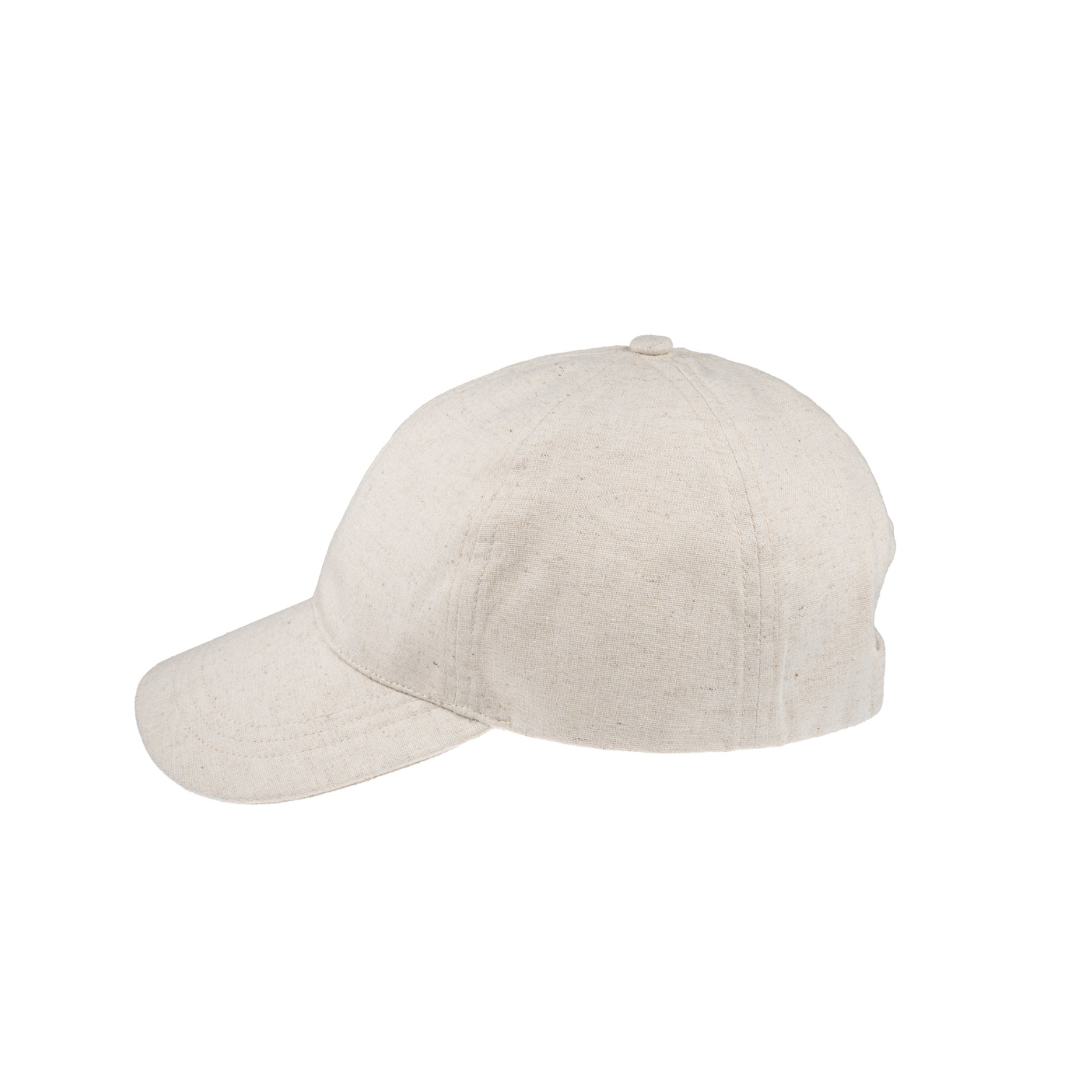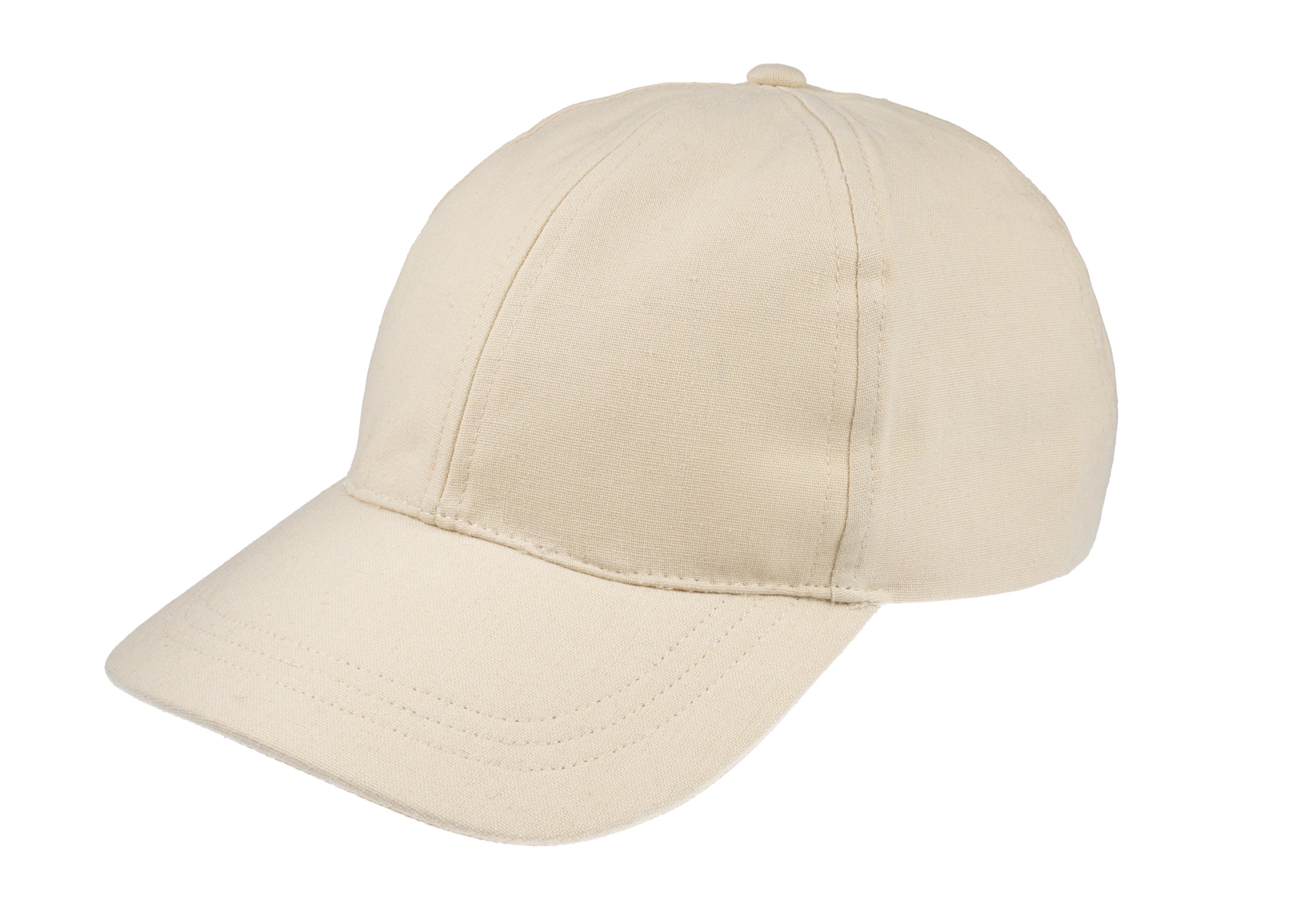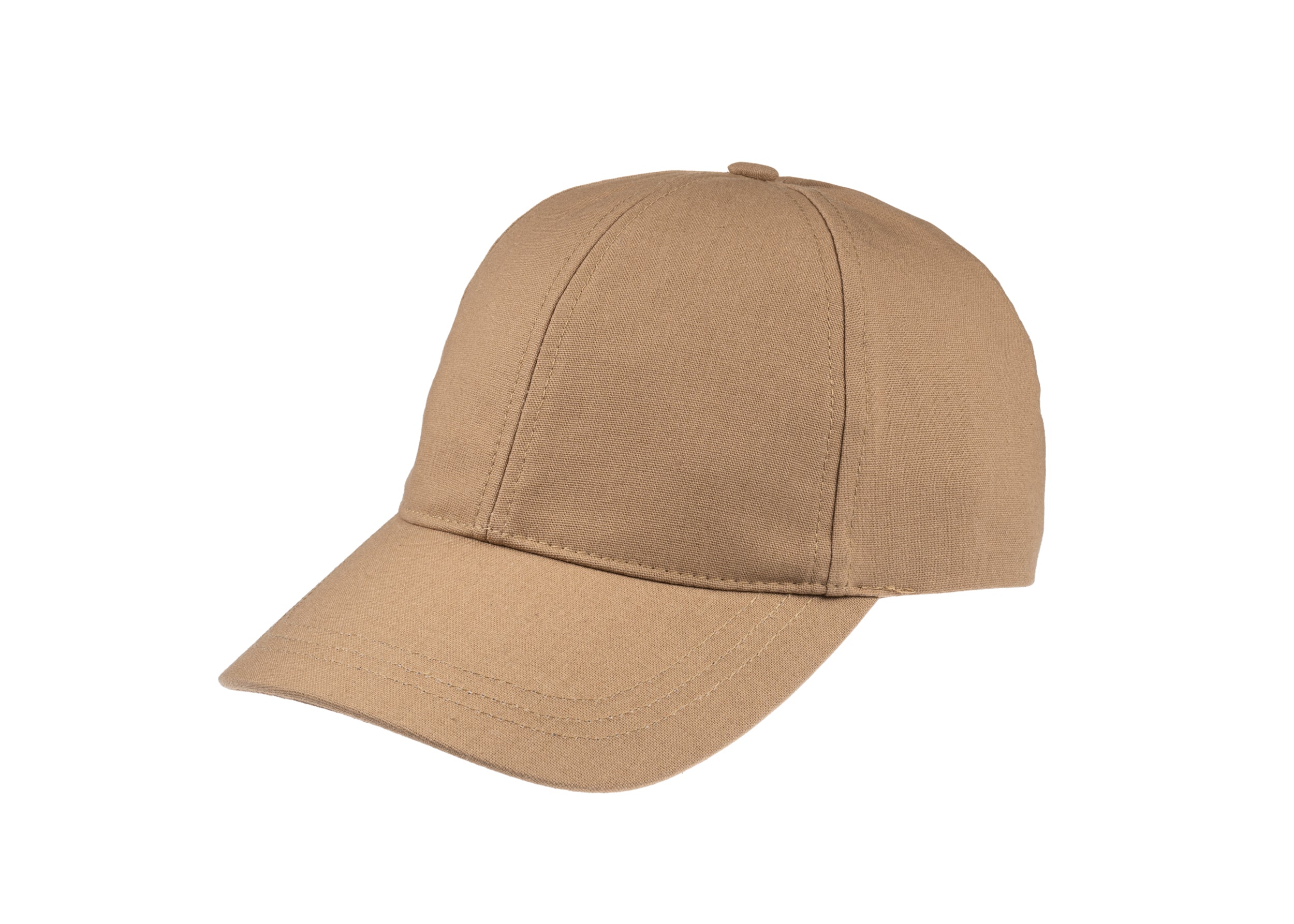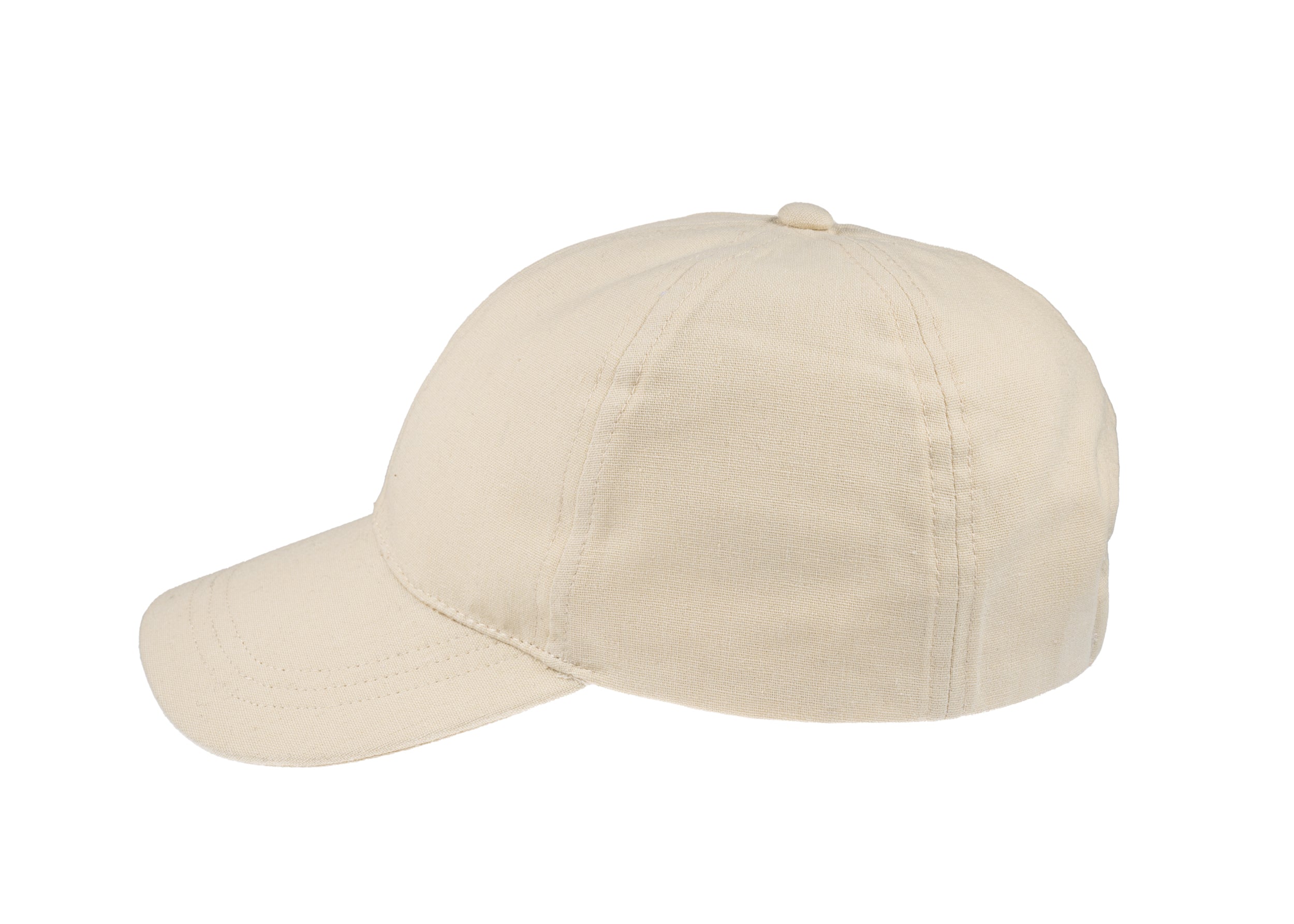




A hat need not turn an ordinary outfit into an occasion. Used well, it simply completes the visual conversation already taking place between your coat, jacket, knitwear, trousers and shoes. Choose a shape and material that feel like a natural extension of what you already wear, and the result will feel considered rather than overdone.
That is why proportion, texture and context matter more than formality. Christys’ has been making hats in London since 1773, with a history shaped by both tradition and innovation. Today, that lineage is useful precisely because it offers recognisable classics in different levels of presence: a structured felt fedora, a close flat cap, a fuller bakerboy or a light Panama.

Choose the silhouette by the level of presence you want
Start with the impression you want the hat to make, rather than with a fixed idea of what you ought to wear. A brimmed hat gives the outfit a clear vertical line and a little more structure; a cap is usually quieter and closer to the rhythm of everyday outerwear. Neither is inherently more polished. The convincing choice is the one that balances the volume and character of the rest of the outfit.
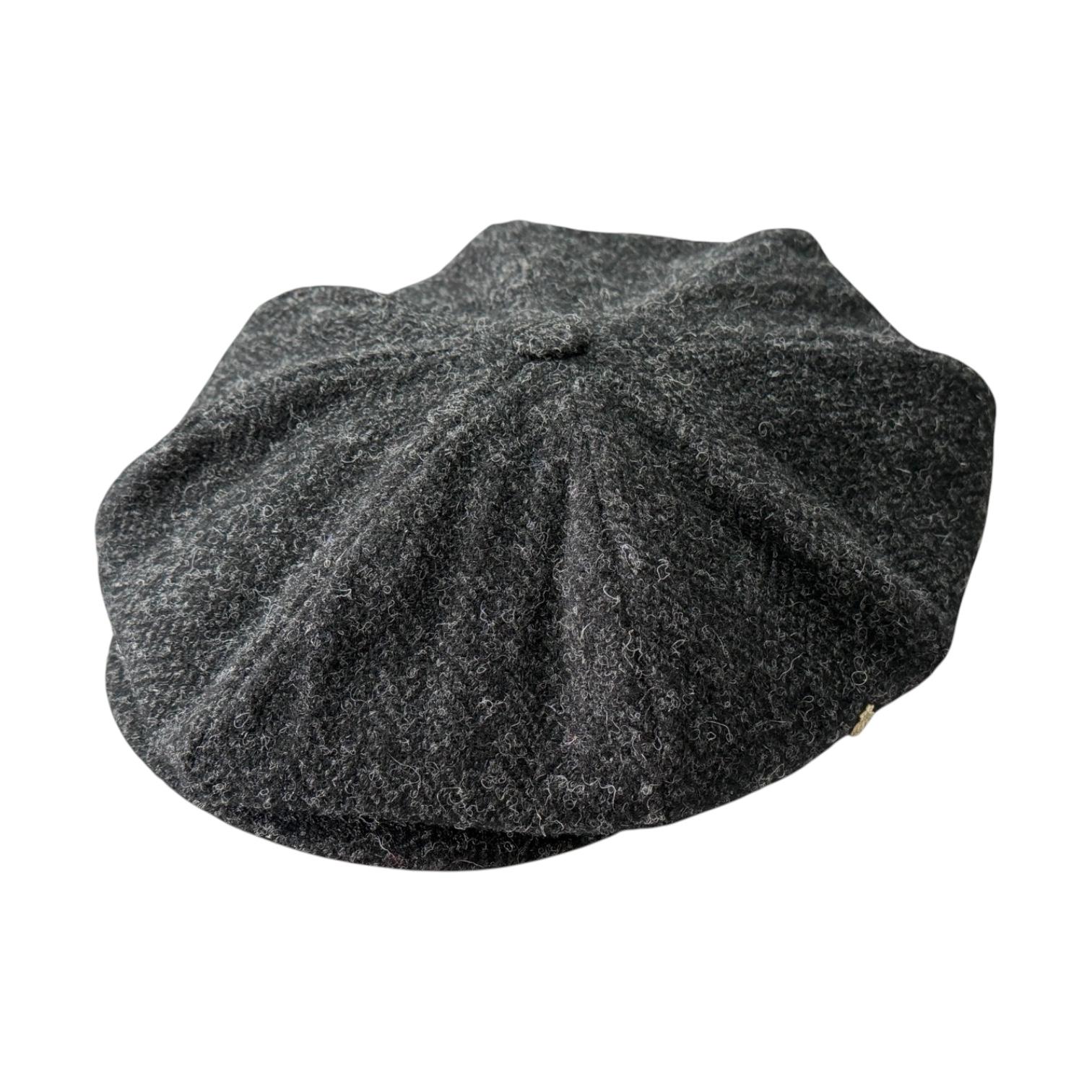
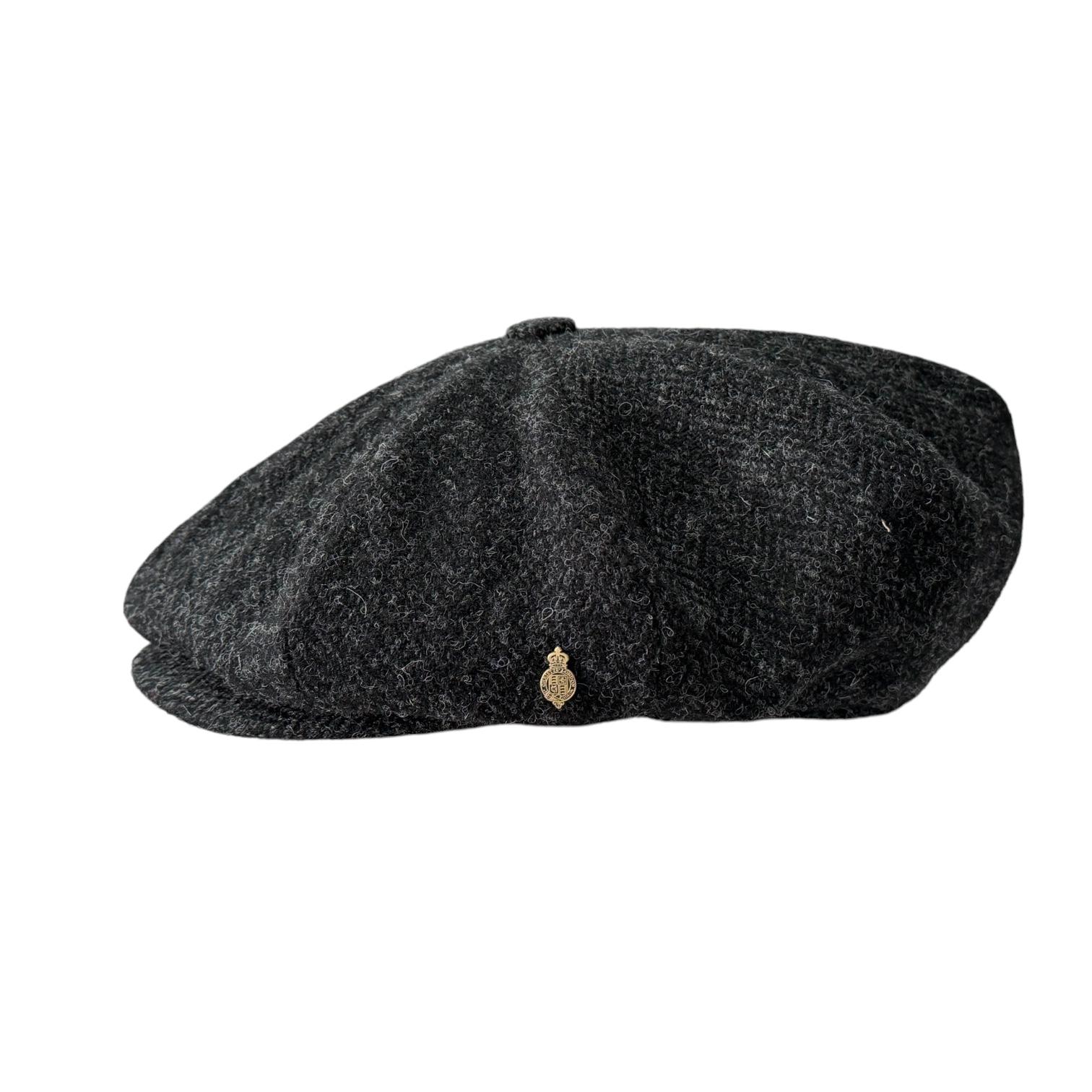
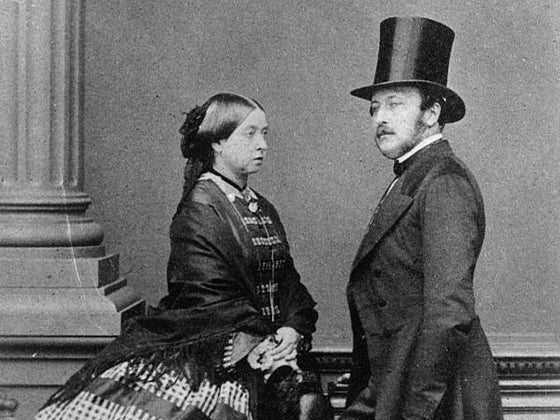
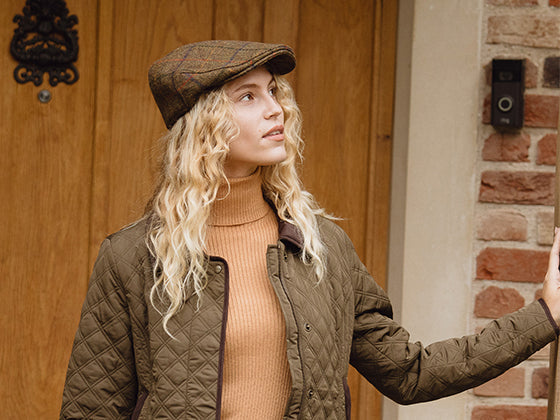
A fedora or trilby works especially well when your wardrobe already includes overcoats, tailored trousers, blazers or smart, simple layers. A flat cap is an easier bridge from casual dressing: it sits close to the head and feels at home with denim, chore jackets, knitwear, waxed cotton and tweed. A fuller bakerboy brings more shape and personality, so it benefits from substantial winter coats or relaxed tailoring rather than a very slight outfit.

Proportion keeps a classic hat from feeling like costume
Think of the hat as part of the outfit’s overall outline. A medium or broader brim can hold its own against a long coat or generous lapel, while a narrow brim often feels more at ease with a shorter jacket and a cleaner, closer silhouette. Similarly, a fuller cap looks considered when there is enough volume elsewhere to meet it, perhaps a wool overcoat, scarf or textured knit, rather than a very slim, minimal outfit.
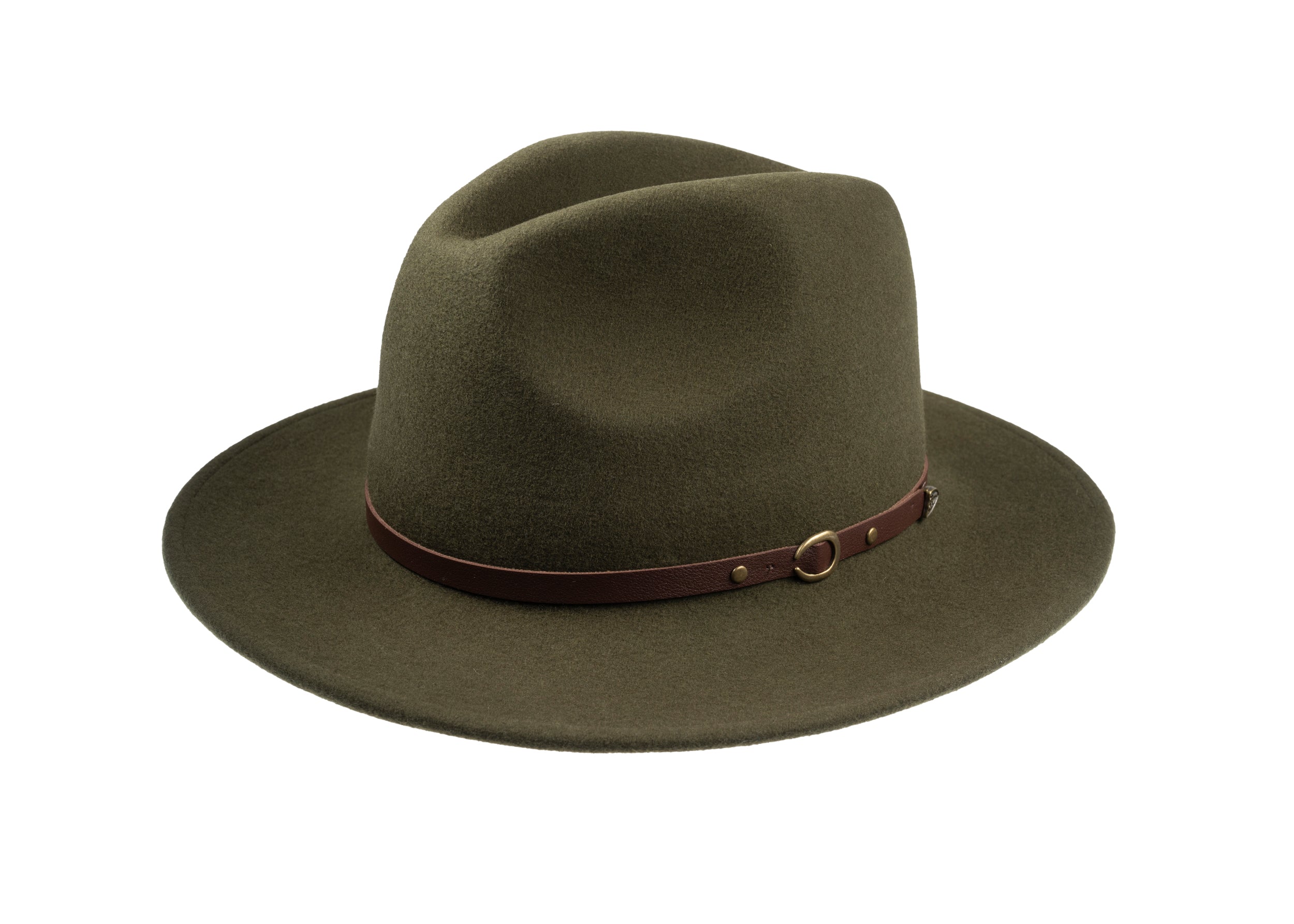
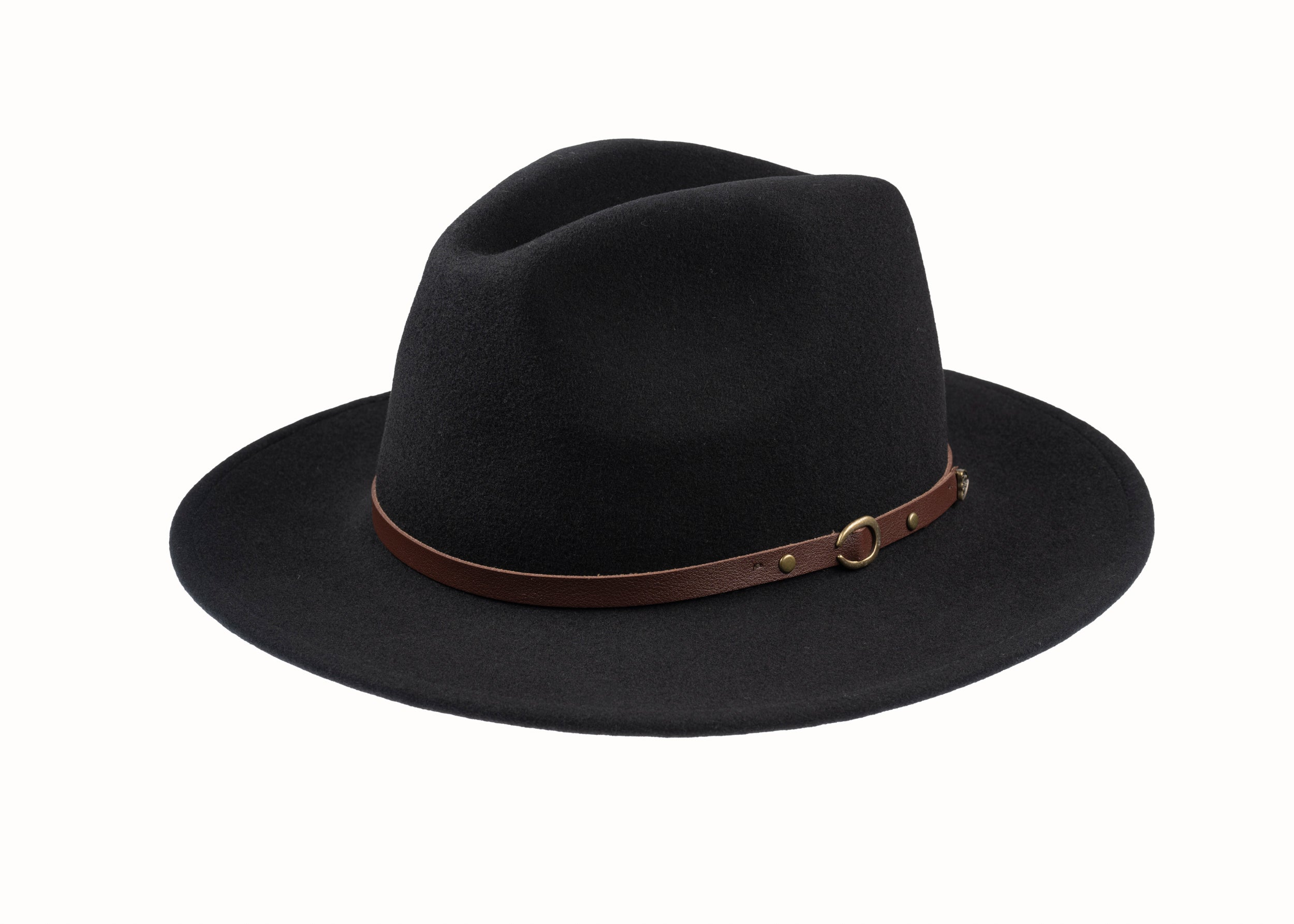
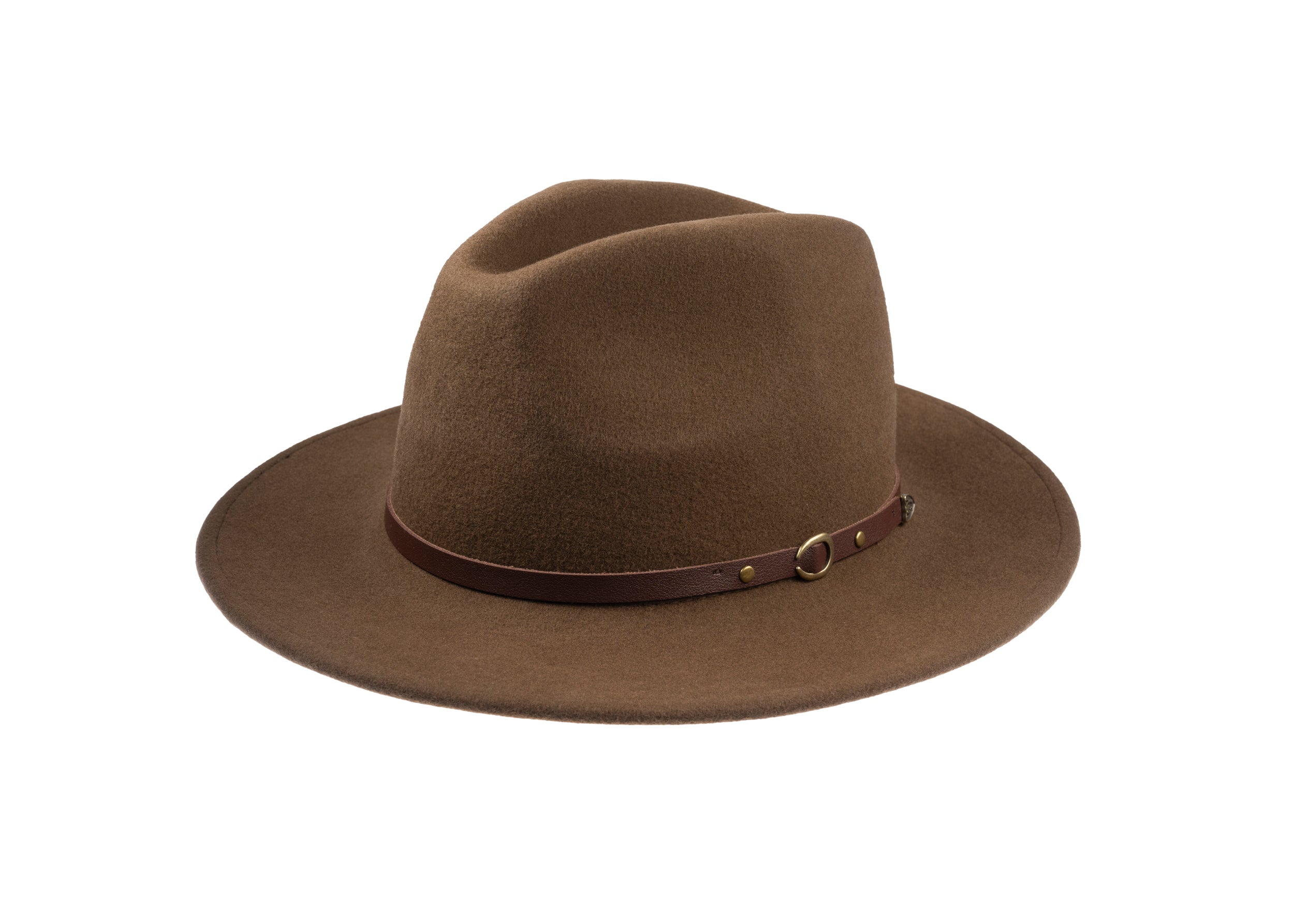
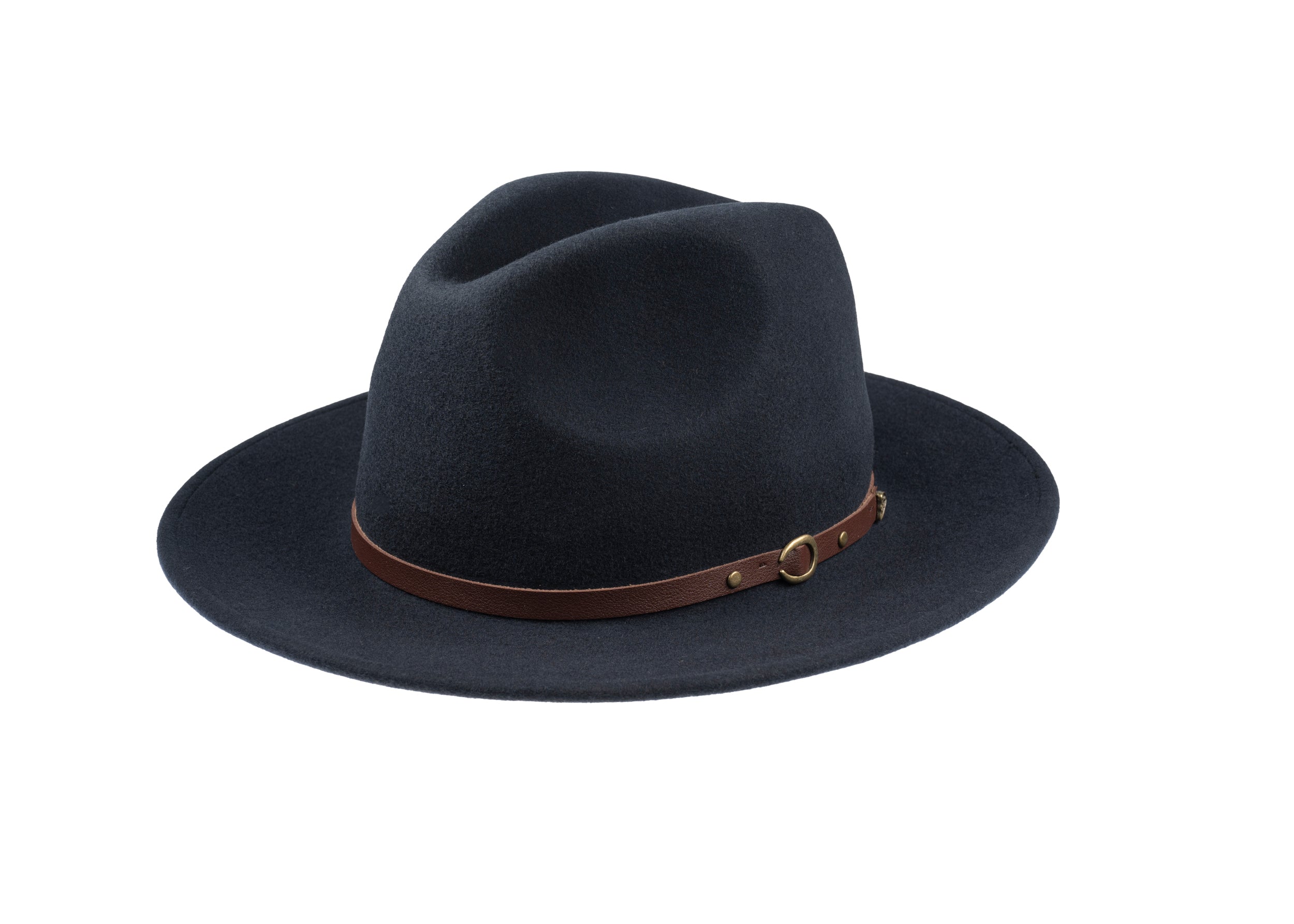
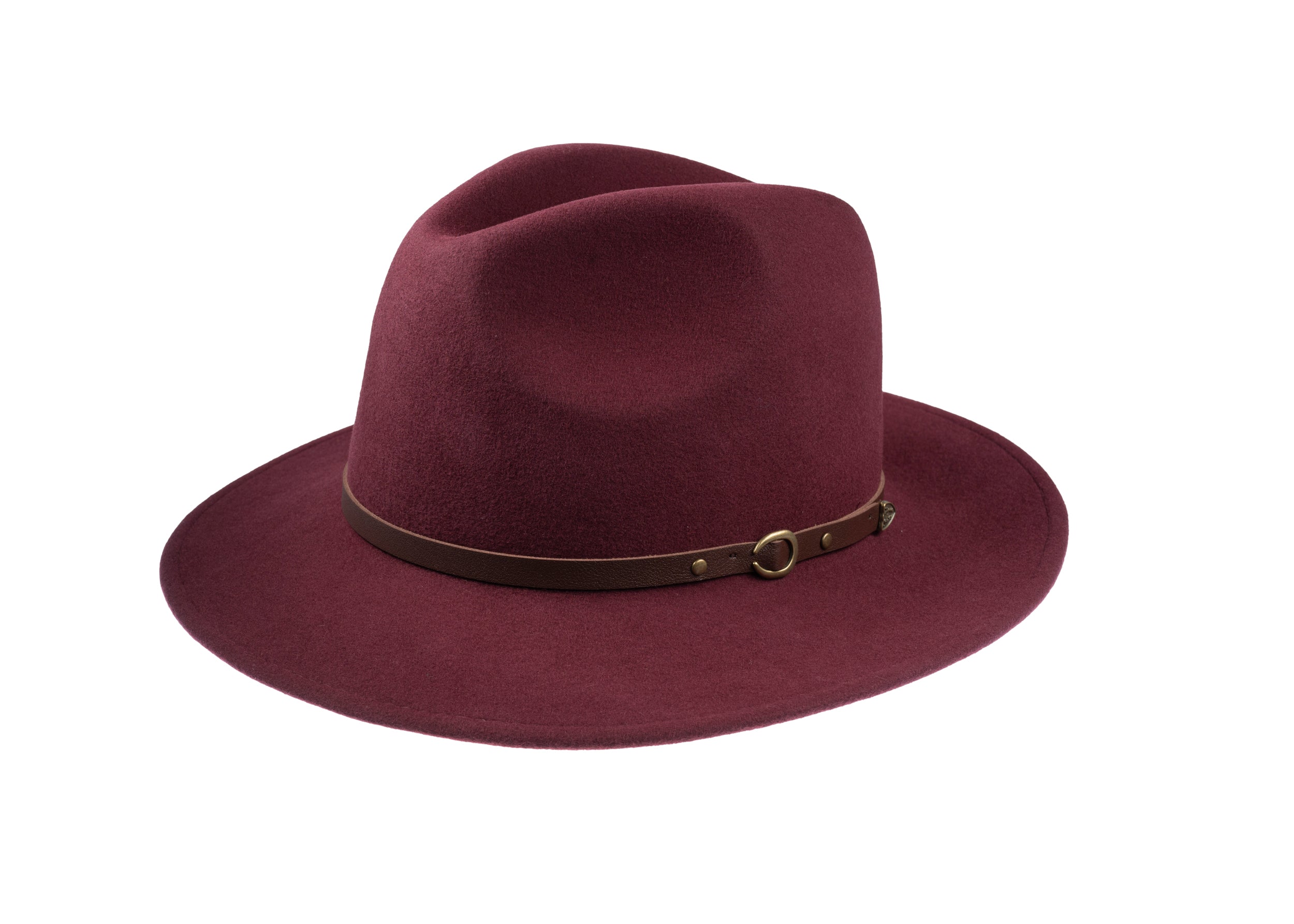
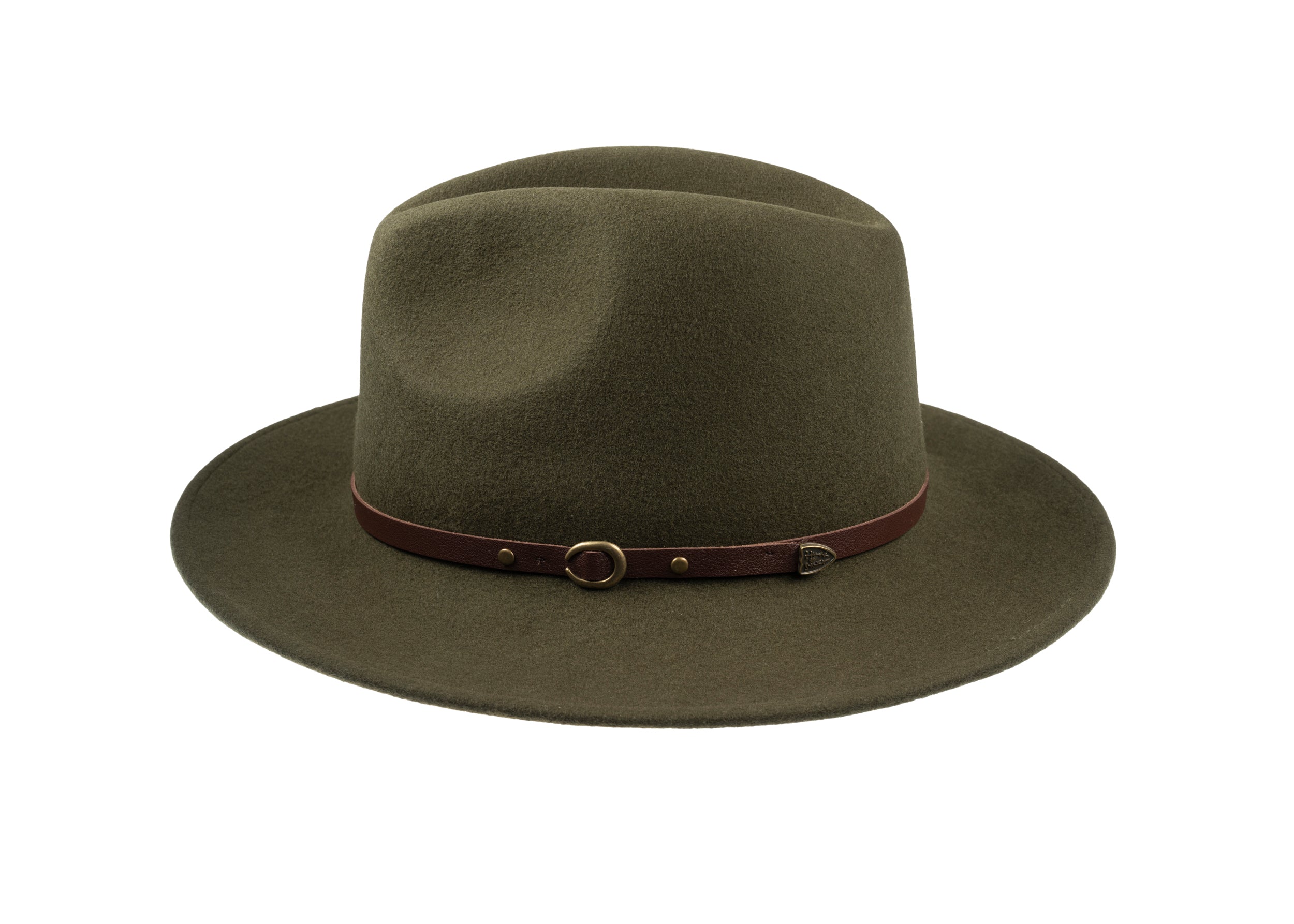
The Canterbury Beaver Fur Fedora is a useful reference point for this balance: its centre-crease crown and medium brim give it presence without requiring formal tailoring. Christys’ describes it for formal occasions, country wear and everyday elegance, with smart tailoring or casual outerwear. That versatility comes from the relationship between its structured shape and restrained details, not from treating every day as a special event.

Use colour to connect the hat to what you already own
Colour coordination need not mean matching your hat exactly to your coat. A better approach is to let the hat repeat one note already present in the outfit, or to choose a neighbouring neutral that settles comfortably into the palette. Navy, charcoal, brown, camel, olive and muted grey are useful starting points because they can sit alongside several tones without dominating them.
Consider contrast as well as harmony. A dark hat can give definition to a pale coat or light knitwear; a softer brown or heathered grey can make navy, denim and black feel less stark. If the hat has a visible herringbone, check or ribbon, keep the rest of the outfit relatively calm. One strong texture or pattern is often enough to make the look feel intentional.

Let material set the season and the mood
Material does a great deal of the styling work. Felt has a smooth, structured finish that supports tailored coats, polished outerwear and quieter smart-casual dressing. Tweed introduces visible depth and a countryside association, but it need not stay in the country: the right cap can sit naturally with a city overcoat, denim or practical weekend layers. Corduroy brings a warmer, more tactile note for autumn and winter.
The Richmond Herringbone Tweed Flat Cap is a particularly straightforward everyday route. Its close, tailored profile is made from merino wool tweed in a herringbone pattern, and Christys’ positions it for both countryside and city dressing. The Richmond Heritage 8-Panel uses similar textural language with a fuller crown, making it the more expressive option when the outfit can carry additional volume. In either case, let the cloth echo something nearby, such as a wool coat, brushed cotton shirt or textured knit, rather than introducing it as an isolated novelty.

Build the hat into ordinary occasions
The easiest way to make a hat feel natural is to wear it in the situations your wardrobe already supports. For a workday, a refined felt hat can sit over a simple coat, knit and tailored trouser combination; the rest of the outfit does not need to become formal. For a weekend in town, a flat cap can finish denim, boots and a chore or field jacket without looking over-planned.
Country walks invite texture and practicality: tweed, corduroy and wool sit comfortably beside waxed cotton, flannel and sturdy footwear. For travel, choose a silhouette that works with the layers you will actually pack and that does not depend on one particular dress code. A hat should make getting dressed easier, not create a separate costume for every destination.

Warm-weather polish without over-dressing
A Panama can bring the same sense of completion in warmer weather, but it does not have to be reserved for a full summer suit. The Portofino Panama offers a refined fedora crown in breathable Toquilla straw, and Christys’ styling guidance places it with linen shirts, lightweight blazers and summer suits. The useful lesson is to keep the surrounding pieces light and relaxed: open-neck shirts, cotton trousers, linen layers or an unstructured jacket can make the hat feel easy rather than ceremonial.
For a garden occasion, holiday lunch or warm-weather journey, choose a Panama whose colour and ribbon sit comfortably with the rest of the wardrobe. Let the straw provide the seasonal interest, then keep the silhouette of the clothing clean. This gives you polish without making every element compete for attention.

Fit is the quiet detail that makes everything work
A hat can have the right colour and silhouette yet still look unsettled if it is too tight, too loose or sitting at the wrong visual level. Fit is both a comfort consideration and a styling consideration: a neat fit helps the crown sit as intended, keeps the brim or peak balanced, and stops the hat becoming the first thing everyone notices.
Use the Christys’ size guide to take an accurate head measurement before choosing a Fedora, Trilby or Flat Cap. Rather than guessing from a familiar size in another brand, treat the guide as part of the styling process. The most composed result is usually the one you can wear comfortably for a full day.

A simple decision guide for your first Christys hat
If you are choosing one piece to begin with, match it to the part of your wardrobe you wear most often. Use this quick guide as a starting point:
Brimmed felt hat: a structured finishing layer for coats, tailoring and smart everyday dressing.
Close flat cap: an understated choice for denim, knitwear, chore jackets and country-to-city wear.
Fuller bakerboy: a more expressive option for substantial winter coats and layered textures.
Panama: a warm-weather choice for linen, lightweight tailoring and relaxed holiday dressing.
The Canterbury, Richmond flat cap, Richmond 8-Panel and Portofino Panama illustrate these starting points. Choose the one that feels most natural in your existing wardrobe, then refine the decision through fit, colour and proportion.

Frequently asked questions
Is a hat practical for everyday wear? Yes. Choose a silhouette that works with the coat, jacket or knitwear already in rotation.
Should I choose a cap or a brimmed hat? A flat cap keeps the profile close and understated; a fedora or trilby gives a clearer finishing line. A bakerboy adds more volume.
Can I wear a classic hat outside the colder months? Yes. Felt and tweed suit cooler layers, while the Portofino Panama offers a lighter option with linen or relaxed summer tailoring.
How should I coordinate the colour? Repeat a tone already in the outfit or choose a neighbouring neutral. Exact matching is unnecessary.
How do I get the right size? Take an accurate head measurement and use the Christys’ size guide for a comfortable, balanced fit.

Wear the hat as part of the outfit, not instead of it
A polished everyday classic look depends on quiet coherence. When the silhouette, material, colour and fit work with the clothes already in your wardrobe, a Christys hat becomes a natural finishing detail rather than the whole subject of the outfit.
Choose the silhouette, material and proportion that support your way of dressing, and let the result remain quietly your own.