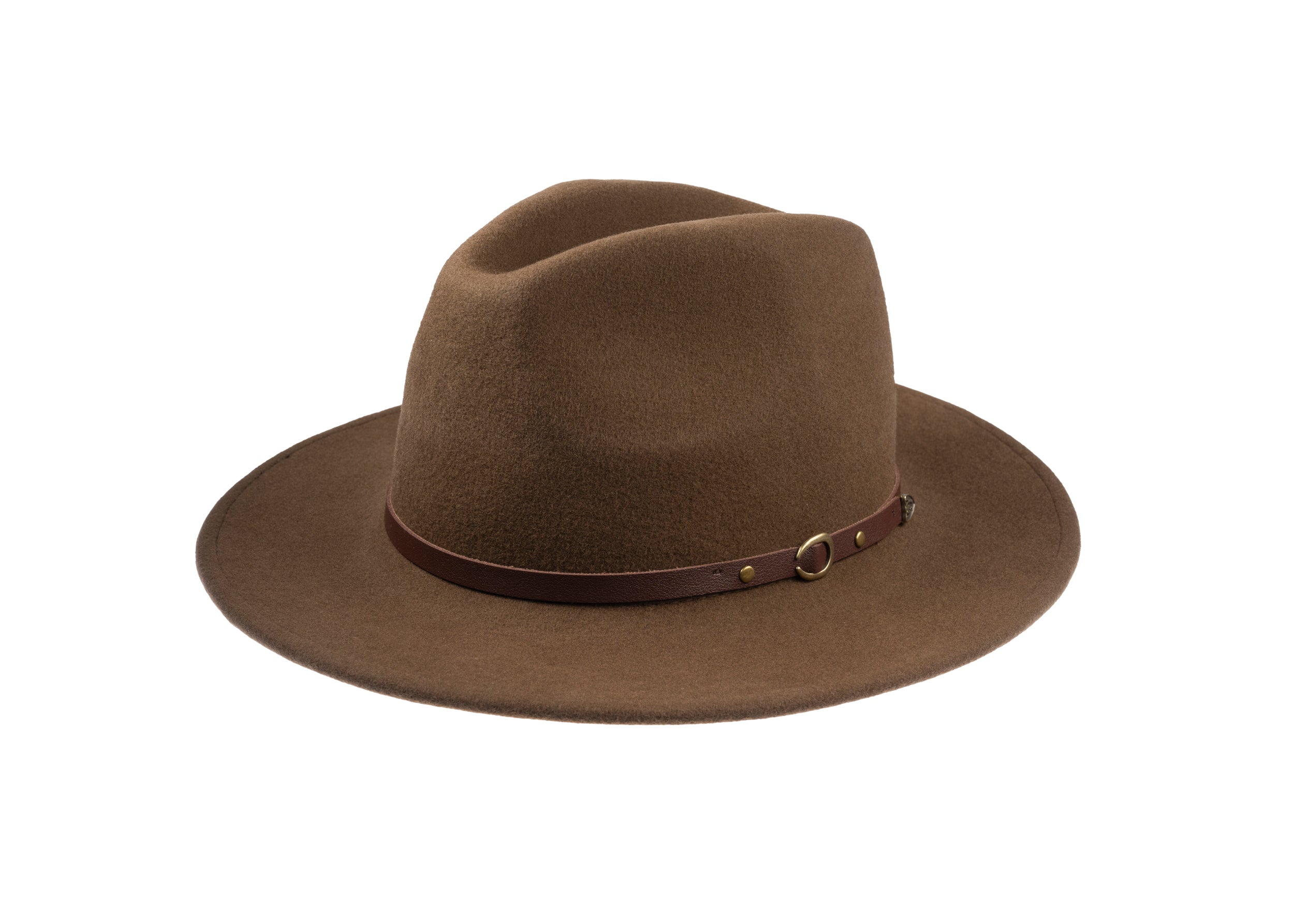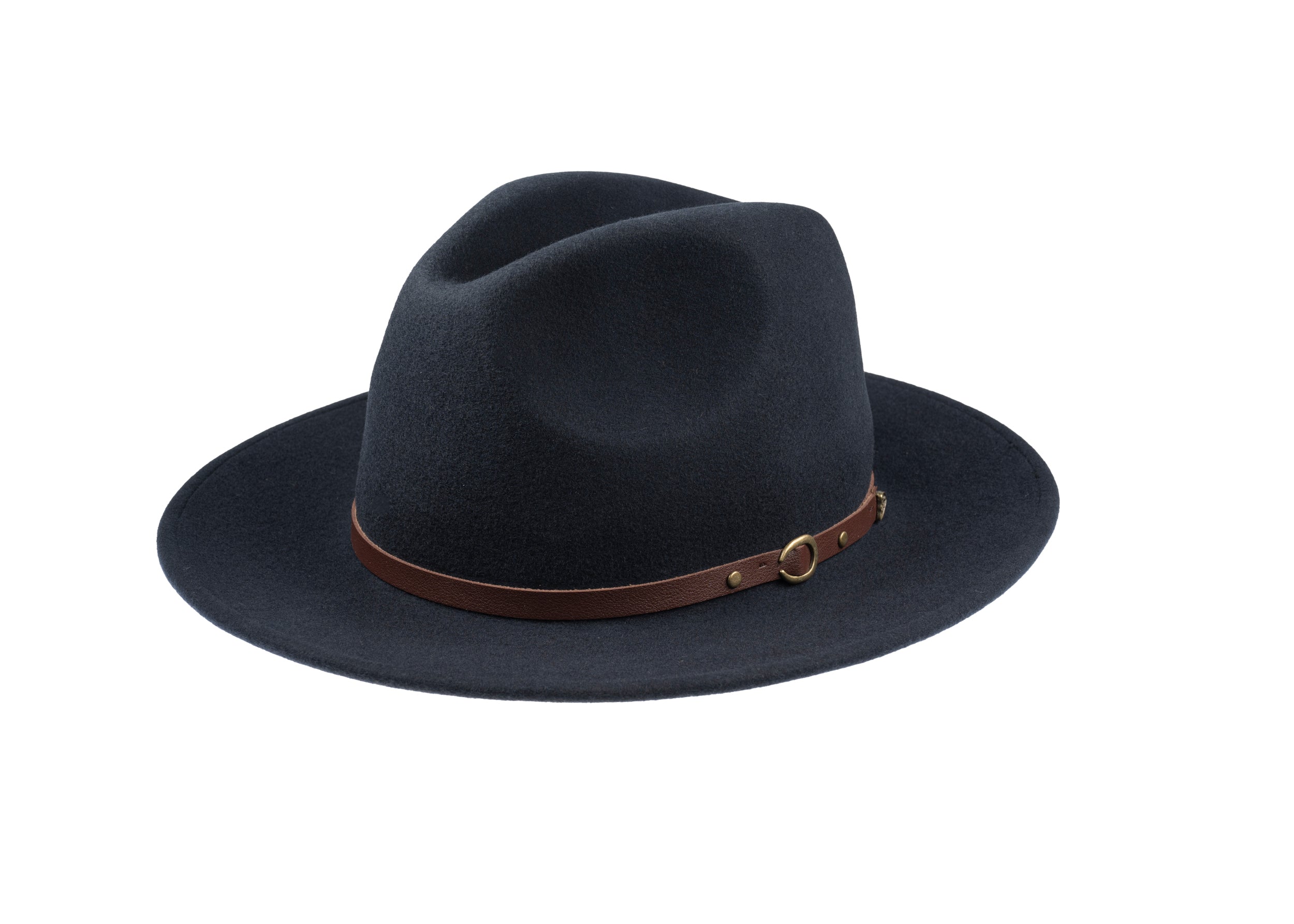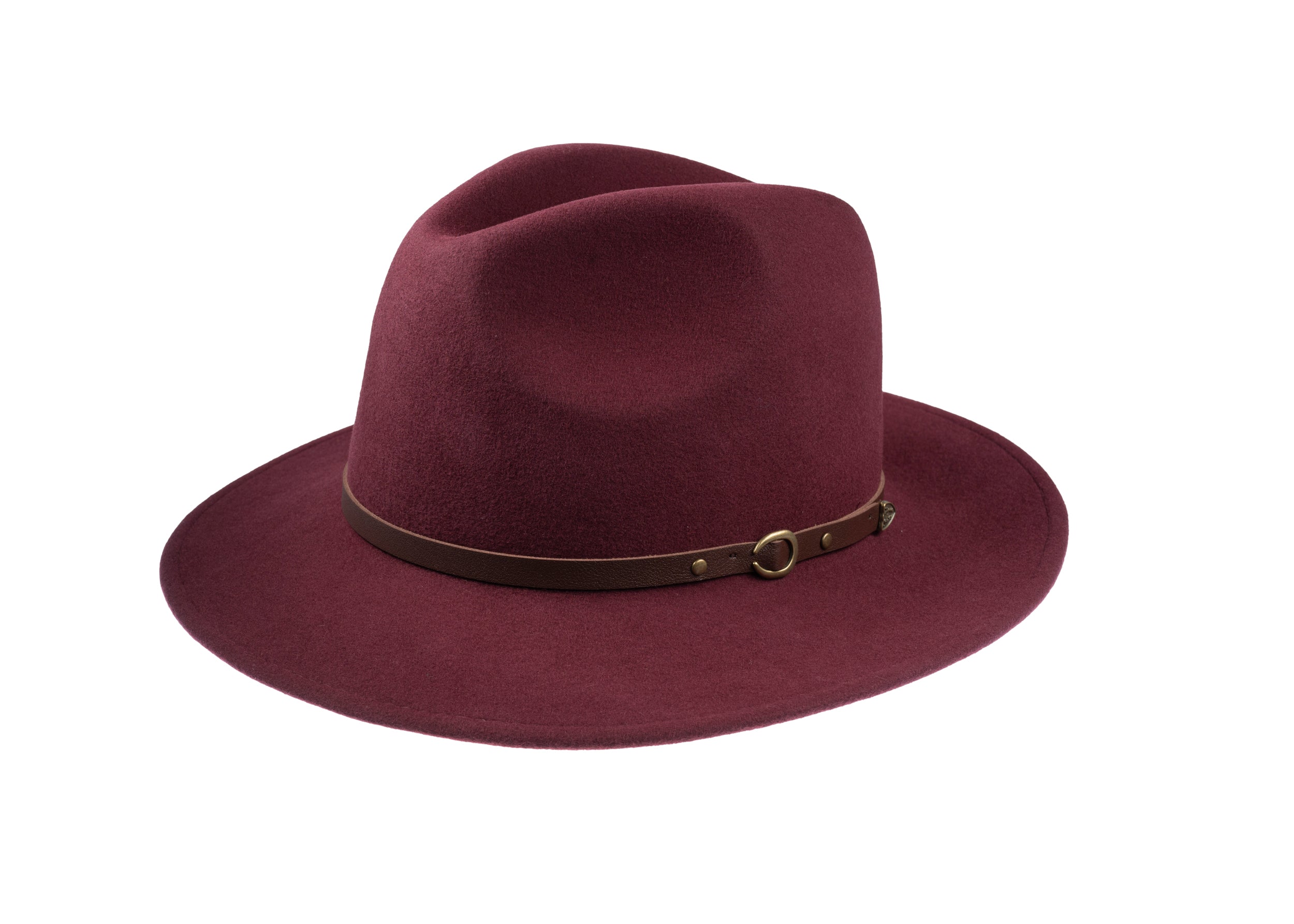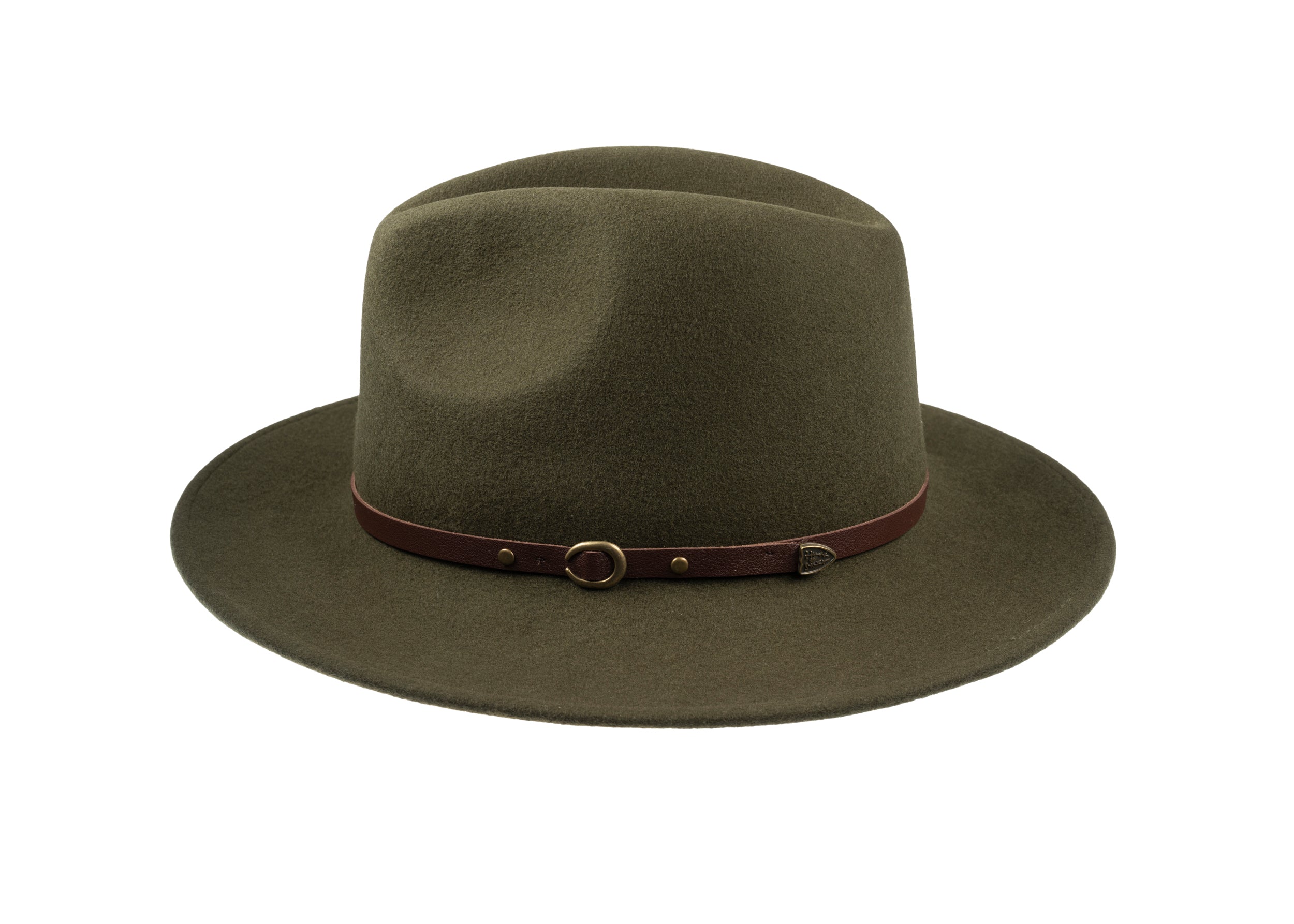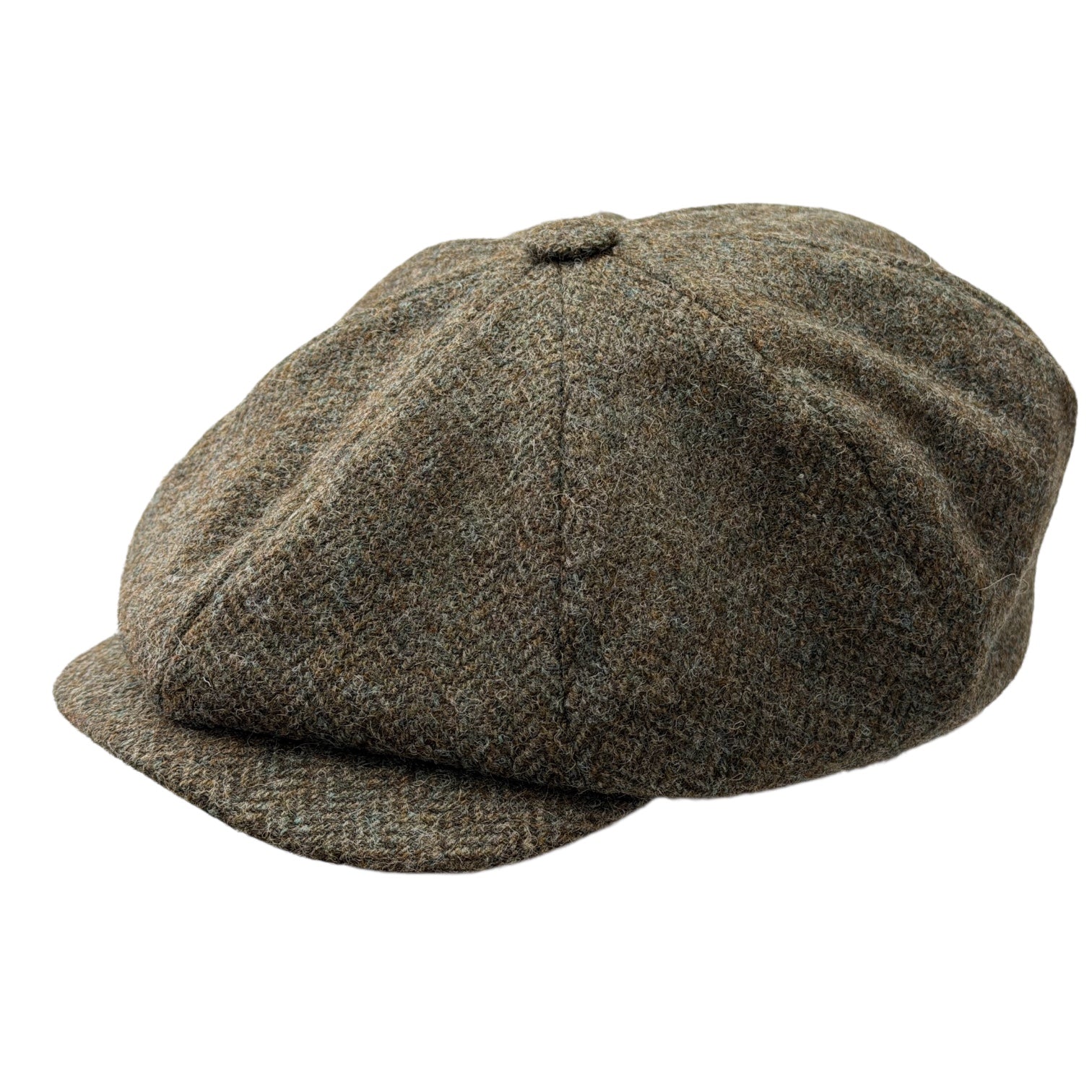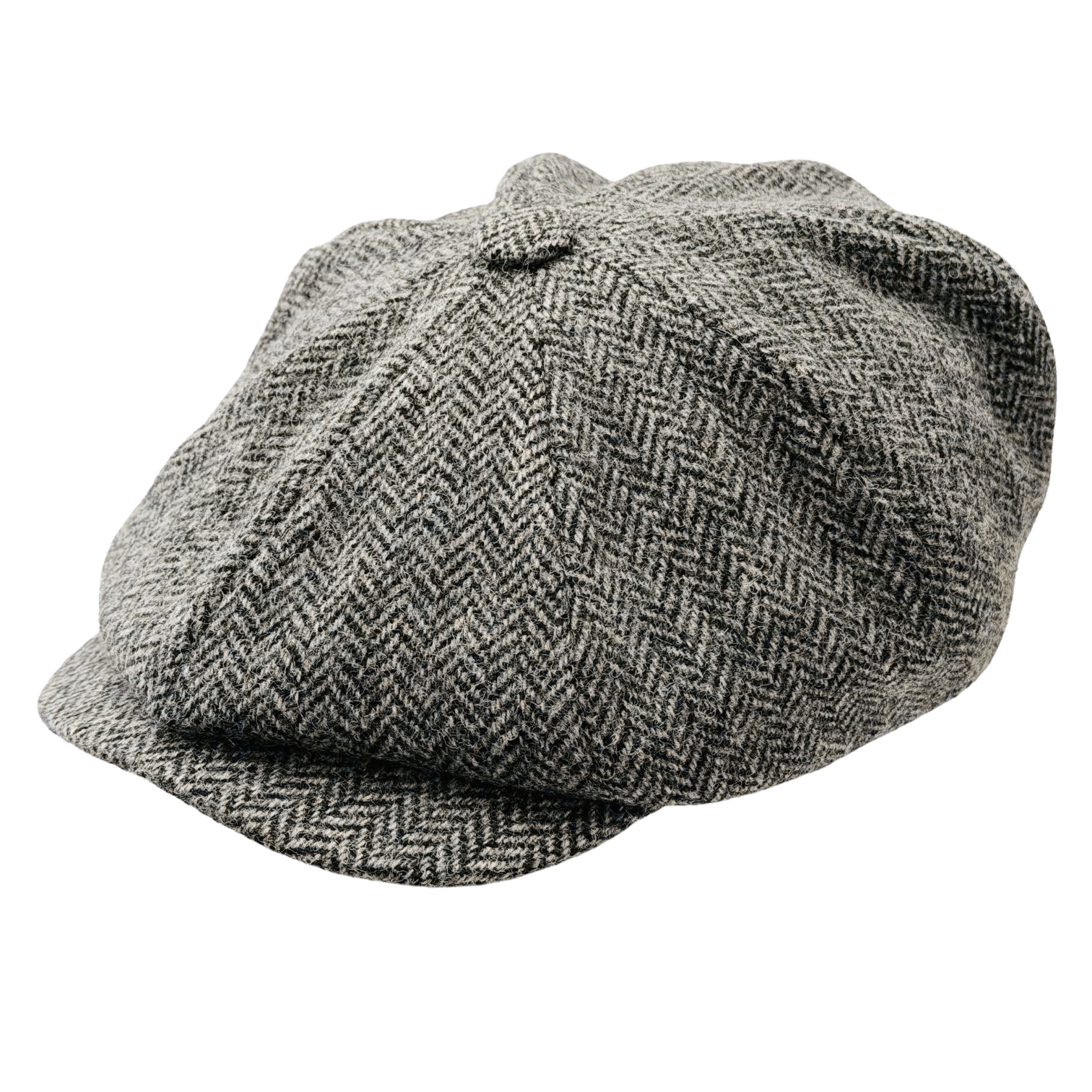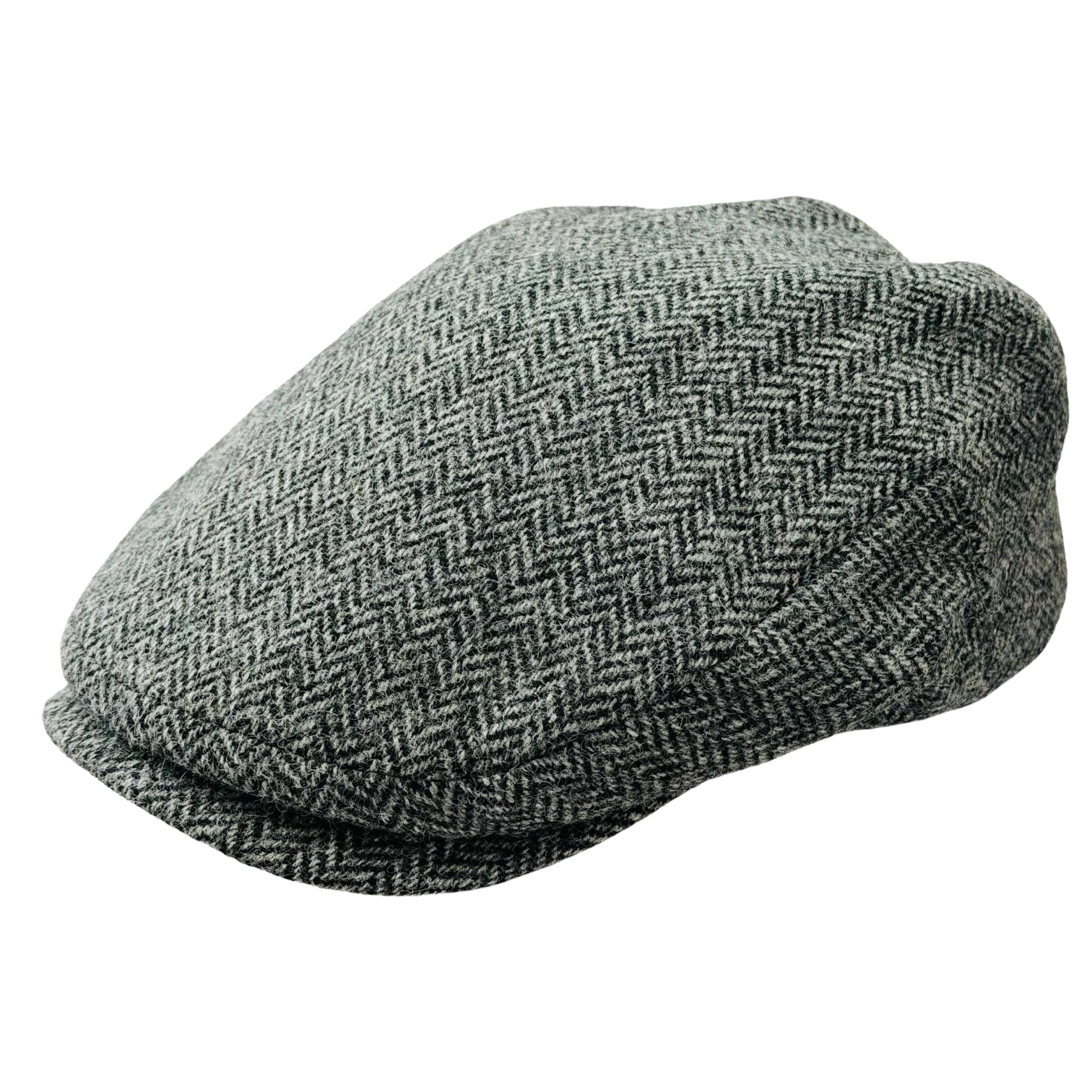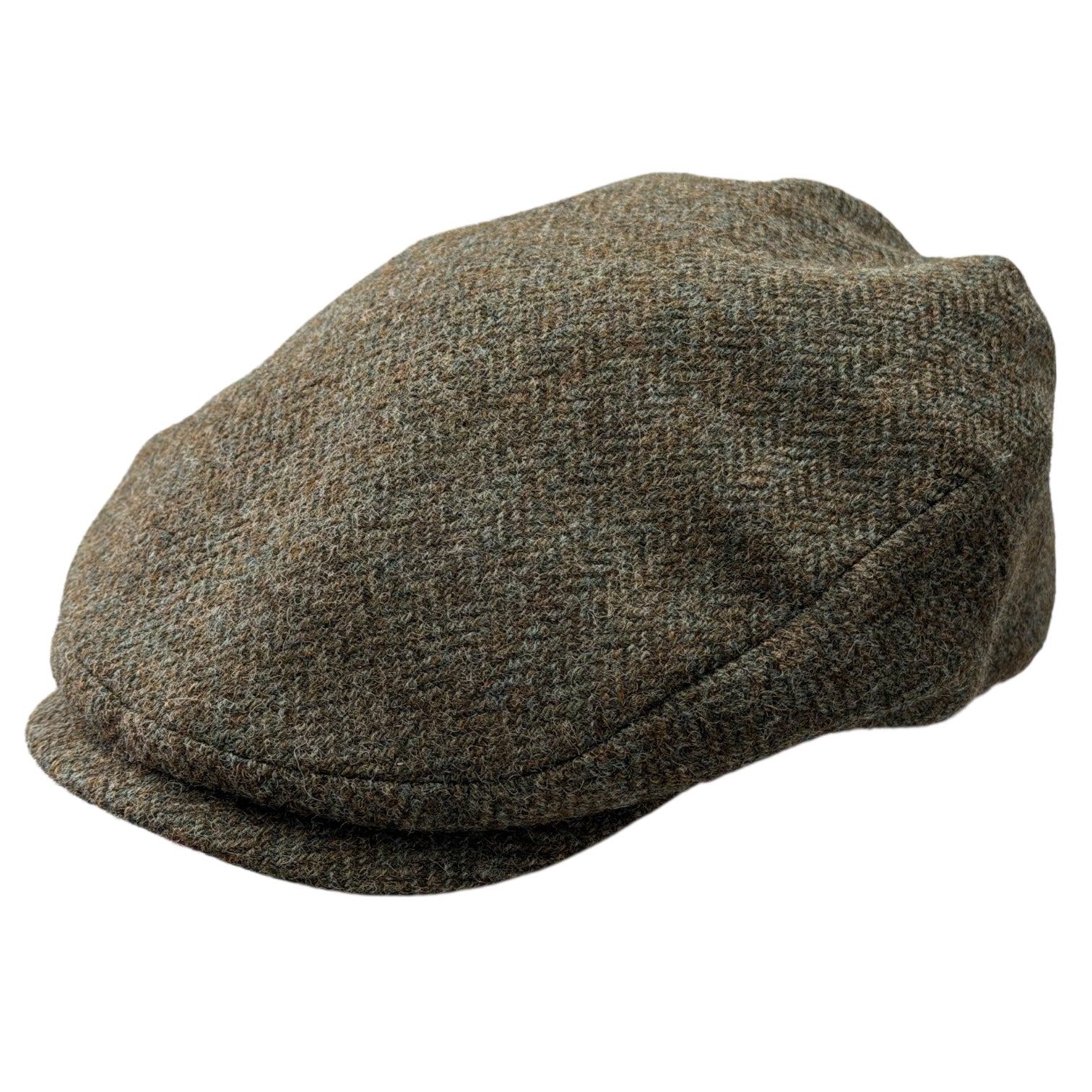



A productive hatmaker conversation starts with your life, wardrobe and practical needs, not with perfect millinery vocabulary. Wedding, garden party, travel, country wear and regular use all call for different priorities, so a clear brief helps the maker translate “classic”, “flattering” or “something for the rain” into a workable shape and finish.
Start by explaining how you want the hat to live and feel. Christys’ long British hatmaking history, traced on its Since 1773 heritage page, reflects the idea that a hat can be both an expression of character and a carefully considered object. Bring the notes below and your honest constraints; the maker can supply the technical language and advise on the decisions that remain open.

1. Start with purpose, occasion and conditions
Describe where, when and how often the hat will be worn before discussing its appearance. Note the season, likely temperature, sun or rain exposure, wind, travel involved and whether you will wear it for an hour or a full day. A wedding or garden party may prioritise polish and comfort; travel may make weight, resilience and packing important; country pursuits may call for warmth, security and a material suited to outdoor use.
Then describe the clothing around it: bring the actual jacket, dress or coat if possible, or photograph the full outfit in natural light. Include shoes, glasses, jewellery and any scarf or bag that will sit near the hat. Record the colours, fabrics and textures you want to echo, as well as anything you want to avoid. A hatmaker can advise whether your preferred direction needs a restrained finish or enough contrast to be visible.

2. Describe shape and scale in ordinary language
You can point, compare and use descriptive phrases rather than memorising terms. The crown is the part that sits over the head; the brim is the projecting edge. A crease or dent is the shaping in the top of the crown, while a band or ribbon circles it. The lining is the inner fabric, and “blocking” simply refers to shaping the hat over a form. If you like the look of a taller crown, a narrower brim, a level brim or a slight tilt, say so and let the maker translate it.
Use reference photographs to communicate mood, proportion and details, but not as a promise that the same hat will suit your face, hair or clothing. Mark what you like in each image: perhaps the crown height, brim coverage, soft curve, centre crease, quiet ribbon or bolder colour. Also show one or two examples you dislike. This gives the maker useful boundaries.
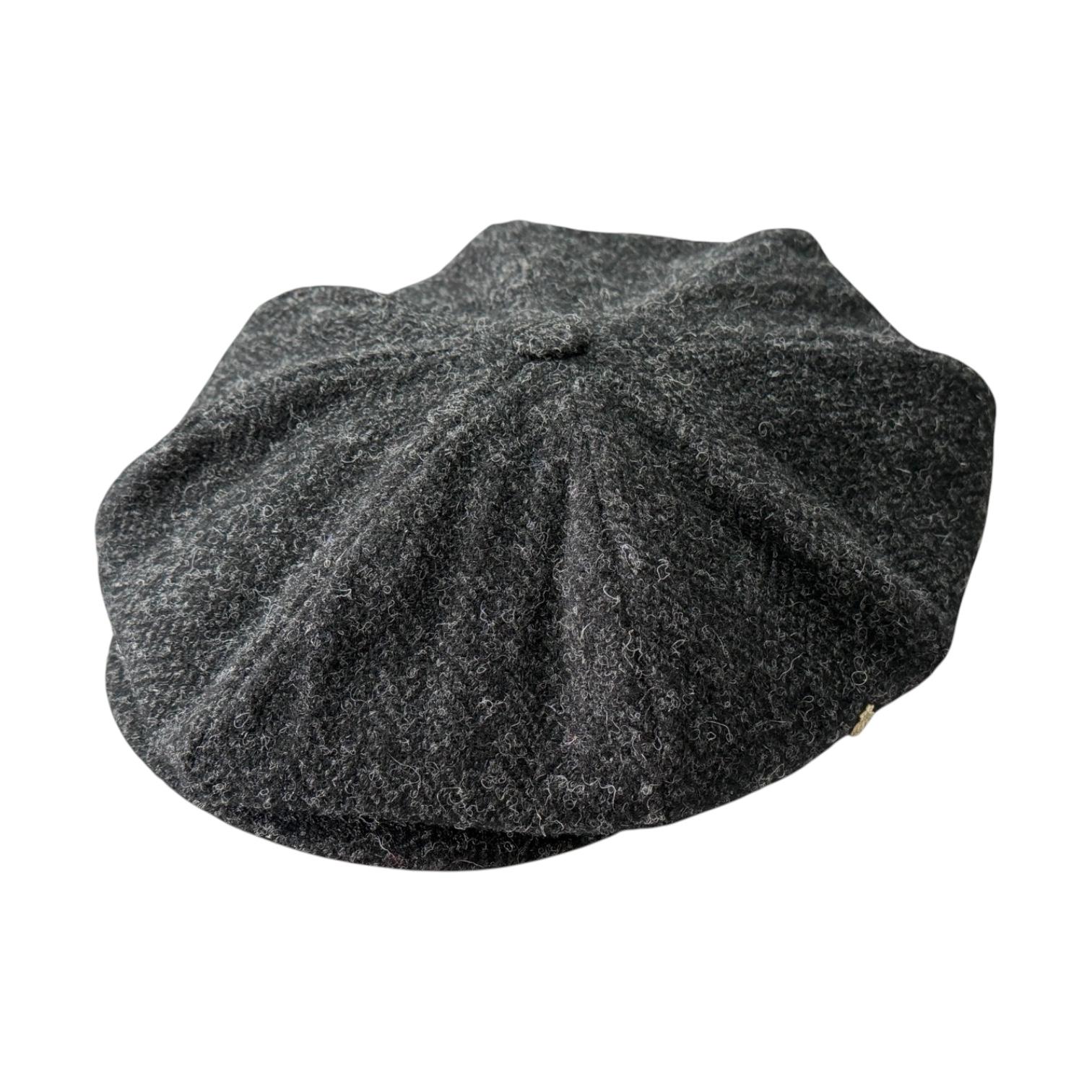
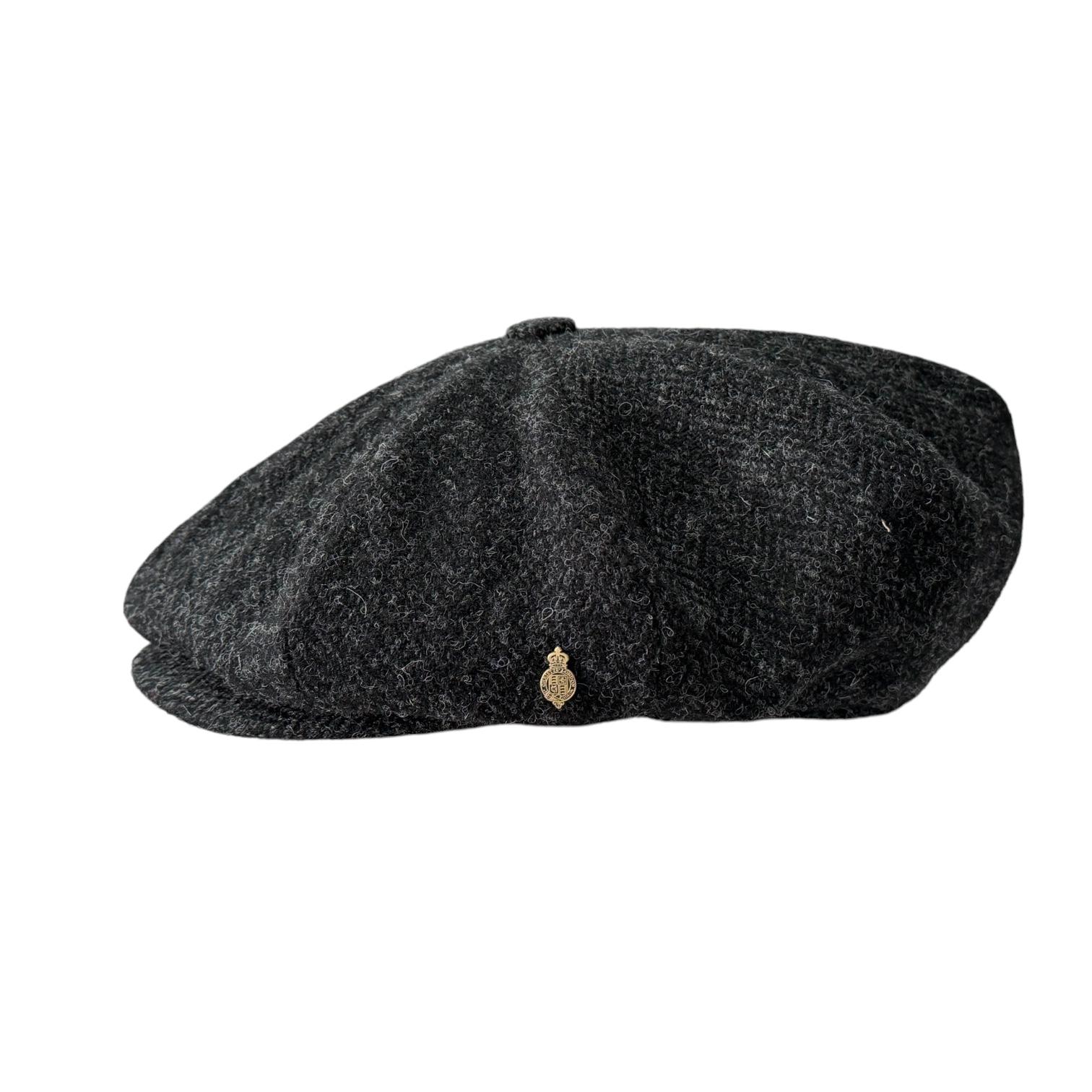
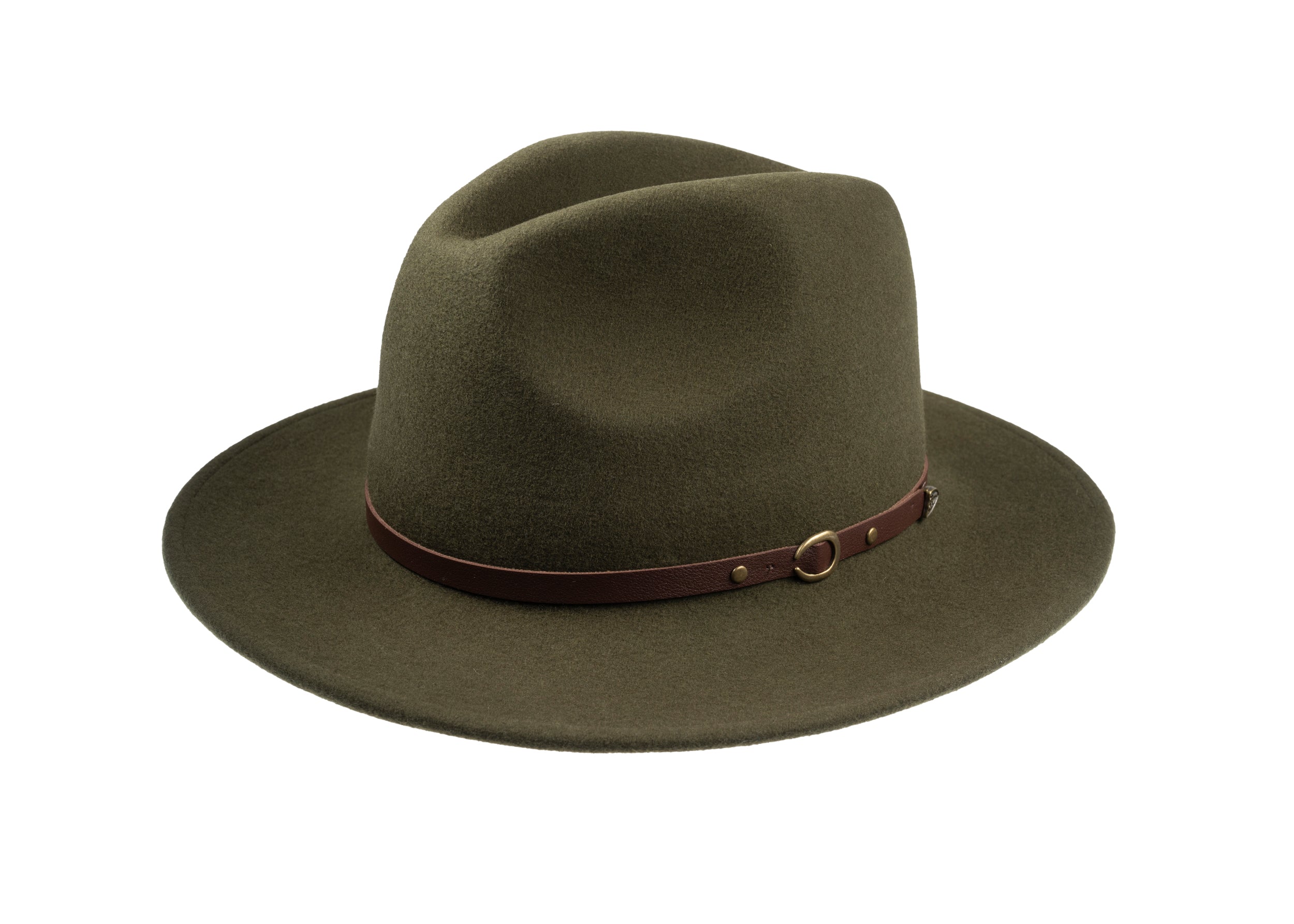
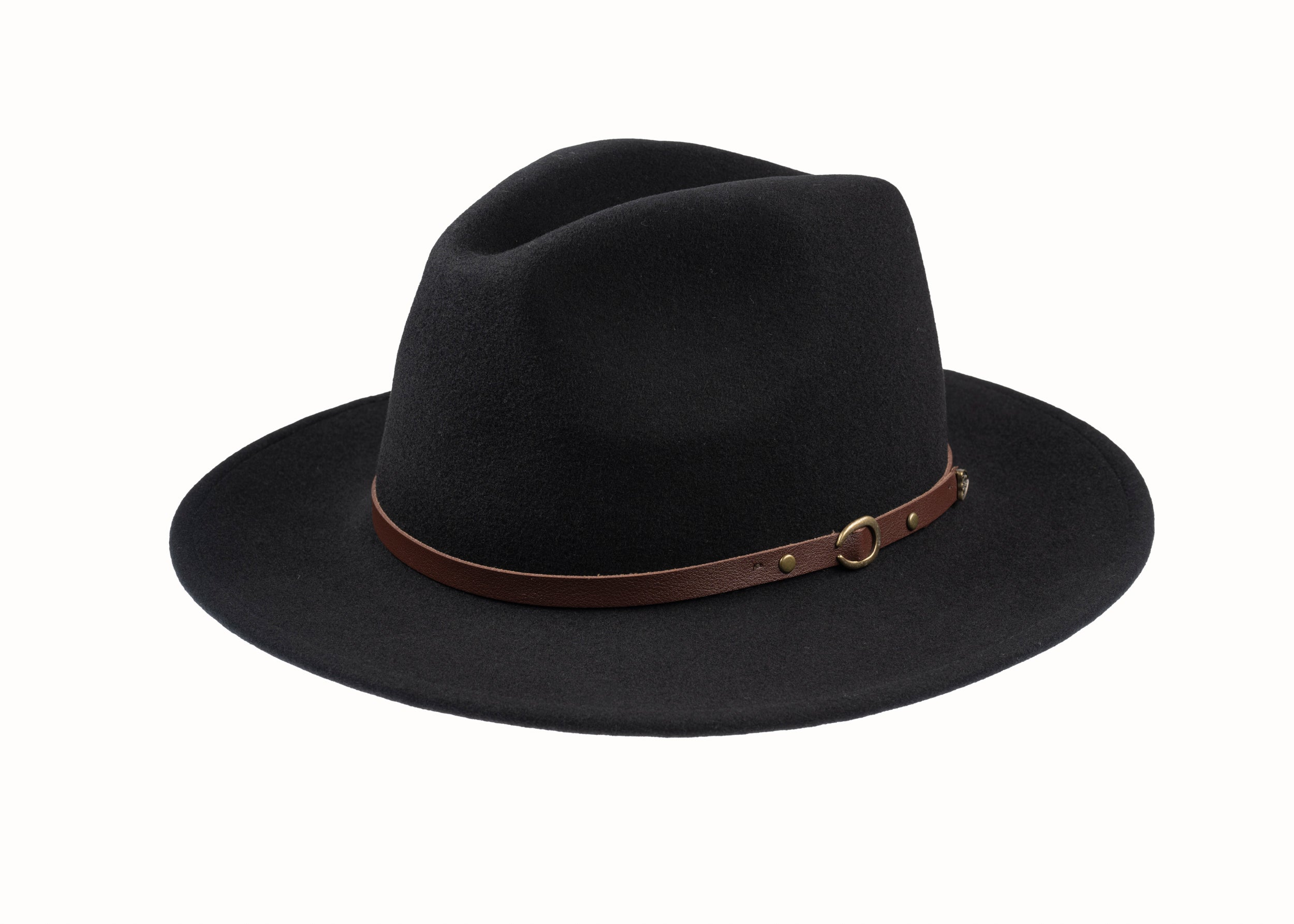
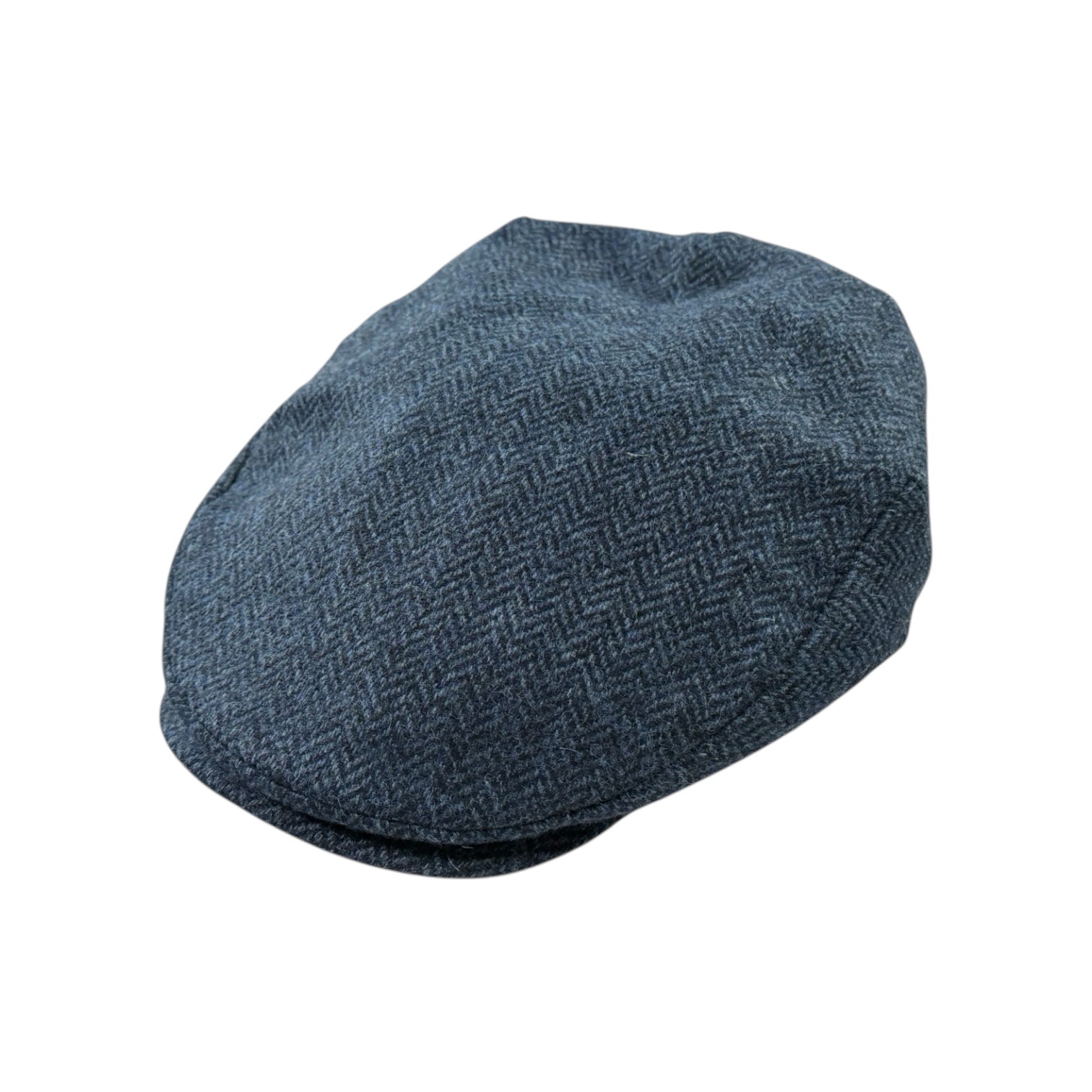
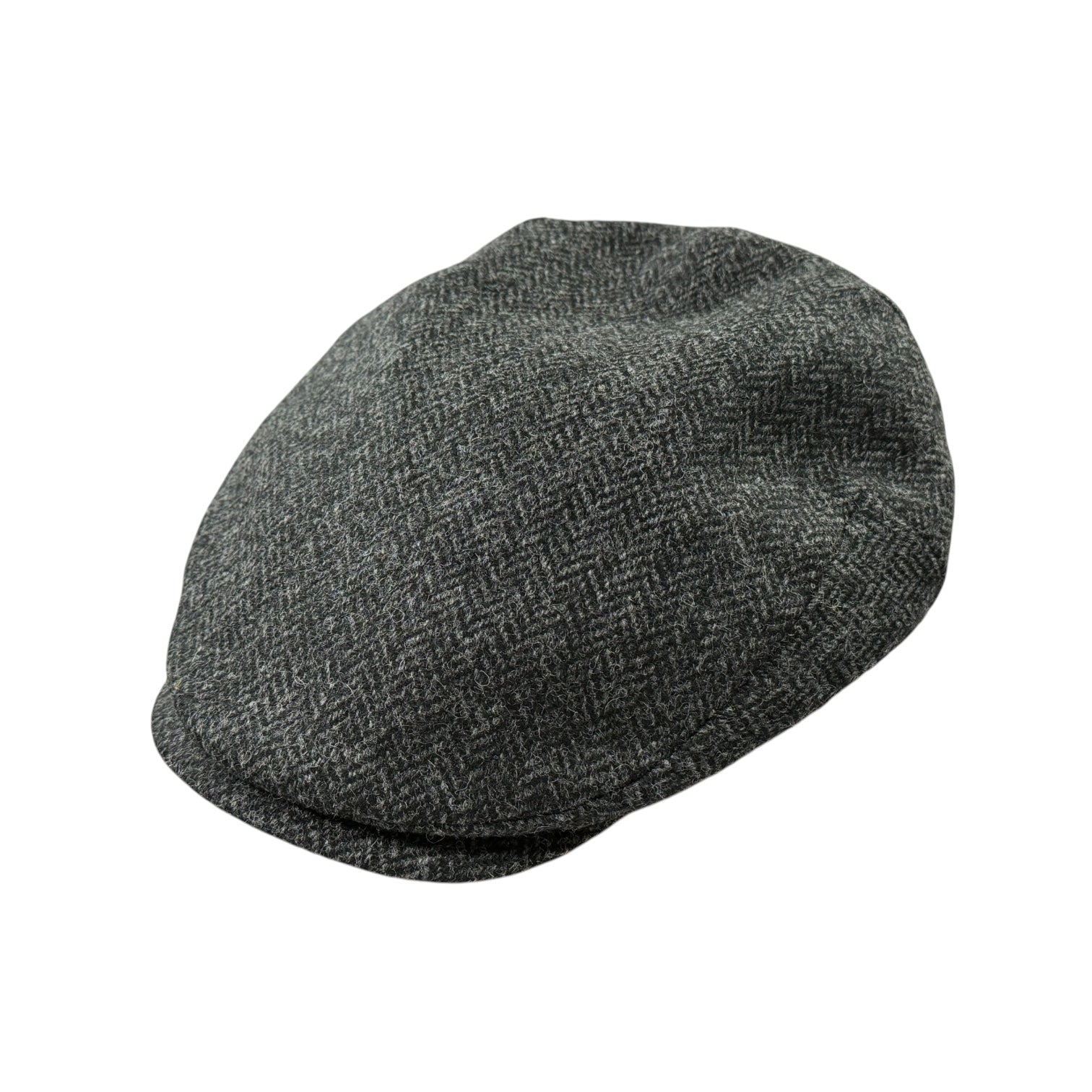
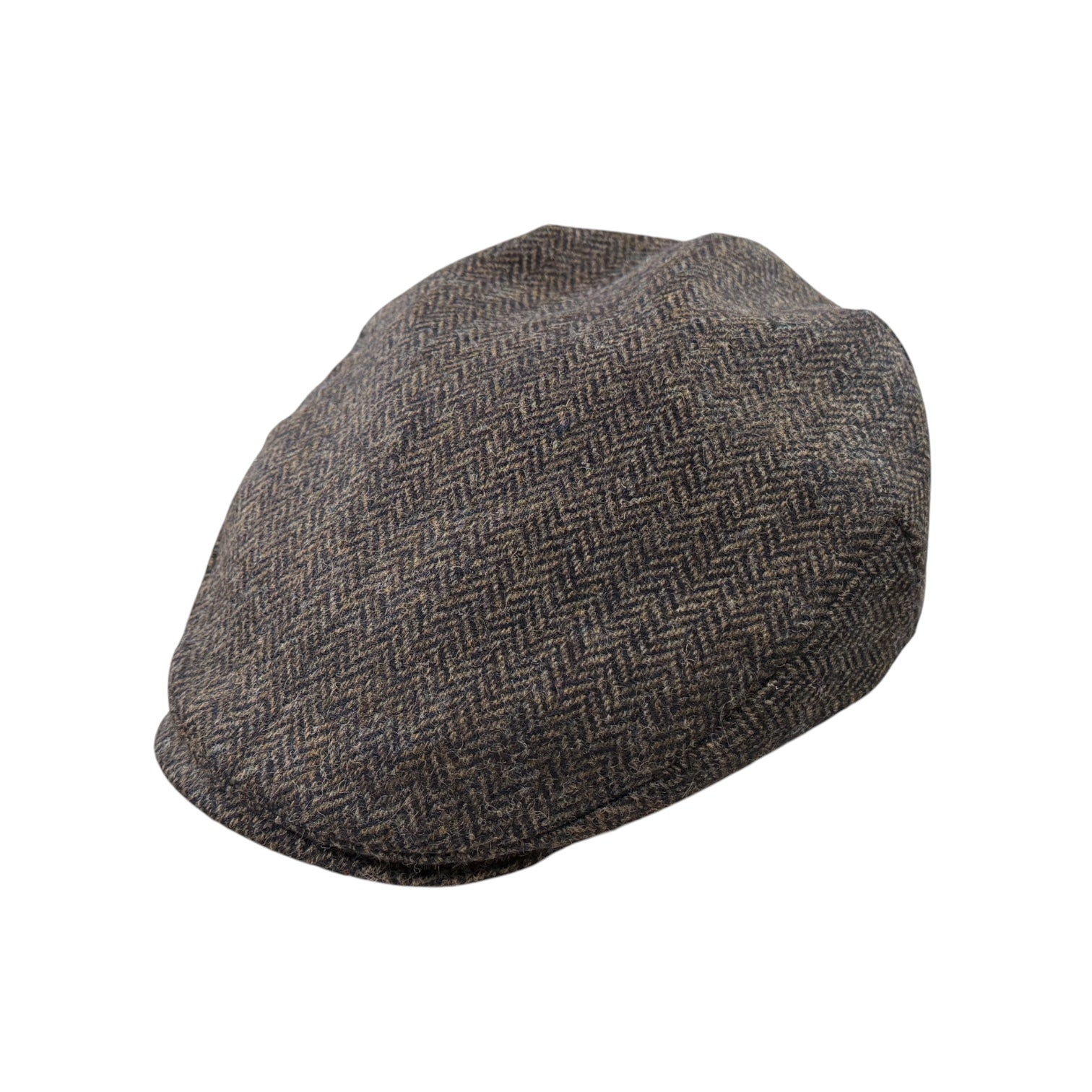
For concrete vocabulary prompts, you can compare how existing hats communicate different priorities. Christys’ Canterbury Beaver Fur Fedora can illustrate a centre-crease crown, medium brim and tonal grosgrain band. The Portofino Panama can illustrate a lighter warm-weather direction, while the Windsor Yorkshire Tweed Flat shows how texture, provenance and country-wear context can enter a brief. These are examples of description, not specifications for a custom order.

3. Prepare the practical brief and your questions
Consultation brief checklist
Purpose and setting: occasion, date, season, location, frequency of wear, climate, wind, rain, sun and travel.
Wardrobe: garments to match, colours, fabrics, textures, accessories and photographs of the complete outfit.
Shape and scale: words such as soft, structured, understated or dramatic; preferred crown height, brim coverage, tilt, crease and band; examples you like and dislike.
Fit and movement: take your head measurement and check it against the Christys’ Size Guide, which maps centimetre, UK, US and inch sizing. Also note your hairstyle, glasses, hearing aids, comfort over several hours, walking or dancing, and how secure the hat must feel in wind.
Material direction: ask whether felt, fur felt, straw, tweed or another material suits the season, weather, structure, weight, finish and care you need. Straw is often considered for warm weather; felt or tweed may be associated with more structure or cooler conditions, but the specific material and finish should be confirmed for your use.
Firm limits: state colour, formality, coverage, comfort, weather performance, budget and required delivery date. Separate non-negotiables from preferences you are willing to change.
Questions to settle: ask about available materials and shapes, construction, lining, finishing, possible alterations, care, storage, price, deposits, lead time and the agreed next step. Record the decisions in writing.
Take the brief, your measurement, clothing references and honest constraints into the conversation. Explain the result you want, then leave room for the maker to advise on proportion, material and construction. Before you leave, record the agreed next step and any points that still need confirmation.
Frequently asked questions
Do I need to decide every detail before the consultation? No. Bring a clear sense of purpose, the features you favour and the limits that matter most. It is useful to leave choices such as the precise crease, band or finish open if you want the maker’s advice.
How should I measure my head? Measure around the head where the hat will sit, usually just above the eyebrows and ears, keeping the tape level and comfortably close rather than tight. Take it twice and record the result in centimetres if possible. Check it against the Christys’ Size Guide, which maps centimetres to UK, US and inch sizing. Treat this as preparation, not a guarantee: the maker should confirm fit in the chosen shape.
What should I wear or bring if the consultation is in person? Wear the hairstyle and glasses you expect to use with the hat, and bring hearing aids or other items that affect comfort. Bring the key garment, accessories and shoes if practical, or clear photographs of the complete outfit in natural light.
How can I keep track of the decisions? Ask the maker to confirm the proposed shape, material, finish, fit approach, price basis, deposit if applicable, timing and next step. Write down what is agreed and which points remain subject to approval.
What if the finished hat cannot meet every preference? Ask which requirement is causing the constraint and what alternatives would preserve the most important result. A useful brief makes those trade-offs visible early, before materials or finishing are settled.