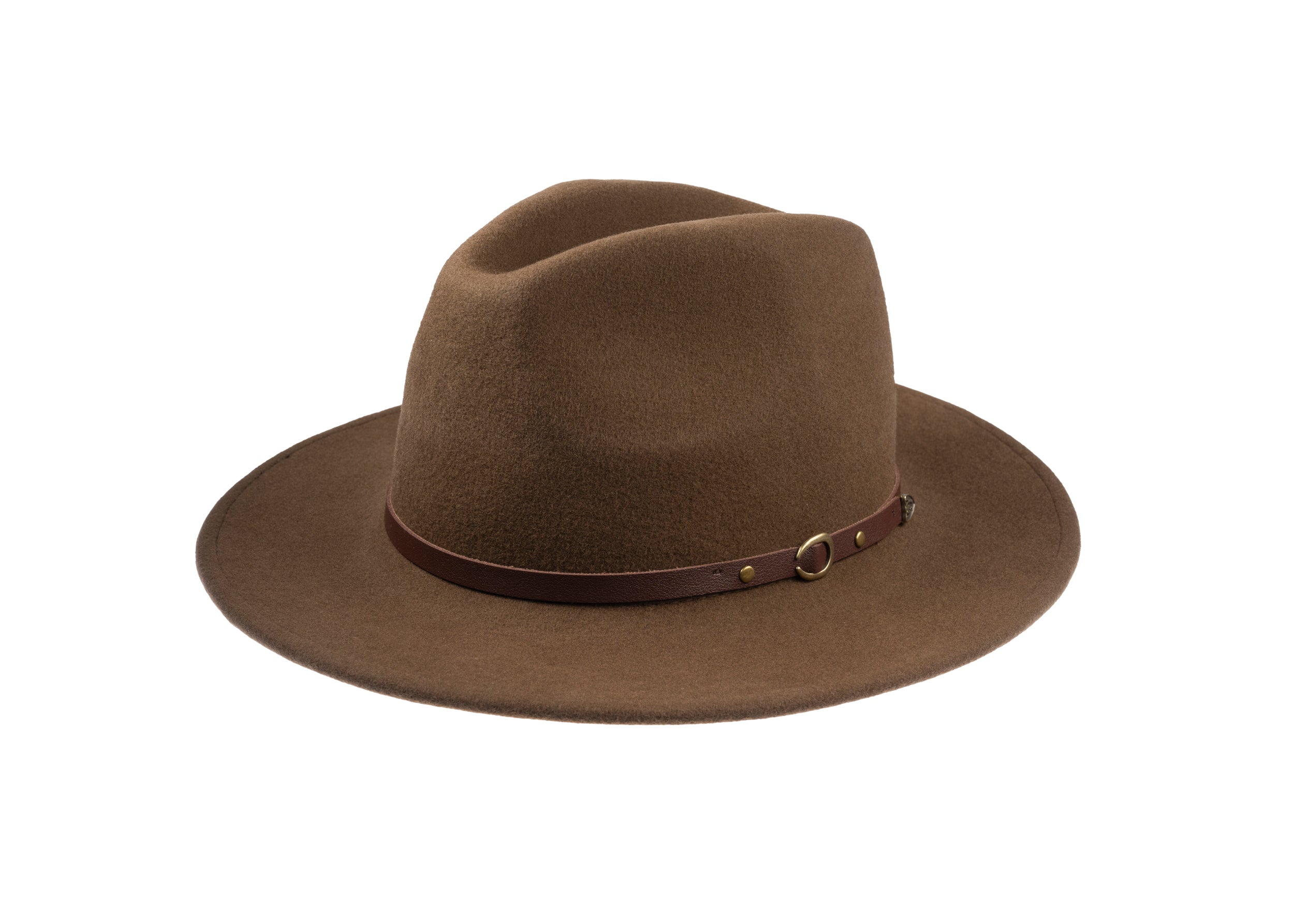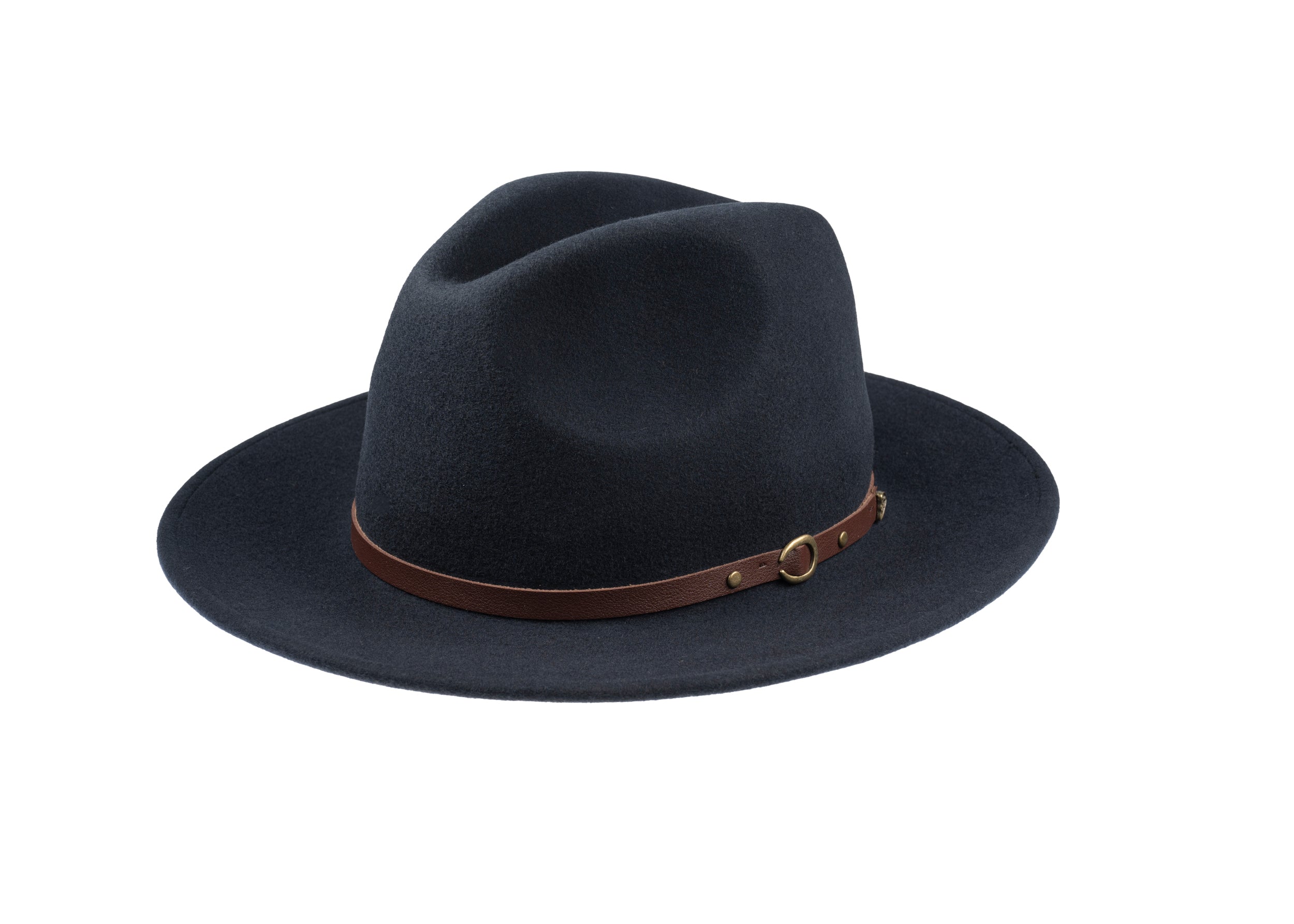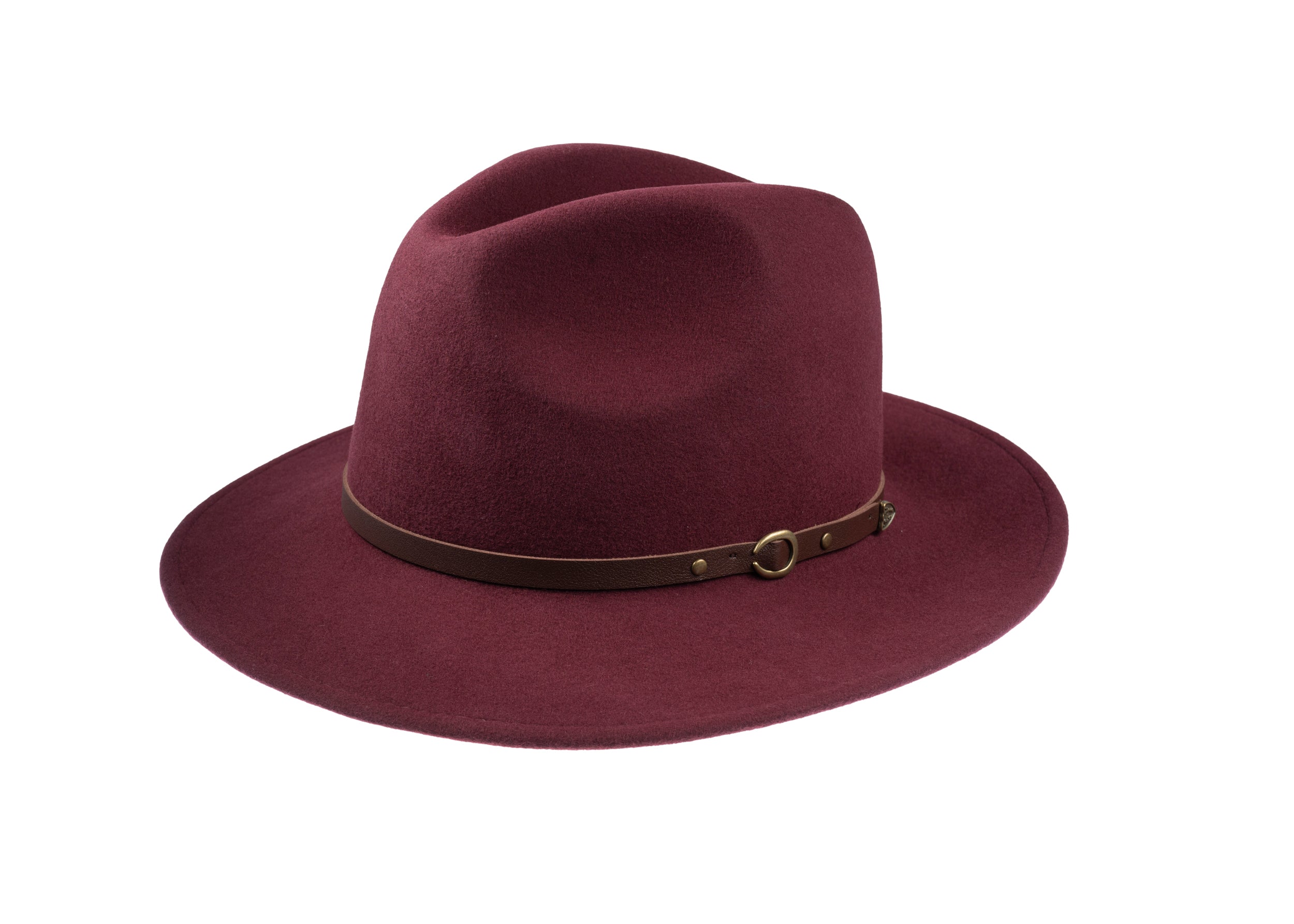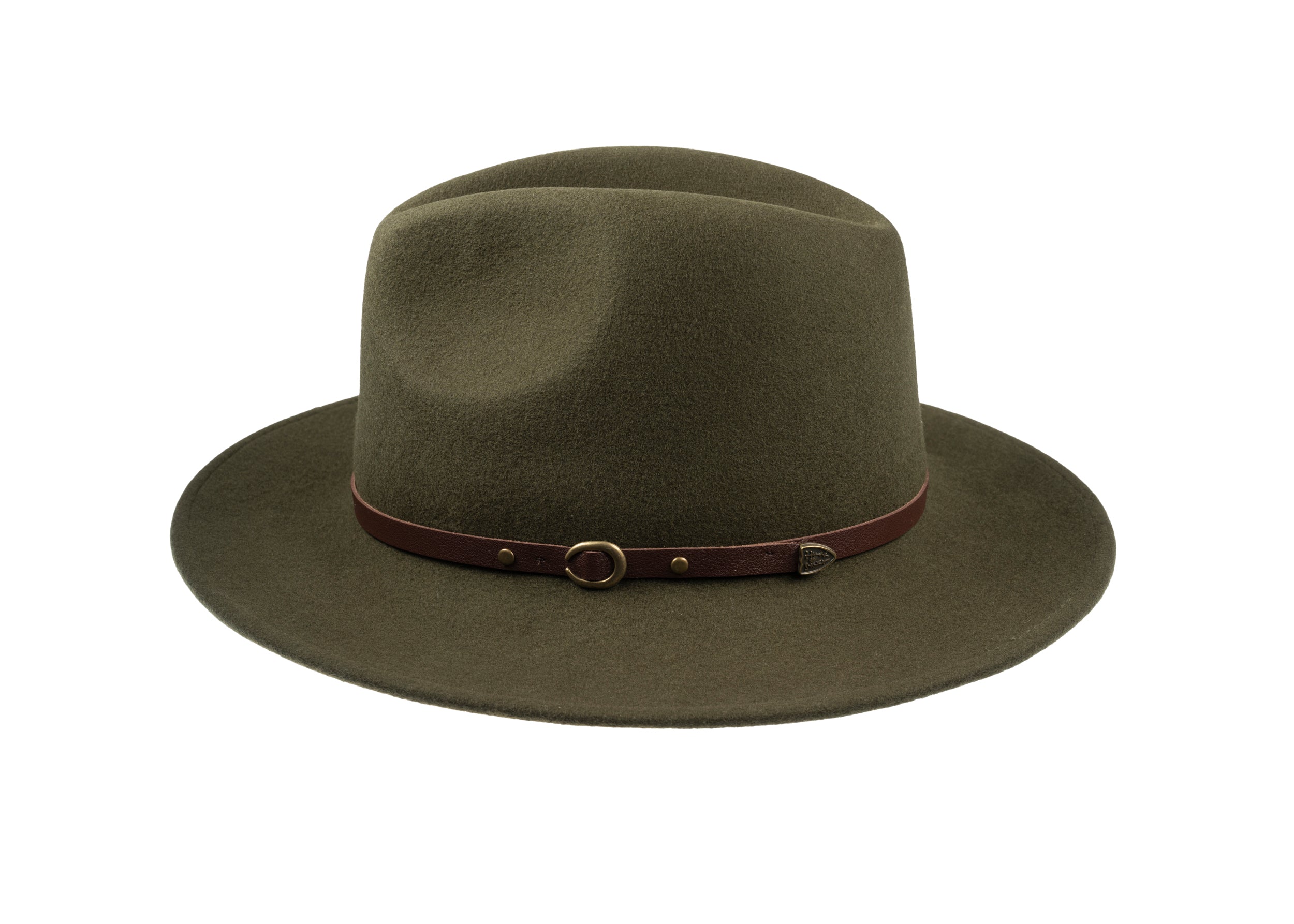



A Panama is more than a familiar summer silhouette. To read its quality, look past the crown shape and price tag to the relationship between the handwoven toquilla-straw form, the way it has been blocked, and the care given to every visible and hidden finish.
This guide gives you a practical inspection method for shopping in person or online. You will learn what to look for in the weave, crown, brim, edge, band and interior; how to interpret terms such as “Grade 1” or “high grade”; and why provenance can describe several complementary stages of one hat.

1. Start with the Panama itself: material and provenance
A traditional Panama begins with toquilla straw handwoven in Ecuador. That material-and-making origin is what distinguishes a Panama; the finished hat does not need a centre dent, a teardrop crown, a short turned-up brim or a broad down brim. Those are silhouette choices created through later shaping. In other words, the outline tells you how the hat has been designed, not what makes it a Panama.
Provenance is best understood as a route rather than a single label. Christys’ published account describes its Panamas as handwoven in Ecuador, then blocked around wooden or aluminium moulds and finished by expert craftsmen in the workshop in Oxfordshire, England. The Ecuadorian weaving expertise and the British blocking and finishing tradition are therefore complementary stages of one hat, not competing claims.
When comparing descriptions, look for specific information: toquilla straw rather than simply “straw”; whether the hood was handwoven; where weaving took place; and where shaping or finishing was completed. Transparent provenance cannot guarantee quality by itself, but it gives you a useful starting point for judging the workmanship that follows. Read more about this route in Christys’ account of Panama making.

2. Read the weave before you read the grade
The weave is the first close-up test. Examine the crown and brim under good light, or ask for detailed photography if you are shopping online. A well-made handwoven hood should show a coherent rhythm rather than abrupt changes in density. Small variations can be natural in handwork; loose strands, broken fibres, pulled sections, ragged joins or a visibly weak patch are more concerning.
Look for a balance between density and pliability. A finer, denser weave generally represents more time and labour, and Christys’ own High Grade description explains that its Grade 16 weave is the maker’s highest grade. But “grade” is not a universal industry scale: numbers can mean different things between producers. Treat Grade 1, Grade 1/2 or Grade 16 as the terminology of the particular maker, and ask what the number measures before comparing it across brands.
Finer is not automatically better for every buyer. A very fine weave may suit an occasion hat or a long-term wardrobe piece where refinement is the priority. For travel, frequent outdoor wear or a tighter budget, a more accessible weave may offer the right balance of appearance, pliability and peace of mind. Choose according to use, climate, handling and budget, not a number in isolation.

3. Judge the crown, brim and blocking together
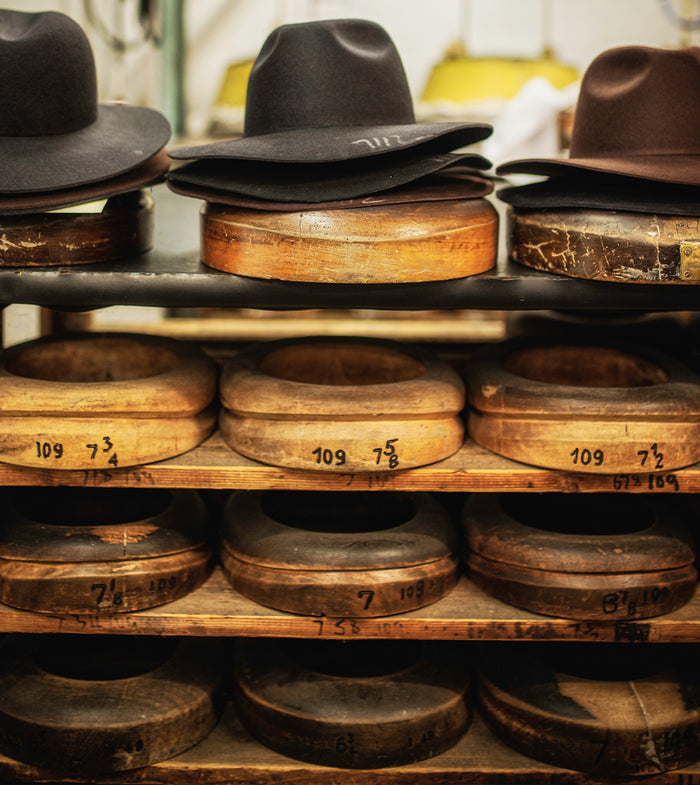
Blocking is the process of forming the woven hood around a mould so that it becomes a finished crown and brim. It is where the raw material gains its intended proportions, dents, taper and roll. Good blocking should look deliberate rather than merely fashionable: the crown should be symmetrical from front to back, the taper should be even, and dents or pinches should meet cleanly without crushing the weave.
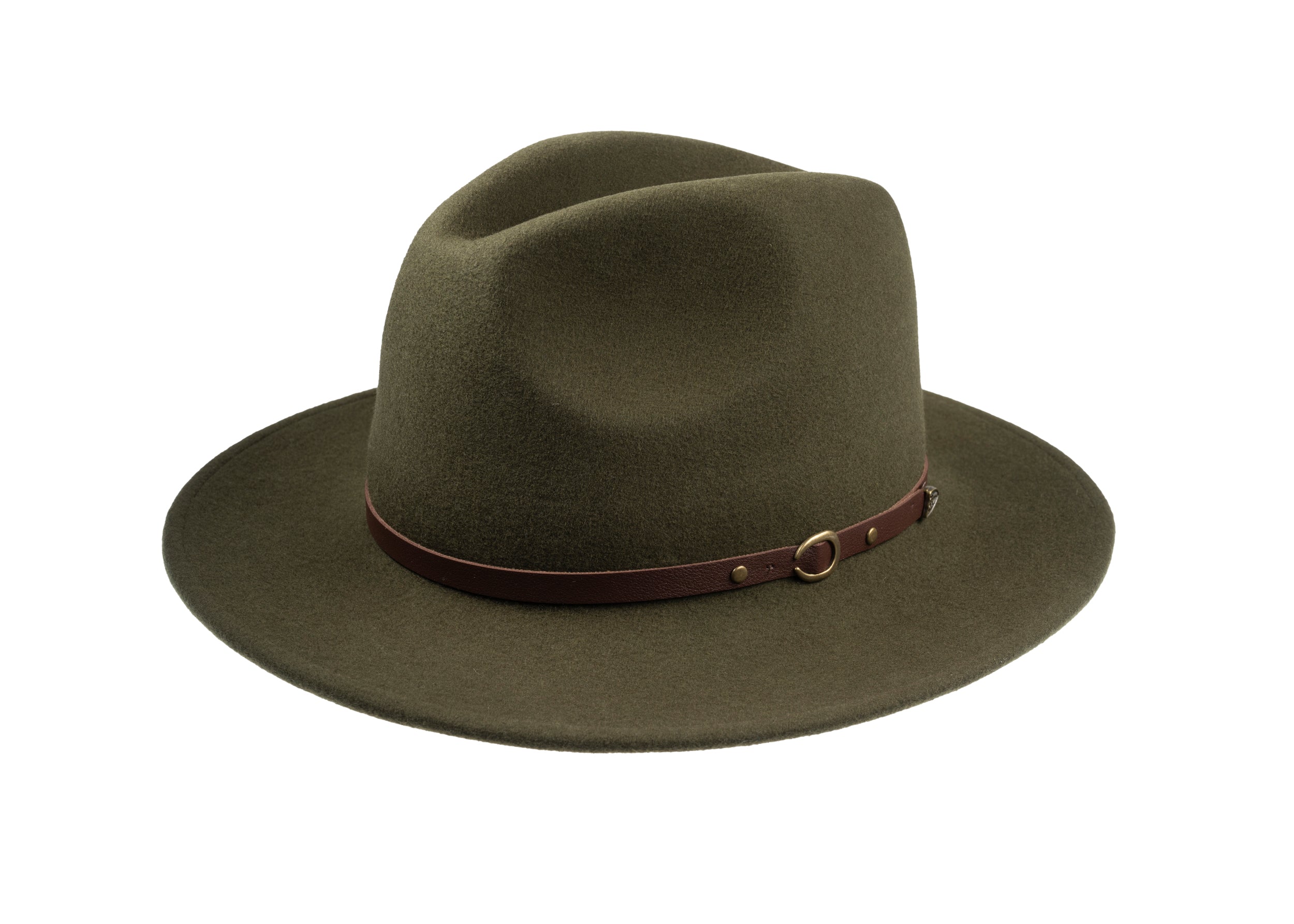
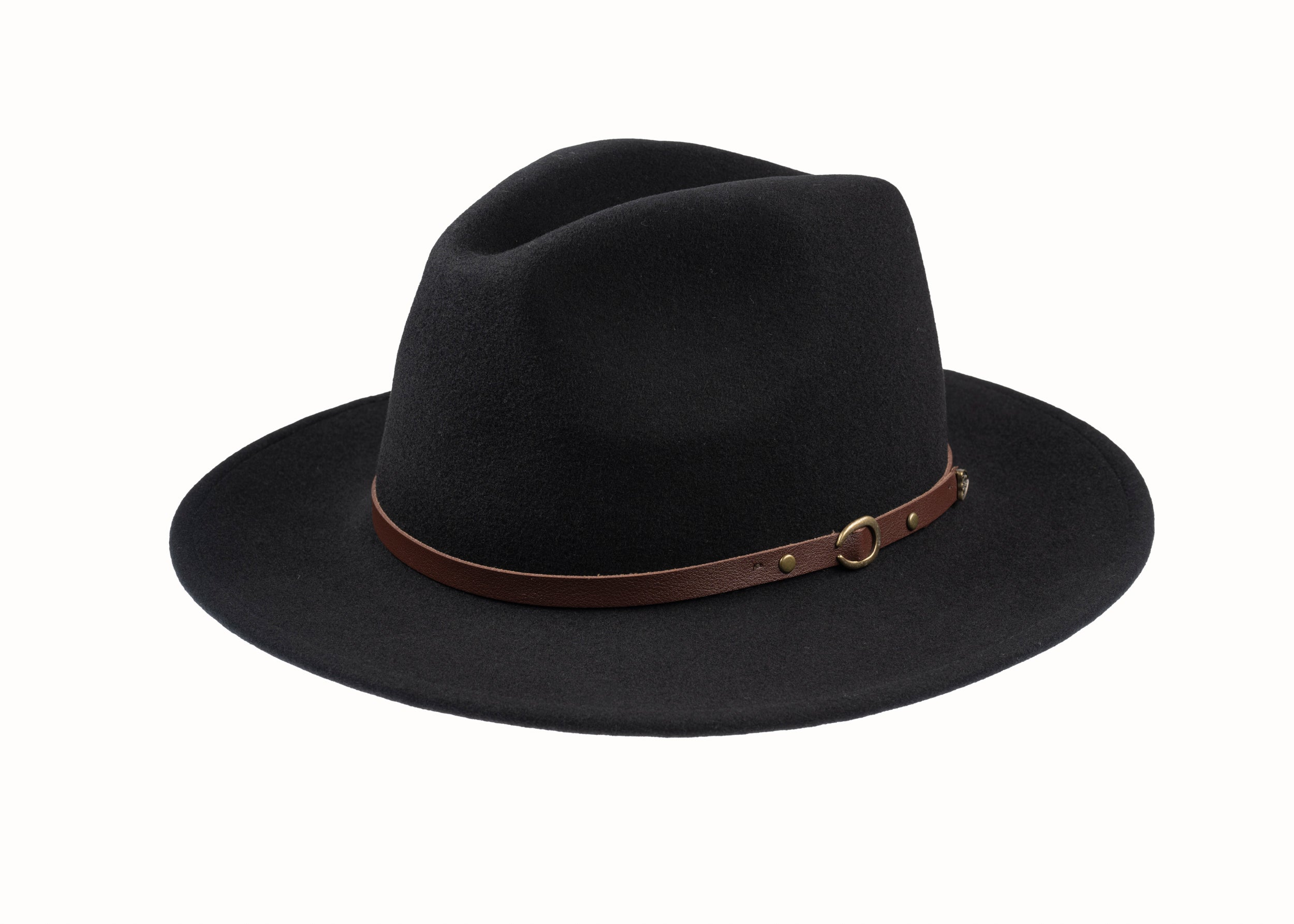
Inspect the crown for a smooth surface, balanced height and a composed profile. Check that the brim leaves the crown evenly, without one side appearing lower or more stretched. Along the brim, look at width, balance, roll and edge consistency. The transition from crown to brim should feel continuous, not like two separately shaped parts forced together.
A pleasing outline in one photograph is not enough. From several angles, look for obvious waves, collapsed areas or a lopsided brim. This is one place where Christys’ British hatmaking tradition matters: careful blocking translates Ecuadorian woven material into the intended shape and proportions, suitable for both men’s and women’s silhouettes, while respecting the character of the straw.

4. Inspect the finishing details: especially the ones you cannot see at first glance
Finish the inspection at the edge, band and interior. The brim edge should be clean and consistent, with no fraying, abrupt thickness changes or bulky joins. A ribbon or grosgrain band should sit level, follow the crown without puckering, and be secured neatly. Check the pin placement, if there is one, for balance rather than relying on a decorative emblem as proof of quality.
Turn the hat over and look at the sweatband, lining and stitching. The sweatband should be comfortable, evenly attached and free from rough exposed edges. Lining should sit cleanly rather than bunching. Stitching should be controlled and purposeful; visible glue, hardened residue or a conspicuous lump at a join suggests a shortcut rather than a refined finish. These details affect how the hat feels in use and how well it continues to look composed after repeated wear.
Product photography can reveal the overall crown, brim, band and sometimes the edge. It rarely proves the feel of the straw, the accuracy of the blocking or the quality of the interior. Ask for close-ups of the weave, brim edge, sweatband and inside stitching, and confirm the size, material, handwoven status and making route in the description. In person, handle the hat gently by the brim or sturdier areas; do not squeeze or force the crown into a new shape.

5. Panama quality FAQ and buying decisions
**Must a Panama be made in Panama?** No. The name traditionally refers to a hat made from Ecuadorian toquilla straw, often handwoven there; the finished hat may be blocked and finished elsewhere. When comparing products, check that the description identifies the material and explains where the main stages took place.
**Does a finer weave always mean better quality?** No. Fineness can indicate additional labour and a more refined appearance, but it does not settle the question on its own. Choose a finer weave when refinement is central to the purchase; for travel or frequent wear, prioritise sound construction, comfortable fit and a finish you will be happy to handle regularly.
**What do “woven in Ecuador” and “finished in England” mean?** They tell you how to read the product description: the first phrase identifies the source of the woven toquilla-straw hood, while the second identifies where later shaping and finishing took place. For a buyer, this makes it easier to ask focused questions about the weave, blocking, edge work and interior rather than treating one country label as a complete quality rating.
**How can I inspect a Panama online?** Treat the product page as a request for evidence, not just a catalogue image. Look for several angles, a size guide, material and weave terminology, care guidance, and a clear returns policy. If the page does not show the brim edge or interior, ask for those details before buying and keep the answer with the product information for comparison.
**How should I balance quality and price?** Set the use case first: occasional formal wear, travel, or regular summer use. Then decide which compromises are acceptable. Pay more when the finer weave, cleaner blocking or more exact finishing answers a real need; choose the simpler option when it fits better, will be worn more often, and still passes the basic checks for soundness and finish.
A well-made Panama is a considered balance of material, shape and finishing. Christys’ Ecuador-to-Oxfordshire route illustrates how specialist toquilla weaving and British blocking and finishing can form complementary stages of one hat, rather than competing claims.
Choose the hat that fits your intended use, sits comfortably and shows care in the details you can inspect. Finer weave may be part of the value, but quality is the whole construction, quietly apparent in the balance, comfort and finish of the hat in your hands.