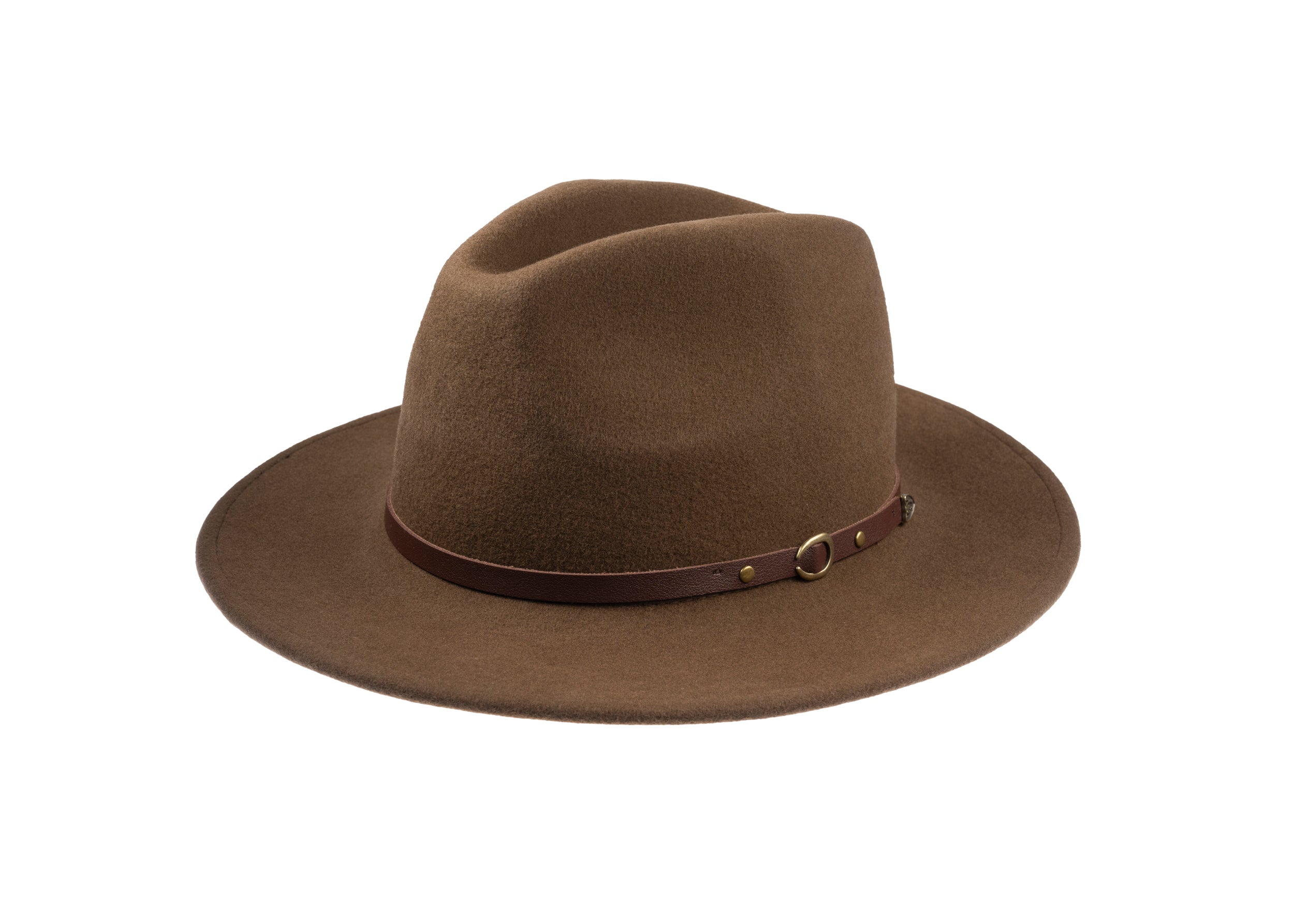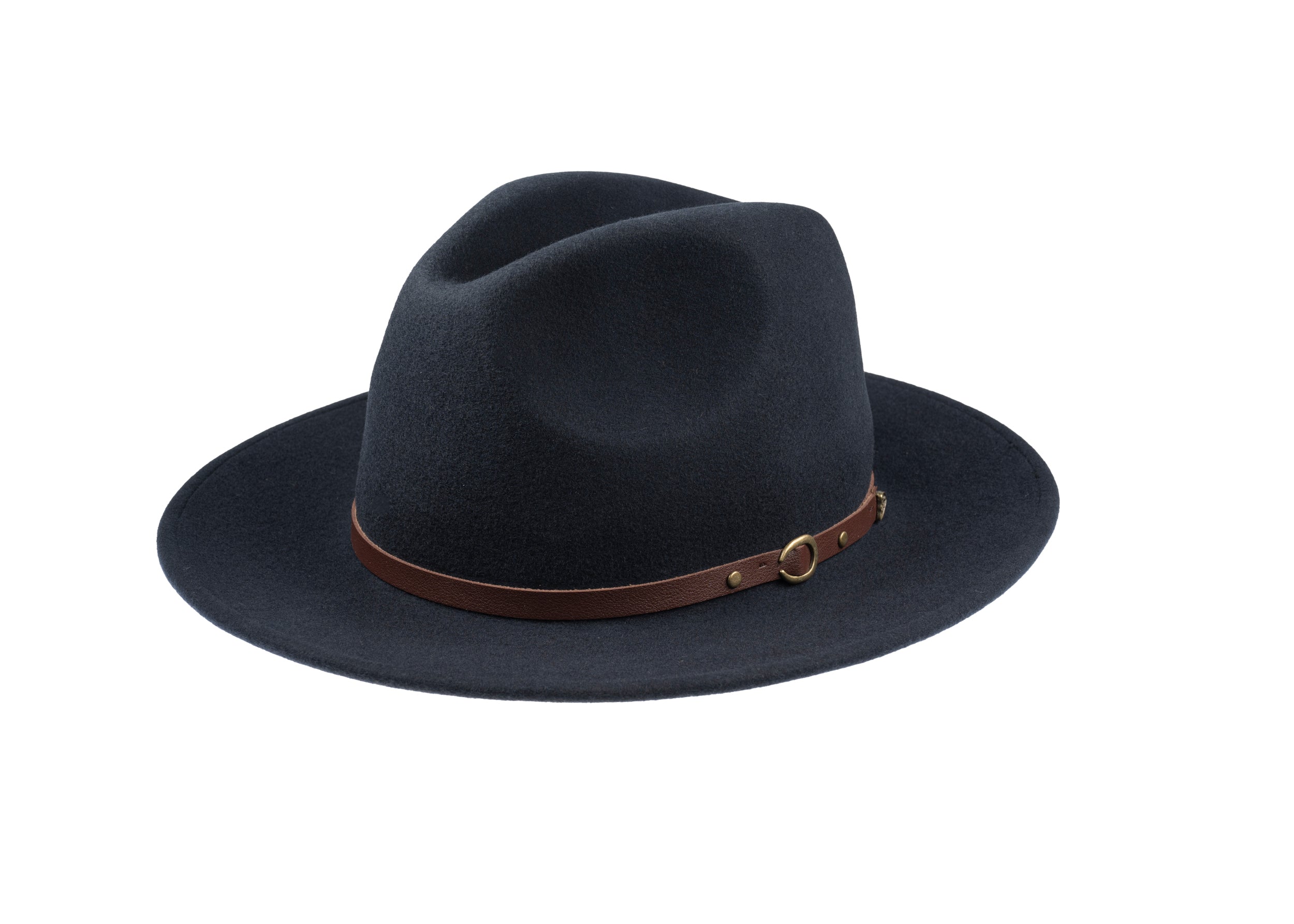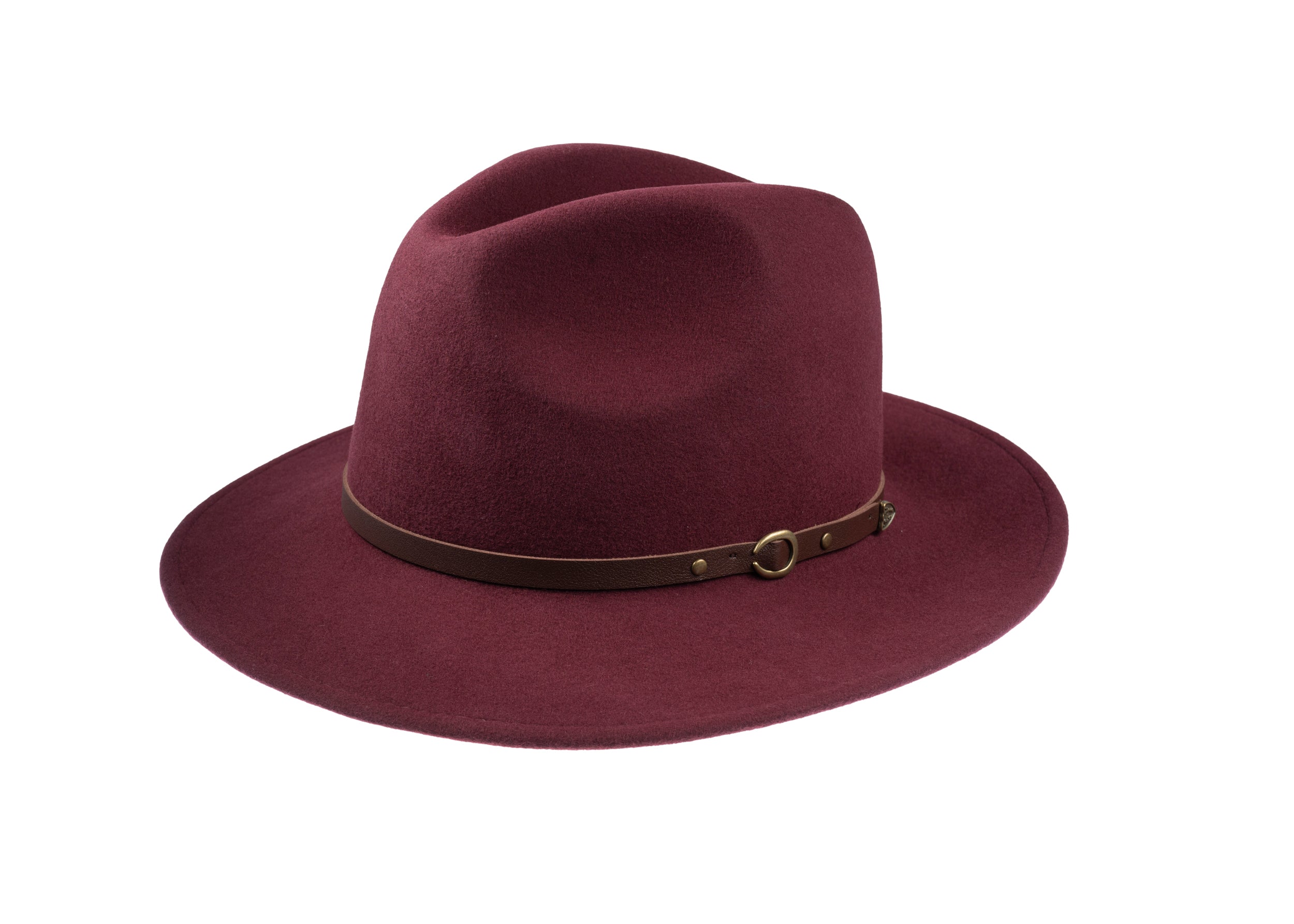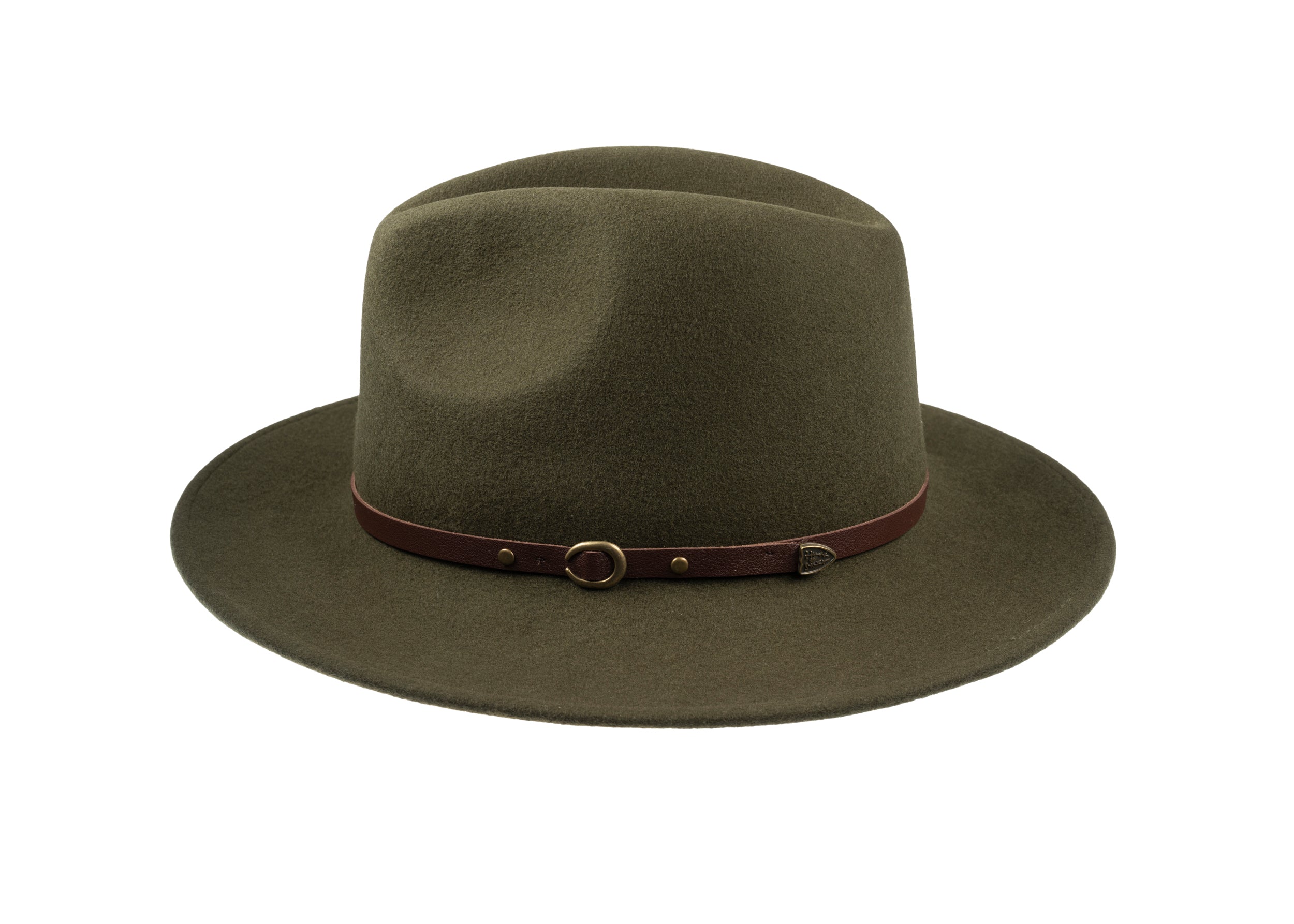


A Panama is not defined by one crown, one brim or even by the country where the finished hat is assembled. Its identity begins with Ecuadorian toquilla straw and the handweaving tradition that turns that fibre into a pliable woven form. Only later does the form become a trilby, fedora, down-brim or another recognisable silhouette through blocking, shaping and finishing.
That distinction matters when a description says a hat is woven in Ecuador and made or finished in England. Those statements can describe different stages of one object, rather than competing claims. In Christys’ account, Panamas are hand woven in Ecuador, blocked around wooden and aluminium moulds, and finished by expert craftsmen in Oxfordshire. The result is a hat whose provenance is shared between material, making tradition and final workmanship.

Start with the fibre, not the silhouette
In ordinary use, “Panama” is best read as a material-and-making description. Traditional Panamas use toquilla straw, a fine, pliable fibre associated with Ecuador’s growing conditions and weaving expertise. The name does not, by itself, specify whether the finished hat has a centre dent, a teardrop crown, a short turned-up brim or a broad down brim. Those are design decisions made after, or alongside, the woven starting form.
Ecuador is central because the relevant straw and the skilled handweaving tradition meet there. A useful product description should therefore tell you more than “straw”: look for toquilla straw, whether it is handwoven, and where the weaving took place. Christys’ Brimming With Style describes this Ecuadorian weaving stage before the hat is blocked and finished in England.
The roles are easier to keep apart when read as a sequence:

The woven hood comes before the hat you recognise
The first woven object is generally not a finished, wearable hat. It is a hood: a three-dimensional or partly formed woven blank with enough material to be drawn over a mould and shaped into a crown and brim. Thinking in terms of a hood explains why a Panama can begin with one woven structure and end with many different silhouettes.
Handweaving gives the hood its character. The maker must manage the straw’s tension, direction and continuity while building a surface that can later tolerate shaping. Finer, more closely worked weaving usually demands greater time and dexterity, but appearance alone cannot establish a universal grade or value. Inspect the regularity of the weave, ask how the maker defines its grade, and treat numbered grades as that maker’s terminology unless an explanation is supplied.
For example, Christys’ Capri Panama is described as a Grade 1 woven hood, woven in Ecuador before being shaped and finished in England. Its trilby profile is therefore a silhouette applied to the Panama material and hood; it is not what makes the hat a Panama in the first place.

Blocking turns a woven form into a crown and brim
Blocking is the hatmaker’s act of forming the hood over a mould, or block. Christys’ description refers specifically to wooden and aluminium moulds. The block establishes the relationship between crown height, crown shape, brim width and brim angle, while controlled heat, moisture or pressure may be used according to the maker’s process. The important point is that the weave is being shaped, not replaced.
After blocking, shaping refines the intended character: a fedora may receive a defined crease and broader brim, while a trilby may have a more tapered crown and shorter, turned-up brim. A down-brim Panama takes its own line around the head. The Portofino, for instance, is described as a handwoven toquilla-straw Panama with a fedora crown and wide brim. Its Panama identity comes from the toquilla-straw material and Ecuadorian making tradition; the fedora describes the chosen silhouette.
Finishing brings the object into daily use. Trimming the edge, fitting a sweatband, adding a ribbon or grosgrain band, attaching a pin, checking the proportions and inspecting the weave all contribute to comfort and presentation. Christys’ heritage page, England Since 1773, places this work within the brand’s long British hatmaking history; the specific Panama route described by Christys combines Ecuadorian weaving with later work in Oxfordshire.
Six terms to keep distinct
- Toquilla straw: the fibre associated with the traditional Panama-making process.
- Handweave: the method and labour used to interlace the straw into a pliable starting form.
- Woven hood: the unfinished hat form, with material extending beyond the eventual crown and brim.
- Block: the wooden or aluminium mould that gives the woven form its crown and brim architecture.
- Silhouette: the visible style, such as a fedora, trilby or down-brim; it is not the definition of Panama.
- Finish: the operations that make the shaped hat wearable, including trimming, bands, sweatbands and final inspection.

How to read provenance, grade and quality without guessing
A careful shopper can learn a great deal from a description and a close look, without treating a price tag or pale colour as proof of quality. First ask where the straw was grown and where the hood was woven. Then ask whether the weave is handwoven, how the maker defines its grade, and where blocking and final finishing take place.
Grade needs particular care. Christys’ High Grade Down Brim Panama is described as Grade 16, its highest grade weave, and explains that the hood is woven entirely by hand from toquilla palm. That is useful information about that product and that maker’s scale; it should not be treated as a universal grading system across every Panama producer. Compare like with like, and prefer an explanation of what the number means.
Close-up clues include an even, purposeful weave; a crown and brim that hold their intended lines; a clean edge; a secure band; and a sweatband fitted without obvious twisting. These observations can support questions, not prove every stage of provenance. A transparent description should distinguish Ecuadorian weaving from English blocking or finishing rather than collapsing all stages into a vague “made in” claim. For care, follow Christys’ product-specific guidance and avoid crushing or reshaping a shaped hat without advice.

Panama terminology and care: frequently asked questions
What does “Panama” describe? It primarily describes a toquilla-straw material and Ecuadorian handweaving tradition. The crown and brim can take several forms, and finishing may happen elsewhere.
Is a Panama made in Panama? Traditional Panama identity is linked to Ecuadorian toquilla straw and weaving. A hat may then be blocked, shaped or finished elsewhere, as in Christys’ described Ecuador-to-Oxfordshire route.
Can a fedora or trilby be a Panama? Yes. Fedora and trilby describe silhouettes; a Panama describes the material and making tradition. The same silhouettes can also be made in other materials.
What does a Panama grade mean? It means the grading terminology the relevant maker explains, often in relation to weave fineness. Numbered grades should not be treated as a universal industry scale without that explanation.
What should I compare when choosing between Panamas? Look for the stated fibre, weaving method and location, explained grade, blocking and finishing details, and the quality of the edge and band work. Use colour and price as context, not proof.
How should I care for a shaped toquilla-straw Panama? Follow Christys’ product-specific care guidance and avoid crushing or reshaping the hat without advice.
A Panama is best understood through its provenance and construction: Ecuadorian toquilla-straw handweaving creates the starting form, while blocking and finishing give it the character of a finished hat. Read the full description rather than judging the silhouette alone.