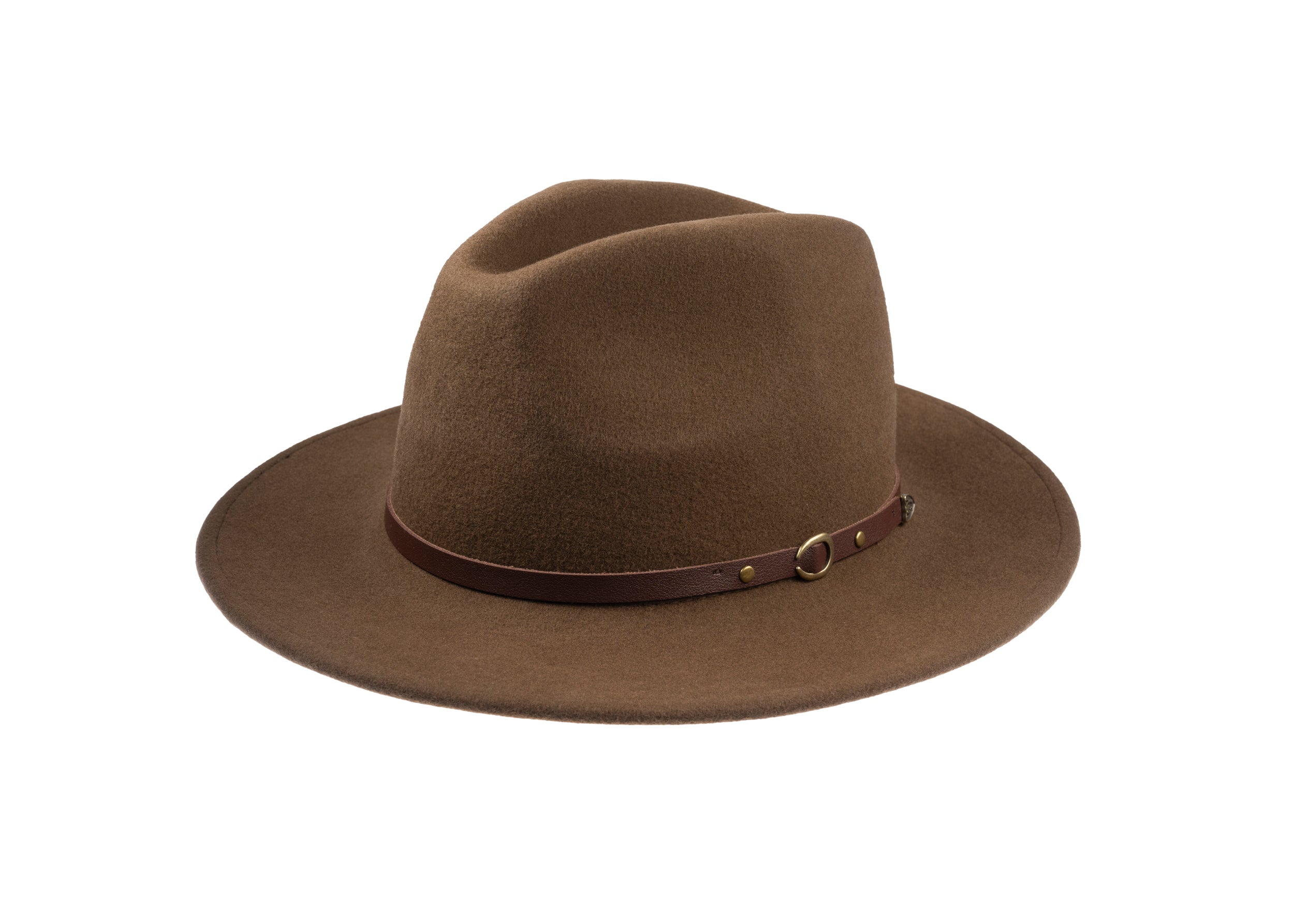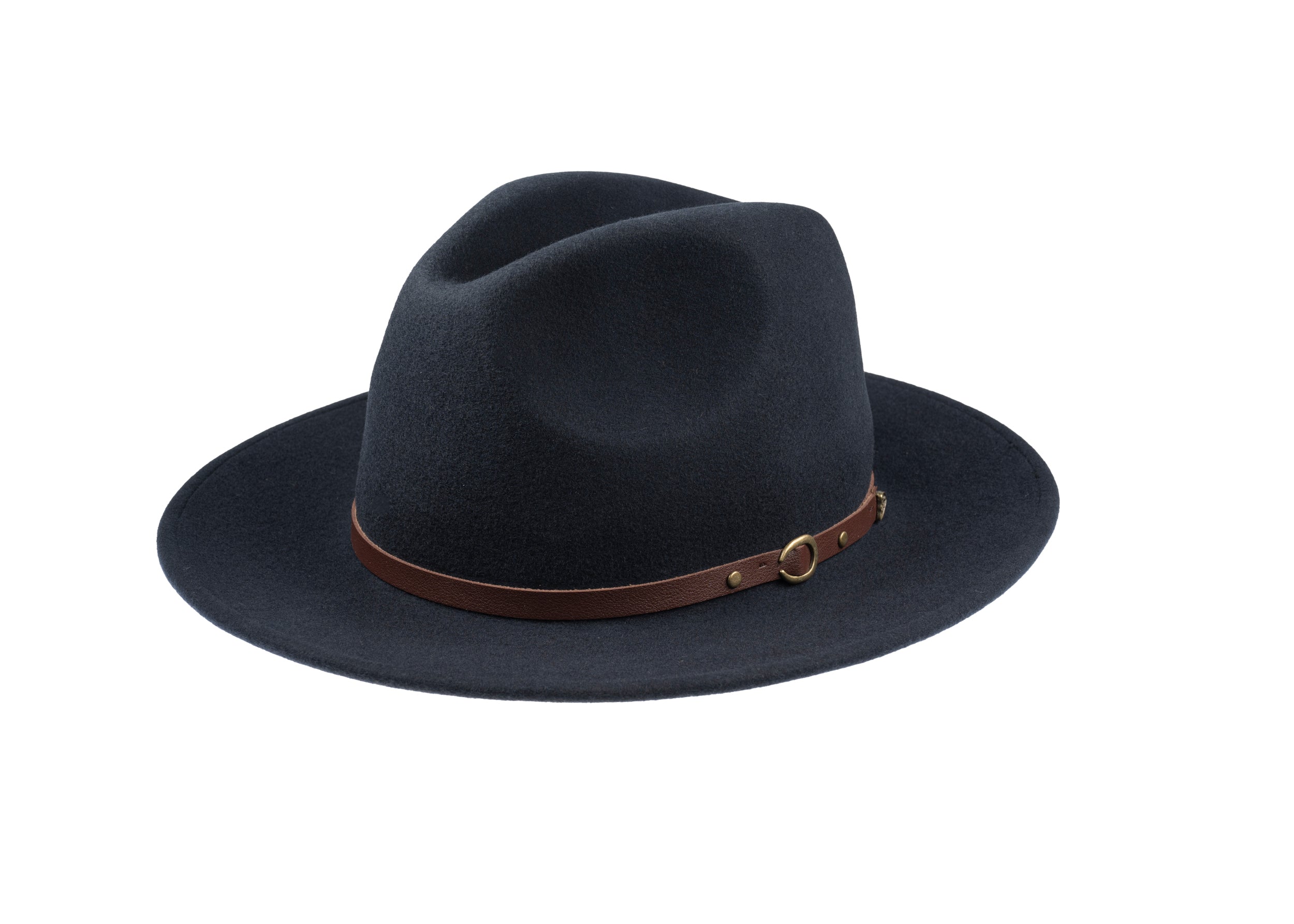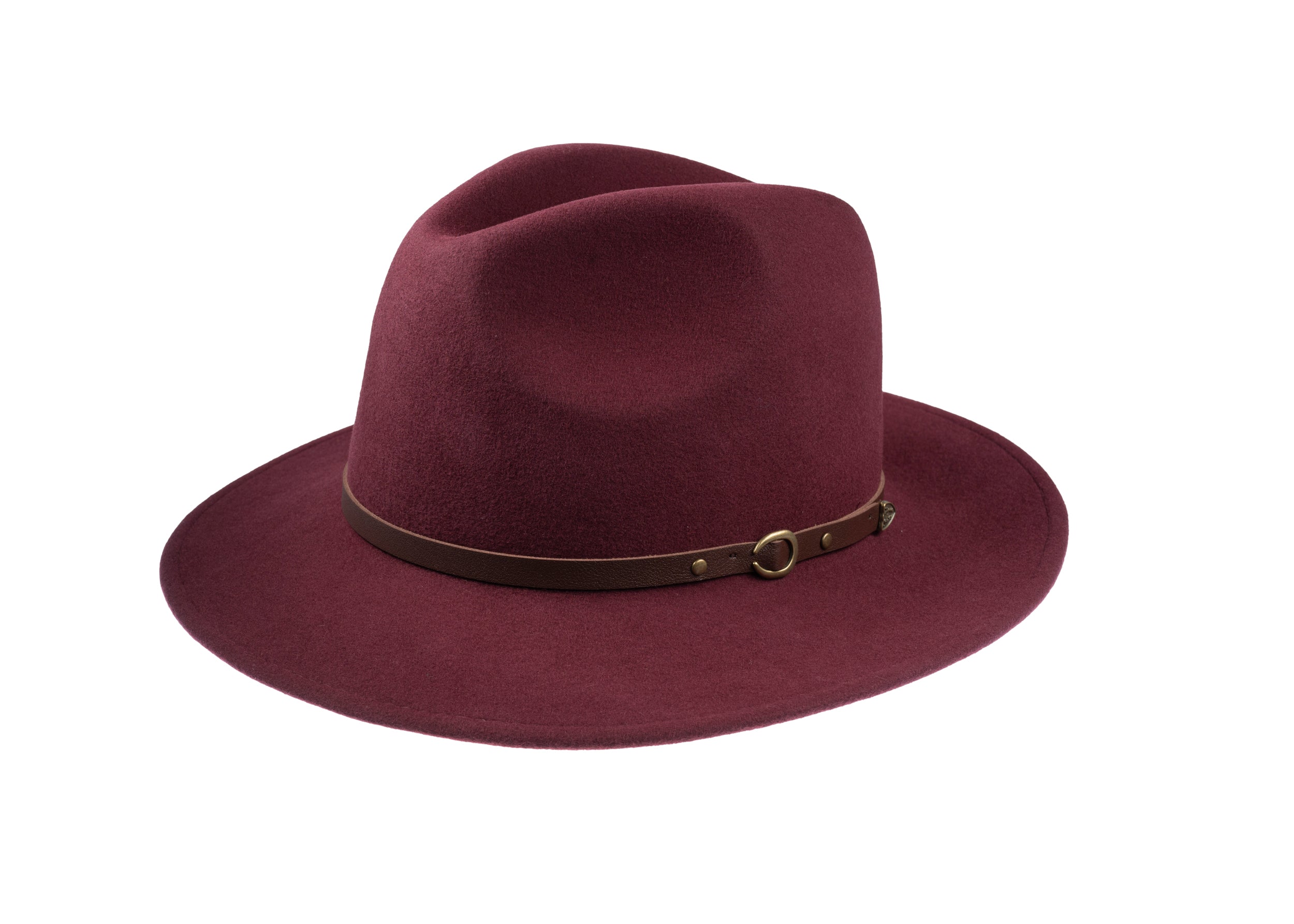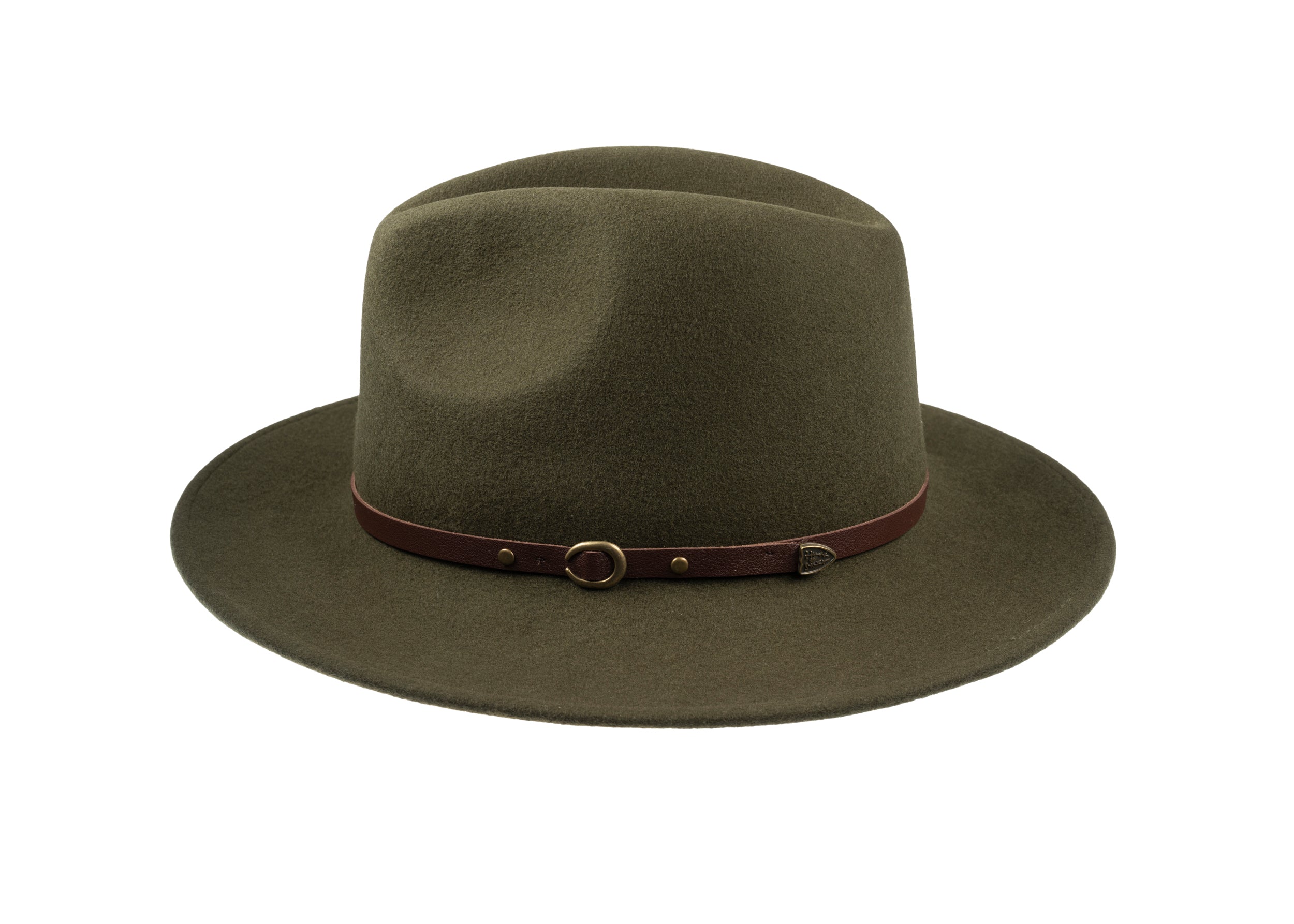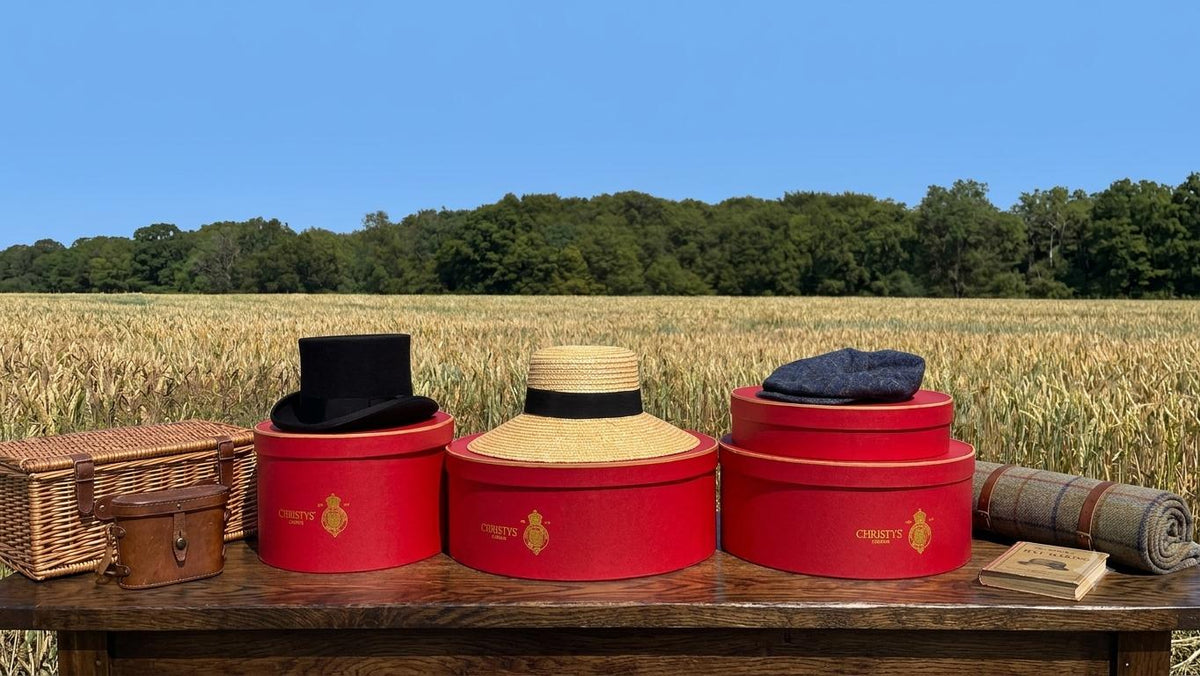



When a product page says wool felt, fur felt, straw or tweed, it is giving you the hat’s starting character, not the whole verdict. Fibre and cloth influence the hand, surface, weight, warmth and visual register, but density, weave, blocking, stiffness, crown, brim, lining, sweatband and any stated treatment can change the result substantially.
Use this guide before choosing a season or occasion. It will help you compare what each material tends to feel like, how it may sit with your wardrobe, what it can reasonably handle in warmth or damp, and what care and packing habits it asks of you. The useful question is which finished hat best suits your climate, clothes, routine and tolerance for careful storage.

Wool felt and fur felt: two felt characters, not a universal hierarchy
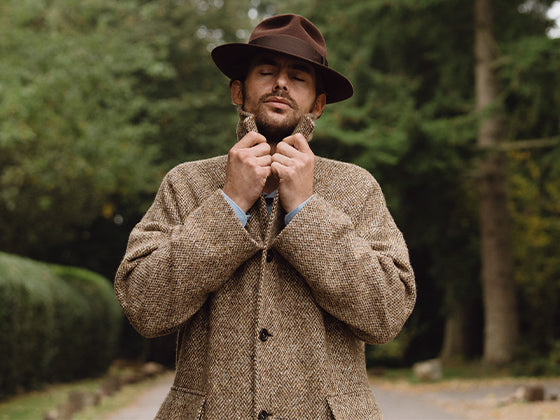
Wool felt often has a warm, tactile and more matte impression. It can feel substantial without being showy, sitting naturally with tweed, brushed wool, denim, country clothing and relaxed smart-casual layers. That does not make it inherently informal: a clean block, controlled brim, disciplined crown and refined trim can give wool felt a polished line. A structured wool-felt fedora can therefore suit cooler months, smart everyday wear or an occasion where you want texture rather than sheen.
Fur felt commonly allows a denser, smoother and sometimes subtly lustrous surface. That cleaner handle can read as refined with tailoring, polished outerwear, weddings, garden parties and other defined occasions. Some specifications may also offer useful shape recovery and a lighter, resilient feel. The Canterbury Beaver Fur Fedora illustrates this with its stated premium beaver fur felt, softness, durability and natural water resistance.
The useful distinction is one of emphasis. Wool felt favours tactile warmth, visual depth and composed everyday structure; fur felt favours a smoother finish and more formal versatility. Neither label settles warmth, weather performance, durability or value. Block, density, treatment, packing guidance and intended use still decide whether a particular hat suits your life, so treat these as tendencies rather than guarantees.

Straw and tweed: climate, texture and the shape of the occasion
Straw is a family, not one predictable performance. A hat described simply as straw may be tightly or openly woven, crisp or pliable, lined or unlined, and intended for very different settings. Panama is a more specific example: traditional Panama hats use toquilla straw handwoven in Ecuador, then shaped through blocking and finished elsewhere. Christys’ account of this process shows how the weave provides the starting form while blocking and finishing create the final crown, brim and character. The Portofino Panama is an illustrative example, described as handwoven toquilla straw for warm-weather wear.
A well-made toquilla Panama can feel light, airy and tactile, with visual interest coming from the rhythm and fineness of the weave. That summery impression suits garden parties, travel, linen, lightweight tailoring and warm outdoor occasions. It is not automatically carefree: weave, brim and crown affect flexibility and vulnerability to crushing or persistent damp. Keep it dry where possible, handle it carefully and follow the product’s packing guidance rather than assuming pliability means it can be folded.
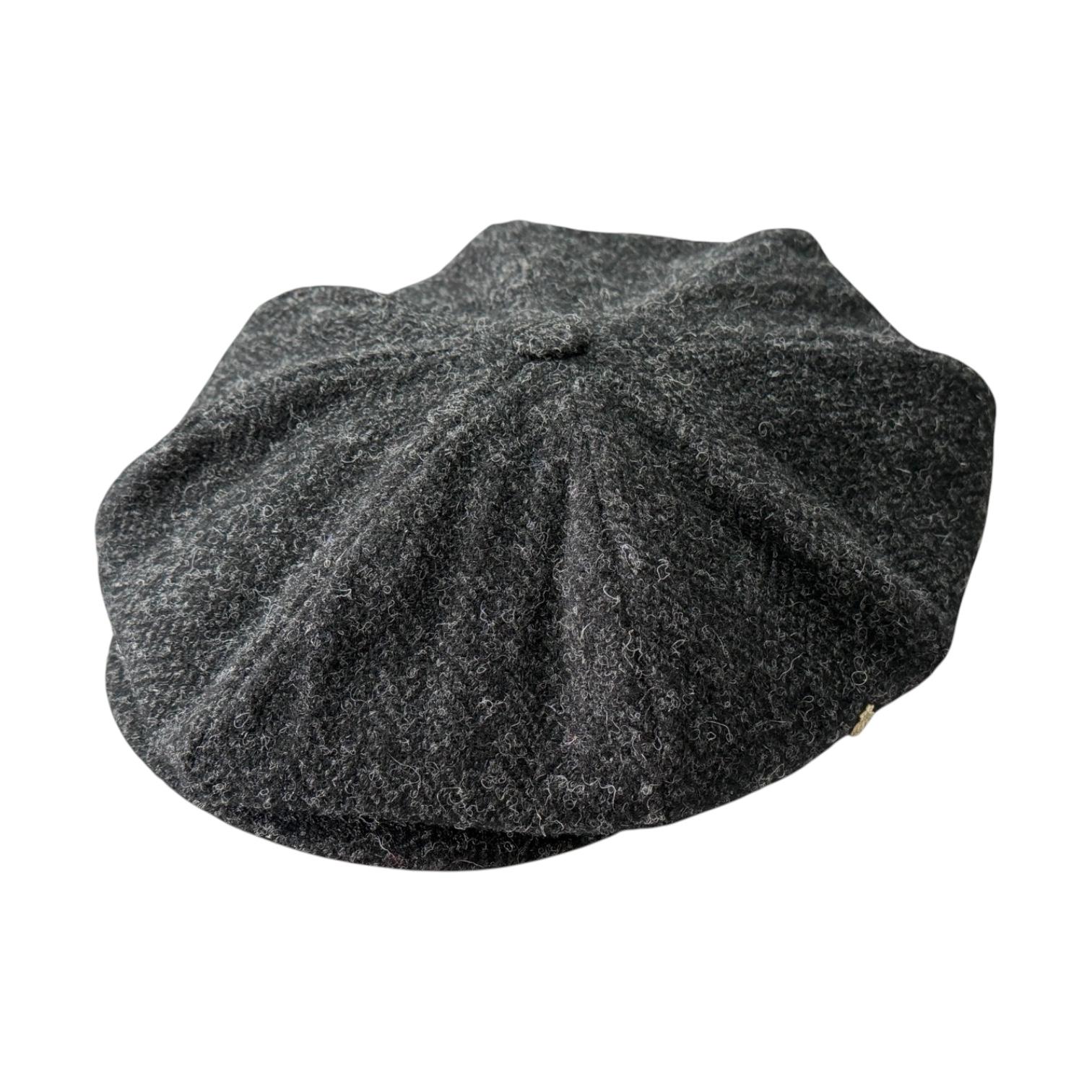
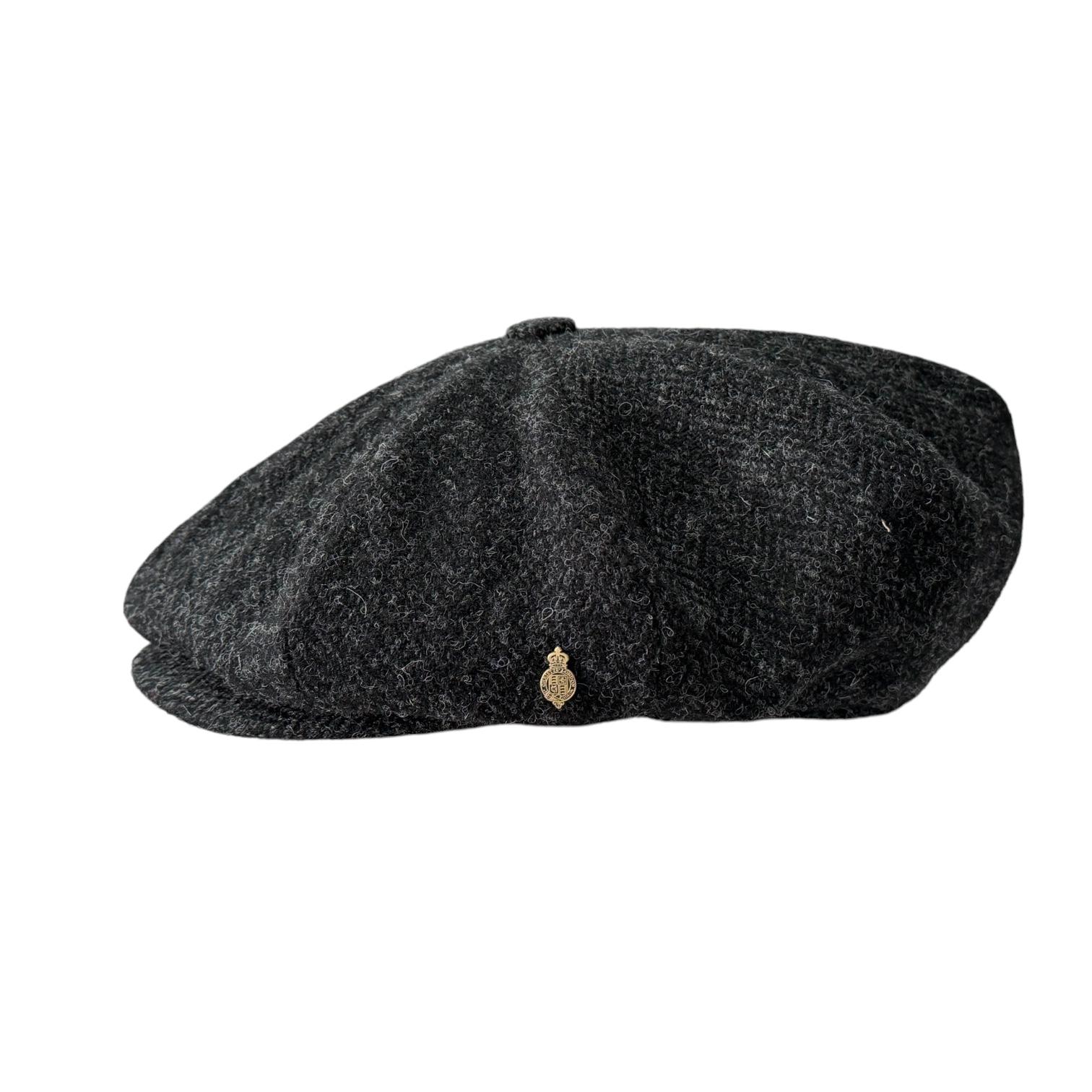
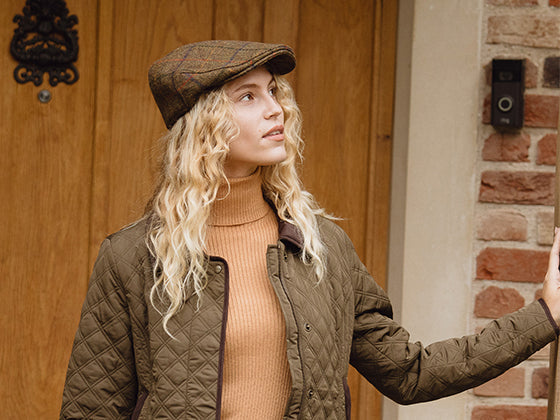
Tweed or woven wool cloth brings visible texture, depth of colour and a sense of warmth through its yarns and weave. It works naturally in cooler weather, country wear and smart everyday dressing. A flat cap or baker boy can feel relaxed because of its cloth construction while still looking considered in the city. Christys’ Windsor Yorkshire Heritage Flat illustrates the point with Shetland wool sporting tweeds woven in Yorkshire by Abraham Moon & Sons, alongside a longer crown profile and structured fit. That provenance explains this cap’s character, not the performance of every tweed hat.
In broad terms, straw lightens the visual and physical weight of a warm-weather outfit, while tweed adds tactile depth for cooler months. Neither is confined to one setting: a refined Panama need not be decorative, and a neat tweed cap need not remain in the countryside. Crown volume, peak or brim, colour, pattern, lining and the clothes around the hat often decide whether the result feels relaxed, polished, traditional or contemporary.

FAQ: choosing, wearing and caring for a material
Which material suits warm weather? Start with a suitable weave and shape rather than the word straw alone. A handwoven toquilla Panama such as the Portofino is a clear warm-weather example, but check the product’s lining, brim, crown, packing and care notes. A light hat can still feel uncomfortable if the fit, sweatband or construction is wrong.
Which is sensible for cooler weather or country wear? Wool felt and tweed commonly provide a warmer, more grounded impression. Fur felt can also suit cooler seasons and country wear, especially when its smooth finish and structured silhouette work with the rest of the wardrobe. Individual weight, lining and fit matter more than a simple material ranking.
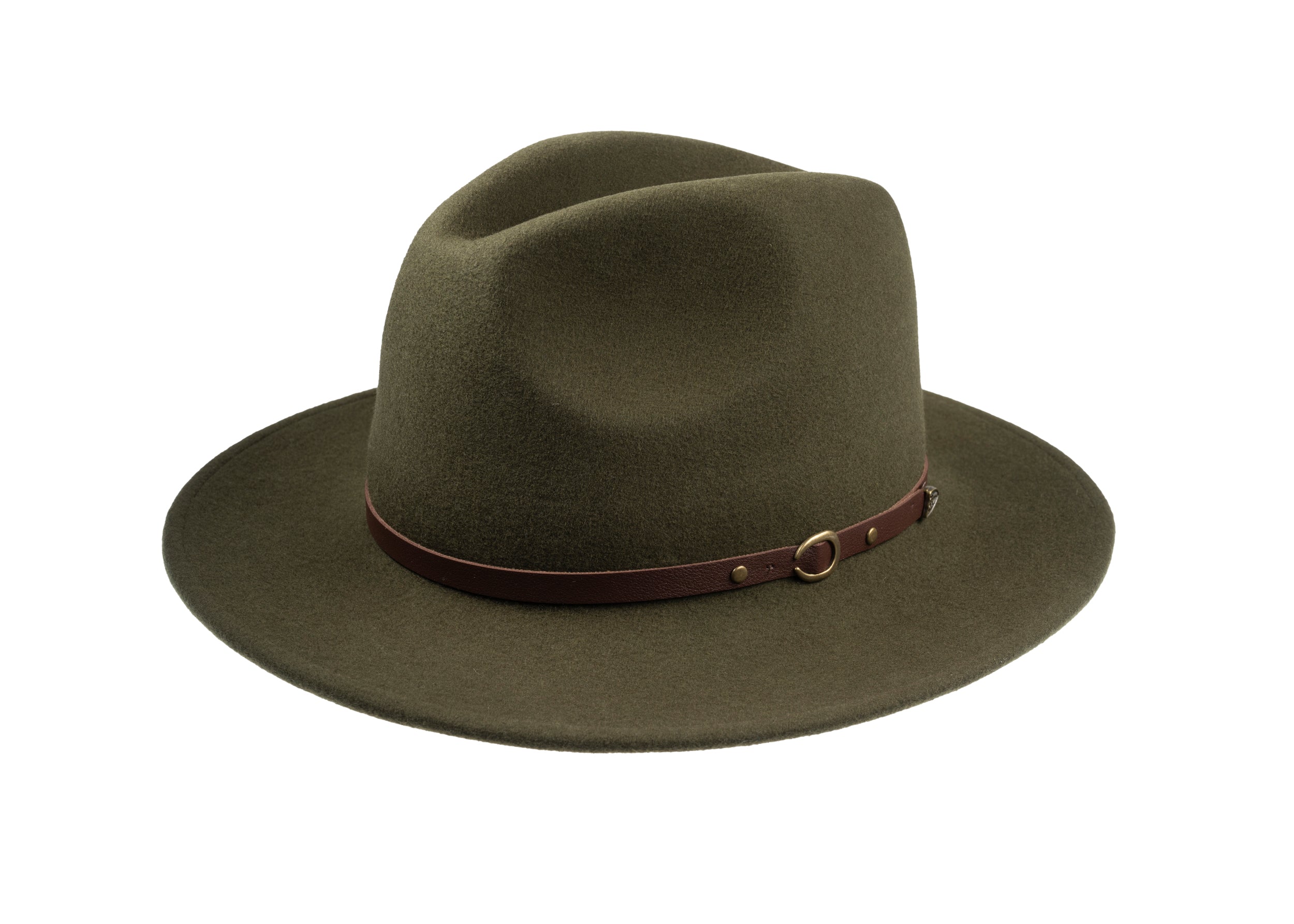
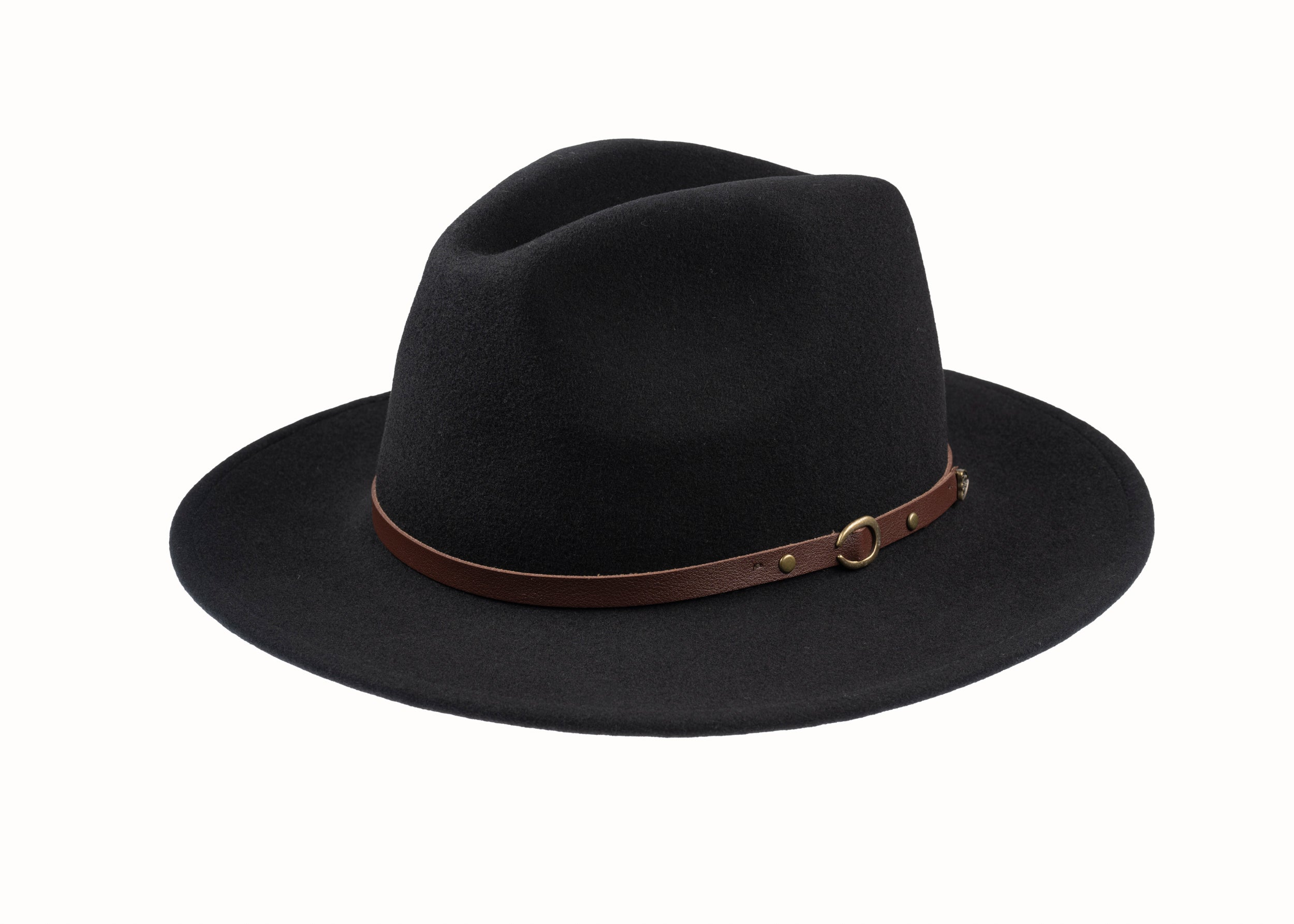
Is one material better for damp conditions? Not as a general rule. Look for the stated treatment and care guidance. The Crushable Safari is a product-specific example of wool felt with a water-repellent treatment and a travel-oriented, crushable construction; the Canterbury is specifically described as beaver fur felt with natural water resistance. Neither description should be extended to every felt hat, and neither means waterproof.
What changes formality most? Material contributes texture and visual weight, but crown, brim, block, stiffness, trim, colour and the surrounding clothes may matter just as much. Fur felt often reads smooth and refined; wool felt can be formal when cleanly blocked; a Panama can be polished rather than decorative; and a close-fitting tweed cap can move comfortably between countryside and city.
Can a hat be packed for travel? Only when the product says it can. A documented crushable construction is a stronger reason to pack a hat than a fibre label. Keep structured felt and handwoven straw supported in their intended profile unless the maker gives different instructions. For wet hats, blot gently and let them dry naturally at room temperature; avoid radiators, hairdryers, forceful reshaping and crushing.
What should I check before buying? Confirm the fibre or cloth composition, weave or felt description, crown and brim dimensions, stated stiffness or crushability, lining, sweatband, treatment, packing guidance and care instructions. Then ask whether the hat’s hand, surface and visual form suit your wardrobe and whether you will realistically follow its storage requirements.
Is one material more durable or better value? That is too broad a question without the individual specification. Density, weave, finishing, construction, intended use and care all affect service life. Choose the hat whose qualities you can use and maintain, not the label that sounds most prestigious.
Start with the use: choose a suitable straw weave for warm-weather occasions, compare wool felt and tweed for cooler or textured everyday wear, and consider fur felt when a smoother, more refined surface suits the setting. Then check the individual hat’s construction, treatment and care guidance before committing.
The best material is the one whose feel, finish, climate suitability, formality and care expectations match how you will actually wear it. Choose by the whole hat, and you will leave with a reasoned shortlist rather than a simplistic winner.