



A wet hat is not automatically ruined. The greater danger is often the hurried rescue: a radiator, hairdryer, iron, vigorous rubbing or a determined attempt to force the crown back into place. In changeable British weather, the safest response is patient and low-intervention care: blot rather than rub, let the material dry gradually, support the shape it already has, and remember that felt, Panama straw and tweed do not respond to rain in the same way.
Start by identifying the level of wetness. A few beads on the outer surface are a different problem from a hat that feels heavy, has a soaked sweatband or has begun to lose its blocking. Water resistance is not waterproofing, and a finish made for one hat should never be treated as a universal promise for another. Follow the maker’s care guidance wherever it is available.

First response: what to do in the first few minutes
Take the hat off by the brim or sturdier edges, not by squeezing the crown. Shake off loose droplets, then press a clean, absorbent towel lightly against the outside and the sweatband. Do not twist, scrub or drag the cloth across the surface. Remove detachable trims only if the maker’s instructions allow it, and leave the hat in a cool, well-ventilated room away from direct sun and sources of heat.
Light dampness: the hat still feels firm and holds its profile. Blot it, support its existing shape and allow it to dry gradually.
Heavy saturation: the band is sodden, the fabric is darkened or waterlogged, the brim has gone floppy, the crown has softened or moisture has reached the lining. Give it extra drying time and avoid trying to reshape it while pliable.
Structural damage: look for a broken or pulled straw, a sharp new fold, colour bleeding, shrinkage, distorted blocking or a brim that will not sit evenly. Drying may preserve the hat, but it may not restore it.

Drying and re-shaping a felt hat
After blotting, place the felt hat crown-up on a clean, stable support that does not press sharply into the brim. A suitably sized hat stand, a rounded support or loosely packed acid-free tissue can help the crown keep its existing profile; avoid stuffing it tightly. Let it dry at room temperature, turning it occasionally if the lining or sweatband is damp. Keep the brim level unless its original shape is clearly curved, and do not apply steam, heat or pressure simply because the hat feels pliable.
Once fully dry, brush lightly in the direction of the nap with a suitable soft hat brush. If the crown or brim has only drifted slightly, use clean hands to encourage it towards its original line, working gradually and without creating a new crease. Do not force a formal blocked hat, press down a crown or improvise a new pinch. If the shape has materially changed, professional re-blocking is safer than repeated home experiments.
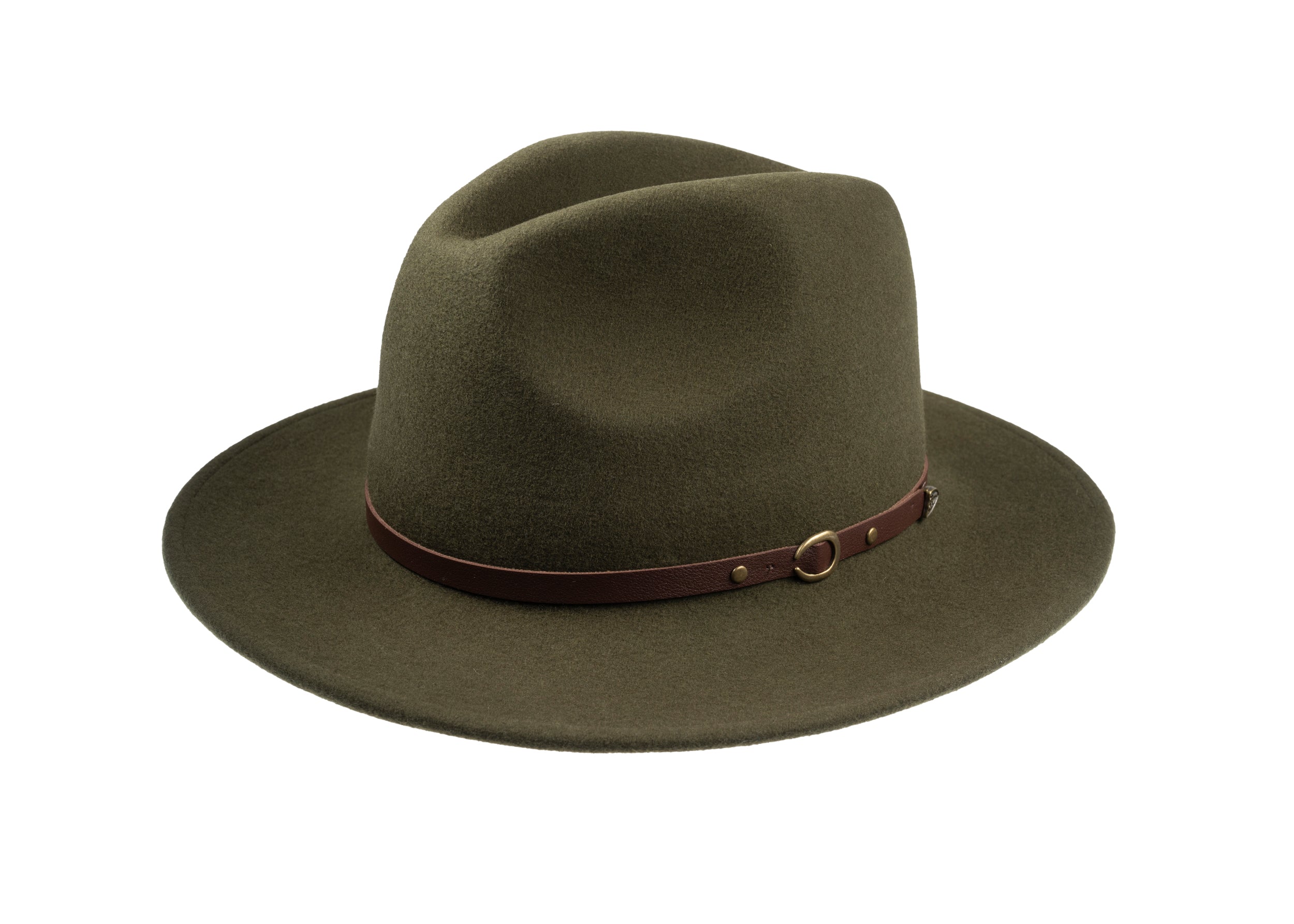
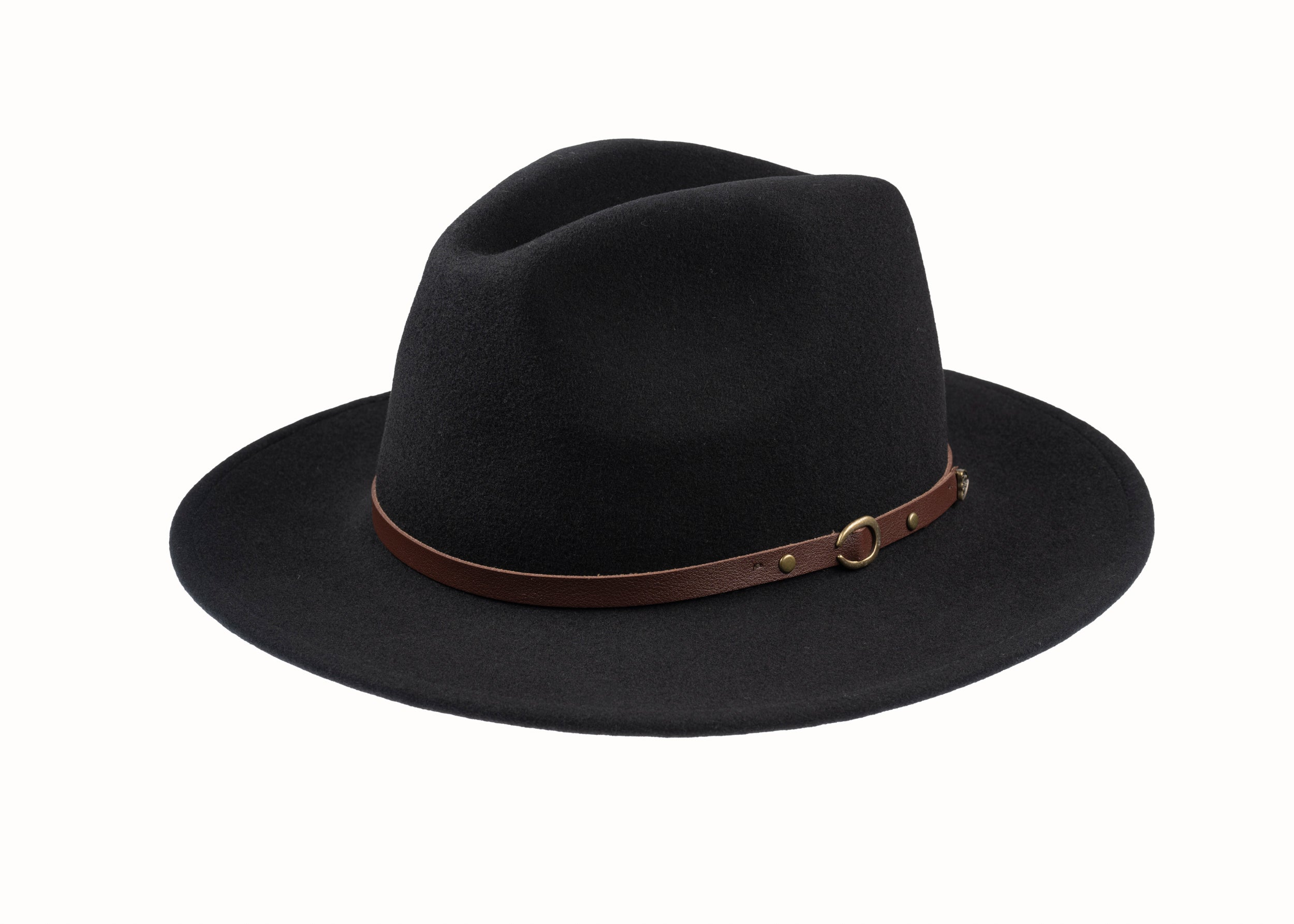
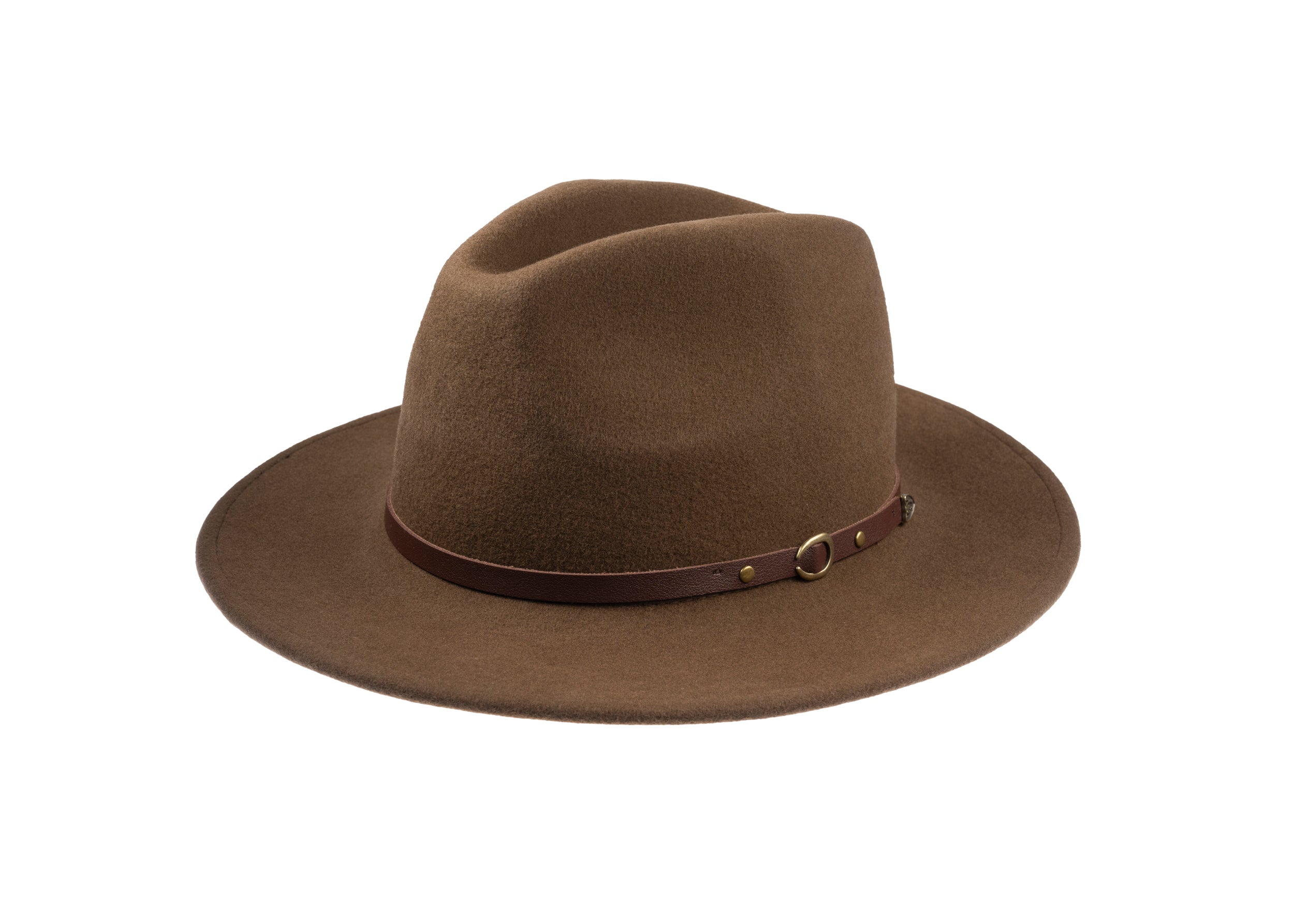
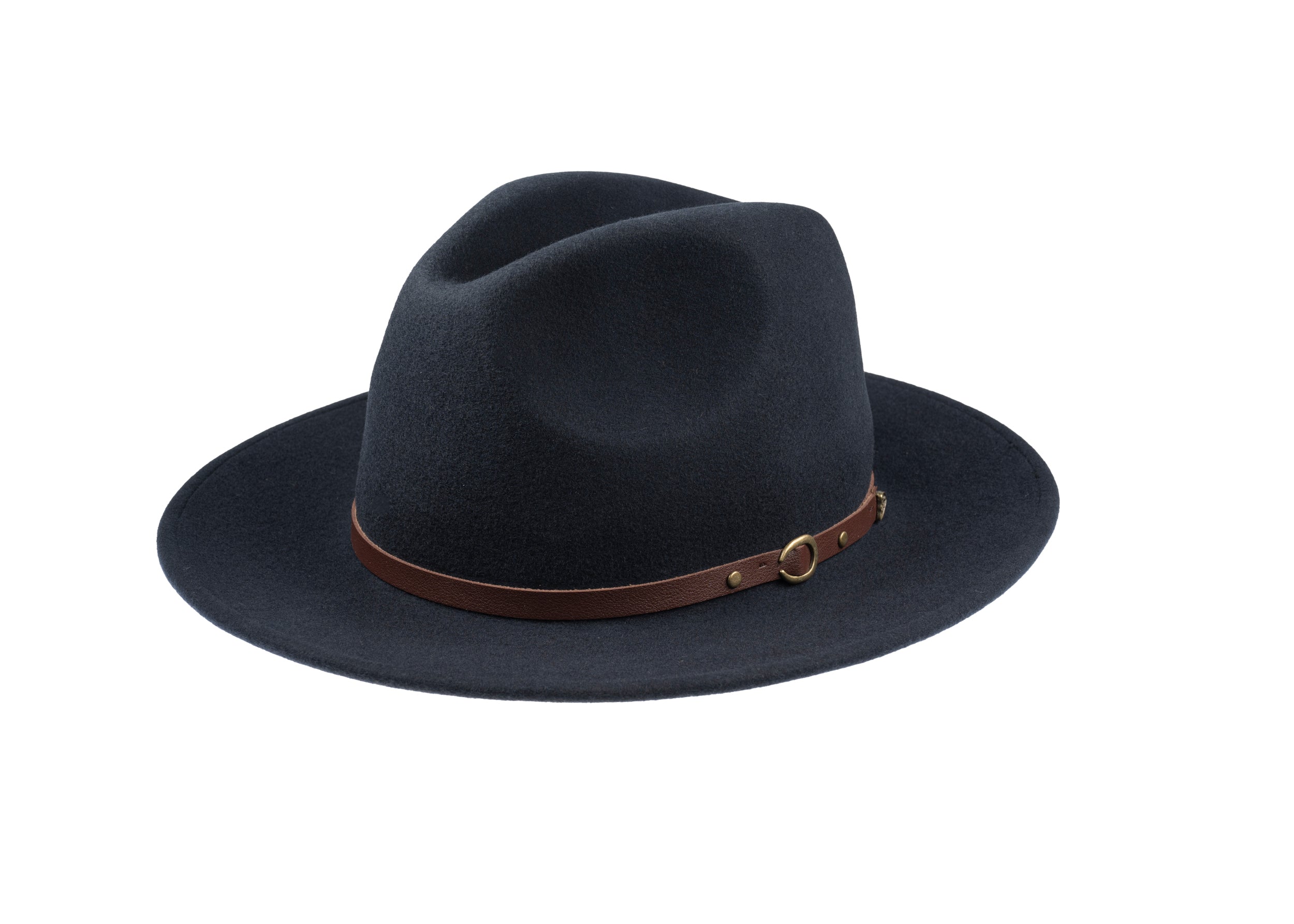
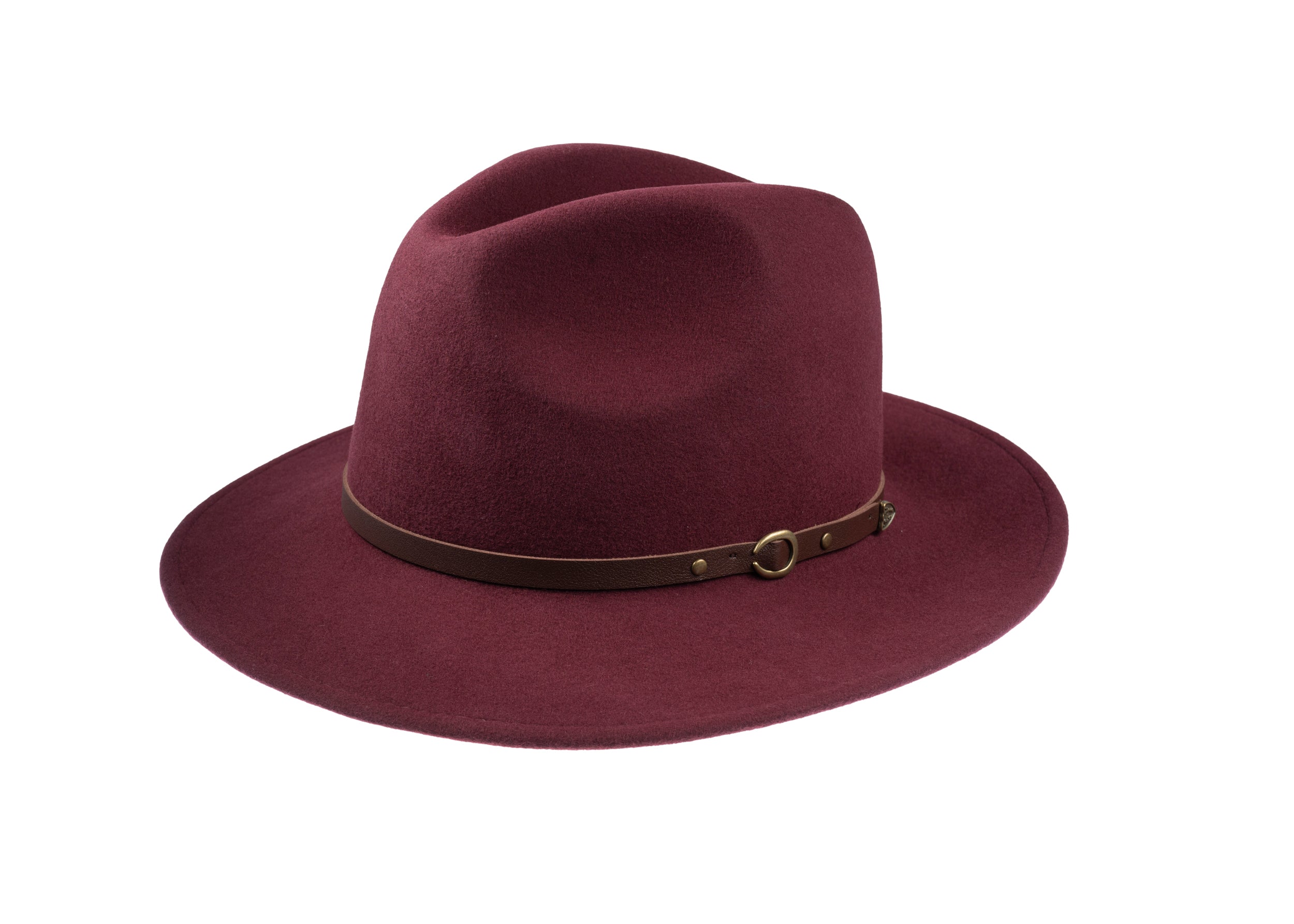
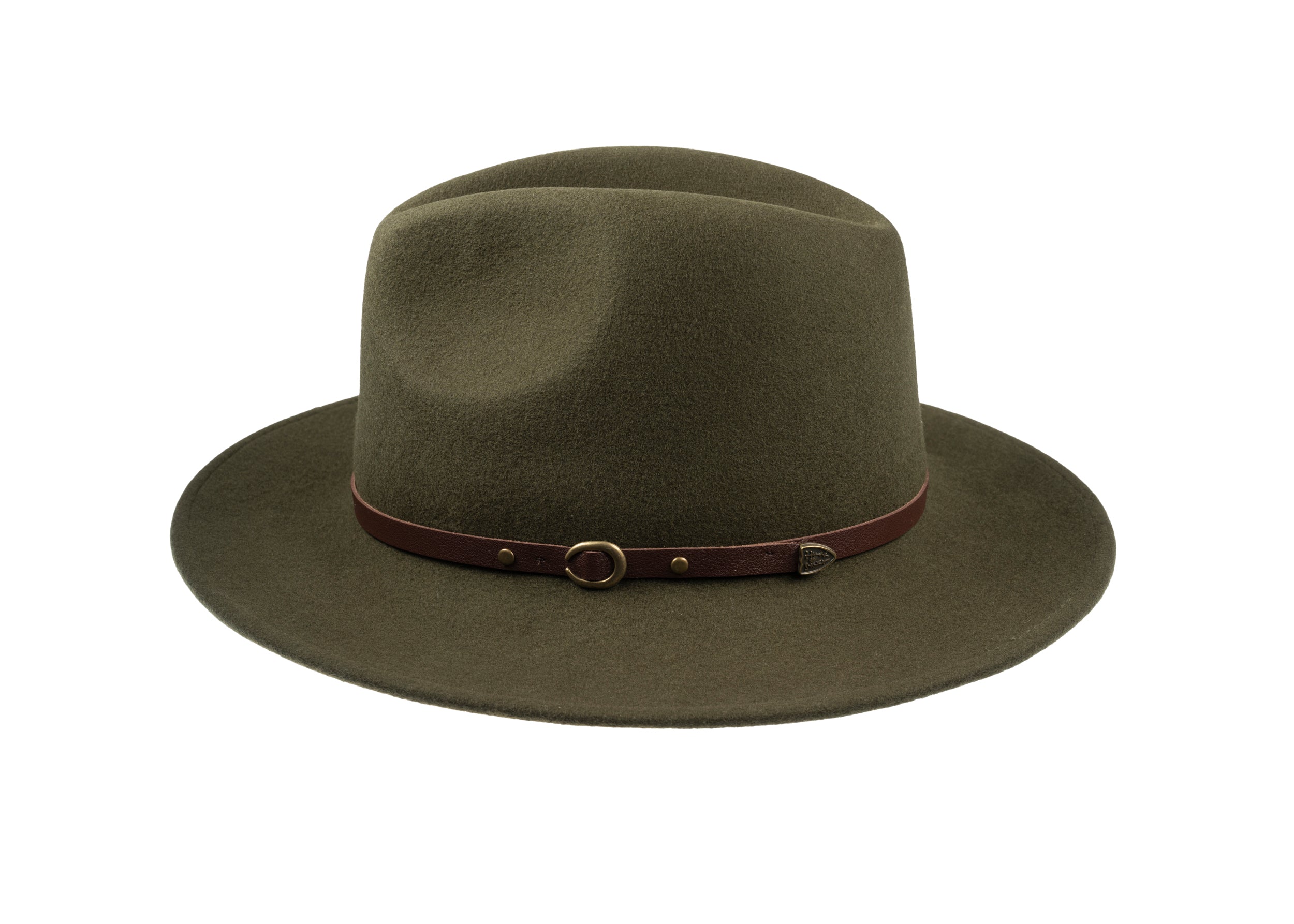
The Christys Crushable Safari illustrates how finish affects care: it is a wool felt hat with a water-repellent treatment. The Canterbury, by contrast, is described as beaver fur felt with natural water resistance. These product-specific qualities are useful indications, but neither should be treated as a promise that every felt hat is weatherproof.

Panama and toquilla straw: dry gently, never force the weave
A Panama is defined by its weave, so rain must be handled with particular restraint. The Christys Capri Panama is woven in Ecuador from toquilla straw and then shaped and finished in England. Its pliability is part of its character, but that does not make it safe to fold, crush, steam or bend into a new profile.
Blot surface moisture with a soft towel and support the hat in the shape it was made to hold. Handle it by the brim or stronger edges rather than squeezing the crown. Let it dry naturally at room temperature, away from radiators, hairdryers, direct sunlight and draughts hot enough to dry one side faster than the other. Do not hang a wet Panama from a narrow hook: the weight can pull the brim or distort the crown.
When dry, inspect the weave in good light. A little loss of line may sometimes be eased with very gentle hand support, but stop at the first sign of resistance. Broken strands, a split, a loose section, a persistent warp or a crown that has lost its blocking are not good candidates for forceful home reshaping. Panama construction involves careful shaping and finishing; a hatter can judge whether it needs local repair, re-blocking or replacement of a damaged section.

Tweed flat caps: protect the panels, peak and crown
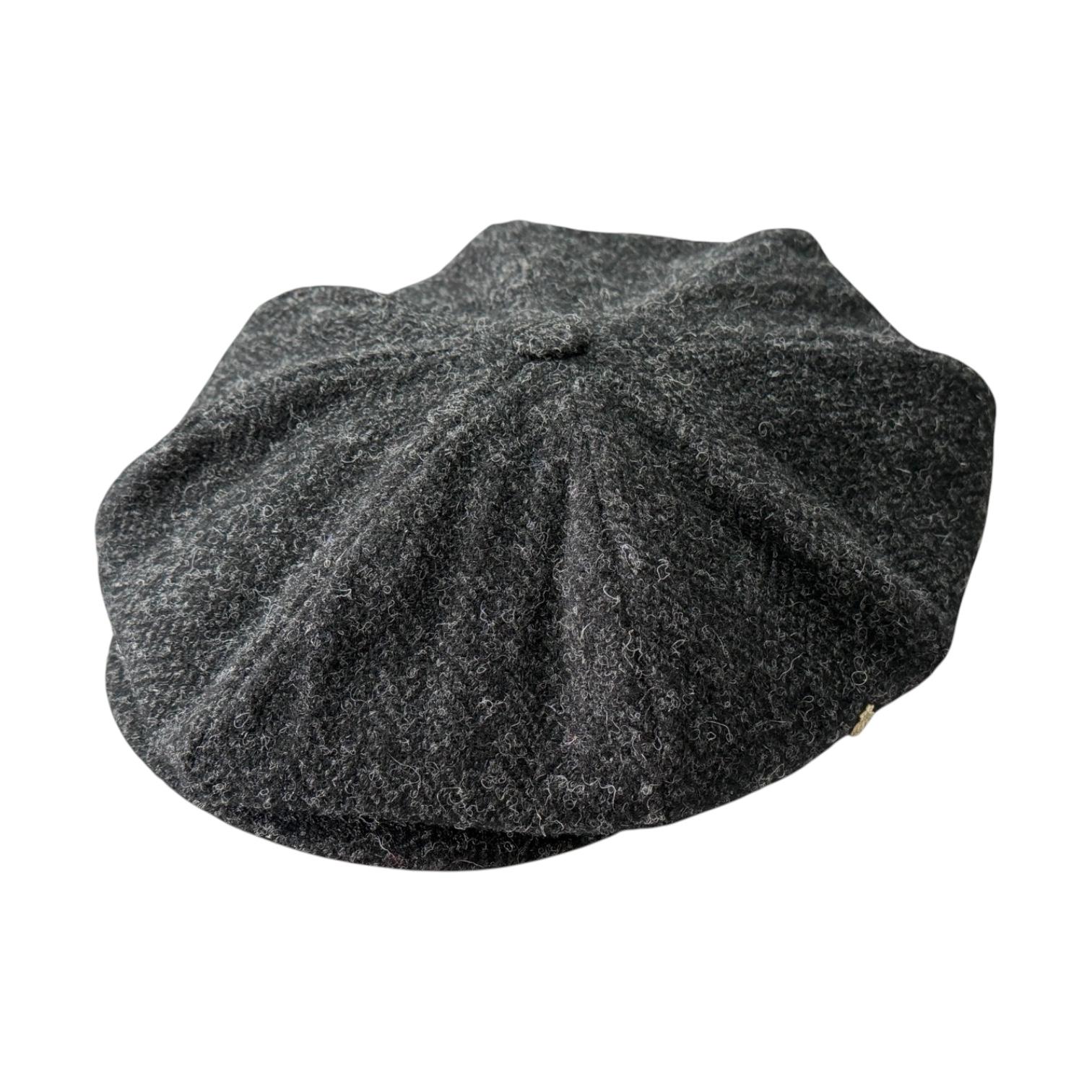
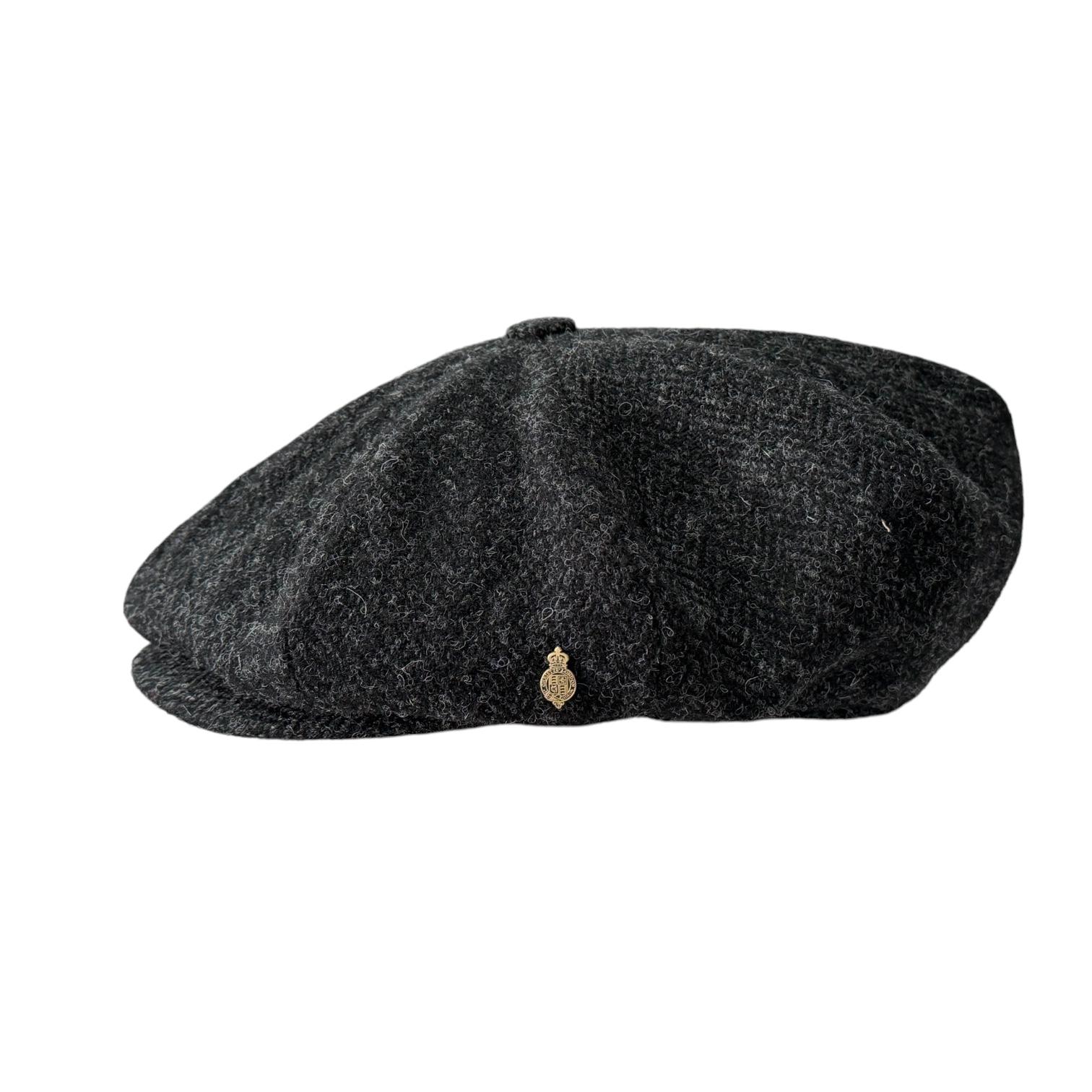
Tweed can look robust, but a wet flat cap still has a constructed shape to protect. Treat the cloth, lining, peak and internal structure as one piece: do not flatten the cap under a towel or press it against a radiator. The Balmoral flat cap in Christy tweed fabric is one example of the kind of structured tweed cap that benefits from this approach.
Blot the cap in sections, paying attention to the sweatband and underside of the peak. Rest it crown-up or on a rounded support so the panels can dry without sharp creases. Keep the peak in its intended curve and avoid clips, heavy books or tight packing. If the cap has become saturated, allow extra time for the lining and interlinings to dry; a surface that feels dry can conceal moisture inside.
When completely dry, use a clothes brush or soft hat brush to lift surface dust and restore the nap, brushing with the fabric rather than against it. Do not iron tweed directly, wash it in a machine or apply stain remover before checking the maker’s instructions. A flattened peak, puckered seam, colour transfer or persistent shrinkage is a reason to consult a specialist rather than trying to re-form the cap by force.

Frequently asked questions: cleaning, storage and knowing when to stop
Should I clean the hat while it is still damp? No. Let it dry fully before brushing, spot cleaning or considering any stain treatment. Damp rubbing can spread marks, disturb the nap or transfer colour, while household cleaners may affect a finish or lining. Once dry, follow the maker’s care guidance and test any approved treatment discreetly first.
Can a shrunken, stained or misshapen hat be rescued at home? Home care is most suitable for drying and very minor movement back towards the existing profile. Shrinkage, tide marks, colour transfer, lost blocking, broken straw and structural distortion call for an assessment rather than repeated experimentation. If the material resists gentle support, stop.
How should I store the hat after it dries? Support it in its intended shape and store it somewhere cool, dry and free from crushing. A suitable hat box can help, but check the individual brim and crown measurements: the Christys Classic Standard Red Hat Box is intended for one hat and hats not exceeding a 9cm brim width. Wider styles may need a larger box.
When should I contact a hatter or the original maker? Contact a specialist when you need a judgement about repair rather than simple drying: this includes a distinctive finish, unusual construction, broken or loose straw, persistent tide marks, colour bleeding, shrinkage, a distorted block, a collapsed brim or a damaged sweatband. The original maker is often best placed to advise on a hat with a specific finish or construction.
A well-made hat can often come through an ordinary shower with its character intact when it is dried slowly, supported properly and treated according to its material. Give it time, then store it without crushing the shape it has been made to hold.