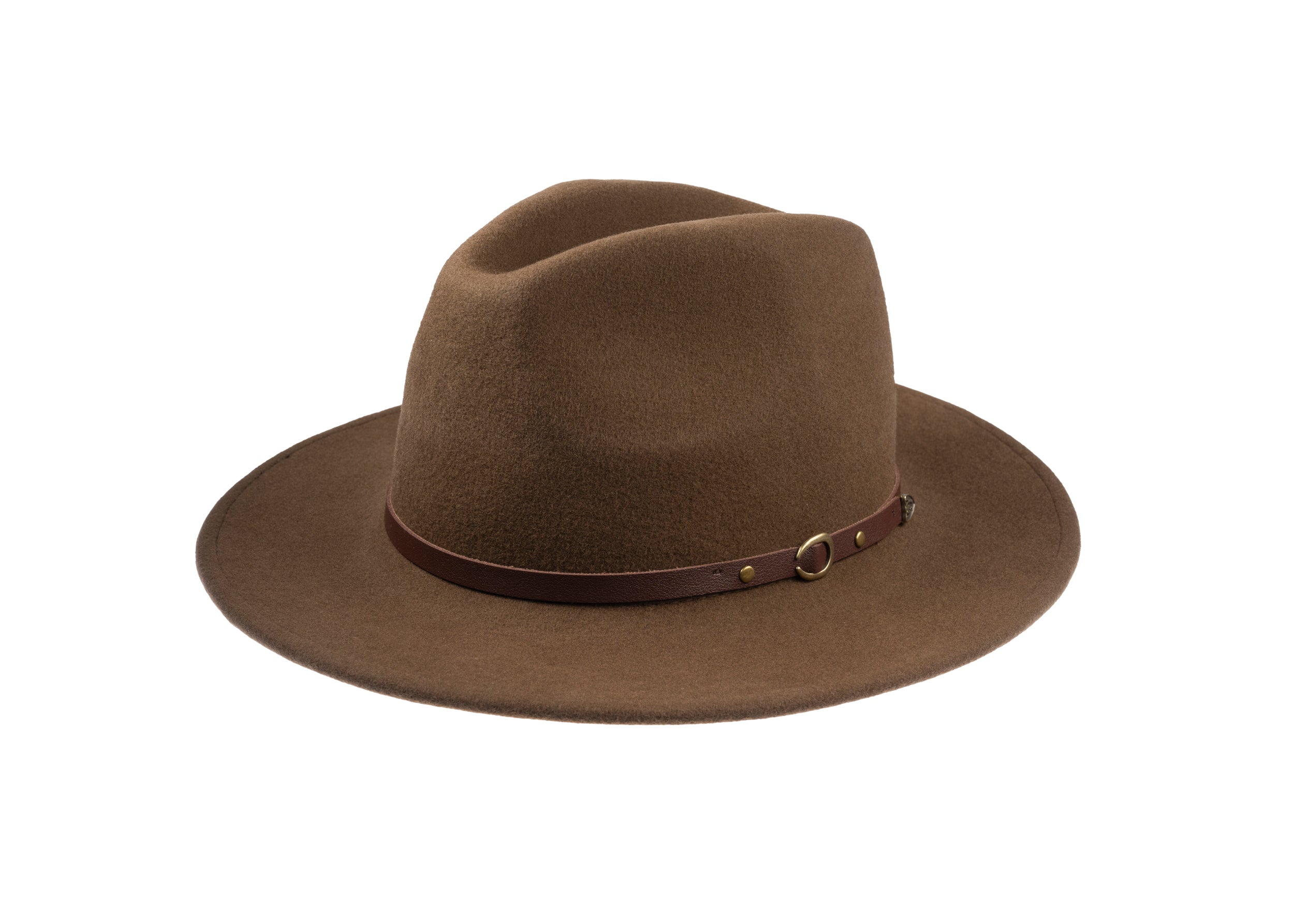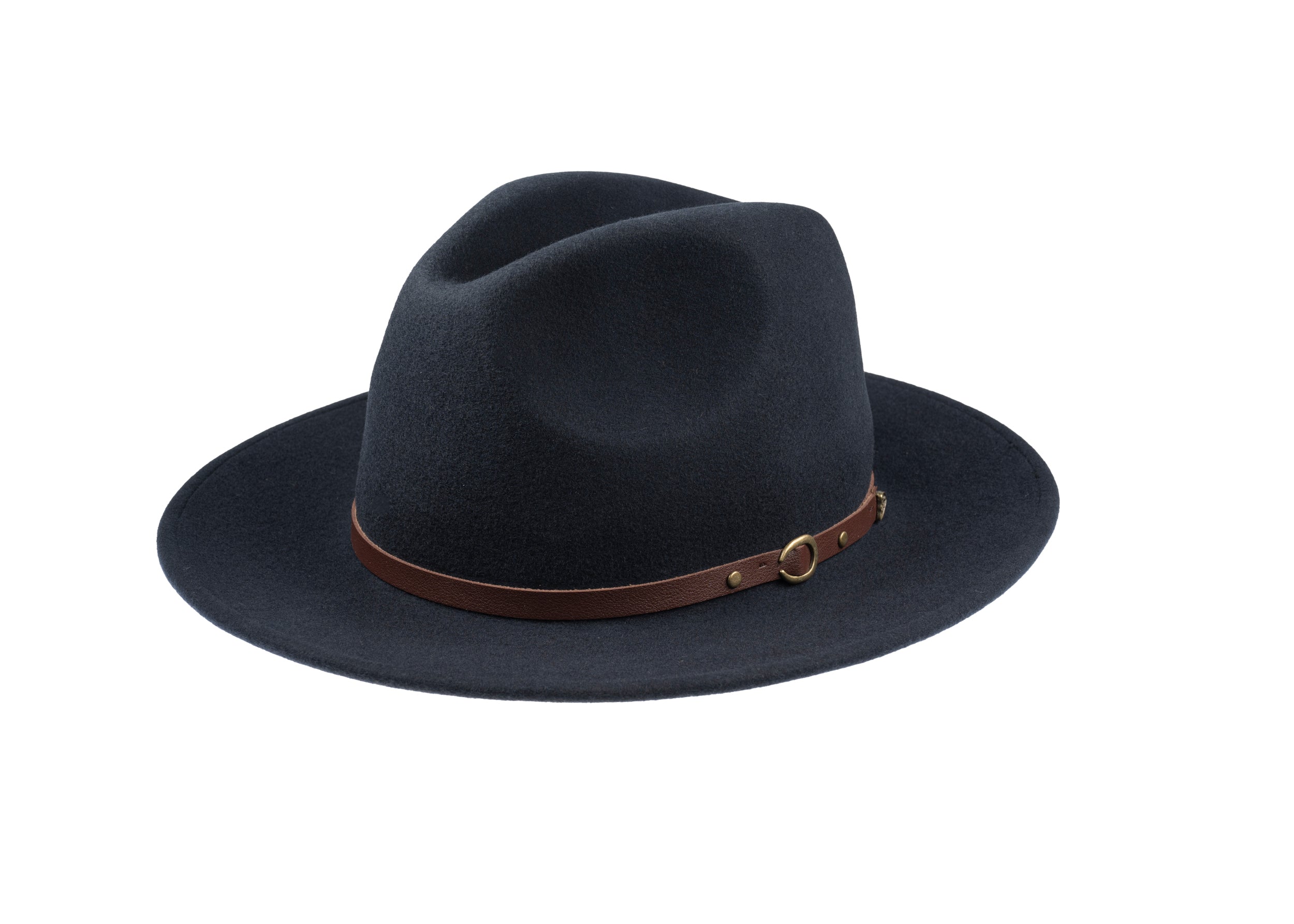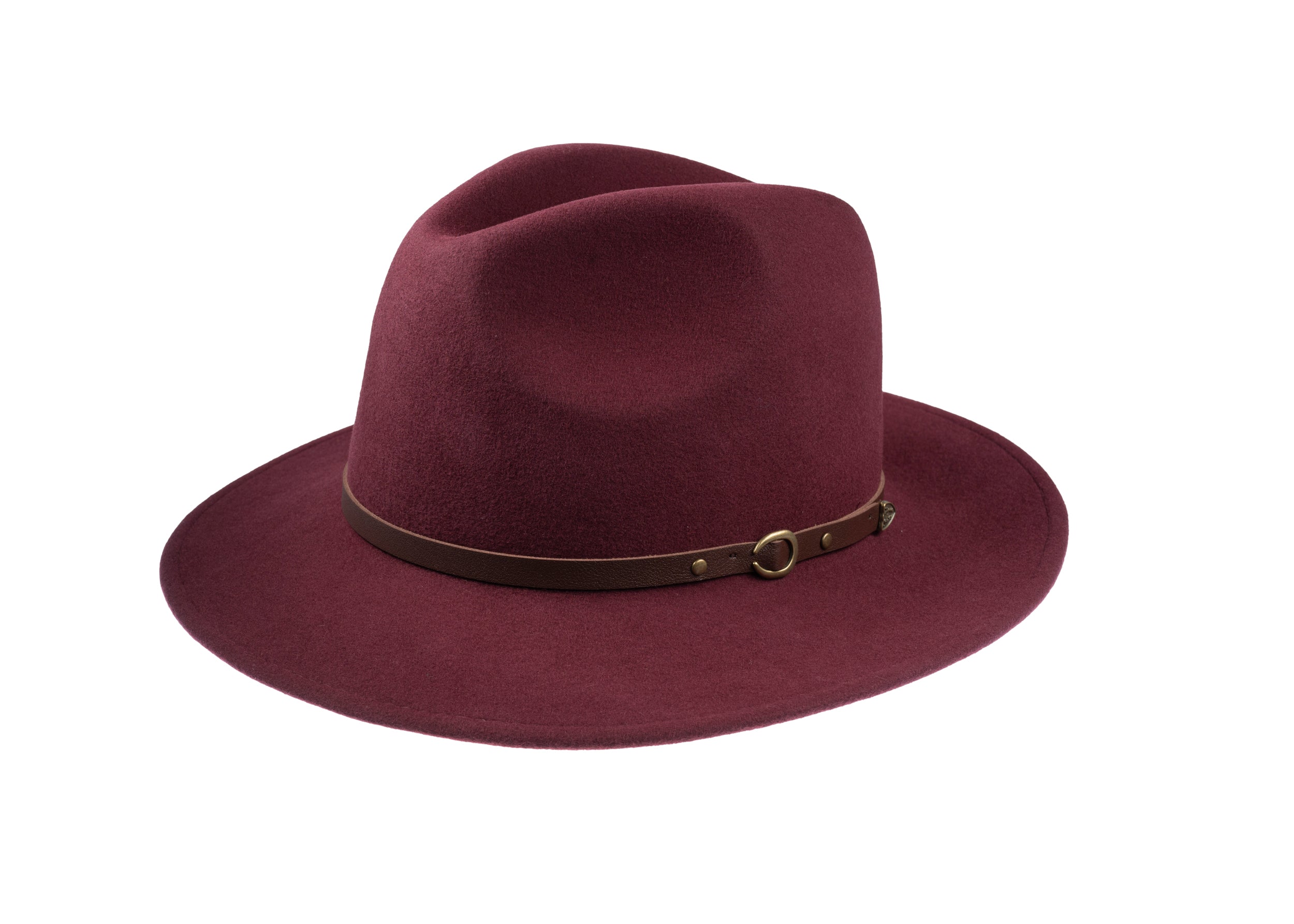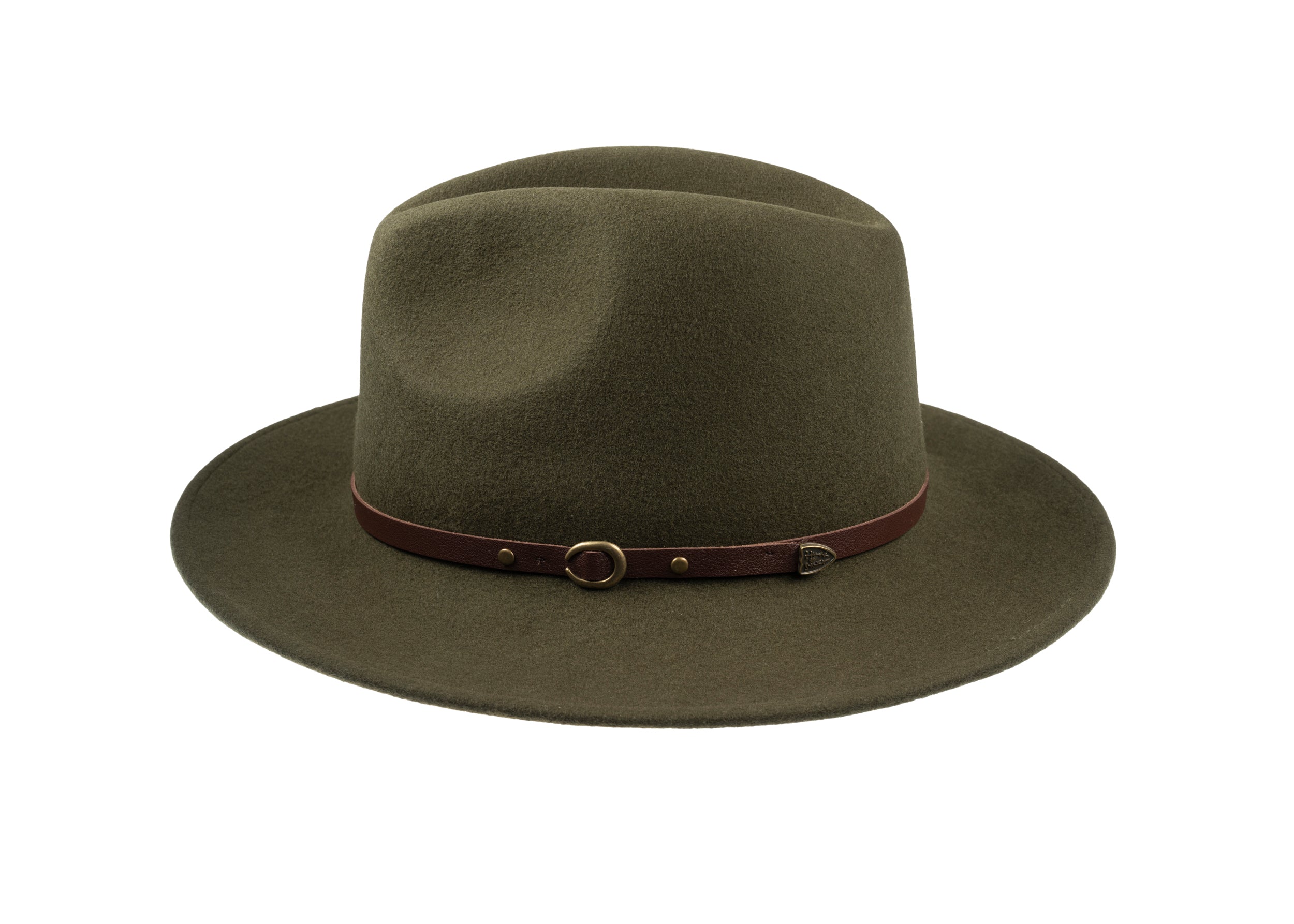

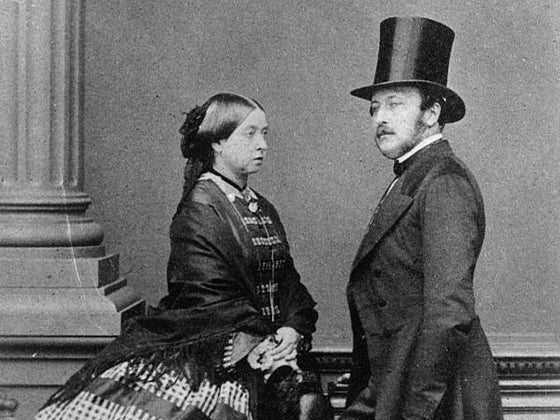




Hat etiquette works best as considerate judgement rather than a test of historical rules. In most modern situations, ask four quiet questions: are you indoors or outdoors, is the moment formal or devotional, could your hat affect another person's view or conversation, and has a host, venue, employer or safety rule given a clear instruction?
A structured brimmed hat and a close-fitting cap do not always create the same impression. A fedora, trilby, Homburg or Panama has a stronger visual presence and may be expected to come off for private, devotional or seated formal moments. A flat cap or bakerboy is often treated more casually, but it is not automatically exempt: the setting, sightlines, formality and local expectations still matter.

Church, chapel and other religious services
For a church, chapel or other religious service, the considerate default is to remove a structured brimmed hat when you enter, particularly during prayer, worship, readings, indoor anthems or other devotional moments. This is practical guidance rather than a universal rule for every faith or congregation, so follow the service leader, venue instructions and the customs of the people hosting the occasion.
A flat cap, bakerboy or other close-fitting cap may attract less attention and is often treated more casually, especially at an informal service. Even so, remove it if the congregation expects headwear to come off, if the peak blocks the person behind you, or if the service leader gives a direct cue. Some people may wear head coverings for religious, cultural, medical or practical reasons; courtesy begins with respecting the setting rather than assuming that one old rule applies to everyone.
If you are moving from an outdoor procession into a chapel, remove the hat at the threshold or before taking your seat. Hold it by the crown or place it carefully on a suitable surface; avoid crushing the brim or crown. When the instruction is unclear, a discreet question to an usher or service leader is more courteous than guessing loudly.
For a brand example of how the transition from outdoor ceremony to covered space can change the cue, see Christys' ceremonial guidance.

Private homes, dining tables and social meals
Remove a hat when entering a private home unless the host clearly invites you to keep it on. At the dining table, the modern default is simpler still: take it off before sitting down, whether the meal is a formal dinner, restaurant lunch, reception with seated food or an informal meal with friends. This works best as a gesture of attention rather than a performance of old-fashioned correctness, as reflected in Christys' practical etiquette advice.
A brimmed hat can interrupt eye contact, brush another diner, or make a table feel visually crowded. A flat cap or bakerboy is less formal and may be tolerated at a relaxed café, pub or outdoor lunch, but remove it if you are being introduced, joining a more formal table, or speaking closely with someone. In a restaurant, follow the room: if other diners and staff have removed substantial headwear, that is a useful cue.
When you take a hat off, do so before greeting people or sitting. Carry it by the crown rather than squeezing the brim, and set it on a suitable surface or in a hat box where practical. A spare chair is suitable only when the hat will not be knocked or damaged; never leave it crushed under a coat or bag.
At a standing reception, suitable headwear may remain on outdoors, especially when it suits the weather or occasion. Reassess when you sit to eat, move indoors, or enter a close conversation.

Workplace, public transport and moving between spaces
In a modern workplace, a structured brimmed hat can suit the journey to work or an outdoor role, while a flat cap may sit comfortably within everyday dress in an open-plan or creative office. For a formal meeting, introduction or client conversation, remove either style when clear eye contact and an unobstructed exchange are part of the occasion. Read the room, and give a colleague or client's preference priority.
Workplace dress codes, uniform rules, health-and-safety requirements and accessibility needs take priority over general etiquette. Protective headwear may need to stay on for an outdoor job, and a uniformed role may prescribe a particular cap. Do not remove safety equipment to follow a social convention, and do not treat a fashion hat as protective equipment unless the employer says it is suitable.
On public transport, a hat may stay on while you are crossing a station or protecting yourself from cold and rain. Once you settle into a close conversation or a crowded seat, remove it or adjust your position if the brim blocks a screen, another passenger's view or the face of the person beside you. The same principle applies when moving from an outdoor event into a private, devotional or covered space.
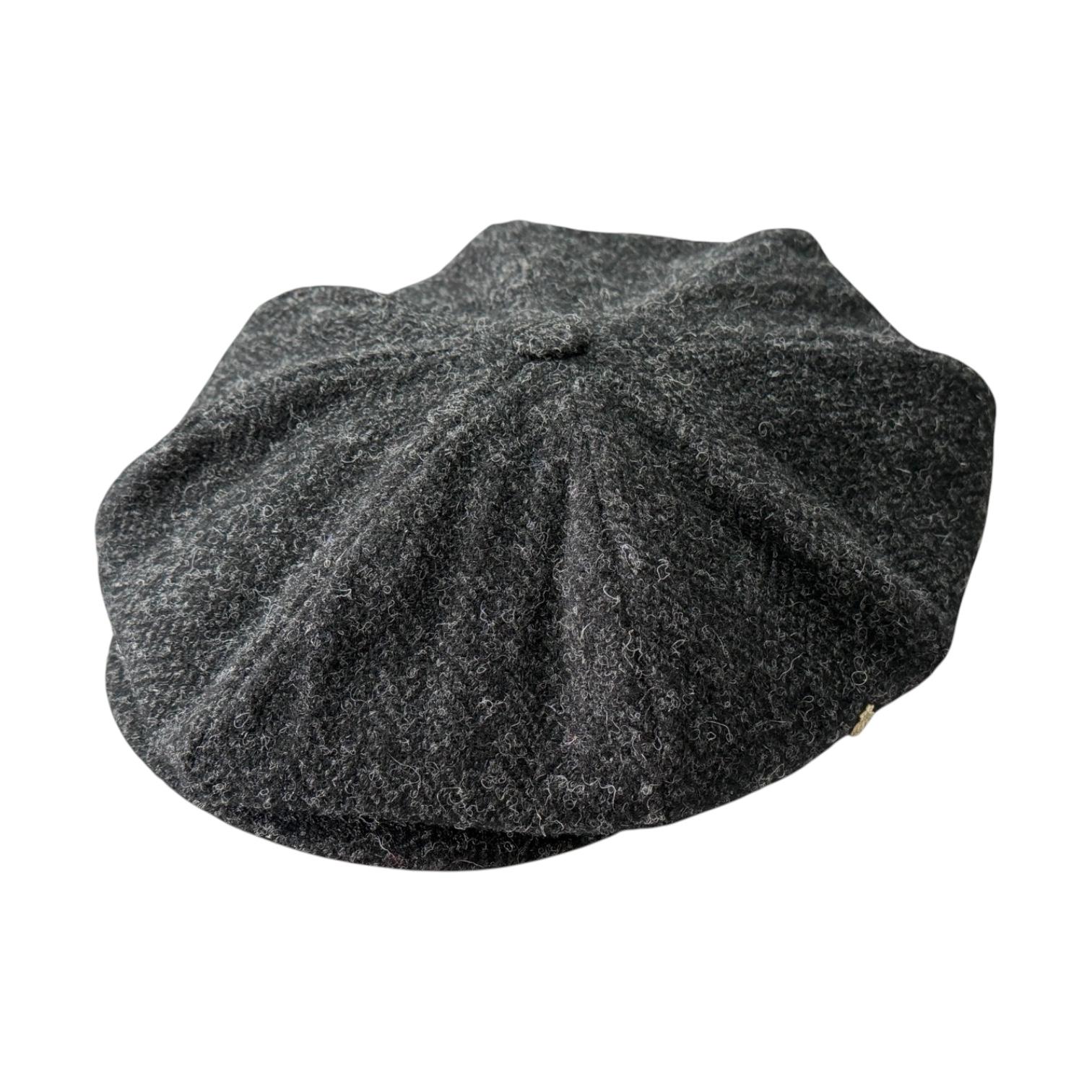
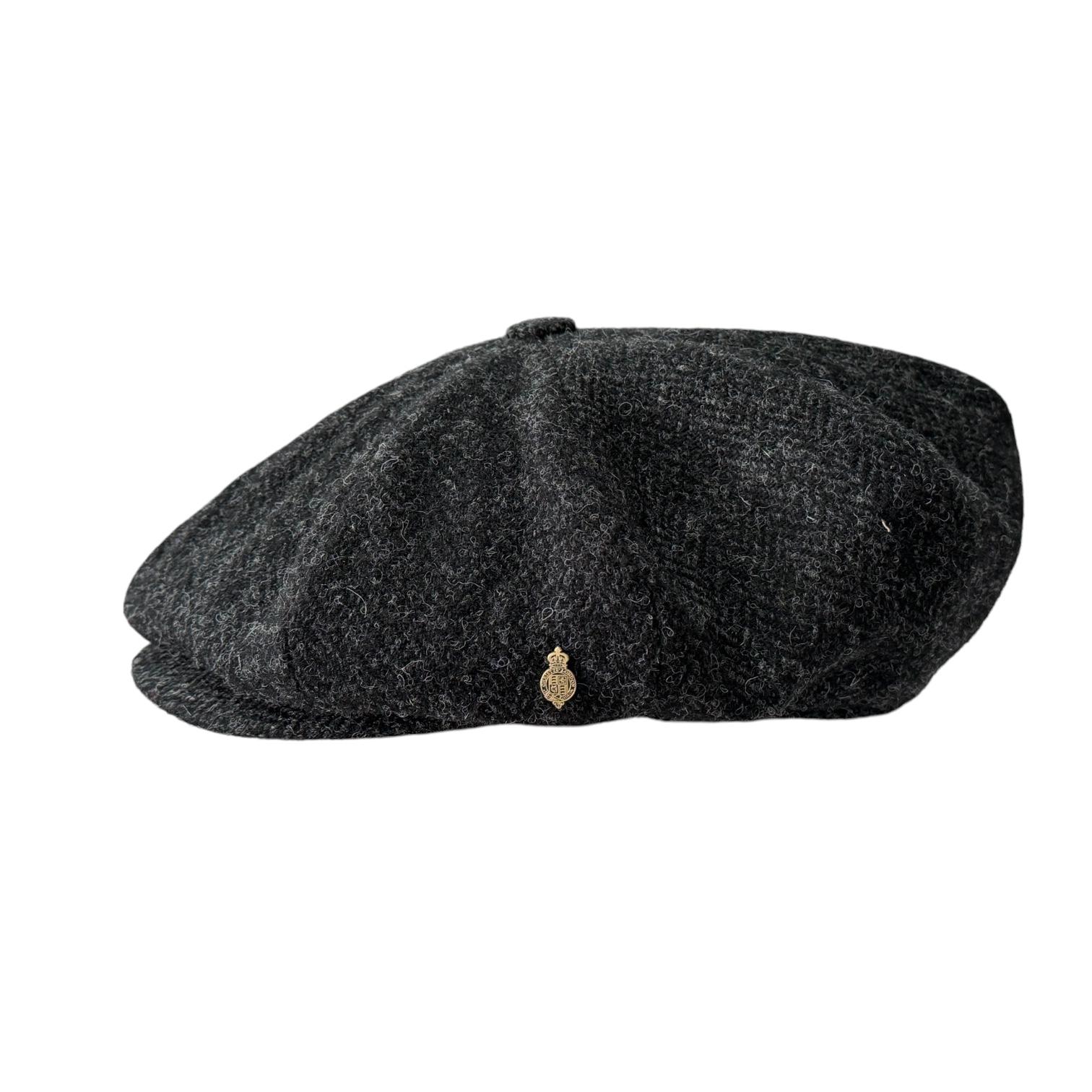
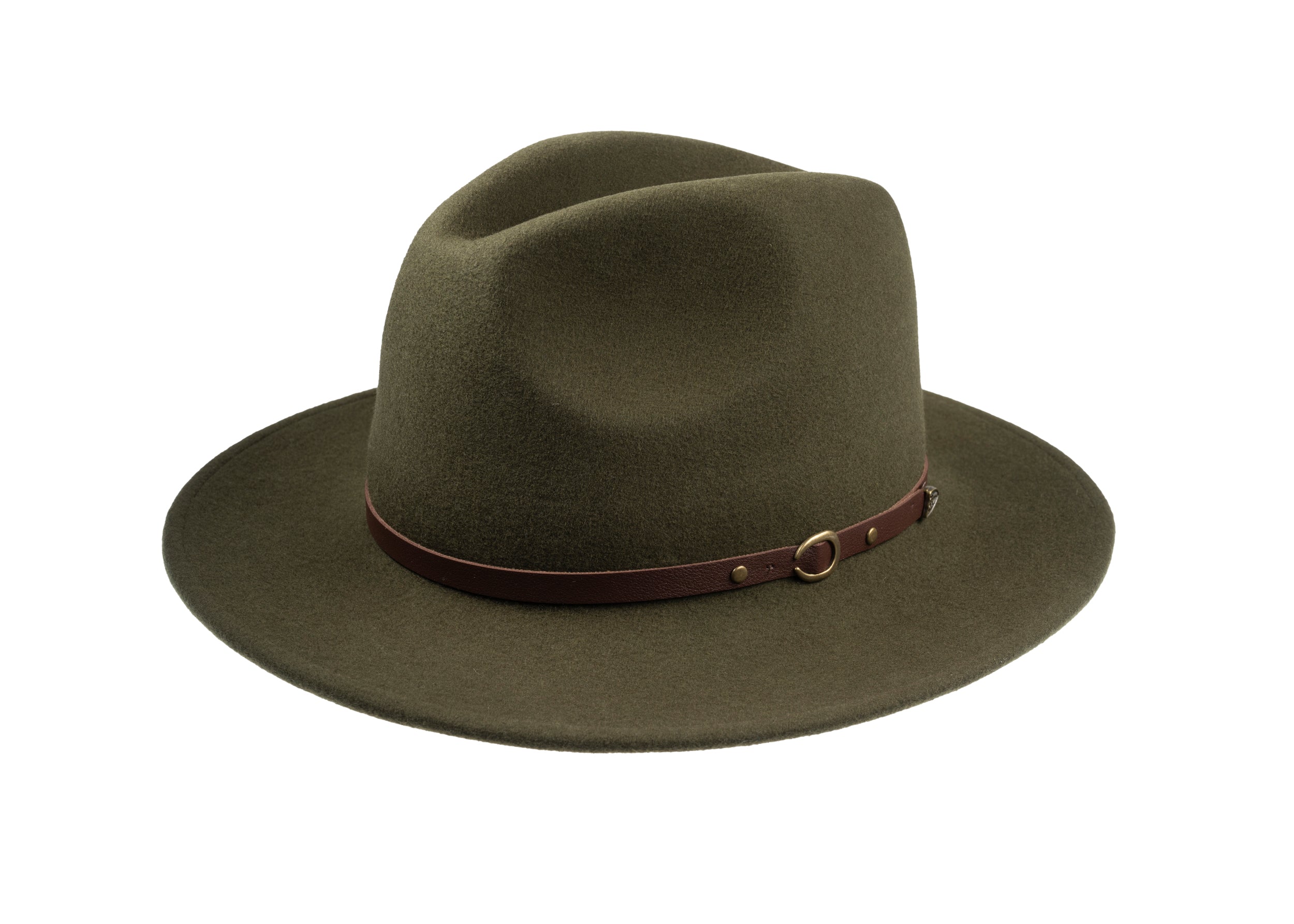
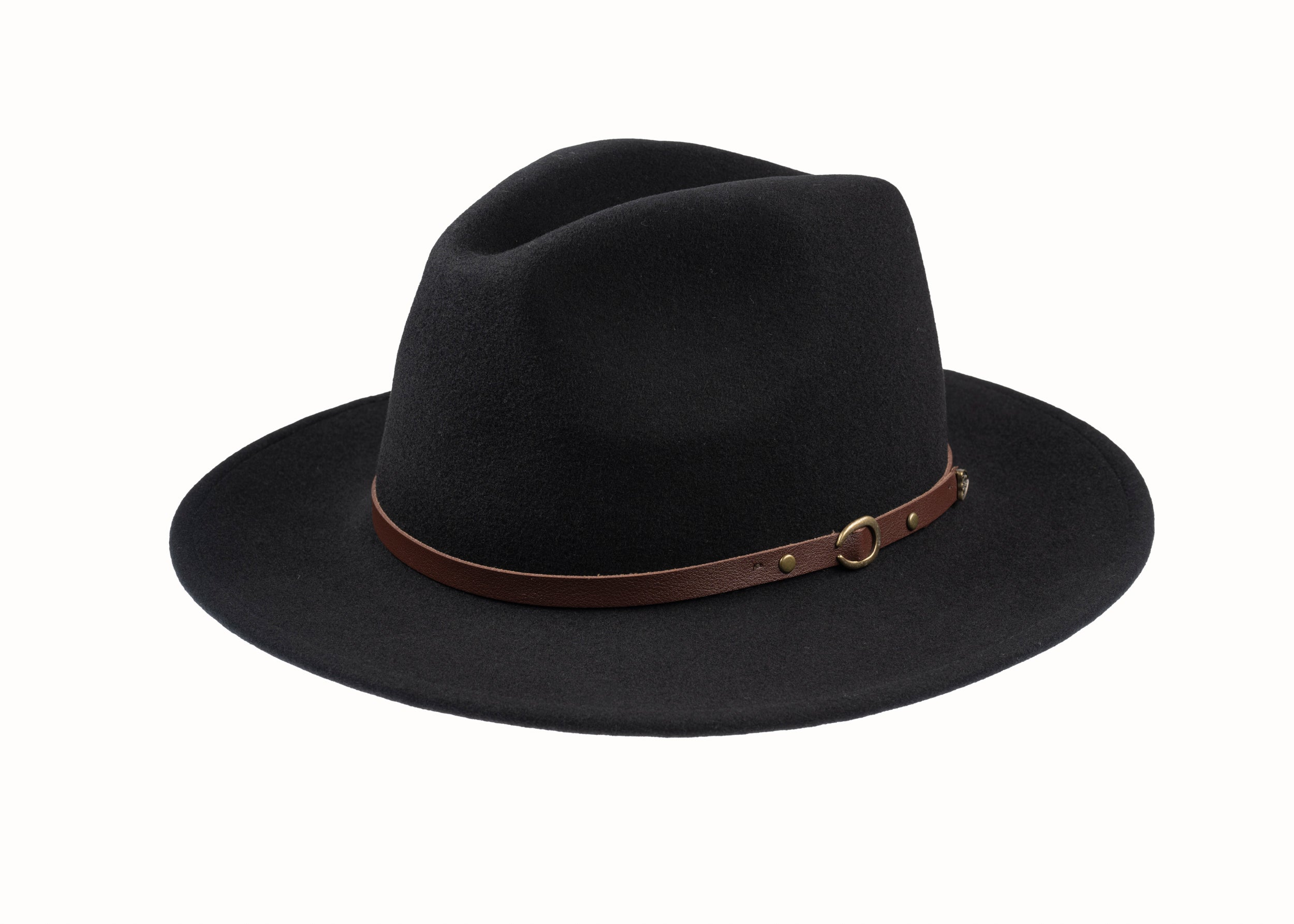
For a simple silhouette comparison, a structured brimmed hat generally carries more formality and has greater potential to obstruct sightlines, while a close-fitting cap can feel more relaxed. The setting still decides the matter. Compare the Chepstow Wool Felt Fedora with the close-fitting Portobello ‘King’s’ Flat Cap.
FAQ: quick answers for uncertain moments
What should I do if a host gives an unexpected instruction? Follow the clear instruction calmly, unless doing so would conflict with a religious, medical, accessibility or safety need. A brief explanation is enough if an exception applies.
What if the setting is casual but I still cannot read the room? Choose the least disruptive option: remove a brimmed hat for a close indoor exchange, or ask the host quietly. You can put it back on when the setting becomes outdoor or more relaxed.
How can I avoid damaging the hat while removing it? Handle it carefully, avoid crushing the brim or crown, and use a suitable surface or hat box where practical. If no safe place is available, carry it securely rather than leaving it on a busy chair or under a coat.
Can a cap remain on when a brimmed hat would come off? Sometimes, particularly in a relaxed setting, but the cap still comes off when the venue, host, sightlines, formality or safety requirements call for it.
When in doubt, make the choice that leaves the setting, conversation and people around you most comfortable. A thoughtful pause at the threshold is often all the etiquette you need.
Wear the hat with confidence, and let courtesy decide when it comes off.