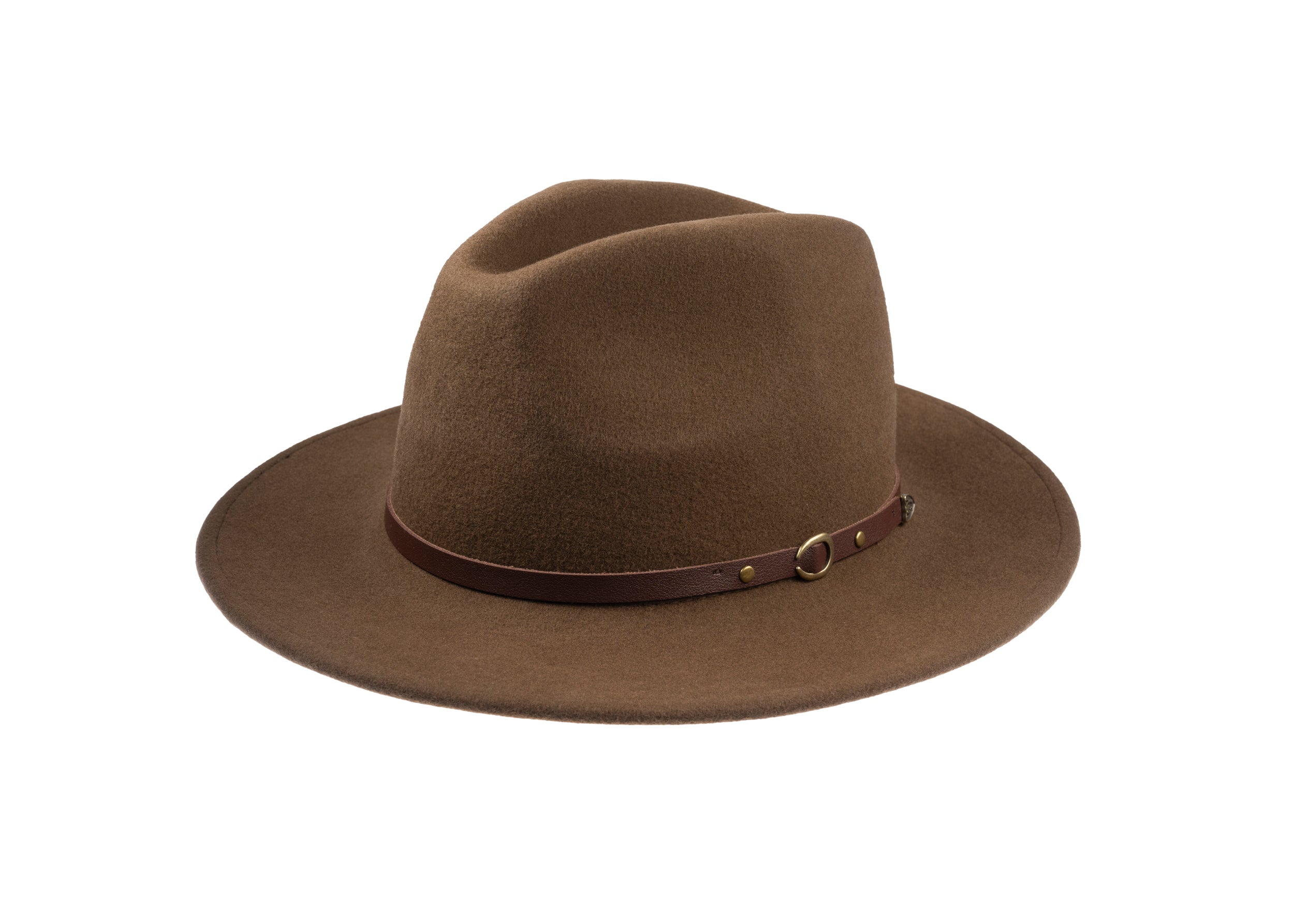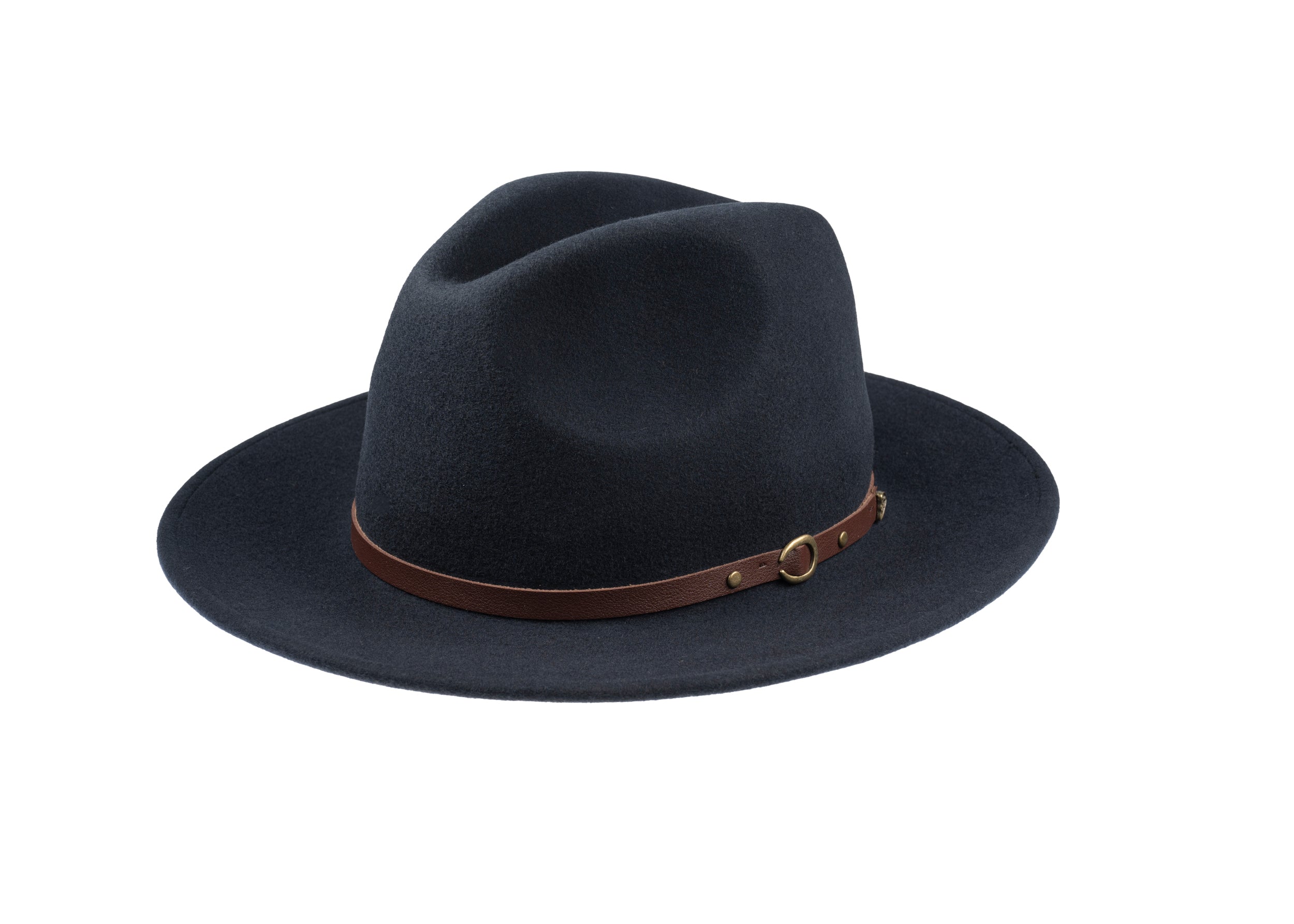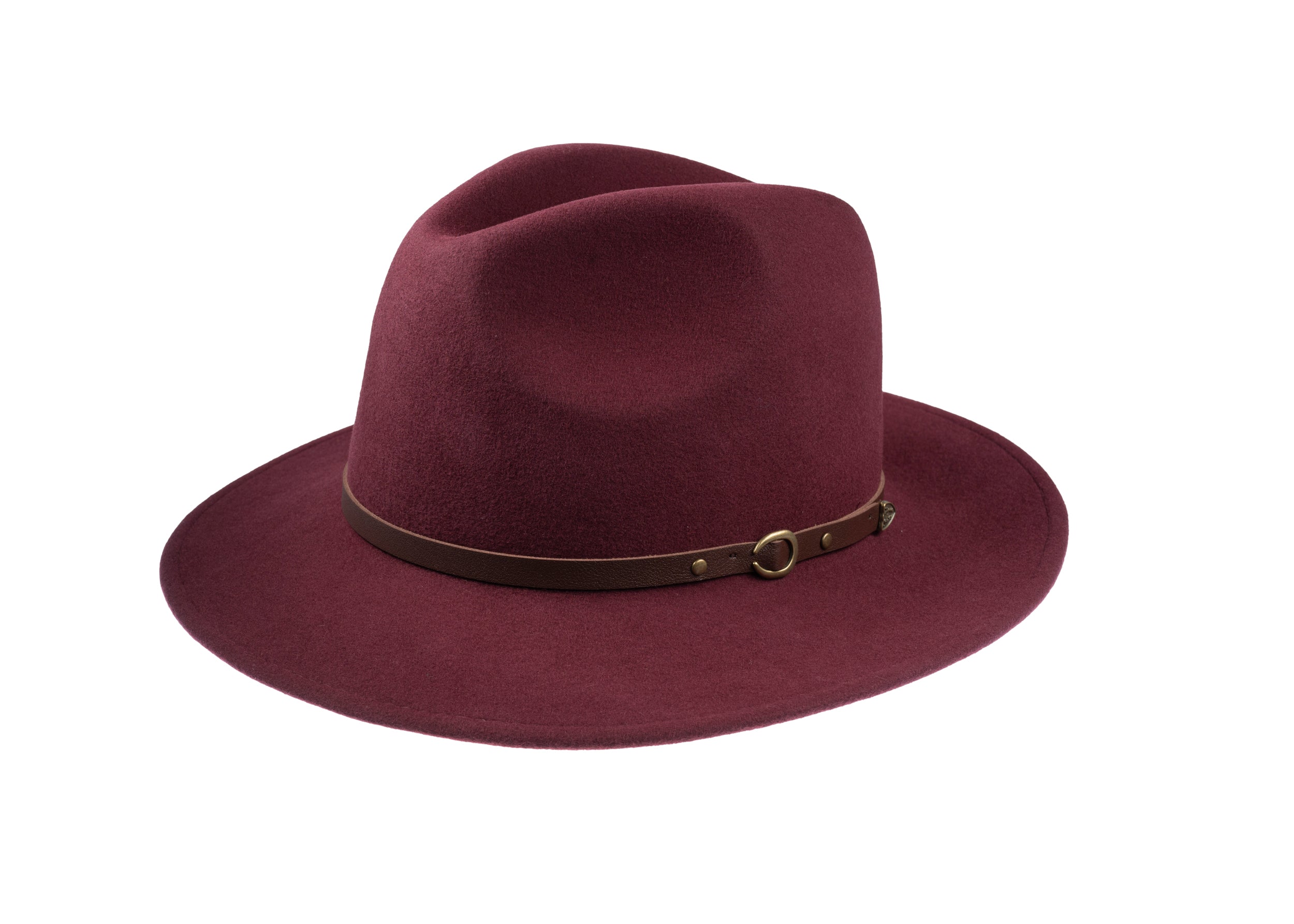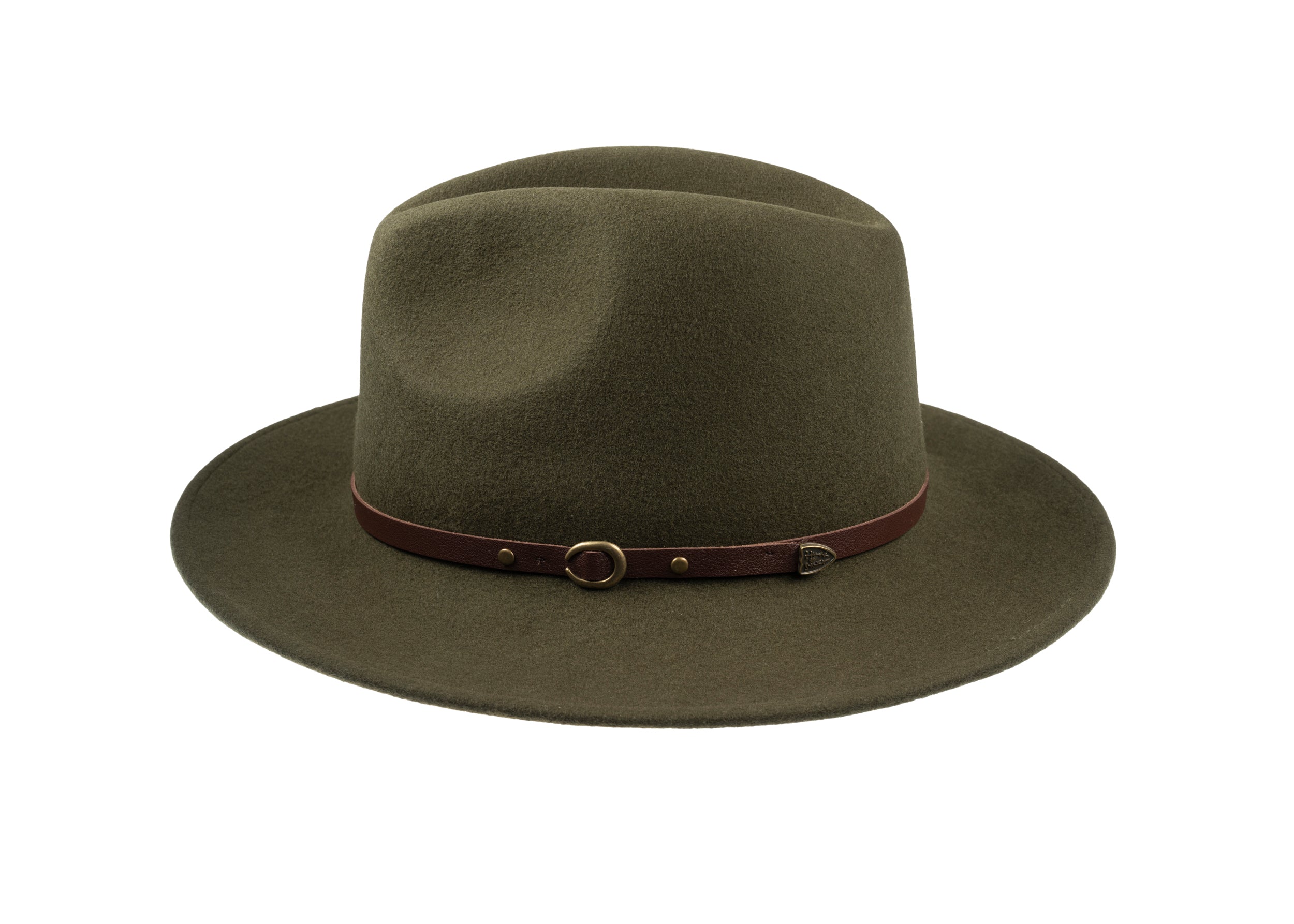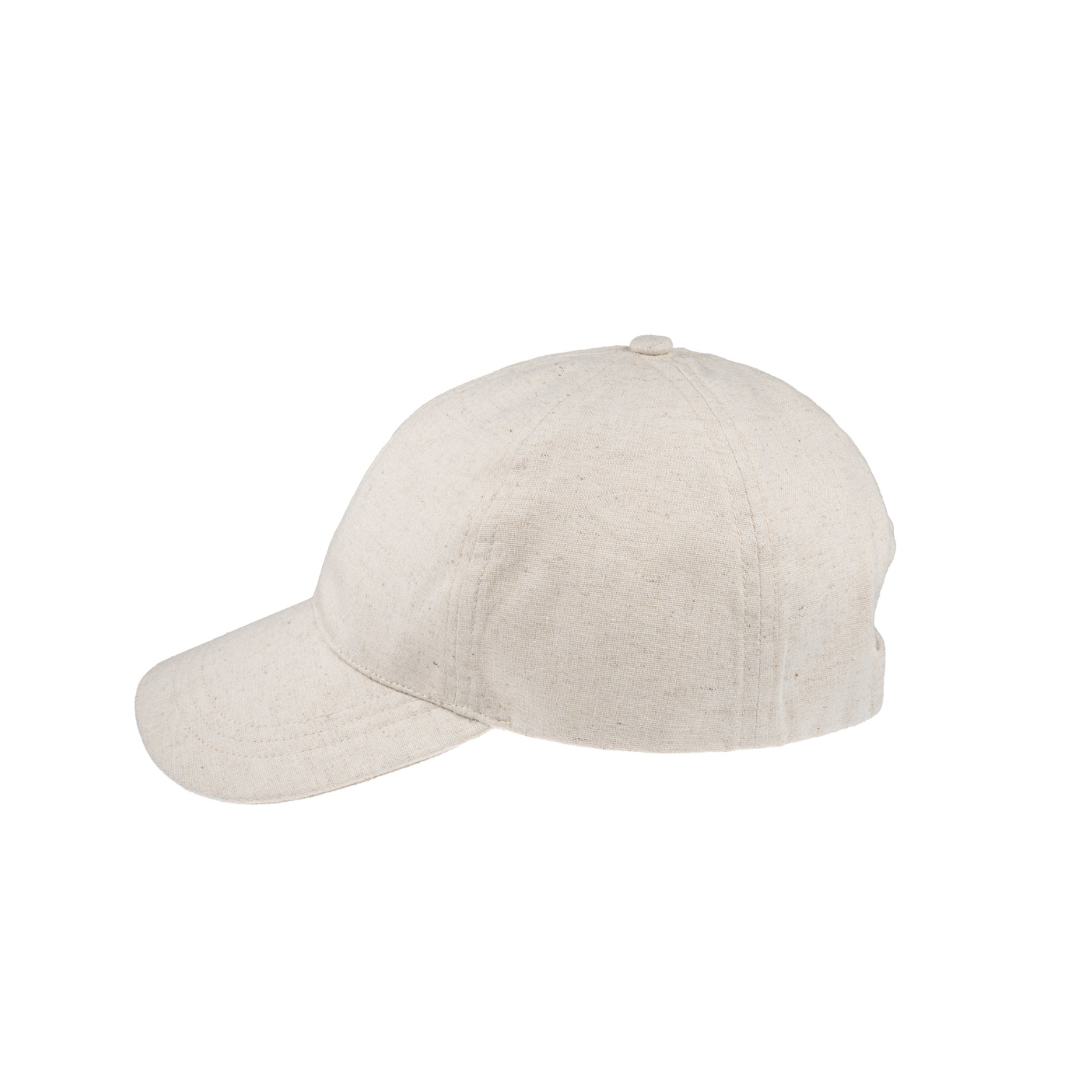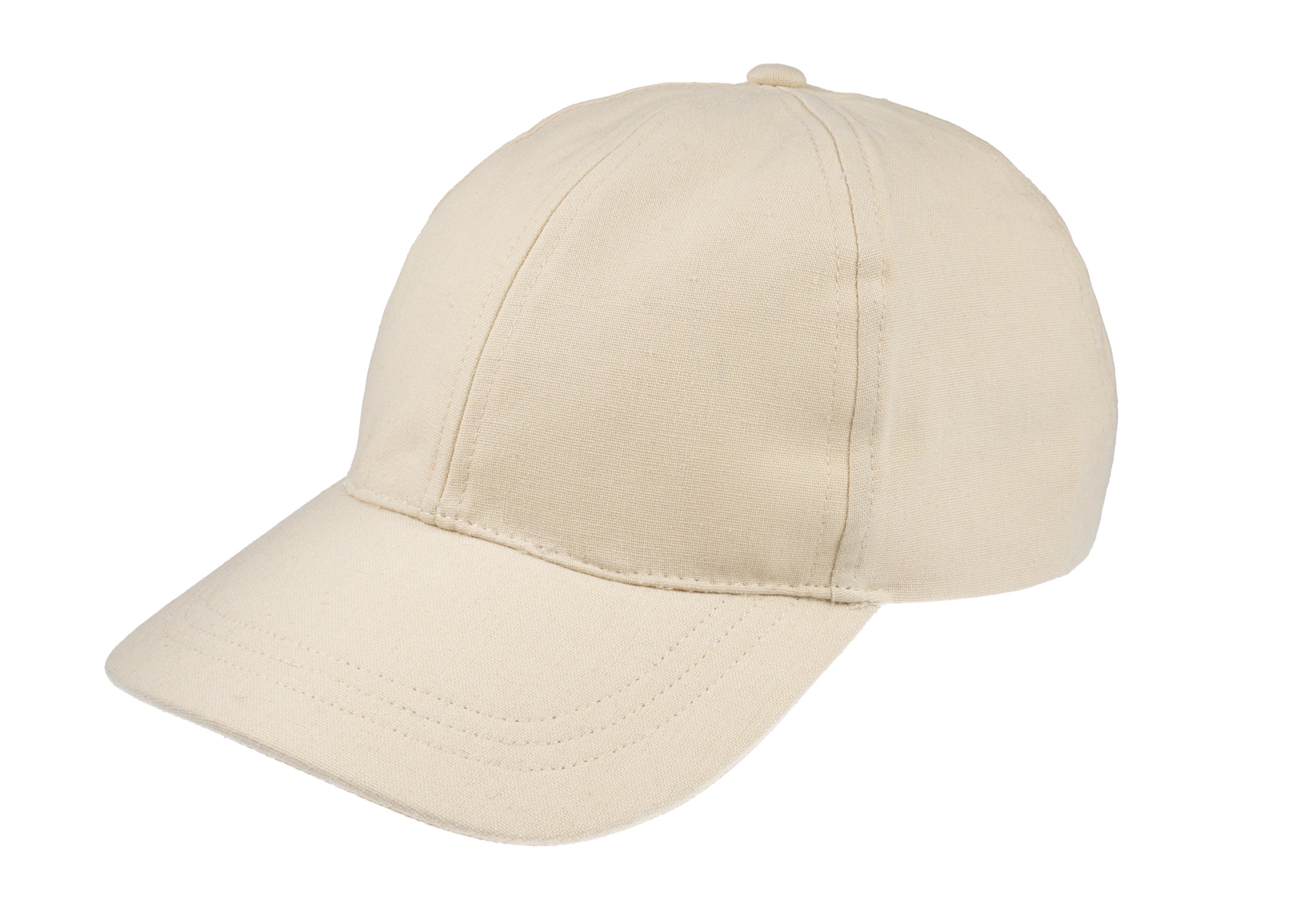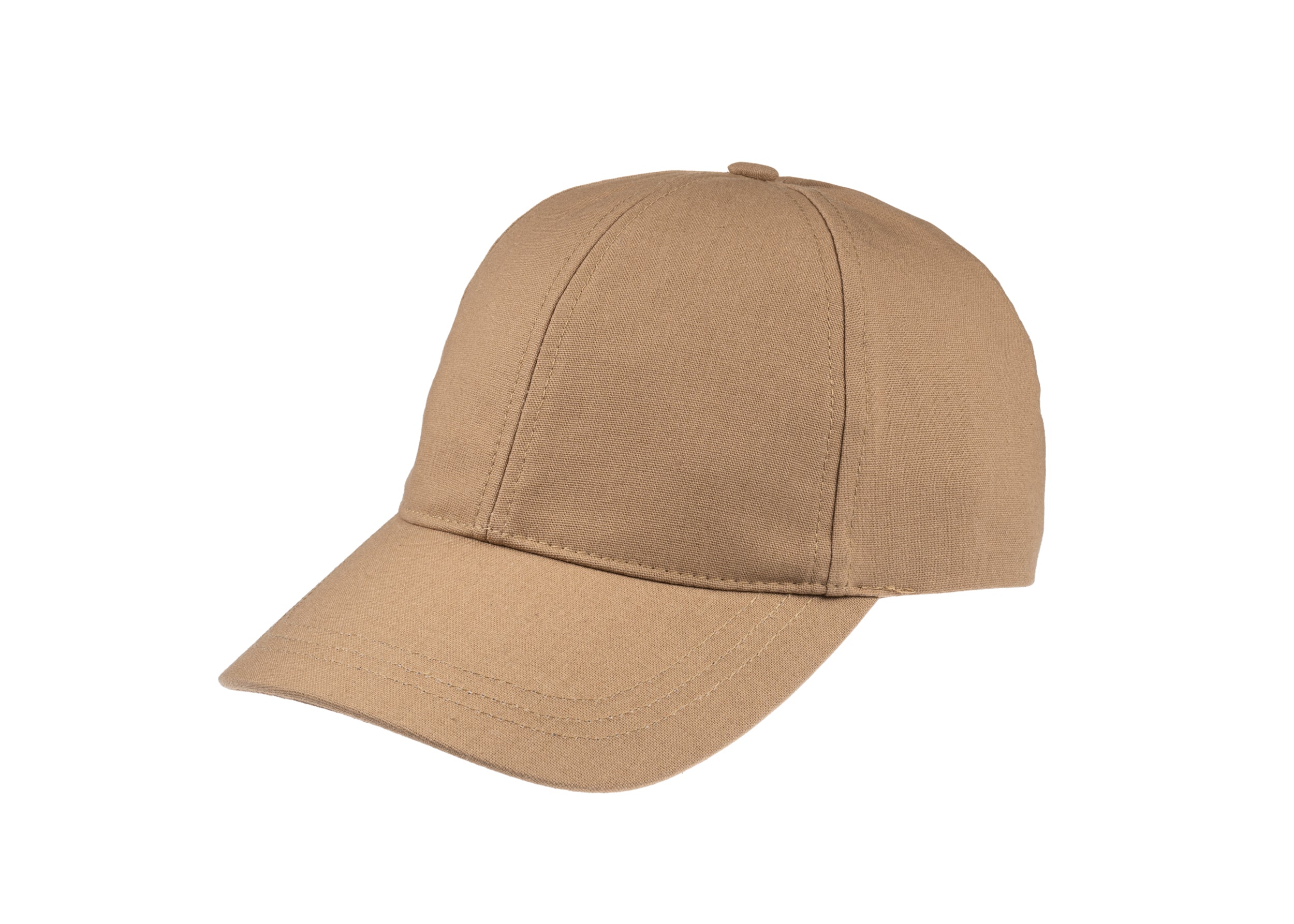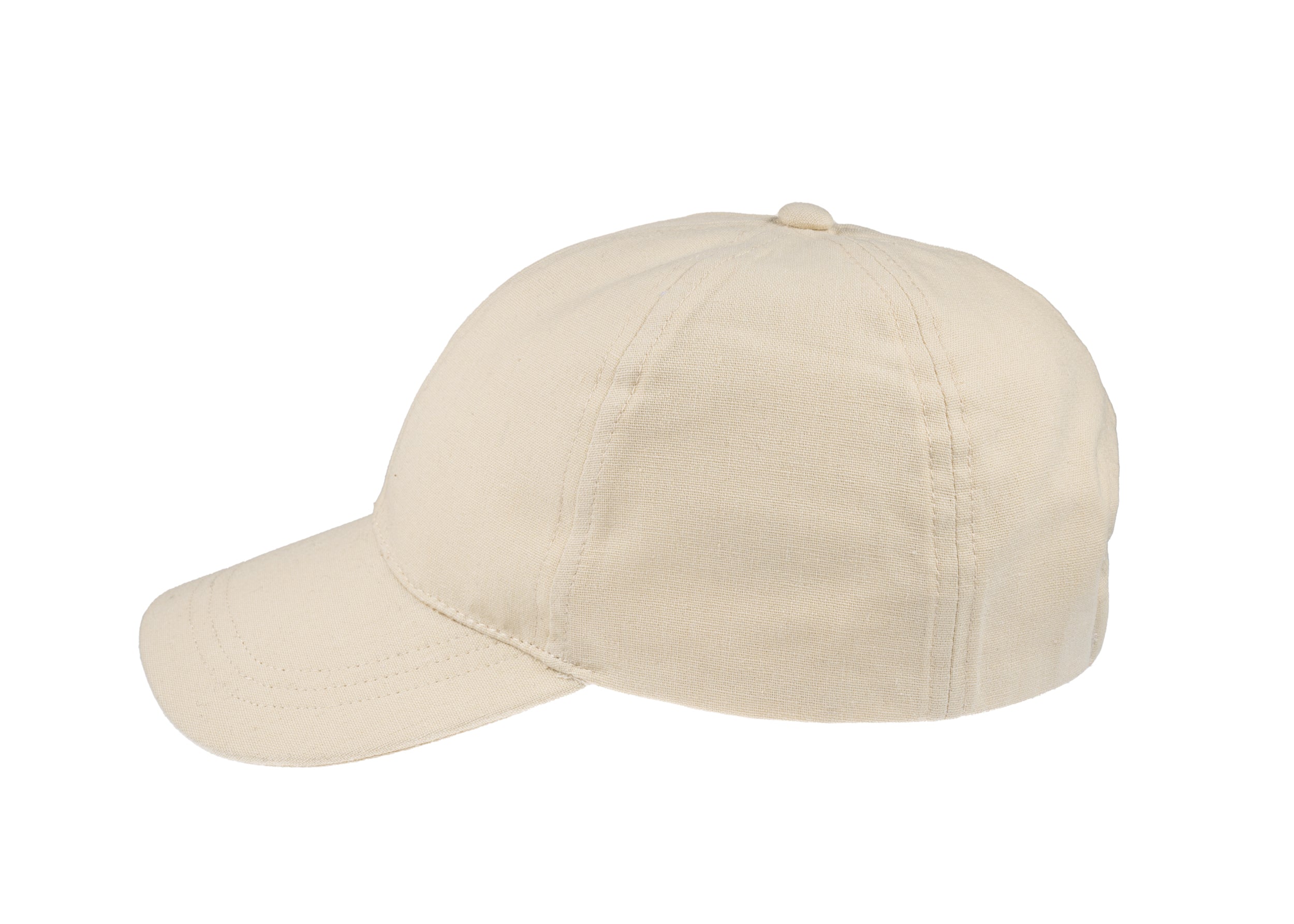





A Christys hat should look composed because it is worn well, not because it is kept untouched. A few quiet habits after a commute, country walk, garden event or day of travel will help preserve a clean crown, tidy brim, neat peak and presentable finish.
The essential rule is simple: handle the hat thoughtfully, remove loose surface dirt before it settles, let moisture leave naturally, and store the hat so its intended profile is supported. Felt, Panama straw and tweed or cloth caps each respond differently, so routine care should follow the material rather than a one-size-fits-all recipe.

The simple after-wear routine
Give the hat a brief inspection when you take it off. Look for dust on the crown and brim, lint around the band, a mark from contact with a wall or seat, and any area that has become damp. Deal with what is loose and superficial; do not turn every small sign of wear into a cleaning project.
Where possible, lift a hat by the brim rather than pinching the crown. If the style has a structured peak, hold the cap by the crown or rear rather than repeatedly bending the peak. Keep fingers, hair products and oily hands away from pale surfaces and finished bands. Before putting the hat away, allow ordinary perspiration or light rain to air off in a cool, well-ventilated place away from direct heat.

Remove dust and marks without over-cleaning
For loose dust, start with the least invasive option. A clean, soft hat brush or a very soft clothing brush can usually lift surface dust from felt; work gently in the direction of the surface rather than scrubbing back and forth. For tweed or cloth, use a soft clothes brush or lint roller sparingly, following the nap and avoiding pressure on the peak, stitching and buttons. A Panama is better treated with a gentle dry dusting using a soft brush or clean, dry cloth; do not drag a cloth across the weave.
For a light surface mark, stop after a gentle attempt. Do not add water, soap, stain remover or household cleaner unless the exact product guidance says it is suitable. A small change in texture may be ordinary character, while a dark stain, dye transfer, grease mark or persistent patch is a reason to seek material-specific advice rather than making the mark larger through repeated rubbing.

Care by material and hat type
A material-aware approach keeps routine care both safer and simpler. Let the surface and structure guide what you do next rather than applying one cleaning recipe to every hat.
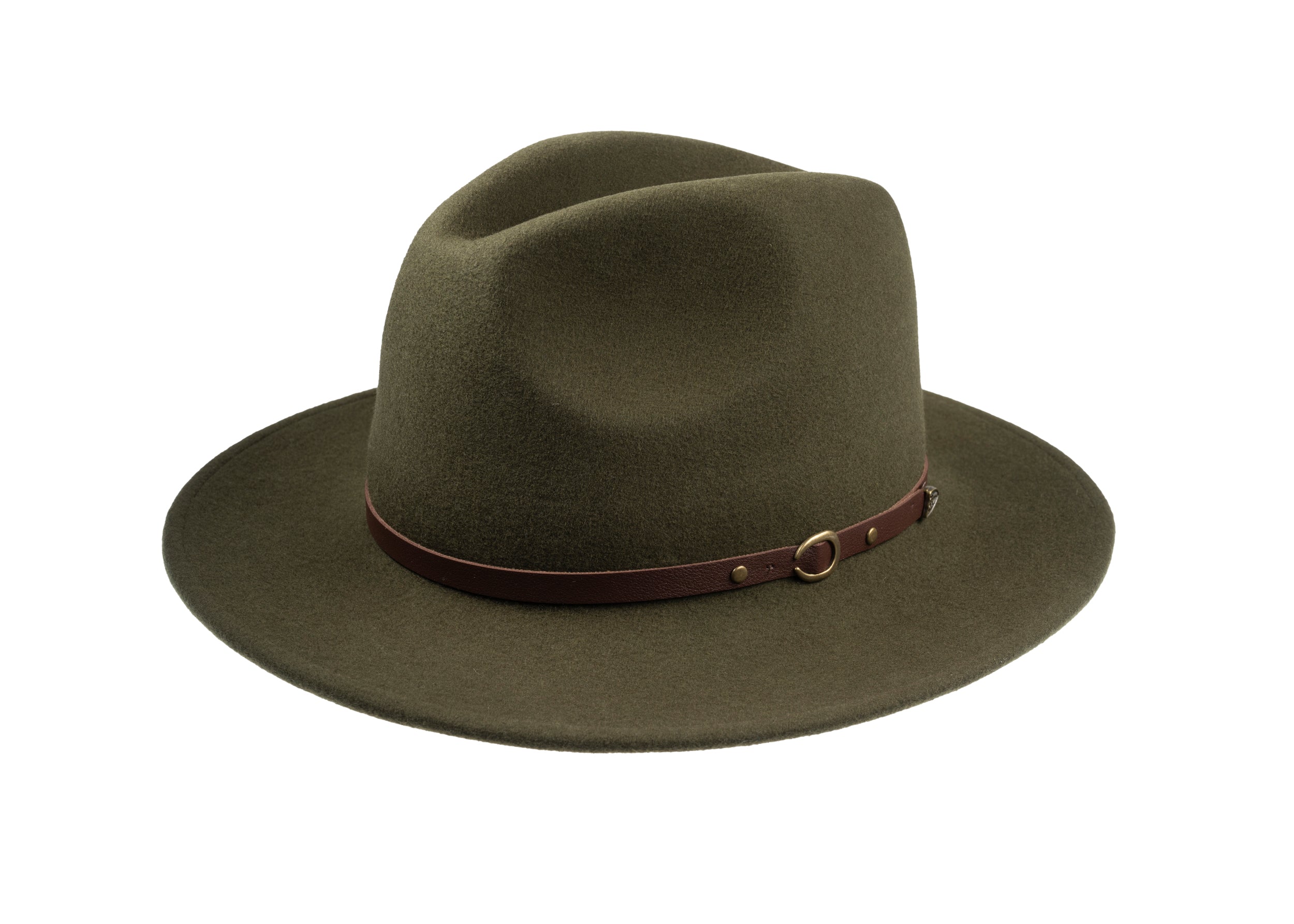
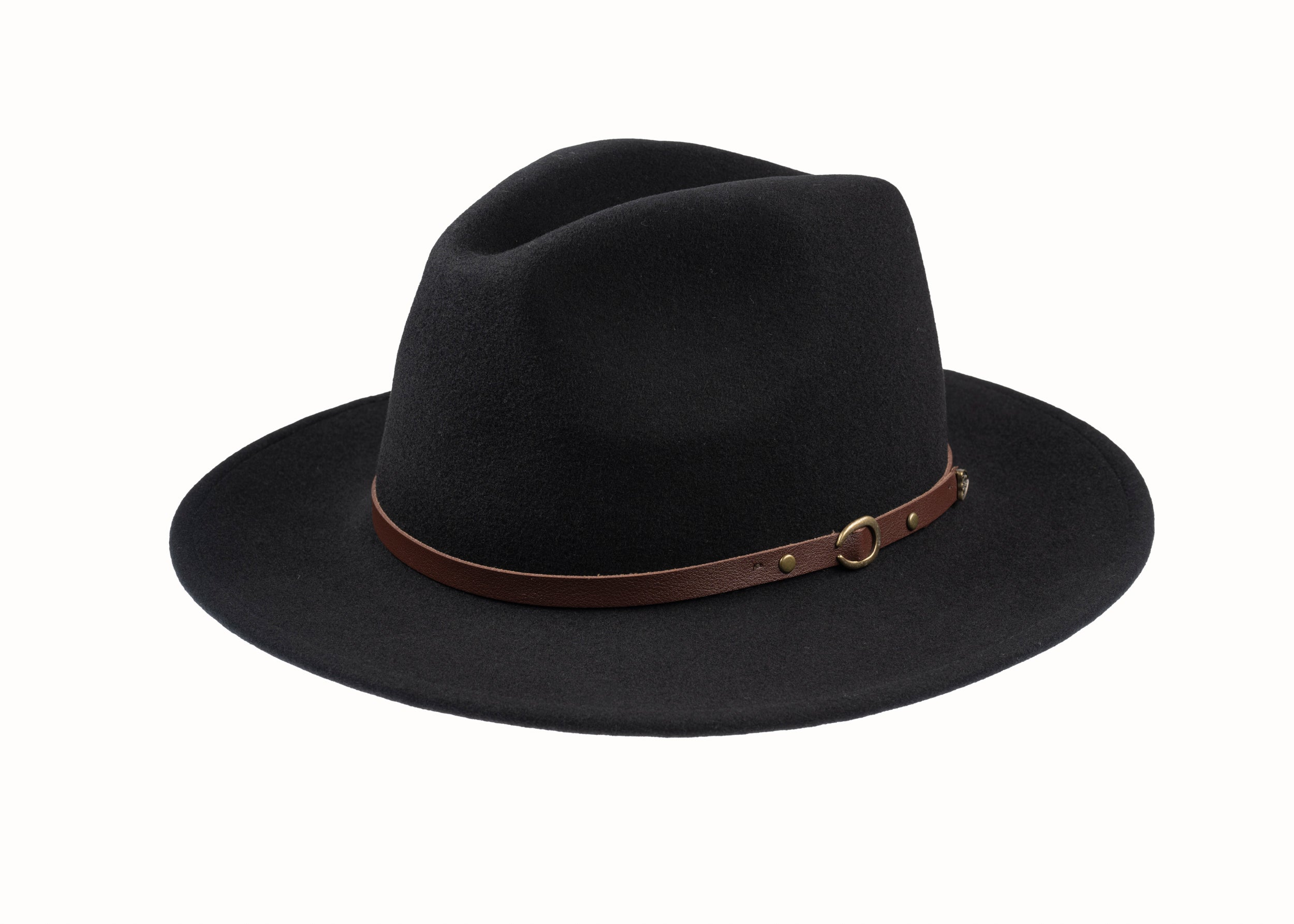
Felt hats: Fur felt, such as the beaver felt used in the Canterbury, and wool felt, as in the Chepstow, generally benefit from gentle brushing and careful handling of the crown and brim. A felt hat may tolerate ordinary outdoor wear, but avoid forcing a crease back into place, pressing down a crown, or using steam or a hairdryer without guidance for that particular hat. If the brim has lost its line or the crown has become visibly misshapen, stop experimenting and ask a specialist.
Panama straw: A handwoven toquilla-straw Panama, such as the Portofino, should be kept dry where possible and handled by the brim or sturdier parts of the hat, rather than squeezed around the crown. Do not fold, crush or force the weave into a new shape. If it becomes damp, let it dry naturally at room temperature and keep it supported in its intended profile. Persistent warping, broken straw or a loose weave needs expert attention.
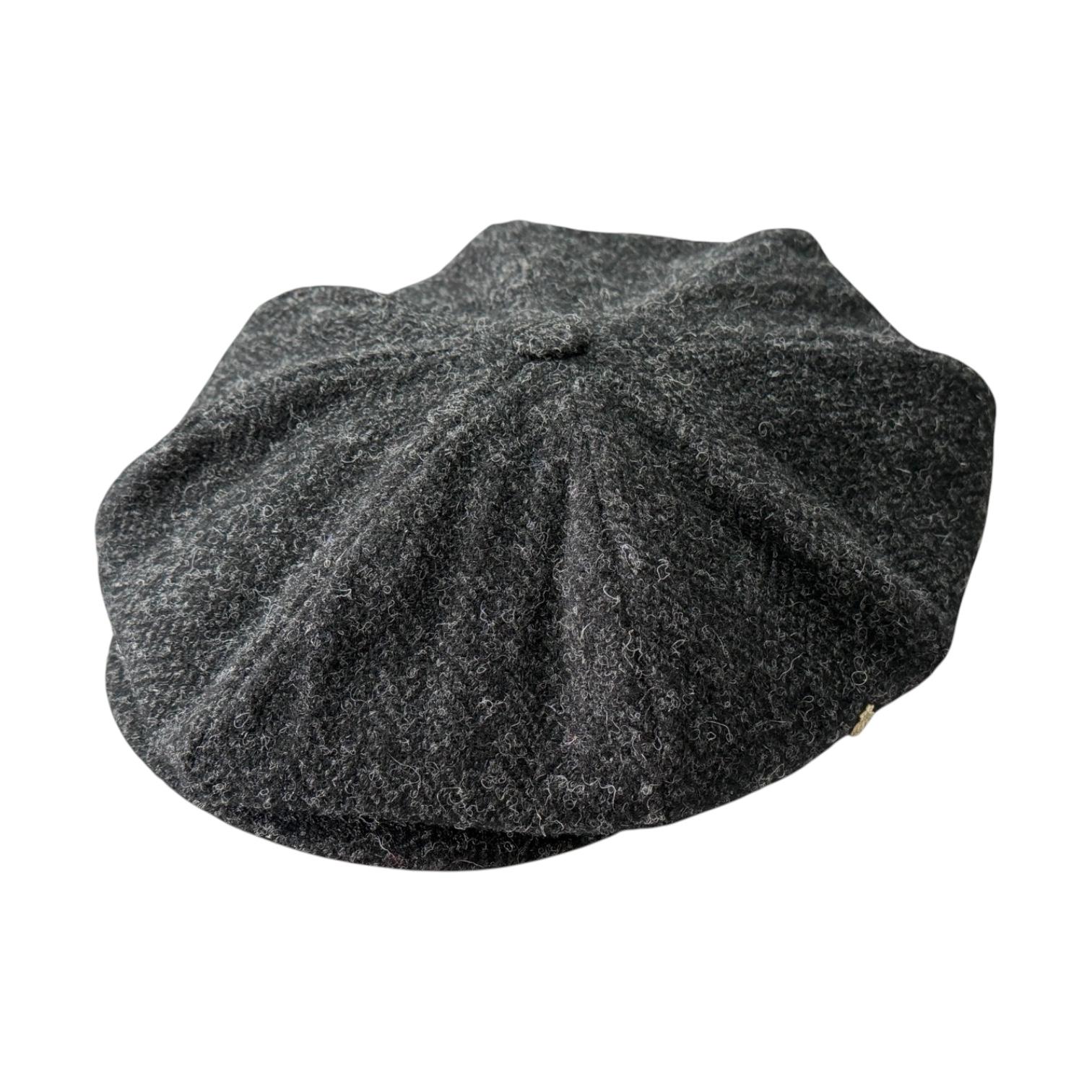
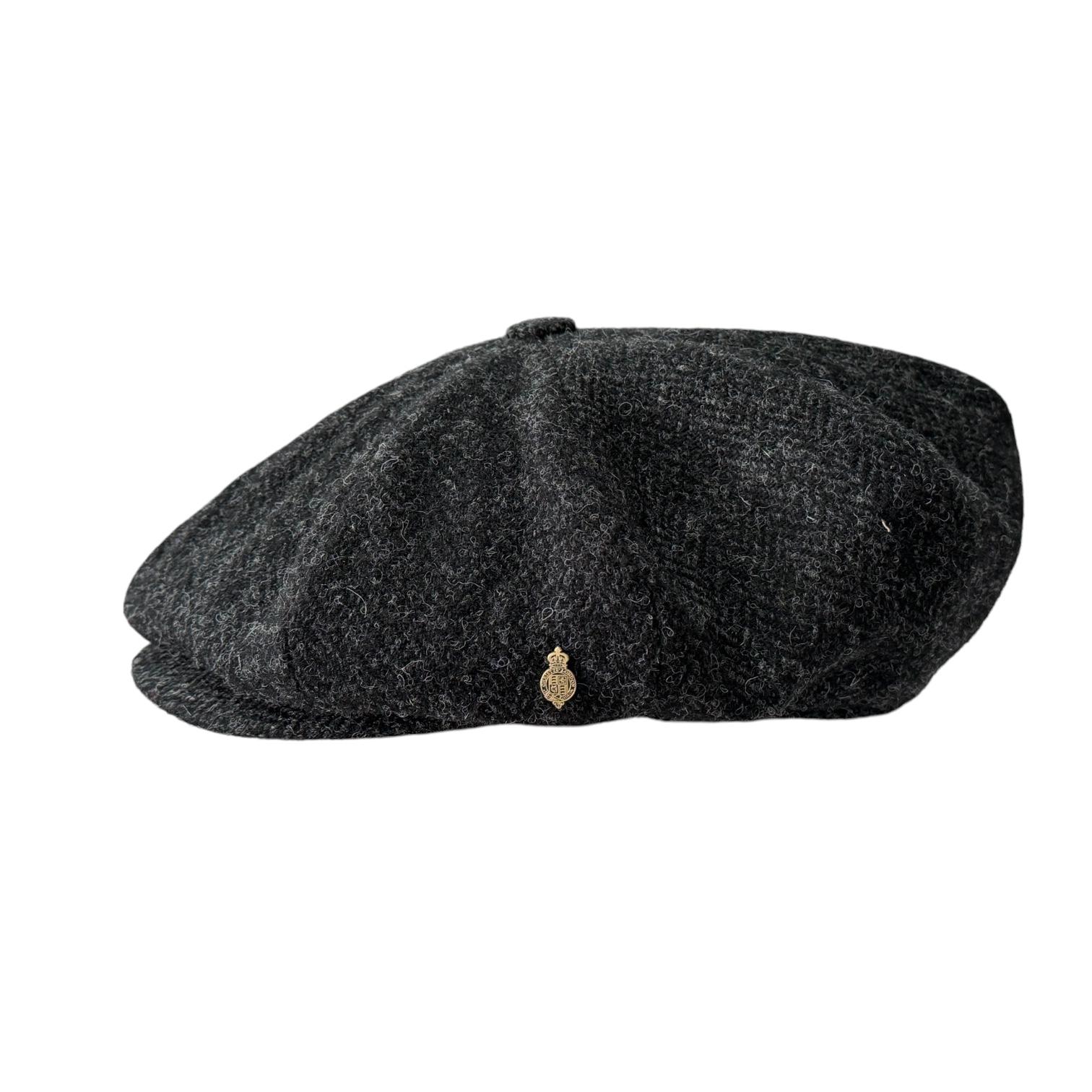
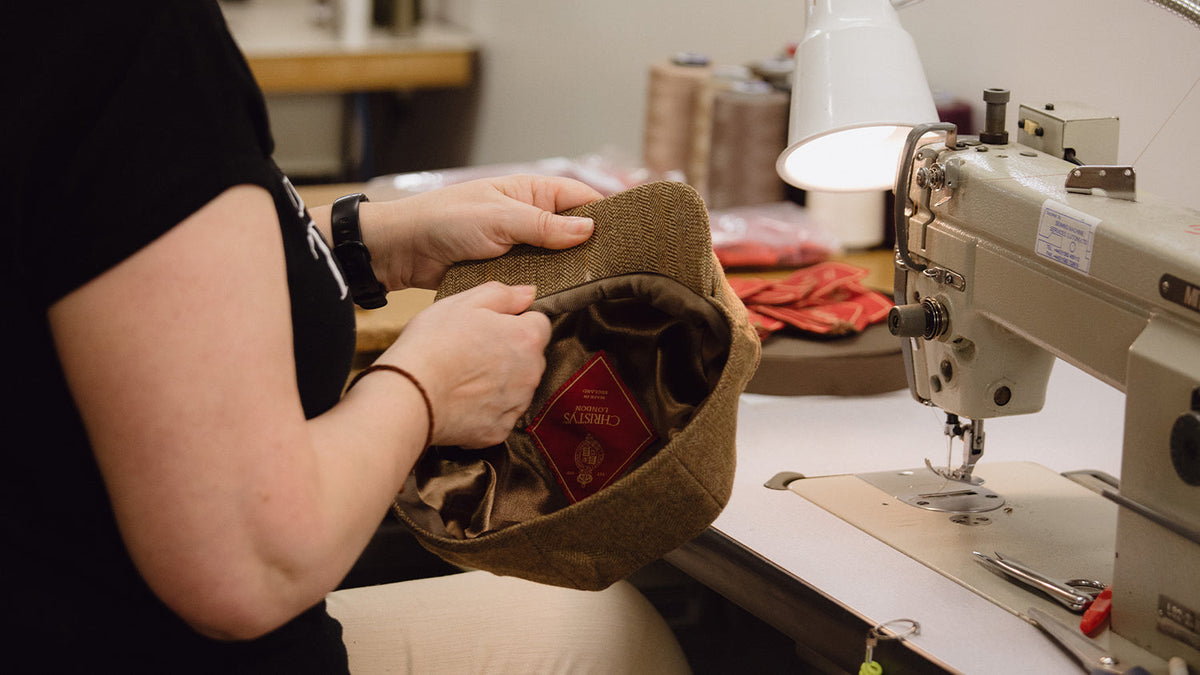
Tweed and cloth caps: A merino-wool tweed style such as the Fell Walker should be brushed gently, with particular care around the peak, panel seams, lining and any fastening. Keep the cap supported rather than leaving it crushed under a coat or in a crowded bag. For a bakerboy or flat cap, preserve the designed fullness and peak instead of trying to flatten or reshape it by hand. Follow any care label or product-specific maker guidance before considering spot treatment.
A calm five-minute check
- Inspect the crown, brim or peak, band, lining and visible surface for loose dust, lint, moisture or fresh marks.
- Remove loose dirt with the gentlest suitable dry method for the material; stop if the mark does not lift easily.
- Let a damp hat air naturally away from radiators, hairdryers, strong sunlight and other direct heat.
- Handle the hat by suitable areas and return only obvious, minor flattening to its existing profile without forcing it.
- Store it in a correctly sized box or in a supported position where it cannot be crushed, bent or crowded.

Damp weather, storage and common shortcuts
If a hat becomes damp in ordinary use, shake off excess water only if that can be done without bending the shape, then leave it to dry naturally in a cool room with the crown and brim in their normal position. For a Panama or any hat with a clear structural change after drying, check the product description or maker guidance before attempting anything further.
Once the hat is clean and fully dry, store it in a correctly sized standard Christys hat box for a fedora or trilby, or a wide-brim hat box for broader styles. Let the product description and brim measurement determine the size. A cap box or supported shelf position suits a flat cap or bakerboy cap; avoid heavy items, tight luggage and any position that puts pressure on the brim.
Avoid shortcuts that can turn a small issue into a larger one: untested washing, soaking, harsh scrubbing, adhesive lint removal on delicate surfaces, crushing a crown, or applying steam without material-specific guidance. A misshapen brim, set-in stain, damaged band, broken straw or loose stitching is better assessed by a suitably experienced hatter or repair specialist than treated repeatedly at home.

Know when to leave it alone
A neat hat does not need to look factory-fresh. Slight variation in felt, a softened tweed surface or other honest signs of regular use can be part of its character, provided the hat still sits correctly and the finish remains clean.
Use a simple decision rule: brush away loose surface dust gently, but pause when the issue affects the shape, material or construction. Check the exact hat’s description and care guidance, then seek advice from a suitably experienced hatter or repair specialist rather than trying an untested rescue.
Keeping a Christys hat neat is a matter of consistency, not ceremony. Inspect it after wear, remove loose dust gently, let dampness leave naturally, handle the shape with care and store it where the crown, brim or peak can rest without pressure.
That small routine makes regular wear easier, while knowing when to stop protects the materials that give each hat its character. Treat felt, Panama straw and tweed or cloth according to their nature, and your hat can remain a composed part of everyday dress for seasons to come.