


A hat can feel perfectly comfortable until your usual glasses and hairstyle are added. Then the frames may be pushed down, a peak may catch at the brow, or extra hair volume may make the crown rock. The answer is not automatically a larger size. A balanced fit comes from the relationship between accurate size, crown shape, hair volume, eyewear and the position in which the hat is designed to sit.
This guide offers a practical way to separate three different issues: physical contact, movement and visual proportion. Test the complete combination, including your usual glasses or sunglasses, your normal hair and the hat in its intended position, before committing to a full day.

Start with contact, not assumptions
Put the hat on first, in the position its shape suggests: level and settled for a structured brimmed hat, or evenly seated over the head for a cap. Do not begin by lifting it high, pushing it backwards or tilting it to escape a pressure point. Add your usual eyewear afterwards, then note exactly what changes.
If the hat feels tight before the glasses go on, check size, sweatband contact and crown shape first. If it is comfortable alone but presses the frame arms into your temples or behind your ears, the interaction between the sweatband and eyewear is more likely. Pressure at the brow may come from the front of the crown, a low peak or glasses being pushed down, rather than from the overall circumference.
Hair can create a third result. A dense parting, pinned section, bun, braid or tucked-under length may form a high spot beneath the crown. The hat can then rock, sit unevenly or feel tight in one place while remaining loose in another. That is a seat or volume problem, not proof that you need a bigger hat. Try the same hat with your normal arrangement, then with the volume redistributed without crushing it.

Let hair volume and hat position work together
Hair worn loose can spread beneath the sweatband, while a low, soft ponytail or similar arrangement may leave the crown more even. A high knot, clip or concentrated ridge can prevent the hat from reaching its intended seat, and hair tucked behind the ears can alter where the frame arms and sweatband meet. Test the hat with the arrangement you actually wear, making only a gentle redistribution of volume rather than compressing the hair to force a temporary fit.
Use placement to refine the fit, not to disguise a mismatch. A modest change in front-to-back position may clear a frame bridge or distribute contact more evenly, but the hat should still feel stable and look deliberate. If you must hold it unusually high, push it far back or tilt it sharply to accommodate hair or glasses, try another crown depth or silhouette instead.

Choose the silhouette by clearance and proportion
A low-profile cap keeps the crown close to the head, so frame height, brow clearance and hair distribution matter quickly. A moulded crown with a defined peak, such as the Chelsea Wool Cap, has a moulded wool crown and 7.5 cm suede peak. It can be useful as a shape reference, but it is not a universal solution. Check whether the peak sits clear of your frames and whether the crown has enough room for your normal hair without rocking.
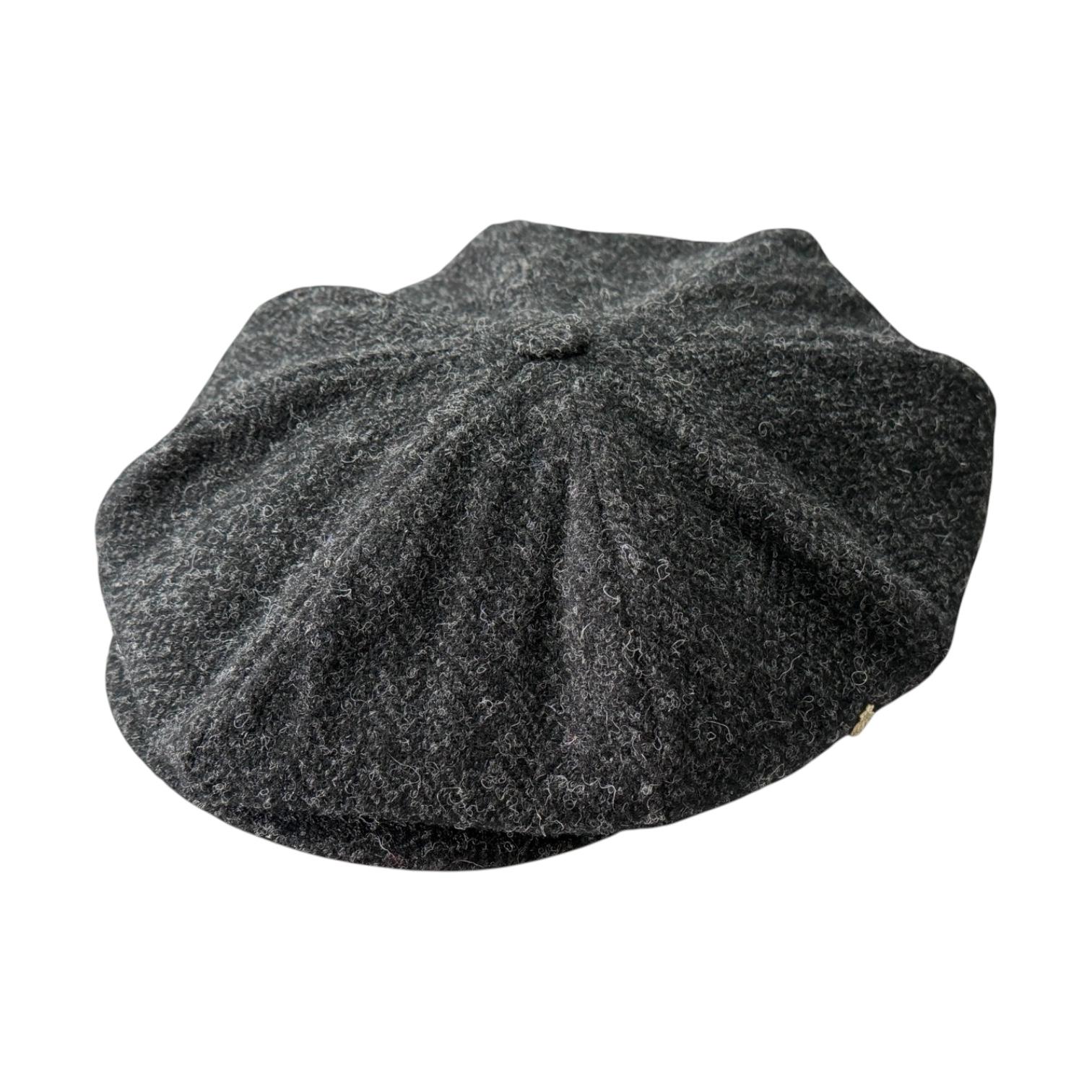
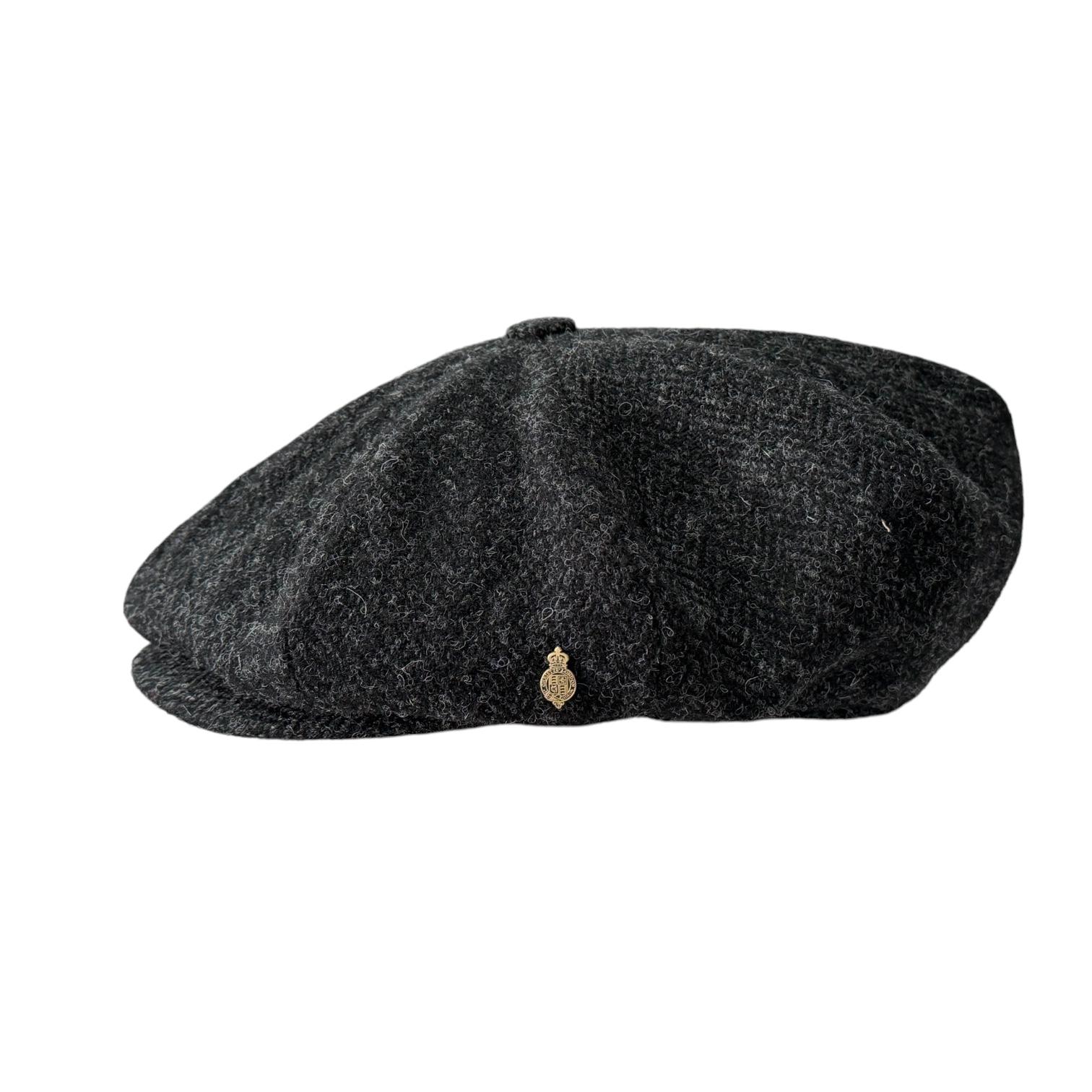
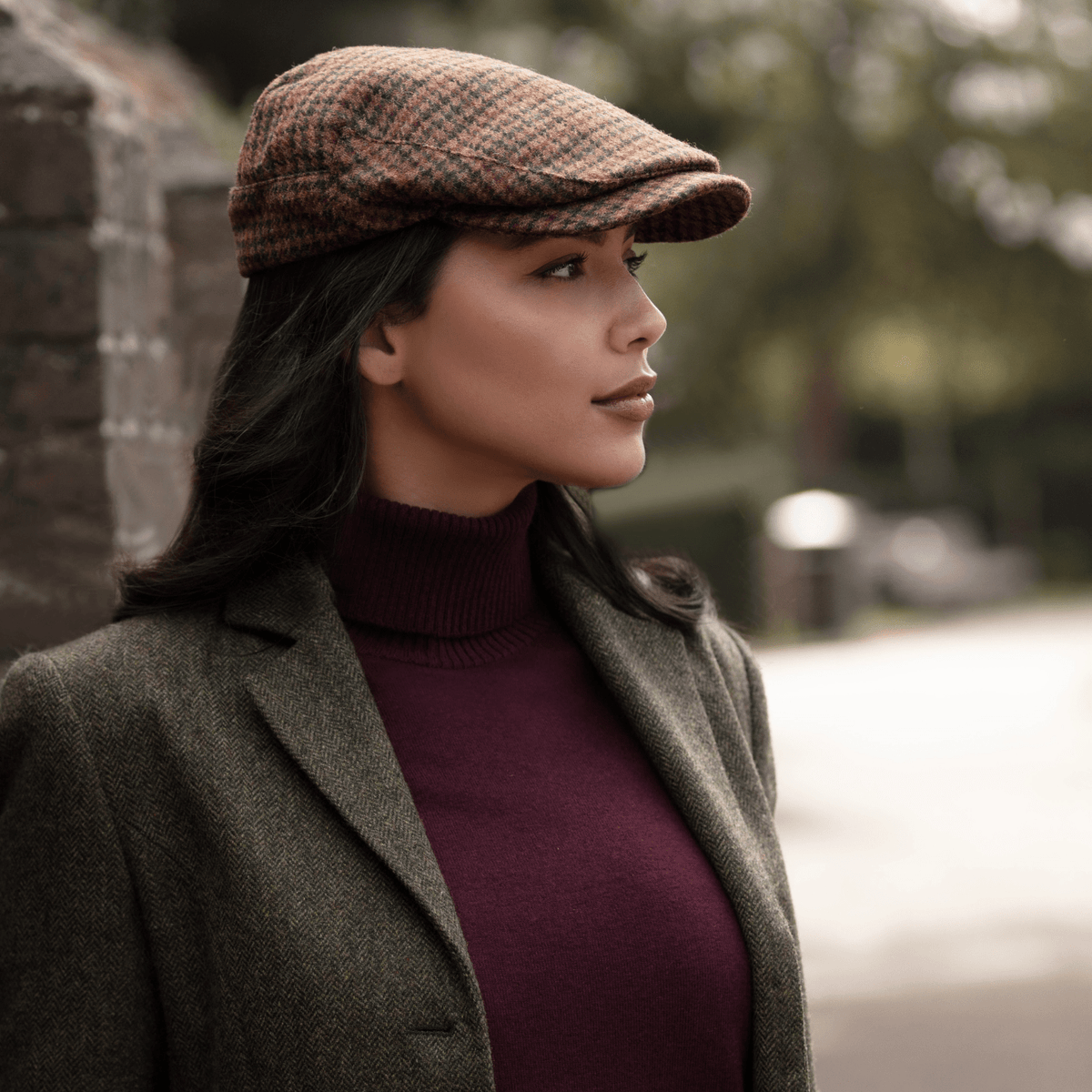
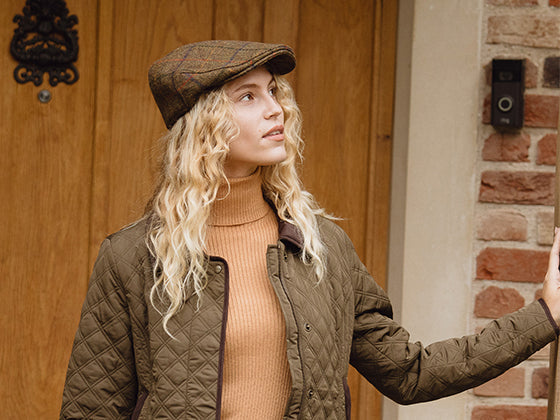
A flat cap spreads more broadly across the head and may accommodate some hair arrangements differently from a close baseball-style cap. Its peak still needs to clear the brow and glasses, while the cap should sit evenly rather than perched on a side ridge. Try looking down, turning your head and speaking; movement often reveals an uneven seat sooner than a mirror does.
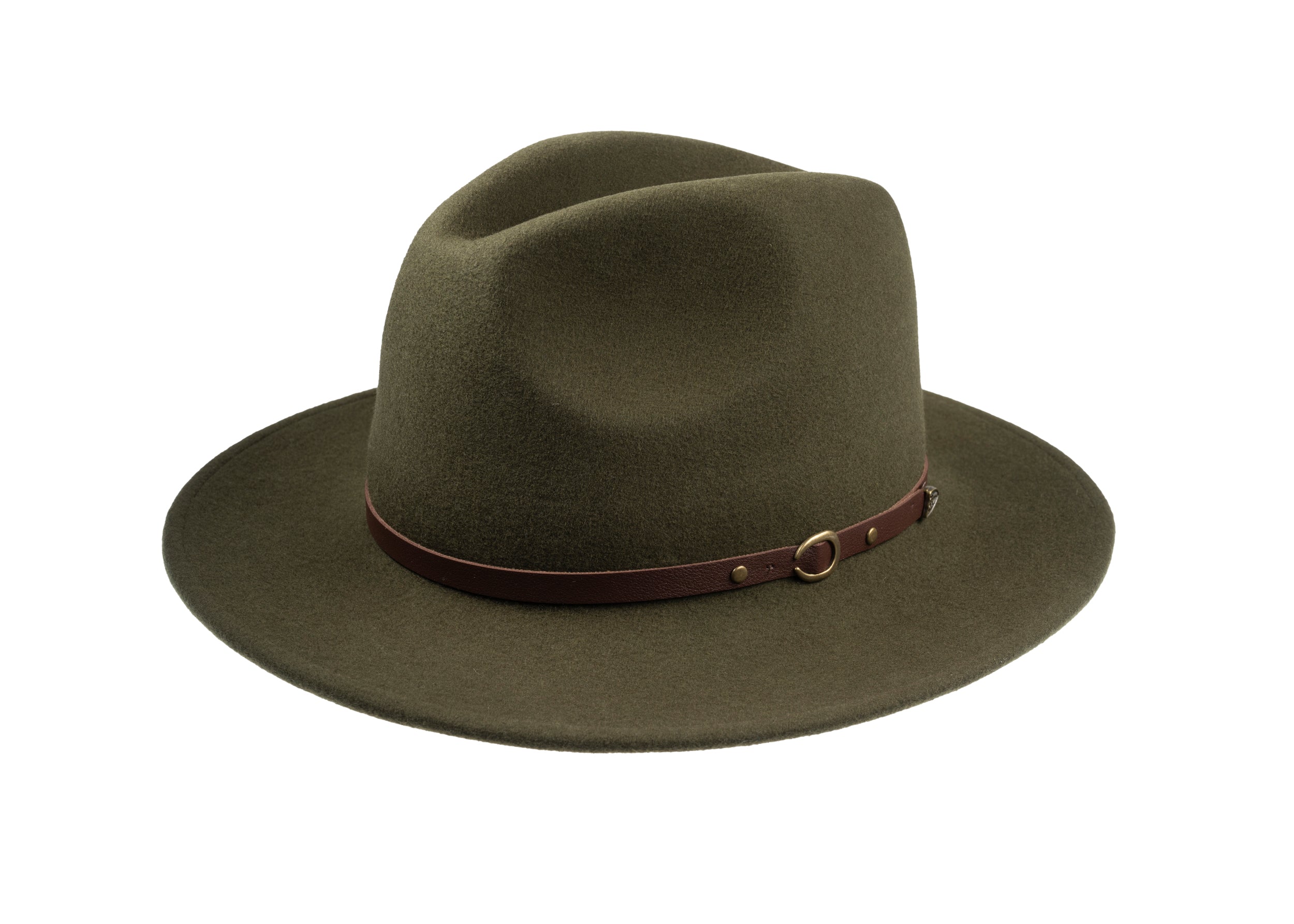
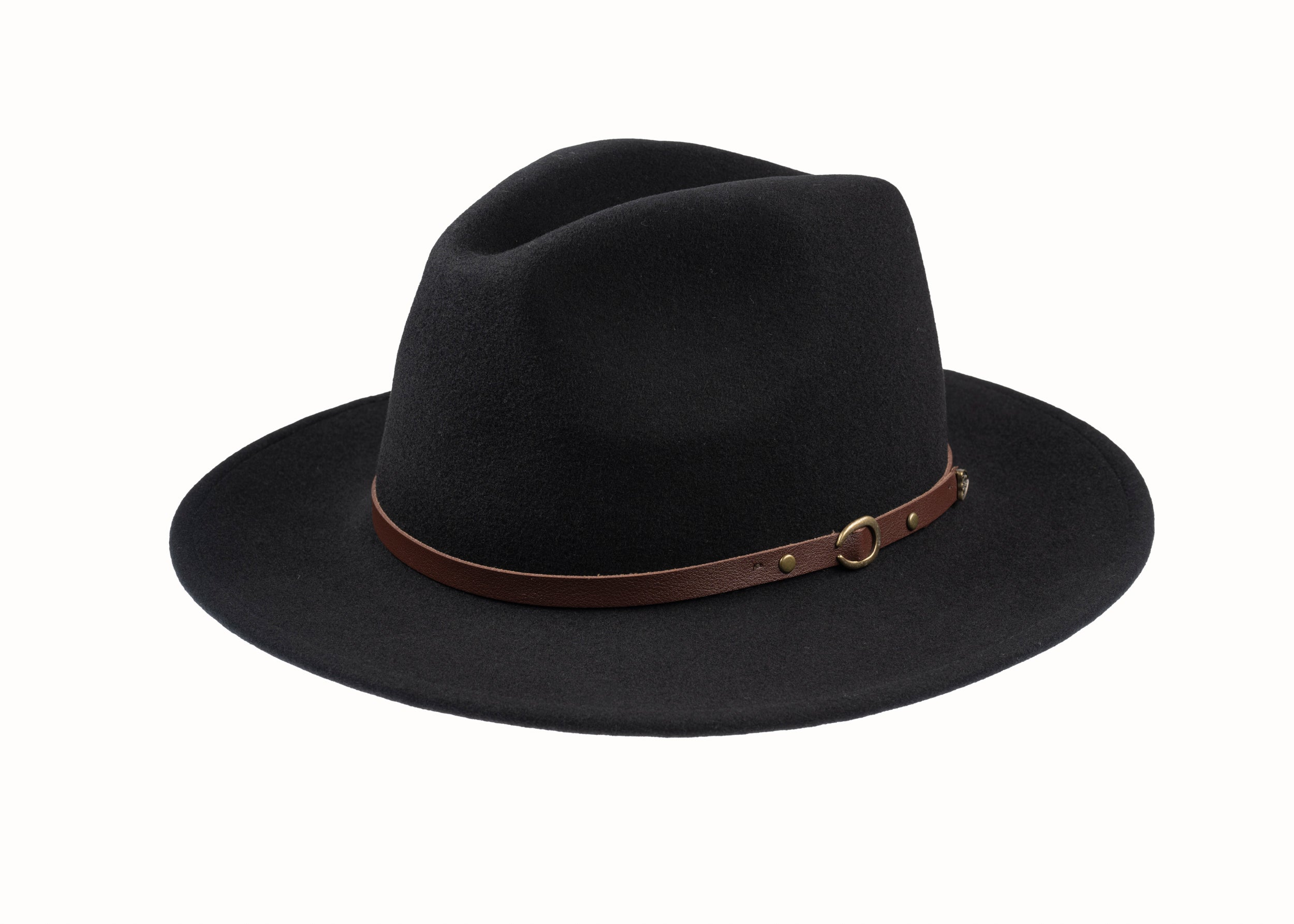
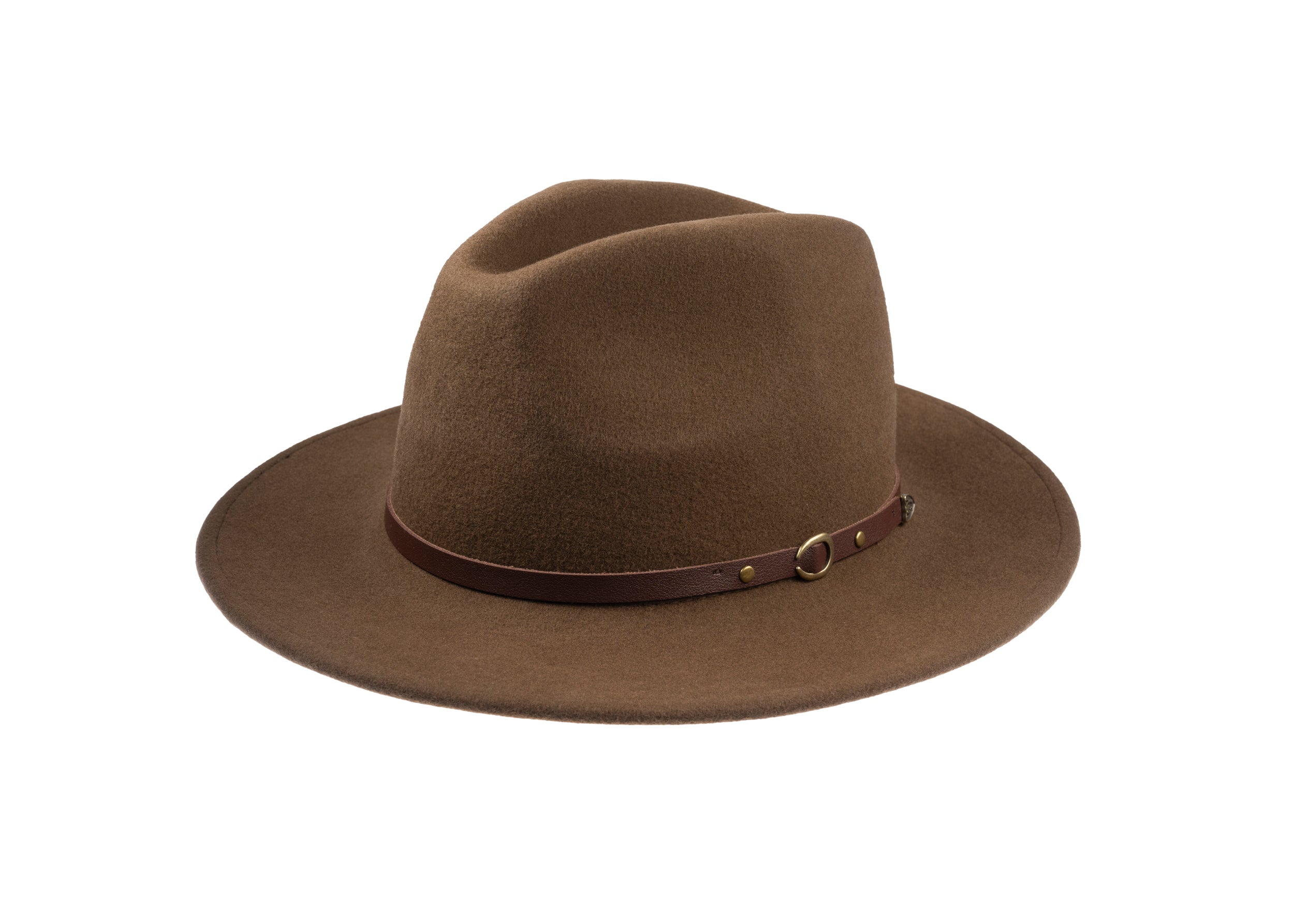
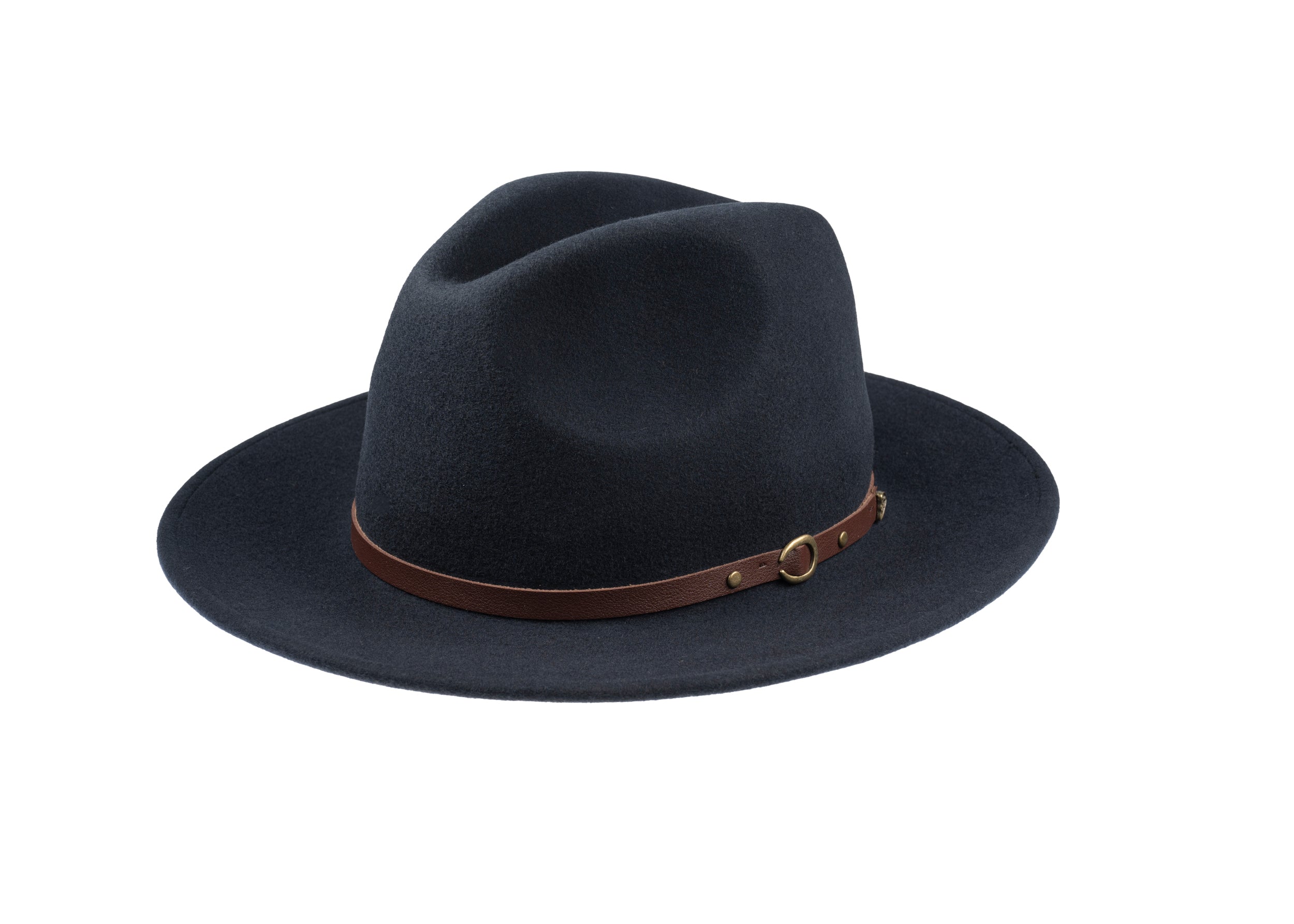
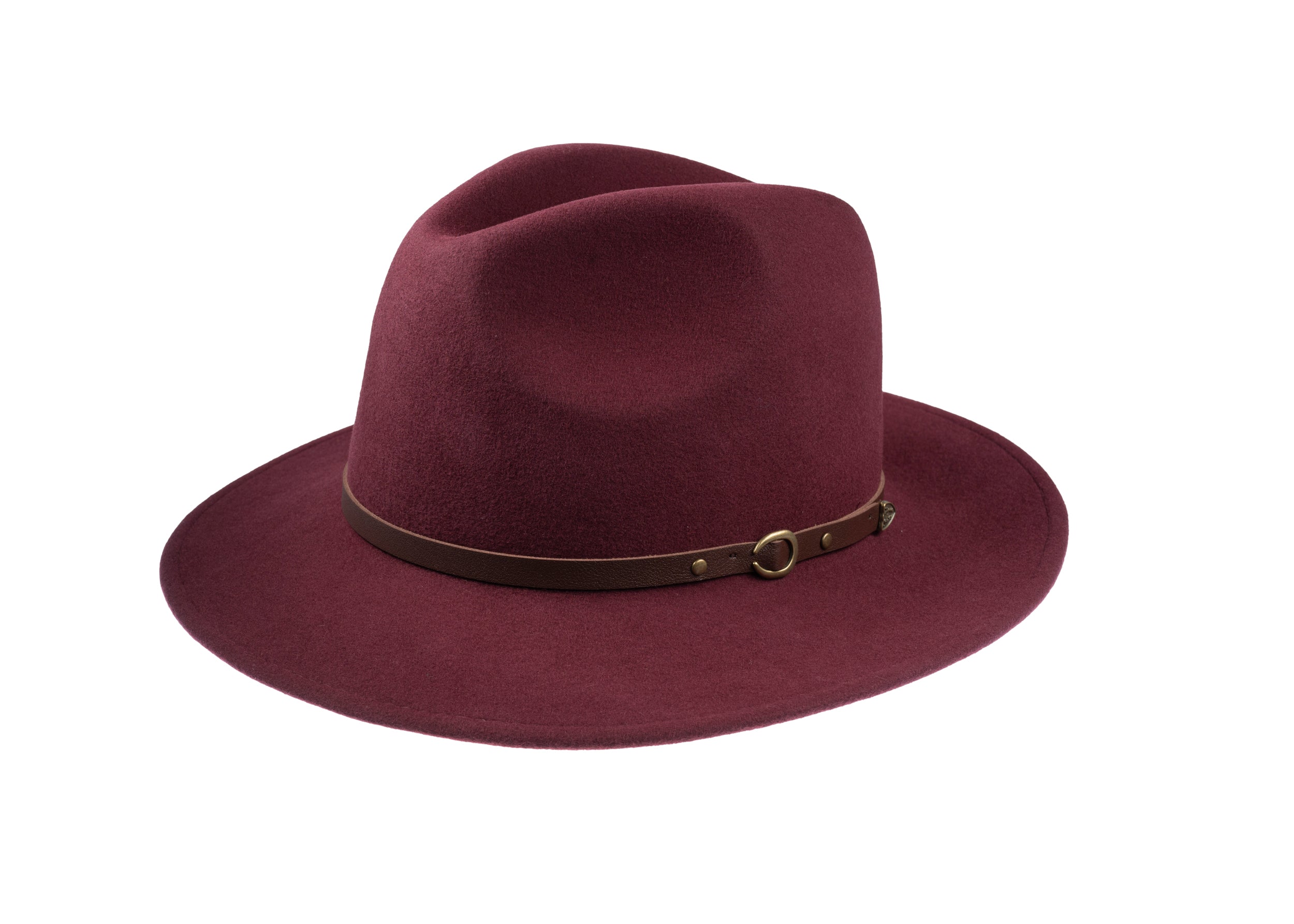
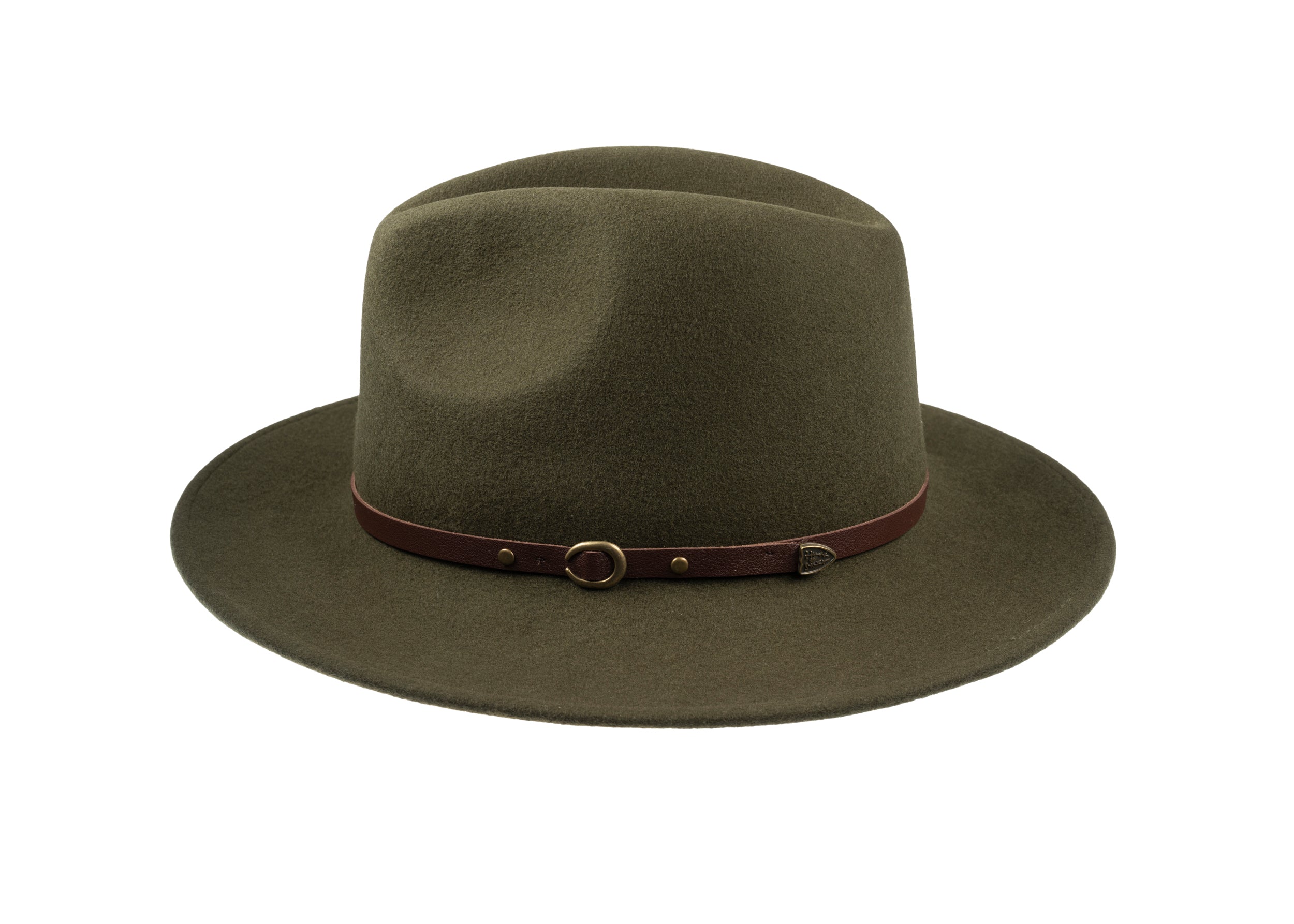
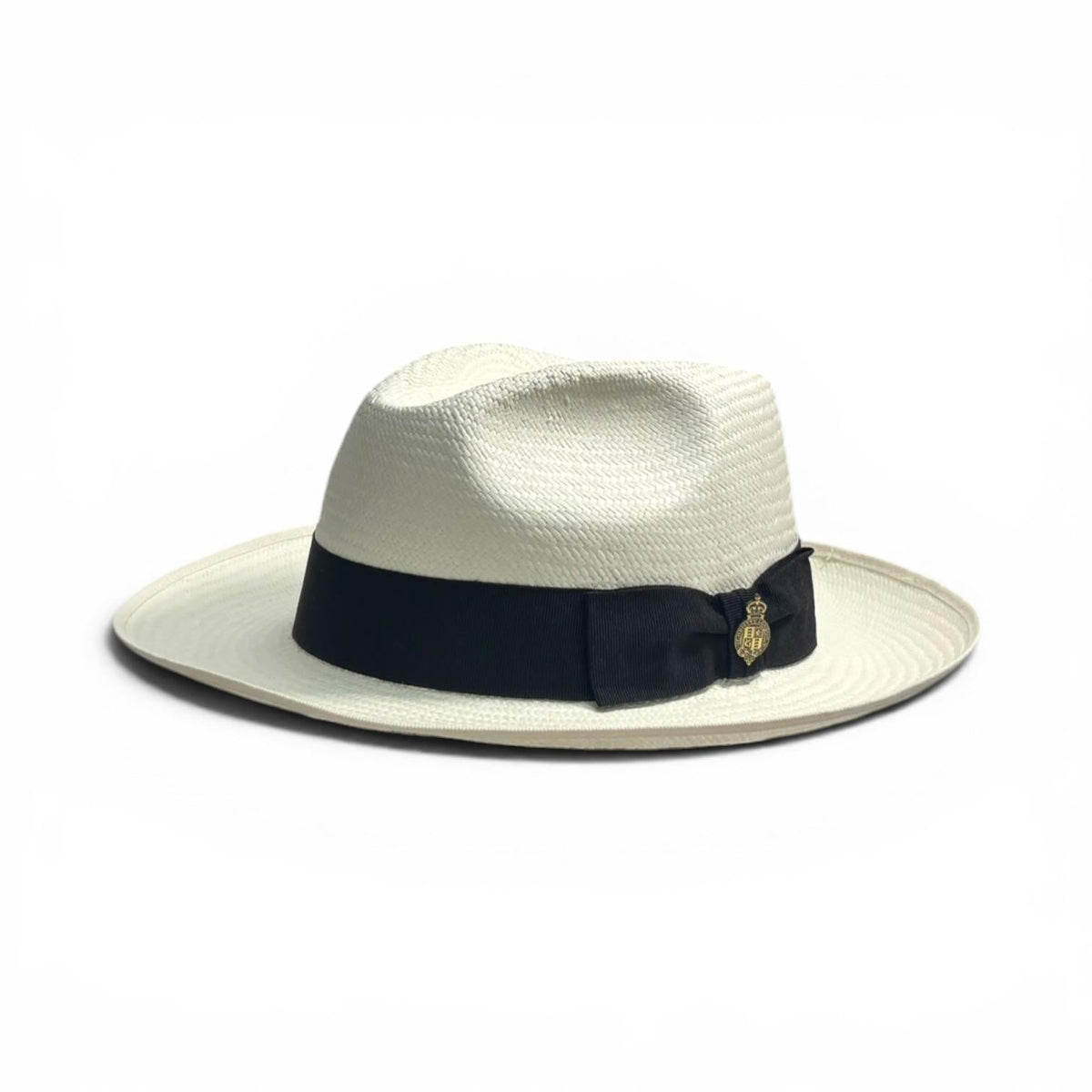
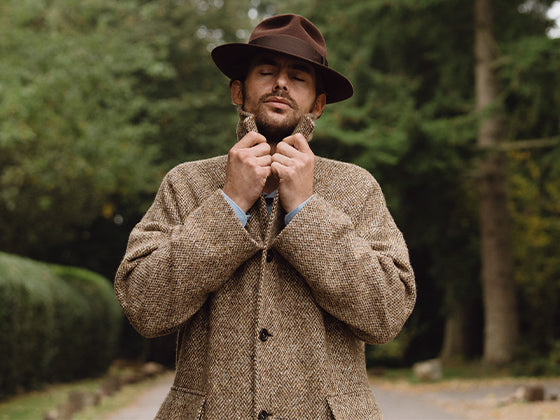
A structured fedora creates more space around the head and changes the visual relationship between crown, brim and eyewear. The Chepstow Wool Felt Fedora is a useful silhouette example: its straight-sided crown is 12 cm high with a 6 cm brim. Those proportions describe the hat, not a guarantee of compatibility. Consider whether the crown gives your hair room without appearing oversized, and whether the medium brim balances your frame size and shoulder line.
Physical clearance and visual proportion are separate tests. A hat may leave your glasses untouched yet look top-heavy beside small frames, or feel comfortable while the brim overwhelms a petite profile. Compare the front and side views in natural light. Look for an even hat line, level frames, a clear brow and a crown-to-brim relationship that feels intentional rather than forced.
After the silhouette comparison, make the final decision by wearing the combination for ordinary movement and conversation. The hat should remain stable, the glasses level and your vision clear without persistent pressure.
If the fit is slightly loose but otherwise sound, a discreet, non-permanent internal adjustment may help, provided it does not force the hat out of shape or create a new pressure point. Stop adjusting if the hat still moves, the frames are displaced, or you experience persistent pain, headache or impaired vision. Do not bend the frame, crush your hair to make a temporary fit work, or accept an unstable position.
Do I need a larger hat if my glasses feel tight? Not necessarily. If pressure begins only when the glasses are added, inspect the sweatband, frame arms, brow and crown shape before changing circumference. A larger size may create rocking and visual imbalance while leaving the real contact point unchanged.
How can I tell whether hair is the problem? Repeat the try-on with your normal hair arrangement and then with its volume gently redistributed. If the pressure or rocking moves with the hair, the issue is likely seat or crown clearance. If it remains at the same frame or sweatband contact point, compare another size or silhouette.
What should I do if the hat is comfortable but looks wrong? Treat proportion as a separate decision. Compare crown height, brim or peak depth and frame scale from the front and side. A low-profile cap, flat cap and structured fedora create different visual weights; choose the one that gives you comfortable clearance and a settled overall line.
For a brief sizing check, use the How to Choose the Right Hat Size guide and the Christys' Size Guide. For deeper eyewear-specific checks, see Wearing a Hat with Glasses: How to Check Fit, Pressure and Sightlines. If no position, hair arrangement, internal adjustment or size resolves the problem, exchange the hat or seek professional fitting advice rather than forcing it.