


Spectacles and sunglasses can sit comfortably beneath a well-fitted hat. The key is to choose the correct head size and check the hat’s position and the way its crown, sweatband, brim or peak meet your frames.
Start with the hat on its intended position, then add the eyewear you actually wear. Check comfort, stability and vision together. If the combination causes persistent pressure, slipping, frame damage, headache or compromised sight, it is not the right fit. Try a different size or silhouette rather than forcing it.

1. Begin with your accurate head measurement
Measure before you try to solve an eyewear issue with sizing. Wrap a soft tape around your head where the hat will sit, above the ears and across the middle of the forehead, keeping it level and comfortably firm. Take the measurement twice and record it in centimetres.
Compare that result with the Christys' Size Guide, which shows UK and US sizes alongside centimetres and inches. For an EU equivalent, check the individual hat or cap’s sizing information, where available. Accurate head size is the starting point; a larger hat is not automatically a more comfortable hat with glasses.
When trying the combination, fit the hat first without eyewear. It should sit securely in its intended position without needing to be pushed down over the frames. Put on your usual spectacles or sunglasses afterwards, without moving the hat to create extra room.

2. Run the complete try-on checklist
Use a mirror and, if possible, have someone look at the hat from the side. Keep your head in a natural position and work through these checks.
Crown clearance: look and feel around the top of the frames. The crown should hold its shape without resting on the spectacles, pressing their arms down or touching the top of your head in a way that creates a local pressure point. A little air above the frames is useful; visible collapse, rubbing or a hat that rises when you put on glasses is not.
Sweatband and brow: the sweatband should make even, gentle contact around the head. Check the forehead and above the ears for a tight line, pinching or a sensation that increases after several minutes. If pressure is present before the glasses go on, the hat may be too small or the shape may not match your head.
Temples and ears: put on the eyewear in its normal position. Notice whether the hat presses the frame arms into your temples, pushes them forward, or catches behind your ears. Remove and replace the glasses once or twice; pressure that returns in the same place is useful evidence, not something to ignore.
Frames and hat position: the glasses should remain level, with the bridge and nose pads sitting as usual. Do not lift the hat higher or tilt it back simply to clear the frames. That changes the hat’s intended fit and may create instability.
Stability: gently turn your head, look down, speak and take a few normal steps. The hat should remain settled without gripping painfully or shifting when the frames move. If it slips when you look down, sizing up is unlikely to help; a smaller size or a different internal shape may be the better direction.
Brim or peak: check where the lower edge sits in relation to the top of the frames. It should not touch the lenses, catch the upper corners of the frame or force you to tilt your head to see comfortably.
Vision: look straight ahead, then down towards the ground and to both sides without moving the hat. Check forward, downward and peripheral sightlines in the position you intend to wear. A brim or peak that blocks useful vision for walking, travel or outdoor activity is not right for that use, even if the hat otherwise feels comfortable.
Leave the combination on for at least ten to fifteen minutes. Comfort that disappears after one minute but becomes pressure at the temples, brow or behind the ears is not a successful fit.

3. Identify where the pressure or movement comes from
A useful way to diagnose the fit is to test the hat and eyewear separately, then together. If the hat feels tight before you put on your glasses, the issue is likely the hat size, its internal shape or where it is sitting. If the hat is comfortable alone but presses the frames into your temples or ears, the interaction between the sweatband and your frame arms is the likely cause.
If the glasses feel correct without the hat but are pushed down, forward or out of level when the hat is added, do not keep adjusting the frames to accommodate it. Check another size or silhouette. Persistent discomfort may come from a brim or peak meeting the frames, rather than from crown width alone.
A hat that is too loose can create its own problems: it may slide over the brow, move when you look down or force you to alter the brim angle. That can make sightlines less predictable and may leave the glasses carrying some of the movement. Correct head size and a compatible shape are more reliable than excess room.

4. Consider face proportions, frames and hat shape
Frame size and face proportions affect balance as well as clearance. Larger or deeper frames may need more room beneath a crown or above the bridge, while narrow frames can make a broad brim or fuller crown feel visually more pronounced. Neither is a rule for every wearer: use it as a prompt to compare the whole proportion in a mirror.
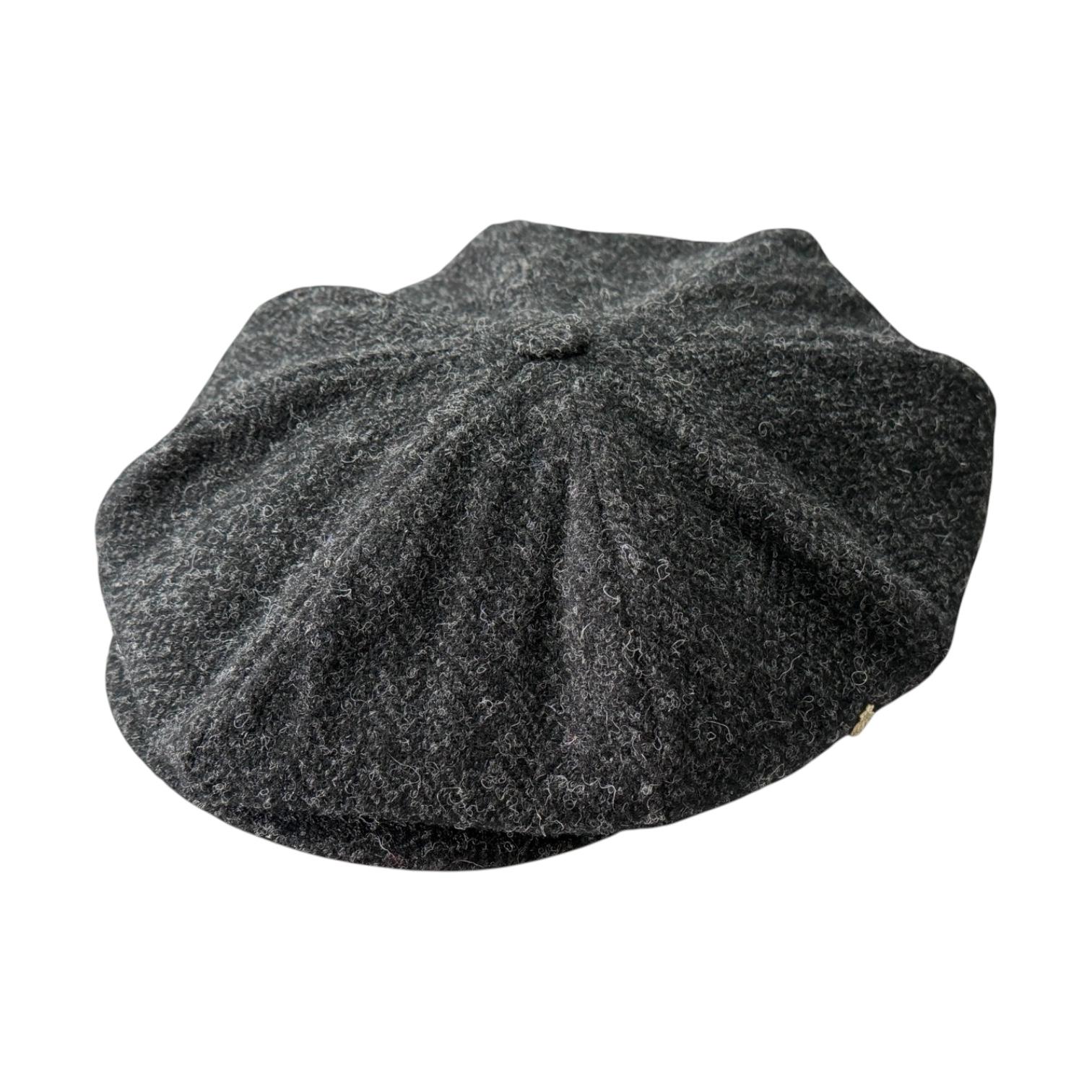
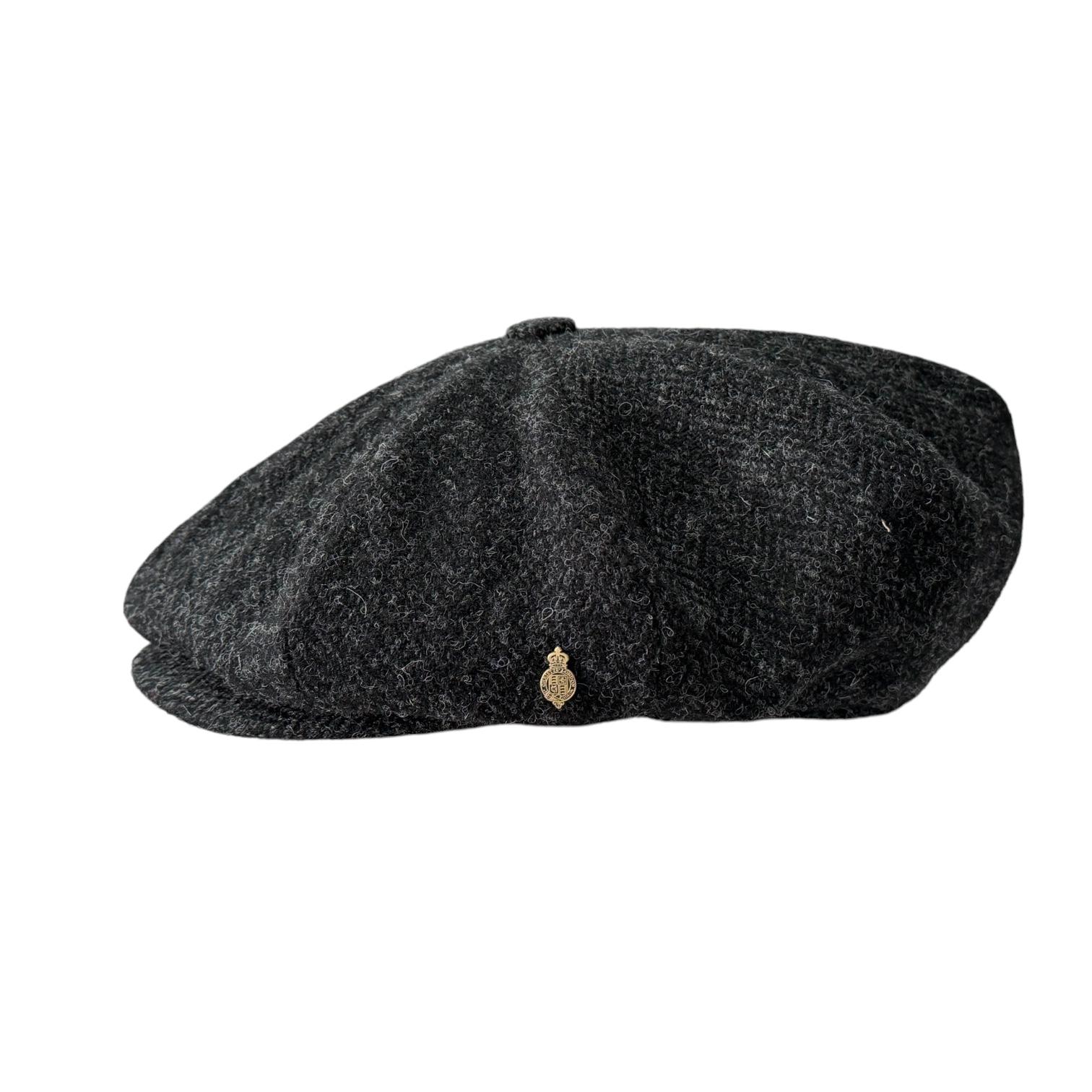
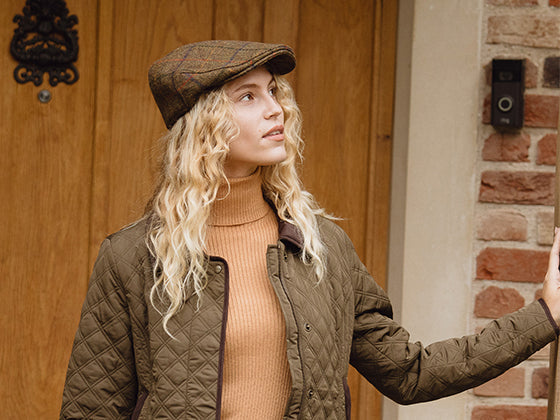
A flat cap or bakerboy usually needs a different check from a brimmed fedora. Its lower profile, seams and peak may sit closer to the forehead and the top of the frames, so pay particular attention to brow pressure, peak clearance and forward vision. A moulded cap with a defined peak, such as the Chelsea Wool Cap, should be tested with the peak in its intended position rather than tilted upwards to make room.
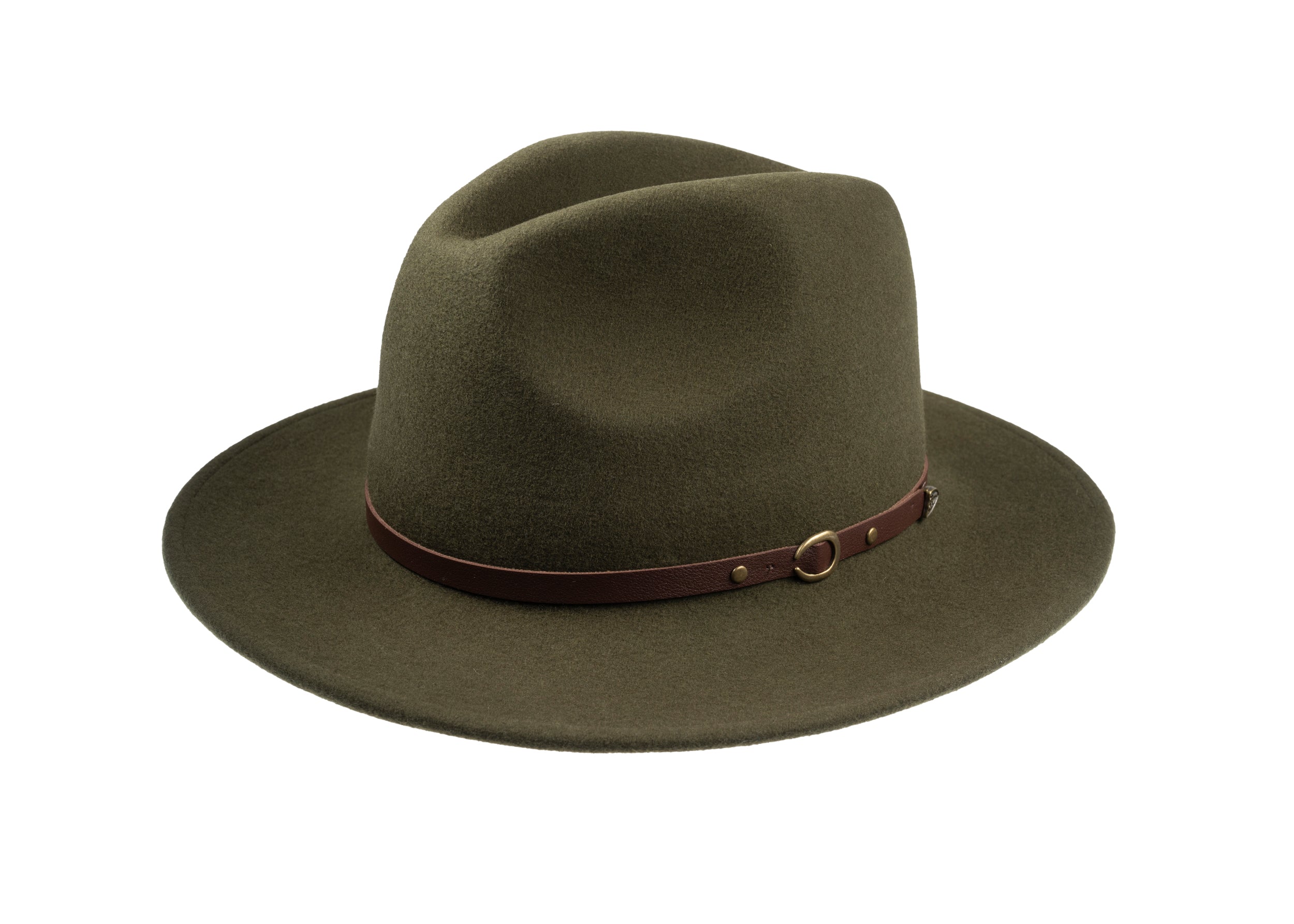
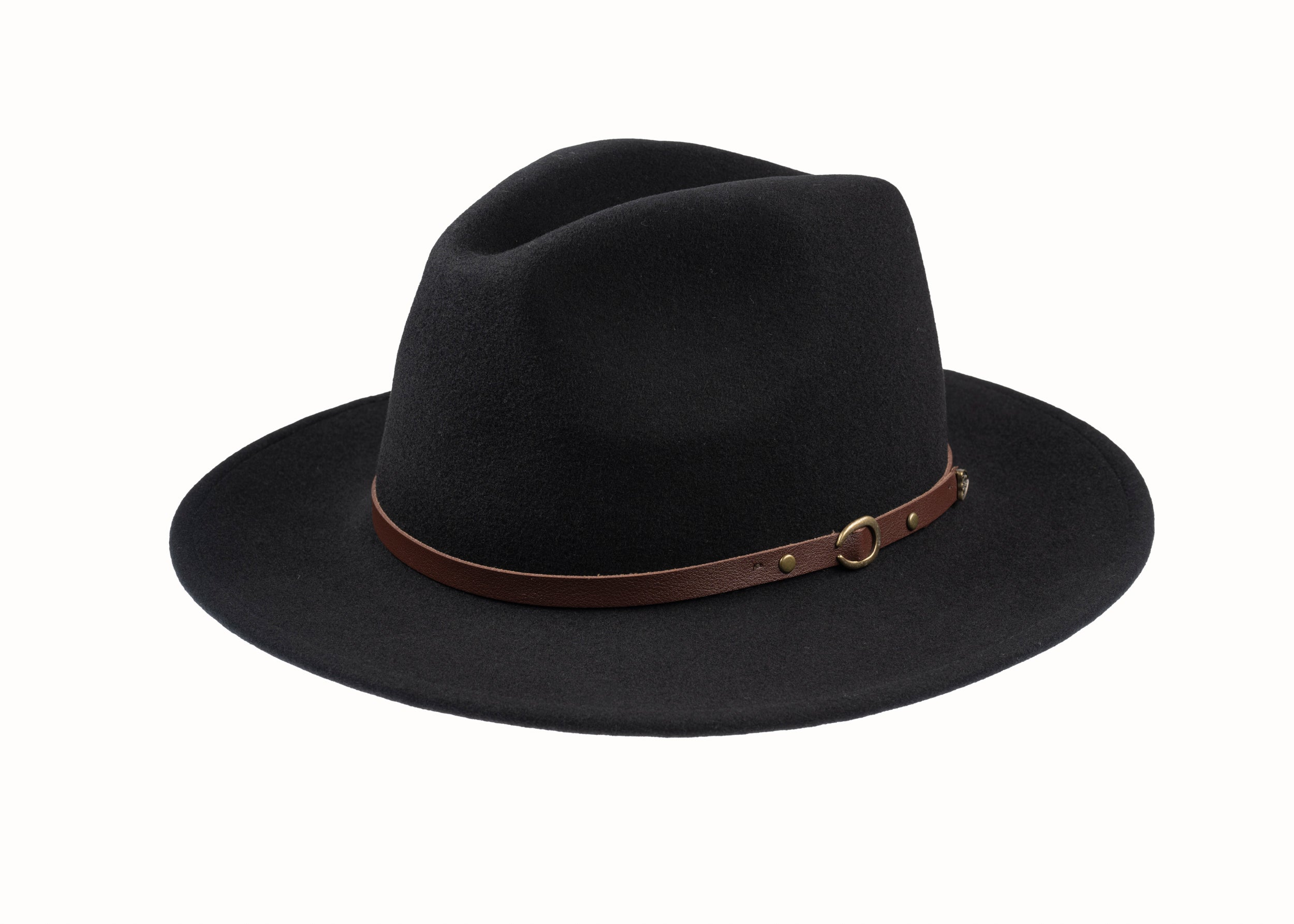
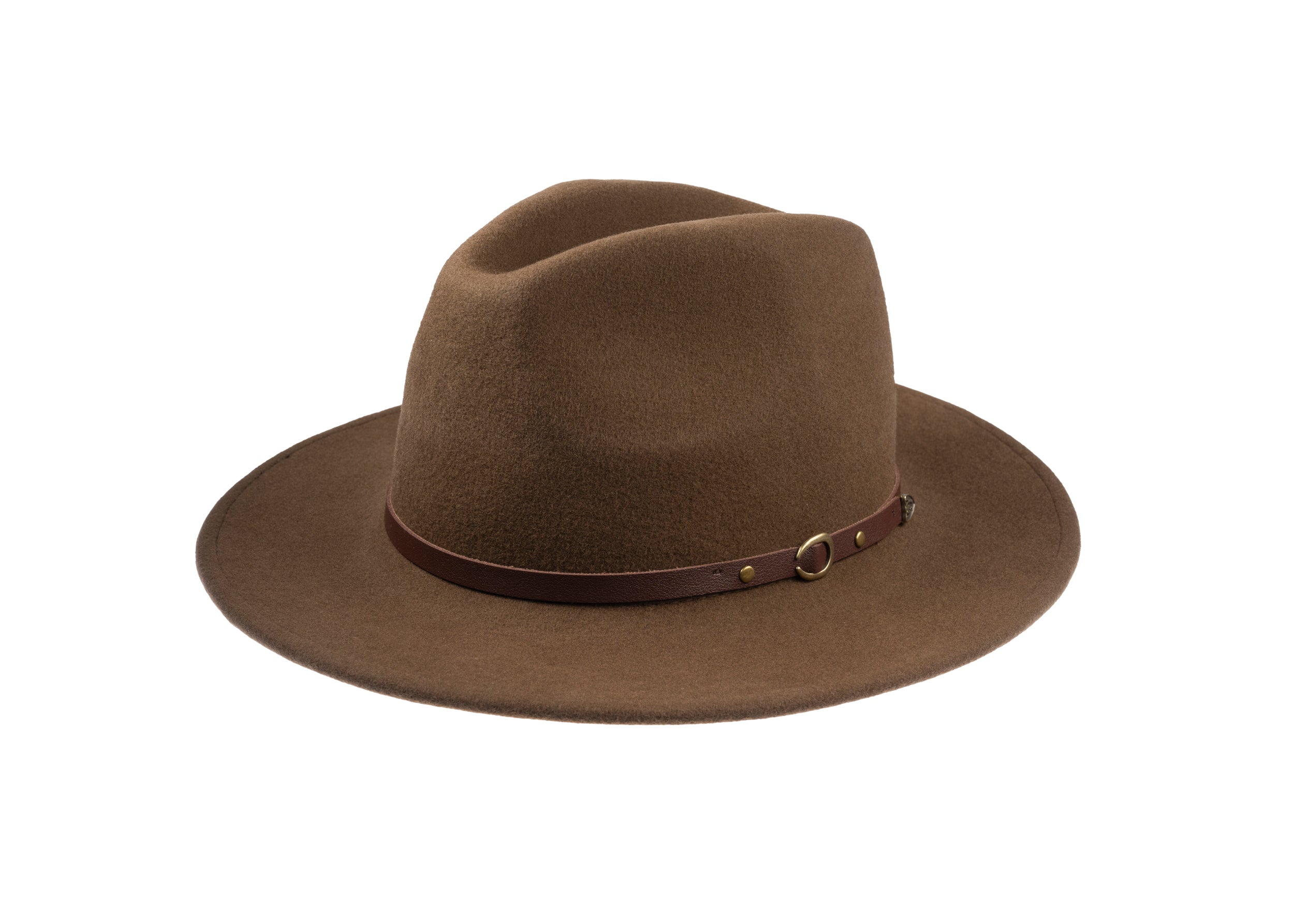
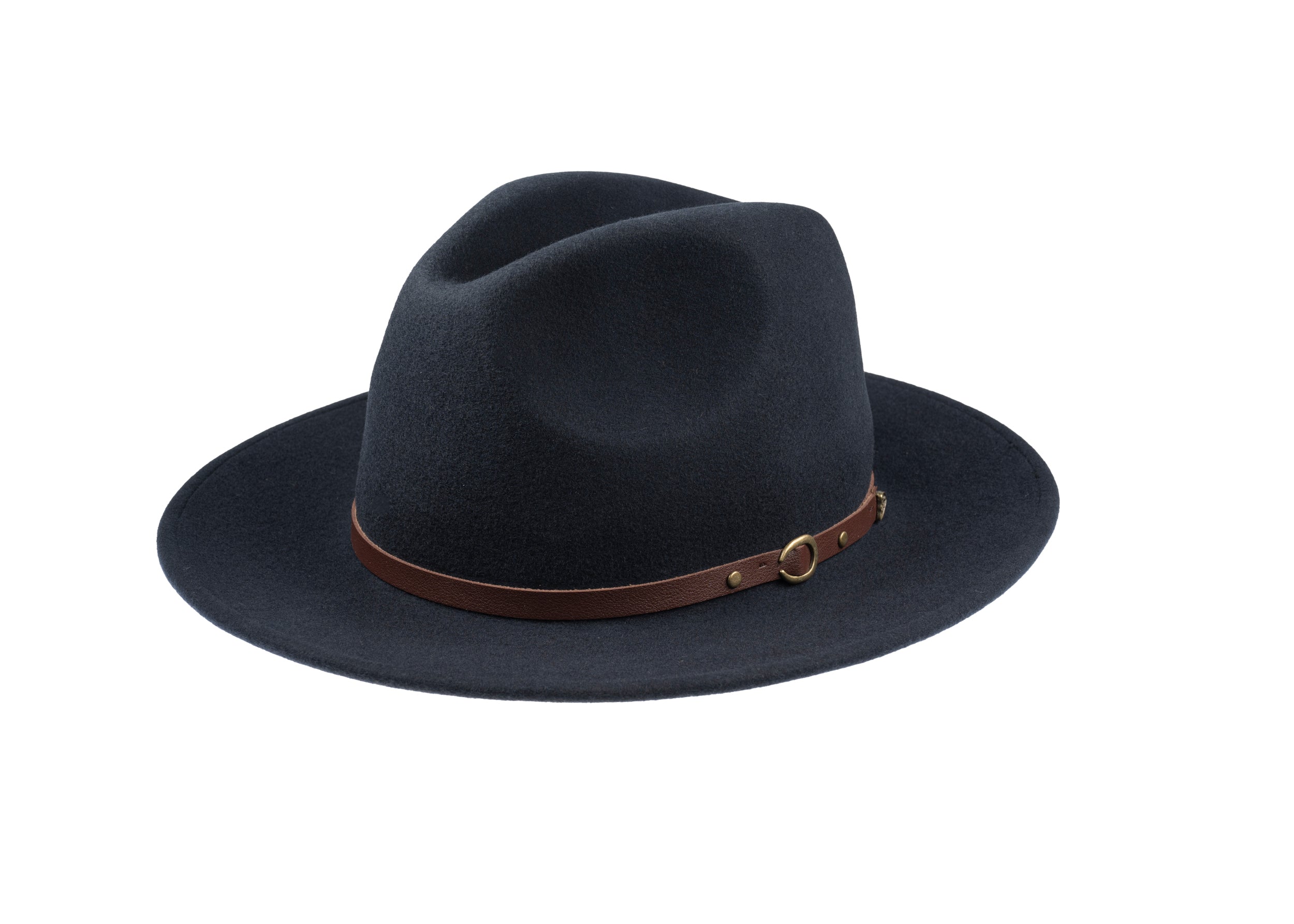
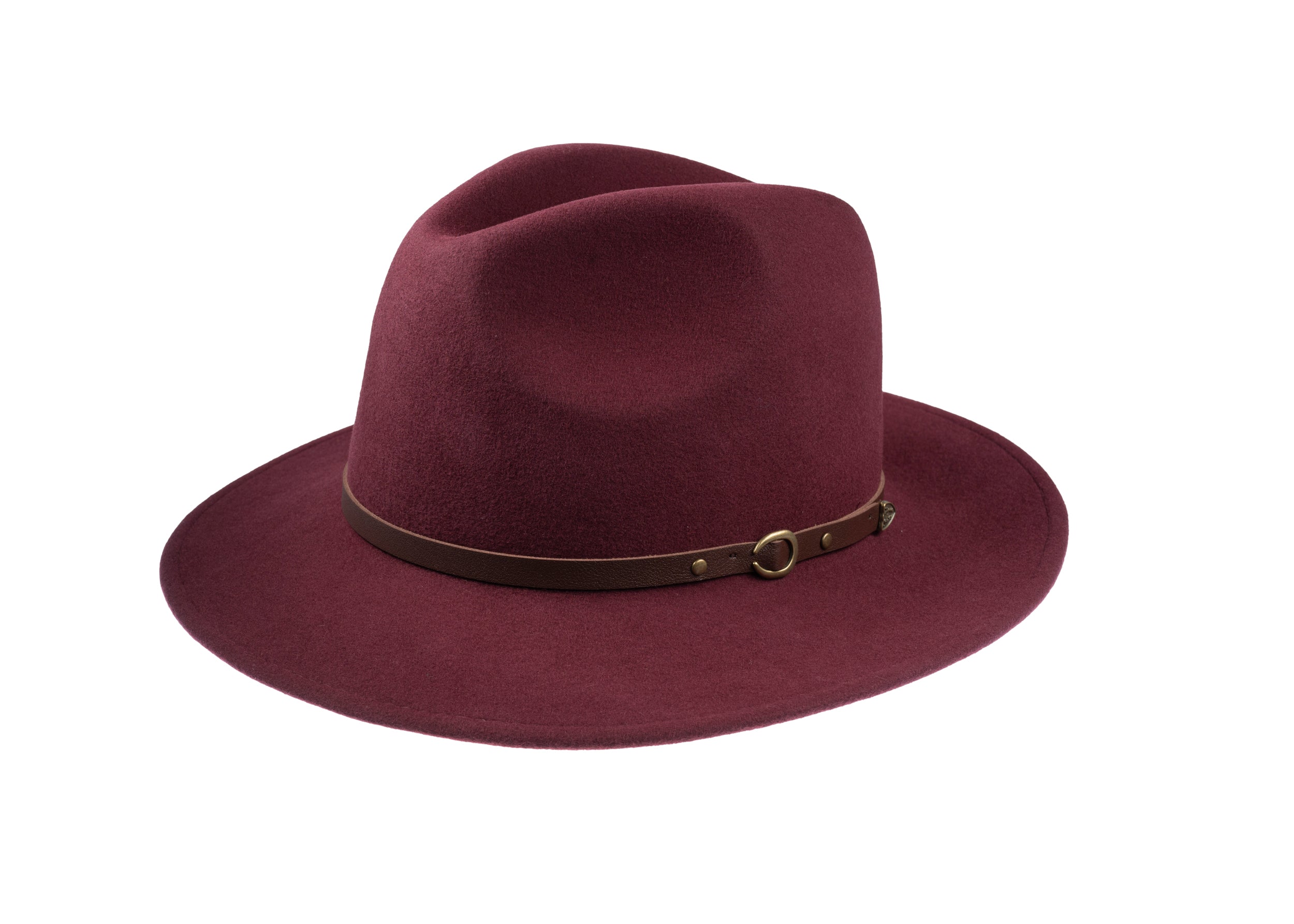
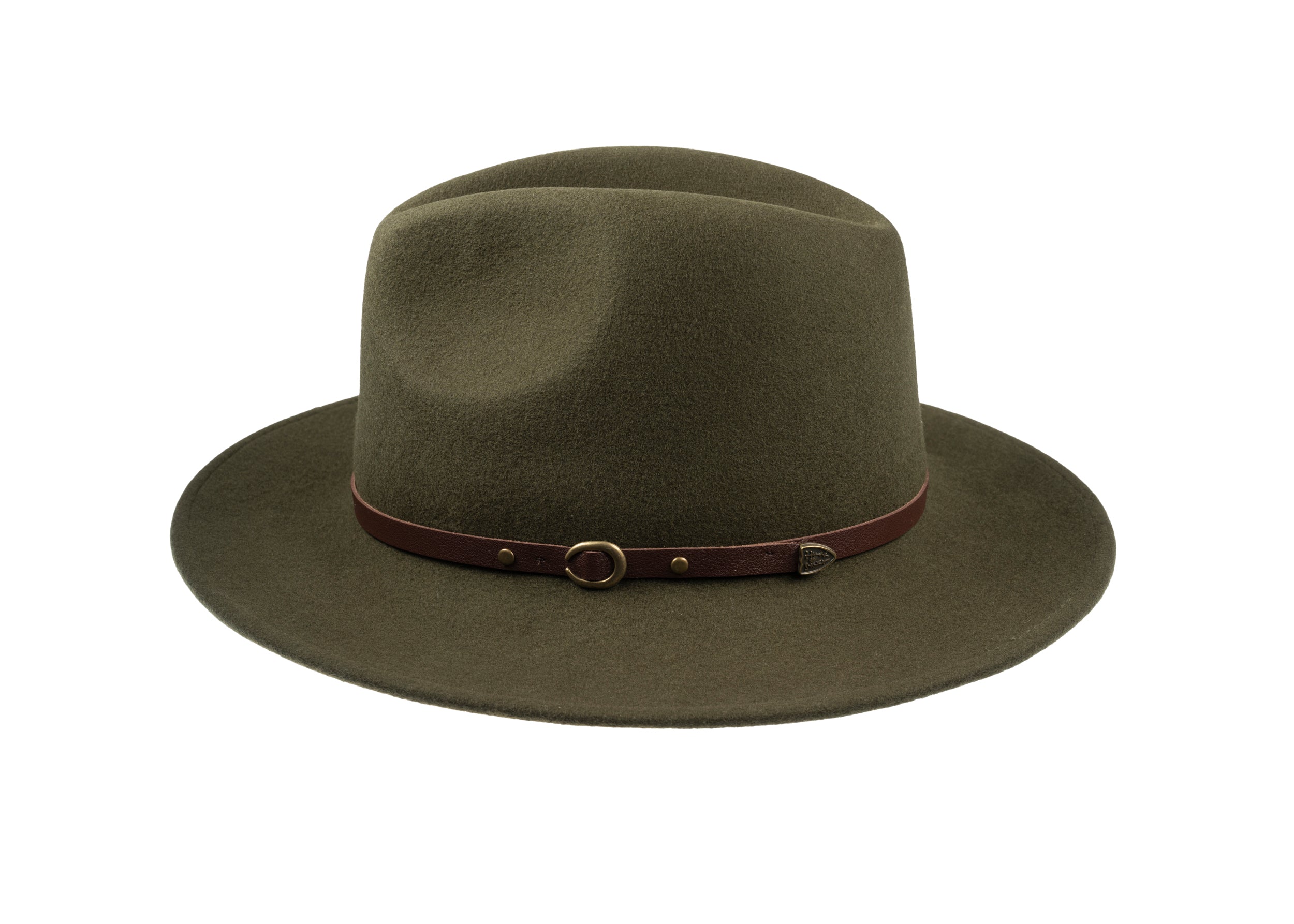
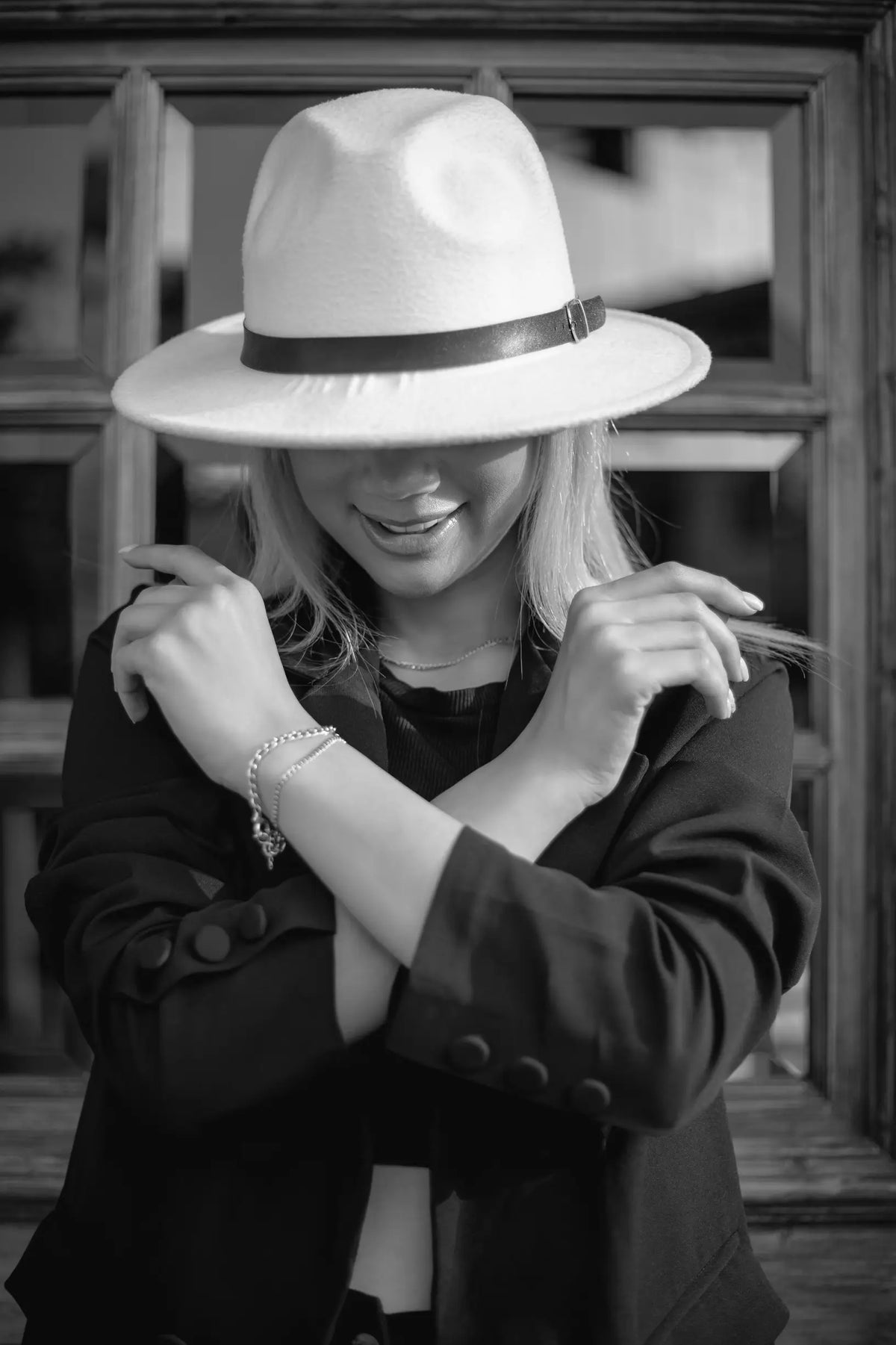
A structured fedora, such as the medium-brimmed Chepstow Wool Felt Fedora, gives you a different relationship between crown, brim and eyewear. Check that the crown remains clear of the frames and that the brim does not lower your useful field of view. A trilby, Panama or other structured style should be assessed in the same way: the name of the silhouette is less important than the actual contact points and your intended way of wearing it.
For everyday wear, travel, outdoor use or a dressed occasion, choose the combination that remains comfortable and visually clear while walking and turning your head. If a particular frame and hat repeatedly compete for the same space, choose a different size, crown shape, brim or peak instead of forcing either one into place.

Frequently asked questions
Can a well-fitted hat be worn comfortably with spectacles or sunglasses? Yes. The practical question is whether your particular frames and hat remain comfortable and visually clear during movement. Compare the combination in the position you intend to wear it, rather than relying on the hat size alone.
Should the hat go on before or after the eyewear? Fit the hat first, then add your usual spectacles or sunglasses. This is especially useful when trying a cap or peak that sits close to the brow, because it reveals whether the frames are being displaced.
Is sizing up a good solution for pressure? Only when your measurement indicates that the next size is correct. If the hat already fits securely but the frames are still pressed, changing the silhouette or internal shape is usually more useful than simply choosing a looser hat.
How much crown space is useful? Enough for the crown to hold its shape without resting on the frames or creating a concentrated pressure point. The exact amount depends on the crown and your frames, so look for contact, collapse, rubbing and movement rather than aiming for a visibly oversized hat.
When should I stop adjusting? Stop when the brim or peak still interferes with your useful field of view, or when the frames are repeatedly displaced despite trying the hat in its intended position. A different size or silhouette, followed by professional fitting advice where appropriate, is preferable to forcing the combination.
The right hat-and-eyewear combination should feel settled and leave your vision unobstructed. If it cannot do both, treat that as a clear sign to try another size or silhouette rather than forcing the fit.