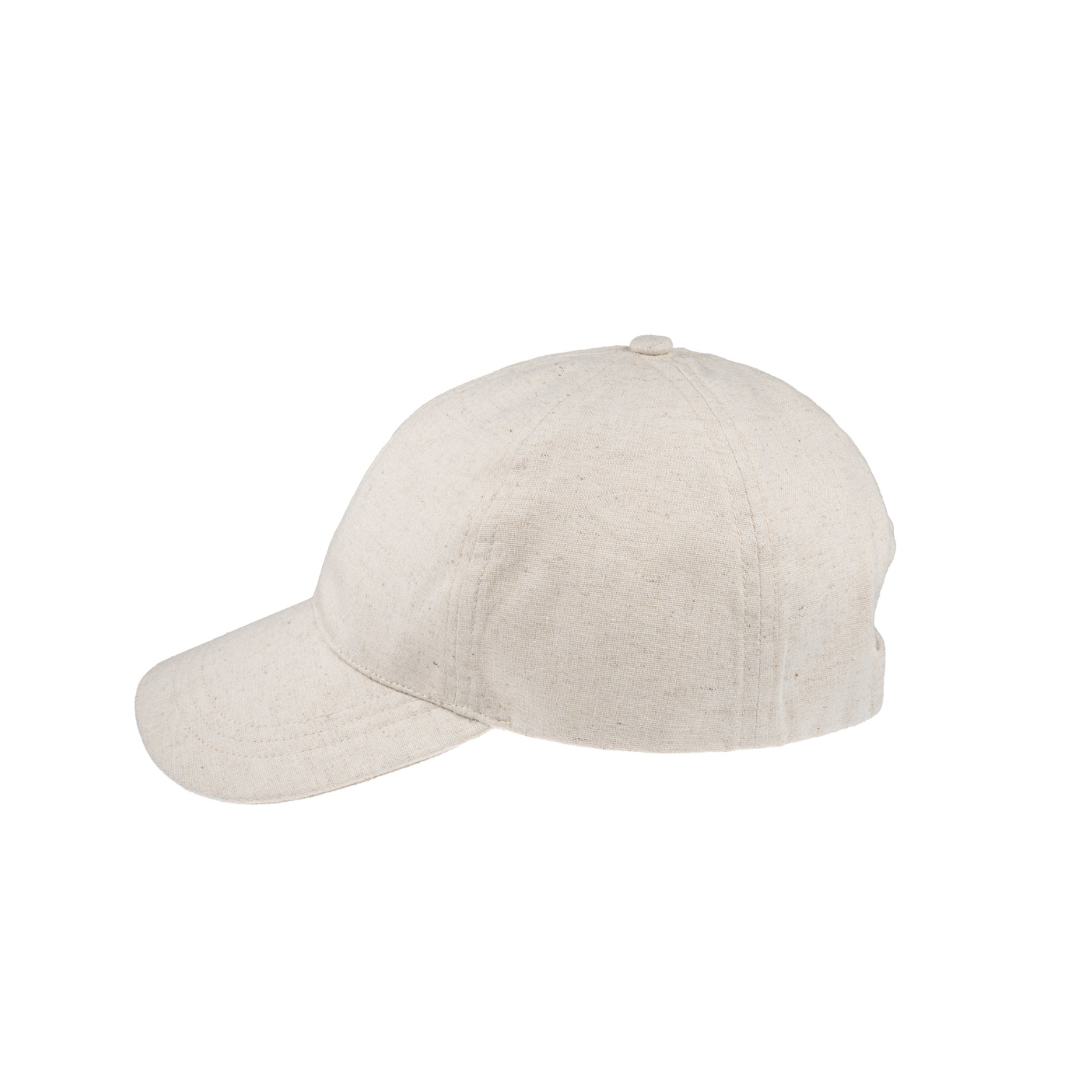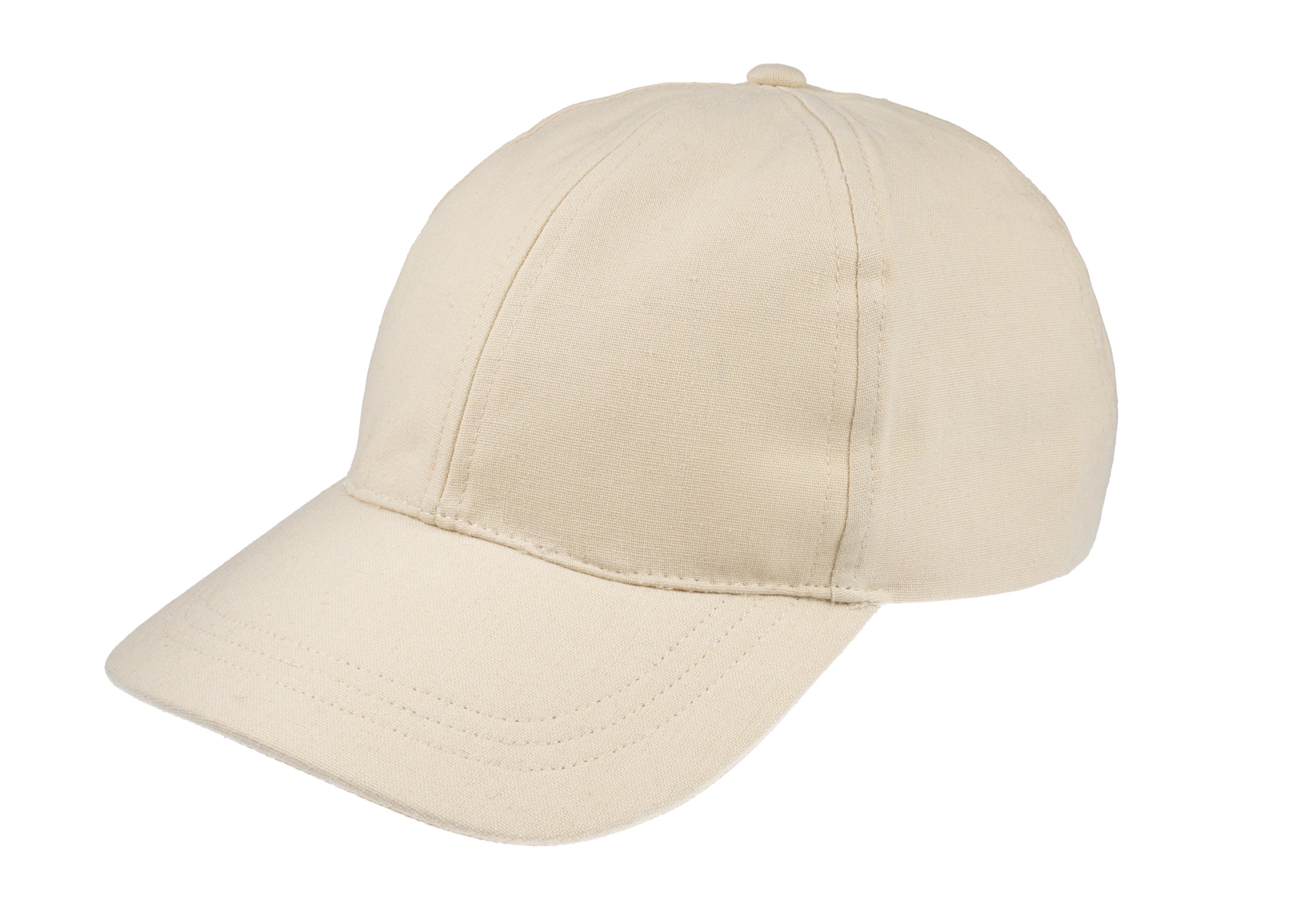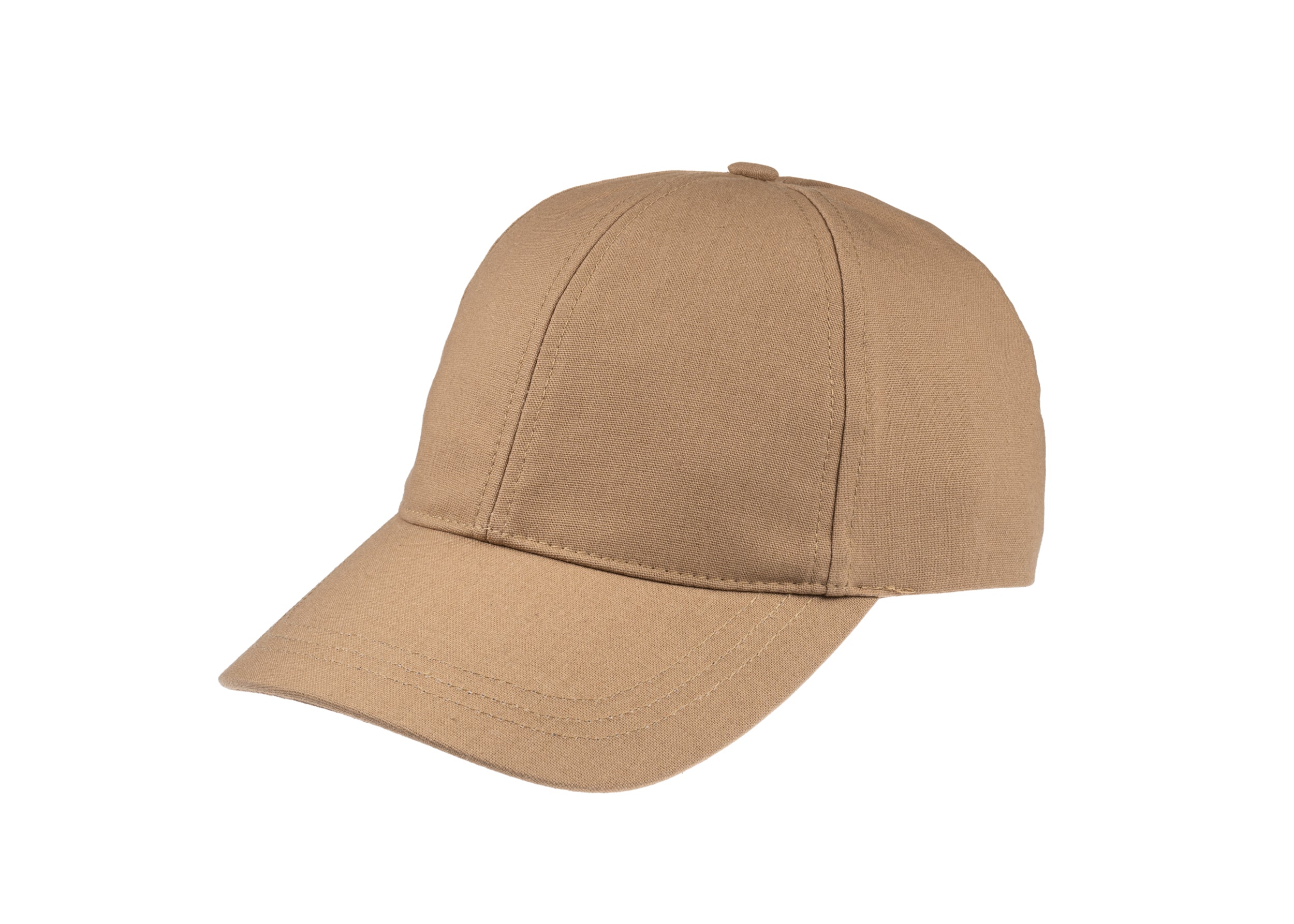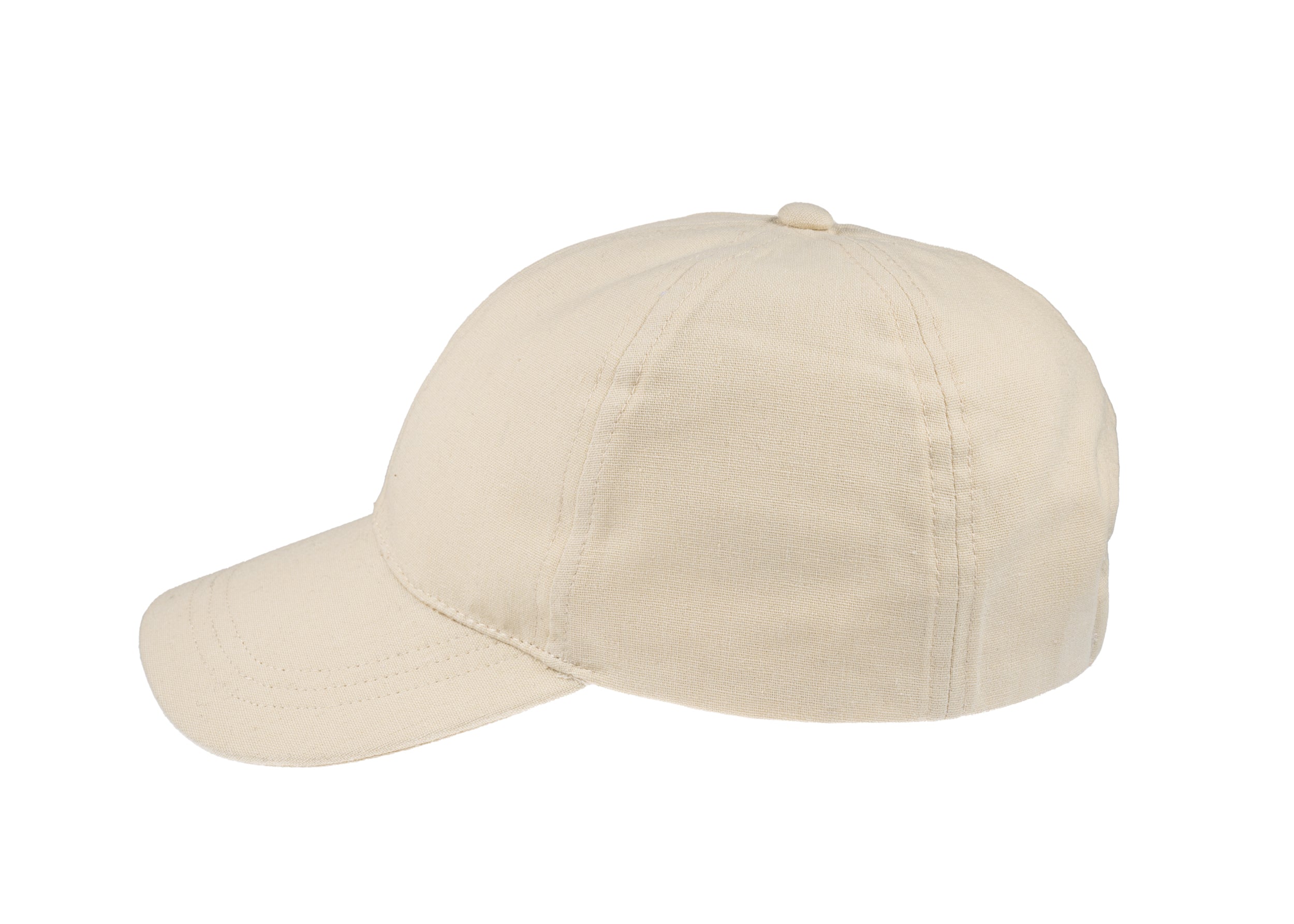




A well-made hat rarely needs to announce its quality. Look closely and it is often there in the way the crown holds its line, the brim meets the body, a ribbon settles against felt, or a cap’s panels come together. These small decisions can suggest careful hand-finishing: the result feels deliberate and composed from every angle.
The useful word is suggest. A neat seam or balanced shape cannot, on its own, prove that a particular stage was completed by hand. Hats and caps may combine machine and hand processes, and “hand-finished” is not the same as “handmade”. The aim is to read several clues together, then confirm them against the product description and, where necessary, ask for more detail.

Start with the outside: edges, joins and trims
Inspect the hat in good, even light. On felt, look first at the brim edge: it should appear intentional and consistent, without a wavering line, loose fibres or abrupt changes in thickness. The crown should meet the brim cleanly, with no obvious buckling where the two forms come together. On a sewn cap, examine the panel joins and any visible top-stitching: stitching applied near an edge for strength or a crisp visual line. It should follow the shape rather than wander, pucker or disappear at corners.
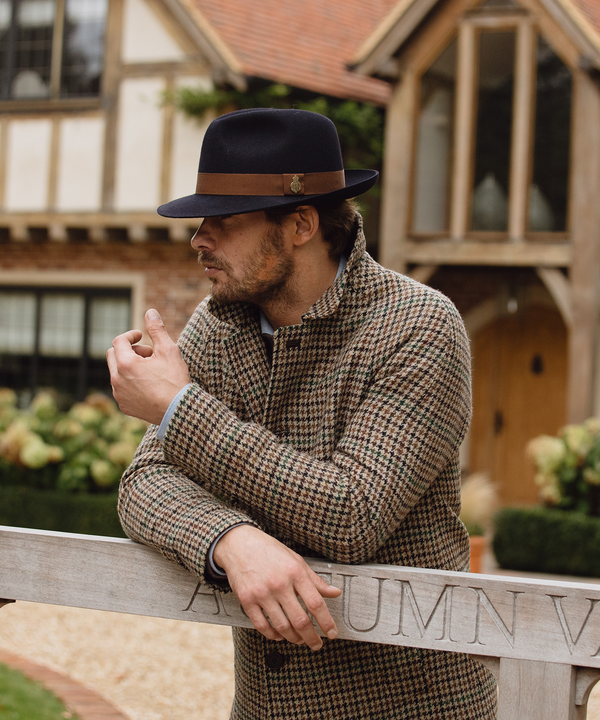
Then look at the meeting points. A ribbon band should sit flat around the crown; a bow, button or peak should be placed squarely and securely; and contrasting materials should meet without a distracting gap or excess bulk. The Wool Felt Top Hat is a useful example of the questions to ask: does its straight blocked crown remain convincingly geometric, does the fine brim edge hold a clean line, and does the grosgrain band sit evenly at the base? These observations indicate control, whether the individual operation was done by hand or with careful machine assistance.
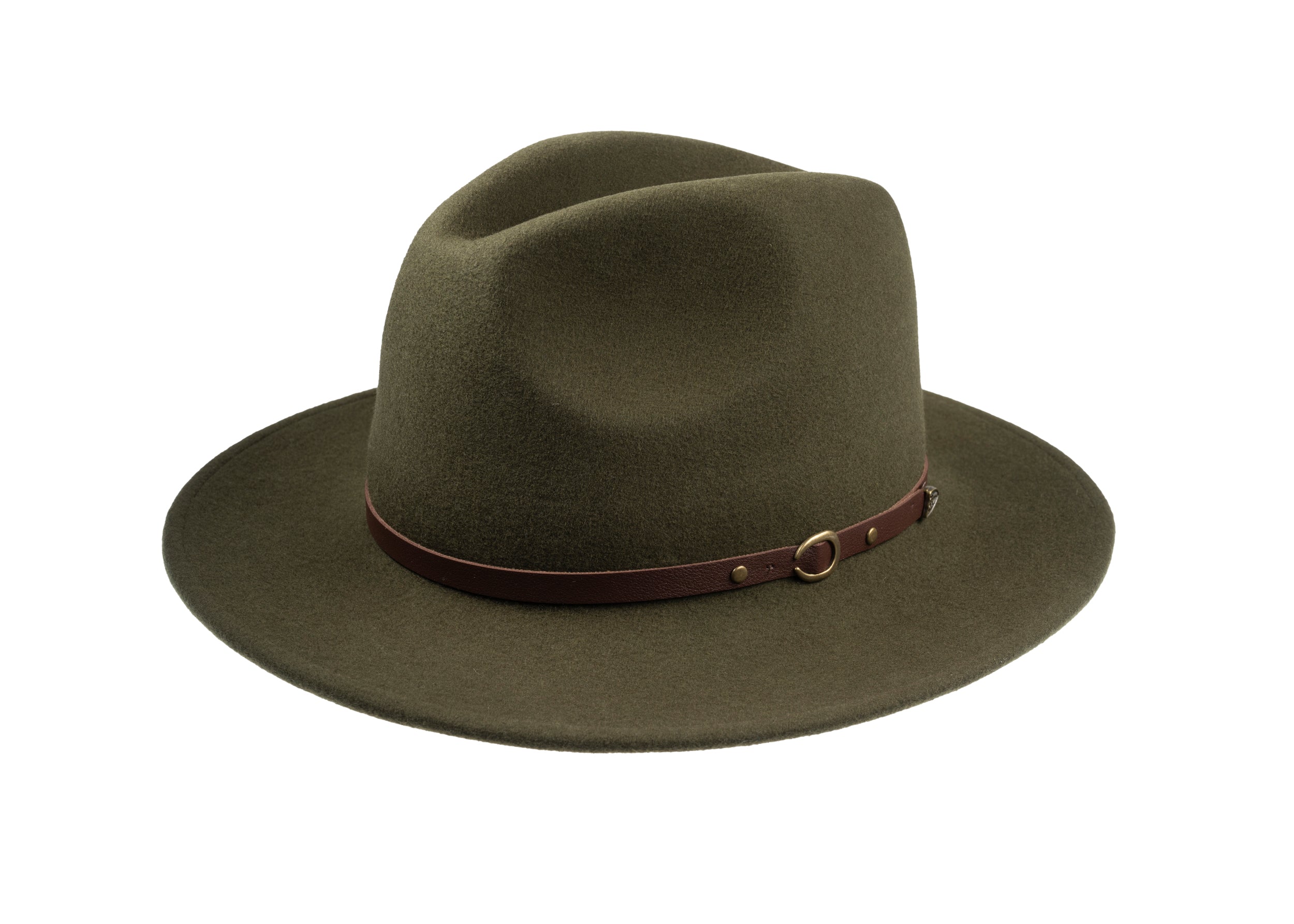
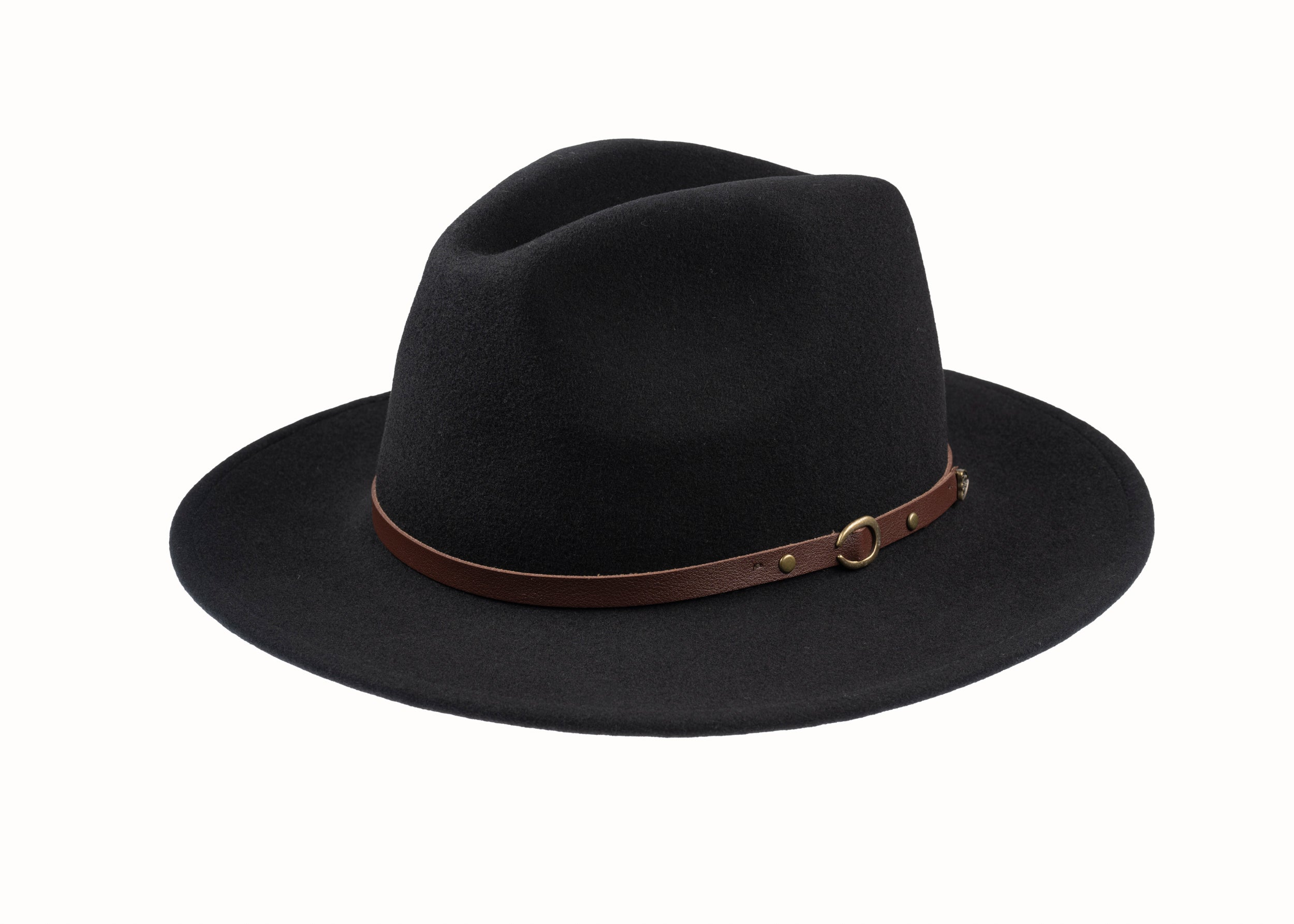
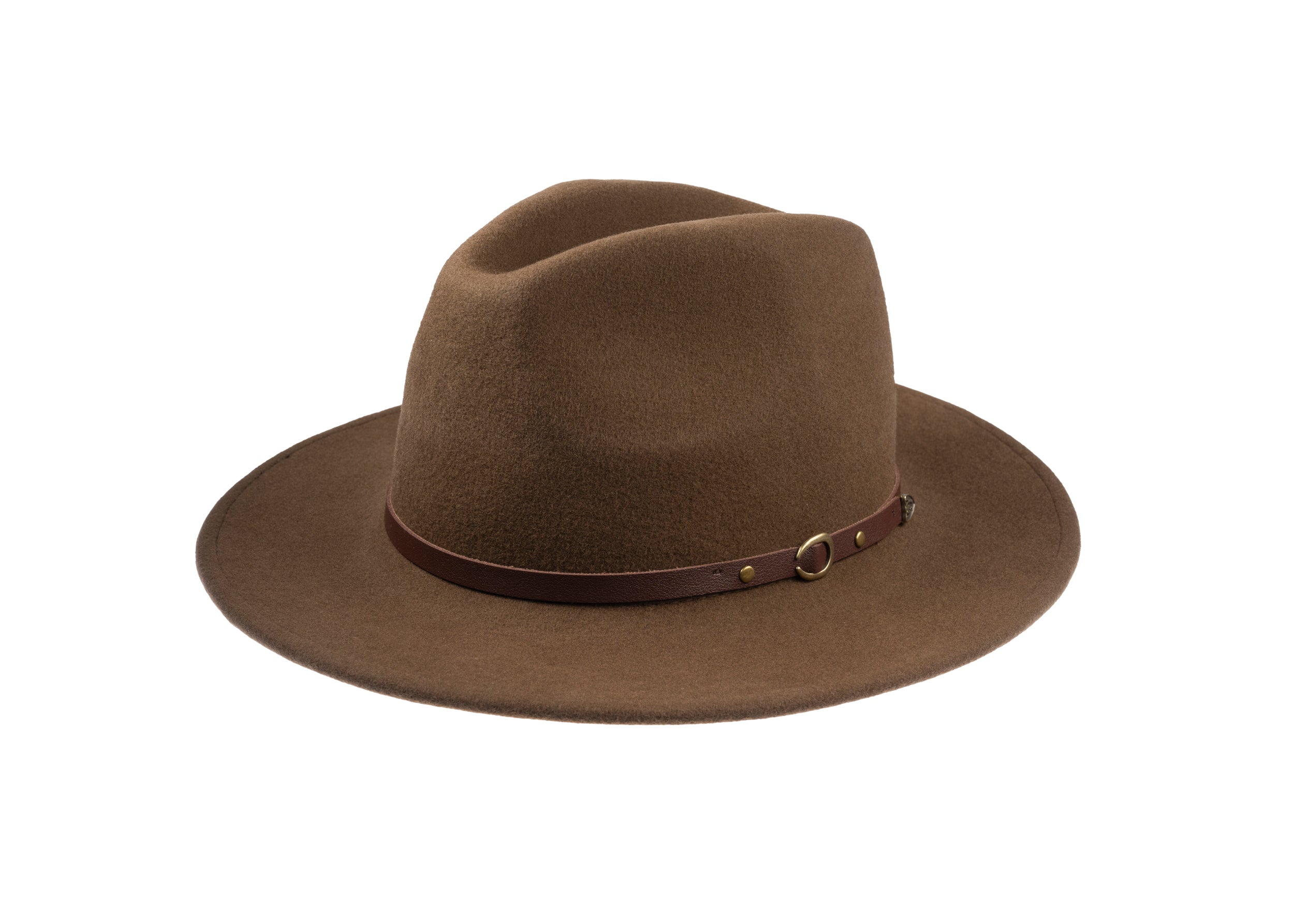
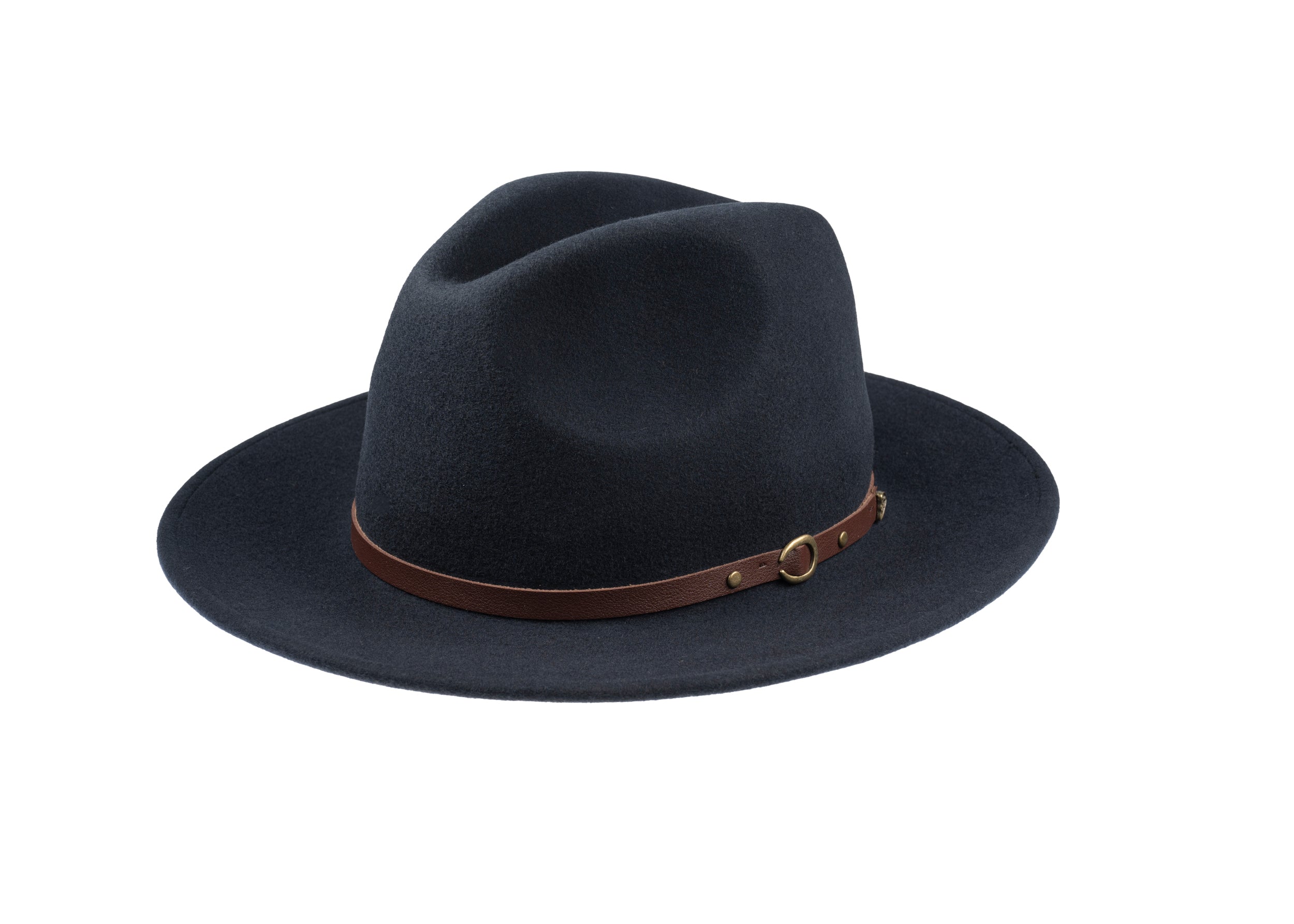
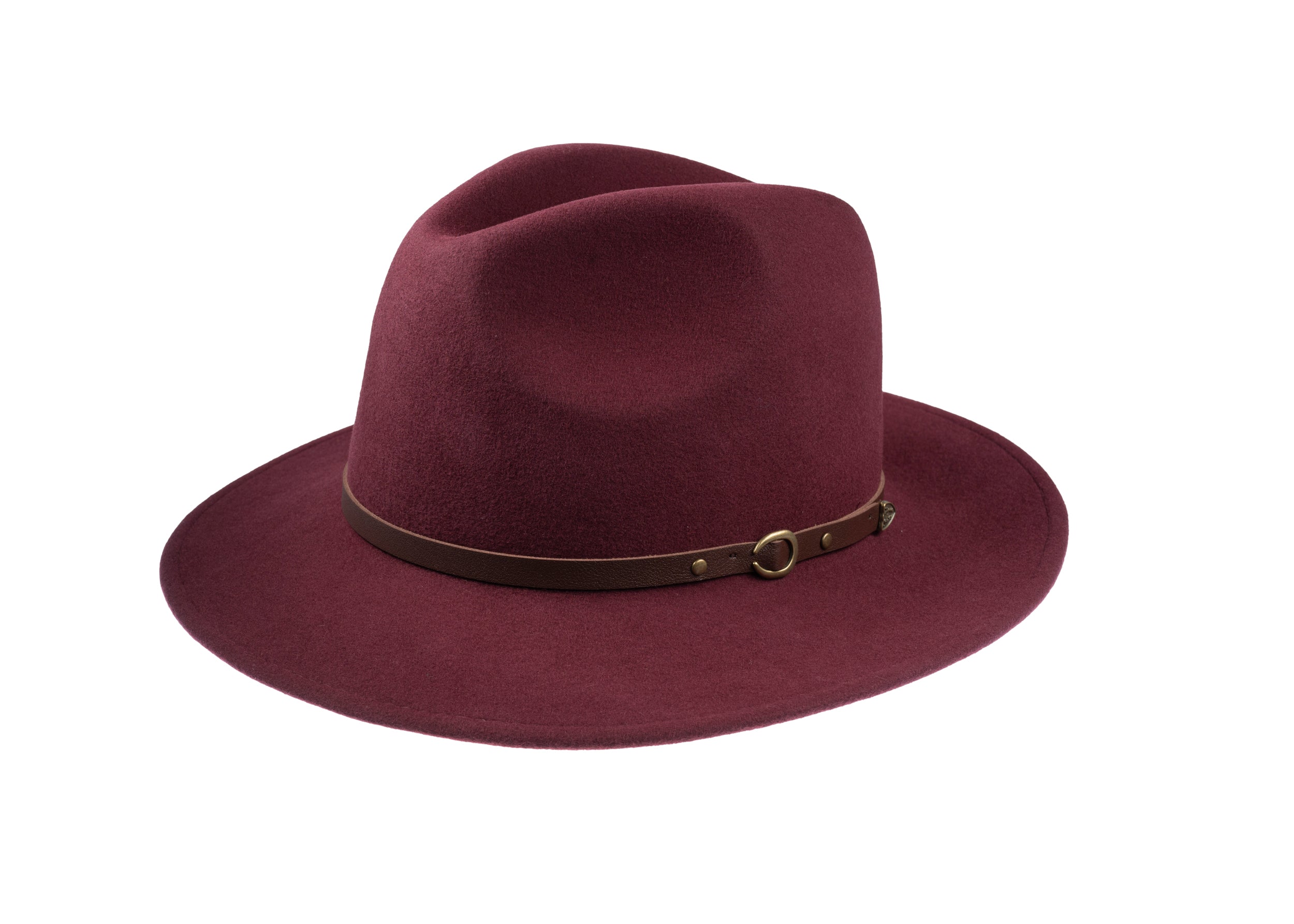
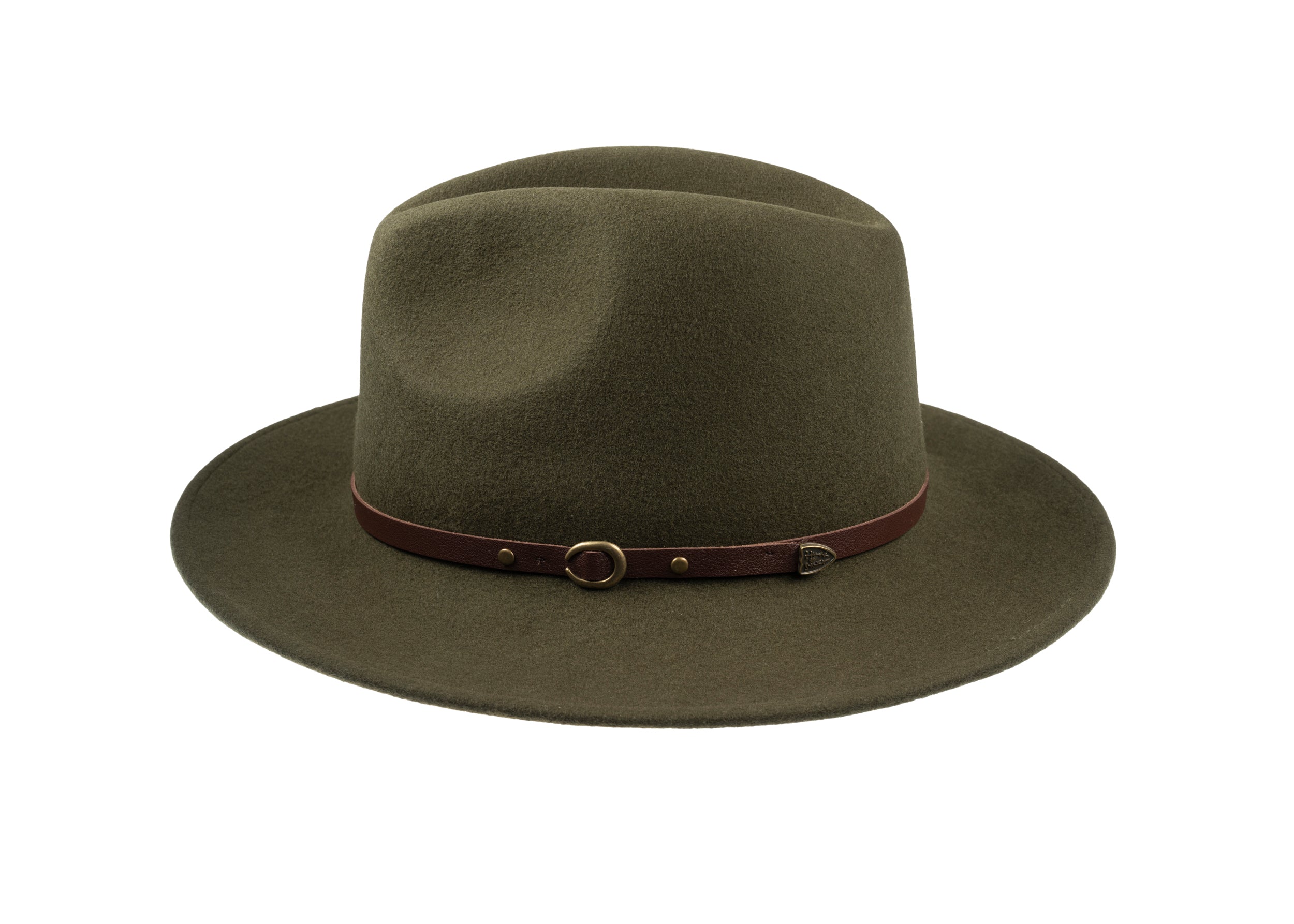
On the Bourton Wool Felt Hat, Christys describes the crown and brim as shaped separately before being united and finished with fine ribbons. In practical terms, inspect the circular crown indentation, the symmetry of the profile and the point where crown, brim and ribbon come together. The construction language gives useful context; your inspection is about whether the finished hat carries that intention clearly.

Shape is evidence: read the hat from more than one angle
“Blocking” means shaping felt over a form, or block, so that the crown and brim acquire their intended profile. You do not need specialist knowledge to judge the result. Set the hat down or view it straight on, from the side and from above. The crown should feel balanced, the brim should sit level where the style calls for it, and the silhouette should not suddenly flatten, twist or lean when your viewpoint changes.
For a structured felt hat, careful blocking is visible in shape retention: the crown’s sides remain composed, creases meet cleanly, and the brim returns to a convincing line rather than looking soft and accidental. The Wool Felt Top Hat’s tall, straight crown and flat brim make this especially easy to see. The Bourton offers a different test: its circular indentation should read as a deliberate, even press rather than an uneven hollow.
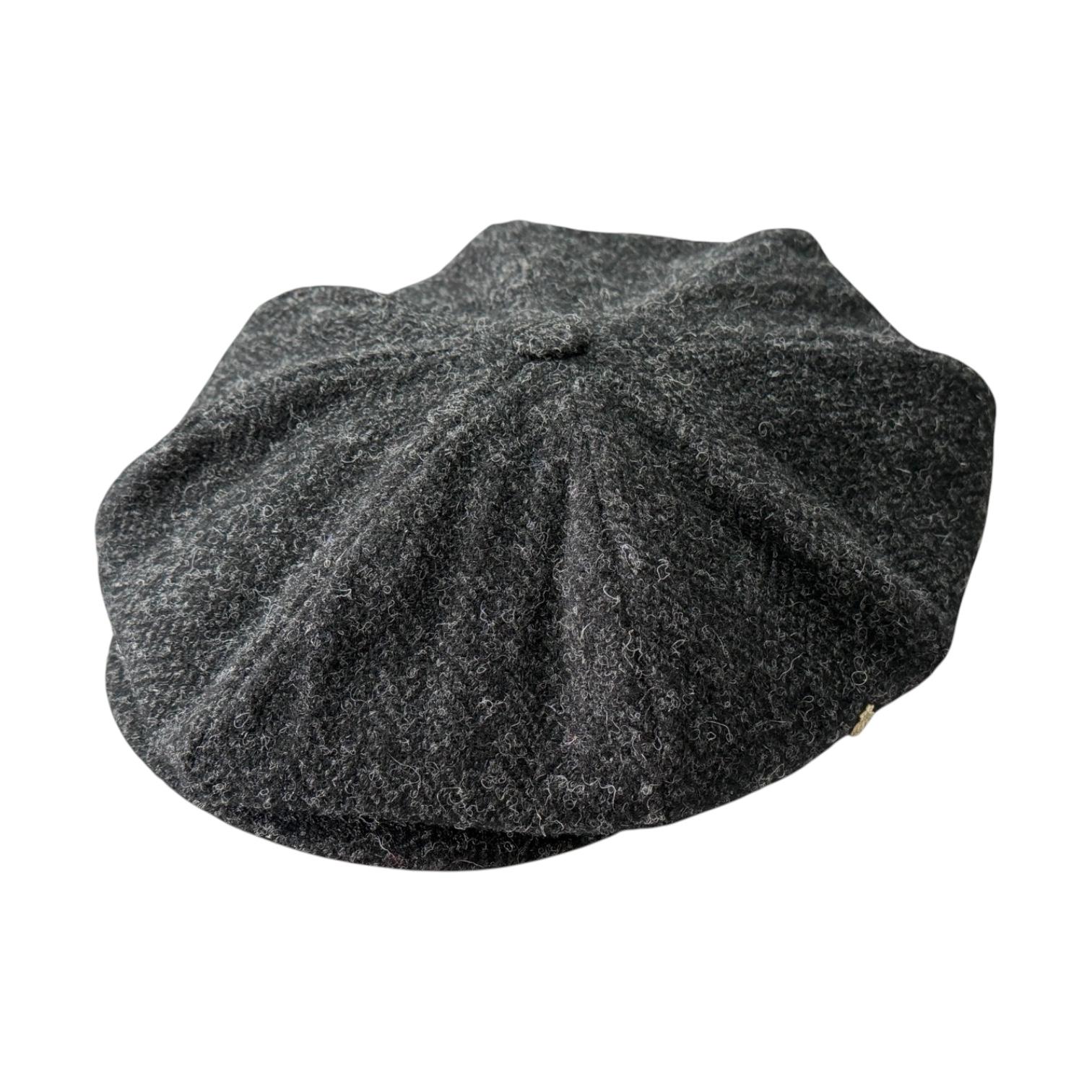
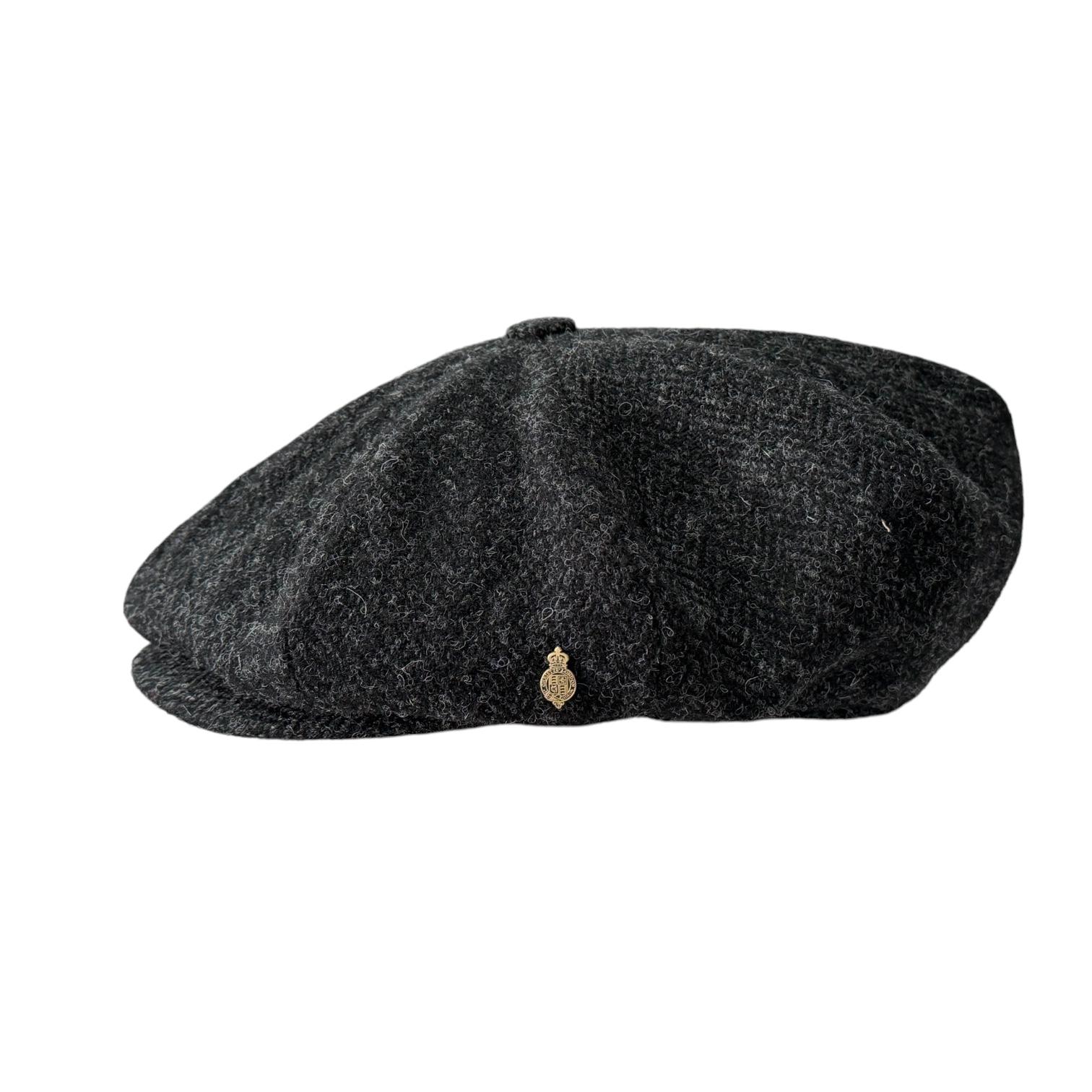
Cloth caps ask a related question. The Windsor Yorkshire Tweed Flat has a longer crown profile designed to create a refined drape while remaining neat and structured at the rear. Look for a body that sits naturally without collapsing to one side, and a profile that remains balanced when worn rather than only in a front-facing photograph.
The Field Heritage 8-Panel Cap uses a fuller crown and traditional peak. Examine whether the peak meets the crown cleanly and whether the cap remains balanced from the side and rear. The Hadham is explicitly described as hand-finished in England using traditional block shaping; its fuller crown, gentle drape and balanced profile are the visible outcomes to examine.

Follow the construction through cloth, pattern and finish
On a panelled cap, the cloth itself gives you another way to inspect the work. At each panel join, see whether the weave, nap or check continues thoughtfully across the seam. A perfectly continuous pattern is not always possible, particularly with a lively tweed, but careless mismatches can make the crown look unsettled. Also check that the seam lies flat and that the fabric has not been pulled into a ridge.
The Windsor’s Yorkshire tweeds include windowpane and herringbone patterns, while the Field uses sporting tweeds whose pattern is intended to flow across its eight-panel crown. With the Hadham’s houndstooth, look for a rhythm that remains visually coherent around the fuller shape. These details reveal the quality of cutting, joining and judgement.
On a felt hat, inspect the transition between the body and its trim in the same spirit. The band should follow the crown without drifting in height, and a bow or other finish should look placed rather than merely attached. Quiet details matter because they are repeated around the hat: a small inconsistency becomes visible as the eye travels.
A calm close inspection checklist
- View the hat or cap from the front, side and rear, checking that its silhouette stays balanced as your viewpoint changes.
- Trace the main joins and meeting points: look for flat seams, even top-stitching, clean edges and trims that sit securely.
- On patterned cloth, follow the weave, nap or checks across the panels and note whether the overall rhythm feels deliberate.
- Compare what you can see with the product description. If photographs hide the lining, sweatband, underside or peak attachment, request close-ups or qualified information before deciding.

The inside should reward inspection too
Turn the hat over if you can. The lining should sit smoothly rather than ballooning, twisting or pulling away at the edge. A sweatband should be joined cleanly, lie flat against the head and feel secure without rough or exposed finishing. These parts are easy to overlook because they are hidden in wear, which is precisely why they can be revealing: careful construction is not reserved only for the view in a mirror.
The Bourton is described with a red Christys lining and a smooth leather sweatband. The Wool Felt Top Hat is fully lined. On the cap side, the Windsor description calls out smooth satin lining, while the Field description identifies a smooth satin lining alongside its carefully stitched panels and traditional peak. Look for the practical result, a comfortable, settled interior with no distracting bulk, rather than assuming that a lining alone proves a particular process.
This is also where visual inspection has a limit. A photograph may show a lining but not how it is secured, and a buyer cannot assess comfort or resilience from an image. If those details matter, request a close-up or ask Christys or the retailer for qualified information about the specific style.

What these details can tell you
“Hand-finished” usually means that meaningful finishing work has been completed by hand, but it does not necessarily mean that every part of the hat was made by hand. “Handmade” generally makes a broader claim about how the item was constructed. “Made in England” describes place of manufacture, not by itself the balance of hand and machine work. The exact meaning depends on the maker’s wording, so keep the terms separate.
The Thomas Original Cap is a clear example of a product description making a more specific construction claim: Christys states that it is handmade in its workshops, with the eight-panel cap hand-cut and hand-assembled in genuine Harris Tweed. The Hadham, meanwhile, is explicitly described as hand-finished in England, combining traditional block shaping with contemporary precision. Those statements should be reported as written; visual clues can help you understand the finished result, but they should not be stretched into proof of an unlisted process.
The strongest assessment is therefore cumulative. A composed silhouette, controlled joins, well-handled pattern, clean trim and settled interior can together suggest a high standard of finishing. They cannot authenticate every stage, identify every tool used or guarantee future durability. They can, however, help you ask better questions and compare similar-looking hats with more confidence.
The most useful habit is to slow down. A close inspection turns a broad impression of quality into specific observations, giving you better questions to ask and a clearer basis for comparing styles.
FAQ
What does “hand-finished” mean in a hat?
It usually means that important finishing work has been completed by hand, but it does not mean that every stage was necessarily handmade. A hand-finished hat may combine hand and machine processes. Read the maker’s wording precisely: hand-finished, handmade and made in England are related but distinct descriptions.
What should I inspect when buying a hat online?
Look for multiple views of the crown, brim or peak, seams, trims and interior. Product photography should let you judge whether the shape is balanced, edges are controlled, trims sit evenly and panel patterns are handled thoughtfully. If those areas are hidden, ask the retailer or Christys for close-up photographs or qualified product information rather than trying to authenticate the hat from one image.
Does perfectly uniform stitching mean that a cap was made by machine?
No. Skilled hand-finishing can be controlled and even, while machine stitching can also be used carefully in a well-made cap. Uniform stitching is best treated as evidence of consistency and control, not as proof of a particular tool or process.
Does hand-finishing make a hat more durable or easier to repair?
Careful finishing can support a hat’s comfort, shape and overall standard, but visual inspection cannot guarantee durability or repairability. Those qualities also depend on the materials, construction and how the hat is worn and cared for. Look for secure joins and a settled interior, then consult the product information or ask the maker about care and repair for the specific style.