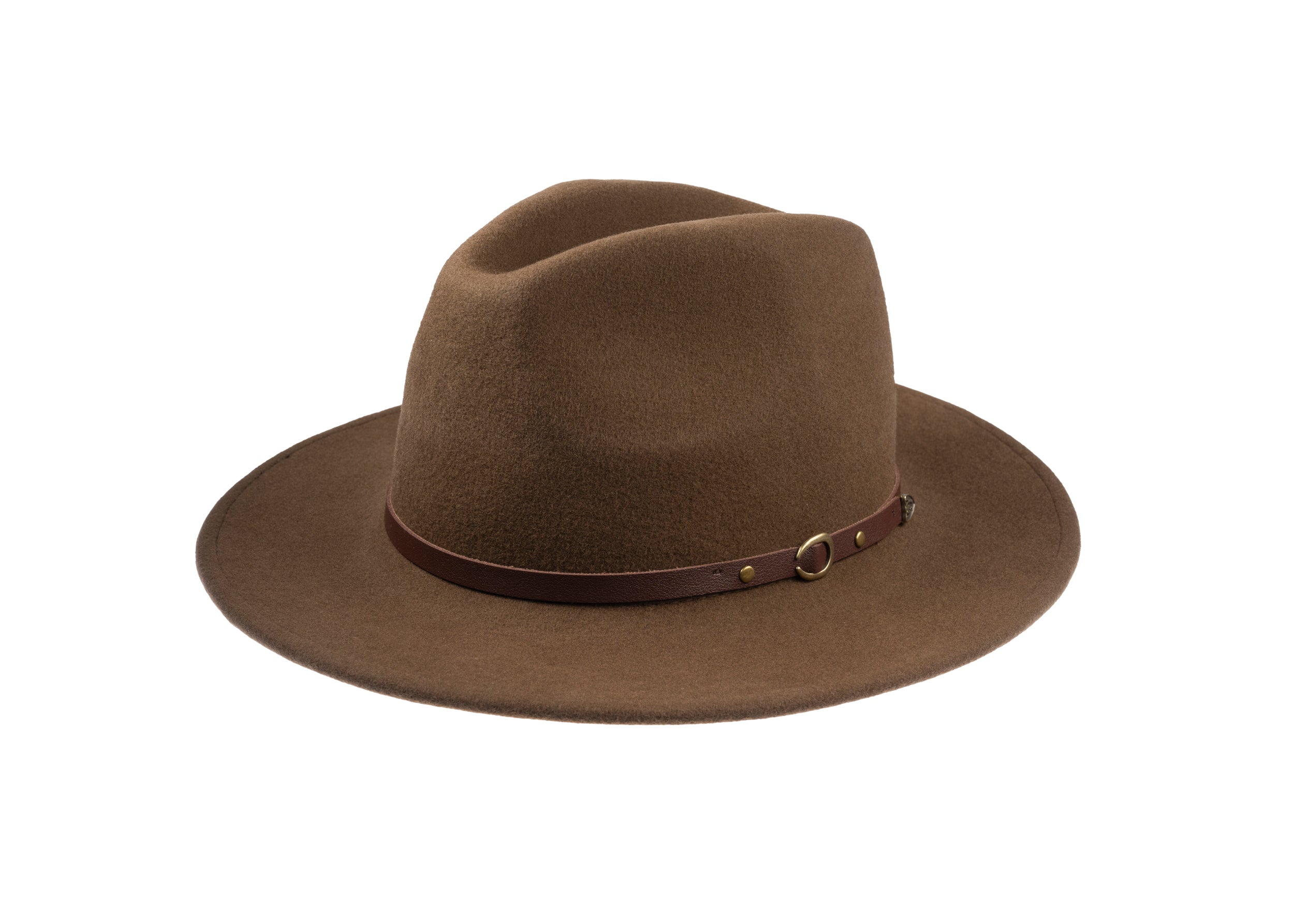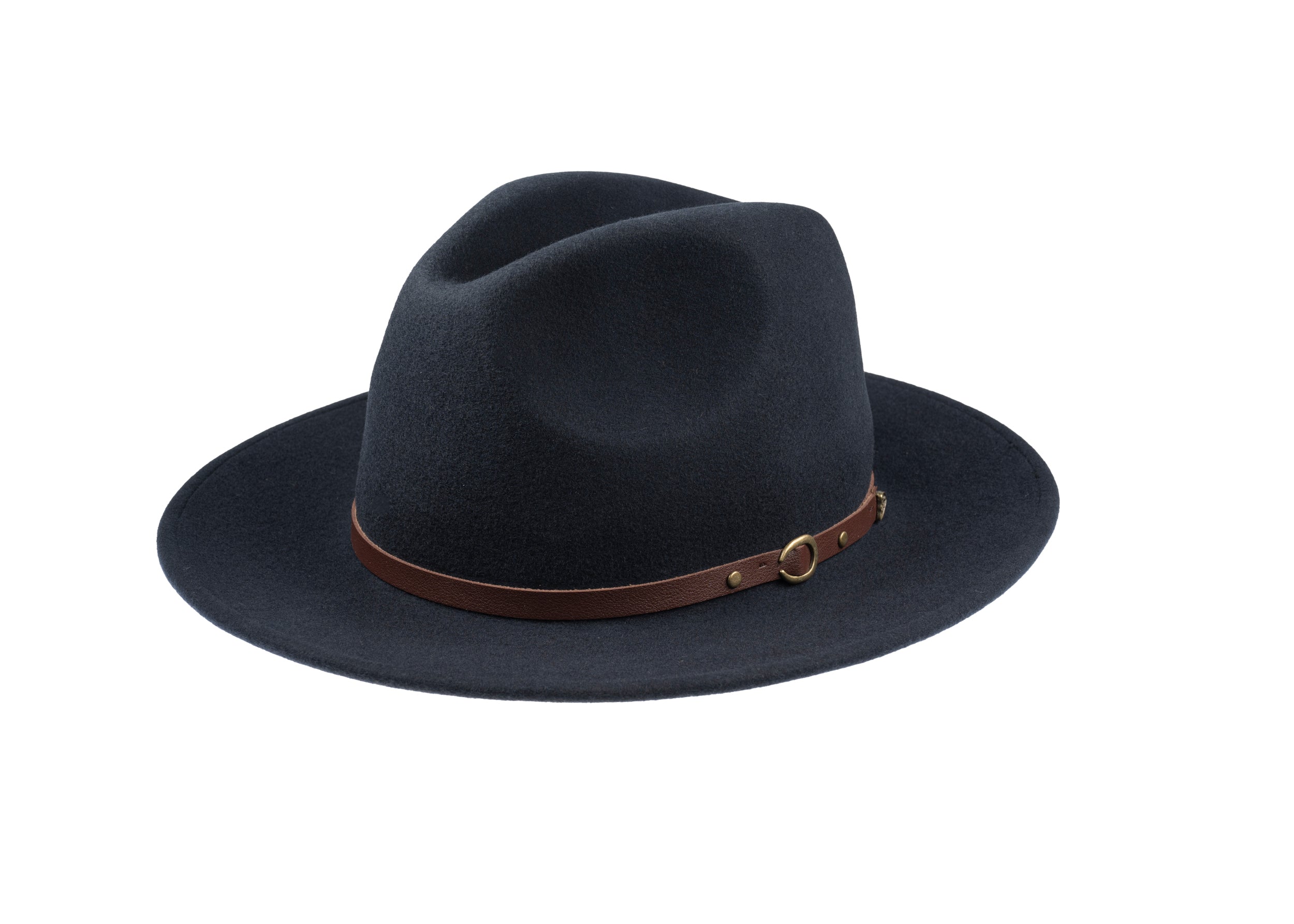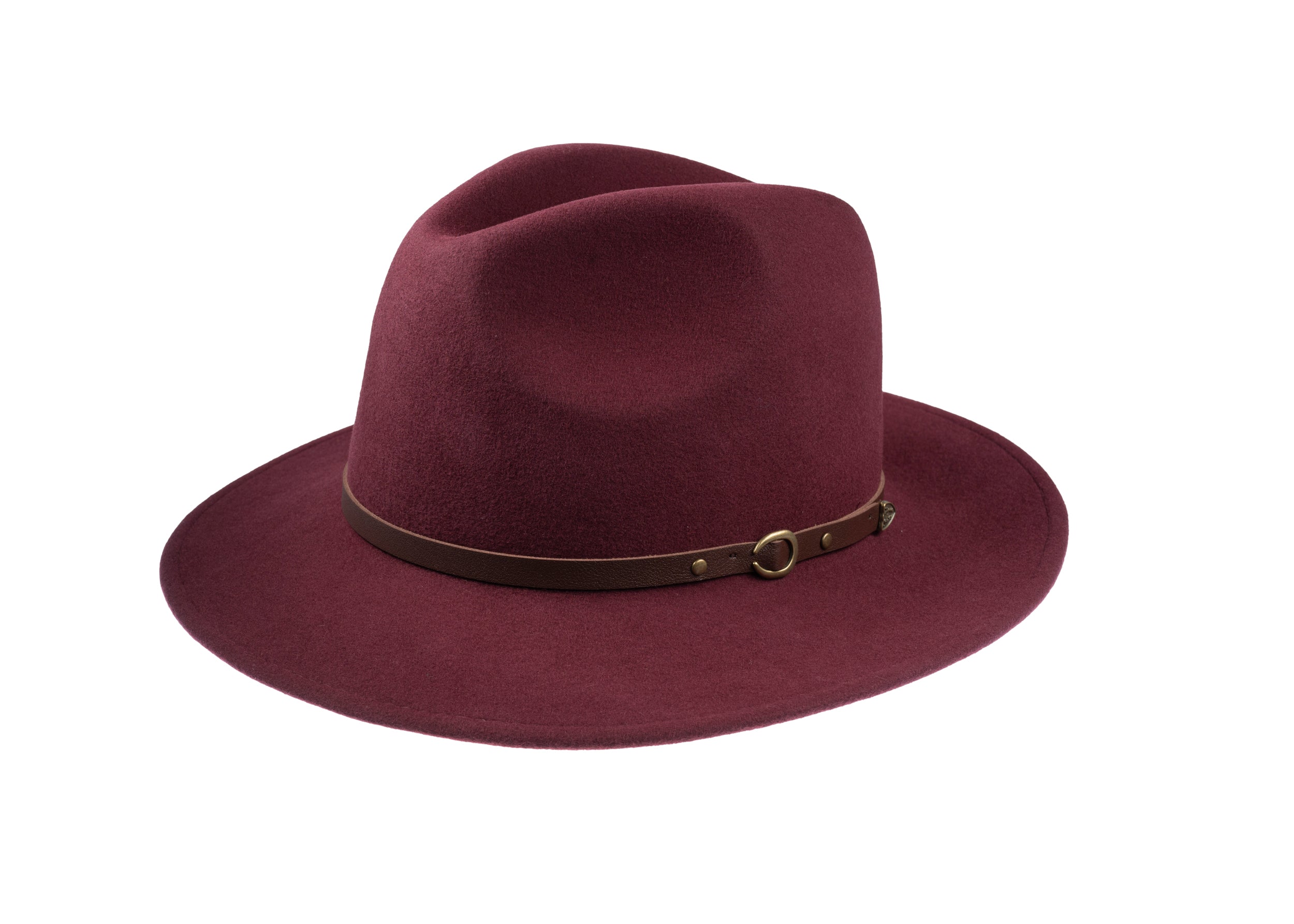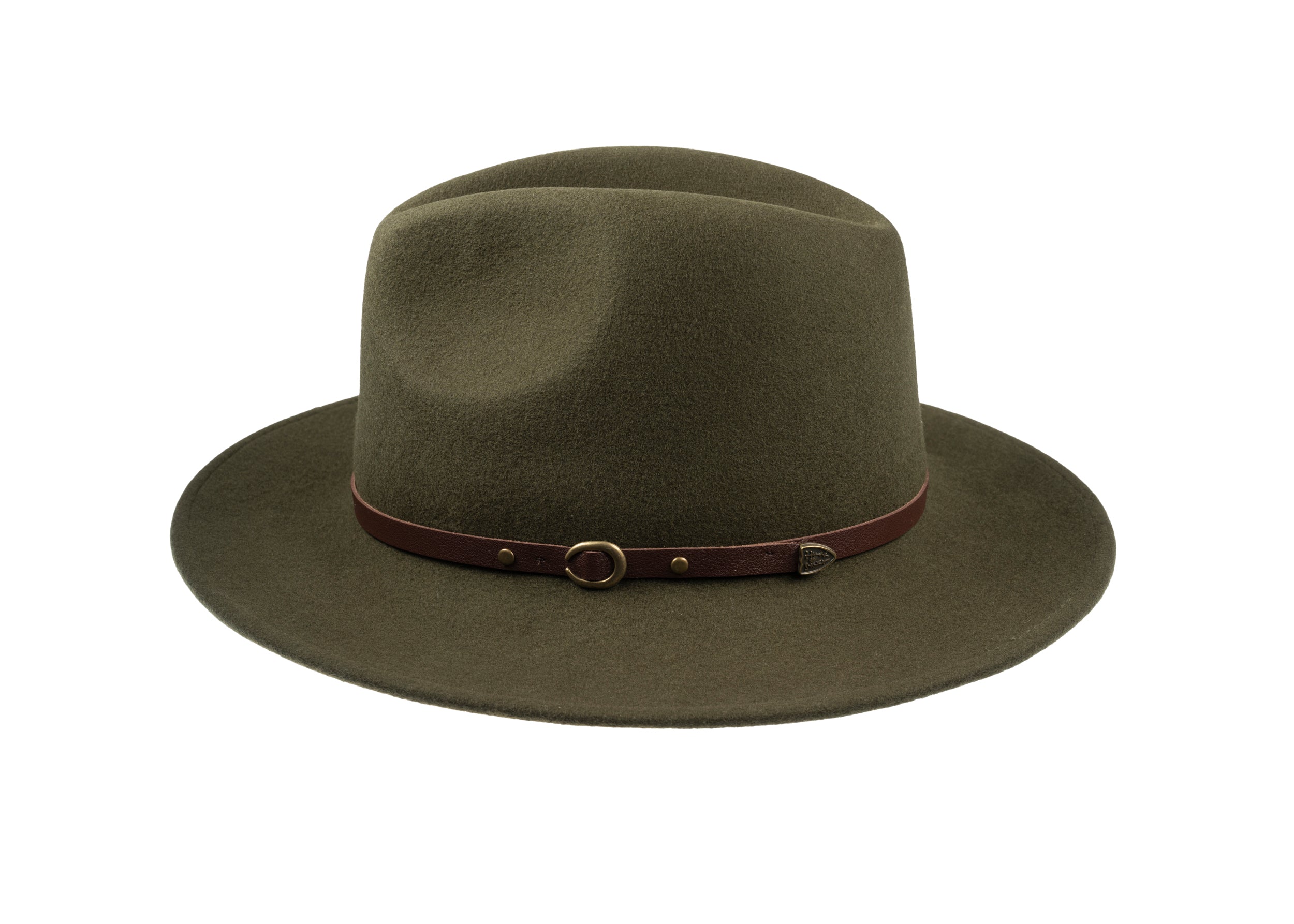




A good hat should feel settled on the head before the first gust arrives. In ordinary British breeze, security comes less from gripping the brim than from an even, close-but-comfortable fit and a shape suited to the outing. No hat should be presented as windproof: on an exposed street, coastal path or country lane, stronger gusts may simply mean that the sensible choice is to remove it and carry it carefully.
Begin with accurate sizing, then consider the hat’s depth, crown and brim. A close-fitting cap or short-brim trilby may feel more manageable than a broad, exposed brim, while discreet internal adjustment can help a slightly generous hat sit more securely without changing its outward character. The aim is to reduce movement, not to clamp, pinch or force the hat into place.

Start with an even, comfortable fit
Wind exposes a loose fit quickly. A hat that shifts when you turn your head, rises at the back or needs repeated catching at the brim is likely too generous, too deep for the way it is being worn, or simply not the best shape for that particular day. A correctly fitted hat should sit level and remain comfortable without leaving a sharp pressure line, headache or numbness. Feeling snug for the first few minutes is not the same as being correctly fitted.
To measure, place the tape around the middle of the forehead, above the ears and around the widest point at the back of the head. Keep it level and comfortably close rather than tight, repeat the measurement, and record it in centimetres.
Compare that measurement with the Christys' Size Guide, then read the sizing information on the individual product page as well. The chart gives a dependable starting point, while the product guidance helps account for differences in shape, construction and intended fit. For the full method, see How to Measure Your Head for a Christys Hat.
A hat can also feel wrong because of its depth. If the sweatband sits unevenly, the crown rocks while the circumference feels acceptable, or the brim rests at an awkward angle, do not compensate by pulling down hard on one side. Try the designed wearing position first. If the problem persists, the hat may need a different shape or professional advice rather than a tighter grip.

Choose a shape that asks less of the wind
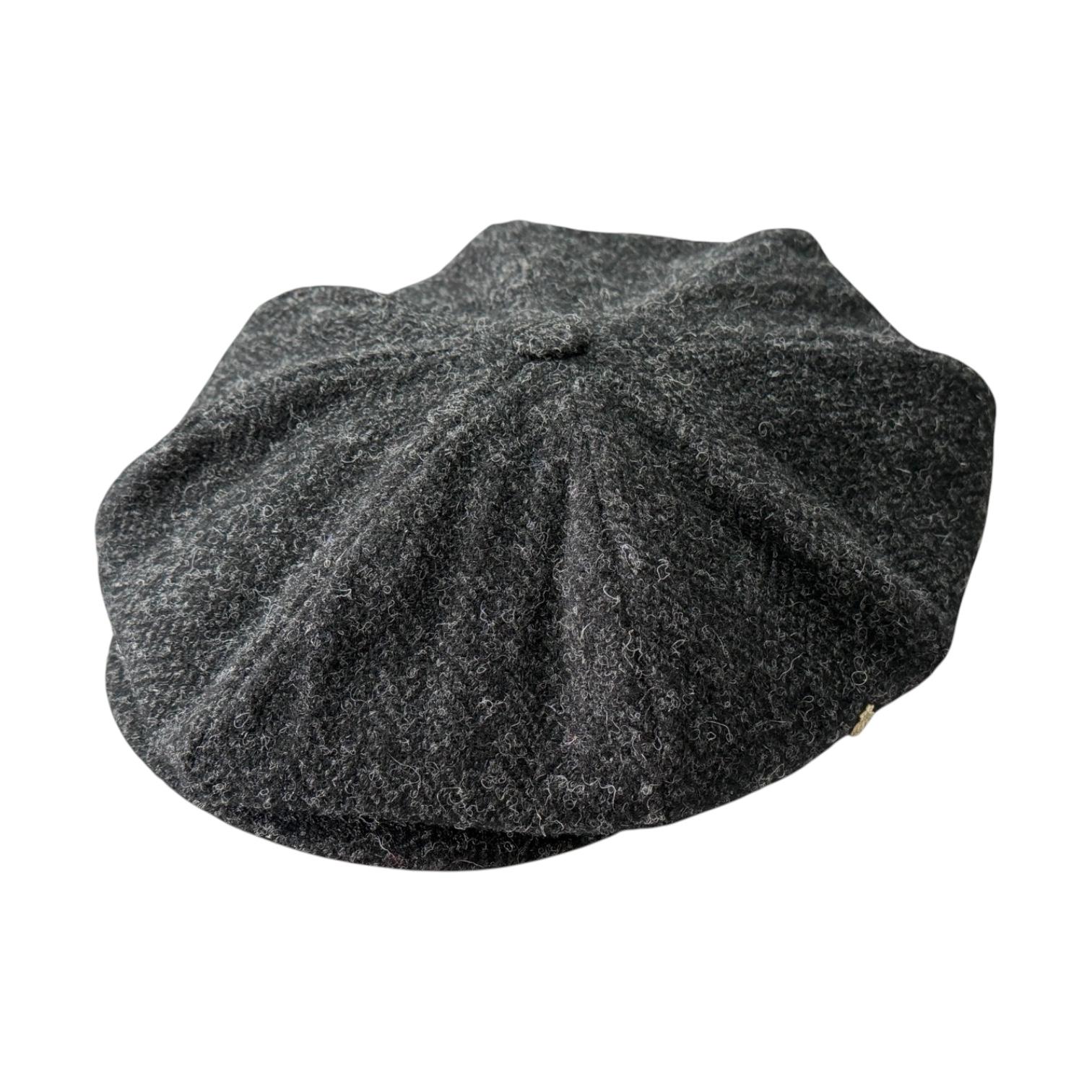
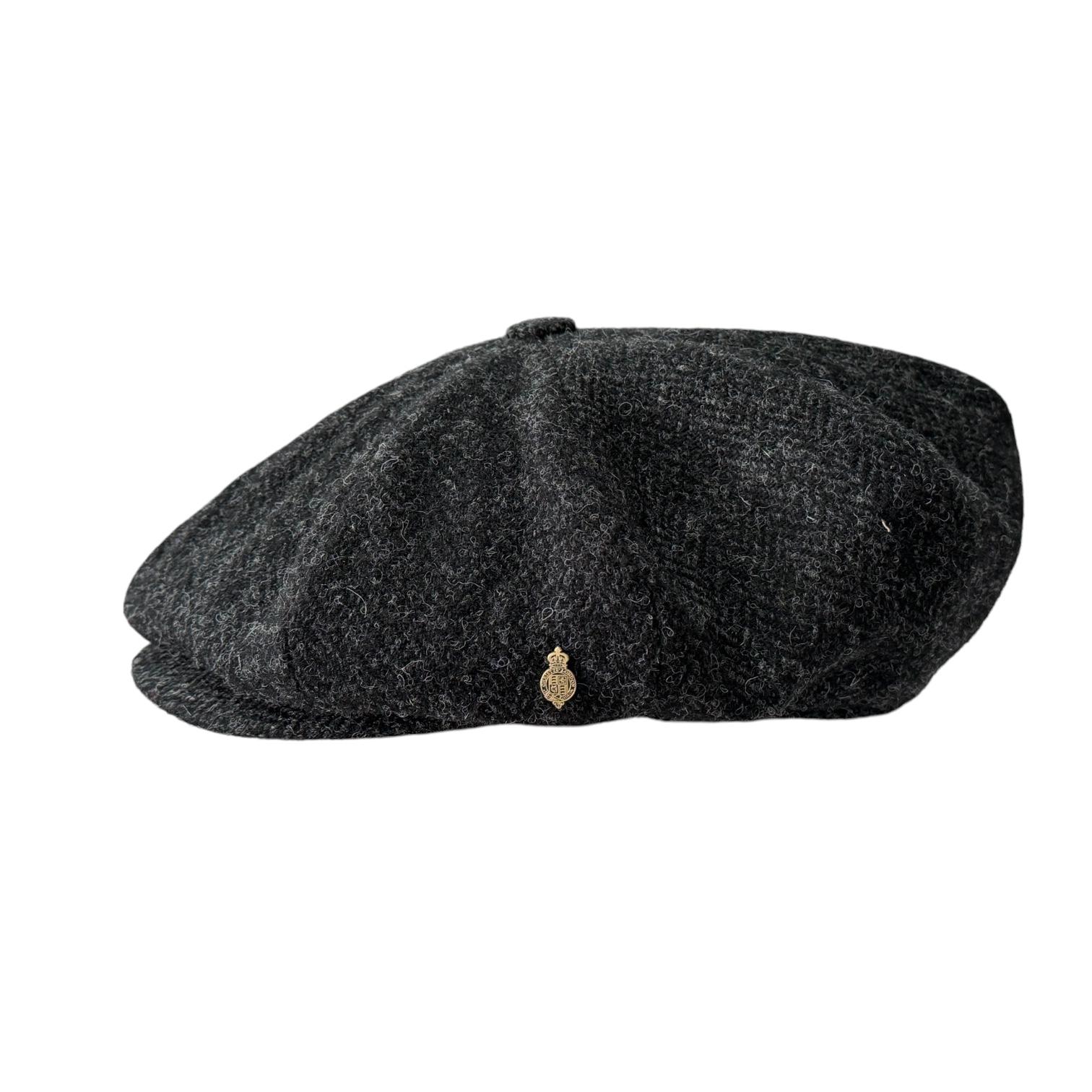
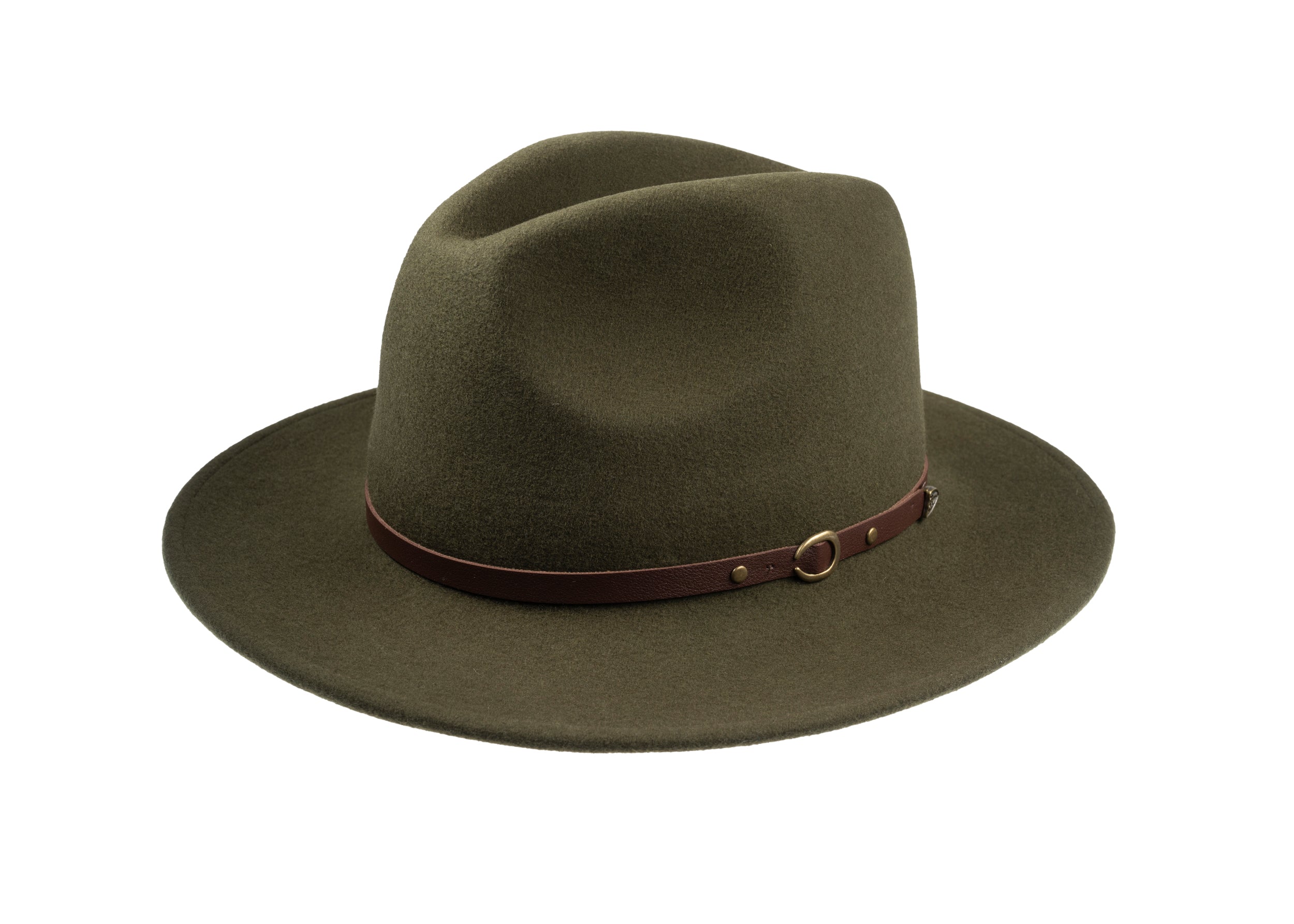
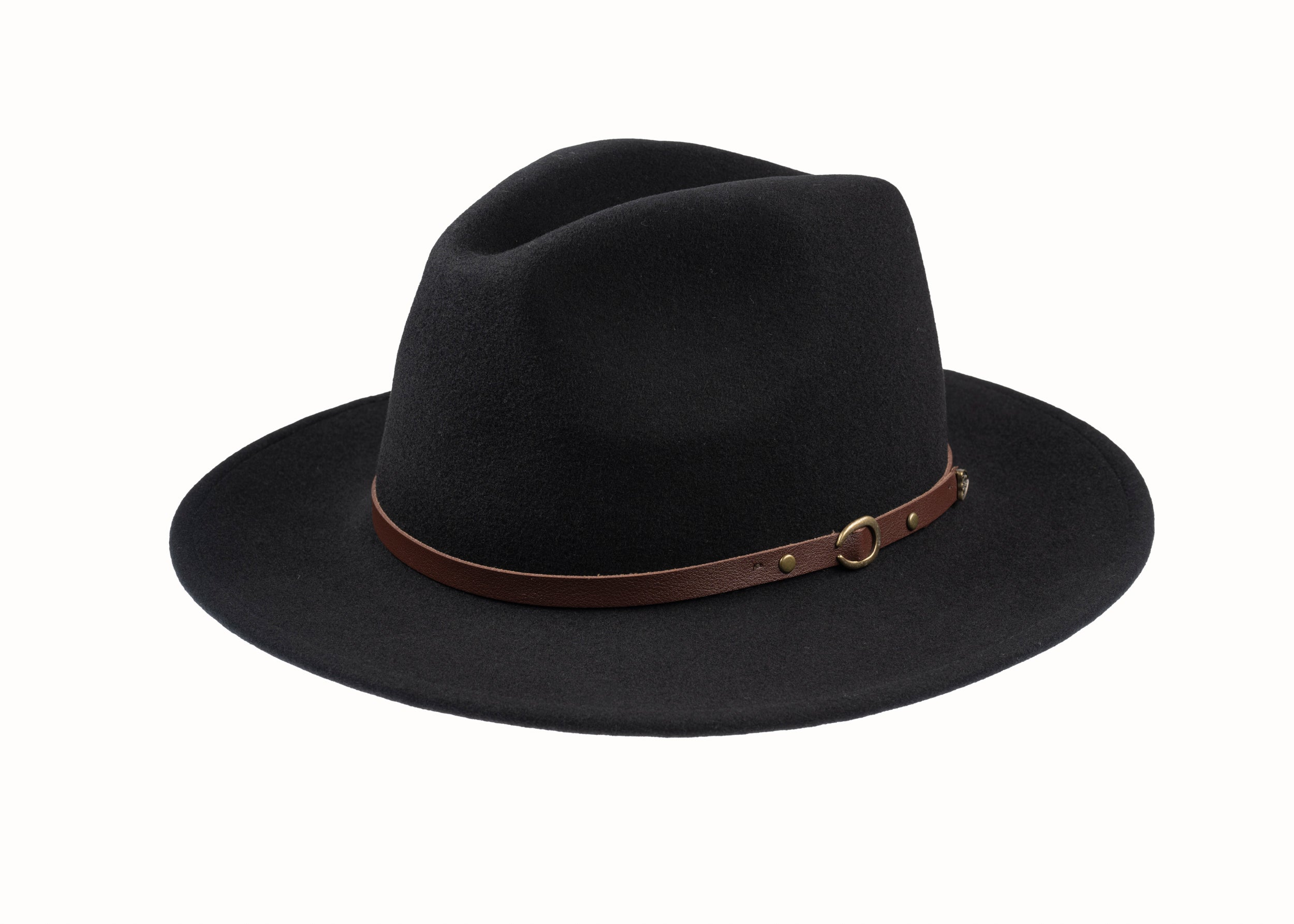
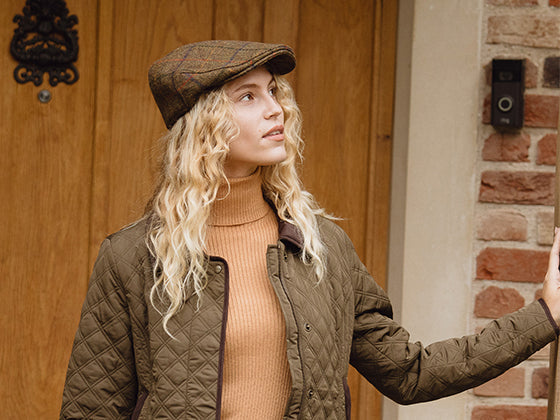
A close-fitting flat cap, baker boy or short-brim trilby generally presents less exposed surface than a large, open brim. That can make it feel easier to manage on a town commute, a walk or when moving between sheltered and open ground. It is a question of proportion and handling, not a guarantee: any hat can be lifted or shifted by a sufficiently strong gust.
The Chelsea Wool Cap, for example, is a moulded wool cap with a soft suede peak. It illustrates a close-sitting cap shape, but it should not be treated as windproof.
A structured brim keeps its intended line and should be allowed to do so. A softer or more flexible brim may move more readily, but that does not automatically make it safer or more secure. Do not force a structured brim flat against the wind, bend it sharply, or pinch a flexible brim into a new curve. The Capri Panama has a close-sitting trilby silhouette, yet its woven form still deserves a light touch: pliability is part of its character, not permission to fold, crush or distort it.
Before leaving, consider the location as much as the hat. A sheltered high street and an exposed headland are different tests. If the forecast outing includes open ground, sudden gusts or prolonged rain, choose the shape you can comfortably remove and protect, rather than expecting the hat to remain on at all costs.

FAQ: fit, wind and brim care
How should I steady my hat in a gust? Use an open hand to guide it briefly back into position without pinching or tugging the brim, crown or ribbon. If you find yourself holding it repeatedly, remove it rather than forcing it to stay on.
Can filler inserts be used temporarily? Yes. Soft inserts placed against the inner sweatband can provide a closer, more even fit for a blustery day when the hat is slightly generous. Use them as directed and remove them if they create pressure or alter the way the hat sits; they are not a solution for severe weather.
Which improvised securing methods should I avoid? Do not use pins, staples, adhesive, tight knots or anything that pulls directly on felt, straw, lining, sweatband or trims. Such fixes can mark the materials or create permanent strain.
How should I carry and store a hat after a windy outing? Hold it by the crown only where the construction allows, or support it without compressing the crown, and keep weight off the brim. Let dampness dry naturally away from direct heat, then store the hat in a position that does not flatten or press its brim.
When should I ask a hatter for help? Seek competent advice for a persistent crease, uneven or damaged brim, collapsed crown, pulled trim, saturation, broken weave or any distortion that does not settle naturally. Avoid direct heat, aggressive steaming and forced reshaping.
After a windy outing, carry the hat without compressing its crown or placing weight on the brim. Let it dry naturally away from direct heat, then store it where the brim and crown can rest without pressure. If a crease, loosened trim or change of shape persists, consult a competent hatter rather than trying to force it back at home.