




When a seasonal hat is ready to rest, preserve the profile and finish it already has. A little preparation makes the difference: remove loose dust, allow any moisture to leave naturally, and give the crown, brim or peak room to remain supported without pressure.
Felt, Panama straw and tweed or cloth all benefit from the same quiet principles, but they should not be stored as though they were interchangeable. The individual product description or care guidance remains the final authority. Use the routine below as a practical starting point for the weeks or months between wears.

Before any hat goes into seasonal storage
Give the hat a calm inspection in good light. Look for loose dust, lint, marks, perspiration around the sweatband, a damp lining, a bent edge or any change in the crown, brim or peak. Light surface dust can usually be dealt with using a suitable soft brush, following the direction of the felt or cloth; avoid vigorous rubbing and do not reach for soaking, harsh chemicals or untested steam. The Christys guide to keeping a hat neat through regular wear gives the same material-aware, restrained approach.
If the hat has been caught in rain or is damp from wear, leave it at room temperature in a well-ventilated place until it is completely dry. Keep it away from radiators, fires, hairdryers, strong sunlight and other direct heat, and do not close it in a box while moisture remains. Heat and trapped damp can encourage distortion, mould or a musty smell.
Storage should begin only when the hat is clean enough for its condition, fully dry and structurally settled. If you find mould, insect activity, broken straw, persistent warping, loose construction or a mark that does not respond to gentle care, stop rather than experimenting. Isolate the piece where appropriate and ask an experienced hatter or repair specialist for advice.

Felt hats: support the crown and brim, never the pressure
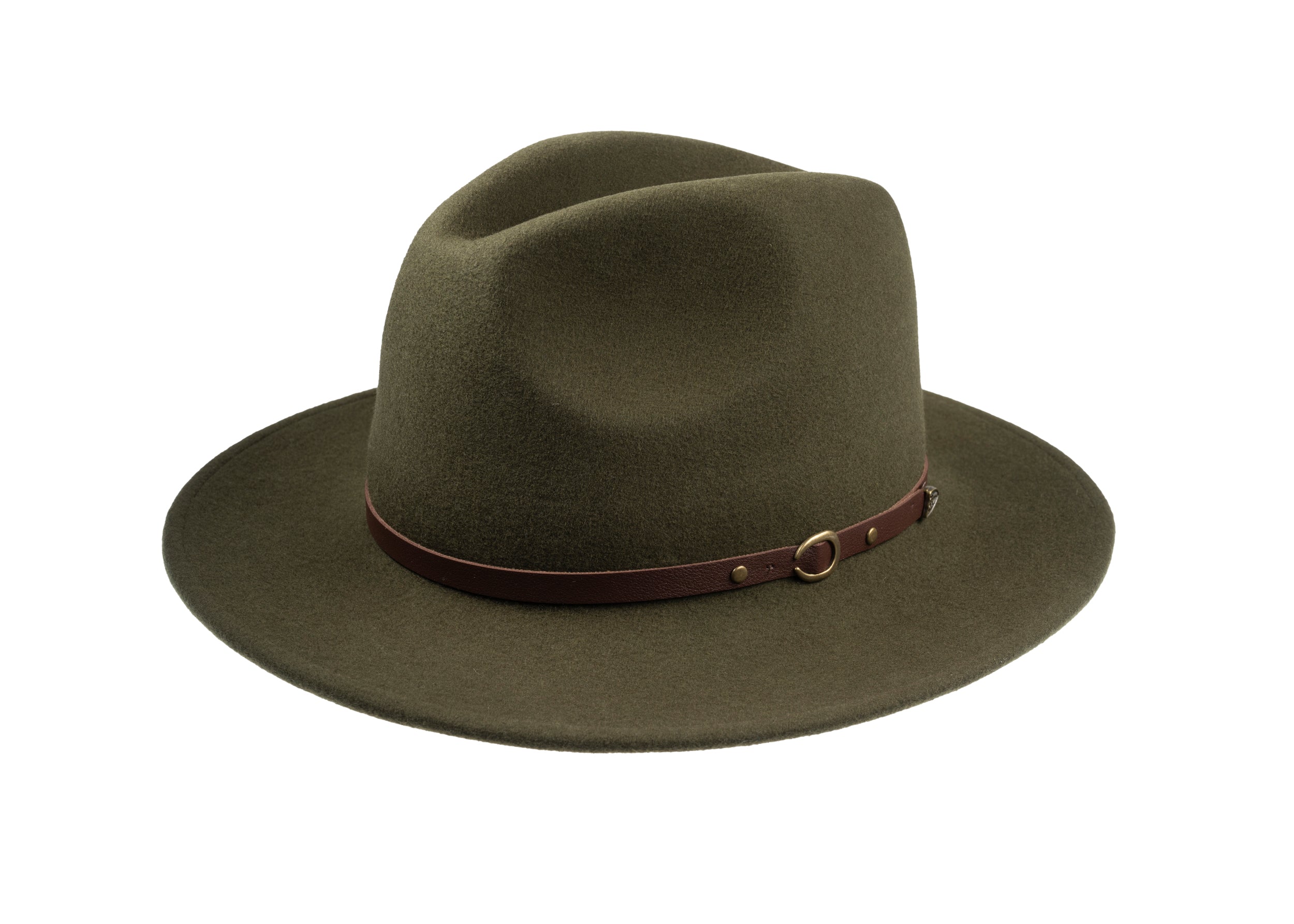
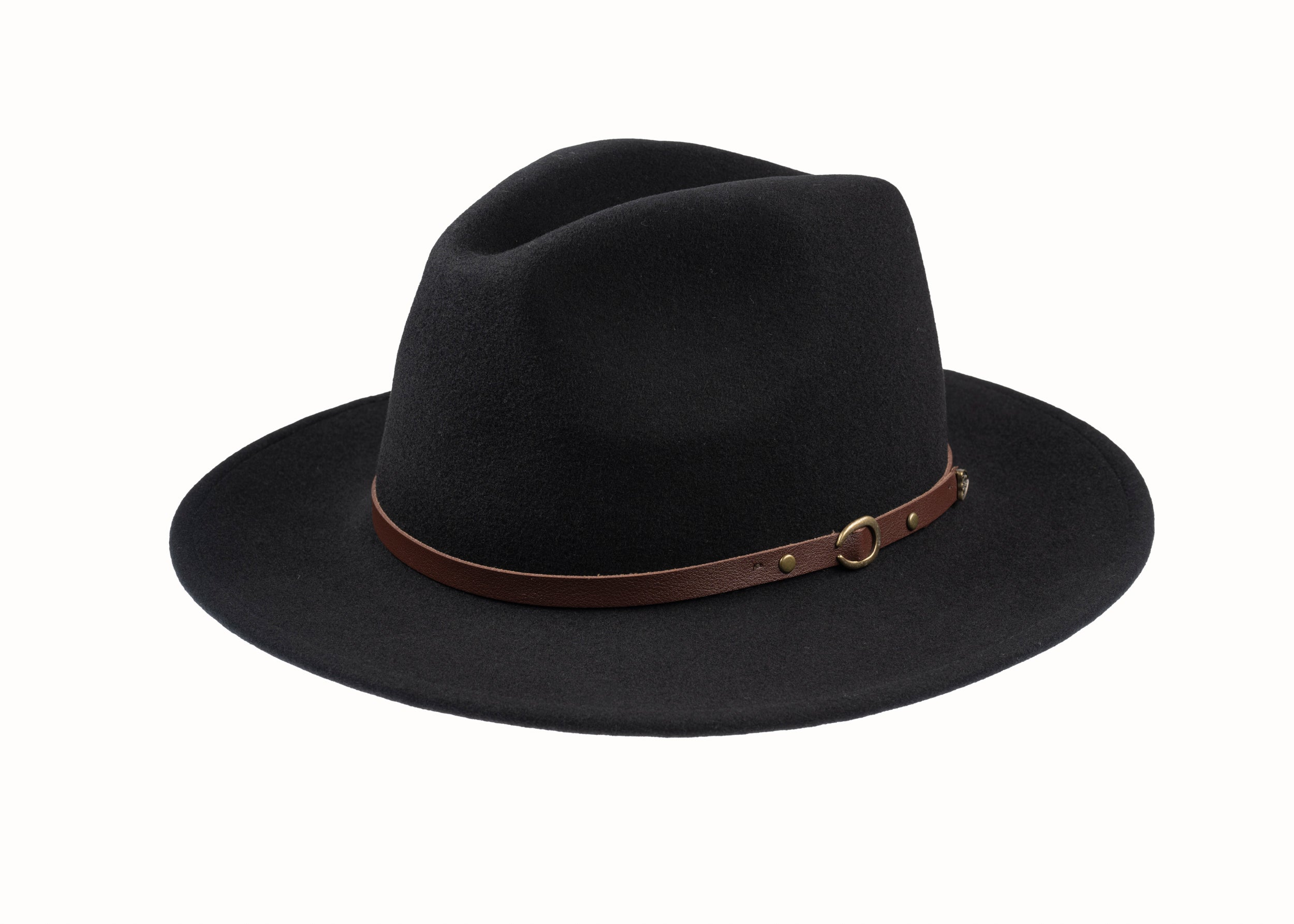
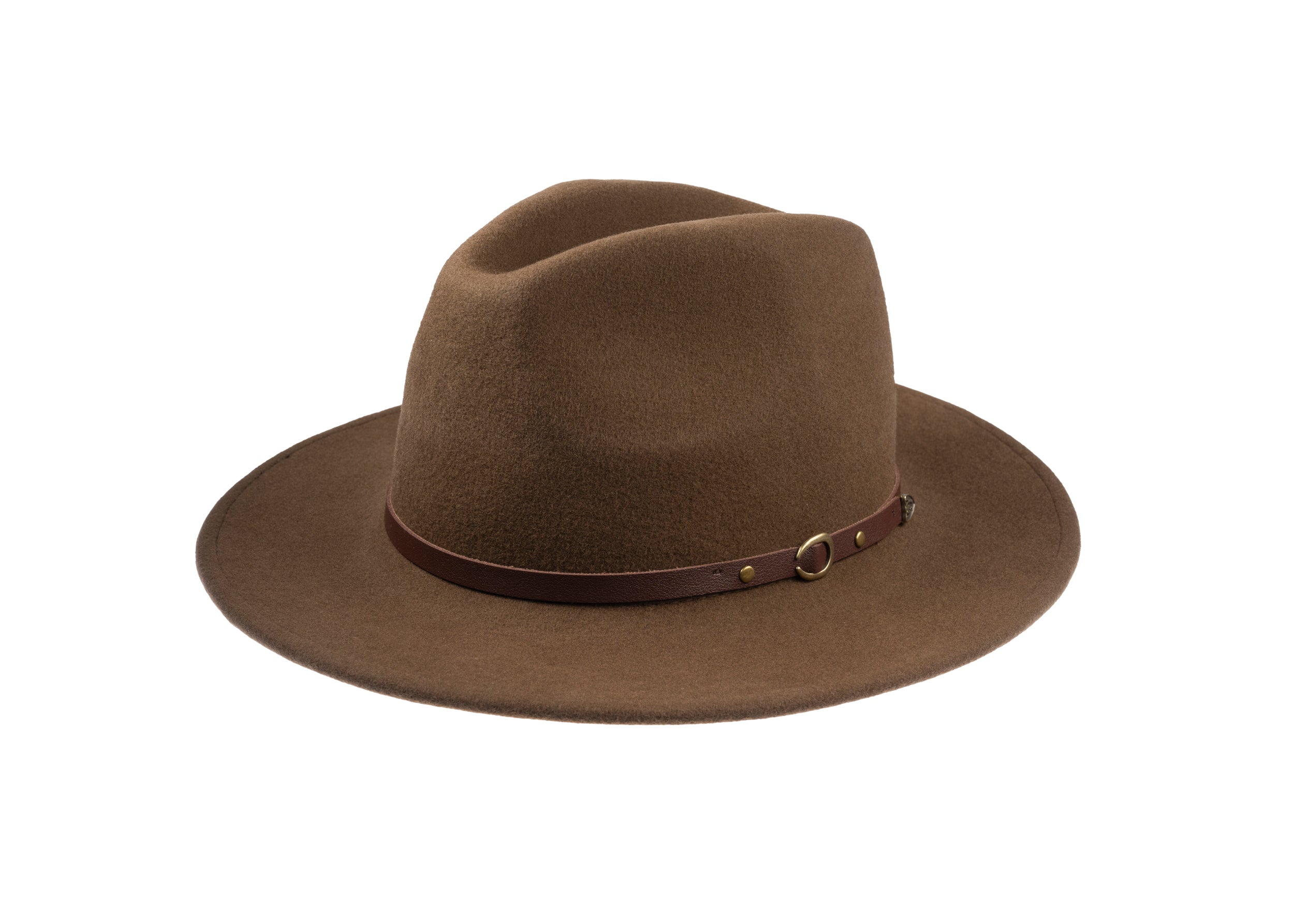
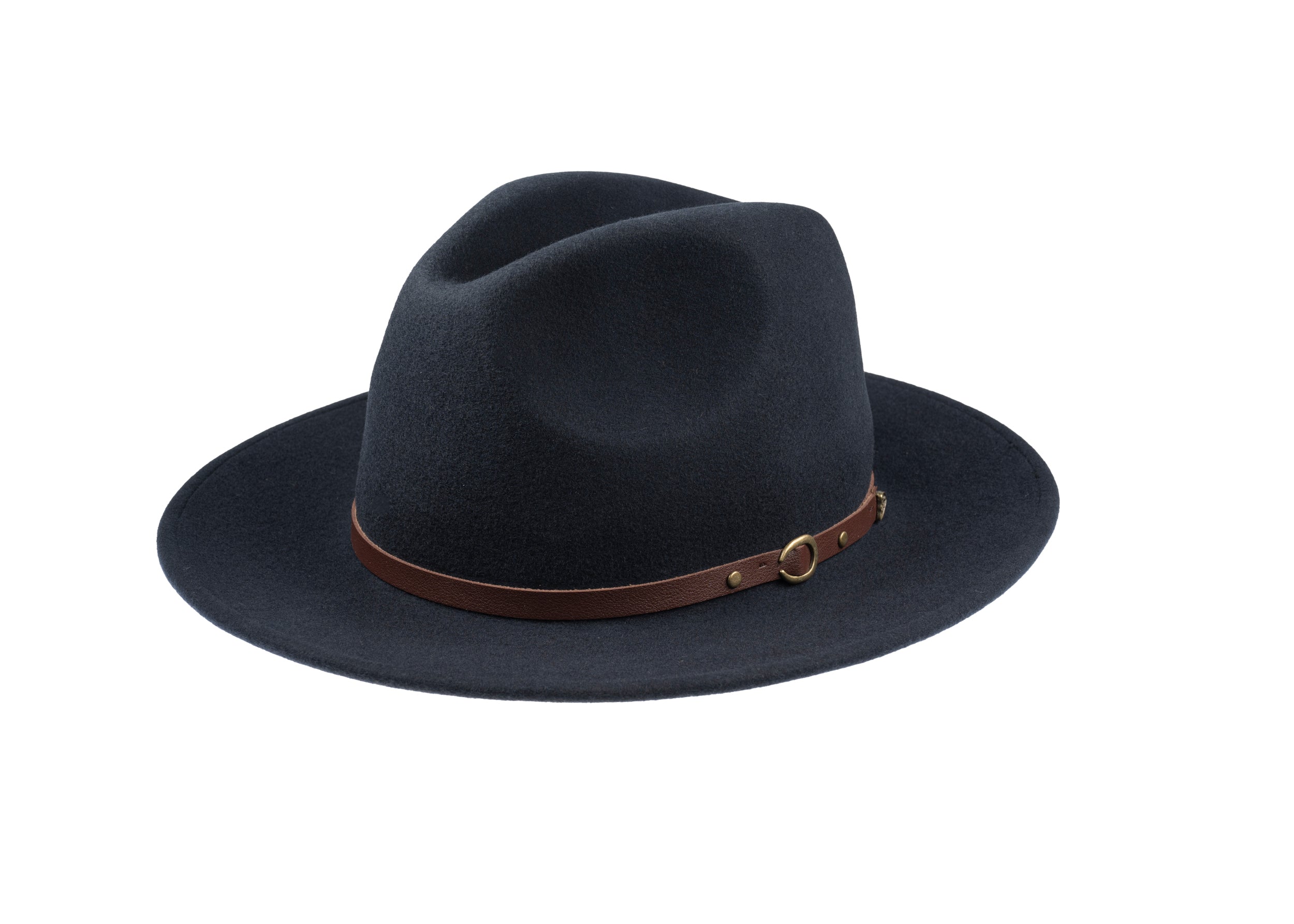
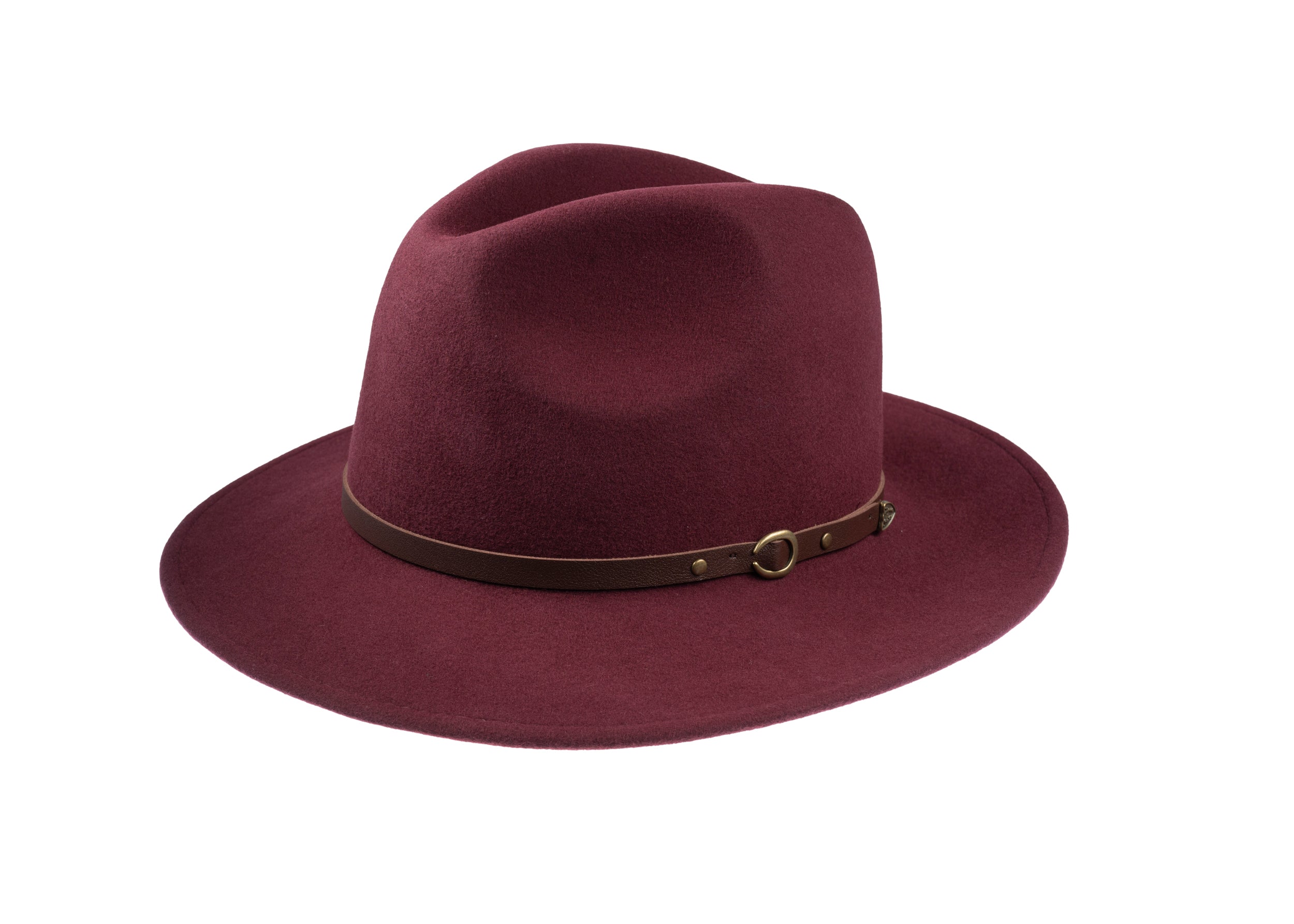
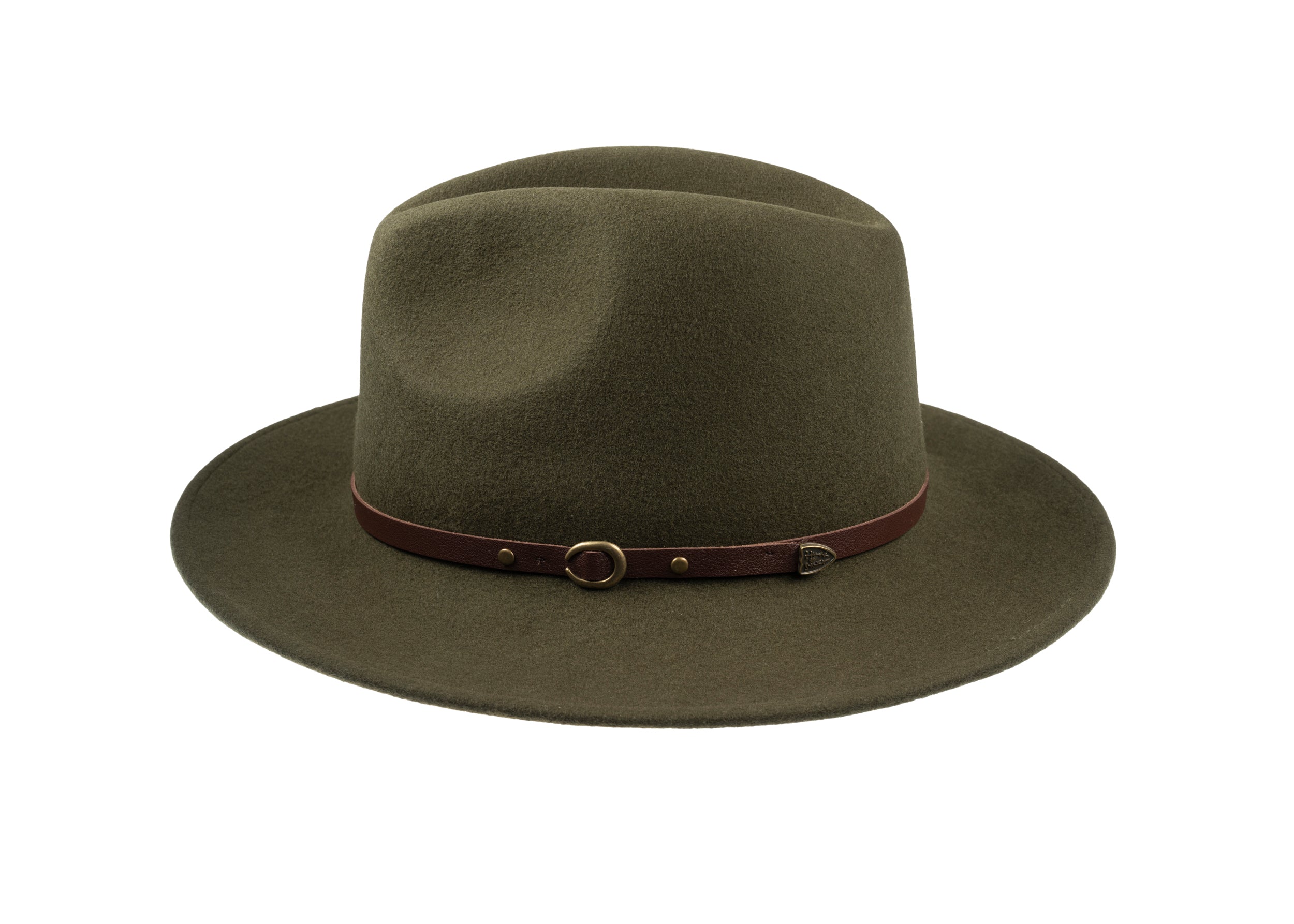
A felt fedora or trilby should rest in a position that supports its existing crown and brim without forcing either into a new angle. For several months, a correctly sized hat box is often the simplest option, provided the lid does not touch the crown and the brim is not caught or pinched. If a box is not available, use a stable, uncluttered shelf or a suitable stand where the hat cannot be knocked, buried or pressed by other belongings.
Avoid hanging a felt hat from a narrow hook for long-term storage if that places strain on one point of the hat or leaves the brim unsupported. Do not stack other hats, books or luggage on top. If the crown needs gentle internal support, use clean, unbleached or acid-free tissue loosely rather than packing it tightly; the purpose is to prevent collapse, not to stretch the hat.
For a box, compare the hat's crown height and brim width with the internal space before buying. Christys options such as the Classic Standard Red Hat Box may be relevant for some standard-brim styles, but the individual hat description and measurements must decide the fit. A box is protective only when it leaves clearance all around.

Panama straw: protect the weave and wide brim
Panama straw benefits from space, support and a dry, steady environment. Never fold, roll or wedge the hat into a suitcase or crowded cupboard unless the individual design expressly allows it. A woven crown or brim can be stressed by compression, and a wide brim may develop a set that is difficult to correct without specialist handling.
Remove loose dust with a soft, appropriate brush and deal with moisture as you would with felt: allow it to leave naturally at room temperature, away from direct heat. Once dry, lay the hat on a broad, stable surface or place it in a wide-brim box with enough height and diameter for the crown and brim to sit free. The brim should not be forced upwards by the lid or hang unsupported over an edge.
The Christys Classic Large Red Hat Box for Wide Brim Hats is one possible storage option for broader styles, not a universal answer. Compare the hat's actual brim measurement and crown profile with the box before purchase. If the weave is broken, the brim remains distorted or the hat has suffered significant damp, seek an experienced hatter rather than trying to re-steam or reshape it at home.
A quick end-of-season check
- Confirm the hat is fully dry before boxing or shelving it, and leave clear space around the crown, brim or peak.
- Keep the stored piece away from compression, direct heat, strong sunlight and damp-prone locations.
- Record any new mark, odour, distortion or pest sign so it can be dealt with before the next season.

Tweed and cloth caps: keep the crown and peak settled
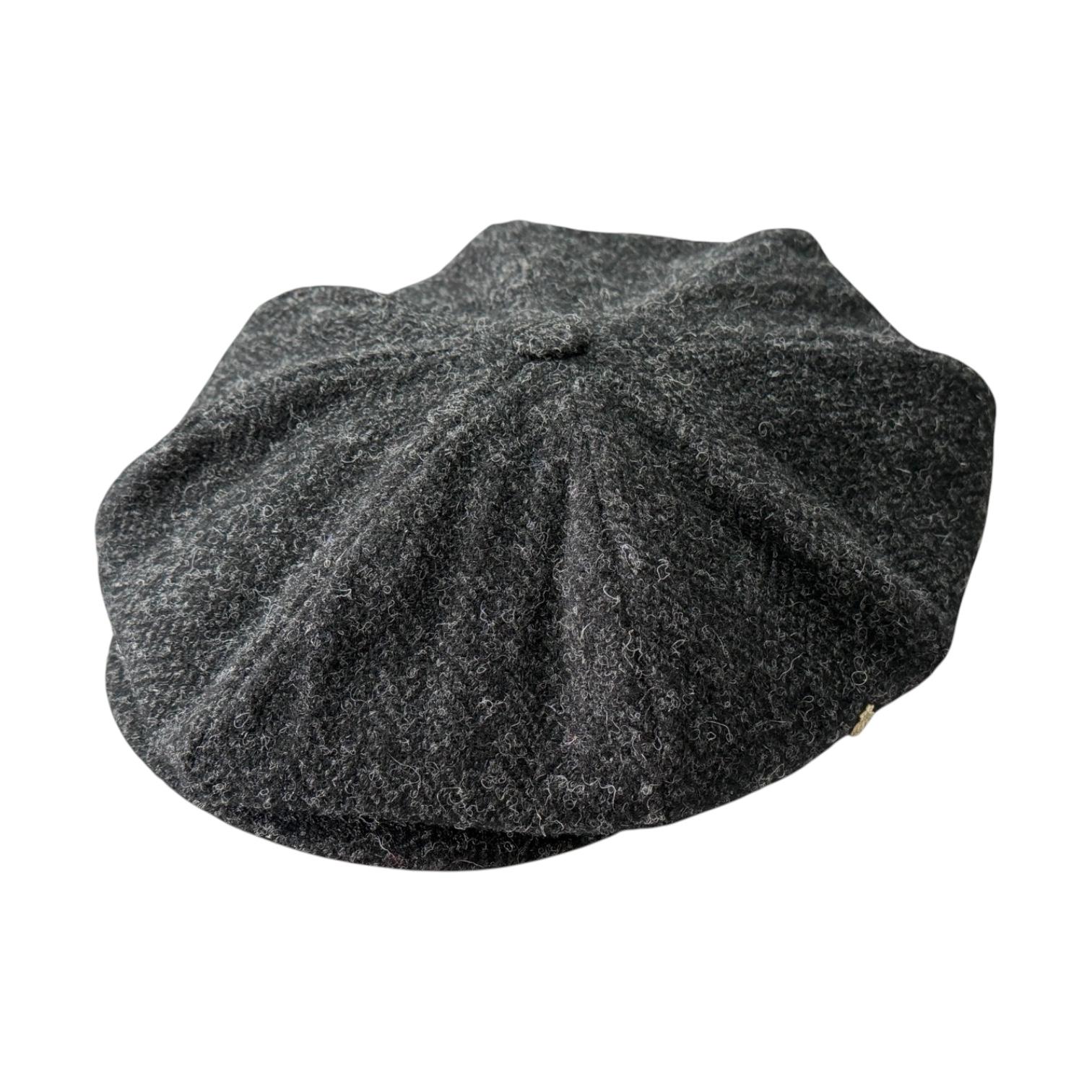
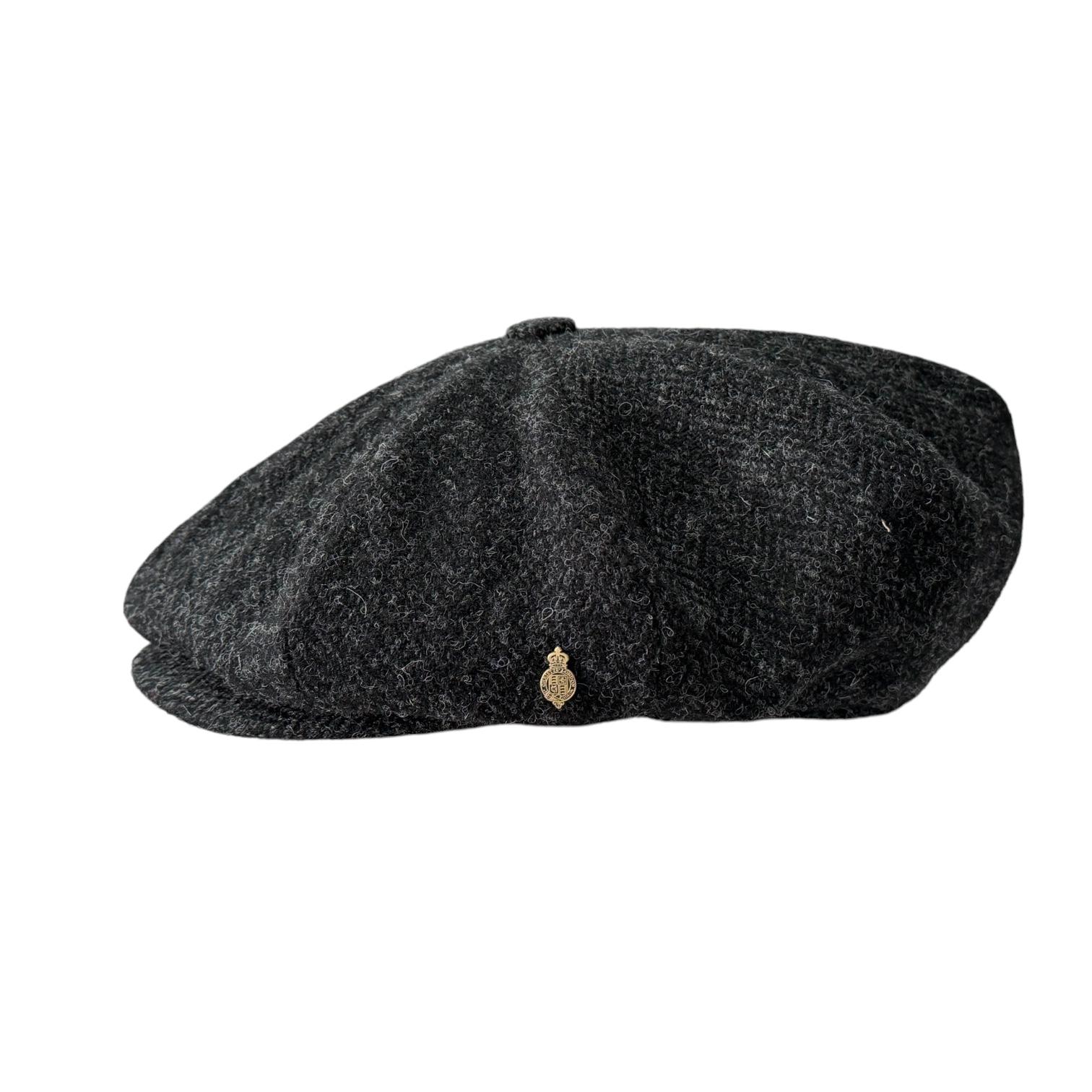
A tweed, wool or cloth flat cap, bakerboy or similar cap needs a lower-profile solution than a structured fedora. Store it in a cap box or on a clean, broad shelf where the crown is not flattened and the peak is not bent upwards, downwards or sideways. Do not hang it by the peak, tuck it beneath clothing or stack other caps on top.
Brush away loose dust gently, following the cloth's surface, and avoid wet cleaning unless the product guidance specifically permits it. If the cap is damp, leave it open to dry naturally before placing it in storage. A breathable cover or box is preferable to sealed plastic, which can trap moisture and odours.
The Christys Classic Cap Box Small may be worth considering for a suitable cap, but its dimensions do not make it right for every crown or peak. Compare the individual cap's measurements and make sure the lid cannot press on the peak or flatten the crown. A supported shelf is perfectly reasonable when it provides the same clearance and protection from dust.

Checking a stored hat before the next season
The hat need not be disturbed frequently. Check it periodically, and again before it returns to regular wear, for a musty smell, mould spots, tiny holes or webbing, insects, new pressure marks, or a change in the way the brim or peak sits. Air it briefly in a clean, dry room if appropriate, then return it to its supported position.
If you find active mould or pests, keep the affected piece apart from the rest of the wardrobe and avoid brushing it beside other hats. Persistent distortion, broken straw, loose seams, damaged trims or any problem that does not respond to gentle surface care belongs with an experienced hatter or repair specialist.
Seasonal storage works best when it protects the shape and finish the hat already has. Let the care guidance and the hat's measurements lead the choice of box, shelf or stand, and keep the piece dry, supported and free from pressure until it is ready to wear again.
FAQ
Is a hat box essential for seasonal storage?
No. A clean, stable shelf or suitable stand can work if it gives the hat clearance and protects it from dust, pressure and damp. If you use a box, match its internal dimensions to the individual hat.
How does storage differ between felt, Panama straw and tweed or cloth?
Felt needs support for its crown and brim; Panama straw must remain unfolded and free from compression; tweed and cloth caps need a lower-profile position that leaves the crown and peak settled. Follow the individual care guidance where it differs.
What should I do if my hat is damp after rain or perspiration?
Leave it open to dry naturally at room temperature in a well-ventilated place, away from direct heat. Put it away only when it is completely dry.
Can I store hats in sealed plastic or stack them?
Avoid both. Plastic can trap moisture and odours, while stacking can flatten crowns, bend brims or stress peaks.
How often should a stored hat be checked?
Check it periodically and again before it returns to regular wear. Look for odours, mould, pest signs, pressure marks or changes in the brim or peak, and air it briefly if appropriate.
When should I seek professional help?
Ask an experienced hatter or repair specialist about mould, active pest damage, broken straw, persistent warping, loose seams, damaged trims or marks that do not respond to gentle, material-appropriate care.