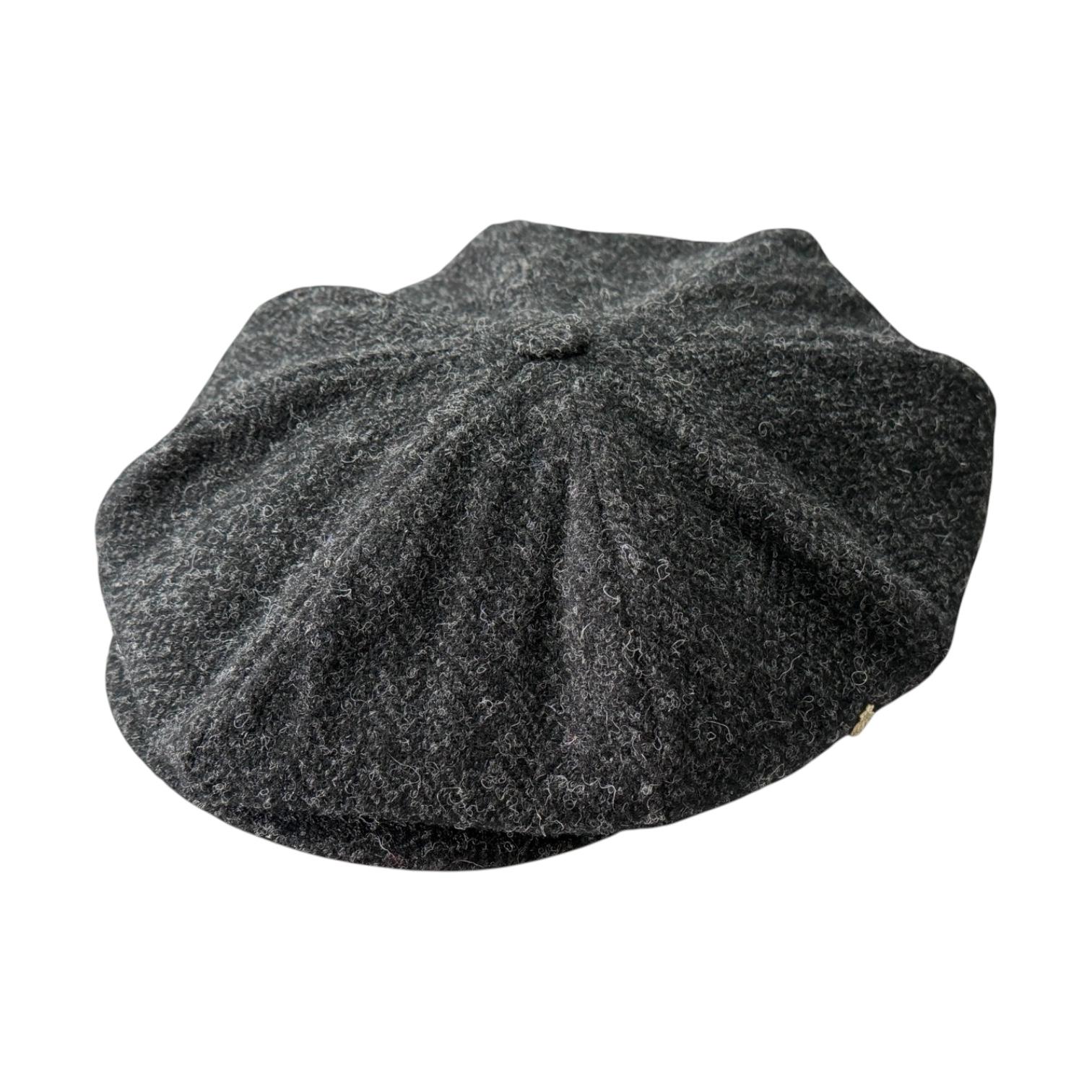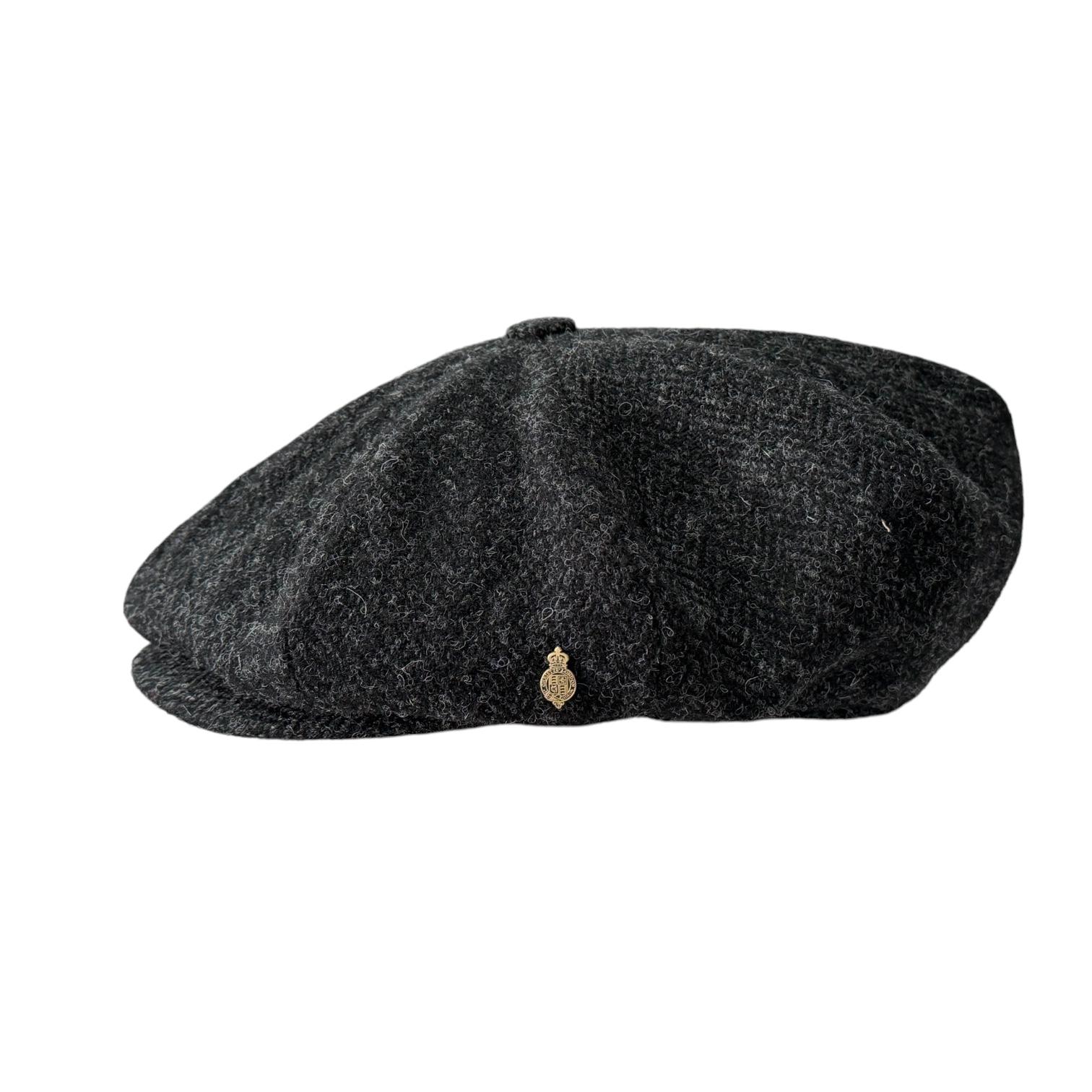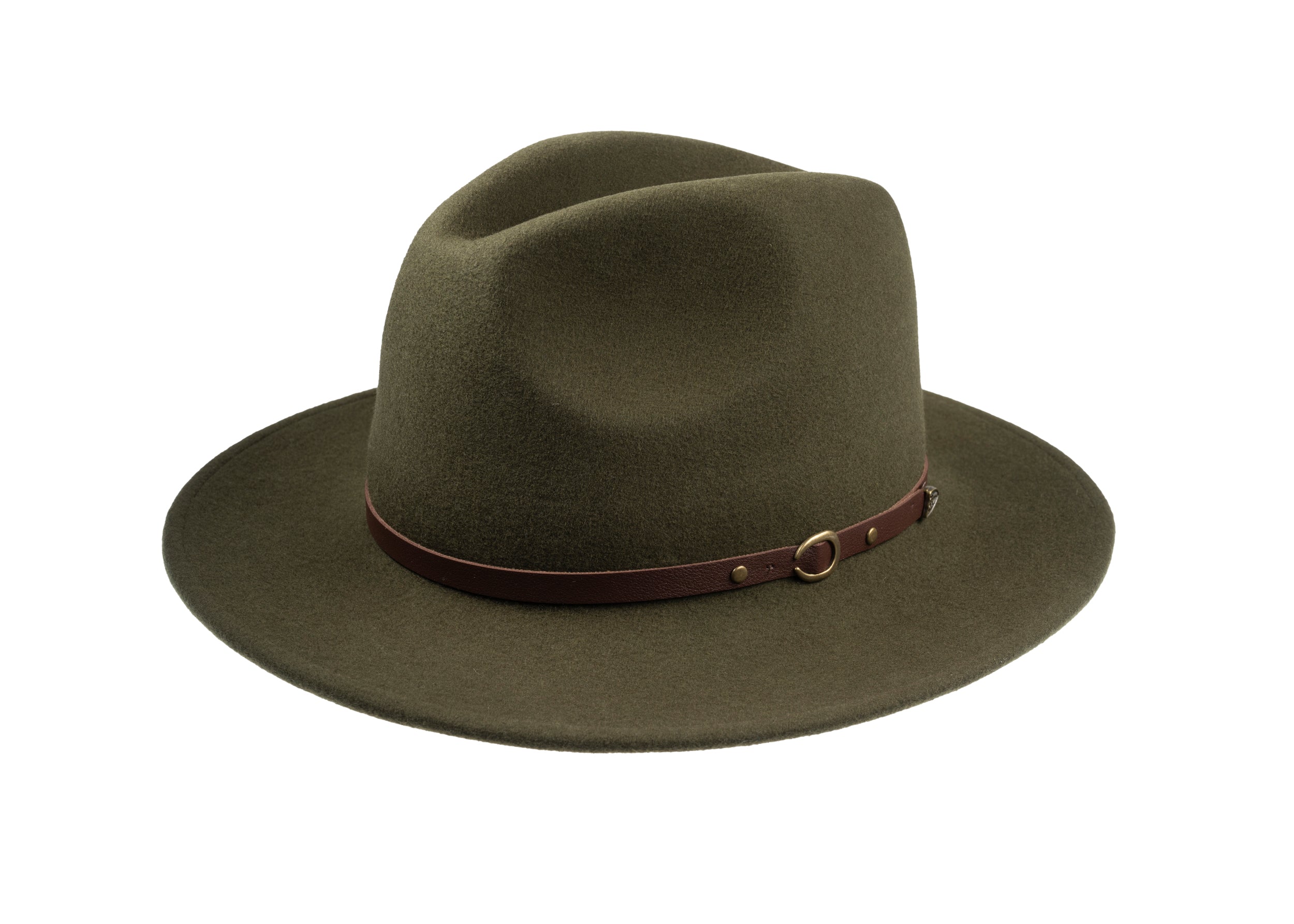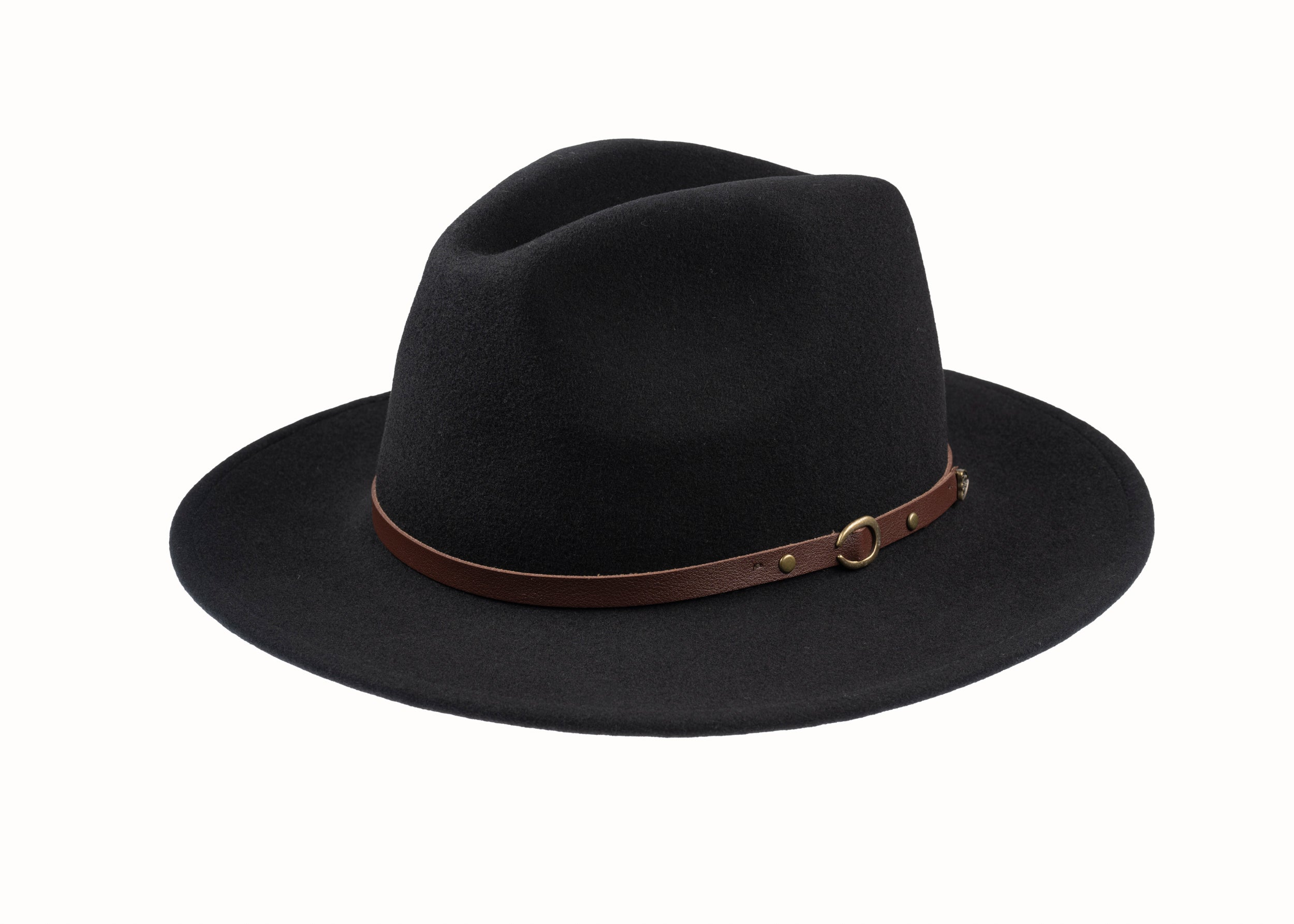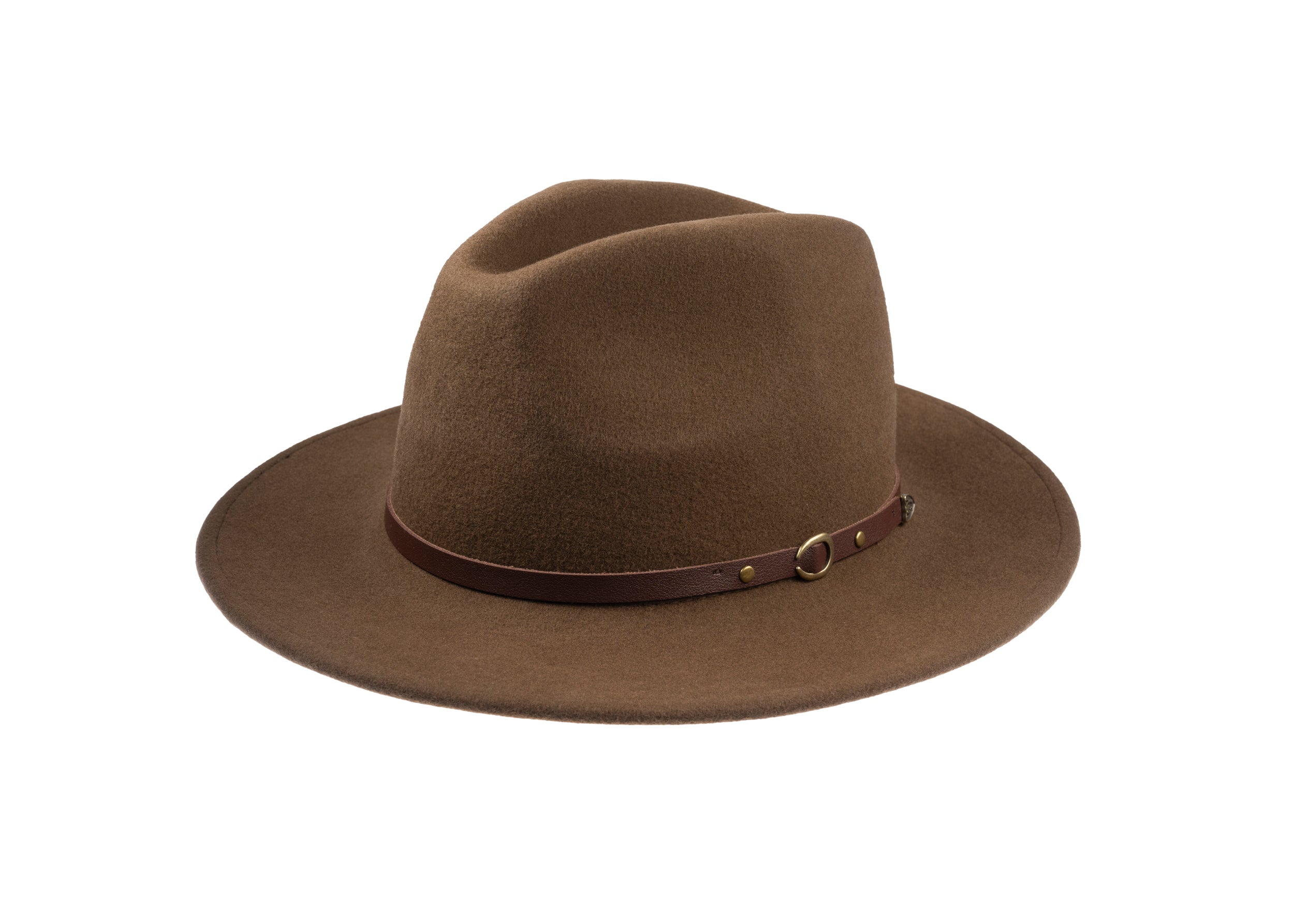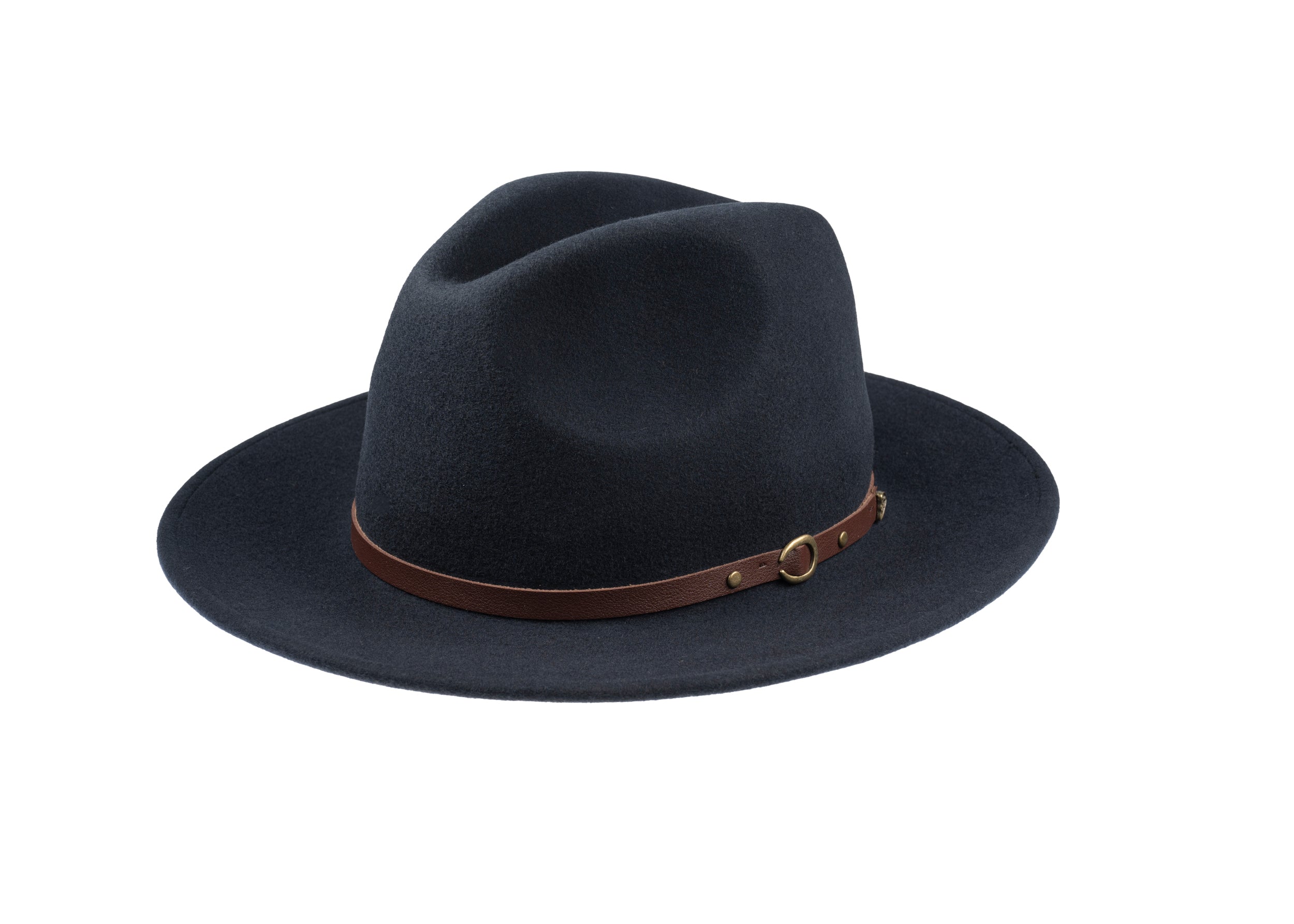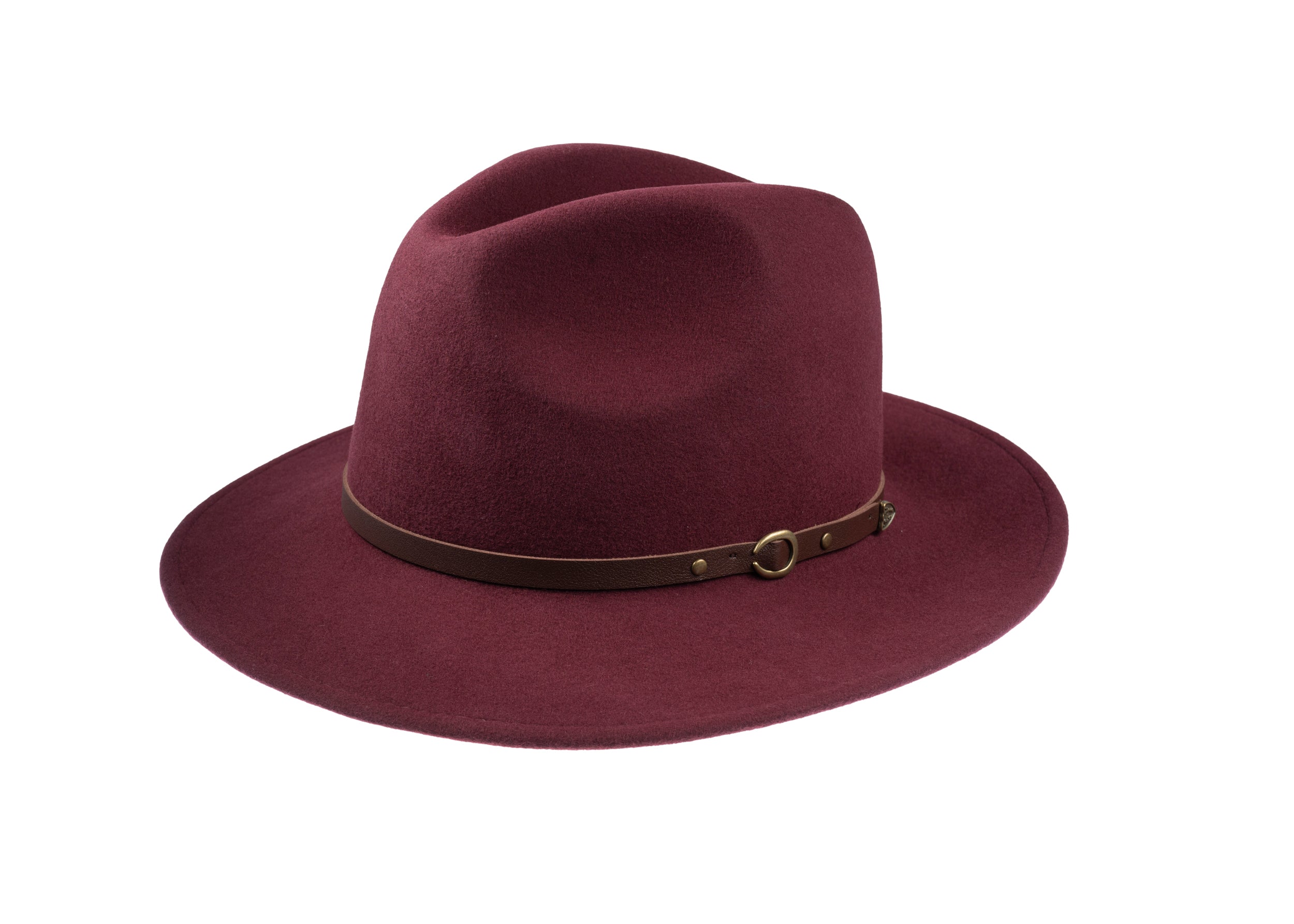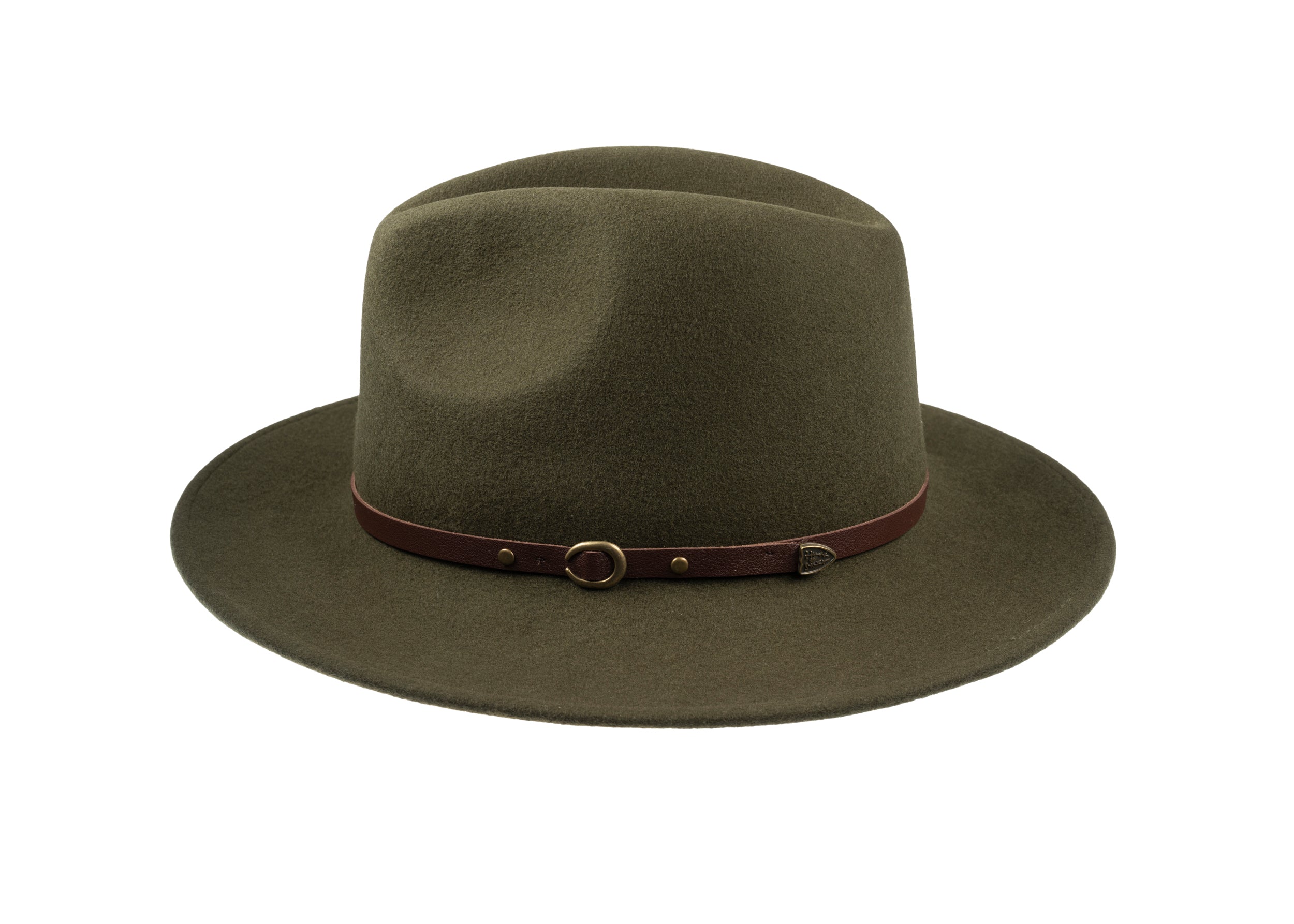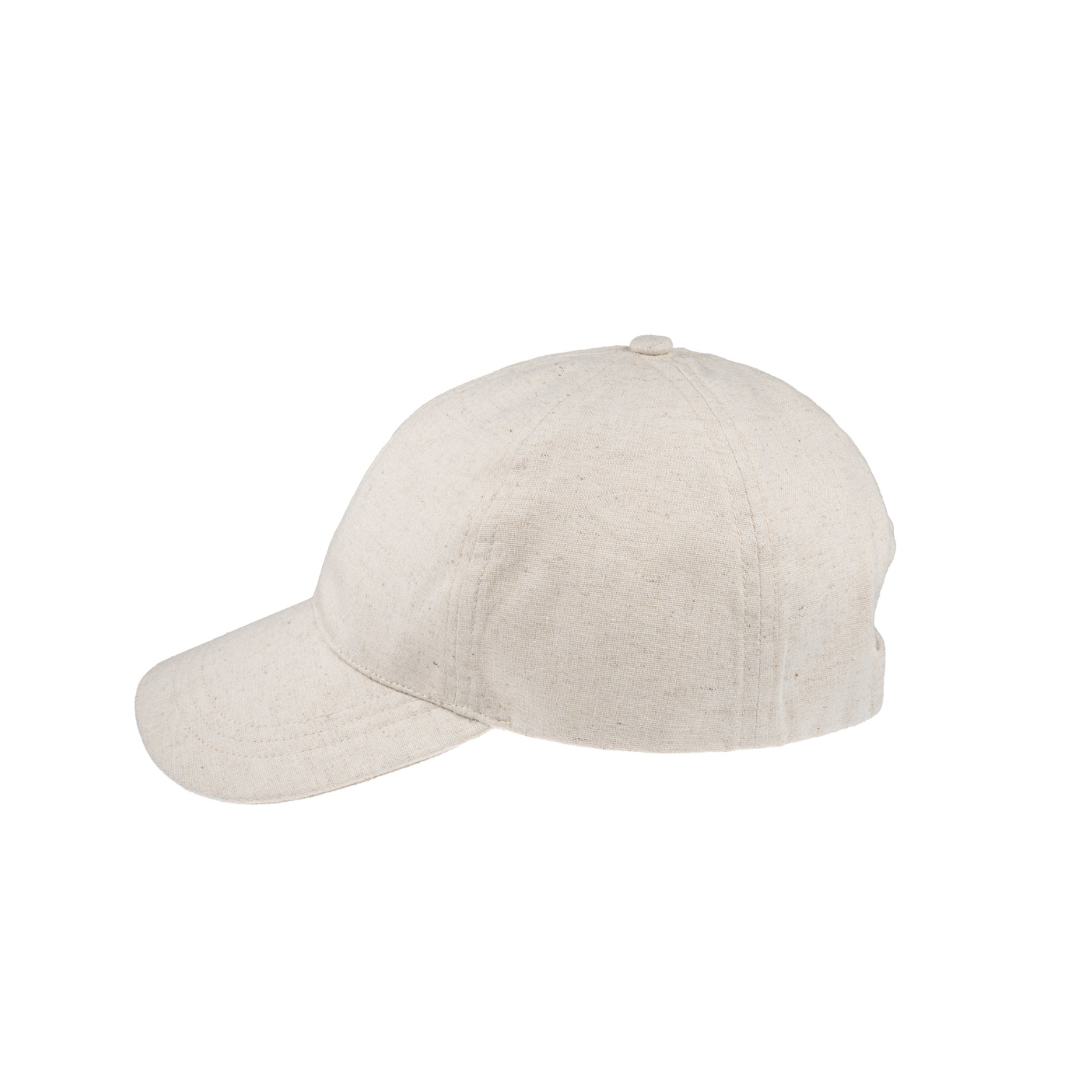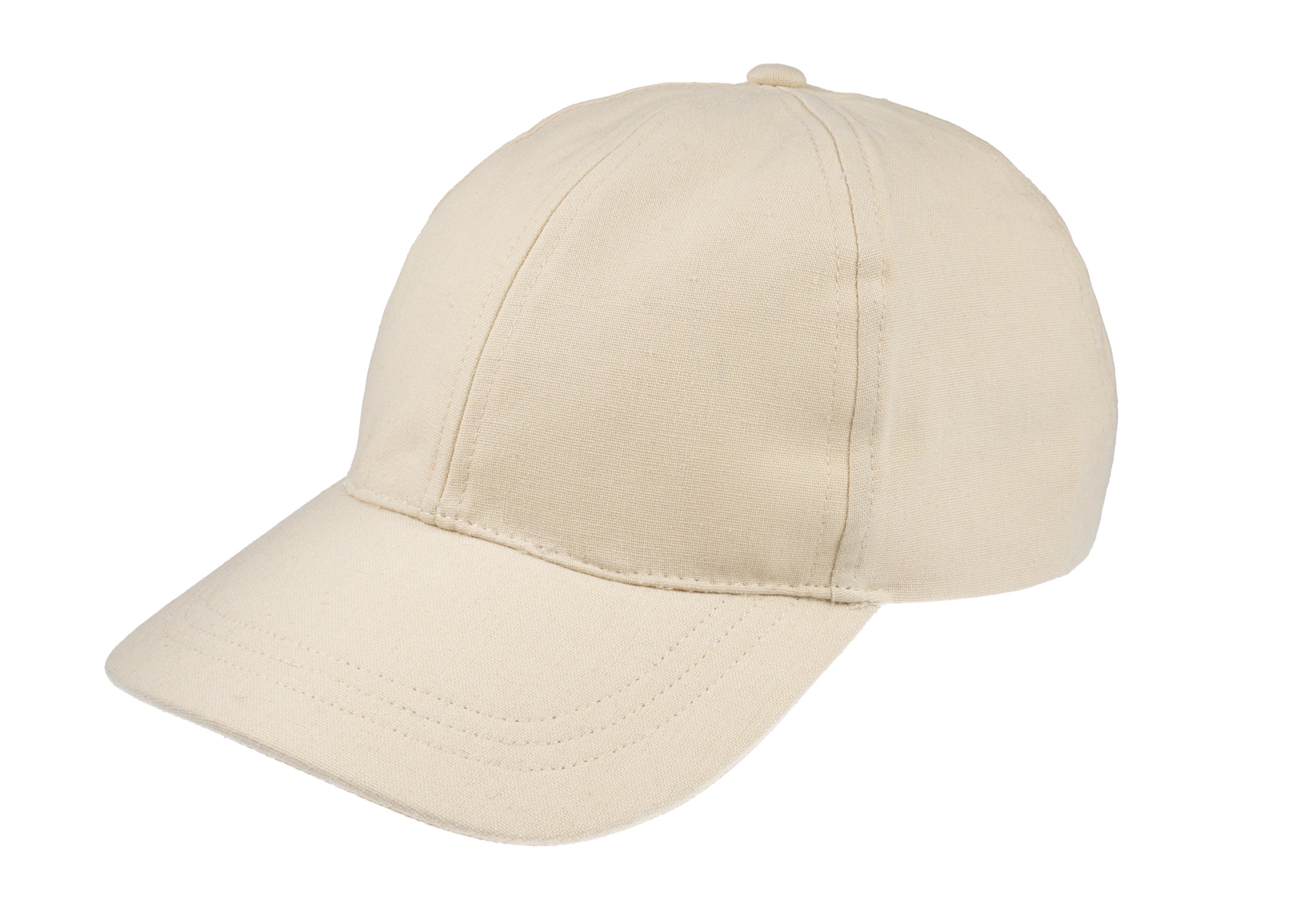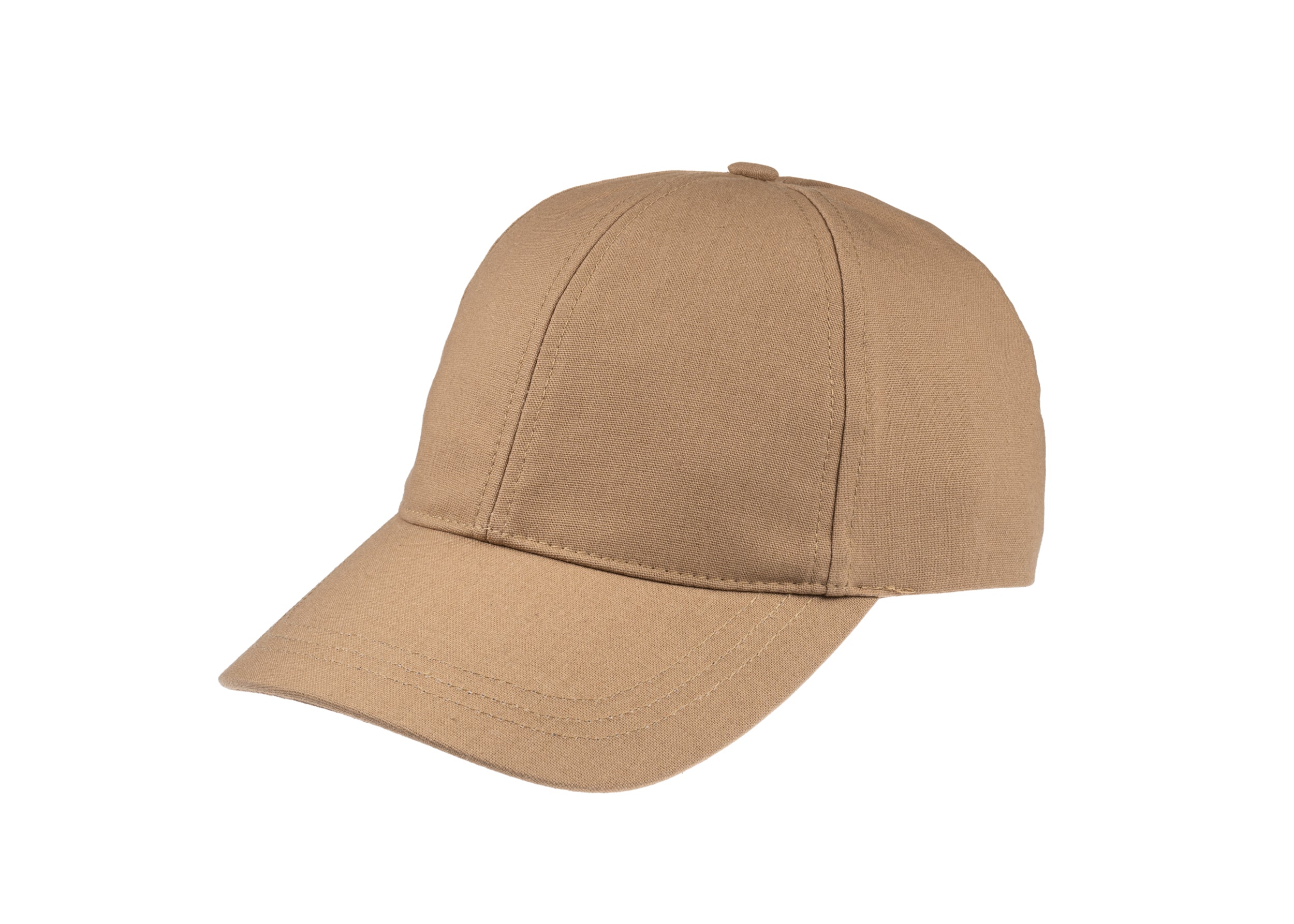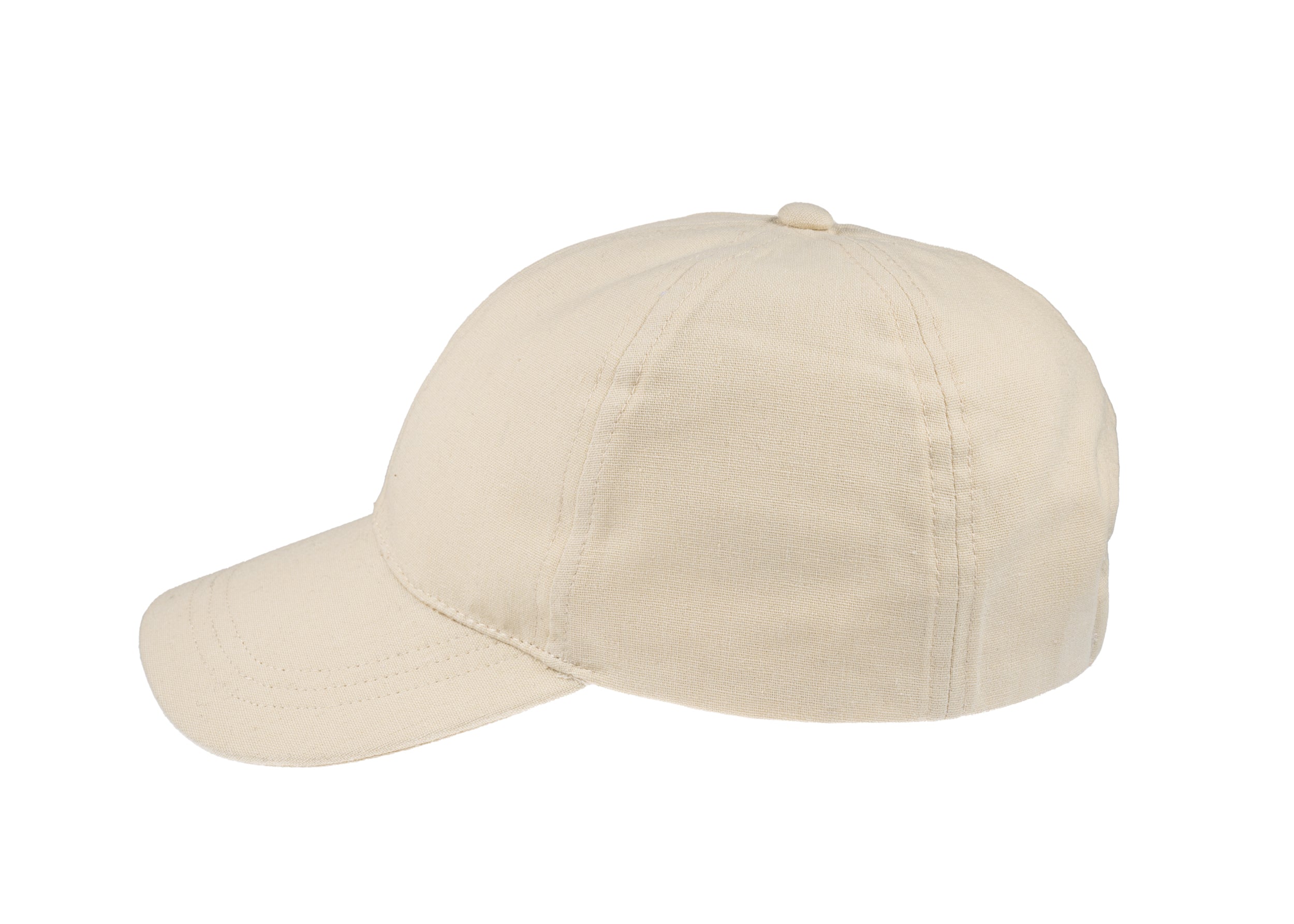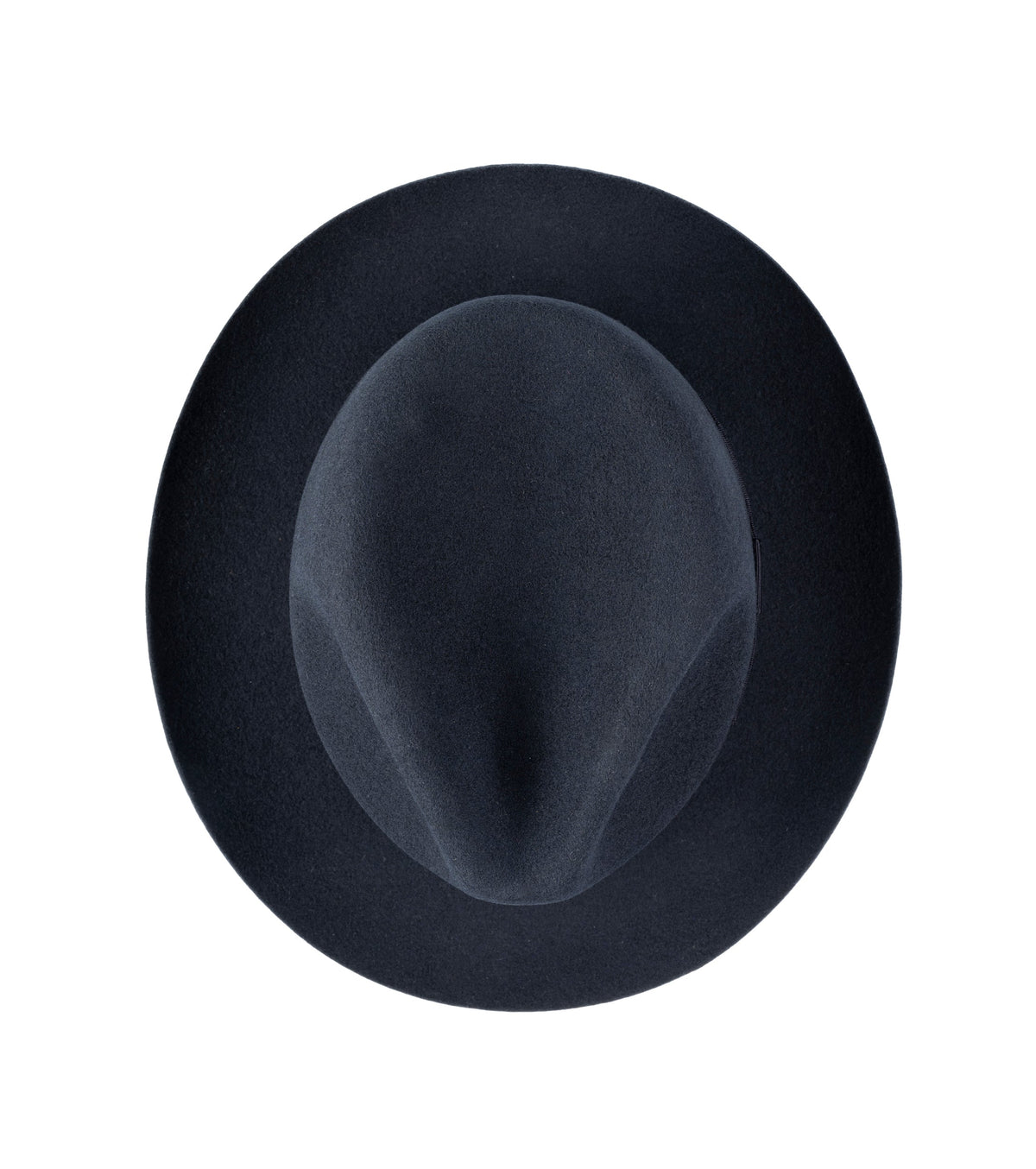





A well-made hat keeps its character when it is treated with a little thought. The main risks are rarely dramatic: repeated pressure on the crown, a brim or peak bent in a crowded bag, uncontrolled moisture, or drying beside a radiator. Over time, those small moments can soften the profile of a fedora, trilby, Panama, bowler, top hat, flat cap, or bakerboy cap.
The safest routine is modest and material-aware. Handle the hat by the areas designed to be handled, allow dampness to leave naturally, support the original profile during travel and storage, and stop before a home adjustment becomes forced reshaping. Always give the individual product description and care guidance priority, as felt, straw, tweed and cloth do not respond in precisely the same way.

Handling: remove pressure before it becomes distortion
A hat is most vulnerable when it is being put on, taken off or set down. First follow the individual product guidance and use any designated handling points it gives. If none are specified, support the hat lightly by the brim rather than pinching the crown; for a cap, hold the crown or sides without pulling the peak. A Panama’s woven brim and a felt hat’s finished edge both deserve a light touch, and a flat cap or bakerboy cap should never be tugged into place by its peak.
Keep hands, buckles, coat hooks and chair backs away from the band and brim edge. Do not leave a hat beneath a coat, in a full tote, or on a shelf where another object rests on it. Perspiration and body heat can also soften materials during wear, so give the hat room to air after use rather than returning it immediately to a tight space.
For a useful after-wear routine, follow the principle set out in Christys’ regular-wear care guidance: handle gently, address small changes early, and know when to stop rather than trying to force the hat back into shape.

Damp weather: dry naturally, without changing the profile
If a Christys hat becomes damp, let it dry at room temperature in a well-ventilated place, away from radiators, fires, hairdryers, strong sunlight and other direct heat. Heat can dry one area faster than another and leave felt, straw or cloth sitting in a changed position. Do not put a wet hat straight into a closed box or leave it pressed against another object.
Support the hat in a relaxed version of its existing profile while it dries. A clean, soft support inside the crown can help prevent collapse if the hat’s shape allows it, but do not pack it tightly or use pressure to create a new shape. A cap should be allowed to rest naturally rather than being stretched over an unsuitable form.
Material matters. Fur or wool felt may settle after light dampness, but should not be soaked or scrubbed aggressively. A Panama straw hat should be kept away from unnecessary water and handled carefully if the weave or brim becomes soft. Tweed and cloth caps should be dried without wringing, twisting or compressing the peak. If the care label or product description gives different instructions, follow that guidance first.

Travel: carry the hat, rather than letting luggage carry it
The safest travel method is a container that suits the hat’s dimensions and supports it without forcing the crown, brim or peak. Avoid placing a hat loose at the bottom of a suitcase, under a coat, or between heavy items. A breathable box or suitable soft support can reduce movement, but it should never create pressure or ask a brim to bend against its natural line.
For a felt fedora, trilby, bowler or similar hat, keep the crown from being crushed and make sure the brim is not bearing the weight of luggage. For a Panama, take particular care with the woven brim: do not fold, roll or bend it unless the individual product is specifically designed for that treatment. For a tweed or cloth cap, keep the peak clear and avoid packing it beneath a tightly filled compartment.
The same caution applies at home or in the car. Repeated flexing, compression and exposure to changing humidity can slowly reduce definition, so prevent unnecessary stress instead of relying on later reshaping.
A simple after-wear and travel checklist
- Lift and set down the hat without pinching or pressing the crown, band, brim or peak unnecessarily.
- Check for dampness, perspiration, flattened areas or a bent edge before putting it away.
- Let moisture leave naturally in a ventilated place, away from direct heat and strong sunlight.
- Use gentle, clean support only to preserve the existing profile; never pack the crown tightly.
- Carry the hat in a suitably sized, supportive container and keep heavy luggage off it.

Storage: give the original shape room to remain itself
Store a hat clean, dry and supported, with enough room for its crown and brim to sit naturally. A box is useful when it matches the hat’s shape and dimensions; an ill-fitting box can be as unhelpful as no box if the brim catches on the sides or the crown presses against the lid. Keep the storage position stable, avoid stacking objects on top, and store away from damp cupboards, radiators and prolonged direct sun.
If you are considering a Christys storage box, treat these as optional examples rather than a substitute for checking the hat itself. The Christys Classic Standard Red Hat Box may suit a standard-brim style, while wide-brimmed hats such as some Panamas may need the Christys Classic Wide Brim Hat Box. Compare the individual hat’s dimensions and brim measurement before choosing either.
Flat caps and bakerboy caps need support that does not flatten the peak or crown. The Christys Classic Cap Box is a dedicated option, but confirm the product’s measurements and keep the cap free from pressure. Breathable storage and gentle crown support are also consistent with Christys’ practical guidance for caring for a cap.

Early distortion: settle gently, then know when to stop
If a brim edge, crown or peak looks slightly unsettled after wear, place the hat in its usual profile and let it rest. You may make a very light adjustment towards the shape it already has, but do not force a crease, flatten a high spot, pull a peak into line, or attempt to create a new curve. Minor settling back is different from structural reshaping.
Avoid soaking, machine washing, harsh household cleaners, stiffeners, unplanned steam, hairdryers and improvised weights. Do not scrub a stain harder simply because it is visible; cleaning methods vary by material and finish. Refer to the product’s own guidance whenever it is available.
Arrange professional advice from an experienced hatter or repair specialist if there is broken straw, a damaged band, loose stitching, a set-in stain, persistent warping, a cracked or sharply creased brim, or a crown that will not return towards its former profile. The production and finishing of a cap are precise, so structural reshaping is best left to someone equipped to assess the material and construction.
Shape protection is mostly a matter of prevention: handle thoughtfully, dry naturally, travel with support and store without pressure. Felt, Panama straw, tweed and cloth each have their own limits, so the product description should remain the final word on cleaning and treatment.
A brief inspection after wear is usually enough. If the hat is dry, clean and sitting in its familiar profile, give it suitable space and leave it alone. When the change is visible, persistent or structural, a suitably experienced hatter is the safer next step than a more ambitious home remedy.
FAQ
Can I use steam, water, stiffeners or household cleaners?
Do not assume these treatments are safe for every Christys hat. Avoid soaking, harsh chemicals, machine washing and untested steam; follow the individual product guidance, and consult an experienced hatter if gentle surface care is not enough.
How should care differ between felt, Panama straw and tweed or cloth caps?
Fur or wool felt should not be soaked or scrubbed aggressively. Panama straw needs particular care around moisture, folding and the woven brim. Tweed and cloth caps should not be wrung, twisted or compressed, and their peaks should remain clear. The product description and care instructions always take priority.
Is a hat box essential?
Not always, but storage must give the hat enough room to retain its natural profile without pressure. If you choose a box, compare its dimensions with the individual hat, especially the brim width, and use a cap-specific option for flat caps or bakerboy caps where appropriate.
When should I seek professional help?
Arrange advice from an experienced hatter or repair specialist for broken straw, damaged bands, loose stitching, set-in stains, persistent warping, sharply creased or cracked brims, or a crown that will not return towards its former profile. Stop home treatment rather than forcing the material further.