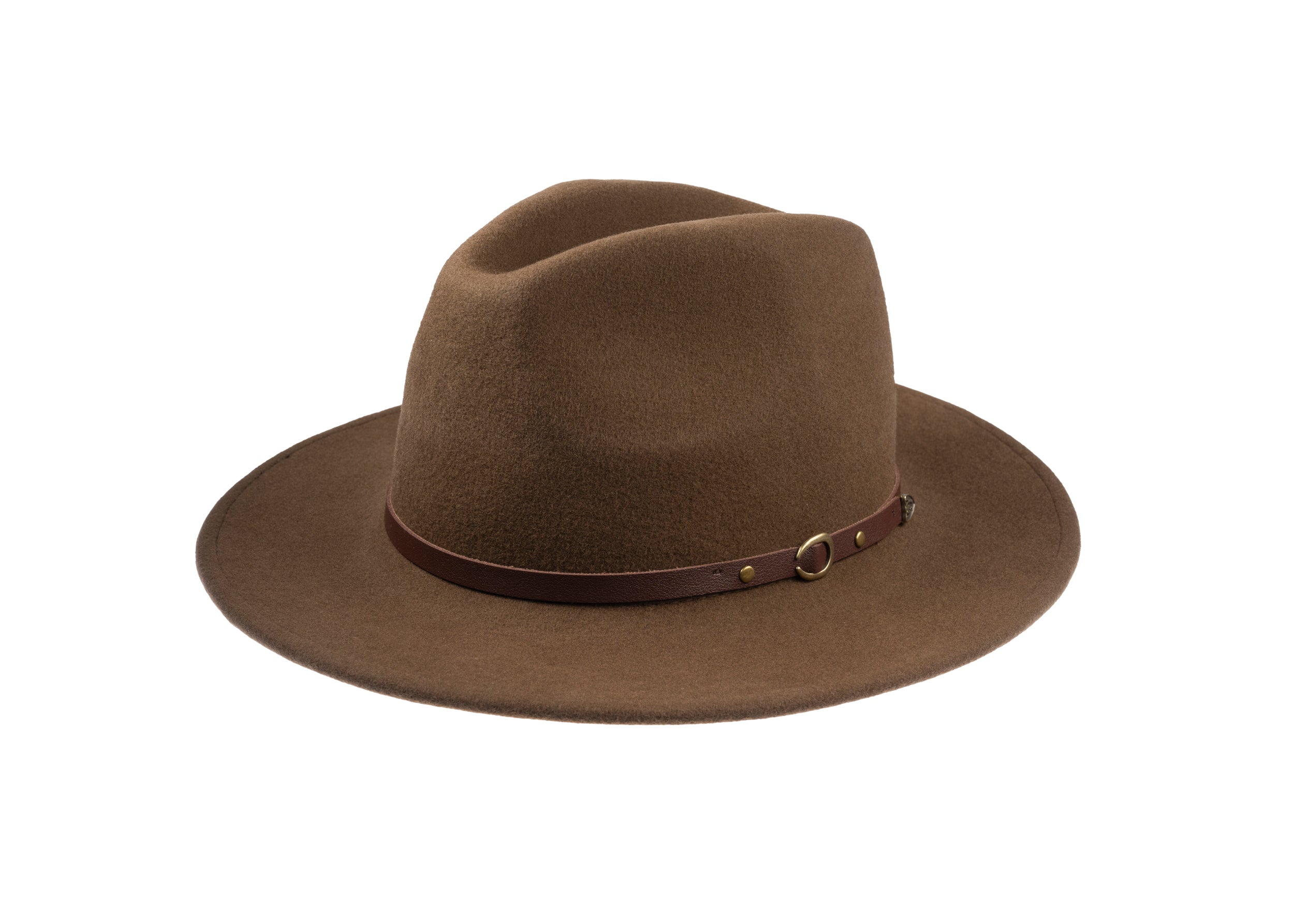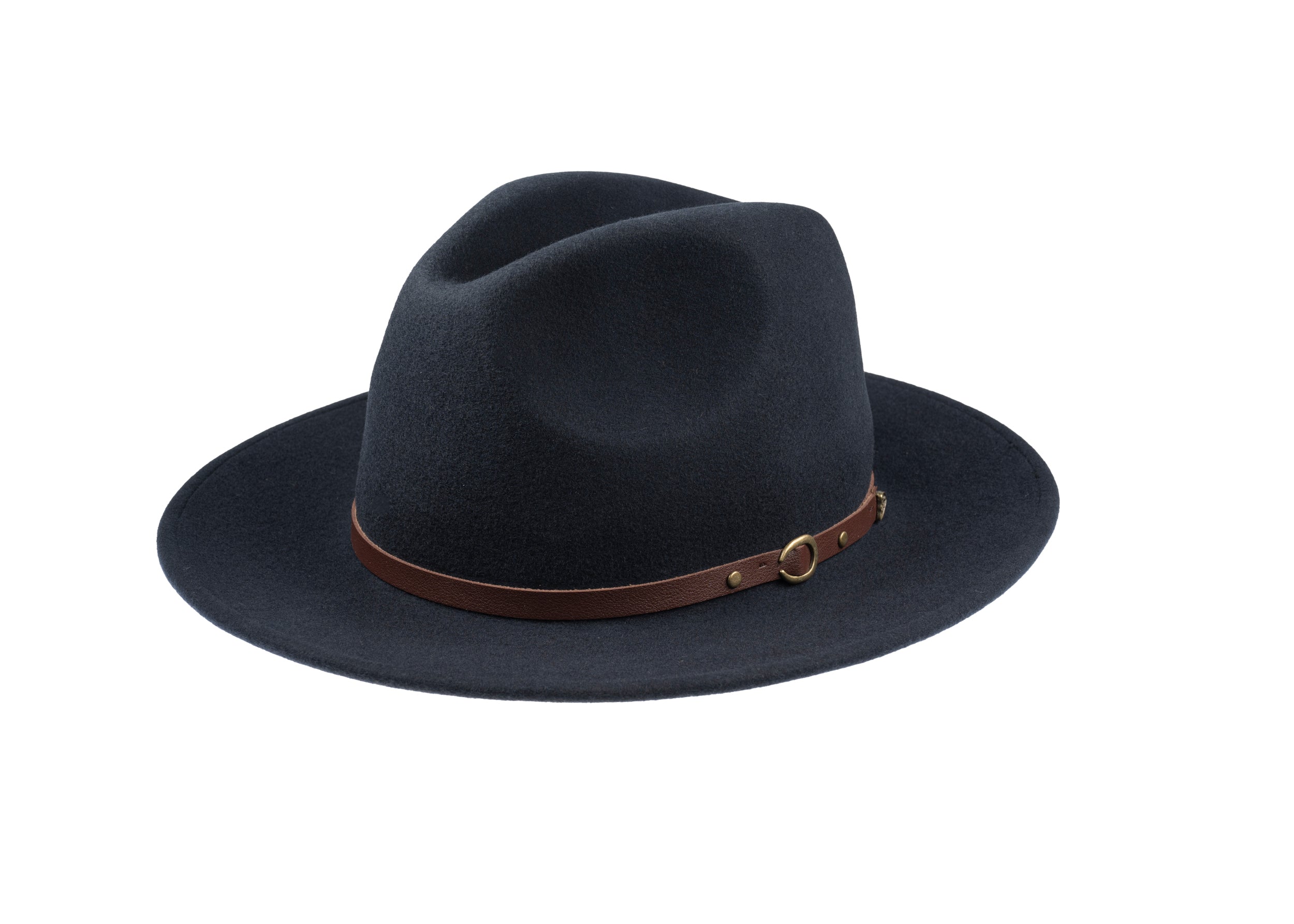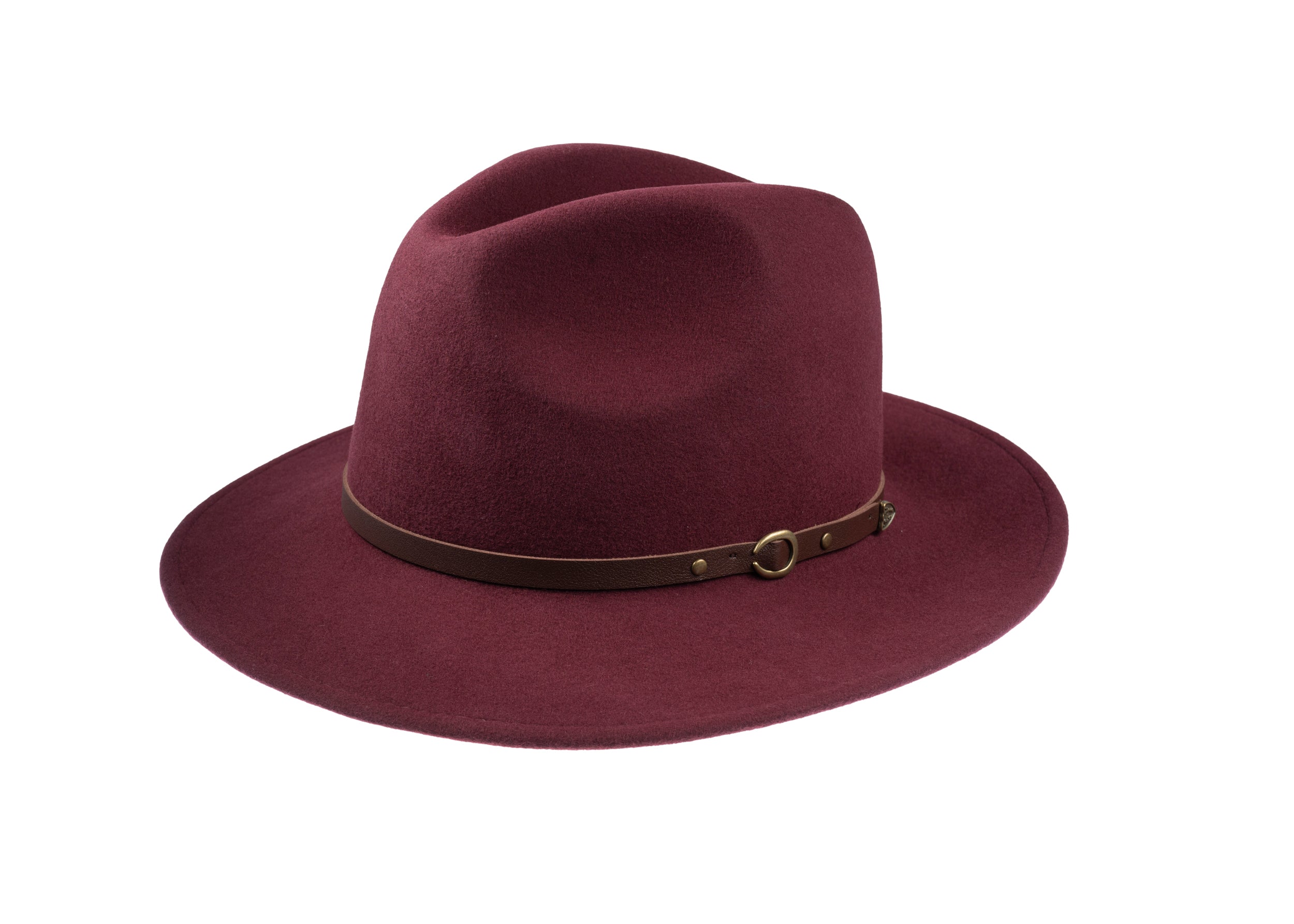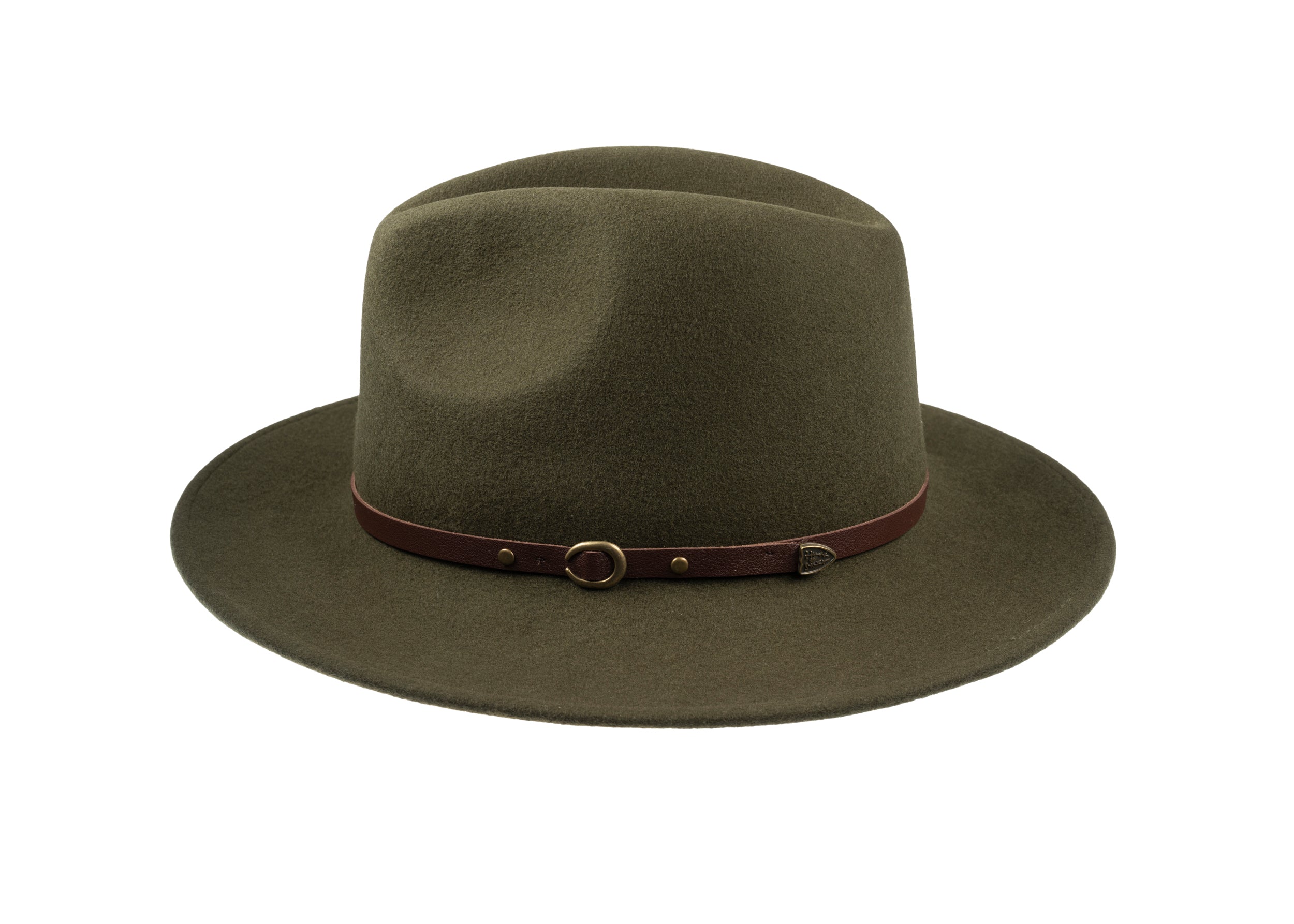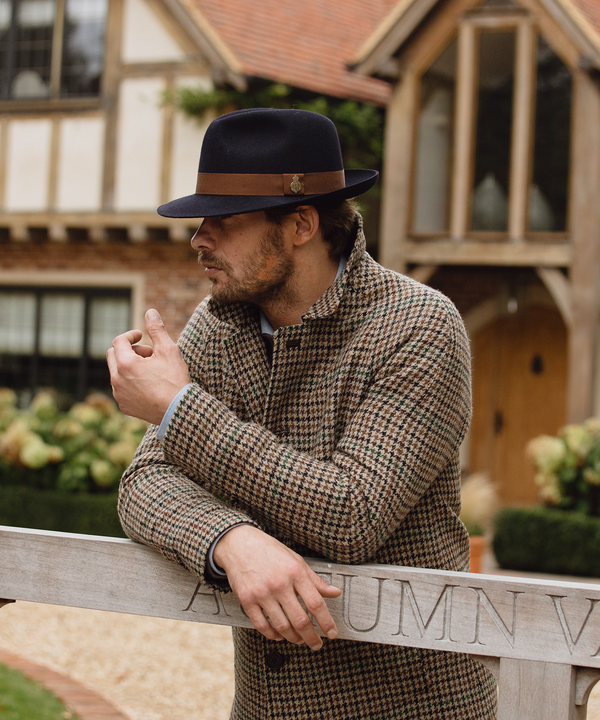



Classic hat names are most useful when you treat them as descriptions of shape, not as fixed personalities or a strict ladder of formality. Look first at the crown and brim, then consider the scale, material, trim and setting. A fedora generally carries more brim presence than a trilby; a Homburg has a distinctive centre dent and upturned brim; and a bowler is recognised by its rounded crown and compact curled brim.
This is a practical guide rather than a set of universal laws. Proportions vary between makers and eras, and the same general silhouette can feel quite different in fur felt, wool felt, straw or a softer construction. Fit matters too: a well-proportioned hat should feel at home with the wearer, the clothing and the occasion.

The visual vocabulary: crown, crease and brim
The crown is the part of the hat that rises above the head. Its height, width and taper alter the overall balance: a taller or fuller crown gives more vertical presence, while a lower or more tapered crown looks closer and neater. The crease, dent or pinch is the shaping pressed into the top. A centre crease runs from front to back; a single dent is one principal depression; a pinched crown narrows towards the front, often creating a teardrop impression.
The brim is the projecting edge around the crown. Its width affects how much visual presence the hat has and how strongly it balances a coat, jacket, shoulders or lapels. The brim edge may be clean and level, gently snapped down at the front, upturned all round, curled, or left softer. The hatband is the ribbon or trim around the base of the crown; it can make a hat appear quieter, sharper or more decorative without changing the underlying shape.
Finally, structure describes how firmly the hat holds its form. A firm felt body keeps a precise crown and brim, while a softer hat may sit more casually and change character as it is worn. These terms give you a reliable starting point, but no single measurement defines every fedora, trilby or Homburg. Compare the whole silhouette rather than judging one feature in isolation.

The four classic shapes: what to look for
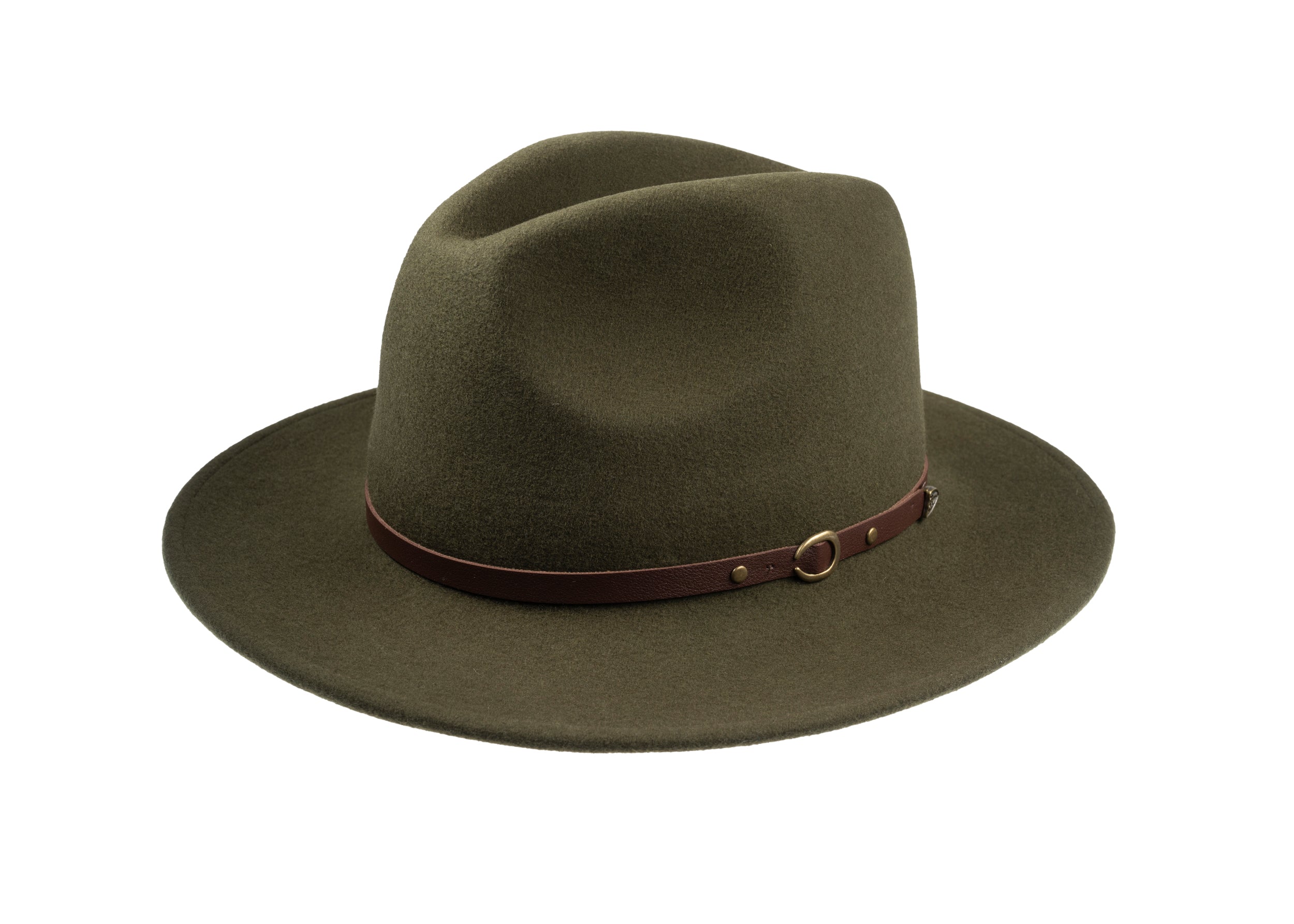
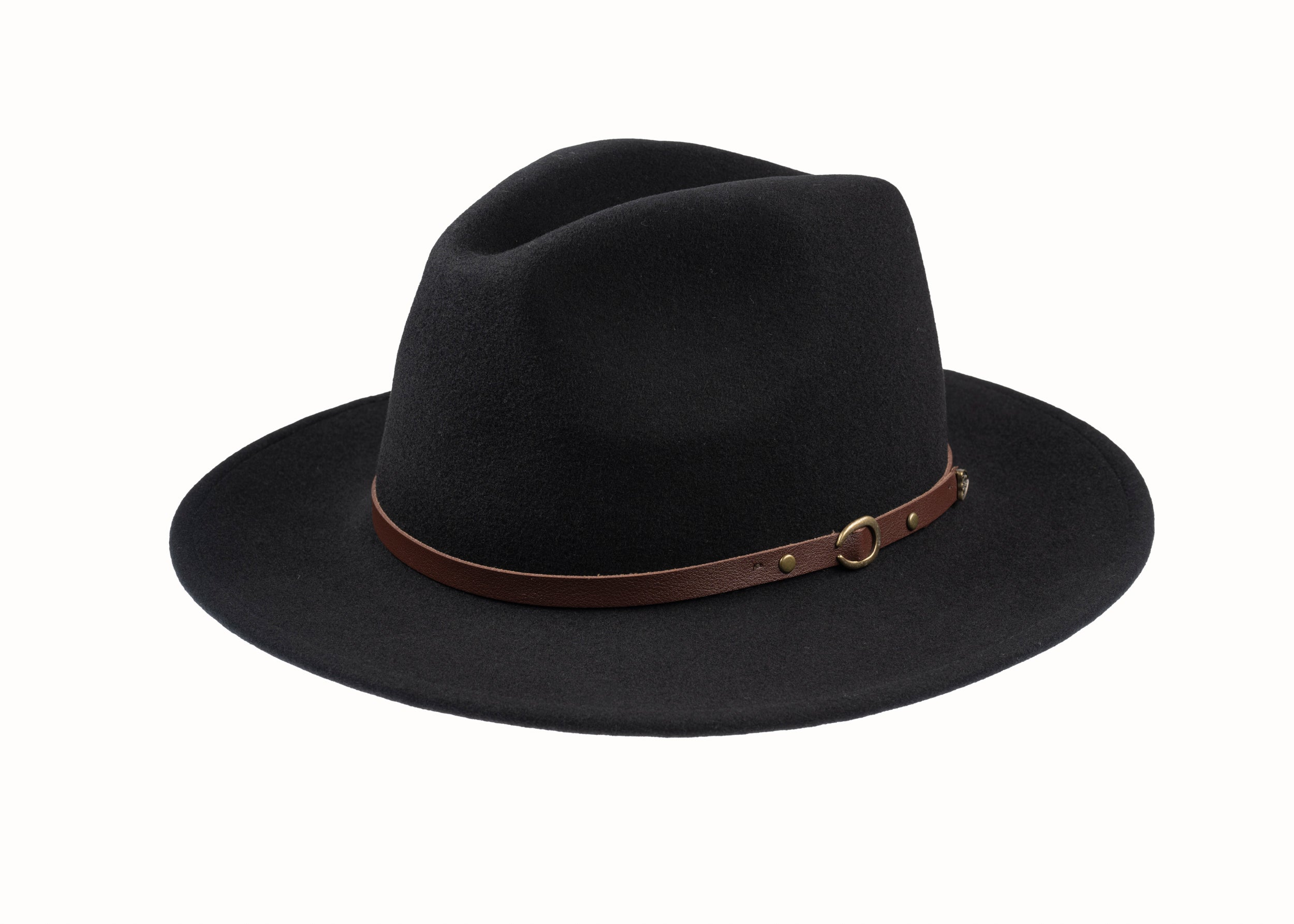
Fedora. The fedora is the broadest and most adaptable reference point of the four. Look for a defined crown, often with a centre crease or related crown treatment, and a brim with enough presence to balance tailoring, an overcoat or structured outerwear. The brim may sit level, snap down slightly at the front or take another maker-specific shape. Material, colour and trim can make it feel suitable for smart everyday wear, country dressing or a more formal occasion. The Canterbury is a useful Christys example: its product description identifies a classic centre-crease crown, medium brim and grosgrain ribbon. It is one interpretation, not a universal template.
Trilby. A trilby usually looks leaner because the crown is more tapered or pinched and the brim is relatively narrow. The result is a closer, lighter and often sharper profile than a substantial fedora. Some trilbies have a brim that snaps down at the front, while others sit more evenly; the crown may have a teardrop or another indentation. This is why a trilby is not simply a fedora with a smaller brim: the proportions and the relationship between crown and brim create its character. The Christys guide to the Canterbury Trilby offers a helpful visual reference, while the Bond Fur Felt Trilby shows a more polished interpretation of the family.
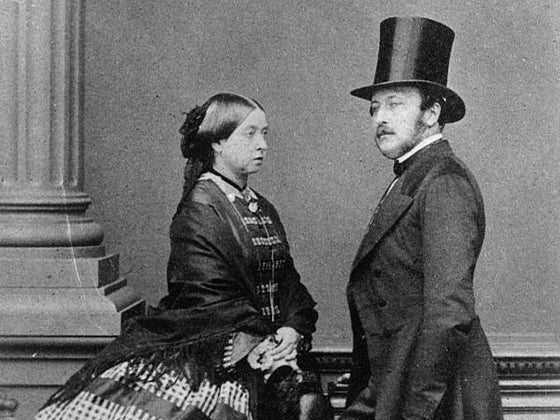
Homburg. At a glance, look for one principal centre dent rather than the more varied shaping associated with many fedoras, together with a firm felt body and a brim that turns gently upwards or rolls at the edge. The vertical crown and restrained brim treatment give the Homburg a composed, formal appearance. It commonly sits comfortably with a dark suit, tailored overcoat, waistcoat or other polished clothing. It can feel more formal than a typical fedora, but formality is not a fixed ranking: a pale summer fedora with a bold band may attract more attention than a quiet dark Homburg, and the setting always matters.
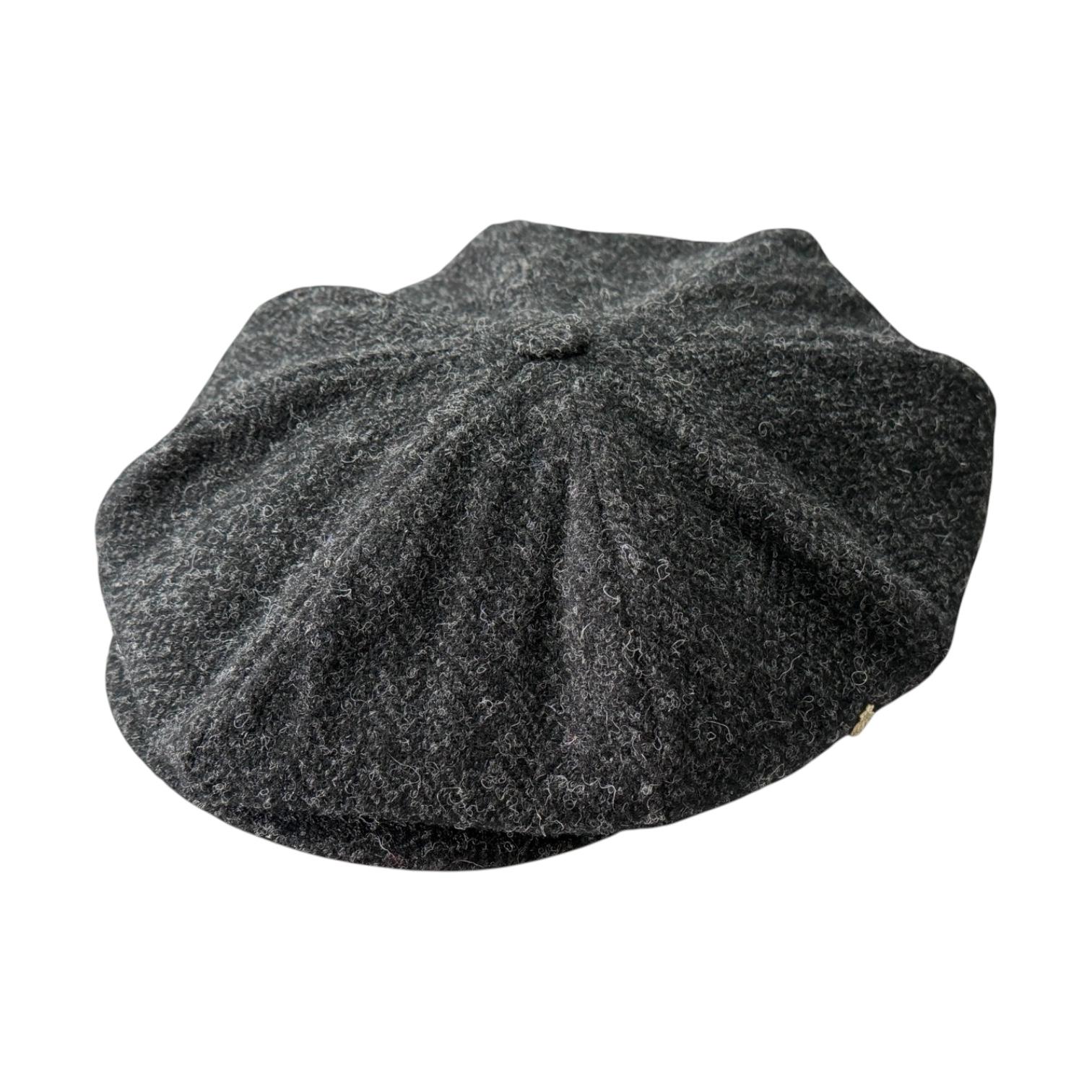
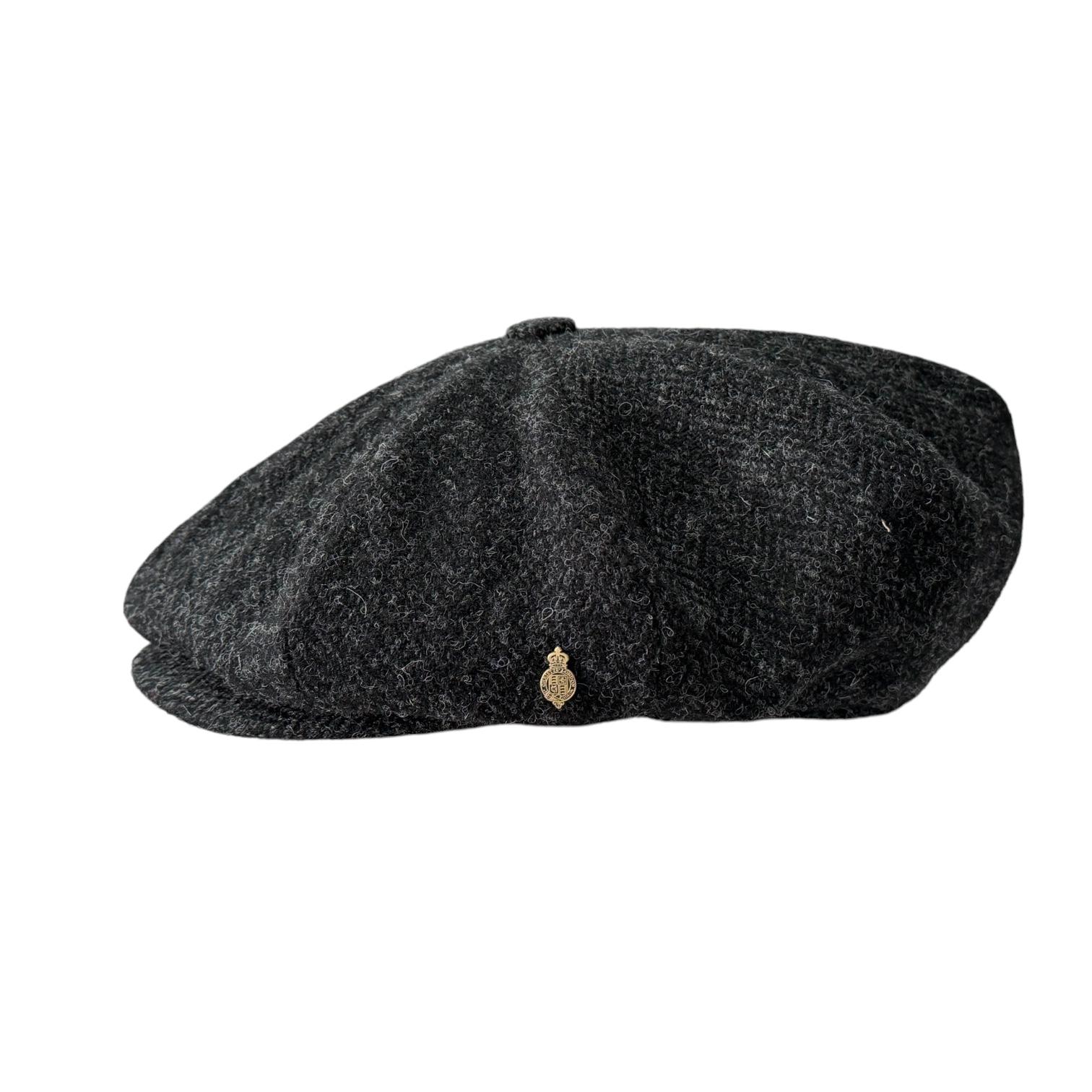
Bowler. The bowler is the easiest to identify by its hard, rounded or domed crown and short, curled brim. Unlike the Homburg, it has no prominent centre dent; unlike a short-brimmed fedora, its crown is unmistakably rounded and compact. Its structure gives it a clear, graphic silhouette that can feel formal, heritage-led or deliberately characterful. It works naturally with tailored city clothing and traditional country references, but it need not be treated as costume. The Christys' Wool Felt Bowler is a straightforward example of the domed crown and short curled brim that define the shape.
Use these descriptions as practical guides rather than pass-or-fail tests. Crown height, brim width, brim edge, hatband, colour and material can move a design towards another family. When two hats look similar, step back and ask which feature dominates: balanced brim presence, a lean profile, a single dent with an upturned edge, or a rounded crown with a short curl.

Frequently asked questions
Which shape is the best starting point for smart everyday wear? A medium-brim fedora is often the most flexible direction for tailoring, outerwear and changing levels of polish. A trilby can be a better fit for a shorter jacket or a sharper, more compact outfit. Let the scale of the hat follow the clothing, and choose the silhouette you can wear comfortably and confidently; all four can work for men and women when the proportions feel deliberate.
What suits a formal occasion? Start with the invitation and dress code, then consider the season and the rest of the outfit. A Homburg can suit a dark suit, formal overcoat or ceremonial setting, while a sober fedora may work for a less prescriptive wedding, garden party or race meeting. A bowler makes a more distinctive statement, and a trilby is generally easier to dress down. The most formal-looking choice is not automatically the right one if it overwhelms the occasion.
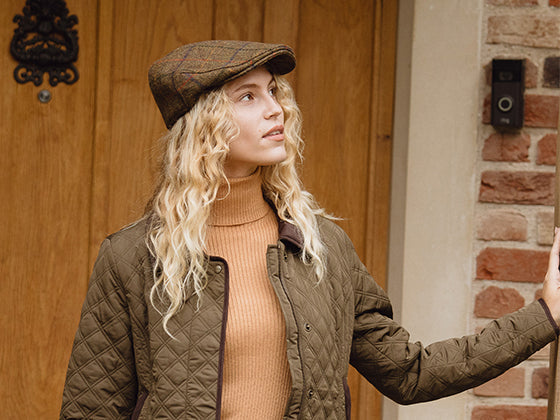
Which shape works with country clothing or a summer outfit? For country clothing, consider how the hat sits with tweed, a waxed jacket, knitwear or a tailored country coat; a fedora may provide useful balance, while a trilby can keep the outline neater. For summer, straw, lighter colours and a breathable weave can make a familiar silhouette feel more relaxed. Let the material and finish suit the season as much as the shape.
Do crown height and brim width decide whether a hat will suit my face? They are useful proportion tests, not universal rules. Consider the complete outfit, including your shoulders and lapels, as well as how the hat sits on your head. A taller crown or broader brim may provide helpful balance, while a narrower profile may feel more discreet, but comfort and personal style matter just as much.
How do I describe the hat I want to a hatmaker or when shopping online? Start with the silhouette, then name the visible details: for example, “a firm felt fedora with a medium brim and centre crease”, “a narrow-brim trilby with a pinched crown”, “a Homburg with a single dent and upturned brim”, or “a rounded bowler with a short curled brim”. Add the colour, material, preferred ribbon, brim position and the level of formality you want. This vocabulary is more useful than saying only that you want something classic.
How should I check the fit before ordering? Measure around your head with the tape level and comfortably snug, and record the result in centimetres. Compare that measurement with the Christys Size Guide, then check the sizing notes on the individual product page as well. Use your head circumference, the official size guide and the product's own guidance together; a well-made hat will not look or feel right if it is too tight, too loose or sitting at the wrong depth.
Choose by proportion, setting and comfort rather than by the name alone. Consider how the crown, brim, material and trim sit with the complete outfit, then make sure the fit feels natural. The right classic shape is the one that suits the occasion and feels like an assured part of your own style.