

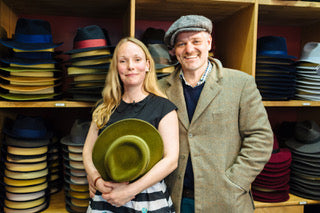

Build a useful hat wardrobe around four recurring kinds of day: cooler smart days, practical country and relaxed town wear, informal everyday use, and warm-weather occasions. Choose each hat for weather, setting, dress level and frequency of wear, and the same silhouettes can travel from a British commute to a weekend walk, a country lunch or a garden party without looking like costume.

The polished cooler-weather role: a felt trilby or fedora
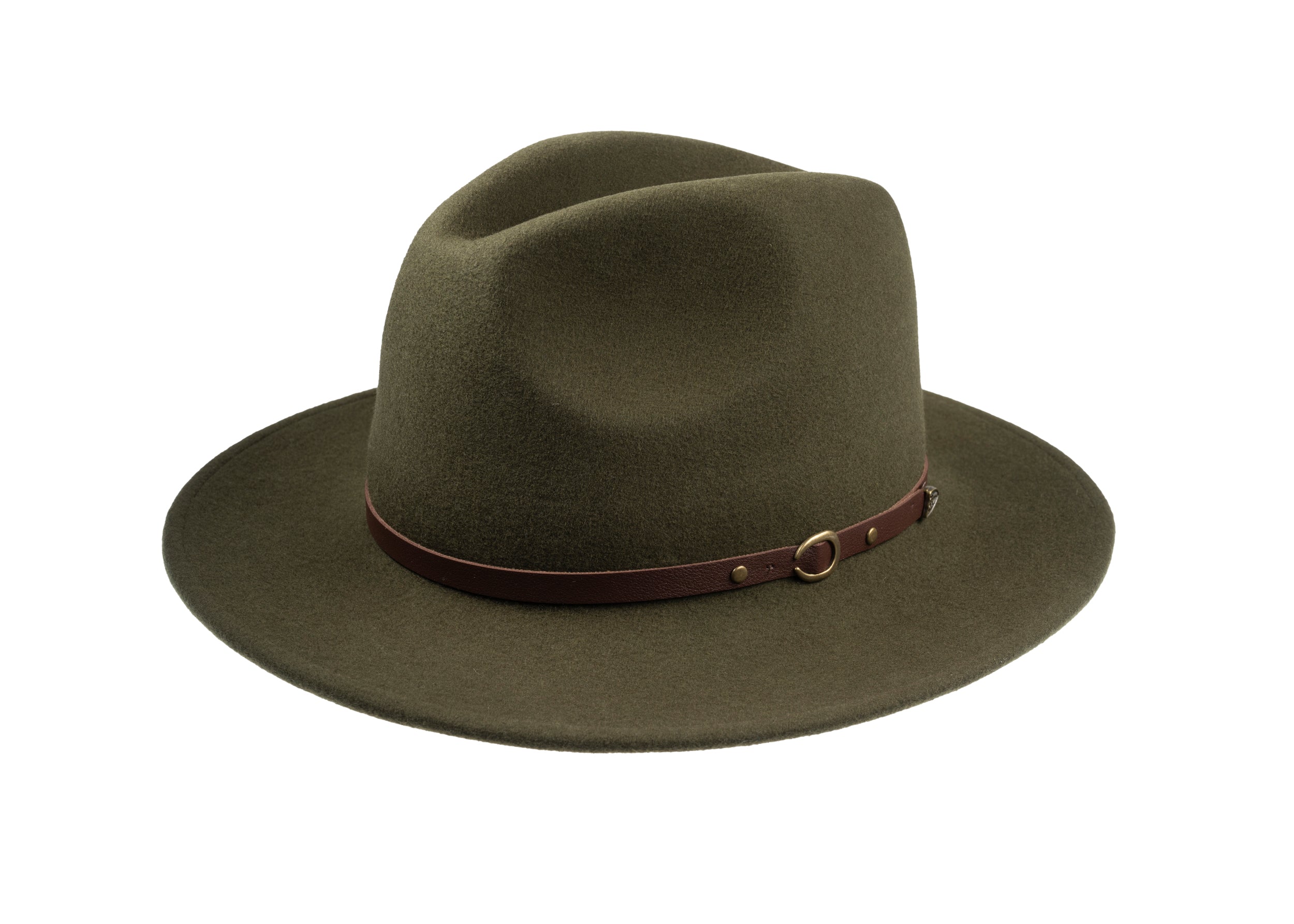
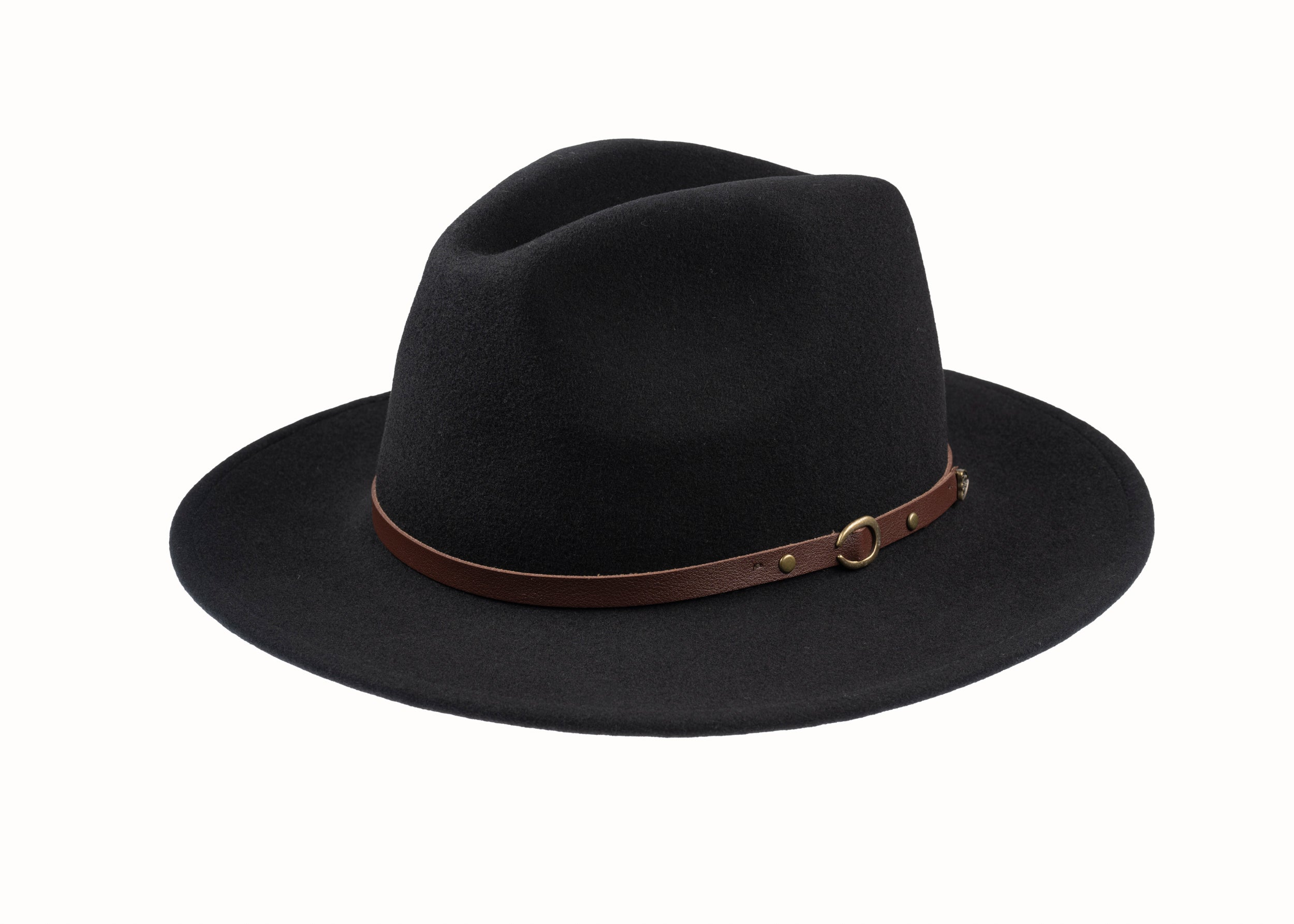
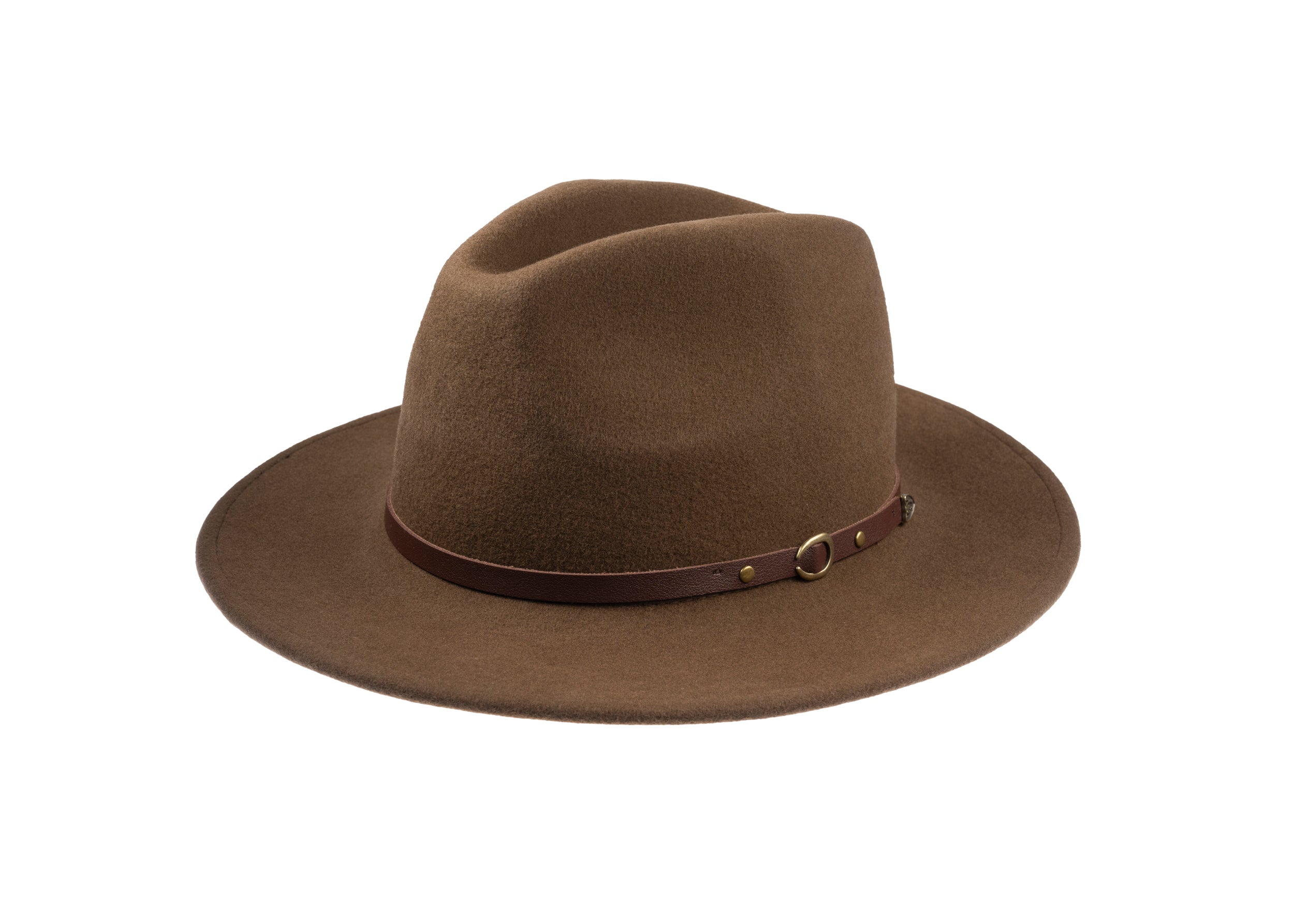
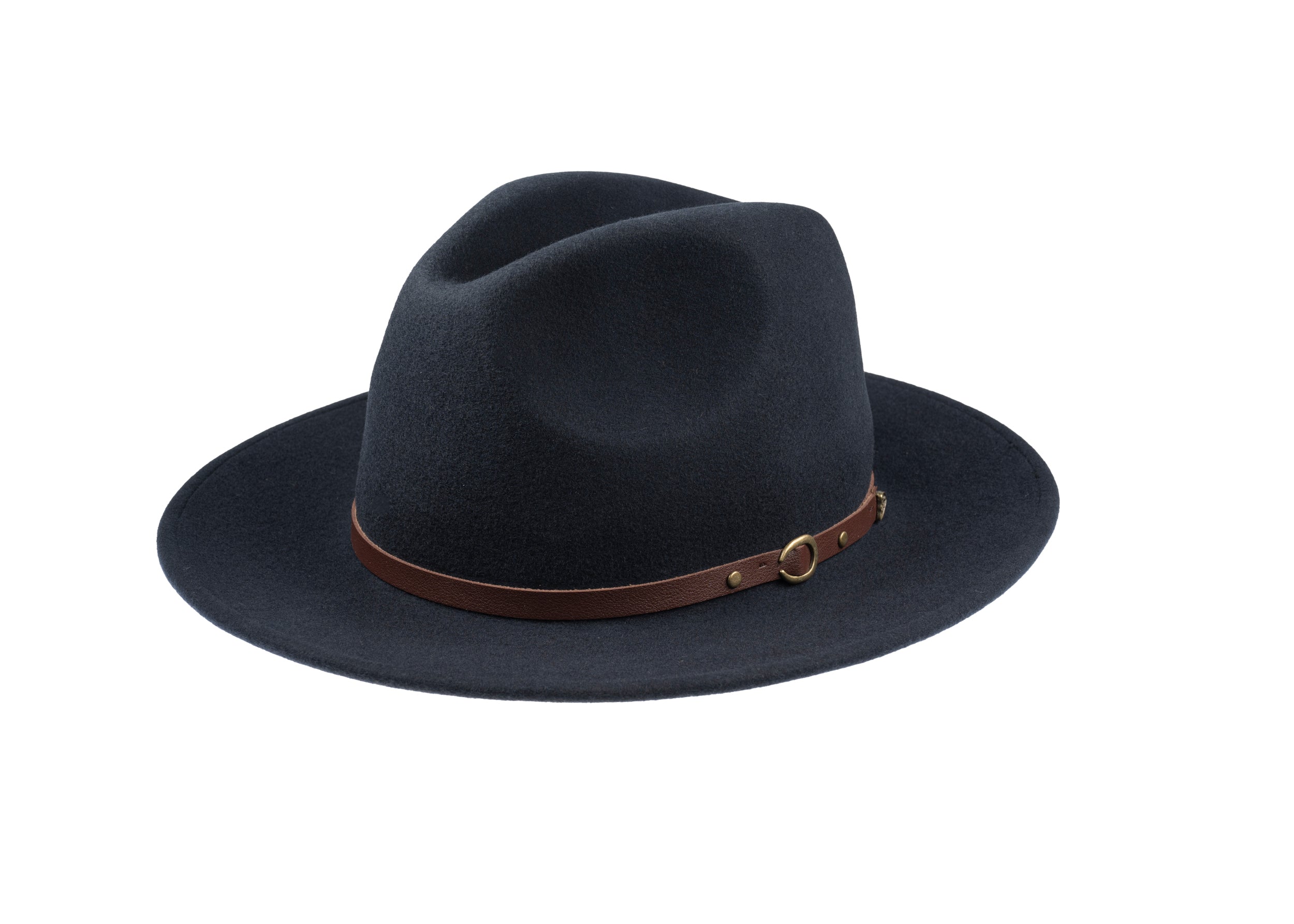
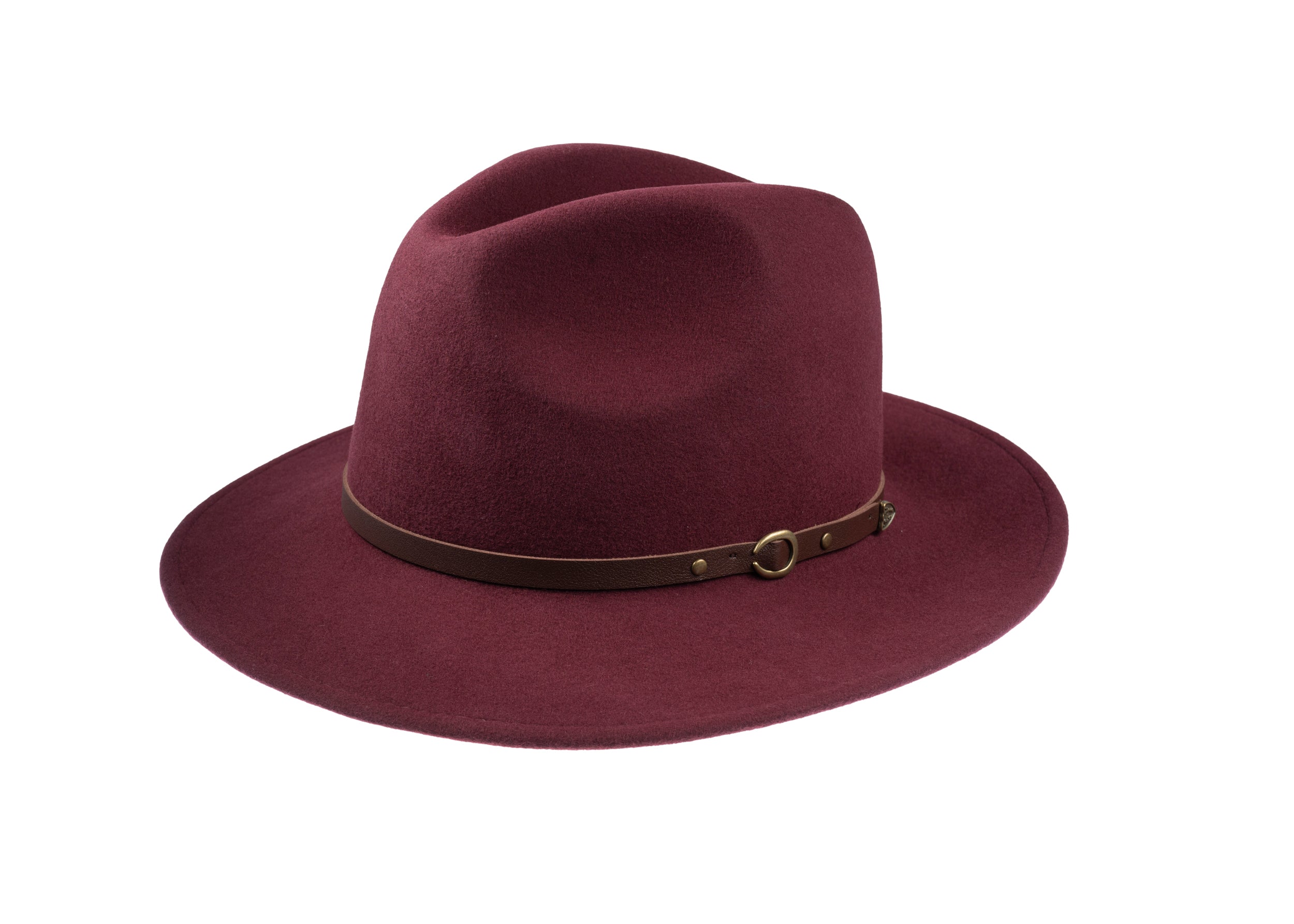
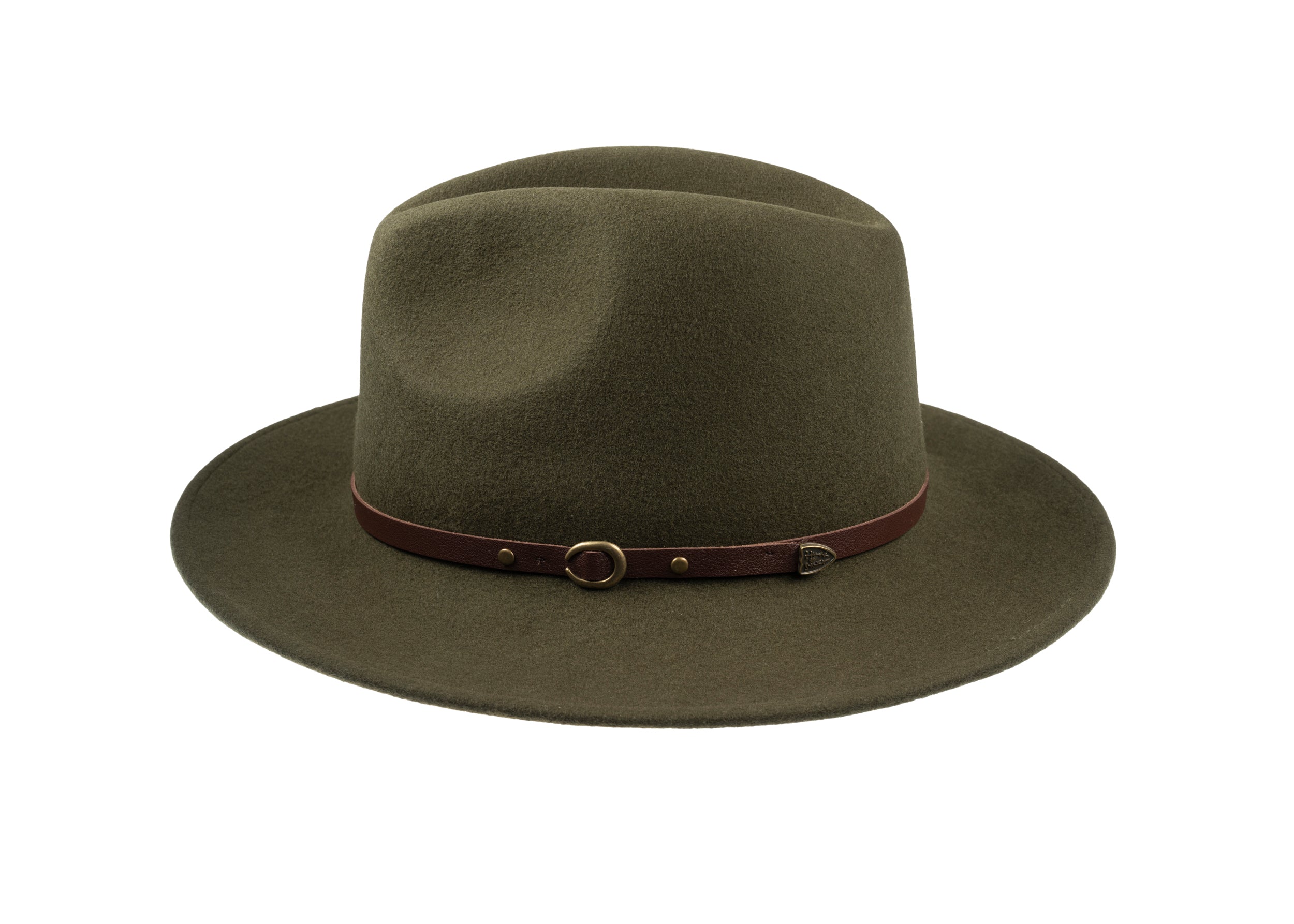
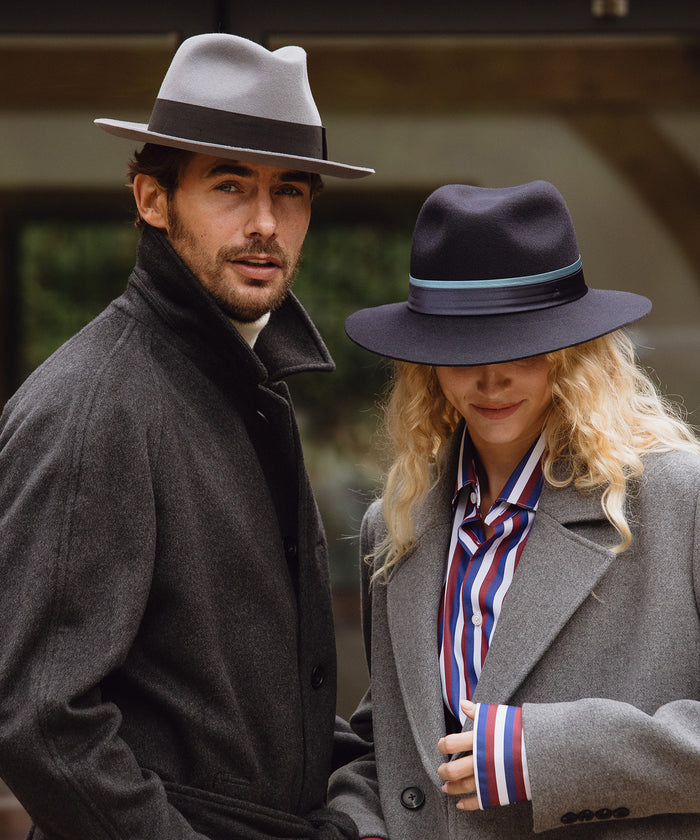
If you want one versatile first purchase for the cooler half of the year, start with a restrained felt hat. A wool-felt trilby or fedora brings a little polish to a coat, tailoring or smart knitwear, while remaining useful for commuting, lunches, travel and evenings when a flat cap would feel too informal. The distinction is mainly one of presence: Christys' describes the narrower trilby as a versatile, less striking choice, while the fuller fedora makes a stronger statement. For a first hat, a moderate crown and brim in charcoal, brown, navy or putty will usually work harder than a dramatic shape or bright contrast band.
A felt hat earns its place when the day calls for a defined silhouette and a little more formality. Pair it with an overcoat, unstructured tailoring, denim with a neat jacket, or a simple dress and boots; let the hat finish the outfit rather than become its theme. Beaver felt is a premium option: Christys' notes its durability, shape retention, lightness, insulation and water resistance compared with wool and rabbit felt. Those are material benefits, not a promise of complete protection in every downpour, so dress for the forecast and care for the hat properly.
A Canterbury beaver-fur fedora is an example of a more substantial, structured felt role; the Chepstow wool-felt fedora offers another option. In either case, the limit is context: a structured felt hat may look unnecessarily formal for muddy exertion or very casual errands, where a cap will sit more naturally.

The practical middle: flat cap, fuller cap and country texture
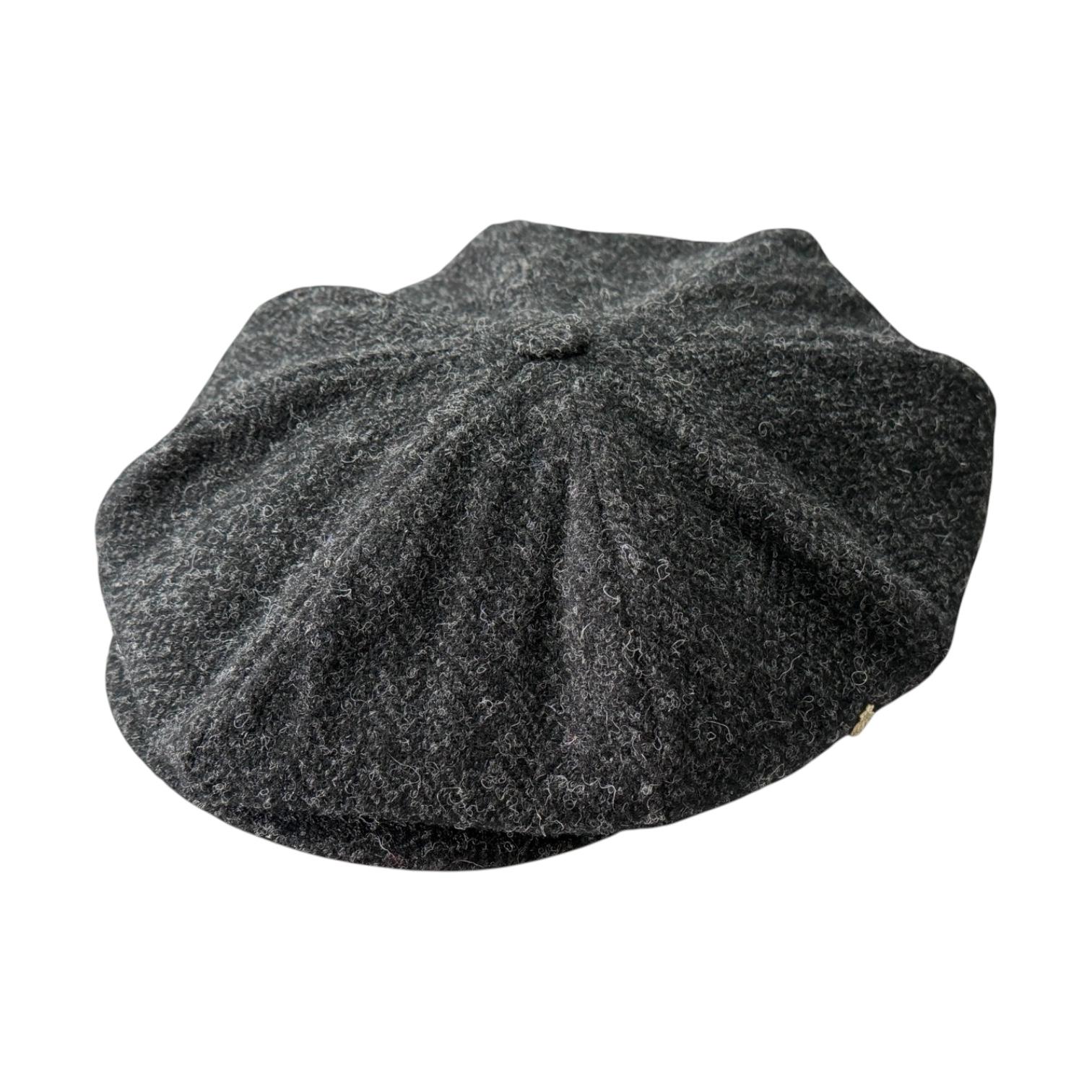
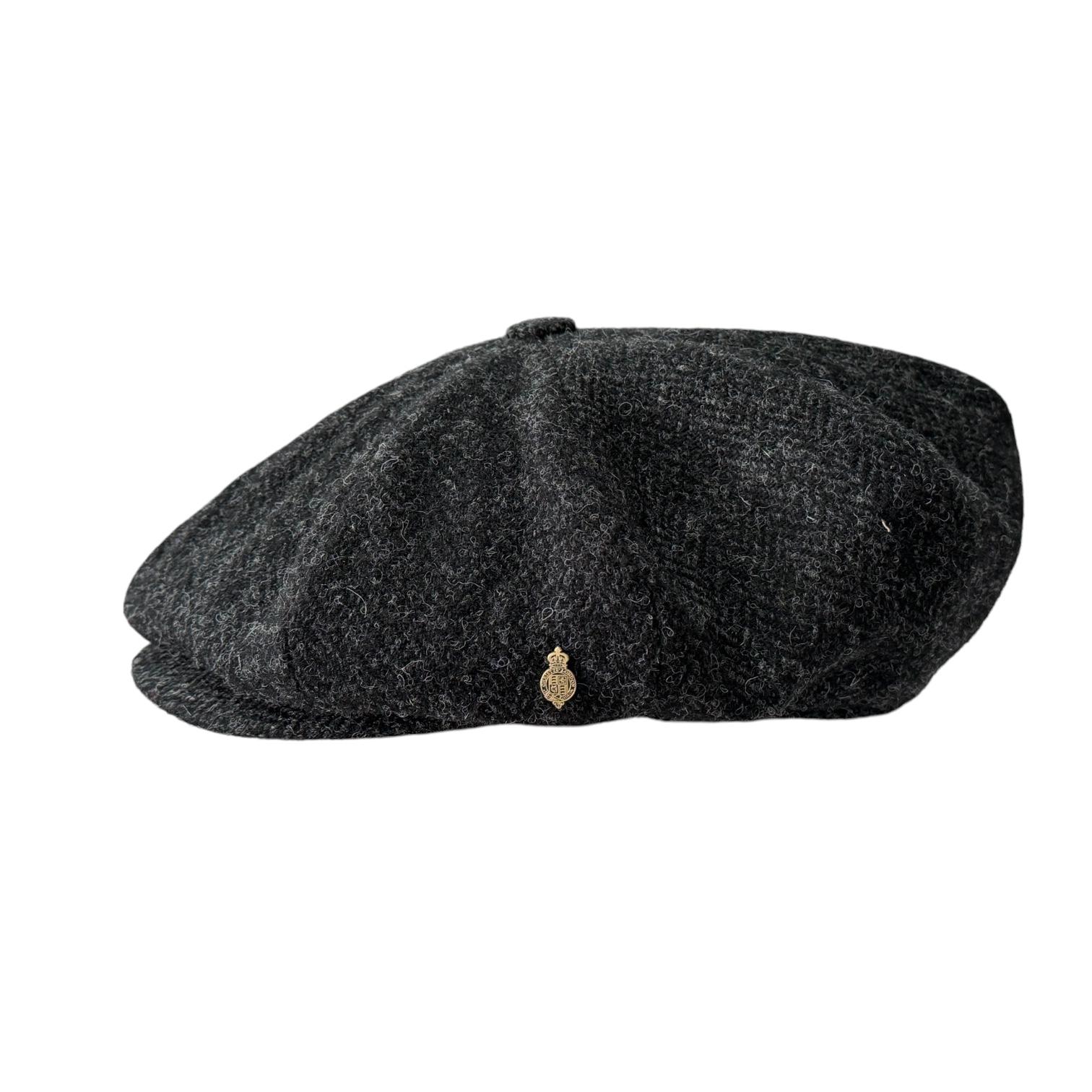
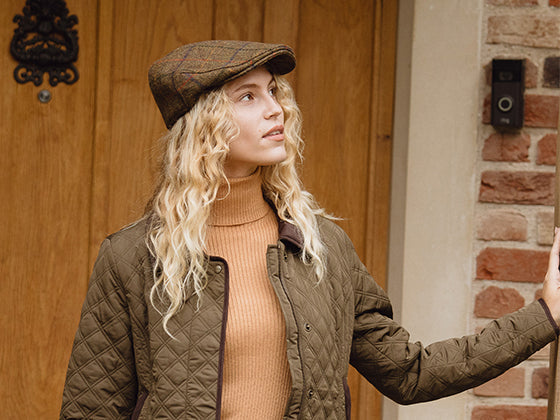
A close-fitting flat cap is the dependable bridge between country practicality and relaxed town dressing. It works with waxed cotton, knitwear, corduroy, denim, tweed jackets and everyday outerwear, making it a natural choice for errands, travelling, country walks and informal sporting days. Tweed or wool brings useful visual texture for autumn and winter, and the pattern can quietly echo an existing jacket without requiring a matching suit.
The construction matters. Christys’ describes the flat cap as a low-profile shape with a stiffened peak, sitting close to the head; a baker boy or newsboy is fuller, gathered into a button at the crown, and therefore softer and more noticeable. Choose the flat cap when you want a neat, tailored line. Choose the fuller cap when you want a relaxed silhouette with more presence. Keep the rest of the outfit calm: one strong texture is enough, particularly with herringbone or patterned cloth.
A Richmond herringbone flat cap or a Field country flat cap can cover the practical, cooler-weather role without making the wardrobe feel uniform. The limit is dress level: a flat cap is not a substitute for a structured felt hat when the occasion calls for greater polish, while a fuller baker-boy shape may be too visually weighty for very formal tailoring. Fit matters more than trying to make either style look deliberately loose; it should sit securely without pinching. Use the Christys’ size guide for the exact measurement before buying.

The warm-weather role: a Panama for heat and occasion
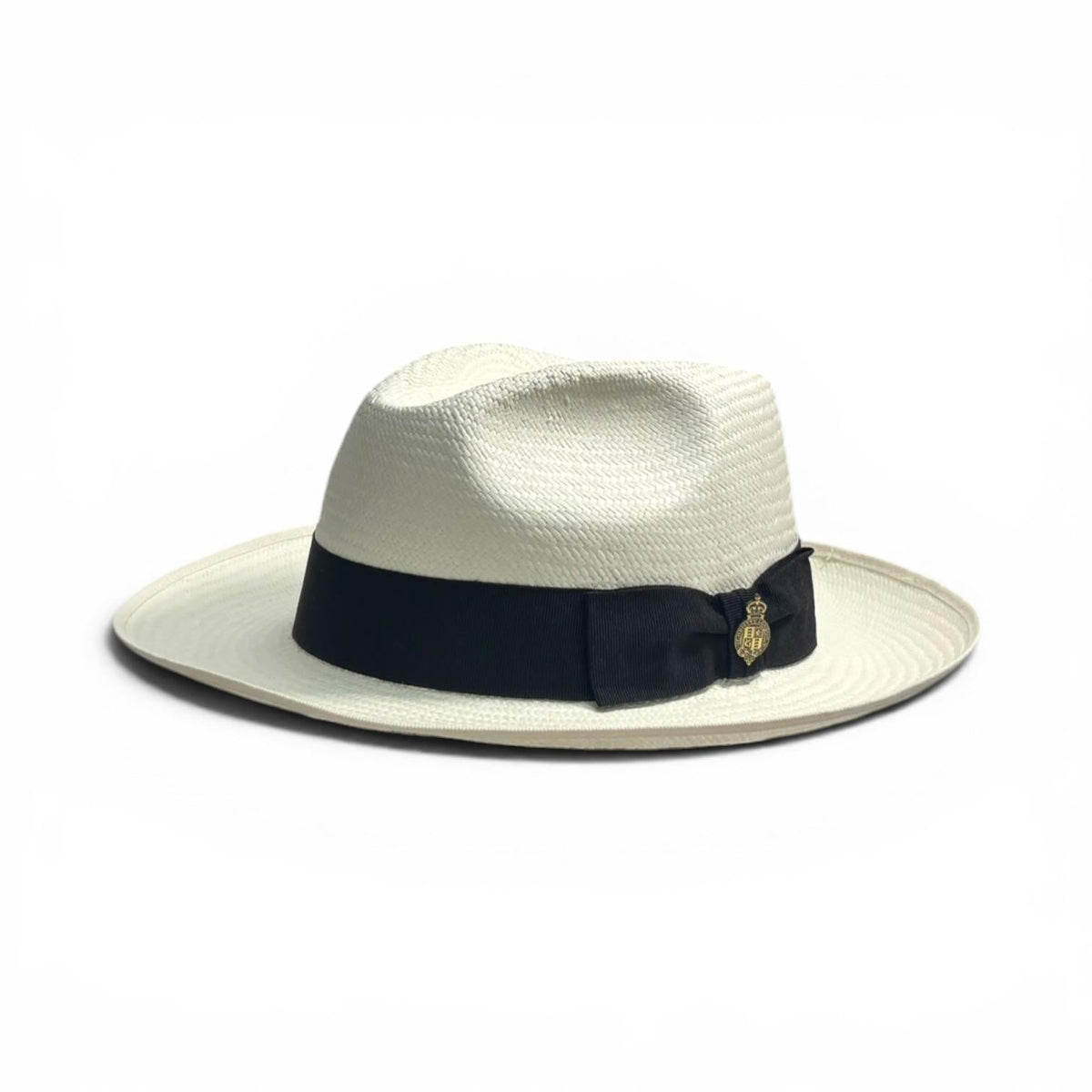
A Panama is the warm-weather counterpart to felt: light, breathable and naturally at home on holidays, travelling, garden parties, summer weddings, smart lunches and race-day-adjacent occasions. Christys’ describes its Panama hats as hand woven in Ecuador from toquilla straw, then blocked and finished at its Oxfordshire workshop. The Portofino Panama is a useful example of this role: reach for it when heat and sun make a heavier winter material feel out of place.
Keep the colour palette quiet: natural straw with a dark or mid-brown band, or another restrained neutral that works with linen, cotton, pale tailoring and summer dresses. Brim scale should relate to your proportions and clothes. A moderate brim is easier to wear repeatedly than an exaggerated one, and a clean crown lets the hat accompany rather than dominate an outfit.
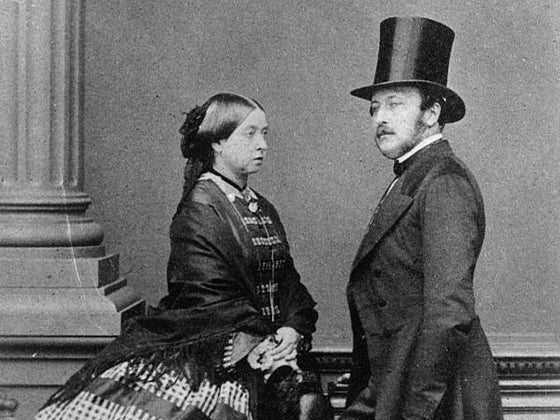
A Panama is not an all-season replacement for felt or wool. It belongs to warm weather, and it can read more occasion-led than a cap on an ordinary wet commute. For a prescribed formal dress code, follow the dress code first: a top hat or other strict formalwear is a separate purchase, not a reason to expand the everyday rotation.
Quick decision aid: choose felt for a polished cooler-weather silhouette; a close flat cap for practical texture and country-to-town wear; a fuller cap for a softer, more informal presence; and a Panama for heat, travel and summer occasions. If you are buying only one, choose felt when your wardrobe is mostly smart city clothing, or a flat cap when your days are chiefly informal and practical.
Frequently asked questions
Which hat is best as a first purchase? A restrained felt trilby is a strong starting point for a versatile cooler-weather style. If most of your days are informal, practical or country-facing, begin with a flat cap instead.
How should I choose between a trilby, fedora and flat cap? Use the trilby for a quieter, narrower line, the fedora for a fuller and more defined presence, and the flat cap when you want the closest, least formal silhouette.
Is a baker boy the same as a flat cap? No. A baker boy or newsboy has a fuller, softer profile and more visual presence, so it suits relaxed dressing rather than very formal tailoring.
How should I check the fit? Measure your head carefully and compare the result with the official Christys' size guide before purchase. The measurement should guide your choice rather than guesswork or an intentionally loose fit.
Do I need a top hat? Only when a prescribed formal dress code calls for one. Treat it as a separate formal purchase, not part of the everyday rotation.
A small wardrobe becomes convincing through repetition. Keep colours neutral, let texture do some of the work, and buy the hat that answers a recurring kind of day. Four well-chosen roles will take you further than a shelf of similar shapes bought for passing occasions.