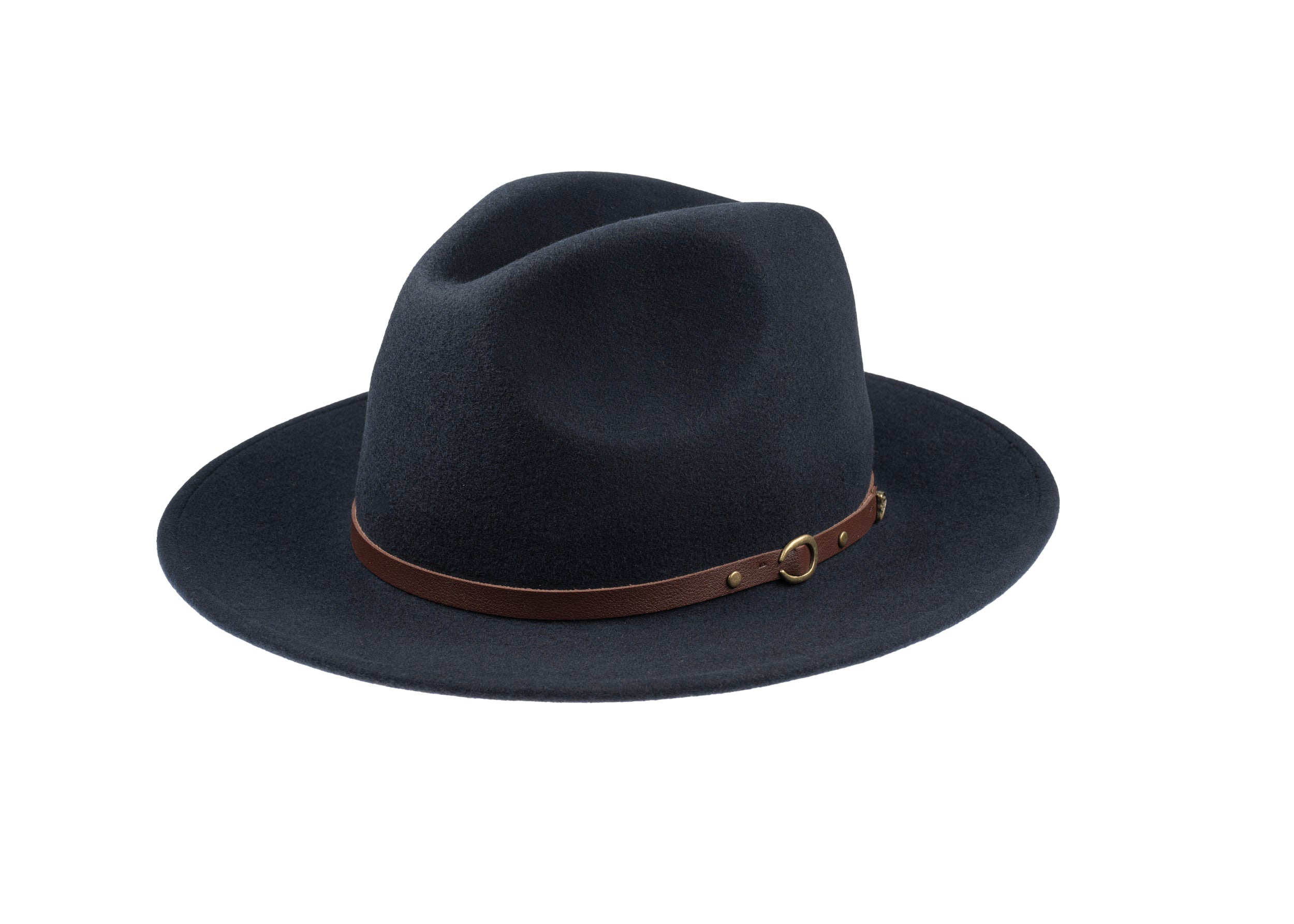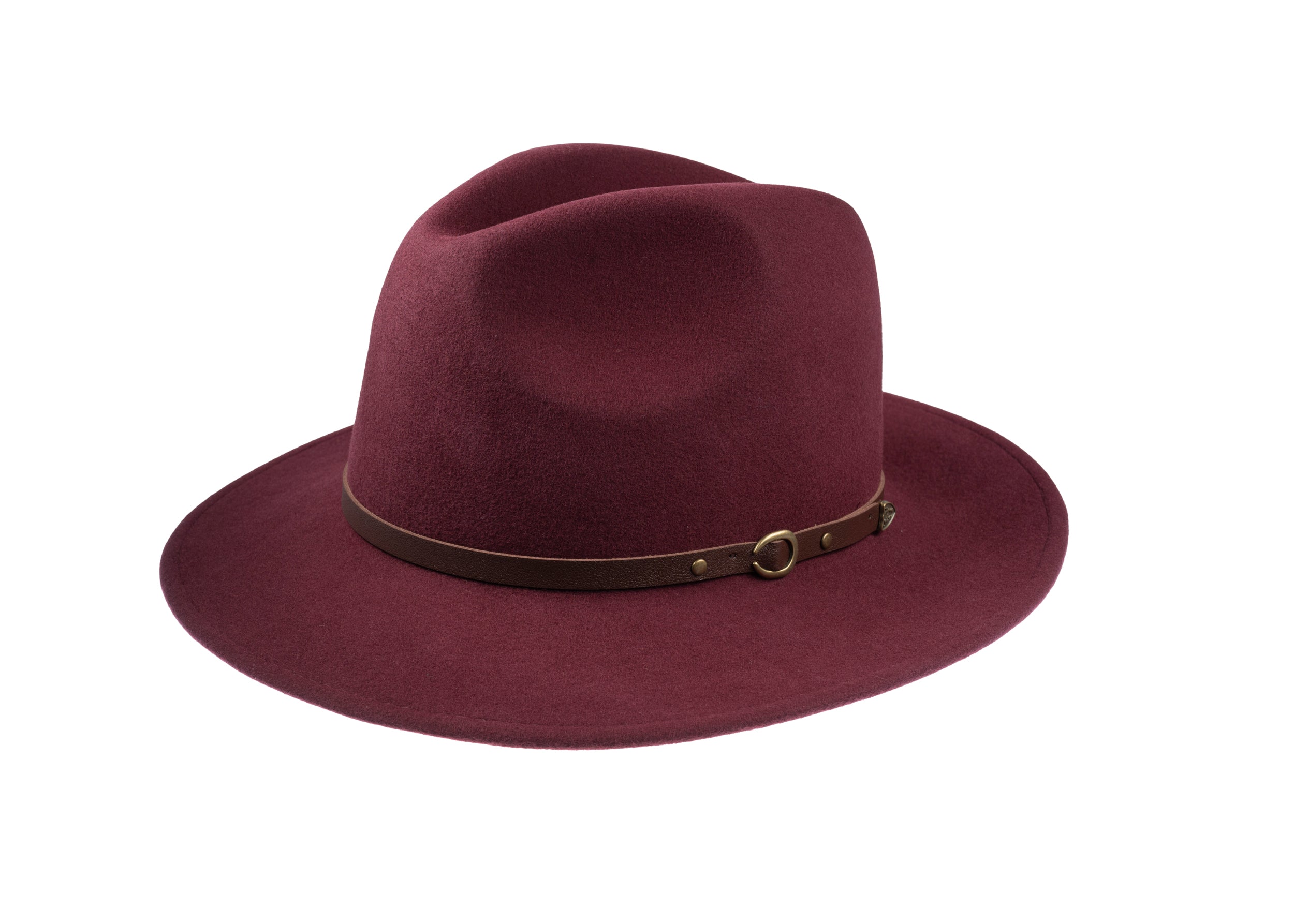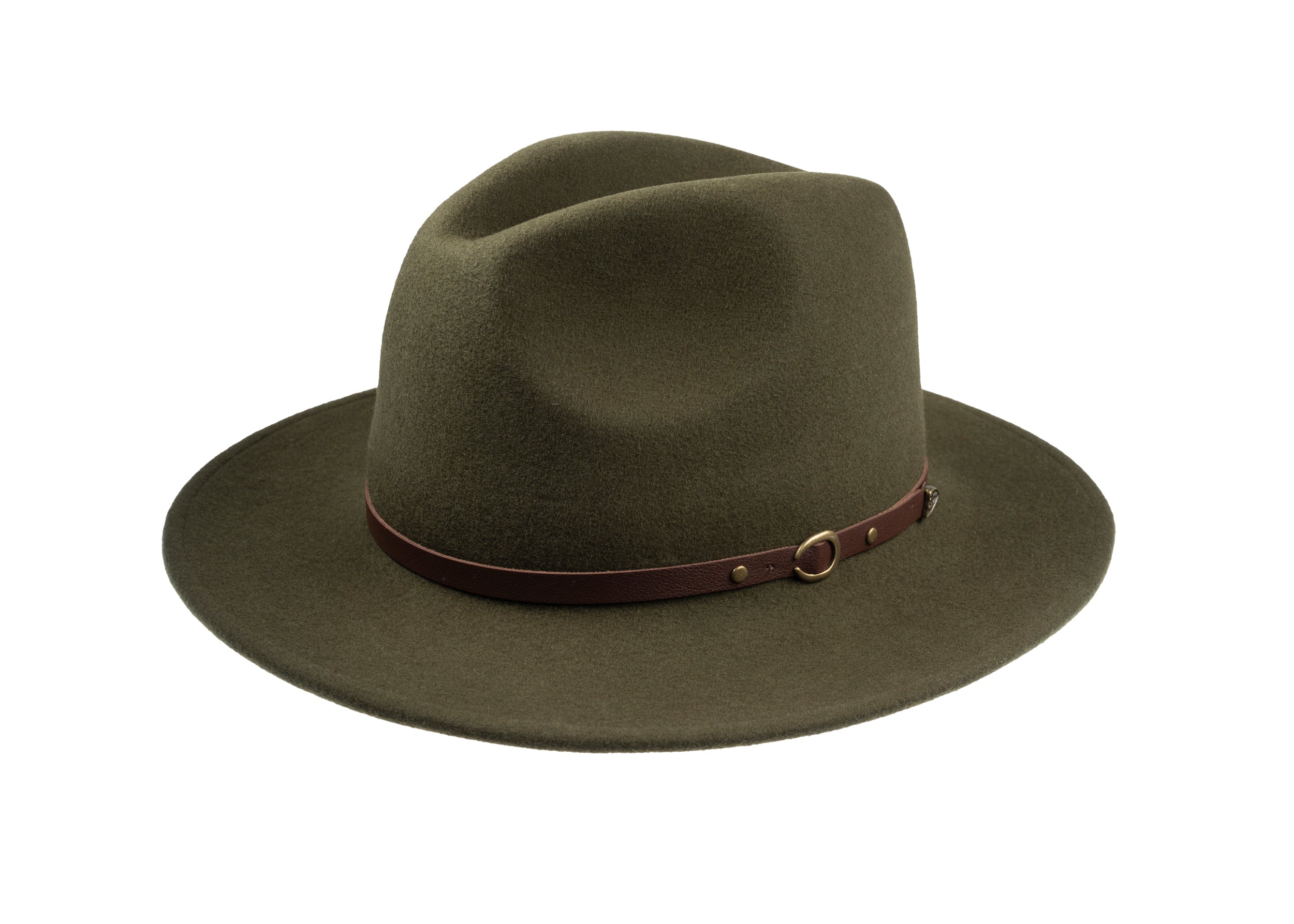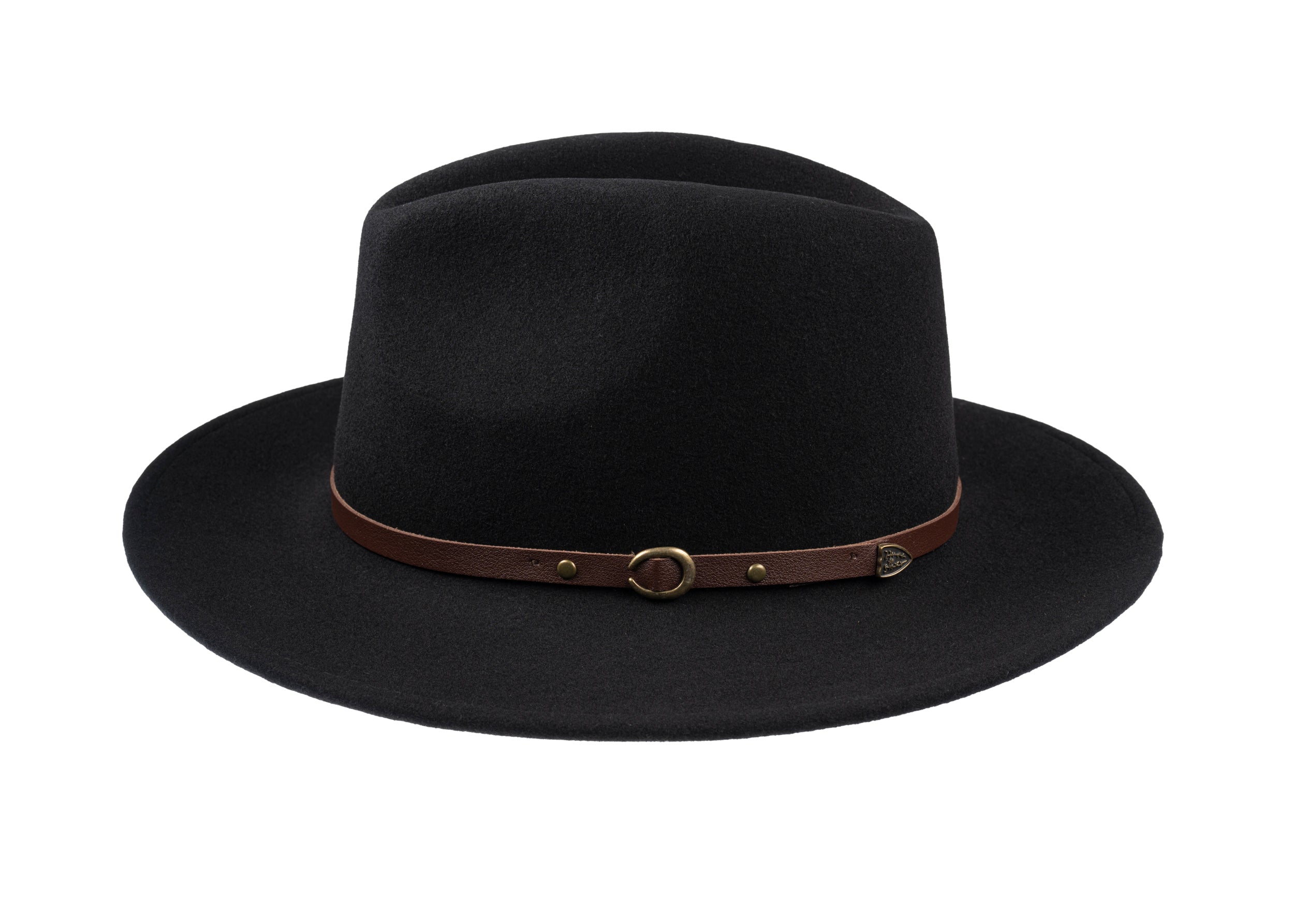





At British ceremonies and formal events, small sartorial choices can tip the balance between composed and conspicuous. If you favour restrained formality, how should you choose and wear a homburg so it reads as calm authority rather than costume?
This post traces the homburg's place in ceremonial life, guides selection by shape and material, explains how to achieve the right fit for face shape and stature, and sets out suitable pairings with formal attire and occasions. Concise, practical guidance and care notes follow to keep a homburg properly presented and comfortable, to be worn with quiet confidence.

The Homburg in British Ceremonial Life
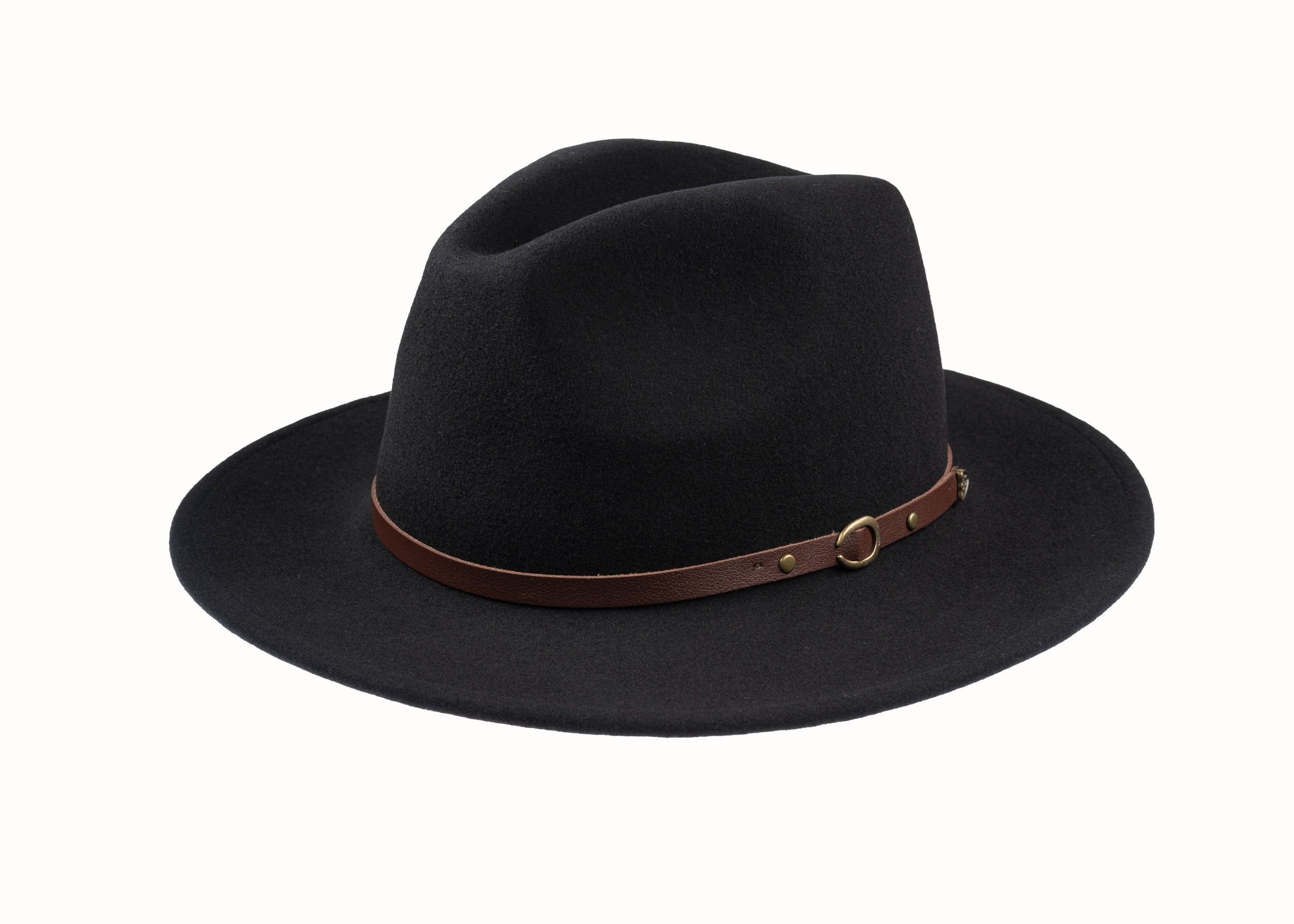
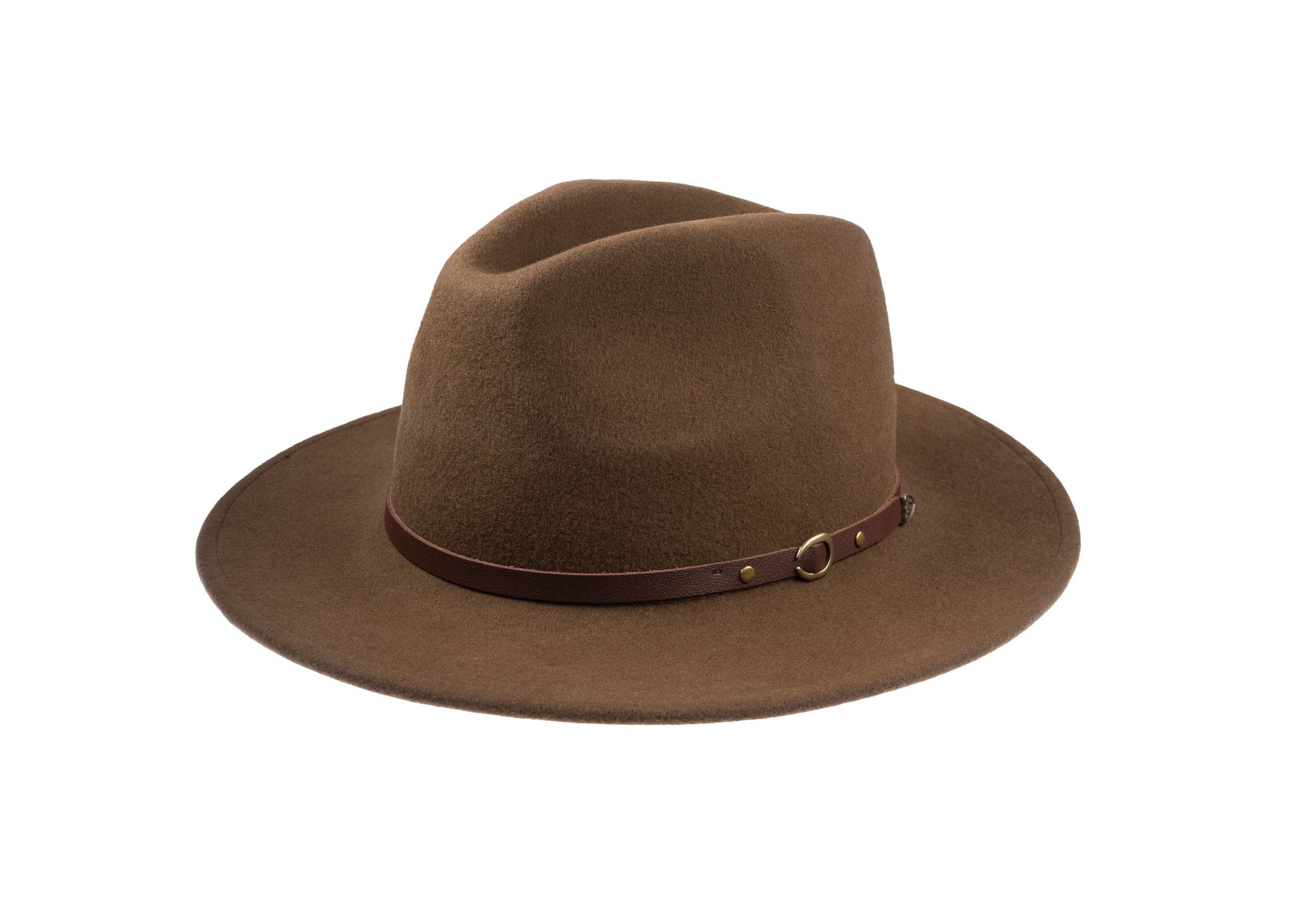
The Homburg occupies a measured position between the top hat and the bowler on the British formality scale. Its single-dent crown, upturned brim, and felt construction produce a vertical, sober silhouette suited to ceremonial and formal occasions, the effect understated rather than showy. For daytime ceremonial wear it serves as a subtler alternative to the top hat; a darker felt sits naturally with a lounge suit for civic gatherings or funerals, while softer hues and slightly lower crowns harmonise better with tweed and layered outerwear in country formal settings. Brim width and crown height alter proportions: lower crowns and modest brims suit rounder faces, whereas taller crowns with proportionally wider brims lend balance to longer or narrower faces. When choosing dimensions, consider lapel width and shoulder lines. Observe local protocol by keeping the hat on during outdoor processions unless instructed otherwise, removing it on entering covered chapels or state rooms, and deferring to service or diplomatic uniform regulations rather than rigid rules.
Beyond appearance and protocol, assess authenticity by feeling the felt's density, checking for a neatly finished internal leather sweatband, and noting that the ribbon sits at the base of the crown; each of these details influences how the hat sheds water and how well it retains its shape over time. Store a Homburg on a hat tree, or with the crown gently stuffed with acid-free tissue, in a humidity-controlled space. Brush it regularly with a soft-bristle brush, and avoid soaking or aggressive cleaning, which will collapse the felt's structure. For last-minute adjustments, warm the felt slightly with your palms or a cautious puff of steam, reshape the crown by hand, then set the brim with a light sweep of the brush to restore a crisp, formal edge.
Choose a blocked wool-felt hat for consistent formal shape.

How to choose a homburg by shape and material
Choose a Homburg by balancing crown and brim with your proportions. A medium crown with a clear centre dent and a brim of roughly 5 to 6 cm yields a formal, well balanced silhouette. Taller crowns and wider brims suit taller figures because they keep overall proportion, while shallower crowns with narrower brims read more understated. Material affects both function and season: beaver felt brings natural water resistance and a smooth finish, rabbit or wool felts offer resilience and develop a softer nap, and straw or Panama variants ventilate, making them suitable for garden parties and summer race meetings. For ceremonial wear, favour a narrow, matt grosgrain band and an unshiny finish, reserving glossy trims or feathers for fashion or theatrical contexts.
In practice, a well-blocked Homburg that will hold its shape in light rain typically shows three signs of careful construction: a stitched sweatband, a full lining, and a resilient crown. These features help the hat resist moisture and retain form. Test modest reshaping with a little steam and gentle hand pressure to see how readily the crown returns to shape. Maintain felt with a soft brush along the nap, and store the hat on a form or in a flat box to preserve the blocking. Match colour and finish to the occasion: dark, plain tones suit morning dress and state occasions, mid-tone greys and browns pair with lounge suits and country coats, and straw or paler shades are appropriate for outdoor summer events. Finally, keep brim width proportional to lapel and collar dimensions so the hat complements, rather than overwhelms, the outfit.
Choose beaver felt for water resistance and lasting shape

How to fit a Homburg to your face and stature
Begin by measuring head circumference at the brow and use that figure as your starting guide, then try the Homburg on to confirm the fit. The crown should sit comfortably above the ears, and the hat should remain secure when you move. Thin hat liners will correct a slightly loose fit without changing the silhouette. Match crown height and brim proportion to your stature. A taller wearer often carries a slightly higher crown to reinforce vertical lines; a shorter wearer will usually find a lower crown and a modest brim more harmonious. Assess brim width against face shape and occasion: narrower brims tend to suit longer faces. For balanced formality, start with a 5 to 6 cm brim and increase it only if the overall silhouette remains proportionate to the shoulders and lapels.
Put on the coat you will wear to the ceremony and judge whether the Homburg's visual weight harmonises with the shoulders, lapel width, and collar; a hat that appears broader than the shoulders looks top-heavy, while one that sits too small disappears against broad tailoring. Maintain a level carriage for solemn or state occasions. For less formal gatherings, a slight forward tilt can be appropriate. Take photographs to reveal subtle shifts in posture and effect. These practical checks help you refine size and bearing to keep the overall silhouette balanced.
Homburg: fit, proportion and carriage
- Measure head circumference at the brow and use that number as your buying guide, then try the Homburg on: the crown should sit comfortably above the ears without pinching, the hat must remain secure during normal movement, and a thin liner can nudge a slightly loose fit without altering the silhouette; walk, nod, and photograph yourself to confirm fit in motion.
- Match crown height and brim width to your stature and face: taller wearers can carry a slightly higher crown to reinforce vertical lines, shorter wearers read better with a lower crown and a modest brim, and longer faces favour narrower brims; start with about 5 to 6 cm for a balanced, formal look, and always check the hat against your shoulders and lapels—if it reads wider than the shoulders it will look top heavy, while too small a hat disappears against broad tailoring.
- Set carriage and presentation to suit the occasion: adopt an upright posture for formal ceremonies, try a slight forward tilt for more relaxed receptions, and stand in your jacket to judge how headwear sits in relation to lapel width and shoulder line; use front and three-quarter photographs to reveal small posture differences, then refine tilt, crown height, or brim choice accordingly.

How to wear a homburg with formal attire at special occasions
The homburg reads as quietly formal at weddings, state occasions, funerals, Royal Ascot, and at the opera in Glyndebourne because its measured crown and modest brim maintain a daylight formality that also translates to certain evening settings. It pairs neatly with a morning coat, a lounge suit and waistcoat, or a tailored overcoat; the effect depends on proportion, so match lapel width to the hat's crown, choose a tie or cravat that preserves the vertical line, and favour traditional shoe shapes to complete a coherent silhouette. Colour and construction signal intent: black felt suits state and mourning use, mid grey reads daytime formal, and a quality fur felt with a grosgrain band presents a polished finish.
Practical etiquette often depends on context. Keep your hat on for outdoor processions; remove it in chapels, during indoor anthems, and at seated banquets. When unsure, follow the host's lead. Fit and handling matter as much as selection. Allow roughly a finger's width between brow and crown for comfort and circulation. Put a hat on by the crown rather than the brim to avoid distorting the shape. After wear, brush gently with a soft brush to lift the nap and remove dust; regular brushing preserves the finish and the fabric's feel. Store hats on a stand or in a hat box, and support the crown with tissue when packing. If you expect wet conditions, choose denser felts, which hold their shape and shed moisture more effectively. With modest care, a well-made hat rewards closer inspection and remains a piece that improves with time.
Choose a polished fur-felt hat for lasting formality.

How to care for and store a Homburg
To maintain a Homburg, brush it with a soft horsehair brush in short strokes, following the nap to lift dust and revive the felt. For small marks, dab with a barely damp cloth and a little mild soap, then blot dry to avoid matting the fibres. If the hat becomes wet, blot away moisture, reshape the crown gently by hand, and allow it to dry naturally on a wooden hat block or a rounded form that supports the crown. For stubborn distortions, use distant steam to relax the felt rather than applying direct heat from a hairdryer or radiator. Aggressive cleaning flattens fibres and can alter the silhouette; gentle care preserves both finish and shape.
For storage, place a Homburg flat in a rigid hat box or a breathable fabric bag. Fill the crown with acid-free tissue, lay the brim flat, and include cedar blocks, natural sachets, or a breathable cedar liner to deter insects. Do not hang the hat on a hook or rest it on uneven support that will distort the shape. Rotate the hat between wears so sweat and oils can evaporate. Use an adjustable hat stretcher, applied off the head, to maintain the internal circumference and help the sweatband keep its shape. Inspect the seams, sweatband, lining, and brim edge periodically for loose stitching, compression, or adhesive failure. For structural problems or deep cleaning, send the hat to a specialist for reblocking on a wooden block; reblocking restores the original silhouette more reliably than home methods.
The Homburg's single-dent crown, gently upturned brim, and felt body produce a vertical, sober silhouette that reads restrained rather than ostentatious, making it a discreet alternative to taller or rounder formal hats for daytime ceremonial wear. Choose crown height, brim width, and felt density to suit lapels, shoulder line, and face shape, and allow for any venue or event dress codes. Brush the hat regularly and store it correctly; such care preserves the composed bearing that allows the Homburg to be worn with quiet confidence.
Refer to the sections on selection, fit, pairing, and care when testing a Homburg against the coat you intend to wear and the conditions you expect. A properly blocked Homburg that sits at the right angle, complements tailoring, and receives straightforward maintenance projects quiet confidence and integrates seamlessly with ceremonial dress, so treat it as a considered element.
What occasions suit wearing a homburg?
Daytime ceremonial occasions such as morning dress events, weddings, funerals, race meetings, and certain opera or civic gatherings suit a homburg, where it offers a restrained alternative to a top hat while reading suitably formal rather than ostentatious.
How should I choose crown height and brim width for my face and stature?
Match crown height and brim width to your proportions: taller figures can carry a slightly higher crown and proportionally wider brim, shorter figures favour a lower crown and modest brim, and longer faces work best with narrower brims; start around 5 to 6 cm for a balanced, formal silhouette and check the hat against your lapels and shoulders.
How do I test fit and carriage before a ceremony?
Measure head circumference at the brow, try the hat on so the crown sits comfortably above the ears without pinching, ensure it stays secure during normal movement, leave about a finger's width between brow and crown, then walk, nod, and photograph yourself to confirm posture and tilt.
How should I care for and store a homburg to preserve its shape?
Brush regularly with a soft horsehair brush following the nap, dab small marks with a barely damp cloth and mild soap, blot and let dry naturally on a wooden block or rounded form, store flat in a rigid hat box with acid-free tissue filling the crown, and send the hat to a specialist for reblocking if structure or lining needs major attention.
When should I keep or remove a homburg during ceremonial protocol?
Keep the hat on for outdoor processions, remove it on entering chapels, during indoor anthems, and at seated banquets, and defer to the host or service and diplomatic uniform regulations when they specify variations.