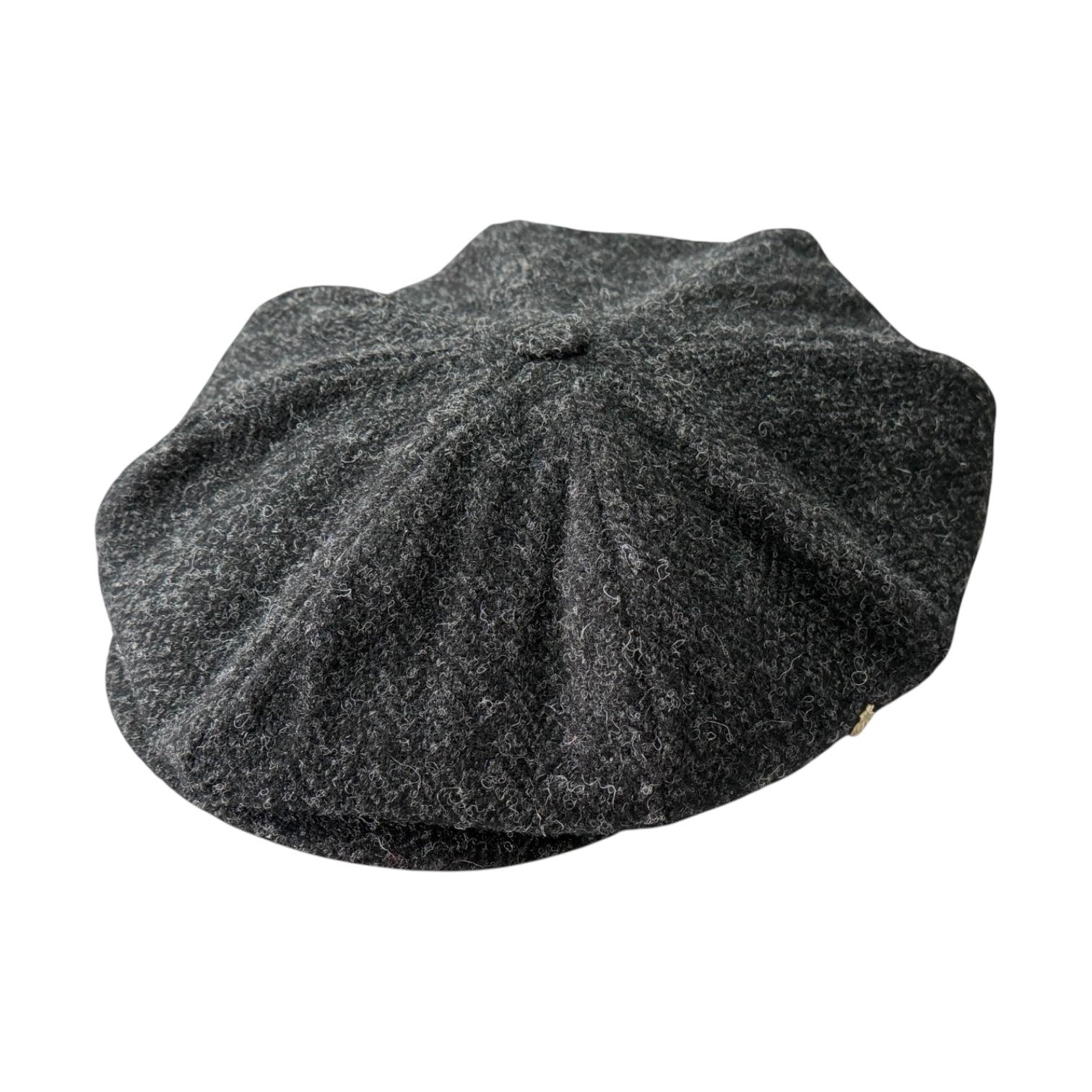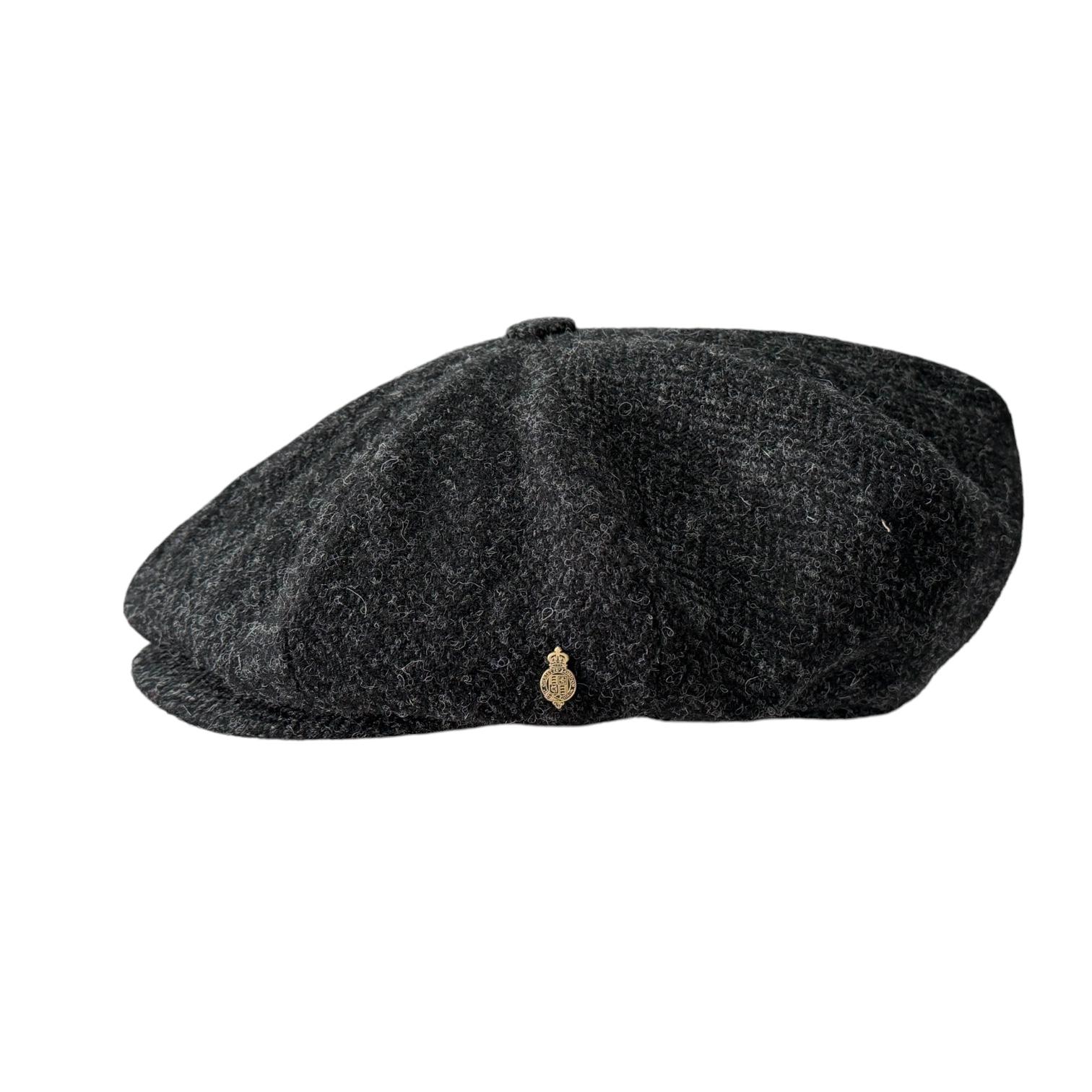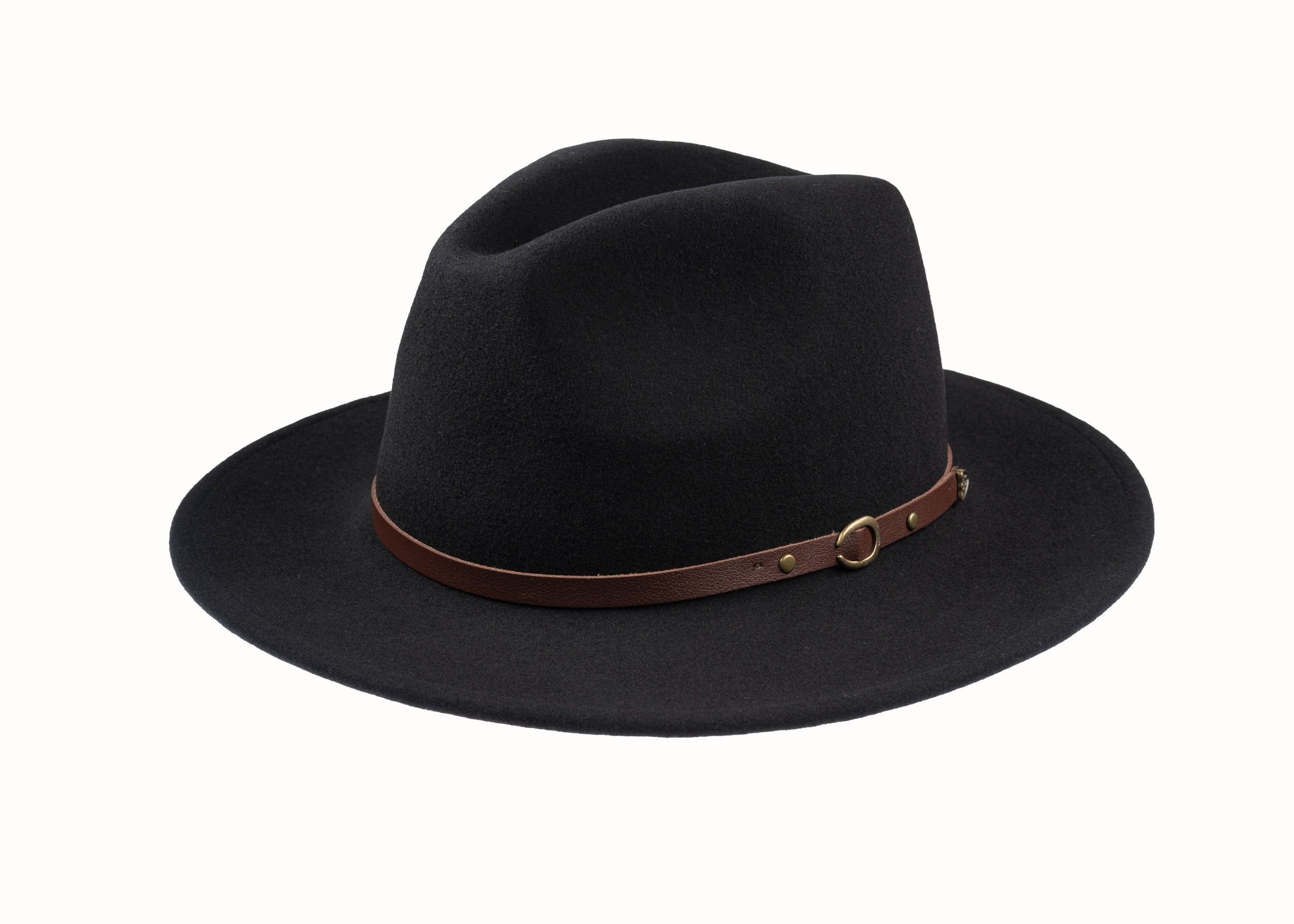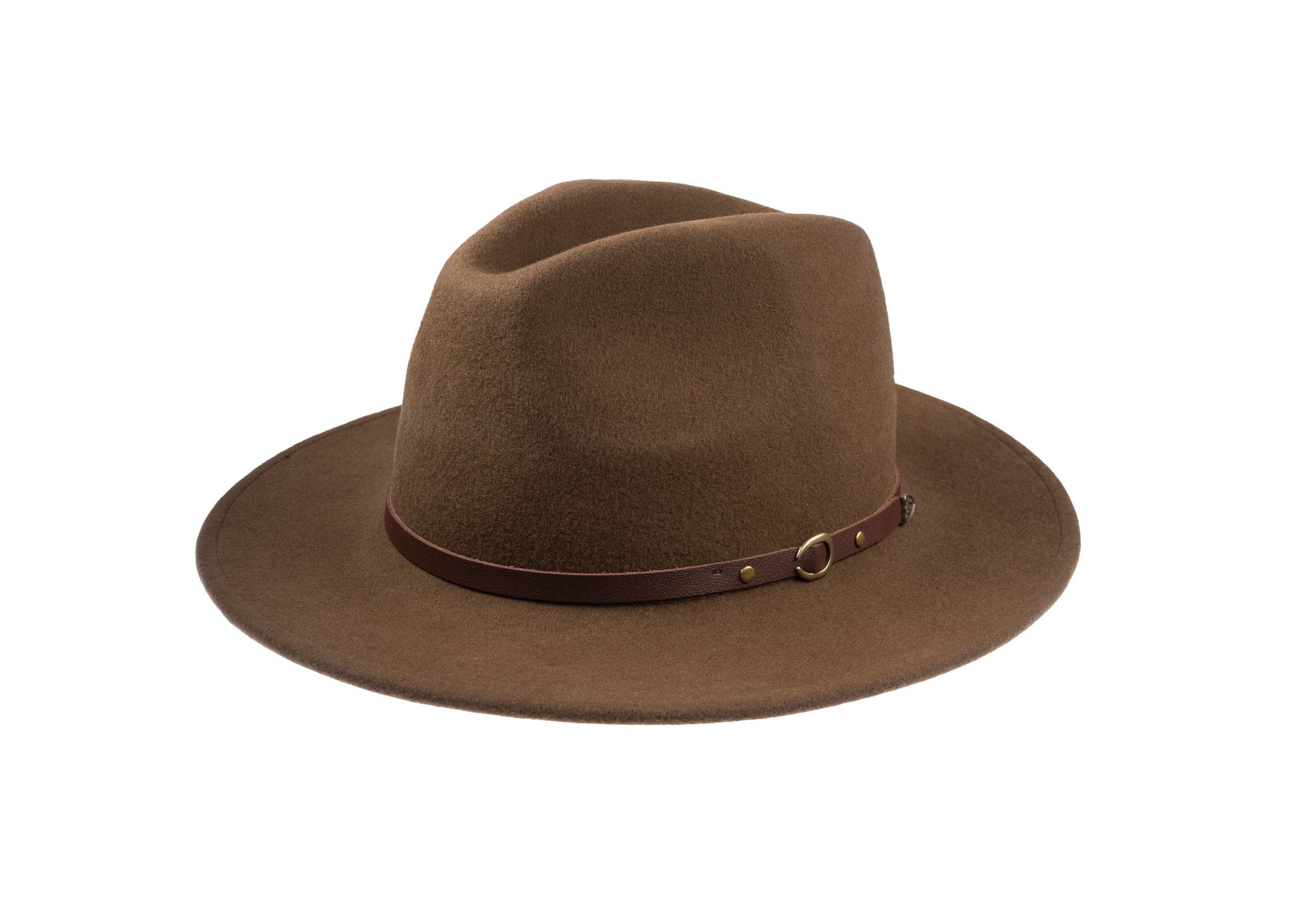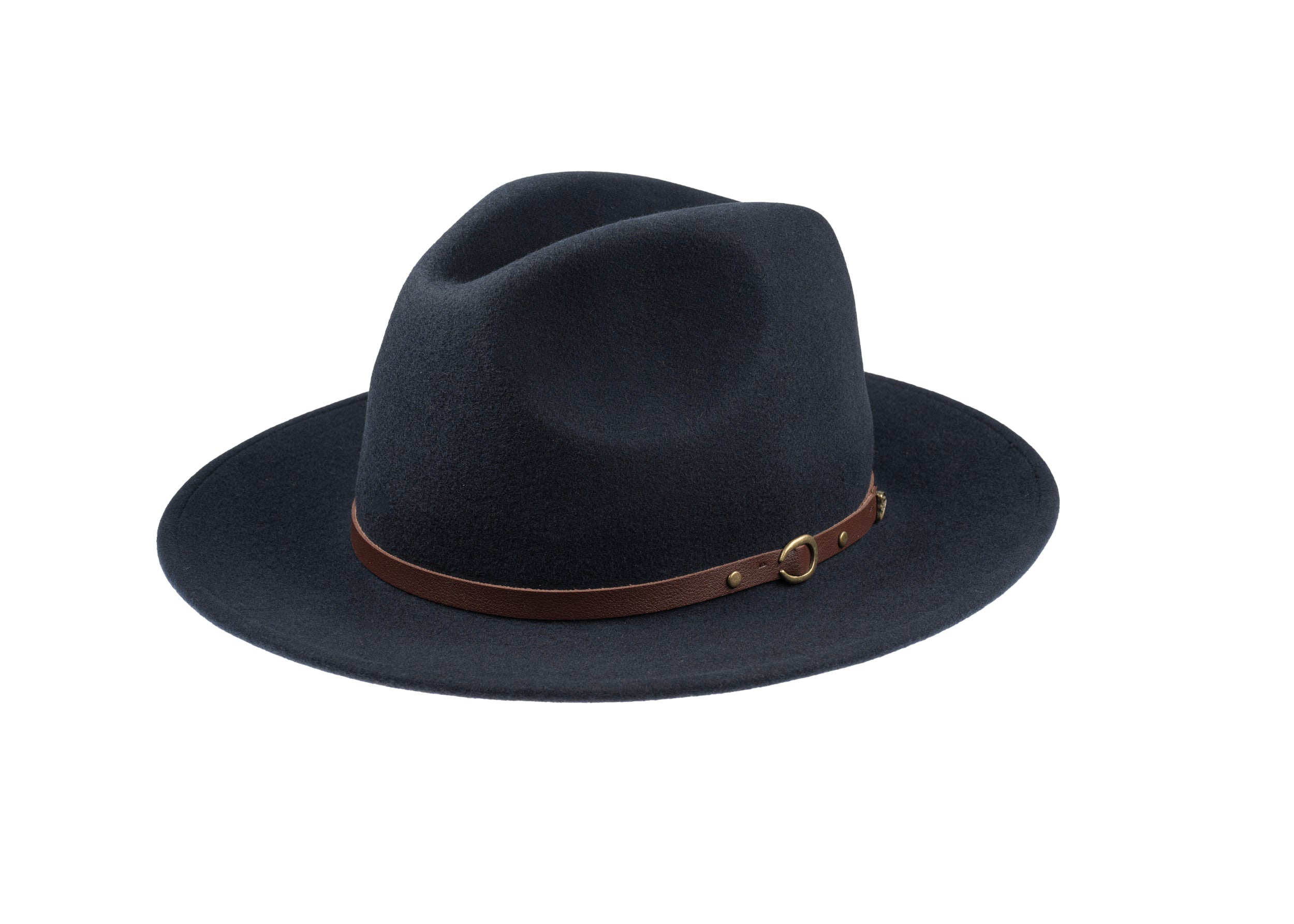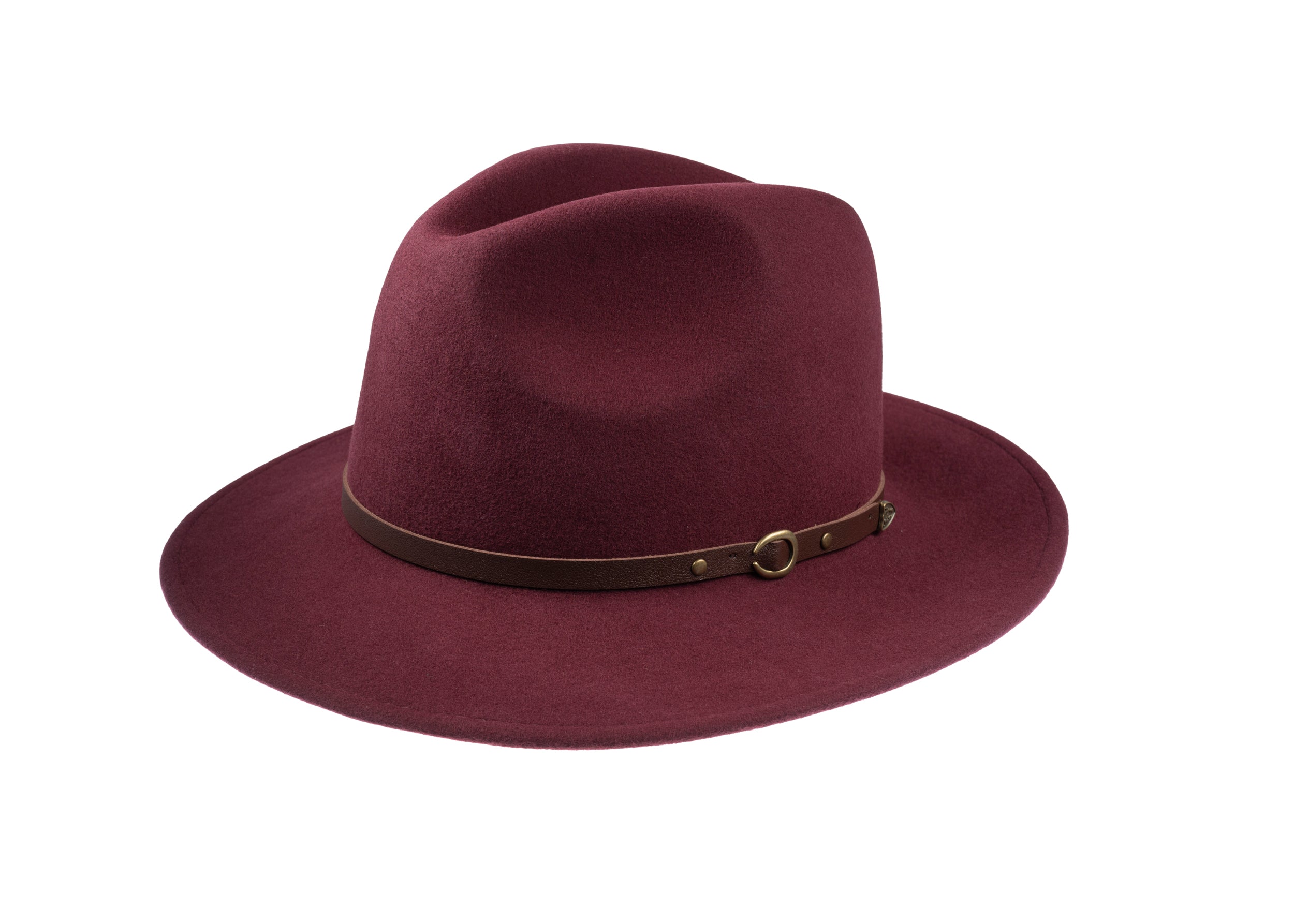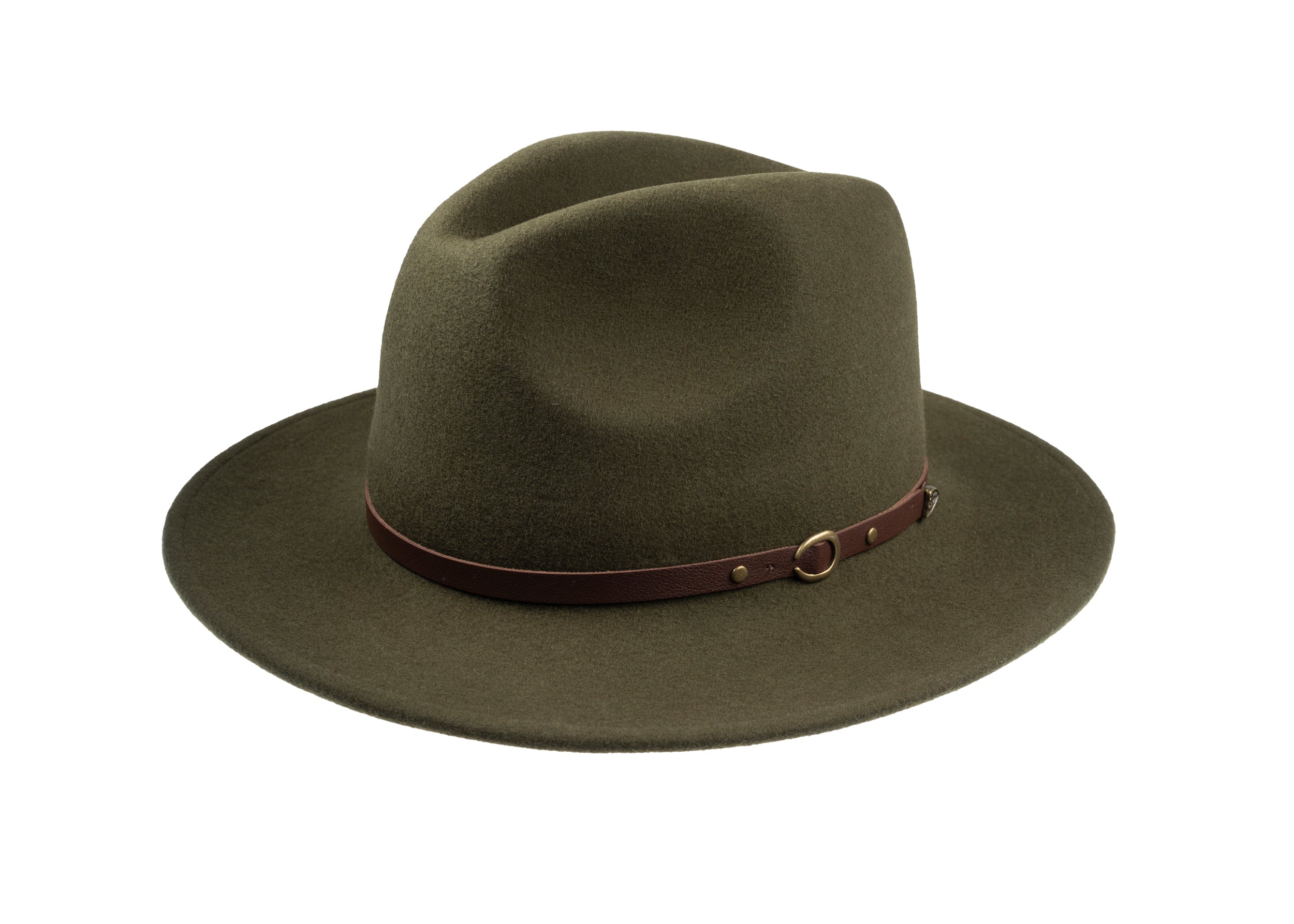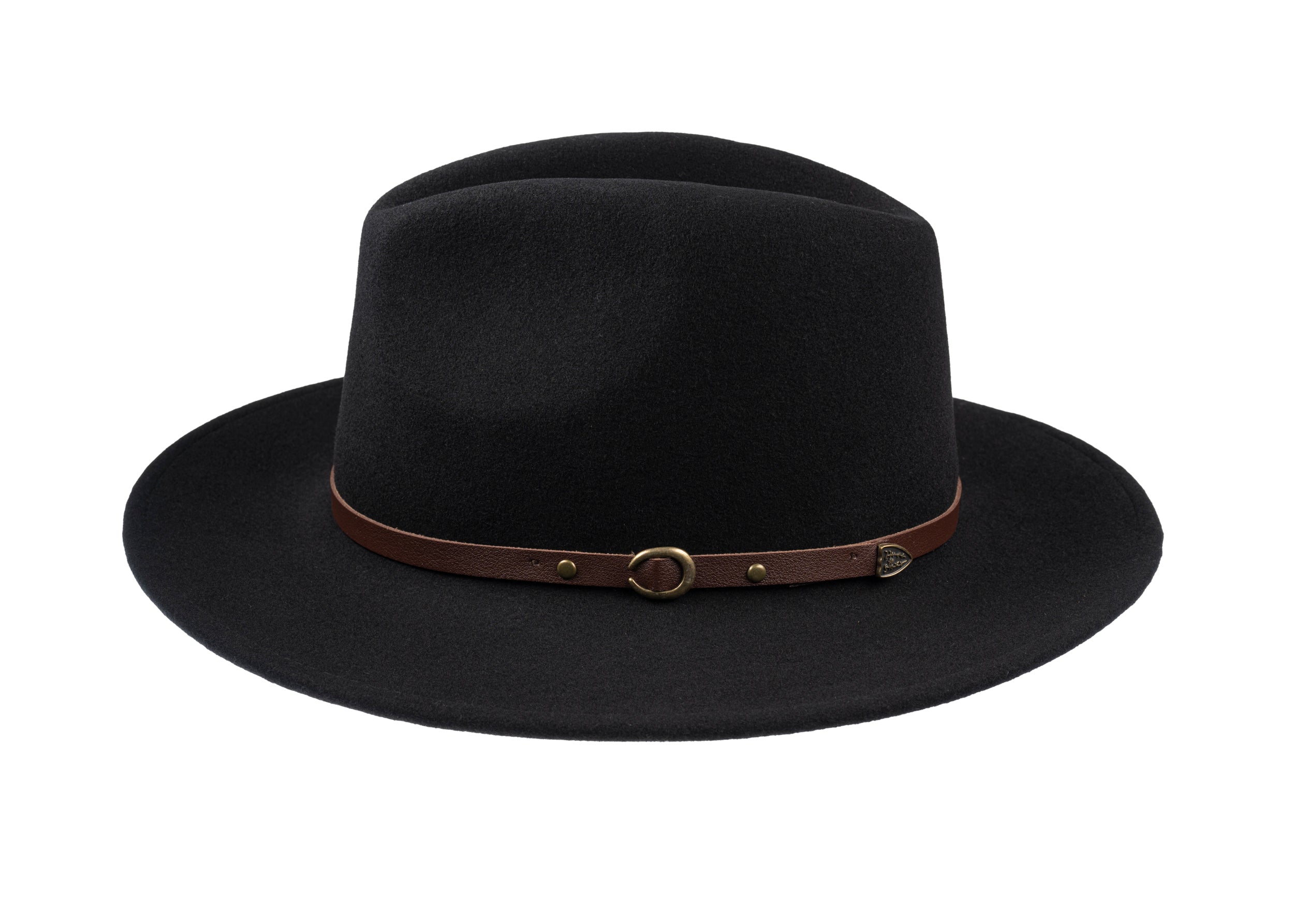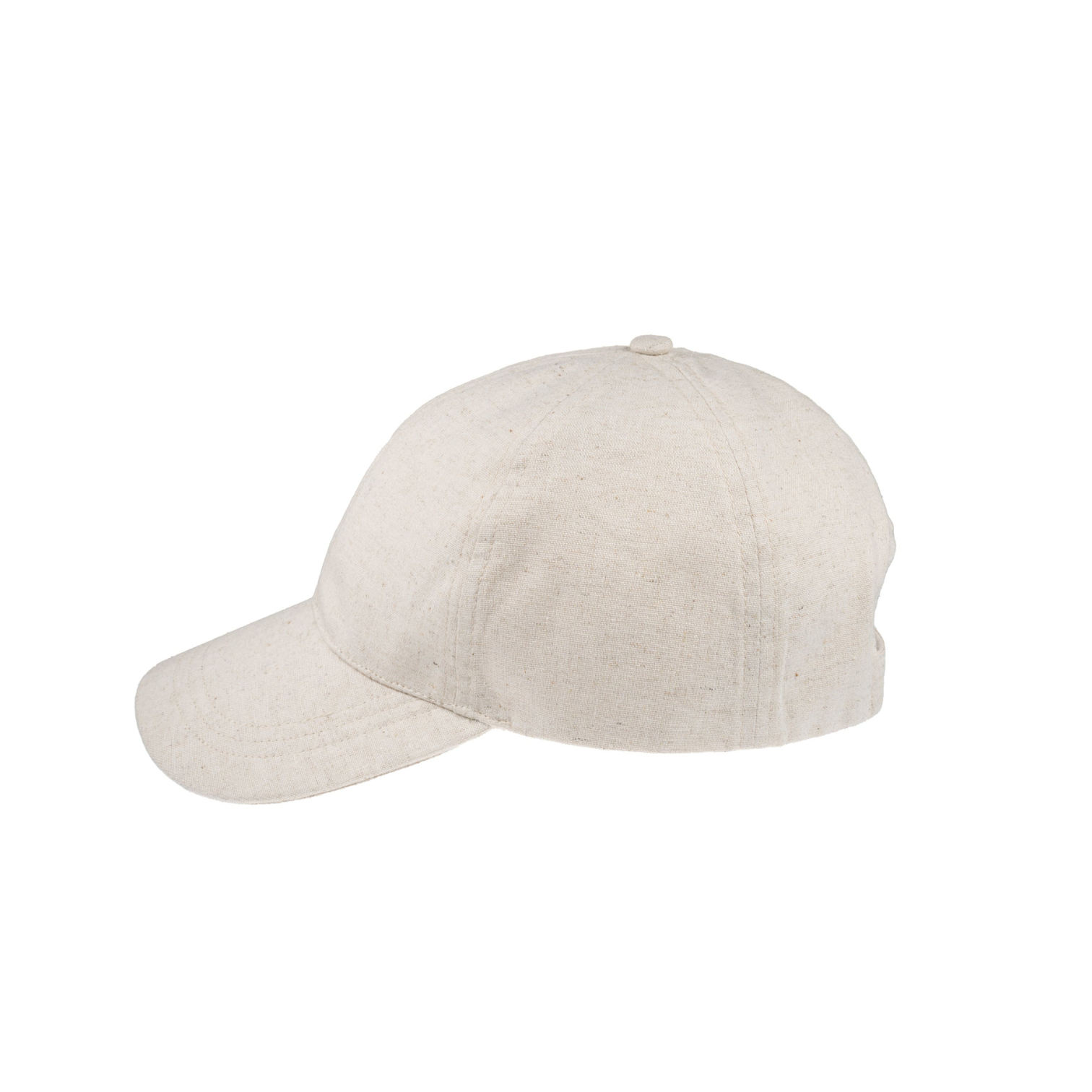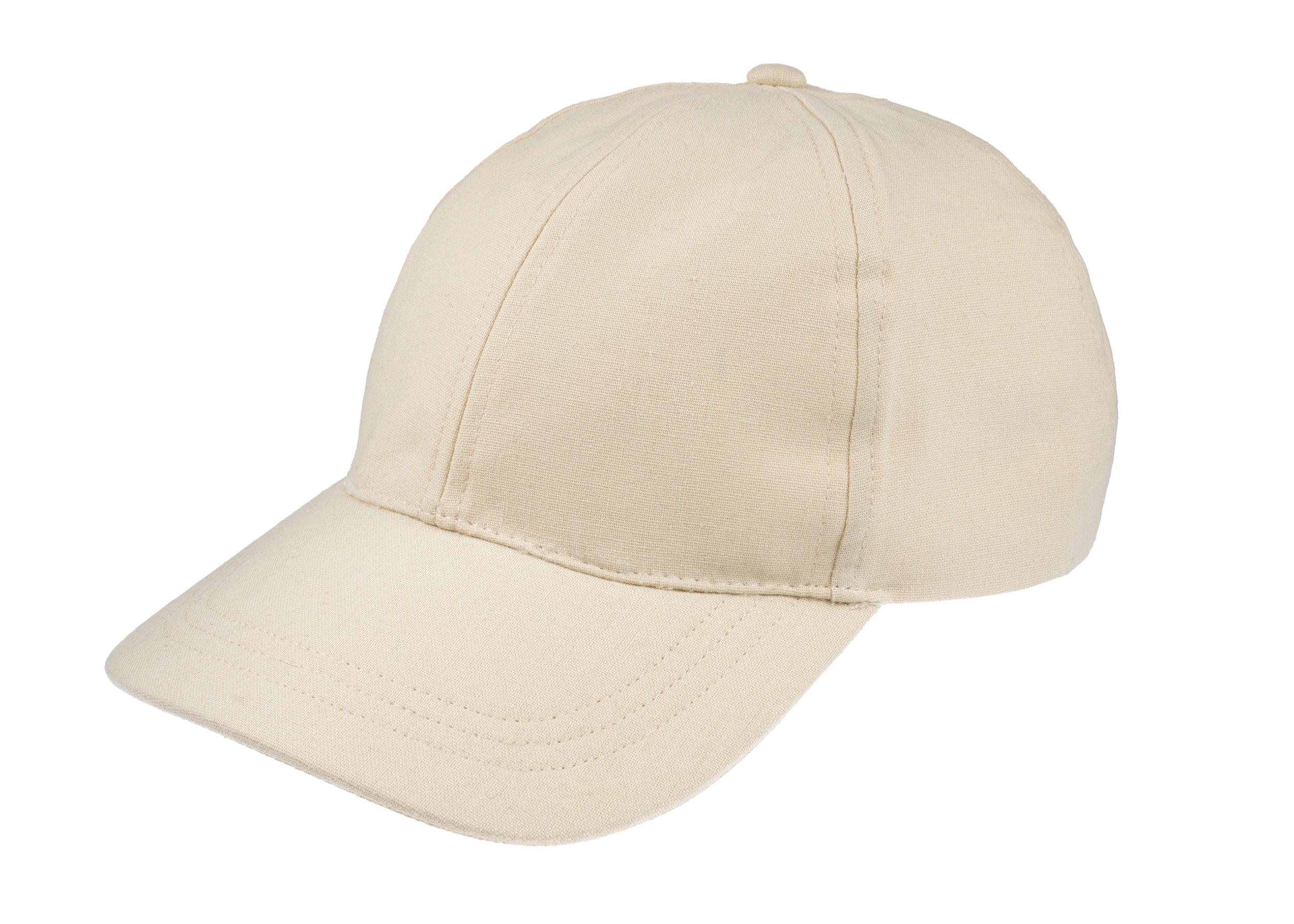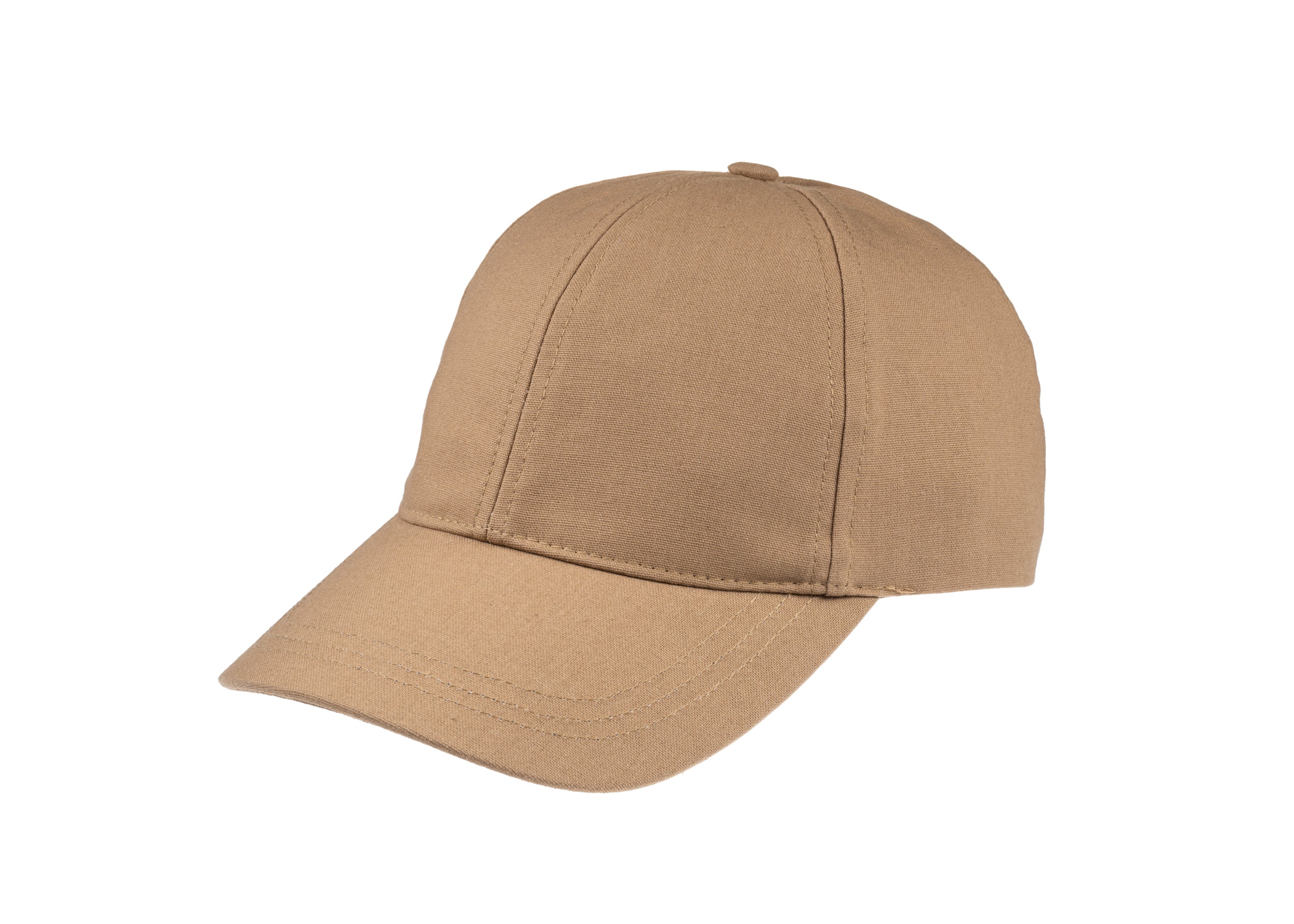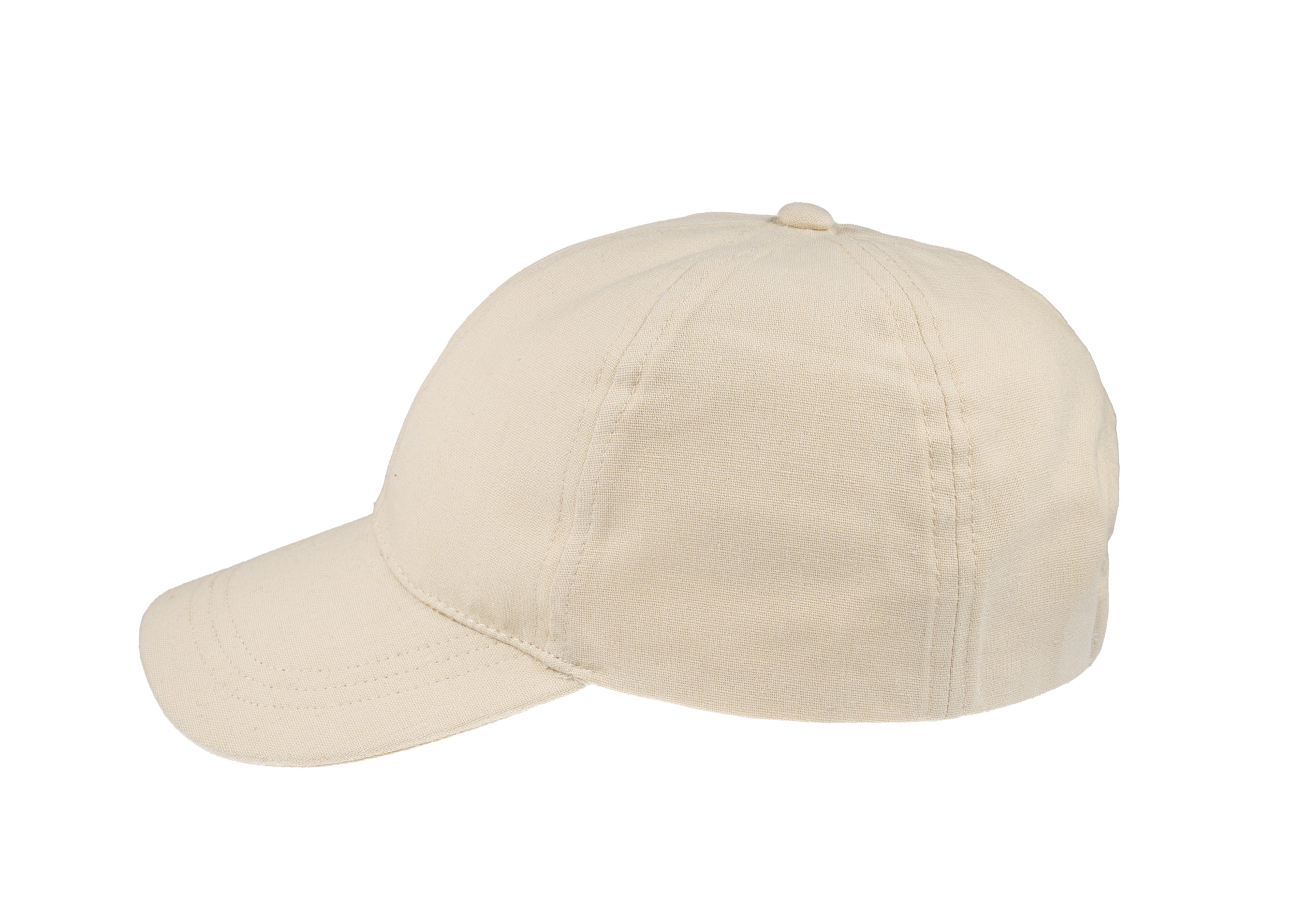

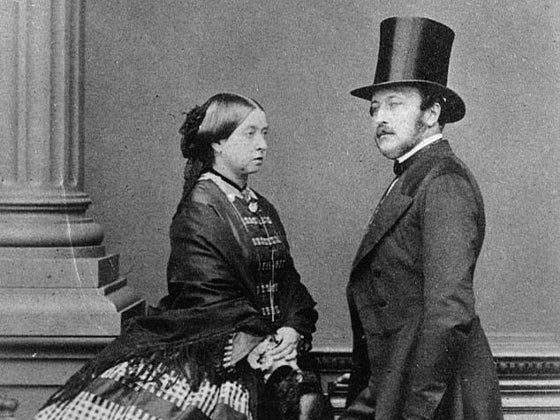




The homburg is prized for its structured crown and rolled brim, yet small missteps in material choice or in how it sits can quickly undermine the effect. Brim width, the seat, the tilt, and the crown height together determine whether the hat reads as deliberate or haphazard.
This guide sets out three practical rules: selecting material and brim shape, adjusting the seat, tilt, and crown height, and completing the look with considered accessories and appropriate etiquette. Use these concise, hands-on pointers to secure correct proportion and a composed silhouette across a wide range of occasions.

1. Choose cloth, colour, and brim to suit the occasion
Choose the felt and finish to suit the season and the level of formality. A tightly blocked, heavier felt maintains its shape and reads as formal; a lighter, softer felt or a cloth blend feels more relaxed and breathes better in milder weather. If you expect rain, favour water resistance and a protective lining, and try the hat on with the coat or blazer you normally wear to ensure it sits correctly. Select colour by occasion and tonal relationships rather than exact matching: dark neutrals, such as black, charcoal, or deep navy, for formal wear; mid greys and muted blues for business; and tan, olive, or warm brown for country or informal gatherings.
Balance brim width and crown height with your proportions, and with the lines of your tailoring. A moderate brim suits most people; a slightly wider brim restores proportion to taller figures or broad-shouldered tailoring, while a narrower brim complements shorter wearers or slimmer silhouettes. Allow brim stiffness, edge finish, and trim to signal formality: a crisp, bound edge and firm brim for ceremonial occasions; a softly rolled edge and gentle flexibility for casual wear. Choose a discreet ribbon band and matte finishes for daytime, and keep shine and ornamentation to a minimum for solemn events. When pairing a hat with patterned tailoring, prefer a plain, complementary Homburg, and match texture rather than colour; hold a leather swatch or a shoe beside the hat to ensure they sit in the same tonal family rather than attempting an exact match.

2. Set the homburg's seat, tilt, and crown height for proper fit and proportion
Seat the crown where the skull is fullest, aligning the centre dent over the crown so the sweatband meets the forehead and upper skull. To check the fit, slide a finger between the band and the skin: deep red marks indicate it is too tight, while movement beyond a finger's width shows it is too loose. Set the tilt to suit the occasion: keep the brim level and parallel to the eyebrows for formal settings, or tip the front so the brim sits about one to two centimetres above the brow for a more relaxed silhouette.
Choose crown height for proportion, not fashion. Aim for the crown to make up roughly one quarter to one third of the visible height when the hat sits on your head. A taller crown will sit more harmoniously with broader shoulders and longer coats. Test stability by walking, turning your head, and nodding. The hat should remain steady without pinching. If it slides, use non-permanent measures: a narrow strip of hat tape or a discreet internal pad will raise the seat by a few millimetres and restore steadiness. Finalise the hat's position with posture and hair in mind. Sit and check how the brim frames your face from a seated line of sight. Avoid tucking the brim behind the ear, and flatten hair beneath the sweatband so the hat sits evenly.

3. Finish with complementary accessories and considered formal etiquette
Echo a single accent from the Homburg's band in one accessory, such as a pocket square, tie, or socks, so the eye traces a deliberate thread rather than juggling competing details. Match leather tones across shoes and belt, and keep the finish of watch, cufflinks, and tie bar consistent to avoid visual dissonance between headwear and the rest of the outfit. Care for the Homburg by brushing the nap after wear, reshaping gently with steam when required, and storing it on a hat stand or in a hat box. Finish with a single, considered flourish, such as a white pocket square, discreet boutonniere, or well-cut gloves, and avoid layering multiple accents.
As for etiquette, remove your hat in private homes, at the dining table, during religious services, or whenever a host requests it; when in doubt, follow the host's cue. At some outdoor formal occasions, such as garden parties or race meetings, keeping a Homburg on is commonly acceptable, though context should guide the choice. Maintain a neat shape and spare trimmings: a well-kept silhouette and restrained accessories quietly signal considered dress and help prolong a hat's life.
Taken together, a properly chosen and positioned Homburg refines an outfit: felt, brim, and crown should be proportioned to the wearers build and to their tailoring. Match brim width and crown height to the lines of the coat, and set the hat with a steady seat and minimal, coordinated accents. The hat becomes a deliberate, stabilising element rather than an accidental flourish.
To recap, follow three simple rules: choose the cloth and brim with the occasion in mind, set the seat, tilt, and height to achieve balanced proportion, and finish with complementary accessories and proper etiquette. Carry out a few routine checks: that the brim sits evenly, the crown is free of unintended creases, and the lining is secure. Tend to the nap and shape with gentle brushing and correct storage, and the Homburg will sit correctly, complement your outfit, and endure through many occasions.