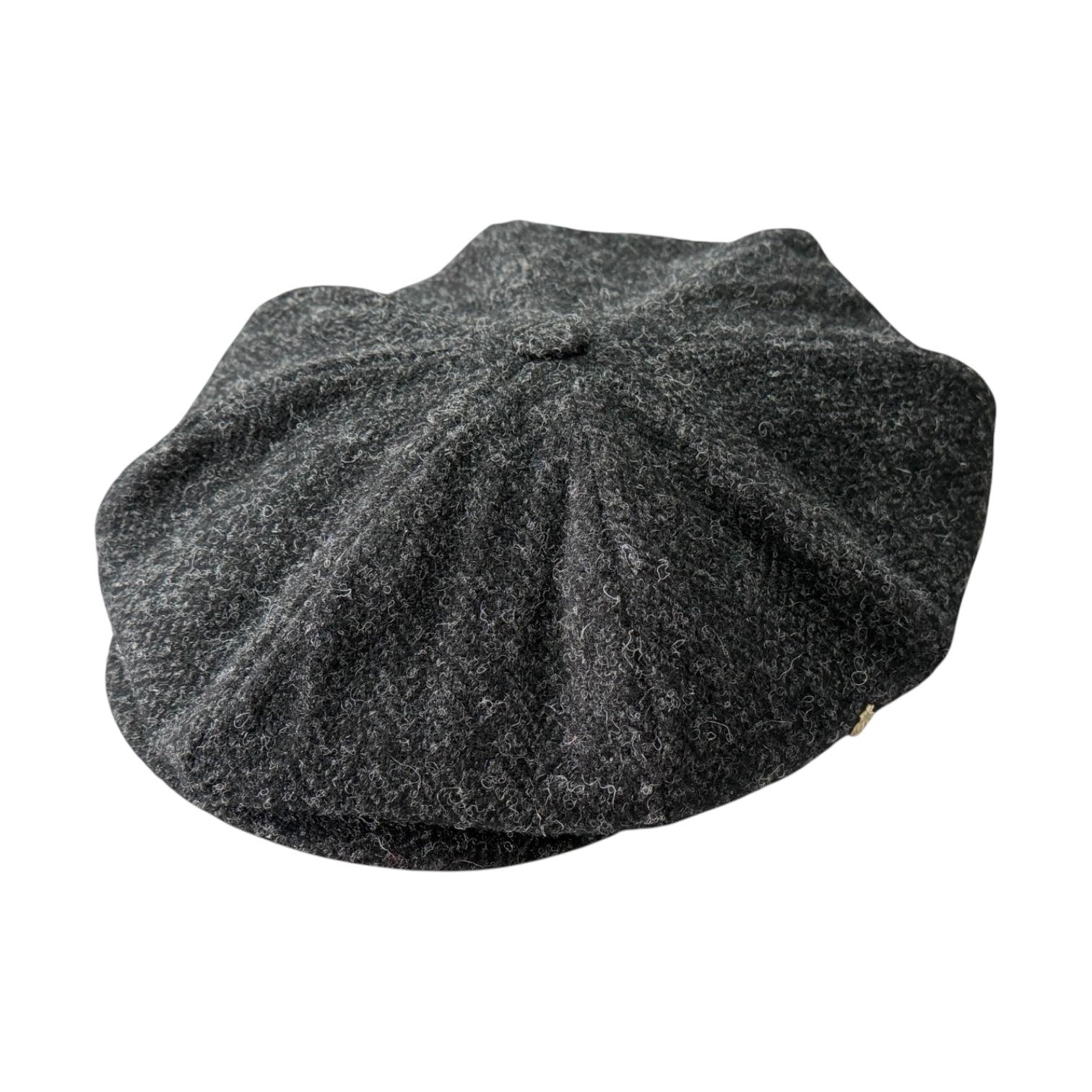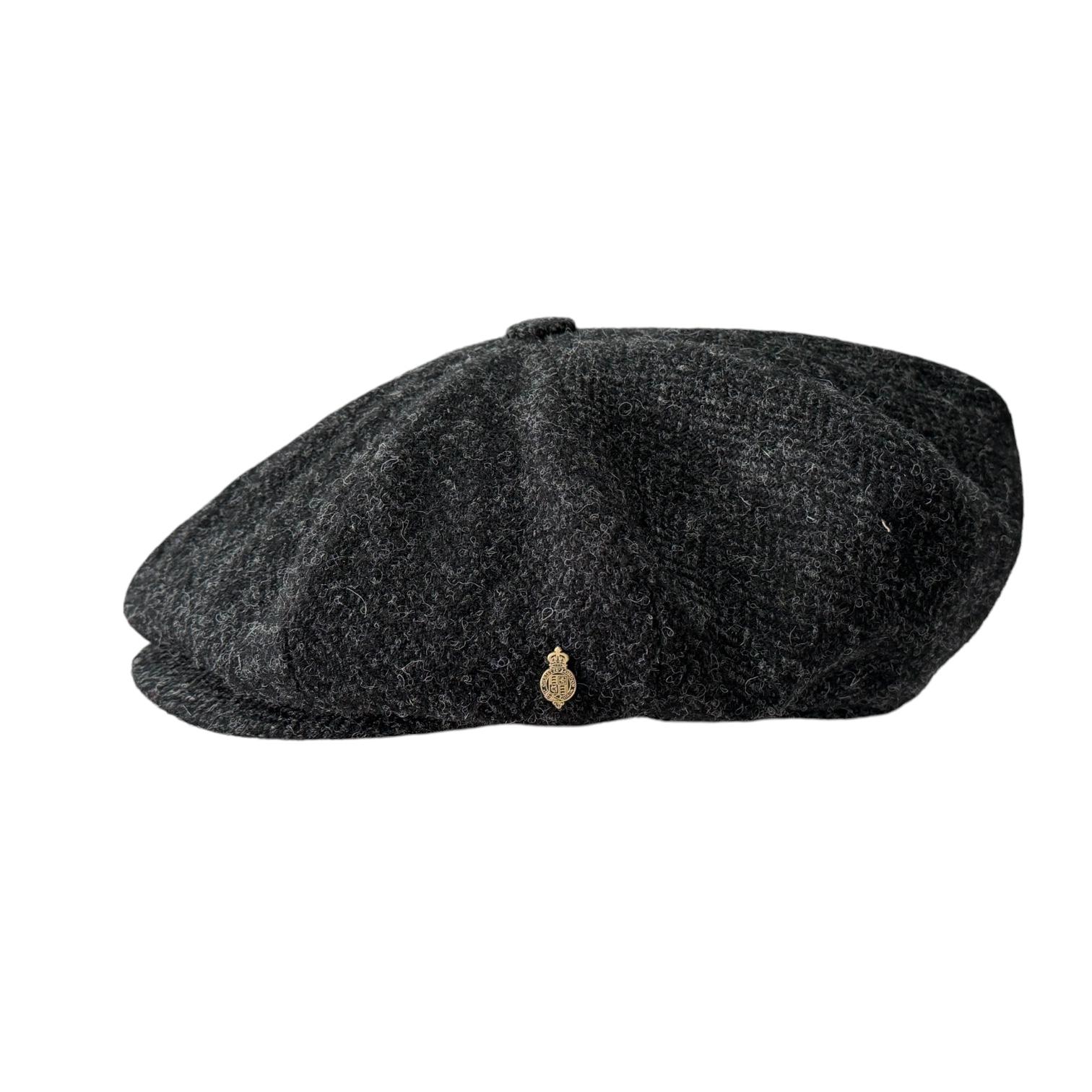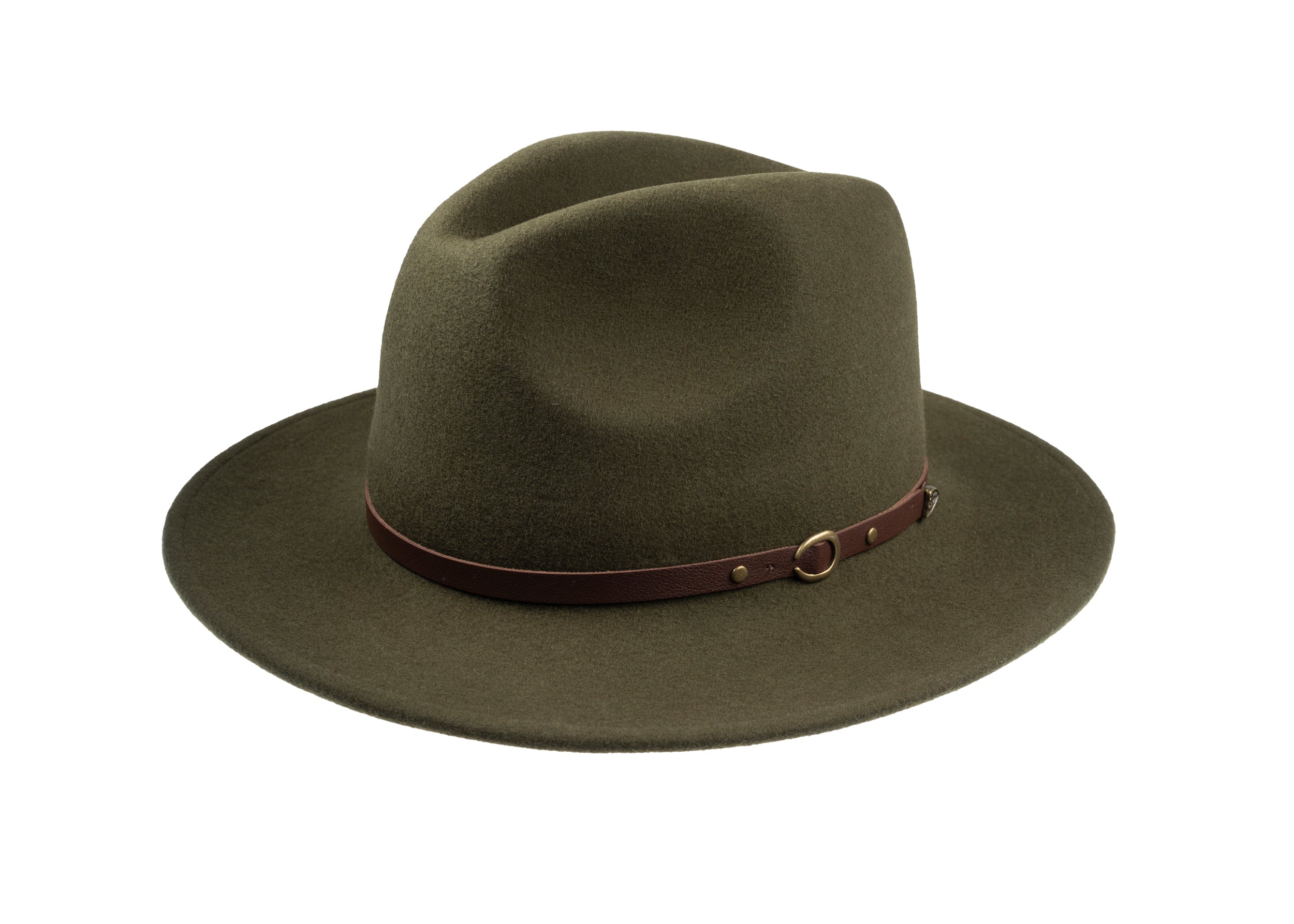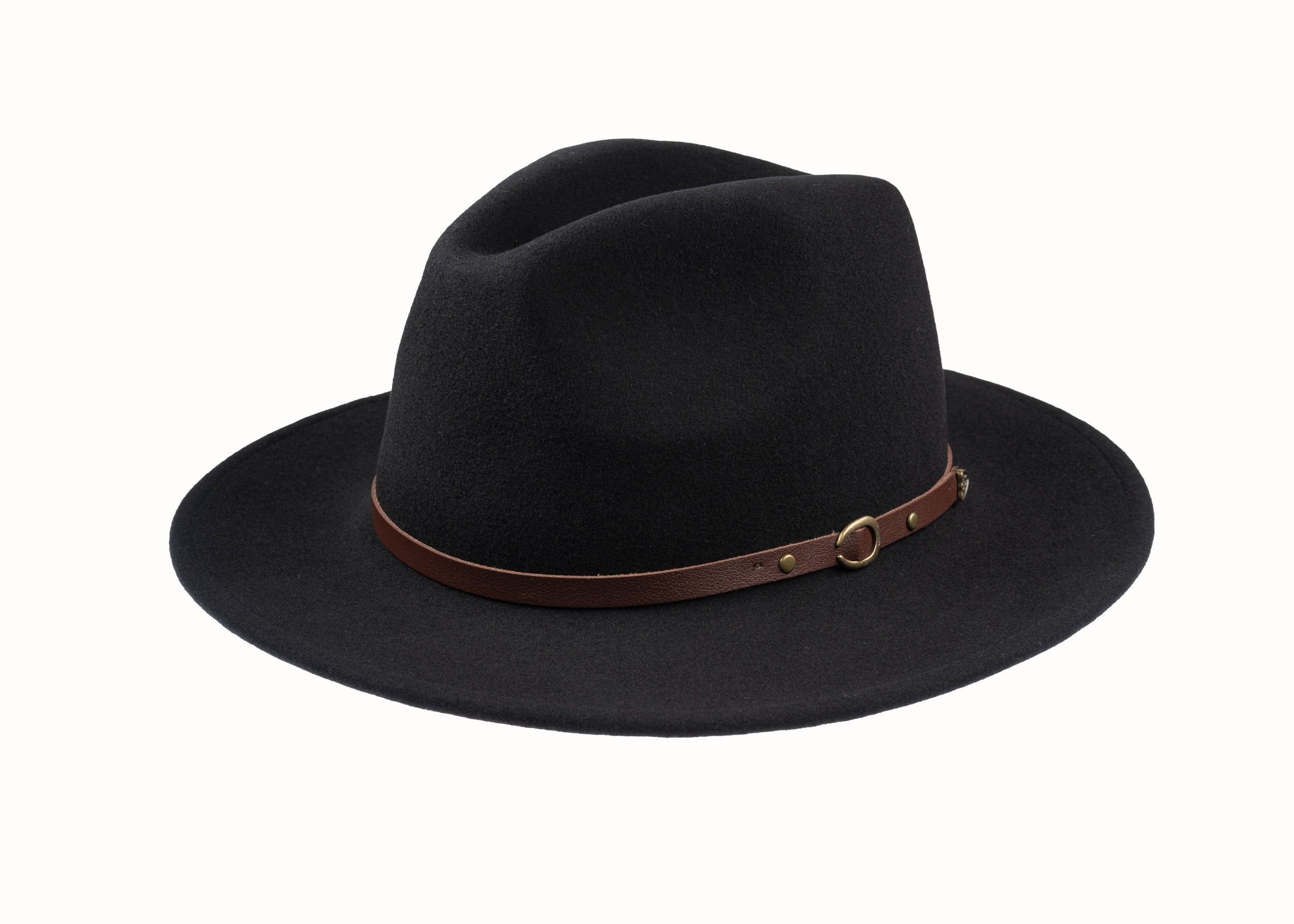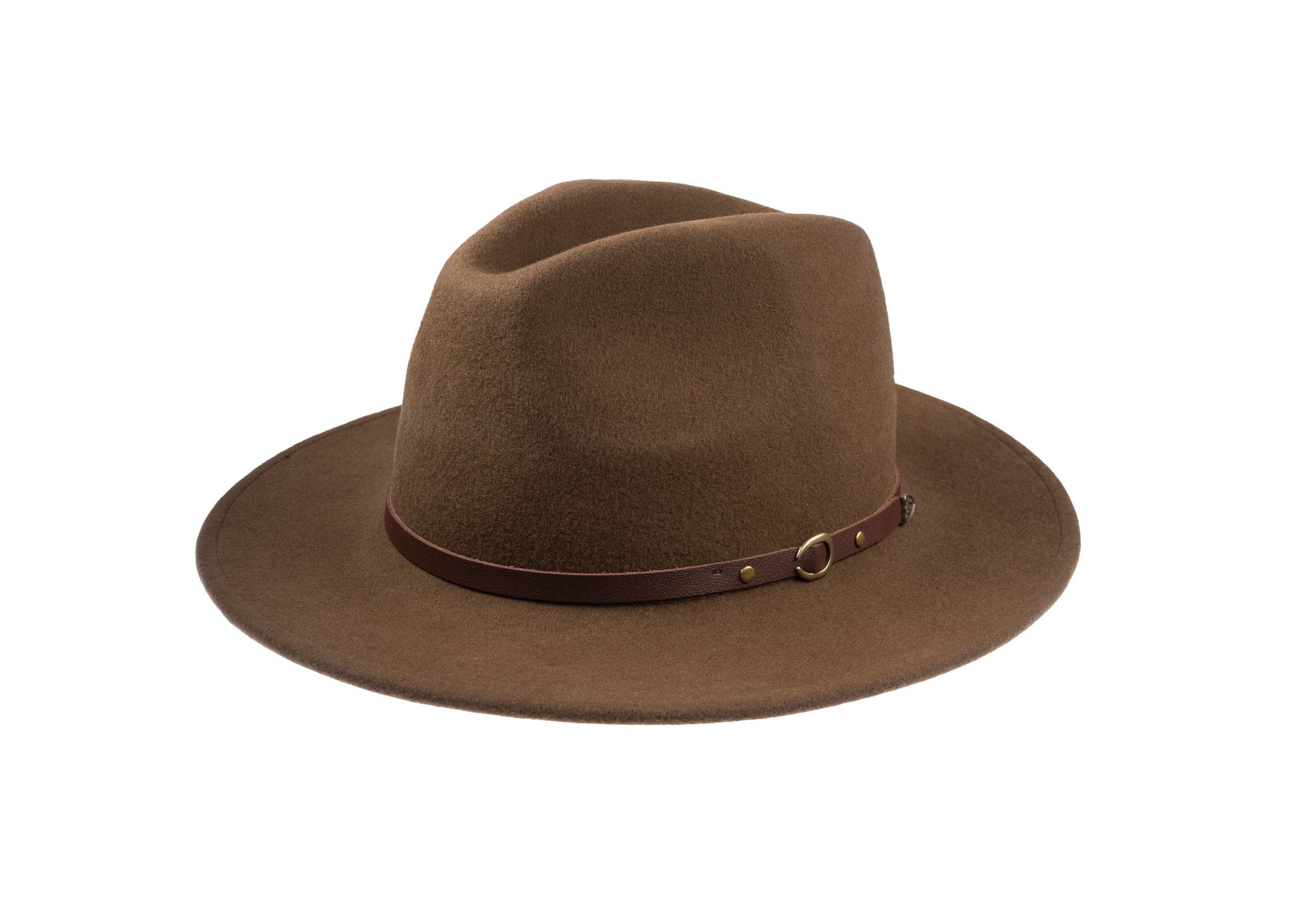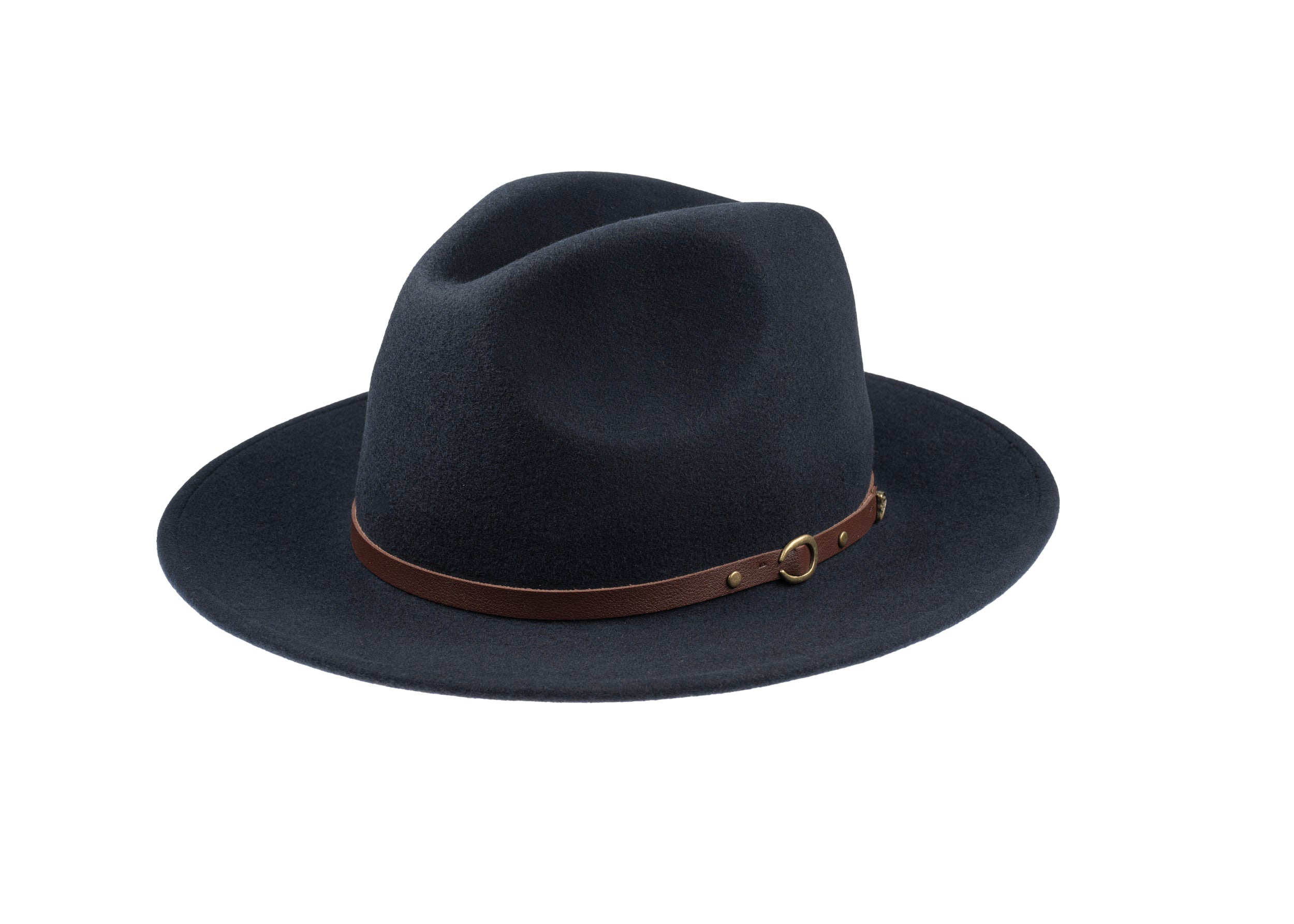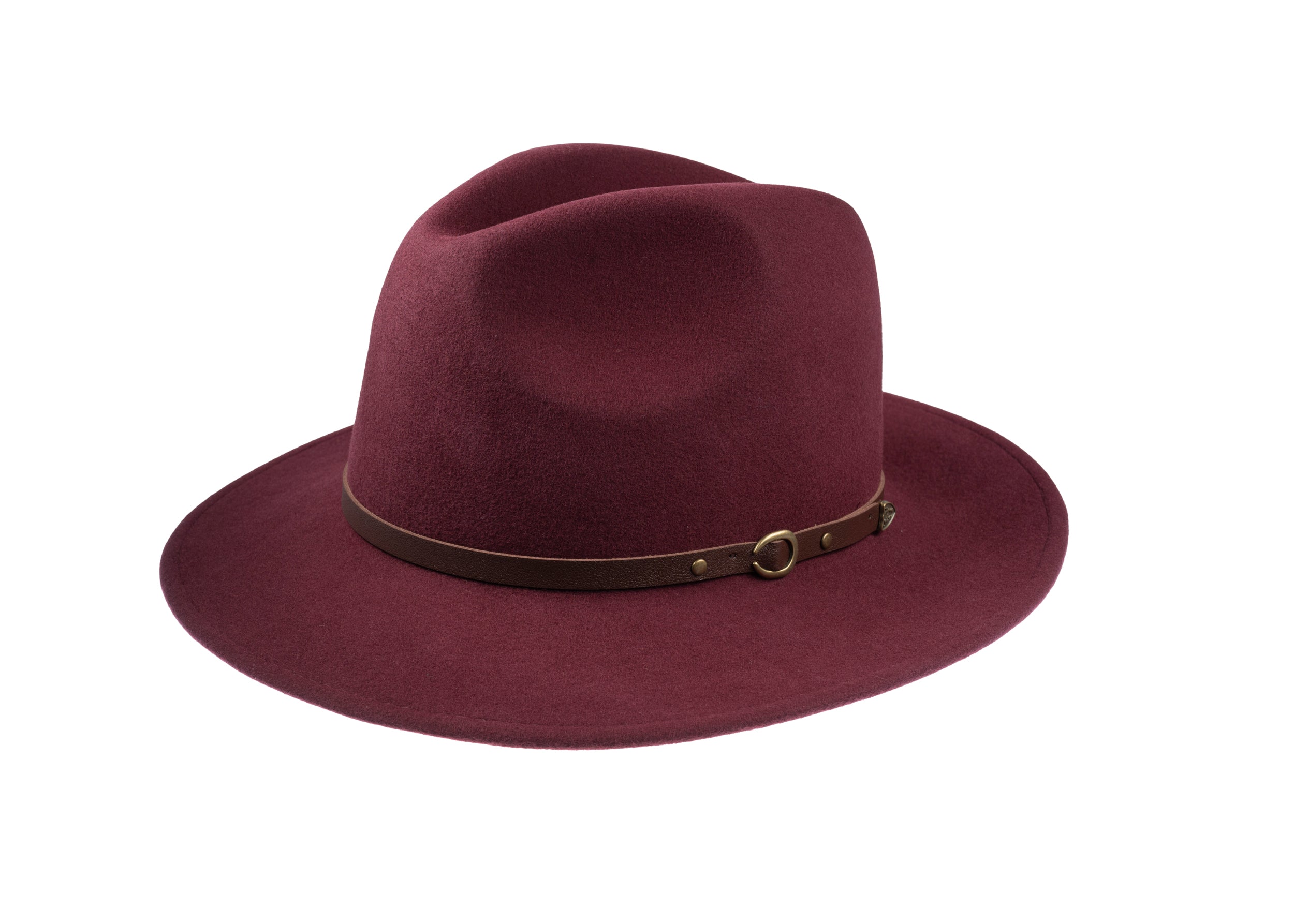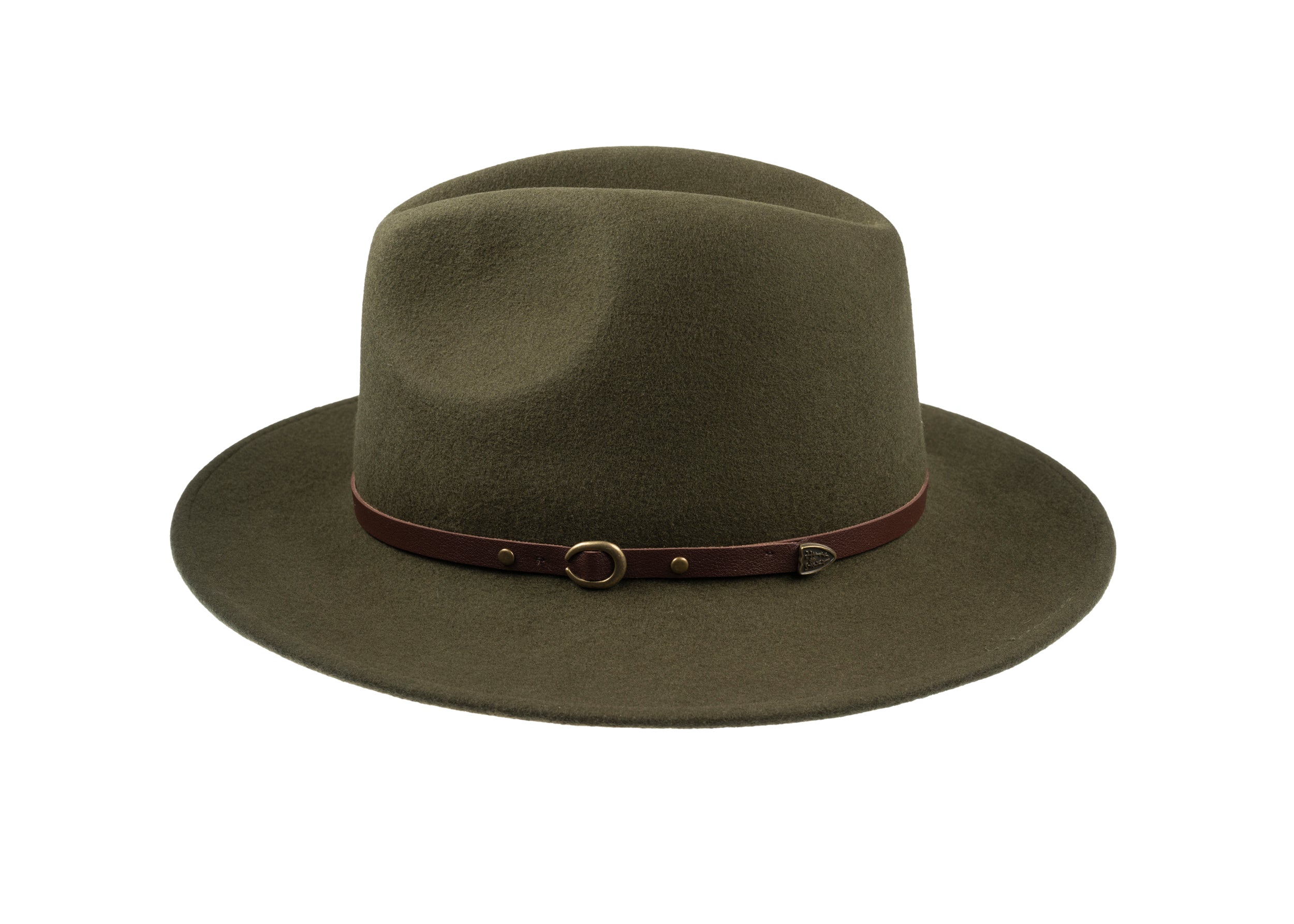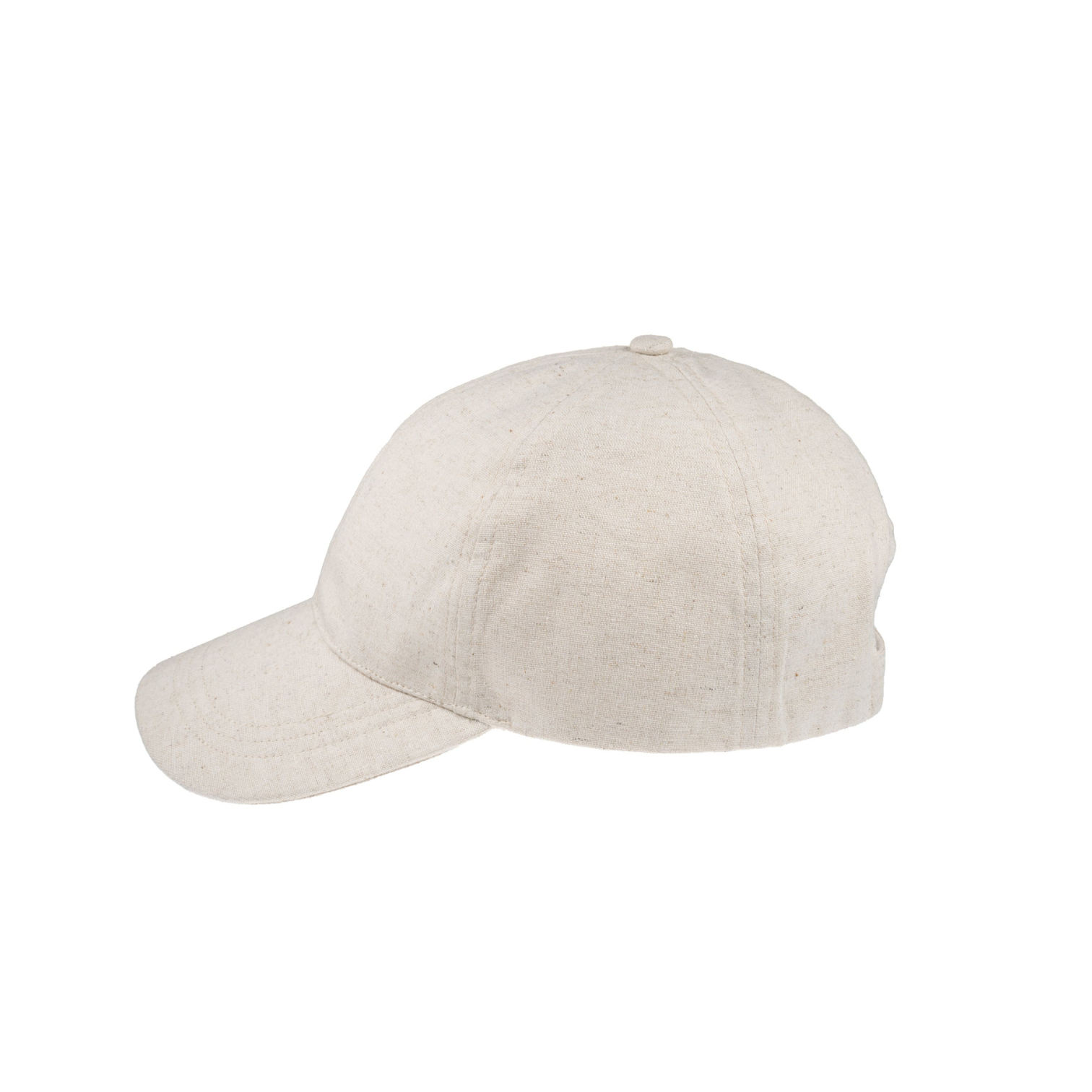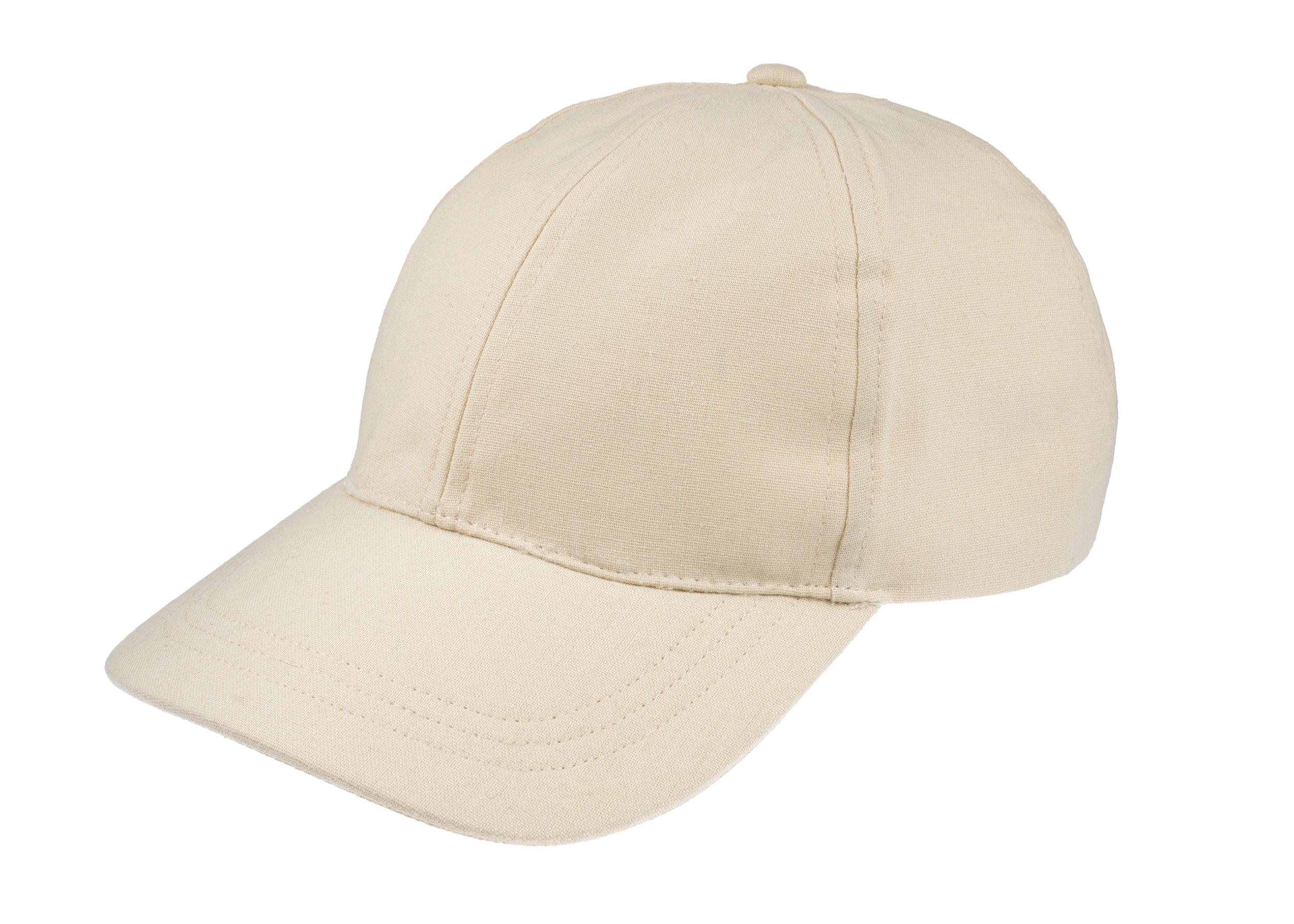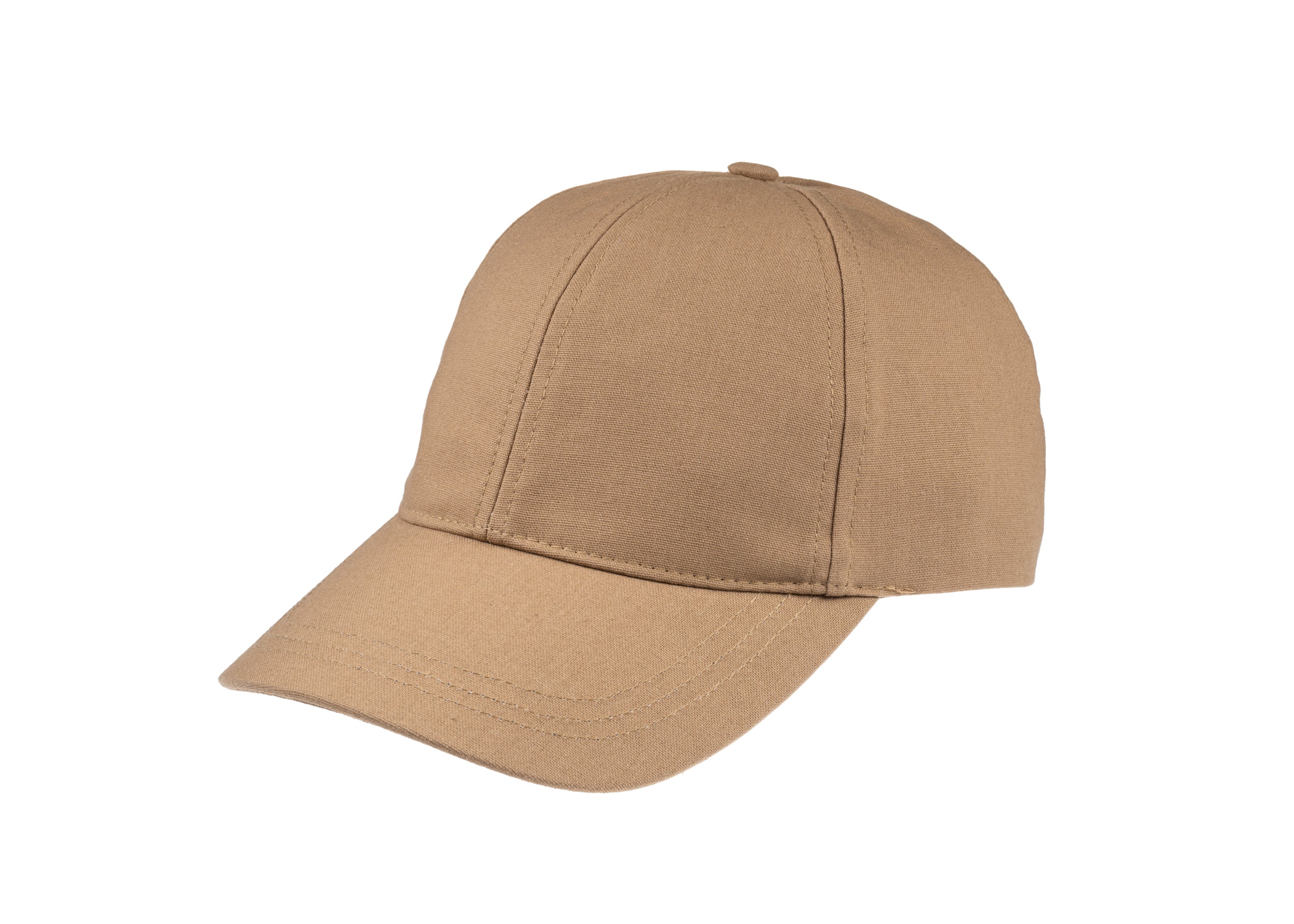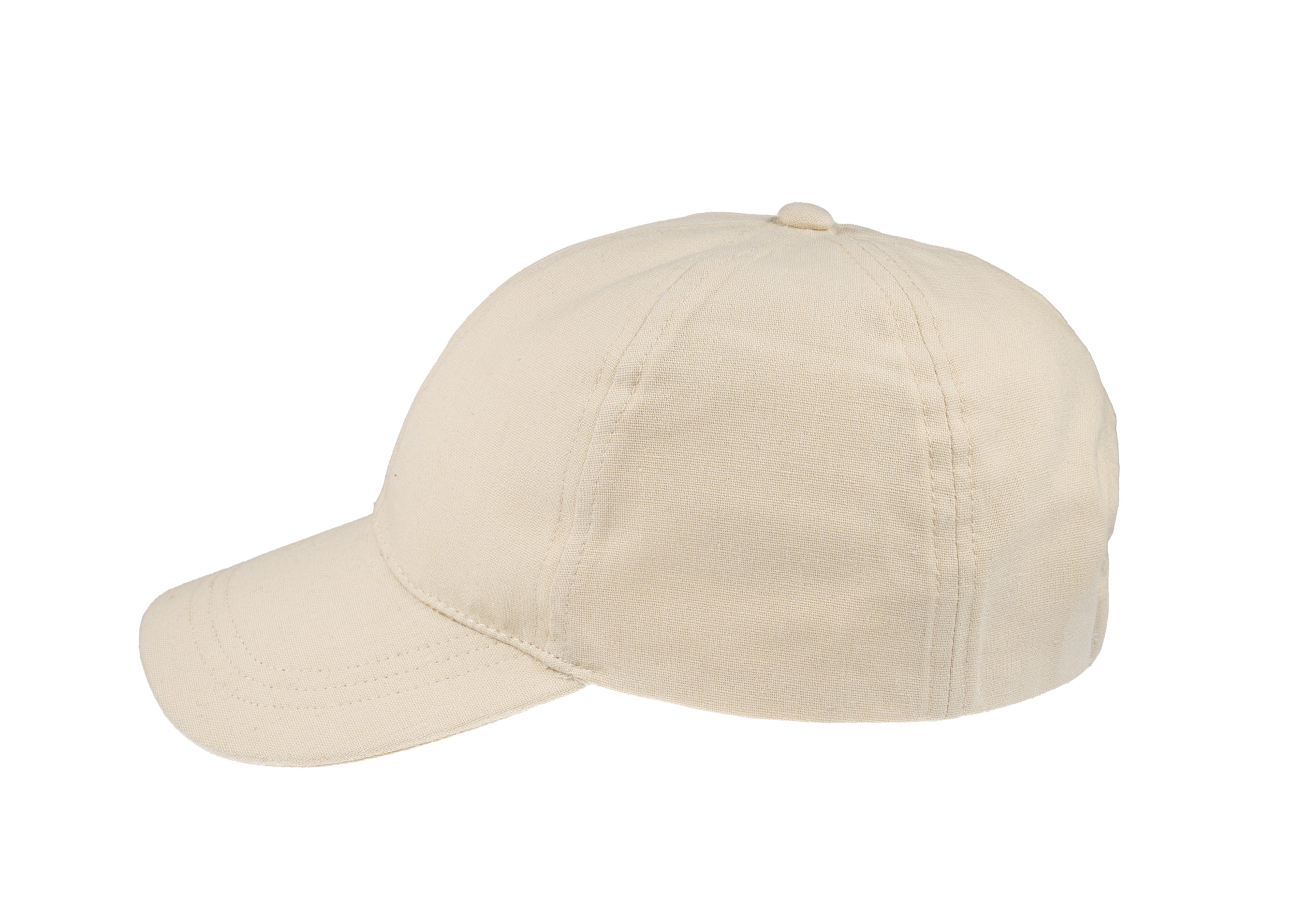


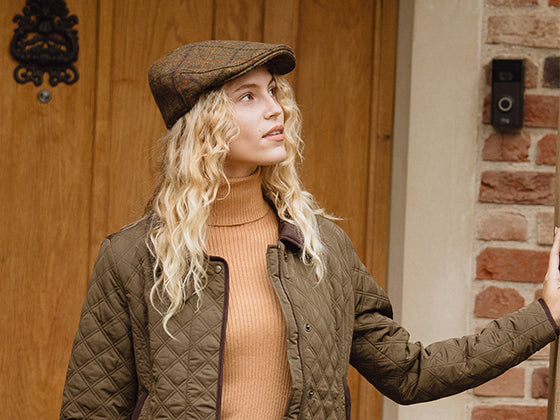
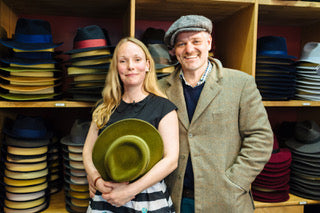

Choosing a hat is not about following trends. It is about matching the silhouette to your face, scaling proportions to your height and posture, and harmonising the piece with your outfit and the occasion.
This guide sets out those three choices as clear, testable rules and simple visual cues to try in a mirror. It explains which silhouettes flatter particular face shapes, how brim and crown height should relate to stature, and how to pair a hat with necklines and occasions so the overall appearance feels composed.

1. Match a hat's silhouette to your face shape
Begin by mapping your face. Measure the length from the hairline to the chin and the width across the cheekbones, then classify the shape as oval, round, square, heart, diamond, or long. That simple baseline will inform sensible choices in silhouette. Use those categories as a guide, not a prescription. As a rule of thumb: on round faces, favour a taller crown and an angular brim to introduce vertical lines and lengthen the silhouette; on square faces, choose rounded crowns and softly curved brims to soften a pronounced jaw; for heart shapes, mid-width brims and slightly lower crowns help balance a broader forehead; on diamond faces, wider brims or profiles that sweep to the side add visual width at the temples; on long faces, lower crowns and broader brims shorten perceived length; oval faces are the most adaptable, so let proportion and personal taste decide. Apply two simple proportion rules. Let the brim align with, or sit just beyond, the cheekbones to balance facial width. Let crown height relate to face length: taller crowns add apparent length, lower crowns shorten it. Treat these ratios as starting points, then adjust by eye to the particular lines of your face and to what you will wear with quiet confidence.
Refine the fit by considering tilt, placement, and hairstyle. Angle a hat forward to shorten a long face, or tip it back to lift a heavy jaw, and try the hat with hair worn up and hair worn down, since volume alters perceived scale. Think about how the hat sits within the outfit: pair structured shapes with tailored clothing, and slouchier forms with relaxed fabrics, so the hat remains in proportion with the rest of the silhouette. Keep trims and embellishments proportional to face size, favouring minimal detail on smaller faces and bolder trims on larger ones to maintain a coherent outline.

2. Scale a hat's proportions to your stature and carriage
Wider brims with low crowns emphasise the horizontal and can make the figure appear shorter, while taller crowns with narrower brims lift the eye and lengthen the silhouette. Decide whether you wish to correct or to reinforce your perceived height, and allow the hat's principal axis to do the work. Try a simple mirror test: compare brim width to shoulder width, and crown height to face length. For a balanced appearance, the brim should not substantially exceed the shoulders, and the crown should sit in proportion to the face so the hat reads as part of the wearer rather than an isolated object.
Beyond proportion, posture alters everything. Rounded shoulders and a forward head are often corrected by a slightly taller crown, a firmer brim, or a gentle upward tilt at the back, which restores vertical presence. Conversely, very upright or lanky frames often sit better with lower crowns and wider brims, which prevent the torso from appearing overly elongated. Test combinations by photographing yourself full length at eye level, and by viewing the hat from close, middle, and far distances. Try adding or removing a hat band or trim, and note which pairings align hat, shoulders, and hemline. Those are the combinations to repeat for different occasions. The detail that rewards closer inspection is how small adjustments alter the overall line.

3. Harmonise your hat with outfit, occasion, and neckline
Match a hat's formality to the occasion and the outfit. A structured crown and clean lines read as formal alongside tailoring, while lighter weaves and more relaxed shapes suit casual linens and daywear. Use your shoulder width as a simple scale: the brim should sit comfortably within, or just beyond, that line. Taller figures can carry wider brims and higher crowns, whereas petite frames favour modest crowns and shorter brims so as not to overwhelm the silhouette. Balance the neckline by echoing its angle or by interrupting the outline deliberately. High necklines and collars work best with low crowns and narrow brims; V-necks and plunging lines suit taller crowns and wider brims. Before committing, hold a scarf or a ruler at the neckline and check in a mirror to preview where the brim will sit.
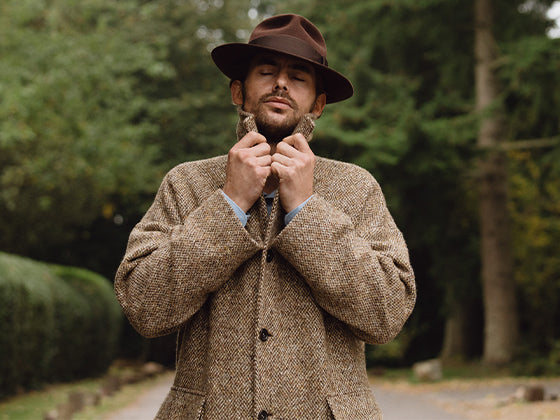
Unify an outfit through colour, texture, and trim rather than by literal matching. Echo one small accent from your shoes, belt, or jewellery in the hat band, or choose a hat texture that answers the coat or knit. Repeating a single material or hue gives the eye a clear point of connection without feeling contrived. Reserve bold, architectural hats for occasions that tolerate them, opt for low-profile styles at crowded receptions, and favour breathable fabrics for outdoor events. Check sightlines and customary hat-removal rituals, and try the complete combination in a mirror so the hat sits comfortably with collars and scarves and you leave composed.
Choosing the right hat is a matter of proportion, not impulse: align the silhouette with your face, scale it to your stature and bearing, and thread the piece through your outfit and the occasion. Small, repeatable tests, such as adjusting tilt, photographing full length, and holding the brim to your neckline, reveal which choices flatter and which overwhelm.
Treat the three headings, match to face shape, scale to stature and posture, and harmonise with outfit and occasion, as practical checkpoints when trying hats. Begin in front of a mirror and test each in turn: observe how the crown and brim relate to your face shape; check that the hat's proportions sit comfortably with your stature and habitual posture; consider whether form, fabric, and finish suit the intended outfit and occasion. Make small adjustments and choose the hat that sits naturally and leaves you composed.