



Choose by sequence: weather first, then construction, appearance and use. The right felt hat is the one that suits the conditions it will meet, the clothes it must sit alongside, the occasion and the way you will wear and store it.
Fibre is only the starting point. Density, finish, blocking, stiffness, brim and crown shape, lining, sweatband and any water-repellent treatment can change the result. Fur felt often offers a denser, smoother and more refined surface, while wool felt can bring tactile warmth, understated texture and accessible structure. These are practical tendencies, not guarantees; the individual specification deserves the final word.

Start with weather, construction and the feel you want
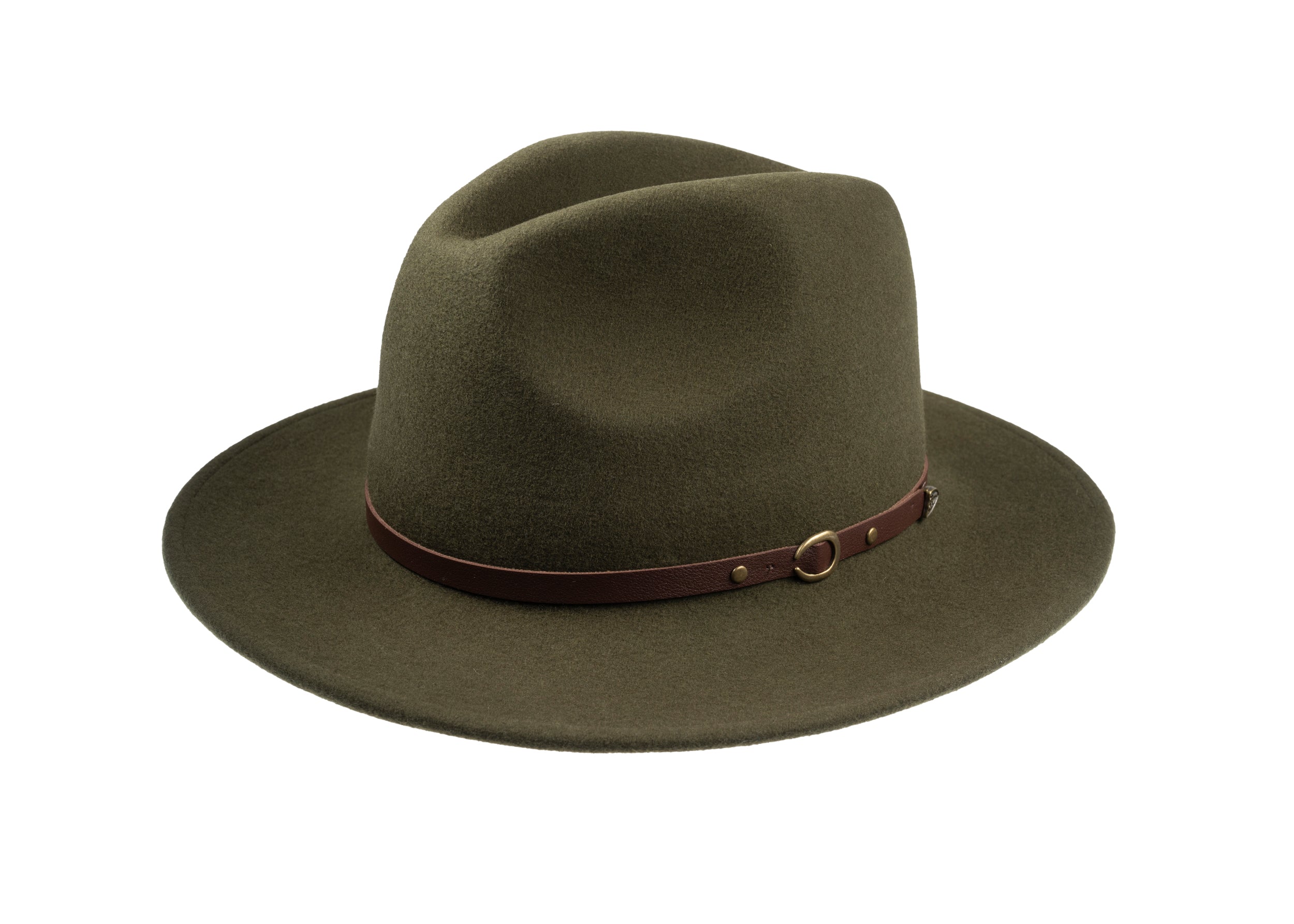
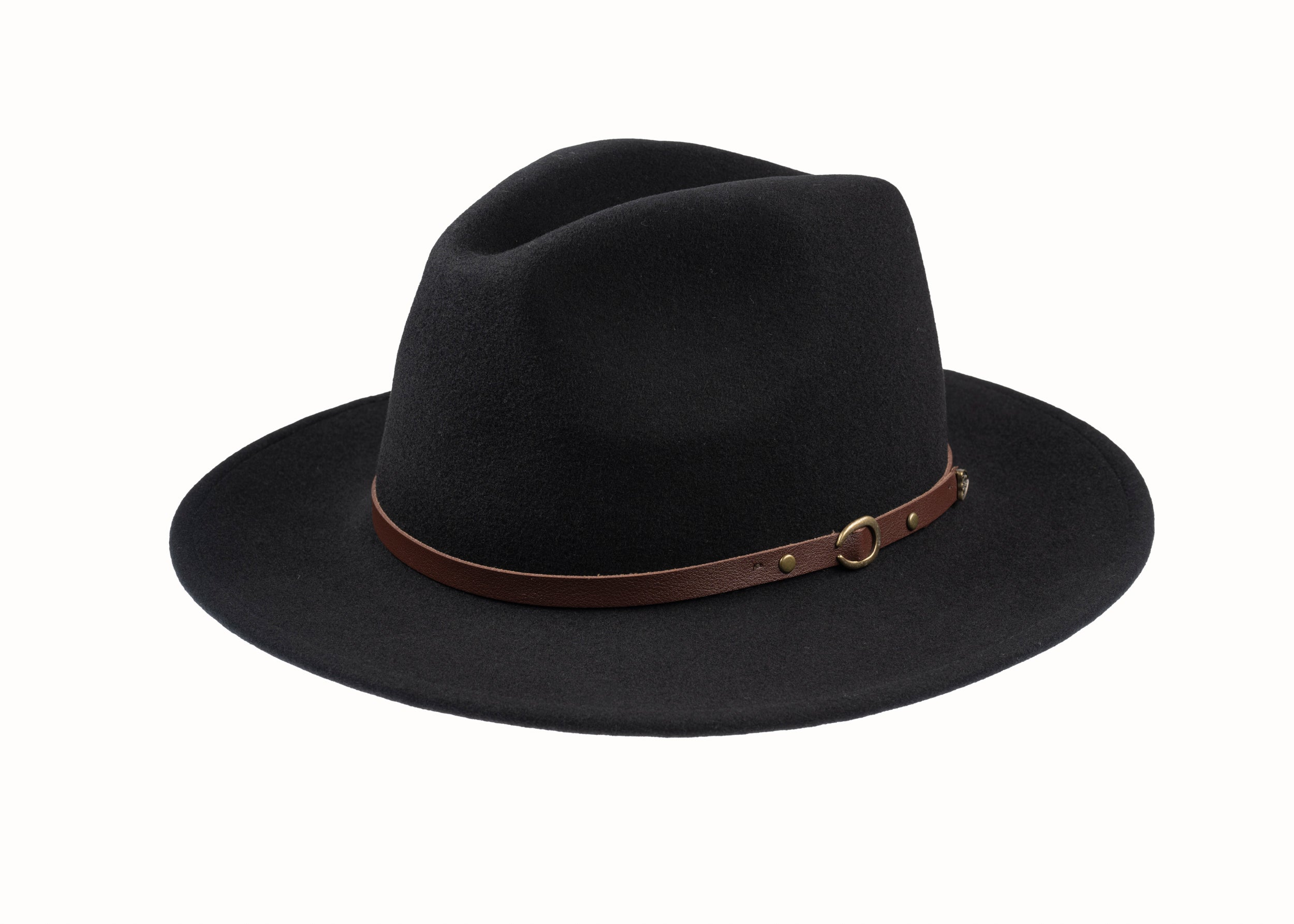
In a changeable climate, begin with the forecast you genuinely expect rather than a material stereotype. A hat described as water-resistant may shed ordinary rain, but water resistance is not waterproofing. A beaver fur felt such as the Canterbury Beaver Fur Fedora is described as soft, durable and naturally water-resistant; that is a specification of that hat, not a promise for every fur felt.
Wool felt can also perform well when its construction and finish are intended for the job. The Crushable Safari, for example, is a wool-felt style with a water-repellent treatment and a construction designed to be packed, worn outdoors and used again. That makes its treatment and travel brief more important to the decision than the word wool alone.
Shape retention depends on more than fibre. A dense felt, a firm block, a crisp crown and a controlled brim may produce a more formal, stable silhouette; a softer block or less rigid finish may feel easier and more relaxed. Fur felt often has an advantage in smoothness and recovery, but a well-made, well-blocked wool hat can be remarkably composed. Look for the stated crown and brim profile, intended handling and packing guidance on the product page.

Surface, wardrobe and occasion: where the difference becomes visible
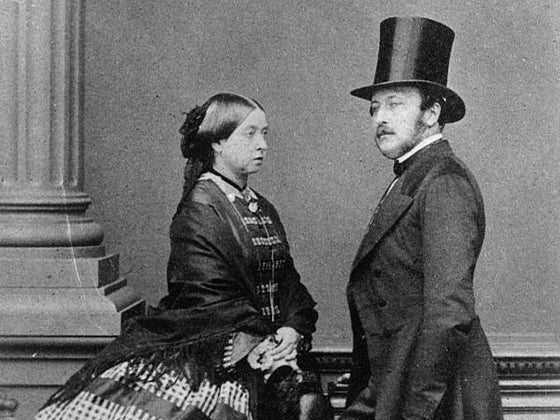
Surface is part of the hat’s language. Fur felt commonly reads smoother, denser and sometimes subtly lustrous, which can sit naturally with sharp tailoring, polished outerwear and defined occasion dressing. That makes a refined fur-felt fedora a persuasive choice for weddings, garden parties, race meetings or evenings when the silhouette needs a little authority without becoming theatrical.
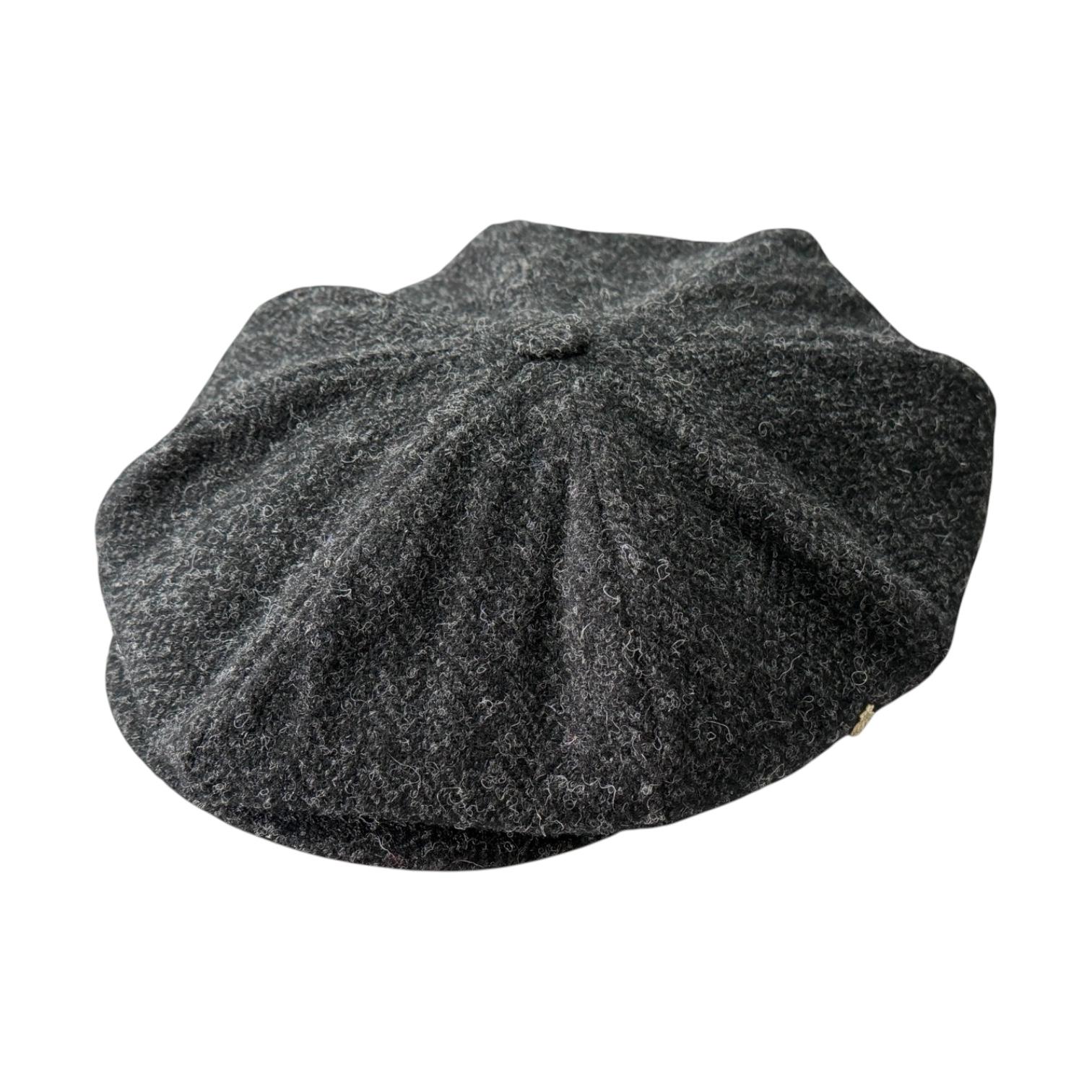
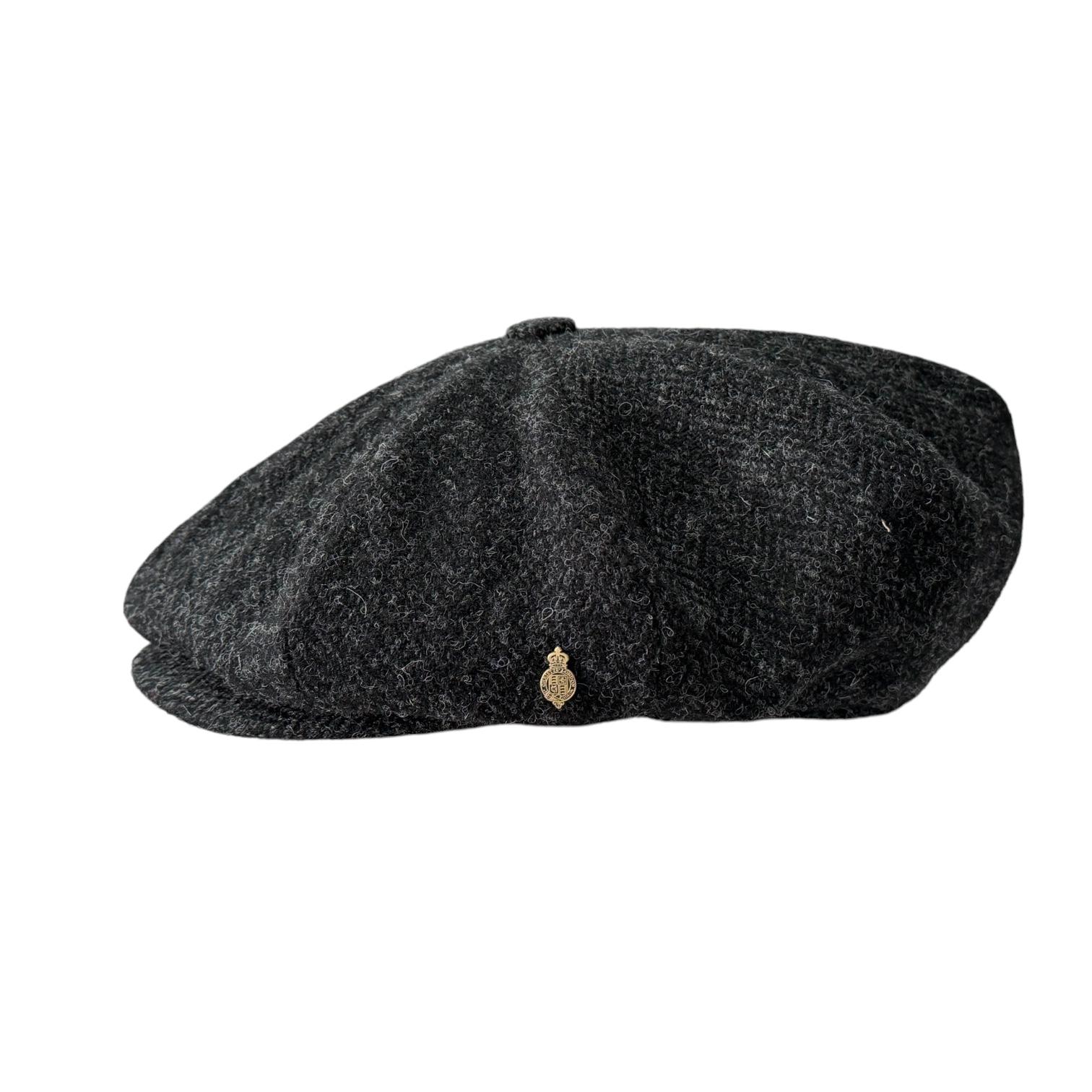
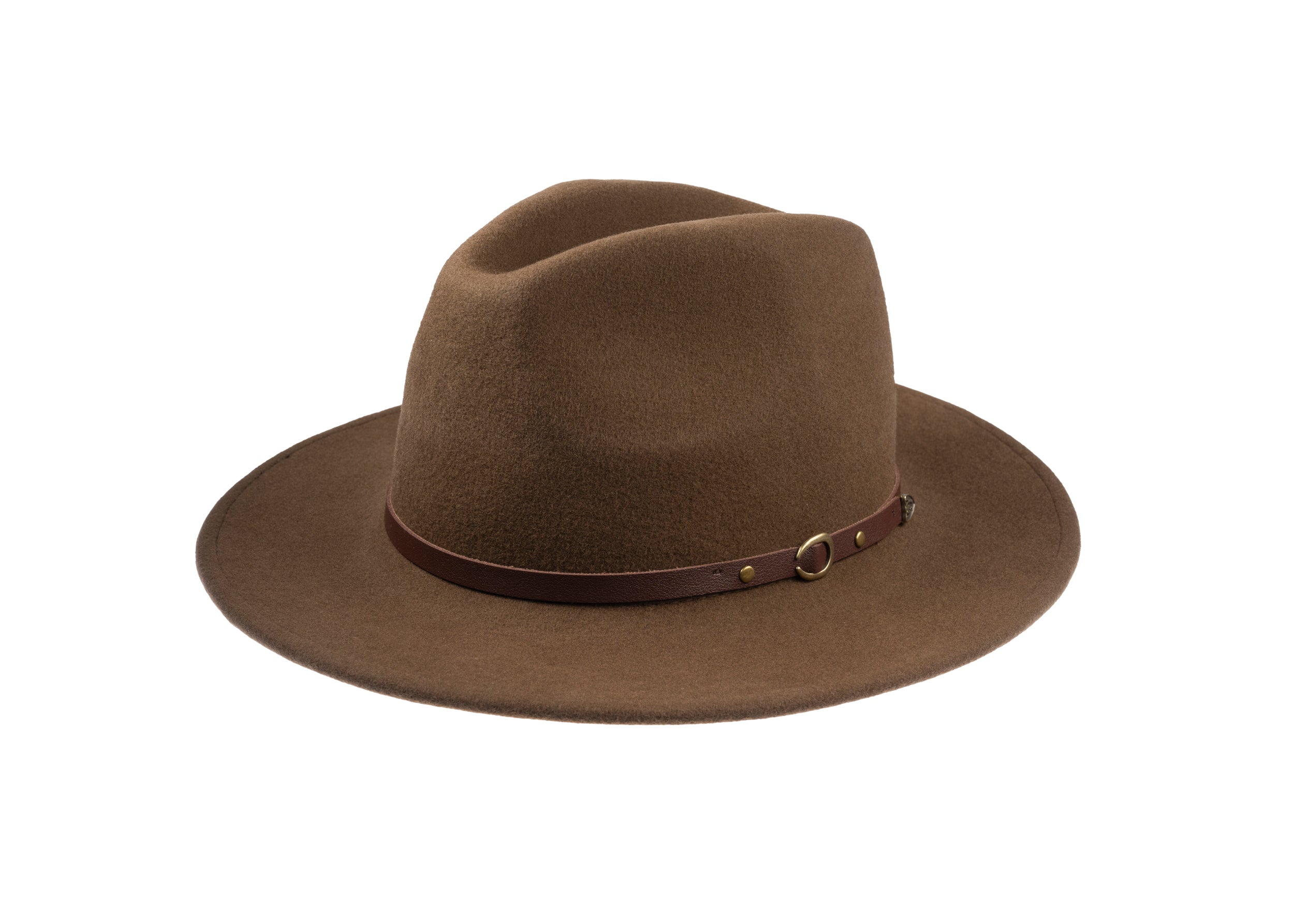
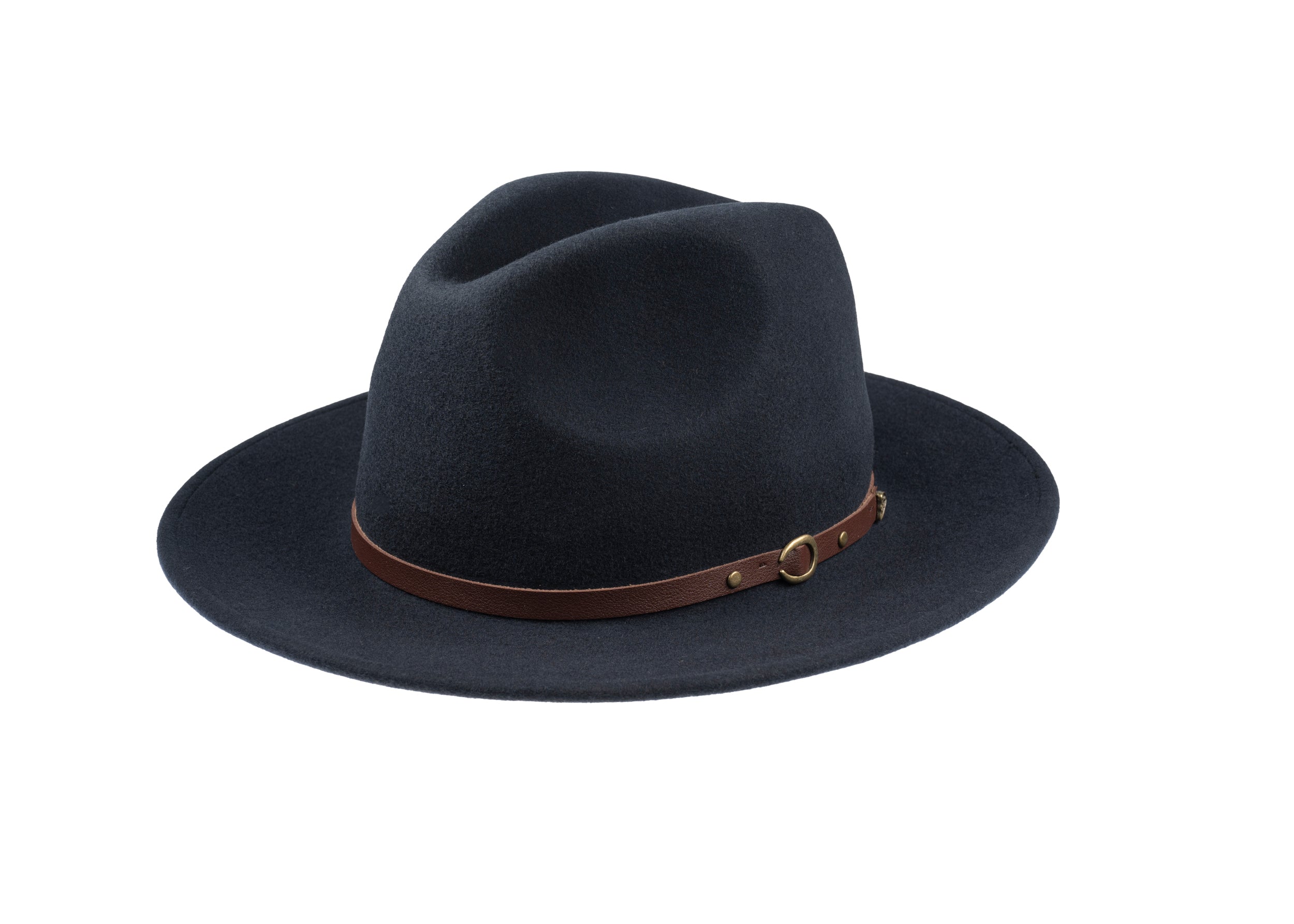
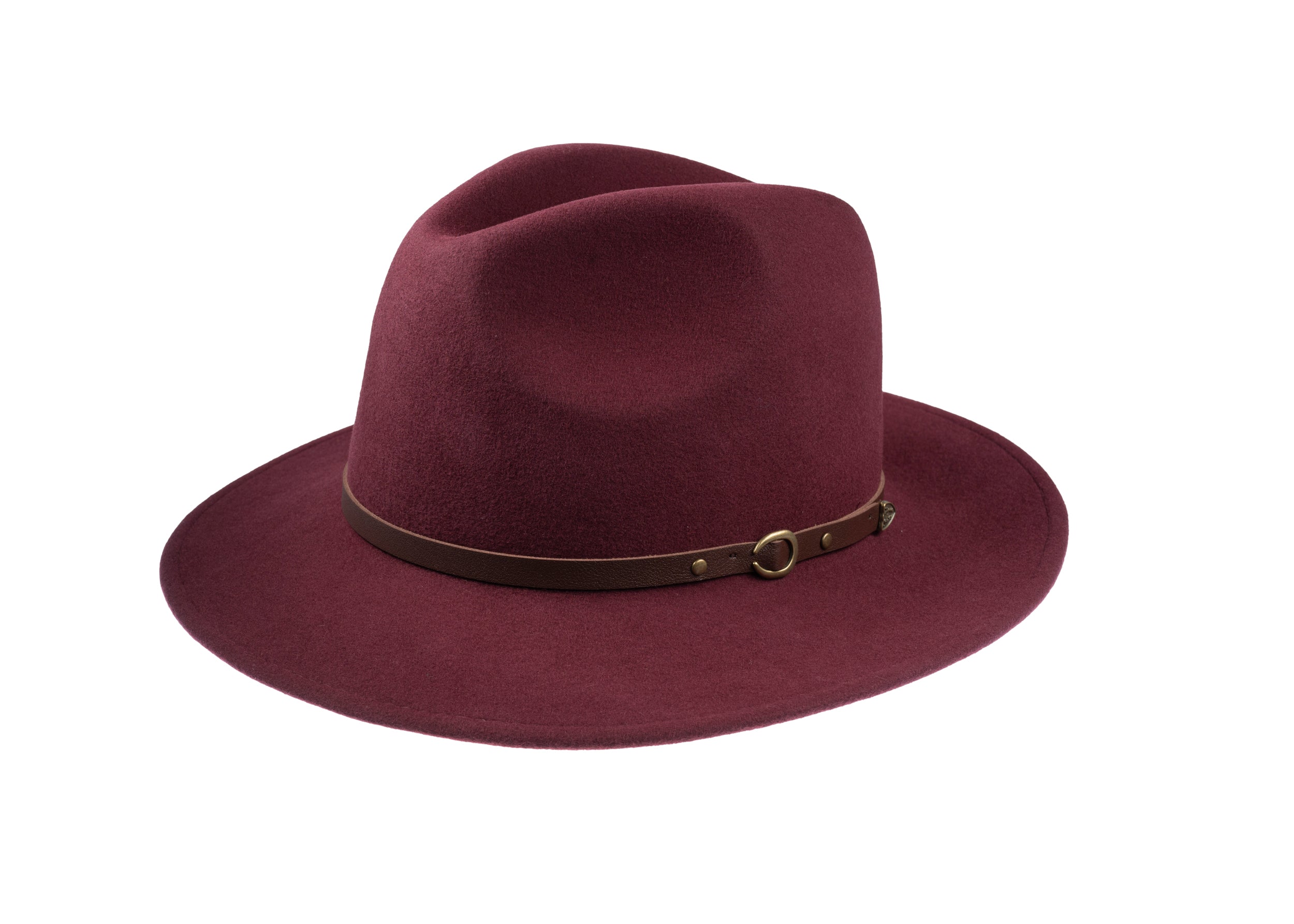
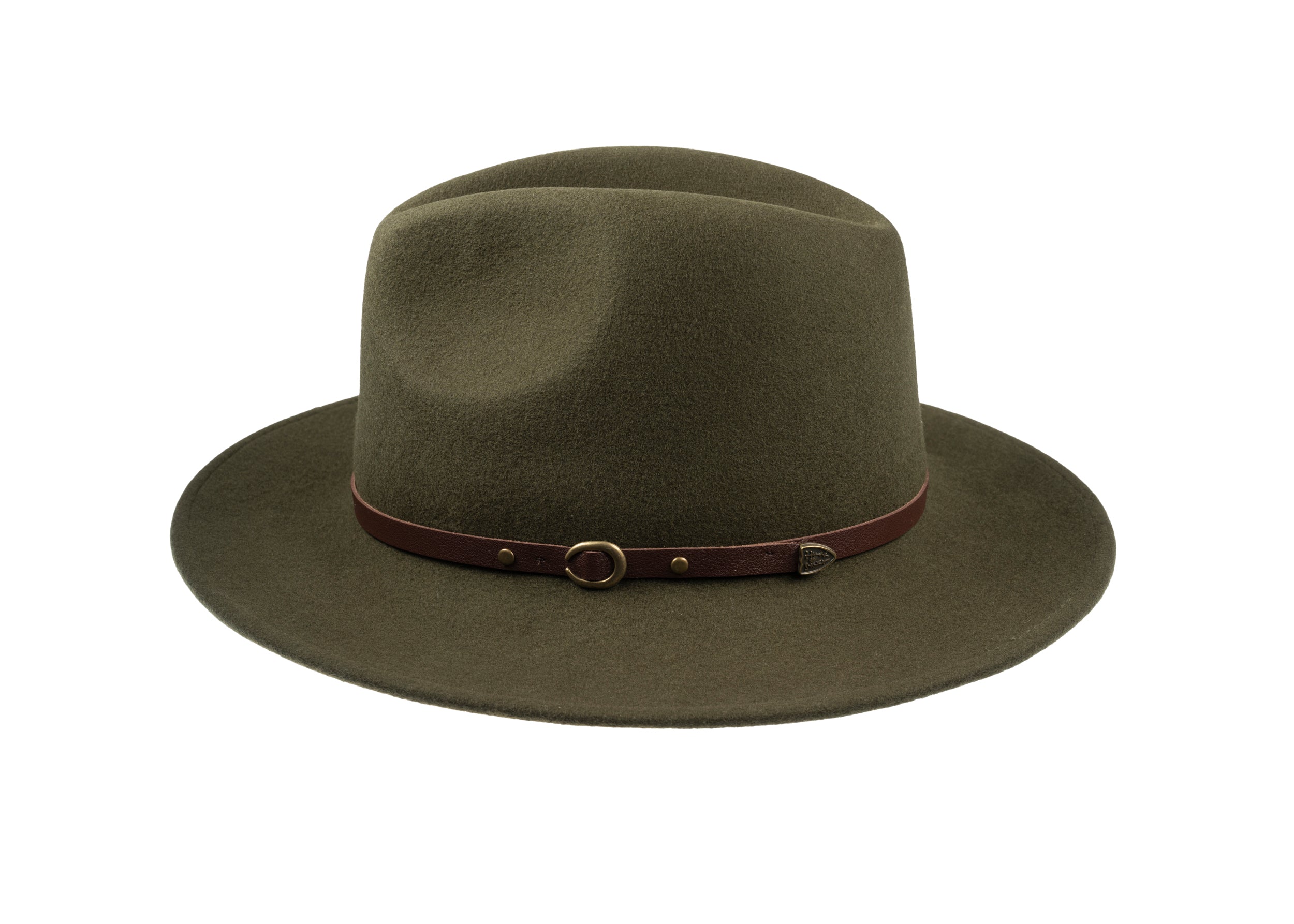
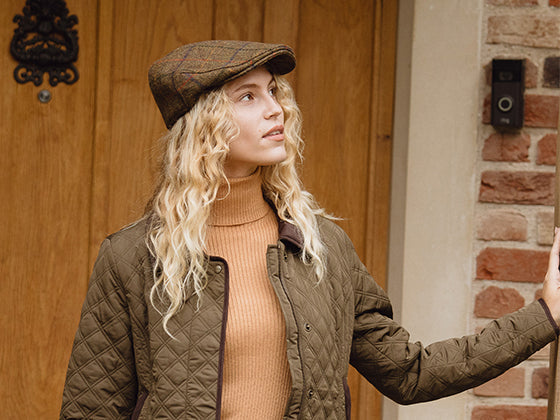
Wool felt can be formal too. Its softer, more tactile or matte impression works beautifully with tweed, brushed wool, country clothing, denim and relaxed smart-casual layers, while a clean block and controlled brim can give it considerable polish. The Chepstow Wool Felt Fedora, for example, uses fine wool felt in a structured medium-brim shape, offering warmth and considered form at a more accessible price point than its fur-felt counterpart. Texture and blocking help determine how formal the finished hat feels.
For frequent everyday wear, prioritise the hat you will actually reach for. A refined fur-felt hat may suit tailoring, country wear and smart outerwear; a wool-felt hat may feel more natural if you prefer a tactile surface or a composed cooler-month silhouette. For travel and outdoor use, documented crushable construction can matter more than the fibre label. Do not assume a formal blocked hat can be packed simply because another felt hat can.

Frequently asked questions: choosing and caring for felt
Is fur felt waterproof? No. Water resistance is product-specific and depends on the felt, finish, blocking and maker’s guidance. Treat the Canterbury’s stated natural water resistance as a specification of that hat, not a general rule.
Can wool felt suit wet weather? It can, when the individual hat has the right construction and treatment. Check the product page rather than relying on the fibre label; the Crushable Safari is one example of wool felt with a water-repellent finish.
Which felt is warmer? Warmth depends on felt weight and density, lining, fit, crown and the conditions. Wool felt can feel warm and tactile, while a lighter, denser fur felt may insulate effectively. Fibre alone cannot settle the question.
Which is better for formal wear? Choose the hat with the clean surface, controlled shape and silhouette appropriate to the dress code. Fur felt often lends a refined finish, while a structured wool felt such as the Chepstow can also suit smart occasions.
What should I check on a product page? Confirm the fibre composition, stated finish or treatment, crown and brim dimensions, stiffness or crushability, lining and sweatband details, plus the maker’s packing and care advice. Then consider how the shape will sit with your clothes.
How should either felt be cared for? Brush gently in the direction of the nap, let the hat air after wear and store it supported in a hat box or on a suitable form. If it becomes wet, blot rather than rub and let it dry gradually at room temperature. Avoid radiators, hairdryers, forceful reshaping and crushing unless the product is specifically designed for it.
Either material can be the right choice. Begin with the weather and the treatment the individual hat specifies, then choose the surface, block and level of formality that suit your wardrobe and routine. A refined fur-felt hat may be the better fit for polished occasions and versatile smart wear; a structured wool-felt hat may suit tactile warmth, everyday dressing and considered value; a documented crushable style may be the sensible answer for travel and outdoor use.
The final decision belongs to the whole hat, not the fibre label. Match its construction and care requirements to the way you will wear, store and transport it, and you will have a more useful answer than any universal material ranking can provide.