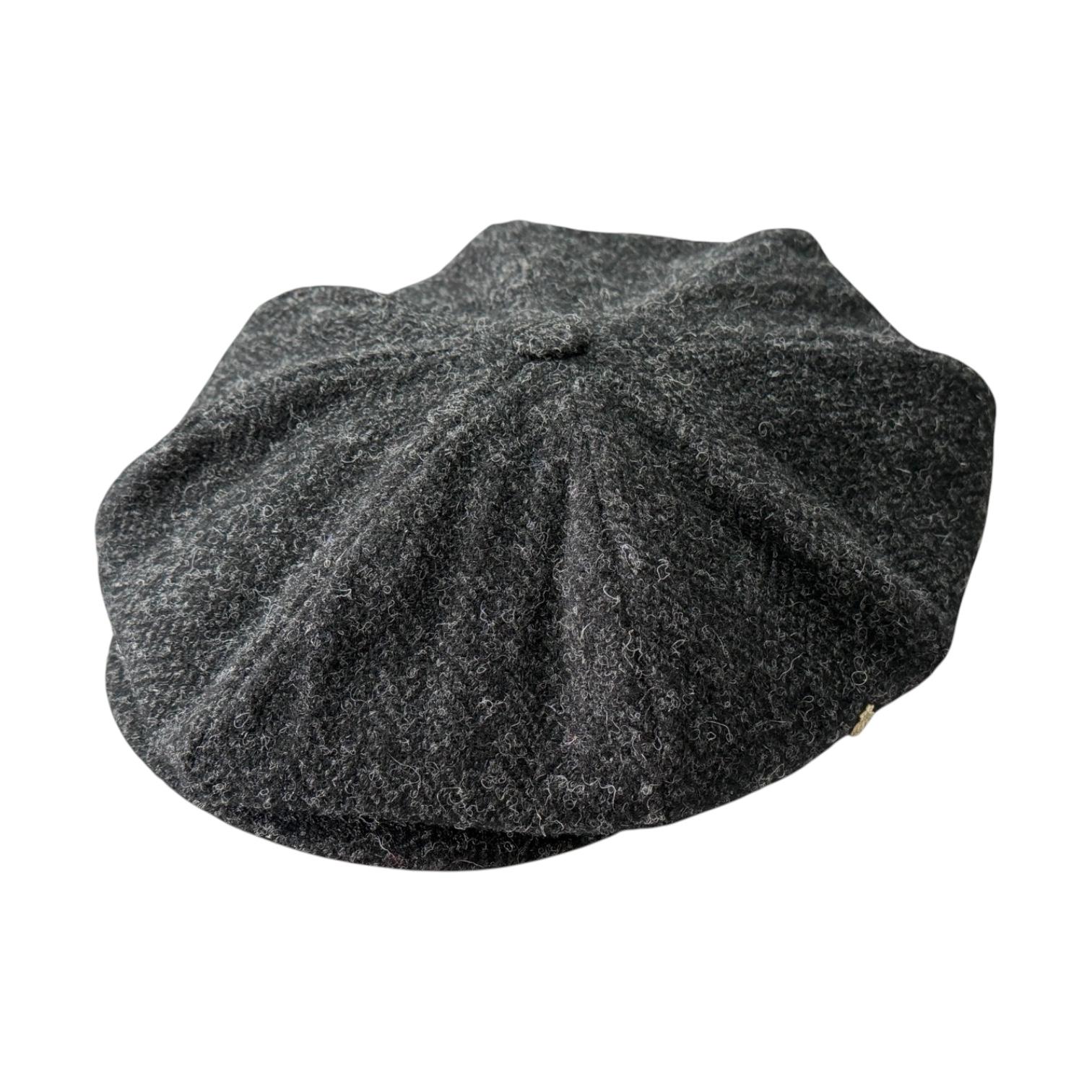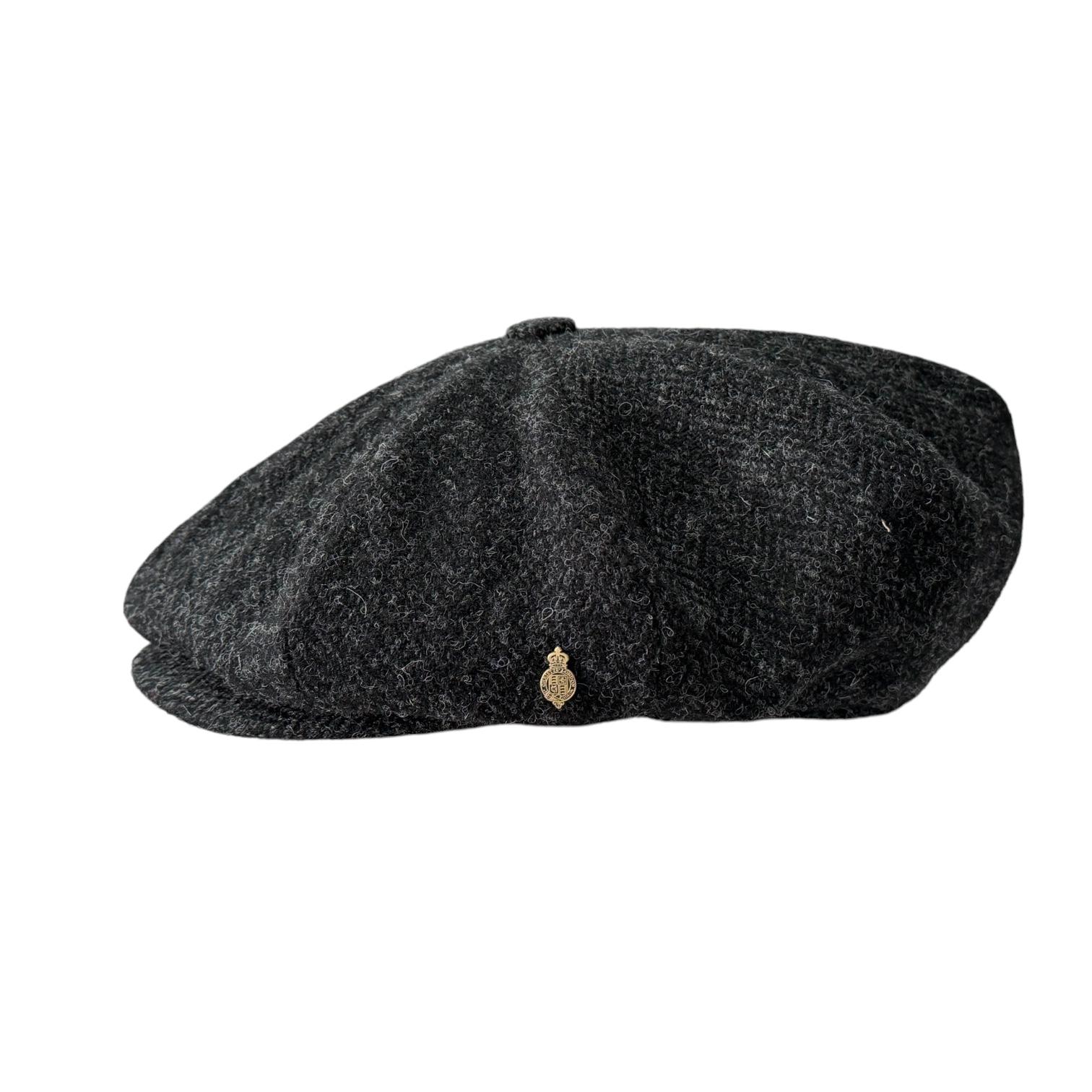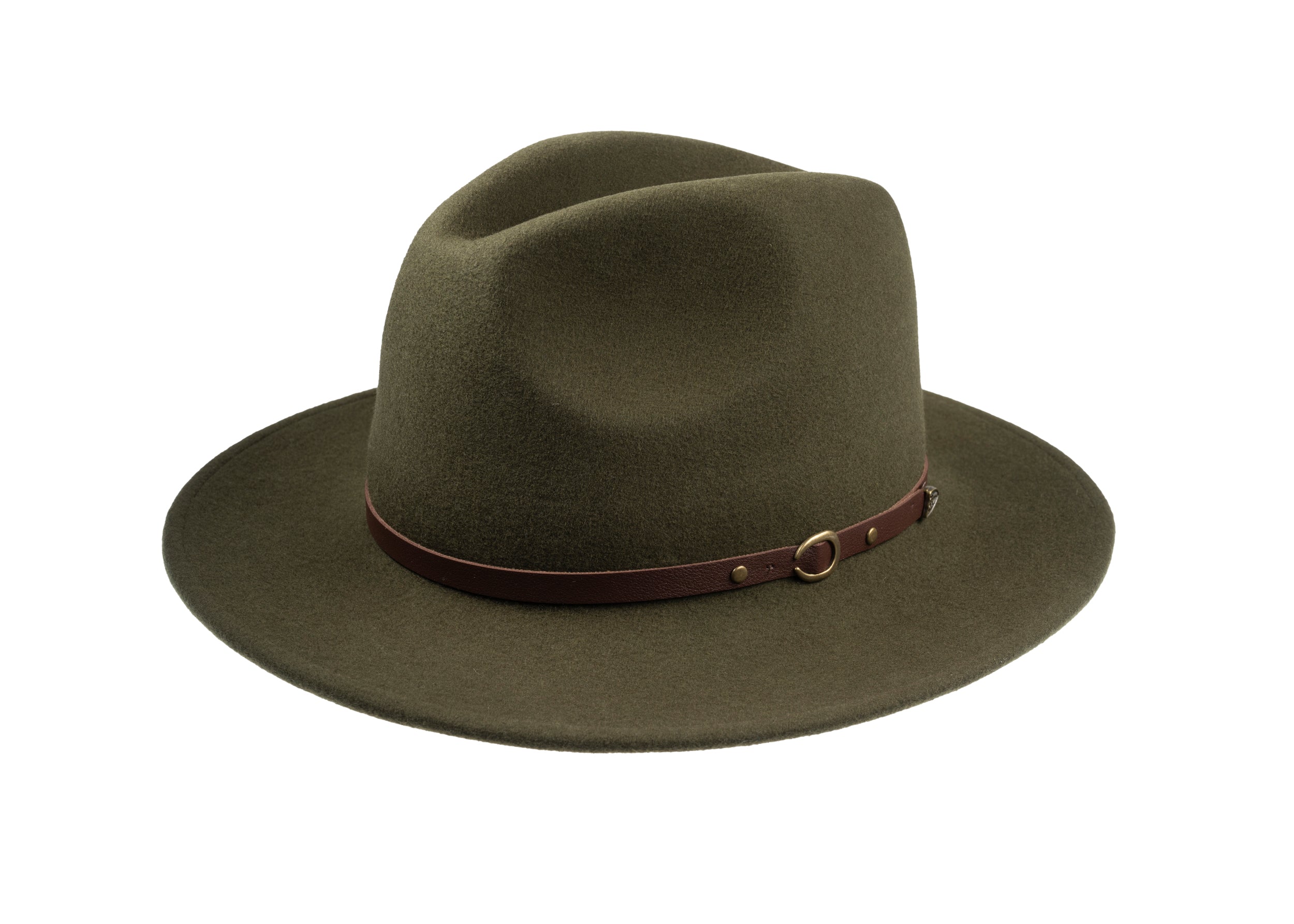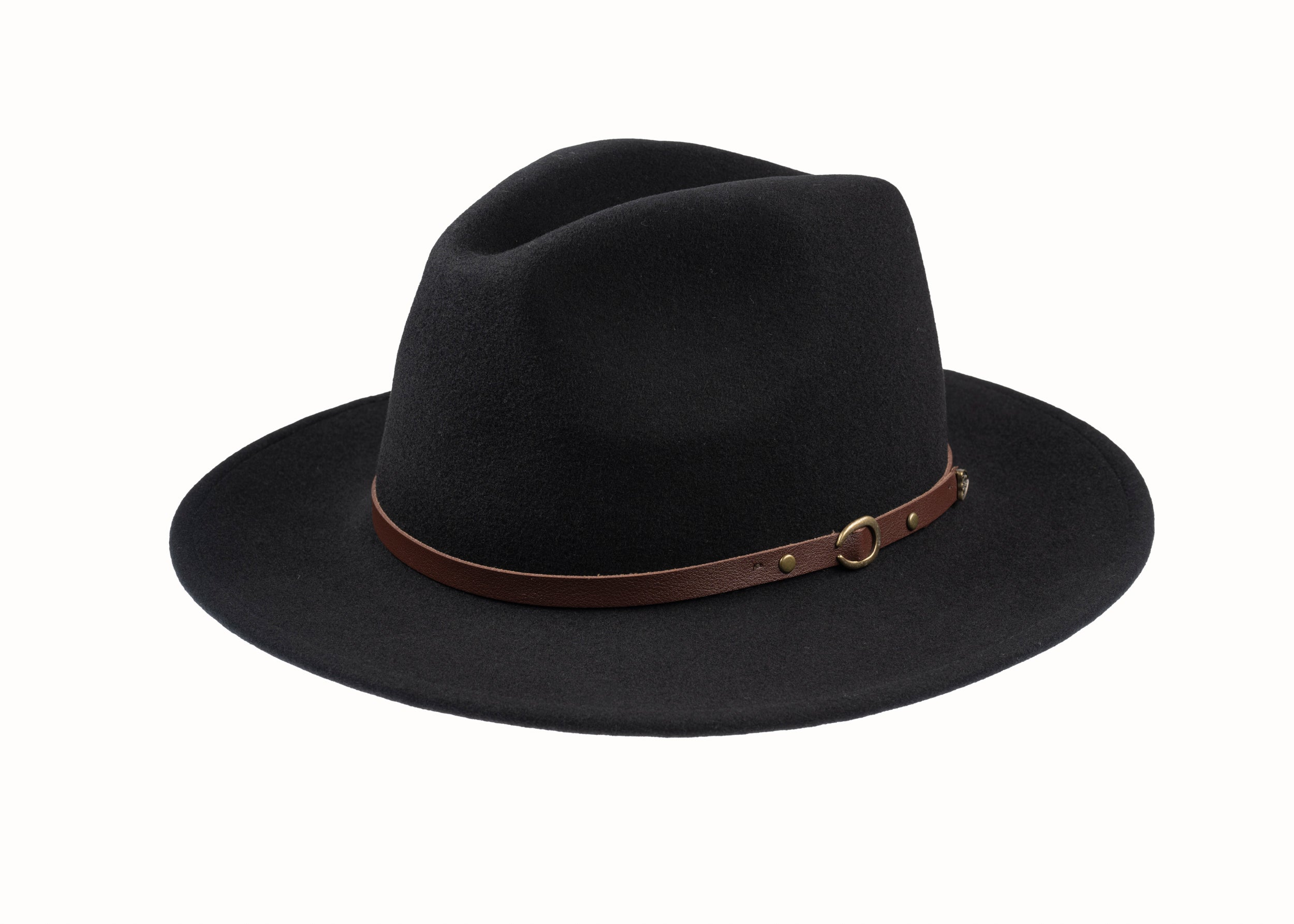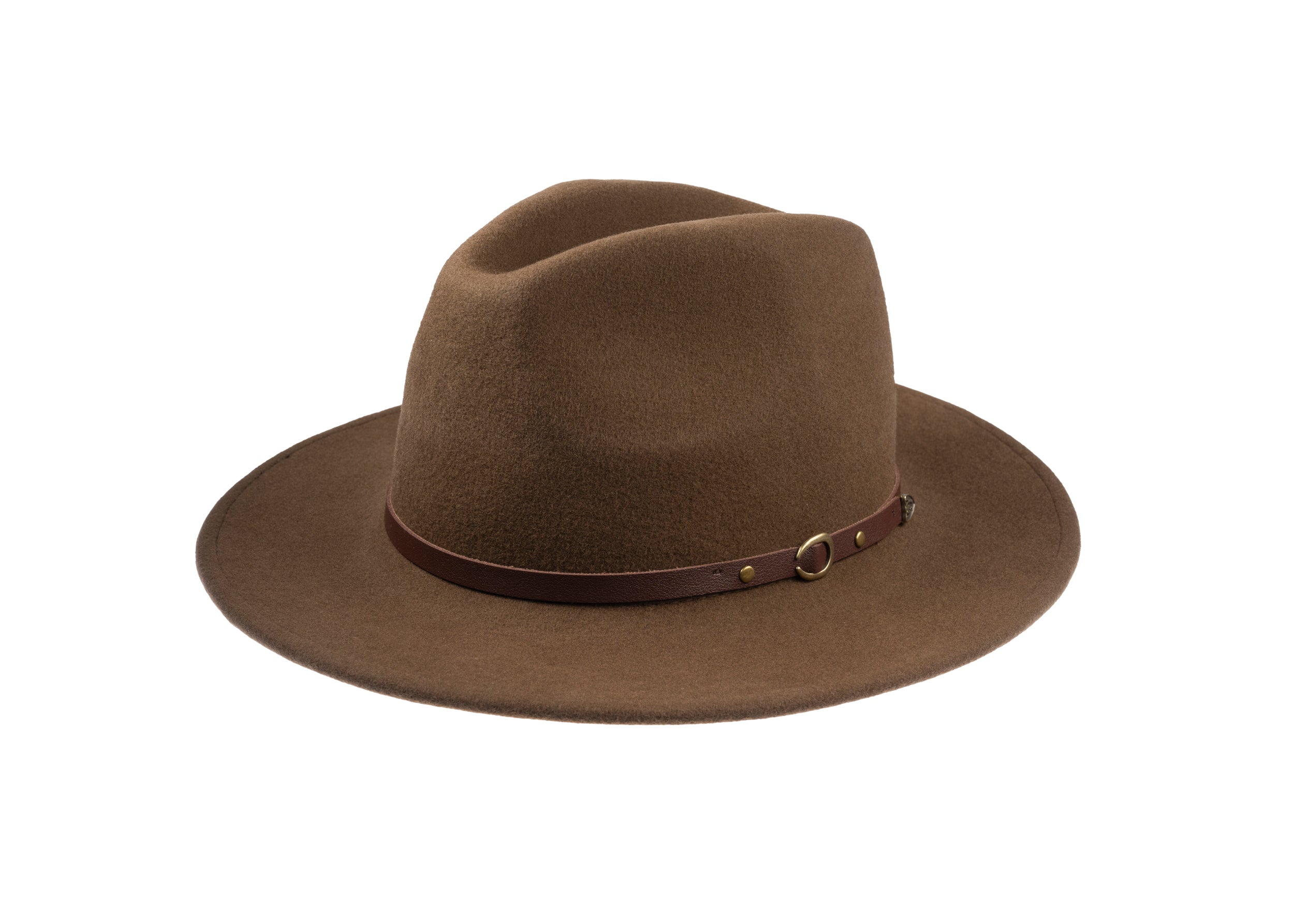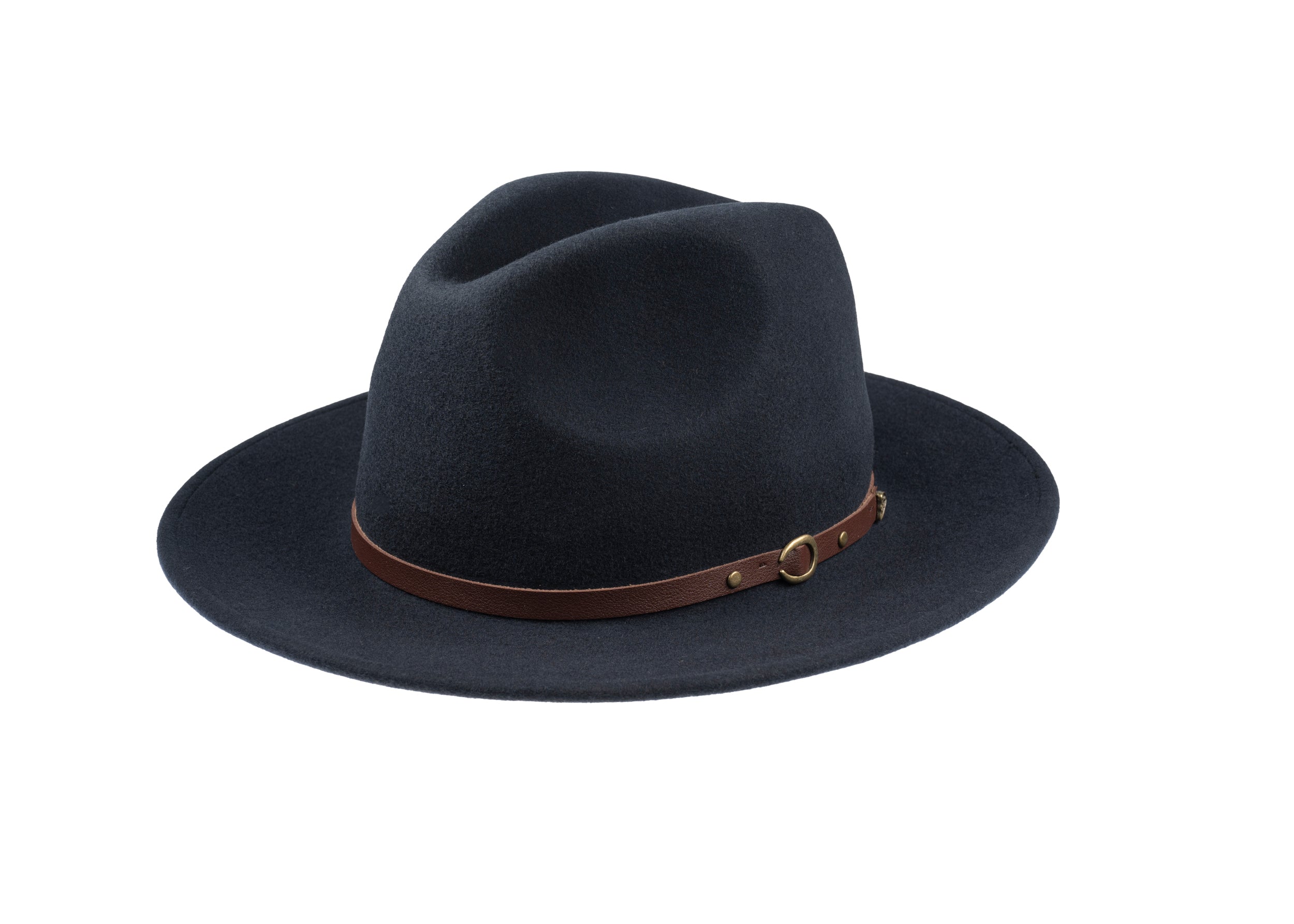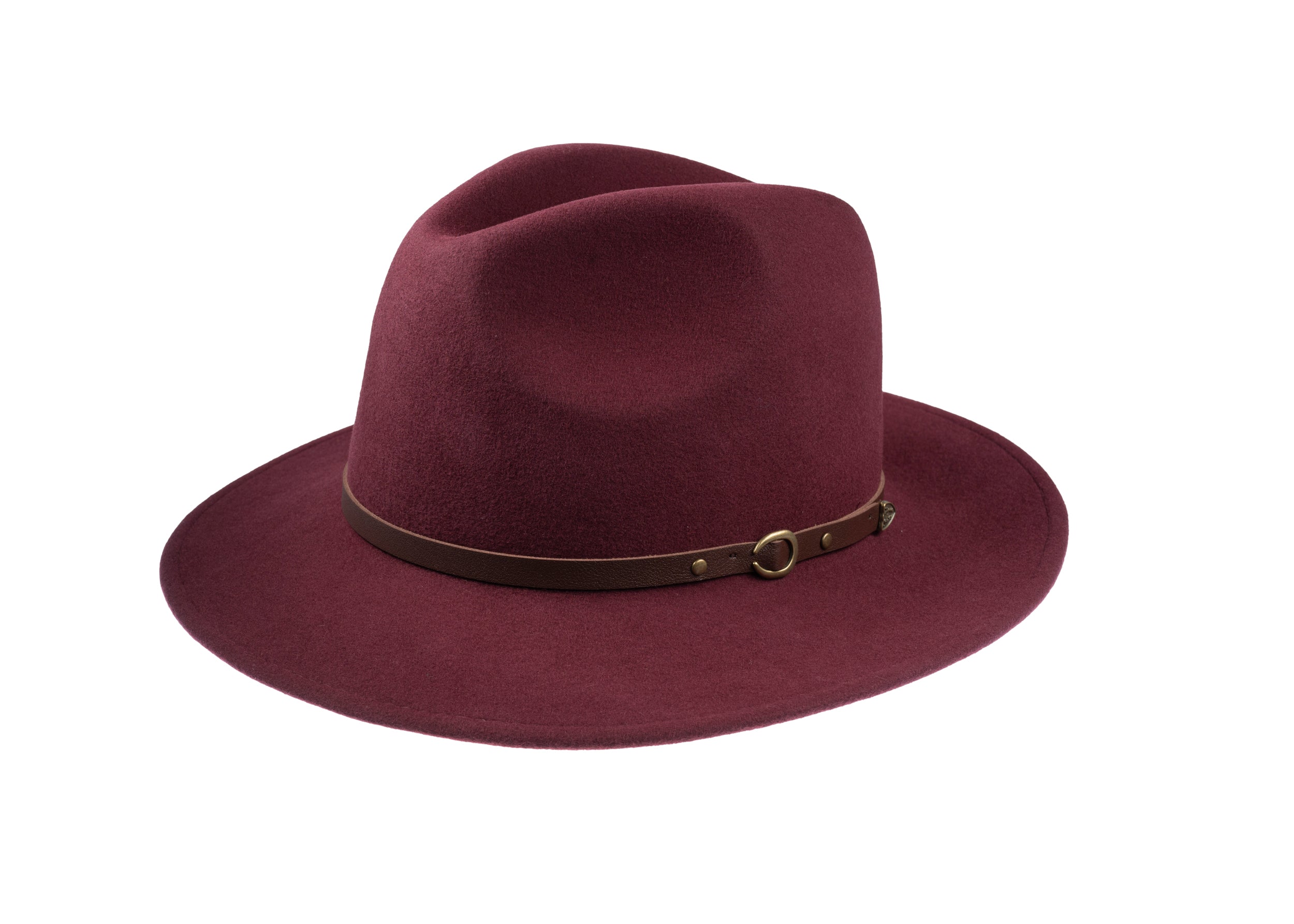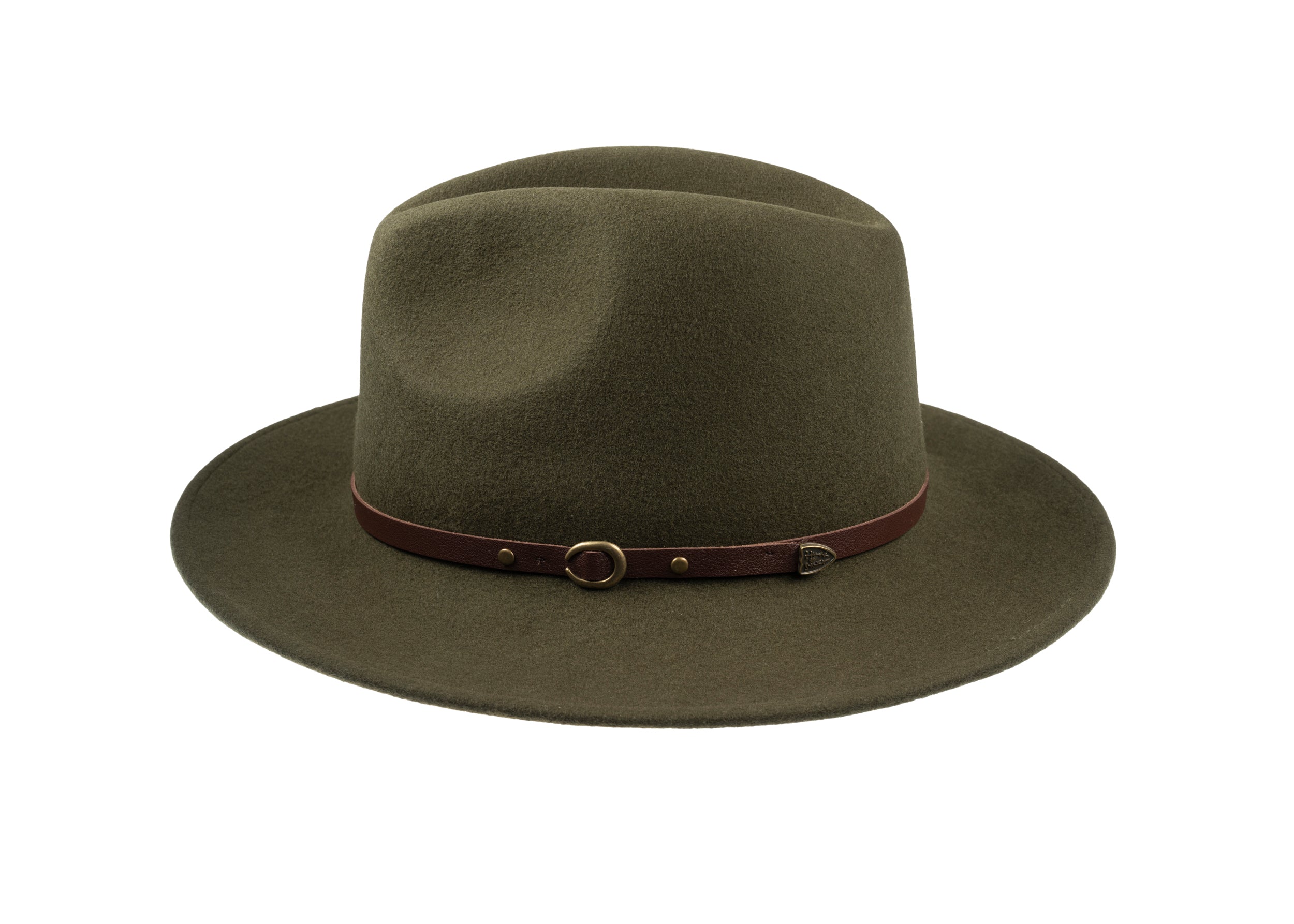




A structured felt hat can make an occasion outfit feel finished, but only when it belongs to the outfit rather than sitting above it as an afterthought. For race days, weddings, garden parties, regattas and country events, consider how the crown, brim, trim, colour and construction work with the lines already present in your tailoring, dress, coat or accessories.
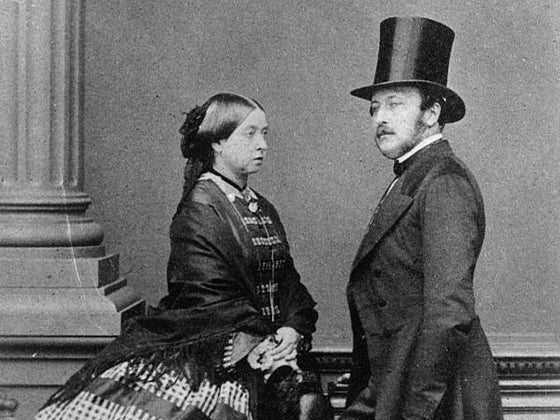
Think of the hat as part of the outfit’s architecture. A medium-brim trilby can sharpen a tweed jacket or soften a tailored suit; a fedora can give a dress and coat deliberate structure; a top hat belongs only where the dress code genuinely calls for morning formality. The most assured result is usually restrained, proportionate and comfortable enough for a full day of walking, standing and photographs.

Start with the occasion, not the hat
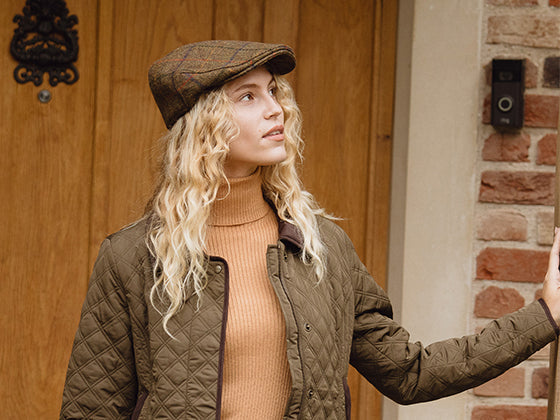
A felt hat is naturally at home in smart daytime dressing because its surface has more body than straw and less evening shine than polished formal headwear. It works particularly well with wool tailoring, tweed, brushed cotton, boucle, a smart overcoat or a dress with a defined shoulder. The material gives the outfit texture; the blocked shape gives it composure.
There is an important distinction between a relaxed occasion and a defined dress code. At a country event, garden party or informal wedding, a medium-brim trilby or fedora can be an expressive finishing layer. At a formal race meeting, read the invitation and check the current rules for the particular enclosure or venue. Royal Ascot is a useful example of why general advice is not enough: its requirements vary by enclosure, and a top hat may be correct in one setting while entirely unnecessary in another.
Once the appropriate level of formality is clear, bring the hat into the outfit through proportion, line, colour and texture. The result should feel composed from head to toe, with the hat contributing character while remaining in conversation with the clothes.

Choose the silhouette by proportion and formality
Construction determines how the hat balances the rest of the outfit. A taller crown adds height and authority; a lower crown feels more relaxed. A wider brim balances a broader shoulder line or fuller silhouette, while a narrow brim can prevent a smaller frame or delicate outfit from being overwhelmed. A brim snapped down at the front appears more purposeful and traditional; a level or slightly lifted brim feels more open. Stiffness matters too: a crisp, dense felt supports formal tailoring, while a softer line sits more naturally with country textures and relaxed outdoor dressing.
The Epsom Fur Felt Racing Trilby is a useful race-day reference, with a medium brim that can be worn up or snapped down. The Chepstow Wool Felt Fedora offers a clean, structured medium-brim silhouette with restrained grosgrain trim. For a more refined bridge between formal occasions and country wear, consider the Canterbury Beaver Fur Fedora, whose medium brim and tonal band keep the effect composed rather than theatrical.

Build the outfit around the hat’s strongest line
Once the silhouette is right, coordinate the hat with the outfit’s lines rather than matching it to one item. With a suit, let the crown echo the vertical line of the lapels and let the brim sit comfortably beyond the face without hiding the collar. A clean trilby can make traditional tailoring feel lighter; a fedora can give a softer suit or overcoat a more deliberate finish. Keep the rest of the look quiet if the hat already has a strong crease, wide band or noticeable feather.
For women, the same principle applies without prescribing a single formula. A felt trilby can sharpen a trouser suit or balance a neat coat. A fedora can give a flowing dress an intentional counterpoint, particularly when the dress has a defined shoulder, substantial fabric or a long, simple line. With a fuller skirt or generous sleeve, a medium brim often provides enough visual weight; with a compact dress and delicate shoes, a narrower brim may feel more harmonious.
Texture is as important as colour. Tweed and wool welcome the tactile depth of felt, while a smooth dress or polished coat can take a denser, cleaner finish. Choose the material for the season, setting and expected wear. The Canterbury’s beaver fur felt is described as naturally water-resistant, while some wool felt hats have specific treatments for wet-weather performance; those are product-specific qualities rather than a promise that every felt hat will perform the same way in rain.
Check the complete outfit before refining the details
- Try the hat with the complete outfit, including coat, hairstyle, glasses, bag and jewellery, in daylight and indoor light.
- Take a full-length photograph and a seated photograph; look for balance, shadows and whether the hat dominates the outfit.
- Check that the hat’s colour, band and any feather relate to the outfit’s textures and accessories without repeating every detail.

Colour, trim and the art of restraint
Start with a dominant colour in the outfit, then choose a hat that relates to it by tone, depth or temperature. Navy, charcoal, brown, burgundy, bottle green and grey can each work as anchors for smart daytime dressing, but the hat does not need to repeat the exact shade of the suit or dress. A navy hat with brown banding can connect a navy jacket to brown shoes; a grey hat can sit against black, charcoal or muted colour; a warm brown can draw out the quieter notes in tweed or a patterned coat.
Repeat one small detail rather than every detail. A band can speak to shoes or a belt, a pocket square can pick up a feather, or a bag can echo the hat’s depth without copying its colour. Exact matching across hat, tie, shoes, gloves and bag often makes the outfit feel assembled rather than lived in. Tonal coordination gives the eye a route through the look while leaving room for individuality.
Trim should have a job. A slim ribbon keeps a structured hat versatile. A wider band adds weight and can suit a substantial coat or formal tailoring, but it should not compete with a bold lapel, patterned dress or statement jewellery. A feather can be the right accent for a race meeting or feminine occasion look when it introduces a controlled note of movement; if the outfit already has strong print, volume or shine, let the felt and crown provide the interest instead.

Wear it well through a long day
Comfort is part of elegance. Before the event, wear the hat with the hairstyle you expect to have on the day and test it while standing, walking, sitting and looking over your shoulder. The crown should feel secure without a headache; the brim should not catch on a coat collar, obscure your view or collide with companions in a crowded enclosure. If your hair is smooth or you expect wind, practise the discreet securing method that suits the hat and hairstyle rather than improvising at the venue.
Plan for transitions. A race day or wedding may move from pavement to grass, bright sunlight to a marquee, and outdoors to an indoor ceremony. Know when the hat should be removed and follow the host, venue or service custom. Keep it by the crown when handling it, and avoid placing it brim-down on a surface where the line can be distorted. After the event, brush away dust gently and store the hat on a stand or in a supportive hat box; do not crush the crown into luggage or force the brim back into shape.
The aim is not to make a felt hat look pristine at every second. It is to choose a construction that can retain its line, a fit that stays composed and a styling balance that still looks right after hours of conversation, photographs and movement.
A structured felt hat is most convincing when it belongs to the whole composition. Let the occasion set the level of formality, let the crown and brim balance your proportions, and let colour and trim add connection rather than competition. With that approach, a trilby or fedora can move comfortably between tailoring, tweed, coats and dresses, while a top hat remains reserved for the moments that genuinely require it.
Before choosing, browse Christys’ felt styles with these questions in mind: what line does the crown create, how does the brim relate to the outfit, and will the construction remain comfortable through the day? Choose the hat that gives your clothes and character a clearer, quieter finish.
FAQ
How can I keep a structured felt hat secure if the weather turns breezy?
Practise the discreet securing method that suits the hat and your hairstyle before the event, then test it while walking and turning your head. The hat should remain steady without creating pressure or requiring constant adjustment.
What should I do if the hat feels right outdoors but too imposing indoors?
Check the transition before leaving home by viewing the complete outfit in daylight and indoor light. Follow the host, venue or service custom on when to remove it, and plan where it can rest without distorting the crown or brim.
How do I choose between wool felt and fur felt for an occasion outfit?
Begin with the setting, season and finish you want. Wool felt can provide a structured, tactile option for cooler months, while a refined beaver fur felt offers a smoother surface and, in the Canterbury, natural water resistance. Treat those as qualities of the specific product rather than assumptions about every felt hat.