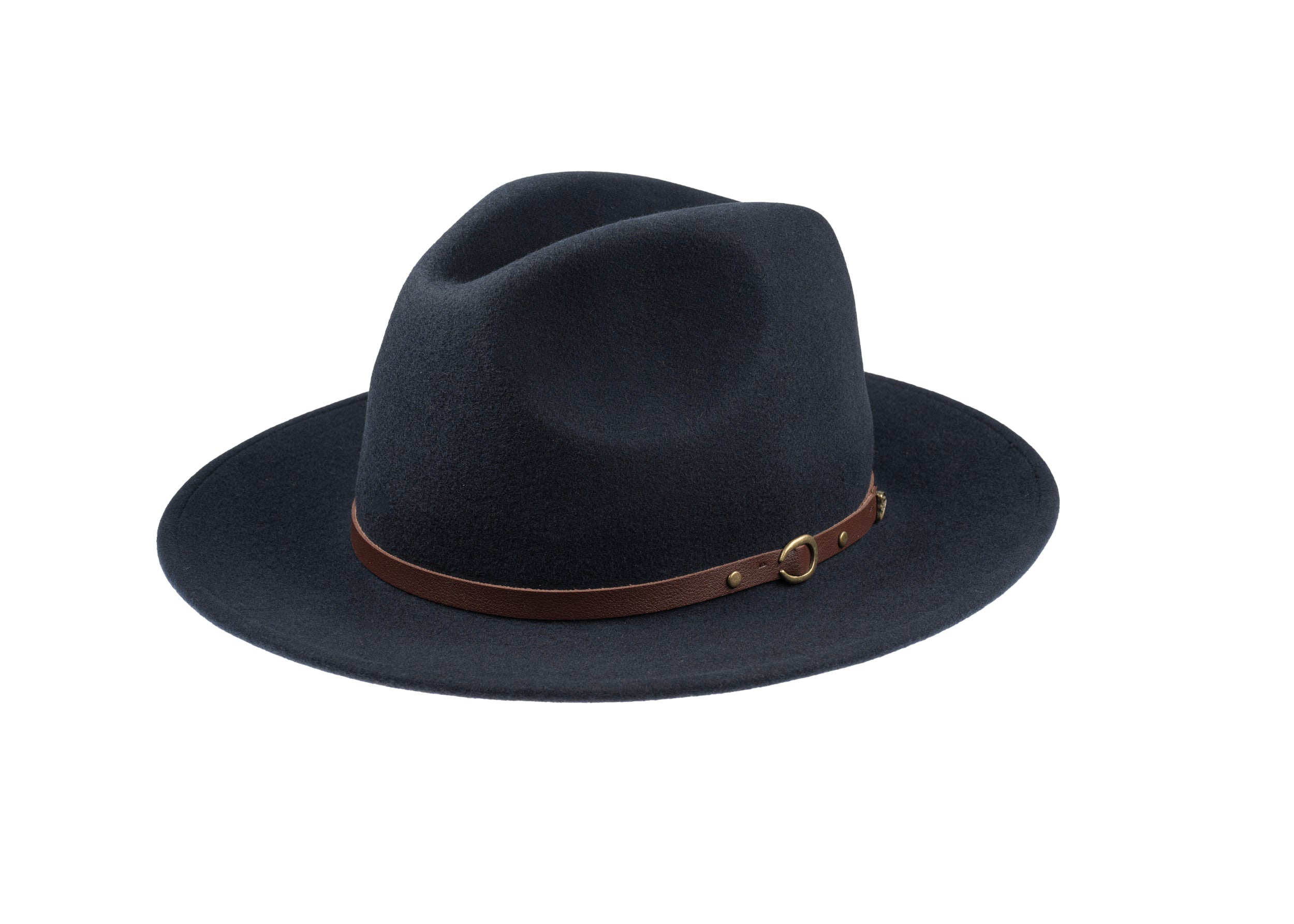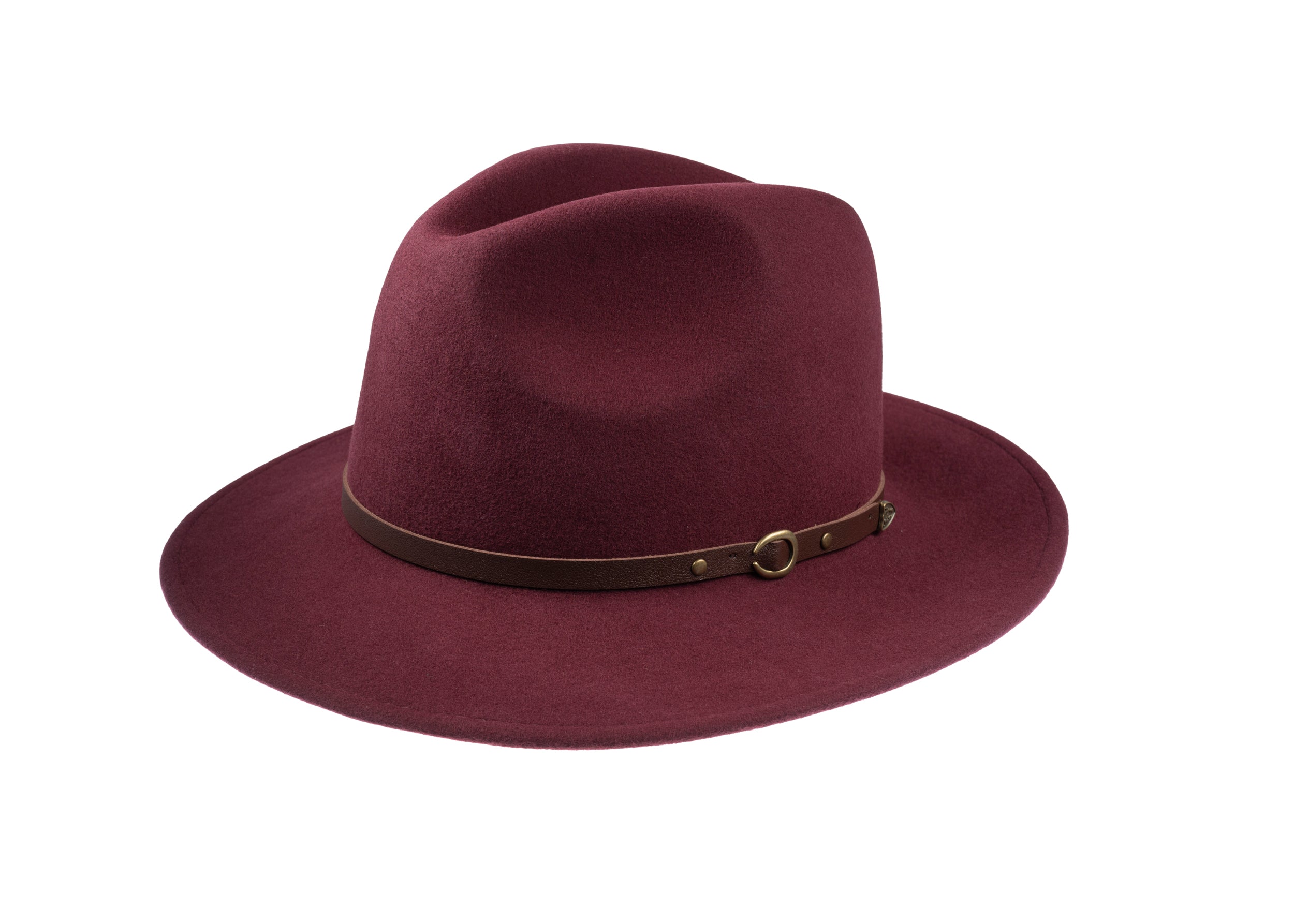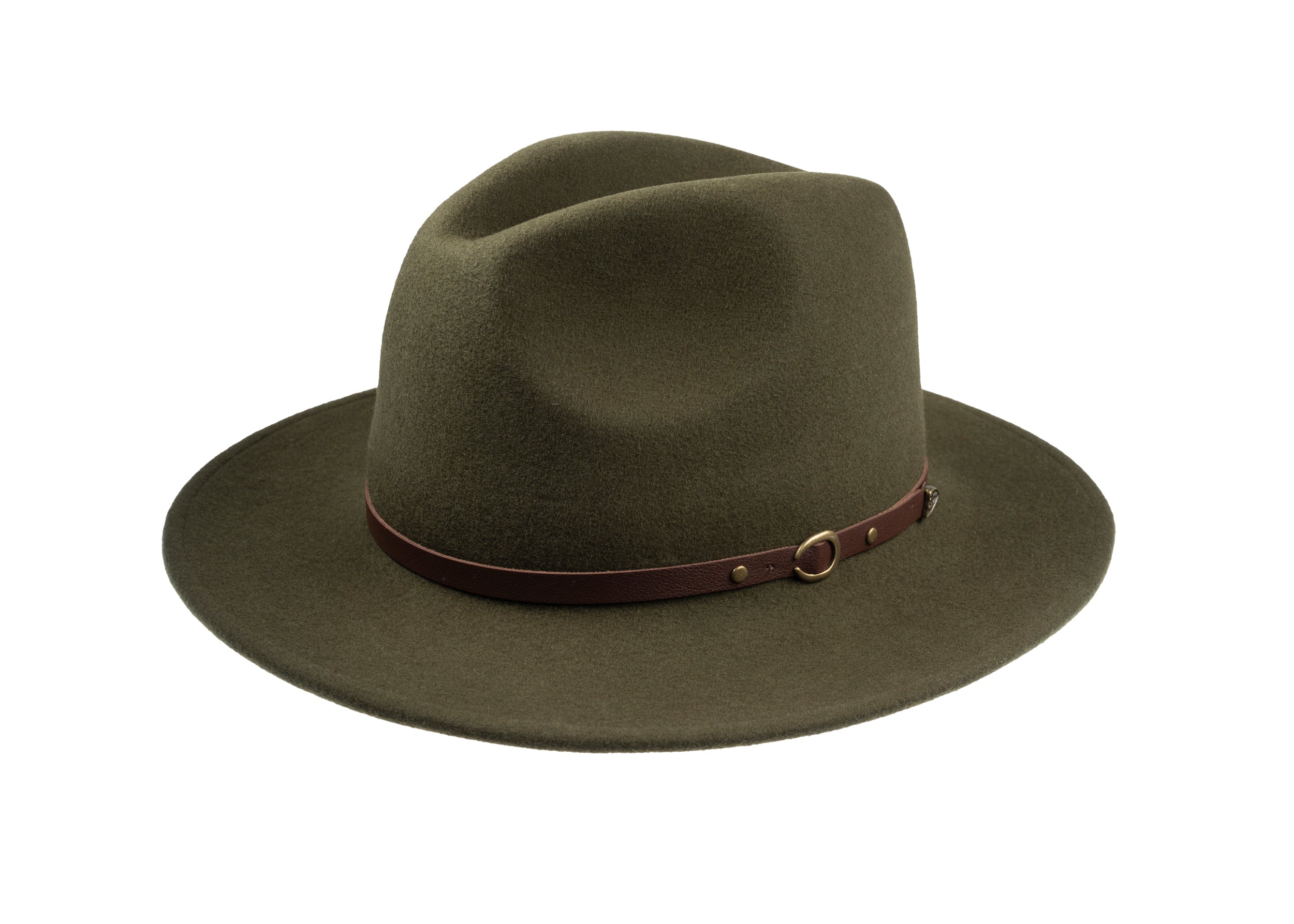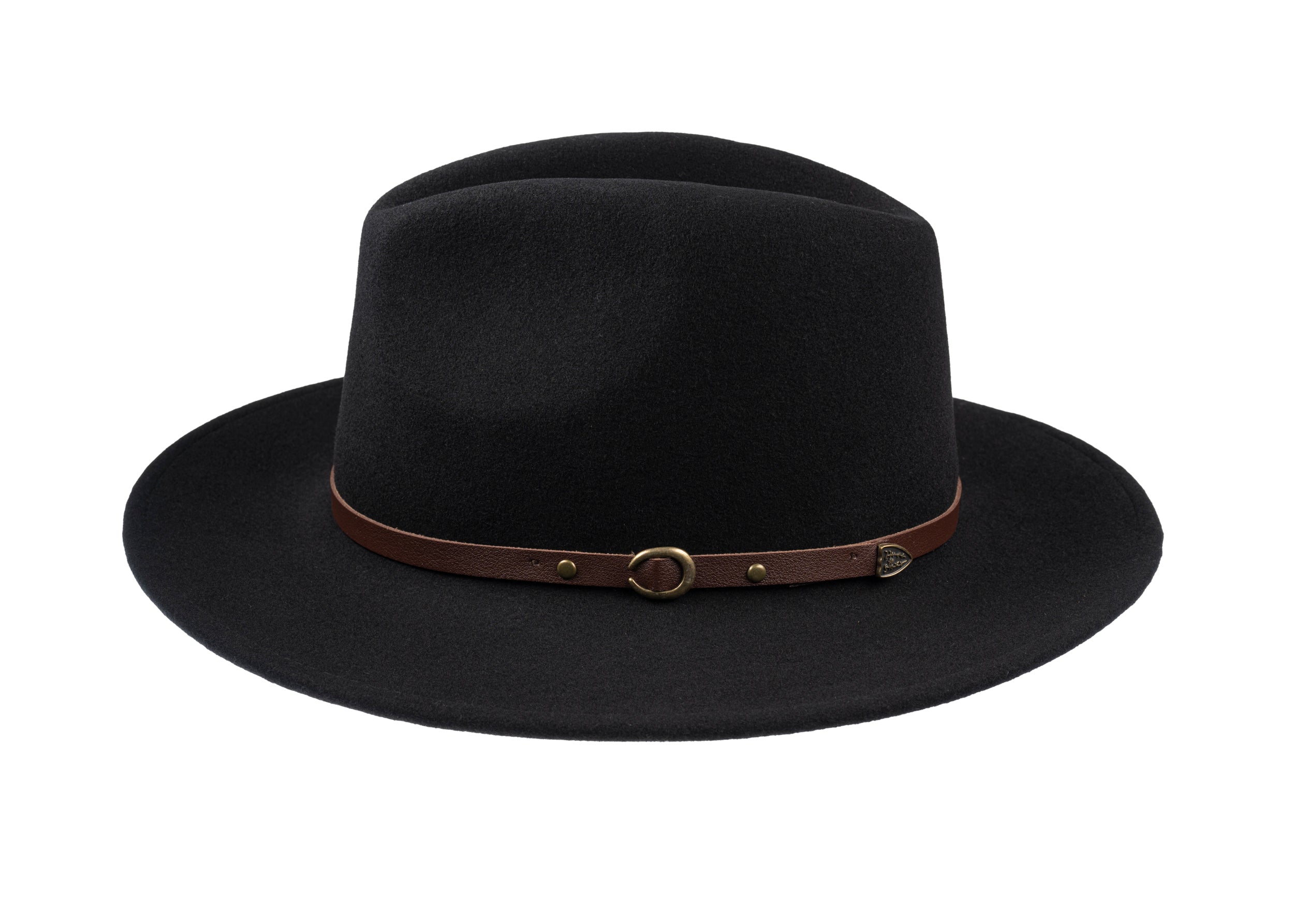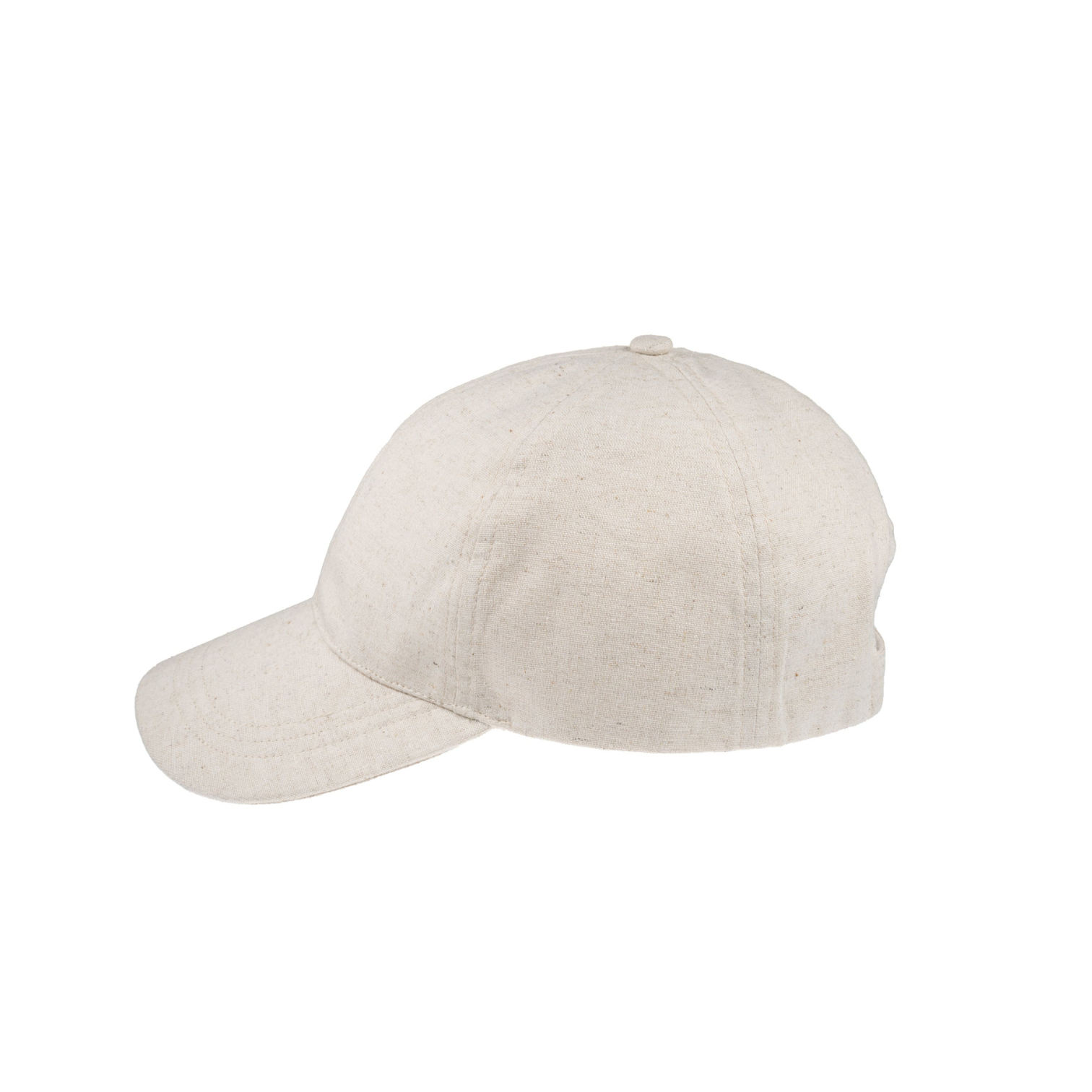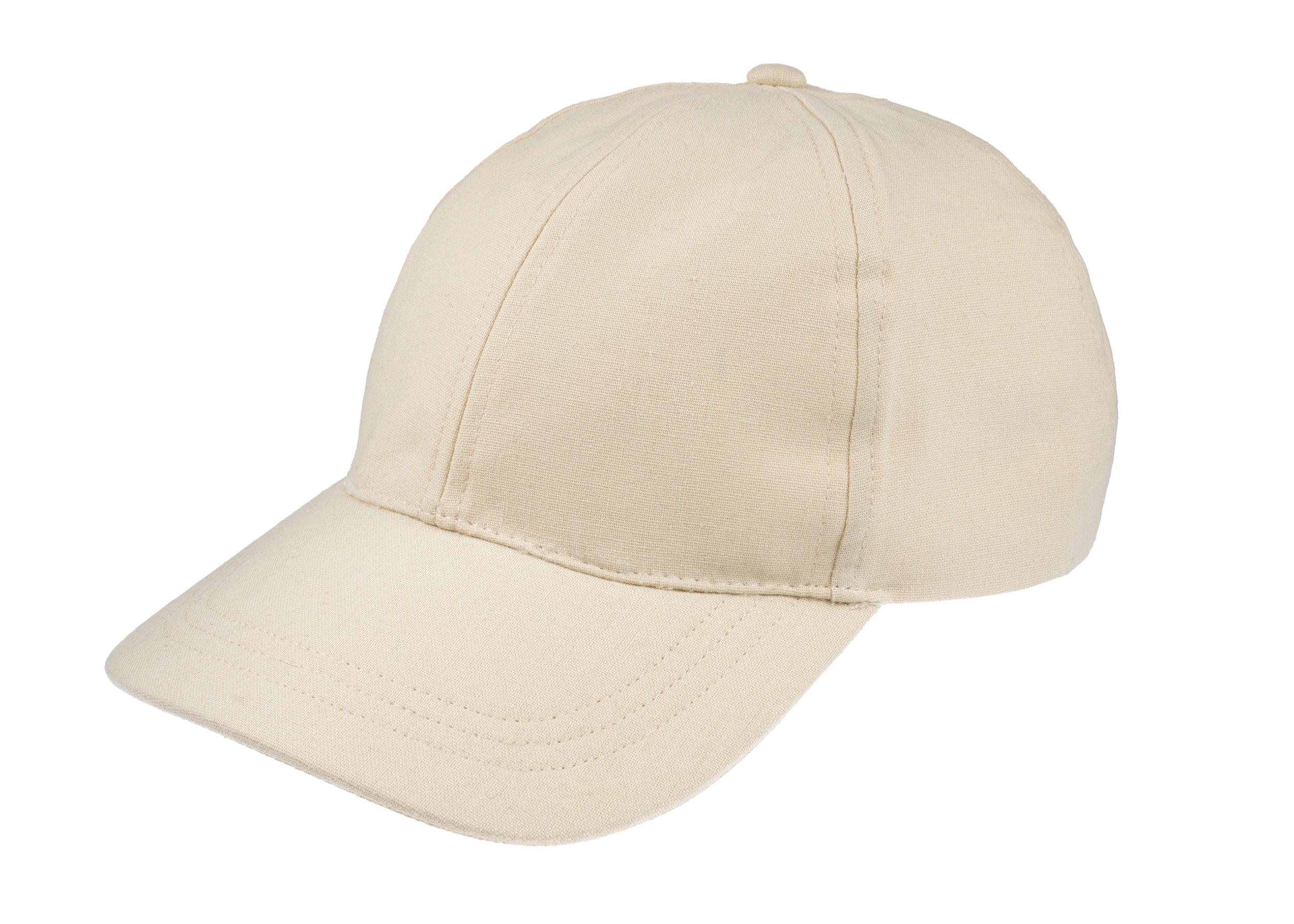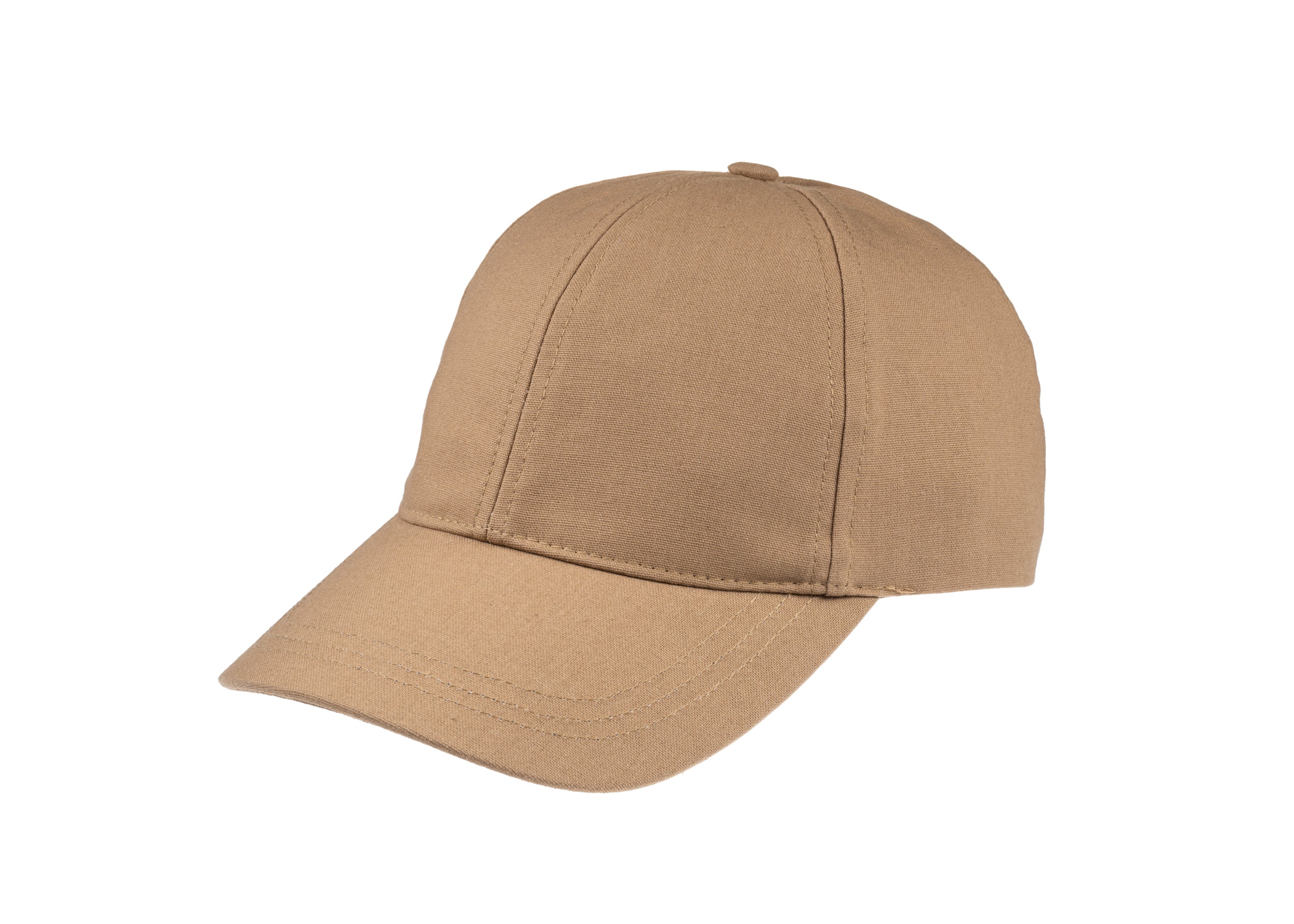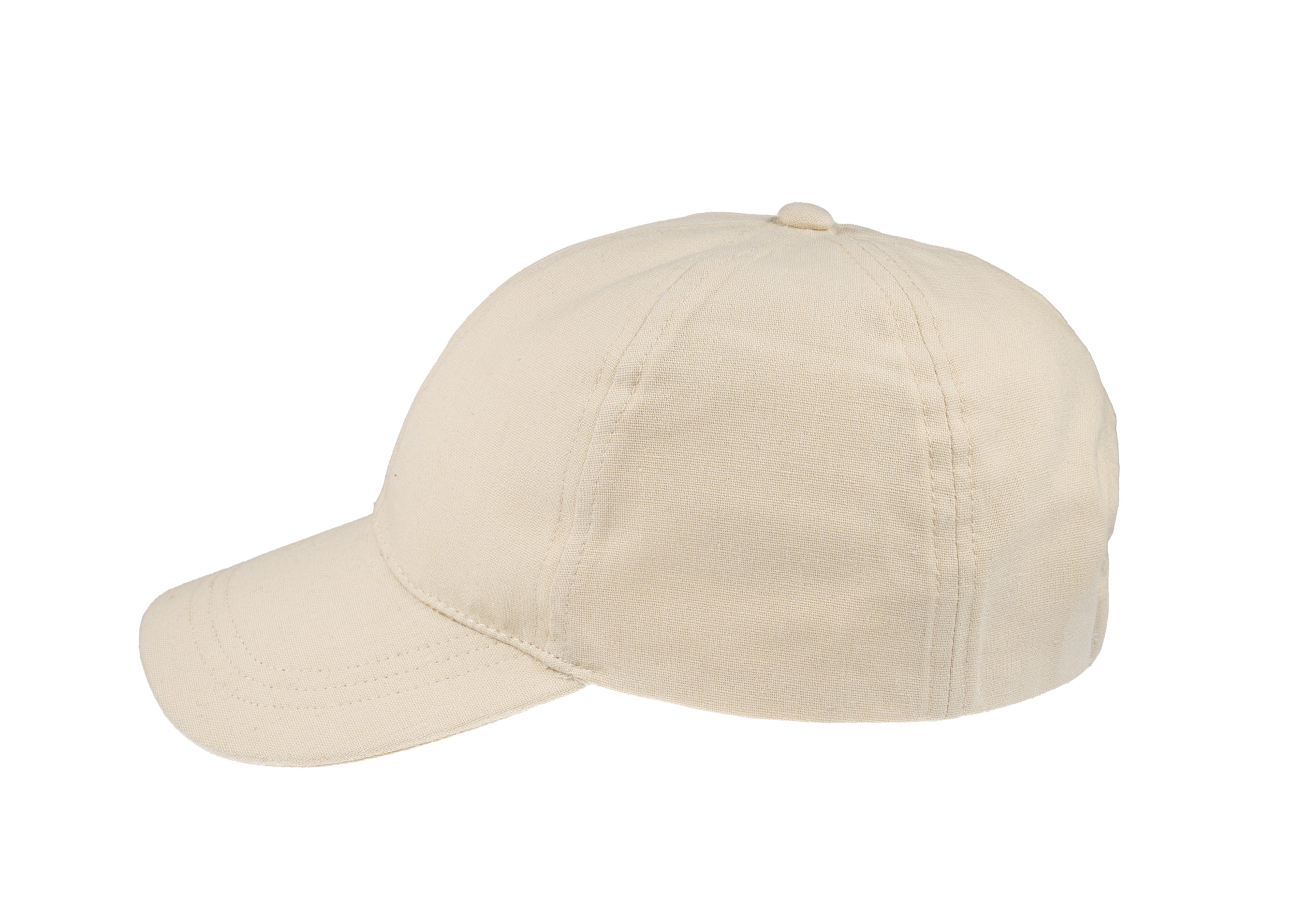






Selecting wool and alternative fibres for cap cloths is a considered craft with direct consequences for shape, drape, and durability. Mills must weigh breed and provenance, fibre metrics, animal welfare, traceability, and processing choices, yet these trade-offs are seldom apparent to designers or buyers.
This post examines the ten technical checkpoints British mills employ, from breed and provenance through scouring, blending, spinning, and weave construction, to dyeing, finishing, and quality control. It shows how each criterion influences colour stability, the cloth's hand, resilience, and supplier continuity, and sets out the questions to ask when assessing cloth for particular occasions and for longevity.

1. Prioritise breed and provenance when choosing cap cloths
Consider the breed behind the fleece as a proxy for measurable fibre traits: micron, staple length, crimp, tensile strength, and kemp content. Each trait has a predictable effect on cap cloth performance. Finer microns produce a softer handle and a smoother surface; longer staples reduce breakage during spinning and confer greater abrasion resistance in the finished cloth; higher crimp increases elasticity and fullness, helping the cloth retain loft and drape; kemp fibres create neps and a visible texture that will read through in lighter weaves. Inspect and test raw material before signing off specifications. Request raw locks and prepared tops so you can judge structure and cleanliness by eye. Run small-scale spinning and scouring trials to confirm how the fibre behaves in process, and record scouring yield, tensile strength, and shrinkage. These measurements show how much usable fibre you retain after cleaning, how resilient the yarn will be in forming and finishing, and how the cloth will alter in size and handle. Finally, produce a pilot cap cloth and finish it exactly as intended for production. Assess handle, drape, and wear under realistic finishing processes so that successful runs can be reliably replicated. The detail learned at this stage is the detail that rewards closer inspection.
Seek verifiable provenance and a clear chain of custody. Request farm or flock identifiers, batch summaries that record shear location and processing history, and evidence of any third-party animal welfare or traceability standards. Keep those records with physical samples so you can identify lot-to-lot variation and reproduce desirable outcomes. Design blends with explicit functional aims. Pair a longwool for structure with a finer fibre for handle, or introduce a small percentage of silk or mohair to improve lustre and tensile profile. Match fibre lengths and strength to one another to reduce neps, slippage, and uneven pilling. Build sourcing resilience around a small number of trusted flocks rather than broad, anonymous supply. Visit suppliers or commission independent audits where possible, and maintain a curated sample library tied to batch documentation to preserve consistency without overreliance on a single farm.
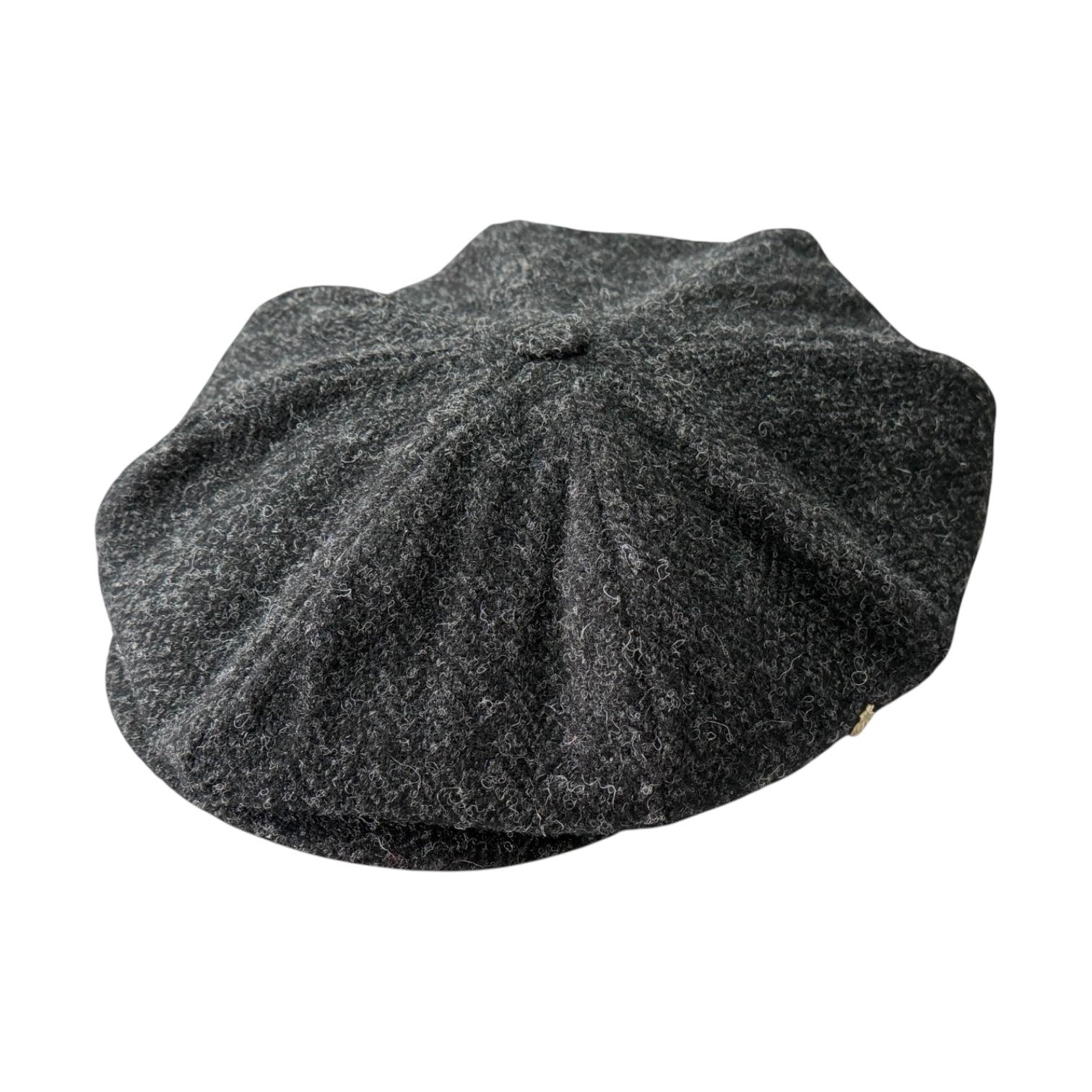
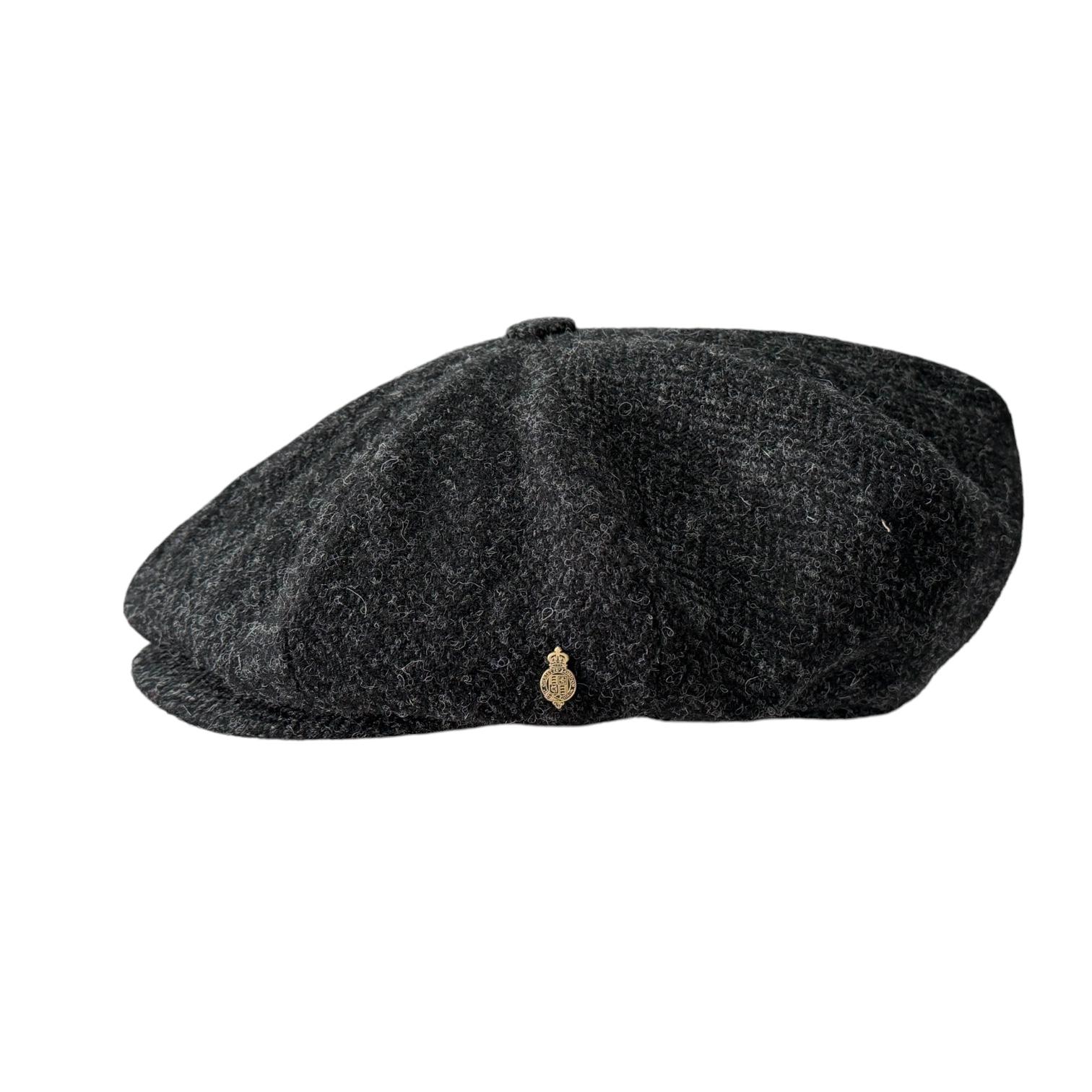
Choose a Merino tweed cap to verify cloth performance.

2. Set micron, staple length, and fibre strength targets
When specifying fibre for hat cloth or yarn, set both targets and tolerances rather than a single figure. Define a target mean fibre diameter and an allowable spread or coefficient of variation, and ask for the full fibre diameter distribution rather than only an average. Seeing the distribution lets you judge how much very fine or very coarse material sits in the lot, and how those extremes will affect hand, felting behaviour, and dyeing. Specify average staple length together with its distribution, and state a maximum short-fibre content. Short fibres and a wide staple-length spread increase hairiness, pilling, and points of weakness in spun yarns. Name the spinning route explicitly: combed worsted requires longer, cleaner staples than carded woollens, and the chosen route materially changes the yarn structure and performance. Finally, require tensile strength and elongation targets reported against fineness (for example, cN per tex). Relate those numbers to intended yarn counts and twist levels to predict breaking behaviour during spinning, blocking, and finishing. In short: ask for distributions as well as averages, quantify short fibres and staple length, and connect mechanical specs to yarn construction so you can anticipate how the material will behave in production.
Turn laboratory data into decisions by establishing clear sampling, tolerance, and acceptance criteria. Require test certificates to record the test method, sample size, and single-fibre statistics, which reveal the distribution of fibre length and the proportion of short fibres and help predict spinning and worsted performance. Where lots sit close to specification limits, arrange repeat testing, and state whether supplier certificates or independent laboratory reports will be accepted to avoid later disputes. Provide blending and processing instructions with target blend ratios and maximum short-fibre content for worsted tops, and note which finishing steps, such as pressing, steaming, and fulling, will amplify differences in handle and shrinkage. Request that suppliers confirm compatibility with your planned processing route so mills receive materials matched to the yarn and cloth plan, reducing drafting breaks, neps, and unexpected faults.
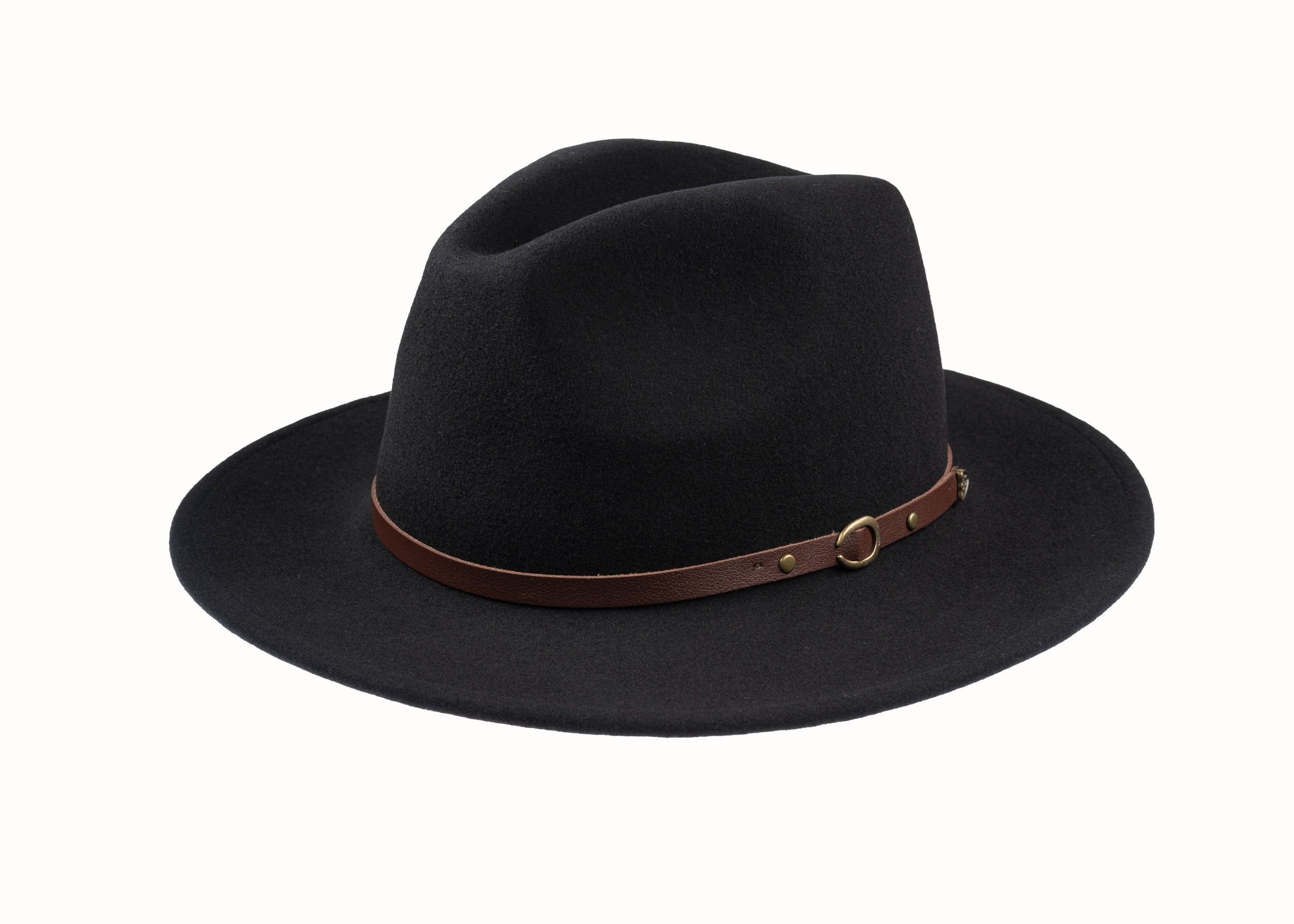
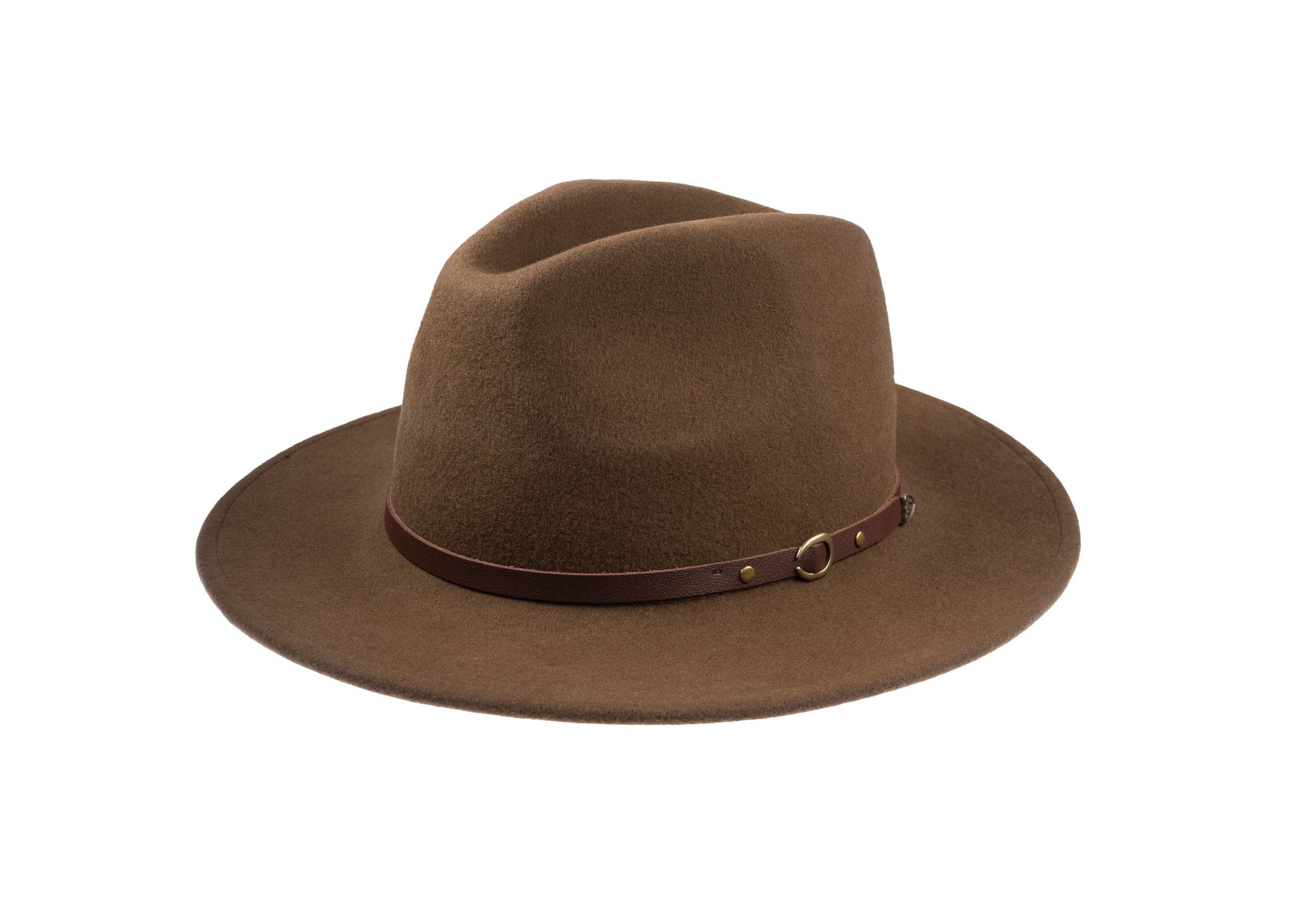
Choose a finely felted Merino hat for consistent hand.

3. Uphold animal welfare, sustainability, and transparent sourcing standards
Mills require traceability to flock level, insist on recognised third-party welfare and sustainability certification, and carry out periodic, unannounced supplier audits to verify claims. Chain-of-custody documentation and targeted laboratory testing confirm origin where provenance matters to clients or to product specifications. Contracts establish clear, measurable animal welfare standards, including veterinary oversight, humane handling and shearing practices, documented mitigation measures for painful procedures, guaranteed access to clean water and shade, and limits on stocking densities.
Purchasers turn sustainable land management into clear, verifiable requirements. They request soil-health data, pasture-rotation plans, and biodiversity indicators, and support suppliers with technical advice or multi-year purchase commitments when farms adopt regenerative grazing or reduce synthetic inputs. Animal welfare is folded into quality control and costing: compliance is tied to sampling protocols, acceptance criteria, and corrective-action plans, and contracts commonly include clauses for remediation or supplier replacement when standards are not met. Data on welfare metrics and fibre attributes, such as staple length, micron variability, and tensile strength, are analysed and fed back to farms to guide improvement. Verified provenance is used selectively to add value where origin matters most, for example in formal tailoring and other trades that prize documented supply chains.
Choose a locally made Merino piece for proven provenance.

4. Seek documented traceability and provenance for key materials
Mills require a verifiable chain of custody for every bale. Suppliers must provide original bale tags, lot numbers, and transfer records, which mills reconcile with intake logs. Independent laboratories perform fibre DNA and isotope analysis, and physical tags are routinely matched to laboratory results to expose mislabelled blends. Photographic records, time-stamped receiving logs, and third-party attestations add documentary weight, ensuring provenance rests on evidence rather than reputation alone.
Suppliers should provide a simple supply-chain map and signed handover declarations that record every handler, from shearing through scouring to carding, and note anything added, mixed, or removed. Mills build documentary standards and periodic audits into contracts: farm declarations, scouring records, and transport manifests must accompany consignments and be checked against physical stock. They maintain internal batch passports that record bale numbers, fibre tests, and process parameters; each passport is linked to a scannable code on the cloth or accompanying paperwork, and provenance data is held in a single, consistent file accessible to mills, tailors, and customers. A risk-based checklist sets acceptable variability for micron, tensile strength, and staple length, flags mismatched bale IDs or unexplained mixes, and triggers corrective actions or temporary holds to protect cloth performance and the integrity of provenance records.
Reinforces provenance with hand-finished Merino and stamped details.

5. Optimise raw wool preparation and scouring for consistent fibre quality
Before scouring, mills open and inspect each bale. They remove large contaminants, then sort fibres by diameter, length, and colour to assemble consistent blends, recording bale characteristics and keeping a blend sheet with every batch. Such uniform input reduces downstream waste, improves clean yield, and produces a predictable handle and drape in cap cloths. The records also provide traceability and inform the optimisation of subsequent process settings.
Scouring chemistry and mechanical treatment should follow the character of the fibre and the hat it will become. Fine or short-staple fibres fare better with mild alkalis, enzymes, or low-foaming surfactants, while coarse, heavily soiled wools require stronger grease-removal methods. Tailoring agitation, liquor ratio, and drying profile avoids the excessive abrasion that creates neps and shortens fibres, degrading strength and surface finish. Controlling water quality with multi-stage rinses or counter-current washing, and planning for lanolin and solids recovery, improves dye uptake and reduces variability in finishing, while allowing mills to circulate by-products back into the process. Routine, rapid checks of clean yield, residual grease, pH, and basic fibre metrics, together with retained samples, let a mill refine recipes, demonstrate provenance, and spot trends early, which reduces rejects and steadies worsted yields. These technical choices stabilise yield and fibre integrity, and they directly inform the blending and spinning decisions that follow in subsequent stages.
Choose merino woven from traceable Yorkshire wool.

6. Craft fibre blends for hand, drape, and durability
Start by translating the intended end use into a target specification, deciding whether hand, drape, or abrasion resistance should lead the brief. Select fibres to match that priority: long-staple worsted wool for body and shape, silk or cashmere to soften the drape and add a subtle sheen, and a small proportion of synthetic fibre or high-tenacity wool to improve abrasion recovery. Choose the yarn system and spin parameters to suit the blend: worsted-spun yarns produce a crisp, resilient cap cloth, while woollen-spun yarns yield a fuller, more pliable hand. Alter ply count and twist to tune firmness versus suppleness. Produce matched samples and record the rationale so trade-offs can be compared objectively during sampling.
Match weave and construction to the fibre blend. A fine twill or serge produces greater drape and a smoother surface, which will reveal silk or cashmere content; a tighter plain weave or a heavier cloth (higher mass per square metre) supports softer mixes and improves durability. Consider thread count, yarn sett (the spacing of warp and weft), and overall weave geometry together, since construction affects handle and performance as much as fibre composition. Produce small trial cloths and block them on hat forms, then run practical trials: assess hand and drape on curved blocks, carry out controlled abrasion and pilling checks, and measure dimensional stability after wet finishing. Plan finishing from the outset, specifying fulling, milling, steam setting, and pressing regimes that minimise differential shrinkage. Finally, select interlinings and linings with compatible structure and recovery to preserve shape and extend usable life.
Opt for a hand-finished Merino felt hat for lasting shape.

7. Align spinning profiles and yarn structure with weaving requirements
Convert the cloth's required performance into concrete yarn specifications. Define handle, drape, durability, and abrasion resistance, then select a preparation route, for example worsted or woollen, and specify staple length distribution, average micron, yarn count, twist level, and ply. Run short spinning trials and measure tensile strength, elongation, and hairiness to confirm the yarn profile will support the planned weaving and finishing; record warp breaks per 1000 picks at a set tension as a practical loom-side stability metric. Choose yarn geometry and twist direction deliberately: higher-twist, plied warps favour tensile stability, while lower-twist wefts give a softer hand. Validate these choices with sample warps before committing to full production.
Define blend rules with measurable targets so each component's role is clear. Specify the percentage of wool and any speciality fibres, and record target staple length, crimp frequency, and micron or denier for every input. Produce microscopic fibre assessments and prepared blend panels to observe behaviour through carding, combing, and spinning, and note how fibres align, where neps or slubs appear, and how the mix responds to drafting. Set post-spin conditioning and finishing parameters that preserve yarn integrity for subsequent weaving or felting. Specify residual lubricant, target moisture content, heat-setting or steaming regimes, and sizing recipes compatible with the yarn surface. Trial these settings on loom or block samples, and record their effect on reed and shuttle wear, pick insertion, and fullness after wet finishing. Document acceptance criteria, sampling protocol, and change-control rules. List target ranges for yarn count, twist per metre, breaking load, elongation, and hairiness, and specify sample length and test frequency. Use these metrics to make rapid adjustments when weaving trials reveal snatching, slubging, bias, or uneven selvedges. Taken together, these controls create a repeatable route from fibre to fabric. Detailed records and measured trials reveal inconsistencies early and reduce surprises at the finishing table.
Experience controlled wool felting for lasting, refined everyday wear.

8. Choose weave and construction for enduring shape and resilience
Match the weave geometry to the cap’s intended style and use, judging performance rather than appearance. Twill’s diagonal ribs redistribute stress and resist creasing; a plain weave gives wind resistance and dimensional stability; looser woollen constructions provide a softer drape suited to relaxed crowns. Examine fabric samples in the actual weights and finishes you plan to use, and test them on a shaped head block to see how the cloth behaves under blocking and strain. Specify yarn count, ply, and twist in the construction brief, and ask mills for cross-sections or microscope images to verify whether yarns are worsted-spun, with higher twist and a tendency to return to shape, or woollen-spun, which bloom and soften. Pay careful attention to these technical points during specification and sampling.
Plan finishing and mechanical treatment alongside weave selection. Fulling and milling tighten the cloth and increase body; napping raises surface loft, at the expense of crispness. Controlled steaming and pressing set the final shape. Conduct finishing trials to measure shrinkage, hand, and shape retention, then produce small-batch prototypes. Shape these on a head block and subject them to repeated handling, wetting, and drying. Record edge roll, crown memory, and seam stability with a simple crease-and-rebound test, compare constructions, and refine the specification accordingly.
Choose robust English tweed for enduring shape and drape

9. Optimise dyeing and finishing to preserve colour and hand
Run small-scale dye trials at the yarn, sliver, and woven stages to compare colour, levelness, and handle. Record liquor ratio (bath to fibre proportion), pH, temperature, and time so successful recipes can be reproduced and troublesome shades traced to a specific parameter. Match dye class and pre-treatment to the fibre chemistry, favouring dyes suited to wool and auxiliaries that improve uptake without hardening the handle. Use the stage-to-stage comparisons to refine recipes before scaling up to larger batches.
Set measurable targets for colour fastness and hand, then verify them with standardised rubbing, wash, and lightfastness tests, together with instrumental reflectance and Delta E readings that confirm production tolerances. Reflectance and Delta E measure the objective difference between a sample and the reference, and reveal subtle shifts that are not always obvious to the eye. Plan scouring, dyeing and finishing as a considered sequence: thorough scouring promotes even dyeing, controlled milling or fulling builds body, and steaming and pressing set dimensions and surface. Trial permutations of these steps to balance softness, drape, and resilience, and fine-tune finishing with minimal intervention, choosing low-residue softeners, enzyme or steam treatments, and restrained mechanical surface work such as napping or shearing, while monitoring any post-finish colour shift or loss of fastness.
Opt for finely felted Merino wool, finished by hand.

10. Preserve quality through rigorous testing and supplier continuity
Begin with a master specification sheet that sets unambiguous material criteria: micron range, staple length, tensile strength, grease and moisture content, maximum vegetable matter, permitted colour variation, and the test methods to be used. Require supplier sign-off and certificates of analysis so acceptance decisions are objective and reproducible. Institute incoming inspection and laboratory testing by sampling bales or lots according to a statistical plan, and perform micron and staple-length analysis, tensile and elongation testing, colourfastness and shrinkage trials, and microscope checks for contamination. Record every result in a searchable log so you can trace specific test failures to downstream problems such as pilling, seam breakage, or dye wash-off, and use that record to inform supplier feedback and ongoing process improvement.
Follow this with qualifying and auditing suppliers using a formal checklist that records production capacity, traceability schemes, animal welfare, environmental practices, and contingency arrangements. Require batch trace numbers so sources can be identified quickly if problems arise; traceability supports faster root-cause analysis and limits disruption. Route every new lot through a small-scale production trial and retain a sample bale and cloth swatches. These retained samples make it possible to reproduce faults, verify disputes, and refine acceptance limits without interrupting full production. Set contractual terms that embed acceptance testing, remedies for rejection, lead-time guarantees, and holdback procedures. Monitor supplier performance with a small set of key performance indicators, for example on-time delivery, rejection rates, and defect trends. These metrics reveal both one-off failures and recurring issues that merit corrective action. Finally, maintain approved alternative sources and a modest buffer of stock to reduce single-source risk. Together, traceability, trials, contractual safeguards, KPIs, and approved alternates work to keep supply reliable and issues manageable.
British mills regard cap cloth selection as a technical, traceable craft, balancing fibre characteristics, preparatory work, and finishing to control shape, drape, and longevity. Across ten practical checkpoints, from breed and provenance through scouring, blending, spinning, weave construction, dyeing, and testing, they translate measurable fibre metrics and small-scale trials into cloth performance that can be reliably reproduced.
Treat the headings as a checklist when assessing suppliers. Request fibre distributions, farm and scouring records, spinning and finishing trial results, and matched cloth prototypes to compare handle, shrinkage, and colour fastness. Insist on retained samples and documented acceptance criteria; this ensures decisions rest on tested outcomes rather than anecdotes, and that the cloth you commission will deliver the shape and resilience the occasion demands.