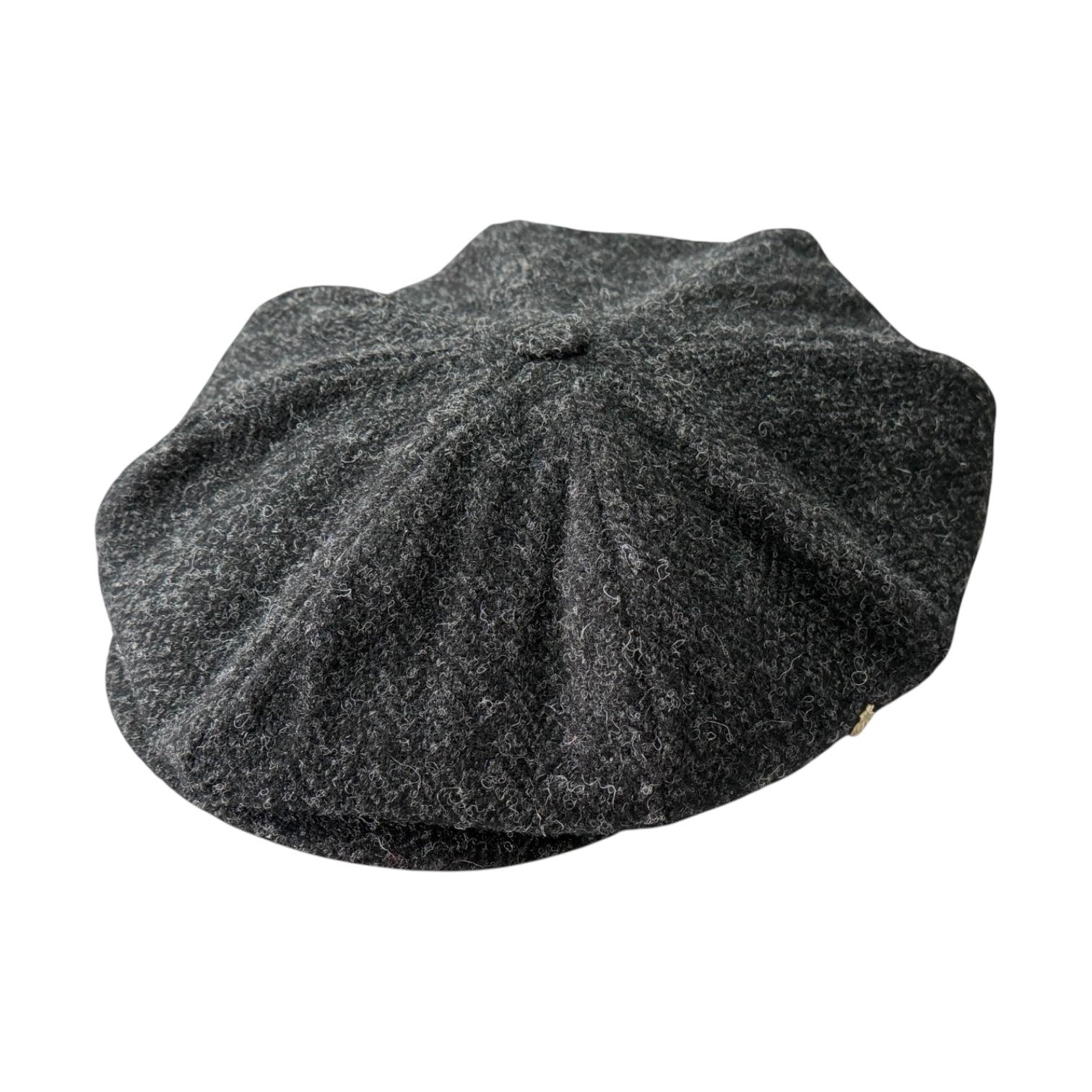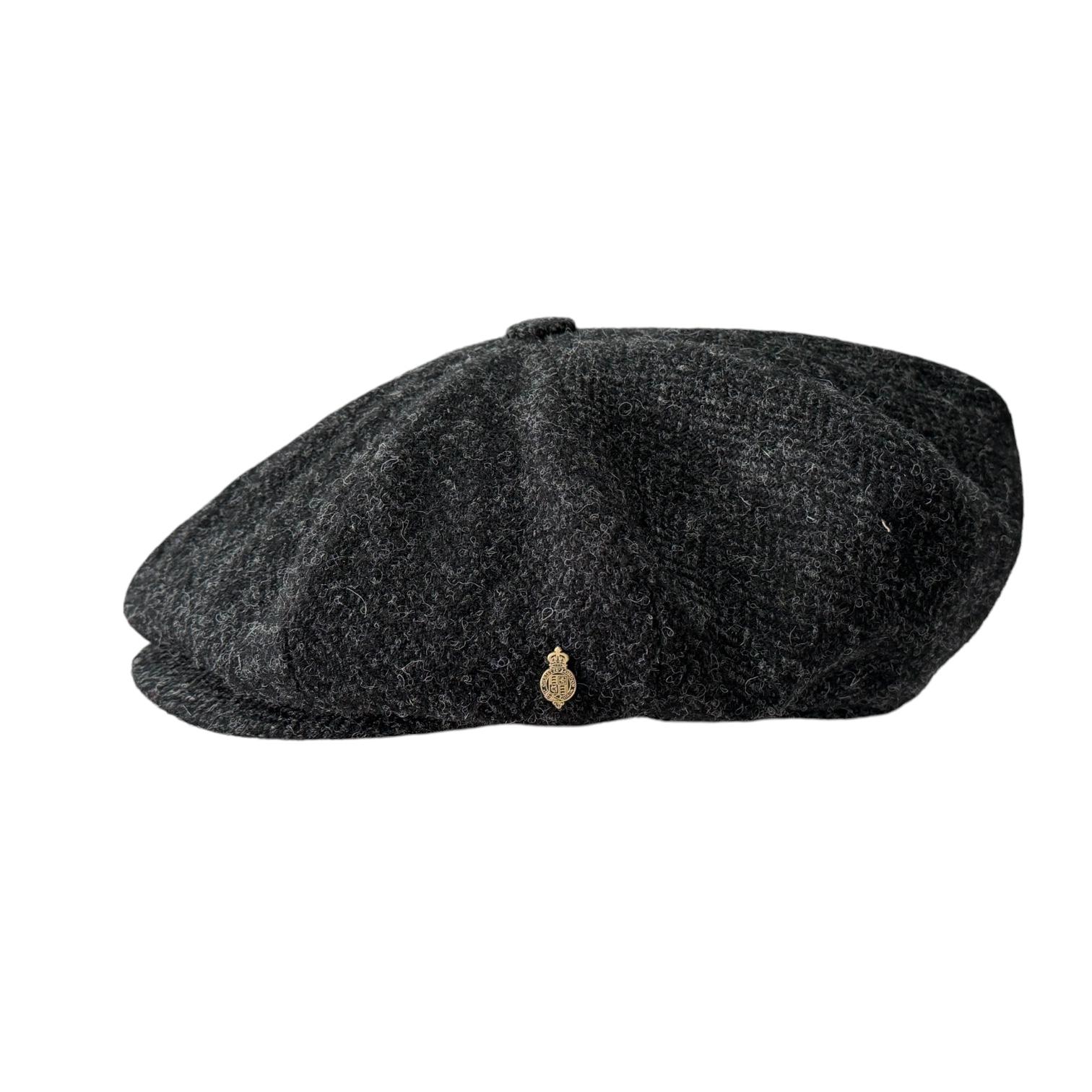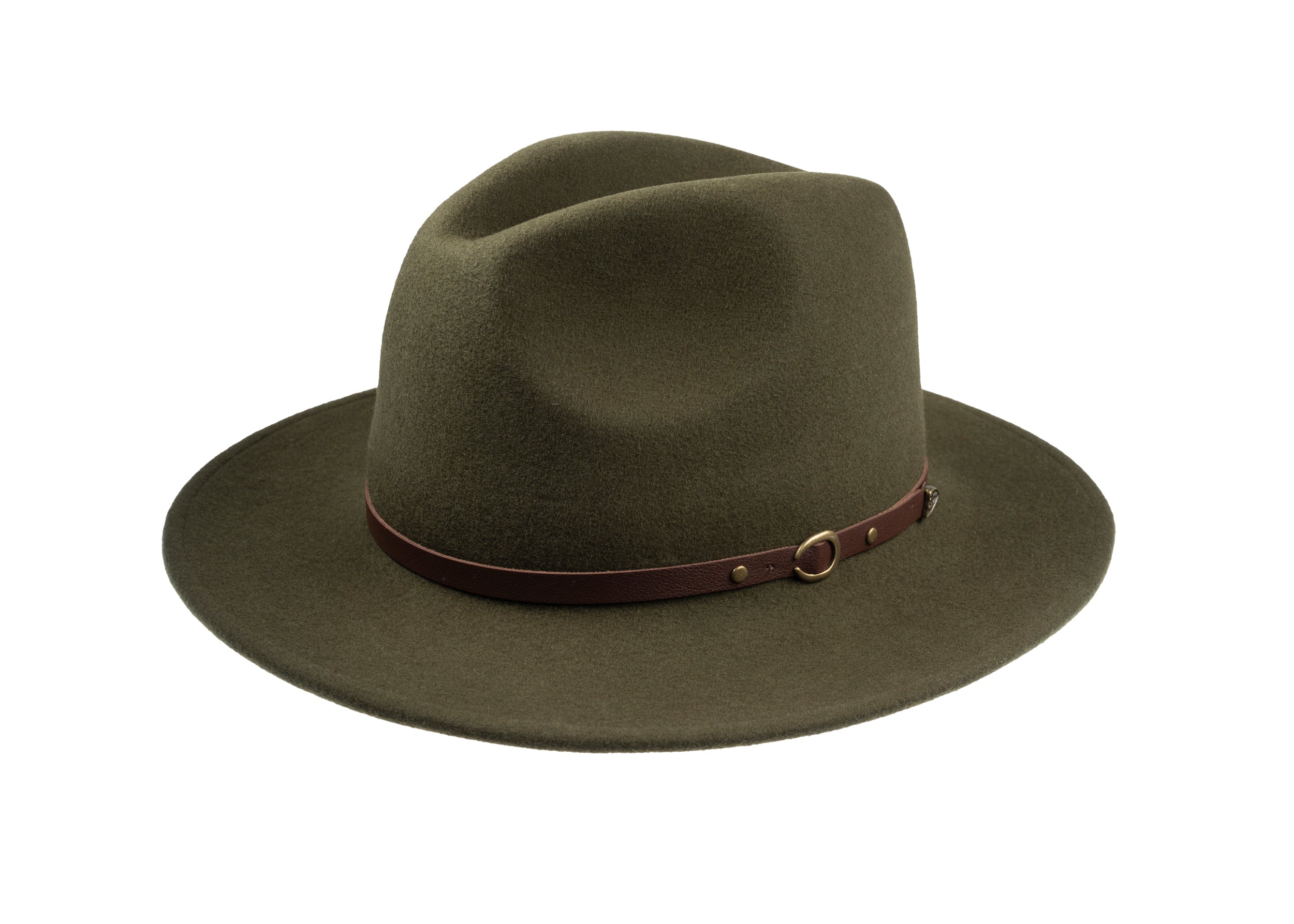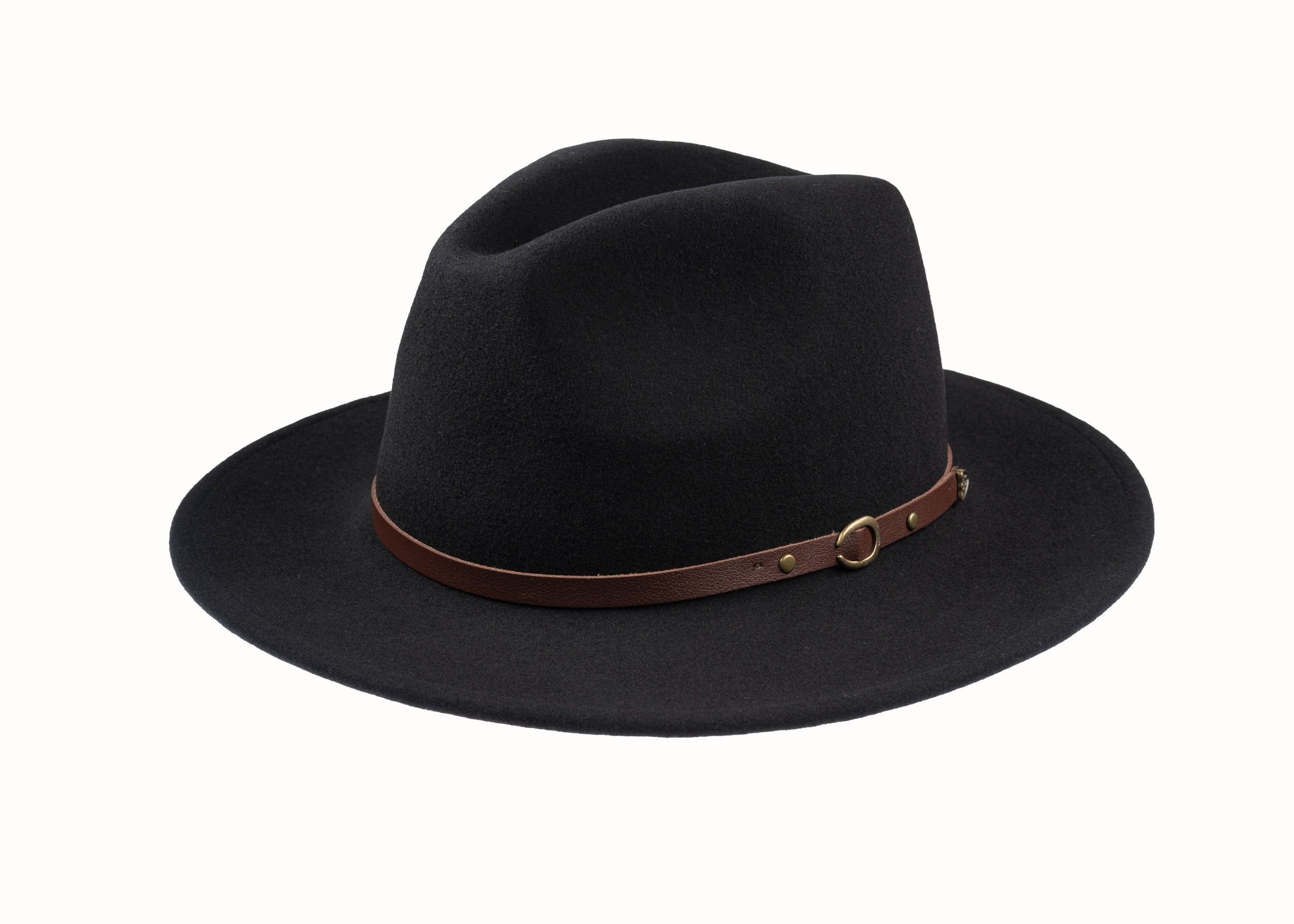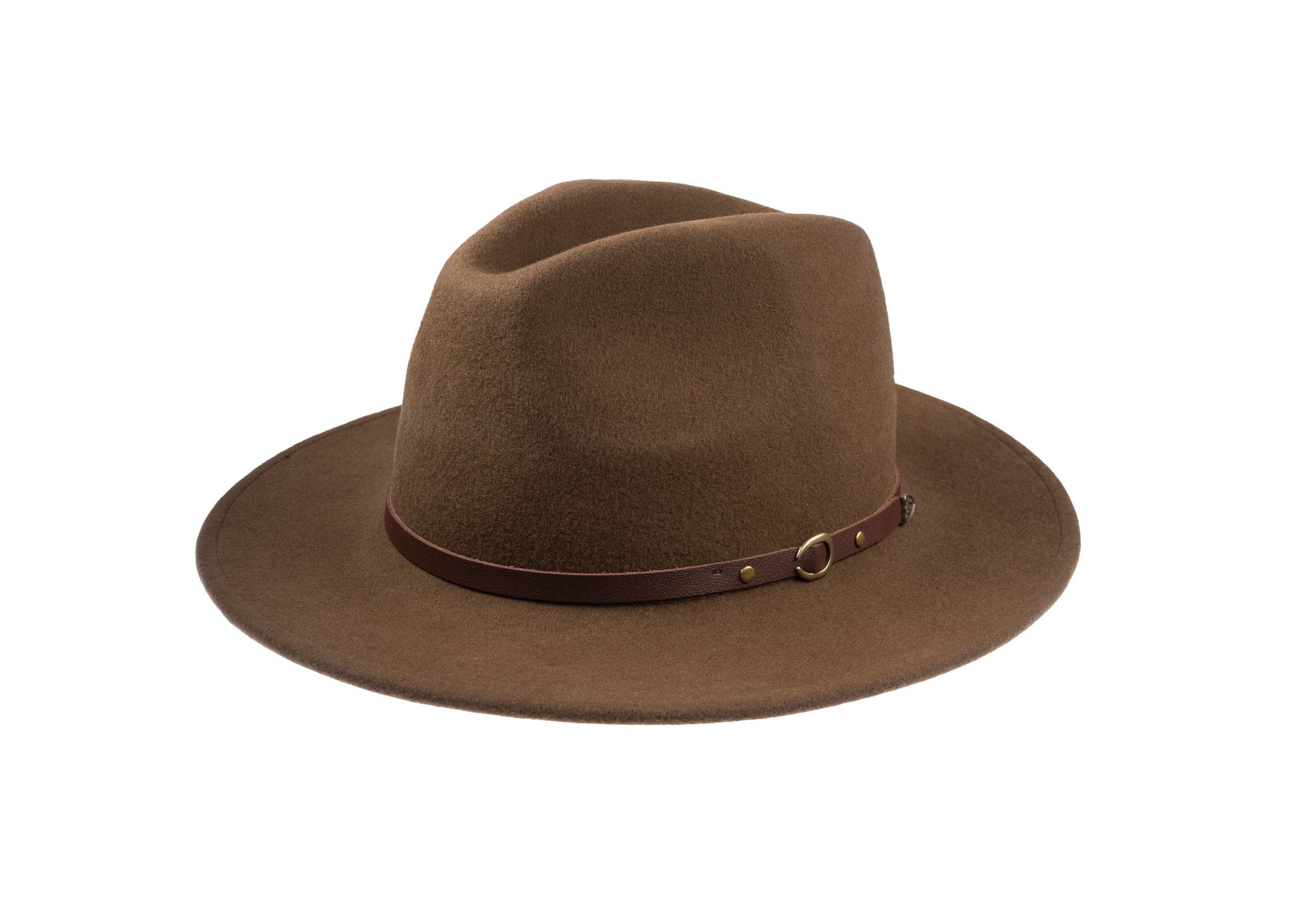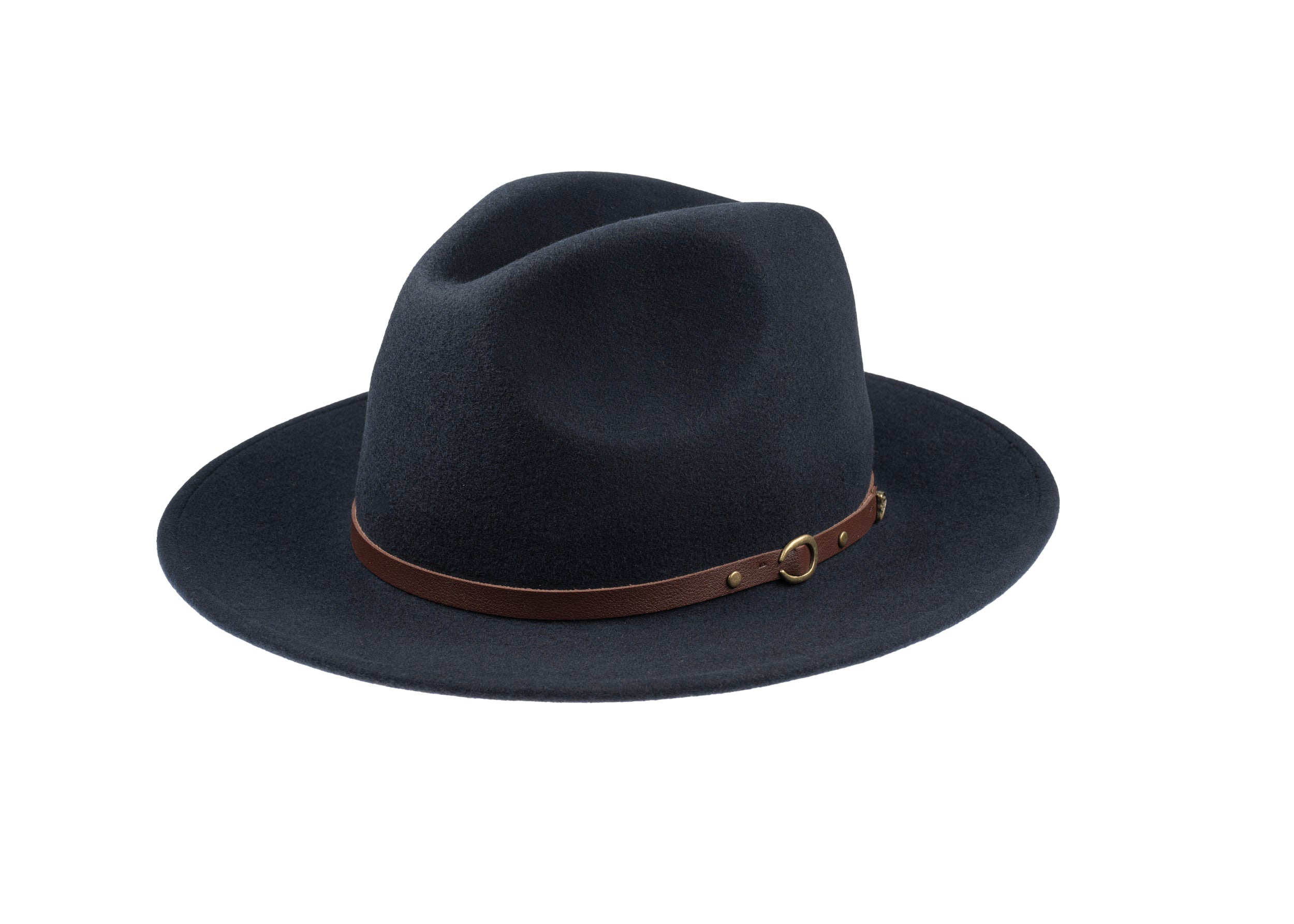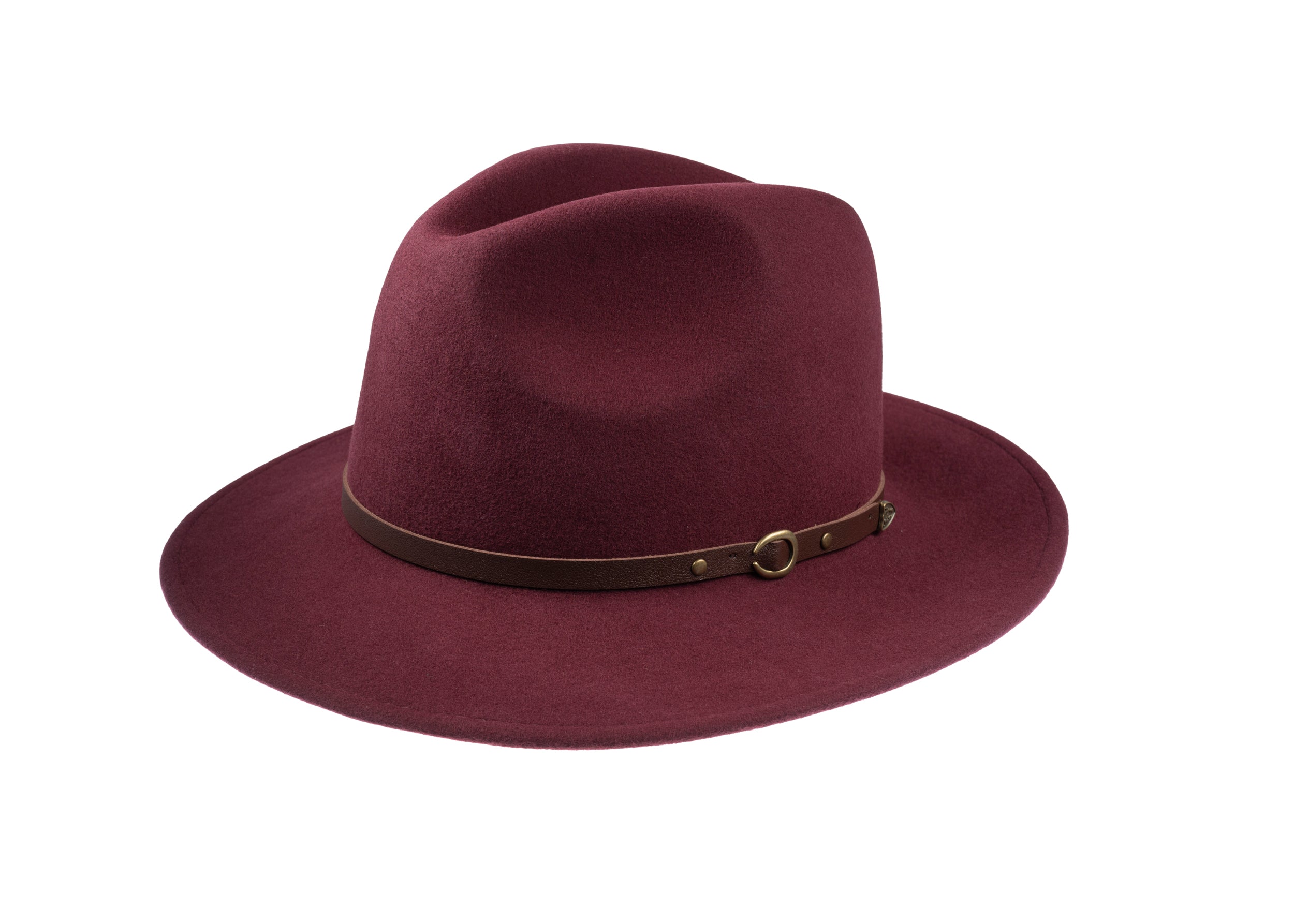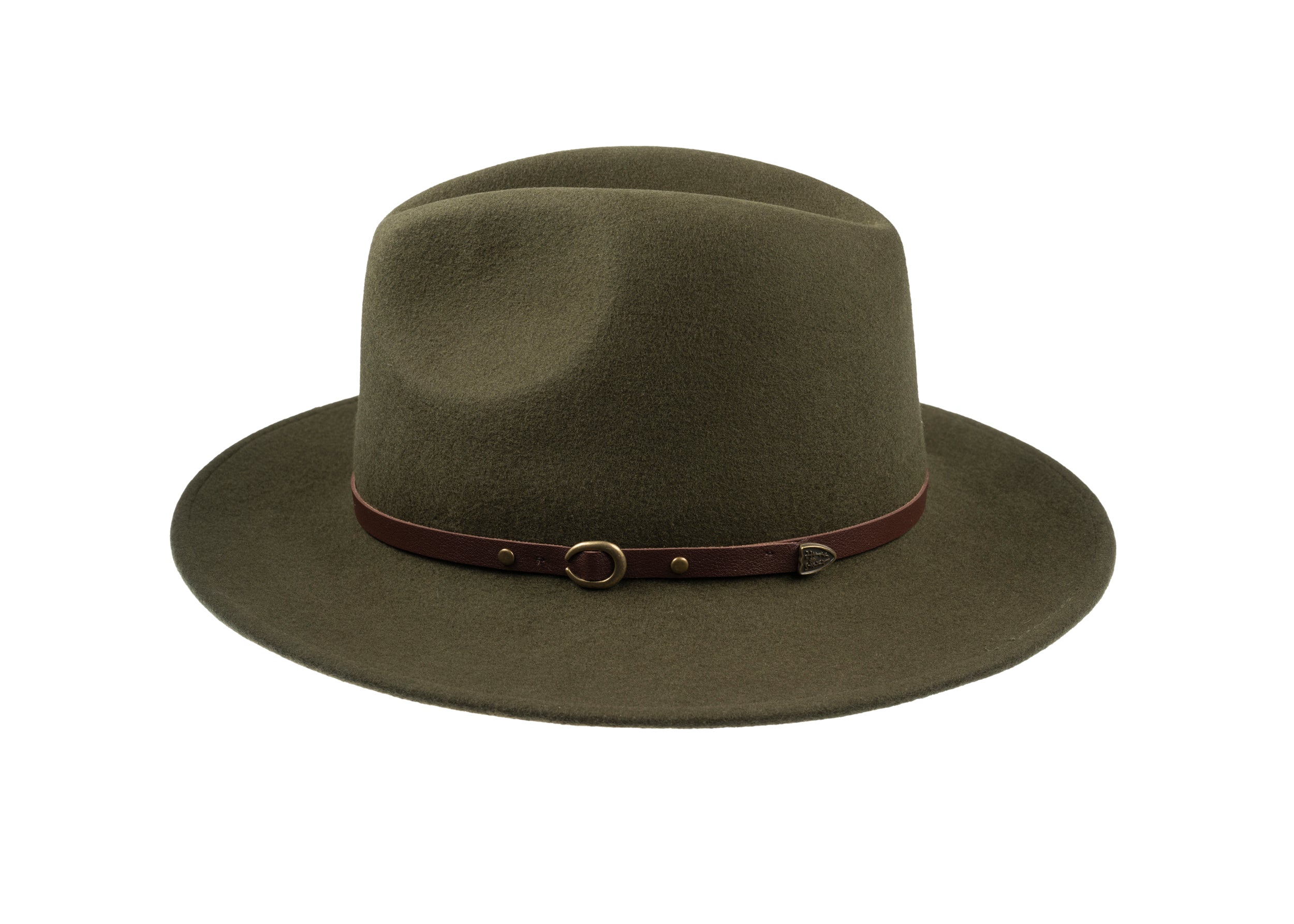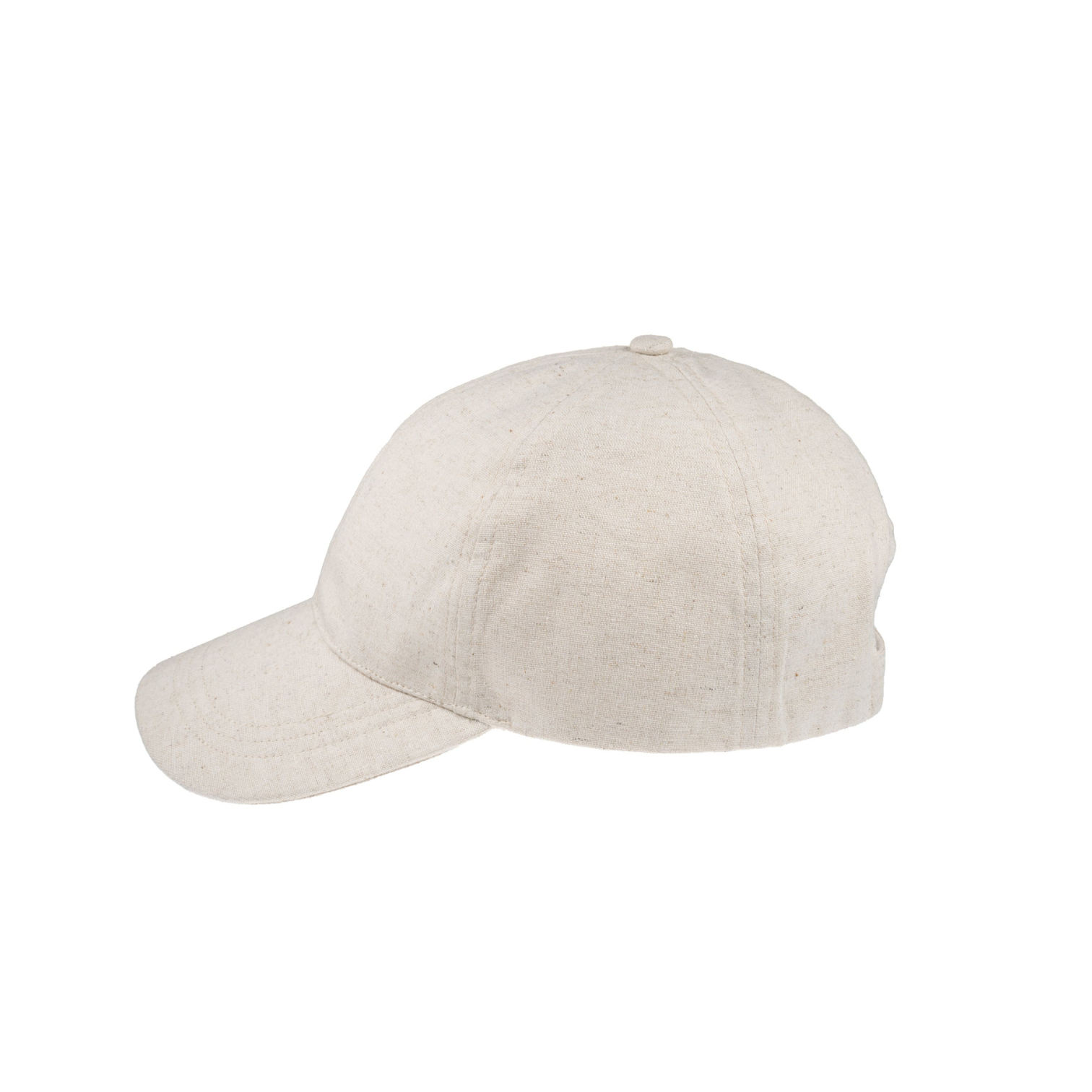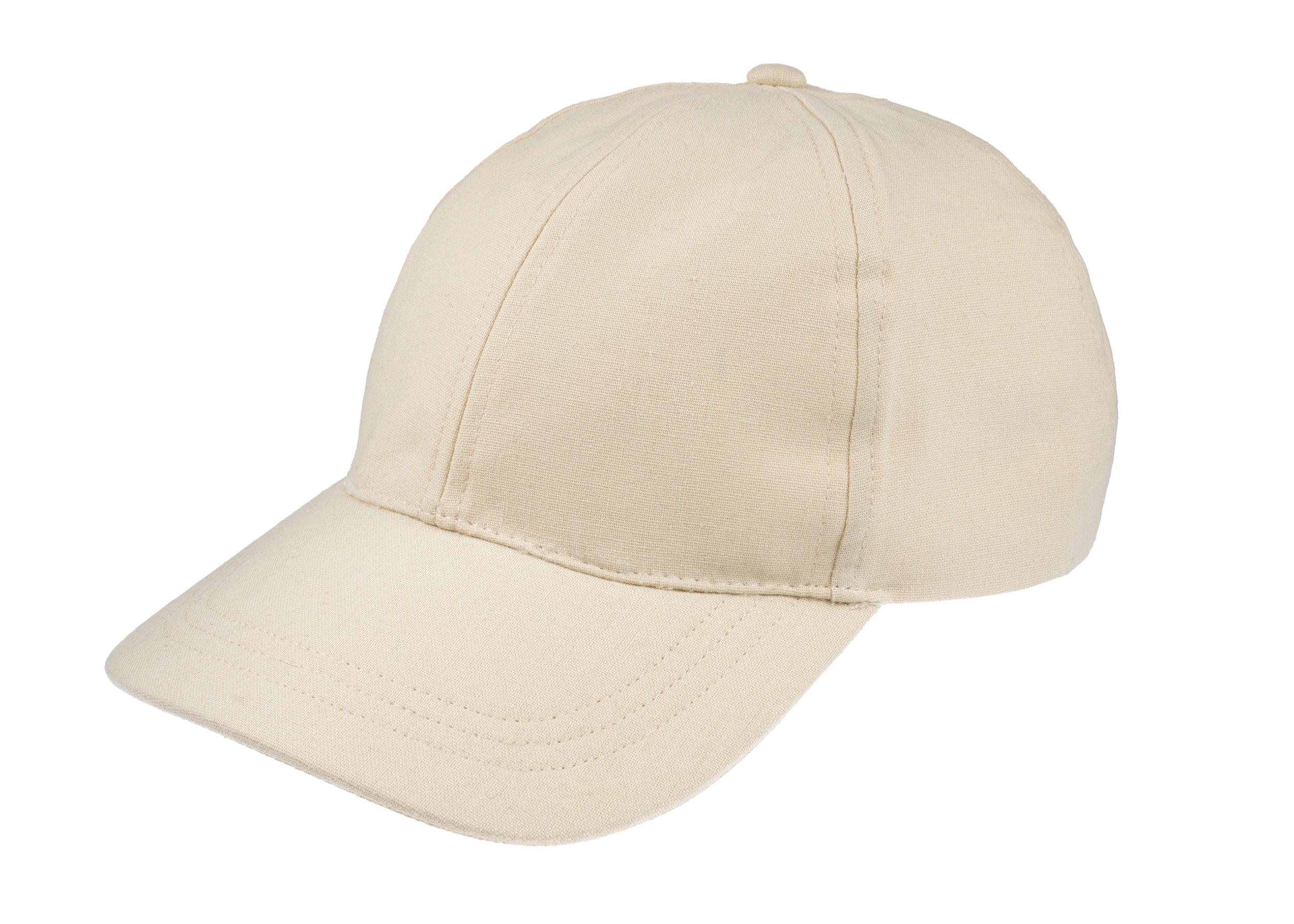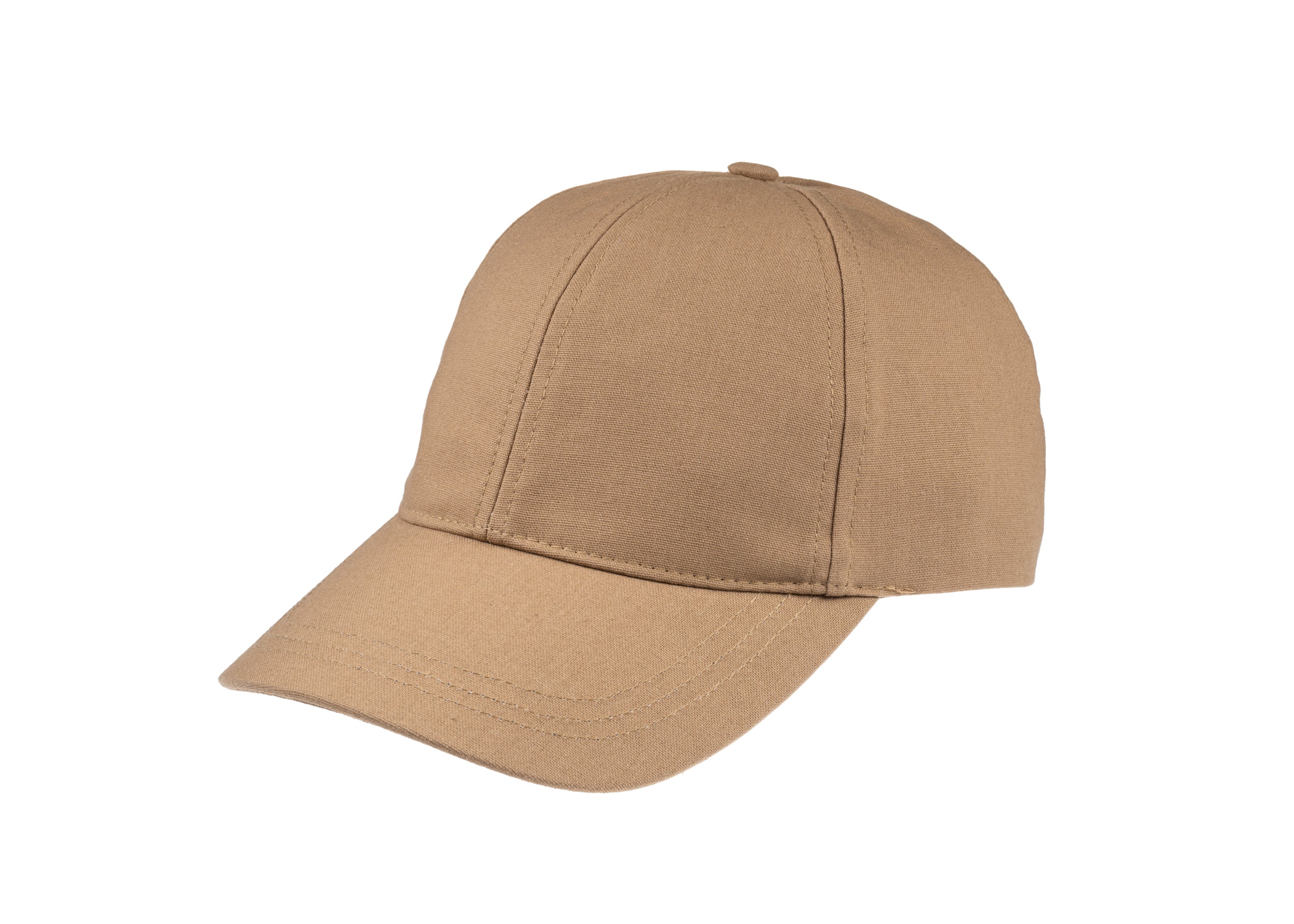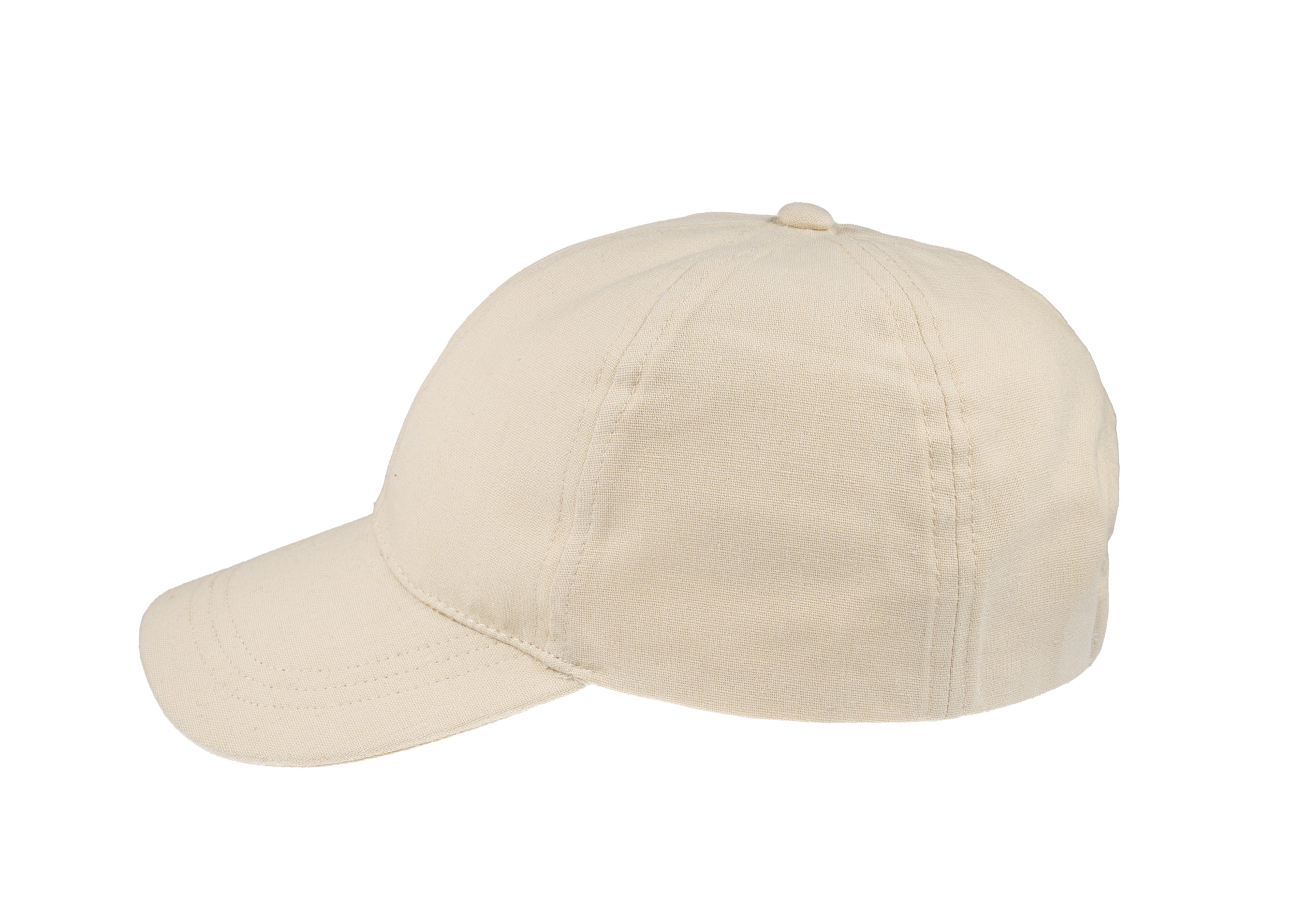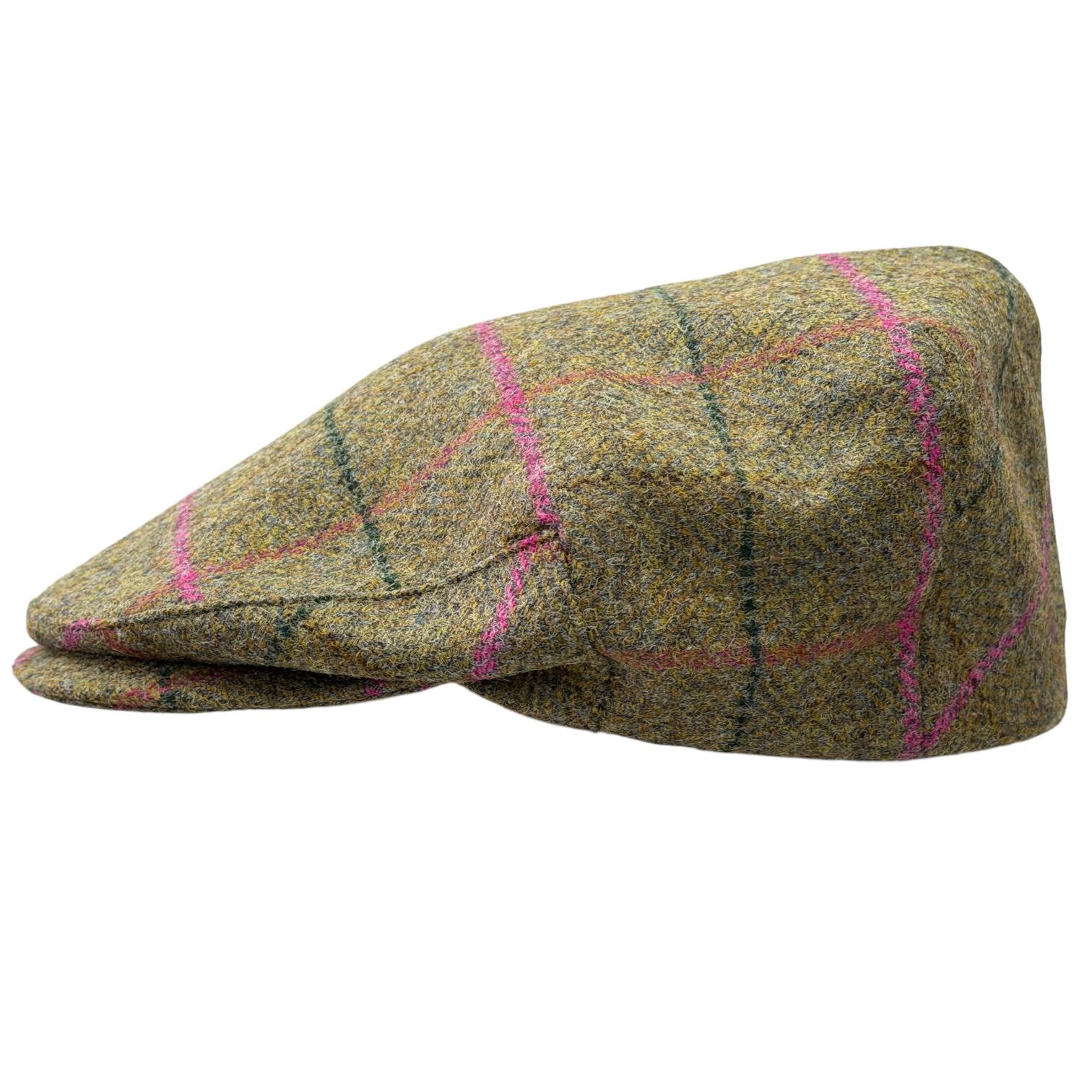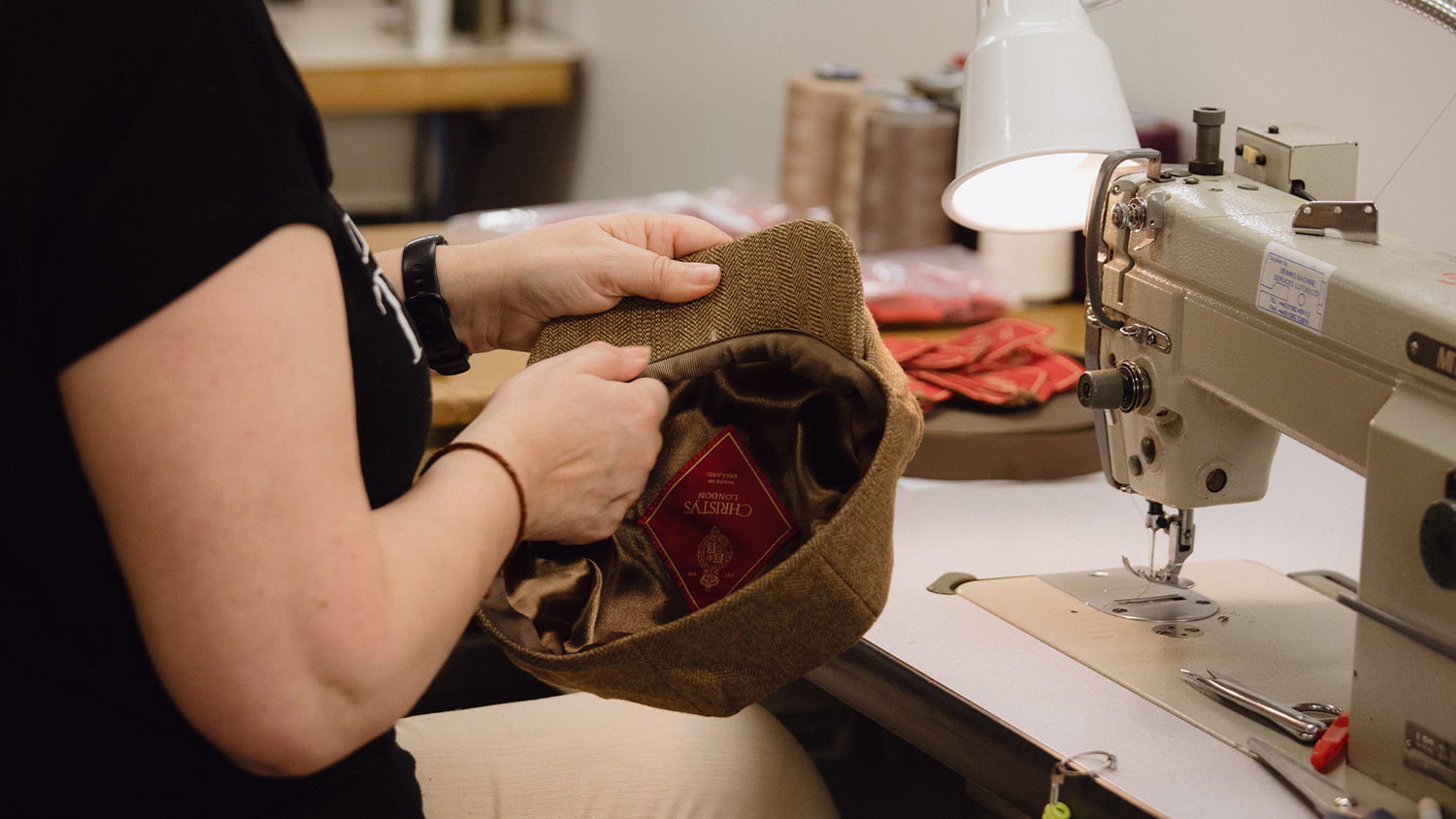





How do you judge whether a length of British cloth will improve with time, rather than show weakness after a few wears? Hatmakers read weave density, handle, and behaviour under shaping through a handful of simple tactile and visual tests.
Three practical checks reveal a cloth's structure, shape memory, and likely longevity: handling the weave; testing moulding and release; and assessing wear, finish, and care. Read on to learn how to perform each test and choose cloth that performs as well as it looks.

1. Handle the weave to assess a fabric's character
Hatters begin with a few simple, tactile trials. They pinch and release a small area to judge how quickly the material returns and whether a crease remains, then drape it over a block edge or a knuckle to study the silhouette and the lines the fabric will hold. A brisk recovery with only a faint crease indicates the structural memory needed for shaped crowns, while a fluid, even fall suggests the material suits closer-fitting forms. A short warmth and blocking test, using steam or body heat, shows whether the fabric will set cleanly and recover when re-wetted, or whether it will sag and require internal reinforcement.
Examine the surface and construction carefully. Brush the nap gently against the pile; shifts in sheen, a tendency for the pile to lift, or a change in colour indicate how the finish will mark with handling. Hold the cloth to the light to reveal thread density and any slubs, and run a fingernail across the warp and weft to feel yarn twist and slippage. A tight, even weave and a firm yarn twist point to neat stitching and durable wear. An open or irregular weave, or a nap that will not lie flat, warns of fraying, distortion, or a finish that will readily show handling. These are the details that reward closer inspection.

2. Mould the hat, then release to assess its shape memory
Warm or steam the cloth until the fibres relax. Stretch it over the chosen block and allow it to set; on release, expect a smooth, taut surface, clean seam lines, and an even nap as indicators of good shape memory. For a simple, low-tech check, trace the block profile before moulding, trace the hat immediately after release, and compare the two. A close match, minimal permanent set around crown seams, and consistent brim flatness provide objective evidence of recovery. Photograph each sample, and record fibre content, weight, and any finishing notes so decisions rest on repeatable evidence rather than impression. Attend to those signals when evaluating shape memory.
When assessing hat materials and finishing, a few small signs point reliably to their cause. Radial wrinkles at the crown usually indicate short fibres or poor inter-fibre entanglement. Uneven brim tension suggests inconsistent finishing or uneven steaming. A brittle snap-back often results from over-processing or excessively dry fibres, which helps distinguish whether faults lie with fibre type, felting quality, or mill finishing rather than with blocking. Heavier, tightly fulled wools generally show stronger recovery and crisper contours, whereas lighter felts and open-weave cloths are prone to relaxation and may benefit from internal support. When testing, vary the depth and stretch, cycle samples through repeated mould-release trials, and keep a reference library with pass-fail scores. Over time that library becomes the detail that rewards closer inspection and supports reliable buying decisions.

3. Test wear, finish, and care to assess how a hat will endure
Start with an abrasion and seam-stress check. Rub a hidden seam or inside hem with a soft cloth or fingertip to simulate repeated movement, and watch for fuzzing, thread slippage, or puckering. Minimal fray and tight stitch spacing are tangible signs the cloth will withstand everyday wear. Assess colourfastness and finish resilience by pressing a damp, white cotton cloth against an inconspicuous area and checking for dye transfer or dulling of the nap. Test surface recovery by briskly rubbing a small patch, then brushing the pile. If there is no dye transfer and the fibres rebound to an even surface, the dye and finish are stable and the risk of pilling is reduced, so carry out this check on each piece.
Test crease memory and laundering behaviour by compressing a discrete corner, then apply steam or a warm press; where possible, launder a swatch to observe shrinkage, change in handle, or loss of finish. Quick recovery and a steady handle suggest the piece will tolerate routine care, whereas permanent creasing, distortion of shape, or a felted finish indicate the need for specialist attention. Inspect stress points, such as collar tips, cuff edges, pocket corners, and inner linings, for reinforcement, neat edge finishing, and bar tacking. Those features reveal where wear concentrates and how you should prioritise repairs and routine maintenance.
A few simple, hands-on checks reveal whether British cloth will shape neatly, withstand wear, and age with composure. Pinch the weave to judge spring and density, mould the cloth over a block to test memory and drape, and simulate abrasion or a gentle wash to see how the finish endures. These practical tests show structure, memory, and finish, qualities that labels and appearance alone cannot disclose.
Handle the weave to feel the yarn twist and assess thread density. Mould a sample and release it to judge shape memory. Where practical, test abrasion, dye transfer, and laundering to measure durability. Photograph each sample and keep repeatable scores. Let recorded performance, how the cloth actually behaves, guide your choice rather than relying on first impressions.