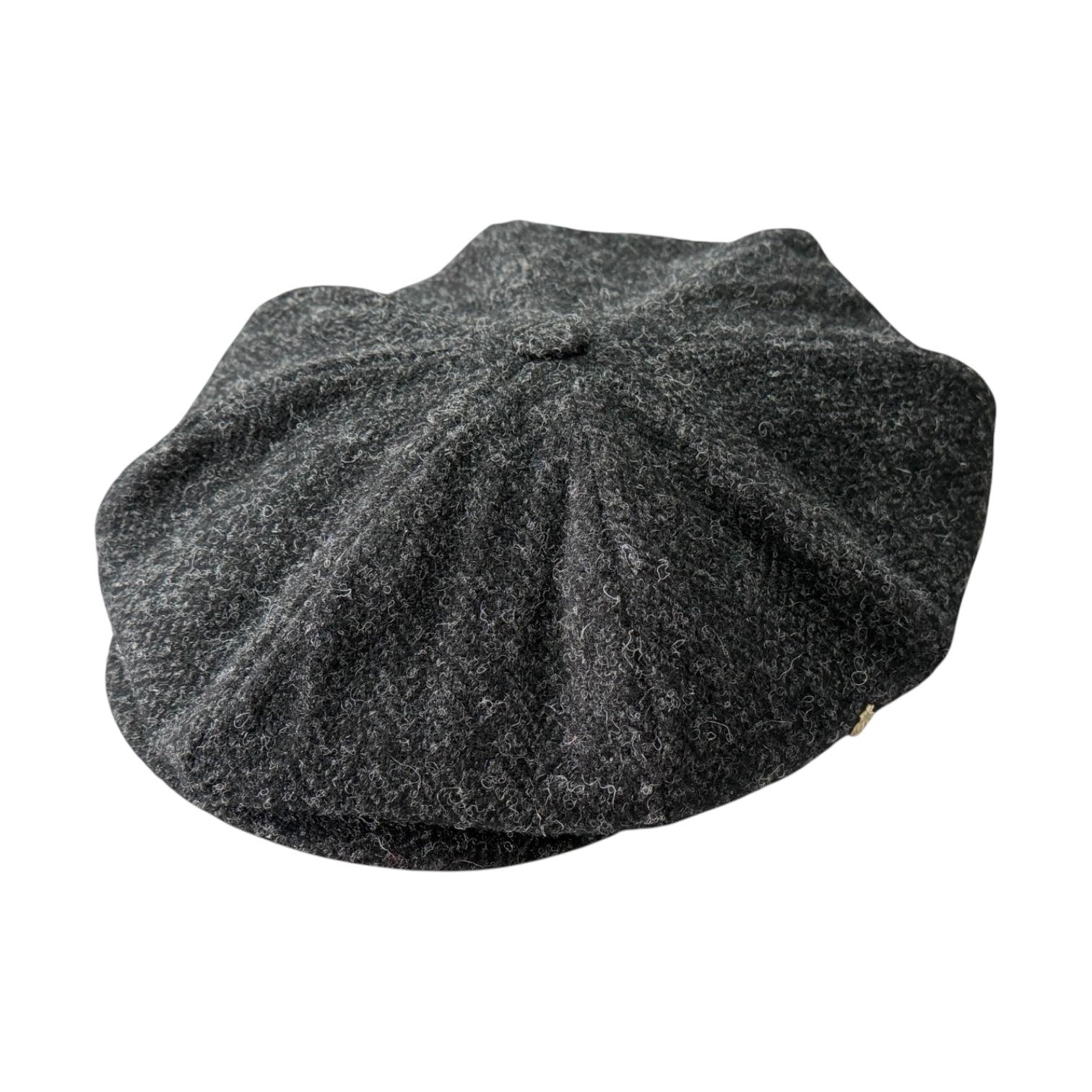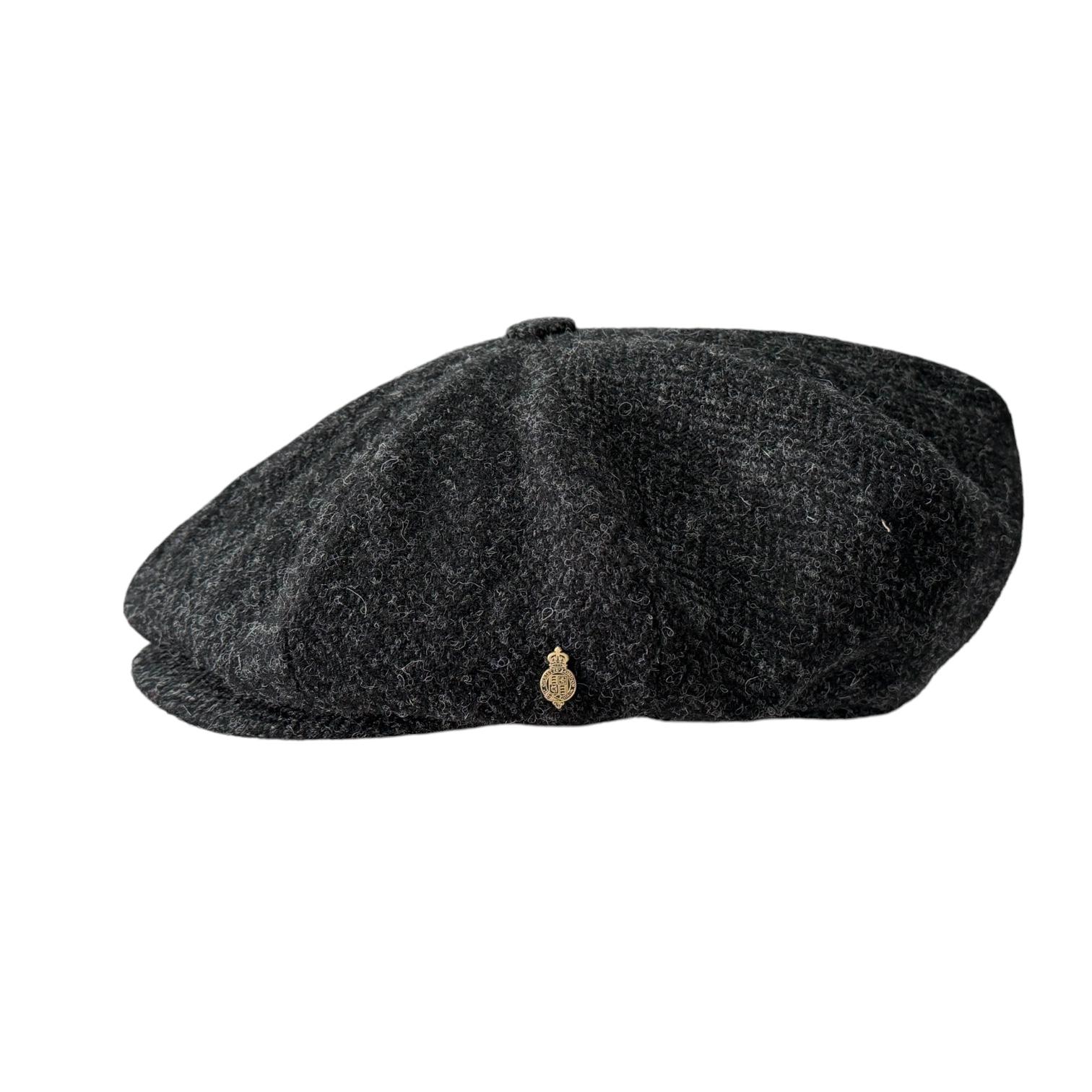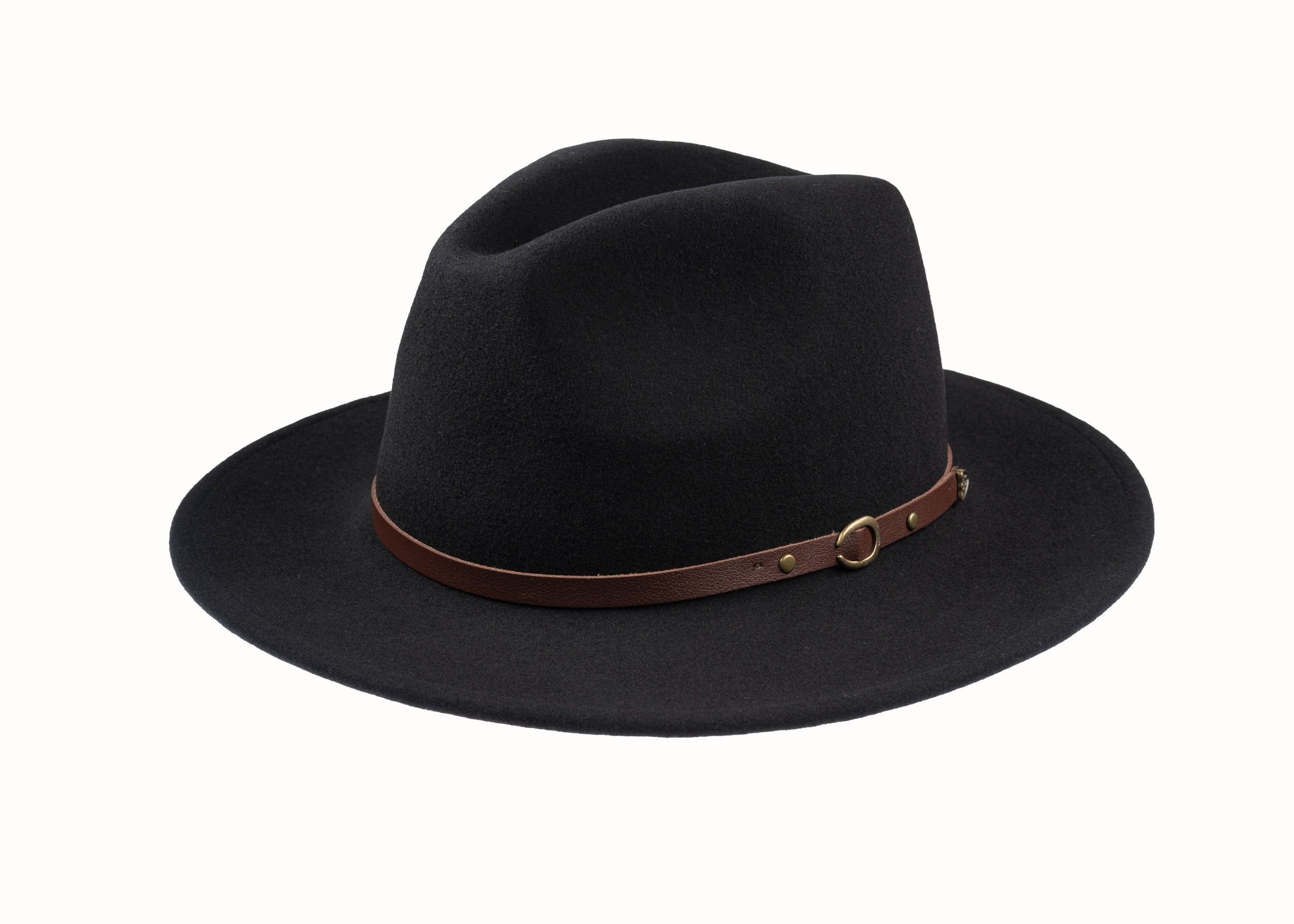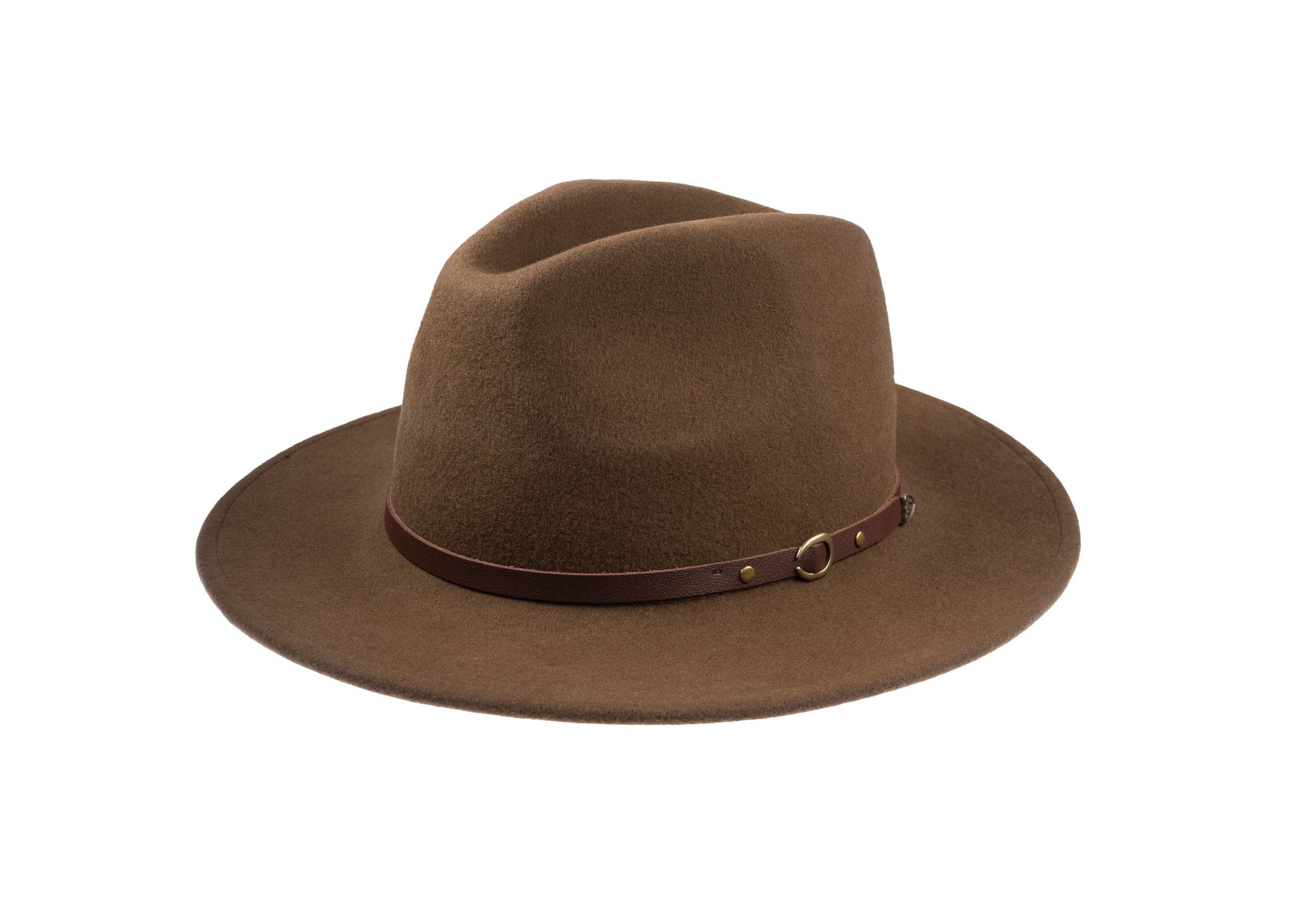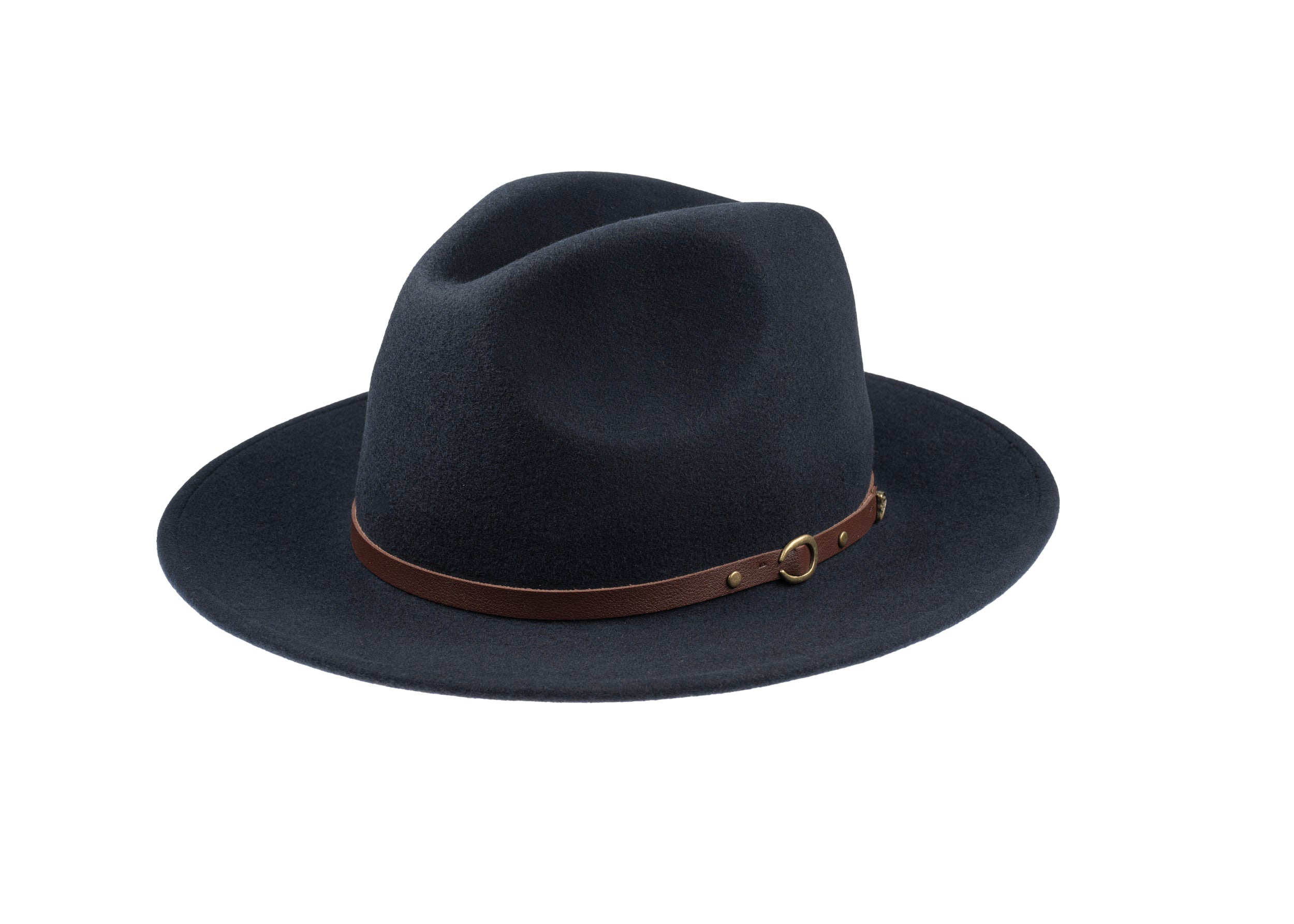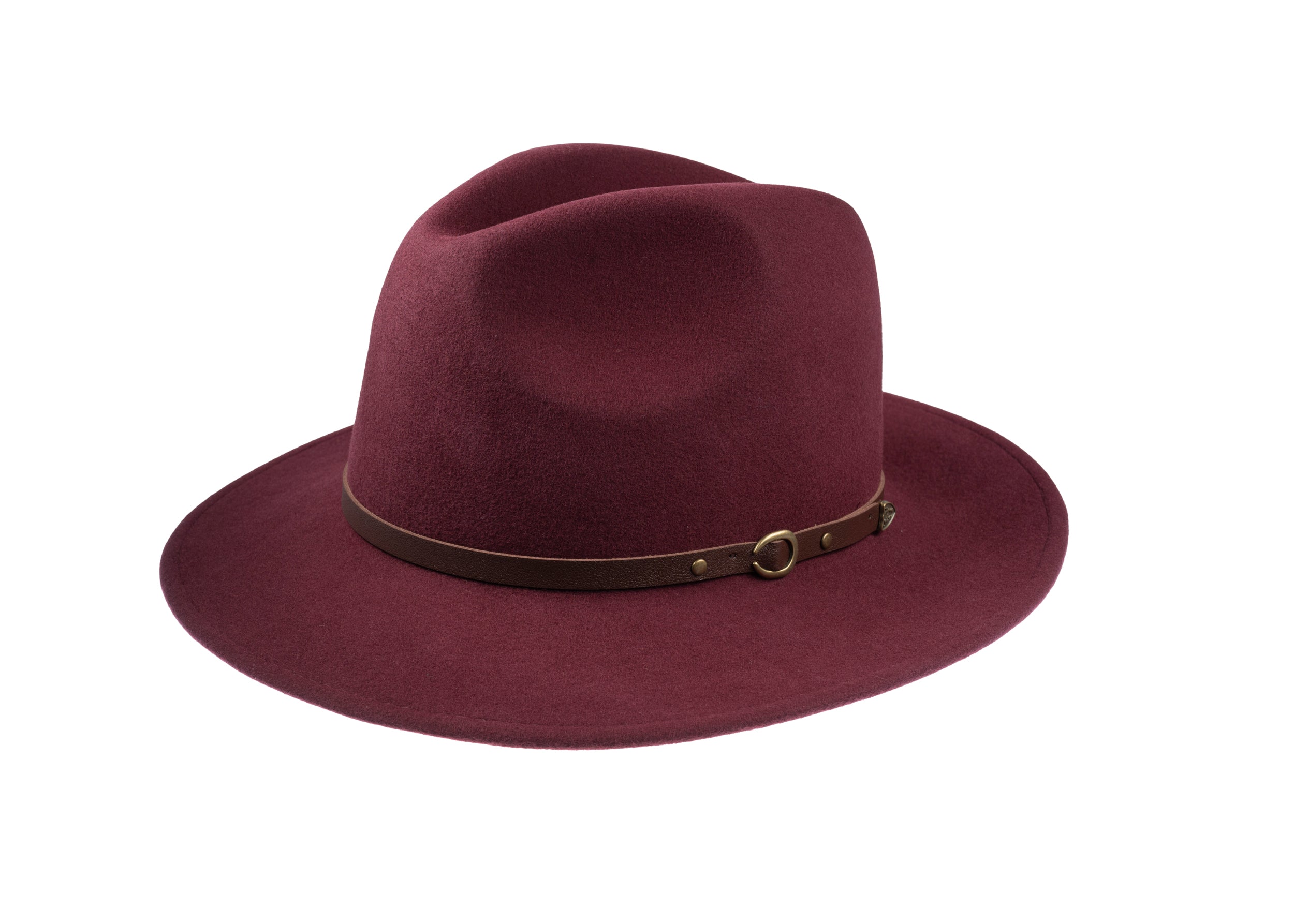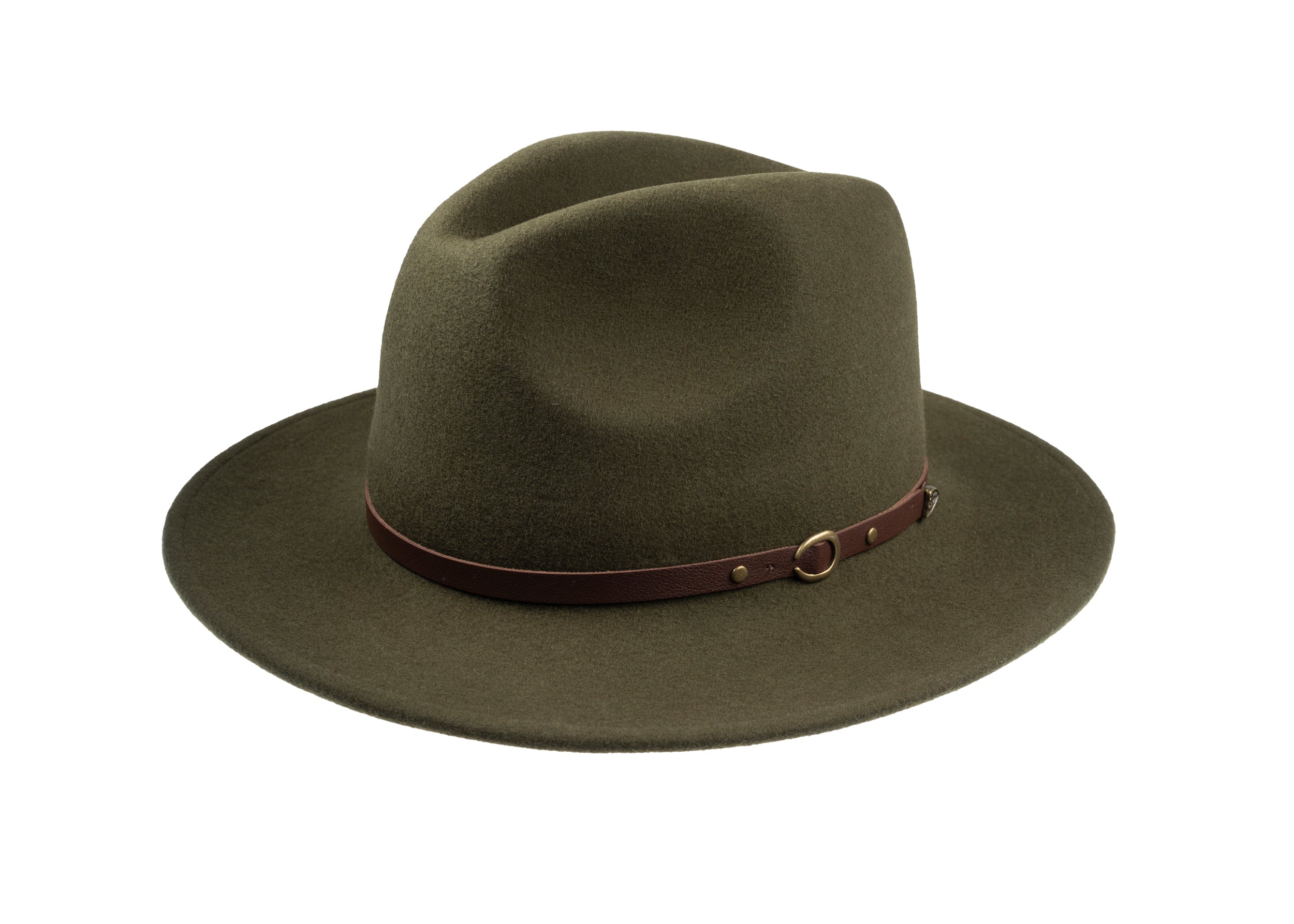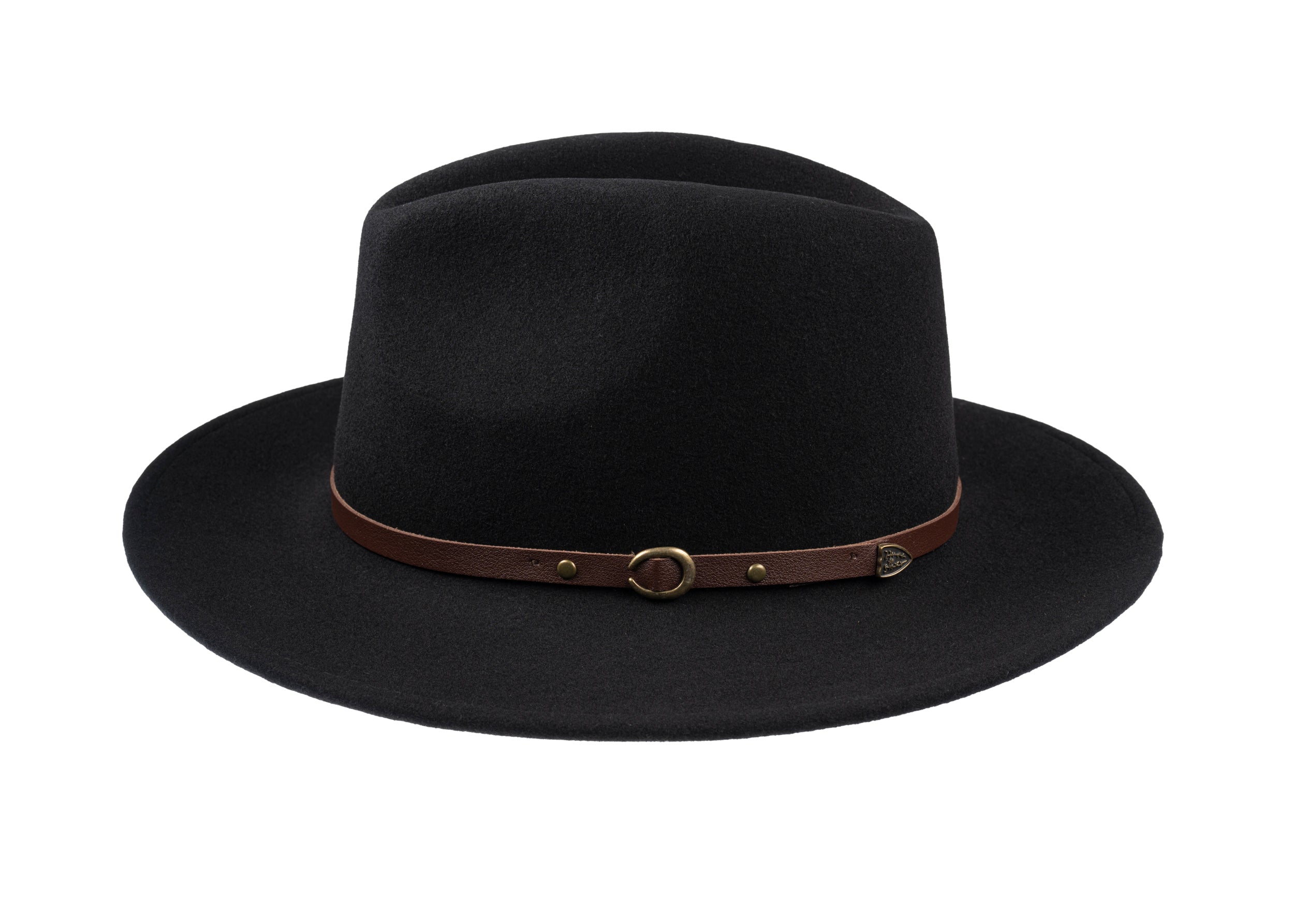



Selecting a hat for a wedding, race day, or similar British occasion can feel daunting. Silhouette, fabric, colour, and comfort each determine whether a hat complements an outfit or sits at odds with it. Where to begin?
This guide explains how to choose a hat that suits the occasion and dress code, respects your head shape and proportions, uses season-appropriate fabrics, and complements your colour and trim choices. It concludes with a brief checklist for comfort and weatherproofing, so you leave with a considered hat that sits with quiet confidence rather than one you find yourself constantly readjusting.

Choosing the proper hat for every occasion and dress code
Match the hat's scale and silhouette to the occasion and dress code. Structured shapes and wider brims balance tailored daywear at formal race meetings such as Royal Ascot, while softer, less rigid forms sit more naturally at relaxed garden parties or outdoor concerts. Consider proportions: narrower brims and taller crowns generally suit smaller features, whereas wider brims flatter longer faces and provide useful sun protection. Take full-length and seated photographs to see how a hat reads in group shots, and try hats on while walking and sitting to ensure the brim does not obstruct your own view or those of companions.
Alongside scale and silhouette, prioritise materials and construction according to the climate and how long you expect to keep the hat. Straw and sinamay breathe in heat, making them suited to warm weather; wool felt and fur felt, shaped on the block, hold their form and provide insulation in cooler conditions. Brims with wired edges or sewn reinforcements resist gusts more reliably than unstructured brims. Inspect the lining, sweatband, and hand-stitching: neat, even stitches and a well-set sweatband are indicators of a piece that will wear gracefully over multiple occasions. Secure the hat with discreet combs, elastic loops, or millinery tape, and choose hairstyles that support the crown without adding bulk beneath. Before you commit, photograph the hat in daylight and in indoor light to see how colour, trim, and scale translate on camera, and avoid highly reflective trims that catch flash.

How to choose a hat silhouette for your head shape and proportions
Begin by observing your face and head shape. Oval faces suit most silhouettes; round faces gain verticality from higher or more angular crowns; long faces sit better with wider brims; square faces soften with rounded crowns and gently curved brims; and heart shapes favour medium brims that do not emphasise a narrow chin. Consider how a hat's proportions relate to your shoulders, neck length, and hair volume: a very large brim can overwhelm a petite frame, tall crowns sit out of proportion on a short neck, and an updo will carry differently to loose hair. Use brim width, crown height, and construction to sculpt perception: wider brims visually shorten a face, narrow brims elongate it, tall crowns add perceived height, and soft, floppy materials read as less imposing than stiff, structured forms. Finally, refine the effect by placement and angle, tilt forward to shorten the face, angle to one side for a flattering asymmetry, or centre for formality, and always check subtle changes in a mirror and from arm's length to judge balance with outfit and posture.
After assessing your head shape and proportions, perform a few practical fit checks. Leave a finger's breadth between brow and hat for comfortable clearance. Ensure the hat sits at your natural hairline unless you intend to style it otherwise. View the hat in natural light and photograph it from several angles. Compare the hat's scale with jacket lapels, necklines, and the overall silhouette so the ensemble reads as coherent. These measures help you choose construction and placement that emphasise presence or subdue it, rather than relying on colour alone.

How to choose fabrics that suit the season and setting
Consider fabric in relation to season and occasion. Open-weave Panama or sinamay straw allow air to circulate and keep the head cool at outdoor race days and garden parties, while wool felt or heavier silk insulate and present a smoother, more formal finish for cooler, indoor receptions. Assess weight, construction, and silhouette together. Stiffer weaves and buckram-backed shapes will hold a wide brim and resist wind; softer felts and silk sit closer to the head and drape, suiting seated concerts and refined receptions. Let the material's native behaviour determine whether a hat will stay put, frame the face, or require internal support.
Alongside outer materials, choose natural linings and cotton or leather sweatbands; they wick moisture, reduce slipping, and keep visible perspiration to a minimum during long days on your feet. For changeable weather, favour treated wools or tightly felted constructions that shed light rain and recover with a gentle steam. Avoid tightly bound straw, which can swell in humidity, and stow delicate weaves in a supportive hat box when travelling. Let the fabric's capabilities guide the choice of trims: attach heavier embroidery, beading, or buckles to robust bases, and reserve feathers and veiling for lightweight sinamay. Finally, select colours and textures that echo the fabrics of the outfit so the hat reads as a considered, intentional part of the look.
Seasonal fabric choices, care, and trim rules for hats
- Fabric-care and packing checklist: Refresh felt and treated wools with a steady steam and gentle reshaping, allow to dry on a supportive block or form; avoid soaking straw, blot moisture and let it dry naturally; stow open-weave Panama and sinamay in a roomy hat box with tissue support at crown and brim to preserve shape. Prioritise natural linings and cotton or leather sweatbands to wick moisture and reduce slipping during long days.
- Trim-and-attachment compatibility guide: Sew heavy beading and buckles to buckram-backed or tightly woven foundations, use small slipstitches or millinery pins for sinamay and Panama, and reserve adhesive for lightweight, non-structural trims. Attach feathers and veiling to lightweight bases so they sit without distorting the crown, and match trim weight to the hat’s construction to maintain balance.
- Event-and-microclimate decision matrix: Choose open-weave Panama or sinamay for summer races and garden parties to ventilate and keep the head cool; select buckram-backed shapes and stiffer weaves for windy coastal or outdoor venues to hold wide brims; pick tightly felted or water-treated wools for damp, changeable days because they shed light rain and recover with steaming; opt for heavy silk or dense felt for formal indoor ceremonies to present a smooth, refined finish.
- Construction and comfort priorities: Assess weight, weave, and silhouette together so the material’s native behaviour determines whether the hat frames the face, sits close, or needs internal support. Use internal bands, combs, or shaped buckram for stability at standing events, and allow the outfit’s fabric and colour to guide your choice, producing a coherent ensemble.

Match a hat's colour and trim to the rest of your outfit
Select one dominant colour in your outfit and a secondary, accent colour for the hat. Let the dominant colour ground the look and the accent link to accessories such as gloves, a bag, or a tie. For more contrast, choose complementary tones; for a calmer result, use analogous shades. Check combinations in natural light to avoid surprises. Match trim materials to the textures and metal tones you are wearing: satin ribbons with silk, grosgrain with structured tailoring. Align ribbon or buckle metal with your jewellery so gold sits with gold, and silver with silver. Consider finish as well as colour, since a matte straw reads casual beside linen, while a sheen ribbon reads more formal beside satin or polished leather.
Consider scale and proportion when choosing trim width and pattern. Fine florals or pinstripes favour narrow bands, whereas bold plaids or heavy tweeds suit wider hatbands and larger embellishments to maintain balance. Decide whether the hat will act as a focal point or as a linking piece, and limit colour repeats to two or three placements. Introduce a small echo of the hat colour in a boutonniere, scarf, or clutch. Step back, or photograph the whole outfit, to check the visual balance before you leave home.

Prioritise comfort, weather resistance, and simple care when choosing a hat
Fit matters more than any decorative detail. Try a hat both standing and seated, nodding and turning your head to reveal pressure points or slippage. Choose adjustable internal bands and soft cotton or suede sweatbands to manage moisture. Prefer a well blocked crown that sits evenly without tightness, and favour a lighter crown for prolonged wear so the hat does not pull. Practise securing the hat beforehand: discreet elastics, combs, and hat pins suit different hairstyles, while wired brims permit last-minute reshaping. A small rehearsal will prevent constant adjustments during long ceremonies and promenades.
Choose materials and construction that cope with changeable British weather. Wool felt and densely woven straw shed light rain; waxed cotton with taped seams resists heavier showers, and a finished underbrim keeps water from running into the face. A compact hat cover or an umbrella extends protection, and an appropriate waterproofing treatment helps natural fibres perform as intended. Choose surfaces that clean and maintain easily. Brushed felt responds to a soft brush, straw and sinamay wipe down with a damp cloth, and silk trims require careful spot cleaning. Store hats on a hat block or in a hat box to retain shape and avoid squashing styles that do not pack. Match brim width and profile to the activity and to your sightlines, and favour breathable, moisture-wicking linings for warm weather and insulated linings for cool, damp days. Use visible craft cues, such as even hand-stitching and a well-blocked shape, to judge durability; these are the details that reward closer inspection and point to a piece made to last.
In summary, begin by considering the occasion, the hat's silhouette, and its materials. Try the hat in motion and in photographs; both reveal scale and proportion that a static glance can miss. This confirms the hat complements your outfit, suits your proportions, and remains practical in changeable weather.
Revisit the checks on head shape, seasonal fabrics, colour and trim, and comfort when choosing. Deliberate selections, rather than impulse purchases, yield a piece that fits well, suits the season, and is worn with poise for the occasion.