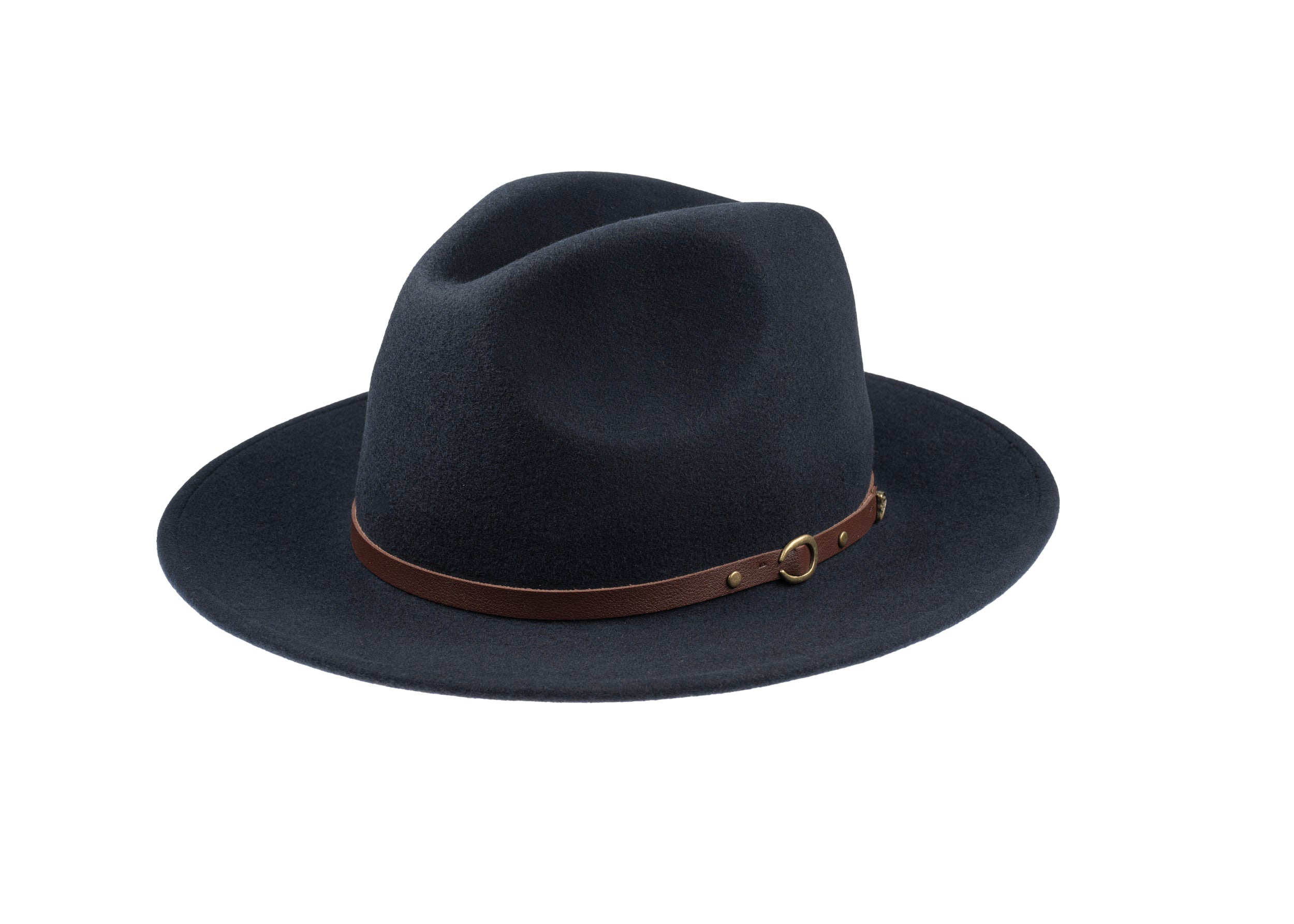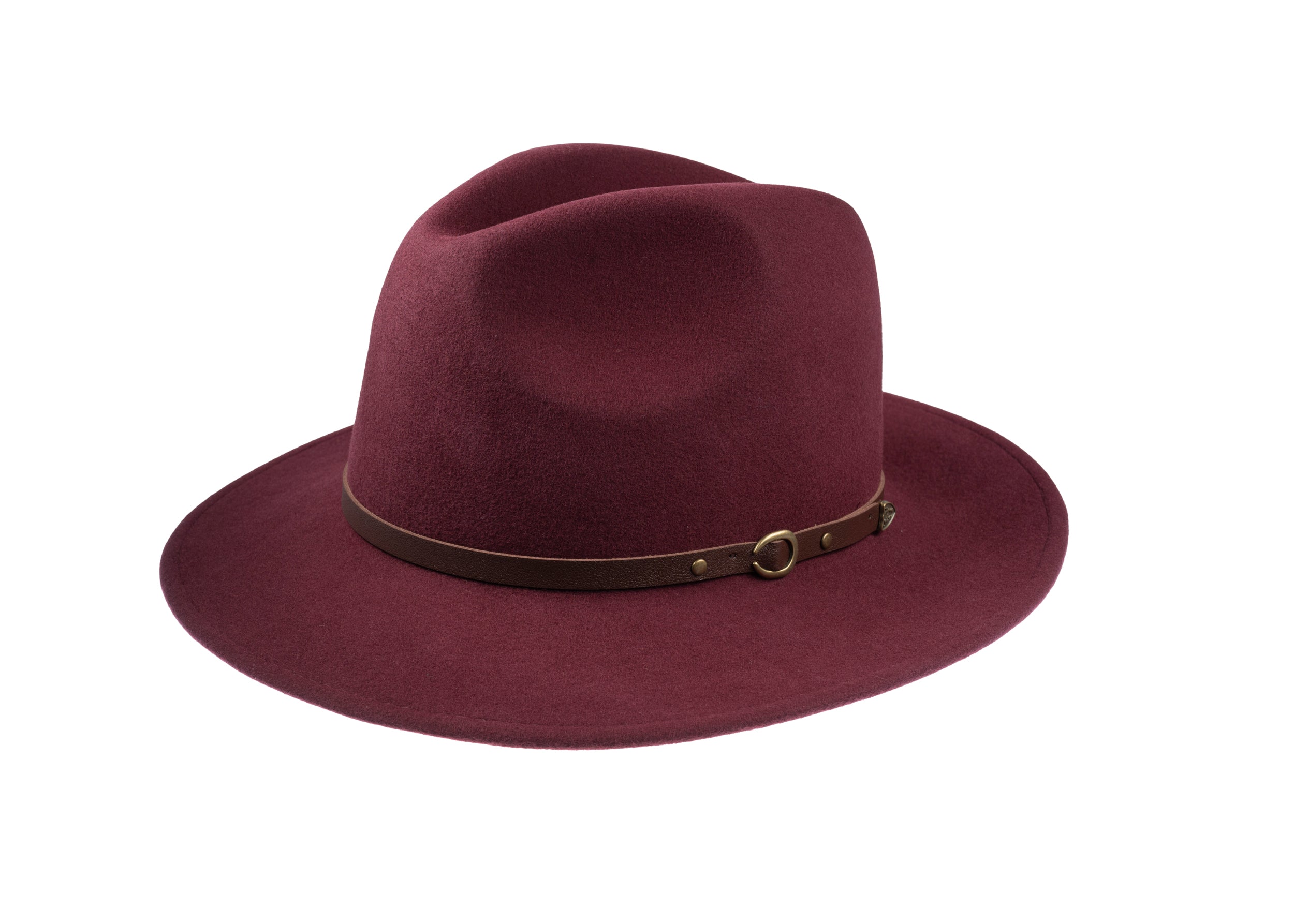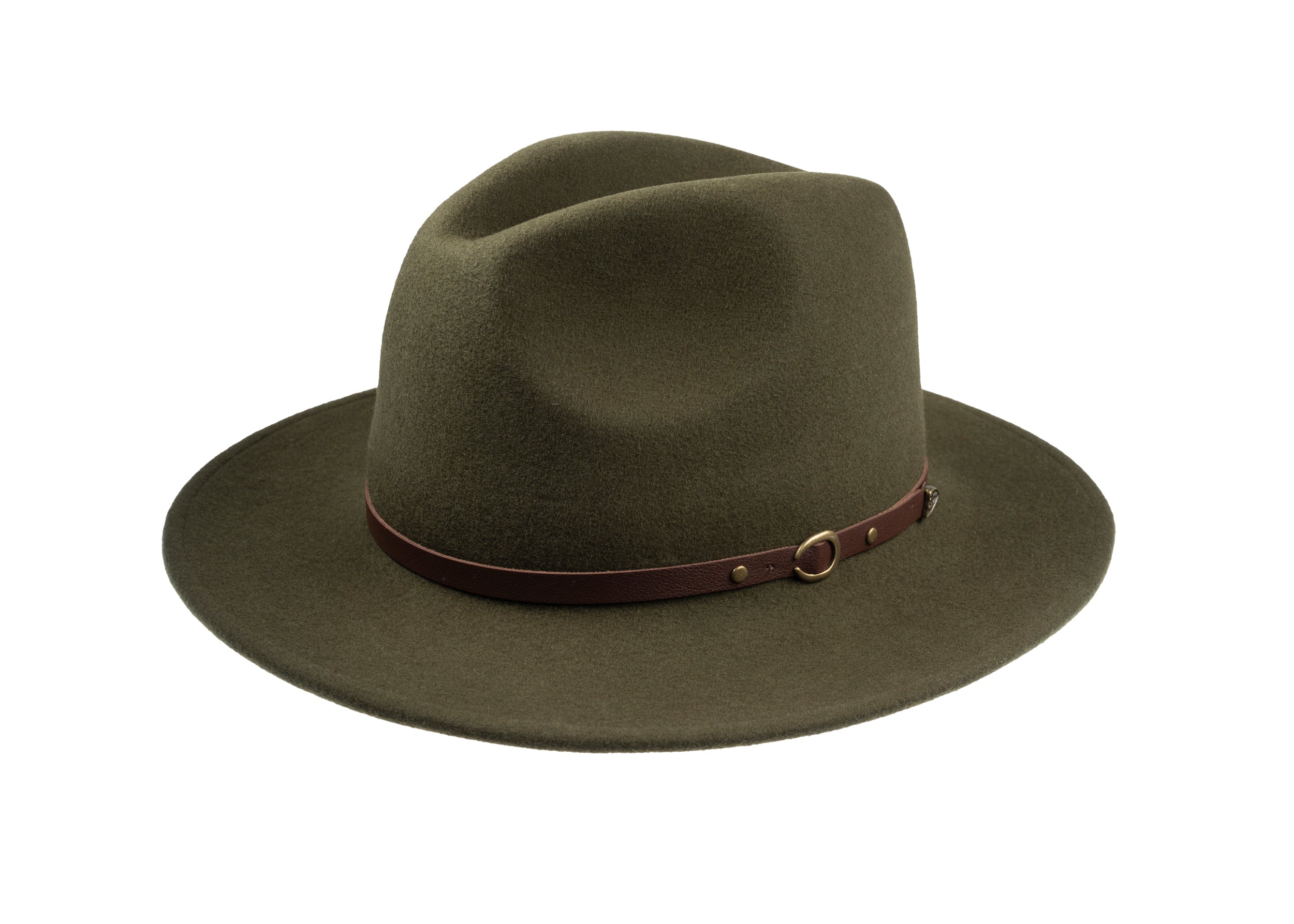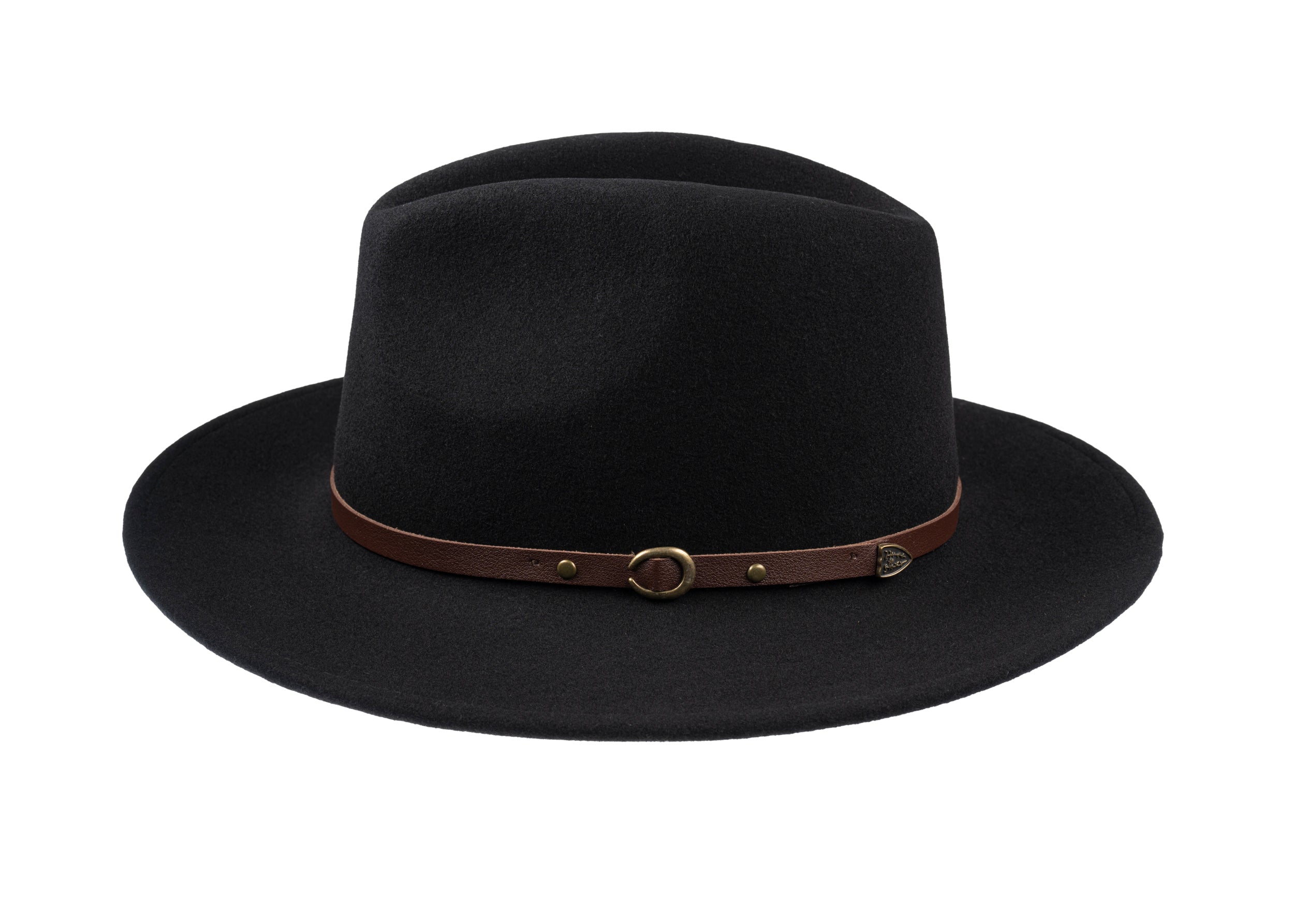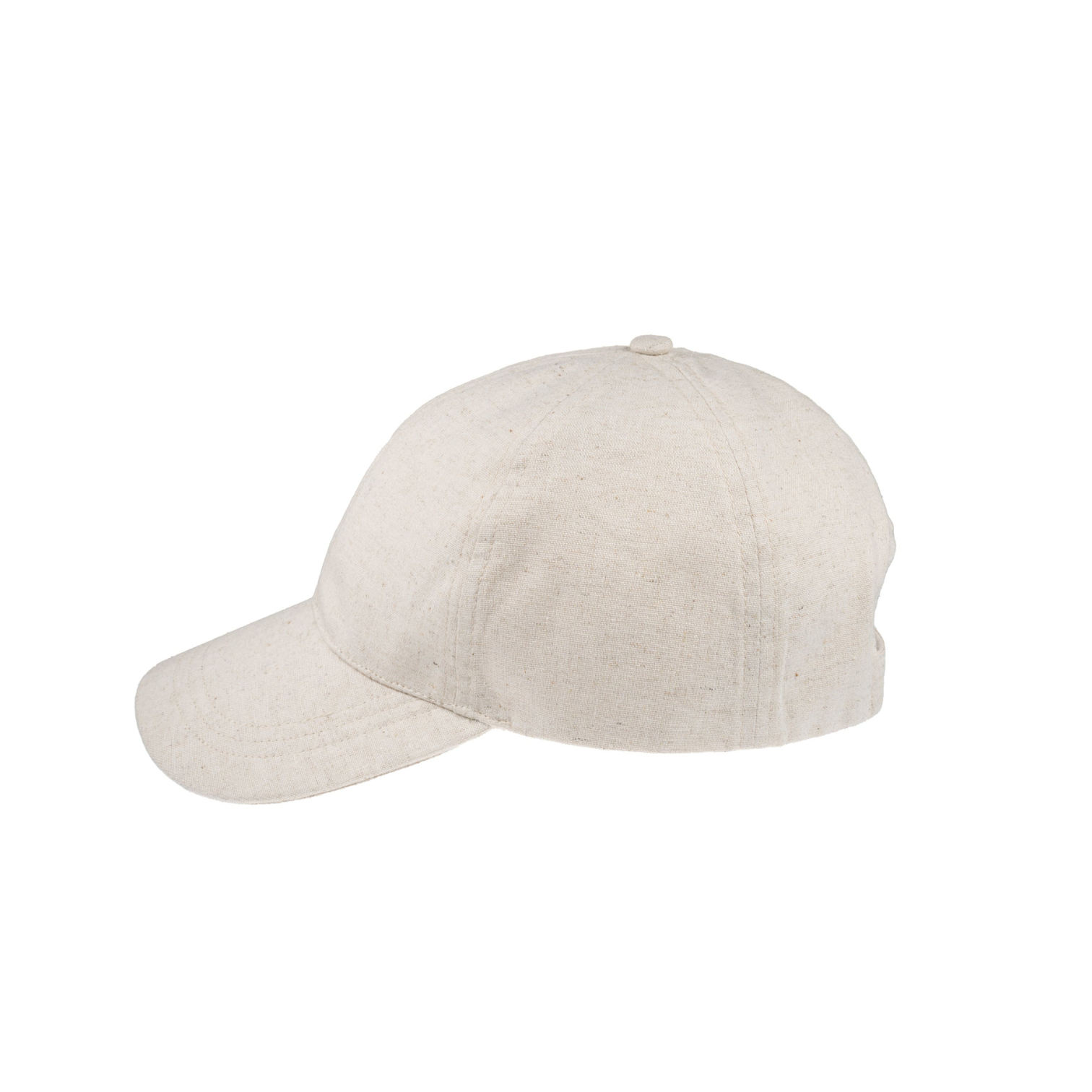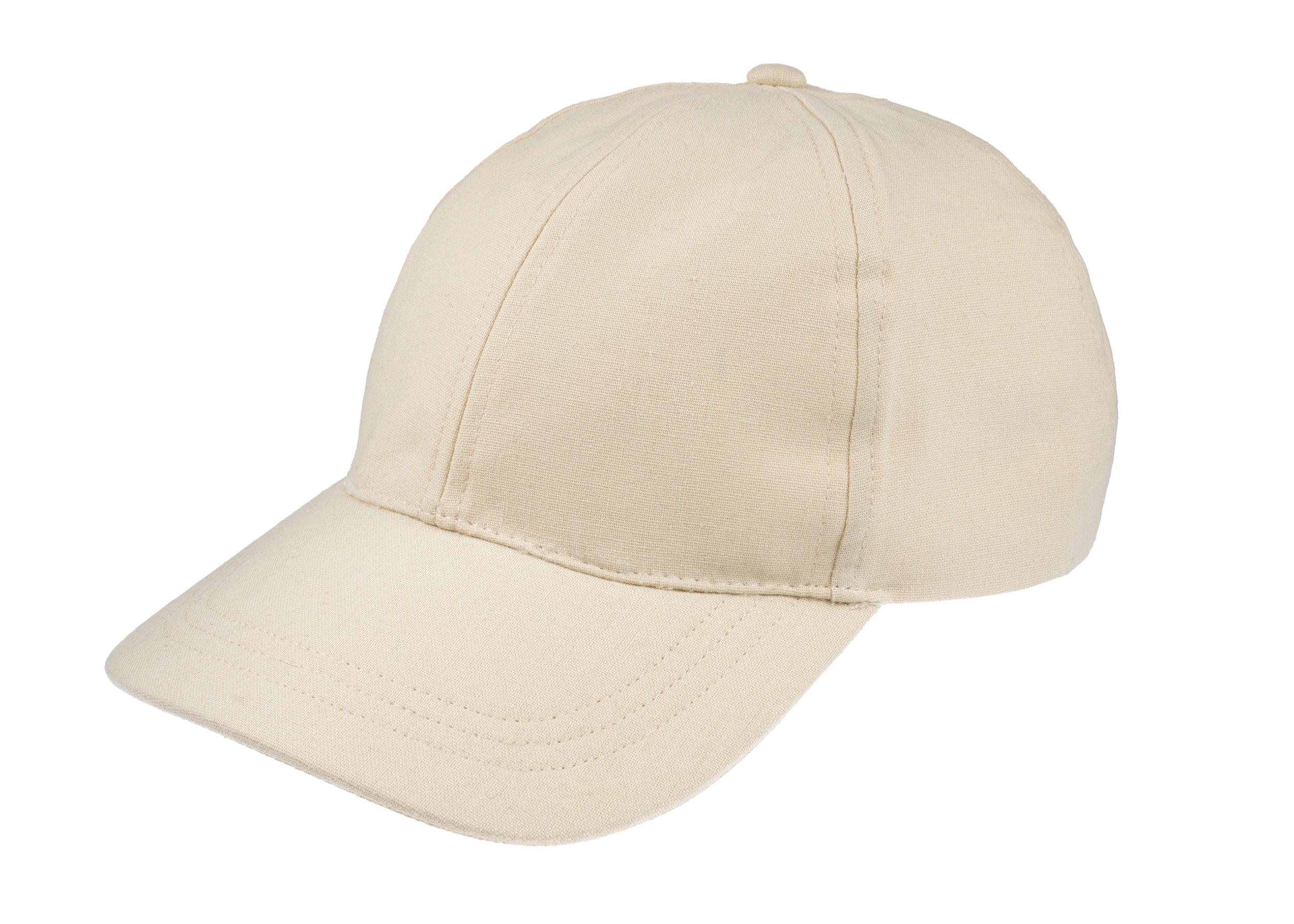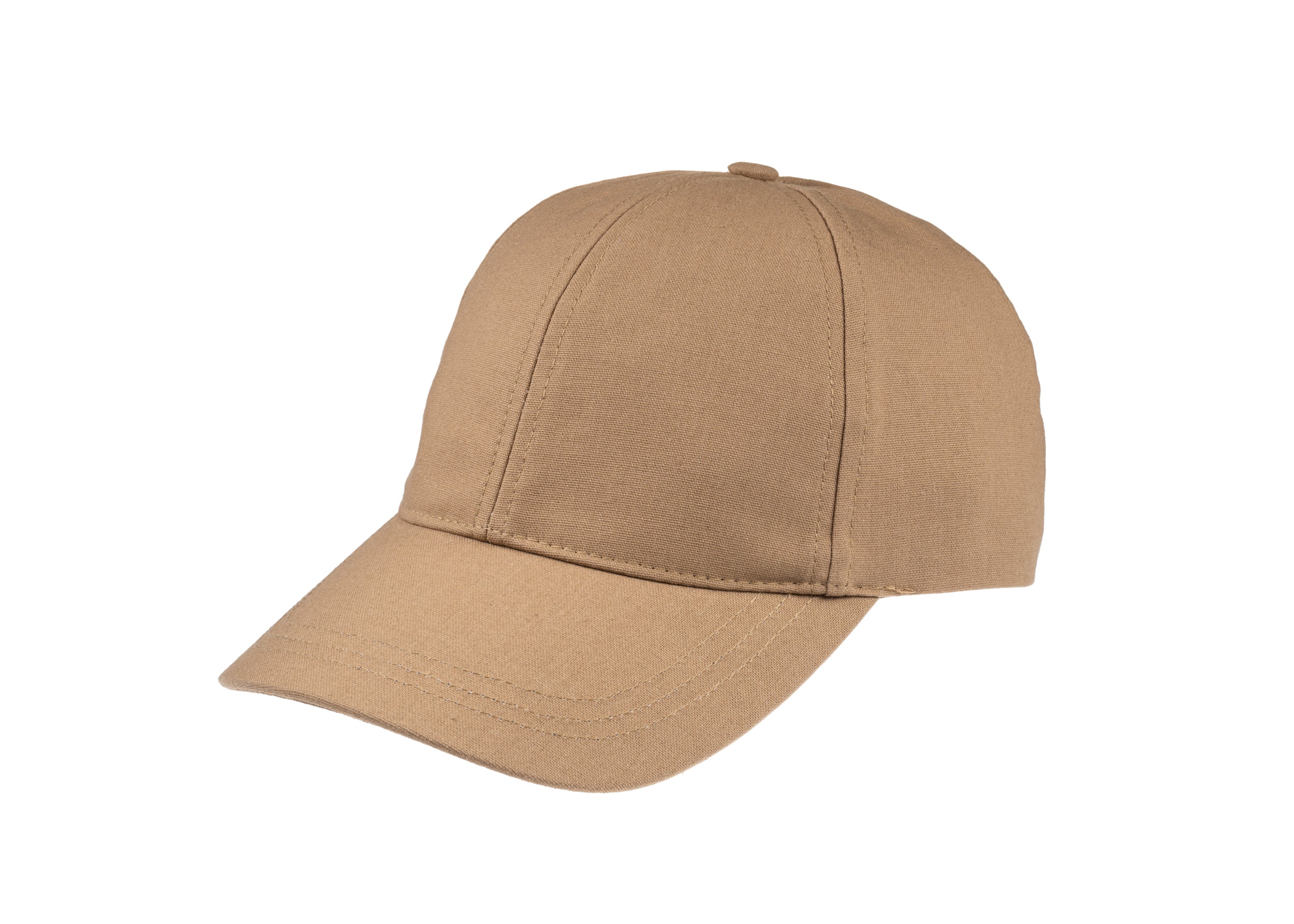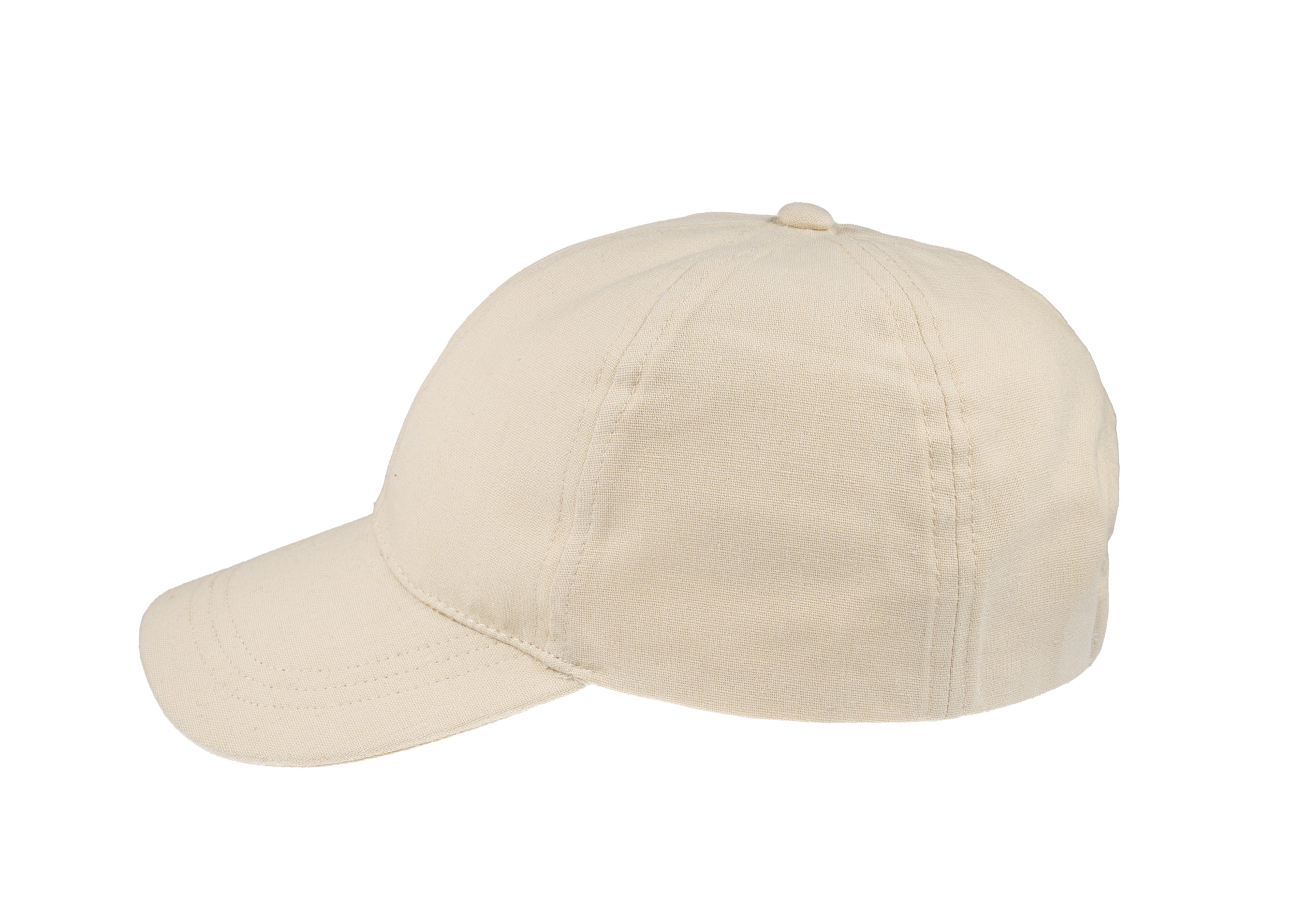




A cap that remains crisp for years begins with the right fabric. Many shoppers first notice colour or cut, yet it is fibres, weaves, and finishes that preserve a crown's shape, resist sagging, and endure the weather and repeated cleaning.
This guide explains how fibre and weave affect weight and stiffness, and how those choices influence weatherproofing, breathability, abrasion resistance, and compatibility with blocking and linings, so you can select fabrics that preserve a cap's structure. Practical checks and care tips follow to help you match fabric to occasion and expected longevity, ensuring your cap retains its profile through daily wear and special events.

1. How fabric shapes a cap and its wear over time
A cap’s capacity to retain its shape begins with the fabric’s structure: fibre type, yarn twist, fabric weight, and weave density together determine stiffness, memory, and resistance to deformation. Tightly woven constructions such as twill and canvas generally hold a crown and withstand repeated wear better than open knits, because their threads sit closely and resist movement. That baseline performance then interacts with the cap’s internal architecture. Interfacing, inner linings, layered or stitched brims, and considered seam placement can reinforce a softer textile, while thin, unlined shells show wear sooner. Inspecting the interior for these reinforcements offers a more reliable indication of likely longevity than labels alone, and is a detail that rewards closer inspection.
Beyond internal architecture, surface finishes and everyday wear change a hat's behaviour over time. Resin finishes, water repellents, and UV stabilisers increase rigidity and slow fibre breakdown, whereas softening finishes, sweat, humidity, and repeated crushing hasten loss of shape. Practical care extends useful life: after wearing, allow a hat to air, then reshape the crown gently; store hats on a block or with light tissue stuffing in the crown; and rotate your hats so wear is distributed. A few simple hands-on checks help predict long-term performance. Pinch the crown and release: if it springs back, the material has good memory. Flex the brim gently to assess stiffness. Rub a small, inconspicuous area to reveal early finish or pile wear. Together these tests let you judge future shape retention by sight and touch, revealing subtle cues that indicate how well the hat will keep its shape.
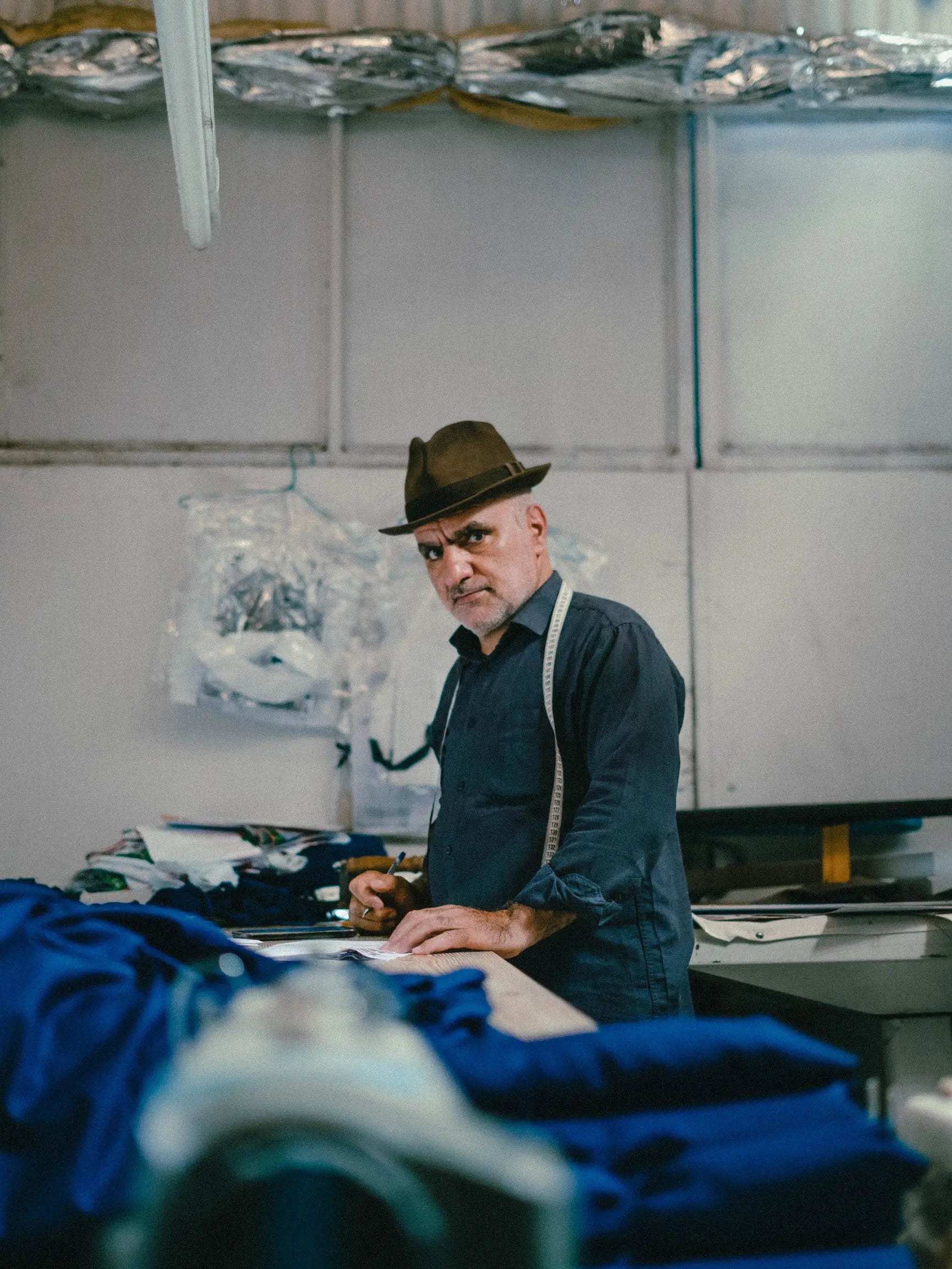
Blocked crown and full lining ensure lasting shape.

2. Match fibre and weave to a hat's structure and performance
Choose fibres for how they respond to structure. Wool keeps its spring because its natural crimp returns to shape after compression. Thermoplastic polyester holds a heat-set form, while cotton and linen absorb moisture and tend to relax. For the brim and upper crown, favour tight-weave constructions such as plain, twill, or canvas with high thread engagement, and reserve more open knits for ventilation panels or linings. To balance stiffness and wearer comfort, use a heavier outer cloth or an internal interlining at the front crown and brim, paired with a lighter lining and a soft sweatband.
Use blended fibres and minimal, reversible sizing to combine the shape-retaining virtue of thermoplastic memory with a natural hand, but reserve heat-setting and heavy sizing for genuinely necessary areas. Both processes tend to stiffen fibres and close material porosity, which reduces breathability and flexibility. Orient low-stretch yarns front to back, avoid unstable bias cuts that can distort under load, and place seams so they carry the principal forces. Add stay tape, canvas headbands, or reinforcement stitches only at stress points to prevent bagging without adding unnecessary weight. Together, these choices allow you to specify a cap that resists deformation while remaining comfortable where it meets the head.
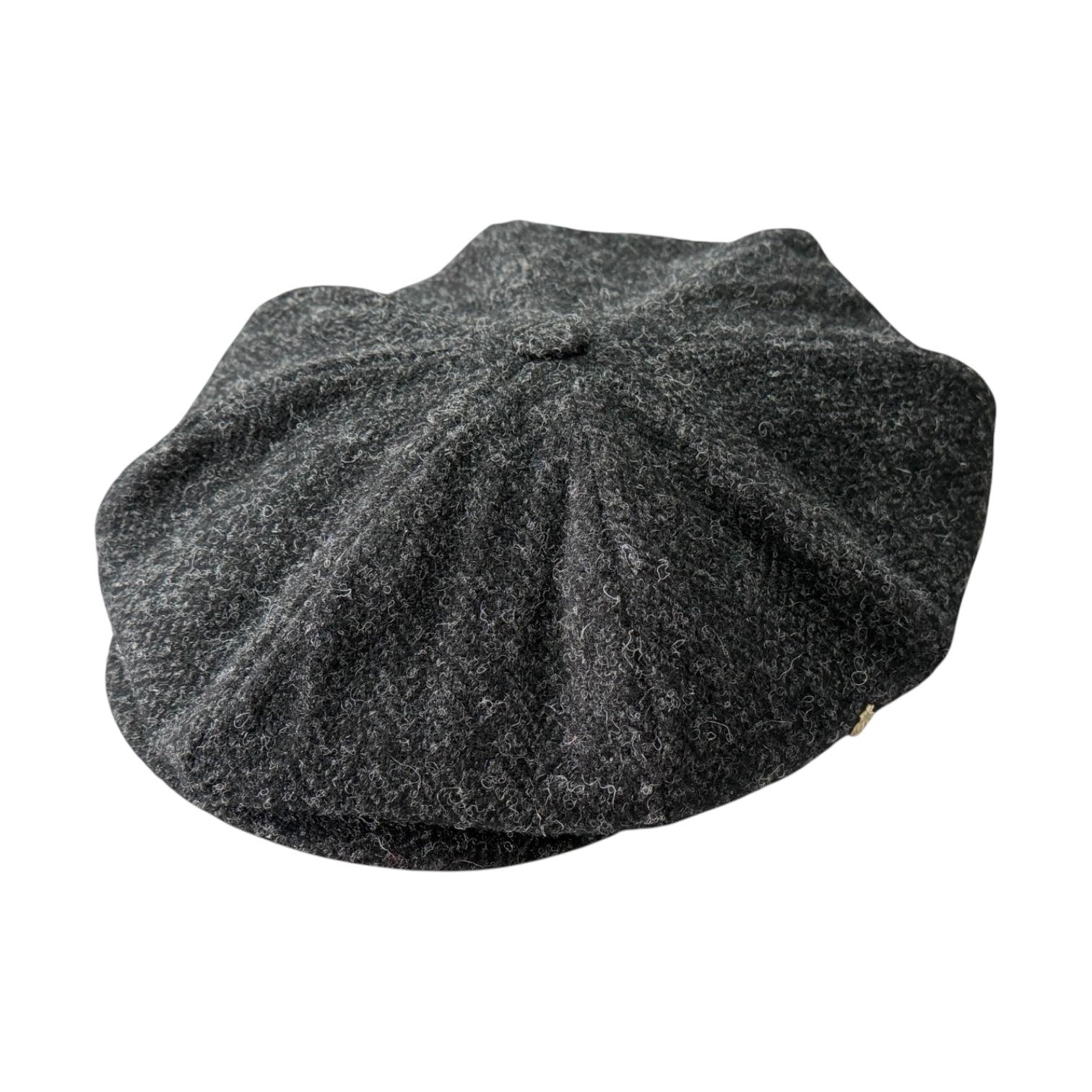
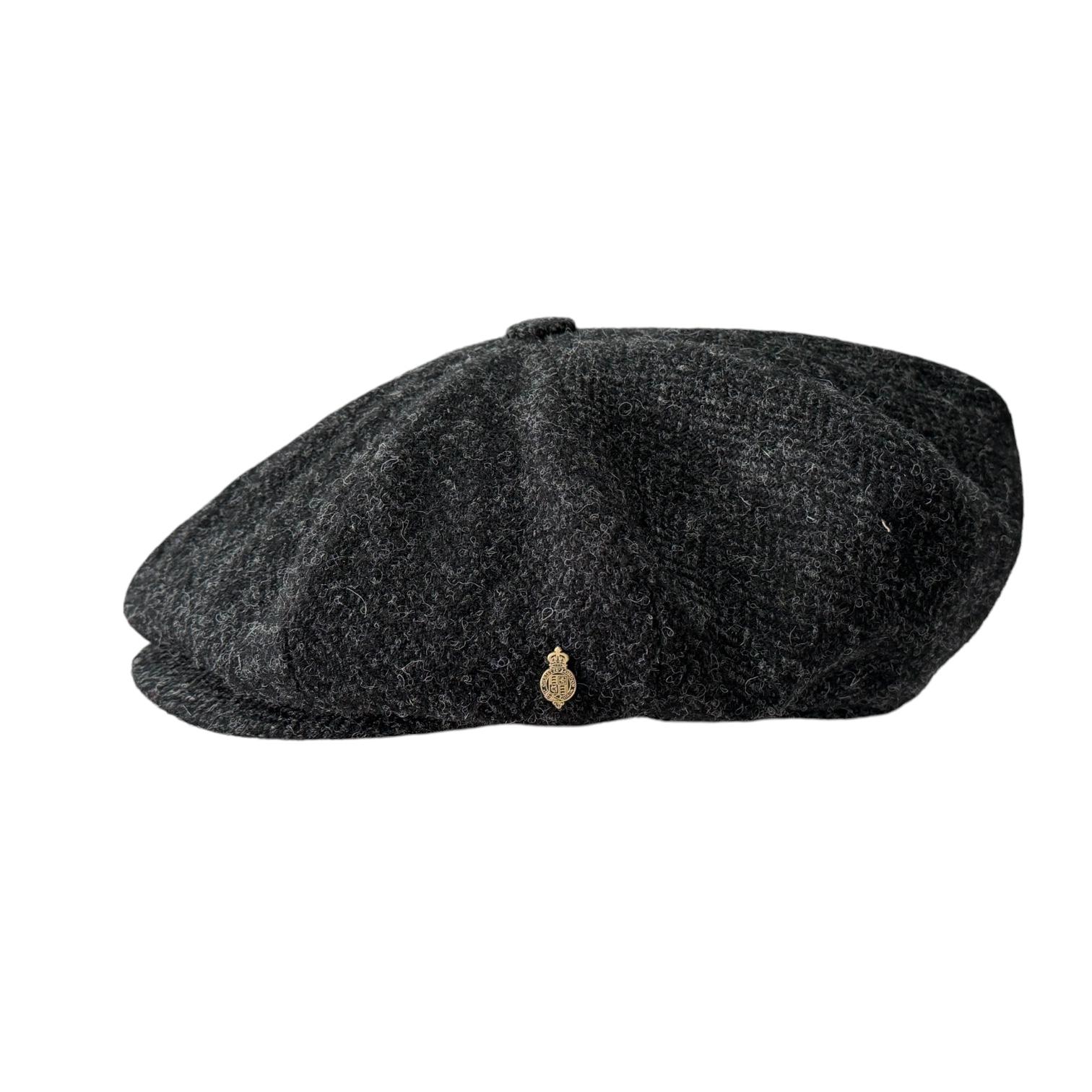
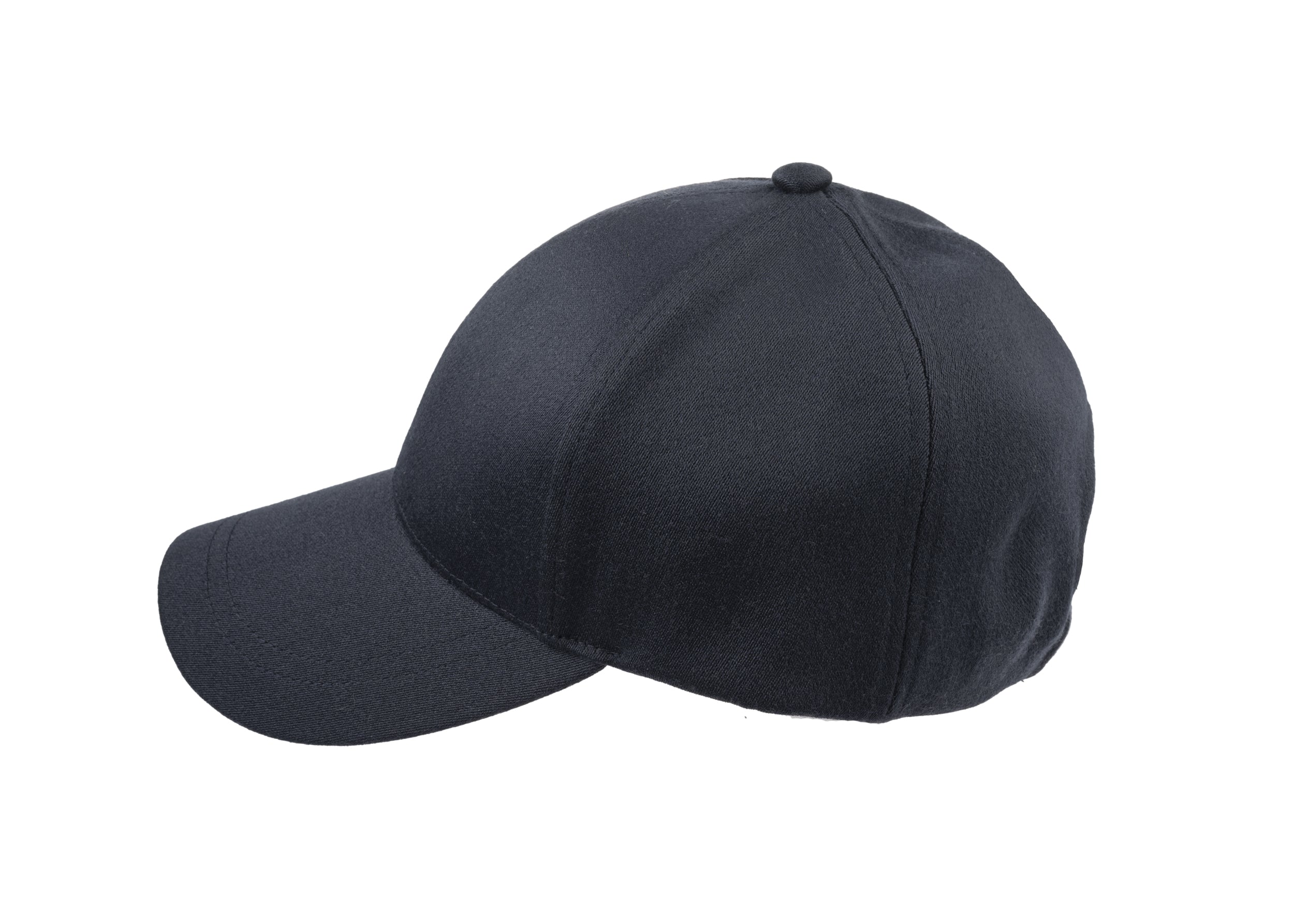
Select a heavily blocked wool construction for lasting crown geometry.

3. Choose weight and stiffness to ensure lasting hold
Fabric weight, usually given in grams per square metre (GSM) or described as light, medium, or heavy, helps determine how readily a material will crease or deform. Higher GSM fabrics with tighter weaves resist creasing because their fibres and weave structure spread stress and hold contours. When shape retention matters, favour denser wool felts, canvas, or heavy twills, as these materials maintain form by design. Stiffness arises from the fibre, the weave, and any internal stiffeners, so wool will generally feel firmer than cotton, and a tight weave will spring back more readily. When assessing a hat in person, perform a simple bend test: flex the crown or peak and note how quickly it returns to shape. A rapid recovery indicates stronger long-term hold, while slower recovery suggests the piece will soften and lose contour with wear. This aspect becomes evident when you handle the hat.
Beyond fabric weight, construction determines how a cap will wear. Sewn-in canvas, buckram crown inserts, and fused interlinings provide internal support, distributing load and helping the crown resist collapse after repeated wear. To preserve that stiffness, avoid machine washing; prefer dry-cleaning or careful spot-cleaning. When a cap becomes wet or you reshape it with steam, form it on a head or on a rolled towel and let it dry away from prolonged humidity and direct sunlight, both of which soften fibres and break down sizing. For formal occasions or rugged outdoor use, choose heavier, stiffer constructions; when packability matters more than rigid retention, favour lighter, more compressible fabrics.
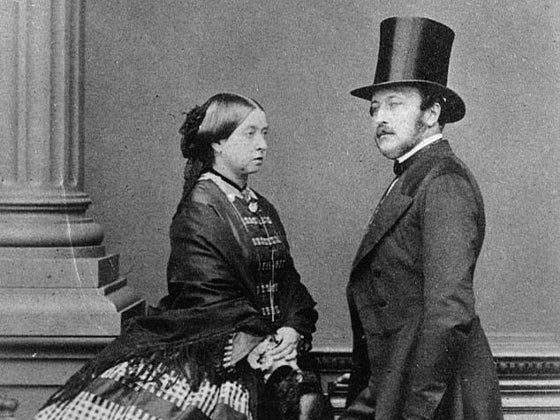
Add soft inserts to restore a snug, true fit.

4. Choose weatherproof fabrics that manage moisture while remaining breathable
Moisture deforms a cap because fibres swell and lose stiffness when soaked. Repeated wetting relaxes stitching and seams, and saturated sweatbands can allow crowns and brims to collapse. Untreated natural fibres soften readily; by contrast, durable water-repellent coatings make water bead and run off, waxed cotton creates a sacrificial outer layer that can be reproofed, and laminated membranes or coated nylon and polyester block liquid water while permitting vapour to escape. Laboratory tests and maker reports indicate that laminated or coated textiles, and well-maintained waxed finishes, preserve a cap's structure best under repeated exposure.
Look for construction details that protect a hat’s shape: sealed or taped seams, a water-resistant internal stiffener in the crown and brim, a moisture-wicking sweatband to prevent saturation, and ventilation panels or mesh that preserve airflow without allowing rain to pool on the fabric. After use, brush off grit and salt; reproof the durable water repellent finish, or apply a suitable wax, once water no longer beads. Reshape damp hats on a hat form or a rolled towel and air-dry them away from direct heat, and avoid tumble drying or folding the brim for storage. Fully waterproof membranes will exclude heavy rain, but they tend to trap sweat and hasten internal saturation. By contrast, breathable, water-resistant fabrics shed light rain while permitting vapour to escape, so match material and finish to your typical activity level and climate. These are the details that reward closer inspection.
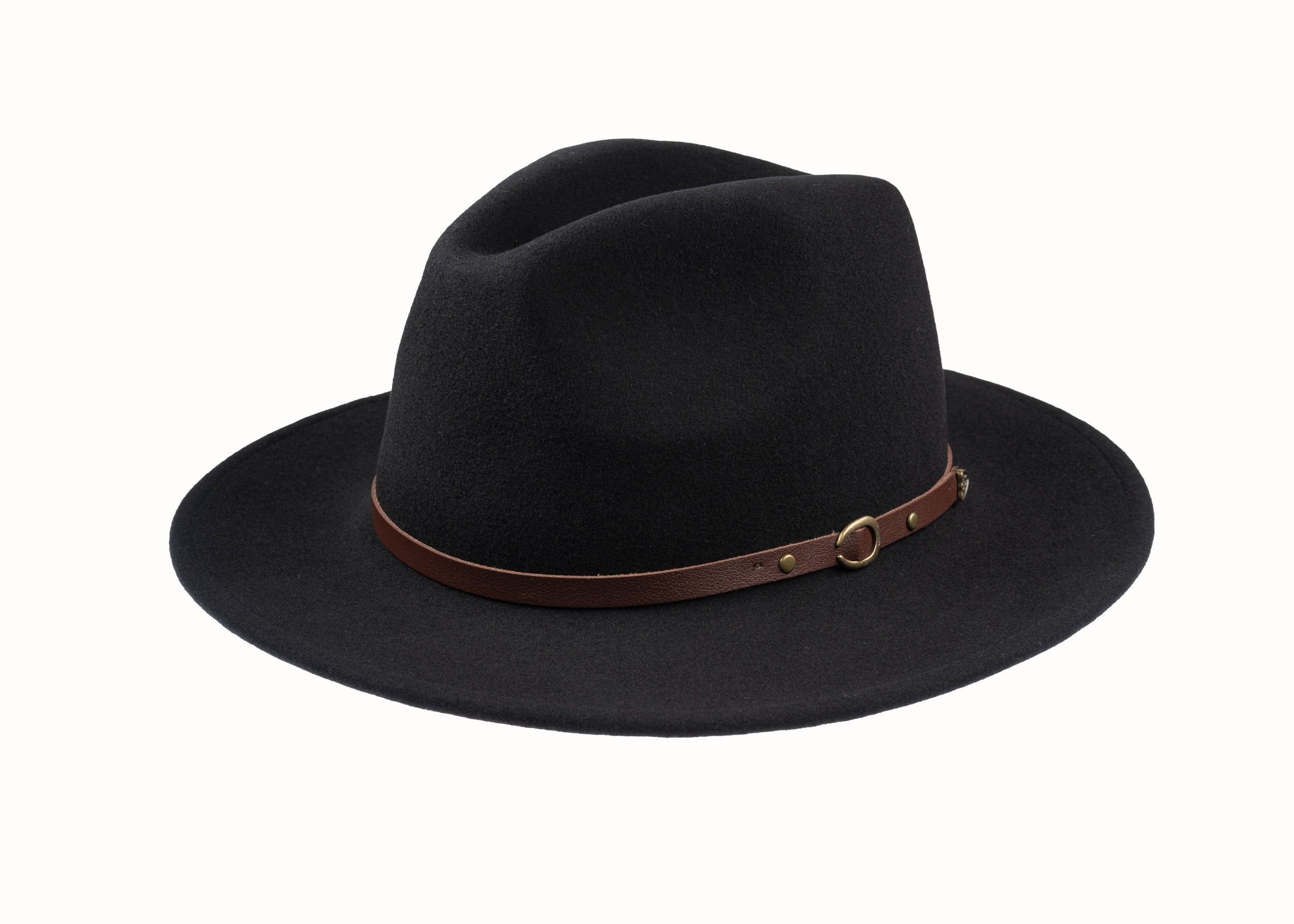
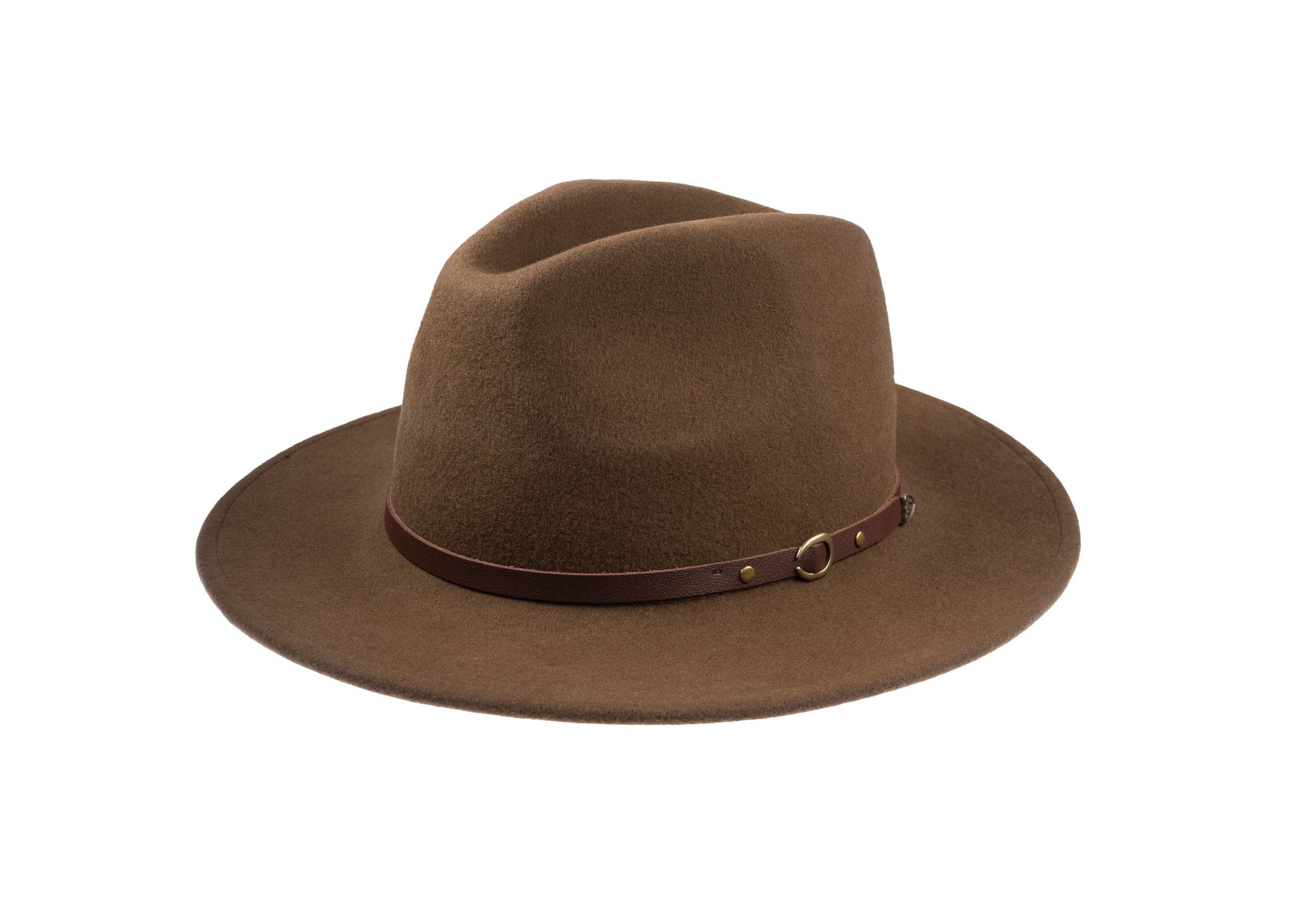
Sheds rain and packs easily for long days outside

5. Balance breathability with warmth for comfort across seasons
Open weaves, such as linen and lightweight cotton, allow rapid air exchange and thus cool the head. By contrast, crimped wool fibres trap tiny pockets of air and retain loft, so a wool crown keeps its shape and some warmth even when damp. Weight and weave both affect a cap's profile: medium-weight constructions provide enough body to hold a defined crown while still permitting ventilation. For a year-round cap, favour fabrics that combine modest loft with breathable yarns so the piece maintains a neat profile across seasons.
Subtle construction choices manage heat without compromising shape. Stitched eyelets or fine mesh panels allow warm air to escape, a firm internal sweatband steadies the brim and crown, and a partial lining keeps the outer shell clear of direct perspiration. Blended yarns commonly marry a resilient core with a breathable sheath, while finishes such as moisture-wicking treatments or mercerisation improve capillarity so the fabric draws moisture and dries more quickly, and holds its tension. Care prolongs both breathability and structure: launder gently in cool water or on a delicate cycle, blot excess moisture, then reshape the crown on a rounded form while damp, and air dry away from direct heat. Match the cloth to the occasion: linen or lightweight cotton for warm garden gatherings, midweight wool blends or brushed cotton for blustery country pursuits, and hybrid constructions for travel or mixed conditions.
Wear a wool–linen blend for breathable structure.

6. Choose abrasion-resistant, low-pilling fibres
Long-staple natural fibres and continuous-filament yarns leave fewer loose fibre ends, so the cloth pills less and keeps a smoother, more structured surface. High-tenacity synthetics resist fibre breakage and limit the microscopic abrasion that erodes shape. Tight weaves, worsted-spun yarns, and low-twist, continuous filaments move less against one another, which reduces abrasion points. A simple test will indicate performance: rub a sample between thumb and forefinger. If the fibres do not rise, the fabric is likely to pill less and wear more slowly. Such construction choices favour a cap that maintains its lines through repeated wear.
Blends that pair a long-staple natural fibre with a continuous-filament synthetic often deliver breathability, a softer hand, and better shape retention. Expect trade-offs: added synthetics can change how the fabric feels and how it manages moisture, so assess samples by touch and in the conditions you would wear them. Surface treatments such as anti-pilling finishes, singeing, and compacting remove or bind loose fibres and reduce bobbling, but they can stiffen the material and reduce ventilation. Handle treated samples before deciding to gauge the hand and breathability for yourself. To prolong shape in daily use, minimise abrasive contact and rotate caps to even wear. Launder gently in a mesh bag, air-dry and reshape on a form, and remove pills with a fabric shaver or a fine comb to restore appearance without compromising structure.
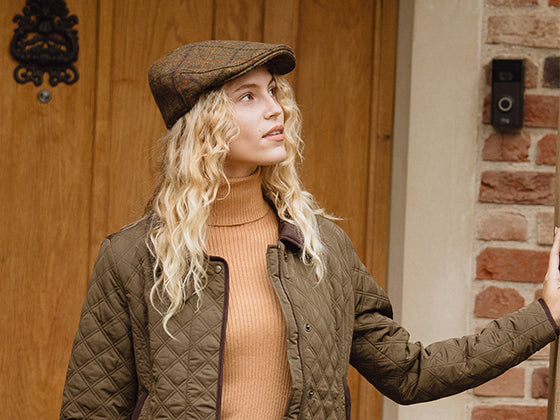
Opt for a handwoven tweed to retain shape longer

7. Choose fabrics that take blocking and retain their shape
When a fabric "takes blocking" it responds to humidity and heat: the fibres rearrange, then lock as they dry. This is most apparent in wool felt and tightly woven cotton, where surface scales or fibre swelling permit the change. To test at home, steam a small scrap, ease it over a rounded form, and observe whether it retains curvature once cool and dry. A basic blocking routine, requiring no specialist kit, evens moisture, introduces steam at a safe distance, eases the cap onto a wooden or ceramic block that matches the crown, and shapes the brim against a flat board. Allow the piece to dry thoroughly, then finish with a light brush or a gentle press to sharpen the edges.
To ensure a blocked shape lasts, inspect the construction: a dense, even weave, a visible interlining of canvas behind the crown, and stitched panels with reinforcing tapes indicate a cap that will resist creep and recover its shape after wear. Maintain the blocked shape by storing caps on a small stand or by filling crowns with tissue. Refresh with a light steam rather than heavy washing, and reblock only after significant wetting. Proper storage and occasional gentle reworking restore the set without altering the fabric's character. Choose stiff felt or heavy canvas for a crisp profile at formal occasions, or for regular wear when a firmer shape matters. Opt for midweight twill when you need structure, breathability, and packability for travel. Match fabric density and inner reinforcement to the cap's intended use: denser materials and canvas interlinings suit sustained wear and frequent handling, while lighter constructions favour comfort and ease of packing.

8. Reinforce a hat's shape with considered lining and interlining
Interlinings determine how a hat will hold its shape. Buckram bonds to the outer fabric to form a rigid shell, well suited to a stiff peak. Horsehair canvas lends spring and resilience, which favours a rounded crown. Open-cell foam and woven fusible interfacings trade softness for ease of application and a smoother finish. Match lining to outer fabric with moisture and repeated flexing in mind: some canvases will soften or delaminate, and foams will compress over time. Reinforce the peak and front panels to preserve long-term shape memory, ease lighter interlinings into a curved crown to avoid puckering, and line the sweatband to shield the structure from body moisture. Where a sew-in canvas is used, visible or pad-stitching will lock it into the shaped crown and maintain curvature without relying solely on adhesives.
Complementing interlinings, choose lining fabrics that protect both the hat's shape and the wearer. Absorbent cotton twill or gabardine manages perspiration and resists abrasion. Technical mesh preserves ventilation while allowing the interlining to breathe. Slick satin reduces friction between outer fabric and interlining, which slows wear at stress points. Assess resilience by pressing the crown or brim gently and watching how quickly the material rebounds. A slow or absent return usually indicates the interlining has lost structure. When reshaping, use steam and low-pressure hand moulding rather than high heat, which can set distortions. If the interlining has degraded, remove the lining and replace it with a new sew-in canvas or a peak patch. For extensive internal damage, consult a bespoke hatter for restoration. These measures prolong a hat's life and preserve the subtle features revealed through attentive handling.
Use foam inserts to restore a snug, non-distorting fit.

9. Protect a cap's shape with proper cleaning and storage
Treat cap materials according to their construction. For cotton and synthetic blends, use a soft-bristled brush or a mild detergent applied sparingly, taking care not to saturate the fabric. For wool felt, prefer a specialist brush or a gentle dry-cleaning service. For leather, wipe with a lightly damp cloth and, when required, apply a small amount of specialist leather conditioner. Keep straw caps dusted and dry. Avoid machine washing and prolonged soaking, because agitation and saturation weaken interlinings and adhesives, and do not expose caps to direct heat or strong sunlight, as glues can soften and fibres may shrink. After spot-cleaning, blot excess moisture, insert a hat form or a rolled towel to restore the crown, reshape the brim with gentle pressure, and allow the cap to dry naturally in a shaded, well-ventilated place.
After cleaning and reshaping, store caps with the crown uppermost, either on open shelves or in breathable boxes. Fill crowns with acid-free tissue or a soft cloth to preserve their profile, and use a low-moisture sachet to control humidity during long-term storage. Rotate pieces occasionally to prevent flat spots, and avoid stacking heavy items on top. Manage perspiration with removable liners or by gently wiping interiors after wear; blot stains promptly with a mild detergent solution, and allow linings and sweatbands to dry fully before returning a cap to storage. When travelling, pack a cap crown-first among soft clothing. Inspect seams, stitching, and brim stiffeners regularly, and attend to small repairs (re-stitching or replacing a warped stiffener by a hatmaker) before they become larger structural issues.

10. Match fabric to occasion, function, and expected longevity
Choose fabric according to how often and where you wear the cap. For daily use, favour tightly woven canvases or polyester blends: a close plain weave locks yarns in place, so the crown and peak retain their shape far longer than with loose or open weaves. In humid or coastal conditions, prefer quick-drying, mould-resistant fibres. For prolonged sun exposure, select fibres and dyes with proven colourfastness and UV resistance, since repeated moisture and ultraviolet exposure weakens yarns and can distort structure. Factor maintenance into your decision. Fabrics that tolerate the cleaning method you will actually use, whether low-heat reshaping at home or specialist cleaning, respond better to regular care than those that shrink, pill, or relax when washed. The combination of fibre, weave, and care determines whether a cap keeps its form over years of wear.
Look beyond the shell. Interfacings, sweatbands, and linings determine how a cap holds its shape over the long term as much as the outer cloth. Specify medium-weight interfacings for structured styles, and removable liners for caps that will be washed frequently. Match fabric and construction to intended use: for countryside and outdoor wear, choose robust, tightly woven, water-repellent weaves that stiffen rather than collapse with age; for city or formal occasions, select finer worsted or brushed weaves that show polish and recover from light compression without bulk. Choosing fabrics and construction to suit frequency, climate, maintenance, and occasion is the most reliable way to preserve a cap's shape. Close attention to these choices prolongs serviceability and appearance.
A cap that keeps its profile for years depends on a suitable mix of fibre, weave, and internal reinforcement. Tight constructions such as canvas and twill, resilient fibres like wool and heat-set polyester, and well-bonded interlinings resist sagging and repeated wetting. Practical in-hand checks, such as a pinch and release to assess memory, a gentle bend to test brim resilience, and a light rub to gauge finish durability, reveal how a cap will wear and allow a considered judgement of likely longevity before purchase.
Consider the fabric weight, weatherproofing, and lining in relation to where and how you will wear the cap. Heavier canvases and wool felts retain a structured, formal shape, while breathable cottons and mesh suit travel and warm climates. Preserve the cap's lines with gentle blocking, careful cleaning, and regular rotation. Those simple routines will sustain a neat profile through extended use.