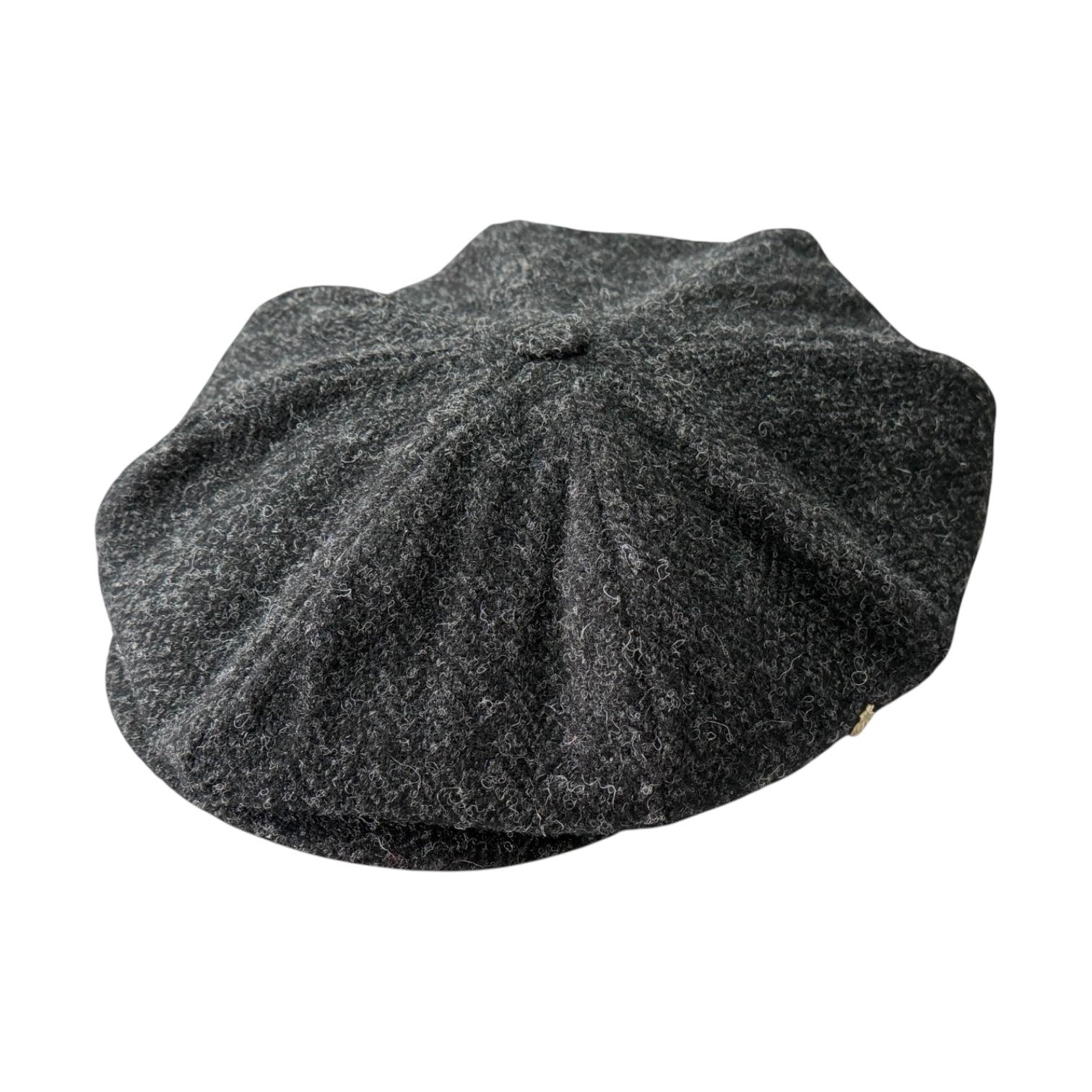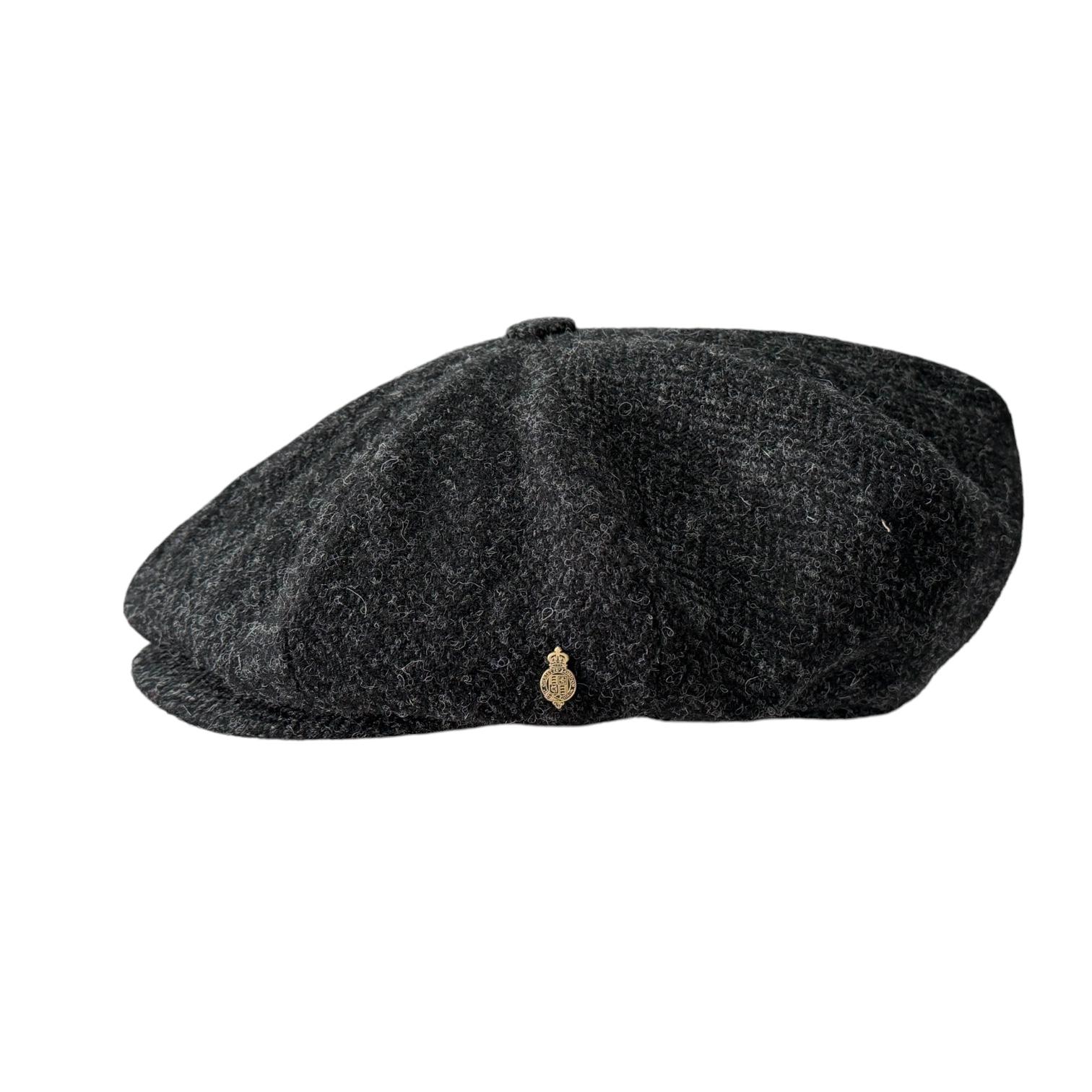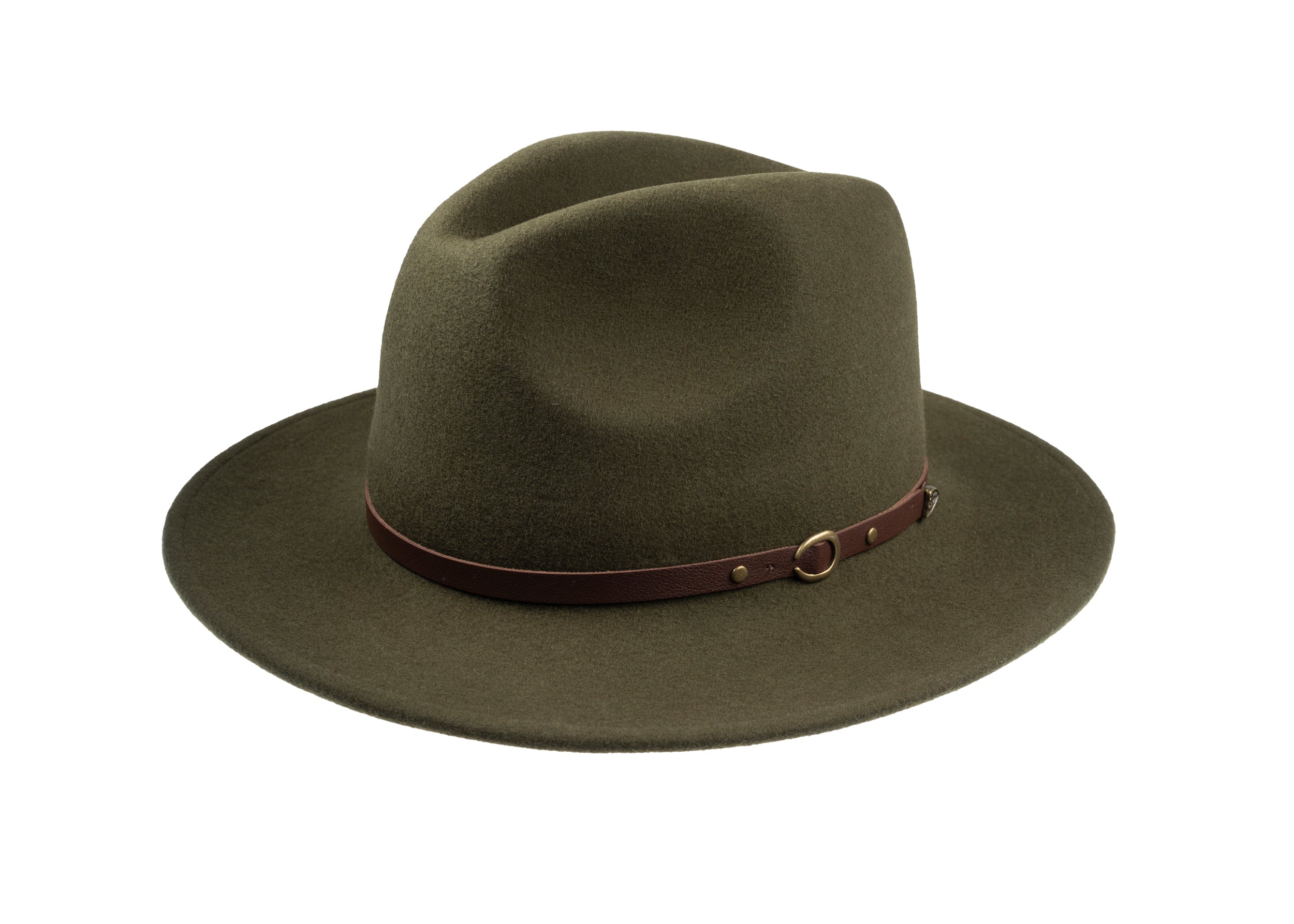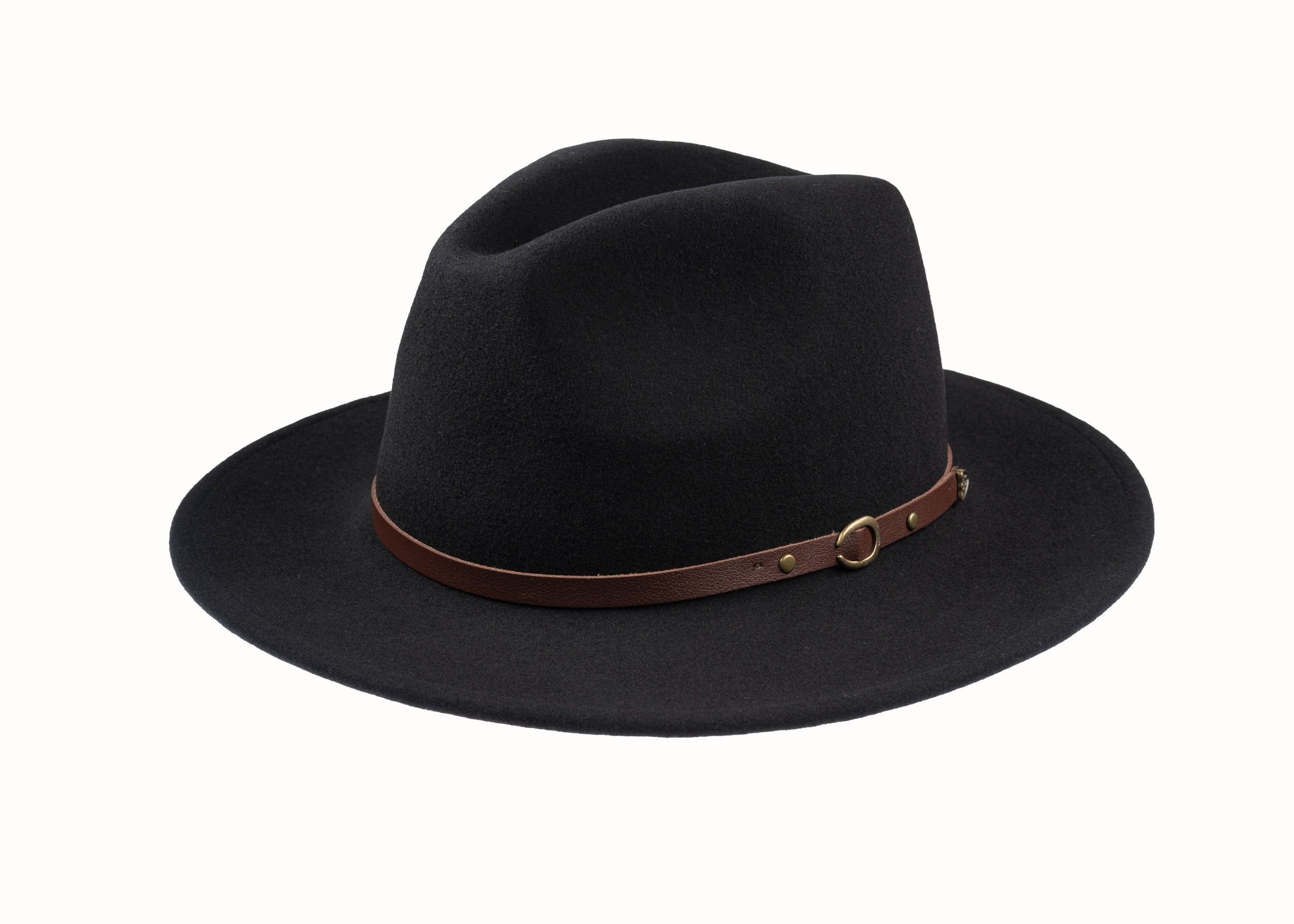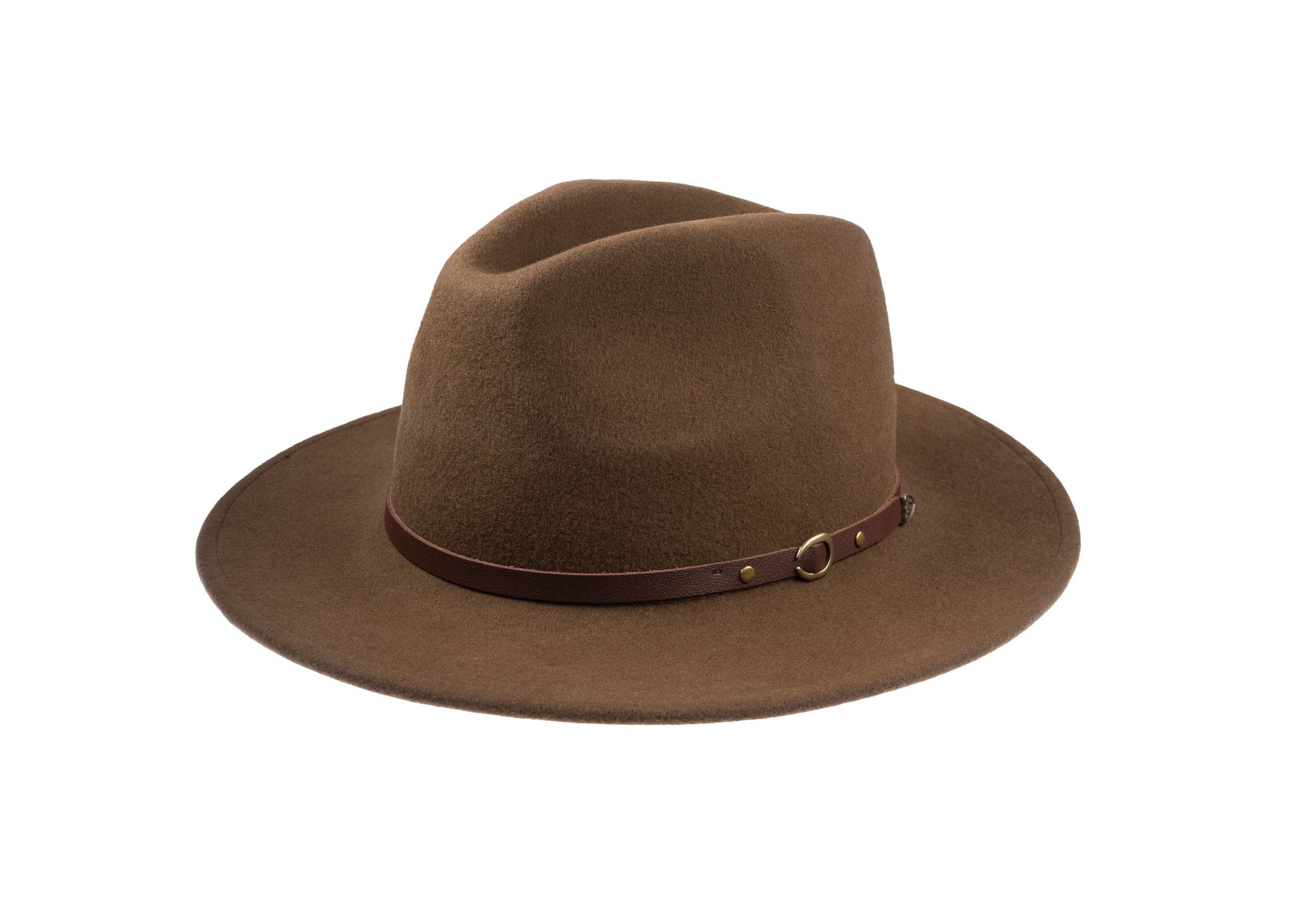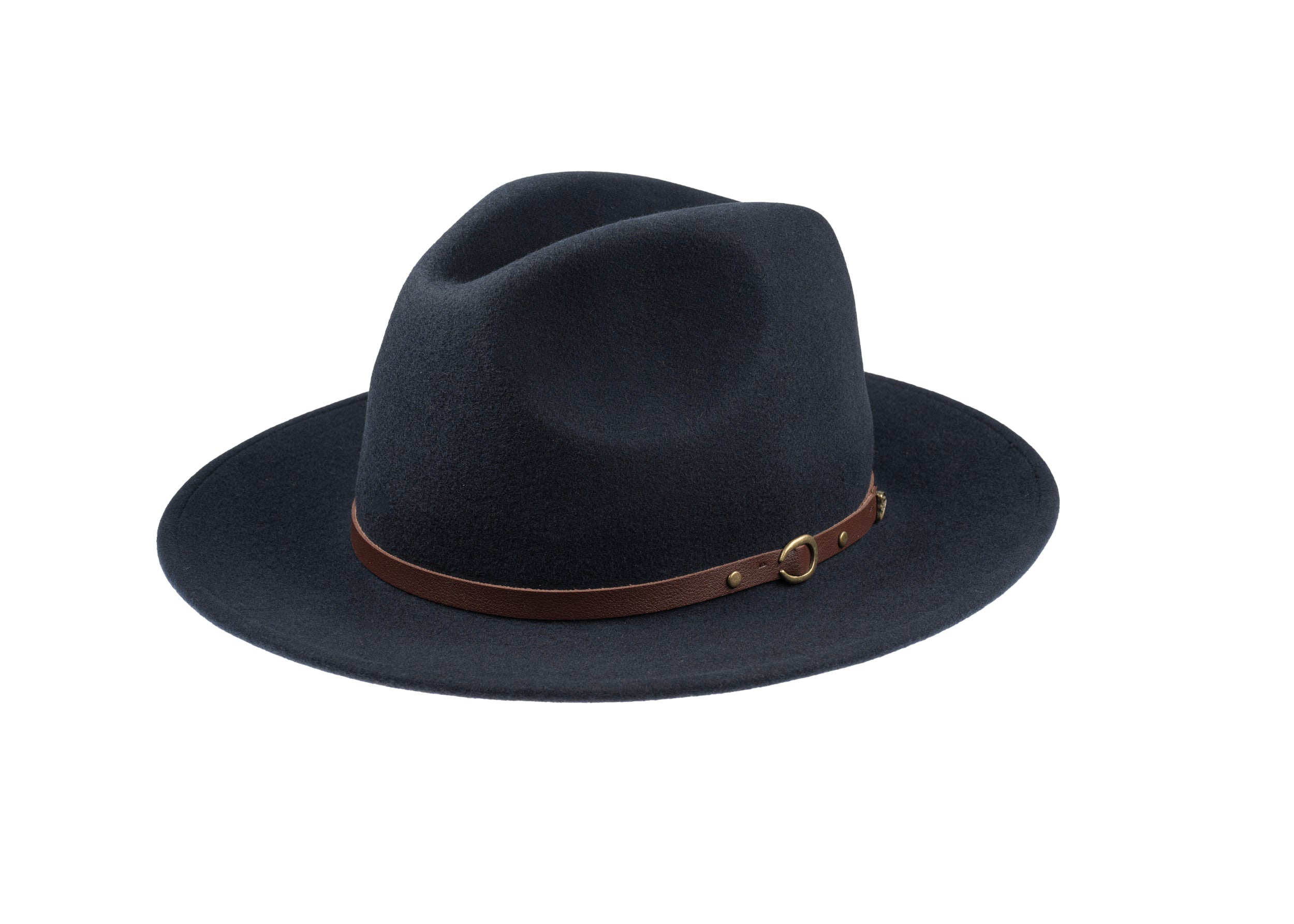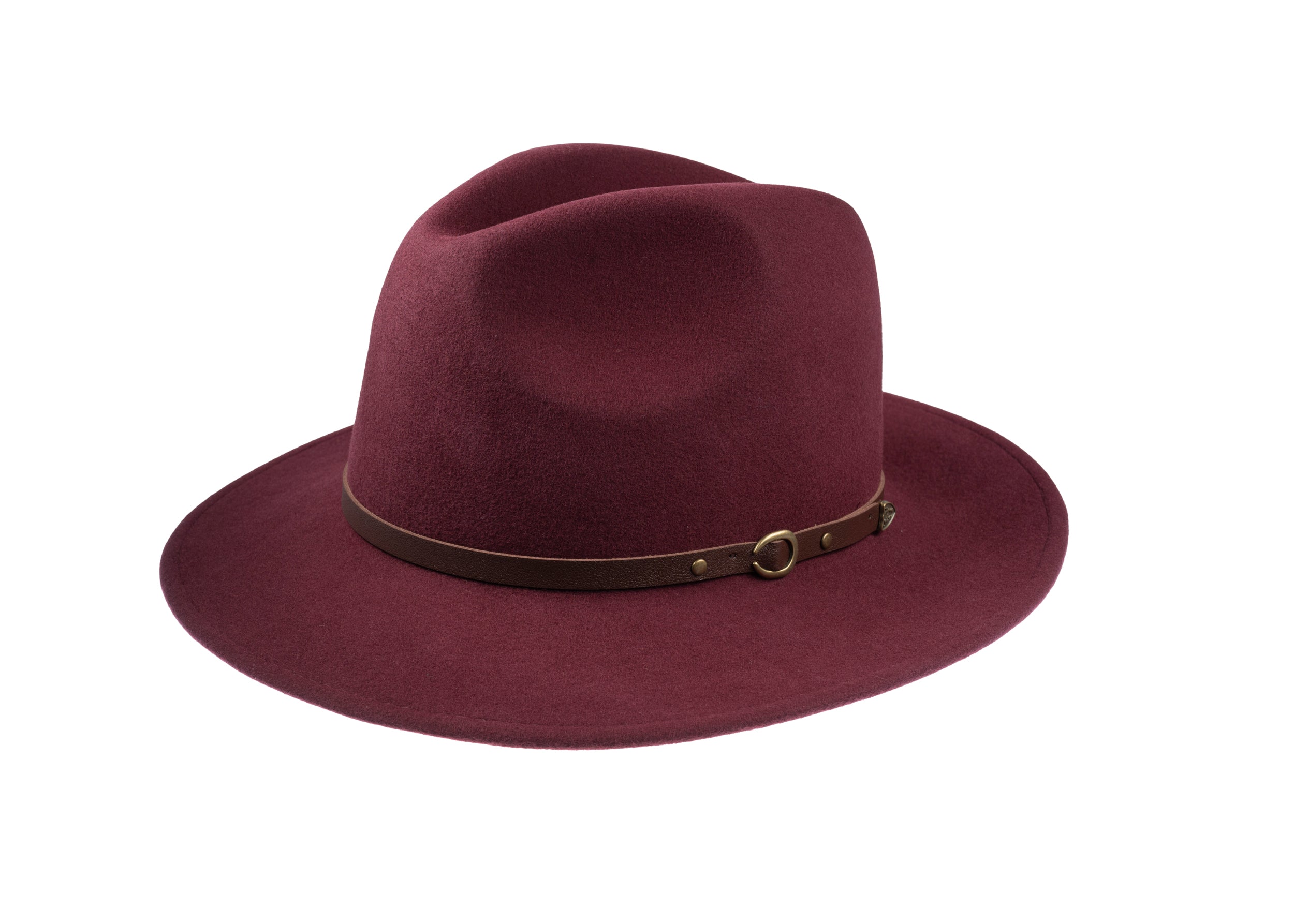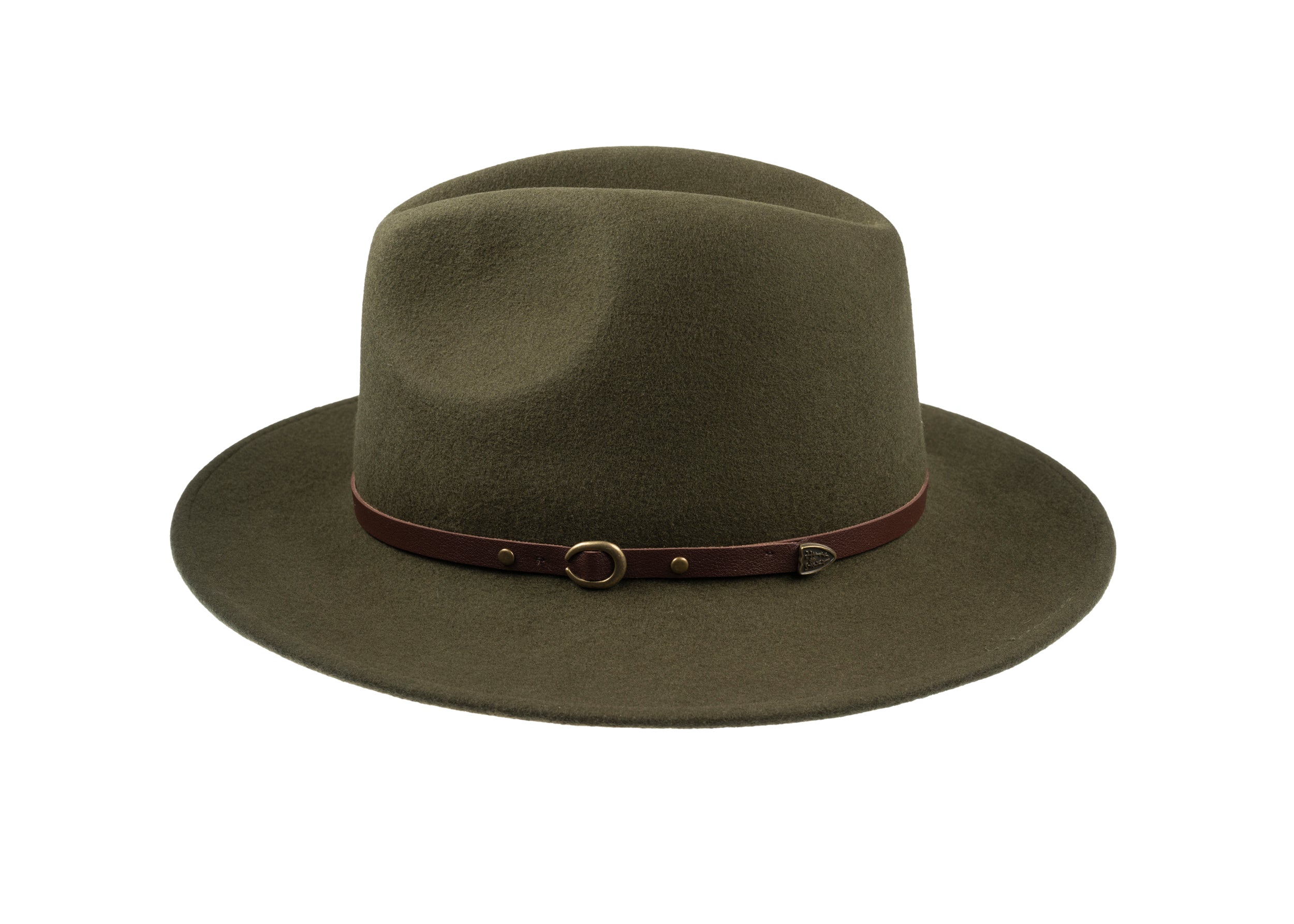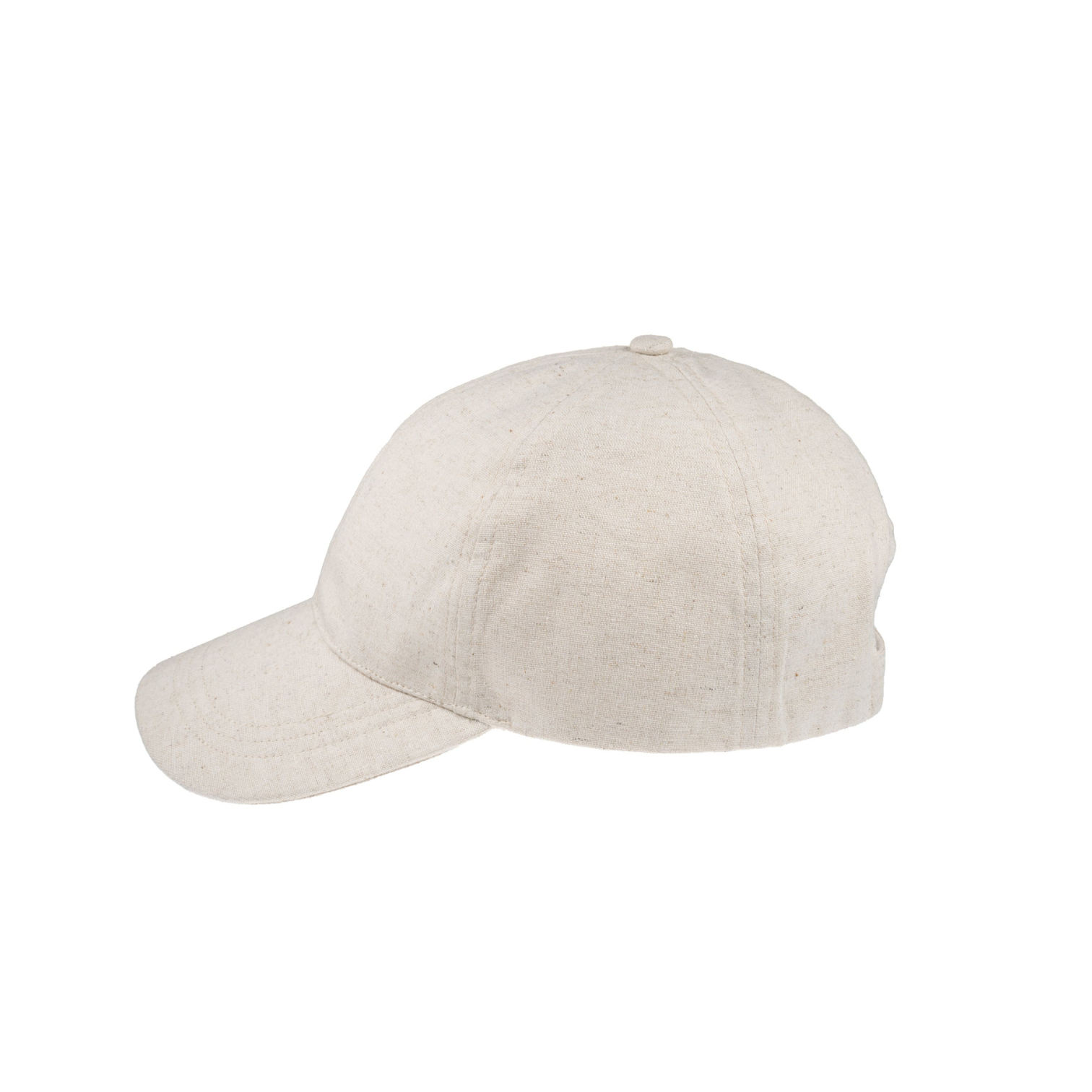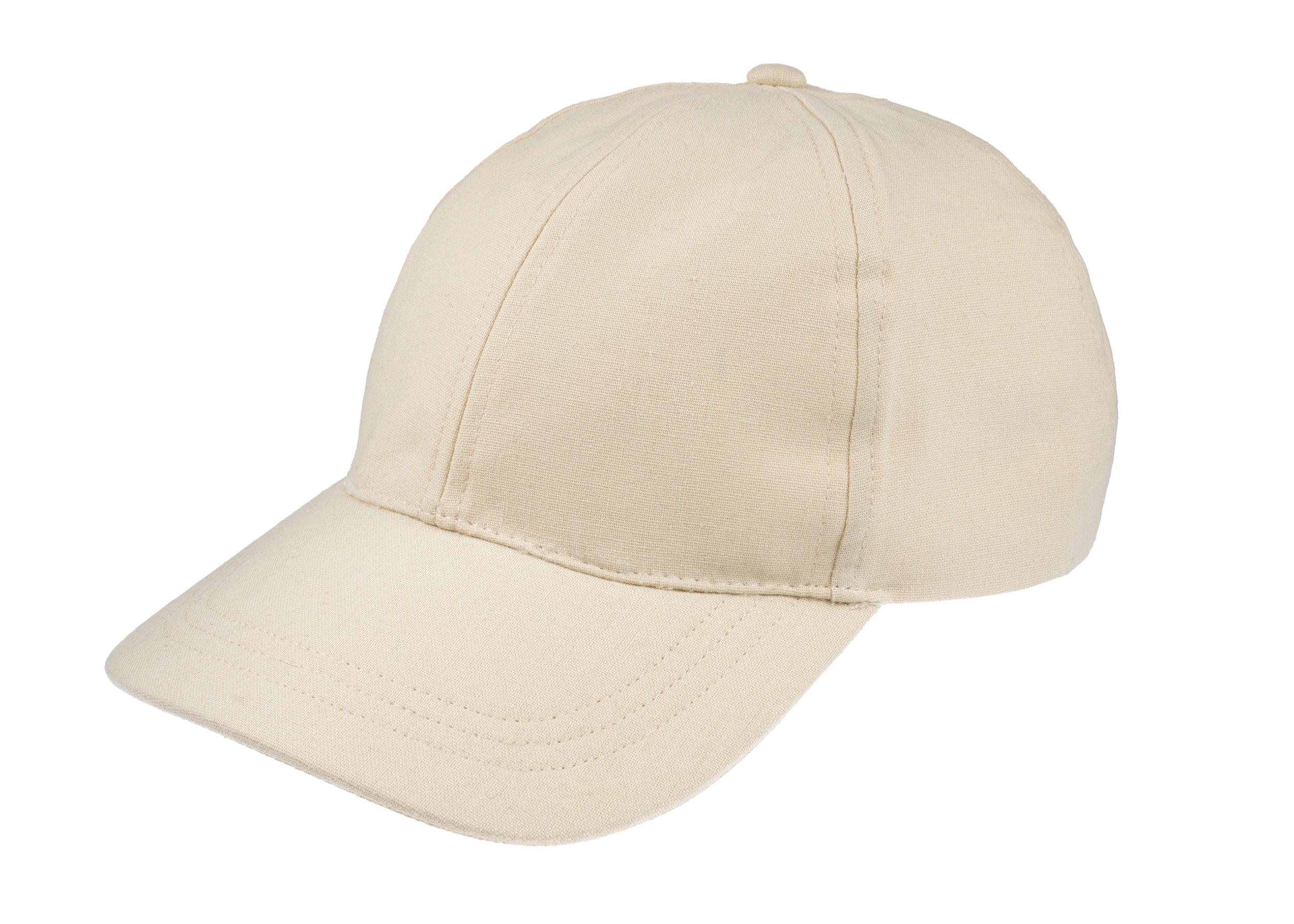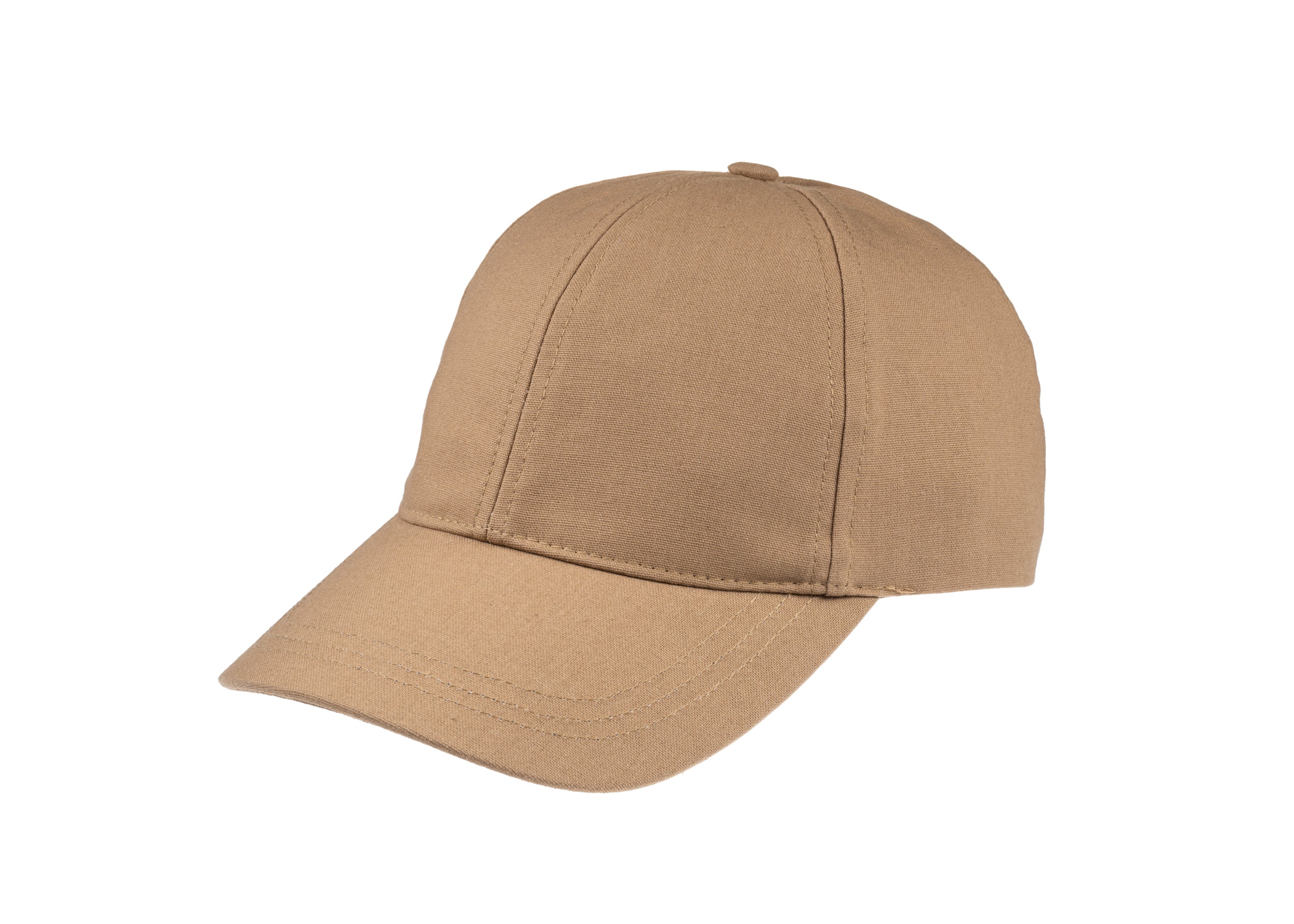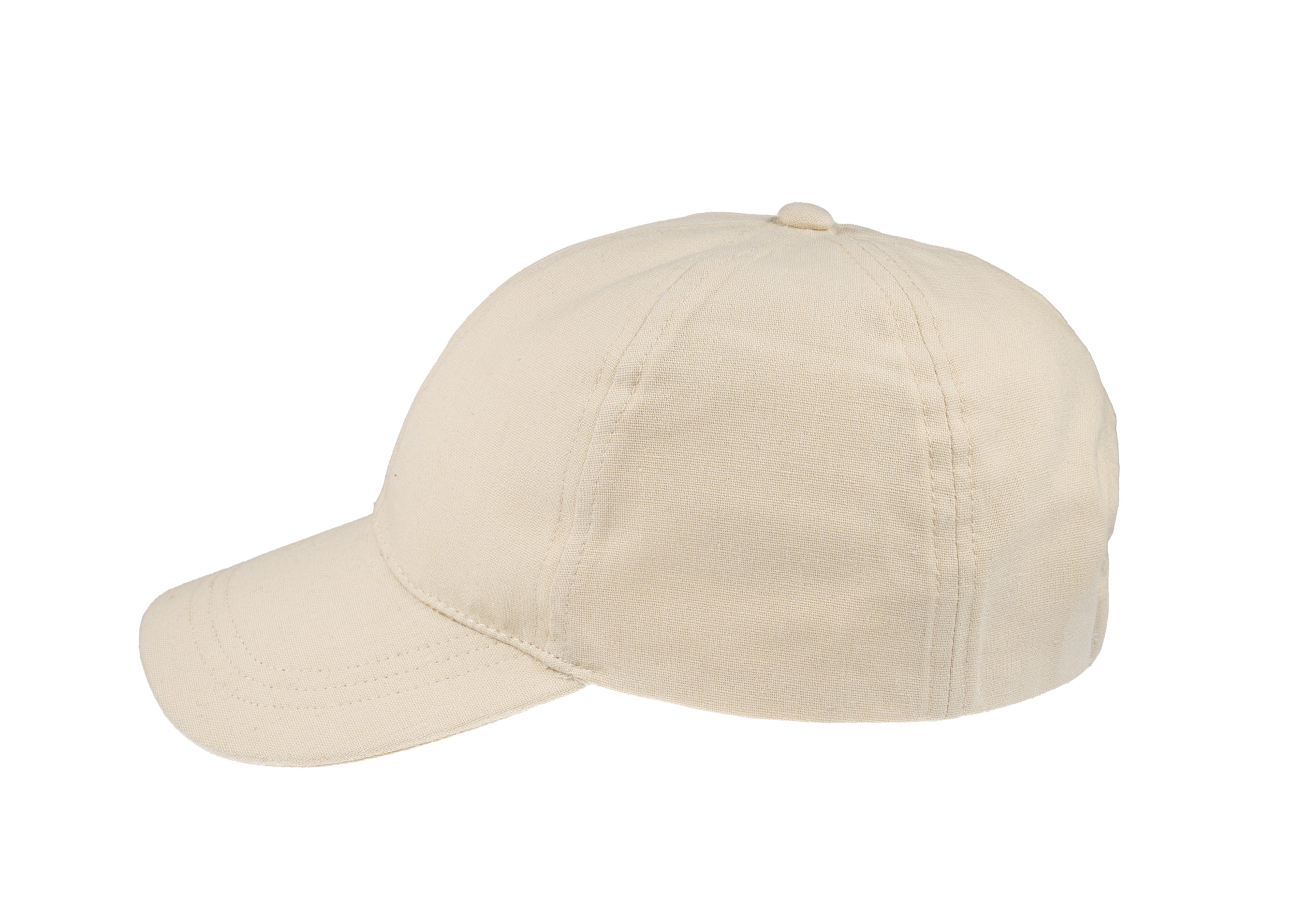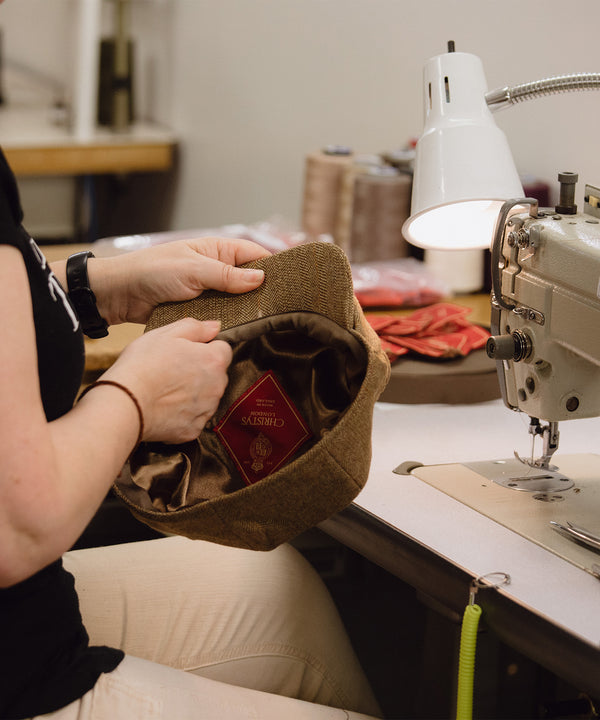





A familiar frustration is a cap that sags after a few wears, its brim floppy and the crown losing shape. Hatmakers test cloth in several ways to assess whether a fabric will retain its structure or require reinforcement.
Hatmakers begin by examining the weave, the lining, and the cap's internal structure. They assess resilience by bending and compressing samples, noting how quickly materials recover and where they crease or compress. Those observations inform choices of construction and recommended aftercare intended to preserve the cap's shape. Understanding these practical tests helps you recognise durable cloth, select suitable care, and extend a cap's serviceable life.

1. Inspect the weave, lining, and internal structure for quality
Examine the weave both visually and by touch. Hold the cloth up to the light and look for gaps: twill or herringbone shows diagonal ribs that lock the yarns together, whereas a loose plain weave will admit light and is more likely to relax sooner. Run a fingernail across the surface to detect crisp resistance and a tight yarn twist, signs of a firmer structure. Press the crown or peak, then release and observe the springback. A quick recovery suggests hidden stiffeners, such as buckram or canvas; slow or permanent creasing indicates a weak or absent interlining.
Lift the lining edge or the sweatband and examine the stitch work. Close stitch spacing, felled seams, and hand tacks at joins indicate deliberate reinforcement where stress concentrates. Assess the lining material and its ability to manage moisture: a sturdy lining, paired with a leather or dense cloth sweatband, helps stabilise the internal diameter and reduces fabric creep caused by moisture. A taped or boxed seam at the forehead channels perspiration and preserves shape more effectively than a loose, unlined finish. Look for targeted reinforcements at joins and high-stress zones, such as bar tacks, extra canvas patches, and sewn-in scalp strips, because these details materially extend shape retention. To compare two caps, flex the peak and crown to feel the difference; visible reinforcement generally correlates with measurable resilience. These are the details that reward closer inspection.

2. Assess a hat's resilience by bending and compressing it
Hatmakers measure cap-cloth resilience with repeatable bend and compression tests that convert tactile impression into data. Using simple jigs, profile templates, and sequential photography, they record how a crown changes and returns to form. In a bend-recovery test they mark the original crown outline, bend the cloth to a set curvature, then release and photograph it against the template to measure any deviation. Comparing results along warp and weft, at seams, and at the crown centre shows where shape loss begins. Recovery is reported as the percentage of the original profile retained, providing a clear, comparable metric across different constructions.
Compression-set tests press a hat crown between flat plates or against a solid block under a repeatable load. Calipers record the recovered height, and permanent set is expressed as the difference from the original. Tests are repeated with and without interlining to isolate each layer's contribution. Longevity is assessed by cyclic flex fatigue. Mechanical testers or simple manual jigs run repeated bend-and-release cycles and record the cycle count at which creasing, pleating, or softened recovery first appears. Moisture and steam resilience are examined by conditioning samples, reshaping them on a hat block or headform, then measuring recovery. Simulated wear and packing apply fingertip pressure and weights, and use profile gauges and photographs to capture real-world distortions. Taken together, these measures provide objective evidence of how constructions behave under wear, humidity, and packing, and allow hatmakers to compare durability across materials and assemblies.

3. How to use test results to preserve your cap's shape
Start by recording clear, repeatable outcomes. Measure crown rebound after a defined compression, note any permanent set following steam or water exposure, and assess fabric hand after repeated flexing. Use those measurements to decide whether a cap needs internal reinforcement, a different fibre blend, or an altered finish, and match remedies to the failure modes you have identified. If water relaxes the shape, introduce a hydrophobic lining or an internal stiffener; if heat causes collapse, specify a heat-resistant interlining and adjust stitch placement to support high-stress seams. Refine construction parameters from the test data by altering pattern ease, crown depth, interlining weight, and stitch density until the combination holds shape without adding unnecessary bulk.
Translate production outcomes into clear storage and handling guidance. Where rebound is poor, recommend shaped supports, breathable boxes, and controlled humidity, around 45 to 55 percent relative humidity. Offer customers a few simple reshaping steps to reduce returns: a brief, careful burst of steam, gentle reblocking on a head-form or rolled towel, and slow drying at room temperature away from direct heat. Make these practices part of a continuous quality loop by logging batch results, setting measurable accept and reject criteria, and training makers to recognise early signs of wear. Combine routine checks with traditional craft techniques, such as blocking, so provenance is preserved while consistency improves.
In summary, makers examine weave, lining, and internal structure, then measure resilience with bend and compression tests, turning touch into repeatable, comparable data. Those measurements show which fabrics and constructions resist creasing and moisture, and they guide choices of interlining, stitch density, and seam reinforcement that preserve a hat's shape over time and reward closer inspection.
When buying or caring for a cap, examine three elements: the tightness of the weave, the crown's rebound, and the presence of internal reinforcement. Where the crown lacks spring, use shaped supports or blocking to restore and maintain form. Use these checks as a concise checklist; they show how considered construction and simple care help a cap retain its intended shape for longer.