


Blog
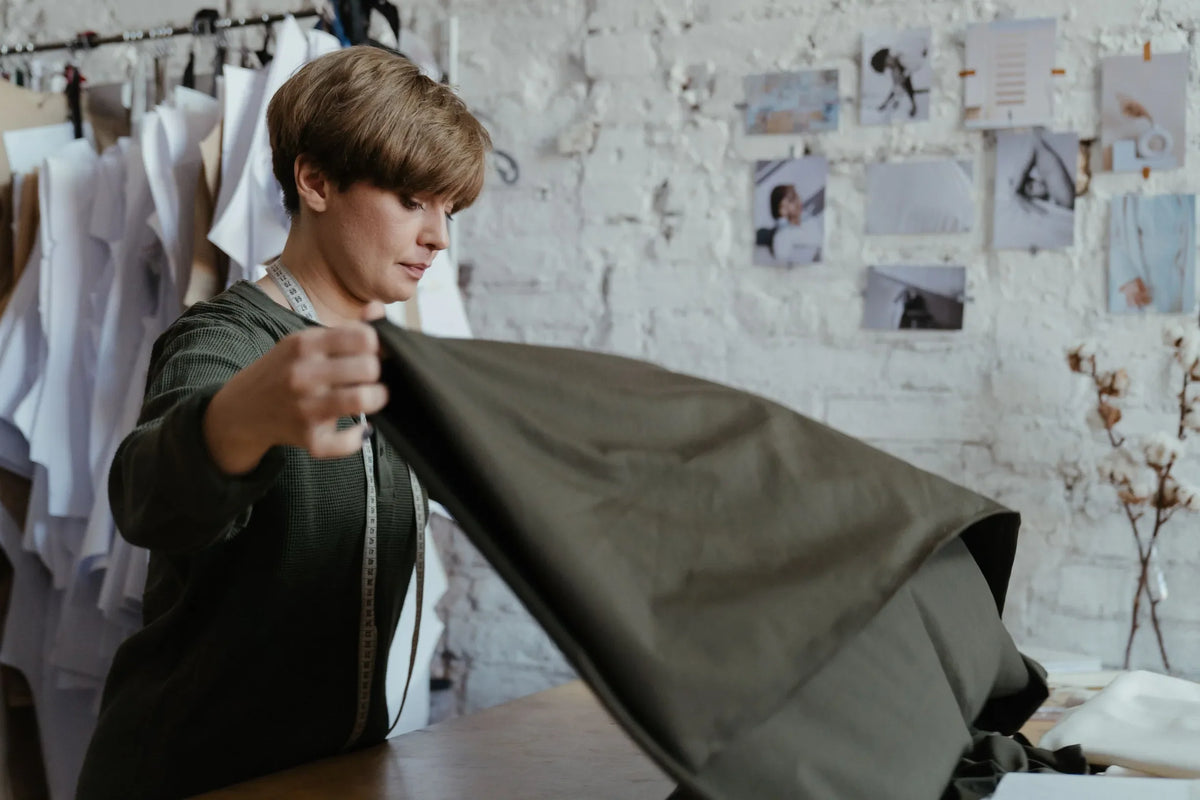
How do fibre, weave, and finish affect a cap's appearance and longevity?
Why do two seemingly similar caps age so differently? One retains its shape and acquires a considered patina, while the...
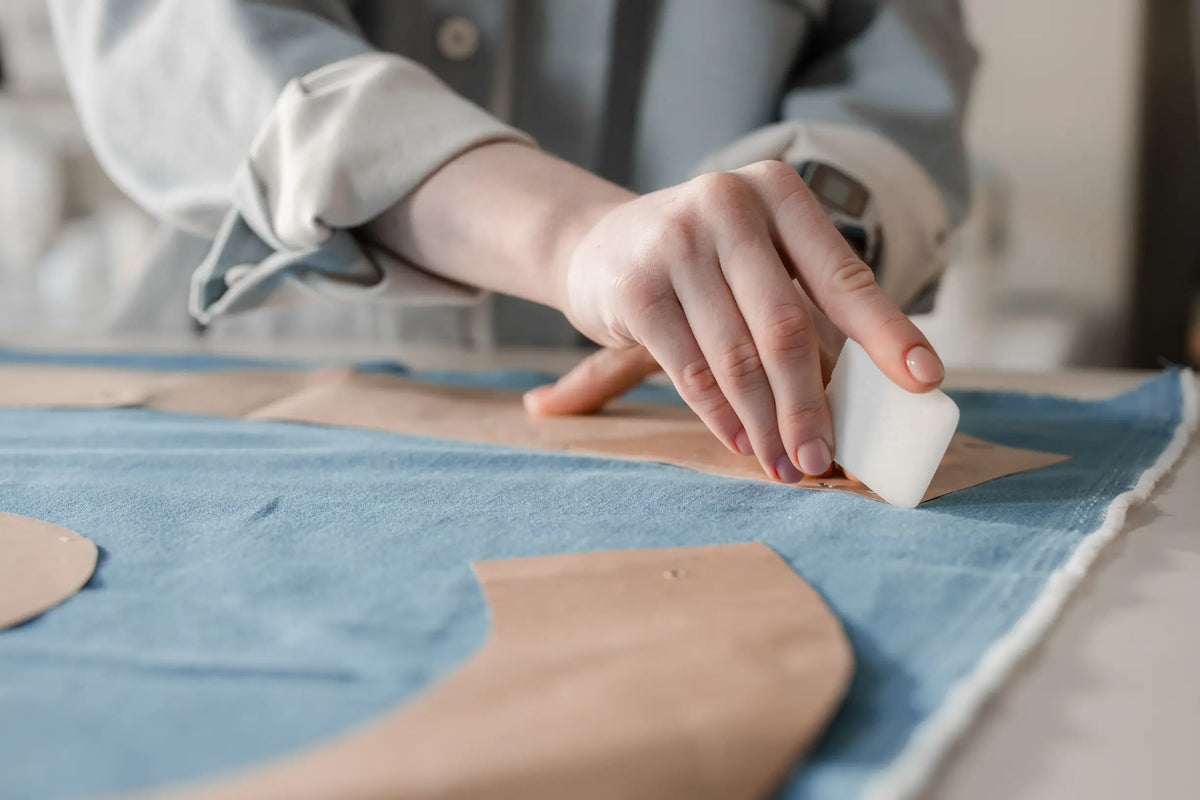
Inside Cap Stitching: How Stitch Placement Shapes Stability and Silhouette
Many judge a cap by its exterior, yet its internal construction determines whether it sits straight, feels secure, and keeps...
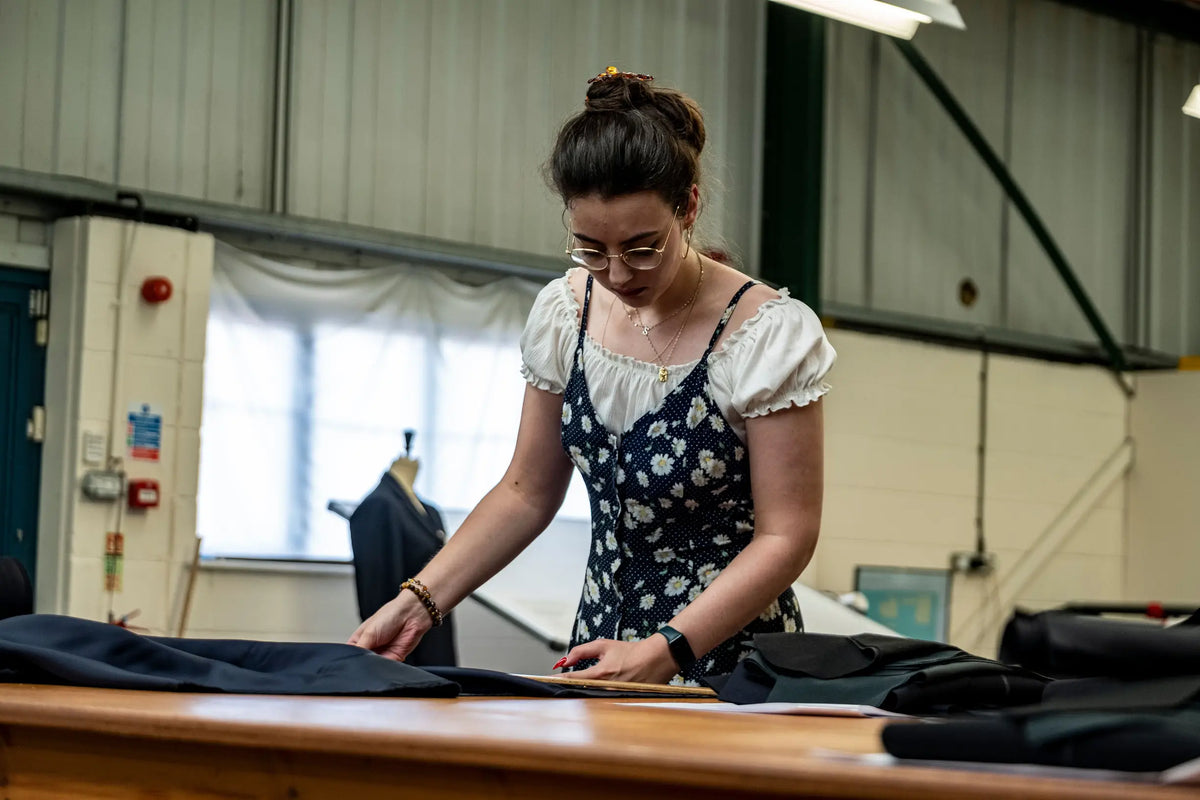
How to Assess Cap Cloth for a Lasting Crown and Brim
Few faults reveal inferior cloth so quickly as a crushed crown or a brim that will not sit true. How...
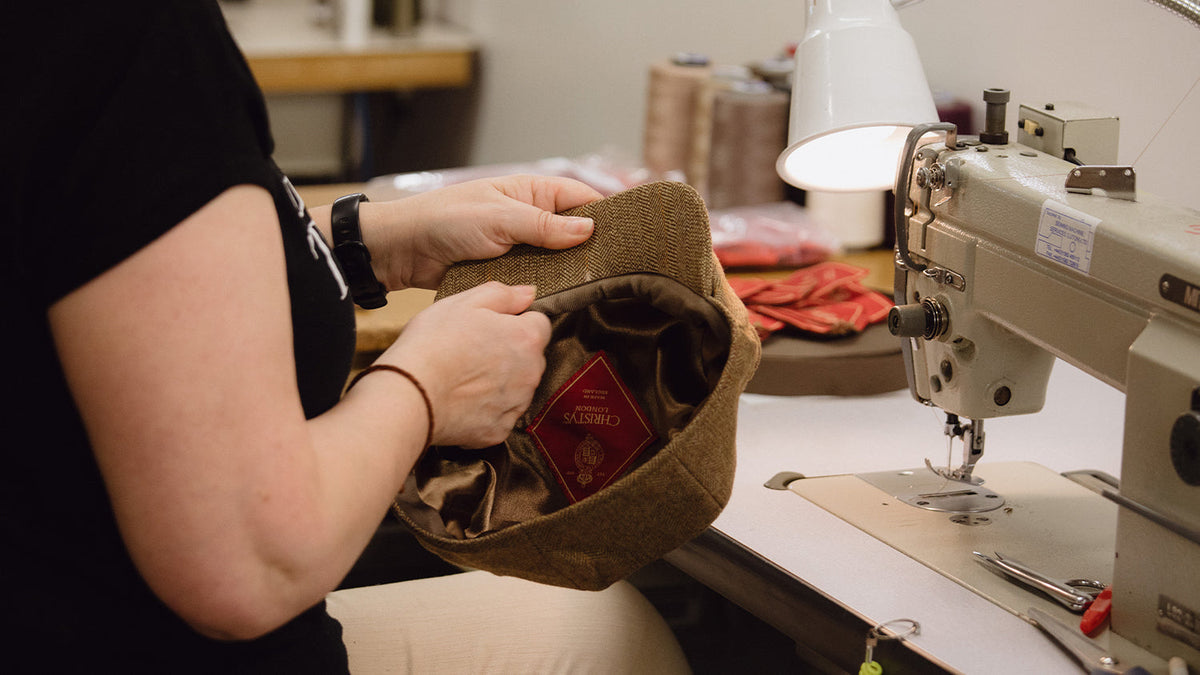
From Buckram to Taped Seams: How Internal Details Shape a Cap
Why does one cap retain a crisp crown while another collapses after only a few wears? Beneath the outer fabric...
How to Prepare Cap Cloth Samples for Reliable Shape Recovery and Drape Tests
A well-cut cap cloth should retain its shape and recover after wear. Which tests reliably assess recovery and drape, ensuring...

Three fit checks to ensure a Homburg sits correctly for ceremonial wear
A well-cut homburg completes a ceremonial outfit. A small misfit, whether an ill-set pinch, an uneven tilt, or an imbalanced...

How to Choose the Right Hat for Weddings, Race Days, and Other British Occasions
Selecting a hat for a wedding, race day, or similar British occasion can feel daunting. Silhouette, fabric, colour, and comfort...

How to Inspect a Cap's Interior: Five Signs of Considered Construction
A cap may appear flawless on the outside, yet its lining and construction often tell a different story. Knowing where...

How to Use Fibre Test Data to Ensure Woven and Felted Cloth Retains Shape
Laboratory measures such as staple length, fibre fineness, and crimp describe raw behaviour: short staples tangle, fine fibres pack densely...