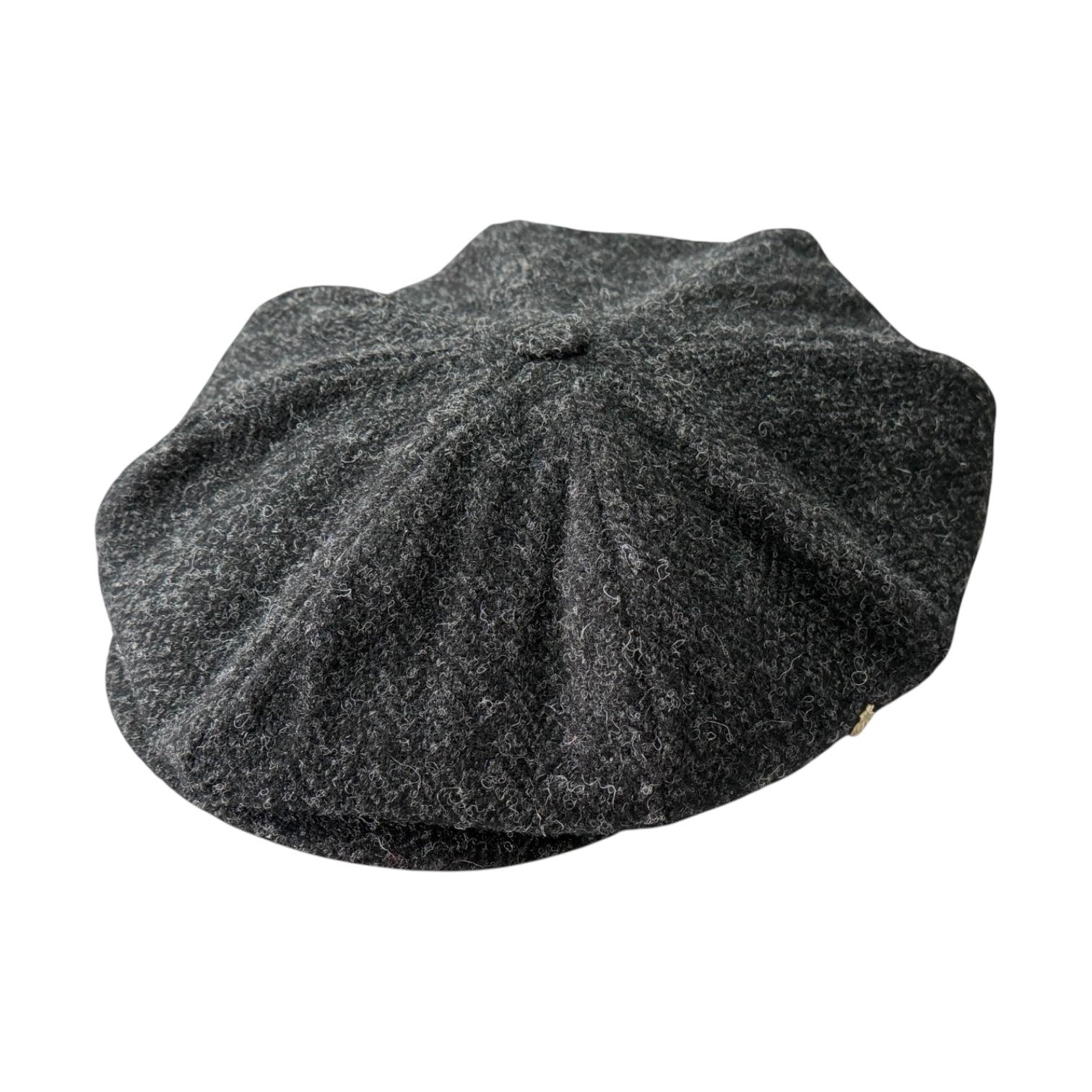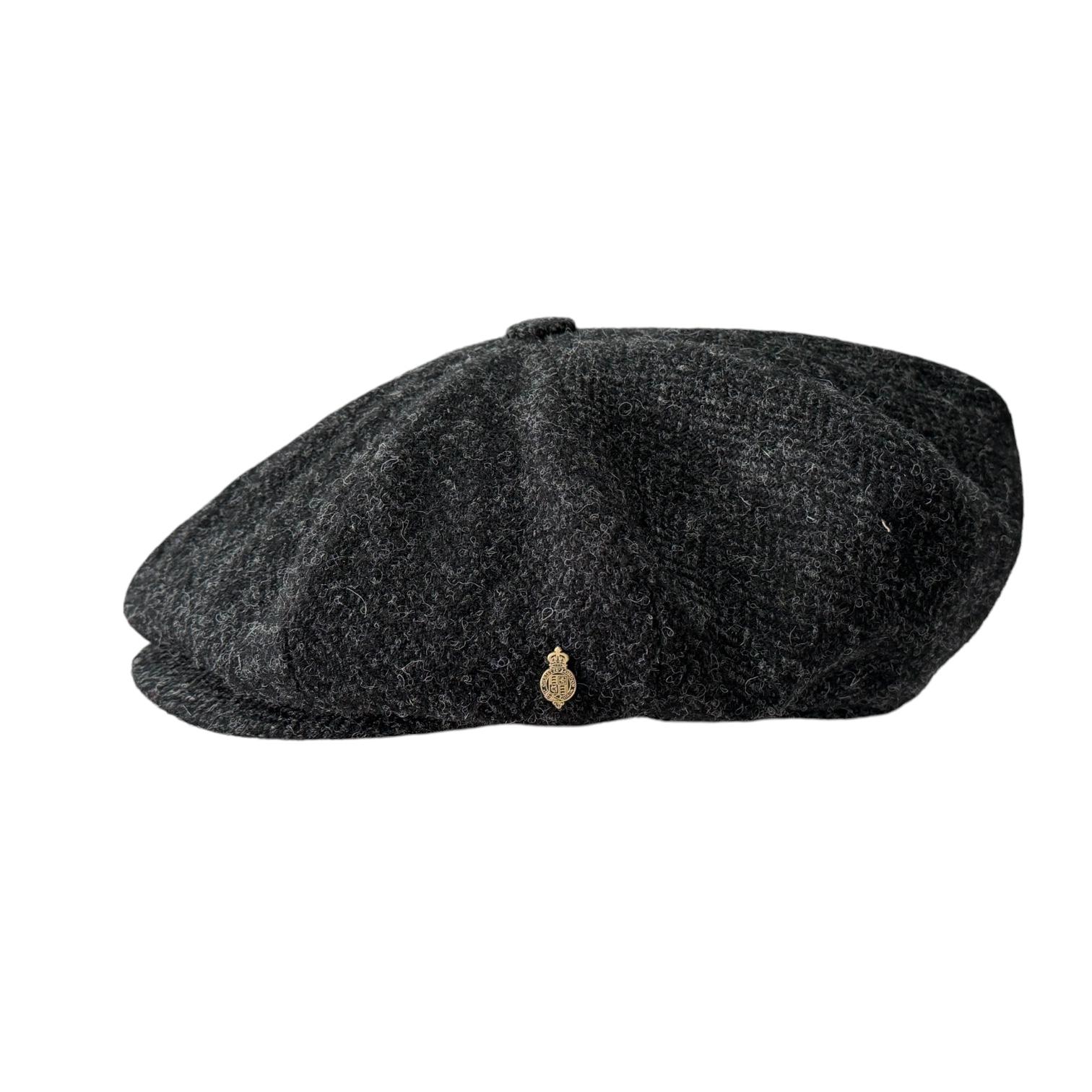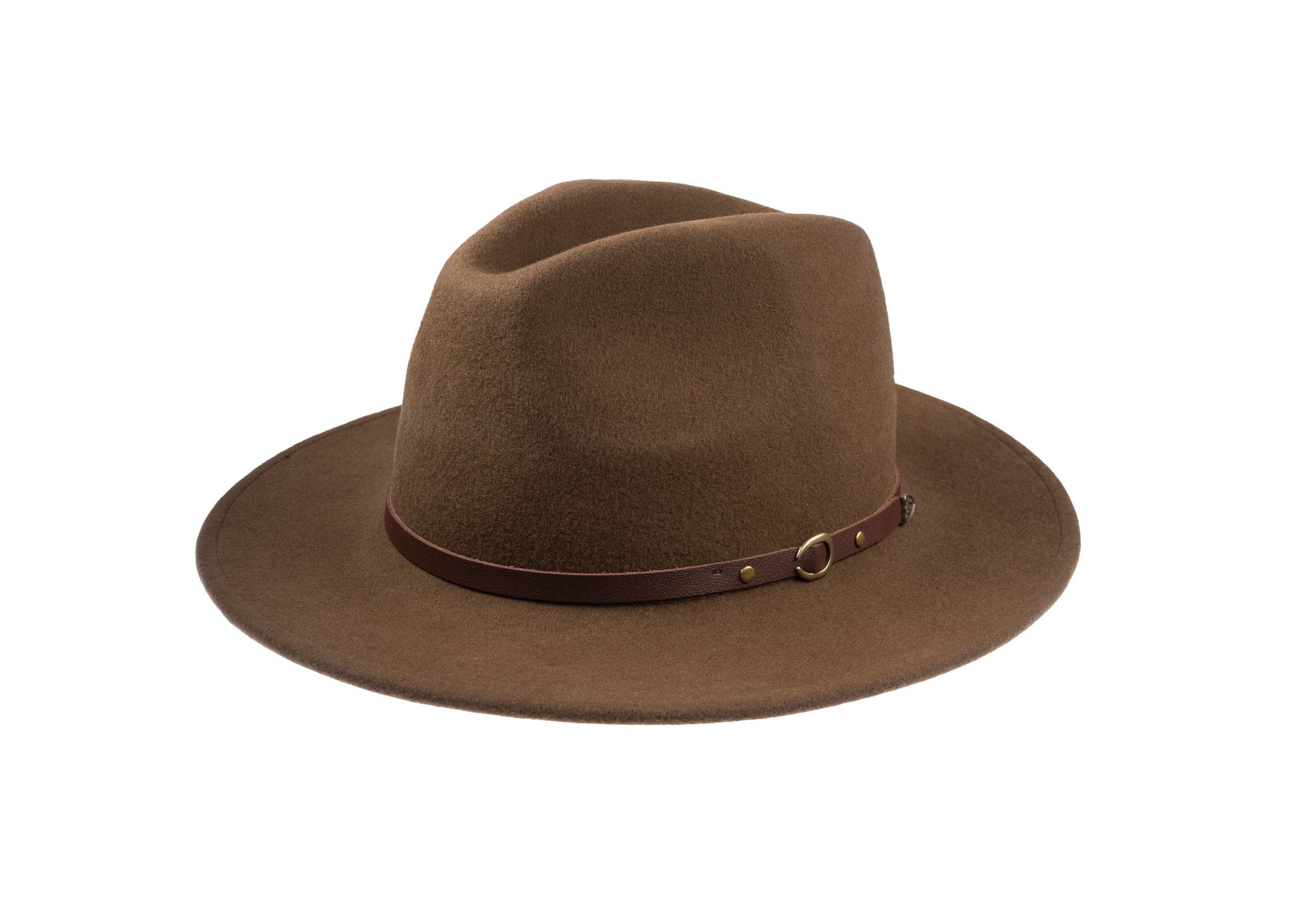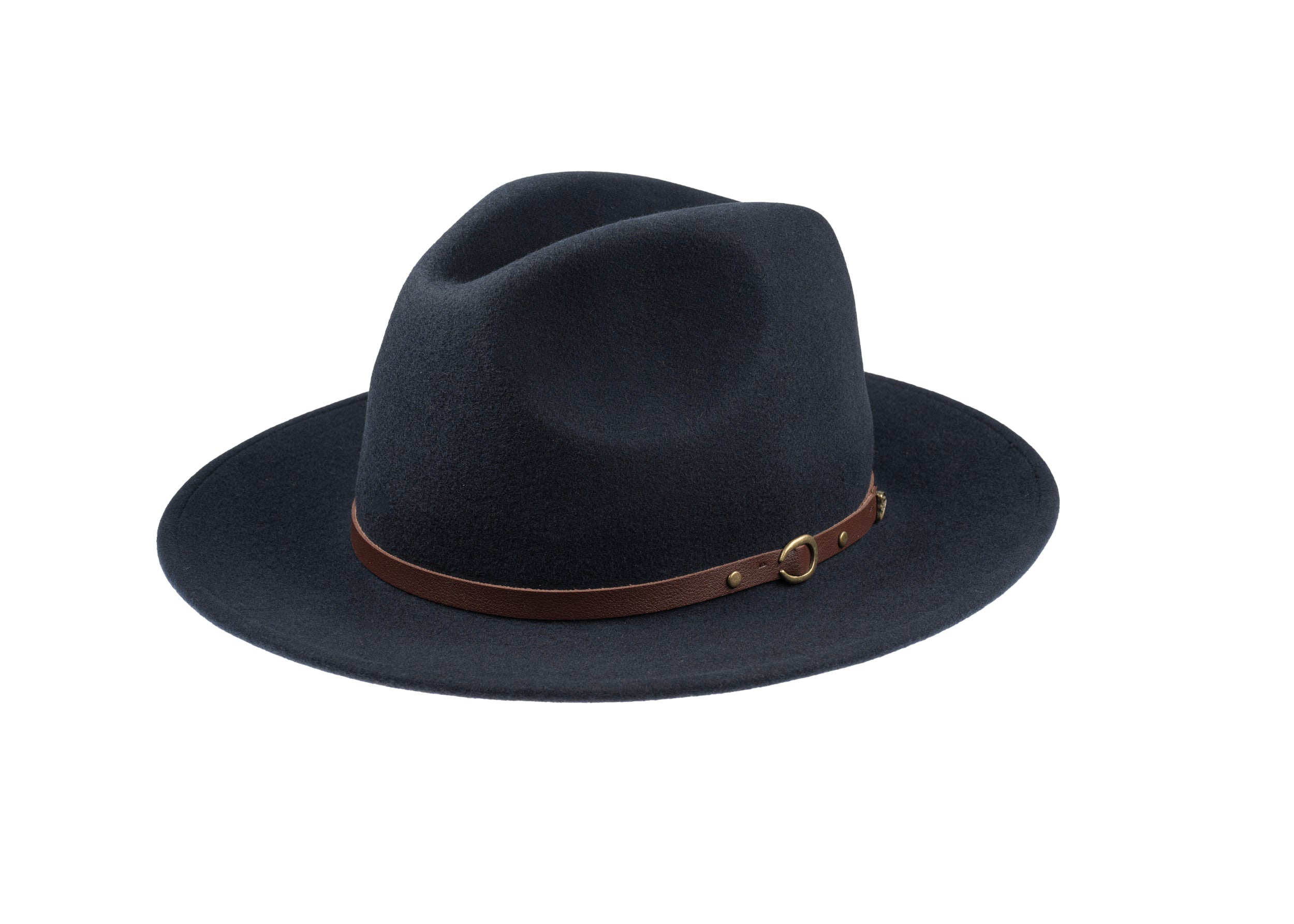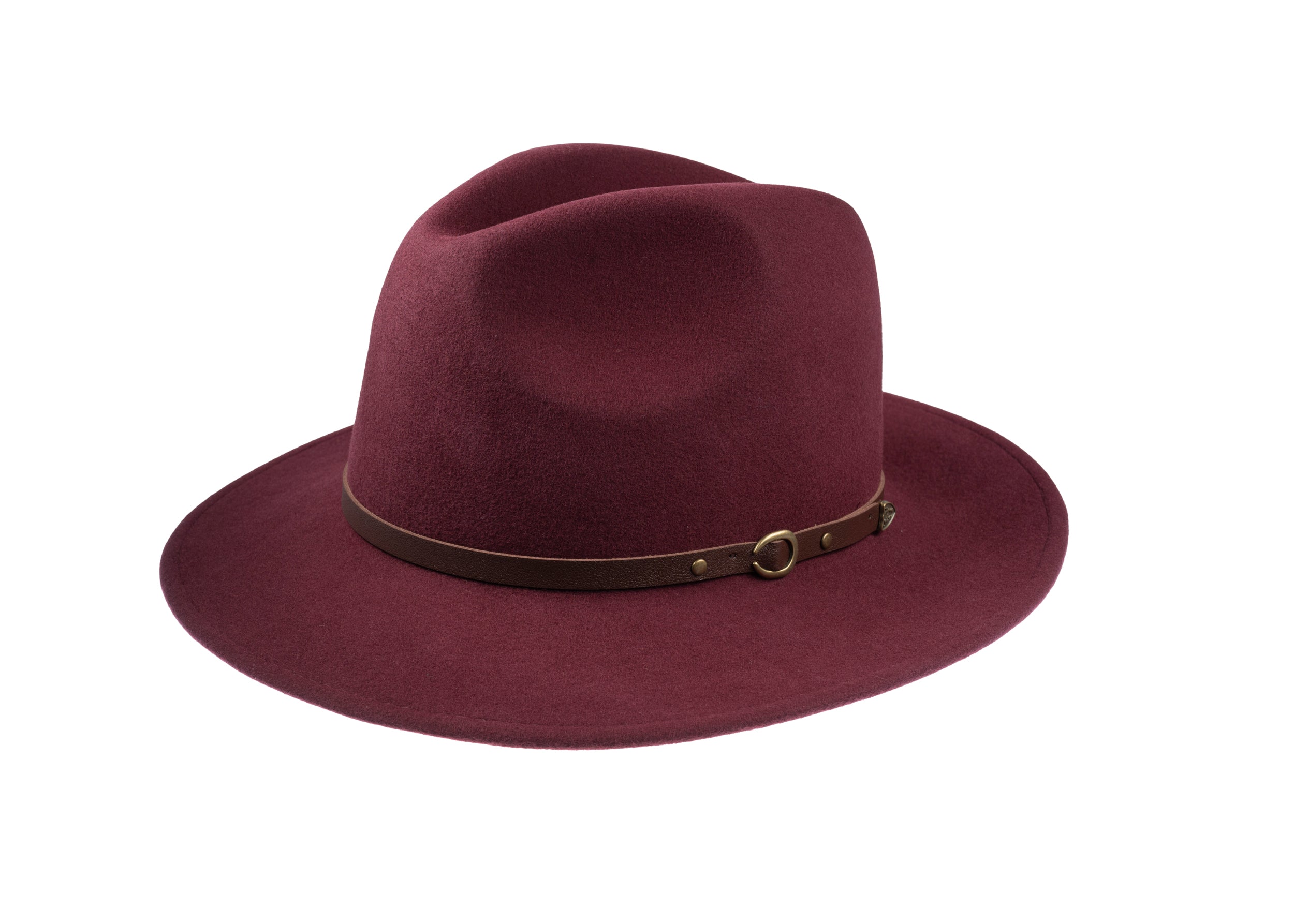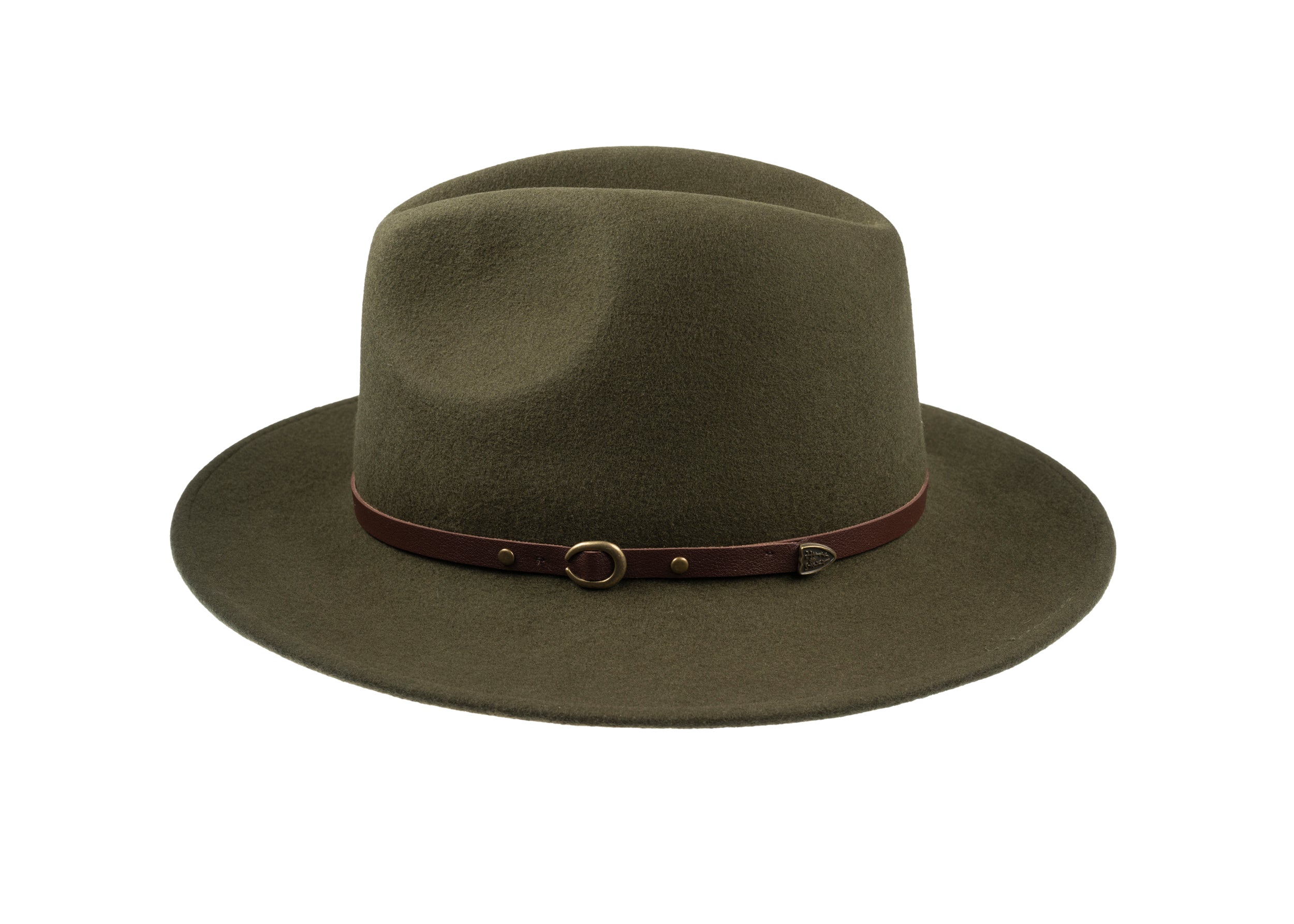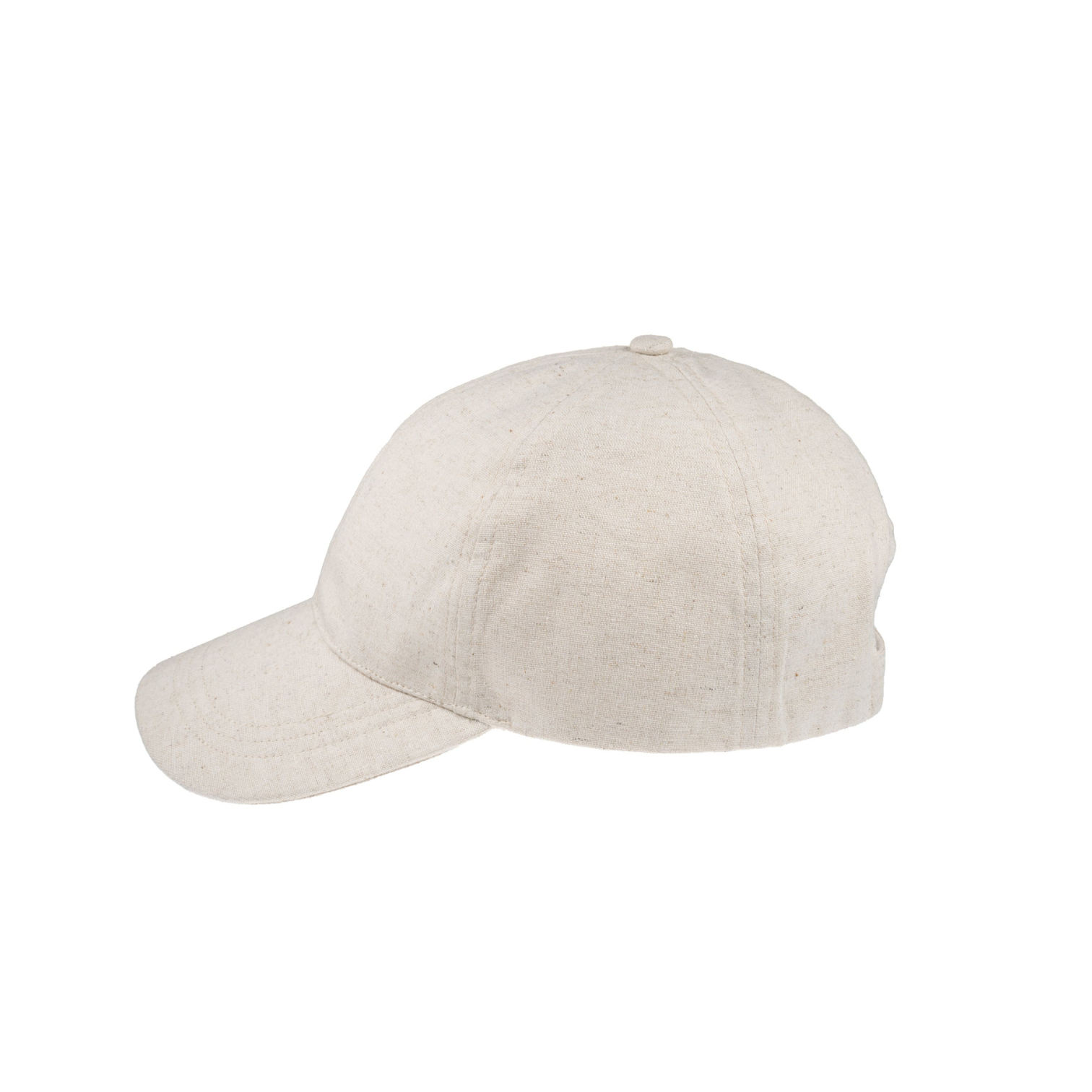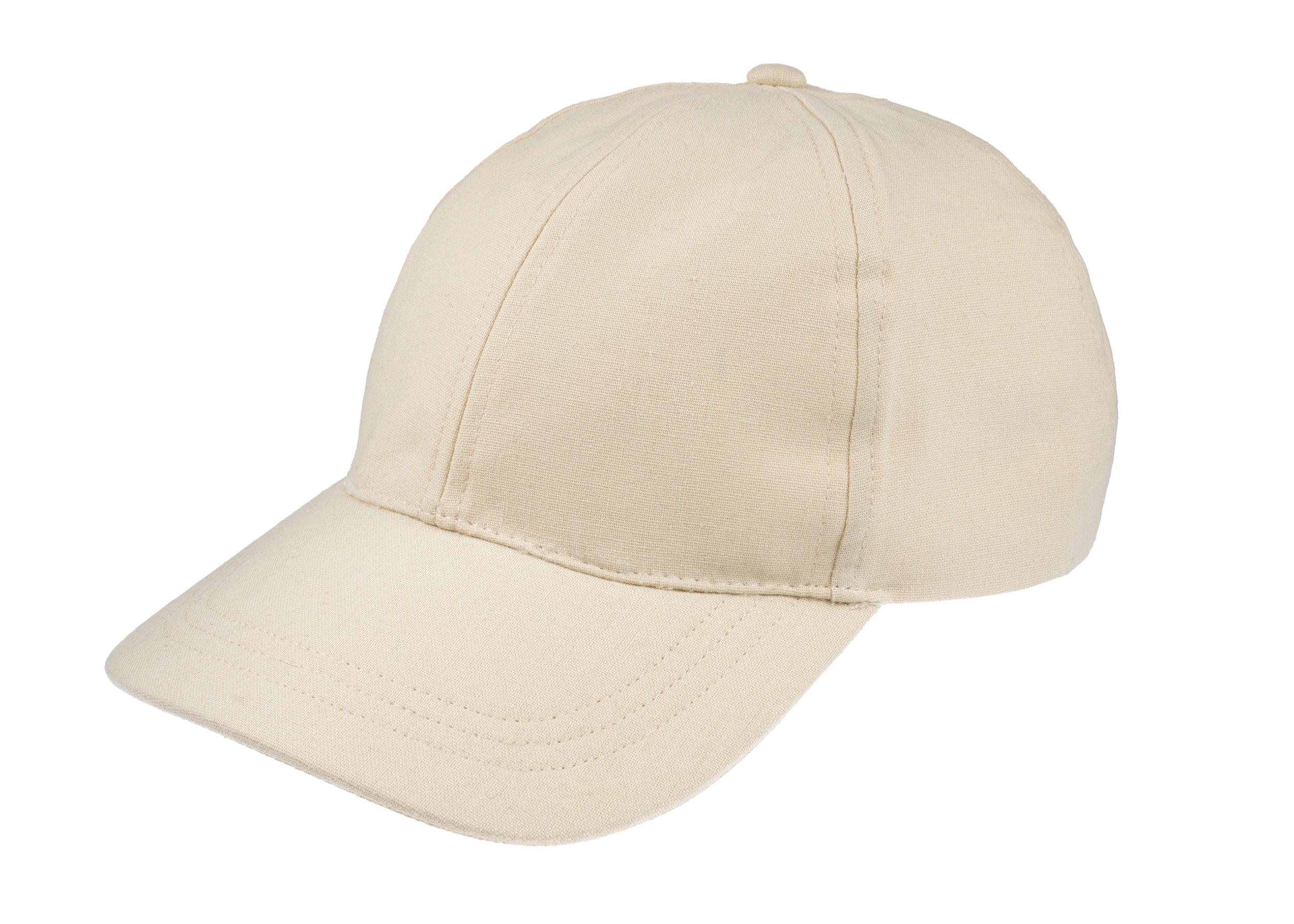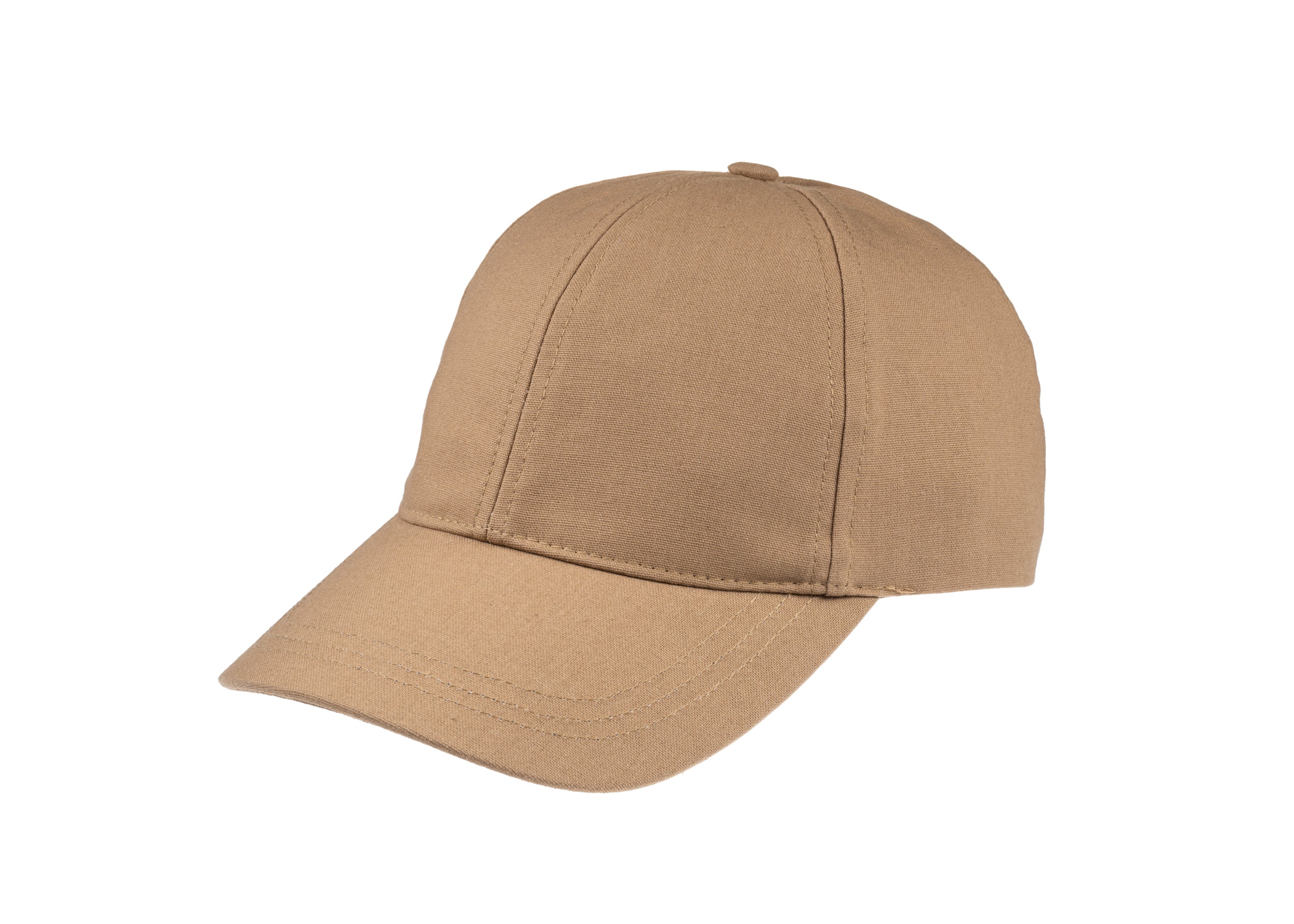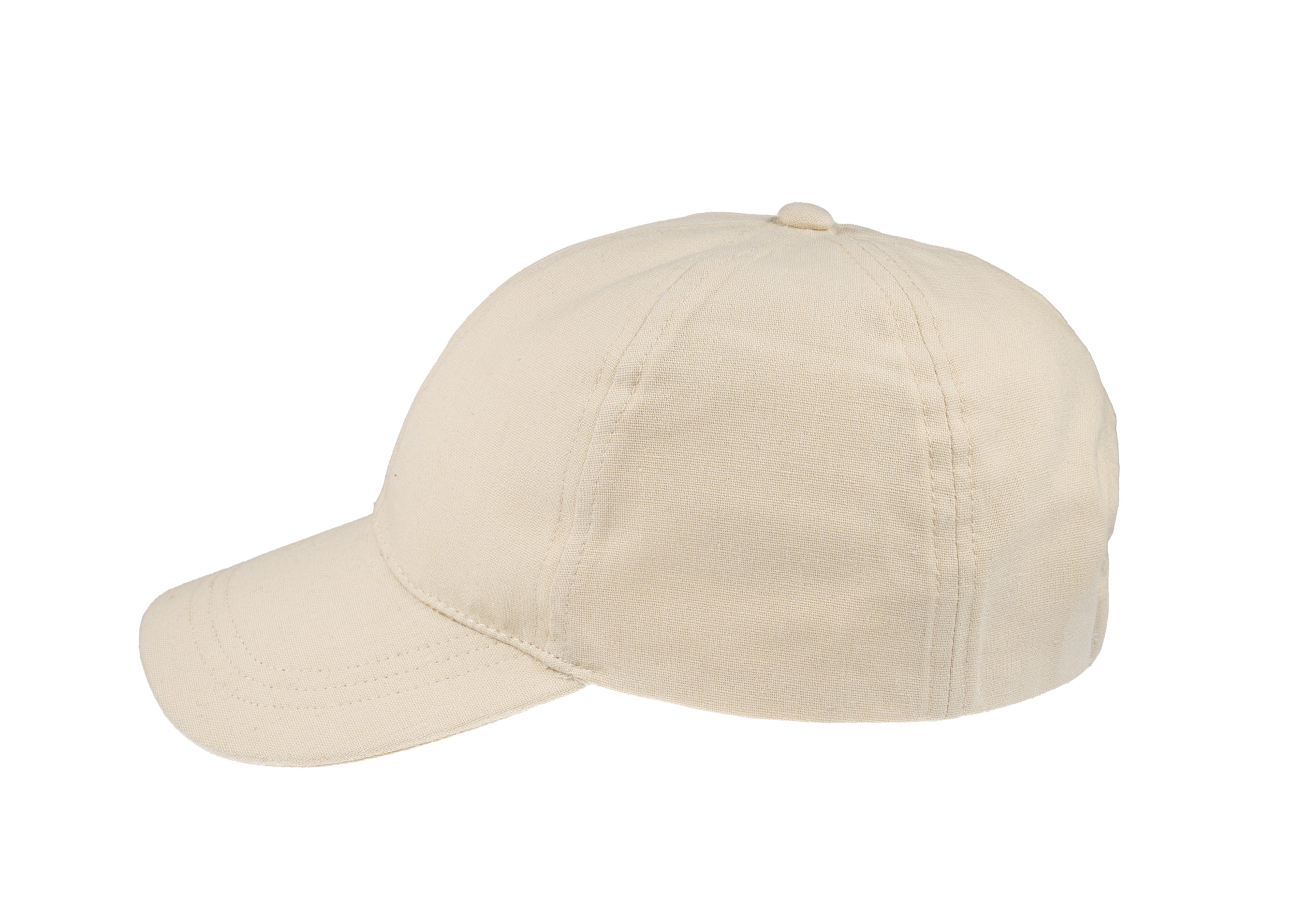



Choosing the right tweed can make the difference between a cap that feels like an afterthought and one that becomes a lived-in favourite. Handwoven island tweed, with its uneven yarns and weathered palette, presents both a design opportunity and a set of technical challenges for hatmakers.
To meet those challenges, attend to provenance and fibre character, balance weave, weight, and surface texture, and practise meticulous blocking and tailoring; these decisions determine a cap's texture, drape, and fit. The examples below show how fabric behaviour and considered tailoring transform raw island tweed into a cap that sits, moves, and wears as intended.

1. Reveal a hat's provenance and the character of its fibres
Begin by recording island and mill provenance and noting traditional handweaving methods. Small-batch handlooming, local water, and island grazing often produce slubs and uneven yarns; these show as a pebbled surface and introduce small, repeatable variations in fit. Identify the fibre mix and examine staple character. Pure native wool with shorter staples tends to give spring and a textured crown. Longer, finer fibres, or blends that include silk or mohair, produce a smoother drape and a closer fit. Assess these traits physically. Rub a short sample between thumb and forefinger to judge smoothness, and pull a small tuft to feel staple length and resilience. Use the provenance and fibre notes to explain why two cloths that look similar on paper will behave differently when blocked. These are the details that reward closer inspection.
Next, examine yarn construction. Higher-twist, multi-ply yarns increase recovery and help a crown hold a crisp line. Single-ply or loosely spun yarns produce a softer drape and a more relaxed fit. Record slubs, neps, and uneven thickness. Slubs are thicker tufts and neps are small knots; pronounced surface topography affects seam placement, pattern matching, and the choice of interlining or facing. Measure weave density and finishing by counting picks per centimetre and testing a swatch for fulling, brushing, or raising. A denser, work-finished cloth will sit firmer, while a looser weave will hang softer and alter friction against the head. Turn these observations into practical adjustments. Perform a drape test and a spring-back check, steam or launder a swatch to reveal likely shrinkage, and use the results to set seam allowances, choose a softer lining for rough tweeds or a firmer facing for loosely woven cloth, and make a toile to confirm the final block size. Such particulars repay careful scrutiny.

2. Balance weave, weight, and surface texture
Weave density and cloth weight govern a cap's drape and profile. Looser plain weaves and lighter cloth lie softly and follow the crown, while tighter weaves and heavier cloth resist collapse and produce a higher, firmer silhouette. Handle swatches thoughtfully: fold, pin, or drape them over a hat block or a mannequin head and note how much they spring back. Choose a weight to suit the style — softer weights for a baker boy, firmer weights for structured caps. Yarn twist and surface finish change behaviour too: a high yarn twist and closely cropped surface yield crisper edges and less stretch, while hairy or napped finishes add bulk and surface friction that stabilises the fabric but softens its fluid drape.
Having chosen an appropriate weight and considered yarn twist and finish, choose a pattern scale and surface texture that suit the panel sizes. Checks, slubs, and heavy slubbing can swamp small crown panels or produce uneven seams. Lay the pattern full size on a paper mock-up, check the repeat points across panels, and adjust panel shapes or placement so the texture follows the cap contours. Balance fabric weight with the planned internal structure and lining: a heavy tweed will normally benefit from lightweight canvas or horsehair interfacing in the brim and crown, whereas a light tweed can be left unlined or given a silk lining for a softer drape. Finally, pre-treat representative swatches using the finishing method you intend to employ, wear and flex them, and measure any shrinkage or bloom. Make a toile, record seam allowances and any changes to ease, and use those measurements so the finished cap fits predictably.

3. Block and tailor the cap for a sculpted fit
Begin by cutting a toile, or mock-up, from scrap handwoven tweed and block it on a wooden hat block to see how the cloth responds to steam and shaping. This early test reveals whether panels need extra ease, altered grainlines, or a deeper crown before you cut the final pieces. Control drape and structure through the choice of underlining and interlining: a lightweight canvas or linen underlay, paired with selective padstitching, will tame tweed's natural bounce and produce a crisper crown and a cleaner brim without deadening the cloth's texture. You should observe fewer soft wrinkles and a more even silhouette once padstitching has stabilised the weave.
After blocking, cut panels with the tweed's irregularities in mind: match nap and selvedge, bias-cut curved pieces where necessary, and trim seam allowances to a graduated width so bulky intersections sit flat. Clip and grade seams, then press them gently through a cloth to reduce bulk while retaining the cloth's surface texture. When blocking and moulding, use steam to relax the fibres, stretch the fabric gently over the block, and pin through the lining rather than the outer face; leave the cap to dry fully on the block so the shape sets. For fit and finish, measure crown depth and brim roll on the wearer, make small adjustments to darts or side lengths, and anchor key points with hand-stitching. Allow for a touch snugger fit initially, then reblock after a short period of wear to lock in the final drape. These careful, patient steps ensure seams lie flat and the cap settles to the intended silhouette, a result that rewards closer inspection.
Taken together, handwoven island tweed rewards the maker who attends to its provenance, fibre, and yarn construction. Those small, measurable traits determine a cap's texture, drape, and fit. By working from swatches, conducting drape and spring-back tests, and shaping a toile through controlled blocking, a variable, pebbled cloth can be converted into a predictable, wearable cap.
Specifically, attend to three practical considerations: provenance and fibre character, the balance of weave, weight, and surface texture, and careful blocking and tailoring. Make targeted adjustments rather than relying on guesswork. Carry out the swatch treatments, seam grading, and final reblock described earlier: use swatches to assess shrinkage and handle, grade seams to reduce bulk at joins, and reblock the finished piece to set the shape, lock in fit, and preserve the tweed's character through wear.