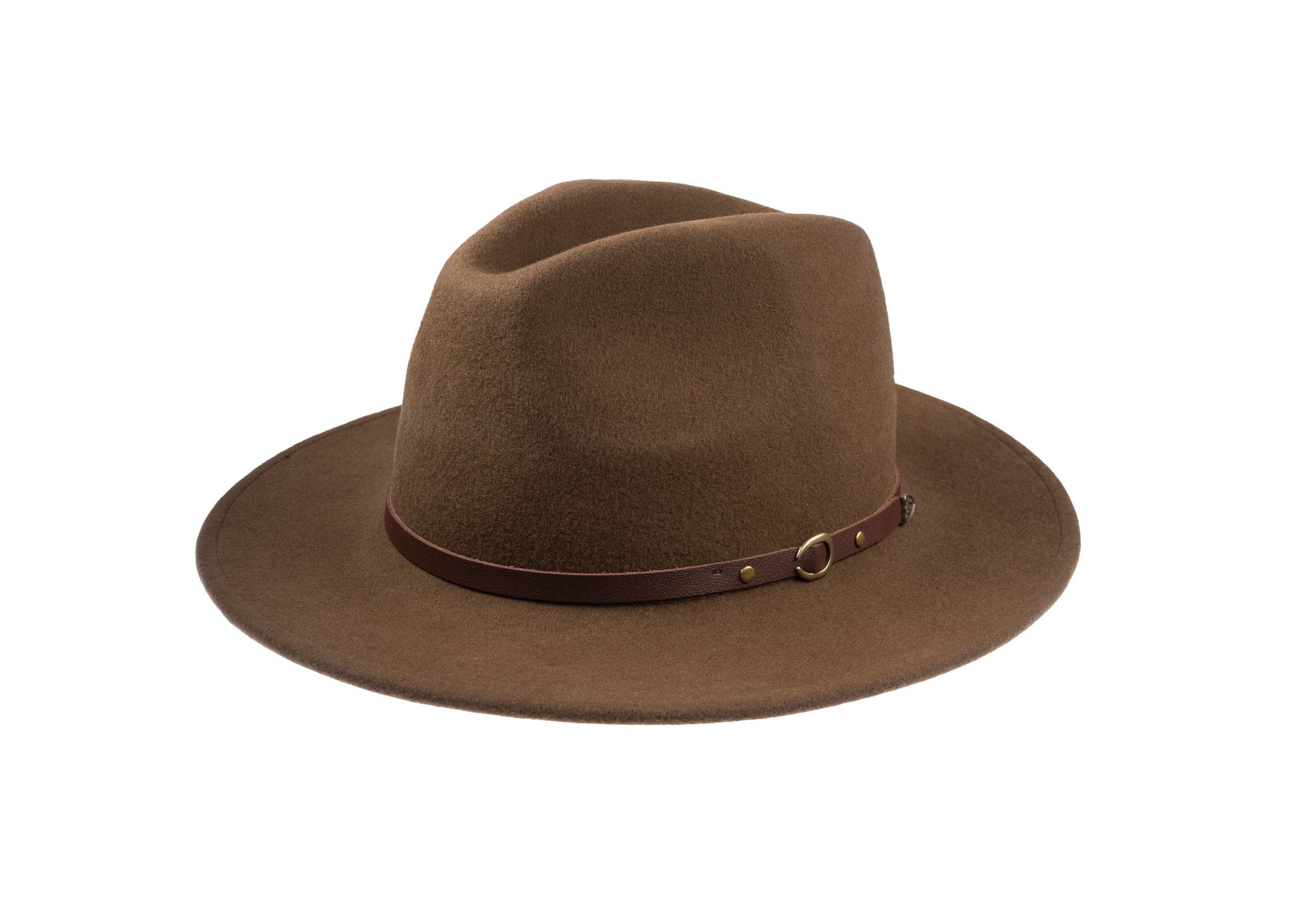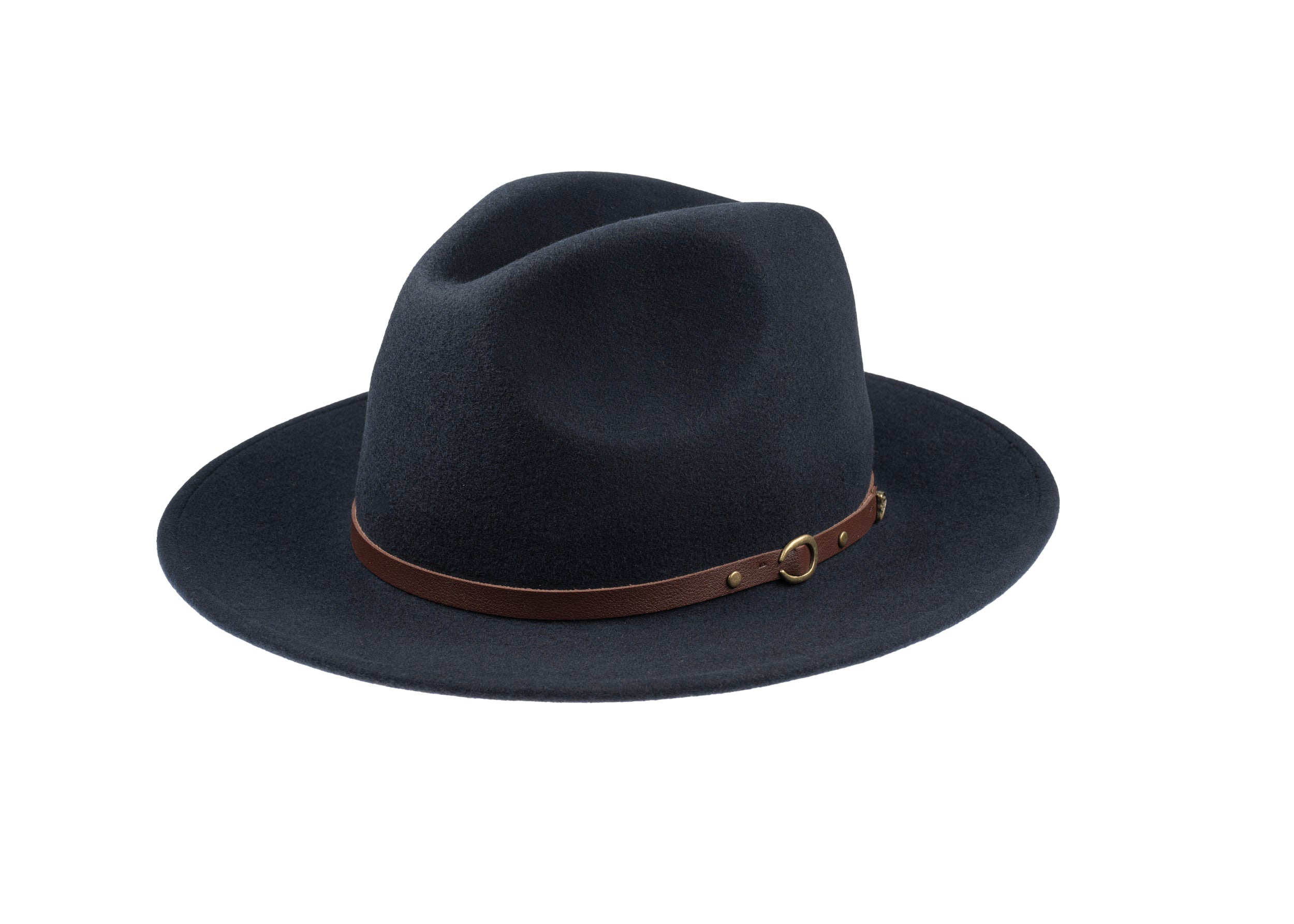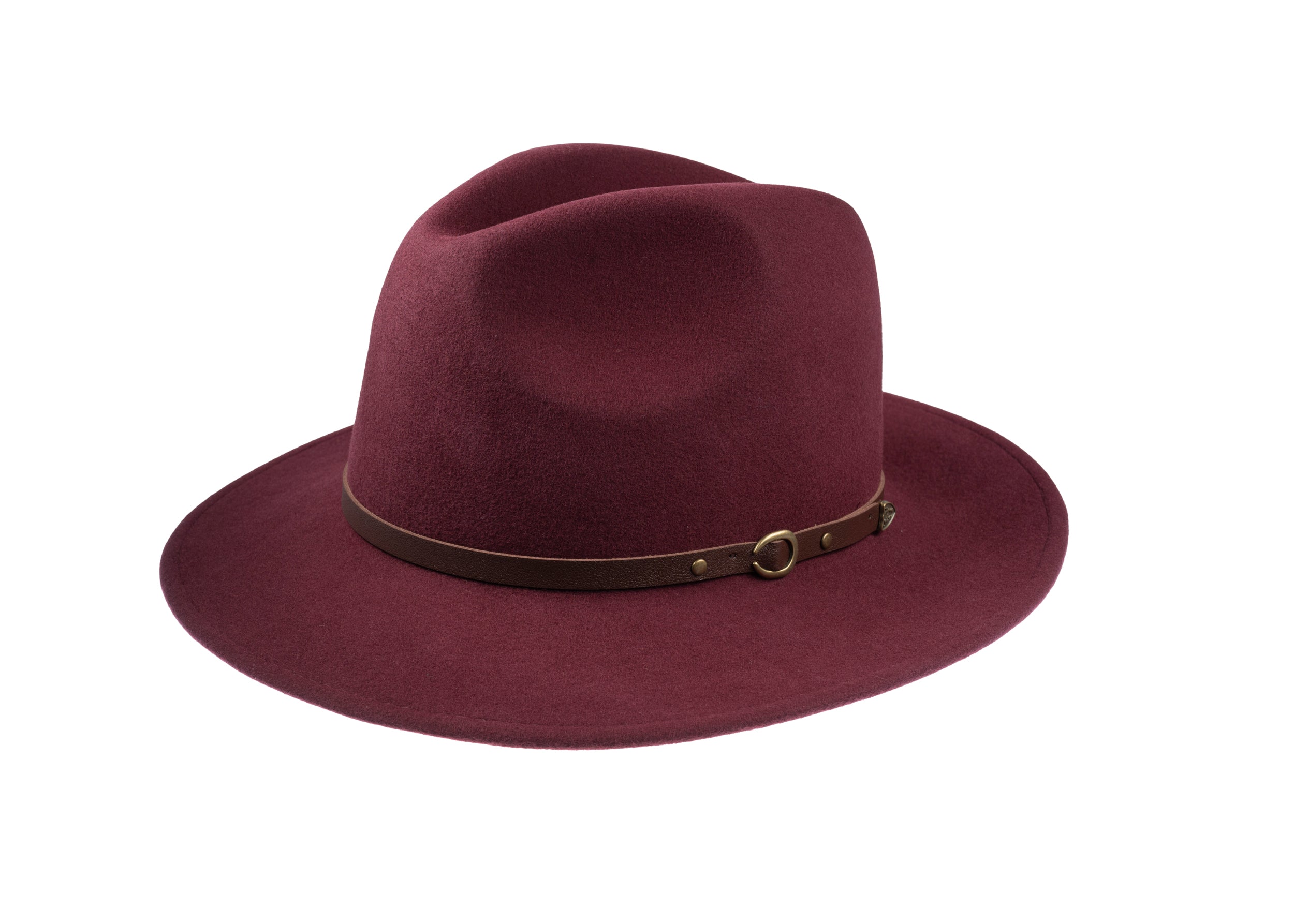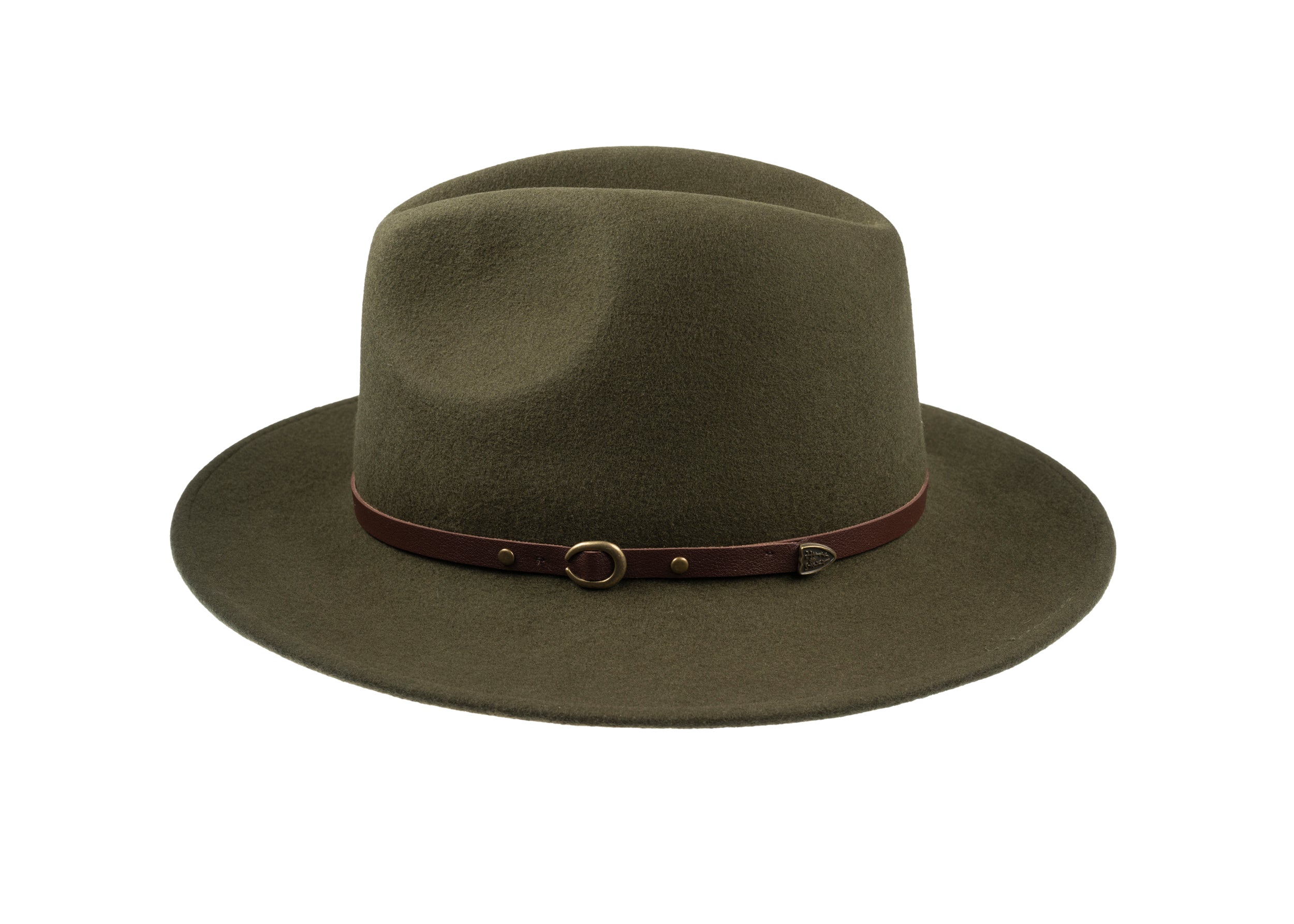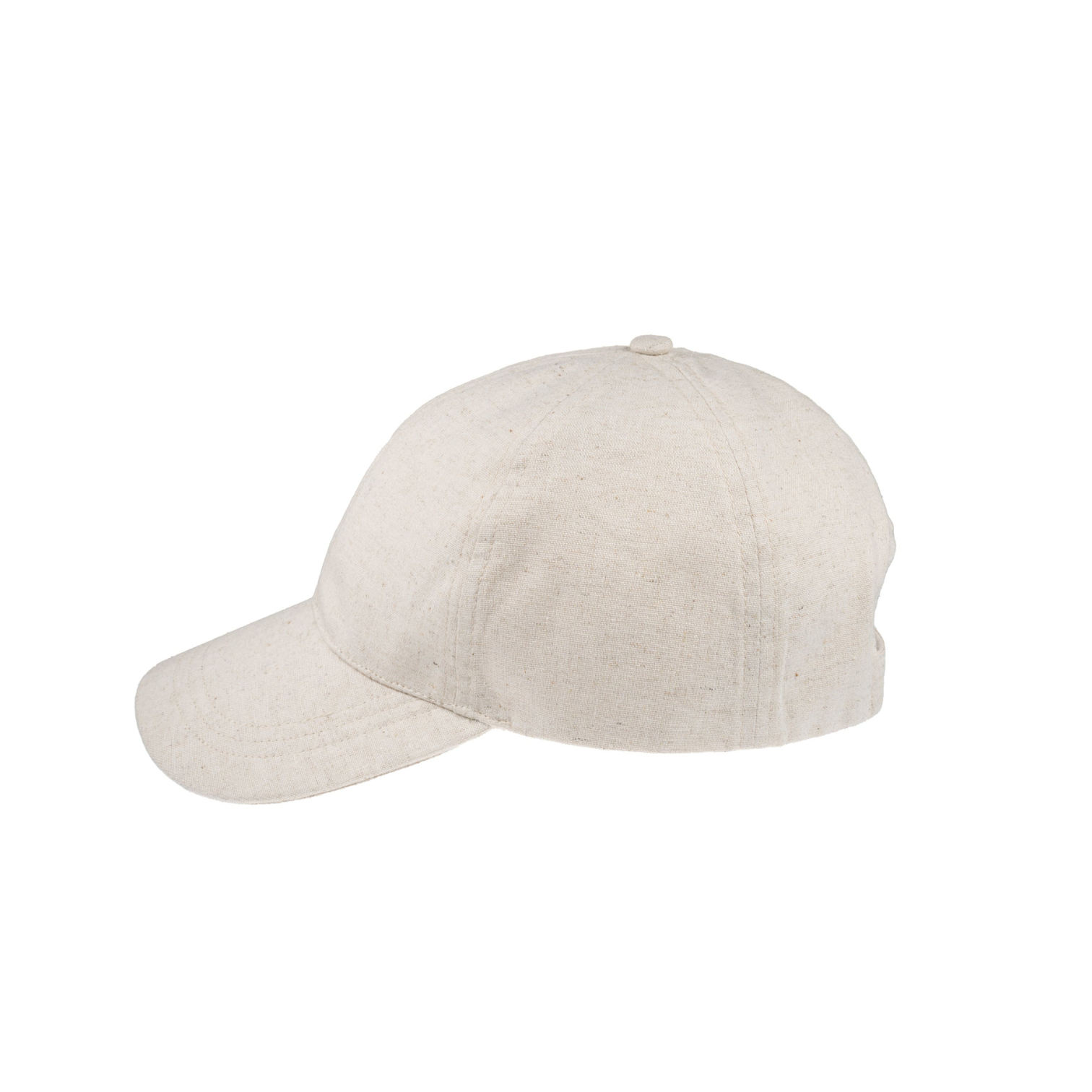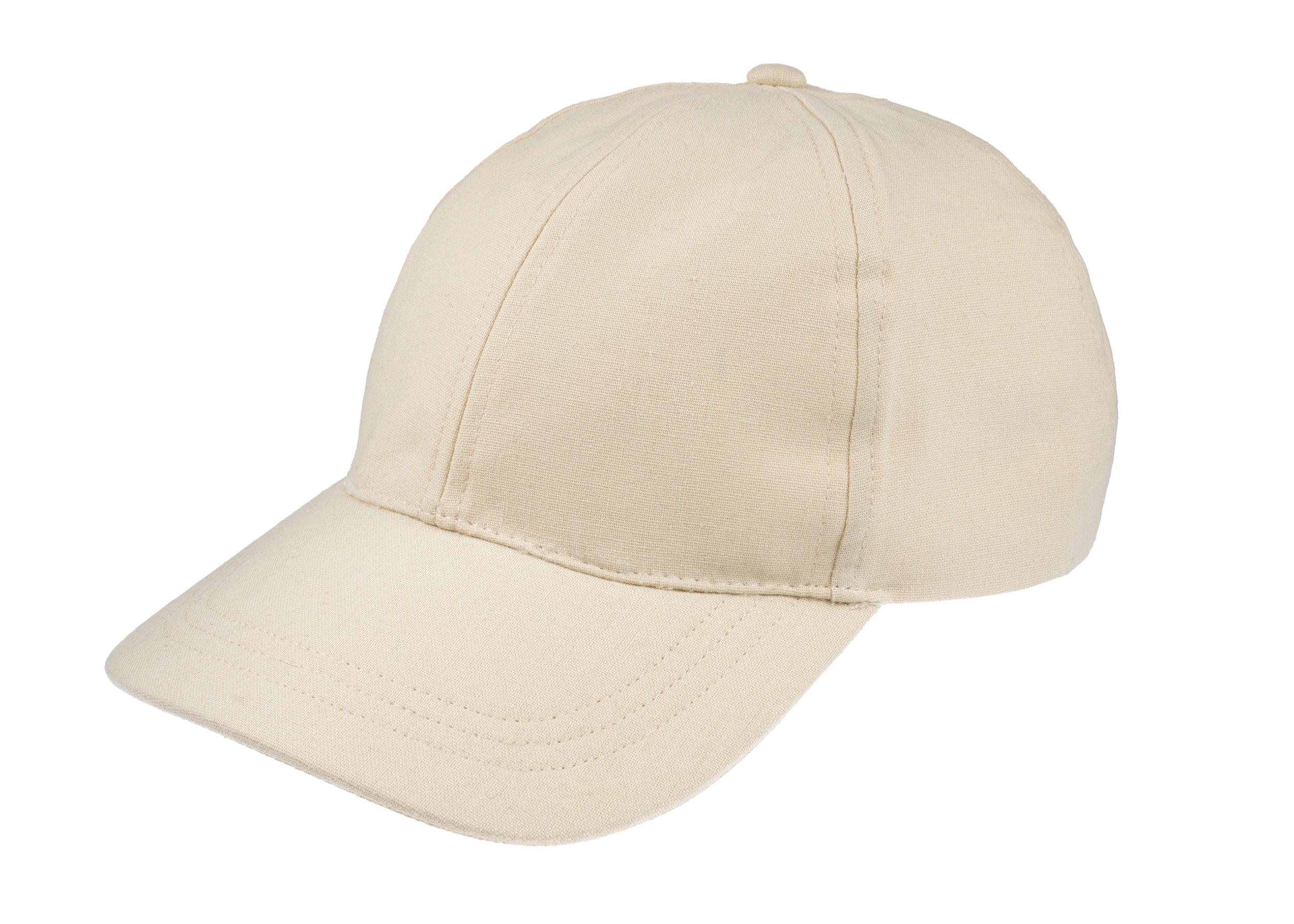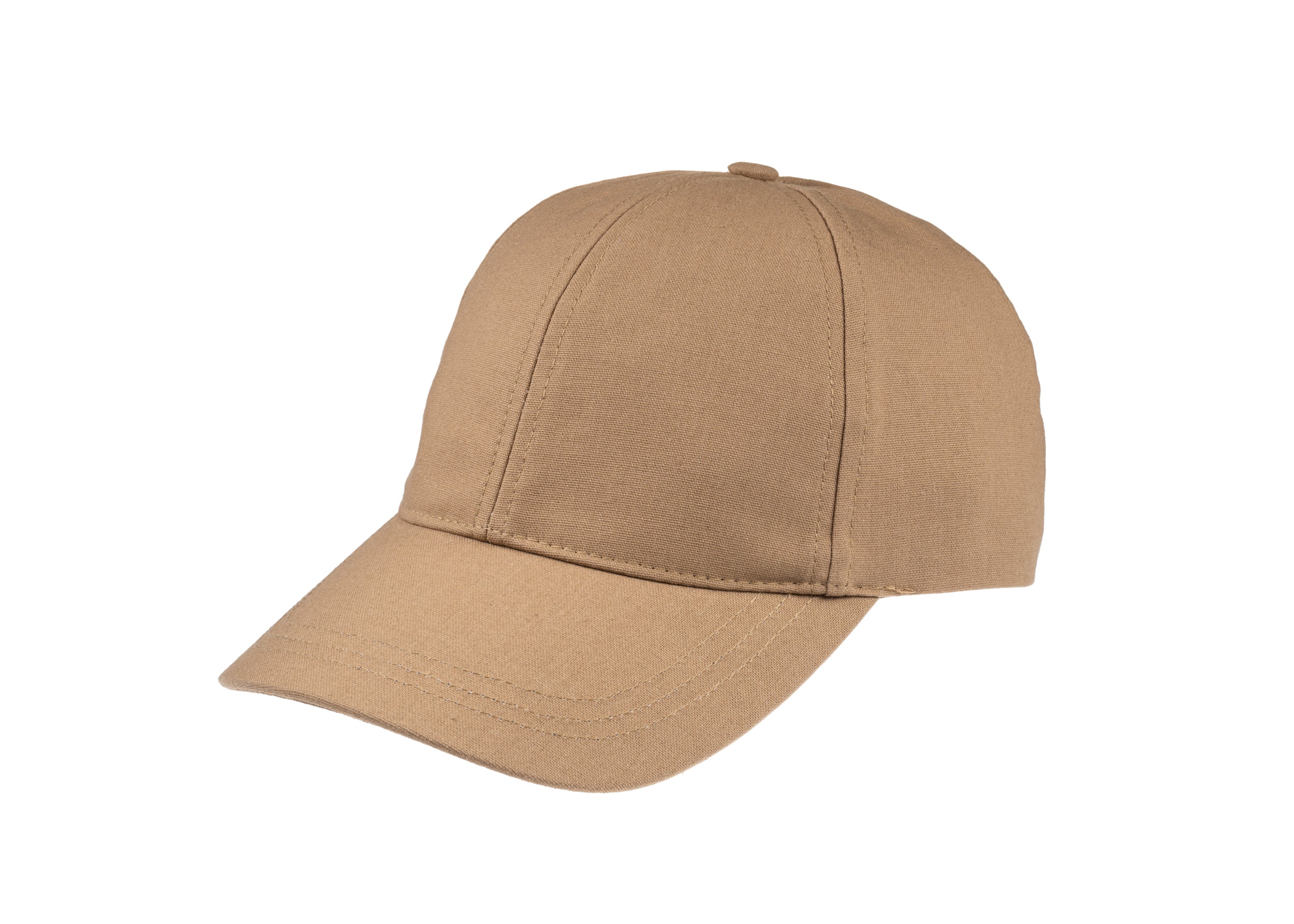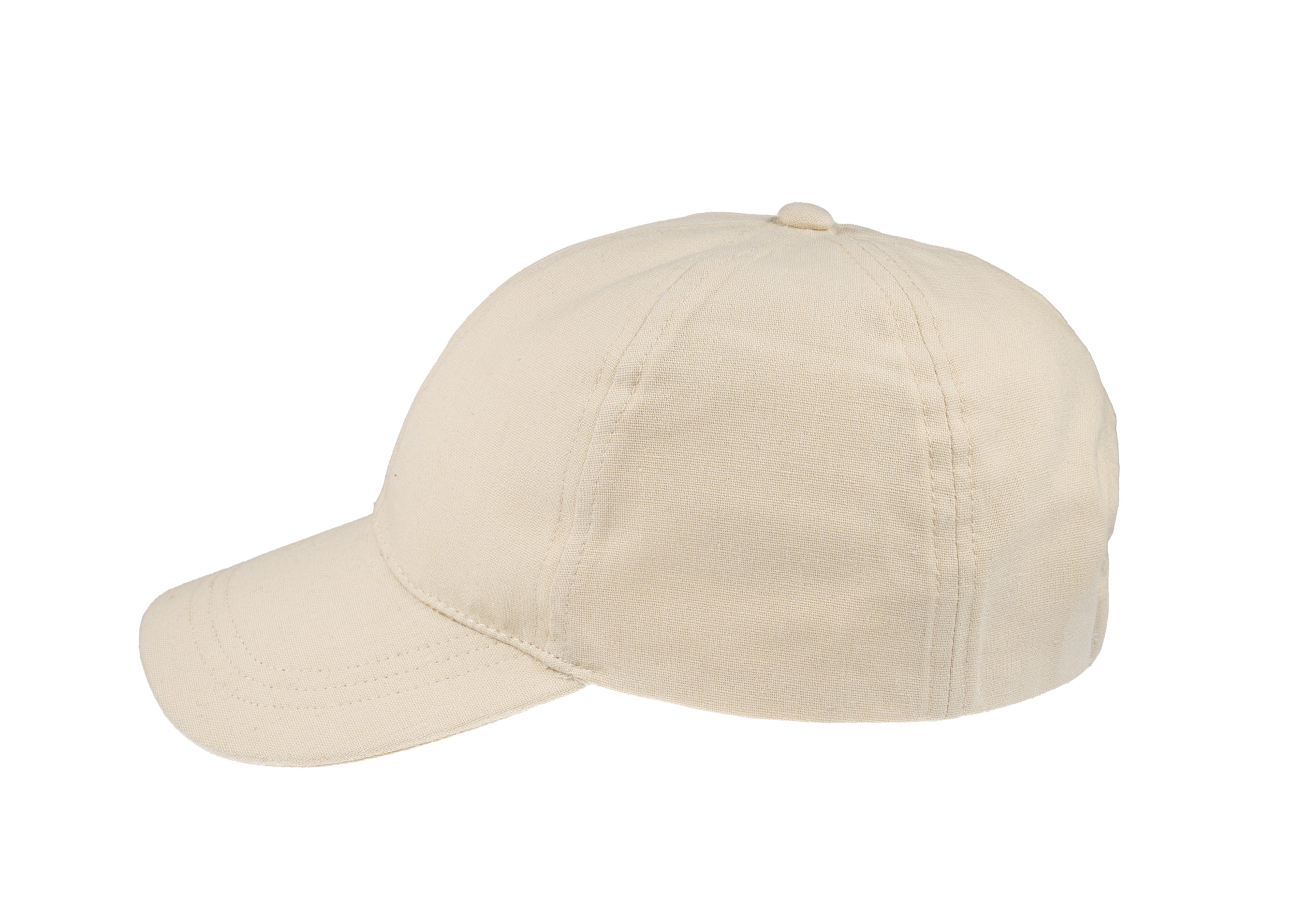




Few caps keep a confident silhouette after repeated wear; crowns soften, edges blur, and shapes sag. The difference rarely shows on the tag: fibre, weave, and density define initial structure, while felting, blocking, and finishing build lasting resilience.
This post explains how to match fibre, weave, and density to the structure you seek; how felting and blocking consolidate that form; and how finishing, style choices, and weather affect a cap's longevity. It includes practical selection tests, clear visual cues for common styles, and pragmatic care, storage, and repair steps to keep a cap crisp, shapely, and resilient.

How fabric defines a cap's shape and character
A cap's character begins in the fibre. Wool's natural crimp helps it spring back after compression, cotton produces crisper edges but less elastic recovery, and synthetic fibres offer stronger memory and greater abrasion resistance. Assess resilience by handling swatches — pinch, release, and scrunch to judge how the cloth recovers. Weave and weight then determine the silhouette: tight weaves, such as twill or canvas, give sharper brims and cleaner crown lines, while looser weaves soften the outline. For structured caps, a practical weight sits around 250 to 400 g/m2; compare swatches across that range to observe how heavier cloth holds a sharper fold and lighter cloth yields gentler curves.
What sits beneath the outer cloth matters as much as the face. Fusible interlinings, canvas sweatbands, and light buckram alter recovery and hand, so test the same cloth with different interlining options on a small prototype panel to see how the elements combine. Surface finish changes perceived crispness: sizing, resin or glazed finishes, brushing, and water-repellent treatments modify friction and sheen, and they affect how the cloth ages. Rub and fold treated and untreated swatches, then inspect for pill resistance and subtle shifts in handle. Construction details lock behaviour into a stable silhouette. Seam placement, topstitching, stay-stitching, seam allowance, and brim facings translate a material’s tendency into long-term resilience. Make a toile, or single-piece prototype, adjust stitching and facing widths, then compress and store it to discover which combinations preserve shape best. These are the kinds of details that reward closer inspection.
Choose a linen-blend for cool, structured summer wear

Match fibre, weave, and density to the hat's intended structure
Choose fibres by their mechanical memory. Wool, for example, owes its resilience to crimp and natural elasticity; it typically springs back after a pinch-and-release. Cotton tends to sag unless reinforced with structure, while many synthetic fibres set when heat-treated and will retain a fixed shape. The weave geometry also matters: twill and gabardine, with their diagonal ribs, resist distortion and preserve crisp edges, whereas plain-weave canvas supplies tensile strength that aids rim retention. Felt behaves differently because its fibres are matted rather than woven. To judge a cloth, perform a dampen-and-recover test and a bias-stretch check on a small sample to determine whether it will return to shape and hold curved seams and the crown apex.
Balance density and handle against breathability. A higher grams-per-square-metre weight increases edge retention and reduces drape, so compress a swatch to judge recovery and resistance to folding before you commit to a pattern. Use supporting layers sparingly: stitched canvas, buckram, woven backings, or fusible interfacings. Reinforce the crown front and peak edges rather than stiffening the whole body, which preserves comfort and natural movement. Finishes such as heat setting or light resin treatments alter behaviour; apply them where lasting shape is required, not across an entire cap. Match cloth to style. Structured peak caps favour sturdy twill or canvas with an internal canvas, while softer caps suit tweed or felt with minimal stiffening. To predict performance, carry out simple wear tests that simulate folding and exposure to rain. When the shape needs restoring, a quick steam and block will bring the piece back into form. These considered choices favour caps that perform well over time and reveal their quality on inspection.
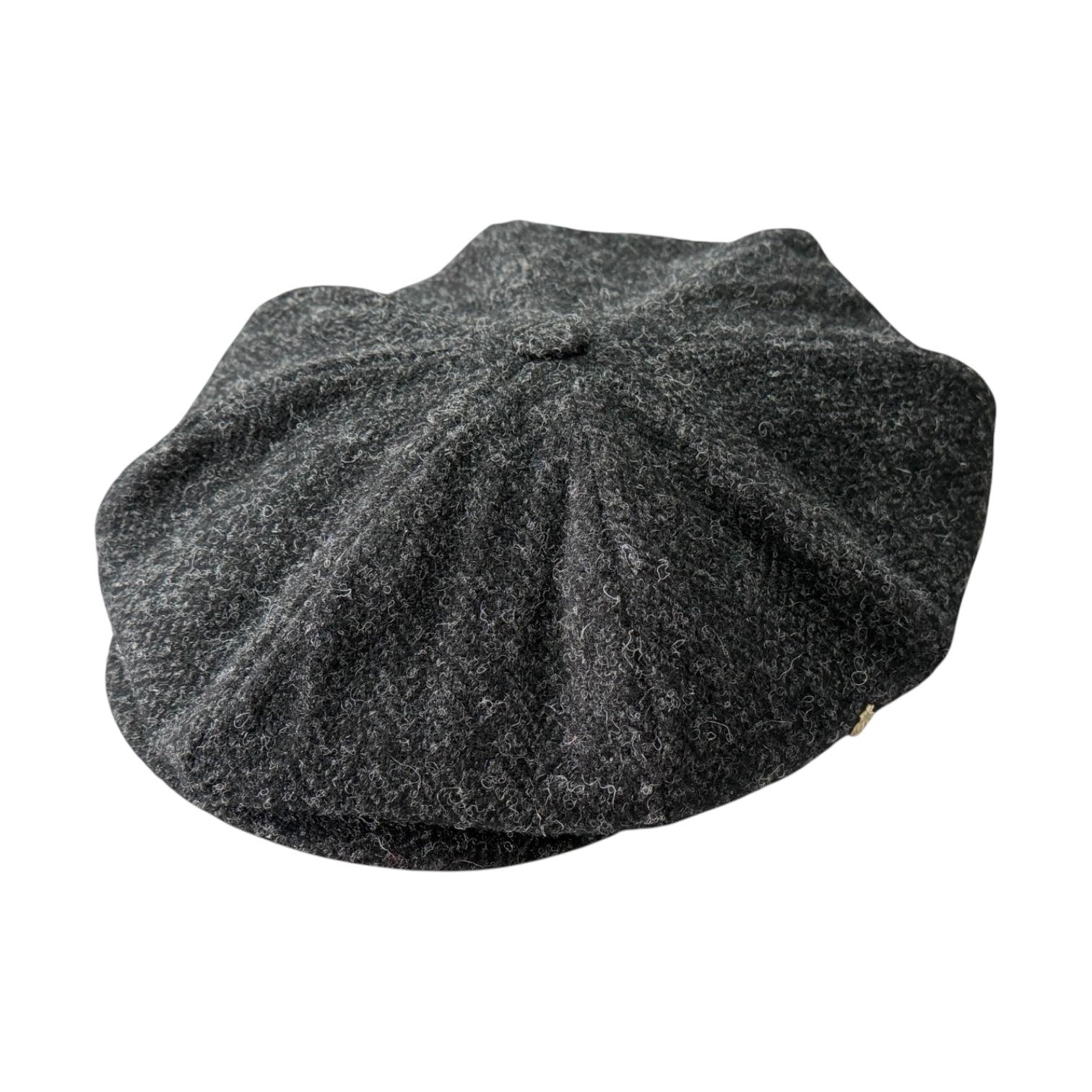
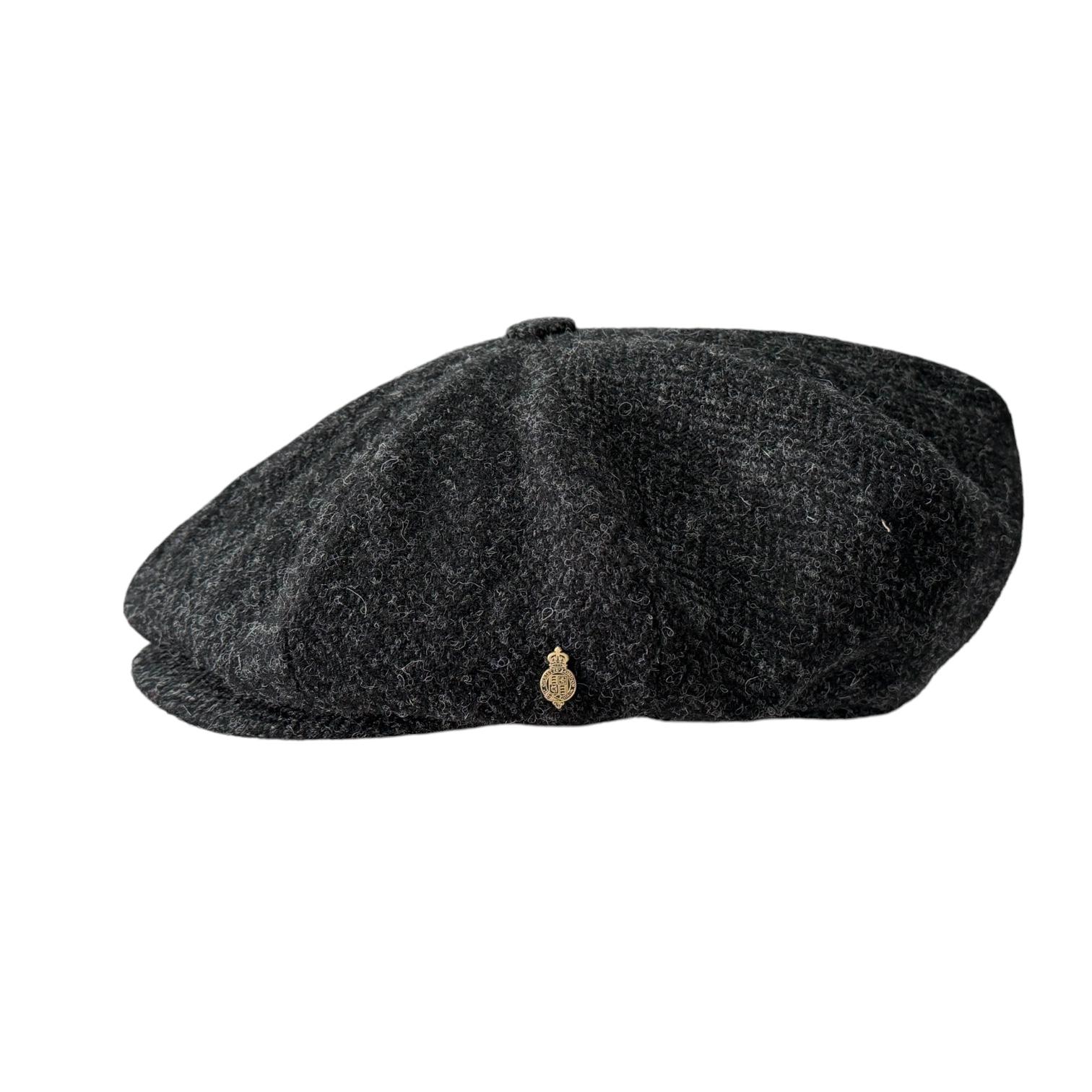
Merino felt holds shape softly for everyday wear.

How felting, blocking, and finishing build a hat's resilience
Felting density determines how a cloth holds its shape. Tighter felting increases fibre entanglement and fabric density, which reduces stretch and sharpens edge definition. By contrast, over-felting can make the material hard and brittle. You can judge the balance with a simple tactile swatch: pinch the fabric and note how quickly it springs back. A prompt recovery indicates firm felting; a slow give suggests a looser finish, and cracking or stiffness on bending is a sign of over-felting. Blocking is the deliberate, low-speed process that turns a softened hood into a shaped piece. Begin by steaming to relax the fibres, then mount the softened cloth on a wooden block sized to the intended crown height and brim curve. Use pins or clamps to control points of tension, set the brim, and refine the line. Allow the hat to cool and dry fully on the block before removing it; the fibres set as they return to room temperature. These small tests and the careful sequence of blocking reveal subtle shaping cues and material behaviour that only sustained attention will make apparent.
Finishings and internal reinforcements determine how well a hat retains its shape. Hatmakers apply interfacings to brims, topstitch or bind edges, use light natural pastes or sizing to set a controlled stiffness, and bevel edges for a tidy roll. A sweatband, stay tape along crown seams, and canvas lining in high-stress areas protect the joins; double stitching or bartacks reinforce points where tension concentrates. Performance is checked with simple, repeatable tests: a push-and-release on the crown to judge spring back, abrasion trials, wet and dry shrinkage tests, and a pinch-and-release resilience assessment. Routine upkeep, such as gentle steaming to reblock, storing the hat on a form, and avoiding crushing, follows longstanding mill practice for preserving shape and longevity.
Practical tests, blocking steps, and reinforcements to build a resilient cap
- Perform simple, repeatable diagnostics: pinch the brim edge and note how quickly it springs back, press the crown with a thumb then release to observe recovery, abrade a hidden area with a soft cloth to check fibre looseness, and dampen then dry a swatch to reveal shrink and shape change; rapid spring-back suggests under-felting, brittle or split rebound suggests over-felting, and excessive surface fuzz or shrink indicates further stabilisation is needed.
- Follow a disciplined blocking sequence: steam to relax fibres, mount the cap on a sized wooden block to set crown height and brim curve, pin or clamp points of tension to maintain shape, and leave until fully cool and dry so the fibre entanglement locks in; check the brim and crown against the block before removing to confirm even contact and edge definition.
- Choose targeted reinforcements where stress concentrates: insert a shaped interfacing in the brim for crispness, stitch a canvas lining or stay tape at crown seams for structural support, add a sweatband to stabilise the headband area, and finish edges with binding or topstitching to prevent roll and fray; remember more interfacing increases stiffness at the cost of flexibility, so match materials to the desired cap silhouette.
- Adopt simple upkeep and performance checks: store on a form to keep profile, reblock with gentle steam rather than forcing shape, avoid crushing during transport, and periodically repeat the pinch and push tests and a small abrasion or wet/dry spot test to decide when light sizing, restitching, or reinforcement is required.

How to choose fabric for style, structure, and weather
With those reinforcements in mind, choose cloth for its memory and handle; the fibre structure determines how a hat will behave. Wool and wool blends spring back because crimped fibres hold a crease, cotton twill gives a crisp edge yet relaxes sooner, densely woven gabardine and felt will mould to and retain a formed crown, and synthetic yarns contribute long-term resilience. Favour mid to heavy weights and tight weaves: higher thread density spreads tension and resists distortion. Look for twill or gabardine constructions, and mill finishes such as sizing or resin that increase stiffness without altering the hand. Secure the outer cloth with internal architecture rather than relying on the shell alone: a shaped interlining, canvas, or buckram (stiffened cotton) combined with a snug, sweatband-anchored headband and strategic topstitching controls stretch and preserves edges. These details cost little in appearance but repay inspection with a hat that keeps its shape and wears well over time.
Match cloth choice to the conditions you expect, balancing weather performance with comfort. For warm, humid wear, choose breathable weaves and moisture-wicking linings to prevent fibres relaxing under sweat. In damp climates, prefer compact weaves or fabrics with water-resistant finishes to reduce sagging. Preserve and reset a cap's geometry by steaming and blocking it on a sized form, storing it on a form or flat in a cool, dry place, and rotating wear so the fibres have time to recover. Avoid repeated aggressive washing, since repeated wetting and drying weakens fibre memory; when necessary, refresh stiffness with light, targeted finishing treatments rather than heavy laundering.
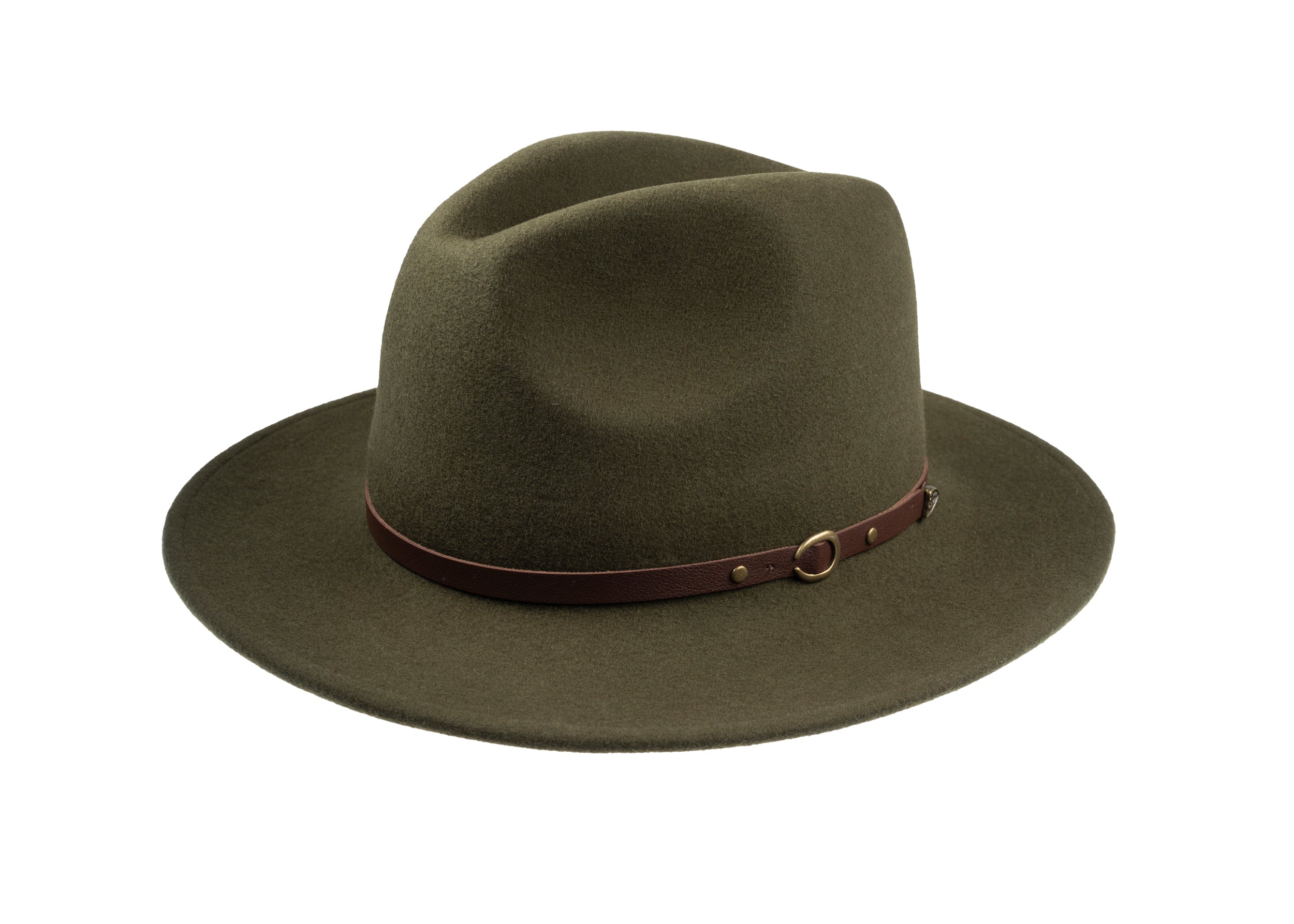
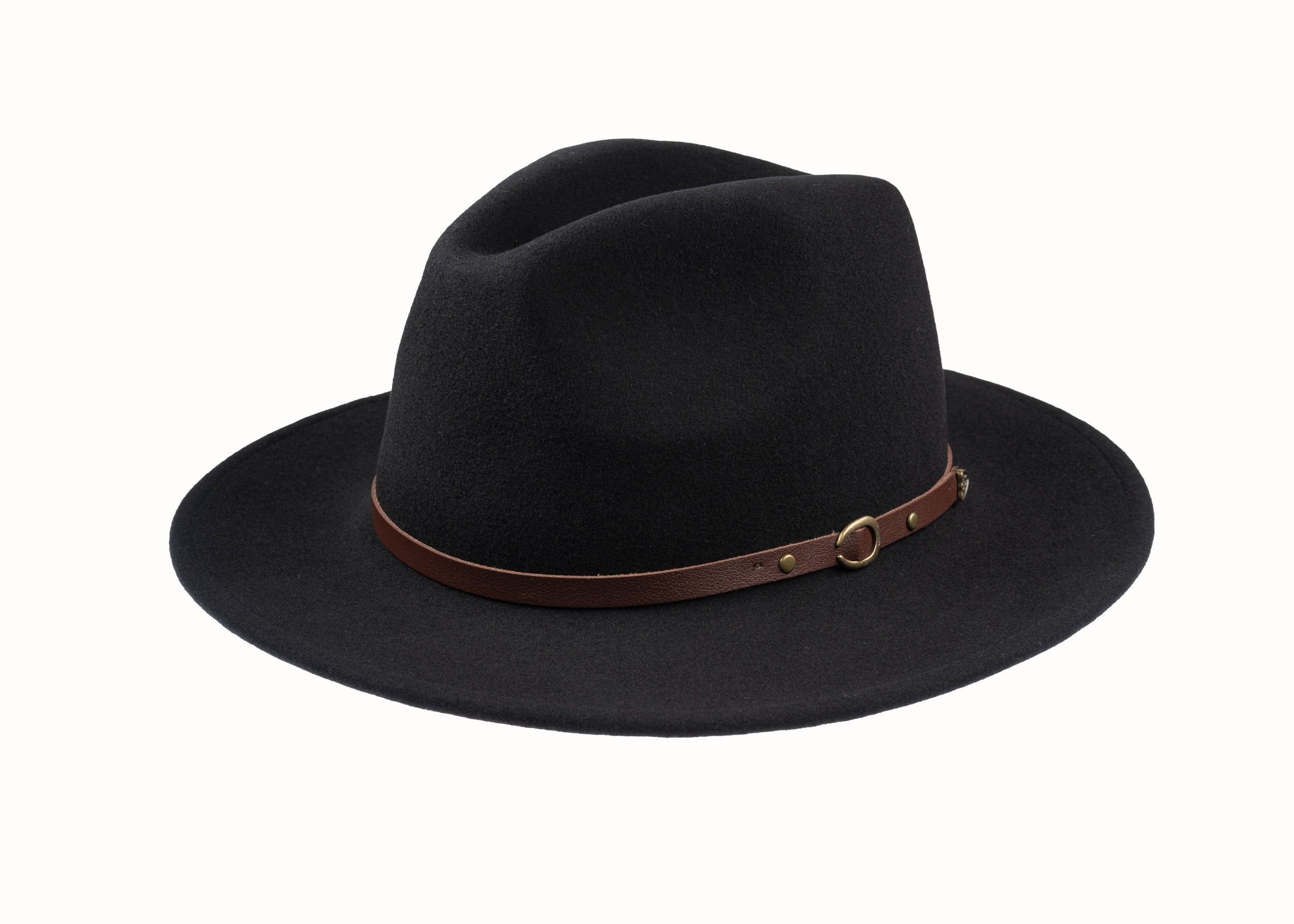
Choose a blocked wool felt for arena-ready structure.

How to preserve a hat's crispness through care, storage, and repair
To preserve that structure, choose a mid to heavy-weight cloth with a tight weave to keep a cap structured; fibre and weave together determine springback and resistance to creasing. Wool maintains shape through its crimp and natural oils, tight twills and heavy canvases resist folding, and modern blends can add memory and abrasion resistance while remaining breathable. Construction is equally important to material: sewn-in interlinings, multi-part crown panels, reinforced seams, and internal taping transfer stress away from the outer cloth. A multi-panel crown or a stitched interlining will hold form far better than a single, unsupported piece. Inspect and reinforce the seams and the sweatband, where tension concentrates, because small interventions in these areas markedly reduce deformation over time.
Care and gentle reshaping will restore a cap's crispness. Spot-clean stains promptly. When washing, use a mild detergent and hand-wash only; blot excess moisture rather than wringing. Reshape while the fabric is slightly damp, then steam gently to relax the fibres so the cap takes the intended profile. Dry the piece on a head-shaped form to set that profile. Avoid harsh agitation and high heat, which can distort the cloth and damage the interlining. Store caps on a form or in a box fitted with internal support, and avoid stacking. Use breathable covers to keep dust off while allowing airflow. Stable humidity and ventilation reduce the risk of mould and insect damage, so cedar blocks or breathable desiccants can help. Simple repairs, such as re-stitching loose seams, replacing or relacing a sweatband, re-blocking on a hat block, or evenly stiffening a brim, restore function more effectively than wholesale replacement; complex block work or rewiring should be entrusted to a specialist. Handled in this way, a well-made cap remains a piece that improves with time and the detail that rewards closer inspection.
A cap's long-term character is determined by the combined choices of fibre, weave, density, and internal architecture. These factors govern springback, edge retention, and resistance to distortion. Shaping tests, such as pinch-and-release, dampen-and-recover, and steam-and-block, reveal how the cloth and its interlinings will perform when worn.
Match the fibre and weave to the silhouette you intend. Add targeted interlining at stress points, and choose finishes that support the form without heavy-handed stiffening. Preserve, and where necessary restore, a cap's geometry with gentle reshaping, storage on a hat block, and modest repairs; these measures help the cap retain its intended silhouette and provide long service.