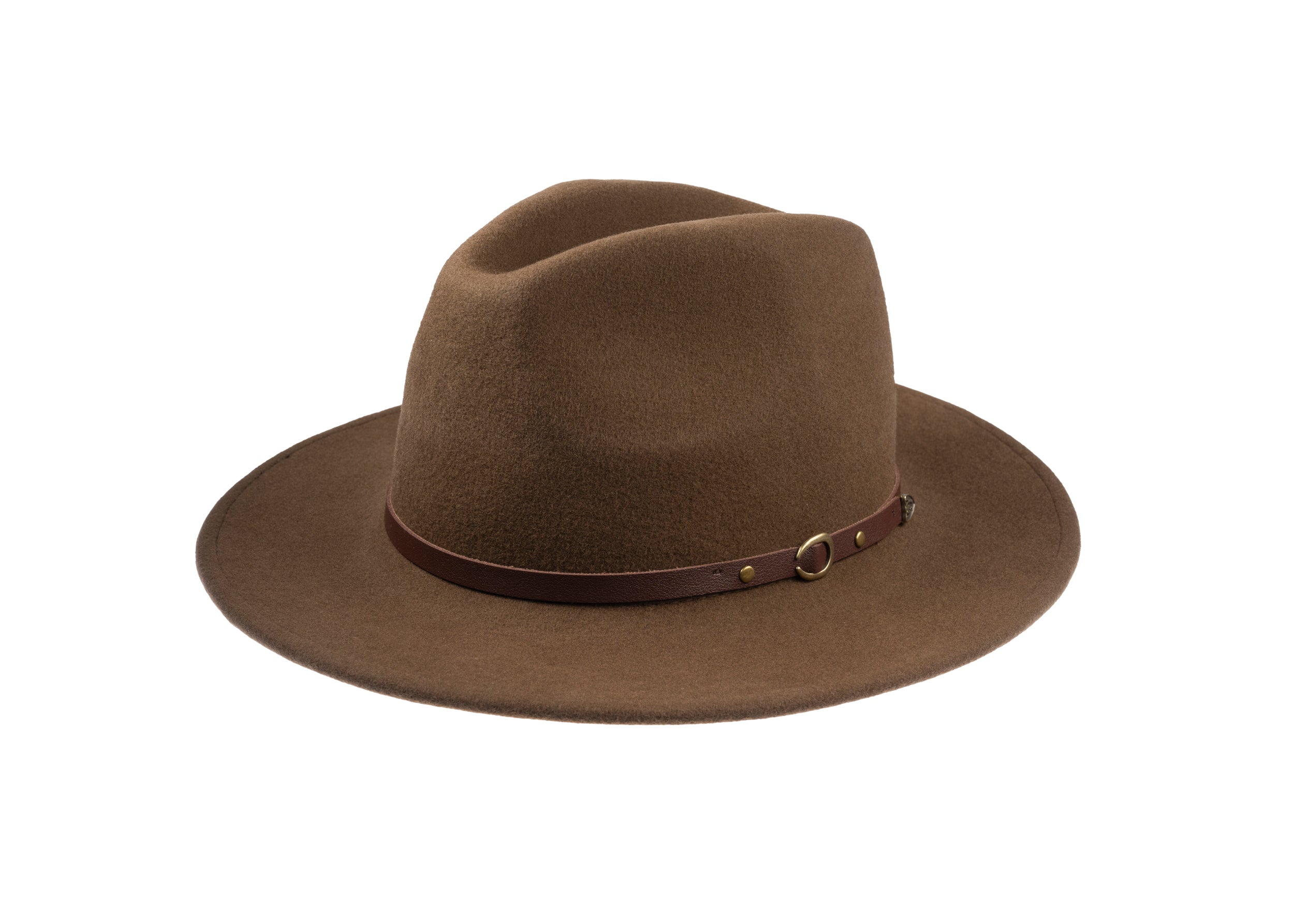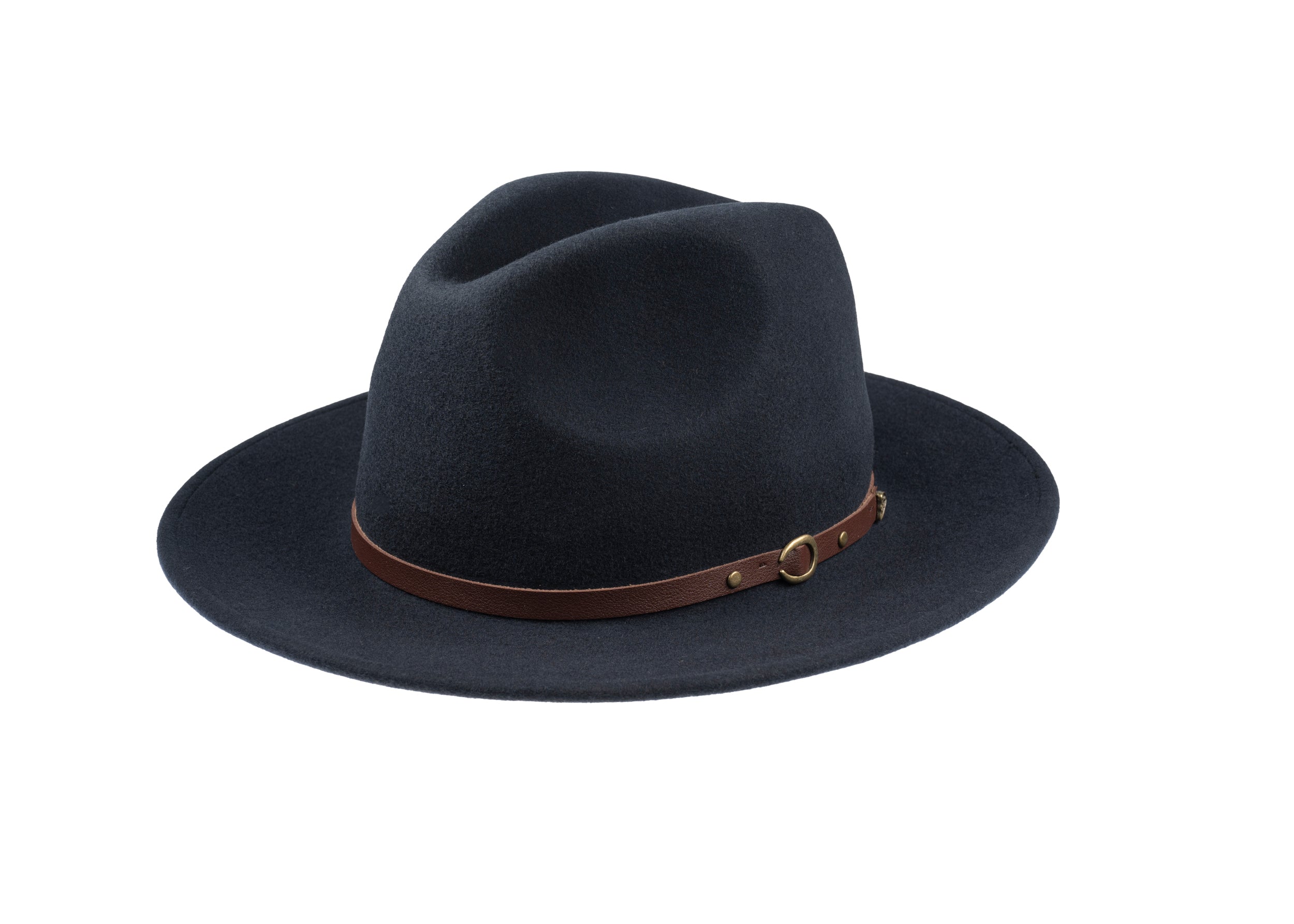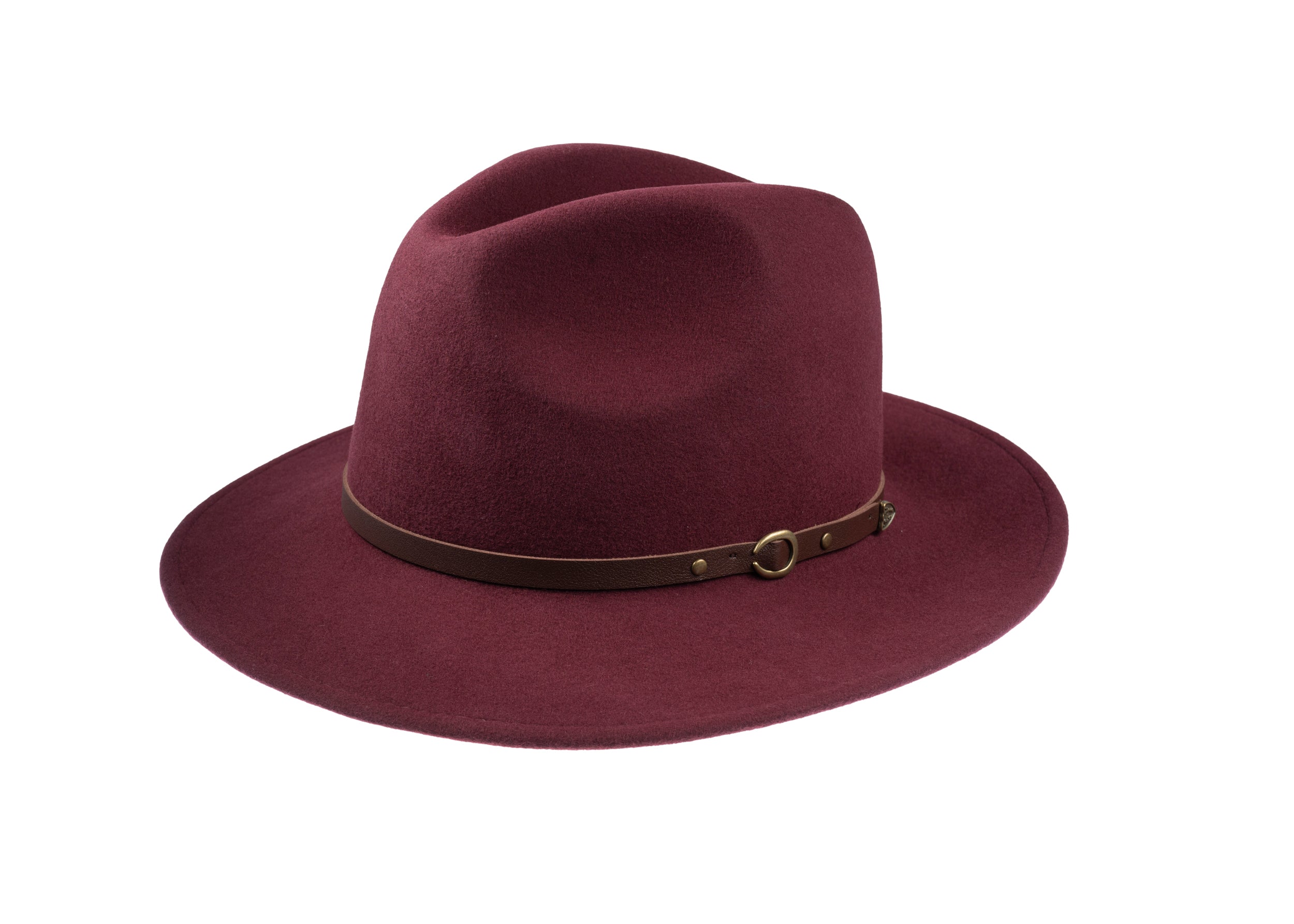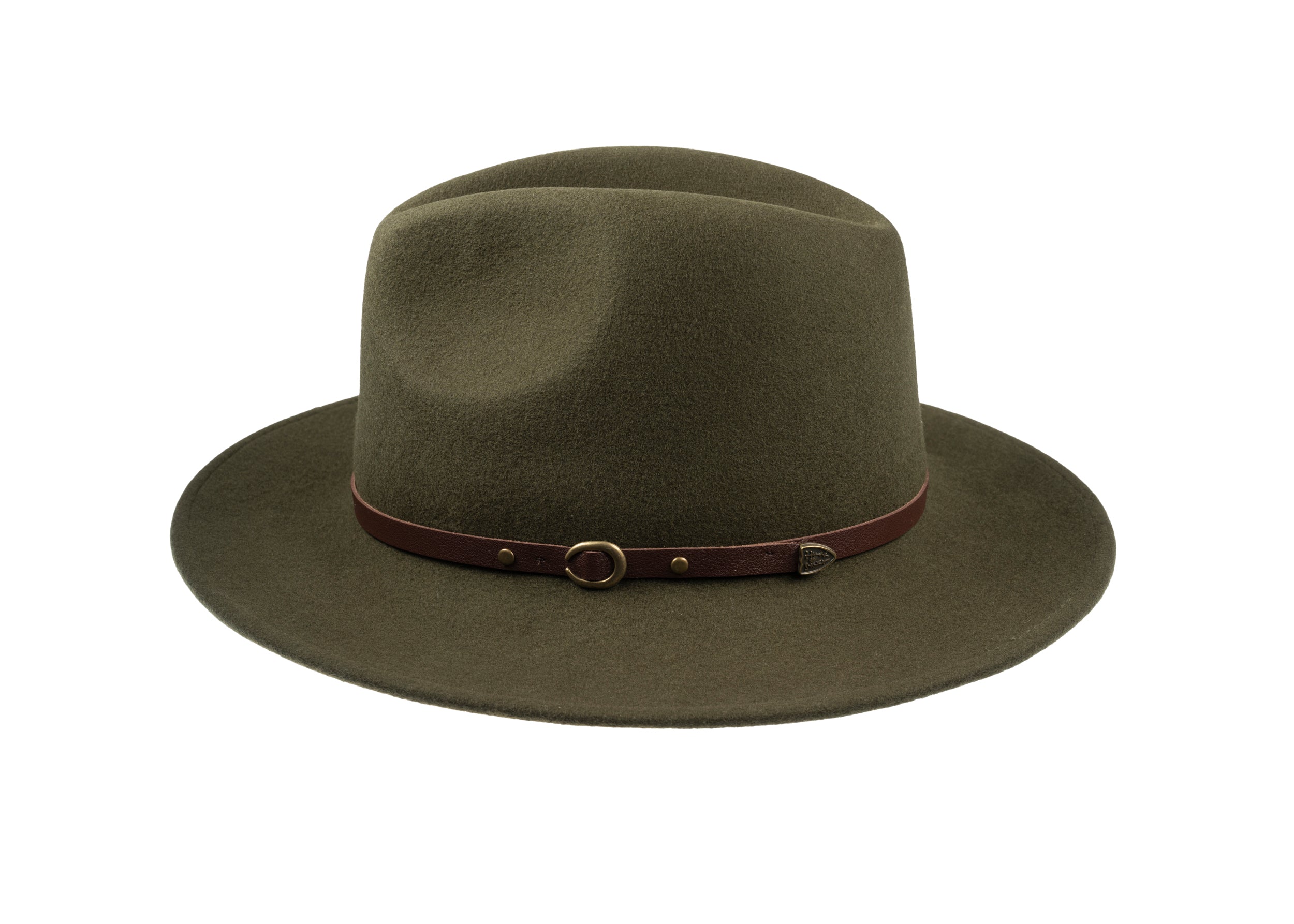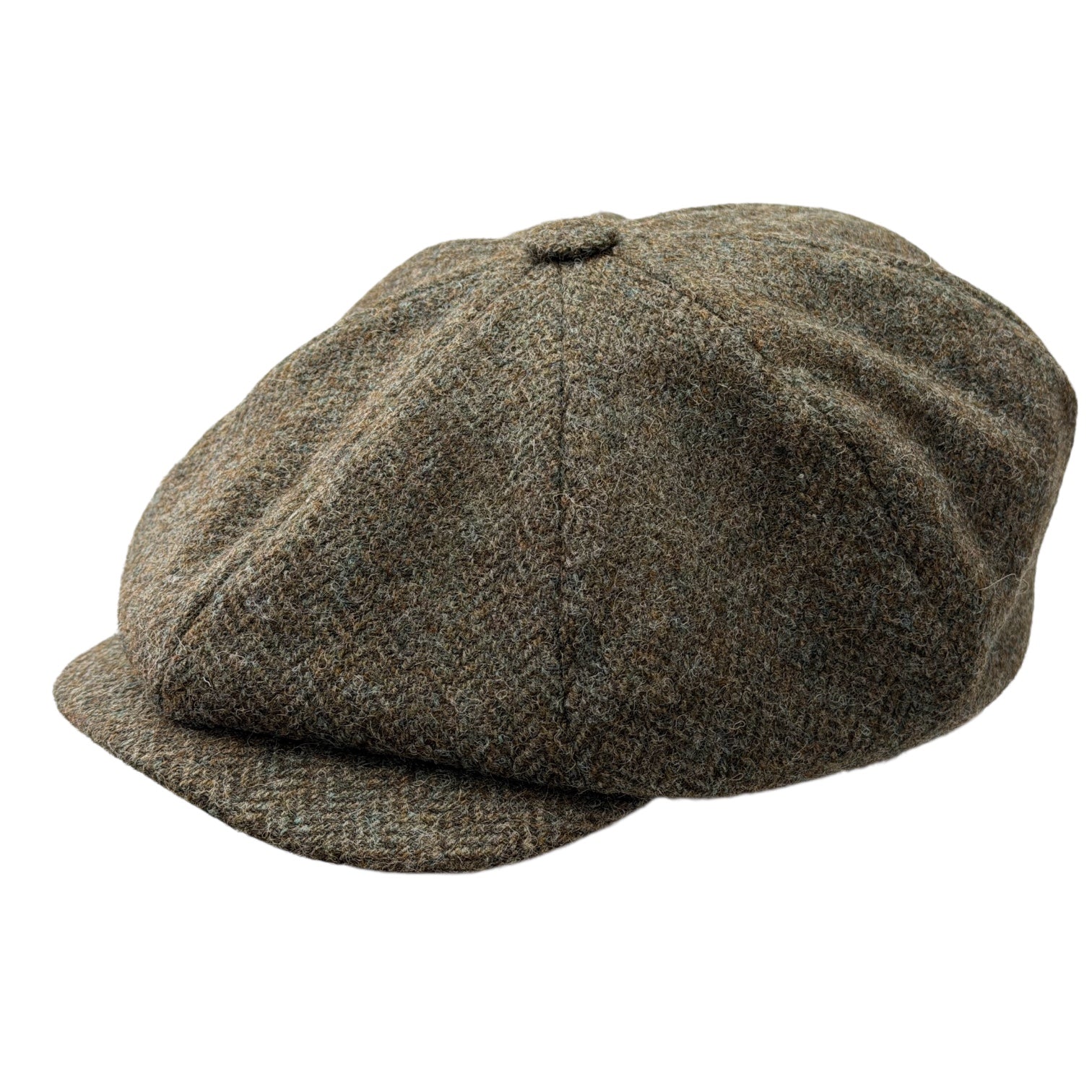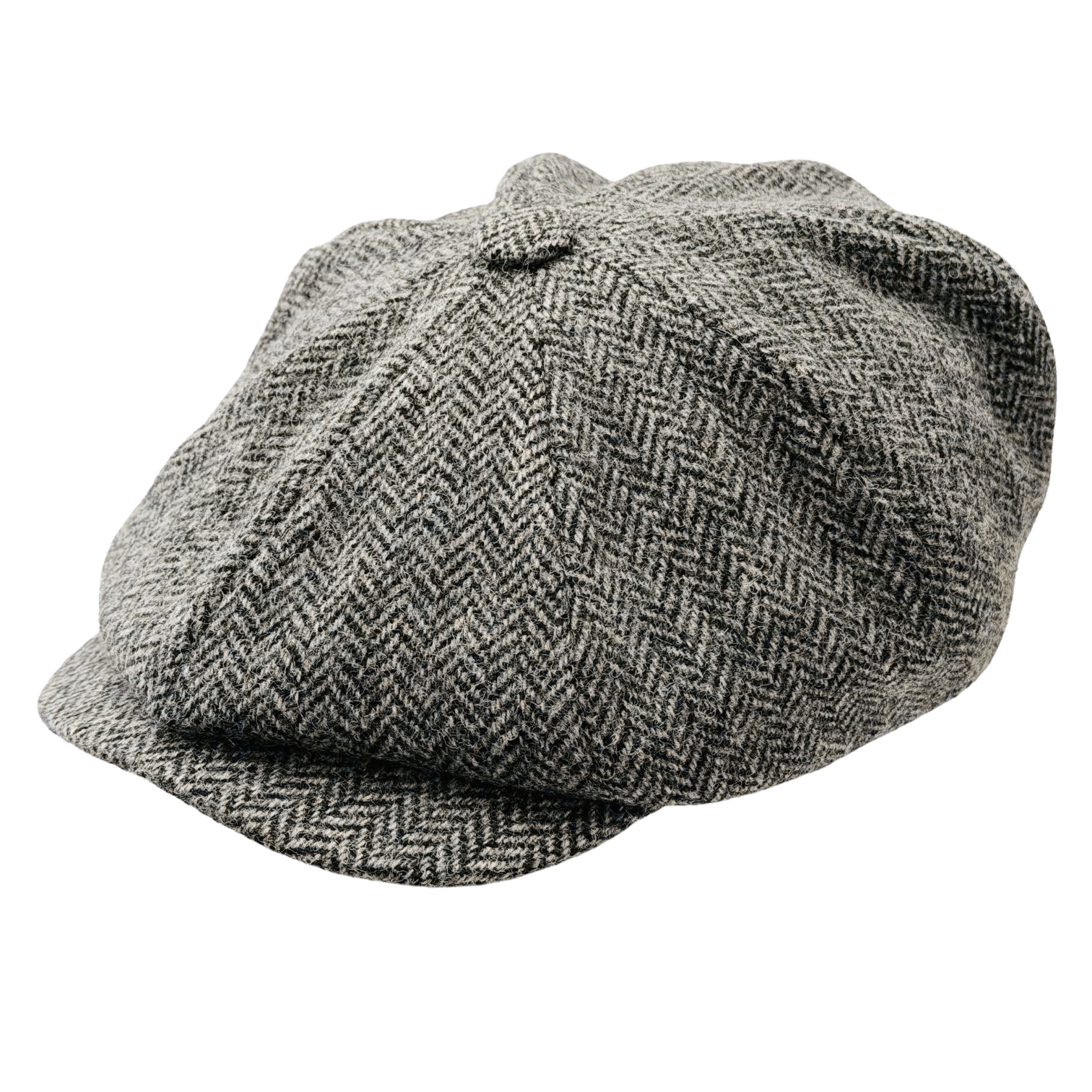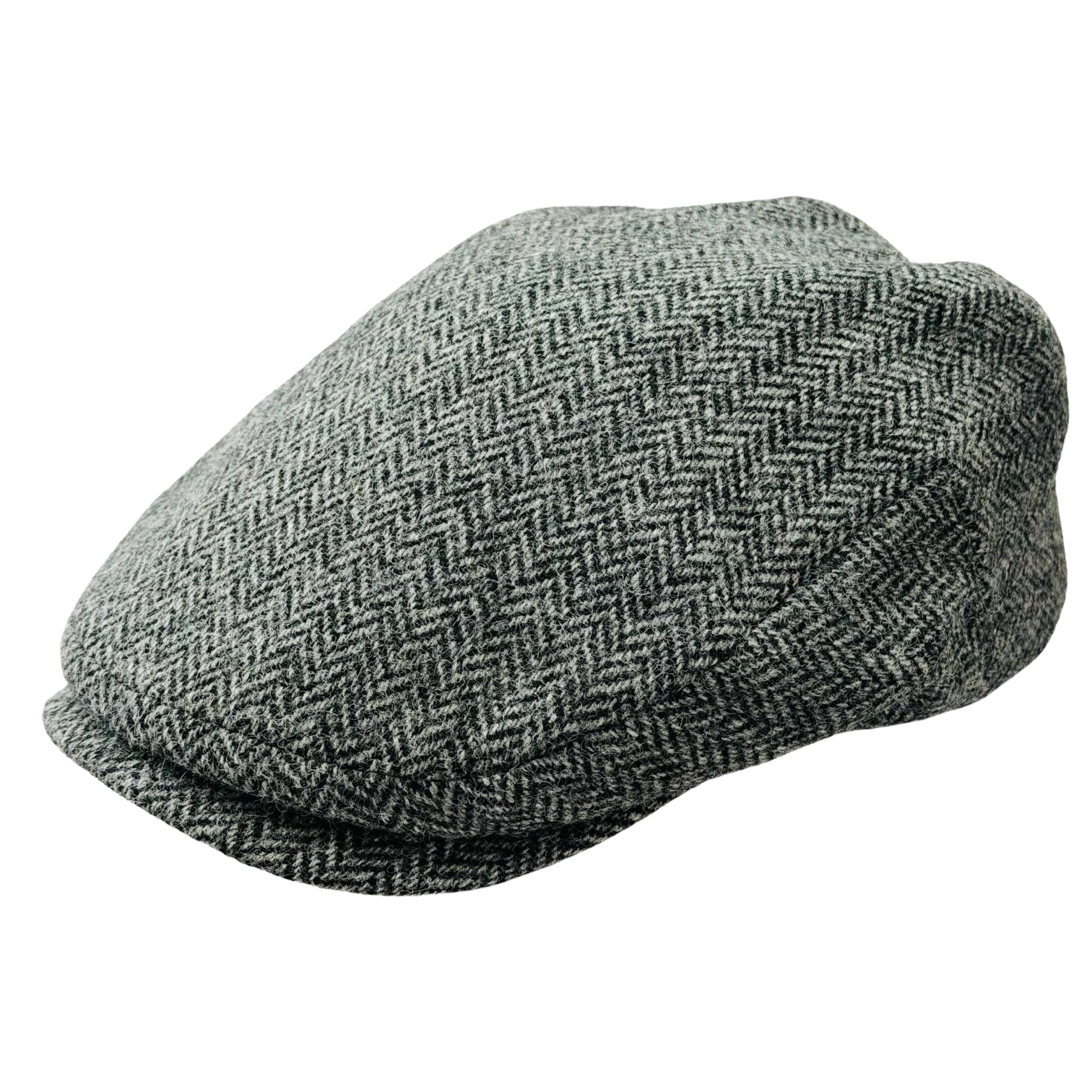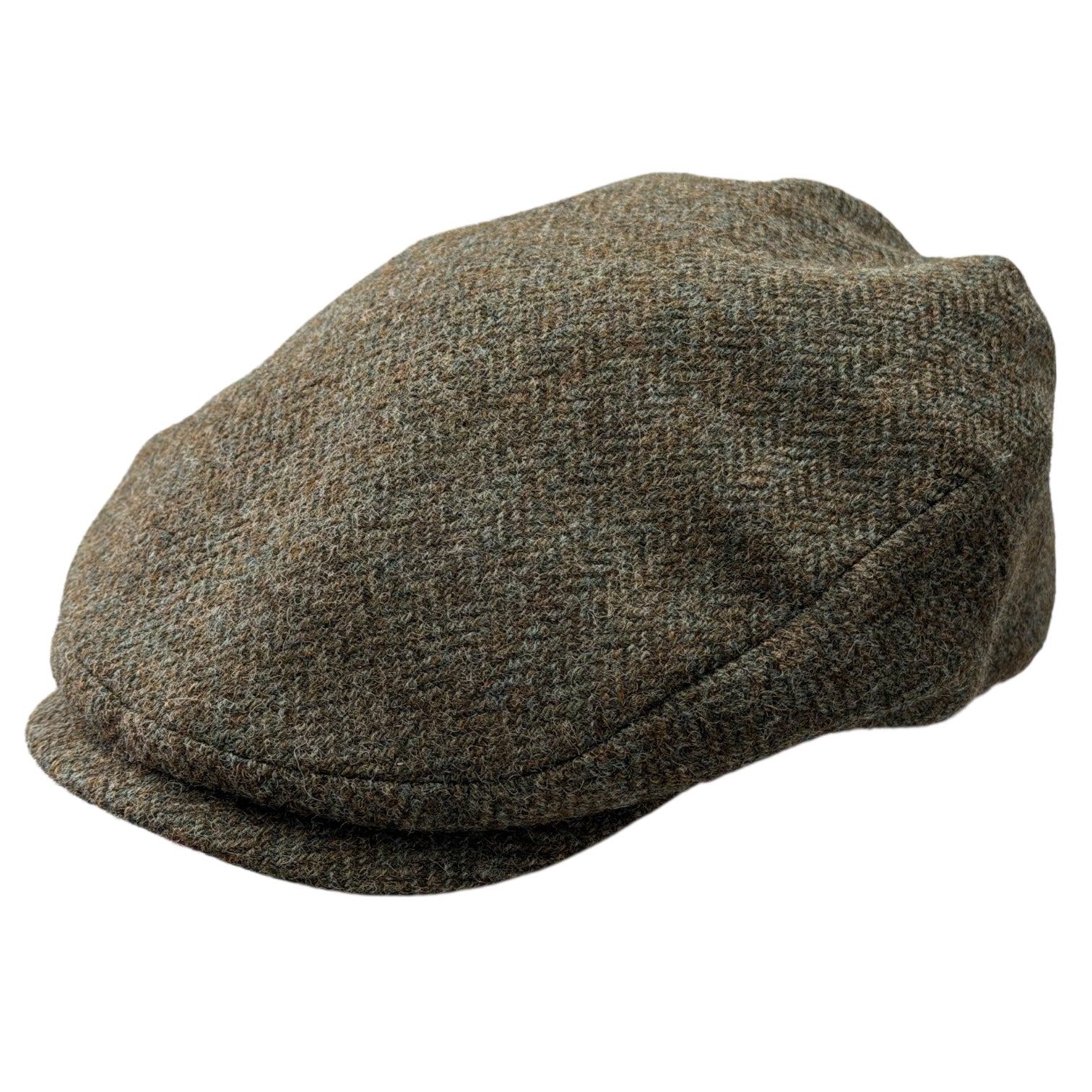


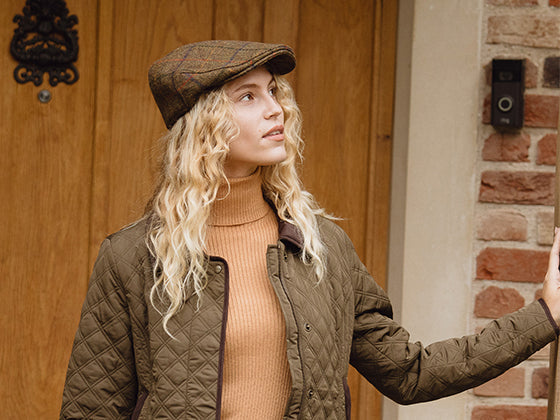


A good hat gift begins with the person, not the most dramatic shape on the product page. Look at how they already dress, where they spend time and what occasion you are marking. A cap that slips naturally into a coat-and-jeans wardrobe may be worn far more often than a formal hat chosen for its theatre alone.
You do not need to know their exact head measurement or established hat style to make a thoughtful choice. Use silhouette to reflect their existing character, material to suit the season and use, and a measurement clue or exchange-friendly route to manage fit. If the evidence remains uncertain, let the recipient choose; that can make the gift more considerate and more likely to be worn.

1. Start with the recipient’s habits, not hat terminology
The first clue for someone who has never worn a hat regularly is the clothing they reach for without thinking. Notice whether their wardrobe is tailored, relaxed, outdoors-led, vintage-influenced or quietly practical. Then look for repeated details: wool overcoats, waxed jackets, denim, linen shirts, trainers, leather shoes, patterned scarves and the colours they wear most often.
Photographs can help, but use them to confirm habits rather than to judge face shape, height or gender. Those may be secondary styling clues, never proof that one hat will suit. A partner’s favourite coat, a parent’s usual weekend jacket or a friend’s travel wardrobe will tell you more about likely wearability.
Also identify the intended life of the gift. A birthday hat for daily autumn walks calls for a different answer from one for a wedding or garden party. Travel, wet weather and outdoor work all favour practical choices, while a formal celebration may allow more structure or presence. Let the recipient’s real routine narrow the choice before appearance does.

2. Let the wardrobe choose the silhouette
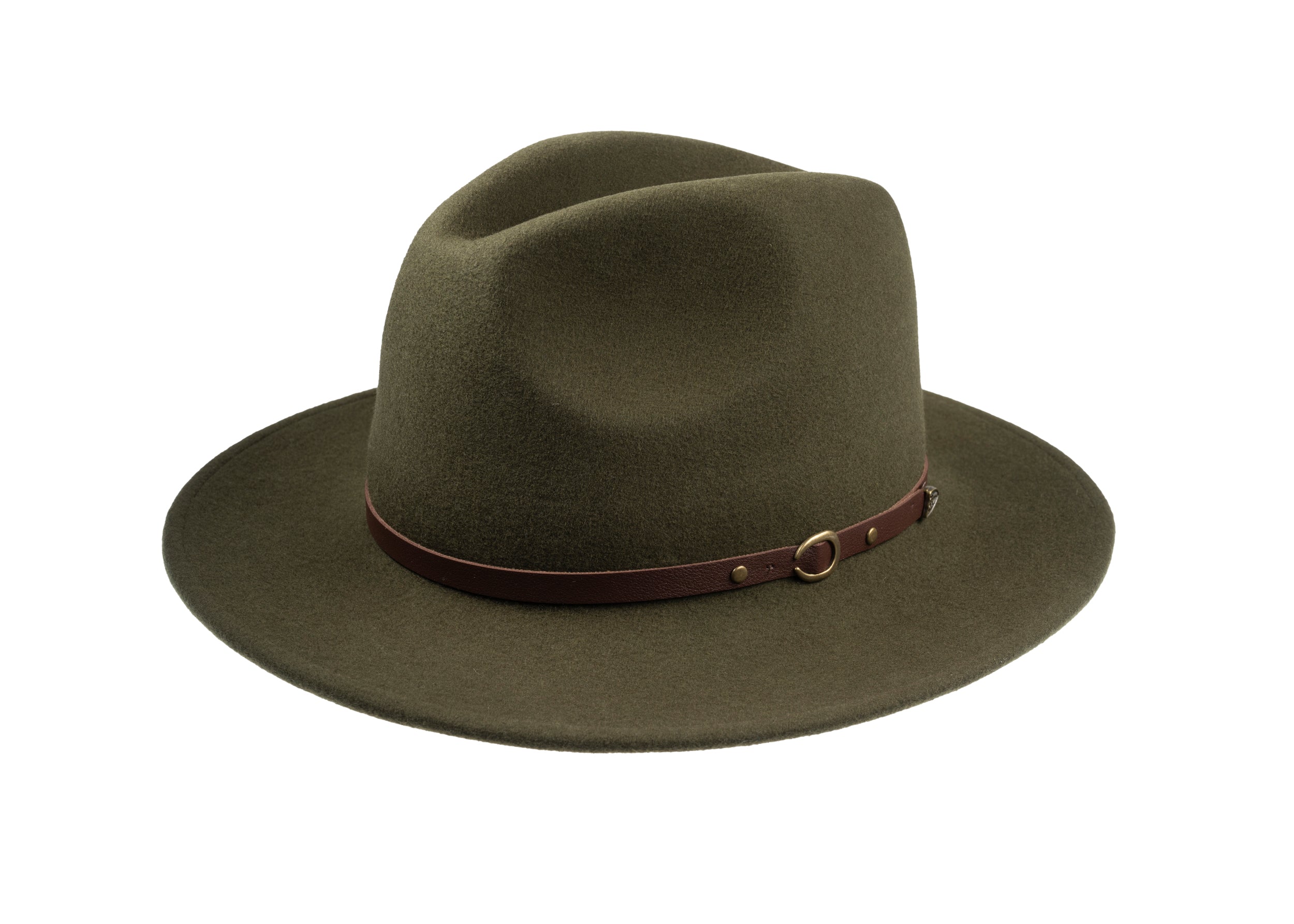
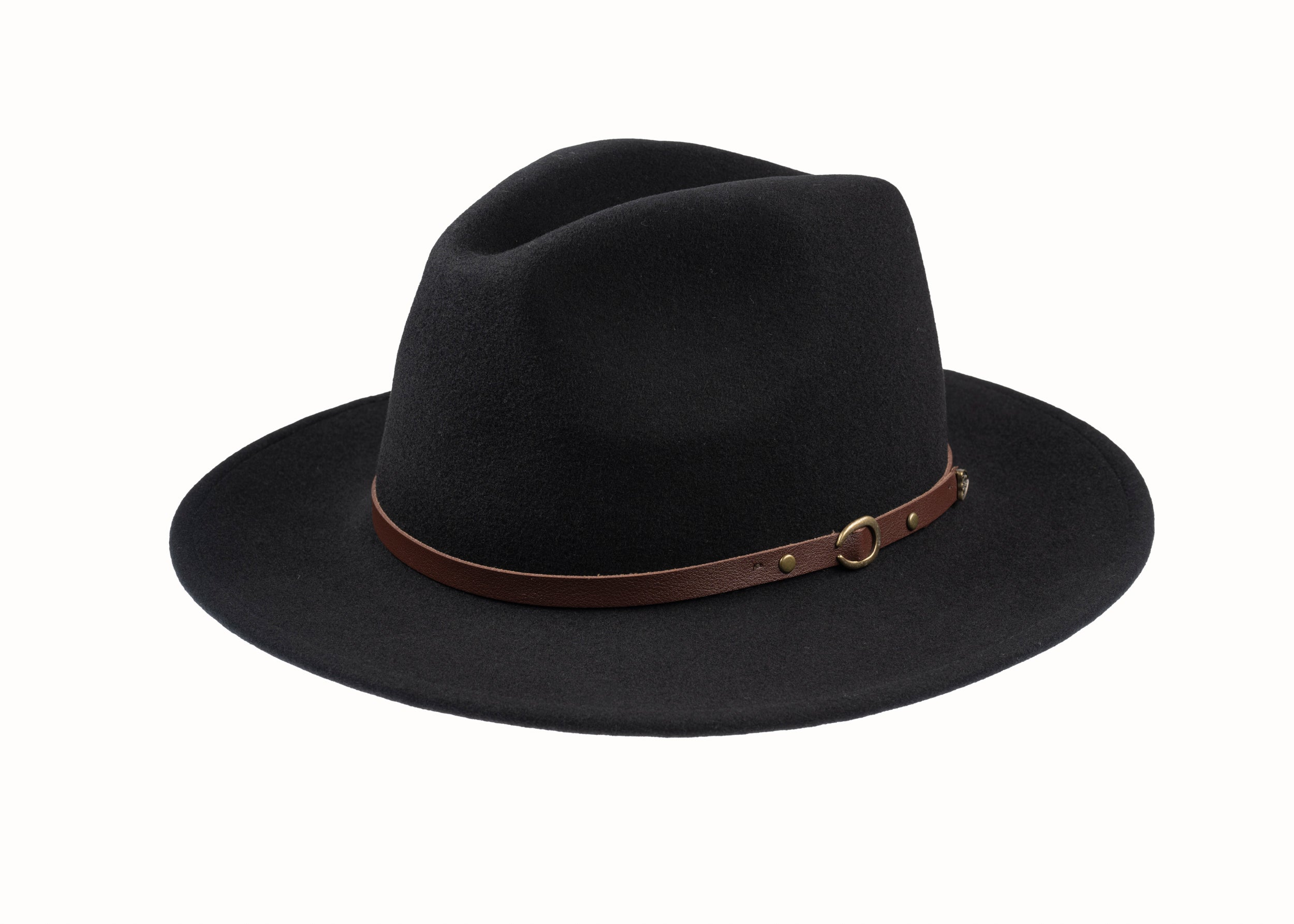
Use the simplest distinction: a cap sits close to the head and usually feels like an extension of casual or country clothing; a trilby has a narrower brim and a more defined, lean profile; a fedora generally creates a stronger presence through a broader brim and fuller proportions. These are useful buying categories, not rigid rules, and individual designs vary.
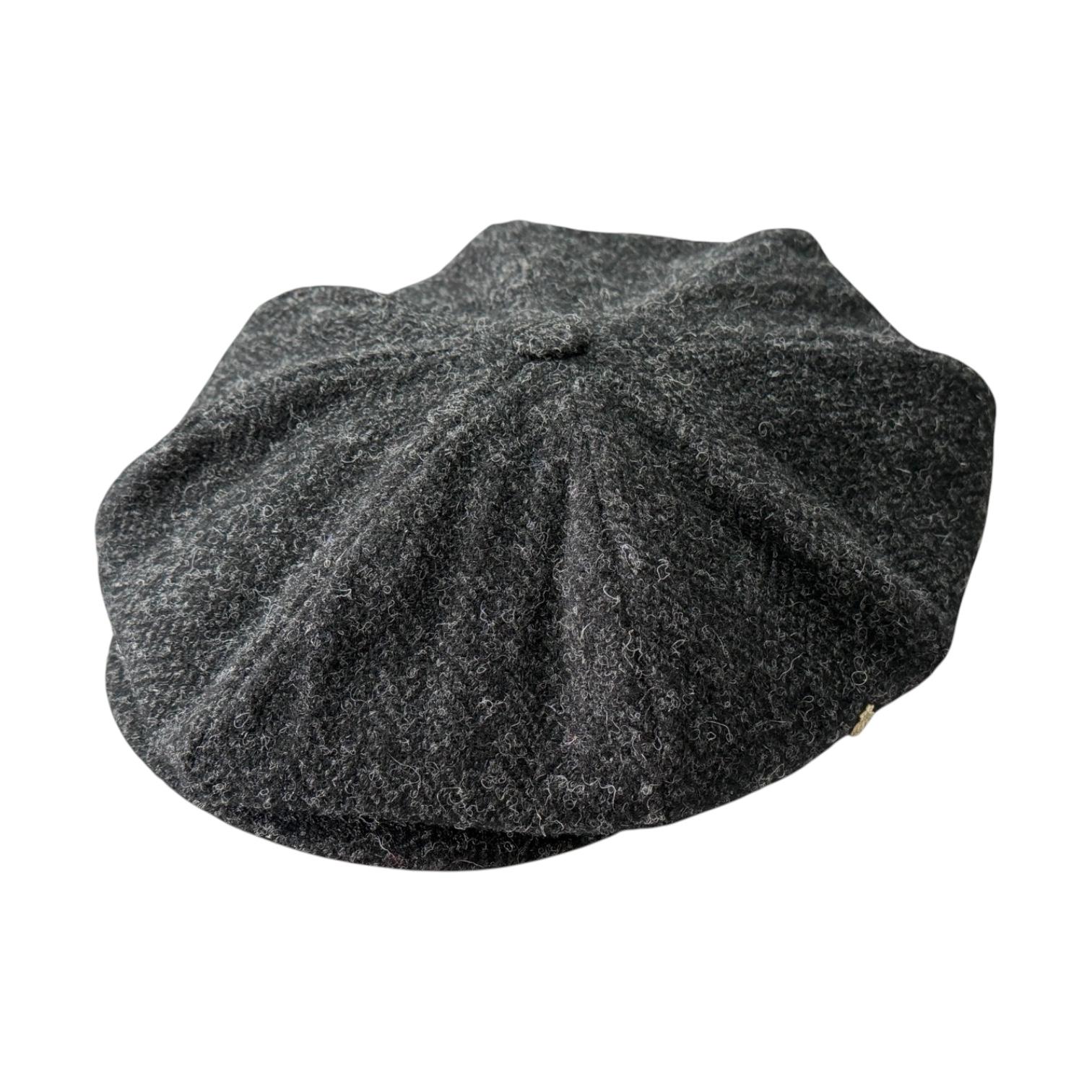
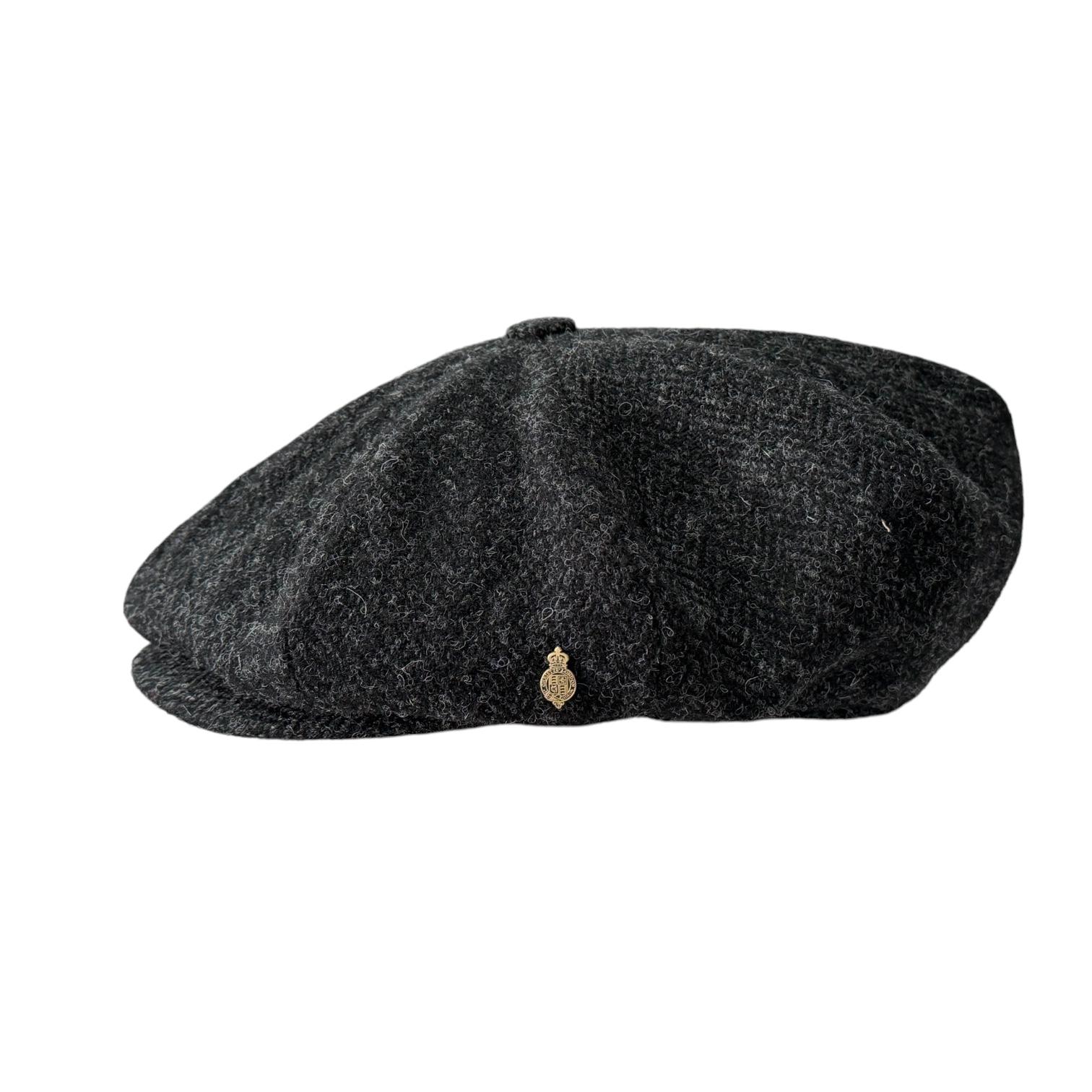
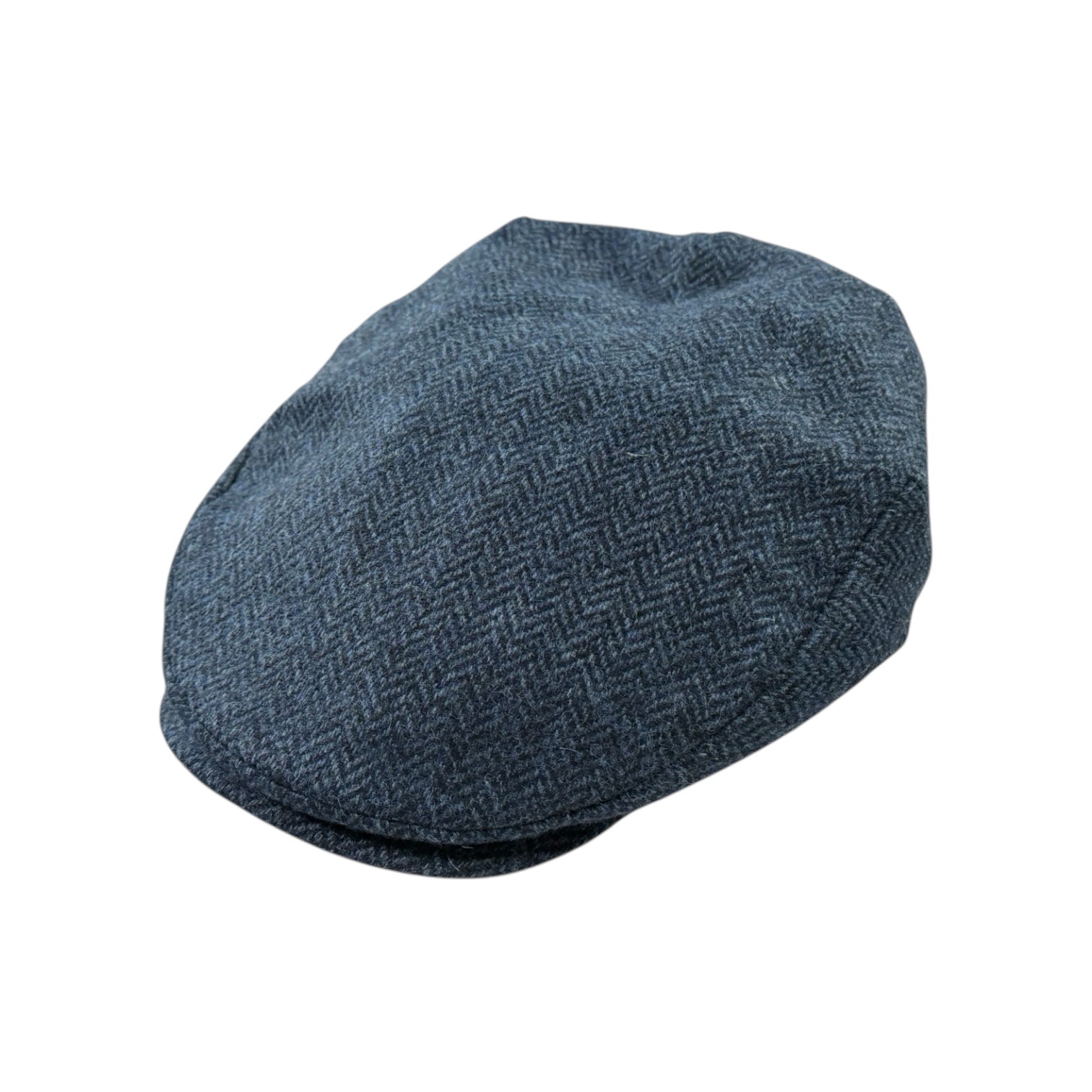
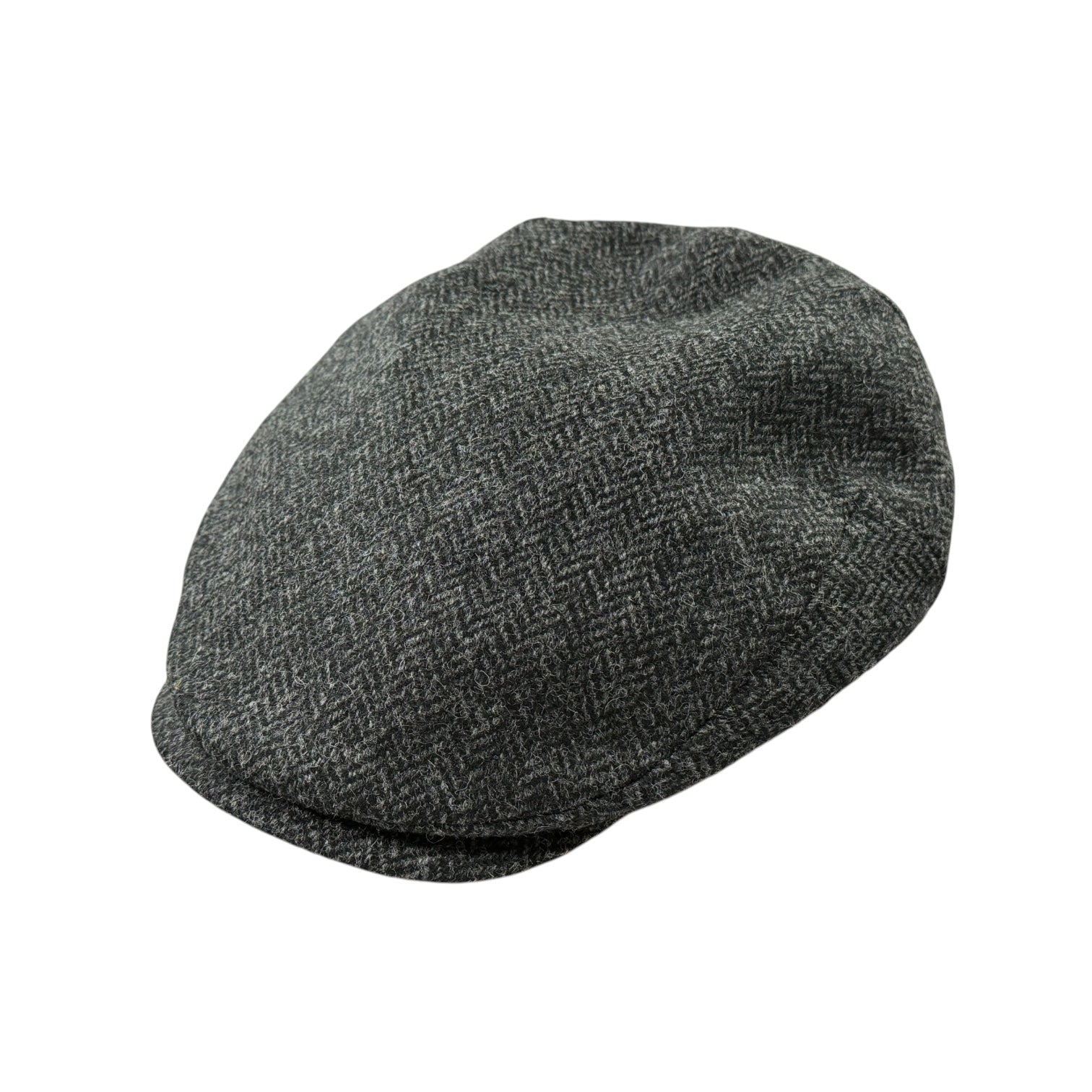
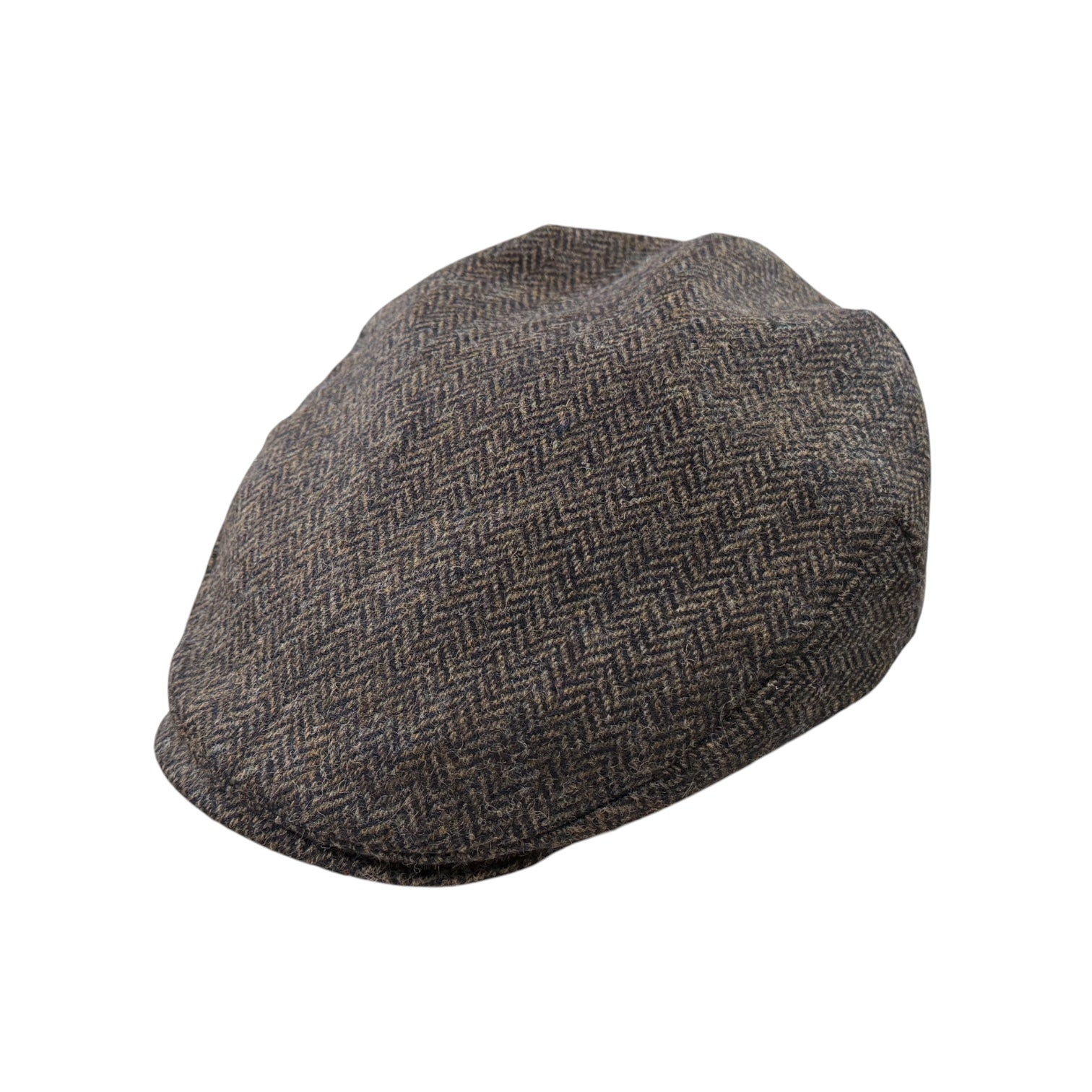
Choose a close-fitting flat cap when the recipient wears tweed, knitwear, denim, casual outerwear or practical layers and would appreciate something understated. Tweed can add texture without making the gift feel theatrical. A restrained trilby can bridge smart-casual clothing, while a fedora or wider-brimmed style makes more sense when the recipient already wears tailored coats, dresses confidently for occasions or enjoys accessories with presence.
Crown height, brim width and structure alter the impression. A taller crown and wider brim tend to look more assured and noticeable; a lower crown and shorter brim feel neater, lighter and easier to introduce. A firm, shaped hat keeps its character, whereas a softer construction may feel more relaxed. Match the hat’s scale to the clothes and the recipient’s appetite for attention, rather than assuming that the largest silhouette is the most flattering.
For a classic felt fedora, consider Canterbury. For a more defined felt trilby, look at the Bond Fur Felt Trilby. A textured flat cap such as the Richmond Herringbone Flat Cap represents a quieter, more casual decision.
These examples illustrate different levels of structure and presence rather than a universal answer. Check the live product pages for current materials, sizing and availability before buying.

3. Choose material for the season and the life it will have
Material should answer a practical question. Felt, including fur felt, is a natural direction for cooler seasons, smart everyday wear and occasions where the hat needs structure. It can feel more considered than a casual cap, so check that the recipient’s wardrobe supports that level of formality.
Tweed is useful for autumn and winter, countryside walks and anyone who already wears textured woollen layers. A herringbone or other quiet pattern can be versatile, but it should echo colours already present in their coat, scarf or shoes. Linen and other lighter fabrics can suit warm-weather travel and relaxed summer dressing, provided the product is designed for that use.
Straw and Panama are sensible for sun, holidays, travel and summer occasions. A Panama is defined by its weave, not simply by a pale colour; for example, the Capri Panama is a summer option whose trilby silhouette sits closer to the head and travels more easily than a very wide-brimmed style. Confirm the live page for construction and care guidance, and do not treat straw as a substitute for a weatherproof winter hat.
Use this quick comparison before browsing: everyday cap for the lowest visual leap; felt hat for structure and cooler-season versatility; tweed cap for texture, warmth and country-to-city wear; Panama or lighter fabric for sun, summer and travel. The intended occasion may refine the choice, but the recipient’s real habits should still win.

4. Keep colour useful, then solve the fit discreetly
When preferences are incomplete, start with colours already repeated in the wardrobe: navy, charcoal, brown, olive, camel, black or a quiet natural straw tone are generally easier to combine than a bright contrast. This is not a rule that neutral means dull; texture, ribbon detail, weave or a subtle pattern can provide character without making the gift hard to wear. Avoid choosing a colour solely because it suits your own taste.
For size, the most reliable discreet clue is an existing hat or cap that fits comfortably. Photograph its inside label, note the stated size, or borrow it briefly to compare the maker’s measurements. It is a starting point, not a guarantee: brands and constructions do not all fit identically, and a cap may be shaped differently from a fedora or trilby.
If there is no useful label, ask a trusted relative to arrange a casual measurement, or measure while the recipient is trying on a hat as part of a shared shopping trip. Christys’ Size Guide explains how to measure and gives UK, centimetre, US and inch conversions for fedoras, trilbies and flat caps. Measure around the head where the hat will sit, and follow the product’s own sizing information.
Do not choose a larger size simply to create a relaxed fit, particularly with caps. A loose cap can shift, lose its intended shape and become less comfortable rather than more casual. If the measurement remains unknown, favour a style with a forgiving construction only when the product description supports that choice; never assume an adjustable feature or guessed clothing size will solve the fit.

5. Reduce the risk before and after giving it
Before ordering, read the product description for the actual crown, brim, construction, material and available sizes. Compare those details with the recipient’s wardrobe rather than relying on the product name alone. Keep the hat unworn while it is being considered, and let the recipient try it on indoors with the labels and original packaging intact.
A well-fitting hat should feel secure without pressure. Check that the band sits where it should, the hat does not rock when the wearer turns their head, and there is no pinching at the temples or forehead. Look in a mirror with the clothes it is meant to accompany: the brim should feel proportionate, the crown should not overwhelm the outfit, and the wearer should recognise themselves rather than feel dressed up as somebody else.
Returns and exchanges are store-specific, so check Christys’ current Refund Policy before gifting. Keep the hat unworn, with its labels and original packaging, until the recipient has decided whether to keep it.
If taste and size are both uncertain, a Christys’ gift card or e-gift card can preserve the recipient’s choice. Present it with a handwritten note naming the clues you noticed, perhaps a love of autumn walks, a favourite navy coat or an upcoming summer trip, then suggest a browsing afternoon together. That makes choice part of the occasion. Verify the live product page for format, delivery and redemption details before purchase.
What if I cannot get a measurement? Use an existing hat’s label as a starting point and compare it with the live product sizing information. Without a reliable clue, keep the item unworn and choose an exchange-friendly route or a gift card.
What style suits someone who has never worn a hat? Match their everyday clothes first. A close-fitting cap is usually the gentlest introduction; choose a stronger brim only when their wardrobe and occasions support it.
Which material should I choose? Start with the intended use: felt or tweed for cooler weather and texture, straw or Panama for sun and summer, and lighter fabric for warm-weather travel. Follow the individual product’s care guidance.
Can an existing hat tell me the right size? It can provide a useful label or measurement, but another brand, shape or construction may fit differently. Treat it as evidence, not a guarantee, and do not size up for a relaxed fit.
When is a gift card or exchange-friendly option wiser? Choose one when both taste and size are uncertain, or when the proposed silhouette would be a major change. A note explaining the colour, occasion or habit behind your idea keeps the choice personal.