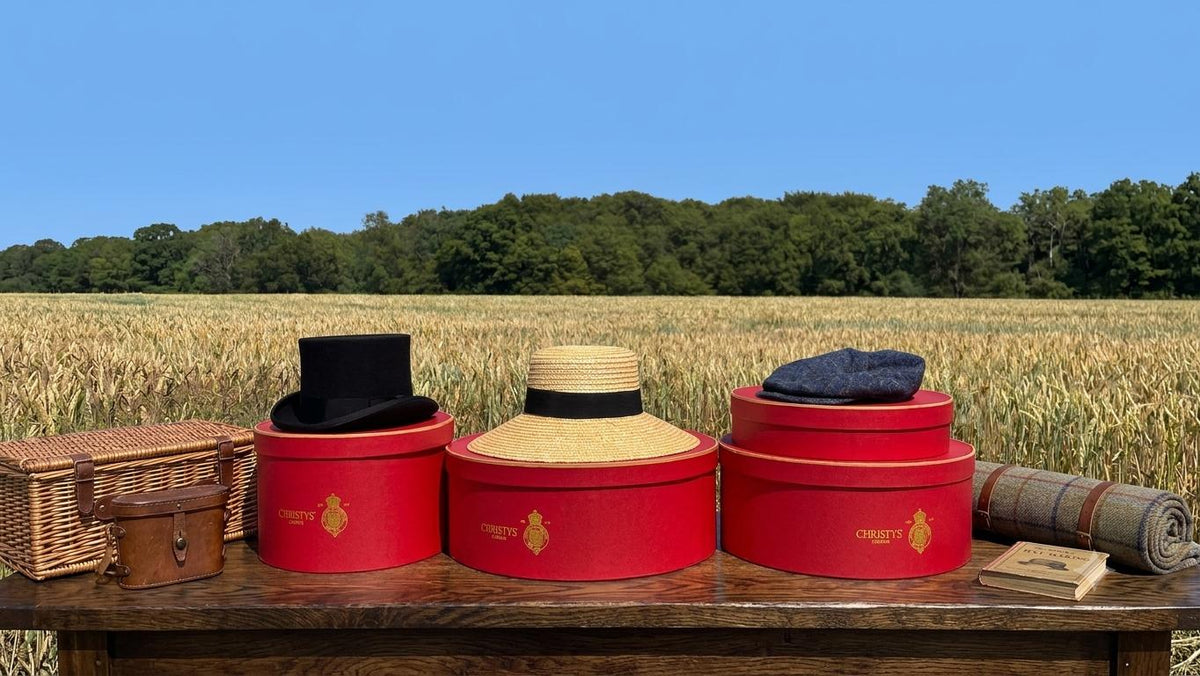



A structured hat is one with a defined silhouette: a crown, brim or peak that holds a deliberate shape rather than collapsing into softness. That does not automatically make it formal. A handwoven Panama can feel light and summery; a wool cap can be relaxed; a felt fedora can sharpen everyday tailoring. The difference lies in how the shape, material, scale and finish work together.
The best choice is not the most dramatic hat or the one with the grandest name. It is the hat that agrees with the occasion and the clothes you already wear, giving the whole outfit intention without looking added on at the last minute. Start with the setting, then assess silhouette, proportion, material, colour and finally fit.

Begin with the occasion, not the hat name
The setting tells you how much structure feels natural. Formal days, weddings, race meetings and cultural events usually reward a hat with a clear crown and controlled brim: it holds its line beside tailoring, a neat dress or a polished coat. For British summer events such as Henley, garden parties and outdoor concerts, choose a shape that looks considered and remains comfortable through a long day.
Christys’ Henley summer style guide makes the useful distinction between structured natural materials for formal summer dressing and lighter, more practical choices for relaxed countryside occasions.
A structured fedora or trilby is a sound starting point when the dress code is smart but not ceremonial. A formal hat with a flatter, more disciplined profile belongs where the invitation and clothing genuinely call for it. For sharper everyday dressing, a medium-brimmed felt hat or a defined cap can add presence without turning an ordinary coat or jacket into costume. If the occasion is ambiguous, it is usually better to choose restrained structure and a quiet finish than excessive height, width or decoration.

Choose the silhouette that completes the outfit
A fedora normally gives you a defined crown and a brim with enough presence to balance tailoring, a substantial coat or a simple, long-lined dress. A trilby tends to have a narrower brim and a more tapered crown, so it reads lighter and closer to the head. That can be useful with a compact outfit, a shorter jacket or a look where you want the hat to sharpen rather than dominate.
For a warm-weather wedding, garden party or race day, a natural-material Panama can provide structure without visual heaviness. The Portofino Panama, for example, combines a fedora crown with a wide brim in handwoven Toquilla straw. Its breathable, summery character suits linen, a lightweight blazer or a summer suit, while the defined shape keeps the outfit polished.
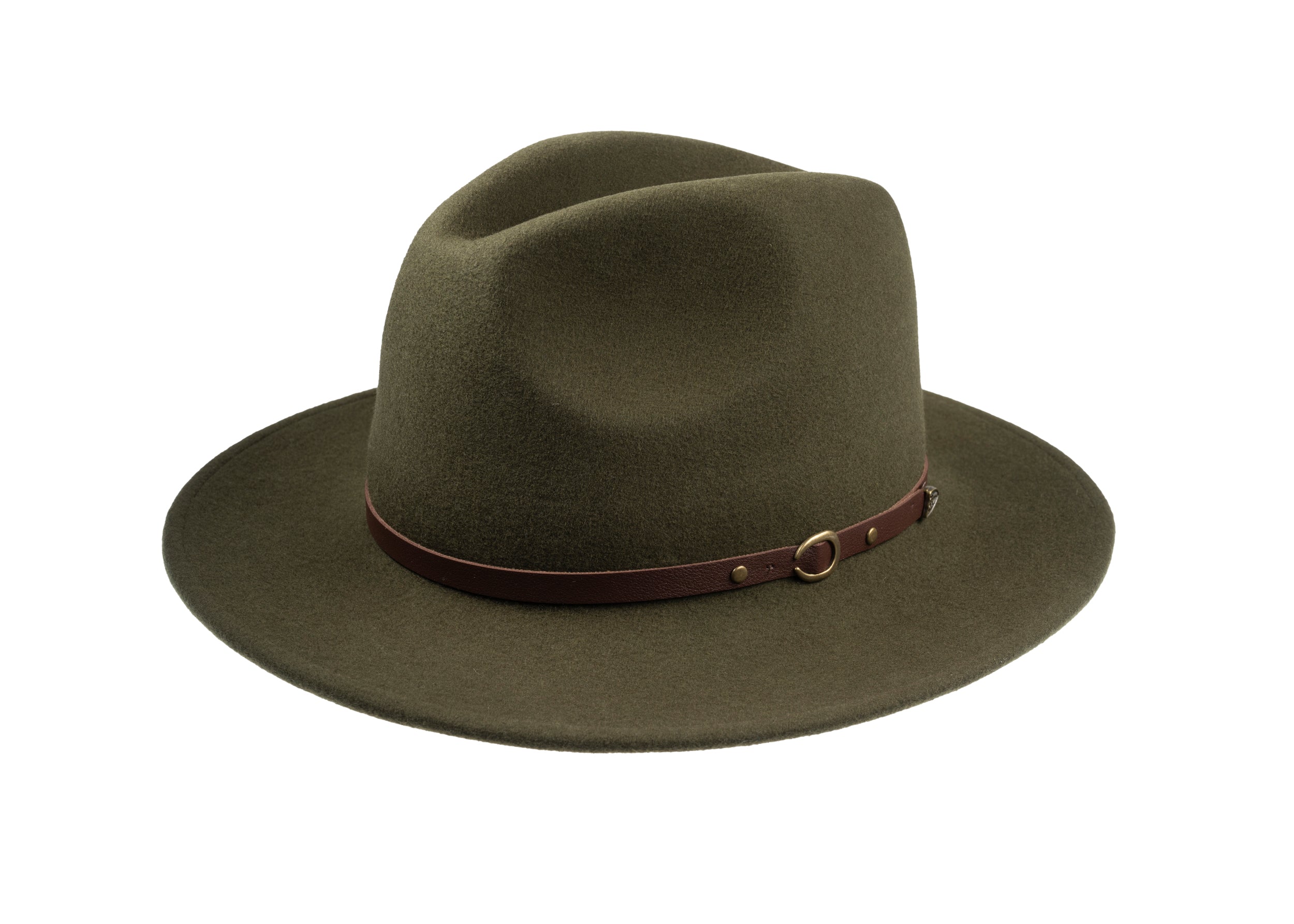
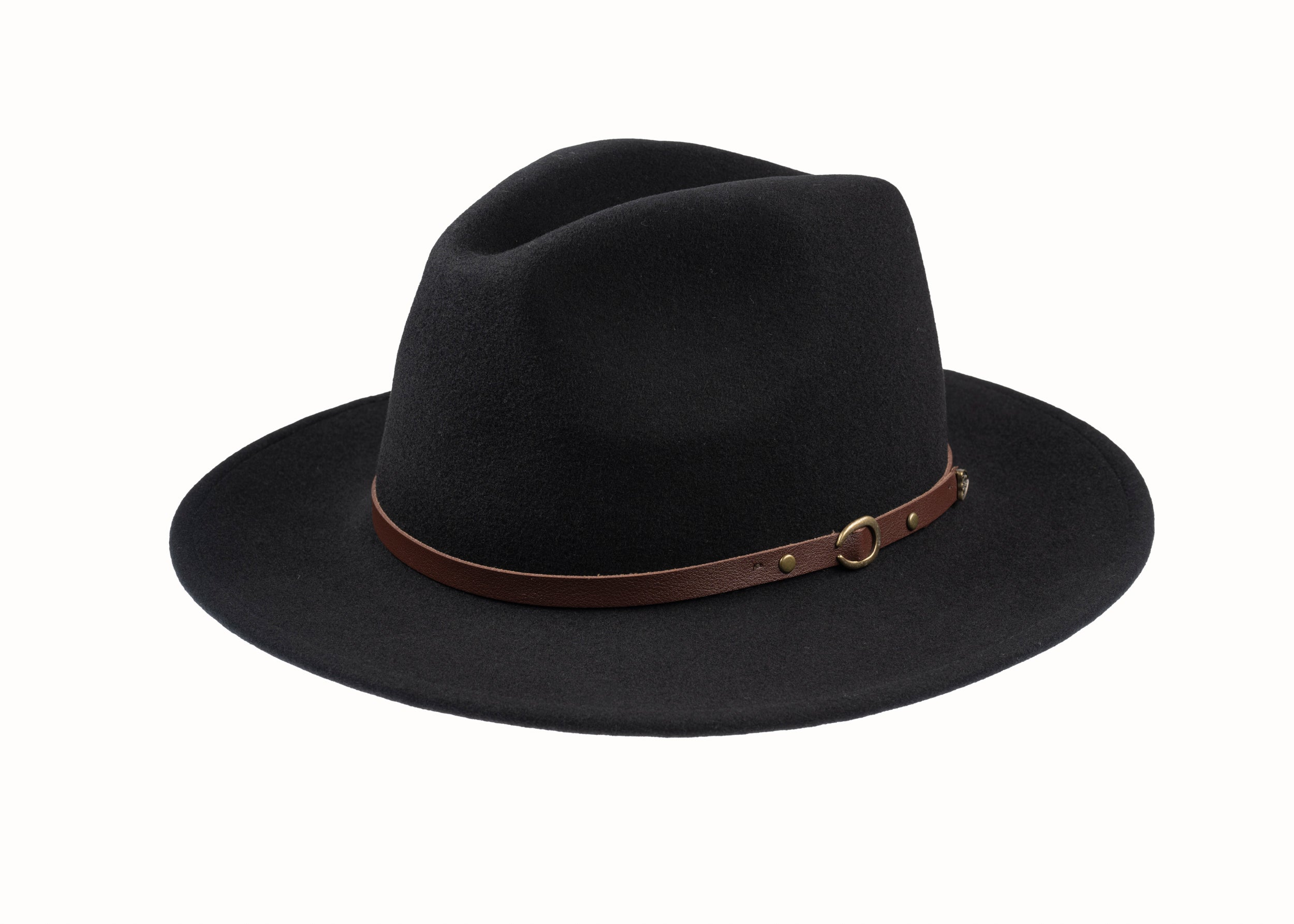
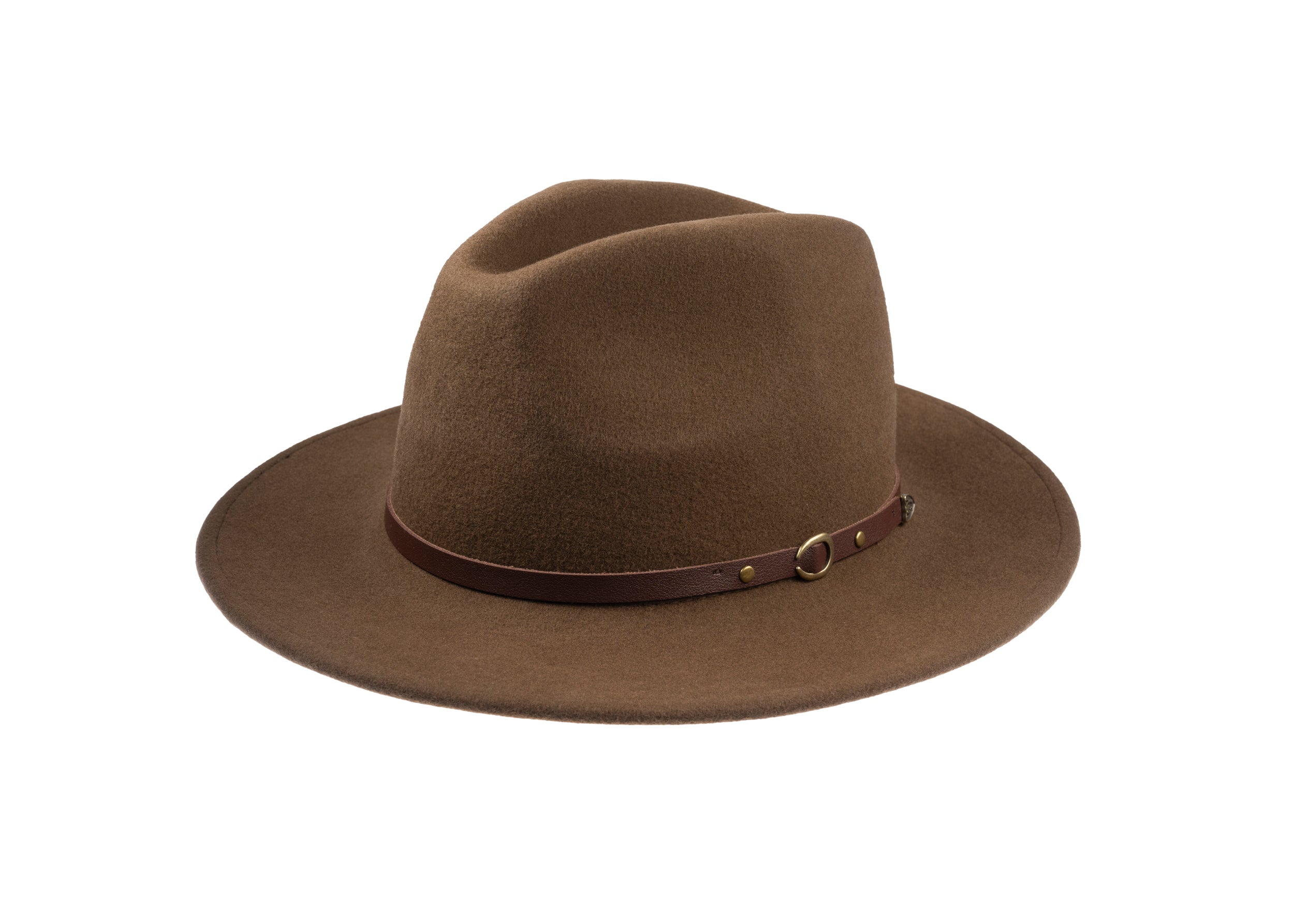
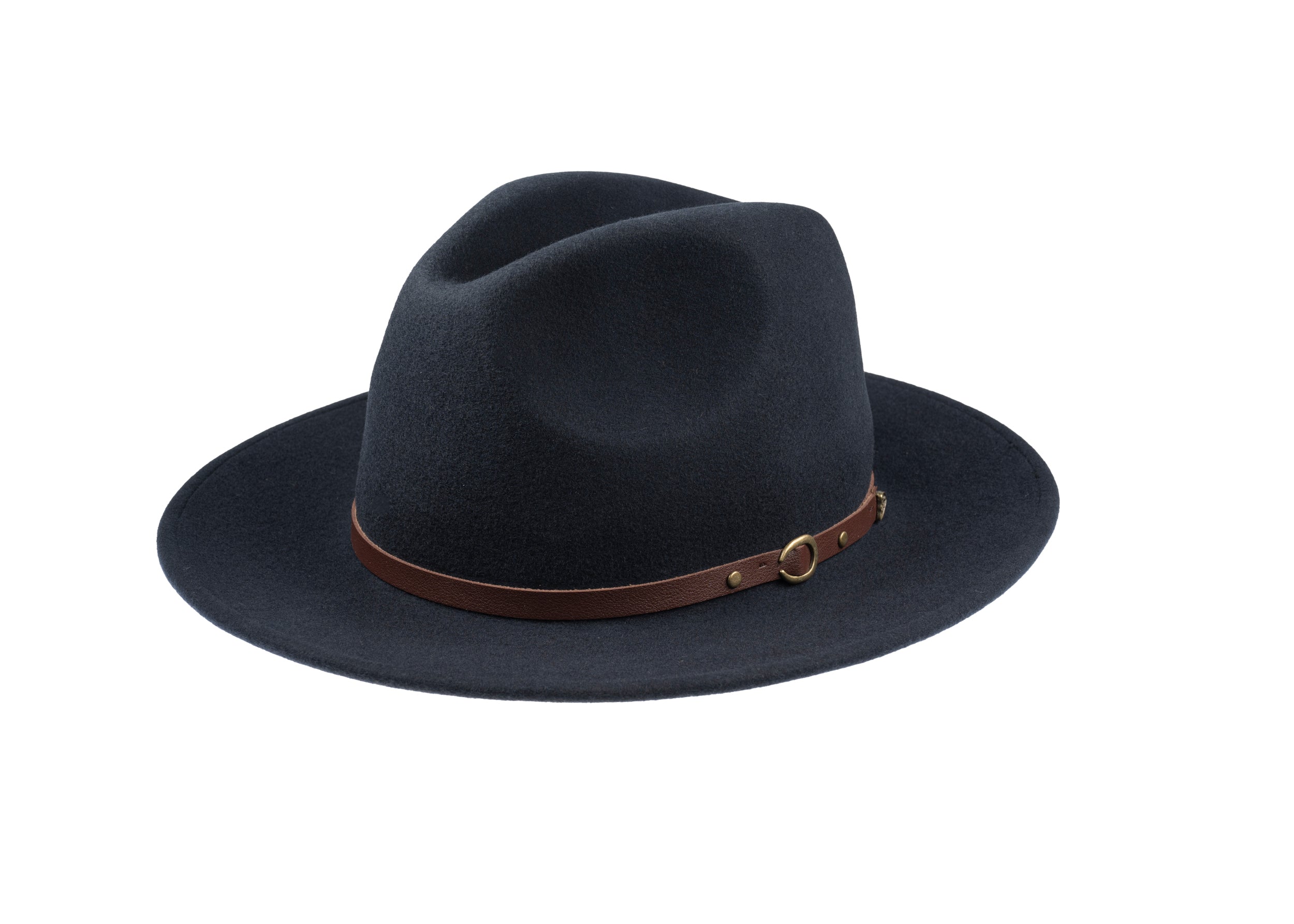
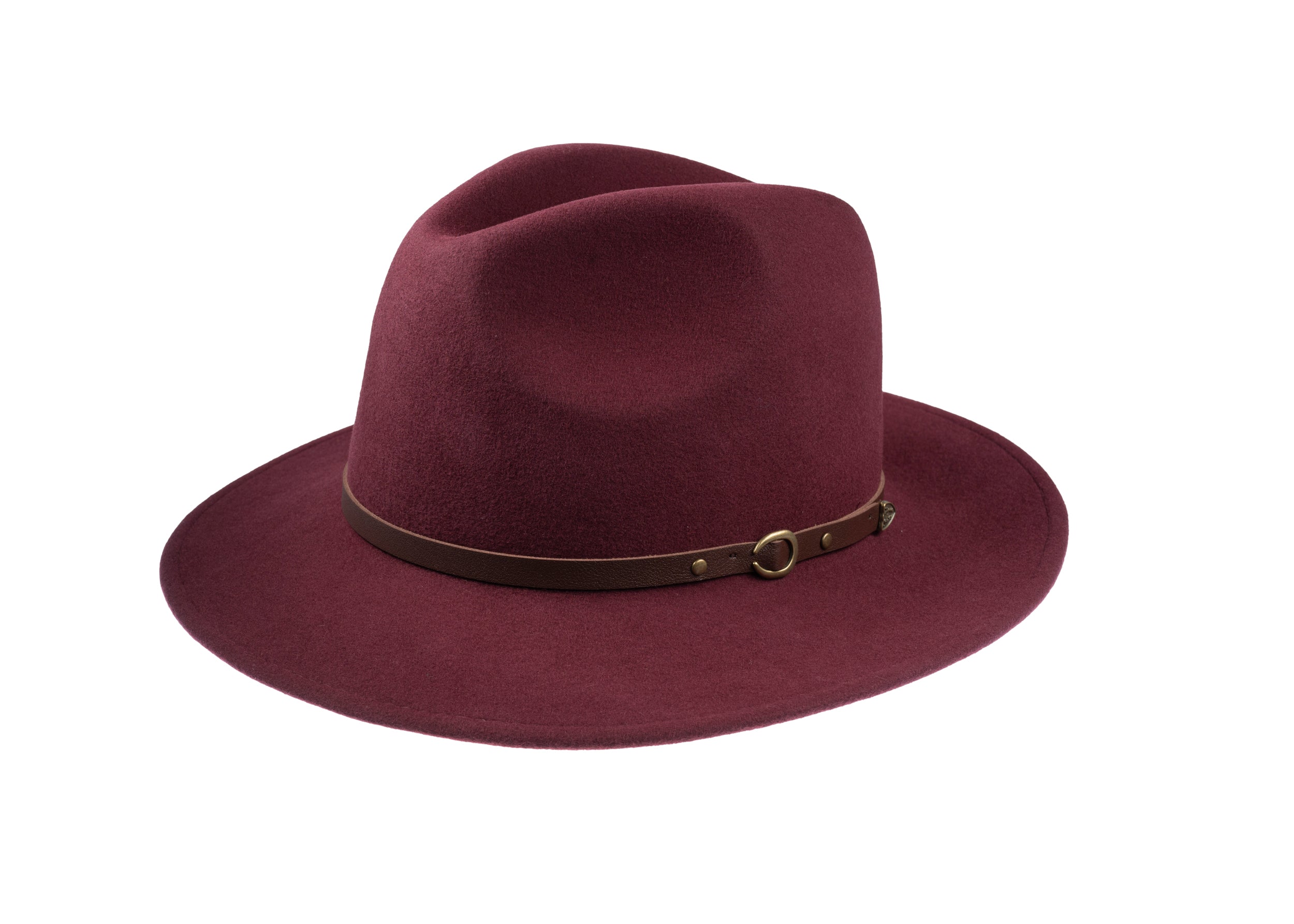
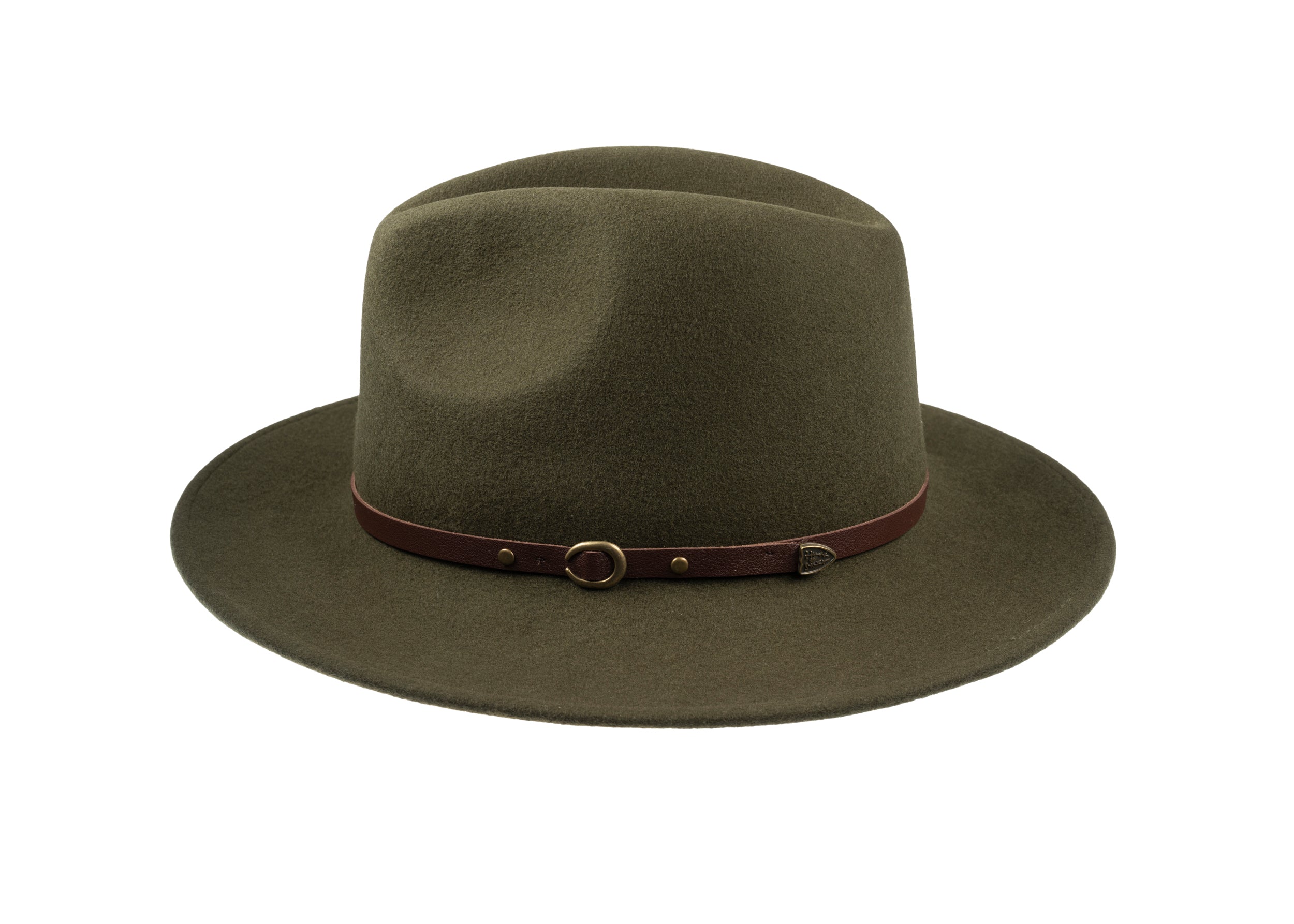
For cooler months or smart everyday wear, felt gives the silhouette more visual weight. The Chepstow Wool Felt Fedora is a useful example of a medium brim and straight-sided crown: precise without being severe. The Canterbury Beaver takes a similarly composed approach with a centre-crease crown, medium brim and tonal band, allowing it to sit comfortably with formal clothing, country wear or casual outerwear.
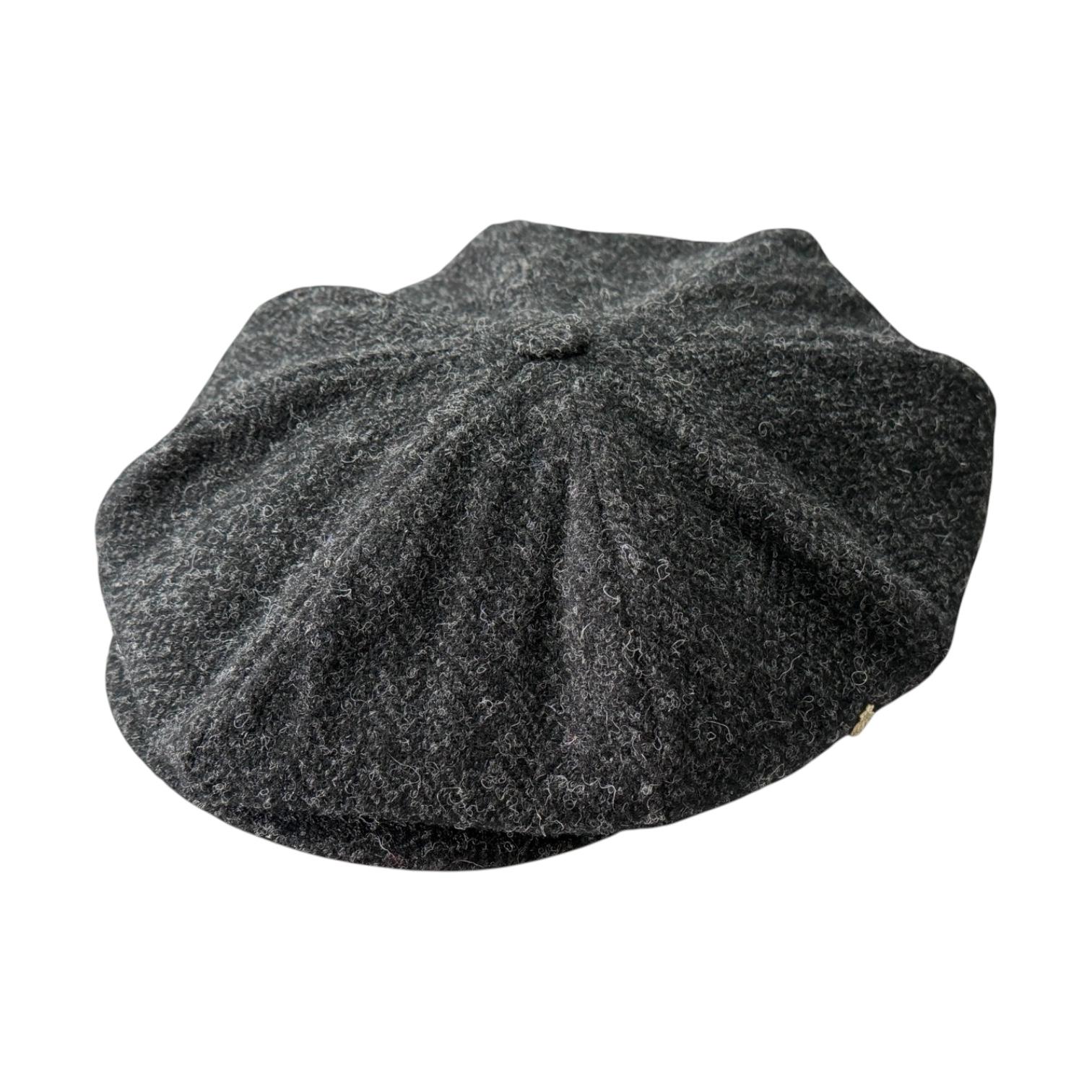
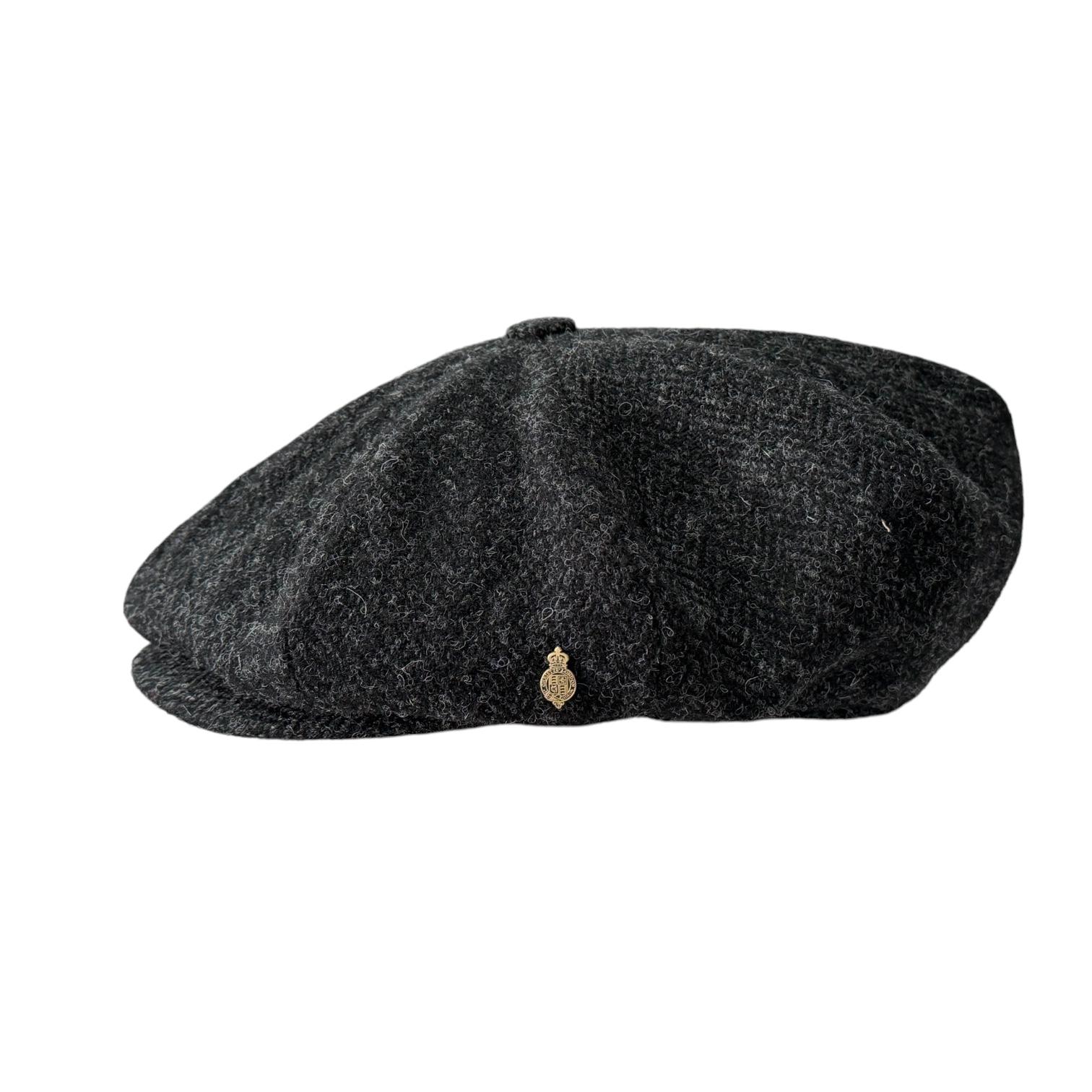
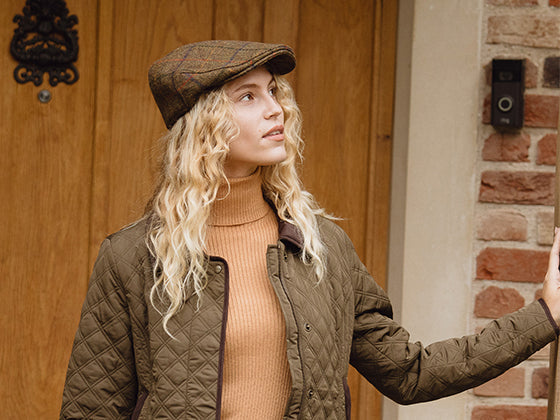
A structured cap is the better answer when the clothing is relaxed but still deliberate. Look for a cap with a clear crown and peak rather than a collapsed, purely athletic profile. The Chelsea Wool Cap works with an overcoat and knitwear, or with an overshirt, straight-leg jeans and boots. It keeps the outfit coherent while avoiding the formality of a brimmed hat.

Judge proportion, material and colour together
Think of the hat as part of the outfit’s overall line. A taller crown and broader brim carry more visual weight and can balance a longer coat, strong shoulders, wide-leg trousers or a fuller dress. A lower crown and narrower brim sit more quietly with a compact jacket, fine knitwear or a smaller-scale silhouette. These are guides rather than rules: the most useful test is whether the hat looks in proportion when you see the complete outfit, not just a close-up in a product photograph.
Material changes the impression as well as the season. Toquilla straw is naturally associated with warm weather and works especially well with linen, cotton, pale tailoring and outdoor occasions. Wool or fur felt brings depth and a more grounded line for autumn, winter and changeable weather. A Panama is not automatically casual, nor is felt automatically formal; the crown, brim, trim and surrounding clothes decide how the hat is read.
Colour should complement rather than copy. A tonal band can quietly connect with a coat, shoe or belt, while a contrasting ribbon can give a pale summer outfit definition. Neutrals such as navy, brown, grey, cream and black are often the easiest first purchase because they can move between several outfits. Avoid matching the hat exactly to one garment unless the effect is deliberately formal; repeating a colour once or twice elsewhere usually feels more natural.
A quick proportion check
- If the outfit is long, layered or tailored, try a medium or wider brim so the hat does not look visually lost.
- If the clothing is compact, fine-textured or close to the body, a narrower brim or structured cap may feel more balanced.
- If the hat is the strongest feature, keep the band and the rest of the outfit relatively restrained.
- Take a full-length photograph, then look again while standing and seated: the brim should frame the face without obstructing your view or crowding the people around you.

Make the final decision with fit, not appearance alone
Measure around your head where the hat will sit, usually just above the eyebrows and ears, keeping the tape level and comfortably close rather than tight. Take the measurement twice and record it in centimetres if possible. Then use the Christys’ Size Guide to compare the centimetre measurement with the corresponding UK, US and inch sizes. An old hat label is a useful clue, but it should not replace measuring: different shapes and materials can sit differently.
A well-fitting structured hat should feel secure without pressure. It should not leave a sharp line on the forehead, pinch at the temples or require constant adjustment. Nor should it rock when you walk, lift in a breeze or sit so loosely that the crown looks out of balance with your face. Try it with the hairstyle and clothing you expect to wear, and test it while walking, sitting and turning your head.
If you are between sizes, do not judge by the number alone. Compare the measurement with the individual product information and consider the intended wear: a hat for a full outdoor day needs dependable comfort. Fit is part of the visual result; when the hat sits correctly, the crown and brim look more deliberate.

Practical questions about choosing a structured hat
What makes a hat structured? Look at how it behaves in wear. A structured hat keeps its crown, brim or peak defined as you move, so it maintains a clear outline rather than folding or losing balance. This makes it easier to judge whether its scale suits your face and clothing.
Is a Panama more appropriate than a felt fedora? Choose a Panama when the weather, fabric and setting are warm and light: weddings, garden parties, races and travel are natural contexts. Choose felt when you want more depth and visual weight for cooler weather, tailoring or everyday smart dressing.
What is the safest first structured hat? A medium-brimmed fedora in a restrained neutral is often versatile because it can sit beside tailoring, outerwear and country clothing. If your wardrobe is mainly casual, a structured wool cap may be the more useful first purchase.
What if a hat feels right at first but becomes uncomfortable? Wear it for several minutes while moving, sitting and turning your head. Pressure that builds at the temples or forehead is a warning sign, even if the hat looks balanced in the mirror; comfort should last beyond the first try-on.
The right structured hat is the one that feels at home with both the occasion and the clothes around it. Choose a silhouette with enough presence to look intentional, then let proportion, material, colour and fit do the rest.