




Poor fabric recovery manifests as sagging hems, twisted seams, and sleeves that lengthen with wear. How can you test a fabric objectively to determine whether blocking, reshaping, or replacement is the appropriate course?
This guide sets out how to record baseline measurements, carry out blocking, stretch, and rebound tests, and interpret the results. Use these measured steps to quantify recovery, identify uneven wear, and prepare fabric for blocking so it regains shape and remains serviceable for longer.

Examine the fabric and record baseline measurements
Cut at least three specimens from different areas of the roll or garment, aligning each with the fabric grain. Mark the warp, the weft, the selvage, and any visible flaws (warp: longitudinal threads; weft: cross threads; selvage: the woven edge) so you capture natural heterogeneity rather than rely on a single outlier. Acclimatise the specimens to a stable ambient temperature and relative humidity, for example around 20°C and 65% relative humidity, because moisture and thermal state alter fibre dimensions and will change stretch and rebound readings. Measure length and width at three locations on each specimen to the nearest millimetre, mark reference lines with a removable pen, and average the readings to establish precise baseline dimensions. This routine reveals the material's character and produces a repeatable baseline for comparative testing.
Weigh a defined area to calculate mass per unit area. Measure thickness with a micrometer or a calibrated spacer. Mass and thickness often correlate with recovery performance and provide useful context for comparisons. Photograph both face and reverse, and note yarn type, stitch or weave pattern, pile direction, seams, and any surface finishes or treatments. Record fibre content where known. These construction and surface details frequently explain unexpected blocking, stretch, or rebound behaviour, and they support a more reliable interpretation of baseline measurements.
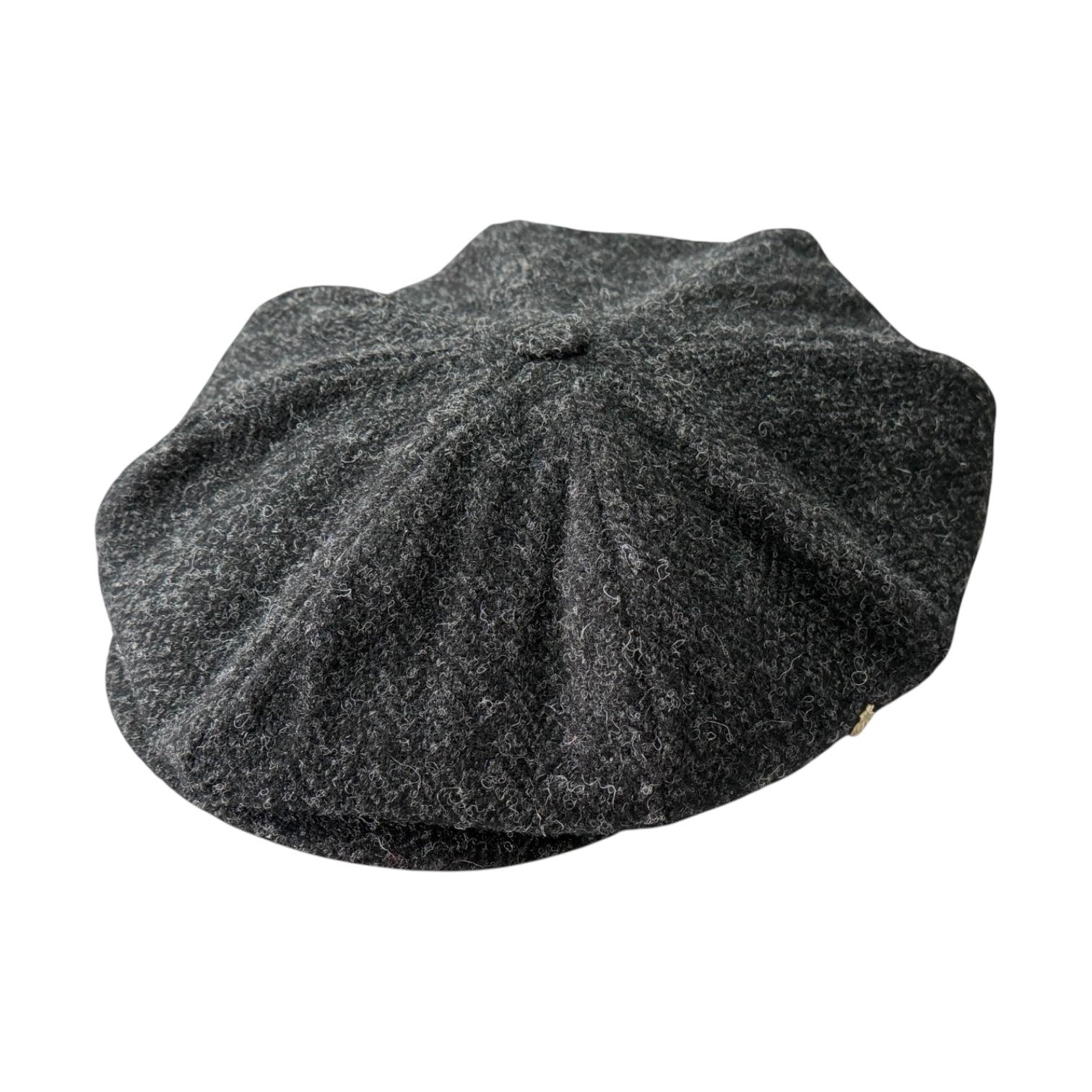
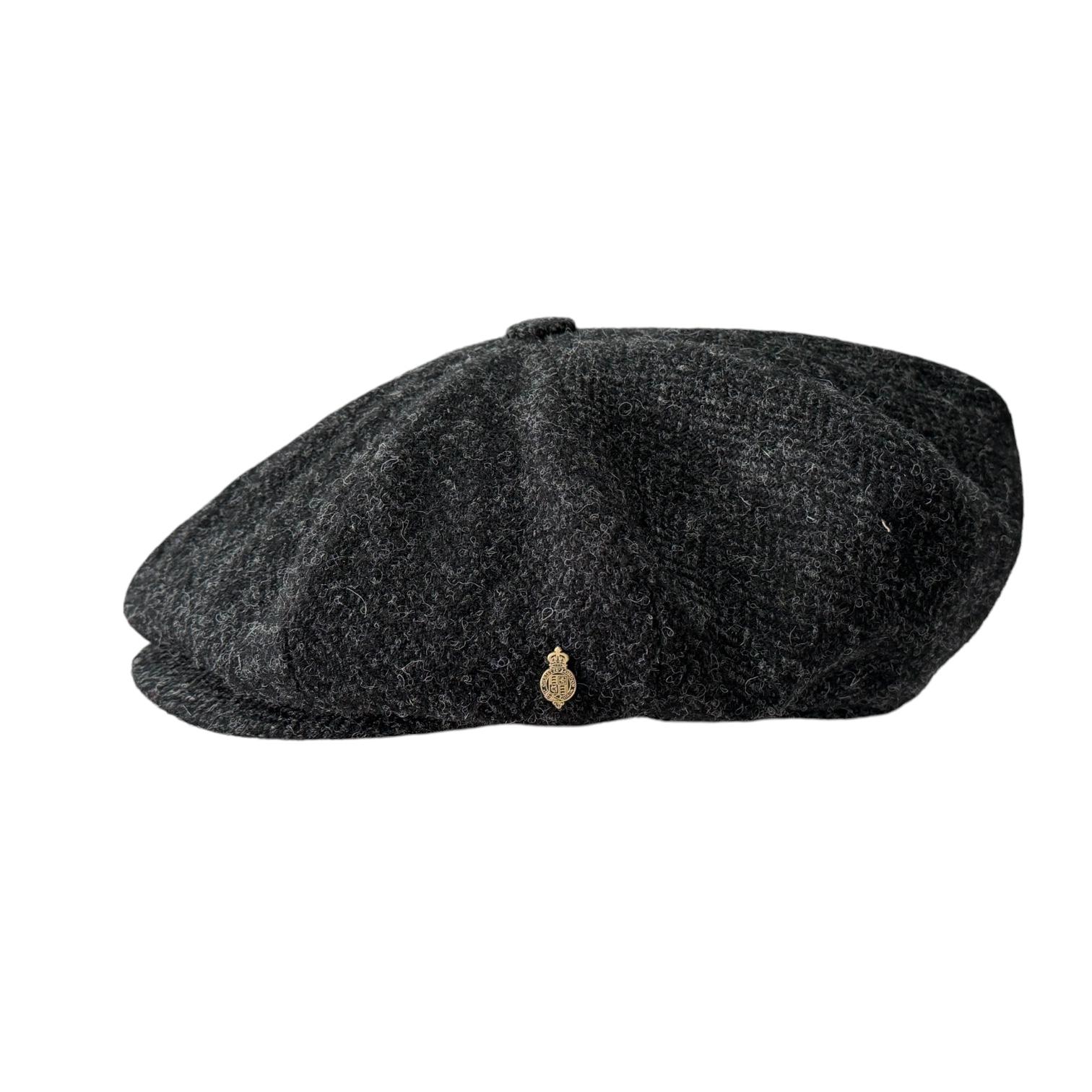
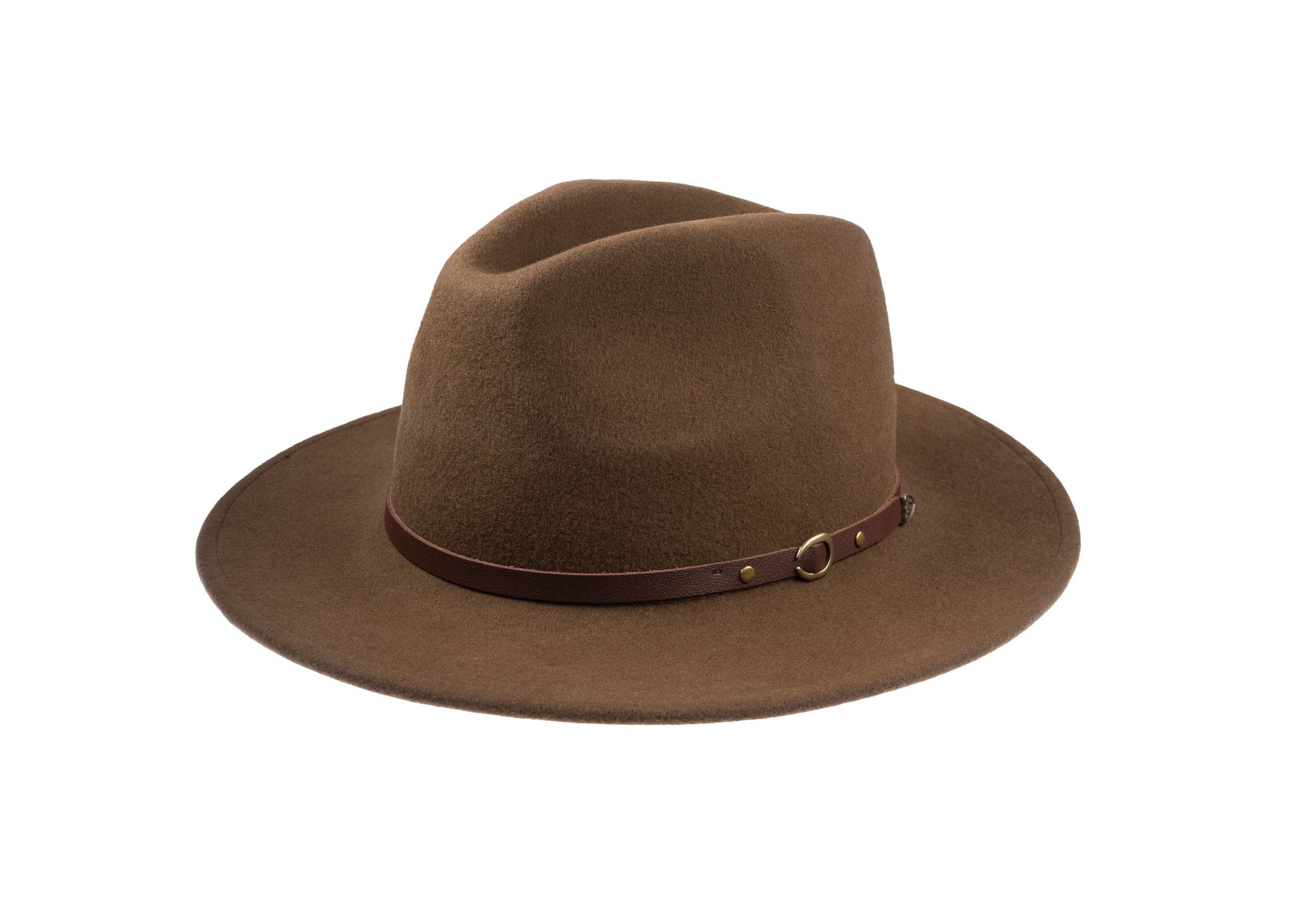
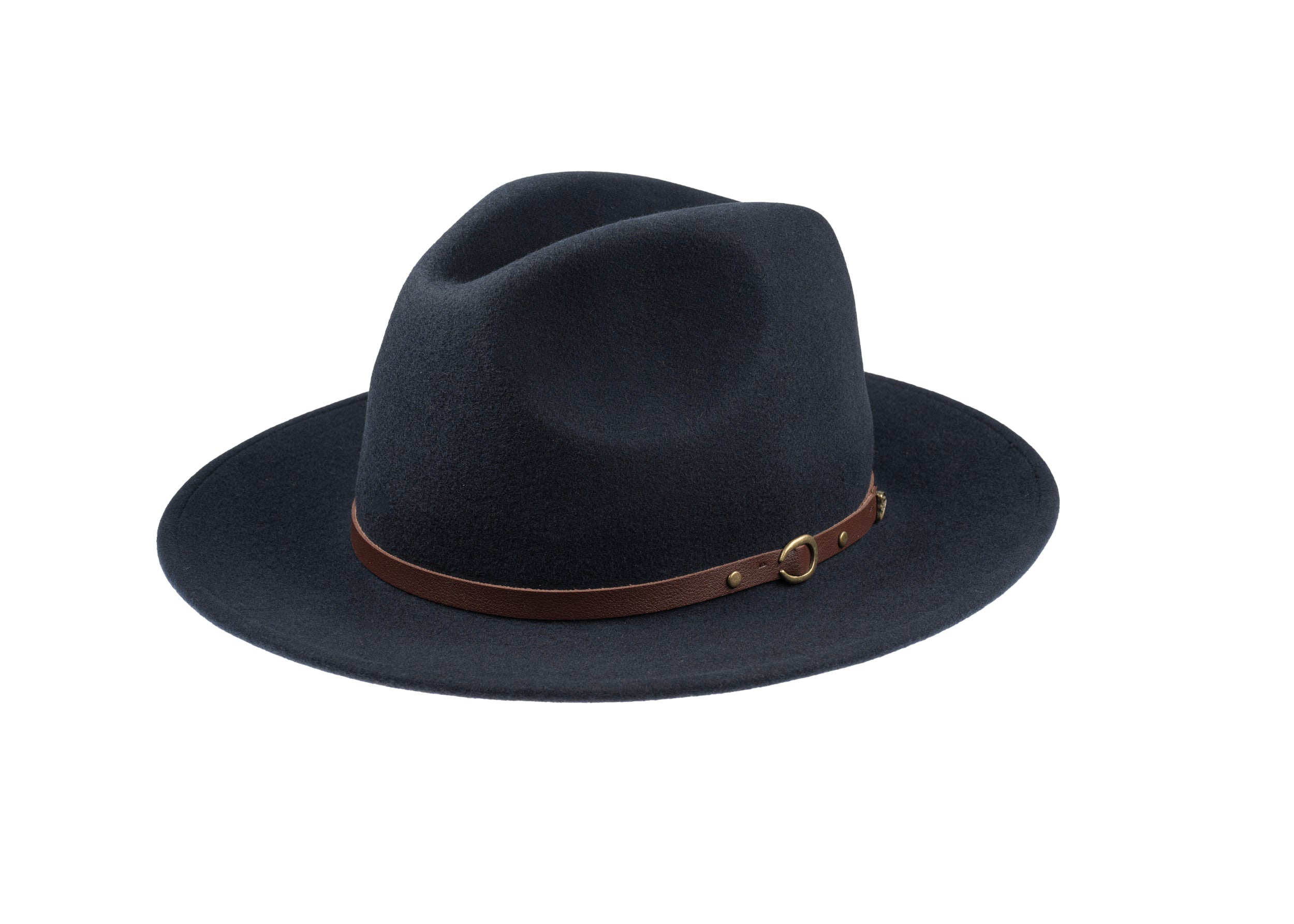
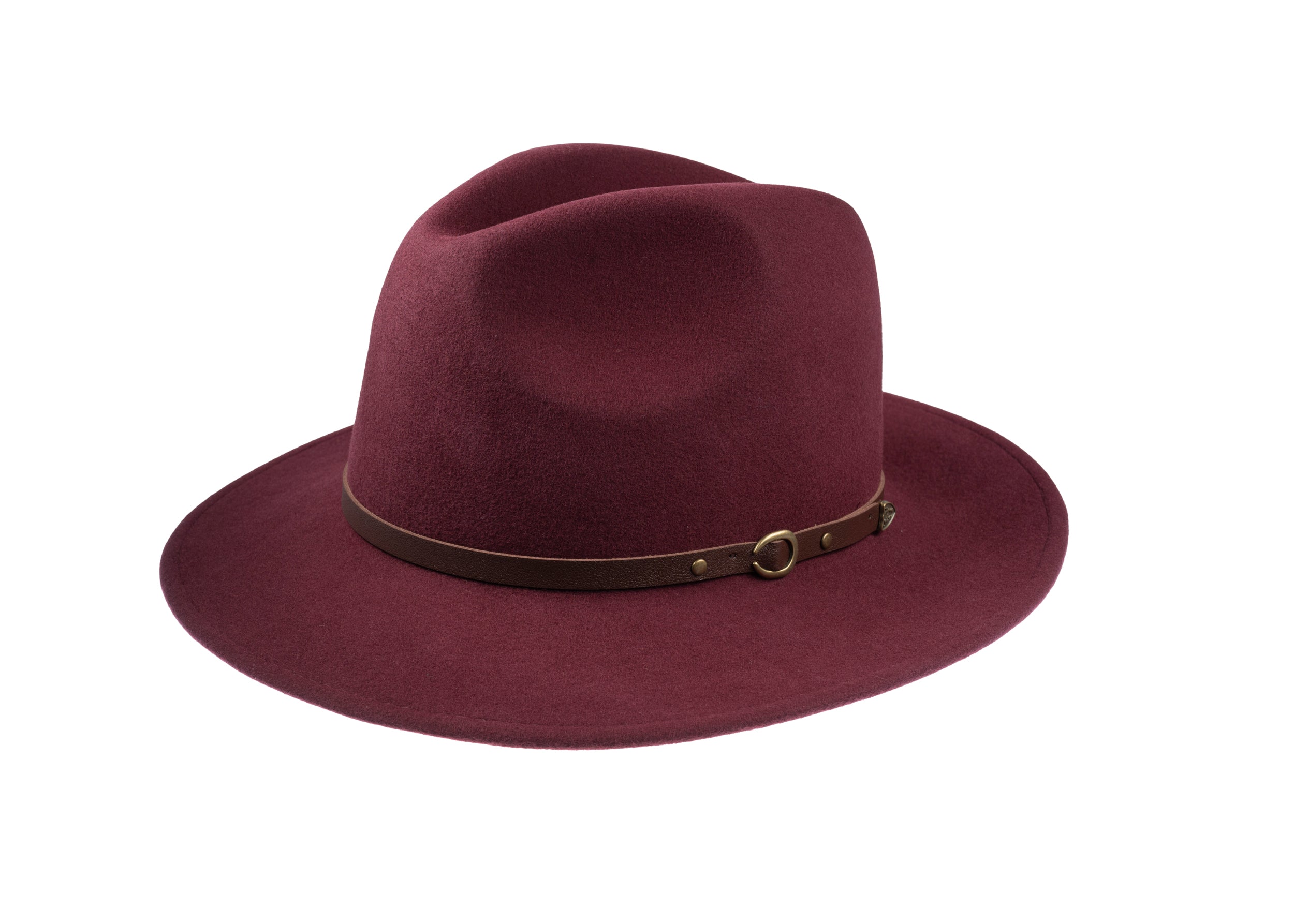
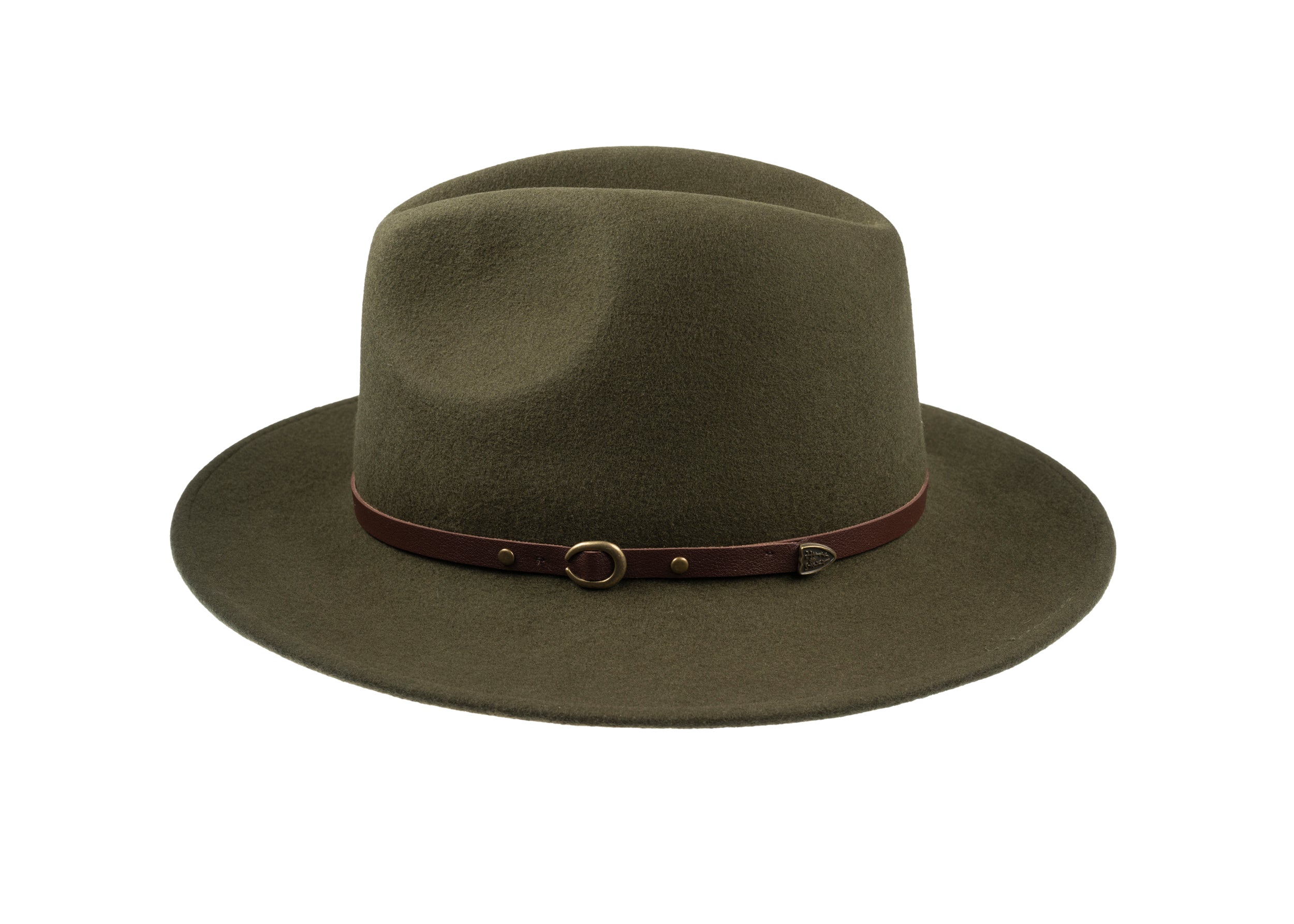
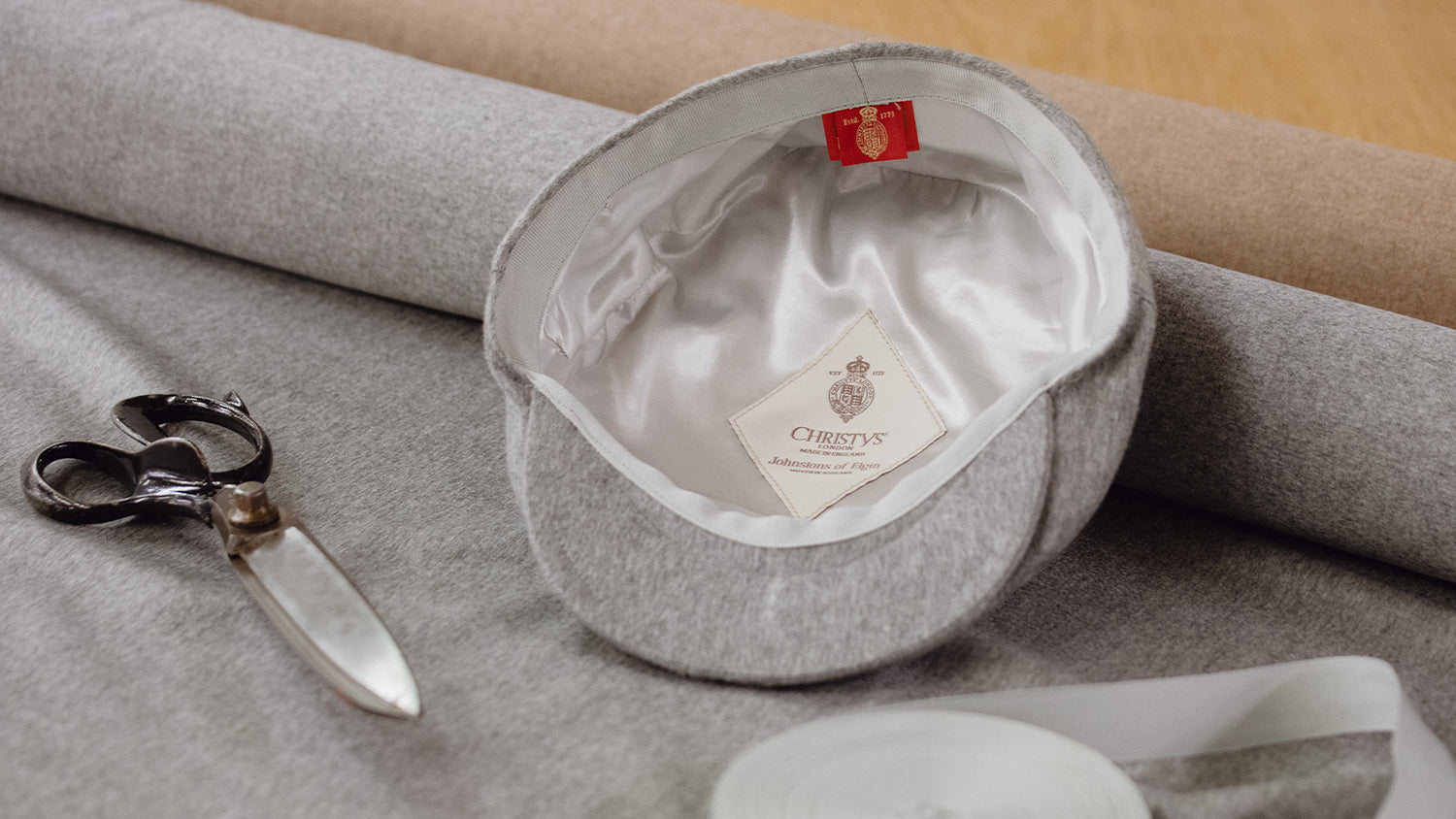
Use a blocked wool piece to assess shape retention.

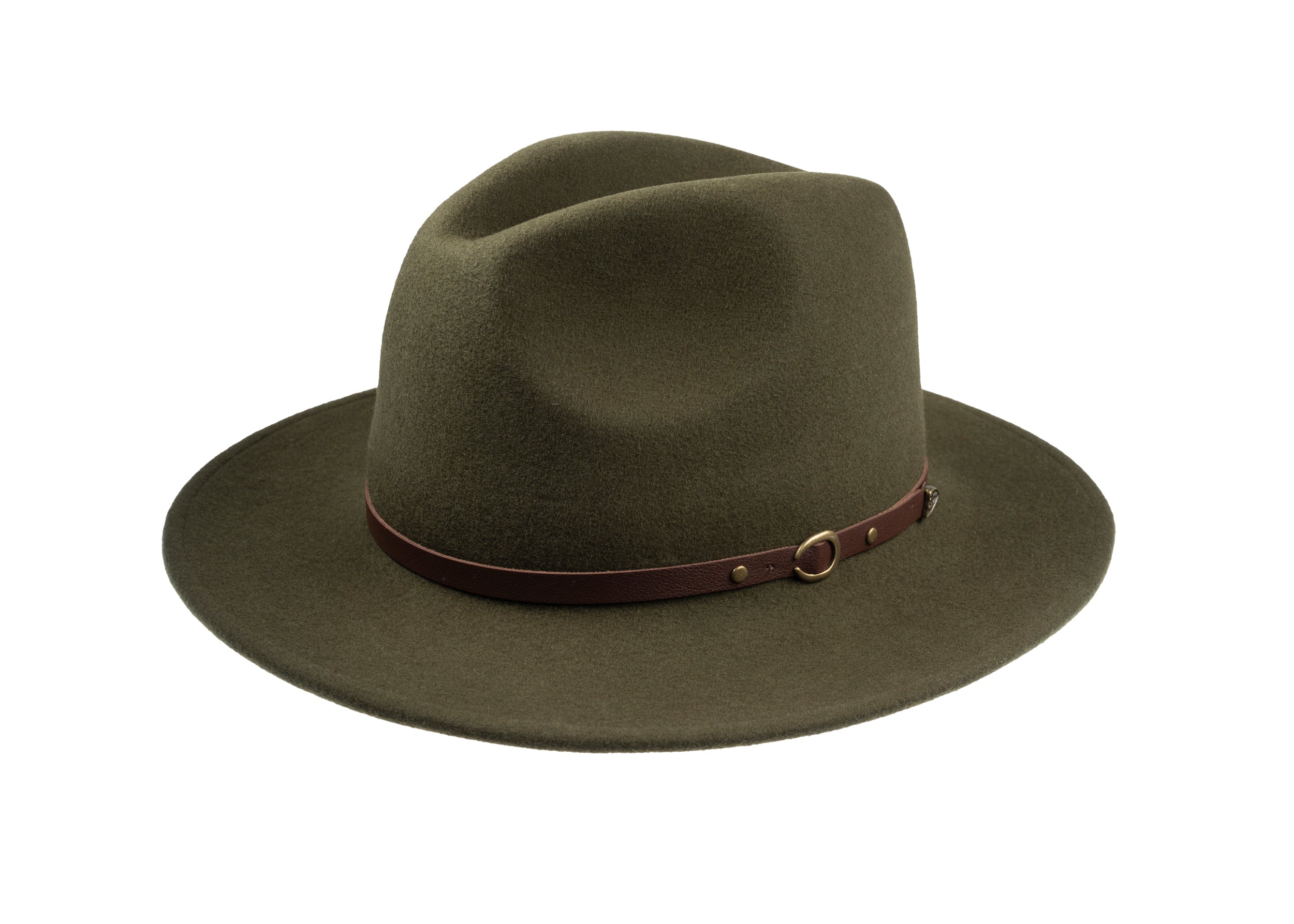
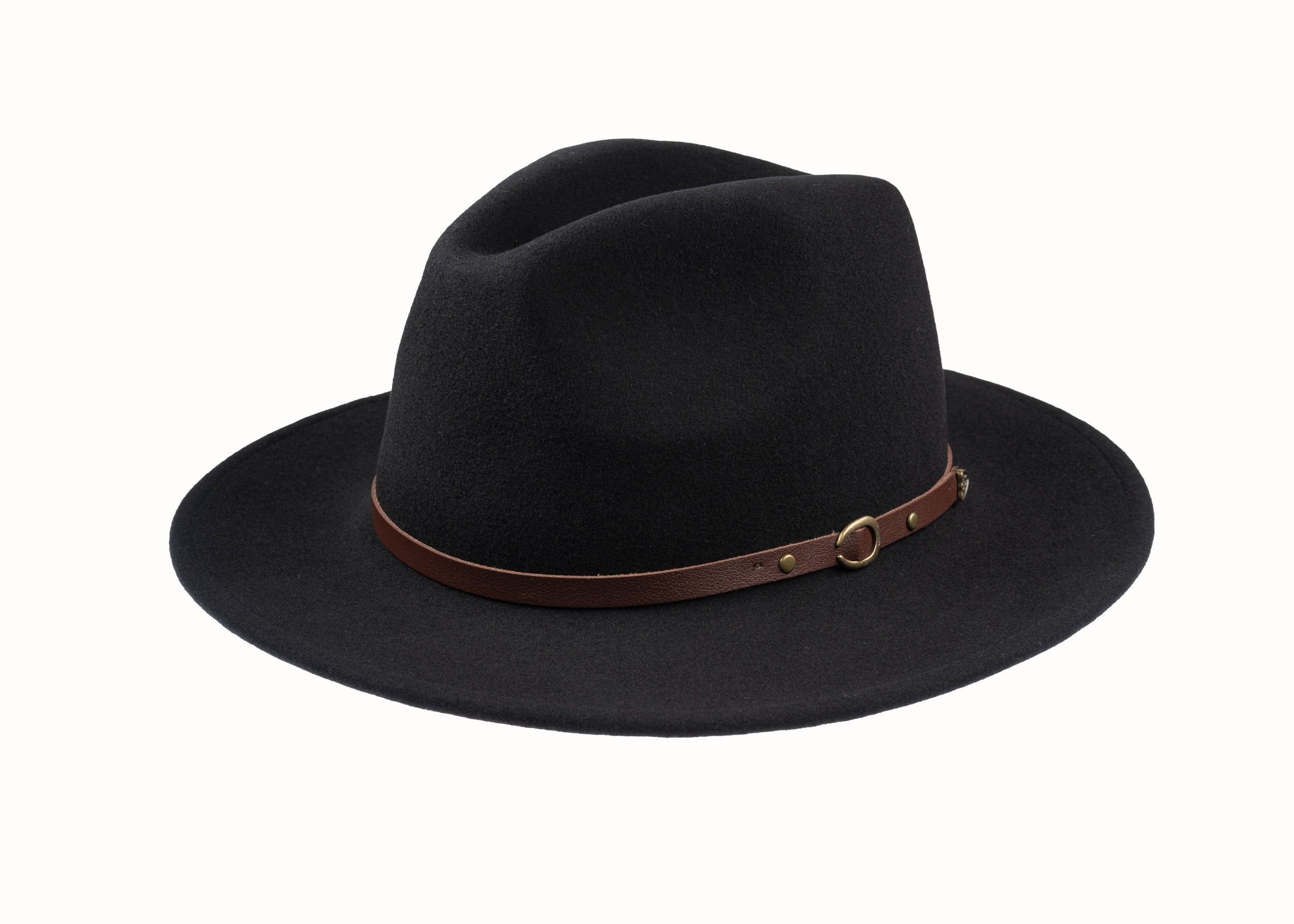
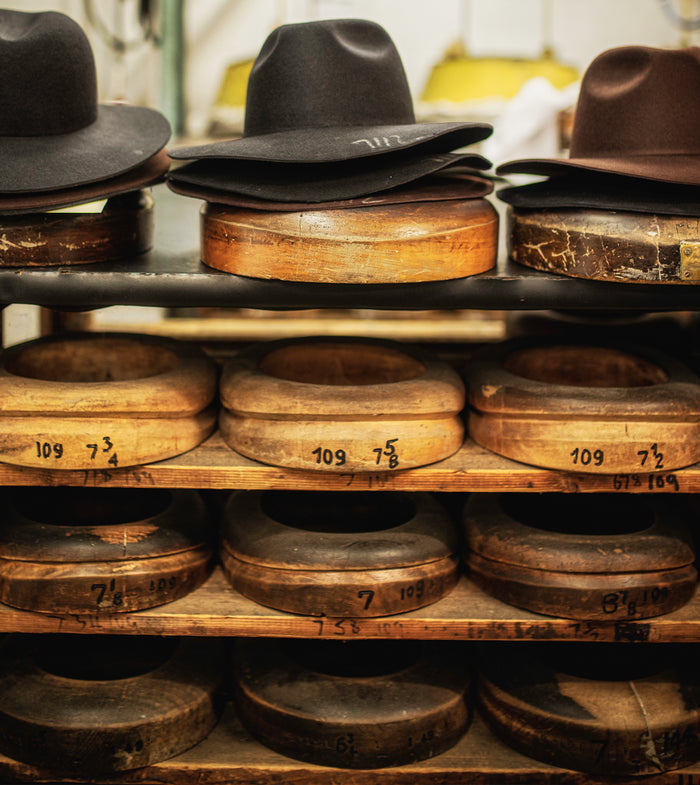
How to assess hat construction with blocking, stretch, and rebound tests
Begin by selecting multiple specimens from different positions in the production run, aligned with the warp, the weft, and the bias, and include pieces taken across seams or the selvedge. Label each specimen, condition them to moisture equilibrium at the laboratory's ambient humidity and temperature, and record those environmental values for traceability. For blocking tests, dampen or steam the specimen uniformly, fix it to a flat blocking board under a defined tension or pinning pattern, and allow it to stabilise. Measure dimensions before and after blocking to determine any permanent set. Photograph each stage against a scale and grid, and report dimensional change as a per cent so readers can compare permanent change between samples.
For stretch and rebound testing, start by marking a clear gauge length on each sample. Apply a controlled tensile displacement or load, record the peak extension, and calculate the per cent extension as the stretched length minus the original length, divided by the original length, then multiplied by 100. Document the grips used and note any slippage during the test. Assess rebound by subjecting samples to one or more controlled strain cycles. Measure immediate recovery after unloading, then allow a defined rest period and measure delayed recovery. Report the residual extension and the per cent recovery, calculated as the recovered length divided by the applied extension, multiplied by 100. Record hysteresis from the load and unload curves and retain visual records to reveal any permanent deformation or fibre realignment. Repeat the procedure across several samples to obtain a mean and a standard deviation, and flag any outliers. Compare results before and after treatments such as washing or steaming. Establish end-use thresholds for acceptable residual extension and rebound, and supply the raw measurements, worked calculations, and clear photographs to allow assessment of suitability for garments, upholstery, or technical applications.

How to interpret results and prepare fabric for blocking
Convert raw measurements into stretch and recovery percentages using two simple formulas: stretch = (stretched length - original length) ÷ original length × 100 recovery = (stretched length - recovered length) ÷ (stretched length - original length) × 100 For example, an original swatch of 20 centimetres stretched to 28 centimetres and recovering to 21 centimetres gives: stretch = (28 - 20) ÷ 20 × 100 = 40 per cent; recovery = (28 - 21) ÷ (28 - 20) × 100 = 87.5 per cent. Apply these calculations to each swatch to compare materials, and record both the raw measurements and the calculated percentages so the results can be reproduced reliably.
Interpret recovery in three practical bands, and choose construction to match. High recovery, roughly above 75 percent, allows standard ease and simpler finishes. Moderate recovery, about 50 to 75 percent, calls for added ease, stabilising stitches, or wider seam allowances. Low recovery, below about 50 percent, requires generous ease, reinforced seams, or alternative construction such as linings or non-stretch panels. Prepare swatches and garments to reflect the intended care routine. Launder or steam as appropriate, blot excess water, and pin to a measured template or tension frame. Use wet blocking for fibres that tolerate water, and steam blocking where heat relaxes the structure. Take care not to overstretch, and avoid pressing delicate surfaces. Measure gauge before and after blocking. Scale stitch and row counts by the ratio of new to old. For example, if stitches per 10 centimetres change from 22 to 20, multiply a pattern cast-on of 88 by 20/22 to yield 80 stitches. Keep a considered record: fibre content, stitch structure, hand or machine method, environmental conditions, blocking technique, and numerical results. Repeat the stretch and rebound test after blocking, or after a simulated care cycle, to confirm stability before cutting or assembly.
A structured approach to measuring blocking, stretch, and rebound converts subjective issues, such as sagging hems and twisted seams, into quantifiable outcomes. By recording baseline measurements, running controlled tests, and expressing changes as per cent-based calculations, one can determine whether reshaping, reinforced construction, or replacement will best restore fit and extend longevity.
Use the assessment steps, testing protocols, and interpretation bands described above to establish clear, actionable thresholds for each fabric and garment type. Log the environmental conditions, methods used, and results so you can reliably reproduce successful outcomes, avoid surprises during care, and determine whether blocking will suffice or further intervention is required.