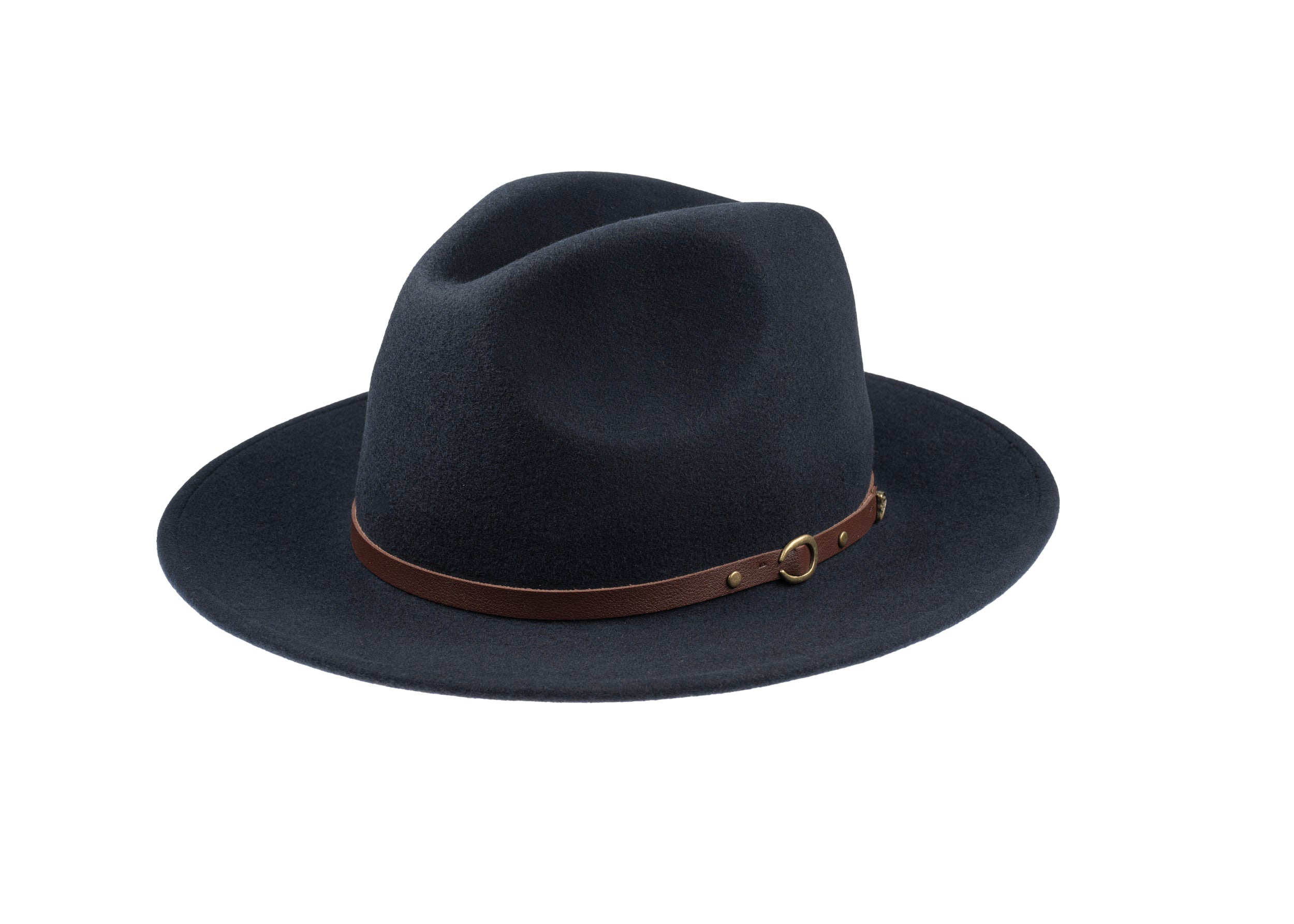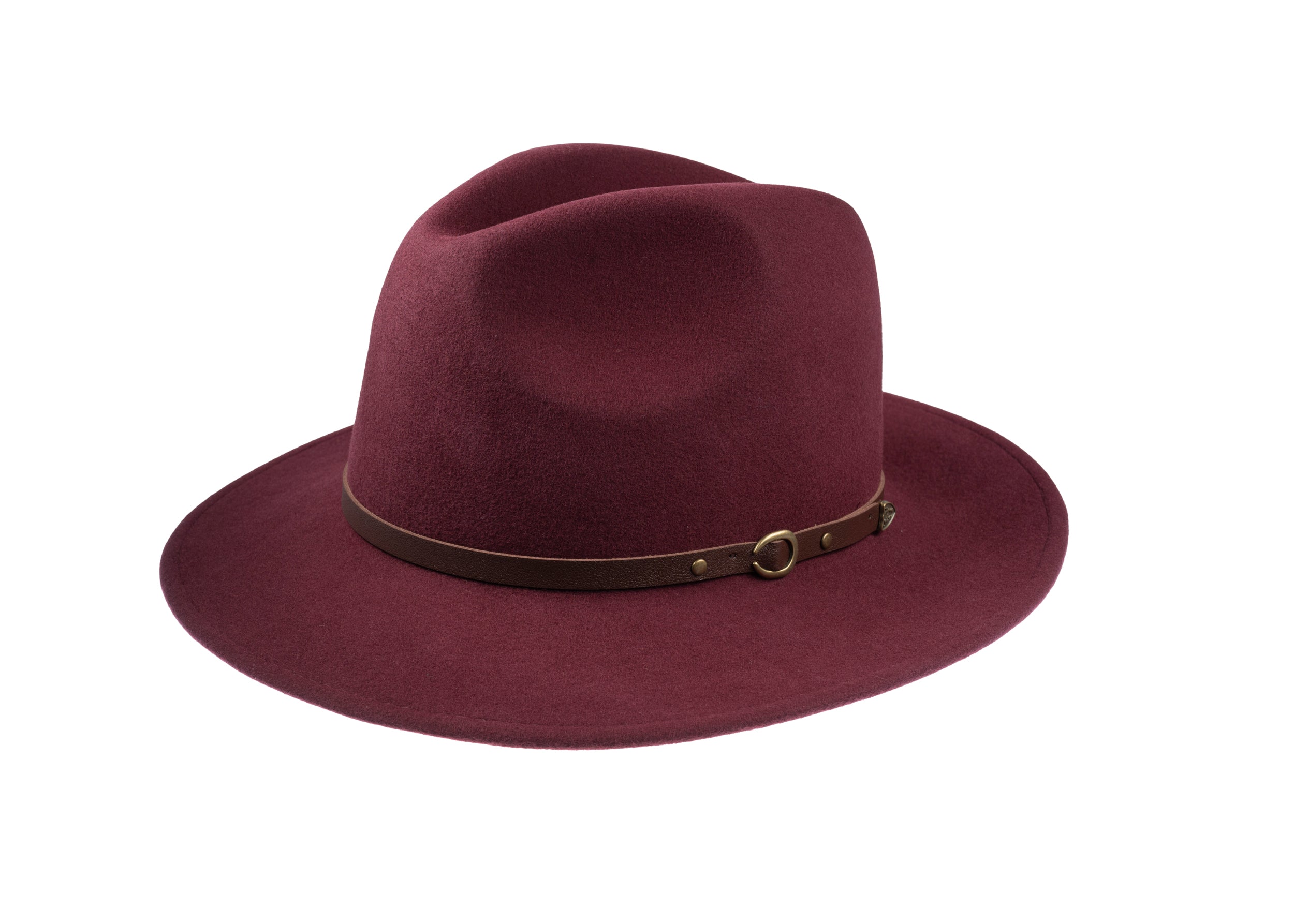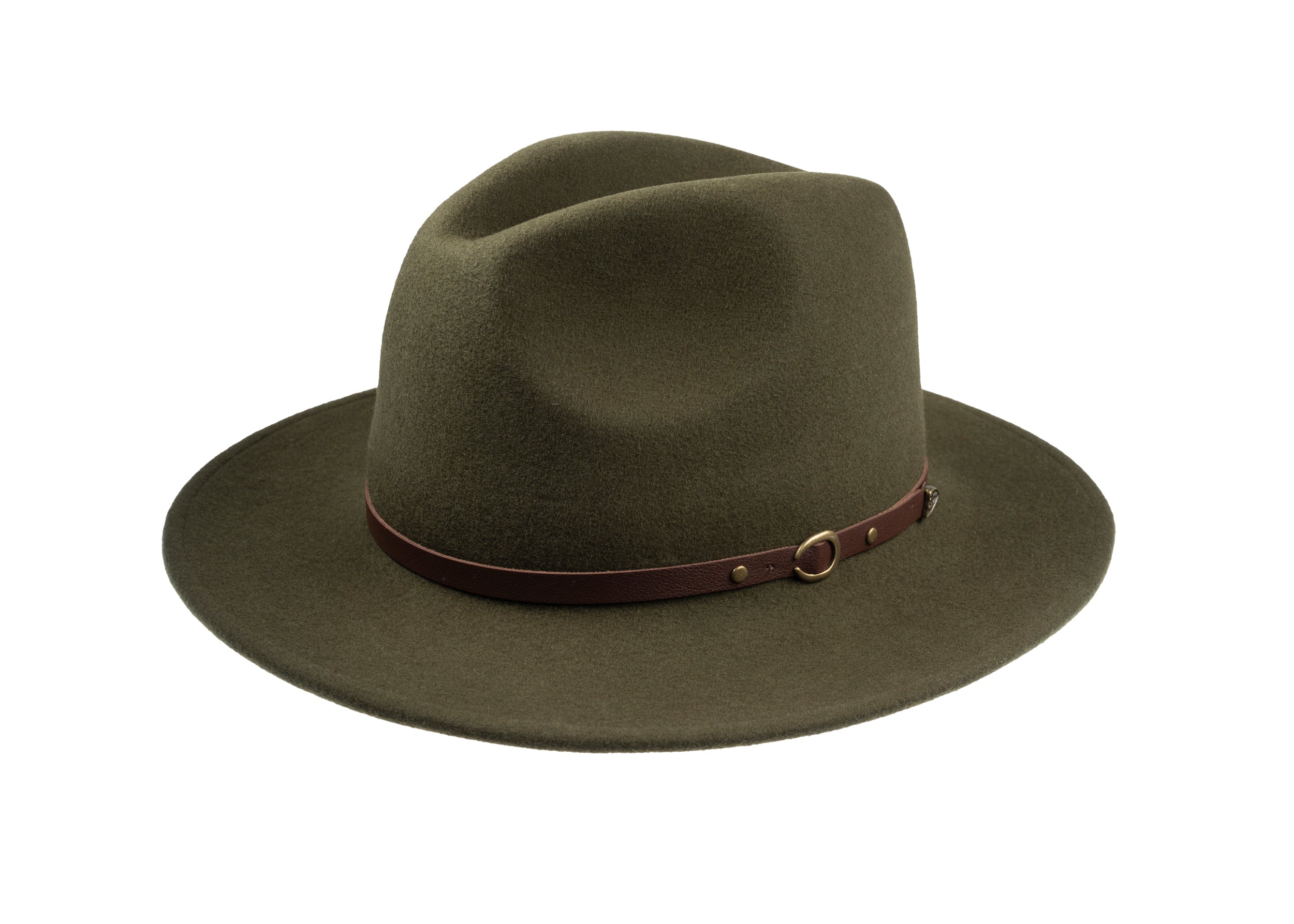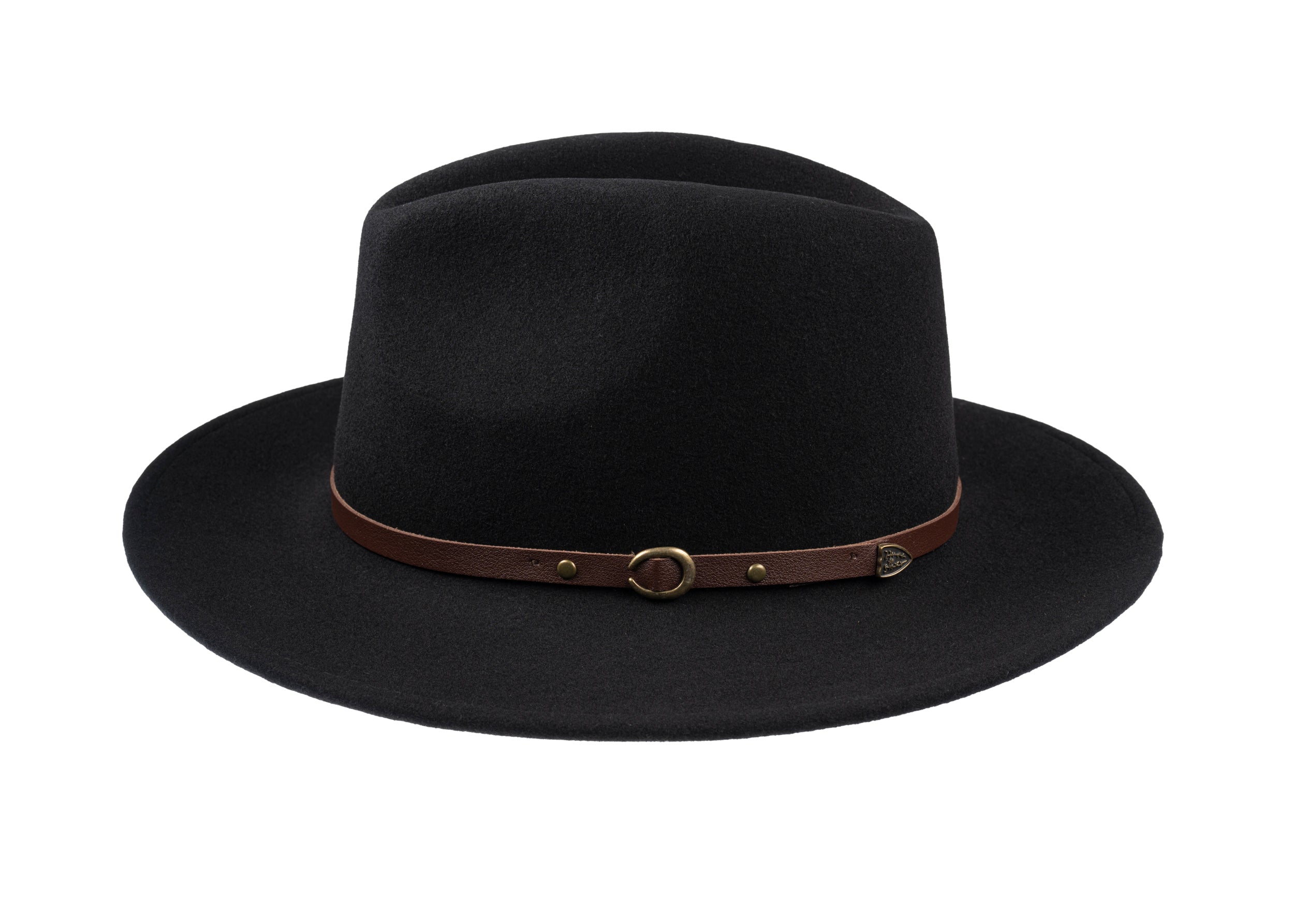


Few hats carry the weight of history quite like the homburg, a style that travelled from the spa towns of continental Europe to the wardrobes of prime ministers, diplomats, and statesmen who defined the character of British public life. Its rise was not accidental. The homburg earned its place through association with authority, occasion, and a particular kind of quiet confidence that formal dress demands.
This piece traces that journey, from the homburg's origins and the figures who wore it to the occasions that fixed it in the canon of British civic dress. Its history, it turns out, is argument enough — more instructive than any style guide, and more interesting than most.

How the Homburg Travelled from European Spa Towns to the British Establishment
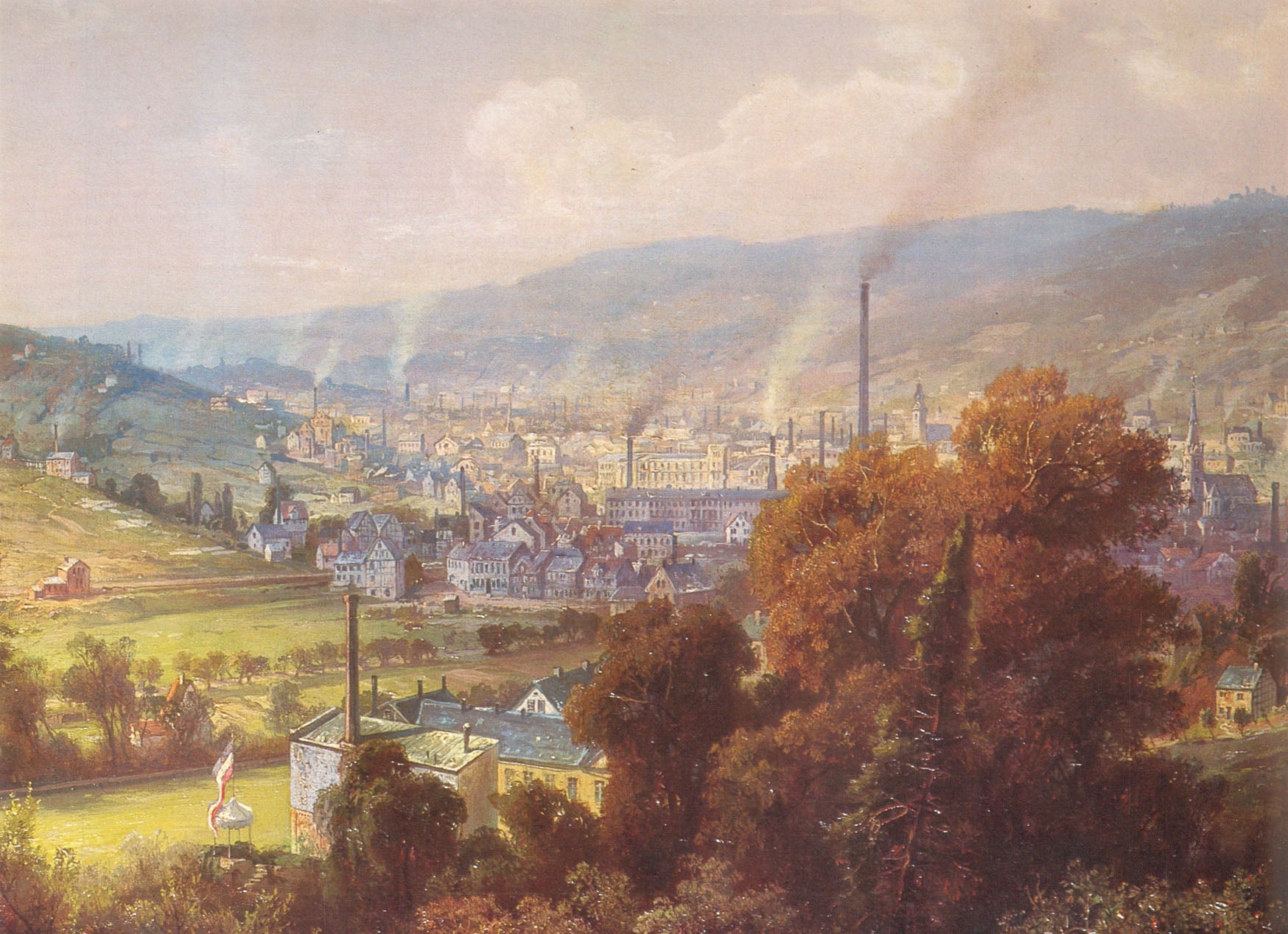
The Homburg originated in a German spa town, where it was taken up by European aristocracy drawn to its air of continental refinement. Royal patronage carried it into British establishment life, where statesmen and diplomats adopted it as a hat that sat between the ceremony of a top hat and the ease of a soft felt. Its defining construction, a stiffened brim with a bound edge, a centre-creased crown, and a grosgrain ribbon band, gave it a structured silhouette that suited men moving between official duties and social occasions.
Worn straight on the head rather than tilted, and paired with a dark lounge suit or a Chesterfield overcoat, the Homburg communicated authority without formality. The way it was worn was as deliberate as the hat itself, and that precision is part of what the hat still carries. Its journey from a leisure resort to the corridors of political and diplomatic life reflects how headwear has long functioned as a legible social signal, one that rewards those who understand its history.
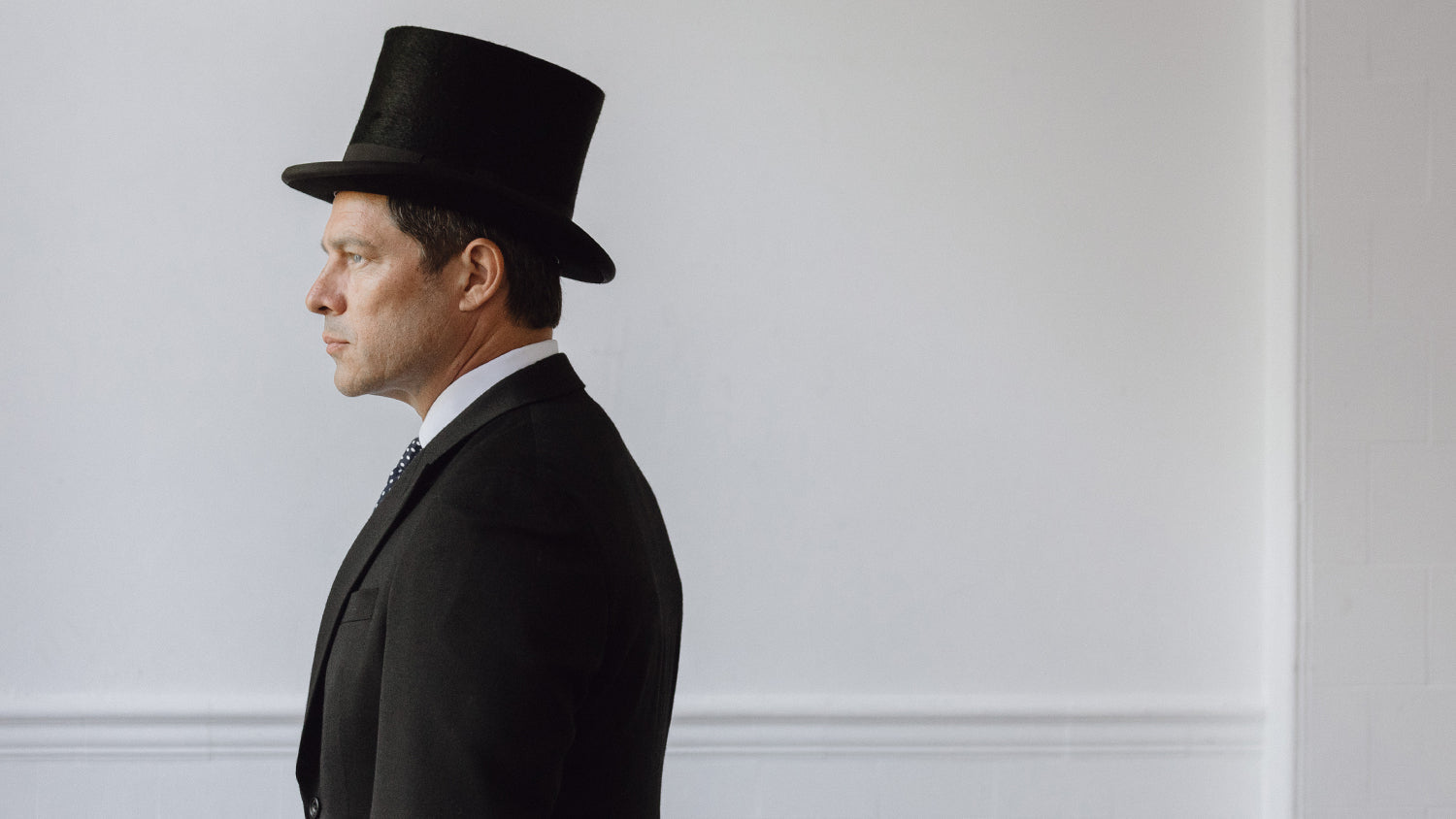
Presence without rigidity — the top hat, worn well.

The public figures who made the homburg a hat of office
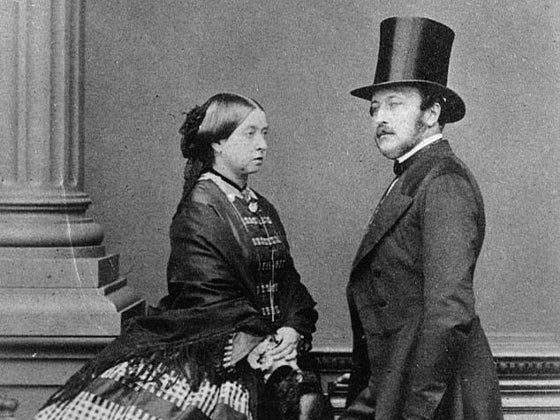
The homburg found its footing in British institutional life not through fashion, but through function. Politicians, statesmen, and members of the royal family took to it as a hat that projected authority without demanding the formality of a top hat, positioning it as the natural choice for men navigating the space between formal duty and everyday engagement. That practical appeal is what allowed a leisure hat, first favoured at European spa towns, to travel into parliamentary corridors and onto state occasions.
What the homburg offered its most notable wearers was a kind of considered restraint, a silhouette serious enough for official settings yet unencumbered by rigid formality. The brim width, the dented crown, and the quality of the felt all carry signals of that heritage, and the modern wearer does well to read them carefully. Worn with the same deliberate understatement that defined its historical associations, the homburg remains one of the more quietly authoritative things a man can put on his head.
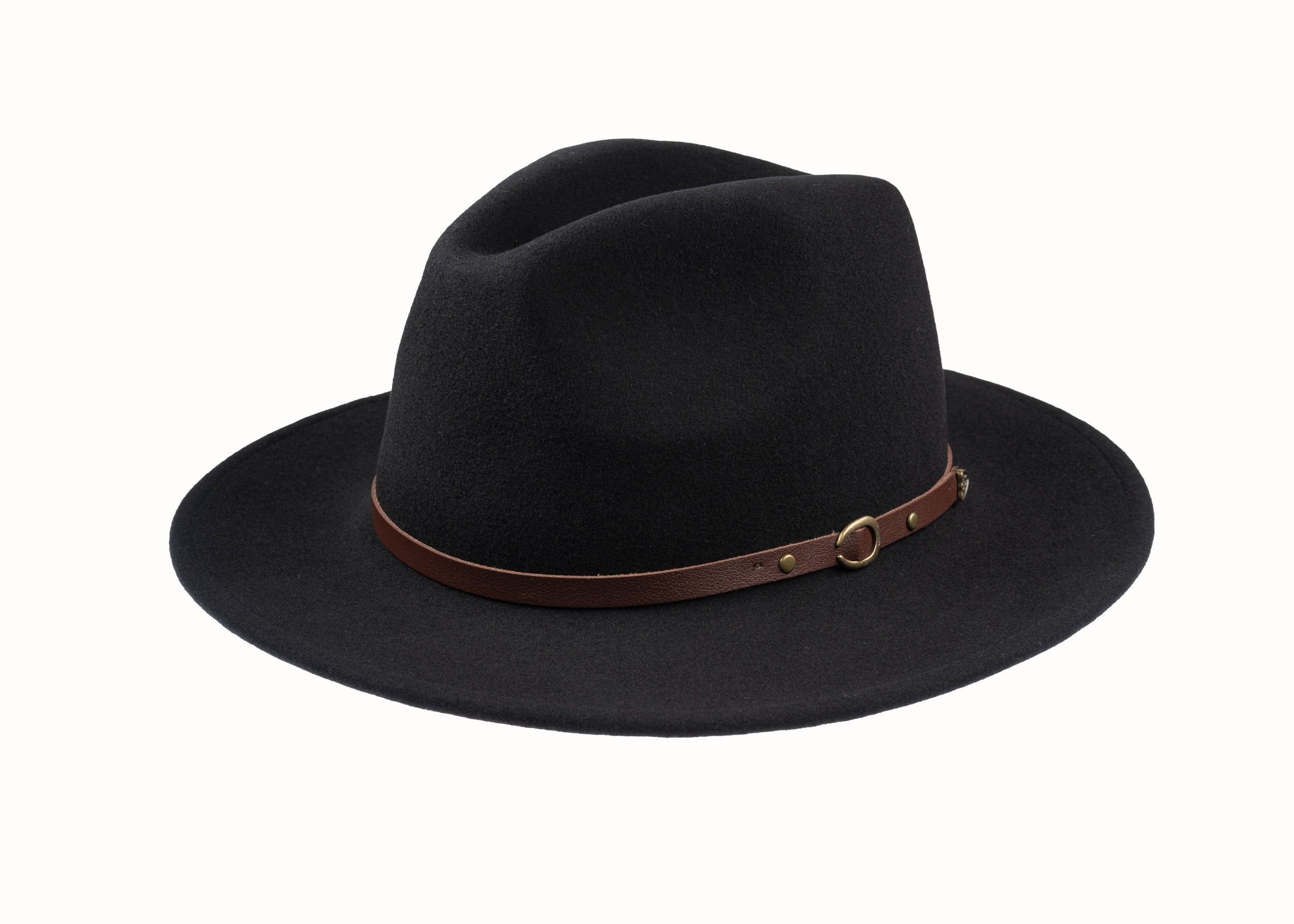
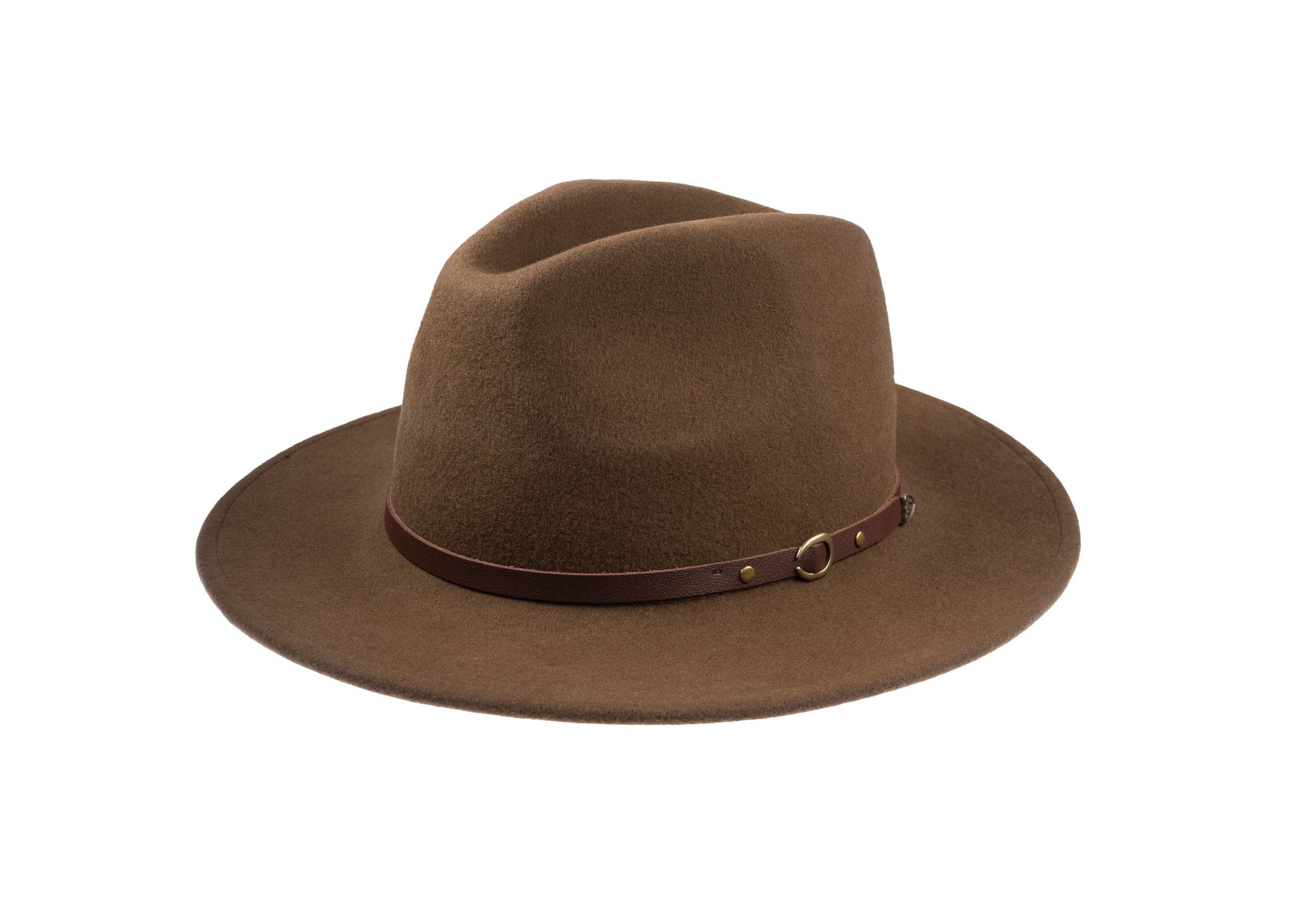
When formality calls, wool felt answers with quiet authority.

What makes the homburg the defining hat of formal dress
The Homburg is defined by three structural features: a centre crease running the length of the crown, a stiff upturned brim, and a grosgrain ribbon band. Together, these elements place it at a precise point in the formal dress hierarchy, above the trilby or fedora but below the top hat, positioning it squarely for race days, civic functions, and significant professional engagements. Statesmen and prime ministers reached for it as their hat of choice, and that association with composed authority was built into the hat's form long before it became a matter of reputation.
A well-made Homburg uses fur felt, traditionally hare or rabbit, which holds its shape across seasons and develops character with wear. The brim should hold its upward curve without assistance, a reliable sign of quality blocking and finishing. It pairs most naturally with a lounge suit or morning dress, functioning as the concluding element of a complete ensemble rather than a piece worn in isolation.
What Sets the Homburg Apart: Occasion, Construction, and Wear
- The Homburg occupies a specific rank in the formal dress hierarchy, sitting above the trilby and fedora but below the top hat. This makes it the considered choice for race days, civic functions, and significant professional engagements where a top hat would read as excessive but a fedora would fall short of the occasion.
- A well-made Homburg is constructed from fur felt, traditionally hare or rabbit, which holds its blocked shape across seasons and develops a quiet character with wear. The upturned brim should maintain its curve without any internal support. If it requires assistance, the blocking and finishing have not met the standard.
- The grosgrain ribbon band, centre crown crease, and stiff brim are not decorative choices but structural ones. Each element contributes to the hat's silhouette and signals its place within a dressed ensemble, which is why the Homburg reads differently from softer, unstructured hats even at a distance.
- The Homburg functions as the concluding element of an ensemble rather than a piece worn in isolation. It pairs most naturally with a lounge suit or morning dress, and colour coordination between the ribbon, suit, and any accessories draws the full look together with quiet authority.

The occasions that shaped the homburg's place in British civic life
Those structural qualities translated directly into the occasions the homburg came to define. It occupied a precise position in the hierarchy of British public dress, sitting above the soft felt hat in formality yet falling short of the ceremony demanded by a top hat. This middle ground made it the preferred option for statesmen, diplomats, and senior officials who needed to project authority at occasions ranging from state gatherings to race meetings such as Royal Ascot. Its structured crown and pinched front crease became recognisable markers of civic standing, worn by the men who shaped British institutional life rather than those who merely attended it.
Understanding where the homburg sits historically helps to inform how it should be worn today. It belongs to occasions that carry a degree of formality without requiring full ceremonial dress, outdoor gatherings with a sense of occasion, and settings where a considered appearance signals engagement with the event rather than indifference to it. The hat's association with public office and civic life gives it a weight that purely fashionable hats do not carry, and that distinction remains legible to those who know what to look for.
Ascot demands the correct grey topper — find yours.

Why the homburg endures as the defining hat for formal dress
The Homburg built its reputation through the men who wore it: heads of state, senior diplomats, and figures of institutional authority who needed a hat that communicated seriousness without ceremony. Its construction supports that reading — a reinforced brim, a single longitudinal crown crease, and a grosgrain ribbon band produce a silhouette that feels deliberate rather than decorative. Sitting between the top hat and the trilby, the Homburg occupies a precise register within formal dress, making it a reliable guide for occasions where the cost of getting it wrong is quietly high.
Matching a Homburg to an outfit is less about strict rules and more about understanding what the hat signals. It sits naturally alongside a lounge suit, morning coat, or overcoat, and its restrained profile carries it across a range of occasions, from race days to memorial services. The felt quality and brim width do much of the work in calibrating formality: a finer, shorter-brimmed example reads closer to ceremonial dress, while a broader, more textured version moves comfortably into smart-casual territory, giving the style a practical range that few other hat forms can match.
The homburg's trajectory from European spa towns to the corridors of British institutional life is not merely a story about headwear; it is a record of how considered dress has long functioned as a legible signal of authority, occasion, and intent. Its defining construction, a stiffened brim, centre-creased crown, and grosgrain ribbon band, encodes that history in a form that remains as readable today as it was when statesmen and diplomats first adopted it as their hat of choice.
Understanding where the homburg sits in the hierarchy of formal dress, above the trilby, below the top hat, and precisely suited to race days, civic functions, and occasions that carry genuine weight, gives the wearer something more useful than a style rule: it gives context. Choose it with that understanding, and the hat does the rest.
FAQ
What makes the homburg different from other felt hats like the trilby or fedora?
The homburg is defined by three structural features: a centre crease running the length of the crown, a stiff upturned brim, and a grosgrain ribbon band. These elements place it at a specific point in the formal dress hierarchy, above the trilby and fedora but below the top hat, giving it a silhouette that reads as deliberate and authoritative rather than casual or decorative.
What occasions suit a homburg?
The homburg is suited to occasions that carry a degree of formality without requiring full ceremonial dress, including race days, civic functions, memorial services, and significant professional engagements. It occupies the space where a top hat would read as excessive but a fedora would fall short of the occasion.
How should a homburg be worn to achieve the right effect?
It should be worn straight on the head rather than tilted, and paired with a lounge suit, morning coat, or Chesterfield overcoat. Coordinating the grosgrain ribbon band with the suit and accessories draws the full look together with quiet authority.
What should you look for in a well-made homburg?
A well-made homburg uses fur felt, traditionally hare or rabbit, which holds its blocked shape across seasons and develops character with wear. The upturned brim should maintain its curve without any internal support; if it requires assistance, the blocking and finishing have not met the standard.
Why did the homburg become associated with British public and political life?
The homburg offered statesmen, diplomats, and senior officials a hat that projected authority without the rigid ceremony of a top hat, making it practical for men moving between official duties and social occasions. Its structured silhouette communicated composed authority, and its adoption by figures of institutional standing gave it an association with civic seriousness that purely fashionable hats do not carry.