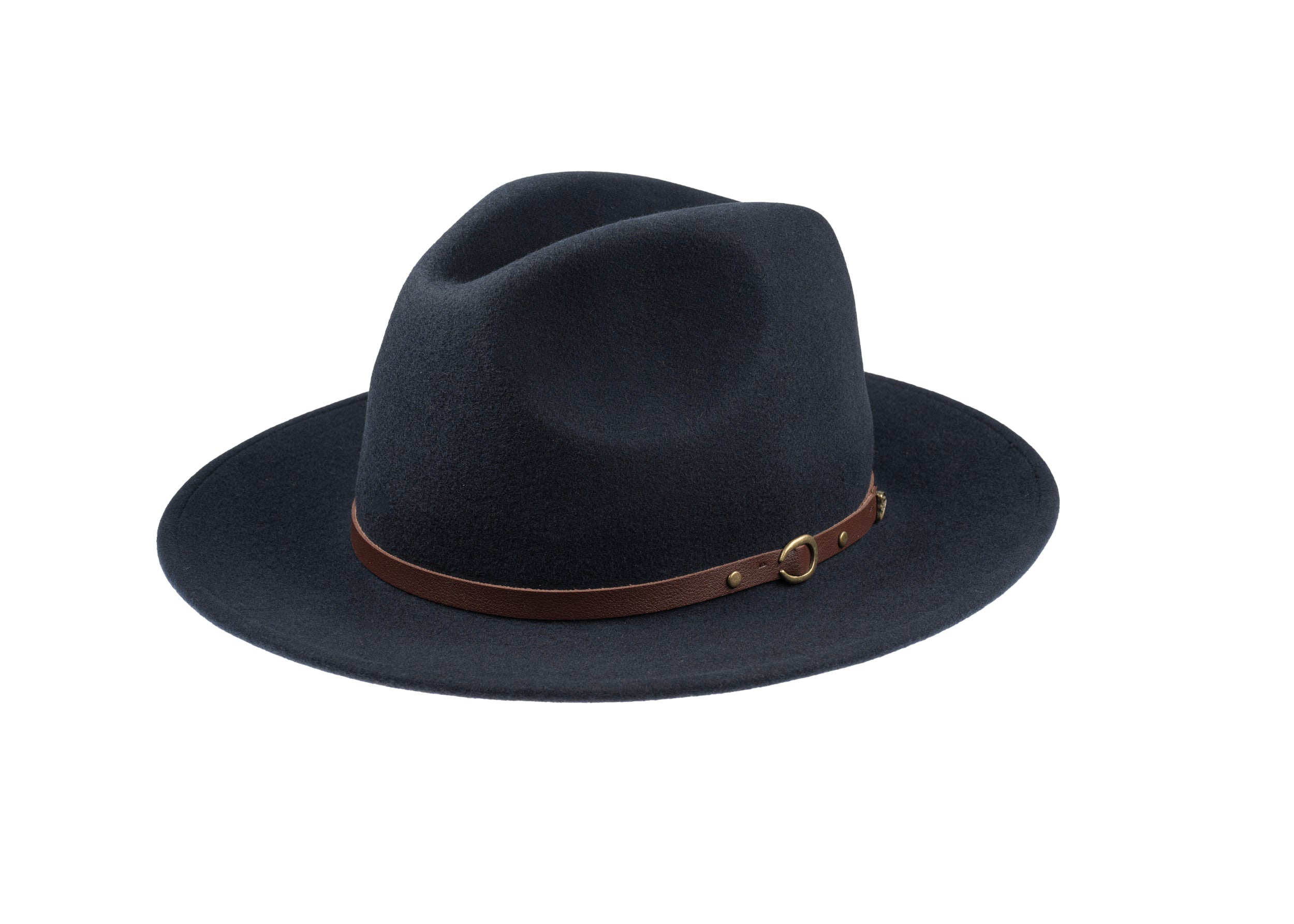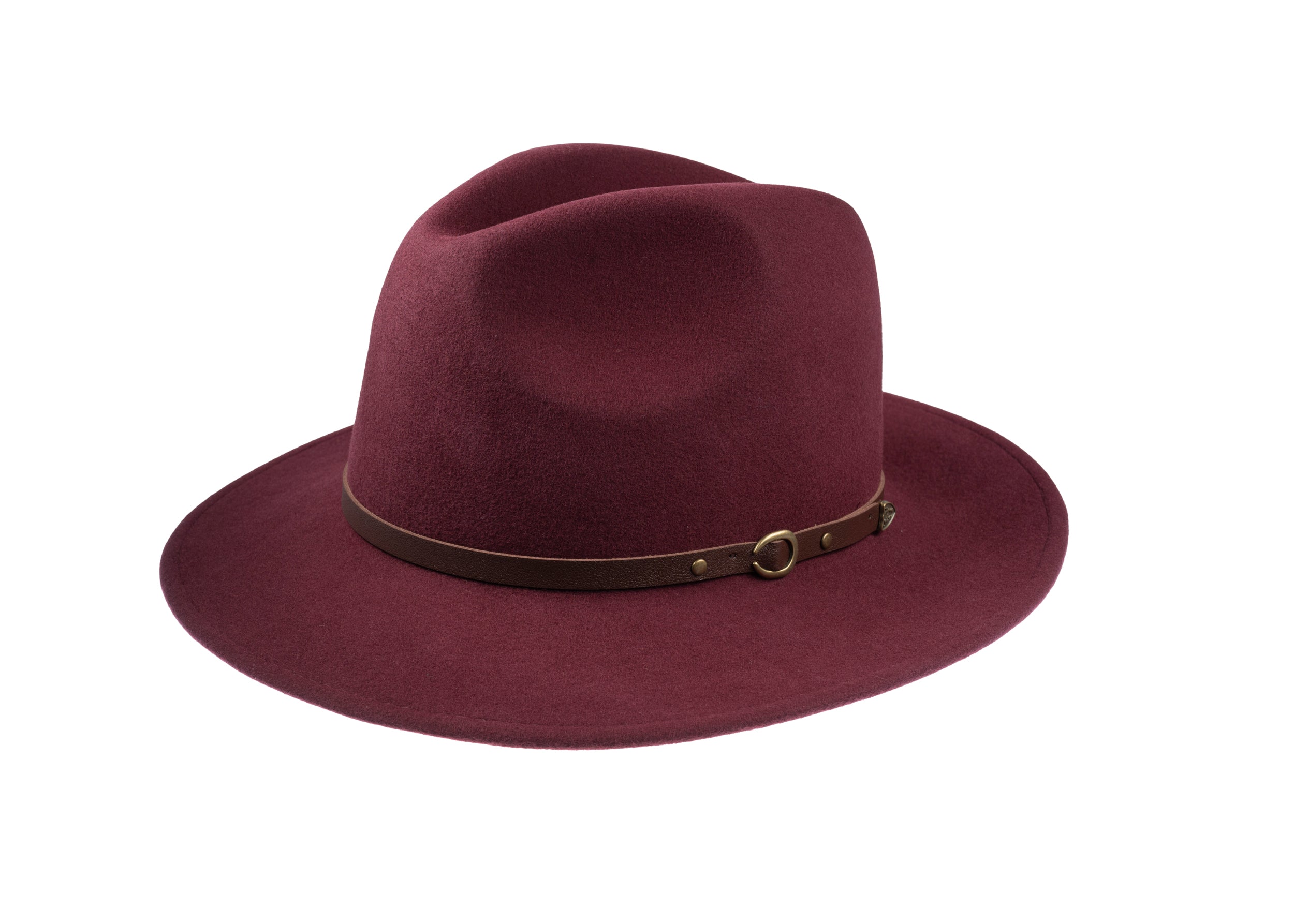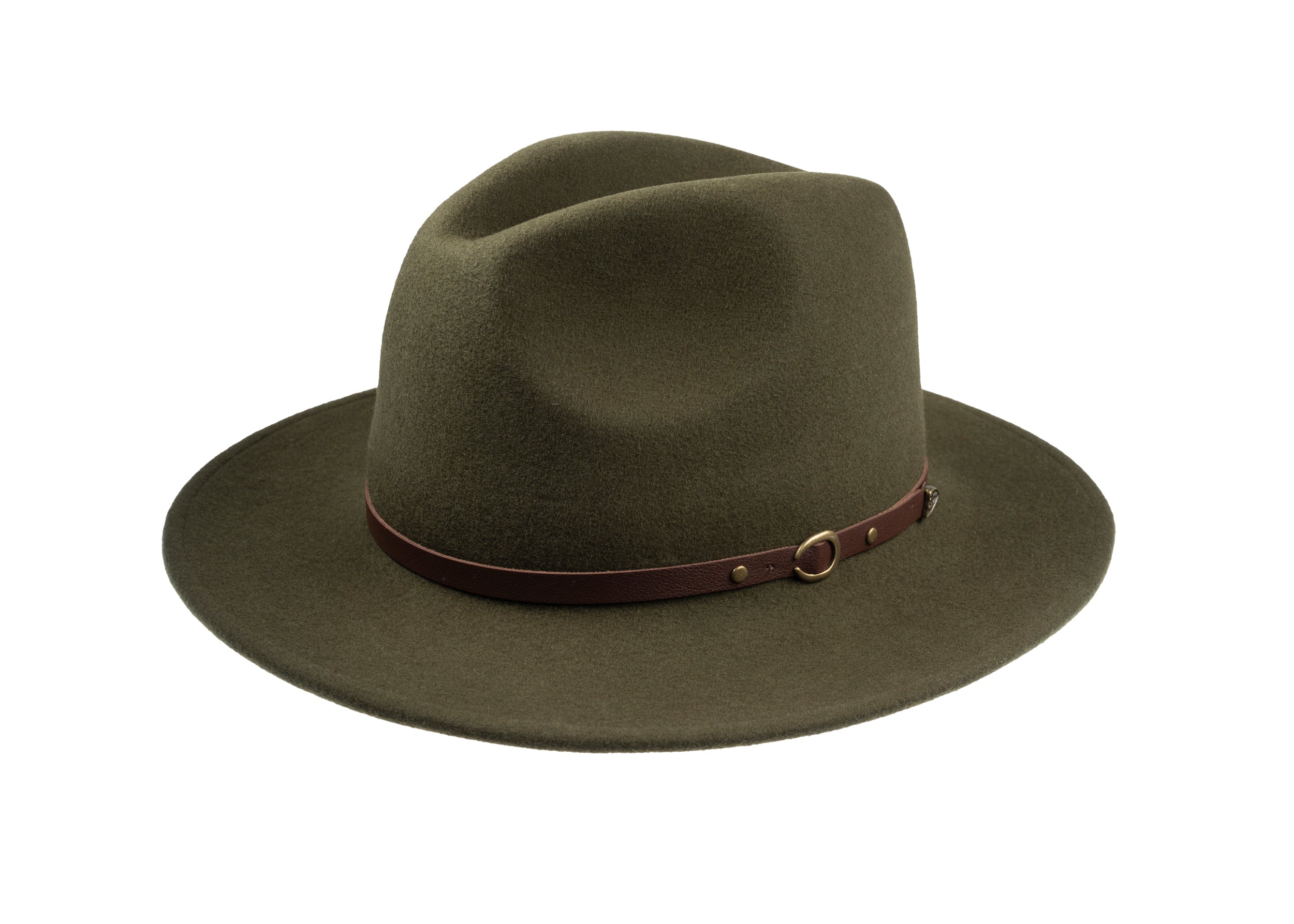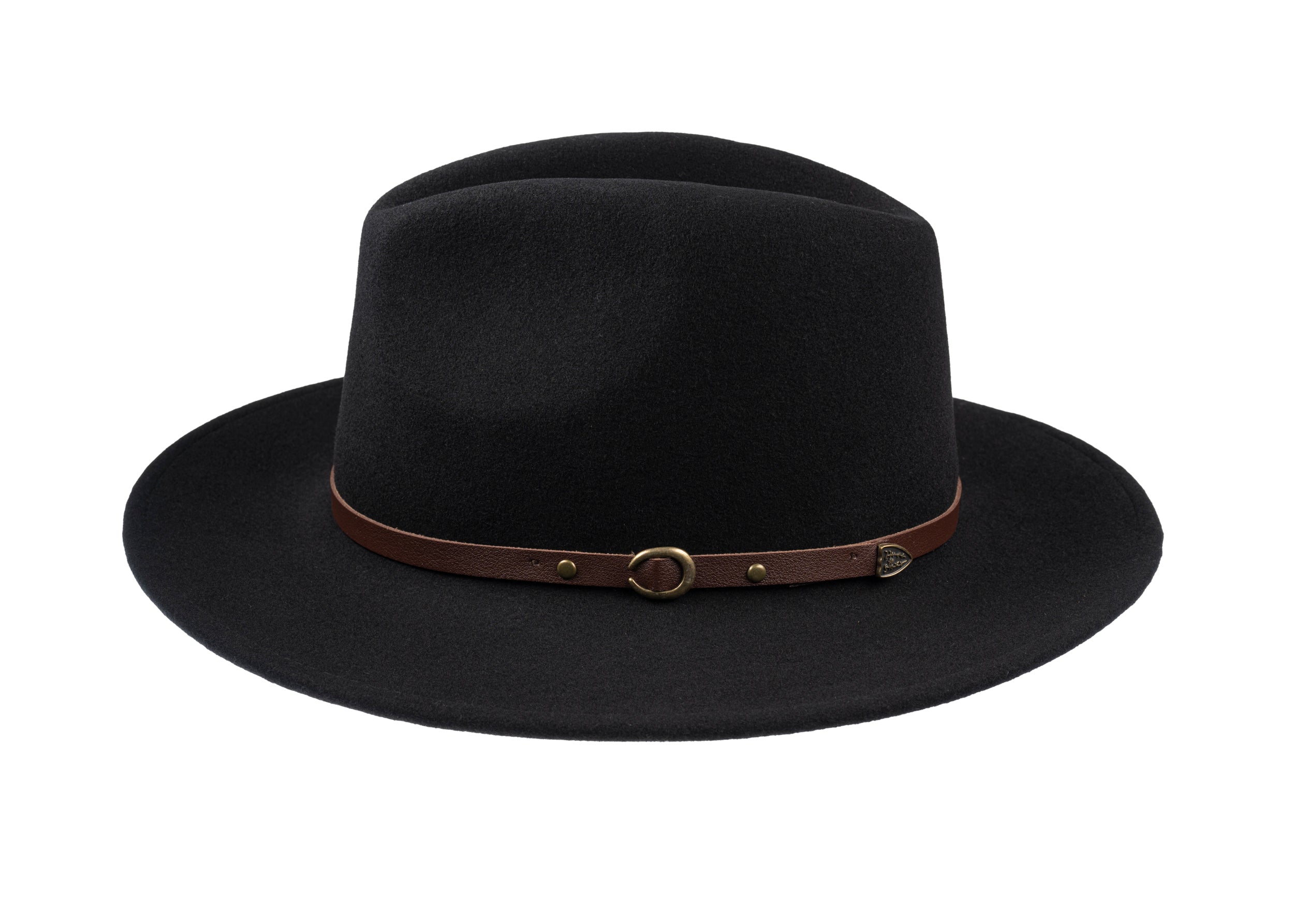

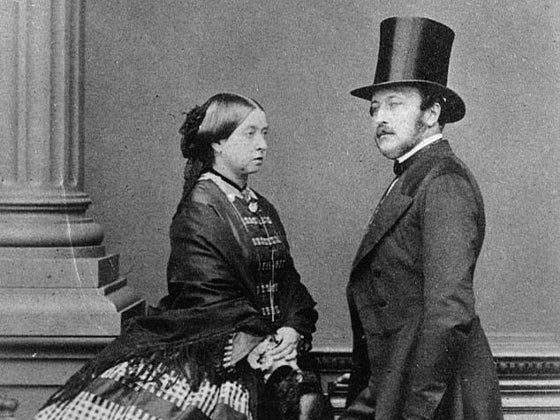




Why does a single hat still mark authority in modern dress? Whether in courtrooms, ministerial cabinets, or ceremonial occasions, the Homburg's restrained silhouette and neat brim signal authority without ostentation.
We trace its rise into British dress, examine the hatmaking details that define it, and chart the rites and institutions that formalised its use. We then consider how manner of wear signals restraint and quiet authority, and offer practical guidance on construction, upkeep, and contemporary wearability so you can judge when a Homburg remains appropriate.

1. Tracing the Homburg's Rise in British Dress
The homburg derives from a continental court hat. It is characterised by a centre-dent crown, a slightly upturned brim, a grosgrain band, a felt body with an internal stiffener, and a silk lining. You can confirm these features by comparing surviving examples in museum collections and by studying portraiture. Diplomats, travelling gentlemen, military officers, and the theatre brought the shape into British dress, and press photography alongside painted and engraved portraits helped to normalise it across class boundaries. Those documentary and material traces provide the visual and tangible evidence needed to recognise authentic construction and to distinguish the homburg from related hats.
In portraits, obituary photographs, and satirical cartoons, the homburg reads as quiet authority and professional gravitas, offering restraint where the top hat signals ceremony, and the bowler pragmatism. Subtle changes in brim width, crown height, ribbon treatment, and felt quality produce variants that read more formal, more rural, or more modern; recognising those cues helps you select a shape that suits your proportions. As a practical guide, a proportionally wider brim balances a longer face, a lower crown suits a shorter stature, and conservative brim-to-crown ratios pair best with single-breasted suits and overcoats when the aim is authority without ceremony. To preserve shape and finish, store a homburg on a hat block so it keeps its blocked form, brush it occasionally to lift the nap, avoid prolonged damp, and carry it in a breathable hat bag when travelling.
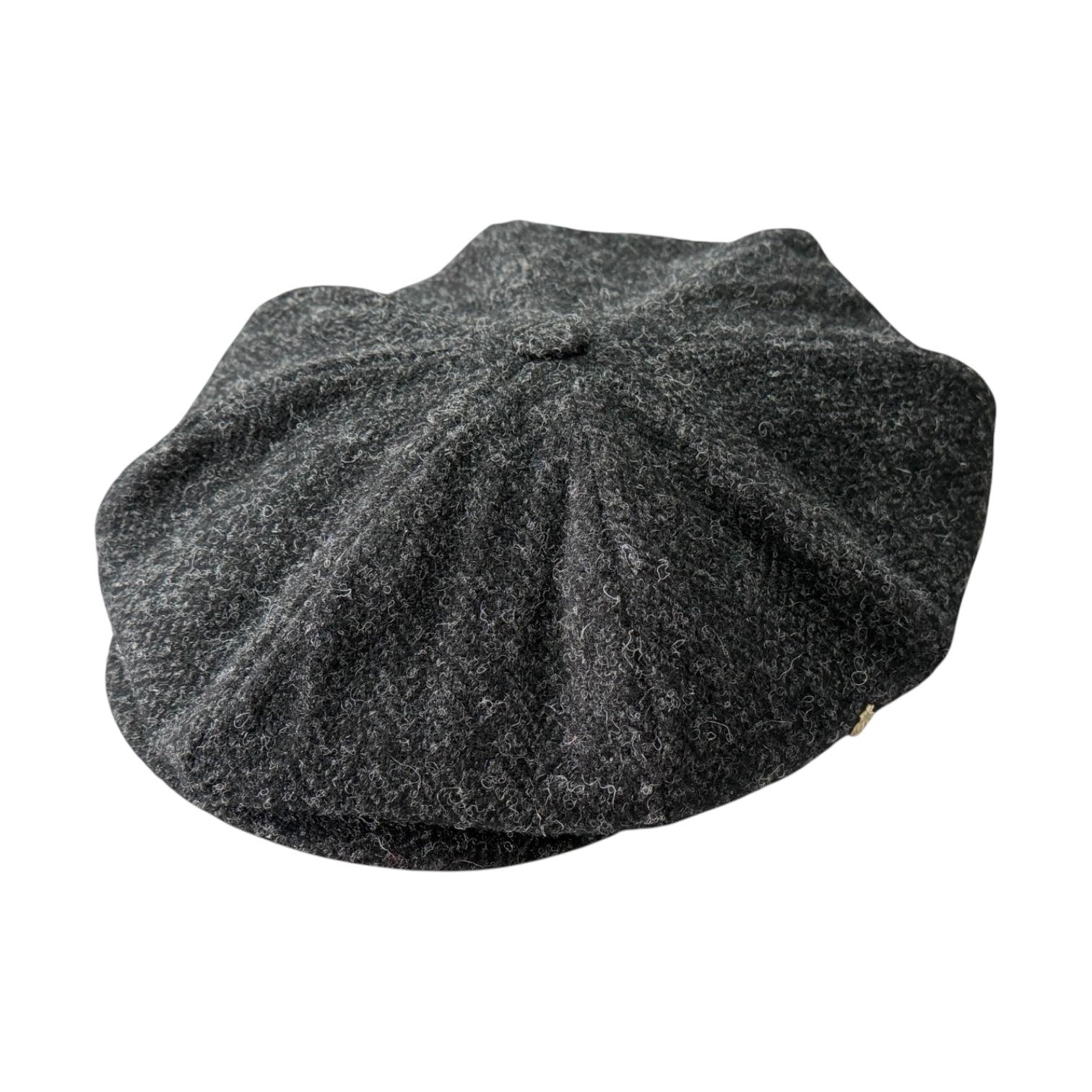
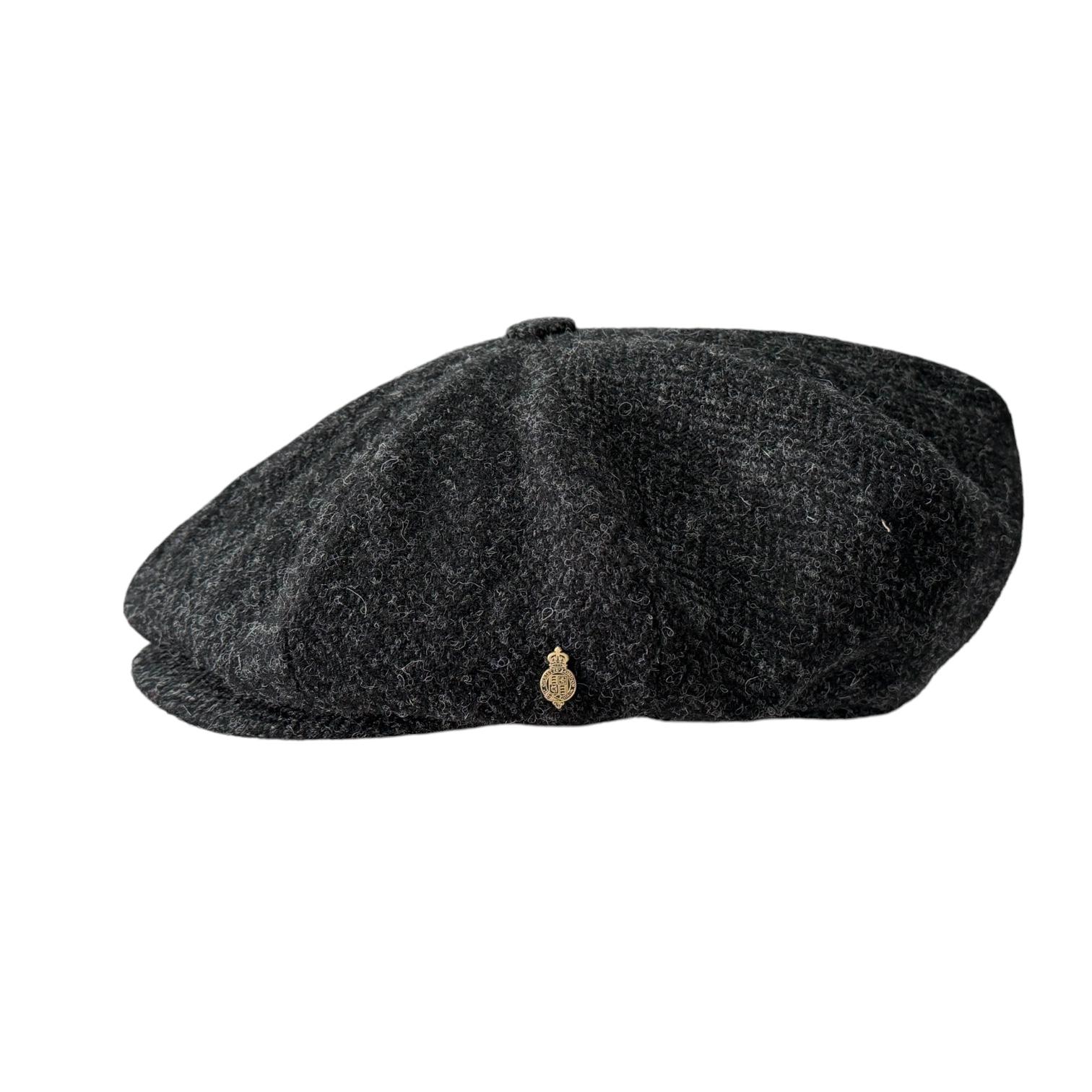
Choose a blocked wool-felt hat for lasting shape

2. Examine the hat's construction and signature details closely
Traditional Homburgs are made from dense fur felt or, in contemporary examples, tightly spun wool blends. Higher fibre density and careful finishing give the hat a spring and resilience you can feel; a simple pinch test, compressing the crown lightly between thumb and forefinger and noting how quickly it recovers, reveals felt quality. Firmer felts tolerate repeated wear and travel, while softer felts suit lighter, occasional use. The Homburg’s single, centre dent and modest crown height produce a gently tapered silhouette, distinct from the fedora and the bowler, and crisp, symmetrical blocking signals careful manufacture. To assess shape memory, ensure the crease aligns with the crown’s centre and that the crown springs back after a firm, brief squeeze or a light application of steam.
An upturned brim with a restrained curl and a bound edge depends on internal stiffening and a rolled brim to create the characteristic shadow line. Choose a brim width that balances your face, and test for an even curl and a steady resistance rather than a floppy give. Inspect the finishing closely. A grosgrain hatband, a leather sweatband, and a silk or cotton lining are signs of considered construction. Use stitch density, neat brim binding, and invisible joins to distinguish hand finishing from loose machine work; these are the details that reward closer inspection. Pay particular attention to the sweatband stitching and the lining attachment, which indicate how well the hat will wear and feel over time. The Homburg’s blocked form responds predictably to steam and gentle reblocking. Store it on a hat stand or in a breathable box, brush along the nap, and air it after wear. Treat the leather sweatband sparingly, and consult a milliner when the crown or brim needs reshaping.
Choose fur felt for lasting shape and high polish.

3. Trace institutional adoption and the evolution of ceremonial roles
The research maps the Homburg's institutional adoption across courts, diplomatic services, universities, and civic offices, and catalogues how usage varied by rank and remit using archival dress regulations, inventories, and official portraits as evidence. It traces the hat's ceremonial persistence in judicial sittings, state processions, formal receptions, and university ceremonies, drawing on etiquette manuals and institutional orders to show when the hat was worn, removed, or carried. Close readings of posture, accompanying garments, and setting in portraiture, press photography, and medals demonstrate how the Homburg operated as a visual shorthand for authority. Procurement records, hatters' wardrobes, and tailor accounts reveal patterns of material choice and maker consistency that helped to reinforce institutional identity.
The study offers practical methods for researchers and curators to date and authenticate Homburgs, from close reading of stitching and sweatband markings to fibre and fabric analysis, and it identifies conservation requirements for safe display. It recommends interpretive strategies that convey ceremonial function without explanatory labels, favouring juxtaposed portraits and carefully chosen contextual objects to provide visual cues. Taken together, the documentary, visual, and material evidence allows readers to trace how a modest silhouette came to signal institutional authority.
Choose a refined formal hat to signal institutional authority.

4. Signal restraint and authority through considered styling
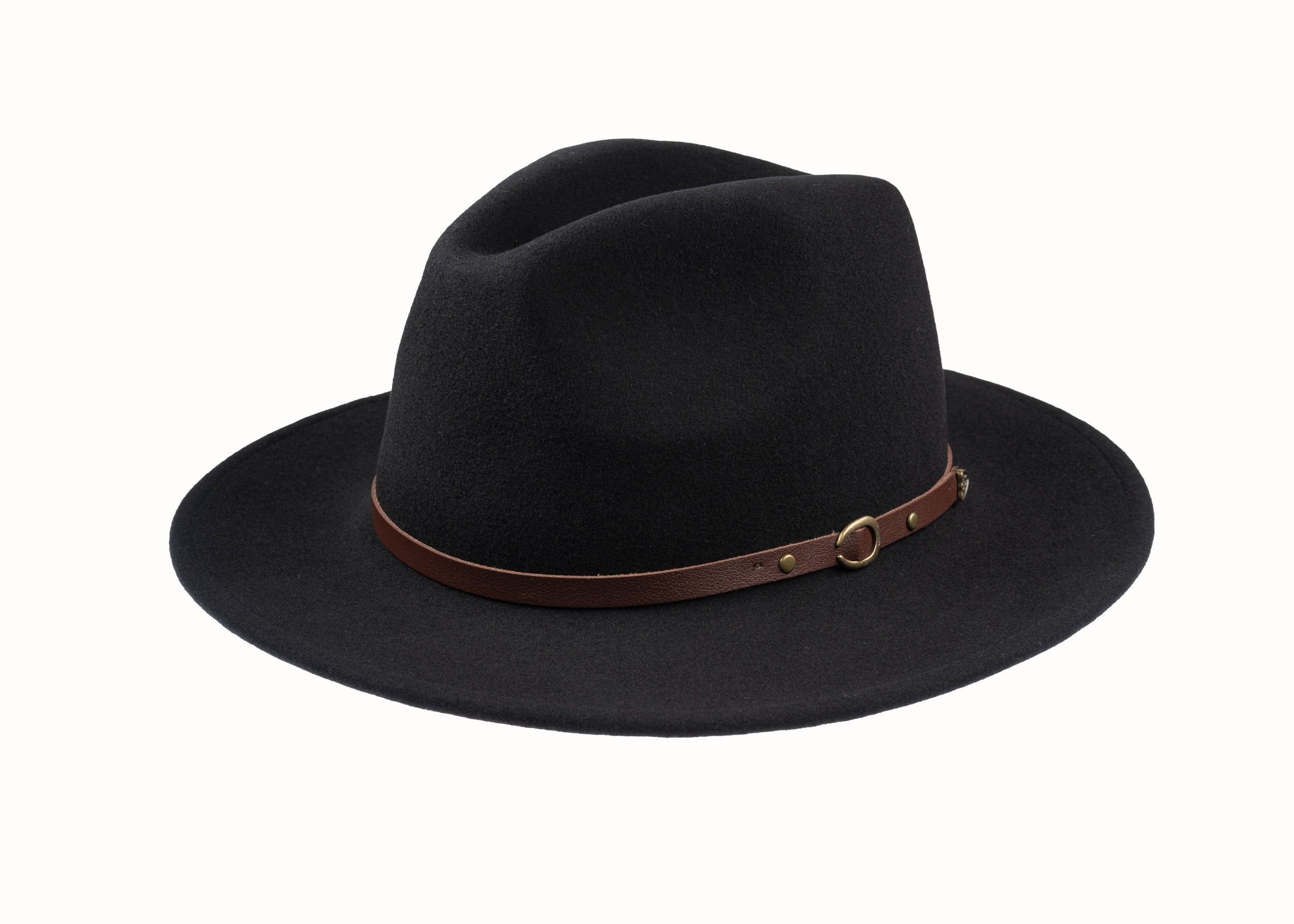
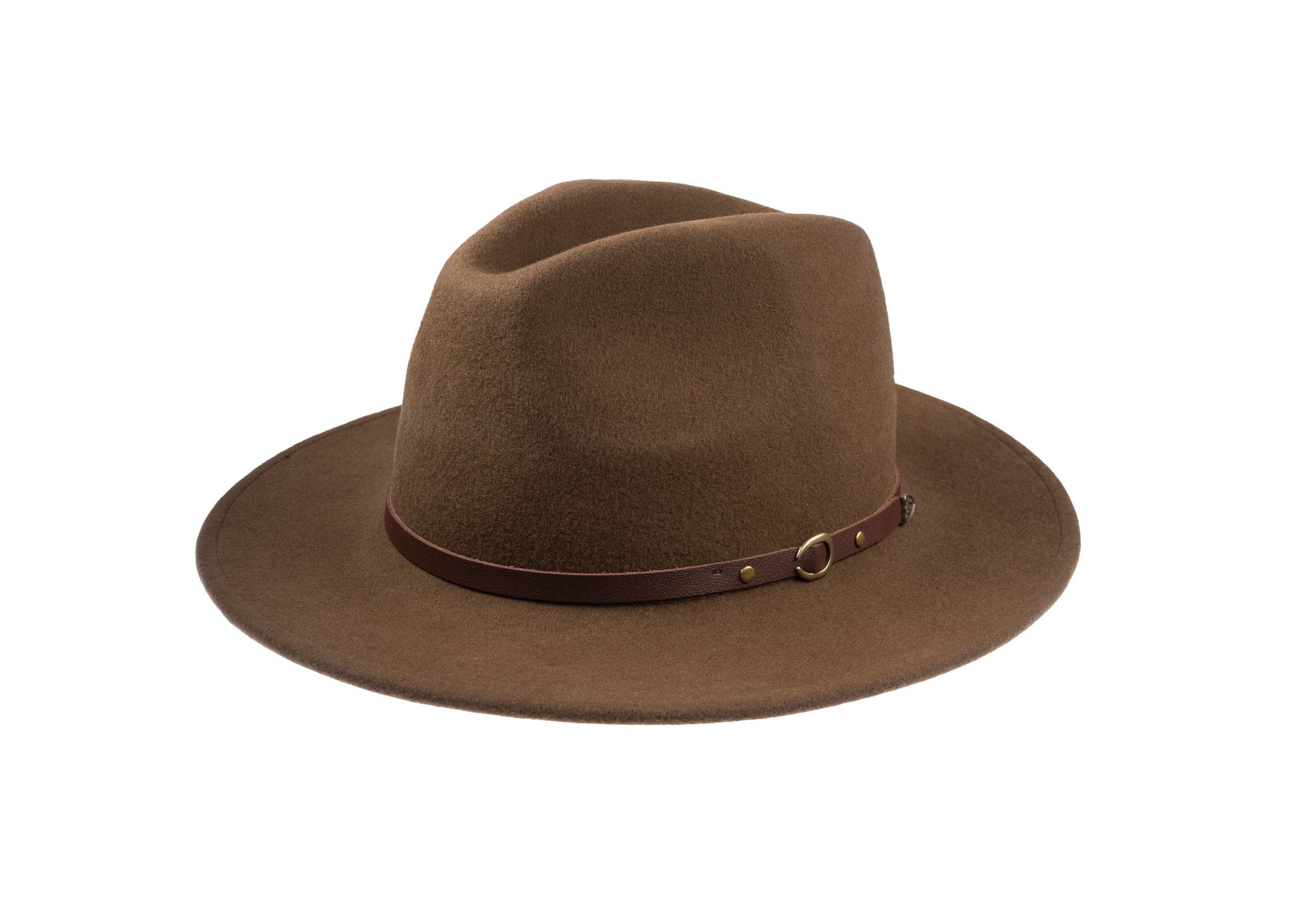
The Homburg's sculptural economy, with its single dented crown, firm fur felt, slightly upturned rolled brim and narrow tonal hat band, reduces visual noise and directs attention to the face. For fit, the crown should follow the skull without gaping, the brim should frame the face without eclipsing the shoulders, and the hat should sit at the natural hairline. Small adjustments in tilt, together with checking the hat against jacket shoulders and lapel width, refine the overall balance. Choose matt, deep colours such as black, charcoal, navy, or rich brown; avoid high-gloss felts, contrasting bands, and patterned linings. Favour a narrow tone-on-tone band so the hat asserts its presence without competing with other elements.
Minimal ornamentation magnifies the Homburg's presence. Omit conspicuous pins, keep the trim narrow and tonal, and let construction and proportion convey intent. Treat upkeep as part of that intent: regular brushing and gentle reshaping preserve crisp lines, and store the hat so the crown avoids accidental crushing. Maintain an upright posture and modest tipping, and reserve the hat for contexts where formality and restraint make the gesture read as intended. Small, considered choices in colour, fit, and pairing let a Homburg register authority in portraits and official photographs while being worn with quiet confidence and without ostentation.
Wear finely blocked wool felt for composed, formal authority

5. Caring for the homburg: construction, maintenance, and contemporary wear
Fur felt, spun from animal fibres, is denser and holds a crisper nap and a more rigid blocked crown. Wool felt is more breathable and forgiving, and therefore responds to gentler humidification and lighter handling when being reshaped. The felting and blocking stages establish the Homburg's resilient nap and its structured crown. Judge sound workmanship by an even nap, a firm brim edge, neat brim piping, and a well-seated sweatband — the detail that rewards closer inspection. At home, brush with a soft-bristle brush, following the nap, after each wear. Air the hat on a stand, or crown-down in a ventilated place, rotate hats so sweatbands have time to recover, and use removable, absorbent liners to catch perspiration.
For surface dust, brush gently with a soft-bristled hat brush, following the nap. Treat stains by dabbing with a lightly damp cloth; for grease, sprinkle a fine, dry powder to absorb oil before brushing it away. Avoid soaking felt or straw, which can distort the shape. Use steam sparingly to relax the fibres, then reshape by hand on a wooden block and allow the hat to dry naturally. Leave reblocking, sweatband replacement, ribbon restitching, and other structural repairs to a skilled milliner, who will preserve the construction and provenance of the piece. Store on a dedicated hat stand, or in a breathable hat box with soft stuffing in the crown to support form. Keep hats away from direct heat and sunlight. When travelling, carry a structured hat carrier, or pack the hat among clothing so the crown and brim remain supported. Measure head circumference for a close, comfortable fit (measure above the brow and ears). Experiment with a slight angle to suit your face and lapels. For modest updates, consult a milliner about alterations such as a narrower brim or a ribbon reset, which can modernise a silhouette while preserving its craft heritage.
Across courtrooms, cabinets, and ceremonial portraiture, the Homburg's centre-dent crown, rolled brim, and narrow tonal band act as a quiet marker of authority in British dress. Evidence from portraits, press photography, procurement records, and surviving hats shows that dense, well-blocked felt, neat brim binding, and restrained trimming make the shape read as durable and formal without ostentation.
Tracing the Homburg's rise, examining its construction, and charting its ceremonial use show how proportion, finish, and etiquette built the hat's association, and they provide clear cues for identification and care. If you opt for a Homburg, favour a balanced brim-to-crown relationship and a firmly blocked felt, which helps the roll and crown hold their shape. Care for it with regular upkeep: store it on a block, brush it after wear, and consult a milliner for reshaping and blocking when necessary.