



How did the humble cap move from everyday utility to a recognisable screen emblem? Its story invites close attention to craft, context, and the small decisions of proportion and finish by which a modest object can imply character and continuity.
This post traces the cap's origins and cultural ascent, unpicks its construction and materials, describes adaptations for film and stage, and considers how styling and publicity secured its cultural staying power. It sets out makers' techniques, camera framing methods, and styling choices that help explain why audiences recognise the cap at a glance.

Tracing the origins of the cap and its cultural ascent
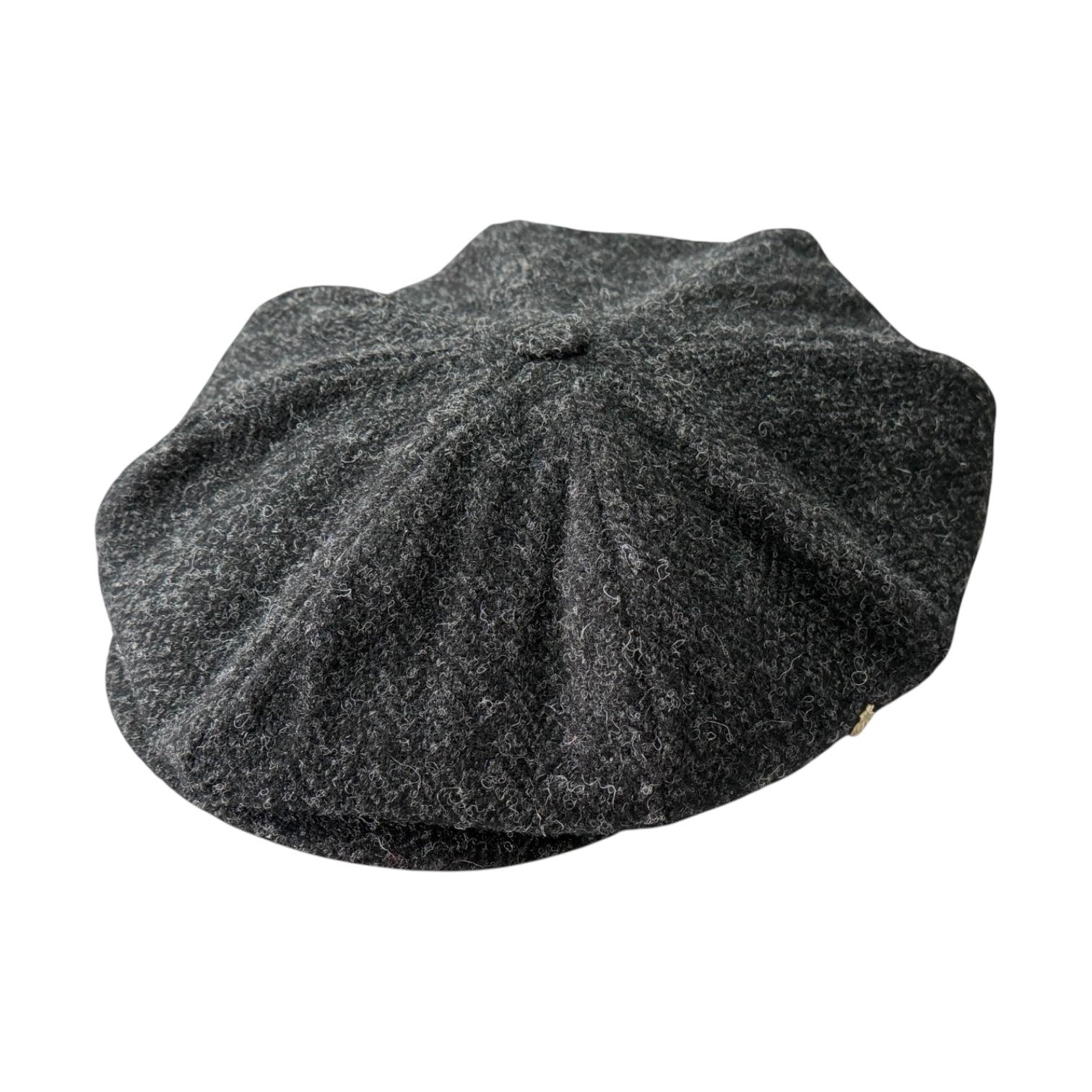
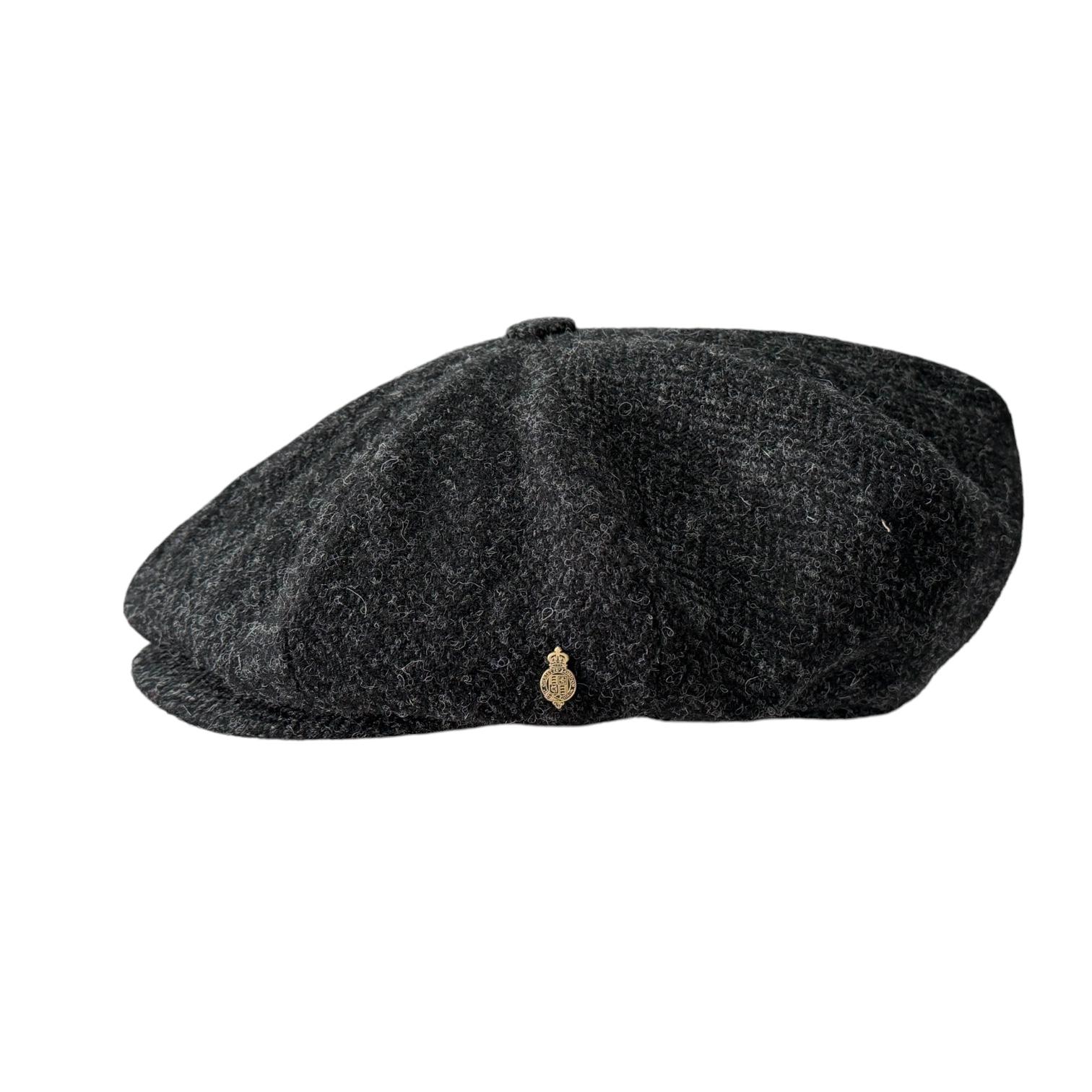
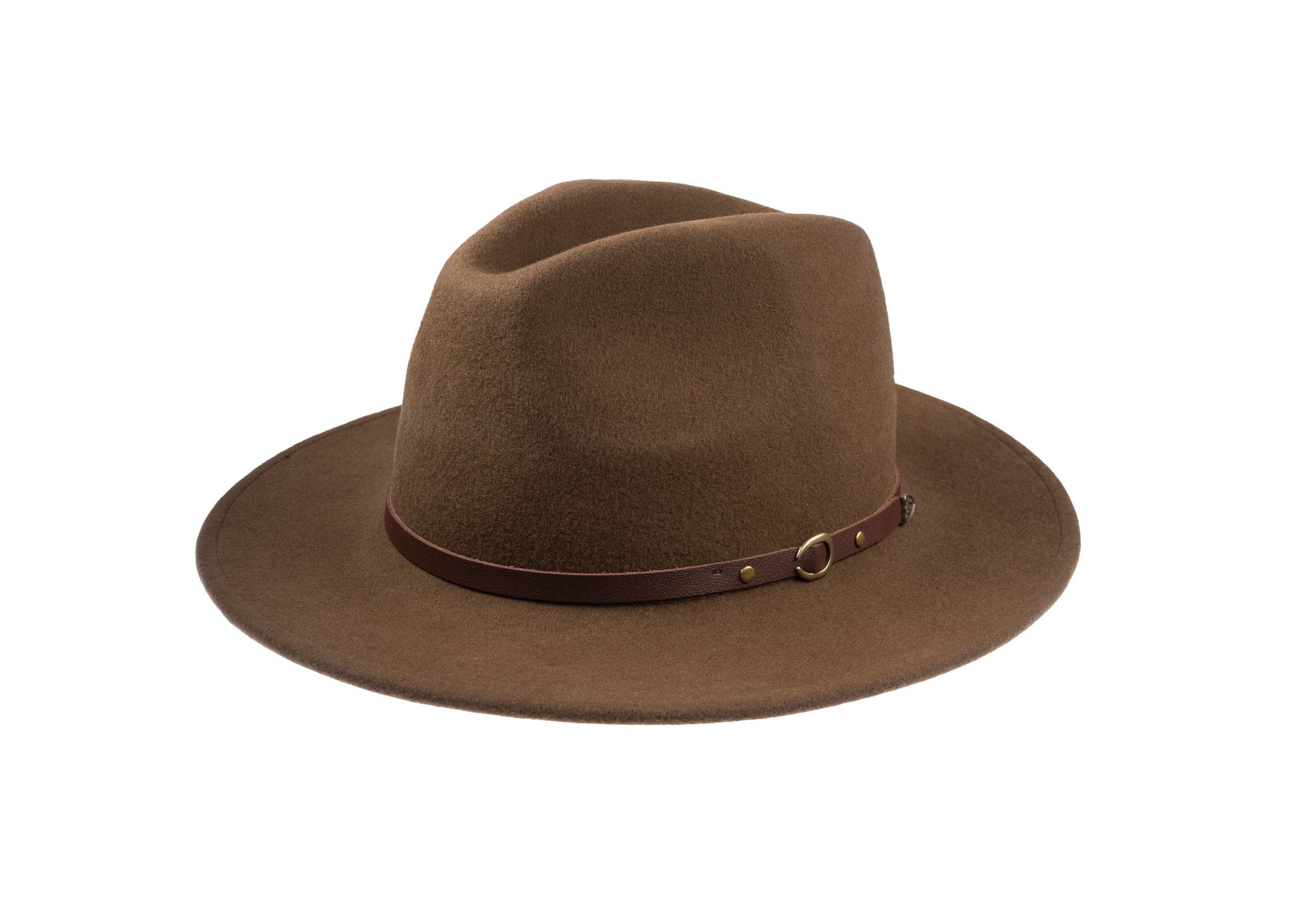
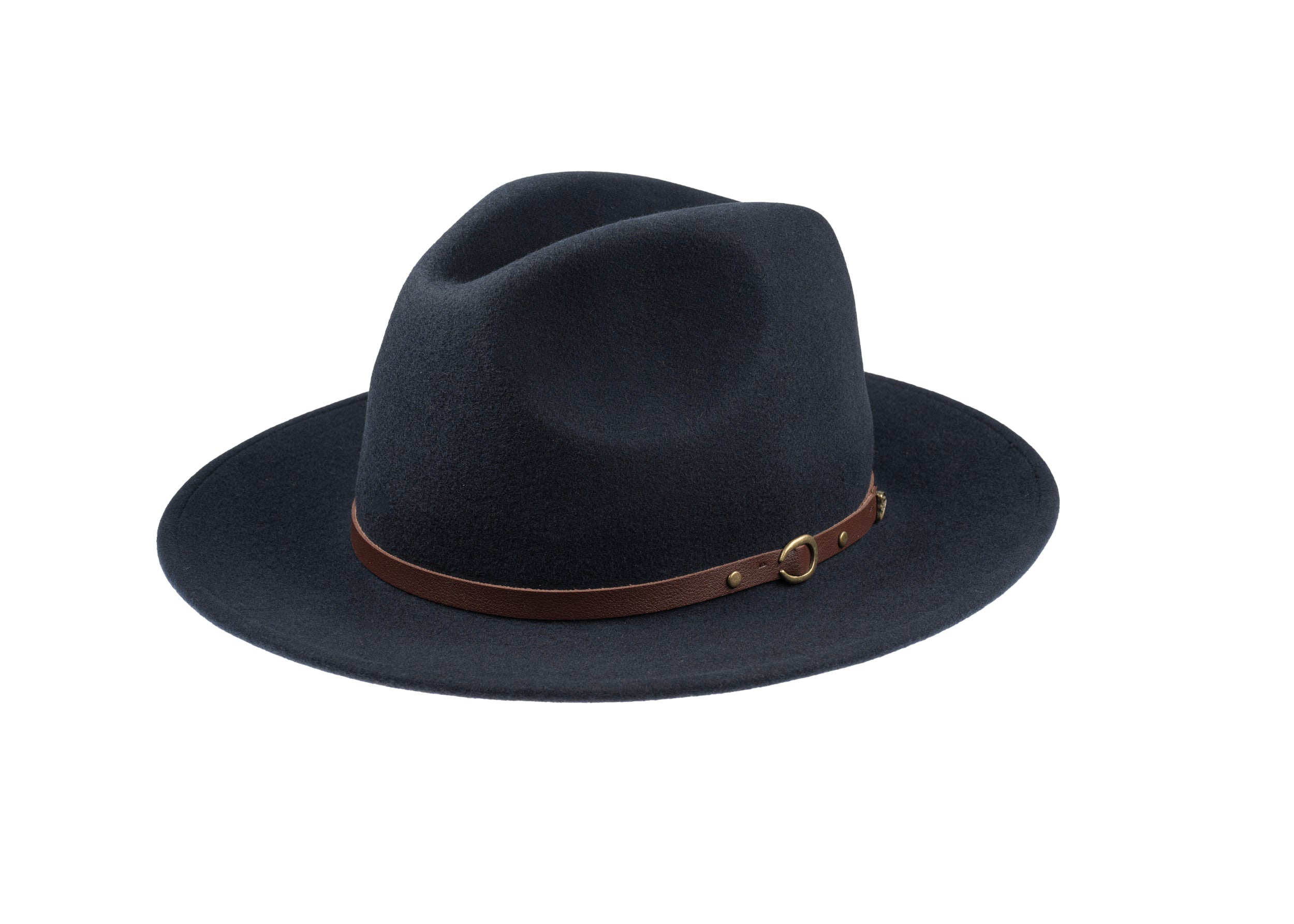
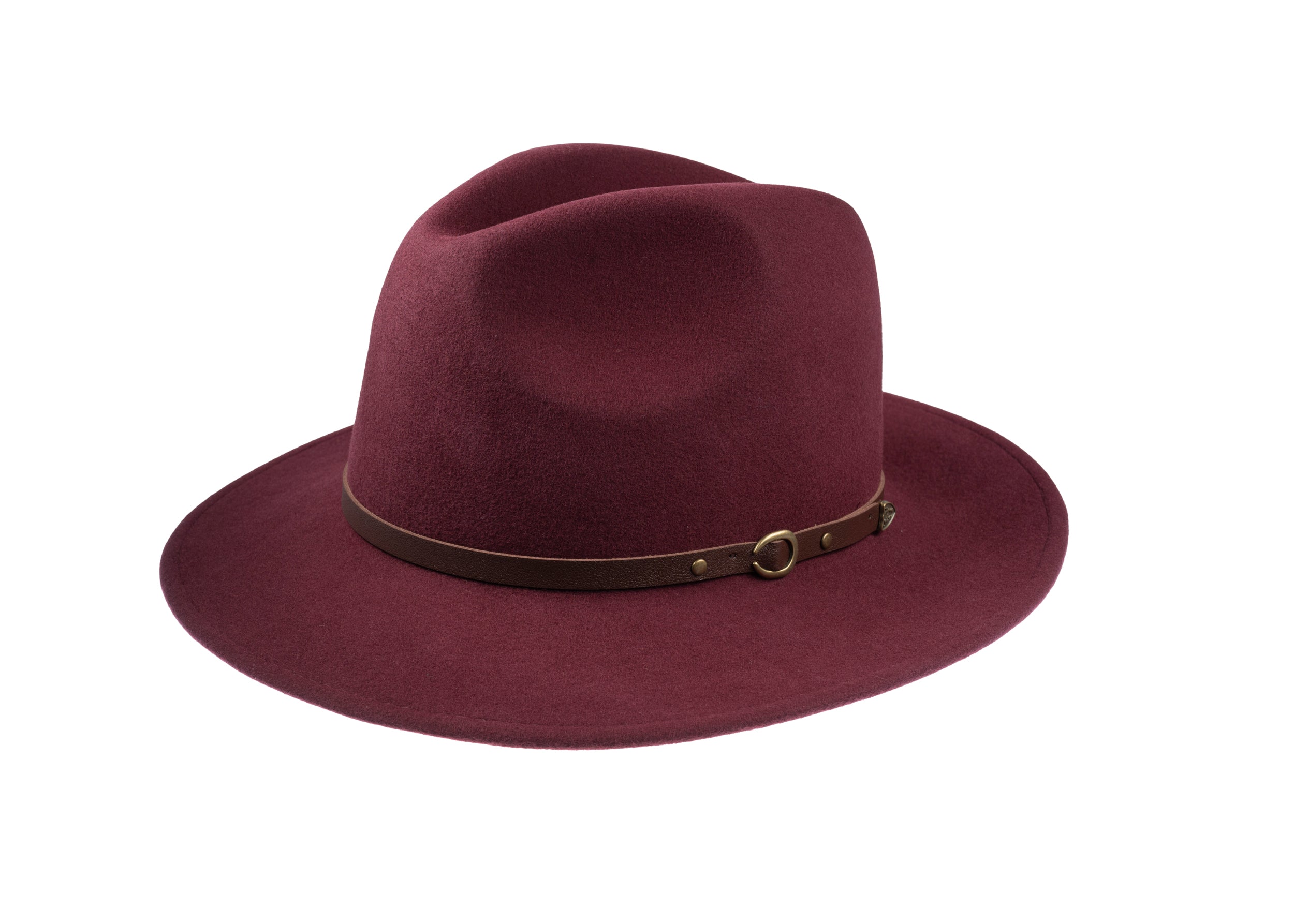
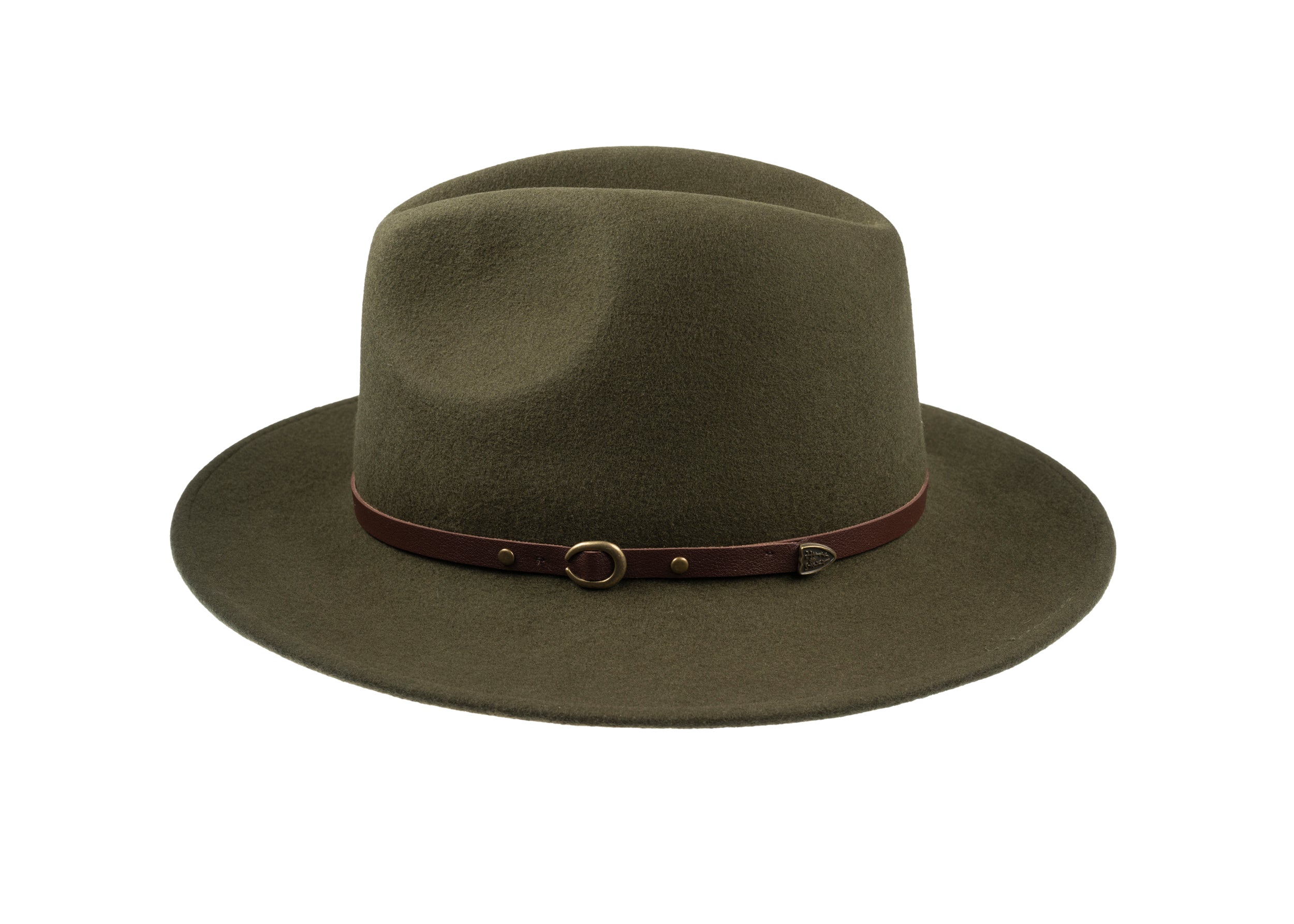
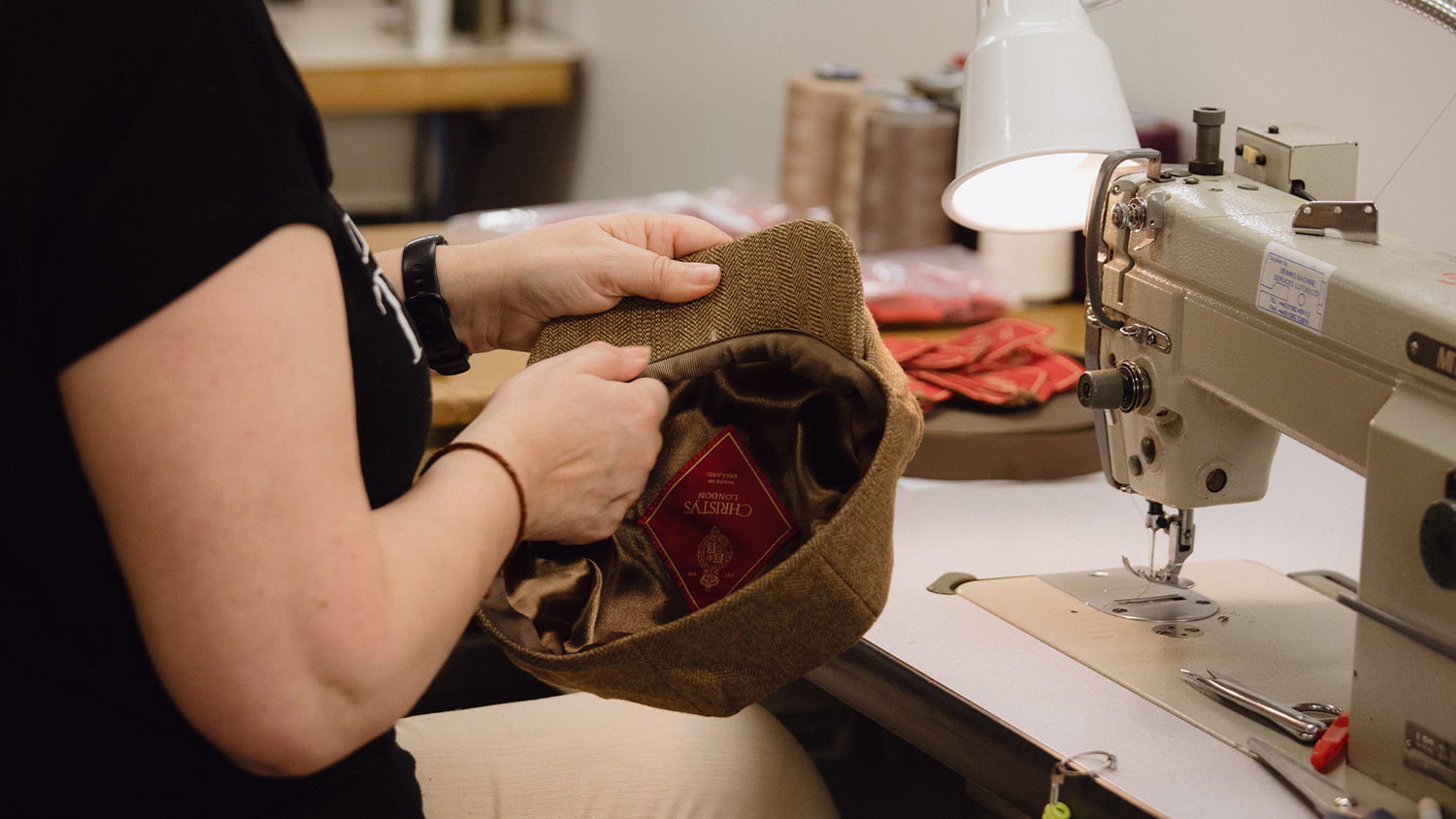
A frame-by-frame comparison of production stills, continuity photographs, and costume notes reveals how camera angle, lighting, and actor movement can remodel a cap's profile into a recognisable screen element. Close study of paneling, crown height, brim stiffness, sweatband construction, and fabric weave links those silhouette shifts to particular workshop techniques, and helps attribute origin and era by cross-reference with catalogue entries and museum photographs. A subtly re-curved brim, an eased crown, or wear concentrated at the sweatband reads on camera as character rather than mere deterioration. Paired with continuity photographs, these material details allow the viewer to judge whether a cap was deliberately shaped for performance, or whether its quirks evolved through everyday use. These are the details that reward closer inspection.
Costume designers use colour contrast, deliberate distressing, and bespoke shaping to signal class, trade, or temperament. Those choices become readily discernible when reproduced in publicity stills, press imagery, and fan culture. Tracing the cap's route from utility to symbol — through sport, labour, leisure, music scenes, and repeated on-screen exposure — shows how audiences adopt objects first encountered in contemporary and archival photography. For practical reproduction, begin by inspecting maker's marks and construction, and test the silhouette on camera. Adapt brim curve and weight to suit the actor's face and the costume's purpose, apply gentle patination so surfaces read as lived-in, and document provenance with photographs and concise notes.
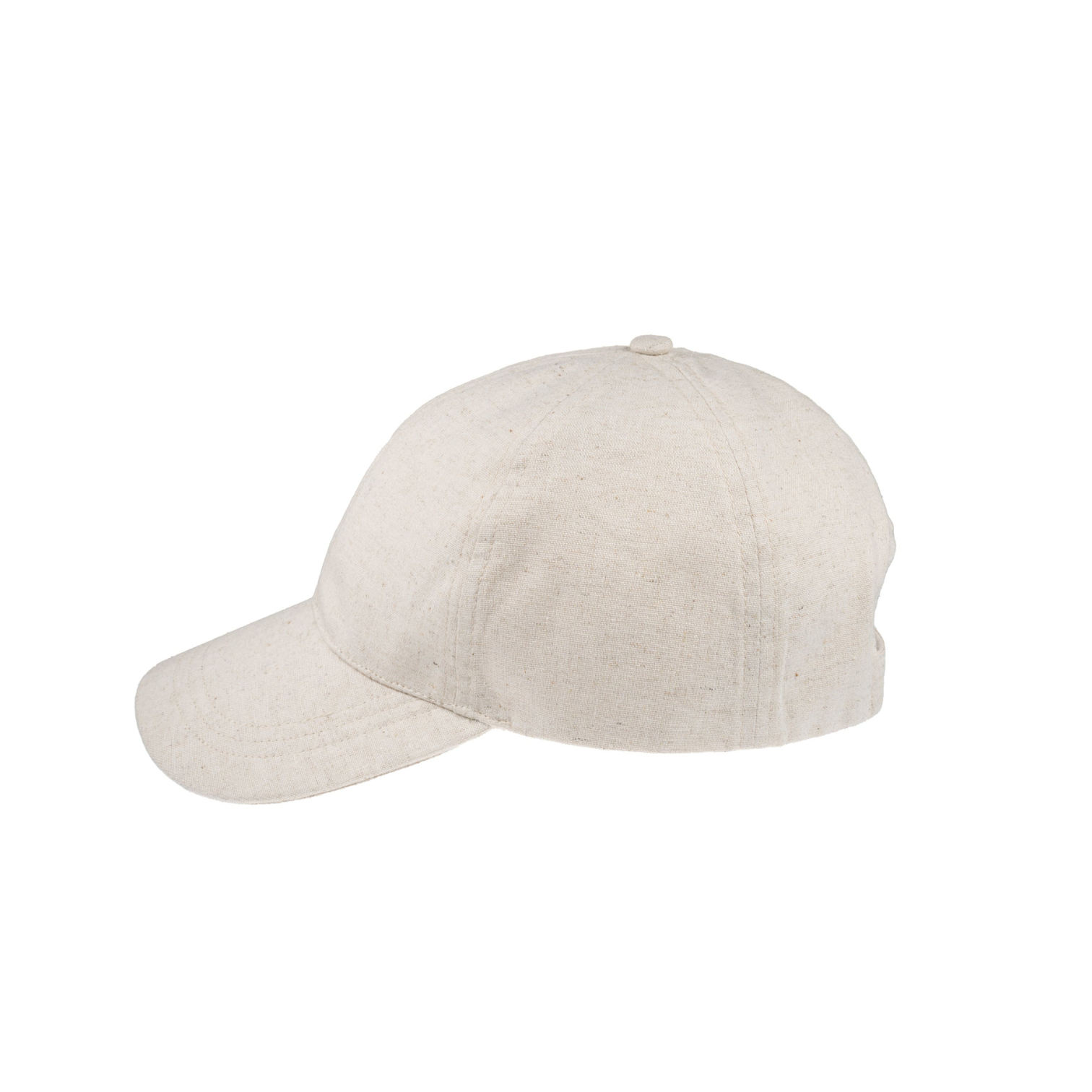
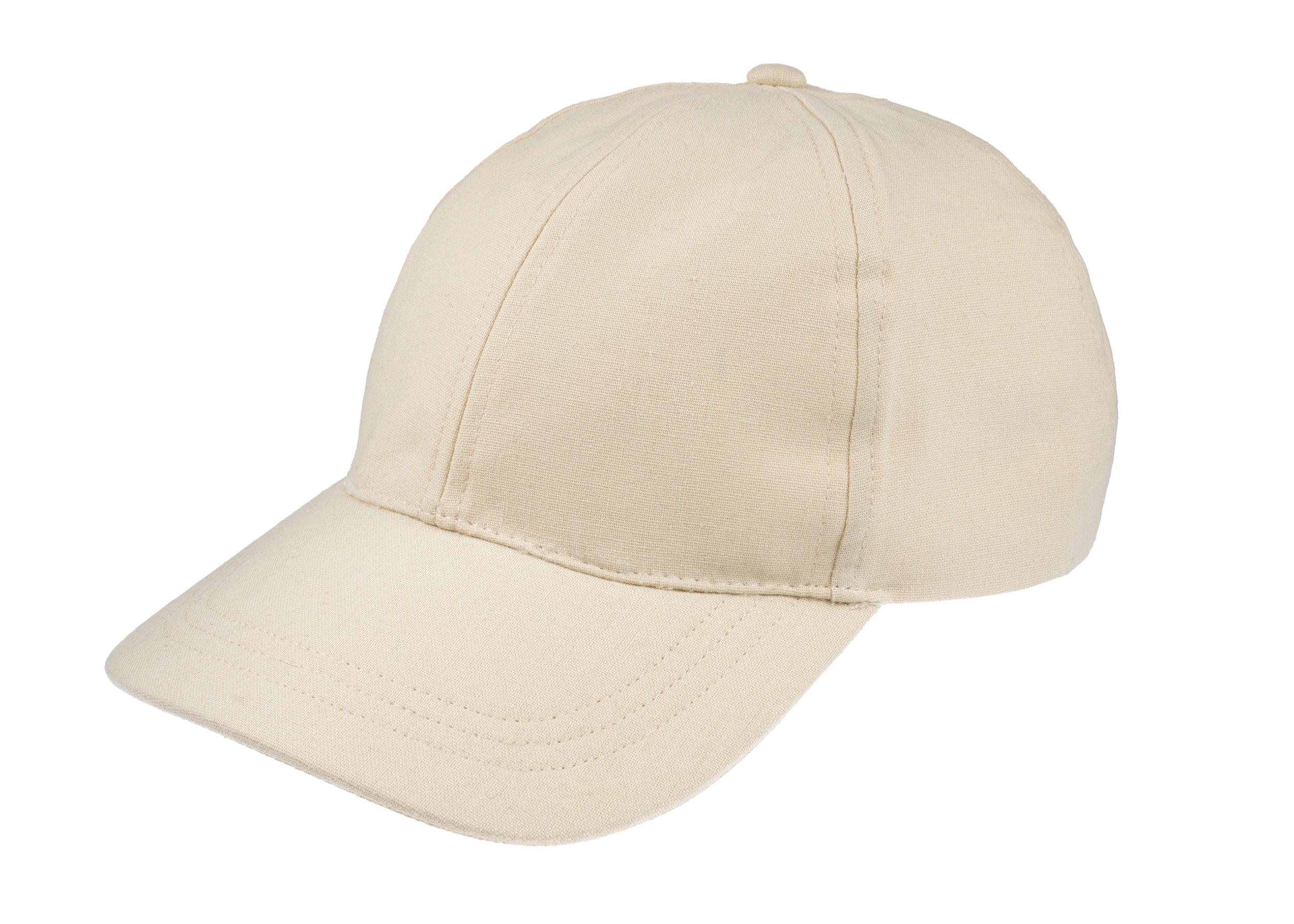
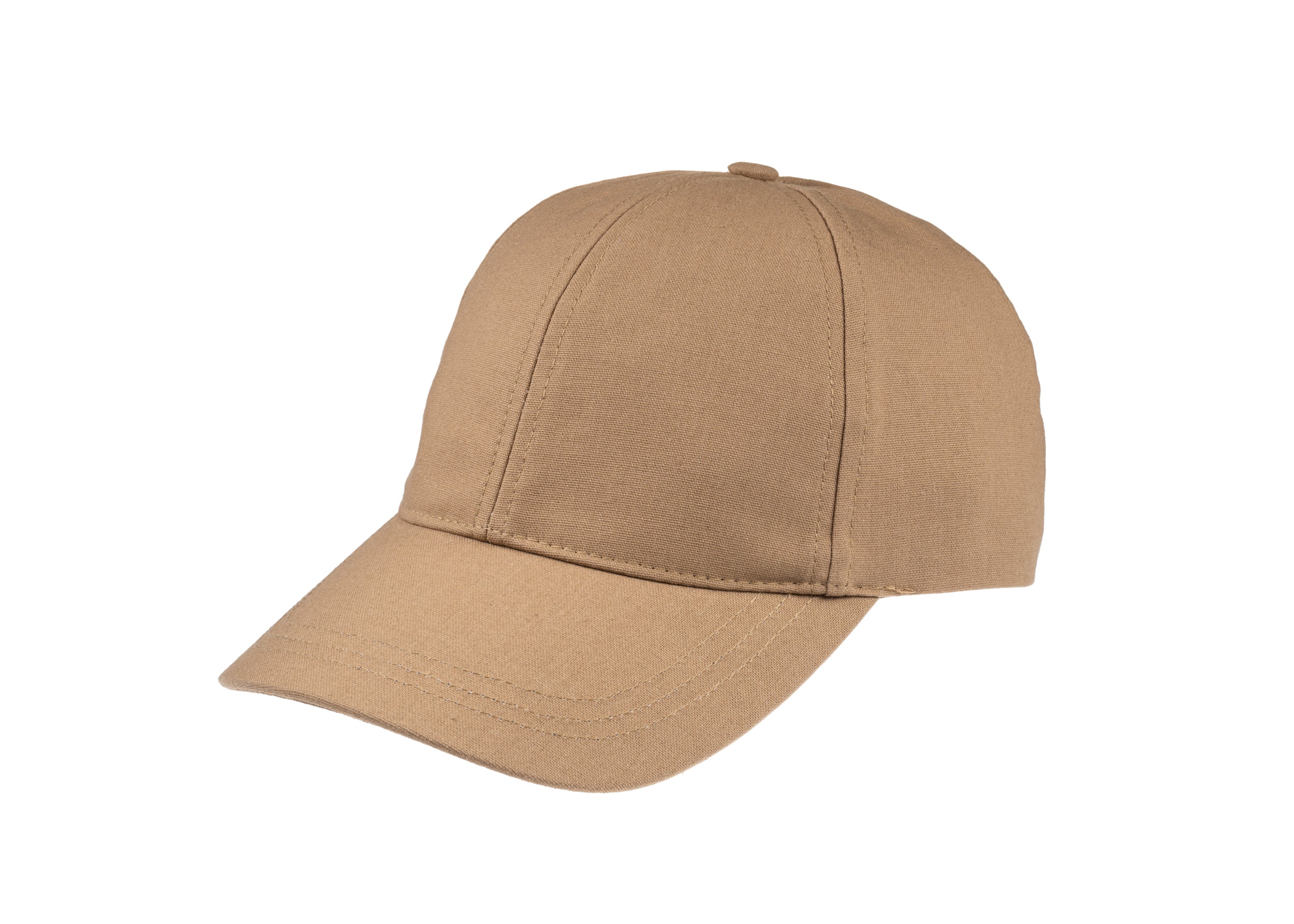
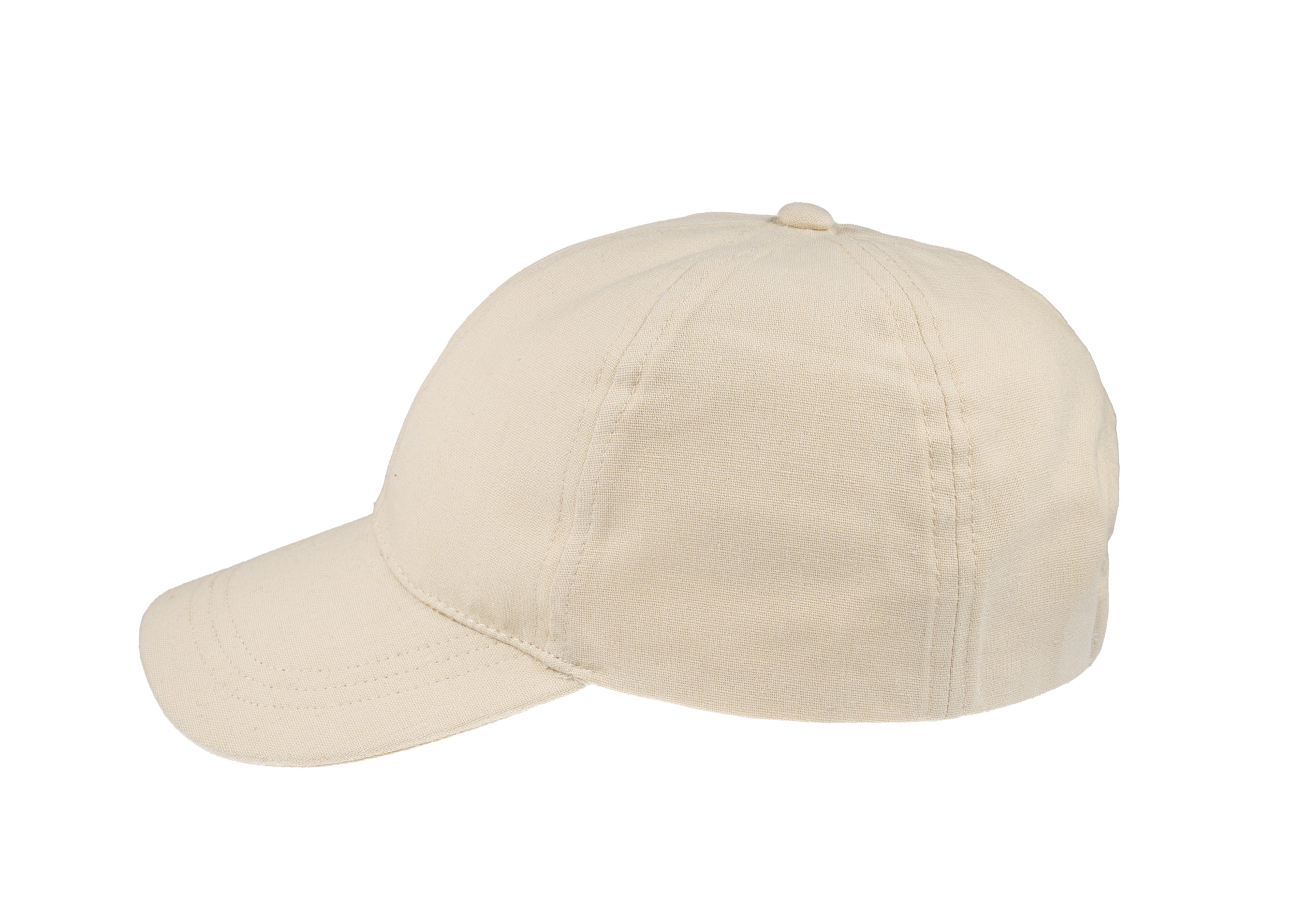
Use a summer-weight wool-linen cap to test silhouette.

Unpicking construction, materials, and camera effects on hats
Silhouette and blocking determine how crown height, brim width, and overall profile read at different distances and focal lengths. Photograph prototypes with the exact lens and aperture planned for the shoot to confirm a recognisable outline in close-ups, mid-shots, and long takes. Materials and surface finish change how a hat catches light. A tightly felted, matte surface reduces specular highlights; a glossy trim or loose weave throws hotspots and uneven shadow patterns under strong illumination. Comparative stills reveal these differences quickly, and are the detail that rewards closer inspection. Internal construction governs repeatability on set. Use sweatbands, removable padding, and reinforced brims to preserve a consistent fit across performers, and keep at least two matched hats for continuity and rigging, one for camera and one for rehearsal.
Diffuse the lighting on set to preserve texture and avoid specular highlights. Choose a lens that preserves the cap's proportions rather than compressing them, and spot-test any temporary matte spray only after photographic trials so the finish behaves as expected under stage illumination. Mark a discreet reference point inside each hat to maintain orientation between shots and across doubles. Fit removable pads to equalise crown depth, and reinforce seams on stunt copies so they withstand rigging. Remove internal labels that might peek out in close-up work. Photograph the finished hat from the planned camera positions, and use those stills to finalise trimming so the cap reads consistently and supports the story.
Use discreet foam inserts to secure a consistent fit.

Stage Styling, Publicity, and Cultural Longevity
Start with small, deliberate adjustments to brim curve, crown height, and overall silhouette. Photograph each variation in three-quarter, profile, and backlit views, then compare the stills to see which elements register at distance and produce a recognisable outline. Use those visual choices to suggest character: subtle wear patterns, visible repairs, or faint staining can read as history on screen, and such details repay close scrutiny. Record every decision in a wardrobe bible, and keep at least one match-ready duplicate to preserve continuity across takes, reshoots, and publicity images. Rehearse the hat as a physical prop so entrances, exits, and a simple tilt or removal become repeatable gestures that viewers come to associate with the role.
Publicity can help shape a cap's public reputation. Commission stills that isolate the silhouette, stage candid, character-led photographs for social feeds and posters, and provide clear art direction so the accessory reads consistently across channels. Preserve originals and document early fan recreations, press references, and parodies to trace how the cap migrates into popular culture. Those artefacts and their patterns of circulation provide tangible evidence of staying power and indicate where to intervene to extend the cap's cultural afterlife.
A cap becomes a screen icon when material craft, camera choices, and small, repeatable styling decisions align so that silhouette, texture, and the manner of wear convey a consistent character. Close attention to brim curve, crown height, fabric finish, and subtle cues that emerge under careful scrutiny, together with continuity stills, shows how makers and costume teams turn a functional object into a legible, repeatable symbol.
Treat the headings as a practical checklist: origins, construction, camera adaptations, stage styling and publicity, testing and continuity, and how the hat’s image will be fixed. Record each decision and preserve prototypes and publicity images. Rehearse the hat as a prop so audiences can recognise it at a glance and, over time, trace its cultural afterlife.