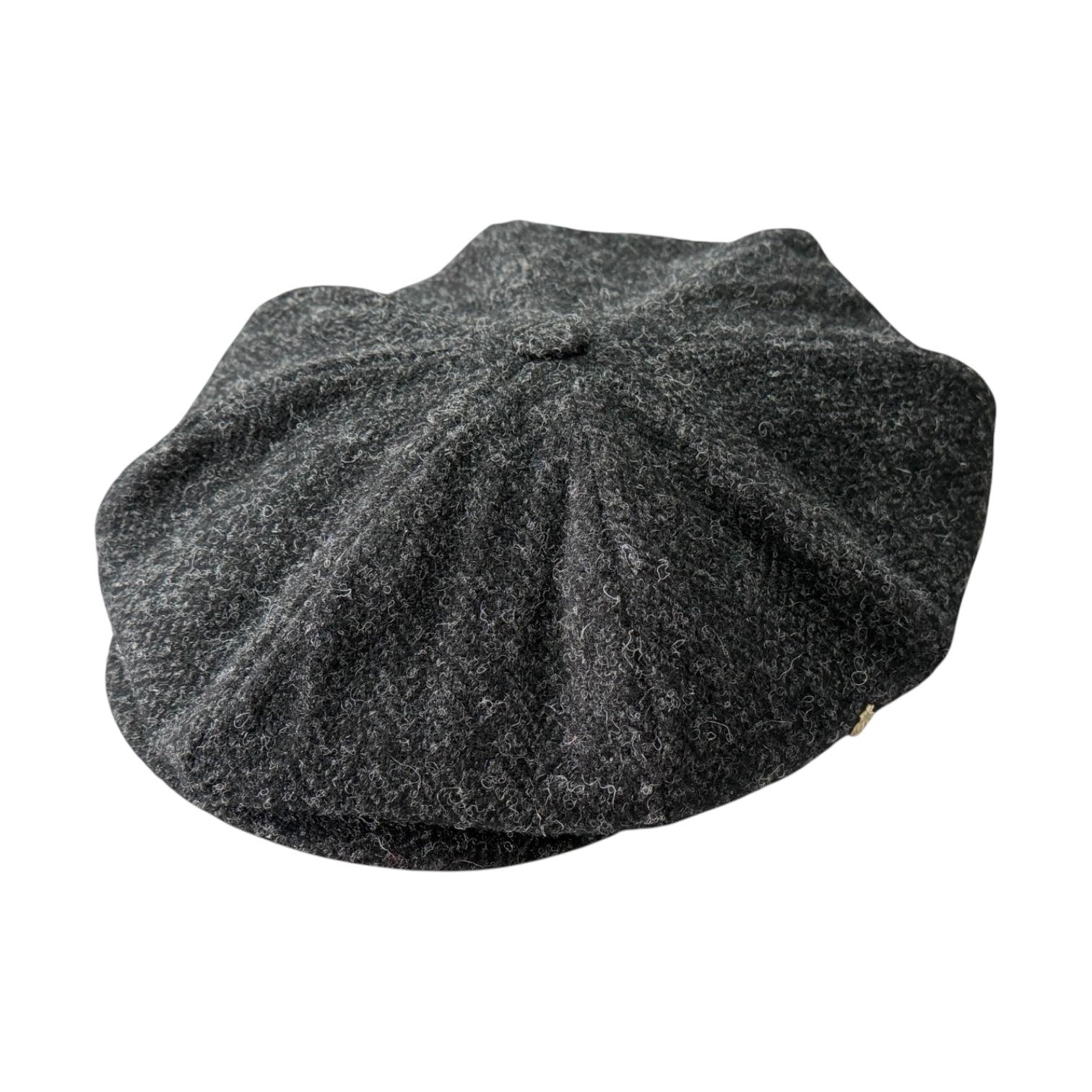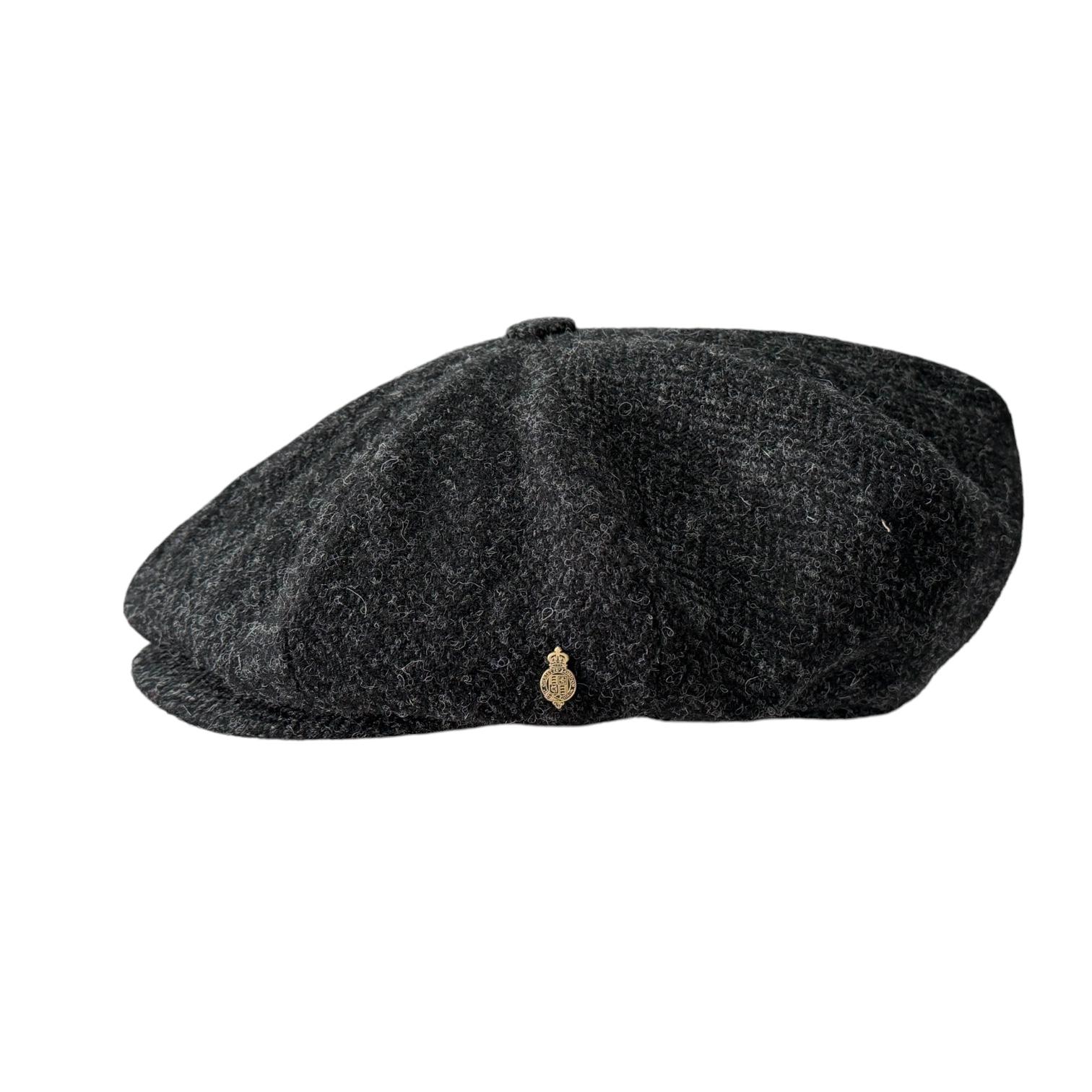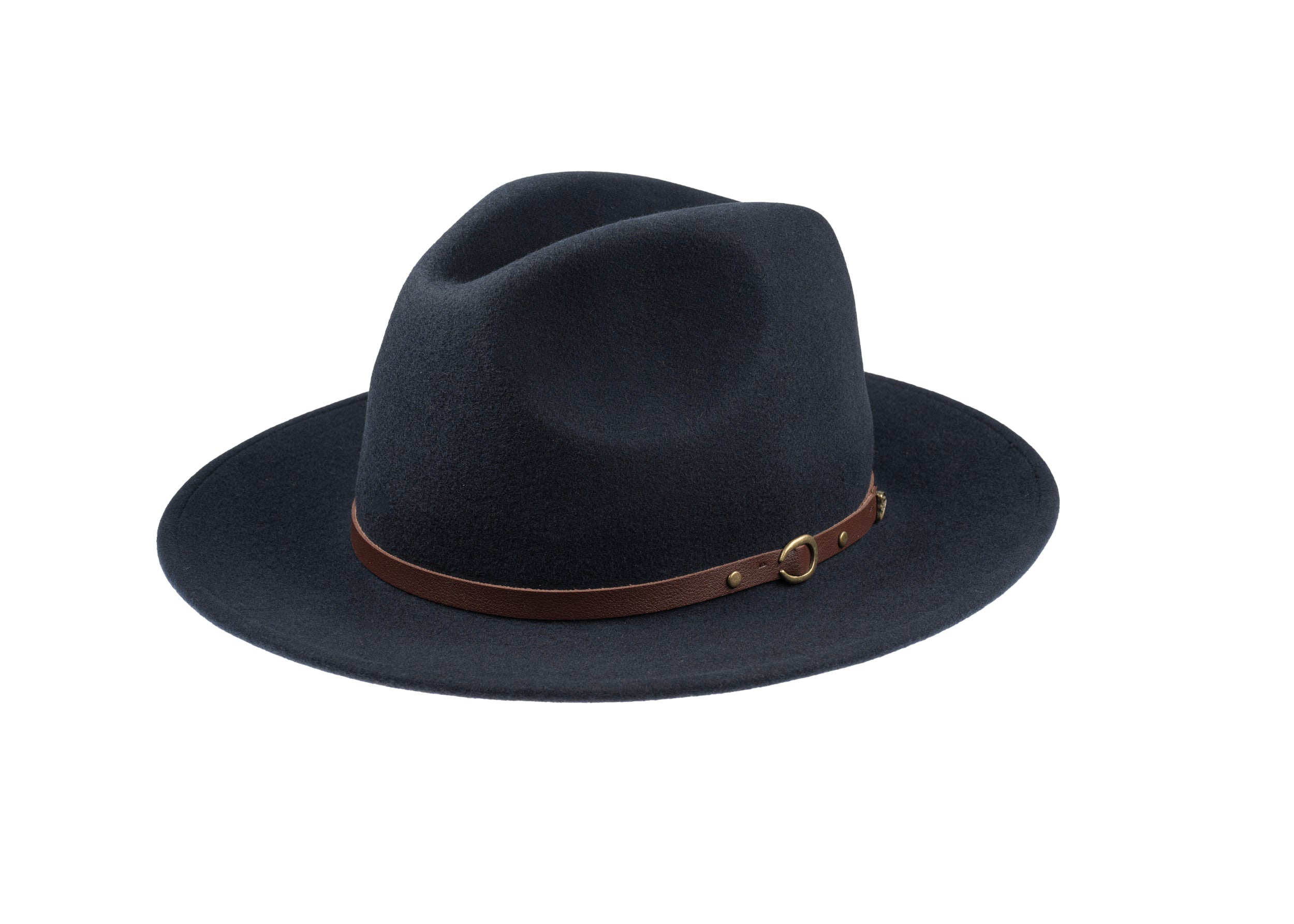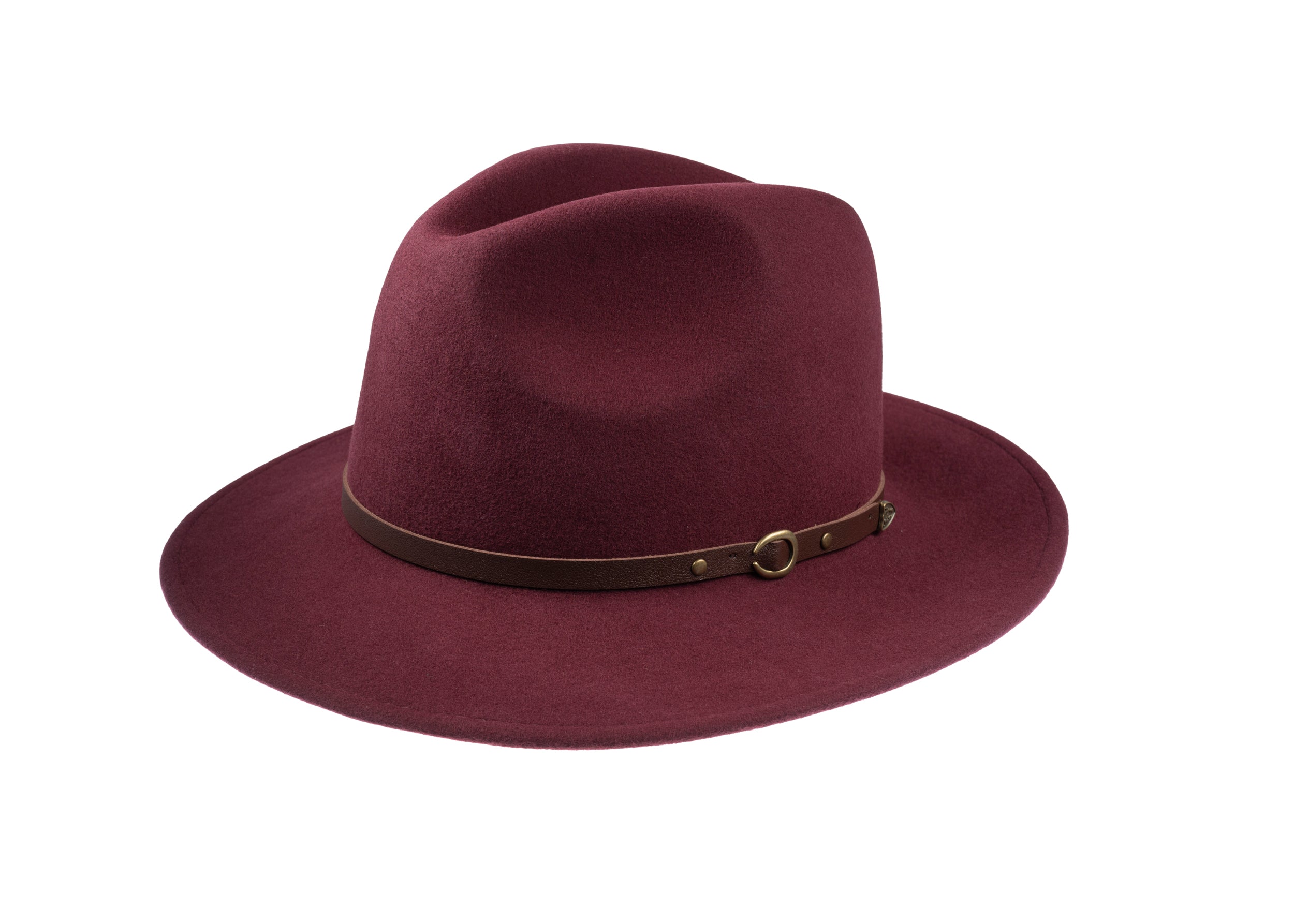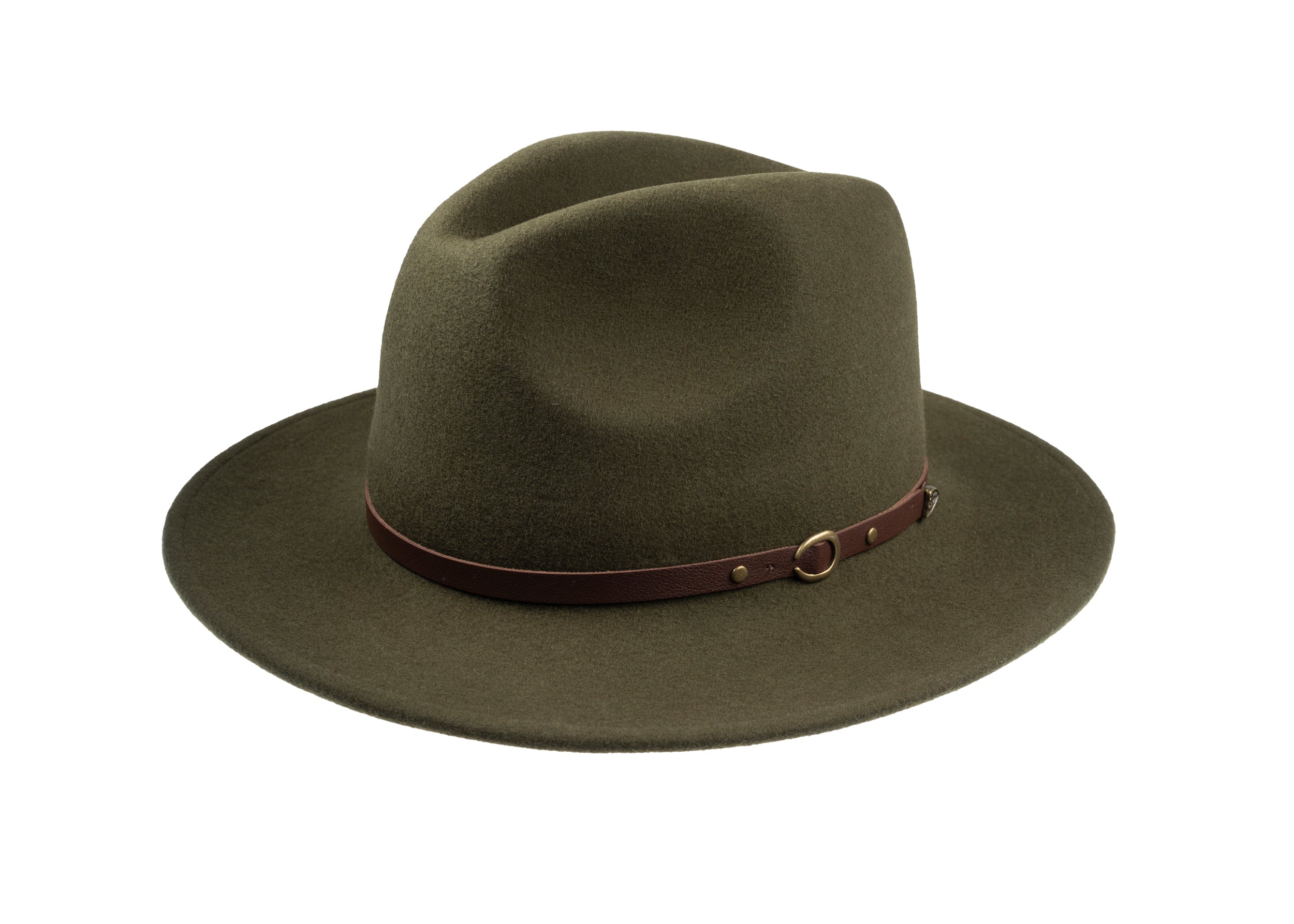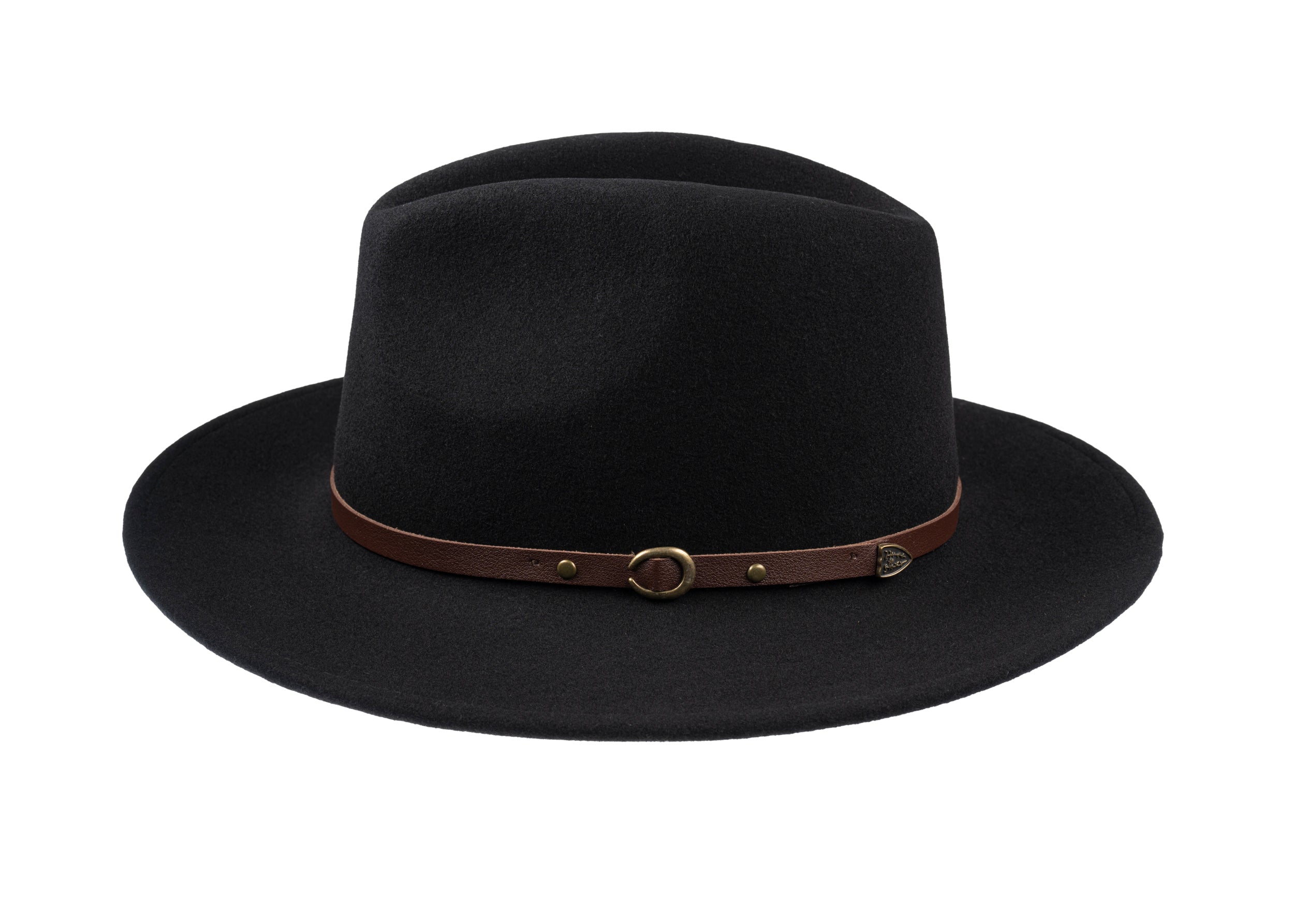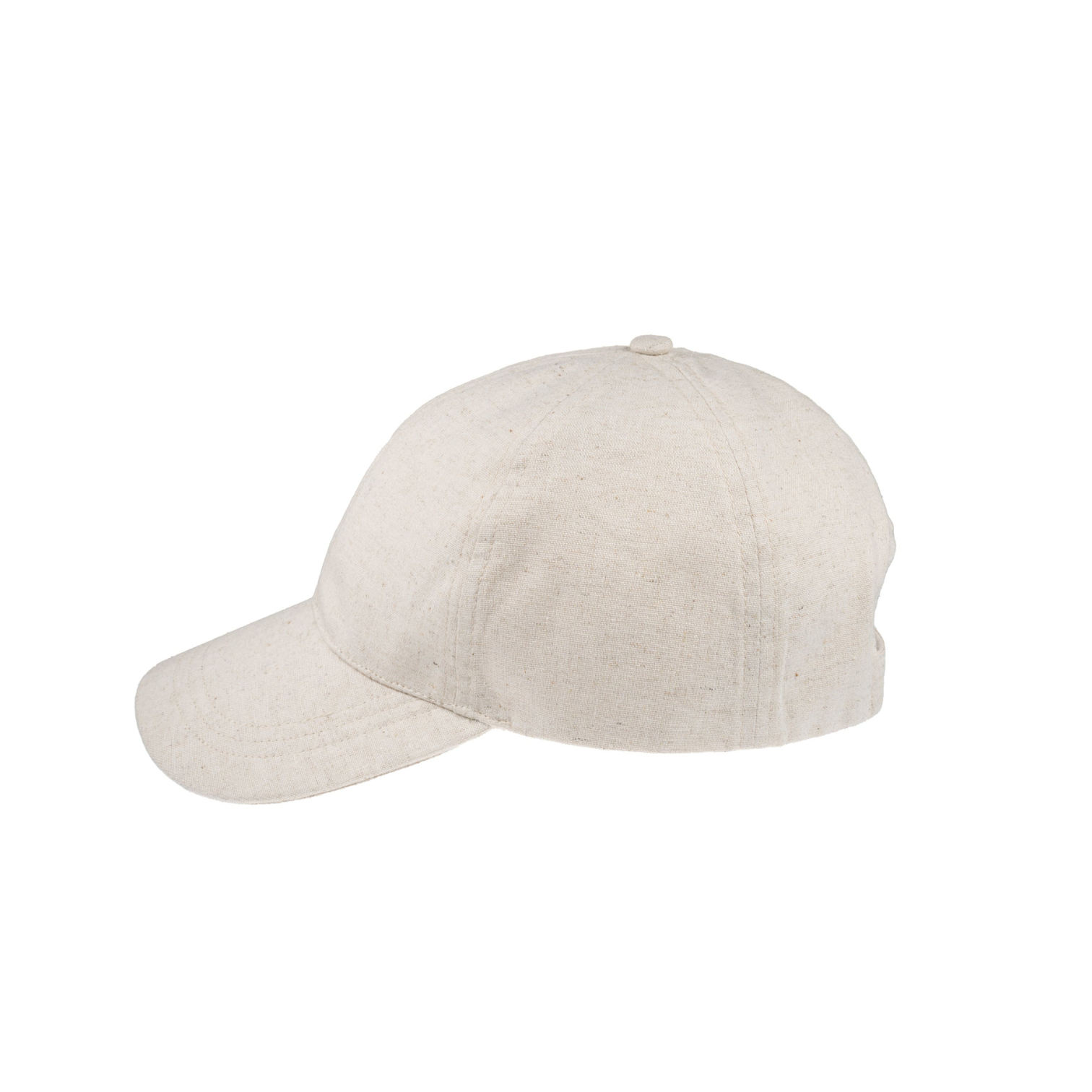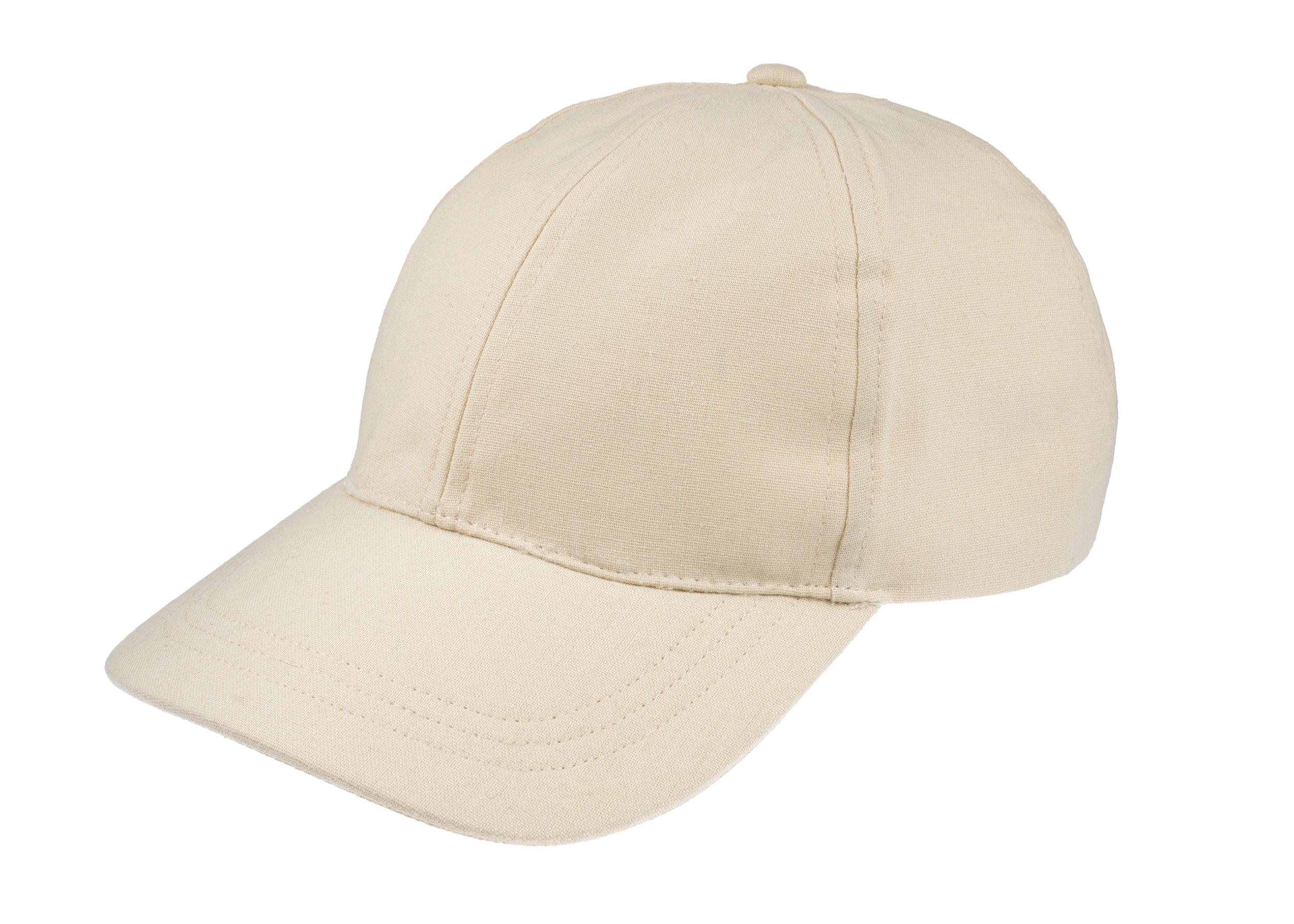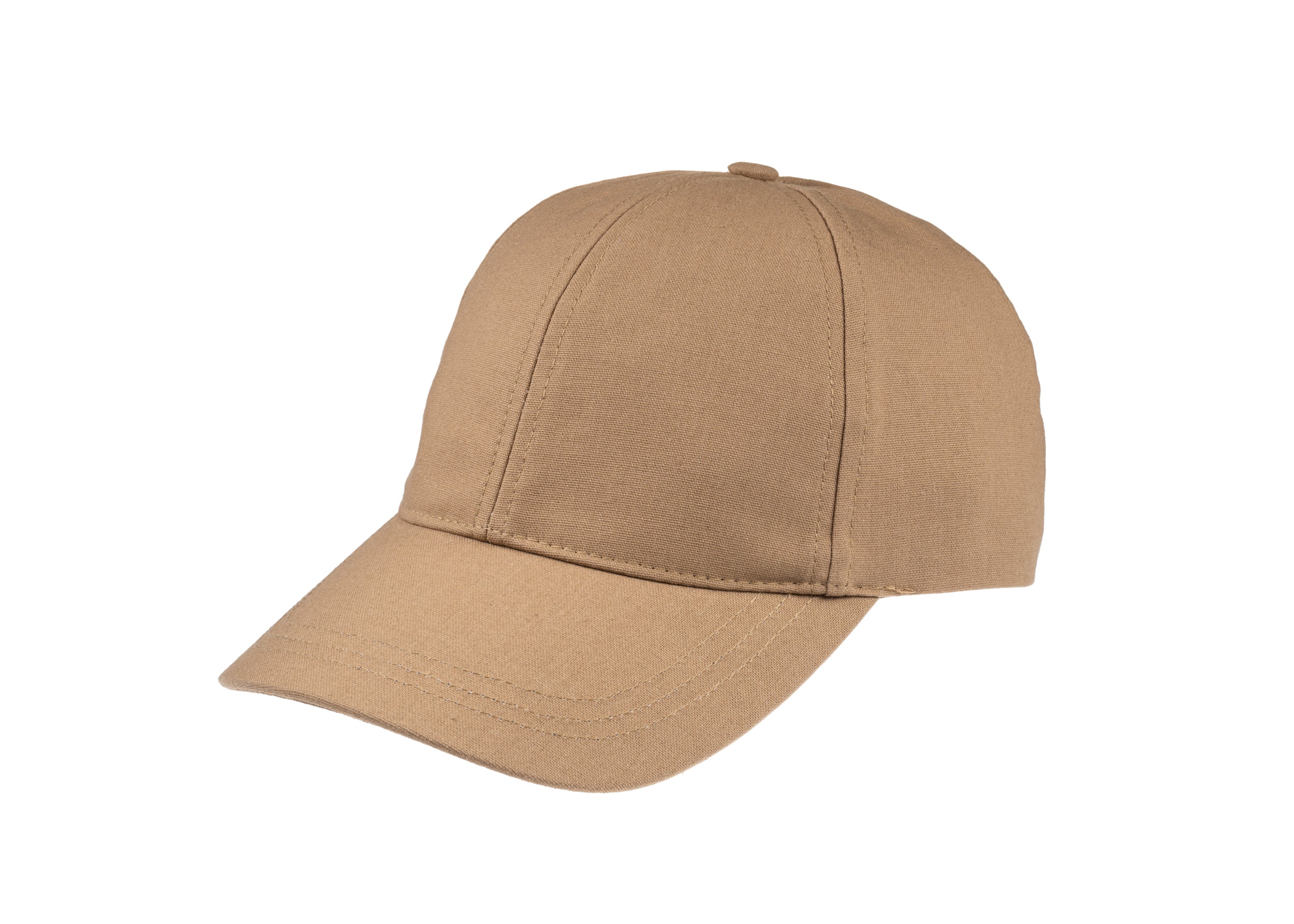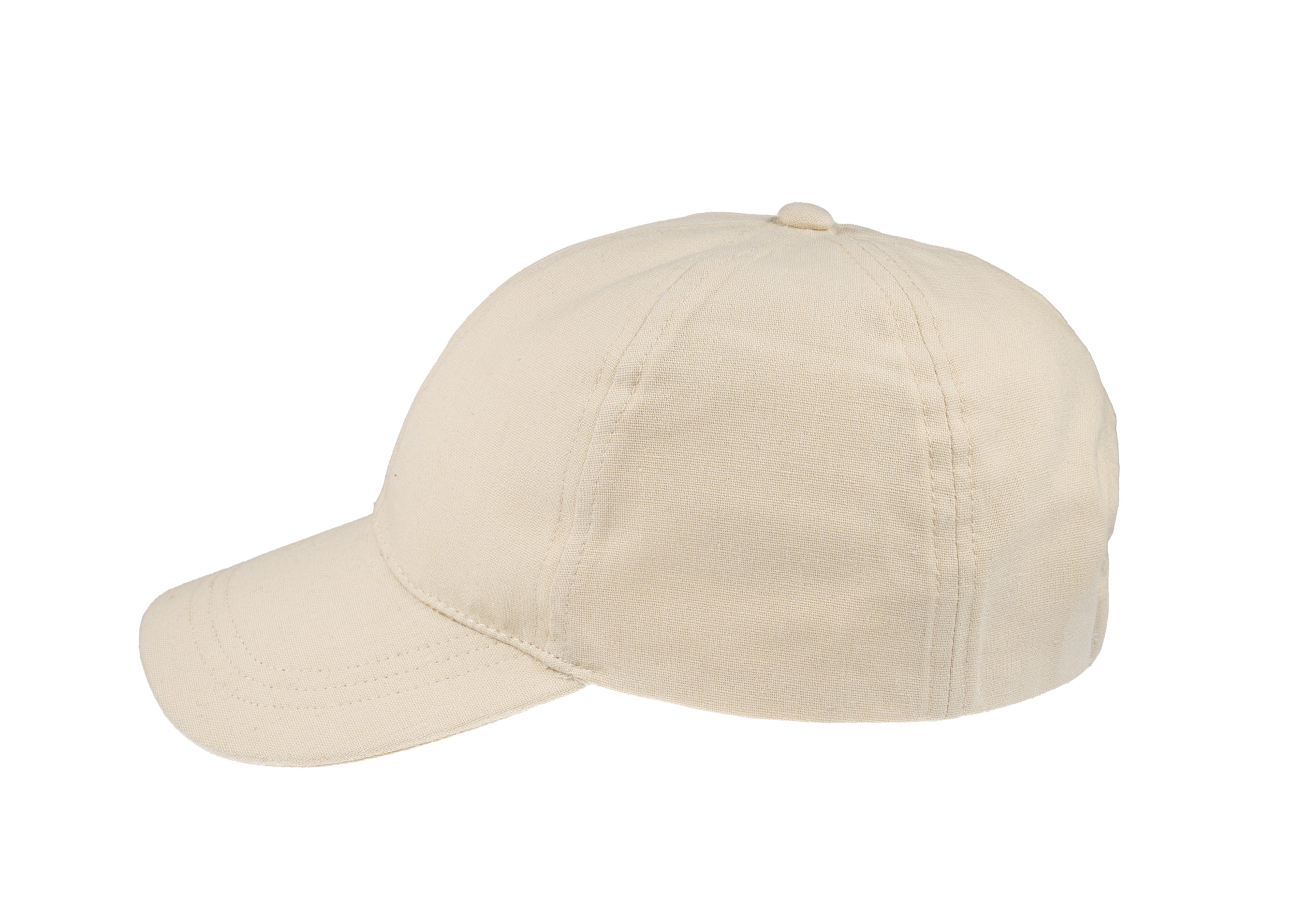




A well-cut cap cloth should retain its shape and recover after wear. Which tests reliably assess recovery and drape, ensuring finished pieces perform as intended?
This guide sets out practical, repeatable methods for establishing performance targets, conditioning representative samples, shaping samples and measuring recovery, and assessing drape and hand. Use these procedures to compare materials objectively, anticipate in-use behaviour, and minimise unwelcome surprises during production.

How to set recovery and drape performance targets
Begin by defining quantifiable recovery targets and drape windows so teams can judge fitness for purpose. Specify which metrics you will use — for example, percentage recovery of crown height, curvature retention, or dimensional change after defined compression cycles — and set acceptable tolerance bands tied to the hat's intended use. Pair instrumental drape parameters, such as drape coefficient, bending length, and caesura curvature, with reference photographs or swatches so readings map to perceived behaviour. Document a reproducible sample preparation and pre-treatment protocol, including conditioning atmosphere, any pre-wash or steaming, cutting orientation, seam placement, and the method used to mount samples in test rigs, because small, routine differences reliably alter results. As an example, a single steam cycle will typically reduce bending stiffness enough to change drape readings in many constructions.
An effective sampling and acceptance plan makes comparisons between batches meaningful and repeatable. Keep the plan compact and explicit: specify sample size, define acceptance criteria, and state clear rules for handling outliers (for example, numerical thresholds or standard-deviation based tests). Quantify measurement uncertainty so variability within and between batches is visible and conclusions remain comparable. Use simple statistical controls to detect drift: report the mean and standard deviation, and plot control charts such as X-bar and R, or individuals and moving range charts where appropriate. Standardise measurement methods by listing the instruments used, the image-analysis techniques, calibration requirements, and a space for the operator to initial each entry. Capture raw data, summary statistics, and photographs in a single-page result template. A concise, consistent template preserves traceability and helps engineering, product, and quality teams interpret outcomes in the same way from one batch to the next.

How to choose and condition cap cloth samples
Select representative samples from different roll positions, colourways, finishing lots, and production batches. Because nap, finishing, and roll-edge effects often explain the greatest variation in drape, take multiple replicates from each group. Label and document the provenance of every sample. Record the lot number, fabric code, cut direction relative to the weave (note pile or nap direction), and the finish applied. Photograph each sample next to a scale so you can trace unexpected outcomes back to a specific batch or process step. Decide which consumer state you intend to measure, for example new, worn, or laundered, and reproduce that pre-treatment consistently. Record the method in full, since finishes and sizing agents can change stiffness and drape markedly.
Condition samples in a stable environment so moisture content can equalise and any packing effects are removed. Moisture uptake alters bending stiffness and mass per unit area, so normalisation before testing yields more repeatable results. Flatten creases under light, even weights prior to cutting, and use a sharp blade to avoid stretched or ragged edges. Lay pieces on the same grainline and include seam or hem allowances where relevant. Mark each specimen clearly so orientation and provenance remain visible through handling. Measure and record mass per unit area, thickness, and any visible defects before testing, and keep all specimens flat and labelled until use.

Shaping samples and measuring recovery with precision
Cut all samples from the same parent cloth using a consistent template and with the grainline aligned. Prepare at least three replicates per condition so you can calculate a mean and a standard deviation. Condition every sample in a controlled environment, and record room temperature and relative humidity alongside the sample ID, since moisture content alters drape and recovery. Mark permanent reference points and datum lines with non-reactive ink or with loose basting stitches, then photograph each sample with a scale and from a fixed camera height to create reproducible visual records. Taken together, these precautions reduce measurement scatter and make comparisons across batches meaningful.
Use a repeatable sequence to separate elastic response from longer-term set. First record the sample's flat dimensions, then apply the prescribed shaping or load. Allow the sample to relax on a defined support, and measure immediately and after recovery to calculate per cent recovery. Plot the dimensional change to reveal hysteresis and set effects, and keep a clear log of material details, including fibre content, yarn twist, and construction, so you can correlate descriptors with measured behaviour. For example, woollen constructions often show higher elastic recovery but slower relaxation, while synthetic constructions may recover quickly yet retain permanent, heat-set changes.
Practical controls for reproducible shape and recovery measurement
- Prepare samples from the same parent cloth using a consistent template and aligned grainline, finish edges to prevent fraying, and include at least three replicates per condition; condition every sample in a controlled environment and log room temperature and relative humidity with the sample ID.
- Mark permanent reference points and datum lines with non-reactive ink or loose basting thread, photograph each sample with a scale, fixed camera height, and consistent lighting, and record camera height and lens or focal notes so images are reproducible.
- Follow a repeatable measurement sequence: record flat dimensions, apply the prescribed shaping or load with a calibrated instrument, place the sample on a defined support, then measure immediately and at one or more delayed points to capture recovery; log the exact load, fixture geometry, and elapsed times for each reading.
- Handle and report the data to enable comparison: calculate per cent recovery and set, compute mean and standard deviation, plot load–deformation and recovery traces to reveal hysteresis and set effects, and keep detailed material metadata such as fibre content, yarn twist, and construction so you can correlate descriptors with measured behaviour.

How to assess drape and hand using repeatable methods
Small differences in how specimens are prepared can change measured textile properties. To keep results comparable and traceable, standardise how you cut, condition, and record each sample. Label every specimen clearly, and mark the warp and weft. Use a rigid template and a sharp cutter so each piece shares an identical shape, and record the original planform area (the flat surface area) and yarn direction to preserve traceability. Bring specimens to equilibrium humidity and temperature before testing. Confirm equilibration by tracking mass, and log those environmental conditions with each test record, because small changes in moisture content measurably alter bending stiffness and hand, meaning the tactile quality of the fabric. Note any edge finishing or seam allowance, since grain orientation and edge treatment materially alter drape and projected area. Without that context, results can be misinterpreted.
Adopt a repeatable mounting and imaging protocol for the ring drape test. Centre and secure the sample without pre-tension. Photograph it perpendicularly from a fixed distance, including a visible scale. Convert the silhouette images to projected area, then calculate the drape coefficient as projected area divided by original area, multiplied by 100. Set a clear, reproducible procedure for cap cloth shape recovery. Apply a well-defined compressive displacement or load, release the sample, and capture profile images at regular intervals until the recovery stabilises. Report recovered height, recovered planform area, percent recovery, and a recovery time metric; together these metrics distinguish elastic from viscoelastic behaviour. Ensure the dataset supports assessment and replication. Run multiple replicates and include a reference control, calibrate fixtures and instruments, save raw images with metadata, and report mean values with standard deviation, and coefficient of variation so readers can judge consistency.

How to simulate wear and assess long-term durability
Establish a clear baseline by treating test samples in reproducible ways. Subject caps to repeated laundering, steaming, or light abrasion until measured properties stabilise, and record calibrated photographs and 3D scans to fix their reference drape and contour. Mount caps on anatomical headforms or compliant substrates, then run controlled cycles of stretching, folding, and surface rubbing that replicate donning, removal, and everyday handling. Inspect and log progressive failure modes as they appear, noting seam displacement and peak strains, and compare replicate samples to distinguish normal variation from genuine degradation. Label every sample and timestamp each observation so every change links back to its original reference.
To reproduce the effects of sweat, sun, and storage on hat materials, subject samples to environmental cycling that alternates humidity, temperature, and ultraviolet loading with controlled wetting and drying phases. This sequence accelerates the interactions that occur in real wear — fibre swelling and shrinkage, finish degradation, and colour change — so that they can be observed within a practical test period. Assess changes in fibre swelling, finish breakdown, colour shift, and elastic recovery. Quantify recovery and drape with objective metrics: report residual curvature or contour retention as a percentage of the baseline, derive drape from projected profiles or displacement curves, and present mean and variability across replicates rather than single values. Archive raw measurement files, time stamped images, and concise test logs to preserve a reproducible record. Run basic statistical comparisons to identify the dominant failure mechanisms, then feed those findings back into patterning, interfacing, or finishing choices for iterative validation. The aim is practical evidence that informs considered adjustments, the kind of detail that rewards closer inspection.
Reliable cap cloth performance depends on three fundamentals: clear targets, consistent sample conditioning, and repeatable shaping and measurement. Metrics such as percentage recovery, which shows how a fabric returns to shape, and the drape coefficient, which quantifies how it hangs, combined with replicated controls, translate observation into actionable, reproducible data. Recording provenance, environmental conditions, and raw images with embedded metadata helps reduce scatter and enables teams to trace failures back to specific batches or process steps.
Begin by setting clear targets, then select and condition representative samples. Shape each sample and measure recovery, assess drape, and, where practical, simulate wear. Use these observations to inform patterning, interfacing, and finishing decisions. This disciplined method reduces costly surprises in production, clarifies the trade-off between hand and structural stability, and creates a traceable evidence base for iterative improvement.
FAQ
What performance metrics should I set for cap cloth recovery and drape?
Define quantifiable targets such as percentage recovery of crown height, curvature retention, or dimensional change after specified compression cycles, and pair drape metrics like drape coefficient, bending length, or caesura curvature with reference photos or swatches so instrument readings map to perceived behaviour.
How should samples be chosen and conditioned before testing?
Select representative pieces from different roll positions, colourways, finishing lots, and production batches, label provenance, apply the same pre-treatment consistently, then condition specimens to a stable temperature and humidity to normalise moisture, flatten creases under light weights, and record mass per unit area and thickness.
How do I measure shape recovery reliably?
Cut with a consistent template and aligned grainline, mark permanent reference points, photograph each sample to scale with a fixed camera height, apply a calibrated shaping load, then measure immediately and after recovery to calculate percentage recovery, using at least three replicates to compute mean and standard deviation.
When and how should drape and hand be evaluated?
Bring specimens to equilibrium humidity, run a repeatable ring drape test by photographing the centred sample perpendicular from a fixed distance, convert silhouettes to projected area to calculate drape coefficient, and report recovered height, planform area, percent recovery, and recovery time with replicates and control samples.
Can I simulate wear to assess long-term durability in the lab?
Yes; precondition matched replicates, apply reproducible preparatory treatments such as repeated laundering, steaming, or abrasion, mount caps on anatomical headforms or compliant substrates for controlled donning and handling cycles, run environmental ageing with humidity, thermal, and UV phases, and archive time stamped images and raw data to quantify changes and failure modes.