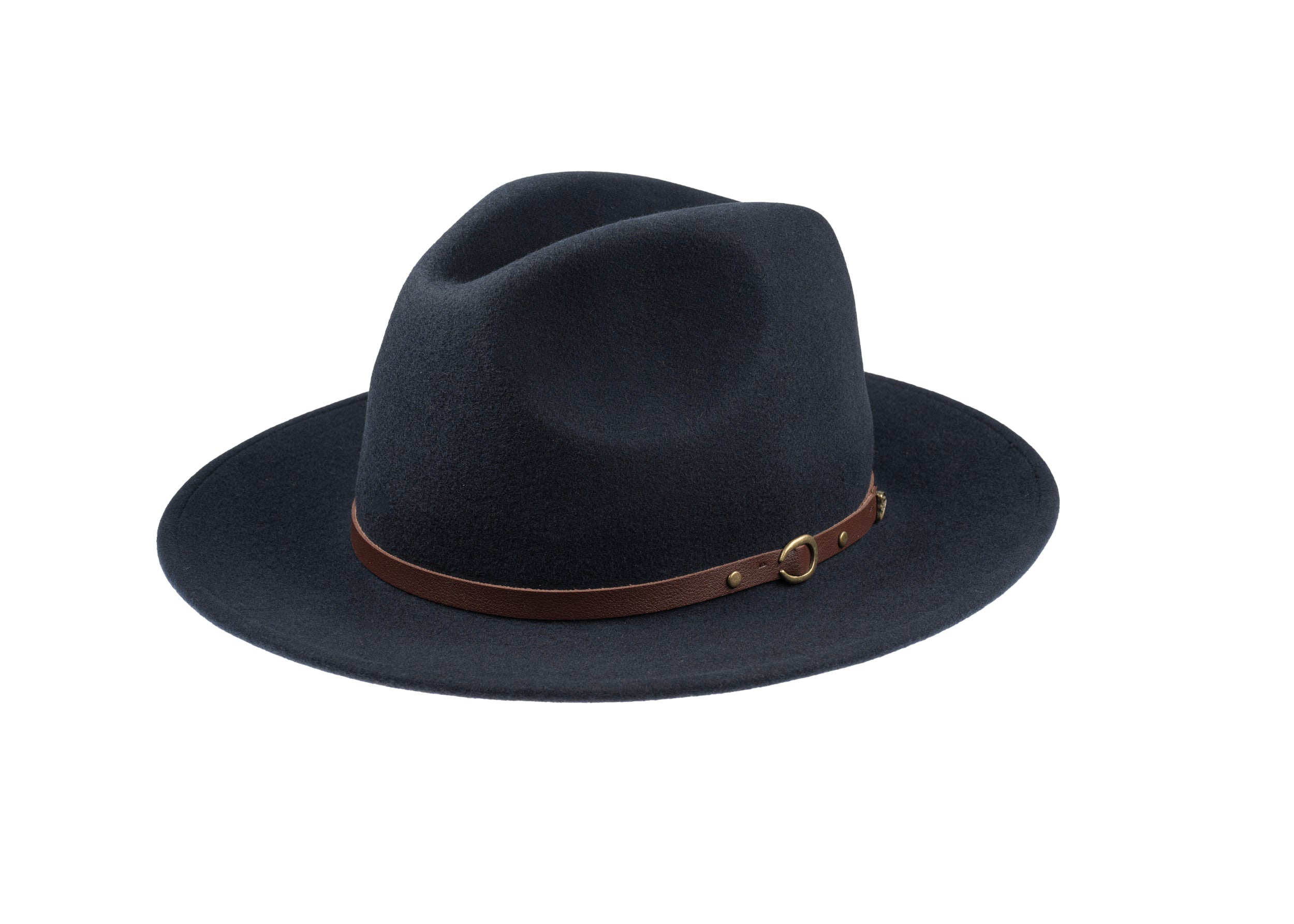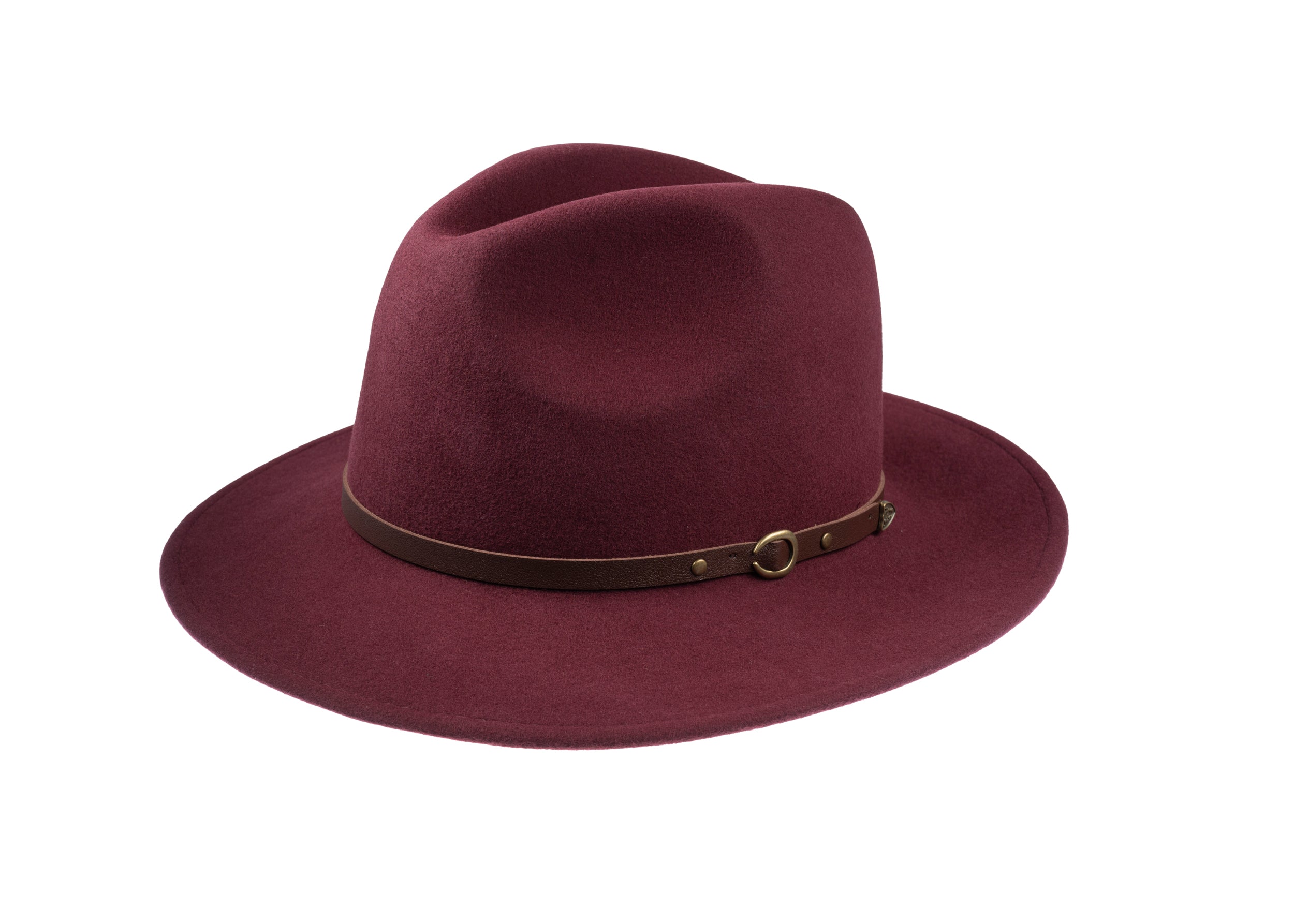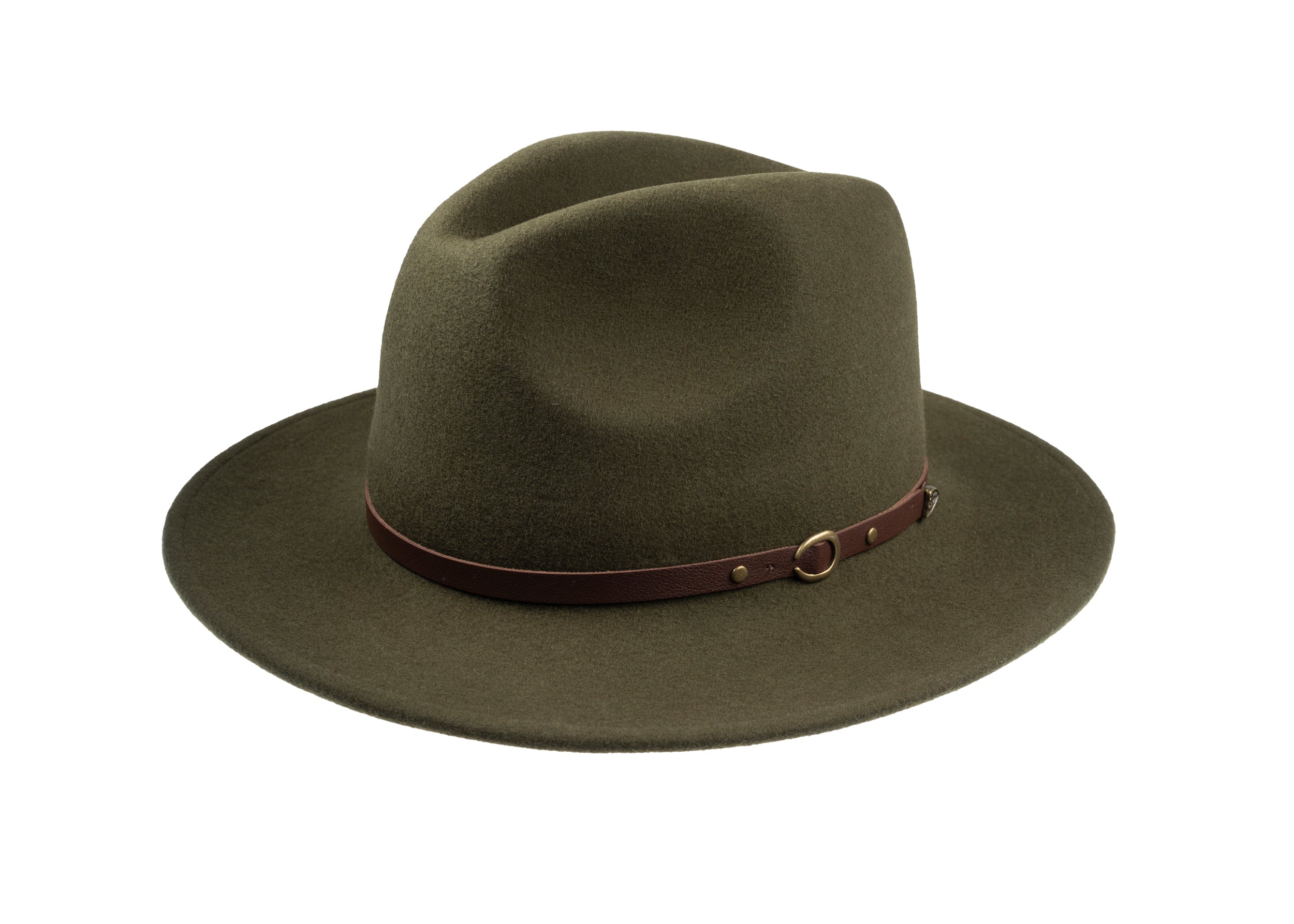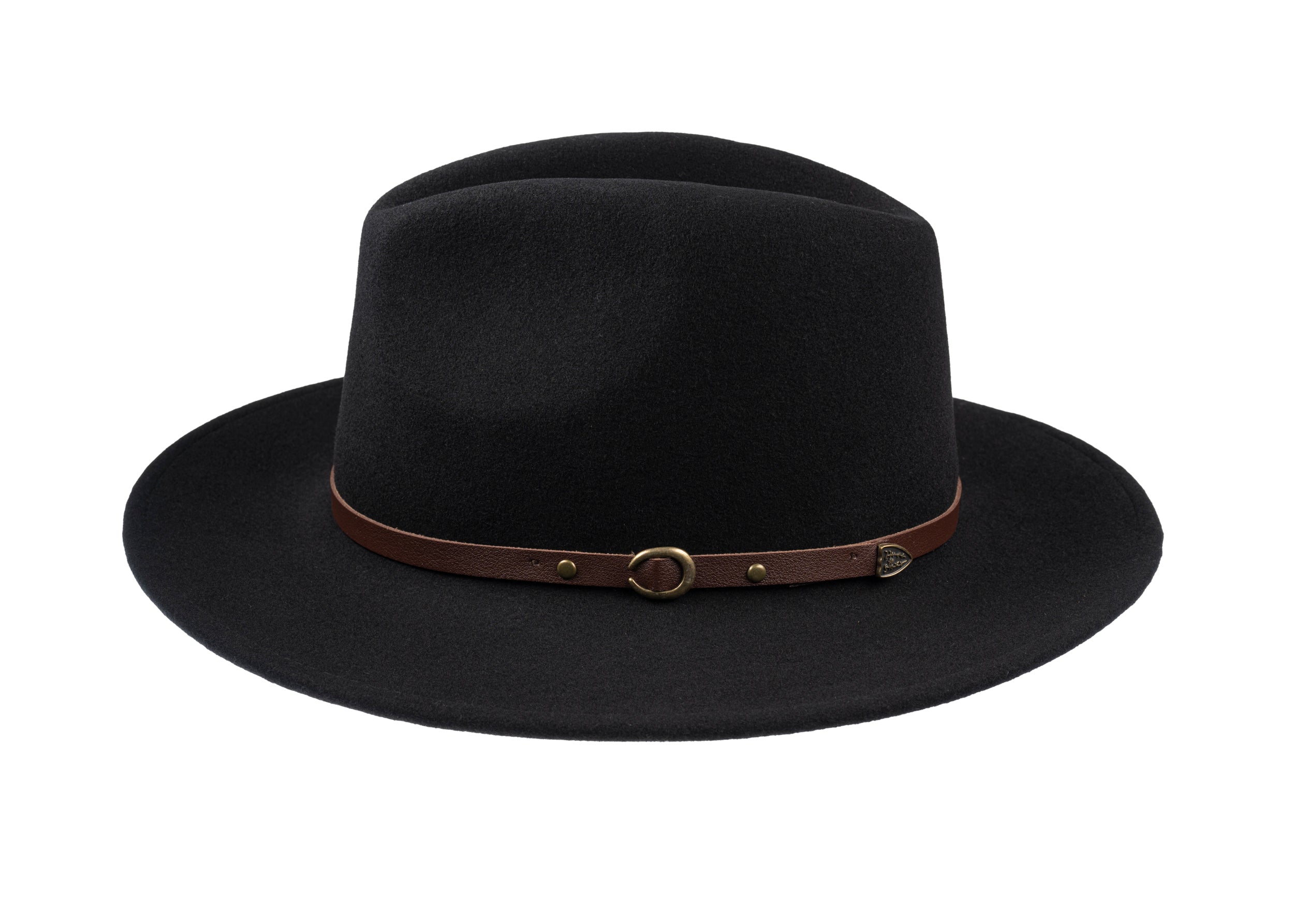




Laboratory measures such as staple length, fibre fineness, and crimp describe raw behaviour: short staples tangle, fine fibres pack densely, and pronounced crimp increases cohesion. Those figures matter, but the maker’s practical task is to translate them into a woven or felted cloth that will hold its shape in use.
This post translates test results into tangible material traits, sets out yarn and fabric specifications, and explains how to choose between weaving and felting by considering the process parameters that determine dimensional stability. It then reviews shaping, finishing, and testing methods, and outlines the feedback loop from sampling to production that allows you to anticipate and reproduce consistent form.

Translate fibre metrics into measurable characteristics for hatmaking
Fibre diameter and staple length predict softness, drape, and compressibility. Designers therefore select finer, shorter fibres when they want a soft, drapey cloth that will compress and pill more readily, and coarser, longer fibres where structure and resilience are required. Crimp, scale pattern, and surface roughness increase inter-fibre friction. That friction improves elastic recovery in woven goods and encourages rapid cohesion during wet felting. If resilience is the goal, balance the sett and the finishing; if dense, stable felt is required, plan for controlled fulling. Tensile strength and elongation act as practical constraints. Higher strength permits more open weaves and lower-twist yarns, while lower strength calls for a tighter sett, higher twist, or a reinforced core to prevent bagging. Finally, consider moisture regain and shrinkage when specifying wet finishing. Absorbent fibres relax and contract during wet processes, which risks distortion but also offers an opportunity: measured pre-shrinking or stabilising finishes, where the chemistry allows, can lock shape and improve dimensional stability.
To act on those relationships, prepare a compact, considered decision matrix that links fibre diameter, staple length, crimp, tensile data, and moisture regain to recommended yarn style, weave sett, stitch density for felting, and finishing approach. For example, short, highly crimped fibres tend to favour woollen-spun yarns with increased twist and a plan to full; long, smooth fibres more readily suit worsted-spun yarns, more open weaves, and restrained fulling. Validate the recommendations with sample constructions and controlled finishing trials so the final cloth meets target recovery, handle, and dimensional stability for its intended use.

How to convert measurements into yarn and fabric specifications
Begin by mapping fibre test results (diameter, staple length, crimp, cohesion index) to a target yarn geometry: count, number of plies, and twist level. Finer, low-crimp fibres allow finer counts and lower twist for a softer handle, while coarser, highly crimped fibres demand thicker counts, additional plies, or higher twist to deliver strength and dimensional stability. That mapping determines the yarns' linear density, which you will use when drafting samples. Translate the chosen yarn geometry into sett. Calculate expected ends per centimetre and picks per centimetre from the yarn linear density, then estimate mass per square metre and the cover factor to predict the cloth's body and drape. Use a simple spreadsheet to model how changing sett alters cover and stiffness, and adjust warp and weft counts until the fabric meets the target behaviour.
Also, anticipate shrinkage and felting by inspecting the fibre scale structure, scouring residue, and crimp, and validate those observations with controlled 10-centimetre by 10-centimetre wet-finish and agitation swatches that record percentage change in length and width. To lock shape, use construction strategies such as tighter weaves, twill or double cloth, woven-in binder yarns, blends that include a low-shrink, high-modulus component, stabilising layers, or needle-felted patches, and quantify their effect on bending stiffness and recovery. Adopt an iterative swatching programme that varies one parameter at a time, for example yarn count, twist, ply, sett, or finishing, and record objective responses such as percentage dimensional change after finishing, cantilever drape length, and tensile break to select the combination that best balances shape retention and appearance.

Choosing weaving or felting: defining the key process parameters
Begin by defining measurable performance targets. Specify acceptable dimensional change as a percentage, a target bending stiffness or degree of drape, expected recovery after repeated wetting and agitation, and a minimum tensile strength. Use those targets to select process variables such as weave sett, yarn count and twist, warp tension, or felting density, and to judge trial swatches against the stated criteria. For weaving, produce a series of trial strips that progressively vary weave structure, ends and picks per centimetre, and selvedge treatment. Ends and picks per centimetre refer to the density of warp and weft threads; selvedge describes the finished edge that prevents fraying. Varying these parameters lets you tighten the sett to improve shape retention, or loosen it to increase drape, while observing how a binder yarn affects edge stability. For felting, control batt composition and orientation, fibre length blend, moisture, agitation or needle penetration, and the degree of fulling. A batt is a layered sheet of carded fibres; fulling means controlled consolidation and shrinkage of those fibres. Record shrinkage, loft, and stitch-through resistance for each trial. These measurements will show whether increased agitation, a finer needle density, or a different fibre blend achieves the firmness and resilience you specified.
Match fibre properties to the chosen process. Long-staple, low-crimp fibres favour a smooth woven surface and reduced pilling, while high-crimp, scaly fibres felt readily and add bulk. When a balance of drape, resilience, and shape memory is required, plan blends deliberately rather than by instinct. Put a rigorous sampling and record system in place. Label swatches with exact fibre and process parameters, photograph and condition them, then measure key metrics after finishing steps such as controlled fulling, steaming, and drying under tension. Iterate until you have a reproducible recipe that meets your targets, and note any stabilising finishes or edge treatments that improve recovery and long-term shape retention.
Swatching, adjustment and material guidelines
- Label and document every swatch with exact variables, photograph the face and edge, condition to your standard humidity, then measure and record dimensional change as a percentage, bending stiffness or drape, recovery after repeated wetting and agitation, minimum tensile strength, shrinkage, loft, and stitch‑through resistance so trials are comparable and reproducible.
- Change one variable at a time and produce progressive trial strips: for weaving, vary weave structure, ends and picks per centimetre, sett, warp tension, selvedge treatment, and the presence or position of a binder yarn; tighten the sett or raise ends and picks to improve shape retention, loosen the sett to increase drape, and add a binder yarn to stabilise edges. For felting, vary batt composition and orientation, fibre length blend, moisture, agitation or needle penetration, and degree of fulling; increase agitation or needle density to raise firmness, or adjust fibre blend to alter loft and resilience.
- Match fibres and finishes to the target recipe: use long staple, low crimp fibres and appropriate yarn count and twist for smooth woven surfaces and reduced pilling, use high crimp, scaly fibres or higher crimp blends for felting bulk and shape memory, and blend deliberately to balance drape with resilience. Fix successful recipes with controlled finishing steps such as measured fulling, steaming, and drying under tension, document surface finishes and edge techniques applied to promote dimensional recovery, and iterate until the documented recipe meets your acceptance tolerances.

Stabilise shape with careful blocking and hand-finishing
Begin by translating laboratory measurements of bending rigidity, thickness, and shrinkage into explicit production targets for weave sett, yarn twist, and felting density. Map each laboratory metric to the process adjustment you expect: increasing sett or yarn twist will raise bending stiffness and reduce drape, while a firmer felting cycle consolidates fibres, reduces thickness, and alters dimensional behaviour. Where possible, make those expectations quantitative — for example, specify a target percentage change in stiffness, a target thickness in millimetres, or an acceptable range of dimensional change — so you have objective criteria for assessing samples. Run controlled trials, record the resulting drape and dimensions, and compare them to the targets; then iterate sett, twist, or felting parameters until the samples meet the laboratory profile.
Next, translate design targets into testable specifications. Record sett per centimetre, yarn twist, and felting density, and state the predicted effect on drape, expressed as a bend or cantilever angle. Produce samples with small, deliberate adjustments, and log laboratory measurements alongside hand-feel assessments to link numerical metrics with perceived shape retention. Use those results to refine the process: if measured bending rigidity is insufficient, tighten the sett or increase felting density; if shrinkage exceeds the allowance, relax the felting cycle or alter the fibre blend. This evidence-led loop lets you stabilise form through shaping and finishing with measurable outcomes rather than guesswork.

Establish testing, sampling, and production feedback for lasting craft standards
Begin with clear, measurable acceptance criteria and rigorous test protocols: specify laboratory measurements such as tensile strength, dimensional stability after wet finishing, shrinkage, and pilling. Require multiple replicates and record test conditions so teams can quantify variance and trace failures back to particular fibre properties or process steps. Standardise sampling and labelling, preserve a physical swatch library under controlled humidity and temperature, and maintain a single-source digital record so everyone compares like with like. Translate laboratory metrics into simple machine-setting rules, verify them in small pilot runs, and scale only when the pilot reproduces the laboratory result in the finished cloth. This disciplined approach is not paperwork for its own sake; it is how makers ensure material behaviour matches expectation through blocking and hand-finishing, and how the detail that rewards closer inspection is secured. In short, rigorous testing and careful record-keeping help produce cloth that behaves properly in the workshop, and so yields a piece that improves with time.
Convene regular, blind sensory panels that bring weavers, felters, technicians, and designers together to compare hand-feel and visual assessments with instrument readings. Allow qualitative agreement or disagreement to guide the setting of numeric thresholds. Maintain strict version control: record every recipe change, link each production batch to its precise recipe and test data, and apply control charts to reveal gradual drift. When an anomaly appears, run single-variable experiments to isolate the root cause and confirm whether a specific fibre or process adjustment alters shape retention.
Taken together, laboratory metrics become practical specifications when manufacturers translate fibre diameter, staple length, crimp, tensile strength, and moisture behaviour into yarn geometry, sett, and finishing protocols. Controlled swatching, measured wet-finish trials, and pilot runs validate those mappings, allowing reliable prediction of dimensional change, drape, and recovery before production begins. In short, these steps let makers know how a cloth will behave in use, rather than discovering it after cutting and sewing.
Work through a disciplined loop: decode samples, translate findings into process adjustments, choose materials, stabilise treatments, and test outcomes. Keep a labelled swatch library and single-source records, and iterate by varying one parameter at a time until pilot batches reproduce laboratory results. That discipline converts abstract data into reproducible cloth that holds its shape. Set clear targets, quantify results, and let measured evidence determine the final recipe.