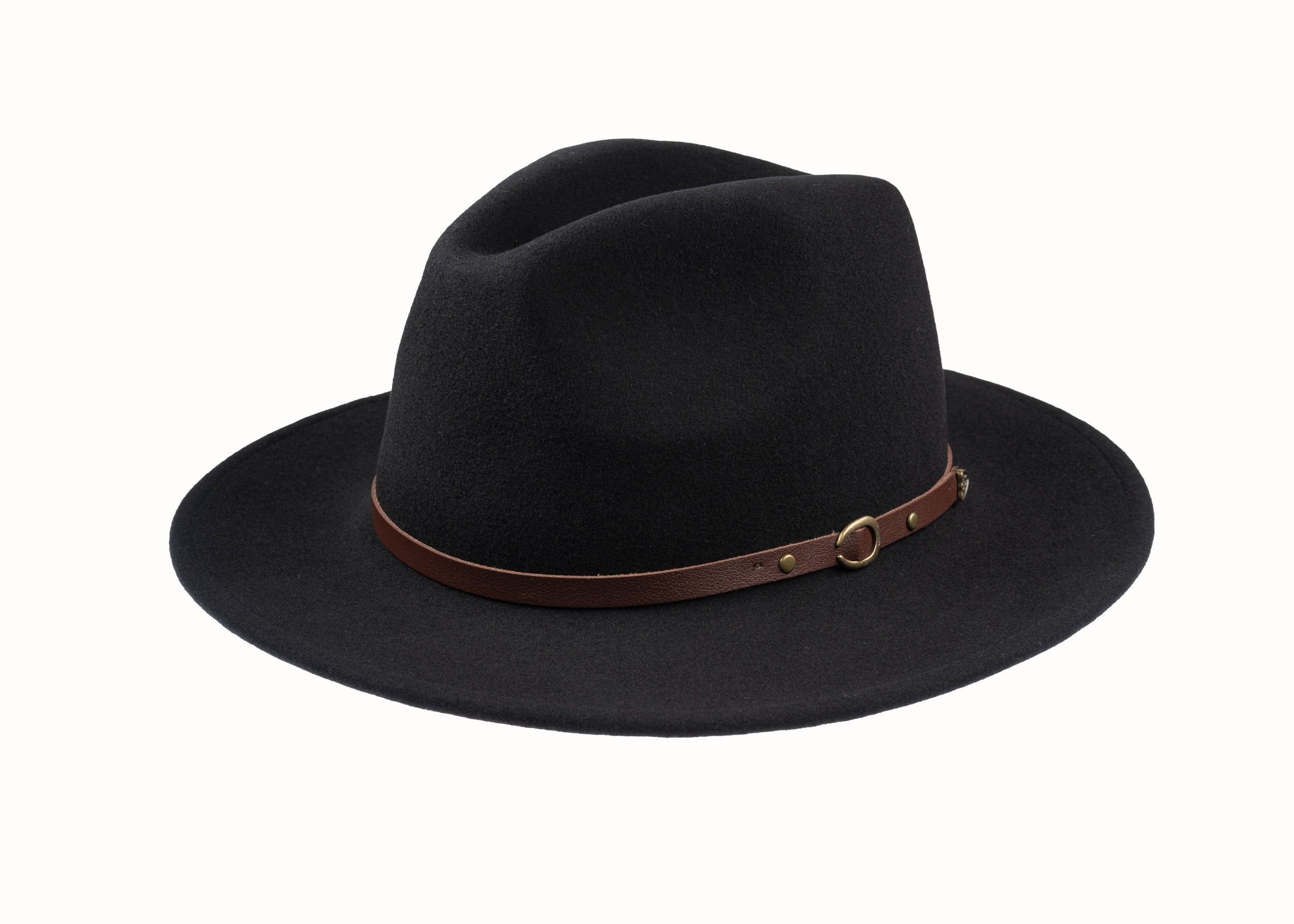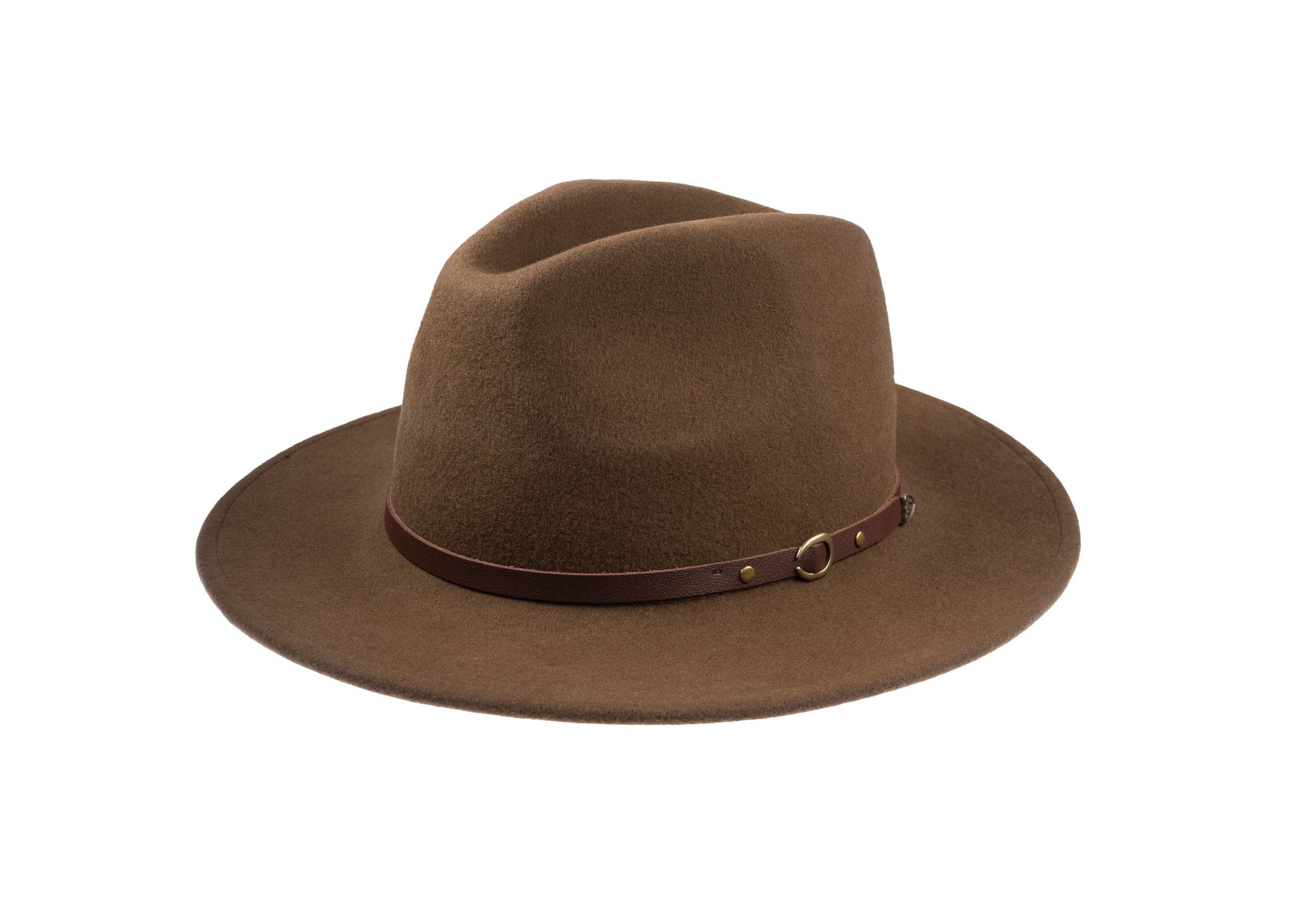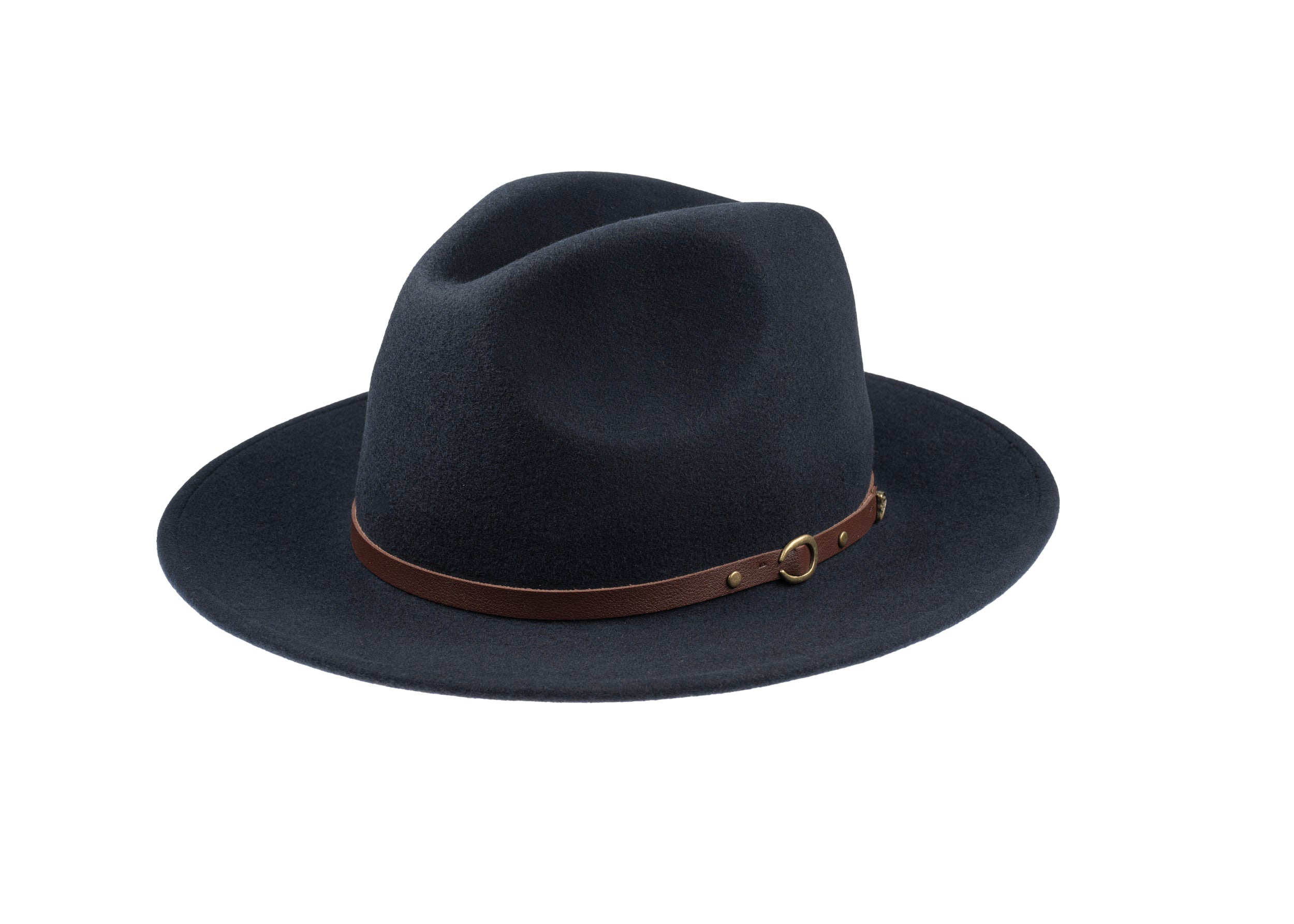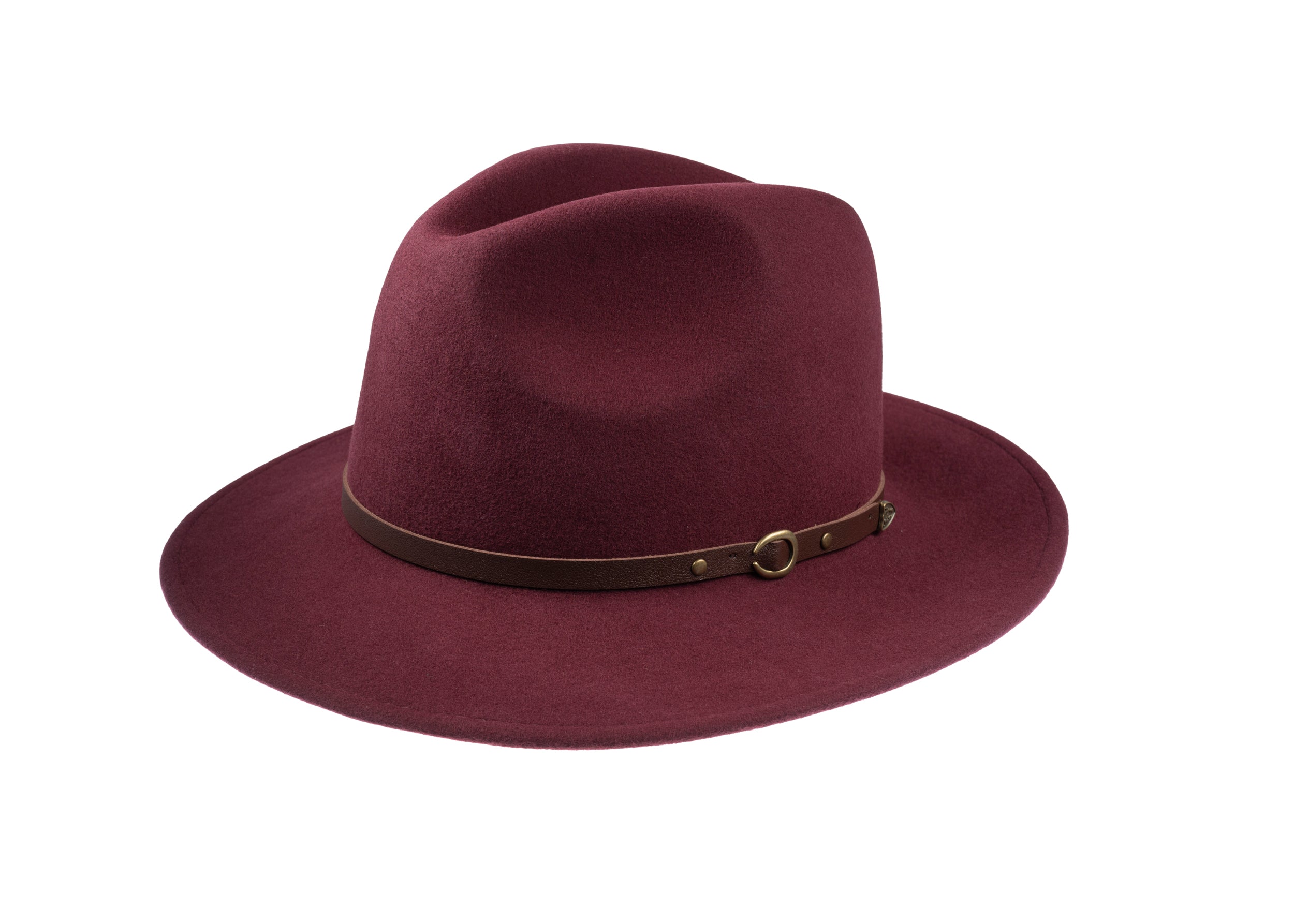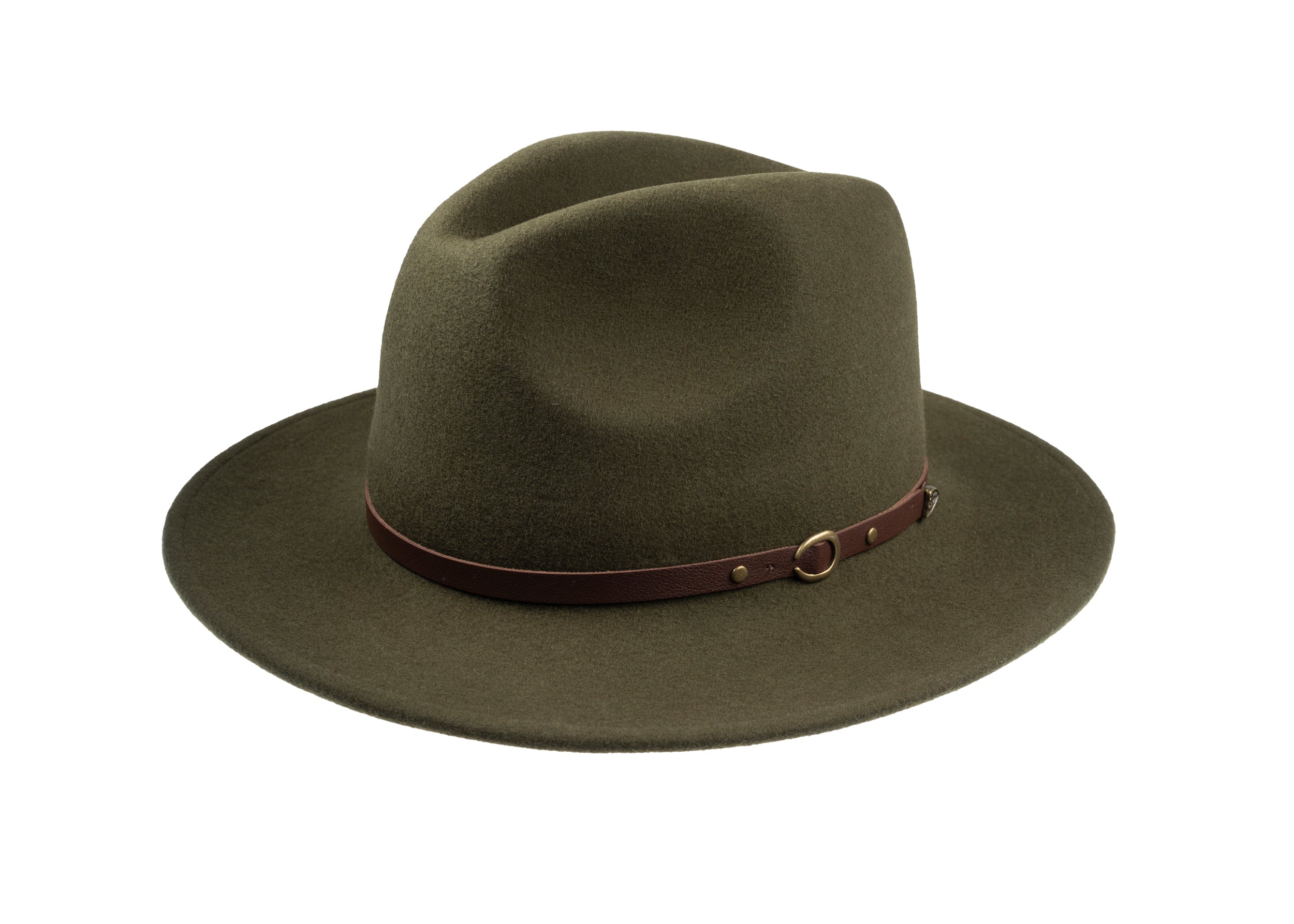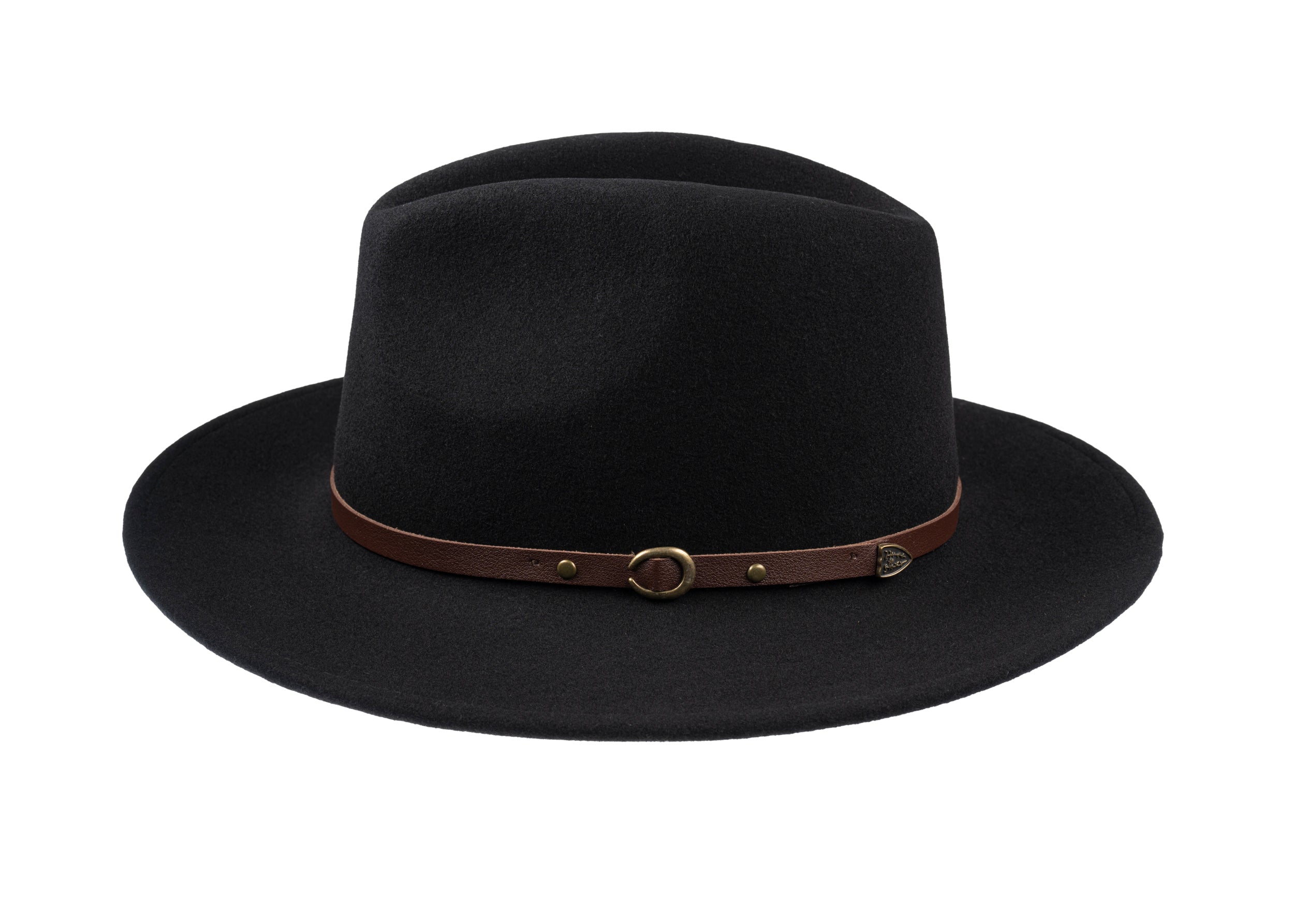

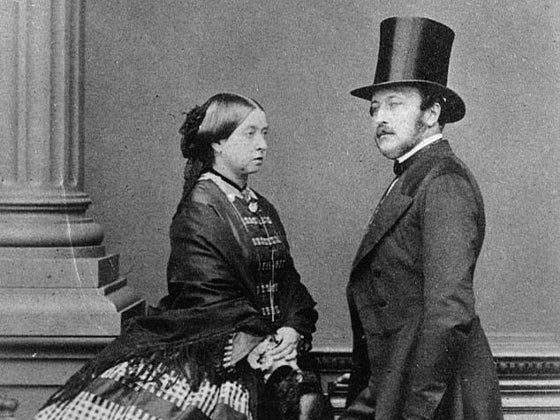



A well-cut homburg completes a ceremonial outfit. A small misfit, whether an ill-set pinch, an uneven tilt, or an imbalanced scale, will make the hat seem out of place. Does your homburg sit to flatter your face and posture, or does it draw unwanted attention?
Attend to three practical checks: how the crown follows the contour of your head, how the brim balances your facial proportions, and where the hat sits relative to collar and lapel. Each section offers concise cues and modest adjustments to ensure the homburg sits correctly for ceremonial dress.

1. Fit the crown to your head's natural contours
Measure and map your head, not only the circumference. Record width, length, and distinguishing features such as a high forehead or a prominent crown, then compare those proportions with the Homburg's single centre dent to see whether the shape will sit harmoniously. Use a one-finger test to check crown depth and seating. The crown should settle just above the hairline and sit evenly around the skull. Persistent pressure points indicate the crown is too deep or tight; visible gaps, or a tendency to rock, indicate it is too shallow. If the crown gaps at the temples it is too tall, and if it pinches above the ears it is too narrow.
Stand before a mirror with the brim parallel to your brow, allowing only a modest forward tilt for formality. Ask someone to photograph the hat from several angles to check symmetry and central alignment. Move as you would at the occasion — walk, bow, speak, and nod — and note any rubbing, shifting, or changes in posture that suggest instability. Refine the fit with reversible, low-profile measures such as thin leather or felt pads in the sweatband, a softer lining that conforms, or by consulting a milliner for discreet steaming and reshaping. Always test each alteration with the outfit you intend to wear, since hair volume and collars will affect how a Homburg sits.

2. Balance brim width to flatter your facial proportions
For ceremonial occasions, aim for the brim to sit within the outer planes of the cheekbones so it frames your face rather than overwhelms it. Check this in a mirror or with a front-facing photograph taken at conversational distance. To see how brim width alters perceived proportions, hold a sample brim or a card against your face: a slightly wider brim suits a long, narrow face, while a narrower brim better complements a round face. Consider crown-to-brim balance as well — a taller crown can carry a wider brim, a lower crown benefits from a slimmer one; judge the result by inspecting the silhouette in profile.
Brim stiffness and roll alter how wide a hat appears. A firm, flat brim reads broader; a softer, slightly upturned brim reads narrower. Test these effects without committing to a new hat by pressing the brim gently or by adjusting the roll. Stand at the distance from which people are likely to see you, take photographs from several angles, and view the hat in the lighting expected at the event. Confirm that your eyes and expression remain visible, since ceremonial lighting and photography tend to emphasise overhanging brims. Use these practical checks to choose a brim that frames the face while preserving presence on the dais or at a reception.

3. Position the homburg properly for ceremonial dress
Centre the crown so the brim sits just above the eyebrow. This preserves eye contact, maintains a formal silhouette, and prevents the hat from obscuring the face in photographs. Choose a modest forward tilt rather than a pronounced slant; this reduces glare and preserves the straight lines associated with morning coats and formal tailwear. Coordinate the hatband with other small accents, such as the lapel flower, tie, and pocket square, matching texture or tone so the hat ties the outfit together without competing for attention.
For outdoor processions, secure a homburg with a discreet hat pin or an internal clip threaded through the sweatband. Test the fit by walking, bowing, and sitting to confirm it stays steady without stressing the lining. Step back a short distance to assess proportions against your coat and collar; the brim should sit in harmony with lapel width, and the hat should balance your posture both standing and seated.
Three simple checks ensure a Homburg sits correctly for ceremonial wear: crown fit, brim balance, and placement. In practice, the crown should settle evenly above the hairline; the brim should sit within the planes of the cheekbones so the eyes remain visible; and the hat should have a centred, modest forward tilt that complements the collar and lapel.
Treat the three headings as a simple checklist. Measure your head and, where needed, add subtle padding to the crown so the hat sits steady and comfortable rather than shifting. Test brim width in natural light and in photographs; proportions that seem right in a mirror often read differently on camera and in profile. Finally, check how the hat works with your coat as you walk, bow, and sit, so the overall silhouette remains composed. Do these trials while wearing the outfit you intend to use and, if necessary, consult a milliner for discreet adjustments so the hat looks considered both in person and in photographs.