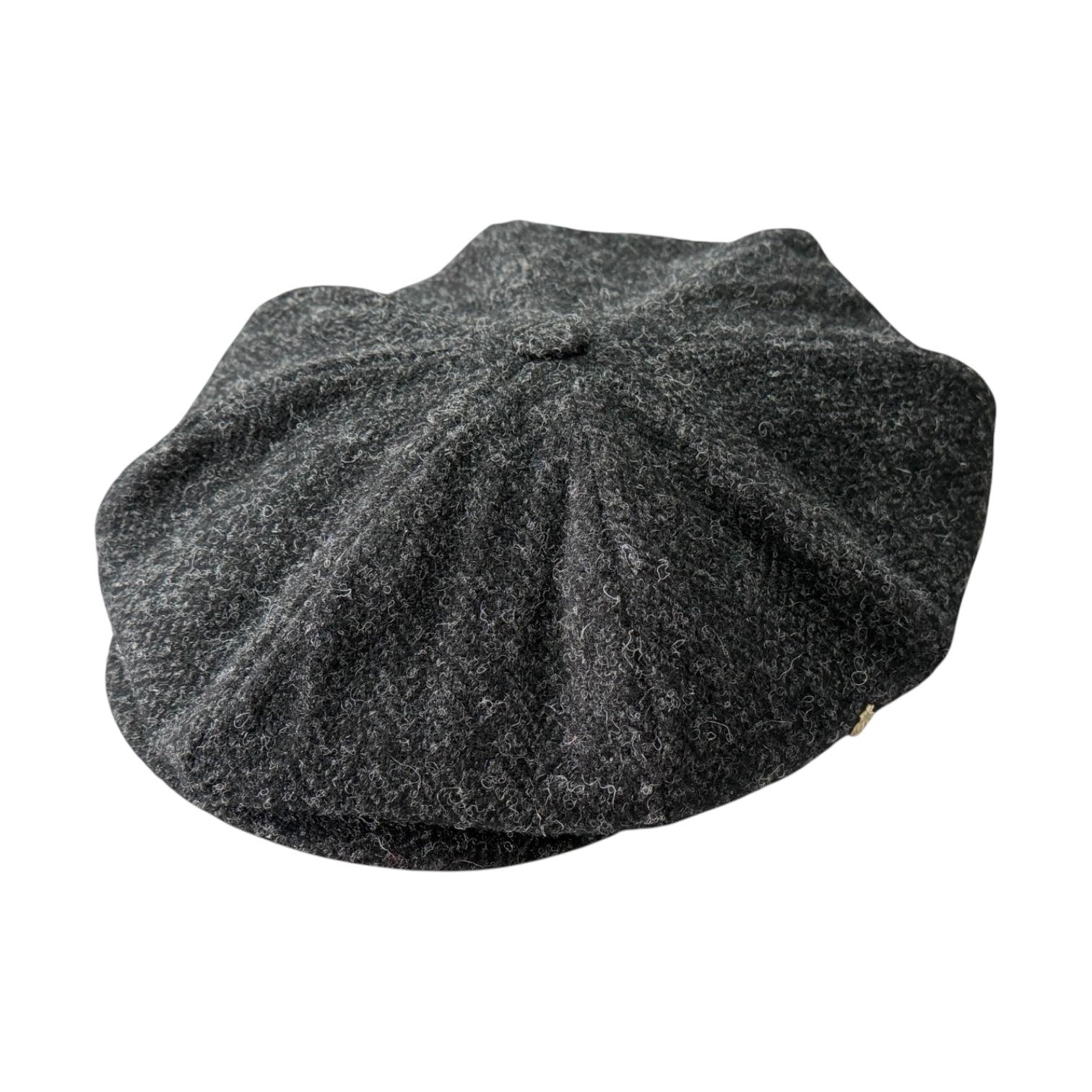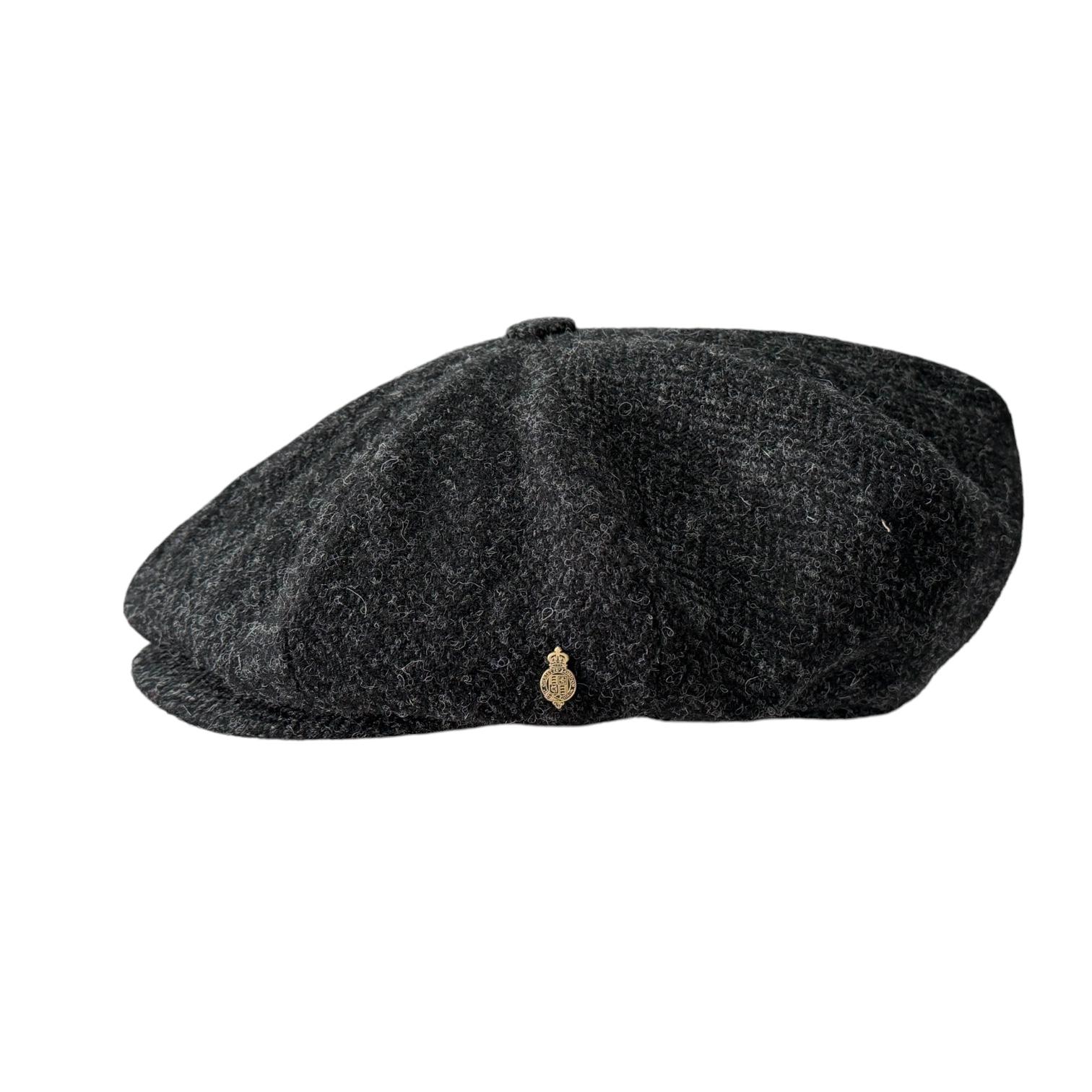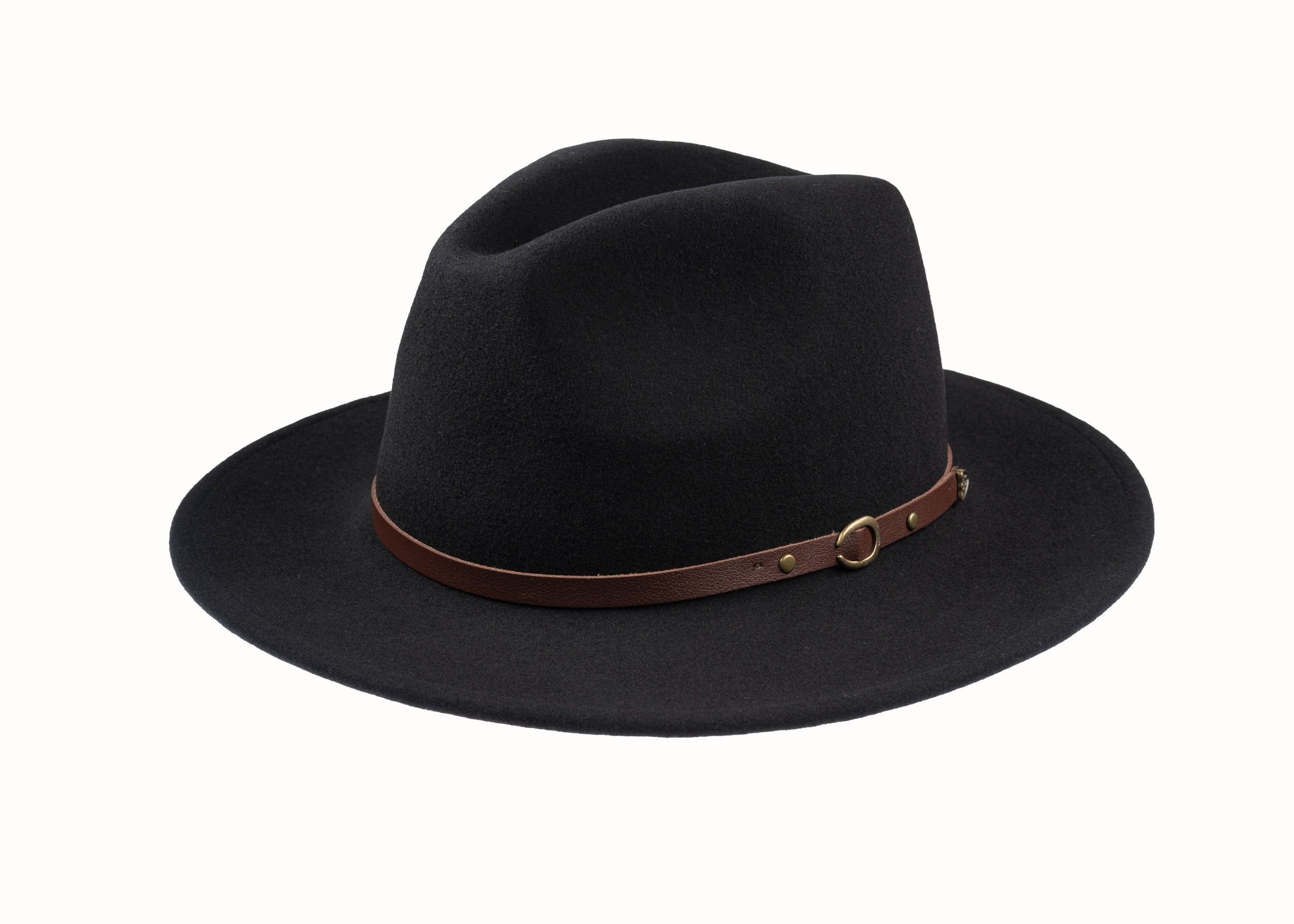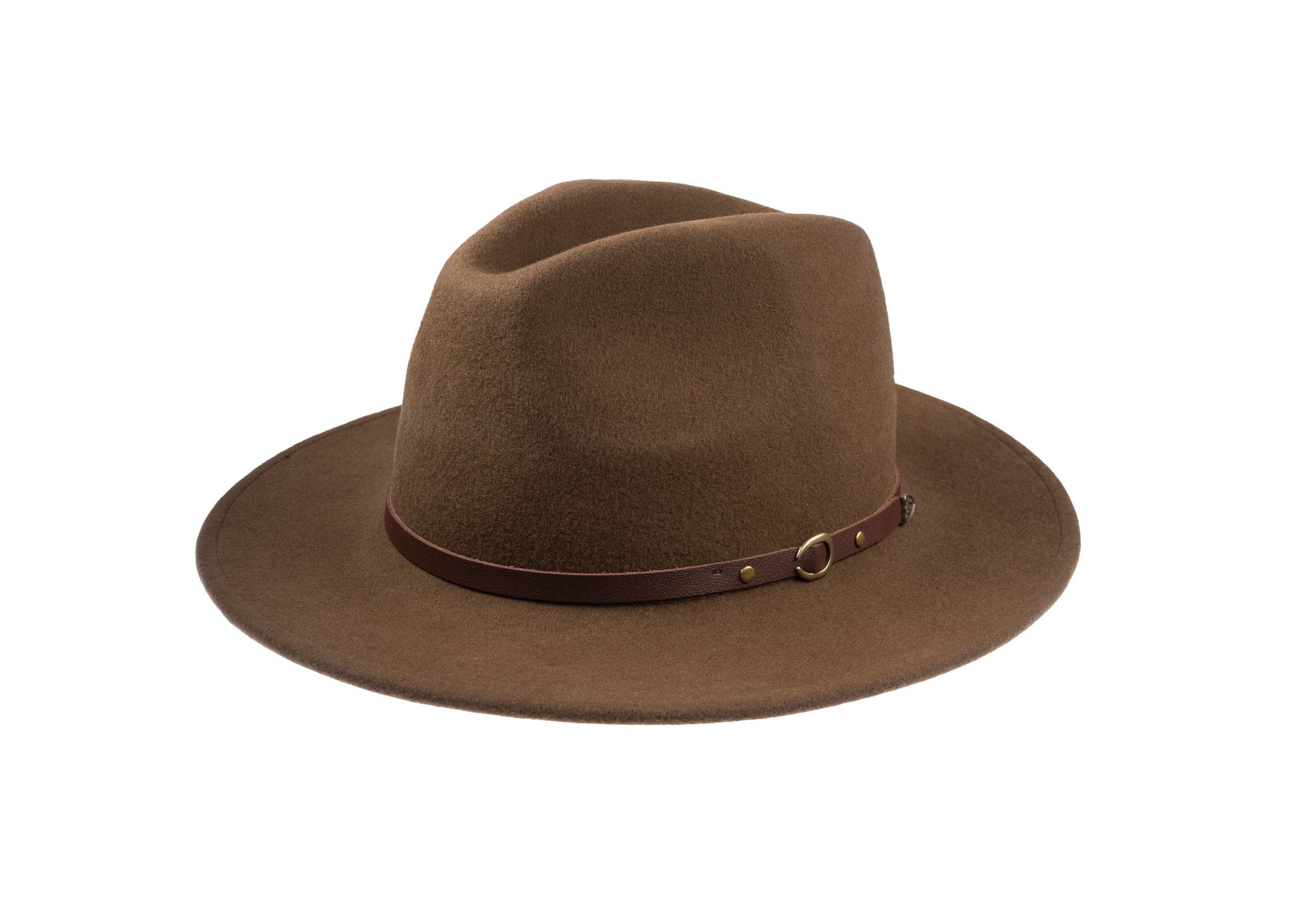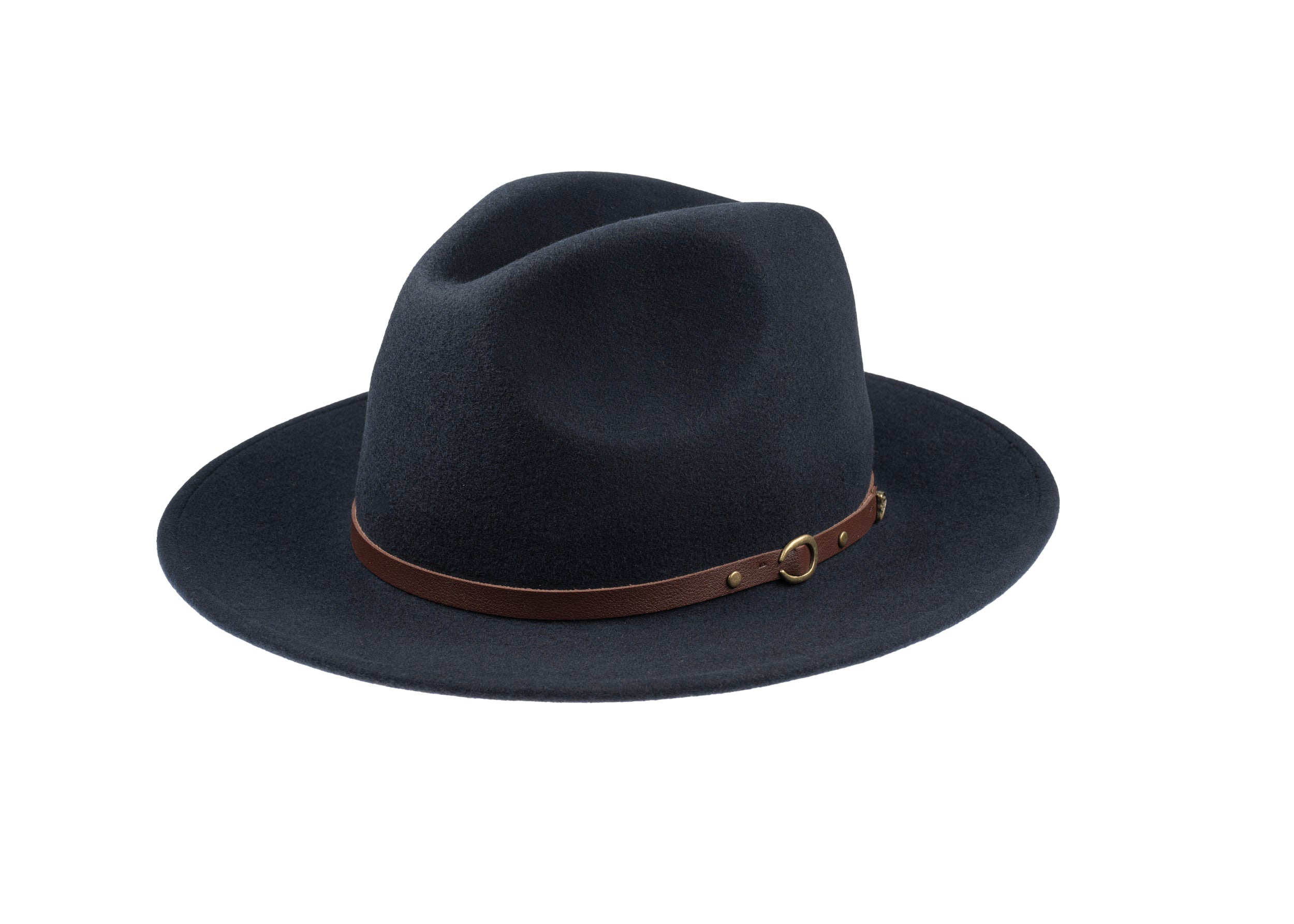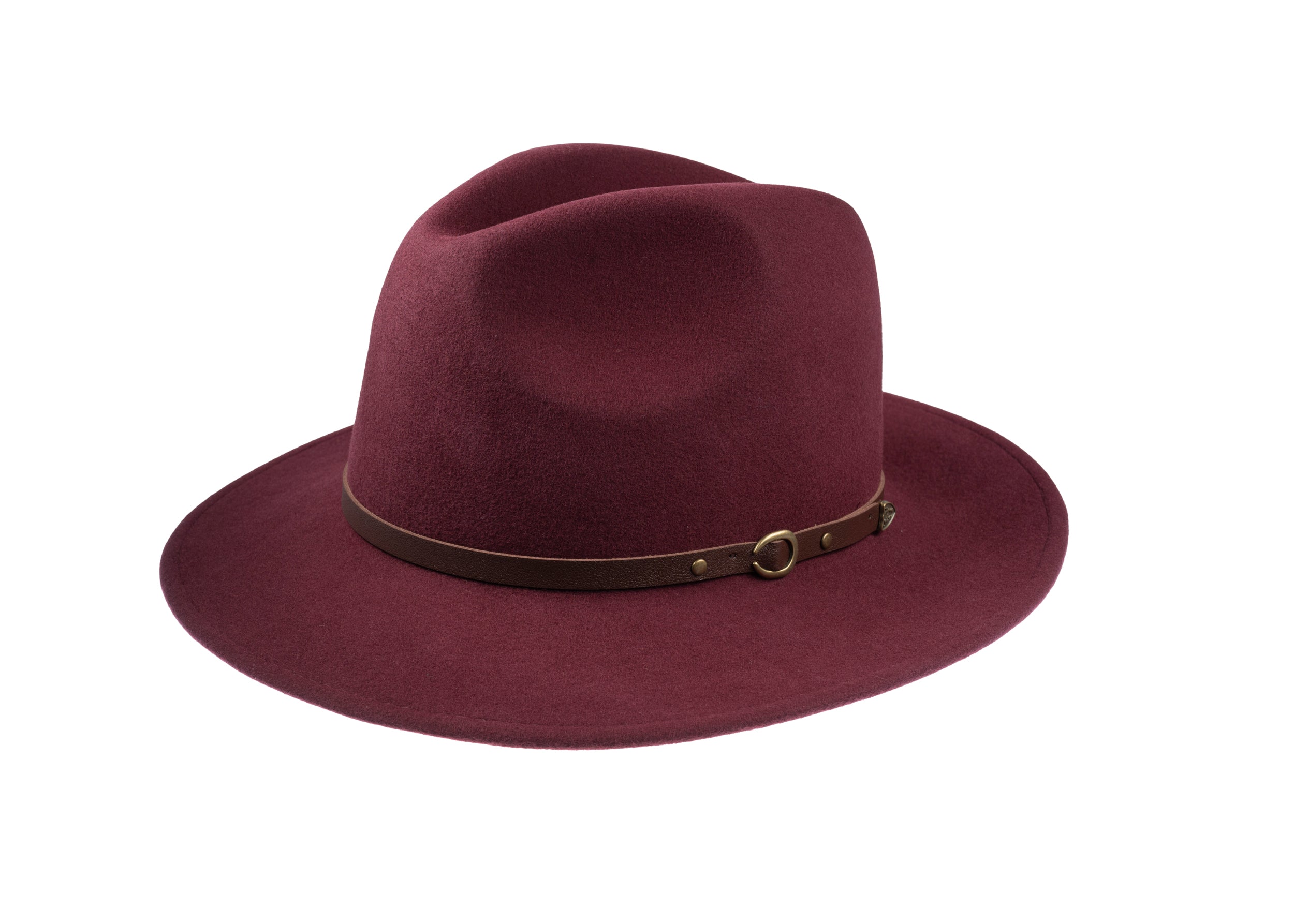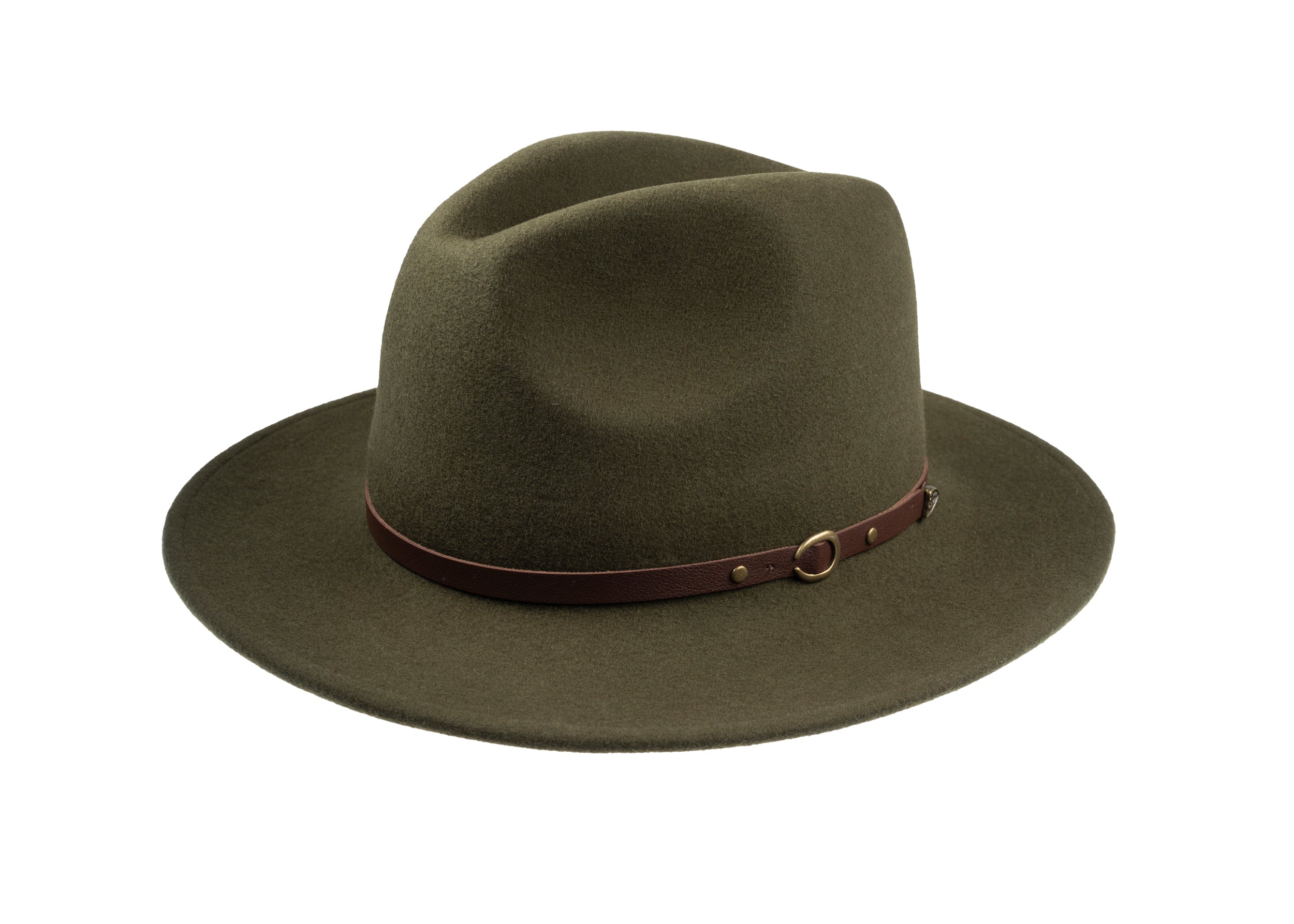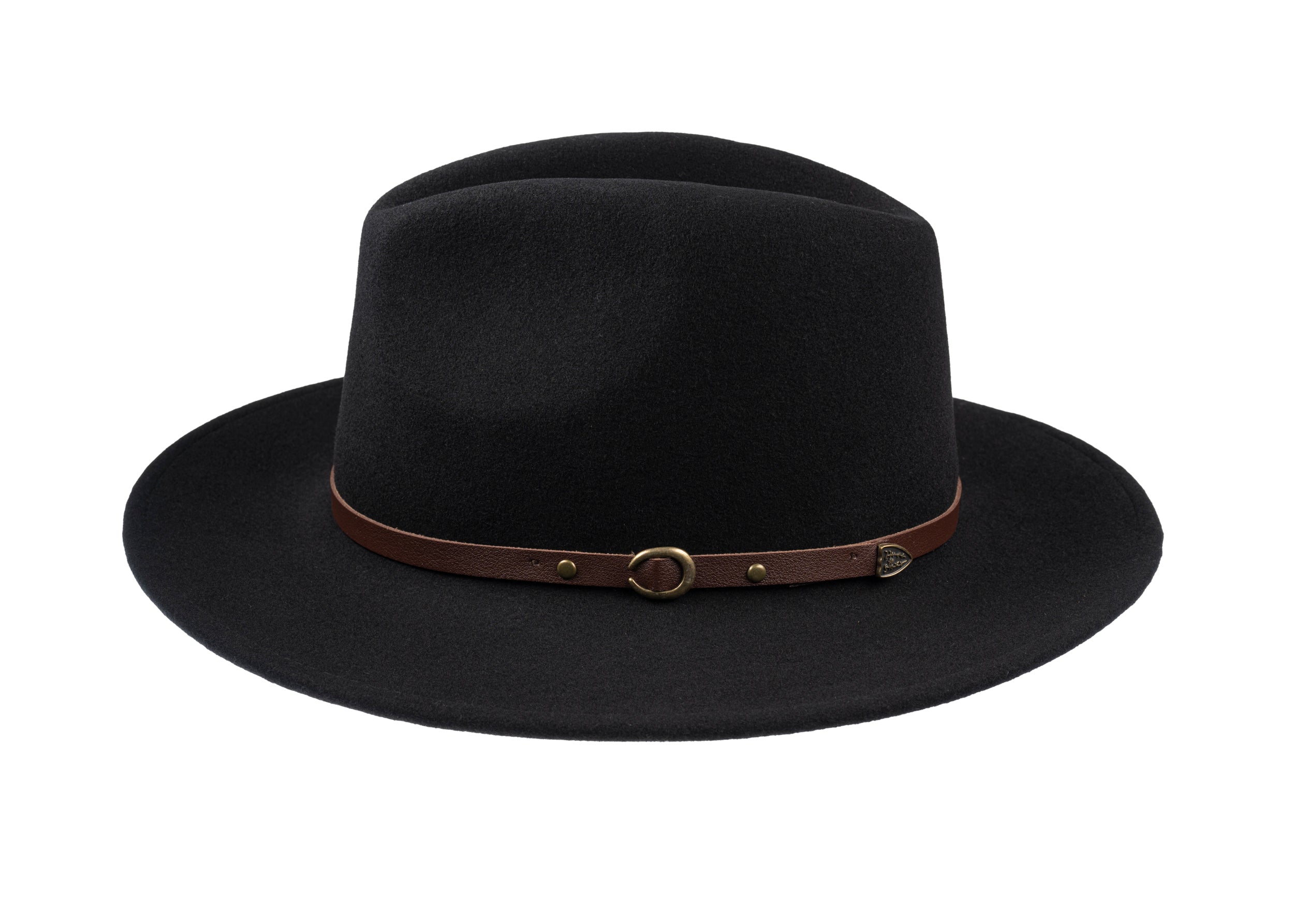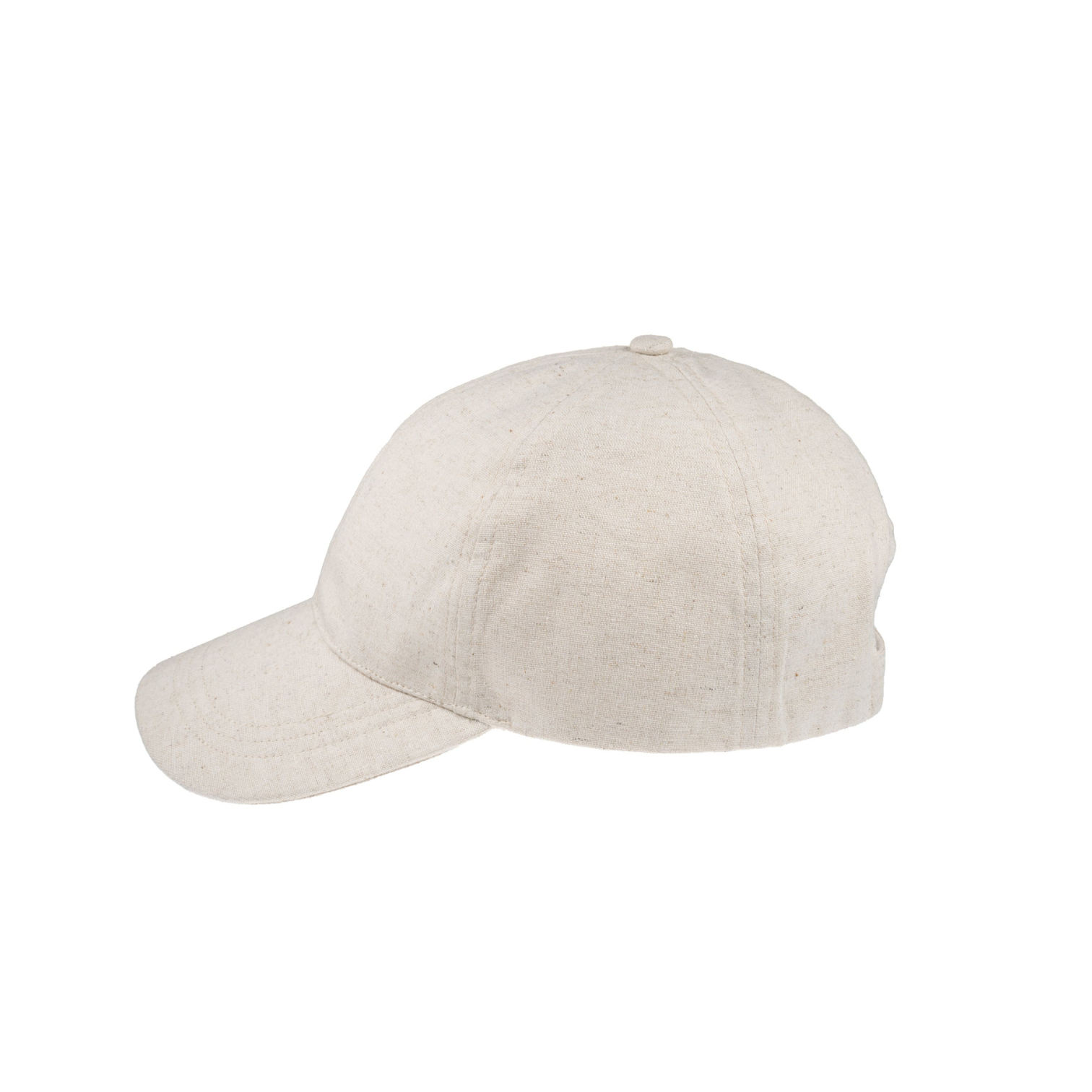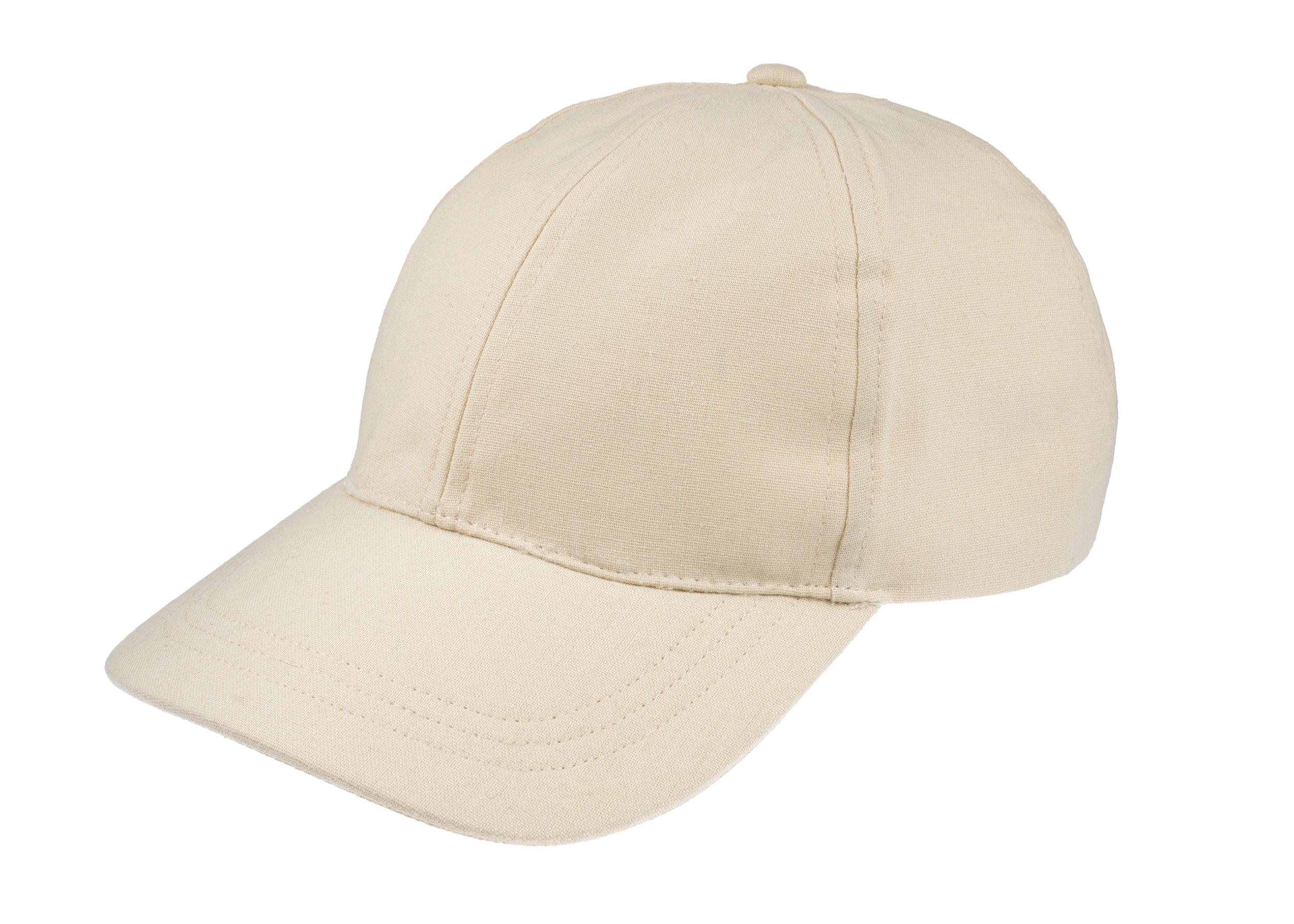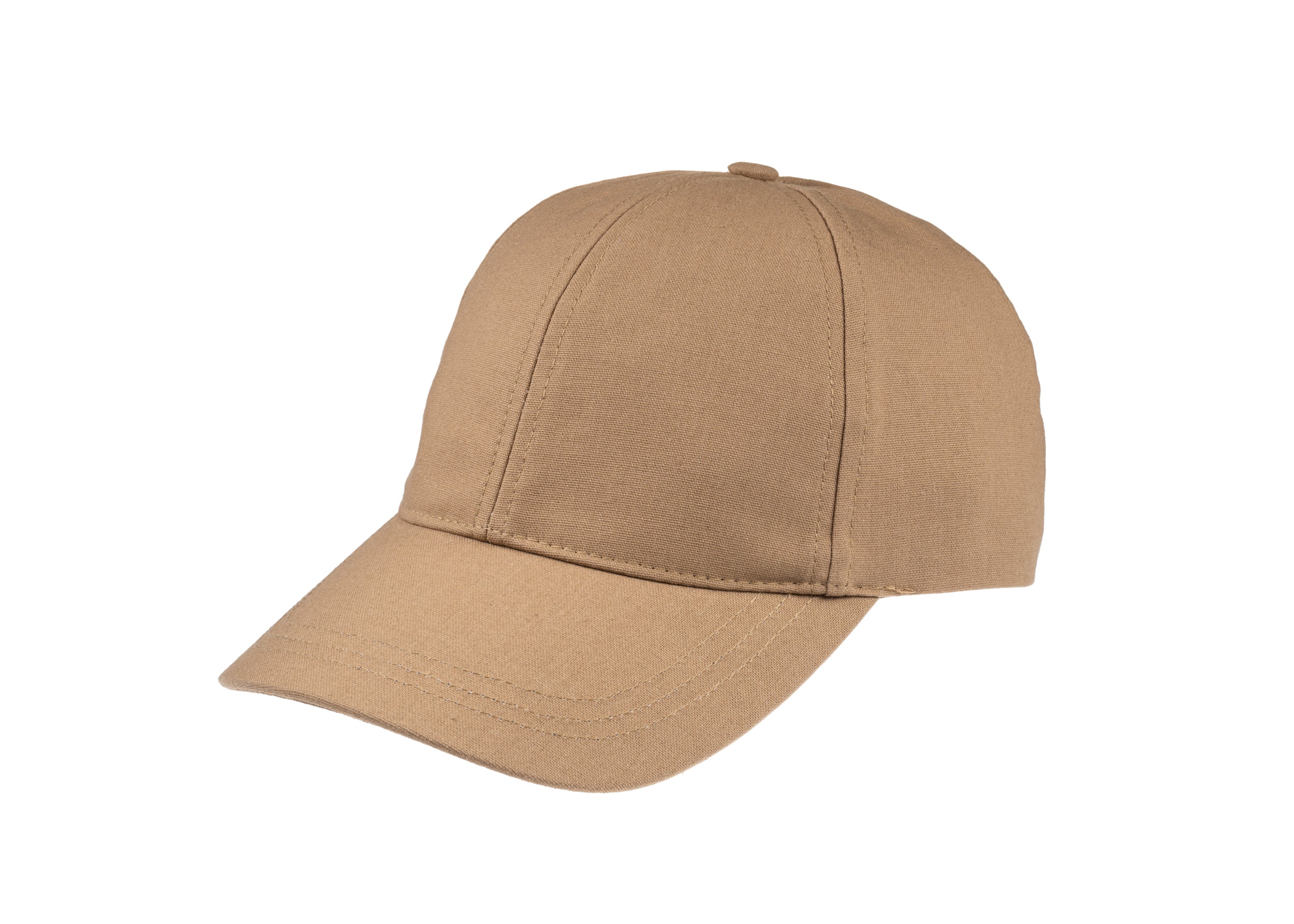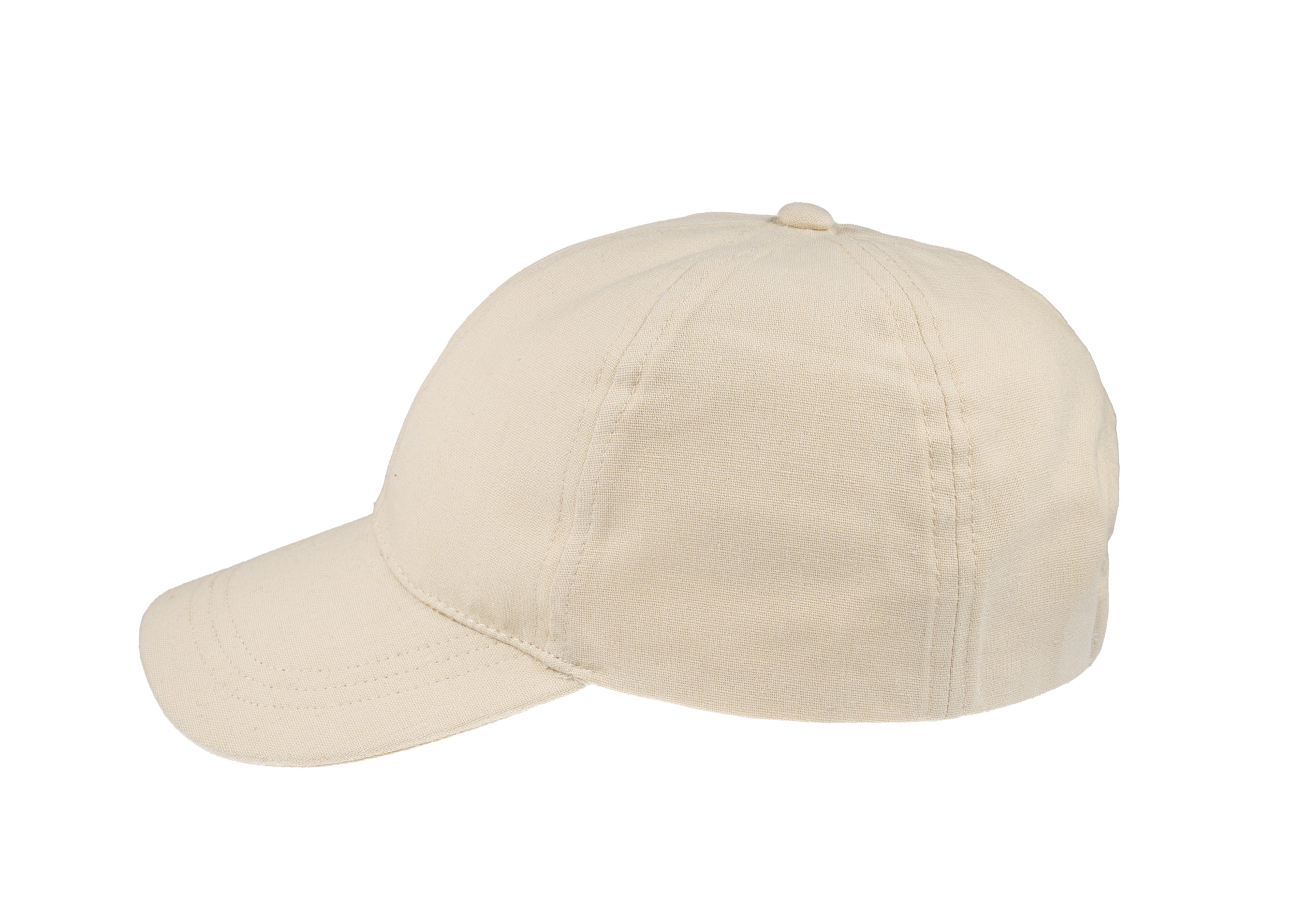



Why do two seemingly similar caps age so differently? One retains its shape and acquires a considered patina, while the other collapses, pills, or fades. The difference usually comes down to three often-overlooked choices: fibre, weave, and finish, and to how you combine and care for them.
The choice of fibre determines resilience, hand, and breathability. The weave governs tightness, loft, and drape. Finishes alter water resistance, the nap, and surface texture. Below are practical cues for mixing materials, selecting for occasion and climate, and for simple repairs and care that preserve a hat’s appearance and performance for years.

How to assess fibres for resilience, hand, and breathability
A few simple, observable tests reveal a great deal about a fabric's performance. Rub a hidden area; a tendency to pill or fuzz will show quickly. Stretch a seam to see how cleanly it recovers, which indicates the stability of the construction. Inspect the yarn twist: wool's crimp often helps it spring back, cotton and linen tend to soften and abrade, and many synthetics resist abrasion while sometimes pilling. Judge hand and structure by touch — pinch the crown and let it fall to assess drape and spring, then fold the brim and watch how rapidly it recovers. A soft, low-spring hand produces a relaxed silhouette, while a firmer hand preserves a crisper shape over years. Test moisture management and airflow at home by blowing through the fabric and dropping a bead of water to see whether it is absorbed or beads; open weaves and hydrophilic natural fibres generally move moisture away from the head, while tight weaves and coated finishes trap heat. These simple checks require no special tools and reward closer inspection.
Following those checks, the weave of a fabric is a clear performance signal: it determines how a material will wear, breathe, and resist the elements. Plain weaves tend to wear evenly and allow good airflow; twill gives a smooth drape and helps to disguise wear; canvas and duck lend structure and abrasion resistance; and mesh maximises ventilation. Tighter weaves increase wind and water resistance while reducing airflow, so choose construction according to whether you prioritise protection or breathability. Surface finishes change the hand and the material's permeability. Water repellents, anti-pill treatments, and mercerisation make cloth feel crisper and shed moisture, while natural ageing produces softness, fading, and a patient patina. Preserve the attributes you value with gentle spot cleaning, regular airing, and by avoiding heat when reshaping or storing. Allow fabrics to dry fully before storage, and where appropriate support form with a hat block or breathable cover to retain shape and performance.

Choose a weave to control structure, loft, and drape
The choice of weave determines how a cap sits, how it breathes, and how its colour will age. A plain weave sits open and ventilated; twill sets yarns on a diagonal for a crisp drape and improved abrasion resistance; densely woven constructions, including satin weaves, produce a smoother surface and deeper colour. Those differences change silhouette and ageing: plain cloth relaxes and softens with wear, twill keeps a tailored line and resists fraying, and tight weaves tend to develop a polished sheen rather than piling. You can read a weave with a few small tests: hold the cloth to the light to judge openness, run a finger along the grain to feel nap and loft, then scrunch and let it hang to observe recovery and drape. An open weave predicts better ventilation and quicker creasing, while a tight, smooth weave signals wind resistance, greater heat retention, and a cap that will sit crisply after repeated use.
Loft influences both warmth and silhouette. Brushed or napped surfaces trap air, adding insulation and a softer, more yielding profile, while low-loft, tightly woven cloth produces crisp, formal lines suited to a structured cap. Finishes can compensate for weaknesses in a weave, but each alters the fabric's behaviour: water-repellent coatings close pores to shed rain, waxing increases abrasion resistance and develops a surface patina, and enzyme or stone washes relax dense cloth while reducing surface strength and breathability. For longevity, favour higher yarn twist and tighter weaves, inspect seams, brim facings, and high-contact panels for early wear, and match weave and finish to the cap's expected duty rather than relying on a finish to solve structural issues.

How to Apply Finishes to Improve Water Resistance, Nap, and Surface Hand
Fibre choice shapes how a cap will age. Wool compacts and develops a soft shine at high-contact points, waxed cotton darkens and acquires a patina, linen relaxes and shows slubs as it softens, and many synthetic yarns resist shrinkage yet may trap odour and yellow with time. Weave density and structure alter those tendencies: plain or loose weaves ventilate but reveal edge wear sooner, while twill, canvas, or gabardine drape better, shed wind and water more effectively, and resist abrasion when thread count and yarn twist are high. Finishes interact with both fibre and weave: durable water repellents lose beading as they degrade, wax finishes go matte and can be reworked, and raised naps flatten with wear but respond to gentle brushing. Always test finishes on a concealed swatch, and match fibre and weave to the climate and intended use.
Longevity begins with how a hat is made and how it is looked after. Breathable linings, replaceable sweatbands, and reinforced stitching at stress points all help to reduce odour, staining, and seam failure; rigid interfacings preserve shape but can concentrate wear. Treat a flattened crown, persistent odour, visible pilling, loss of water beading, or loose stitching as signs that intervention is warranted, and favour targeted repairs such as restitching, sweatband replacement, or reproofing rather than wholesale replacement. Clean gently, lift the nap with a soft brush, reproof waxed areas once beading stops, and store caps in breathable conditions to avoid mildew and permanent collapse. Attend to these particulars to preserve fit and finish, and to prolong serviceable life.
Practical finishes, care and quick repairs for caps
- Choose finishes to suit fibre and weave: wax for cotton and canvas to create a reproofable, matt patina; durable water repellent for wool and mixed fibres that need beadable protection but will gradually lose beading; brush or heat-set nap treatments to raise or stabilise pile on wool and linen, and favour tighter twill or gabardine weaves where water and wind resistance matter.
- Prepare and test before committing: clean a concealed swatch, restore nap if present, apply the finish to the swatch, and inspect for colour change, stiffness, loss of breathability, or odour entrapment before treating the whole cap.
- Apply finishes with restraint and allow proper curing: work wax thinly into seams and fold lines, apply liquid repellents in light, overlapping passes, and allow the finish to cure as instructed before flexing the crown and brim to check for cracking or blocked vents.
- Routine maintenance to extend life: lift nap gently with a soft brush after wear, spot-clean stains with mild detergent and cool water, air caps to dispel odour, replace or launder sweatbands to reduce staining and bacterial build-up, and store caps in a well-ventilated place to prevent mould and loss of shape.
- Triage and targeted repairs: reproof waxed areas when beading stops or water soaks in, steam and reshape flattened crowns or consult a milliner for blocked interfacings, restitch stress points promptly, de-pill synthetics with a fabric comb, and reserve professional relining or structural restoration for complex damage.

How to combine materials for long-term performance and graceful ageing
Pair fibres with purpose to improve a cap's comfort and longevity. Natural face fabrics, such as cotton and wool, breathe and develop a pleasing patina with wear. Resilient synthetic fibres, like polyester or nylon, belong in stress points: brims, sweatbands, and rear panels resist stretch, abrasion, and sag. Place natural fibres where they touch the skin, and use synthetics where structure and durability matter, so the cap keeps its shape without sacrificing comfort. Design features such as replaceable sweatbands, stitched linings, and taped seams allow you to repair or refresh high-wear components rather than replace the whole cap.
Choose a tighter, high-density weave, such as twill or canvas, on the crown and brim to help the hat retain its shape and resist wind and abrasion. Use a looser weave where airflow matters for summer comfort. Finishes alter how a piece ages: water-repellent coatings and waxes protect against moisture but need periodic reproofing, while mercerisation or enzyme washes soften fibres yet can thin them after many washes. Match maintenance to the materials: rotate caps to spread wear, spot-clean gently, reshape brims while damp, and dry away from direct sunlight to limit UV fade. Prioritise finishes and construction details that can be renewed or repaired so desirable ageing, such as a wax patina or natural softening, develops evenly rather than accelerating failure.

How to care for, repair, and select caps for occasion and climate
Match fibre, weave, and finish to climate and occasion. Tightly woven cloth and water-repellent finishes shed rain and blunt wind; open weaves and natural fibres such as linen or lightweight cotton encourage airflow and dry quickly in hot, humid conditions. Smooth, tightly woven fabrics with a crisp finish maintain a neat profile for formal occasions, whereas softer, unstructured shapes and finishes that develop a gentle patina suit country pursuits, travel, and casual wear. Rotate caps in regular use, store them on a moulded form or laid flat with tissue, and keep them out of direct sunlight to preserve crown, brim, and colour. When sheen or repellency fades, reapply the appropriate wax or proofing agent sparingly to restore performance without changing the silhouette; test on an inconspicuous area first, and allow the finish to cure fully before wearing.
Attend to common failure points while they remain small. Brush wool caps to remove grit, spot-clean cotton and blended fabrics with a diluted detergent to avoid shrinkage, and replace sweatbands or resew seams as required. Where possible, repair and reshape rather than replace: reblock wool or felt crowns with steam, patch abrasion points from the inside to preserve the outward appearance, and reinforce stress areas with discreet stitching. These targeted techniques extend a cap's serviceable life, so it continues to perform and present as its fibre, weave, and finish were intended.
Fibre, weave, and finish together determine how a cap feels, breathes, and ages. Choices such as high-twist yarns, a tight twill, or a wax finish will directly affect resilience, drape, and how the fabric handles water. Simple, observable checks reveal these qualities: rub the cloth to check for pilling, stretch the seams gently to test strength, hold the fabric up to the light to judge weave density, and watch whether water beads or soaks in. Those observations will guide which combinations of material and finish suit a cap’s intended use.
Match weave density and finish to the climate and the occasion: tighter weaves and denser felts for cooler, wetter weather; lighter weaves and open finishes for warm, dry days. Choose repairable construction details, such as replaceable sweatbands and reinforced stitching, so a desirable patina can develop without premature failure. Rotate and care for your caps regularly: reproof waxed areas when the beading fades, and mend stress points at the first sign of wear. Prompt maintenance preserves performance and lets well-made materials age into the look you intended.
FAQ
What should I look for in fibre, weave, and finish when choosing a cap?
Prioritise fibre, weave, and finish to suit duty: high-twist yarns and tighter weaves like twill or canvas give resilience and crisp lines, open plain weaves and natural fibres give breathability and a softer patina, and finishes such as wax or durable water repellent add moisture protection but require reproofing. Also favour repairable construction details, like replaceable sweatbands, reinforced stitching, and breathable linings, so you can maintain the cap rather than replace it.
How can I test a cap's material at home to predict how it will age?
Rub a concealed area to check for pilling, stretch a seam to see recovery, hold the fabric to the light to judge weave openness, pinch the crown and fold the brim to assess drape and spring, and drop a bead of water to observe absorption versus beading. These simple checks reveal likely abrasion, shape retention, ventilation, and how finishes will behave over time.
Why do some caps pill or lose shape while others develop a pleasing patina?
Fibre chemistry, yarn twist, weave density, and construction drive different ageing: cotton and linen tend to soften and abrade, wool compacts and shines at contact points, and synthetics resist abrasion but may pill or trap odour. Finishes wear off, interfacings and brim facings influence shape retention, and high-contact panels with low-twist yarns or loose weaves show early failure.
When should I reproof or wax a cap, and how should I test a finish first?
Reproof waxed or proofed caps when water stops beading and instead soaks in, and reapply sparingly to seams and high-wear areas. Always clean and test on a concealed swatch first to check for colour change, stiffness, loss of breathability, or odour entrapment, apply finishes in thin, even passes, and allow proper curing before flexing the cap.
How should I maintain and repair caps to extend their life?
Rotate wear, air caps after use, brush naps gently, spot-clean with mild detergent and cool water, reshape while damp, and store on a mould or flat with tissue away from direct sunlight. For repairs, restitch stress points, replace sweatbands, de-pill synthetics with a fabric comb, reproof waxed areas, and consult a milliner for blocked interfacings or structural restoration.