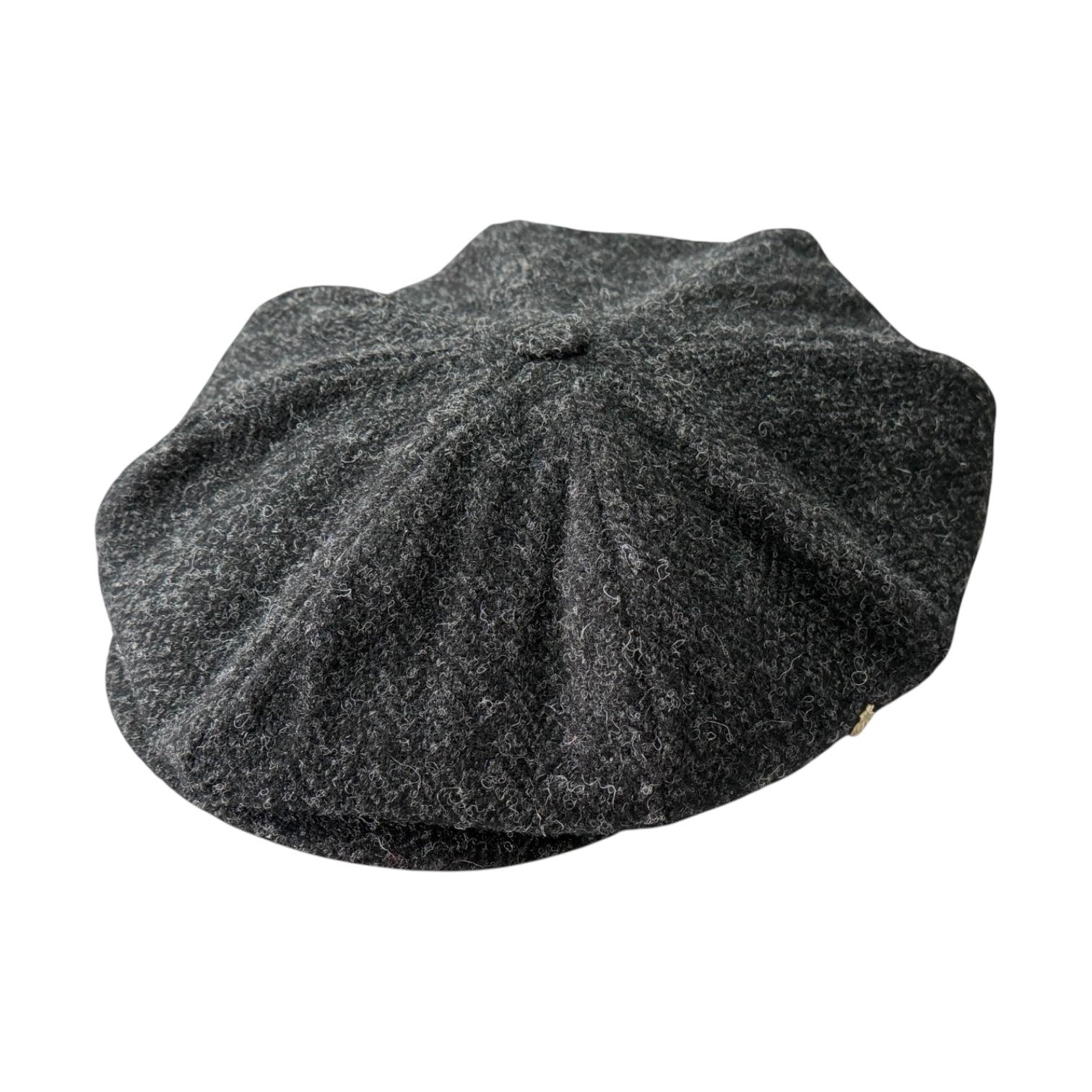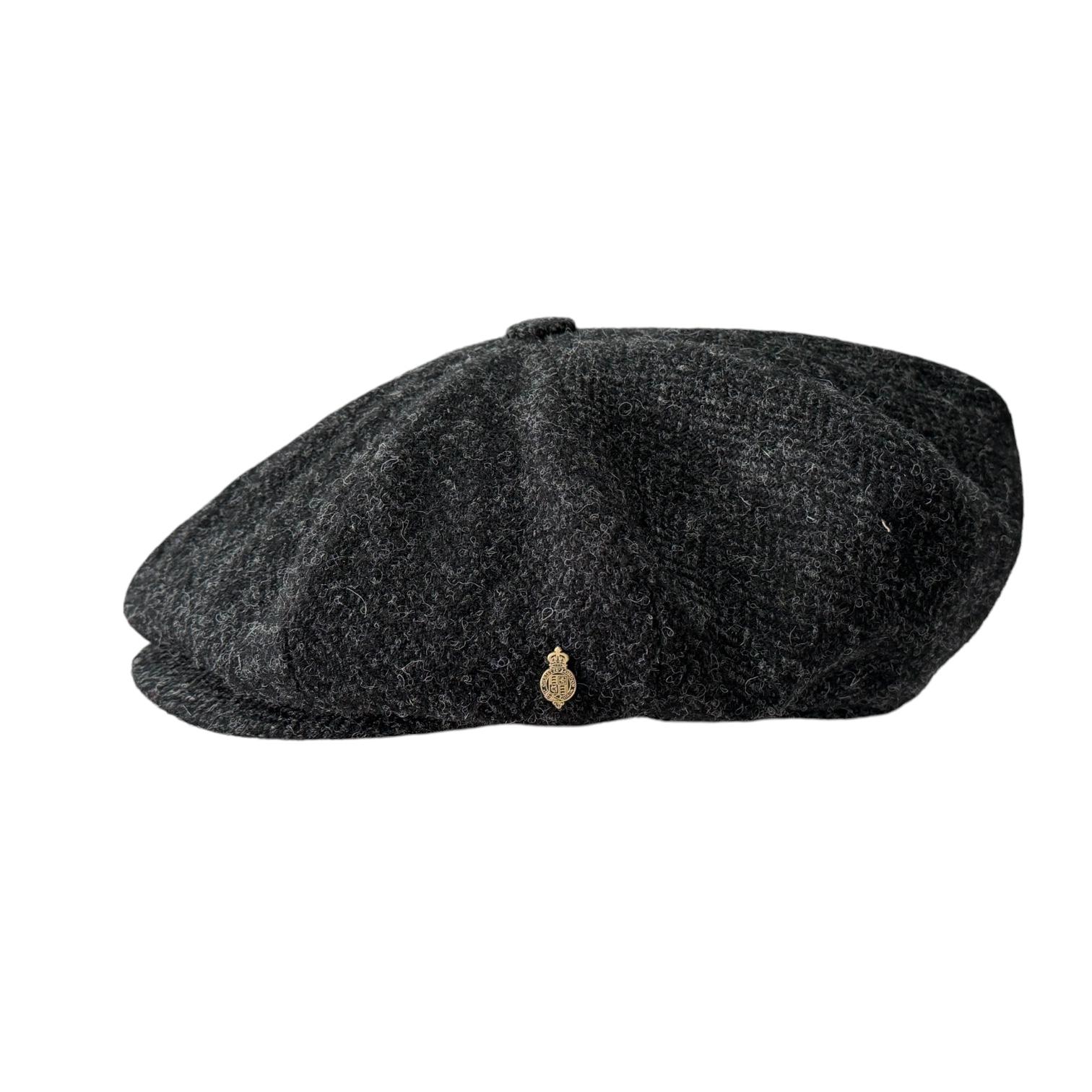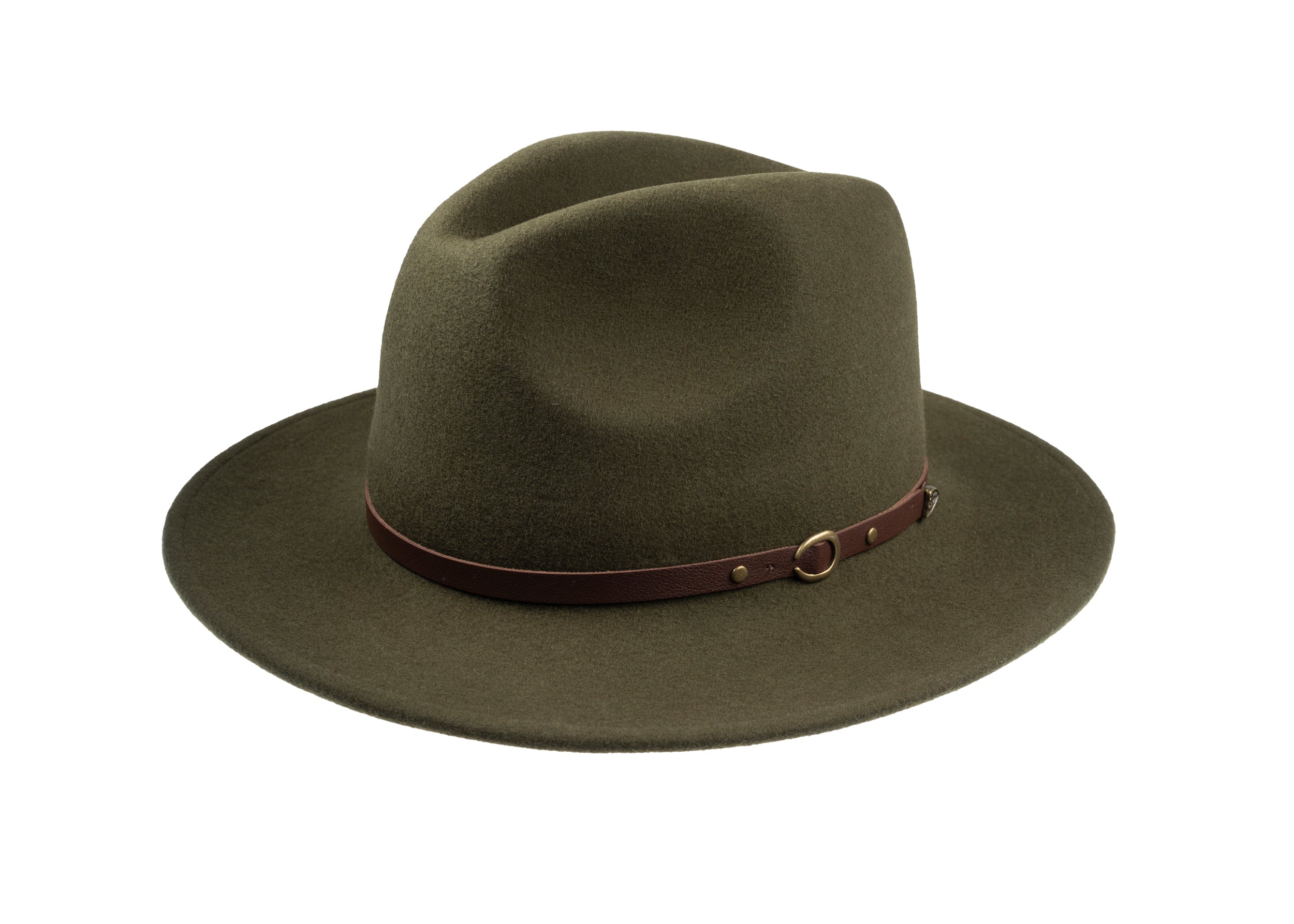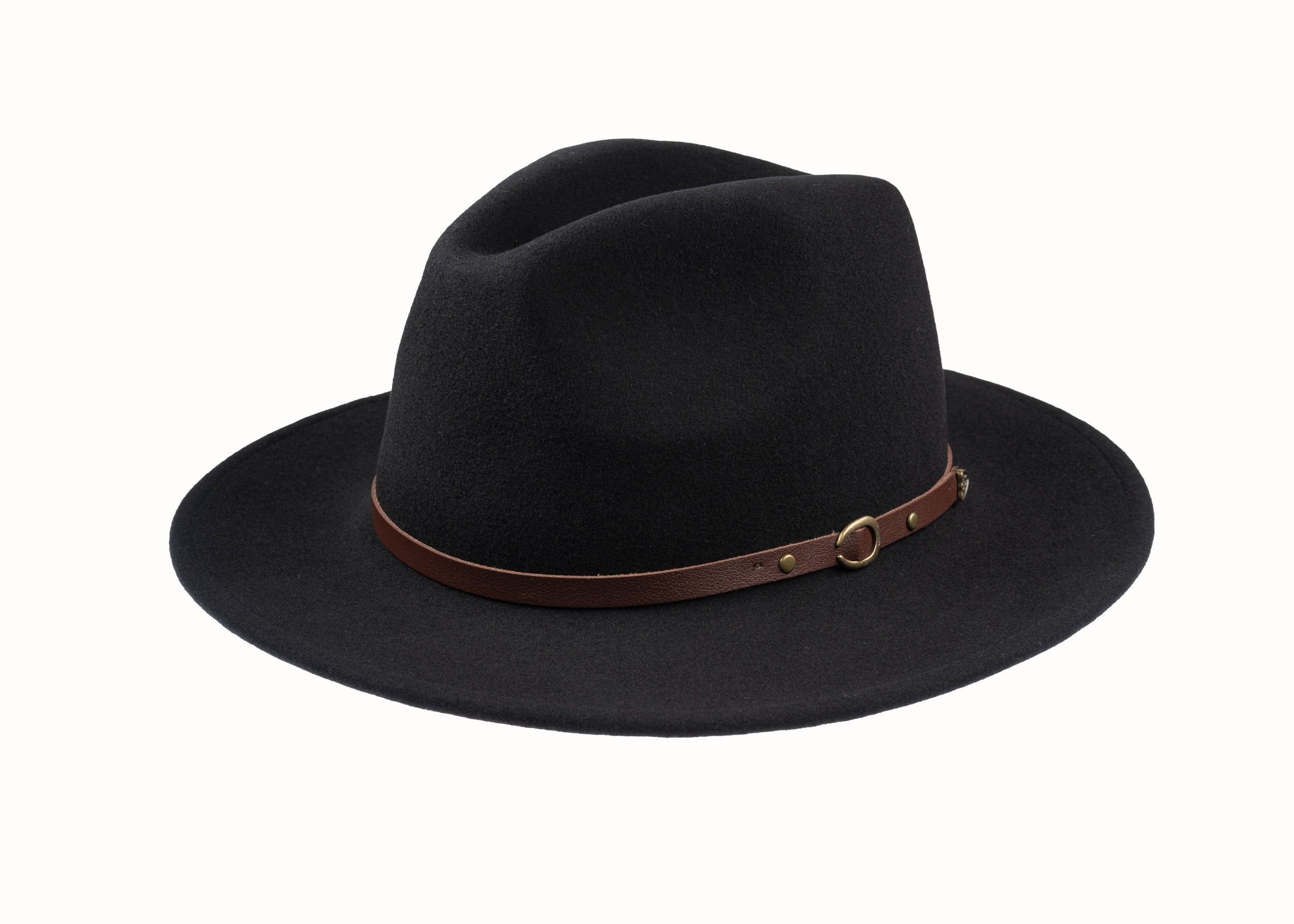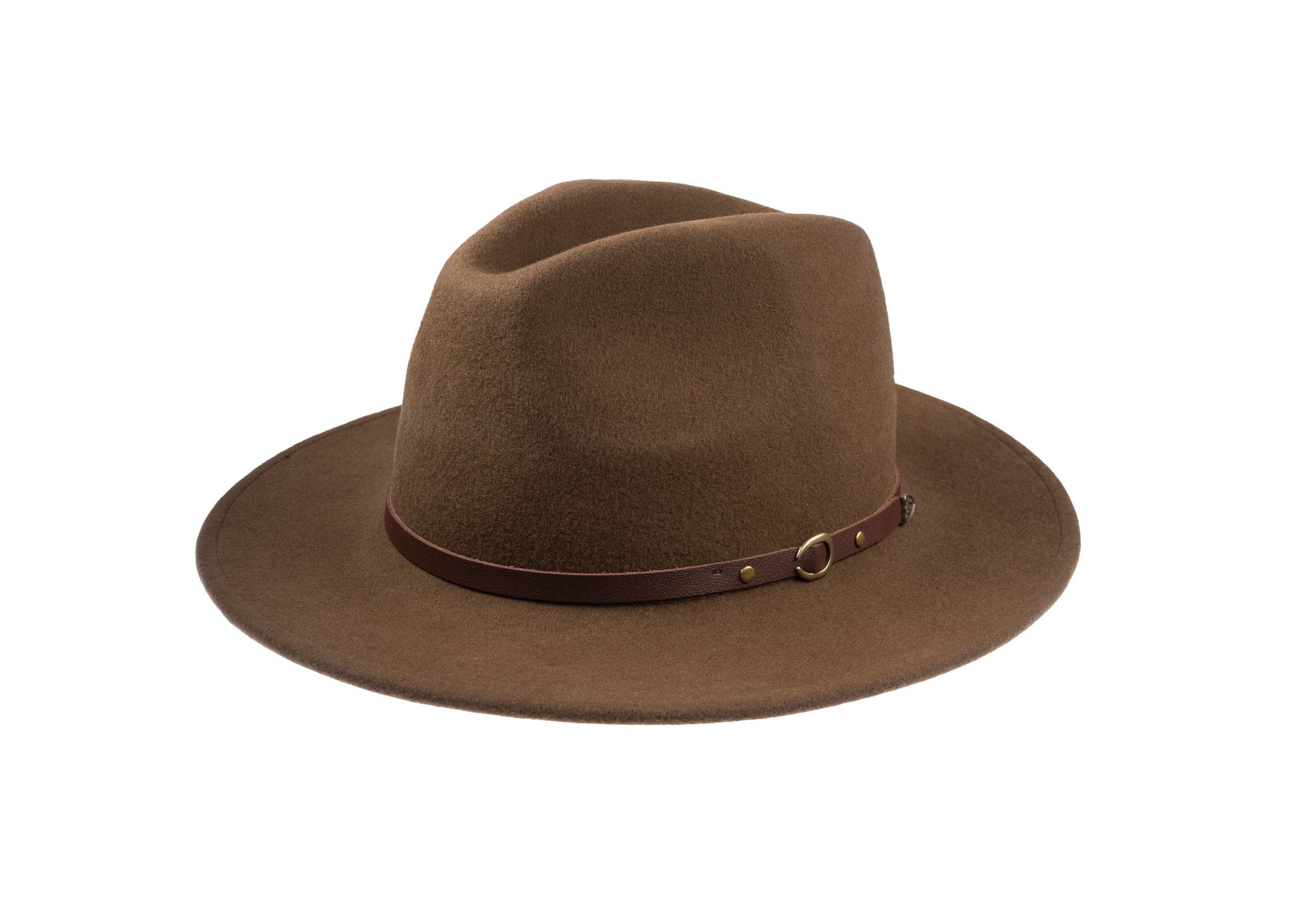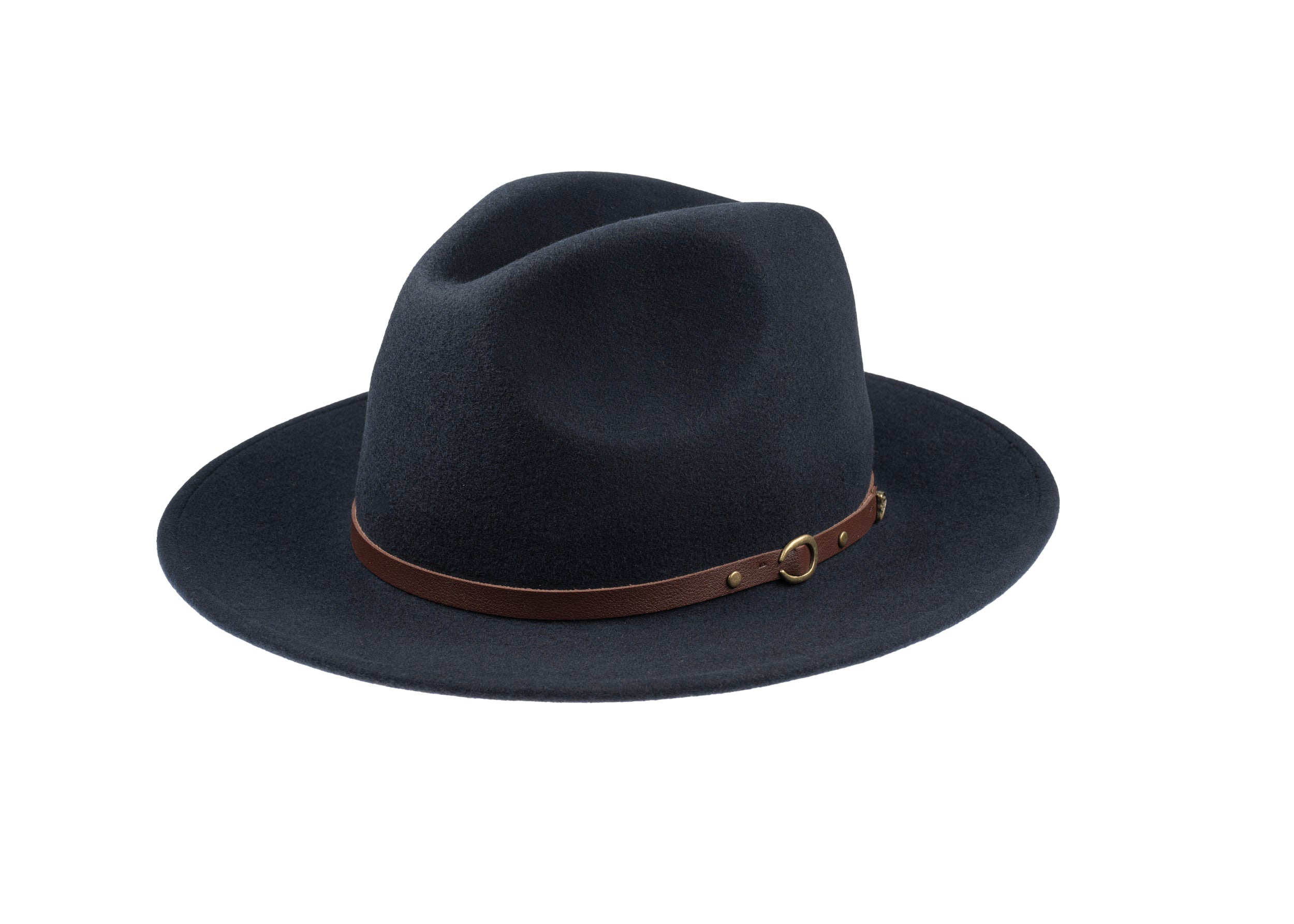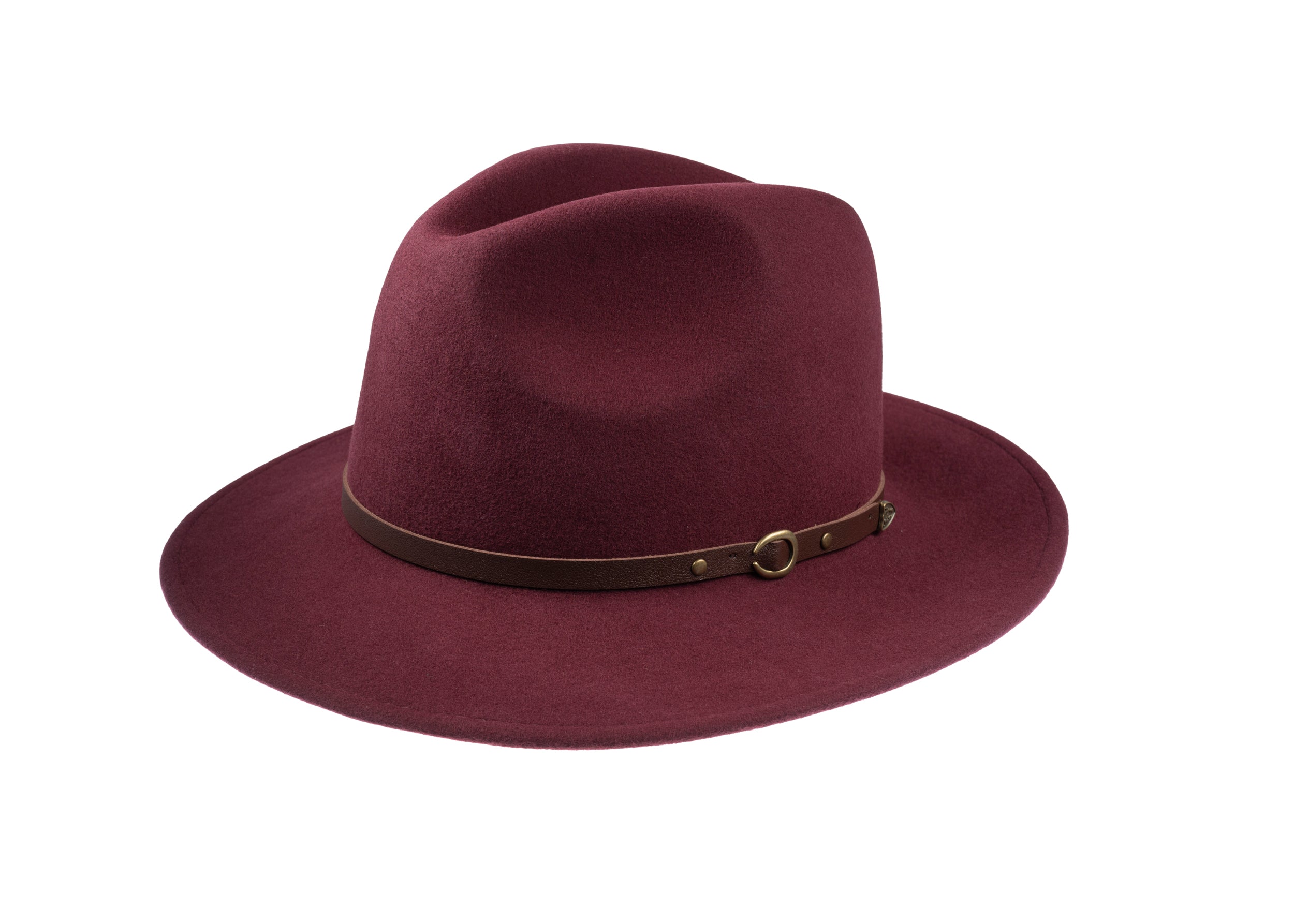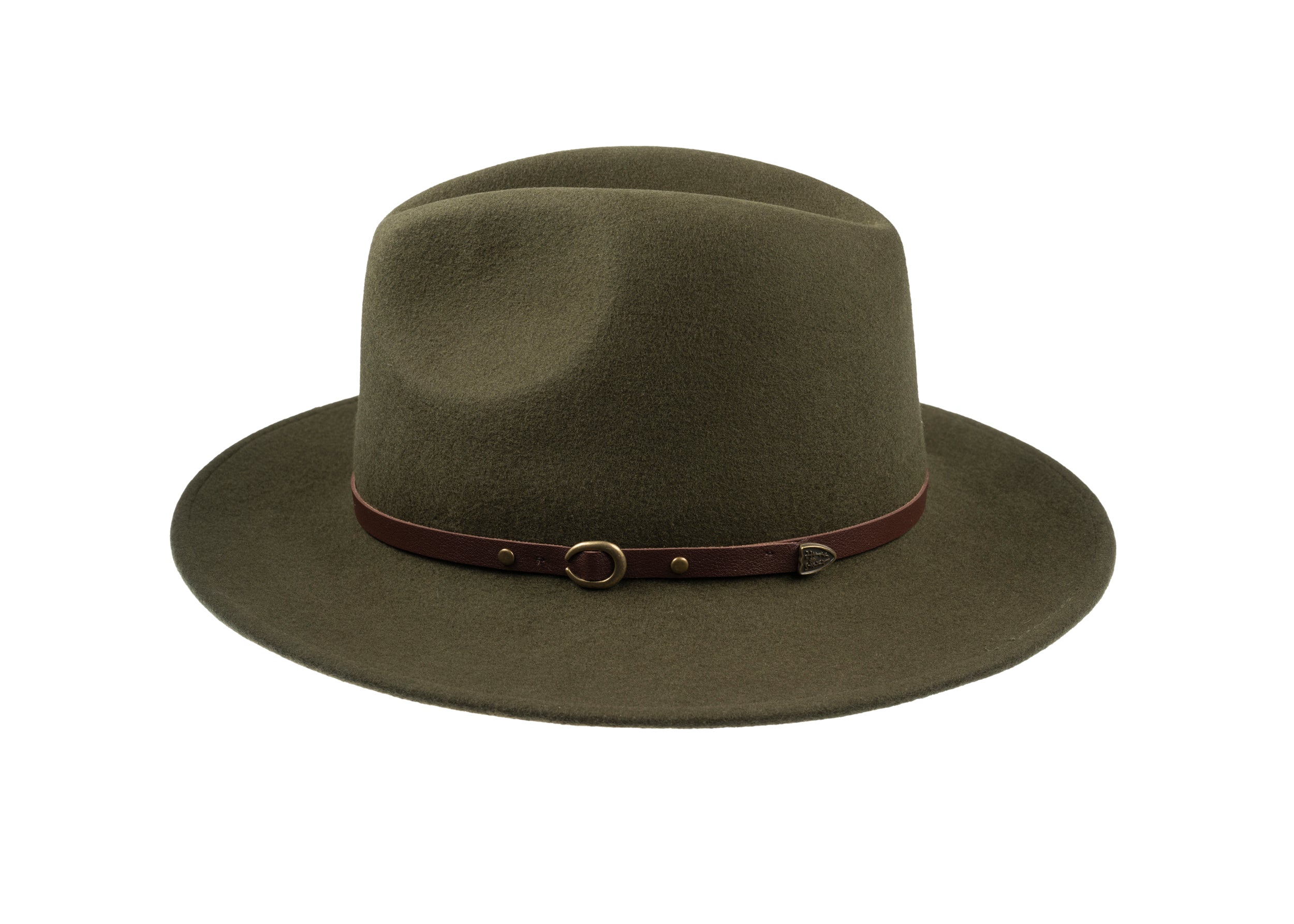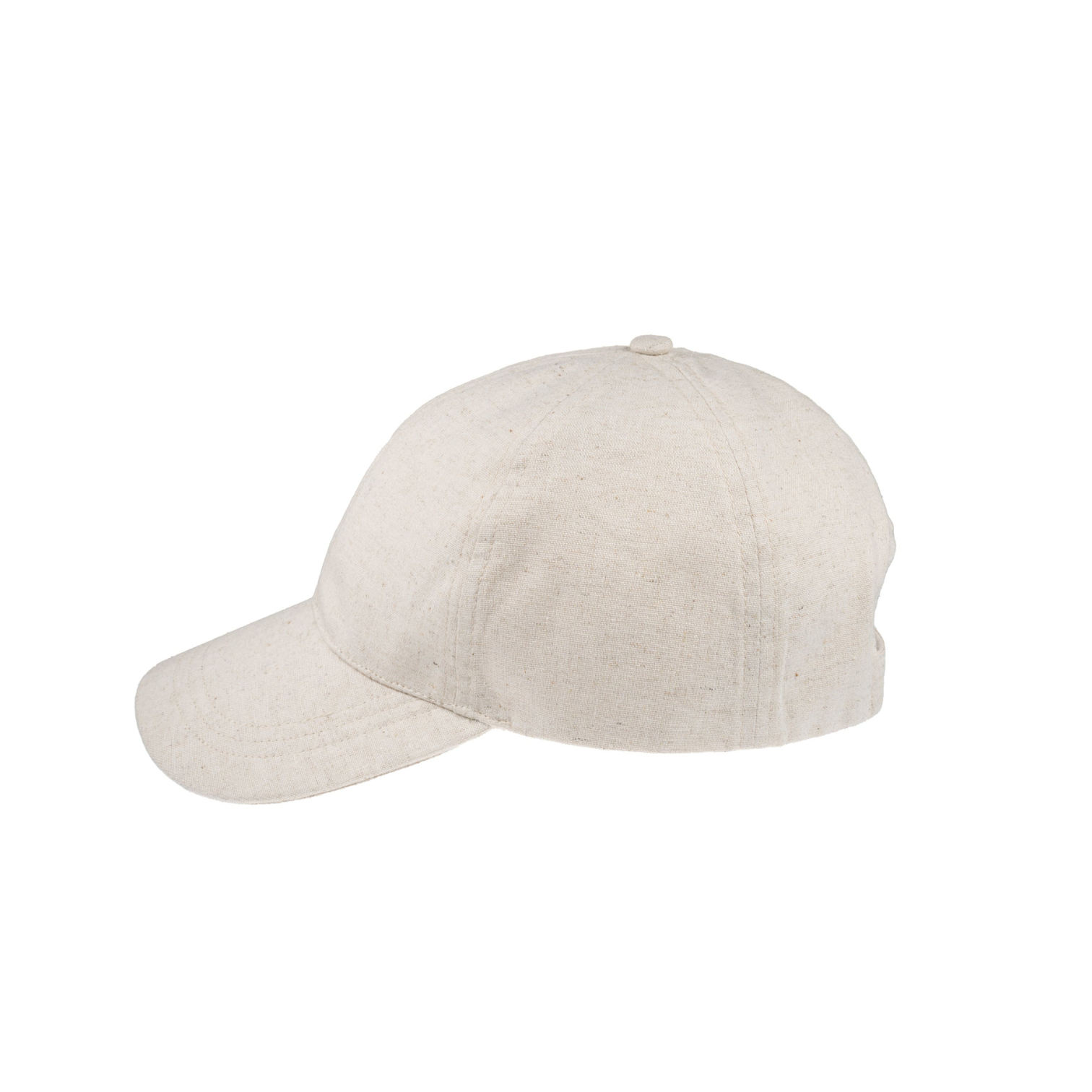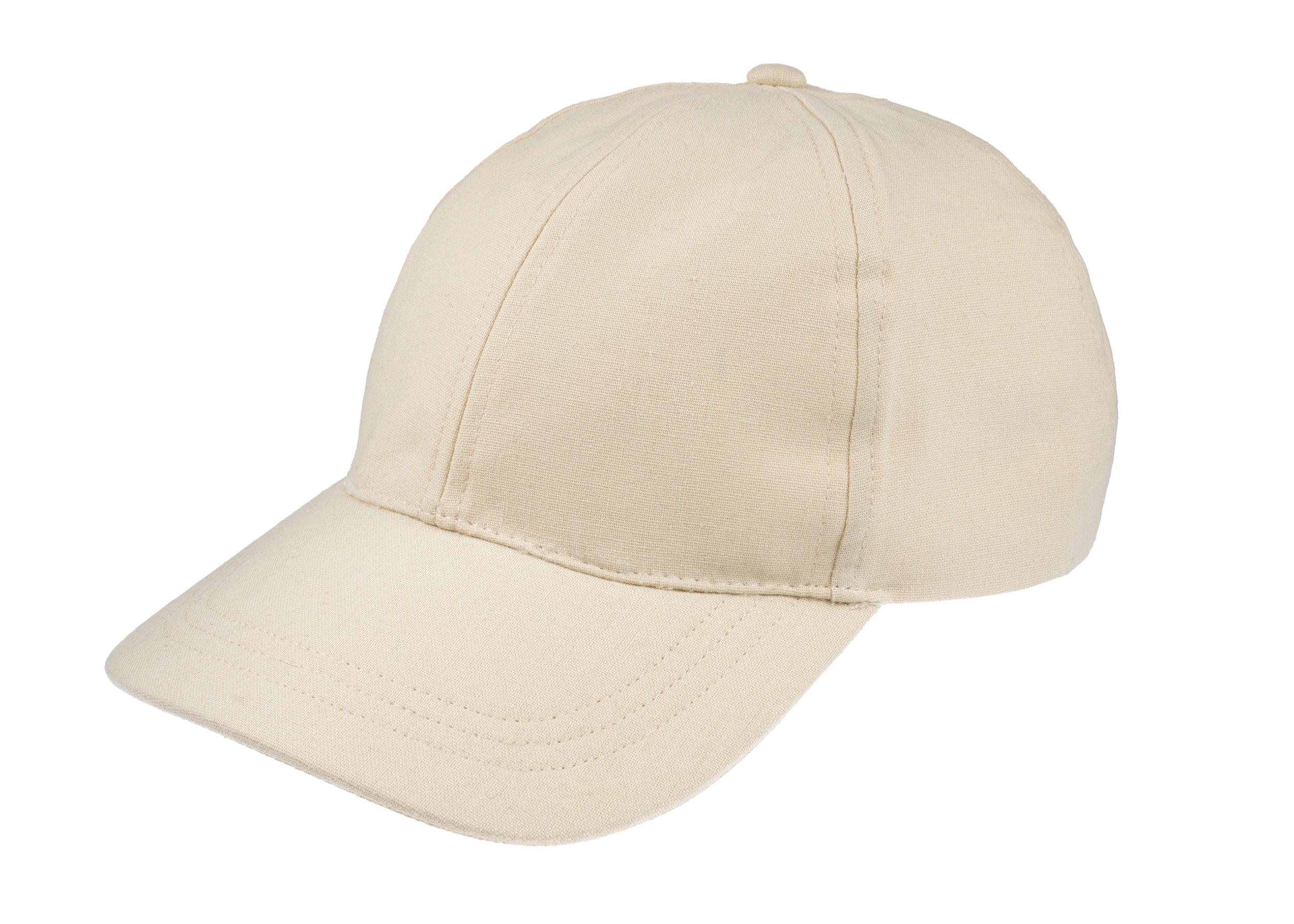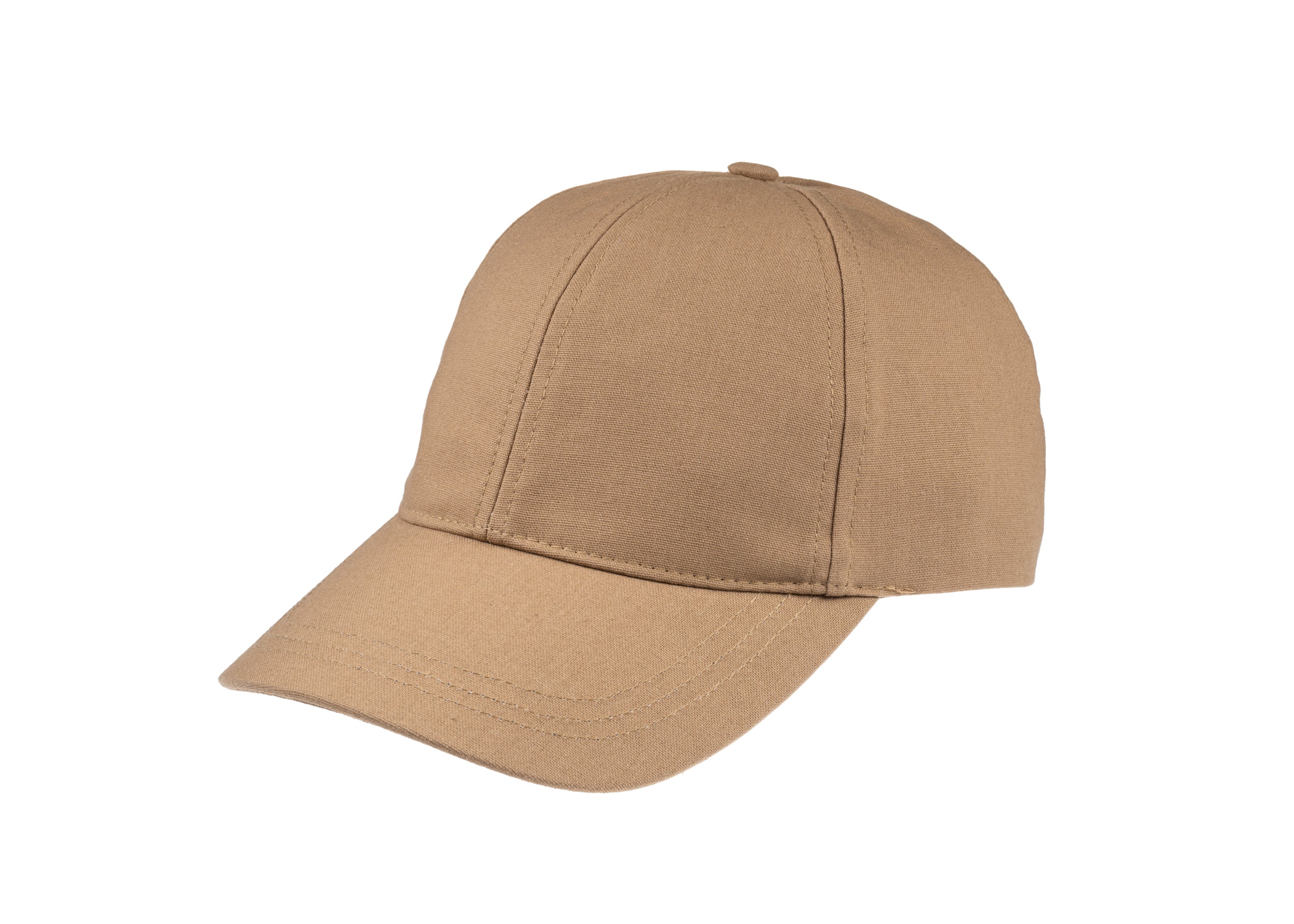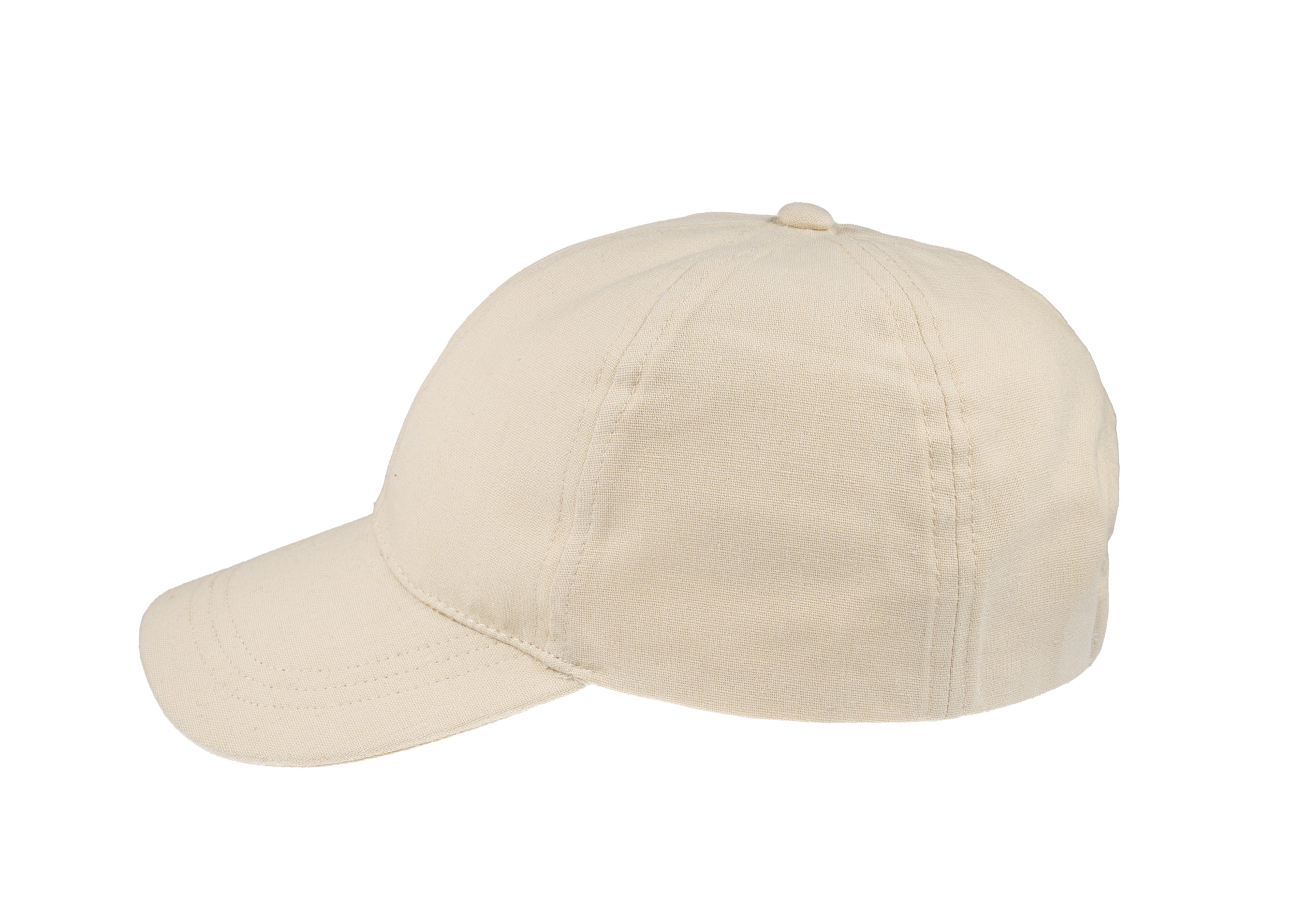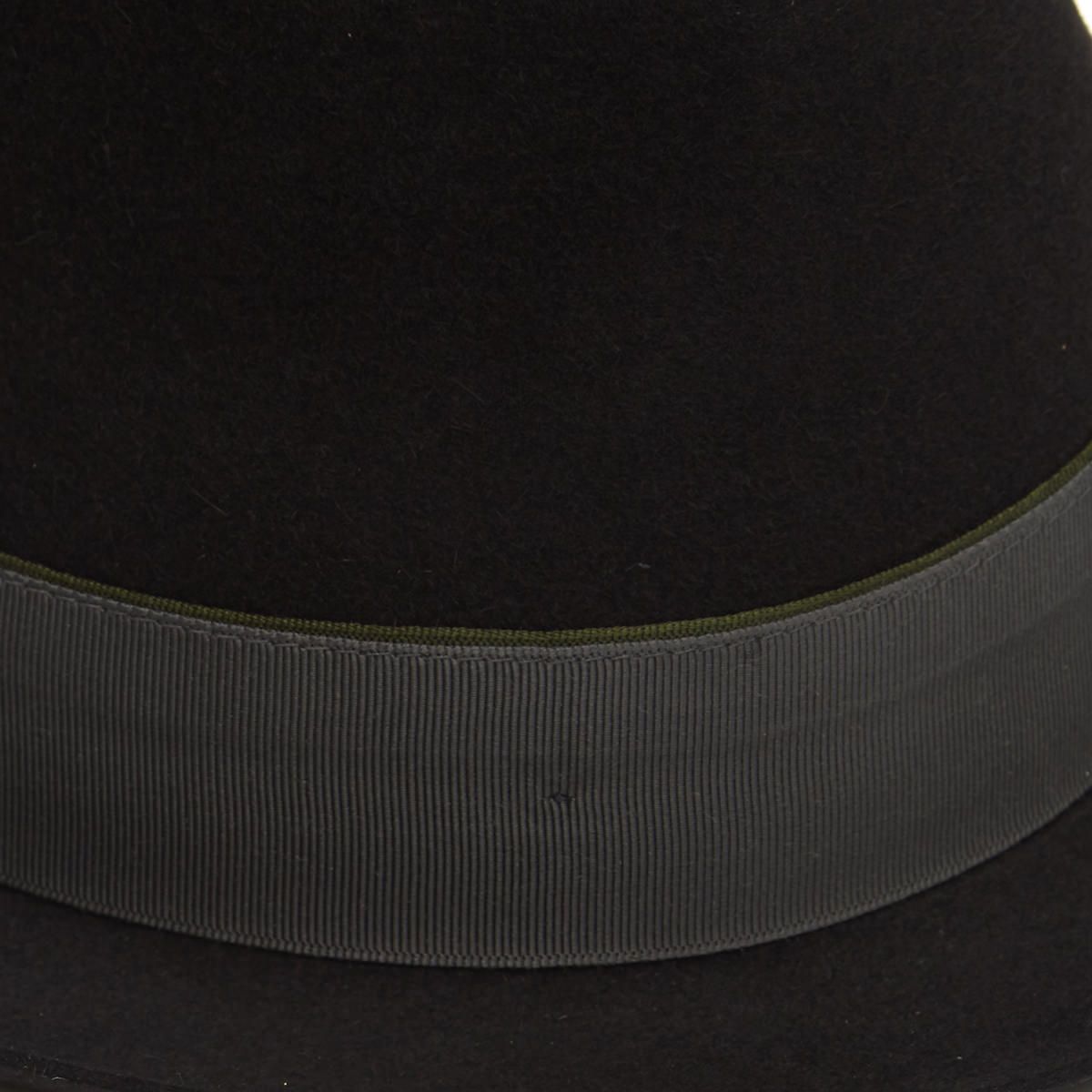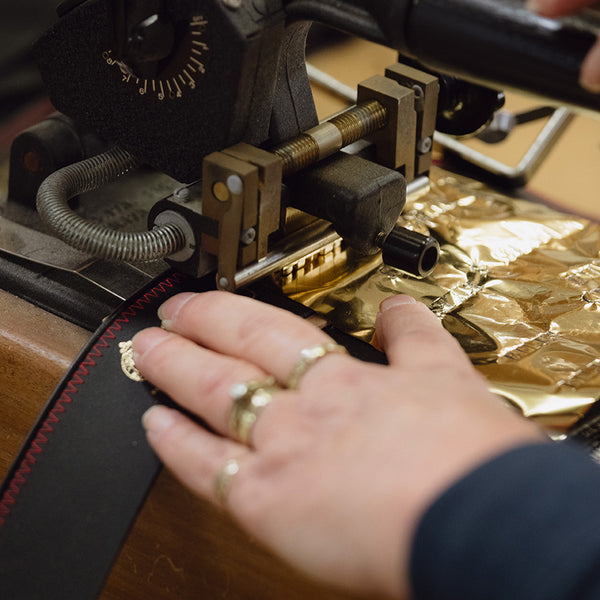





Why does one cloth drape cleanly over a cap while another sags or feels stiff? Small choices in fibre and construction, such as fibre content, weave, and interlining, determine drape, resilience, and how the material performs in daily wear.
This post outlines three practical levers: fibre selection, weave and yarn balance, and shaping and finishing. Together they help you anticipate and manage a cap's fit and longevity. It explains how fibre traits, including crimp and staple length, determine body, and how weave density and finishing impart resilience, enabling confident selection of cloth.

1. Select fibres with natural drape and enduring resilience
Silk, wool, linen, cotton and modern synthetics each produce a distinct drape and resilience. Worsted-spun wool yields a structured, long-lasting cloth; woollen-spun cloth gives a softer, fuller drape; silk offers a fluid finish for eveningwear; linen breathes and softens with wear for more relaxed garments. Performance can be anticipated from measurable attributes such as staple length, fibre diameter (micron), crimp, and tensile strength. Longer staple and finer micron smooth the surface and reduce pilling, while greater crimp supplies spring and recovery. When you need cloth to hold its shape, ask for staple and micron figures, and favour longer staple and higher crimp.
Beyond fibre choice, small proportions of silk or synthetic fibres change a cloth's handle and lustre. A modest addition of nylon or polyester increases abrasion and seam strength while preserving natural drape. For travel garments, favour blended constructions for resilience, and add silk where you want a more fluid fall. Alongside fibre selection, weave and finish determine final behaviour. Plain weaves sit light, twills bring diagonal weight and shape, and tightly woven gabardines give body. Finishes alter handle and dimensional stability: mercerisation raises lustre and strength, calendering flattens and smooths the surface, and sanforisation reduces shrinkage. Do not rely on fibre content alone; examine finished samples. Simple, in-person checks are revealing: hang a cut rectangle to judge fold depth and recovery, pinch a fold to test its spring, and rub a hidden area to assess pilling tendency. Preserve performance by steaming rather than over-pressing, avoiding tumble drying, storing on broad hangers, and rotating wear when travelling or using country cloth.

2. Balance weave and yarn to refine drape and durability
Select the weave to suit the intended use. Plain weaves pack yarns closely, so they retain shape and resist abrasion but sit stiffer on the body. Twills, with their diagonal floats, soften the handle and disguise wear. Satins produce fluid drape and lustre, at the cost of greater snag risk. Assess these trade-offs with simple tests: fold a sample to judge pliability, give it a light rub for surface durability, and compare several samples rather than relying solely on technical sheets. Yarn count and staple length further tune a fabric’s behaviour: finer counts bend readily for elegant drape, thicker yarns add body and abrasion resistance, and long-staple or continuous-filament fibres deliver the strength and smoothness required where durability matters.
Control yarn twist and ply to balance handle and longevity. High-twist yarns produce a crisper hand, greater resilience, and reduced pilling; low-twist yarns feel softer but pill and shed more readily. Multi-ply constructions increase tensile strength with less stiffening than a single, coarser ply, so ask for wear samples to observe pilling and recovery in real use. Introducing a synthetic filament, or a stronger natural fibre, will markedly improve tensile strength and crease recovery. Finishing choices such as mercerisation, heat setting, and enzymatic washes fine-tune lustre, shrinkage stability, and surface smoothness. Finally, adjust ends and picks per centimetre and the warp to weft balance to set the compromise between stability and fluidity: higher density improves abrasion resistance and dimensional stability, but reduces drape, while biasing one direction with coarser yarns creates a directional fall useful in skirts and soft jackets. Iterate with swatches and small runs until the behaviour matches your intent.

3. Block and hand-finish cloth to ensure cap fit and longevity
Block and set a cap on a form: dampen or gently steam the piece, stretch it to the pattern, and secure the edges with pins or clips. Always test a scrap first to determine likely shrinkage and the finished head circumference, then cut the main panels to that measurement. Allow the blocked cap to dry thoroughly; as the fibres relax into their new shape, the drape becomes more consistent and the risk of future distortion is reduced.
In addition to blocking, underlining and interlining alter a cap's structure. Lightweight cotton cambric provides subtle support; a stiffer canvas produces a more pronounced shape and protects the seams. Finish processes change how a fabric behaves: fulling compacts wool to increase density and abrasion resistance, mercerisation strengthens cotton and produces a finer sheen, and heat-setting stabilises the memory of synthetics. Try swatches to observe the altered hand and behaviour before committing to a construction. Reinforce stress points with stay tape, bound or felled seams, and topstitching at the brim, and use a shaped sweatband to move wear away from the cloth. Reshape a cap while it is slightly damp or with gentle steam, dry it on a form, and store it on a hat stand or in a breathable box. Brush nap fabrics regularly, and repair loose stitching promptly to prolong fit without sacrificing breathability.
Cloth behaviour, how a fabric drapes, recovers, and wears, stems from three interdependent factors: fibre and staple characteristics, yarn and weave geometry, and the shaping and finishing it receives. You can forecast performance from measurable attributes such as staple length, crimp, fibre diameter in microns, yarn twist, and weave density, and then confirm those forecasts with finished swatches and straightforward hang, fold, and rub tests.
Put those measurements into practice by blocking a mock cap, selecting an appropriate underlining, and reinforcing stress points to turn measurements into a reliable fit and prolonged service. Begin with fabric swatches and a blocked prototype; observe how each adjustment alters fall and recovery, and iterate until the sample demonstrates the behaviour you require.