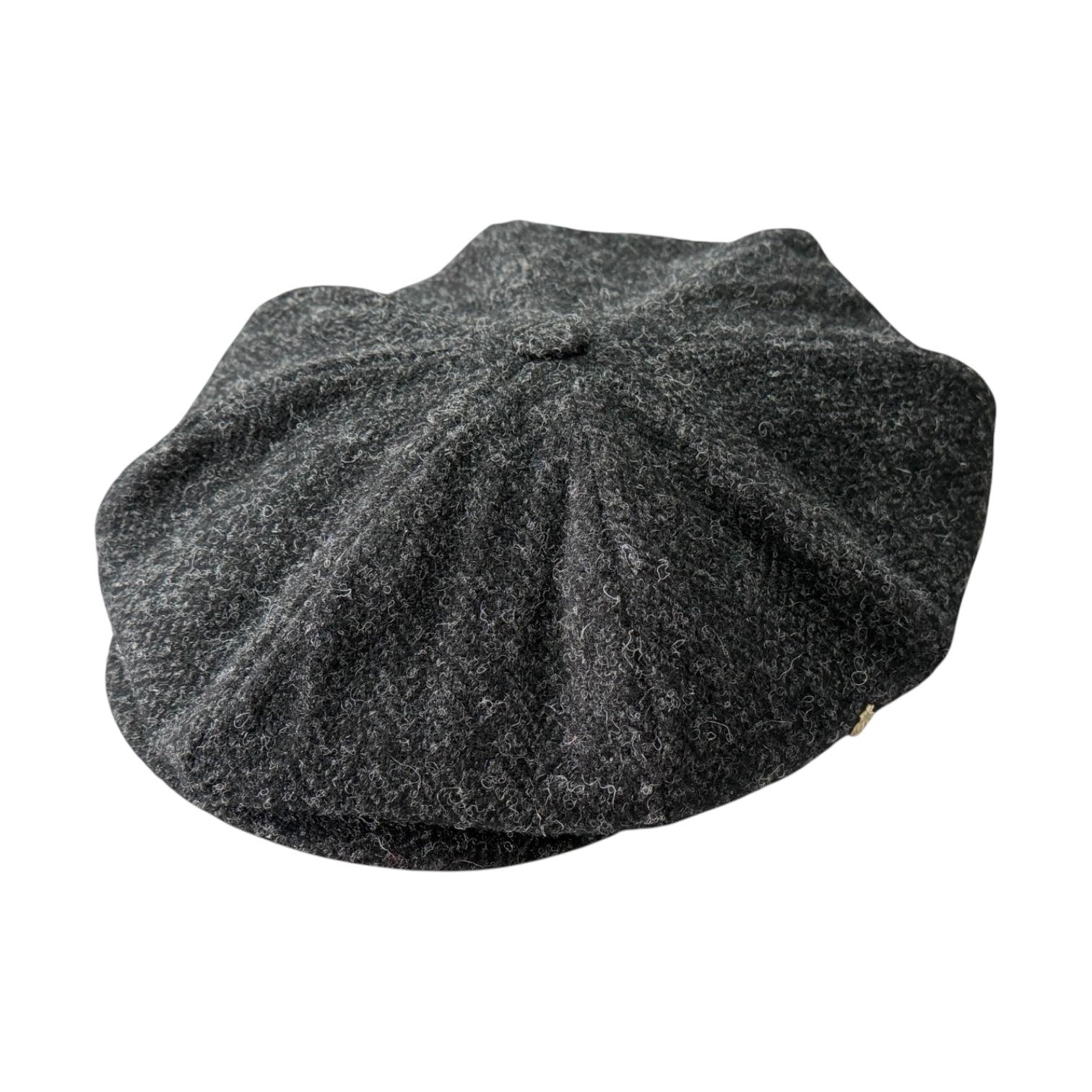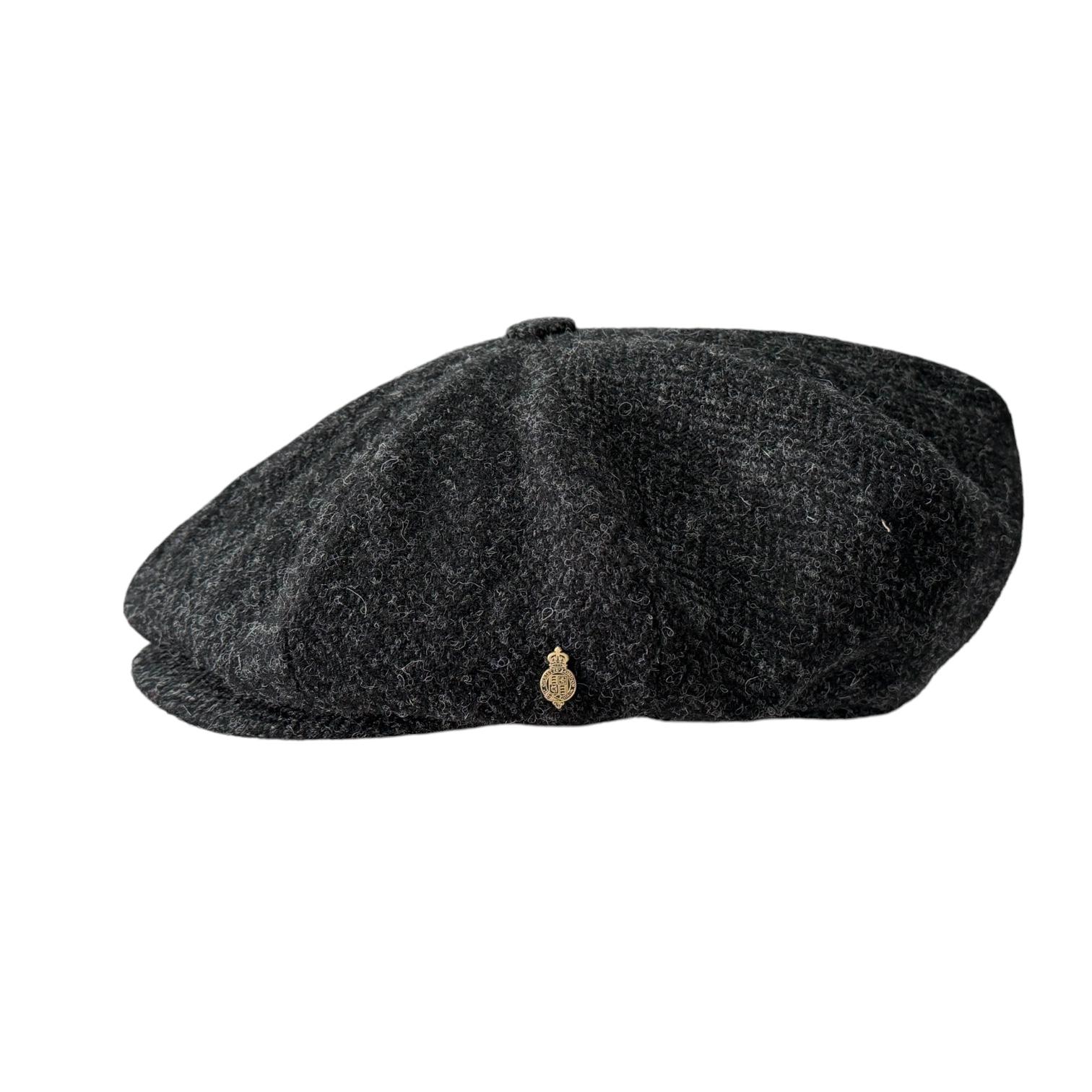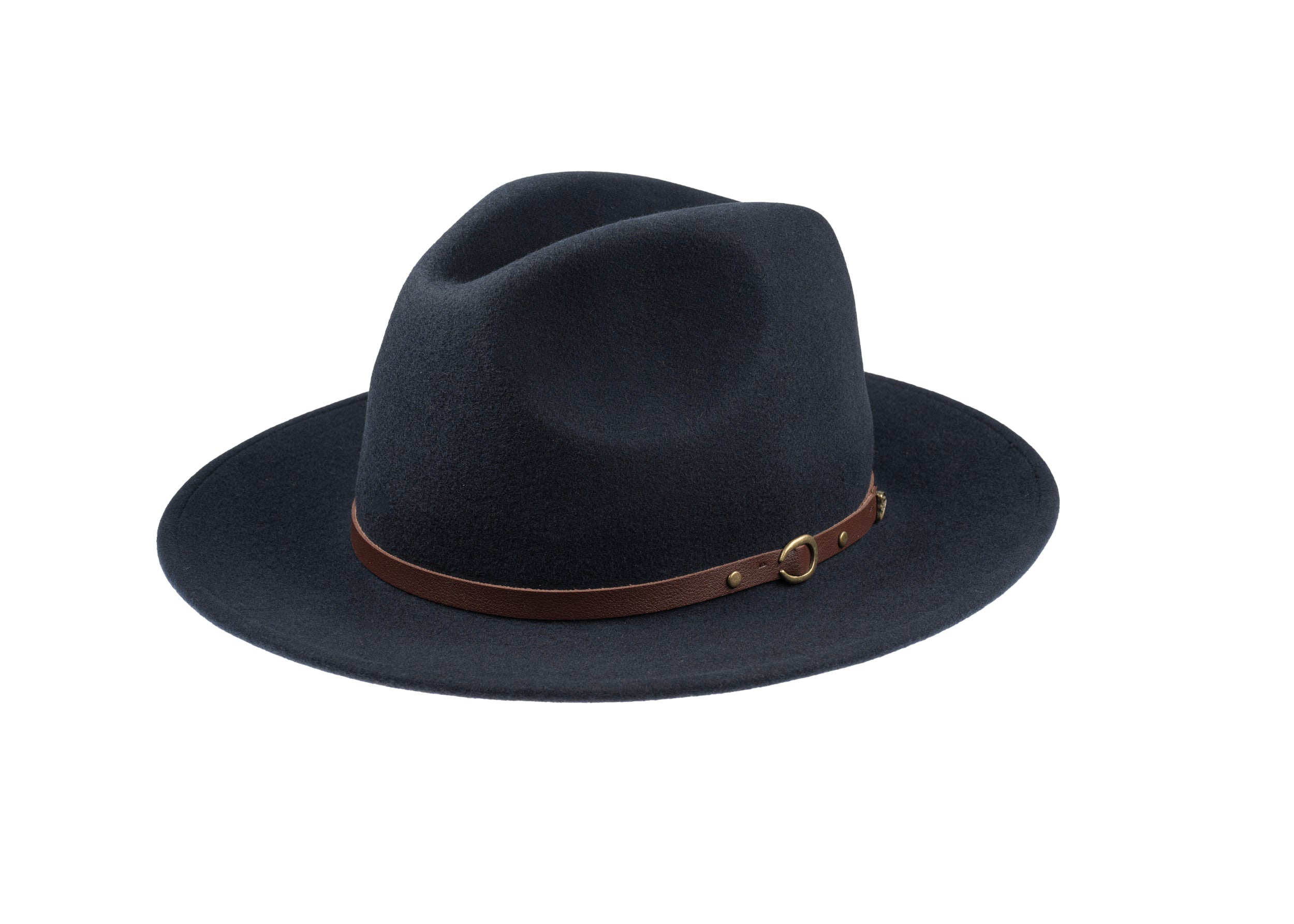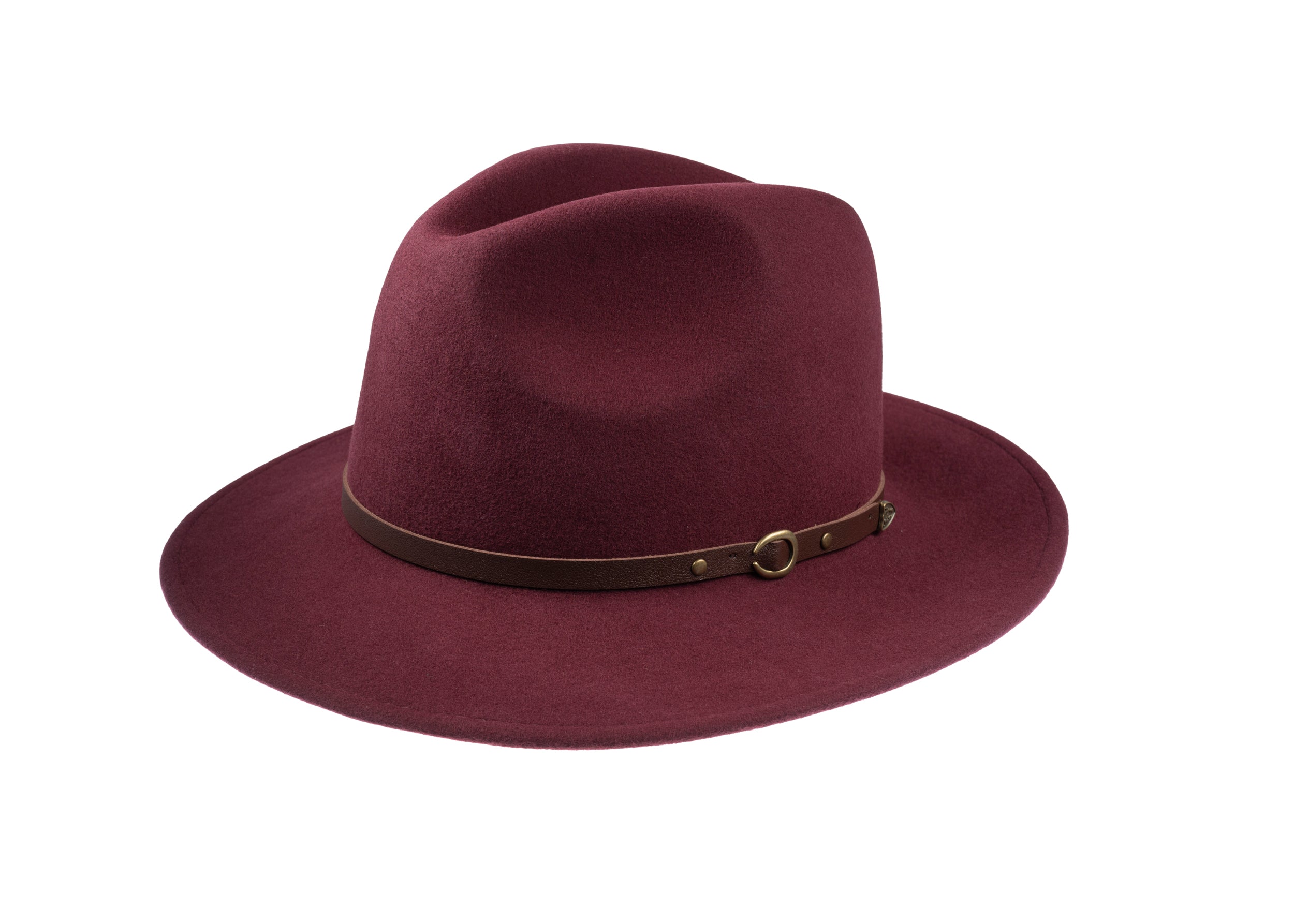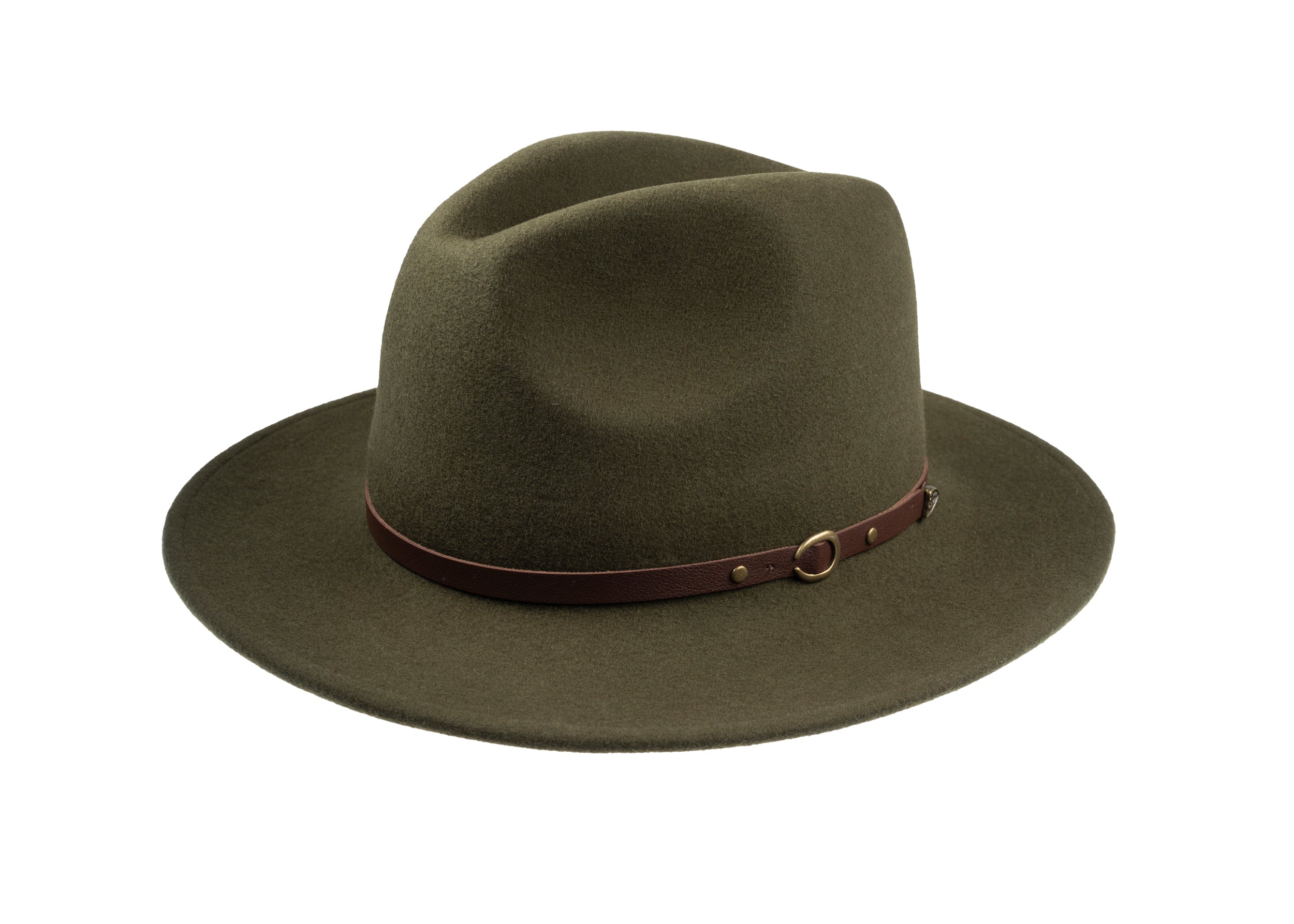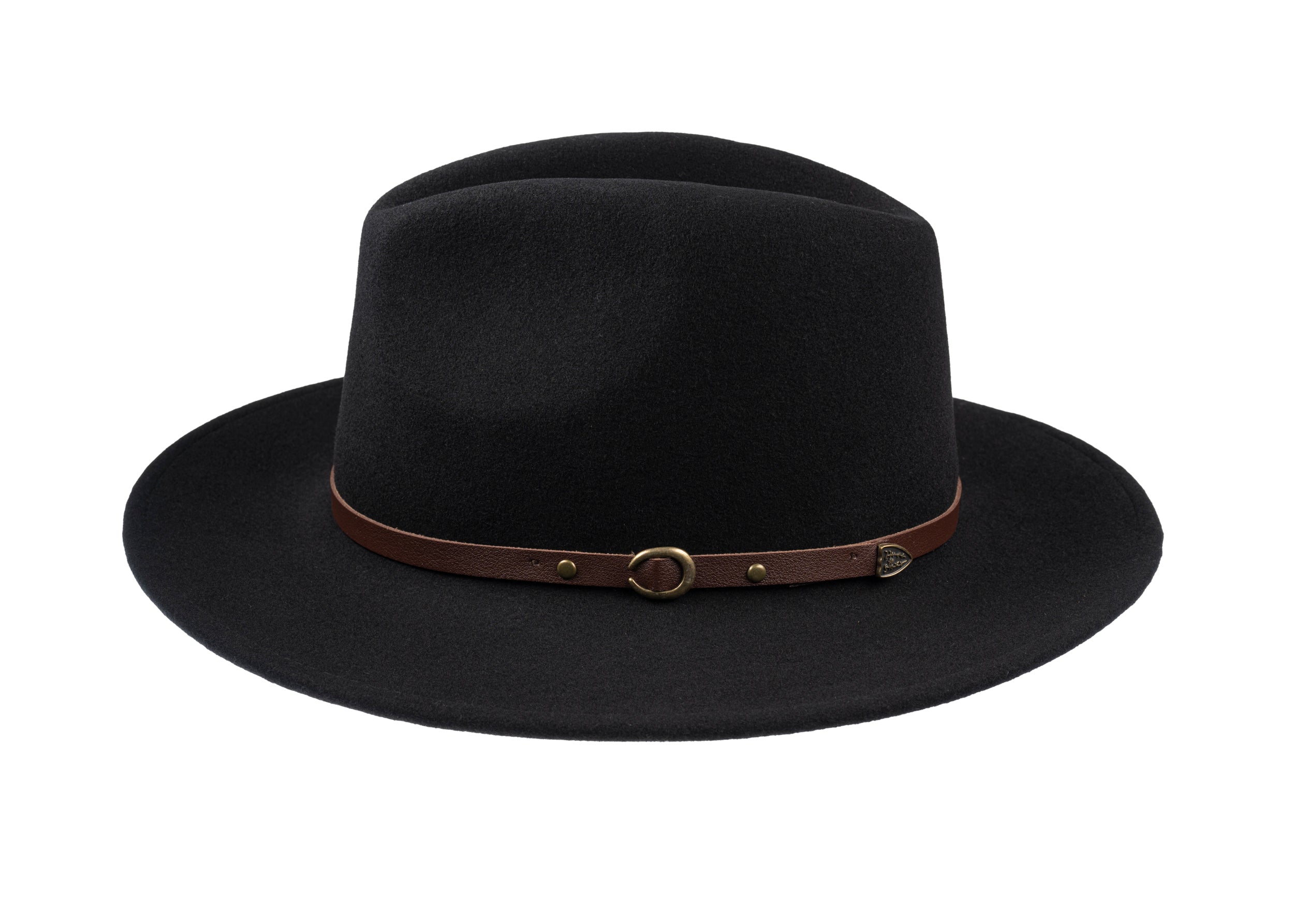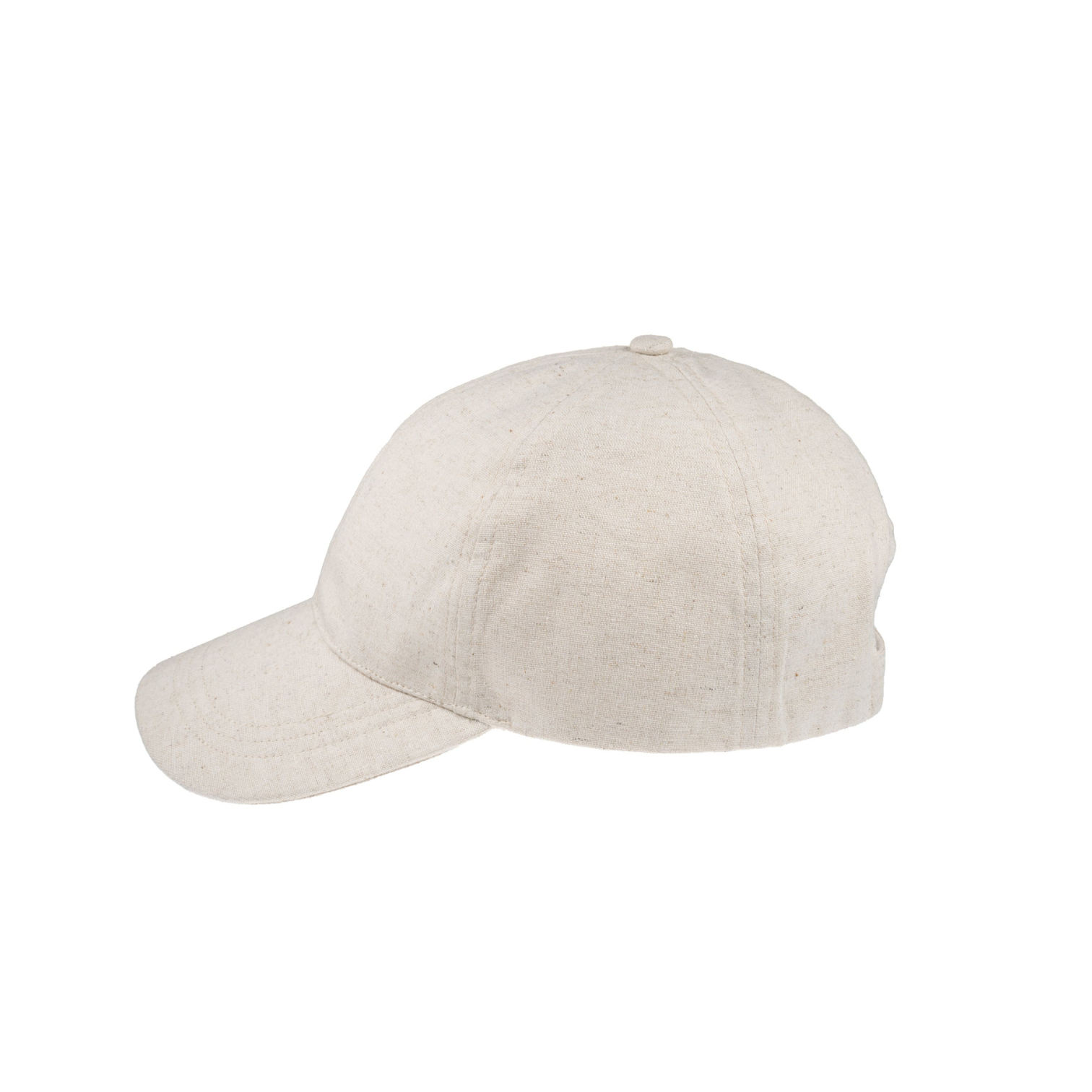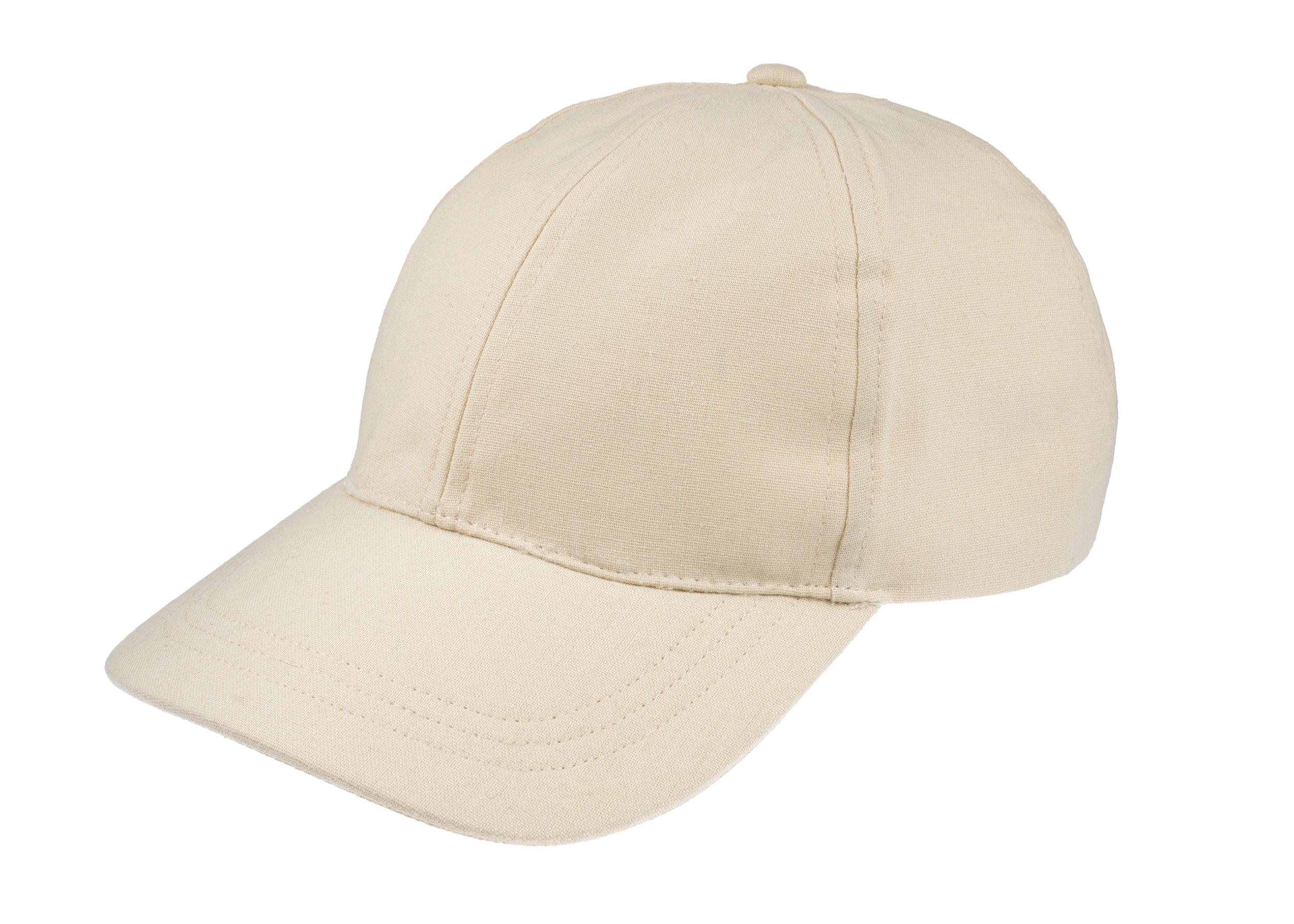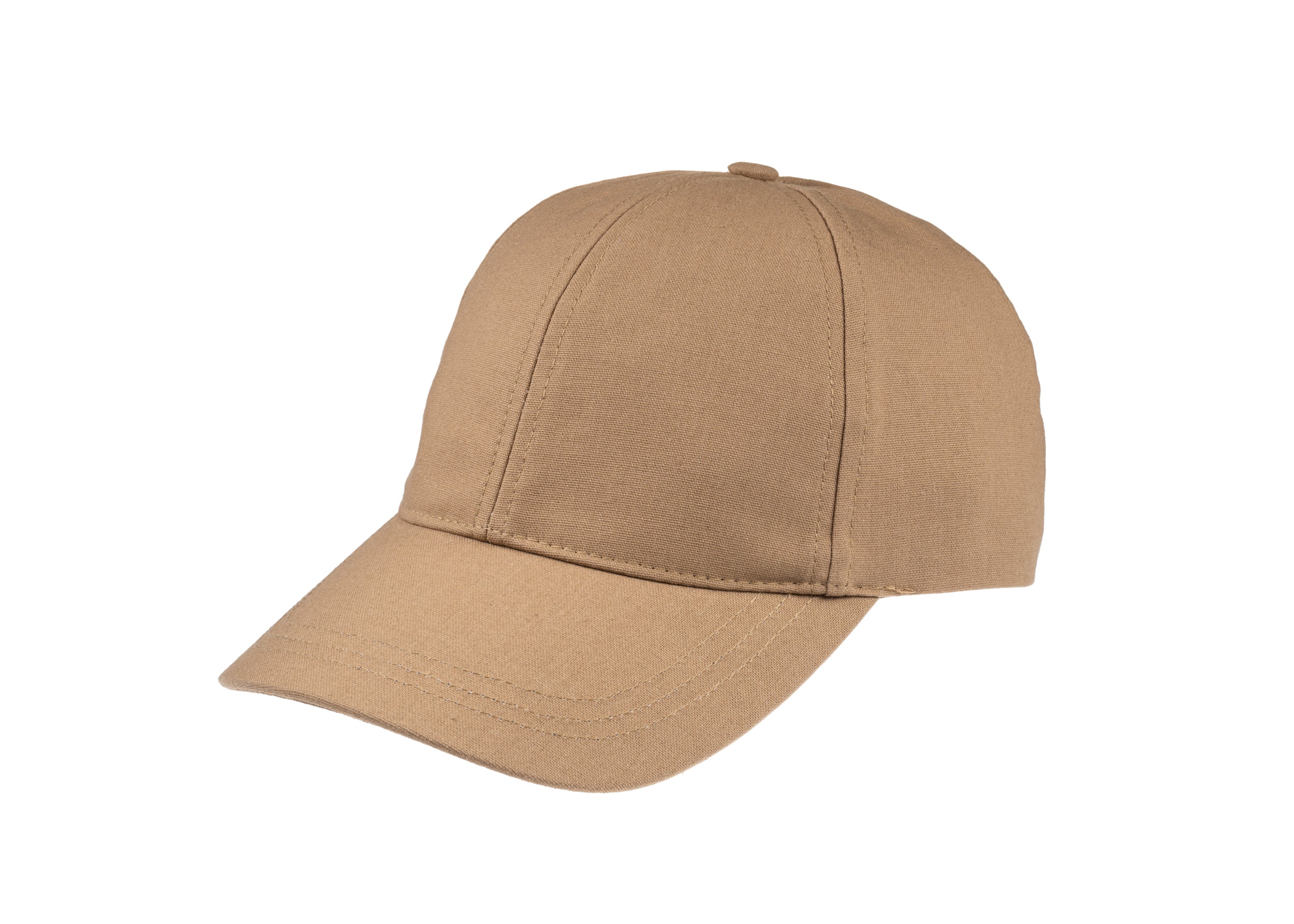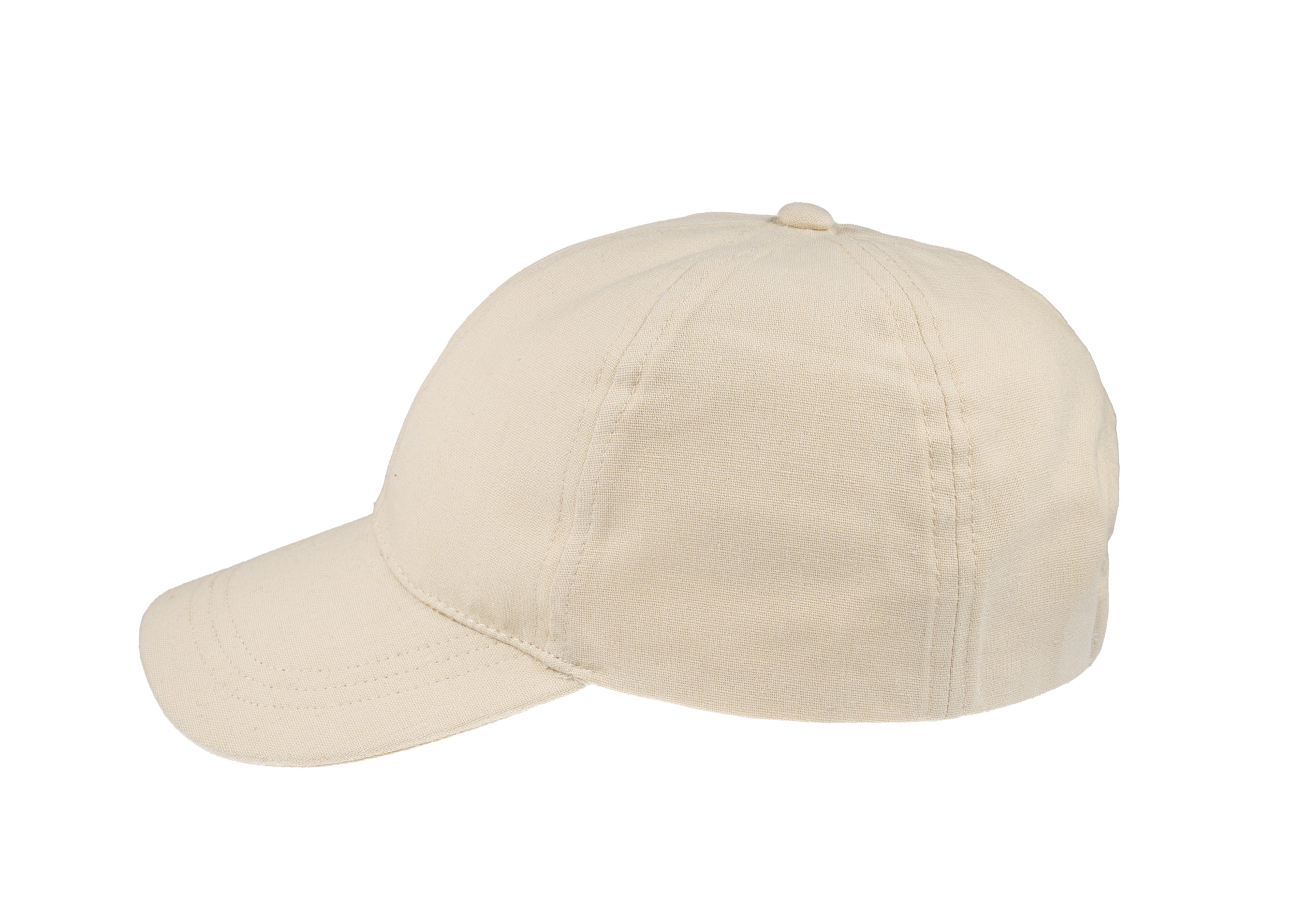




A cap's quality becomes apparent within moments of handling: the hand, the spring of the crown, and the fall of the brim. Fibre content, weave, and cloth weight underpin those first impressions and govern shape retention, abrasion resistance, and longevity.
Below we explain which fibres best retain their structure, how particular weaves and felting techniques stabilise the cloth's shape, and why specified fabric weights and practical tests matter. With that understanding, you can assess cap cloth objectively, specify reliable materials, and prolong a cap's working life.

How to choose fibres that preserve shape and resist wear
Choose long-staple wool, worsted-spun yarns, or tightly twisted blends in which the fibres lock together to resist pilling, stretch, and abrasion. Favour fabrics with a majority natural-fibre content and a modest synthetic component to aid memory and crease resistance. For construction, twill and gabardine weaves pack yarns tightly and channel stress along diagonal lines, which slows surface wear, while plain weaves drape more freely but abrade faster. Inspect cloth visually and by touch: a dense, smooth face with clear directional lines usually signals durable construction. Match weight to use; heavier cloth withstands knocks and holds a crisper profile at the expense of ventilation, lighter cloth breathes and folds, and a midweight offers a pragmatic balance for everyday caps. These are the details that reward closer inspection.
Mechanical finishes such as fulling and milling condense wool fibres, increasing density and improving water resistance. Gentle brushing restores the nap and lifts surface dirt; these reversible treatments help preserve breathability, whereas heavy chemical coatings reduce it and often age unevenly. Careful construction, with quality interfacing, reinforced crowns, and neat edge binding, distributes load and prevents seam failure, so two caps of identical fibre and weave will endure far longer when well made. Maintain cap cloth by brushing regularly, airing, and storing on a form or under a breathable cover. When the shape falters, choose gentle professional reblocking rather than aggressive cleaning.
Choose a wool-linen cap for cooler summer breathability.

How weave and felting stabilise a fabric's structure
Long-staple, worsted-spun wool offers fewer loose ends, greater tensile strength, and a smoother surface that resists pilling and abrasion. Introducing a small proportion of synthetic filament improves tear resistance and dimensional stability, whereas a high cotton content tends to reduce resilience. For cap cloth, prioritise twill or serge where abrasion resistance and drape matter, and avoid open weaves such as hopsack on high-wear panels, since plain weaves favour stiffness over durability. Increasing stitch density and yarn count spreads load across more fibres, so tighter constructions distribute stress and extend wear life.
Controlled felting and milling collapse the scales on animal fibres and bind those fibres together. This hardens the surface and reduces snagging, but excessive milling strips loft and can leave the cloth brittle. Aim for enough felting to stabilise the weave while retaining some fibre mobility. Choose cloth weight to suit use. For frequent outdoor wear, select a heavier cloth: a higher number of grams per square metre increases abrasion resistance, though it will reduce breathability and drape. For a refined silhouette, prefer lighter worsted constructions to keep the lines neat while balancing comfort and longevity. Lock the structure by combining a tight weave with a light milling and a short, dense lining to reduce internal friction. Reinforce stress points with stay-tapes or facing, and finish edges cleanly to prevent ravel. Adopt simple maintenance habits, such as periodic brushing and airing, to preserve fibre alignment and delay premature breakdown.
Choose a tightly woven merino tweed for lasting shape.

Specifying weight and testing to ensure shape retention and longevity
For a structured, long-lasting cap cloth, favour a high wool content. Wool supplies natural crimp and elastic recovery. Supplement it with 10 to 30 per cent filament synthetics to increase tensile and abrasion resistance and to reduce permanent set. For summer styles, choose lightweight linen or cotton blended with a small proportion of synthetic fibre; this limits creasing while retaining breathability. Match cloth weight to construction. Lightweight, 180 to 240 g/m2, suits unlined summer caps and soft shapes. Midweight, 240 to 360 g/m2, works for everyday caps with moderate structure. Heavyweight, 360 to 520 g/m2, is appropriate for winter caps with heavily structured crowns that must hold a silhouette. Prefer closed twill or serge weaves for structured crowns. The diagonal of a twill packs yarns more densely, resists surface wear, and drapes cleanly. Plain or open weaves suit casual, breathable caps, but they will show abrasion and warp sooner.
Ask the mill or maker for measurable cues so you can compare cloth and construction objectively. Frame your questions around performance, not marketing terms, and request numerical results where possible. Useful items to request include: - Density and weave definition: picks per centimetre and a twill clarity rating. These figures show how tightly the cloth is woven and how crisply the twill reads, which affect drape and wear. - Surface durability: Martindale or Wyzenbeek abrasion counts. These tests report how many cycles of rubbing the fabric endures before showing wear; values in the many thousands indicate a cloth that will retain its finish under use. - Shape retention: cyclic flex test results, together with elastic recovery or permanent set after standard strain cycles. Low permanent set means the material will spring back and hold a cap’s shape over time. - Colour and cleaning performance: colourfastness to perspiration, wet-rub results, and the effect of laundering or dry-cleaning cycles. If you expect to clean the cap routinely, these data show whether dyes and surface finishes will withstand real-world care. - Construction details: whether interlinings are sewn or fused and matched to the chosen cloth weight, reinforced crown seams, and edge binding to prevent fray. These choices affect how a cap wears and how neatly it finishes at the edge. - Finish durability and breathability: ask for durability data for any surface treatments, such as durable water repellent or lanolin conditioning, and confirm that those finishes do not impair breathability. - Packability considerations: for lighter or packable cloths, specify a removable interlining or a structured liner to protect shape when worn, and ensure any finish does not compromise comfort. Taken together, these measures allow you to judge how a cap will wear, clean, and hold its shape. As a rule of thumb, multi-thousand abrasion-cycle results and low permanent set after flexing are positive indicators of long-term performance.
Taken together, fibre content, weave, and weight determine a cap's capacity to hold its profile, resist abrasion, and breathe. Long-staple worsted wool, or a wool-rich blend, spins into a smoother, stronger yarn that compresses during blocking, producing a crisper edge and fewer loose ends. A closed twill construction presents less surface fibre to wear, improving resistance to abrasion. Choosing a weight suited to the cap's intended use is important: lighter weights suit extended, everyday wear; heavier weights suit frequent outdoor use. Together, these choices favour longevity and the ability to recover a true profile, the technical foundation of a cap that improves with time.
For practical selection, when comparing cloth, look for measurable indicators, such as picks per centimetre to gauge weave density, Martindale or Wyzenbeek abrasion counts for wear resistance, and clear interlining specifications for structure and drape. Favour reversible mechanical finishes, like brushing or sueding, which preserve breathability better than permanent chemical coatings. Together with simple tests and routine care, including periodic brushing, airing, and sensible storage, these checks help you choose materials with confidence and prolong the usable life of a cap.